
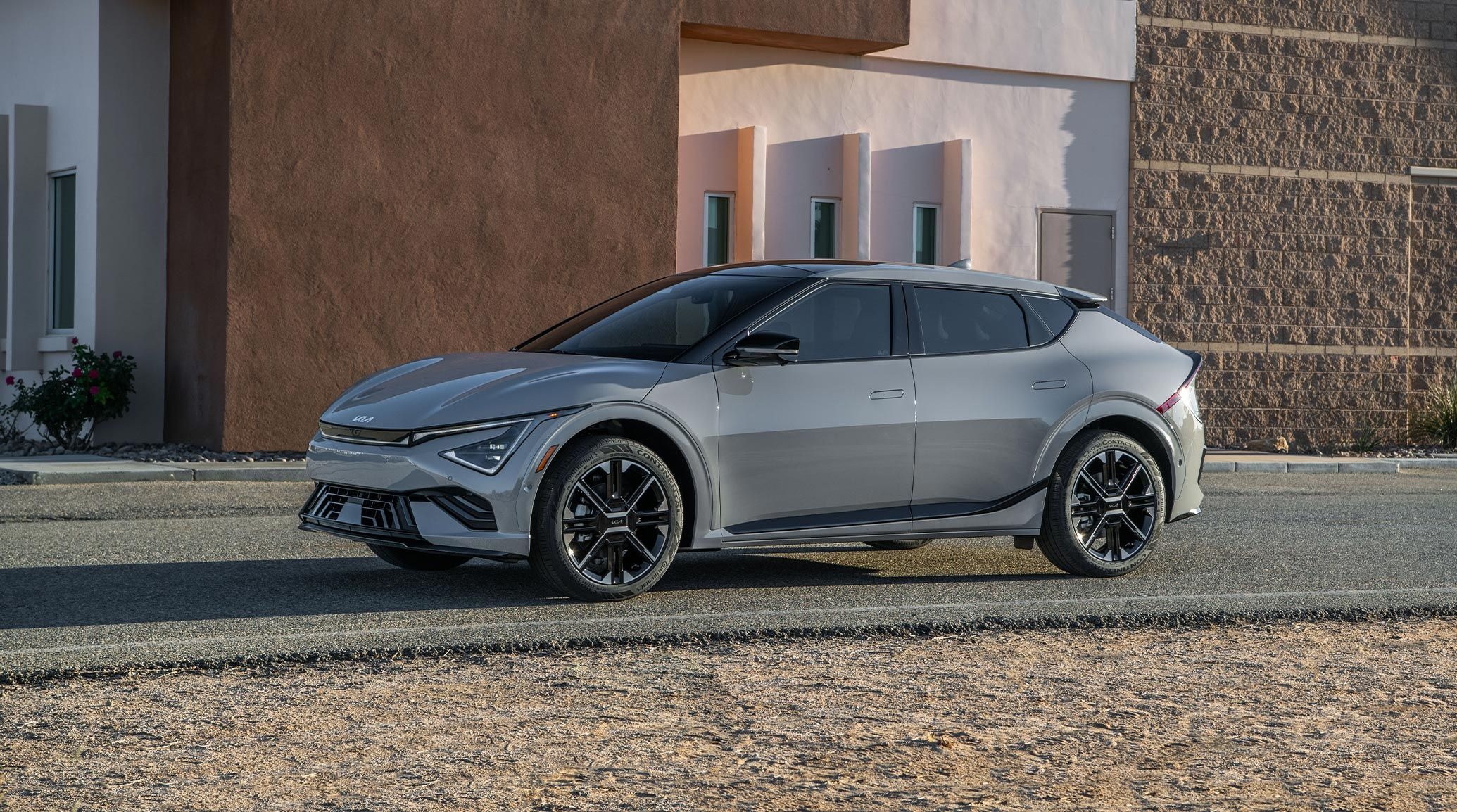
Electric vehicles have been around long enough now that we’re beginning to see which models are aging gracefully and which ones are losing their shine too quickly. As early EVs entered the market, there were reasonable doubts surrounding longevity, reliability, and the long-term cost of ownership.
Concerns about battery degradation, charging infrastructure, and resale value dominated discussions. But now, with more data from used markets and firsthand owner experiences, some vehicles are showing a level of resilience and reliability that few expected, especially given how quickly technology changes in the EV space.
These aren’t always the flashiest or most expensive models. In many cases, it’s the thoughtful engineering, conservative design choices, and even simplicity that contribute to their solid long-term performance. While some vehicles have lost significant value or suffer from reliability issues as they age, others are holding up better than many internal combustion cars of the same age.
This is particularly impressive in a segment known for rapid innovation, where a model from three years ago can already feel outdated.
Some EVs on this list are doing well in terms of resale value, which is often a good indicator of their desirability and mechanical integrity. Others are praised for having batteries that degrade more slowly than expected, or for being built with fewer mechanical failures than their gas-powered counterparts.
A few models have also proven to be relatively easy and inexpensive to maintain, especially as owners get more familiar with the quirks of EV technology.
This article covers ten electric vehicles that are performing better over time than many expected. Whether due to better-than-expected battery health, consistent reliability, sustained resale value, or surprising owner satisfaction, these cars are proving that electric mobility can also mean long-term stability.
This is good news for buyers who may be sitting on the fence, wondering whether it’s worth investing in an EV today. The following vehicles offer examples of how thoughtful engineering and real-world performance are changing expectations for electric cars.
Also Read: 12 2025 SUVs That Are Expected to Last 300K Miles
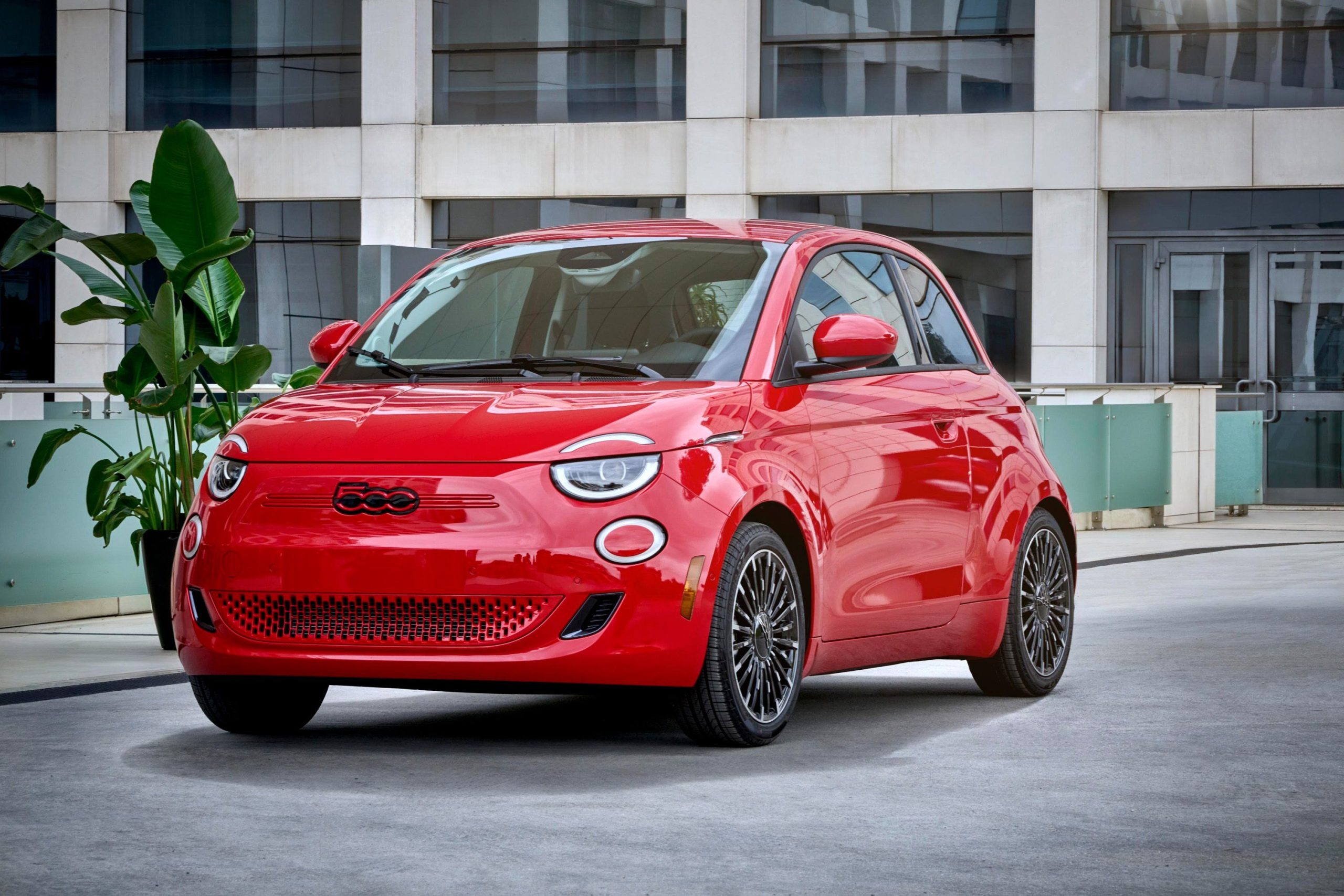
1. FIAT 500e
The original FIAT 500e was never meant to be a widespread electric hit. It was essentially created to comply with California’s zero-emission vehicle mandates, often referred to as a “compliance car.” But over time, the 500e has quietly built a reputation as a surprisingly durable and fun-to-own city EV.
Despite its limited range by today’s standards, this small hatchback still holds value in urban areas due to its nimble driving experience, easy maintenance, and retro charm. The car’s simple mechanical design contributes to fewer points of failure, which is always a plus in the used EV market.
One reason the 500e continues to attract attention on used car lots is its low cost of ownership. While its original MSRP was relatively high compared to gas-powered subcompacts, depreciation has brought it into an affordable range for budget-conscious buyers.
Parts availability is still decent, and many of the core components, including the electric motor and battery management system, have proven robust over time. In areas where charging infrastructure is already mature, such as parts of California and New York, it’s become a solid pick for local commuting.
Another important factor that helps the 500e remain relevant is its quirky design. People who want something different often find the FIAT appealing simply because it doesn’t look like every other EV on the road. The car stands out without trying too hard.
That might not seem like a major selling point, but emotional connection plays a bigger role in car ownership than many people realize. For something as utilitarian as a small city car, the 500e manages to be emotionally satisfying in a way few compliance cars ever were.
Battery longevity, while not cutting-edge, has been acceptable for its time. Most owners report range degradation in line with expectations, and many have passed 80,000 miles with minimal loss in usability. Given how harsh early critics were on this model, the fact that it’s still considered viable for everyday use is a strong mark in its favor. For a car that was never meant to be a long-term player, the FIAT 500e continues to surprise.
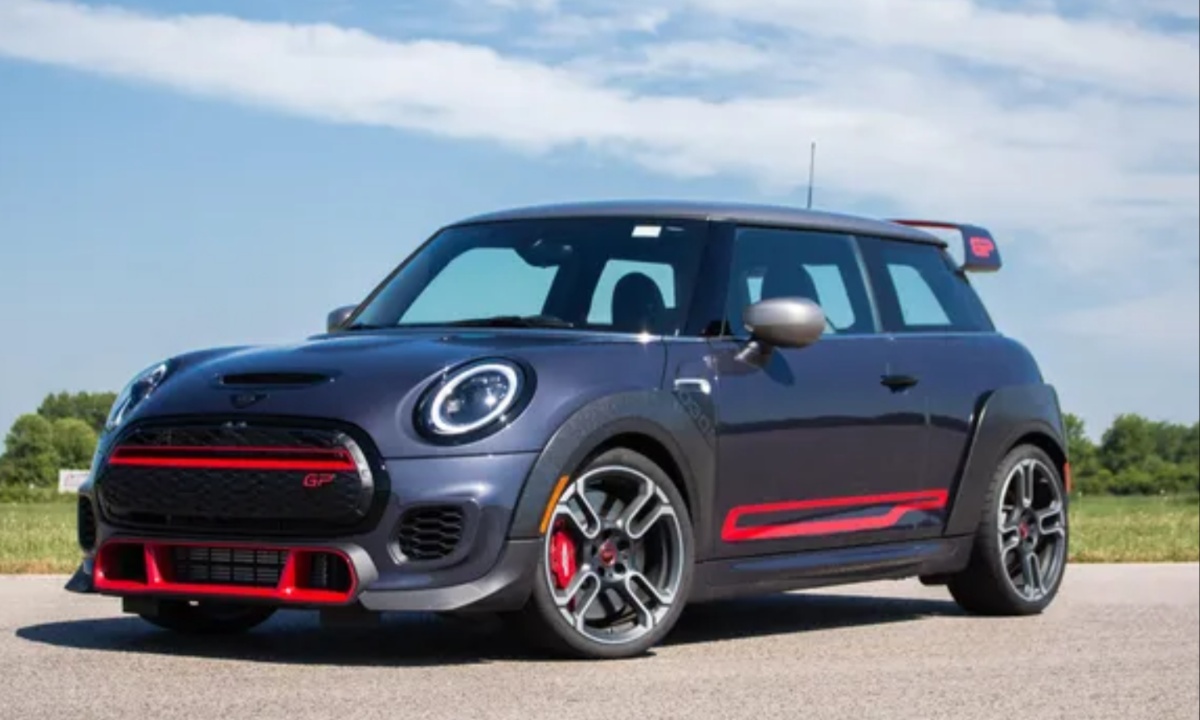
2. MINI Hardtop 2 Door (Electric)
The MINI Cooper Electric, often referred to as the MINI SE, has found an unlikely place in the EV industry. While it’s not the most advanced electric car on the market, it has built a loyal following due to its consistent driving dynamics and robust build quality.
Despite its relatively short electric range, it has become a popular option among city dwellers and those who value a fun driving experience above all else. The car inherits the classic MINI steering and road feel, making it one of the more entertaining EVs to drive under $40,000.
What’s striking about the MINI SE is how well the interior and mechanical components have held up, even with regular use. Unlike some lower-cost EVs that show wear quickly in seat fabrics or plastic trim, the MINI maintains its premium feel longer than expected.
Part of this can be attributed to BMW’s influence on MINI, bringing higher standards for materials and assembly. Owners often report minimal issues even after several years and tens of thousands of miles. This level of durability isn’t something often discussed in EV circles, but it’s a strong selling point for long-term value.
From a software and technology perspective, the MINI SE has been a steady performer. It doesn’t feature the largest screen or the most cutting-edge driver aids, but what it does have works consistently.
Over-the-air updates have helped keep the system functional and relevant without making older models feel outdated. This stability is key when comparing older EVs, where rapid software changes can leave some models feeling years behind newer versions.
Battery health has also been better than expected. MINI opted for a relatively small battery pack, but one that is well-managed and cooled. This reduces stress on the cells, leading to better longevity. For drivers who don’t need long-range but want a vehicle that won’t turn into a high-maintenance project over time, the MINI SE has proven itself to be more than just a niche car.
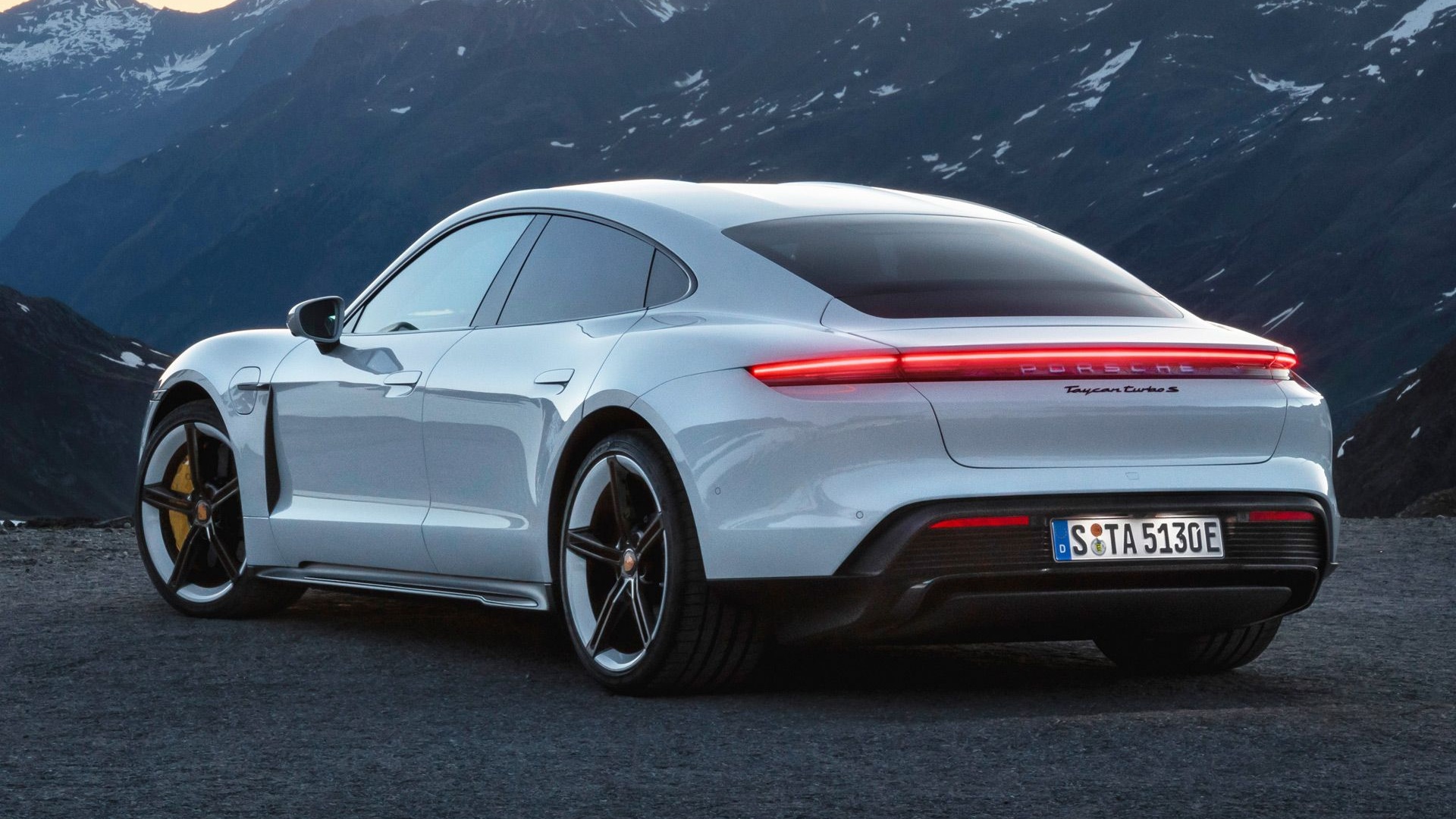
3. Porsche Taycan
The Porsche Taycan entered the EV scene with high expectations, and surprisingly, it has met many of them in terms of long-term durability and user satisfaction. Despite being one of the more complex EVs mechanically and electronically, it has proven to be a reliable machine.
Build quality is top-notch, which is expected from Porsche, but what’s impressive is how well all the high-performance components age together. Even the earliest Taycans are still holding strong in performance tests, and some owners report minimal degradation despite aggressive driving.
One of the major concerns for high-performance EVs is thermal management. With the Taycan, Porsche took no chances. The car features a sophisticated battery cooling system that maintains optimal temperature even under heavy use, such as track driving or high-speed highway runs.
This directly contributes to the battery’s long life and consistent performance. Even under repeated fast charging, the system helps prevent degradation, which is a known risk in other EVs with less effective cooling systems.
Interior quality also contributes to the Taycan’s strong standing. While many luxury EVs cut corners to offset battery costs, Porsche stayed true to its brand. The materials inside the cabin are durable, upscale, and built to last.
Seats retain their shape and comfort over time, buttons and screens still function reliably, and there’s a general sense that the car can handle many years of use without falling apart. This has helped maintain the car’s resale value, which remains surprisingly high even for earlier models.
Mechanically, the Taycan has fewer failures than expected for such a tech-heavy car. Software bugs have occurred but are infrequent and often resolved quickly through dealer support or updates.
The car’s regenerative braking, dual-speed transmission on the rear axle, and all-wheel-drive system have all aged better than anticipated. For a performance EV that was pushing limits from the start, the Taycan has earned its reputation for being far more than just a showpiece.
4. Volkswagen ID.Buzz
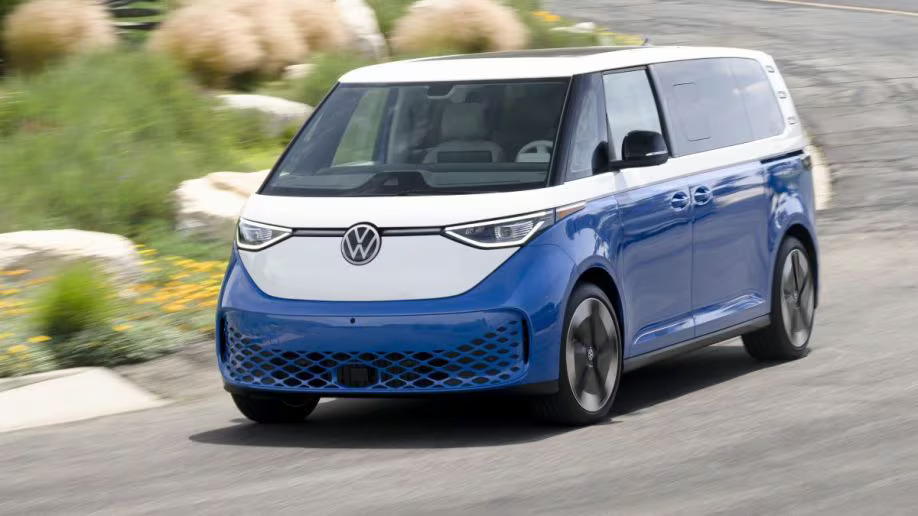
The Volkswagen ID.Buzz brings with it a lot of nostalgia, but it’s also proving to be more than just a modern-day tribute to the Microbus. Despite being relatively new, early signs point to this model holding up extremely well both mechanically and in owner satisfaction.
Volkswagen learned from some of the mistakes made with earlier ID.3 and ID.4 releases and applied those lessons to the Buzz. Build quality feels more refined, and many of the previous software glitches have been ironed out in this new platform.
What makes the ID.Buzz stands out is its versatility. It’s not just an EV that looks interesting, it serves many functions. As a family hauler, urban cargo vehicle, or weekend adventure mobile, it covers a lot of ground.
Owners have reported that the materials used inside are more rugged and family-friendly than those in some sedans or smaller EVs. Seat fabrics, cargo space layouts, and even small design features like sliding doors and modular seating arrangements are built to withstand regular use without showing early signs of wear.
Battery efficiency and real-world range have also been strong points. Volkswagen seems to have tuned the Buzz for consistency rather than just theoretical maximums. Even under load or in colder conditions, the vehicle delivers a predictable range.
This builds trust in the platform, something that goes a long way in markets that may still be warming up to EV adoption. Longevity in this context is more than just whether the car runs; it’s whether it continues to be usable and practical after thousands of miles, and the Buzz checks those boxes.
Software, often a weak point for Volkswagen’s EV efforts, is more stable in the Buzz. Updates are smoother, integration with mobile apps has improved, and the infotainment system no longer feels like an afterthought.
These improvements have helped reduce owner complaints, and long-term users have found the system reliable. Combined with practical design and strong initial build quality, the ID.Buzz is shaping up to be one of Volkswagen’s most durable EV releases.
5. Polestar 3
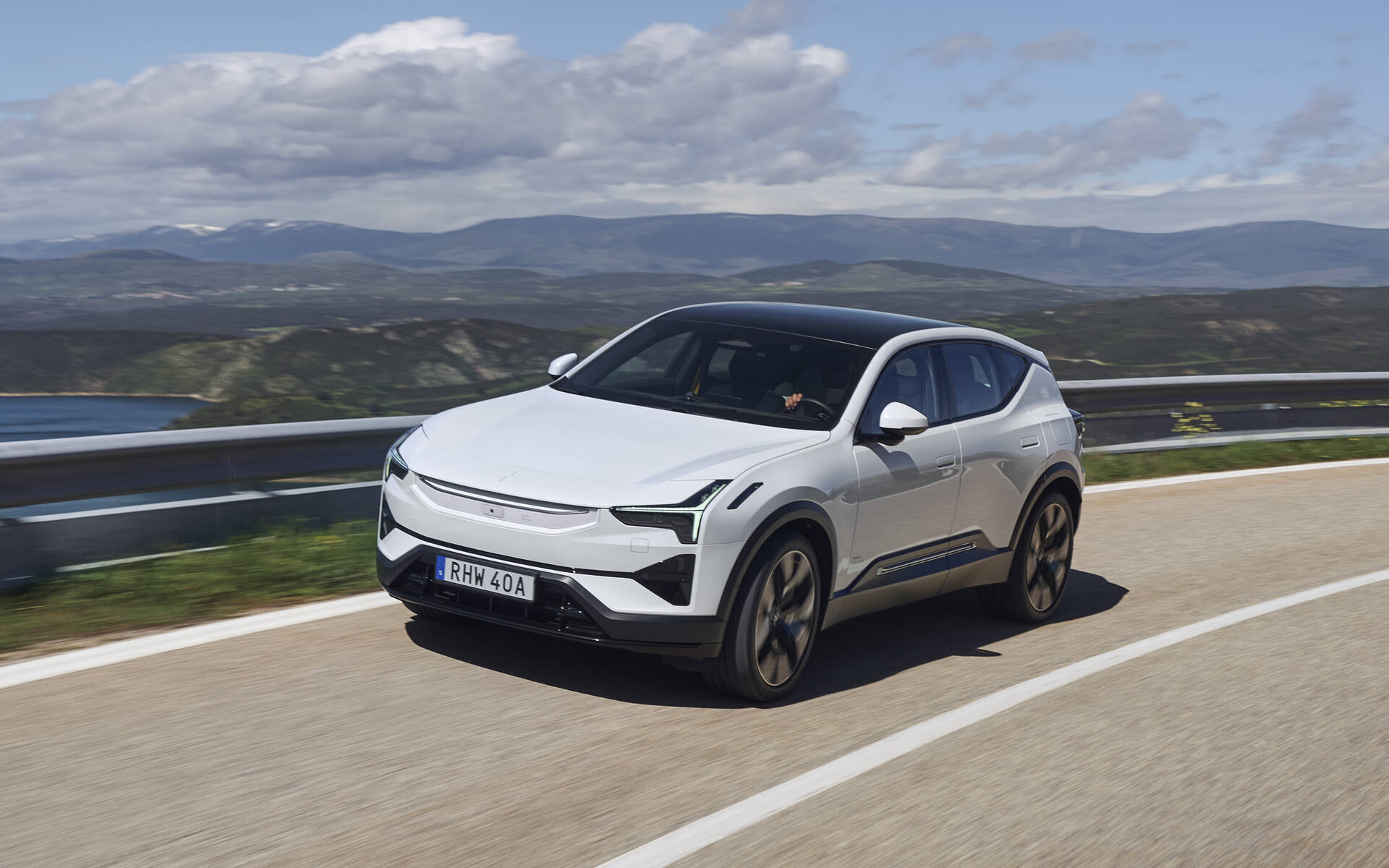
The Polestar 3 marks a turning point for the brand, moving beyond Volvo’s shadow into a more autonomous identity. Despite being relatively new, early models are showing signs of solid long-term engineering. One of the main factors contributing to its promising durability is its foundation.
Built on Volvo’s SPA2 platform, the Polestar 3 shares structural characteristics with high-end vehicles known for their safety and strength. This gives it a well-earned reputation for being both solidly built and thoughtfully engineered. What stands out immediately is the vehicle’s quiet, composed ride and minimal cabin rattles even after several thousand miles, indicating strong assembly practices.
Inside, the Polestar 3 continues the brand’s minimal, Scandinavian design philosophy, but with materials that don’t just look good, they feel and wear well over time. Synthetic leathers and eco-friendly weaves have proven surprisingly resilient to wear, resisting stains and cracking better than many traditional luxury interiors.
Buttons, knobs, and screen interfaces feel tightly assembled, and there’s little in the way of loose trim or wear spots even on heavily used press or demo models. For a relatively new entry in the luxury EV space, this attention to lasting quality is crucial, and early signs show Polestar is doing the right things.
Battery performance is another bright spot. With a large battery pack and a strong thermal management system, early reports show low rates of capacity degradation. The cooling system, combined with software controls that limit overcharging and deep discharging, helps maintain battery health.
Owners using the car in varying climates have noted that range loss remains minimal even during winter or summer extremes. Charging cycles are efficient, and the vehicle handles repeated DC fast charging without long-term penalties. These are key factors when evaluating whether an EV will continue to be usable in five or ten years.
The software experience also plays a role in the Polestar 3’s strong early reception. Unlike many newcomers who struggle with user interface consistency, Polestar leverages Google’s native interface, which continues to receive useful updates.
The system feels integrated and doesn’t suffer from lags or disconnects. Over-the-air updates are smooth, and the car continues to feel “modern” even as the months go by, an essential factor for maintaining long-term appeal in a fast-evolving tech industry.
Also Read: 5 SUVs That Rarely Lose AC Performance vs 5 That Constantly Fail
6. Tesla Model 3
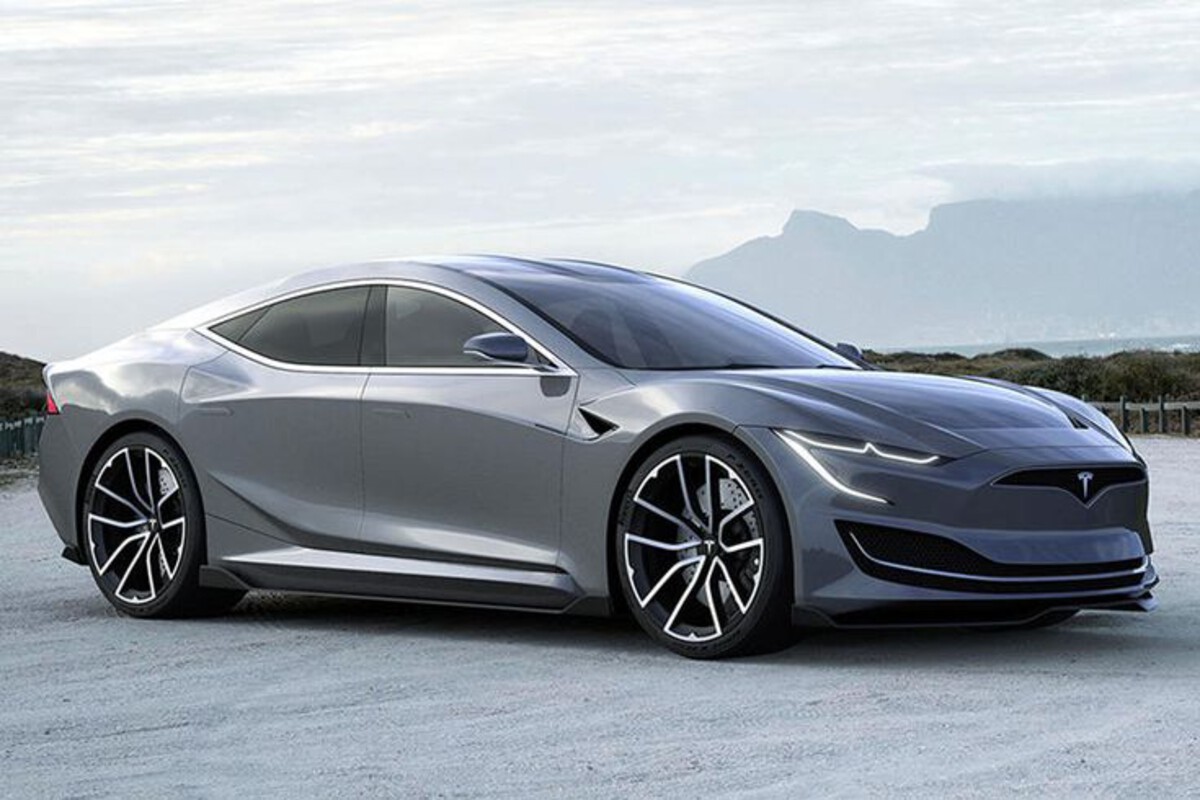
The Tesla Model 3 is a standout not just because it’s popular, but because it’s proven surprisingly resilient over time, even under heavy daily use. As one of the most mass-produced electric cars globally, the Model 3 has had a wide range of use cases across different climates, driving styles, and owner habits.
The data from thousands of long-term owners shows that the car’s drivetrain and battery pack hold up very well. Tesla’s battery packs, particularly the later versions with improved chemistry and better thermal control, show minimal degradation even after 100,000 miles or more. It’s not uncommon to see early Model 3s still delivering over 90% of their original range after several years of use.
Mechanically, the Model 3’s simplicity works in its favor. With fewer moving parts compared to a traditional internal combustion vehicle and a single-speed transmission, fewer components wear out. Suspension components, brake pads, and tires do wear, especially on Performance models, but these are standard maintenance items.
Regenerative braking greatly reduces wear on the brake system, contributing to lower long-term maintenance costs. Even the minimalist interior, though sometimes criticized for its starkness, tends to hold up well due to the lack of moving parts, buttons, and seams that might degrade over time.
The Model 3’s software-first design also contributes to its longevity. Tesla regularly updates its vehicles with features that refresh the ownership experience. Owners often report that their vehicle feels newer over time thanks to interface updates, improved driving logic, and additional features.
This software agility means the car doesn’t “age” in the way other models might. Resale values remain strong, particularly for models with Full Self-Driving hardware or other premium options, even if the actual autonomous capabilities have yet to reach full maturity.
Build quality has improved since the Model 3’s early days, and newer versions show tighter panel gaps, better paint quality, and fewer early-life issues. Even with earlier build issues, many owners find that the core systems, power train, battery, and electronics, remain very reliable.
For those seeking an EV with a growing support network, regular software improvements, and a proven battery design, the Model 3 remains a smart long-term bet.
7. Hyundai Kona Electric
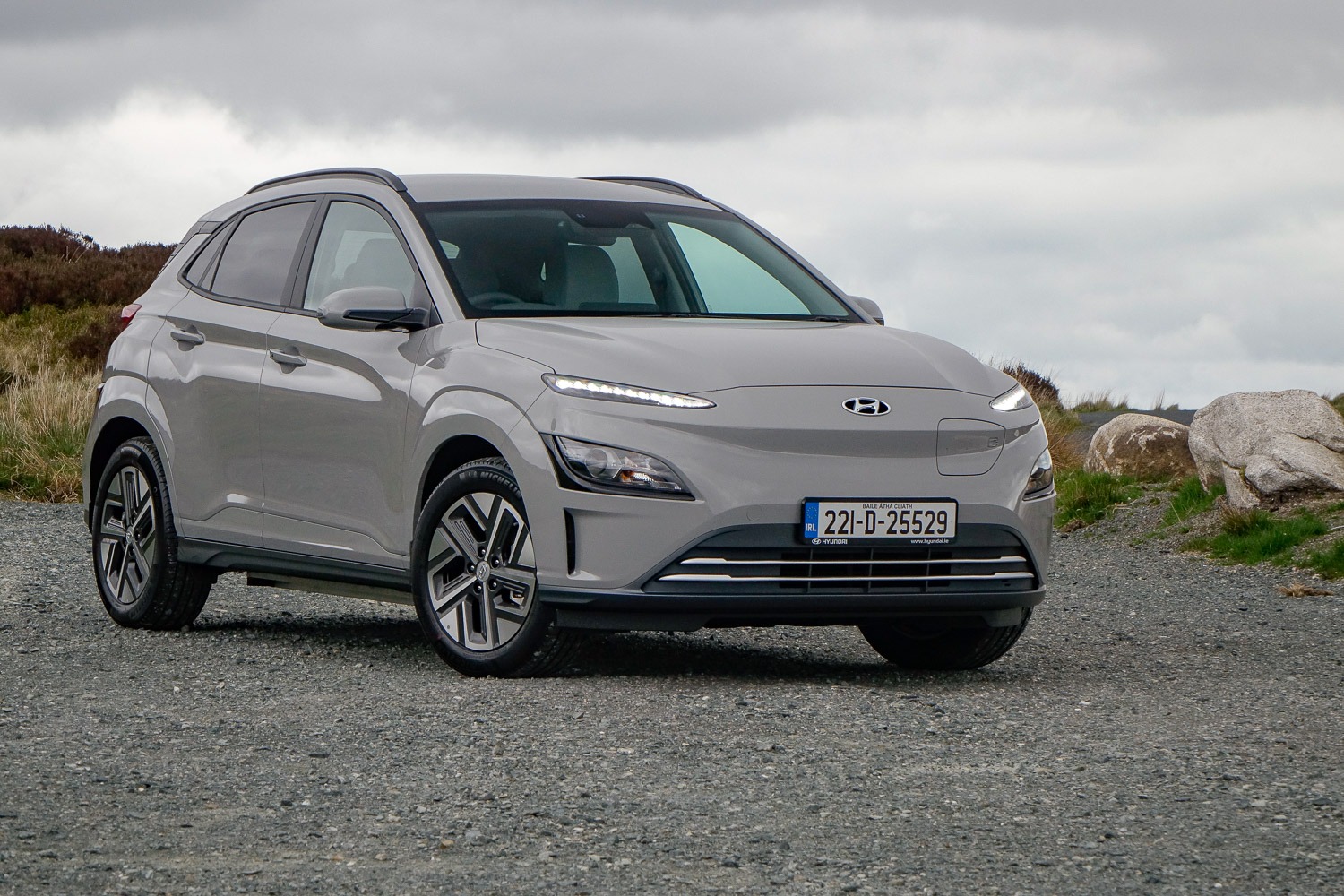
The Hyundai Kona Electric has quietly become one of the most dependable compact EVs available. While not as flashy as some competitors, it offers consistent, reliable performance that doesn’t diminish quickly with time. One of its biggest strengths is its battery pack.
Hyundai’s battery supplier and thermal management systems have earned praise for their longevity. Even under high-mileage use, many owners report less than 10% degradation after several years, and battery-related issues are rare. The car’s design does a good job of keeping cells cool, and the software gently limits charging speeds to preserve long-term health.
Interior durability is another strength. Hyundai tends to use practical materials that resist wear, even if they aren’t the most premium. Seats maintain their form well, plastic surfaces don’t scratch easily, and the infotainment system remains responsive after years of use.
Unlike some competitors who over-engineer screens and add unnecessary touchpads, Hyundai keeps things simple, and it works. As a result, the cabin doesn’t feel outdated as quickly, and drivers appreciate how intuitive the controls remain over time. These design choices may not win style awards, but they definitely support long-term usability.
Mechanical reliability is another area where the Kona Electric earns high marks. Owners have reported very few issues with motors, drive units, or auxiliary systems. Cooling pumps, HVAC components, and software systems are all relatively stable.
The regenerative braking system also performs reliably without jerky transitions, which helps reduce fatigue on both the driver and the physical braking system. The car offers a solid, no-fuss driving experience that doesn’t degrade with age, a rare trait in many budget EVs.
The Kona Electric’s resale value has been surprisingly strong in certain markets, especially where EV incentives still exist or where charging networks are well established. Its real-world range, reliability, and low cost of ownership make it an attractive used car option, which helps bolster demand.
For buyers looking for an EV that performs well year after year without significant issues or surprises, the Kona Electric stands out as a solid contender that proves value doesn’t have to come at the expense of durability.
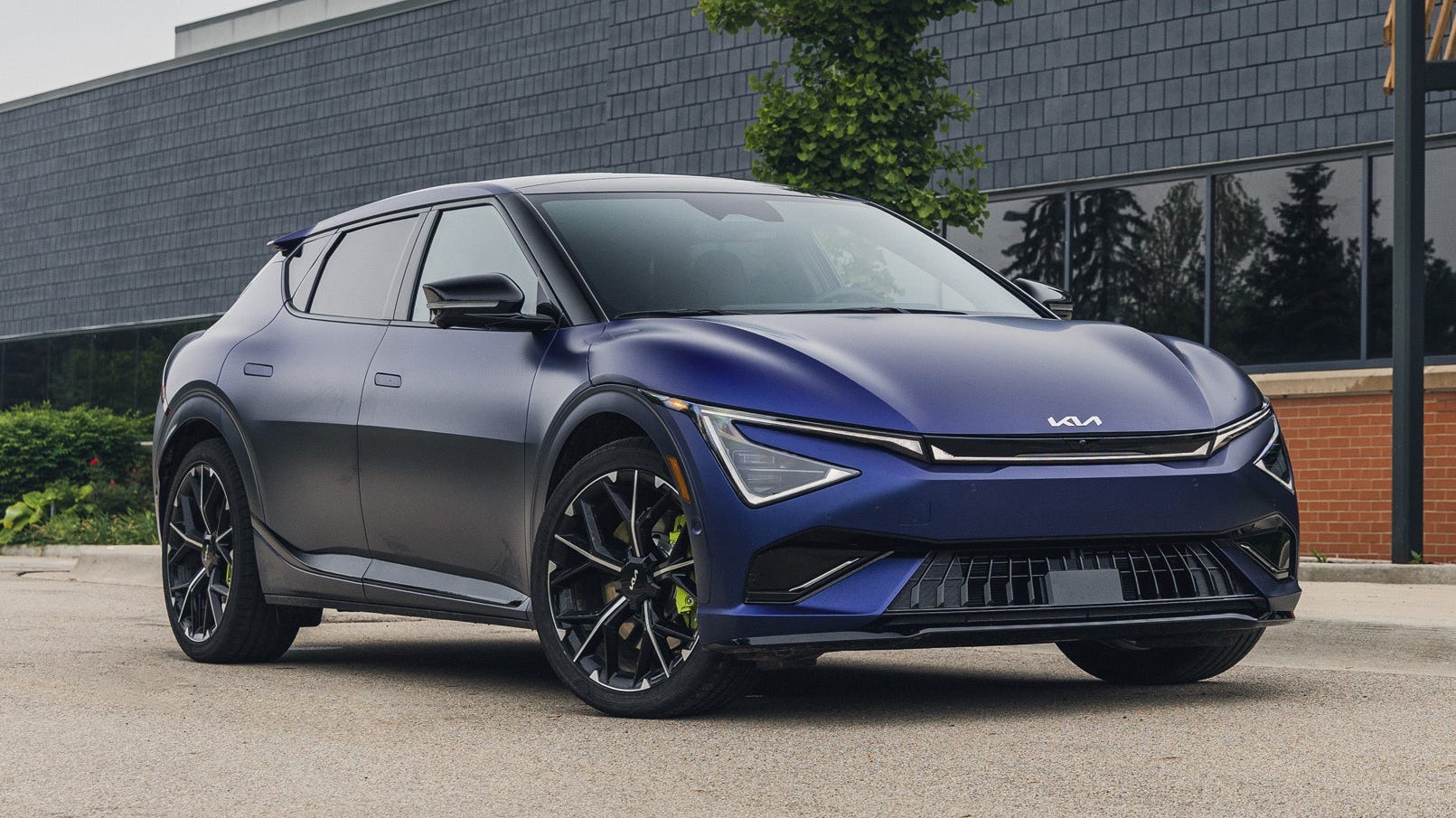
8. Kia EV6
The Kia EV6 has turned heads since its release, not just for its sleek design but for how well it performs over time. Built on Hyundai Motor Group’s E-GMP platform, the EV6 shares structural and technological strengths with the Ioniq 5 but carries a sportier character.
Early production models have shown that this is a car built to last, not just to look good in showrooms. The vehicle’s structure is stiff and well-engineered, resulting in a smooth, rattle-free ride even as miles accumulate. Cabin noise remains low, and the suspension components don’t show early signs of wear, a good indicator of durability.
Inside, the EV6 combines futuristic design with materials that resist wear and tear. The synthetic leather and high-traffic surfaces like door pulls, armrests, and console controls show minimal aging even after thousands of miles.
The touchscreen interface is modern but doesn’t overwhelm the driver with unnecessary complexity, and the digital instrument cluster remains crisp and functional. These elements all help the EV6 feel “fresh” even after extended use, which is important when considering long-term satisfaction. Kia has found a balance between cutting-edge and functional that works well over time.
From a battery standpoint, the EV6 performs admirably. With 800V charging architecture and excellent thermal management, the car not only charges quickly but does so without over-stressing the battery. This results in longer battery health and less degradation over time.
Drivers often report that range estimates remain accurate and dependable even after a year or more of ownership. While not immune to the usual limitations of lithium-ion tech, the car’s design helps minimize the real-world impact of degradation, keeping it competitive longer than many rivals.
Software is another area where the EV6 does better than expected. Kia has steadily improved its OTA (over-the-air) update system, and the infotainment software has proven to be stable and intuitive. Bugs are rare, and response time remains quick.
Navigation and integration with mobile apps also work without frequent hiccups. Combined with its strong mechanical platform, efficient drivetrain, and futuristic looks, the EV6 is shaping up to be one of the most reliable mid-size EVs available today.
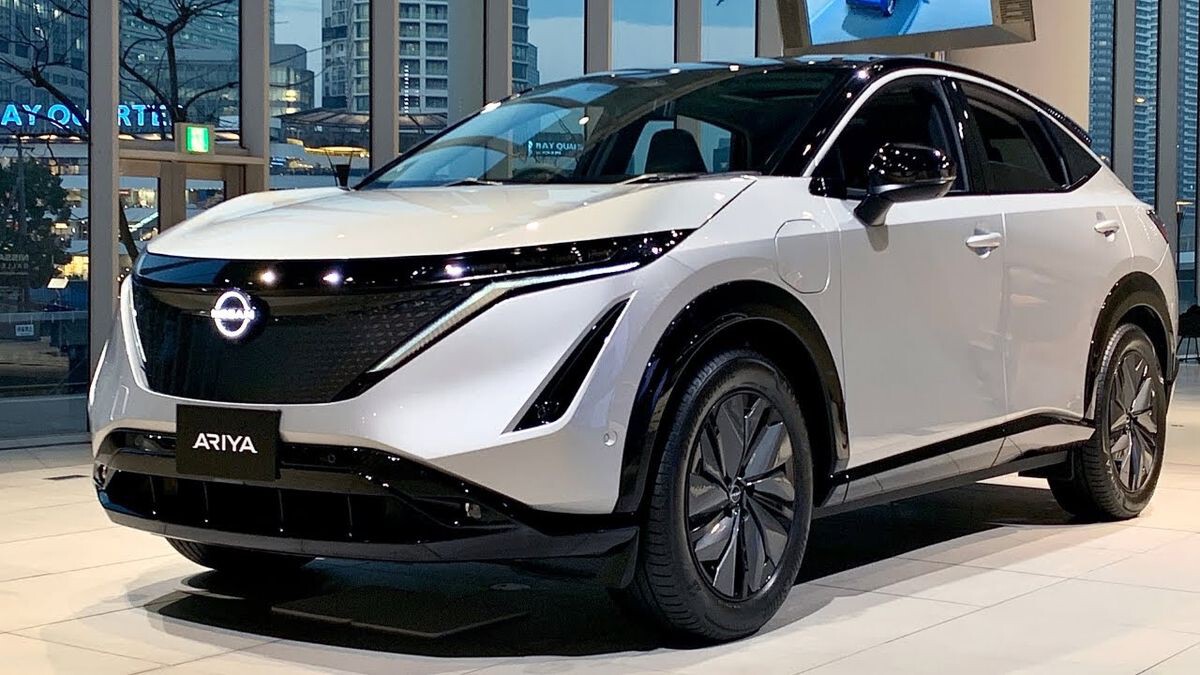
9. Nissan Ariya
The Nissan Ariya marks a significant leap forward from the Leaf, offering a more refined platform, longer range, and a more modern design. Although it’s still relatively new to the market, initial ownership feedback has been largely positive, particularly in areas of build quality and driving comfort.
Where the Leaf showed its age quickly, the Ariya presents itself as a vehicle built with longer life cycles in mind. Everything from the paint finish to panel alignment to interior feel indicates that Nissan invested more time and effort into building something that can stand up to years of use without easily showing wear.
Inside, the Ariya surprises many with its upscale interior materials and minimalist layout that doesn’t sacrifice practicality. The seating is plush and supportive, the surfaces feel soft to the touch, and the storage areas are thoughtfully designed.
Unlike the Leaf, which had a more utilitarian and sometimes awkward layout, the Ariya feels like a space designed for people who plan to keep their vehicle for a long time. The climate system, center console, and digital dash all have a quality feel, and there’s minimal sign of rattling or degradation even in early high-mileage examples. These are small touches that make a large difference in how a car ages.
Performance-wise, the Ariya is no sports car, but it provides smooth and consistent acceleration with minimal fuss. The dual-motor variants offer improved traction and power, while the front-wheel-drive models excel in efficiency. Importantly, all trims seem to be handling wear on power delivery systems well.
The regenerative braking system feels refined, and the steering maintains good feedback, which gives the impression that mechanical and electronic systems are not prematurely degrading. This balance of performance and longevity is crucial for those who want a car that still feels good to drive several years down the line.
The battery pack, built with newer thermal management technologies, is showing strong early results. Unlike the Leaf, which relied on passive air cooling, the Ariya uses liquid cooling, which allows for more consistent battery health even in extreme climates. Early owners have reported that range estimates remain accurate, and battery degradation is minimal.
This major shift in engineering signals that Nissan has learned from earlier EV models and built the Ariya to go the distance. If current trends hold, the Ariya is likely to become one of the more reliable and long-lasting electric SUVs on the market.
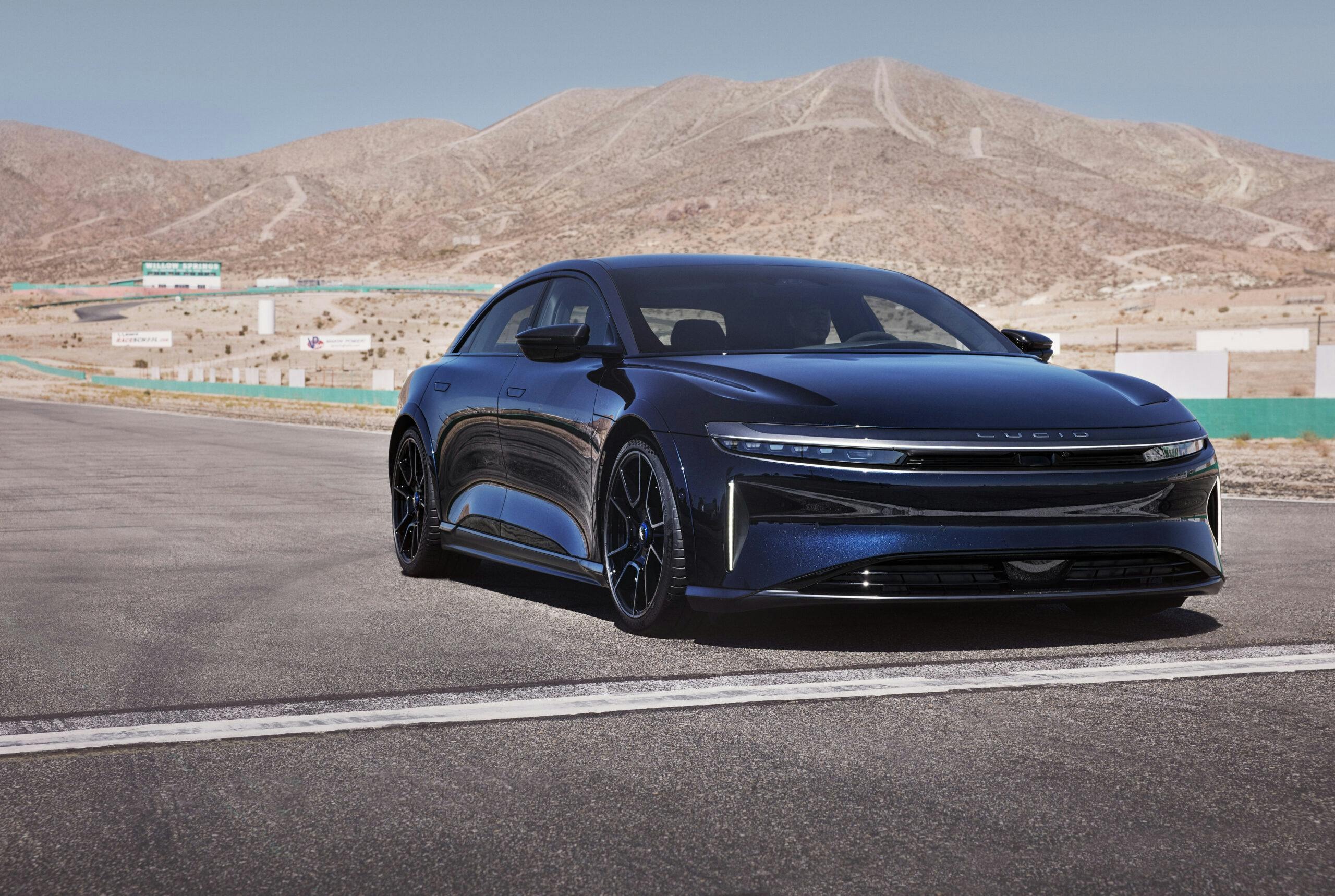
10. Lucid Air
Lucid Motors may be a newcomer, but the Lucid Air has shown that new doesn’t necessarily mean untested or unreliable. Built with precision and focused on luxury, performance, and efficiency, the Lucid Air has surprised many with how well its early models are holding up.
The build quality of the car rivals or surpasses some of the top German luxury brands, and it does so while offering one of the longest electric ranges available today. Even under regular use, early adopters are finding that the Lucid Air maintains performance consistency with little sign of early wear or failure in major systems.
Interior durability is especially important given the luxury positioning of the vehicle. Where many premium cars use delicate or easily scratched materials, Lucid chose components that both look refined and wear well. The seats retain their form and finish, dashboard materials do not warp or fade, and the control interfaces remain responsive and reliable.
Every touchpoint in the car gives the impression of quality built to last. Even the glass roof and intricate lighting features, which could easily become long-term maintenance concerns, are performing well in early ownership cycles.
On the performance front, the Lucid Air delivers extraordinary acceleration and smooth power delivery without putting undue stress on its components. The motors and drive systems use a compact, proprietary design that reduces energy loss and improves efficiency.
Despite offering up to 1,000 horsepower in some trims, there have been minimal reports of drivetrain wear or malfunction. Lucid also uses a very advanced battery cooling system that maintains thermal balance, even during repeated high-speed driving or fast-charging sessions. These measures help prevent early degradation and make the Lucid Air a surprisingly good candidate for long-term ownership, even when used aggressively.
The vehicle’s software, often a weak point in new automakers, has been improving steadily through updates. The Lucid user interface is clean, elegant, and responsive. Issues that have been reported, such as occasional lag or system resets, are being addressed rapidly.
