
Plug-in hybrids have become a bridge between gasoline engines and full electric vehicles, offering the convenience of extended range along with the fuel-saving benefits of electric power. As more drivers shift toward eco-conscious options, one of the key concerns remains long-term reliability.
A vehicle that performs well in the first few years is helpful, but longevity is where real value lies, especially once odometers pass the 100,000-mile mark. This milestone separates dependable plug-in hybrids from those that start showing signs of expensive repairs, electrical faults, or battery degradation.
Car buyers are often skeptical about how long the advanced components in plug-in hybrids will last. These vehicles combine two power sources: a traditional internal combustion engine and a high-voltage battery system paired with electric motors.
That means more parts, more electronics, and more complexity compared to conventional gasoline vehicles. Yet, a handful of models have proven themselves as workhorses, maintaining performance, efficiency, and dependability even after years of regular use and high mileage. These models not only have solid track records but also benefit from manufacturers that invested heavily in battery durability, software stability, and hybrid system integrity.
Long-term ownership brings a few specific challenges for plug-in hybrid owners. The battery is the most obvious concern, but other components like the transmission system, regenerative braking system, and electric drive units also face considerable wear.
Then there’s the everyday question of how these cars hold up under routine stress, traffic, temperature changes, or simply the passage of time. The vehicles on this list have been known to handle those challenges without frequent breakdowns, and many owners report minimal issues well beyond the 100K threshold.
Whether you’re considering a used plug-in hybrid or simply planning to keep your current one for the long haul, these ten models stand out for good reasons. Their solid construction, efficient powertrains, and intelligent hybrid systems make them excellent candidates for long-term use, with fewer maintenance surprises and better resale value down the line.
Also Read: 5 SUVs That Rarely Lose AC Performance vs 5 That Constantly Fail
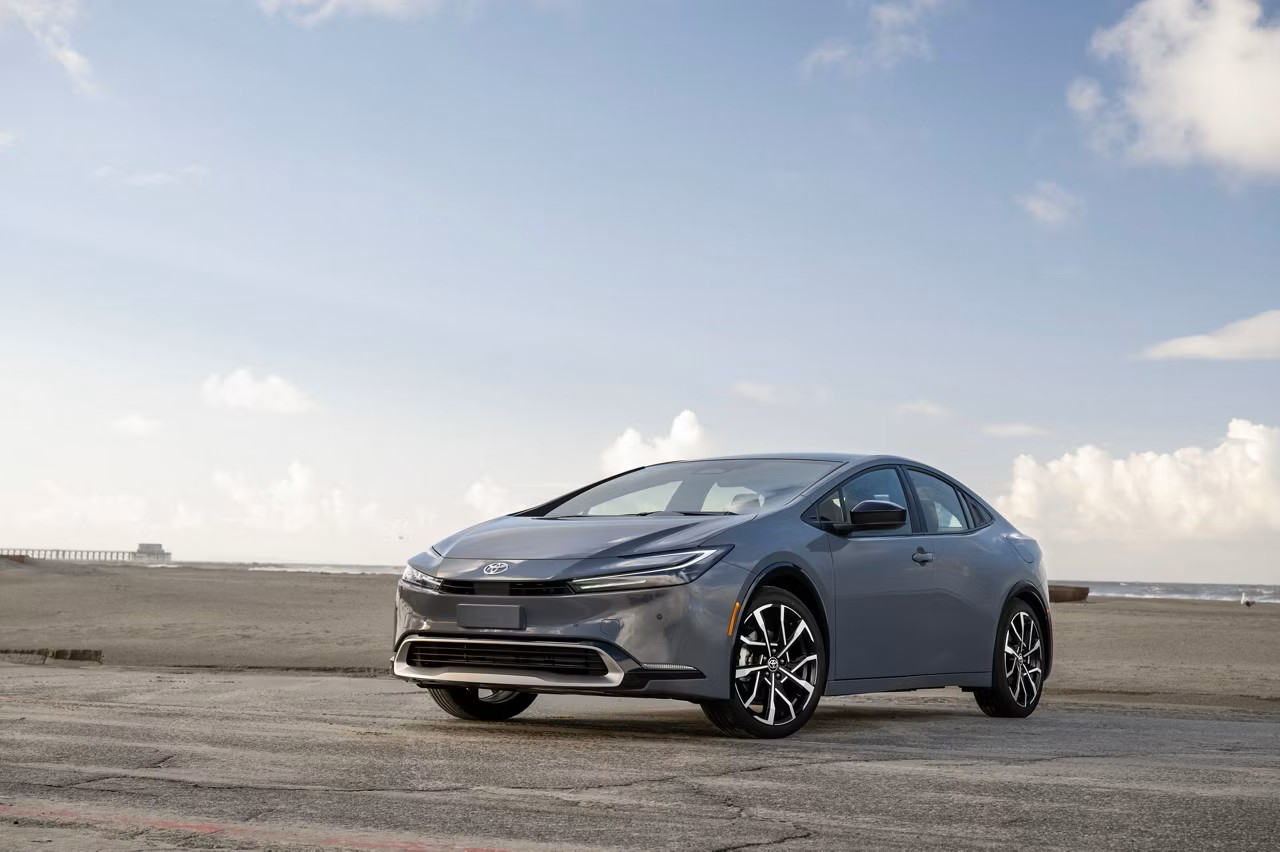
1. Toyota Prius Prime
The Toyota Prius Prime continues the legacy of Toyota’s long-standing hybrid dominance. Built with the same reliability principles as the original Prius, the Prime adds plug-in capability that provides up to 25 miles of electric-only range.
That may seem modest compared to newer models, but it’s the engineering underneath that keeps this car ticking long after others begin to show signs of age. The Prius Prime benefits from Toyota’s conservative tuning philosophy, where performance is balanced in favor of durability rather than pushing limits.
Owners of high-mileage Prius Primes consistently report minimal degradation in battery performance. This is partly because the car never uses 100% of its battery capacity, keeping stress levels low. Cooling systems, inverter performance, and electric drive units are all engineered with reliability in mind. Toyota’s hybrid synergy drive is one of the most tested systems in automotive history, and the plug-in addition doesn’t introduce unnecessary complexity. It simply builds on what already works.
Beyond the powertrain, the interior materials, electronics, and software systems hold up well. There’s no excess flash or unnecessary digital gimmicks that might age poorly or require constant updates. The car’s simplicity works in its favor, especially as it gets older.
Toyota also tends to offer long warranties on hybrid components, providing added peace of mind for used buyers or long-term owners who plan to keep the car well beyond the 100,000-mile mark.
One potential downside is the relatively low electric-only range, which might make the plug-in aspect feel underwhelming to some. However, this has the upside of less stress on the battery and fewer thermal issues over time. The gasoline engine itself is a proven Atkinson-cycle unit that rarely causes problems even with minimal maintenance. If you’re looking for predictable reliability in a plug-in hybrid, the Prius Prime sets a very high standard.
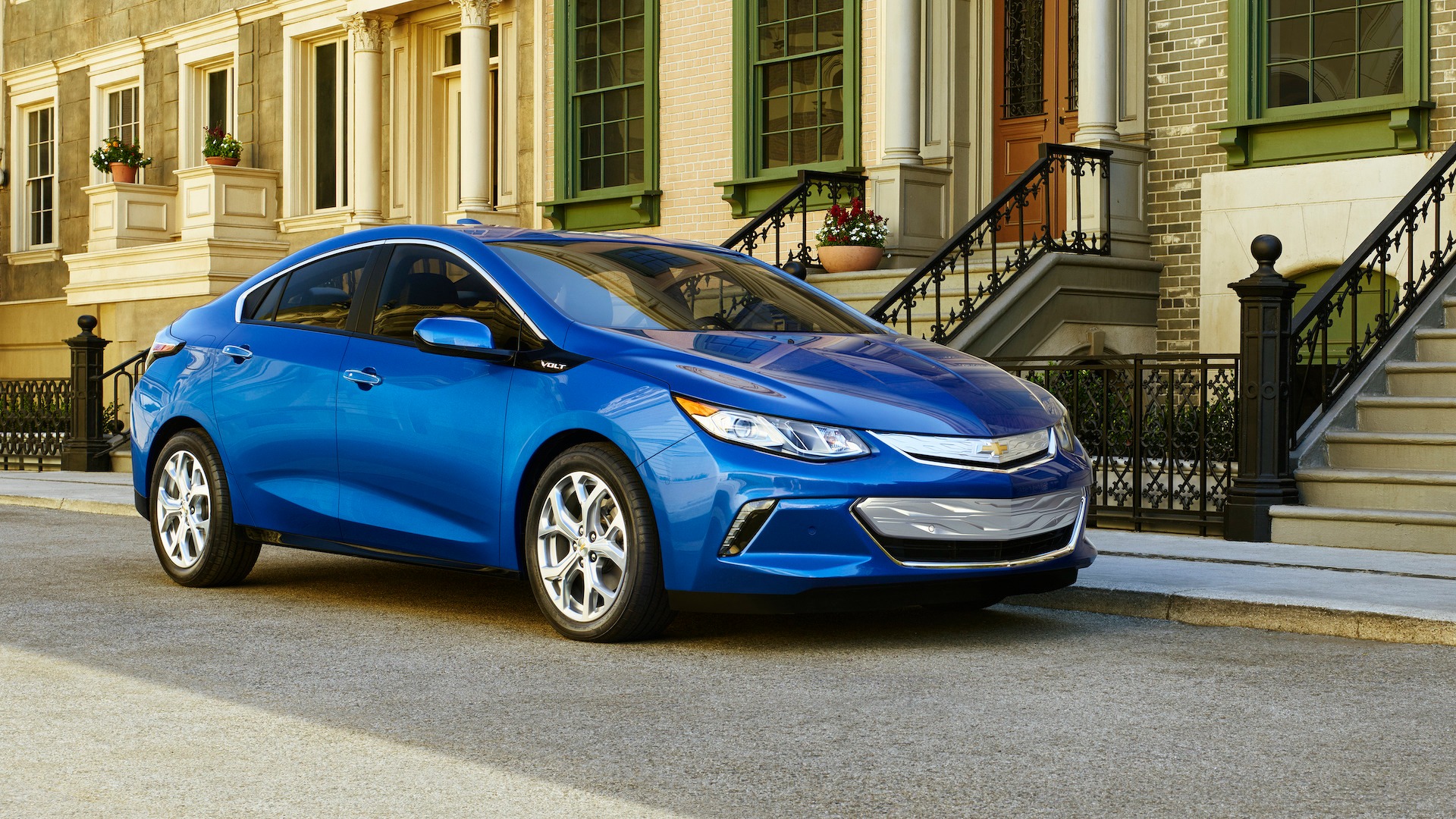
2. Chevrolet Volt (Second Generation)
The second-generation Chevrolet Volt, produced from 2016 through 2019, is often hailed as one of the most refined and durable plug-in hybrids available. It features an electric range of about 53 miles, which was class-leading at its time, and it’s paired with a small gasoline engine that acts as a generator rather than a traditional propulsion source. This unique setup reduces mechanical wear and keeps the combustion engine running at optimal efficiency when needed.
Many Volt owners report surpassing 150,000 miles with minimal issues, especially when regular maintenance is followed. The battery pack in the Volt uses a liquid cooling system that helps regulate temperature under stress, which is key to its long-term health.
Additionally, the car’s software is designed to prevent overcharging or deep discharging, both of which can contribute to battery degradation. Because of these protections, battery replacements in high-mileage Volts are relatively rare.
The regenerative braking system, electric motor, and power electronics are also built with longevity in mind. Compared to other vehicles with similar complexity, the Volt experiences fewer system errors or warning lights as it ages.
Cabin electronics, although a bit dated by modern standards, tend to remain functional. The infotainment system and digital displays often outlast those in more luxury-oriented plug-in models, which can suffer from software bloat or obsolescence.
One of the reasons the Volt remains a strong choice for high-mileage reliability is the balance between electric and gas modes. The car can run fully electric for many daily commutes, minimizing engine use. When longer trips are necessary, the gasoline generator kicks in smoothly, allowing continued driving without putting unusual strain on the drivetrain. This balance keeps wear evenly distributed across components, resulting in a vehicle that rarely lets its owner down, even beyond the 100K mark.
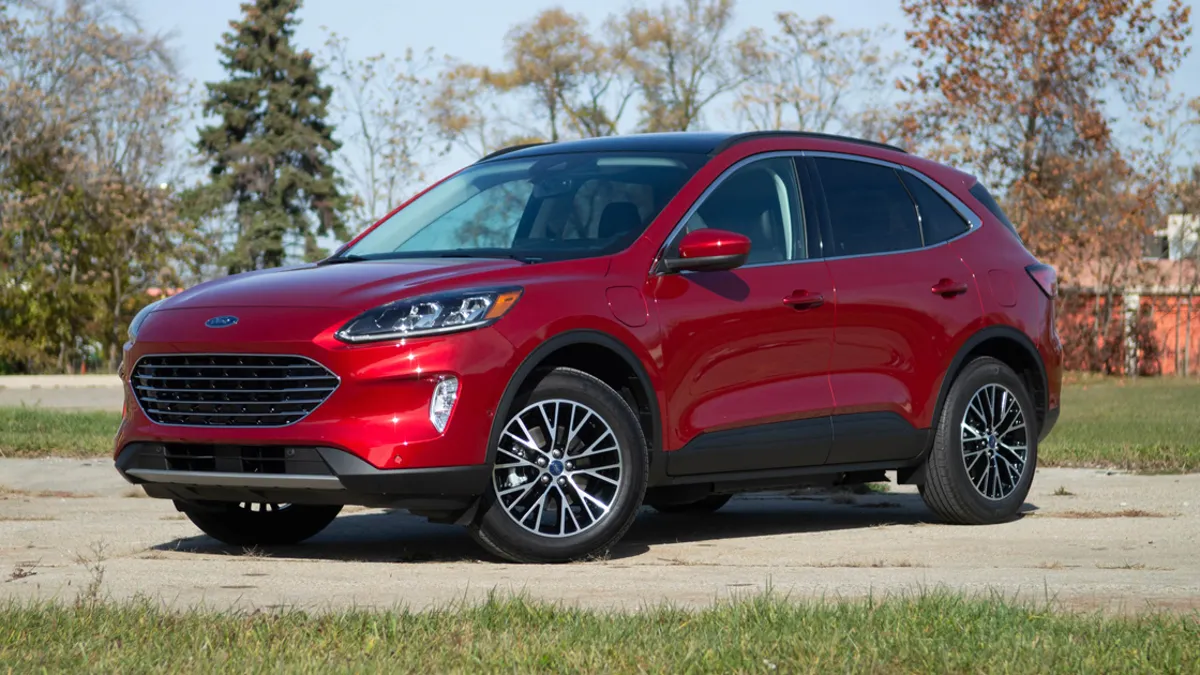
3. Ford Escape Plug-In Hybrid
The Ford Escape Plug-In Hybrid has become one of the better compact SUV choices for drivers looking to transition to electrified driving without giving up practicality. The powertrain includes a 2.5-liter Atkinson-cycle four-cylinder engine combined with an electric motor and a 14.4 kWh battery pack. This setup offers about 37 miles of electric range and smooth transitions between electric and gas power, all while maintaining respectable fuel efficiency.
Reliability past 100,000 miles is largely a result of Ford’s mature hybrid technology, which has been refined over two decades. The Escape Plug-In uses many components shared with the non-plug-in hybrid variant, and that commonality works to its advantage.
Fewer specialized parts mean fewer chances for something to go wrong. The eCVT transmission, for instance, is a design carried over from Ford’s long-running hybrid program and has proven dependable over time.
Battery longevity is another strength. The Escape’s battery management system carefully monitors temperature, charging cycles, and usage patterns to keep the battery performing consistently. It uses a liquid-cooled system to prevent overheating during the summer months or under high-load conditions. Even after several years and many charging cycles, most owners find that their EV range drops only slightly, which is a sign of good battery health.
Interior wear and tear is modest, even at higher mileage. Seats, trim, and electronics are built to withstand daily use without major deterioration. Ford’s infotainment system may not be the flashiest, but it’s stable and responsive, and unlike systems in some rivals, it doesn’t become unusable over time. For drivers who want SUV utility, reasonable EV range, and a drivetrain they can trust beyond the 100K mark, the Escape Plug-In Hybrid makes a solid case.
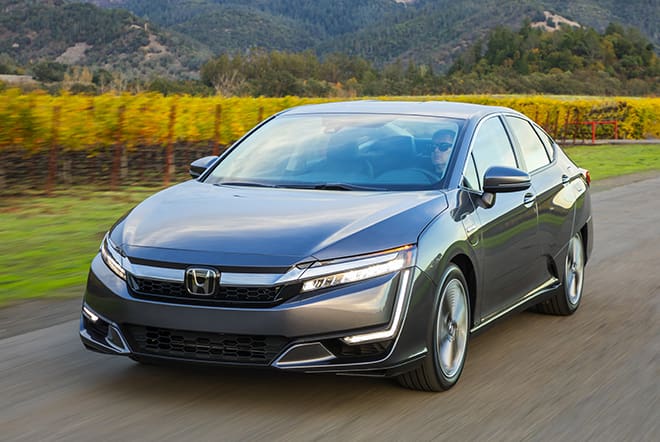
4. Honda Clarity Plug-In Hybrid
The Honda Clarity Plug-In Hybrid offers an impressive combination of electric driving capability and comfortable midsize sedan styling. With an electric-only range of approximately 47 miles, it provides an excellent opportunity for drivers to complete most daily trips without using any gasoline.
Its 1.5-liter Atkinson-cycle engine complements the electric powertrain, enabling a seamless transition between electric and hybrid driving modes. Honda’s reputation for engineering precision and durability extends into the Clarity’s hybrid system, which is a significant reason why many owners find the vehicle dependable well past 100,000 miles.
One of the major factors contributing to the Clarity’s long-term reliability is the company’s cautious approach to battery design and thermal management. The lithium-ion battery pack is liquid-cooled, reducing the risk of overheating during high-temperature conditions, which can accelerate degradation.
Furthermore, Honda’s battery management system is designed to maintain charge levels within a safe range, avoiding the deep discharges or full charges that cause stress in other batteries. This careful balancing act contributes to a slower capacity loss over time, ensuring drivers retain a significant portion of their electric range even after several years.
In addition to the battery, the electric motor and power electronics in the Clarity demonstrate robust durability. The transition between electric and gasoline power is nearly imperceptible and is managed by a reliable control system designed to minimize wear on both components.
Unlike some early plug-in hybrids where software glitches or hardware faults become common after high mileage, the Clarity tends to maintain consistent performance without frequent error codes or warning lights. This reliability reduces the need for costly repairs and contributes to a more confident ownership experience.
Inside the cabin, Honda has taken a pragmatic approach by focusing on quality materials and solid construction rather than flashy tech that ages quickly. The Clarity’s infotainment system, although not the newest, is responsive and less prone to software bugs compared to rivals.
The build quality helps keep the vehicle feeling fresh and functional even as the miles pile on. Owners report that routine maintenance costs are reasonable, and major component failures are rare, making the Honda Clarity Plug-In Hybrid a dependable choice for drivers who want long-lasting performance with an emphasis on electric driving.
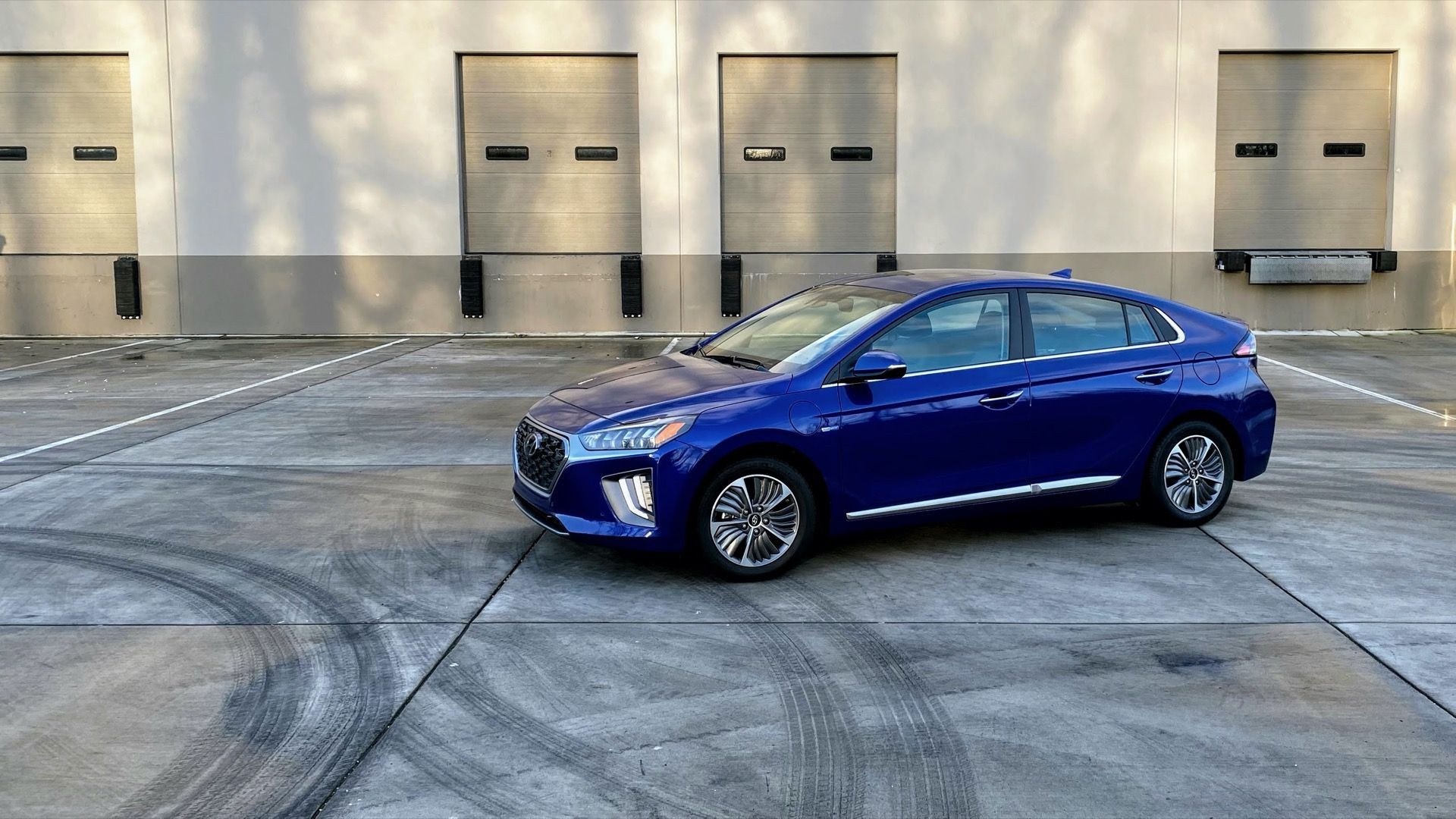
5. Hyundai Ioniq Plug-In Hybrid
The Hyundai Ioniq Plug-In Hybrid stands out as a compact hatchback with an efficient and reliable powertrain. Offering about 29 miles of electric range, the Ioniq Plug-In balances fuel economy with practicality, making it an appealing option for city commuters and small families alike.
Hyundai’s extensive investment in hybrid technology is evident in the Ioniq’s seamless blend of electric and gasoline power, which reduces engine wear and improves vehicle longevity. This focus on durability is why many Ioniq owners have successfully passed the 100,000-mile threshold without major issues.
A critical factor in the Ioniq’s reliability is the battery system, which uses a lithium-ion polymer pack cooled through a liquid system. This helps maintain optimal battery temperatures and reduces degradation caused by heat. Hyundai’s battery management software also plays a key role in extending battery life by managing charge cycles carefully.
Drivers typically notice minimal loss in electric-only range even after extended use, highlighting the strength of Hyundai’s engineering in this area. This battery resilience makes the Ioniq Plug-In Hybrid a particularly attractive choice for those concerned about longevity.
Beyond the battery, the hybrid system incorporates an efficient 1.6-liter gasoline engine paired with an electric motor that shares workload intelligently. The car employs a six-speed dual-clutch transmission, which differs from many competitors using continuously variable transmissions, providing a smoother and more durable driving experience.
Owners have praised the Ioniq’s mechanical reliability, noting that routine maintenance intervals are manageable and parts are generally affordable. The blend of solid drivetrain components and a well-engineered hybrid system ensures that the Ioniq Plug-In remains reliable even after many years on the road.
The interior and technology of the Ioniq are practical and user-friendly. Hyundai’s infotainment system is updated regularly and has fewer reports of malfunctions compared to other plug-in hybrids, contributing to a stress-free ownership experience.
Materials inside the cabin hold up well under daily use, with minimal wear reported by high-mileage owners. The Hyundai Ioniq Plug-In Hybrid delivers a compelling package for buyers who prioritize long-term reliability, affordable maintenance, and a strong electric driving experience.
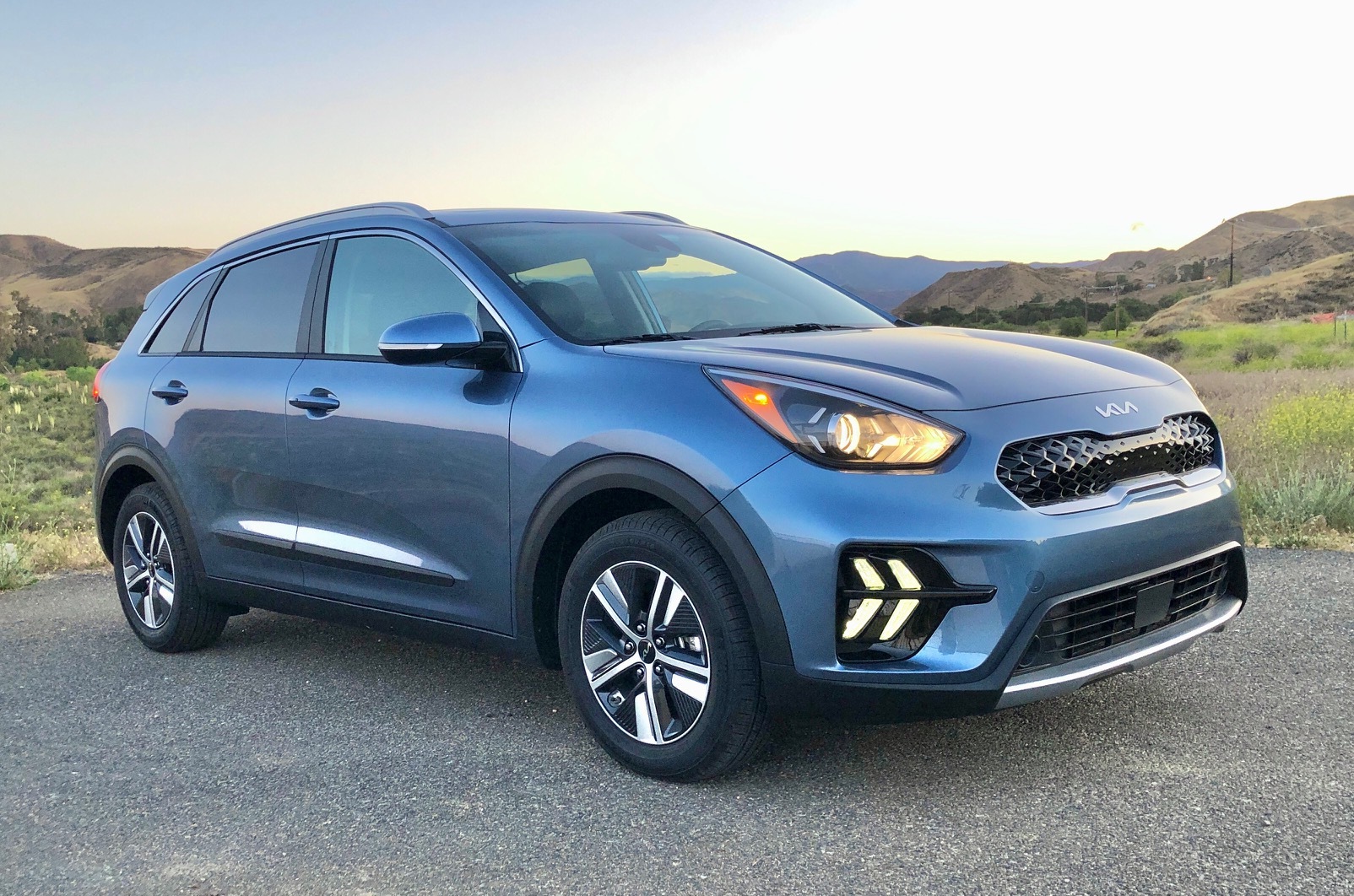
6. Kia Niro Plug-In Hybrid
The Kia Niro Plug-In Hybrid is a compact crossover that offers a versatile blend of fuel efficiency, electric range, and practical interior space. With about 26 miles of electric-only range, it strikes a balance between all-electric commuting and the convenience of a gasoline backup.
Kia shares much of its hybrid technology with Hyundai, benefiting from joint development efforts that emphasize reliability and durability. This shared platform, combined with Kia’s own engineering refinements, has earned the Niro Plug-In a solid reputation for maintaining its performance beyond 100,000 miles.
One of the most noteworthy aspects of the Niro Plug-In is its battery and thermal management system. Using a liquid-cooled lithium-ion polymer battery, the Niro avoids common issues seen in earlier or less sophisticated plug-in hybrids, such as overheating or rapid capacity loss.
Kia’s careful calibration of the battery management system ensures that the pack remains within optimal charging and discharging parameters, preserving longevity. Many owners report only minor reductions in electric range after several years, indicating that the battery ages gracefully under typical driving conditions.
Mechanically, the Niro Plug-In Hybrid combines a 1.6-liter four-cylinder gasoline engine with a robust electric motor and a six-speed dual-clutch transmission. This arrangement provides smooth acceleration and efficient power delivery, while the transmission design has proven reliable over long periods.
The regenerative braking system is effective and durable, contributing to reduced wear on traditional brakes and supporting the longevity of the vehicle. Maintenance costs tend to be lower compared to other plug-in hybrids, with routine service being straightforward and accessible.
Inside, the Niro offers a comfortable and practical environment with durable materials suited for everyday use. The infotainment system is user-friendly and generally free from the glitches that plague some rivals. Controls remain responsive, and the cabin ages well even with high mileage.
Kia’s attention to detail in both hardware and software contributes to a stress-free ownership experience, making the Niro Plug-In Hybrid a dependable choice for drivers seeking a practical, reliable, and efficient plug-in crossover.
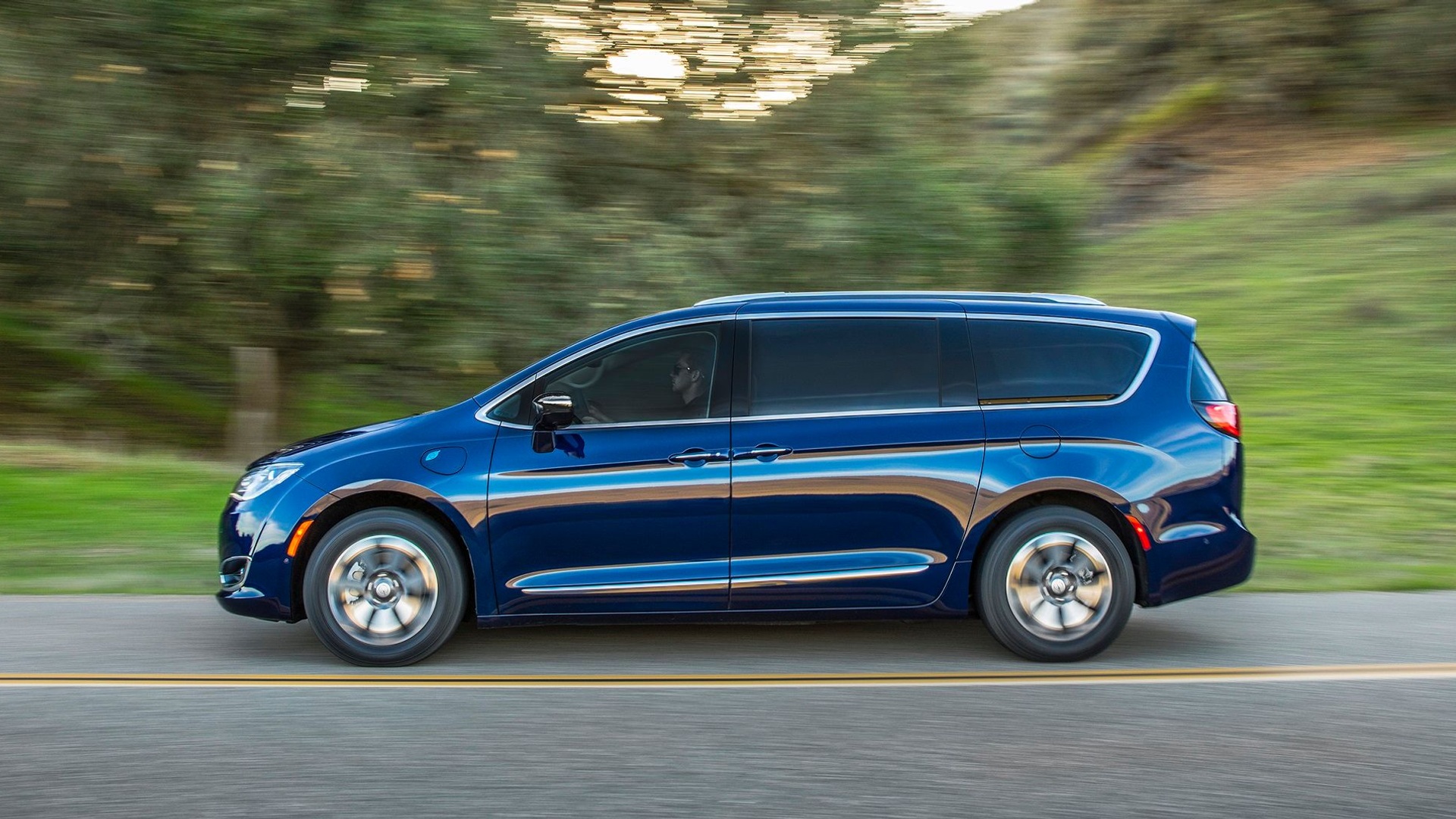
7. Chrysler Pacifica Hybrid
The Chrysler Pacifica Hybrid is a unique entry in the plug-in hybrid market as one of the few electrified minivans, combining family-friendly space with hybrid efficiency. It offers around 32 miles of electric-only range, which is impressive given the vehicle’s size and utility.
Despite its complexity, the Pacifica Hybrid has demonstrated strong reliability credentials, making it a favorite for families needing a dependable vehicle that can handle long-term daily use without excessive maintenance headaches.
One of the Pacifica Hybrid’s strengths lies in its well-engineered battery system, which employs liquid cooling and a sophisticated thermal management setup. This ensures the lithium-ion battery maintains stable temperatures across varying climates and driving conditions, minimizing degradation and extending lifespan.
The automaker’s software also manages charge and discharge cycles carefully, preserving battery health over time. As a result, many Pacifica Hybrid owners report minimal capacity loss after surpassing 100,000 miles, a significant achievement given the size and weight of the vehicle.
The powertrain combines a 3.6-liter V6 gasoline engine with electric motors that provide both propulsion and regenerative braking. Despite the added weight of the battery pack, the transmission and drivetrain components are robustly engineered to withstand daily stresses.
Chrysler’s hybrid system uses an electrically variable transmission, which blends gasoline and electric power smoothly and efficiently, reducing wear and tear on the engine and improving fuel economy. Regular maintenance tends to be straightforward, and despite its size, the Pacifica Hybrid doesn’t incur dramatically higher service costs compared to traditional minivans.
Inside, the Pacifica Hybrid offers spacious seating and a range of family-friendly features that age well with time. The interior materials are durable, and the infotainment system, while complex, has generally improved through updates to provide stable and responsive operation. For those requiring a reliable, long-lasting plug-in hybrid minivan, the Pacifica Hybrid provides a compelling option that balances electric efficiency with the demands of everyday family life.
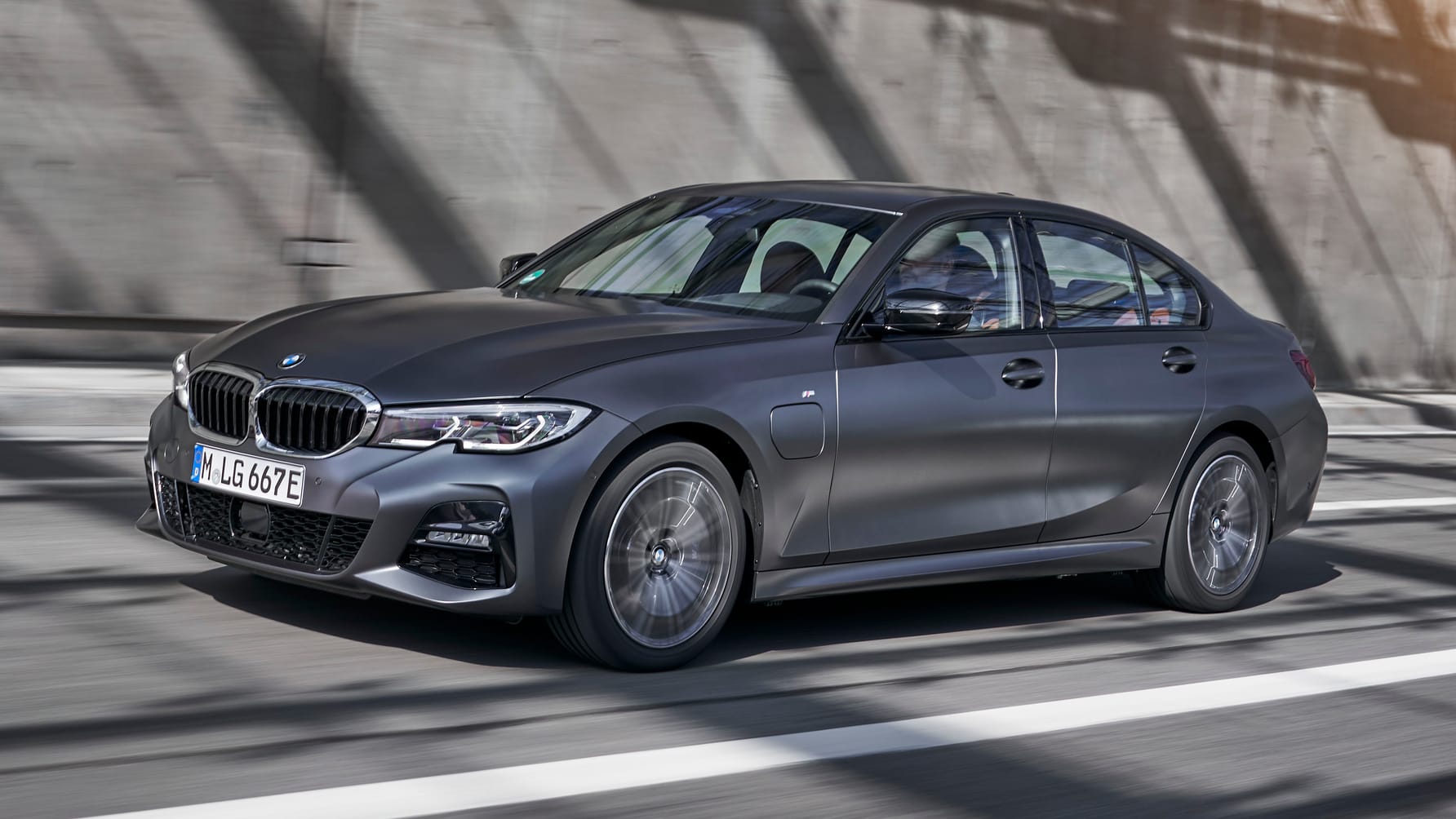
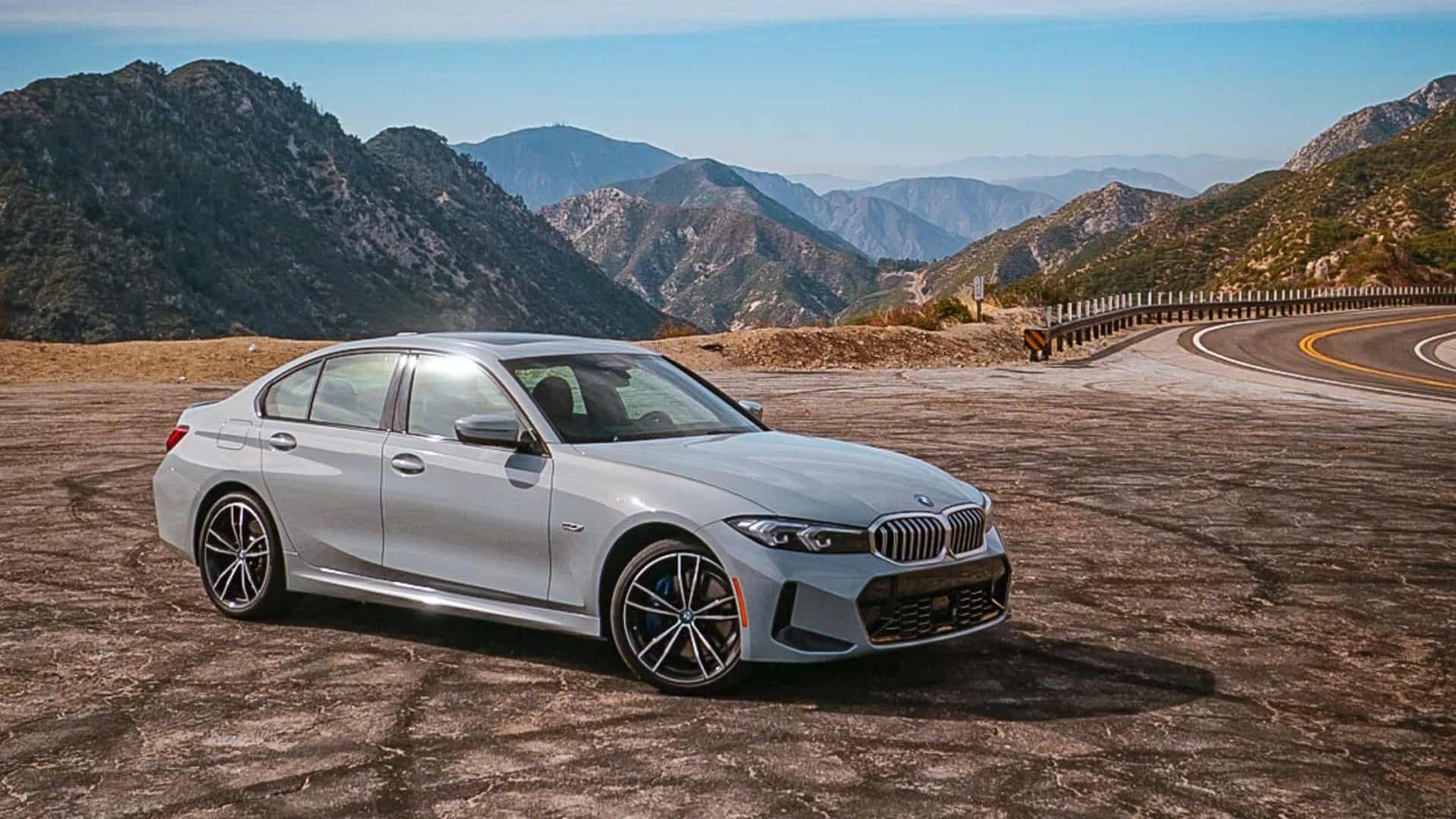
8. BMW 330e
The BMW 330e is a plug-in hybrid version of the popular 3 Series sedan, blending sporty driving dynamics with improved fuel efficiency. Its electric range is about 22 miles, which may seem modest, but it is sufficient for many daily commutes and city driving. BMW’s reputation for precision engineering extends into the 330e’s hybrid system, which combines a turbocharged 2.0-liter four-cylinder engine with an electric motor to deliver responsive performance alongside lower emissions.
The longevity of the 330e’s hybrid system depends heavily on the care taken in its design and the quality of its components. The battery is liquid-cooled and benefits from BMW’s sophisticated energy management software, which helps maintain the battery within safe operating temperatures and charge levels.
This management reduces capacity fade, and many owners report retaining much of the original electric range after 100,000 miles. The electric motor and power electronics also show high durability when serviced regularly and driven responsibly.
BMW’s hybrid powertrain features an eight-speed automatic transmission that seamlessly integrates with the electric motor. This transmission is engineered to handle the torque of both gasoline and electric power sources efficiently, reducing wear and prolonging service life.
The car’s regenerative braking system is highly effective and helps reduce brake wear, further enhancing durability. While maintenance costs for BMW vehicles are generally higher than average, the 330e’s engineering ensures that significant repairs are infrequent with proper care.
Inside, the 330e maintains BMW’s premium standards, with high-quality materials and advanced technology that generally withstands the test of time well. The infotainment system remains intuitive, and software updates often enhance rather than degrade performance. Drivers who want a plug-in hybrid with strong performance credentials and solid long-term reliability find the 330e a rewarding choice, provided maintenance schedules are followed carefully.
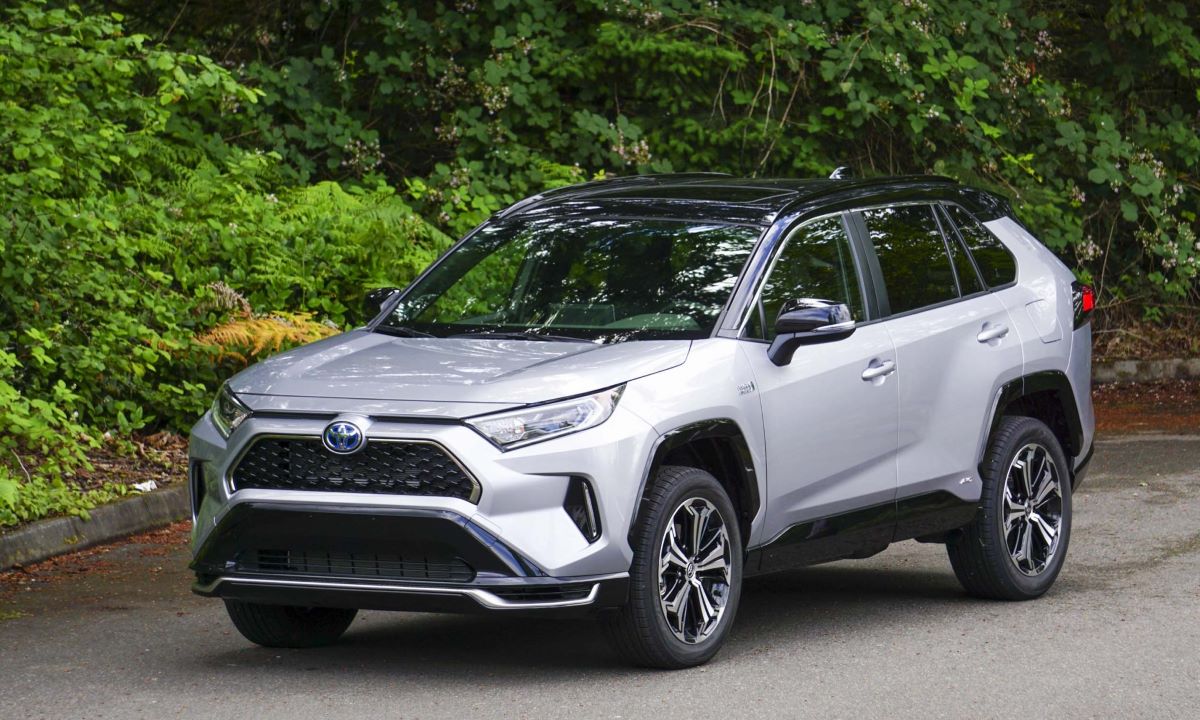
9. Toyota RAV4 Prime
The Toyota RAV4 Prime is a plug-in hybrid SUV that combines impressive electric range, robust performance, and Toyota’s famed reputation for reliability. With about 42 miles of electric-only range, it stands out in the crowded compact SUV segment.
The RAV4 Prime’s powertrain features a 2.5-liter four-cylinder engine coupled with electric motors and an all-wheel-drive system that adds versatility without sacrificing efficiency. The vehicle’s strong build quality and proven hybrid technology make it one of the most reliable plug-in SUVs beyond the 100,000-mile mark.
Toyota’s hybrid system in the RAV4 Prime benefits from years of research and development, with an emphasis on durability and ease of maintenance. The battery pack is liquid-cooled and managed by sophisticated software that prevents overcharging and deep discharge cycles, reducing degradation.
Owners commonly report retaining much of their electric range after years of use, a testament to Toyota’s cautious battery calibration. The gasoline engine is a proven design with a solid track record for longevity, even under challenging driving conditions.
Mechanically, the RAV4 Prime uses an electronically controlled continuously variable transmission that integrates smoothly with the hybrid system. The regenerative braking system is highly effective, reducing wear on traditional brakes and supporting the efficiency of the vehicle.
Toyota’s attention to detail in suspension and chassis design ensures that the RAV4 Prime remains comfortable and stable even as mileage accumulates, without increased risk of component failure.
Inside, the RAV4 Prime offers a high-quality cabin with durable materials and user-friendly technology. The infotainment system is regularly updated and generally remains responsive with minimal software issues. The seats and interior surfaces hold up well over time, making the RAV4 Prime a practical and reliable choice for those looking for a spacious, efficient, and long-lasting plug-in hybrid SUV.
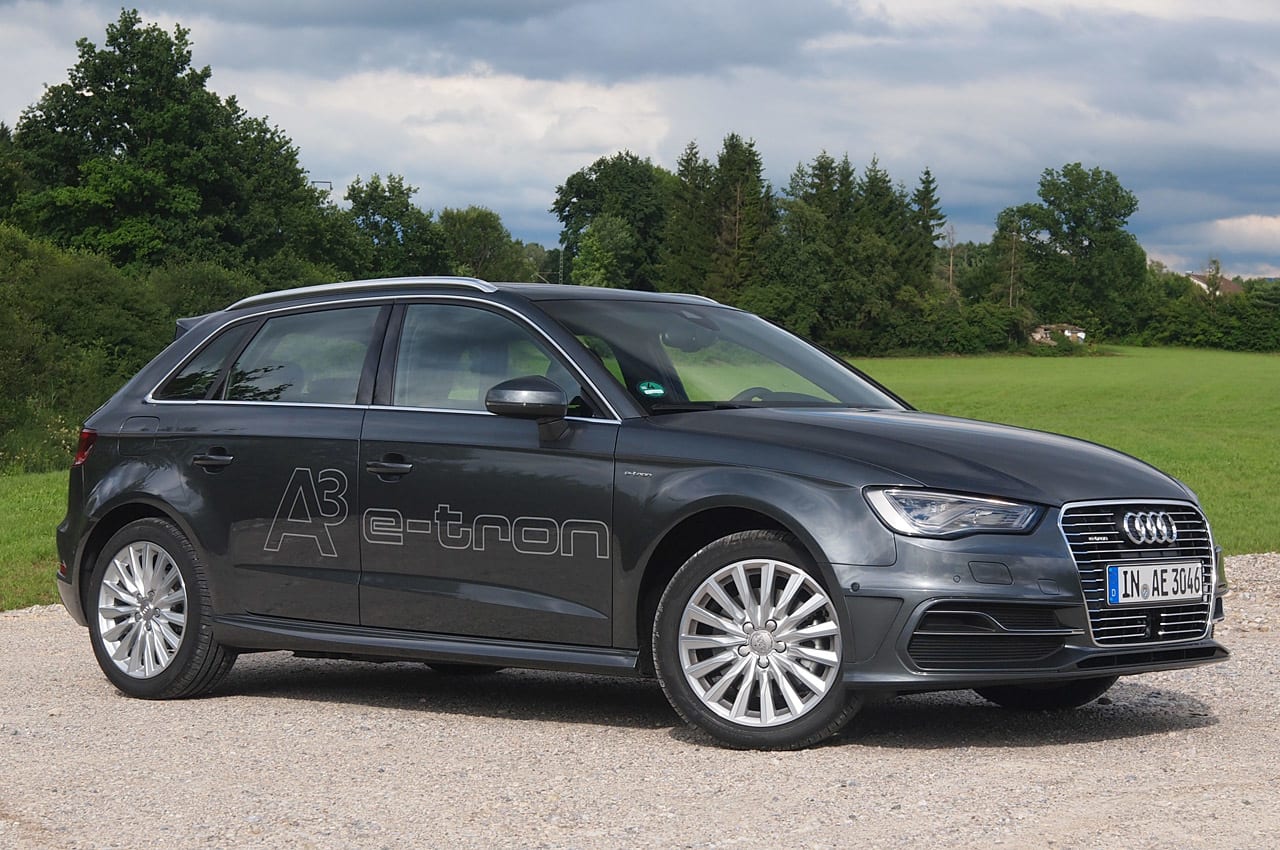
10. Audi A3 e-tron
The Audi A3 e-tron is a compact luxury plug-in hybrid that combines Audi’s premium craftsmanship with an efficient hybrid powertrain. Offering around 16 miles of electric range, it may have less all-electric driving capability compared to others, but its engineering quality and refinement stand out.
The A3 e-tron shares much of its hybrid technology with Volkswagen Group’s other electrified models, benefiting from decades of experience in electric motor and battery development, which contributes to its reliability even after high mileage.
The battery system in the A3 e-tron is liquid-cooled, which is critical for managing heat and preserving capacity over time. Audi’s energy management software is designed to maintain battery health by avoiding extremes of charging and discharging.
Owners report that, while some capacity loss occurs as expected, the battery remains functional for many years and miles, often exceeding 100,000 miles without requiring replacement. This longevity is supported by routine maintenance and adherence to recommended service schedules.
The hybrid system combines a turbocharged 1.4-liter gasoline engine with an electric motor integrated into a six-speed dual-clutch transmission. This configuration provides smooth and responsive acceleration, with the dual-clutch system offering both performance and efficiency benefits.
Audi’s engineering ensures that the powertrain components are robust and designed to withstand long-term use, though maintenance can be more expensive than mainstream brands. The regenerative braking system is well-calibrated and contributes to reduced brake wear.
Inside, the A3 e-tron features Audi’s hallmark build quality, with premium materials and a sophisticated infotainment system that remains relevant as the car ages. The interior design focuses on usability and durability, with controls that remain functional and tactile even with heavy use.
For buyers seeking a luxury plug-in hybrid with a reputation for engineering excellence and solid long-term reliability, the Audi A3 e-tron is a strong contender, especially when properly maintained.
Also Read: 12 2025 SUVs That Are Expected to Last 300K Miles
Choosing a plug-in hybrid that remains reliable after surpassing 100,000 miles is essential for drivers who want both the benefits of electrified driving and peace of mind over the long term.
The ten models highlighted here have proven their ability to withstand the challenges that come with aging hybrid technology, including battery longevity, mechanical wear, and software reliability. These vehicles combine carefully engineered powertrains with robust construction and effective battery management systems, resulting in dependable performance that lasts well beyond typical ownership periods.
The success of these plug-in hybrids in maintaining reliability stems from a few common factors. Manufacturers that prioritize battery thermal management and avoid pushing components to their limits tend to produce vehicles that age gracefully.
Additionally, hybrid systems designed with proven internal combustion engines, well-integrated electric motors, and efficient transmissions contribute to reduced wear and fewer costly repairs. Many of these models also benefit from comprehensive warranties and support networks, helping owners keep their vehicles in good condition as they rack up the miles.
It is important to remember that regular maintenance, such as timely servicing of hybrid components, battery health monitoring, and adherence to manufacturer guidelines, plays a critical role in sustaining long-term reliability. Even the best-designed plug-in hybrids require proper care to reach or exceed the 100,000-mile mark without major issues.
For those considering purchasing a plug-in hybrid, whether new or used, this list provides a solid starting point based on real-world experience and manufacturer engineering strengths.
These vehicles demonstrate that plug-in hybrids are not only capable of reducing fuel consumption and emissions but can also serve as dependable daily drivers for years to come. Investing in a well-built plug-in hybrid can offer a balanced combination of efficiency, practicality, and lasting reliability.
