
Toyota’s reputation in the automotive world is often synonymous with reliability and durability. This perception is especially true when it comes to their trucks, which many owners regard as long-lasting workhorses capable of enduring harsh environments and extensive wear.
These trucks are known not just for their sturdy frames and robust engines but also for the philosophy behind Toyota’s design approach, simplicity, thoughtful engineering, and emphasis on quality control. Many Toyota truck owners can attest to driving hundreds of thousands of miles without major issues, a feat that creates lasting loyalty and high resale value.
This strong legacy of reliability has positioned Toyota as a brand that delivers practical vehicles designed to last longer than many of its competitors.
However, it is important to recognize that not all Toyota trucks share this unwavering track record. While some models continue to outperform others in their class by far, others have faced challenges that compromised their reliability or led to early mechanical failures.
The reasons behind these disparities are numerous, including design decisions, the introduction of new technologies, or the specific uses and maintenance habits of their owners. Certain models, for instance, experienced growing pains as Toyota experimented with different engines or incorporated more complex components that occasionally introduced weaknesses.
Understanding which Toyota trucks genuinely excel in longevity and which fall short can help potential buyers and current owners make informed decisions. It also reveals valuable lessons about the importance of maintenance, design simplicity, and the trade-offs involved when balancing performance with efficiency or comfort.
This article will explore five Toyota trucks that have consistently proven their ability to outlast their rivals, maintaining dependable performance and structural integrity well past the point where many competitors begin to falter.
These models stand out due to their rugged engineering, proven powertrains, and design philosophies geared toward endurance. Conversely, it will also examine five Toyota trucks that, despite the brand’s usual high standards, have been prone to earlier failures.
These trucks often encountered recurring issues related to engines, transmissions, or corrosion, resulting in a shorter lifespan and higher maintenance costs. Highlighting these contrasts provides a balanced view of Toyota’s truck lineup and shows that even within a reputable brand, some models perform better over the long haul than others.
For anyone in the market for a truck, whether for heavy work, off-road adventures, or everyday driving, knowing which models are most likely to stand the test of time is crucial. By providing an in-depth look at the strengths and weaknesses of specific Toyota trucks, this article aims to guide readers toward smarter decisions, helping avoid common pitfalls and maximizing vehicle lifespan.
The following sections delve into each model’s characteristics, reliability trends, and typical failure points, all based on accumulated knowledge and reported experiences from drivers and industry experts alike.
Also Read: 12 2025 SUVs That Are Expected to Last 300K Miles
5 Toyota Trucks That Outlast Rivals
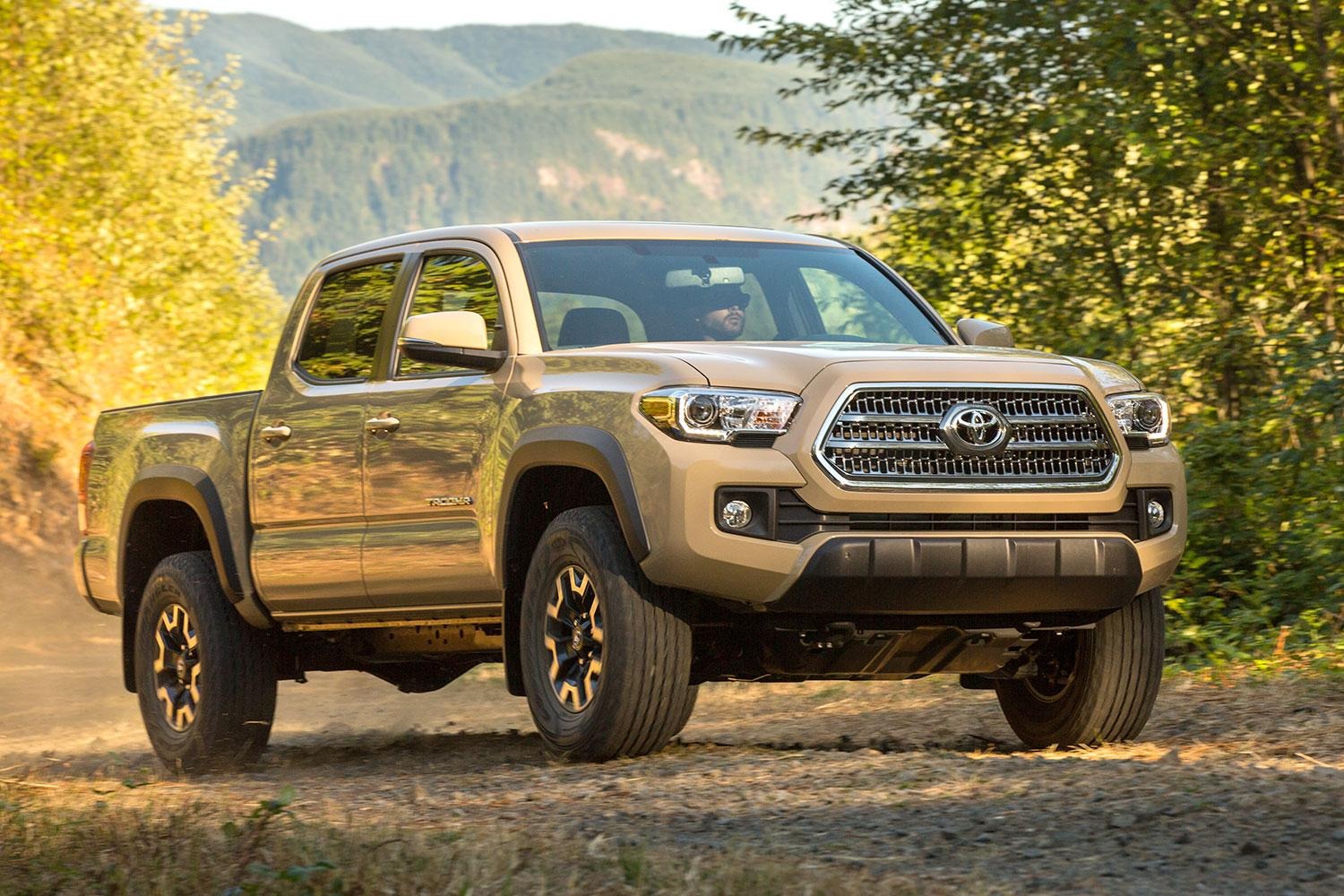
1. Toyota Tacoma (especially 3rd generation)
The Toyota Tacoma has earned a reputation as a midsize truck that blends durability, versatility, and relatively low maintenance demands into a package that appeals to both casual drivers and hardcore off-road enthusiasts.
The third-generation Tacoma, launched in 2016, built upon the foundation laid by earlier models but introduced key improvements that enhanced its reliability and ability to endure tough conditions. One reason this model stands out is the careful attention to engine robustness and drivetrain durability.
The 3.5-liter V6 engine found in many of these Tacomas is praised for its balance of sufficient horsepower and torque combined with mechanical simplicity that avoids overcomplication. This allows it to handle everything from daily commuting to hauling loads or towing without the frequent mechanical problems that sometimes plague rivals.
In addition to powertrain improvements, the third-generation Tacoma benefits from a reinforced chassis and enhanced suspension components designed to endure the shocks and stresses of off-road driving. Its body-on-frame construction provides a solid platform that resists twisting and bending, which is a common failure point in less robust designs.
This design choice not only increases durability but also improves ride quality and safety in demanding driving conditions. Furthermore, Toyota’s commitment to using quality materials and corrosion-resistant coatings ensures that these trucks resist rust and structural degradation even in climates where salt and moisture are common. This significantly extends the useful life of the truck’s frame and body panels, which are often vulnerable in aging vehicles.
Owners of third-generation Tacomas frequently report long-term reliability, often sharing experiences of trucks surpassing 300,000 miles without major engine or transmission repairs. This is in part due to Toyota’s extensive parts availability and dealership support, making routine maintenance more accessible and affordable.
The Toyota Tacoma also benefits from a strong aftermarket community, with many owners customizing their vehicles for specific needs while maintaining mechanical reliability. Such a robust ecosystem encourages owners to perform preventative maintenance and invest in quality replacement parts, further boosting longevity.
Collectively, these factors explain why the Tacoma remains one of the most enduring midsize trucks available today, often outlasting rivals from domestic and international manufacturers.
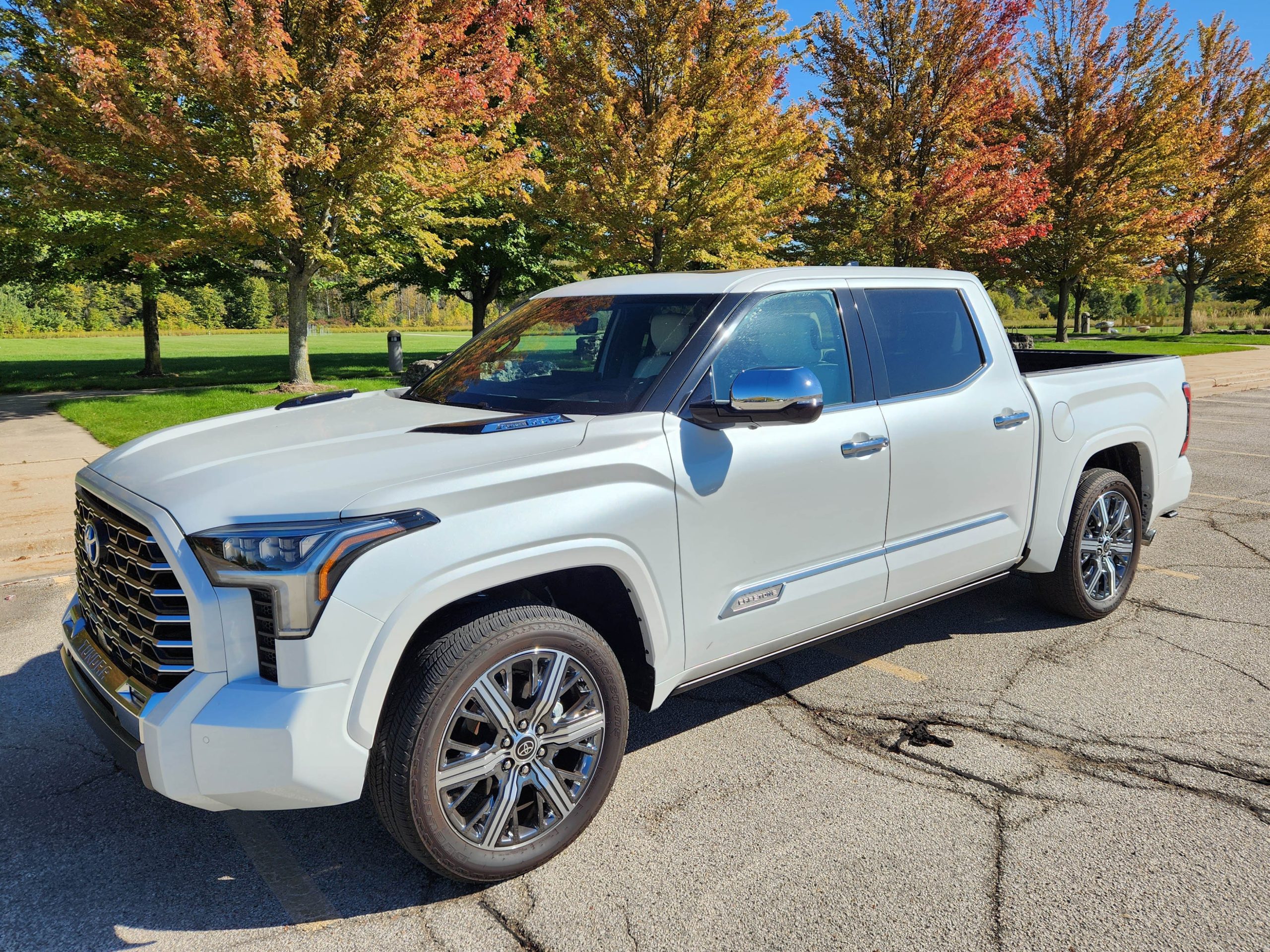
2. Toyota Tundra (1st and 2nd generation)
The Toyota Tundra, particularly the first two generations produced from 1999 through 2013, has carved out a niche as a full-size truck that combines rugged engineering with commendable reliability. Unlike some competitors that focused heavily on incorporating the latest electronic features or pushing engine outputs at the expense of durability, the Tundra prioritized straightforward, overbuilt components designed to last.
The engines offered during this era, especially the 4.7-liter V8 and the later 5.7-liter V8, are legendary for their ability to handle high mileage without succumbing to common heavy-duty truck ailments such as head gasket failure or catastrophic engine wear. This is largely thanks to conservative tuning, high-quality internal components, and consistent engineering principles that emphasize longevity.
The Tundra’s heavy-duty frame and suspension system were developed to endure the rigorous demands of construction sites, farms, and off-road use. Its suspension components, including thick control arms and reinforced axles, help absorb shocks and distribute loads more effectively than many competitors.
These attributes have allowed the Tundra to remain structurally sound after years of hard use, a factor that significantly contributes to its lifespan. In fact, many Tundras on the road today have passed the 200,000-mile mark without major repairs to their frames or suspension, underscoring their build quality.
Another aspect contributing to the Tundra’s longevity is the simplicity and reliability of its mechanical systems. Unlike trucks packed with complex electronics that can introduce failure points, these Tundras kept things relatively straightforward, reducing the risk of early breakdowns.
Toyota’s reputation for well-made transmissions is also reflected here, with both automatic and manual options showing impressive durability under heavy use. Furthermore, owners frequently mention the absence of persistent electrical issues, which can be a common headache in trucks from other manufacturers. This reliability contributes to higher resale values and owner satisfaction.
Lastly, Toyota made continuous improvements in rust resistance and corrosion protection across these generations, using galvanized steel and protective undercoatings. This prevented the frame rust problems that have plagued full-size trucks from other brands.
As a result, many of these Tundras remain on the road with solid frames and intact body panels, even in regions prone to road salt and harsh weather. The combination of strong engineering, durable mechanical systems, and rust resistance has made these early Tundras among the most long-lasting full-size trucks available, frequently outliving many American competitors.
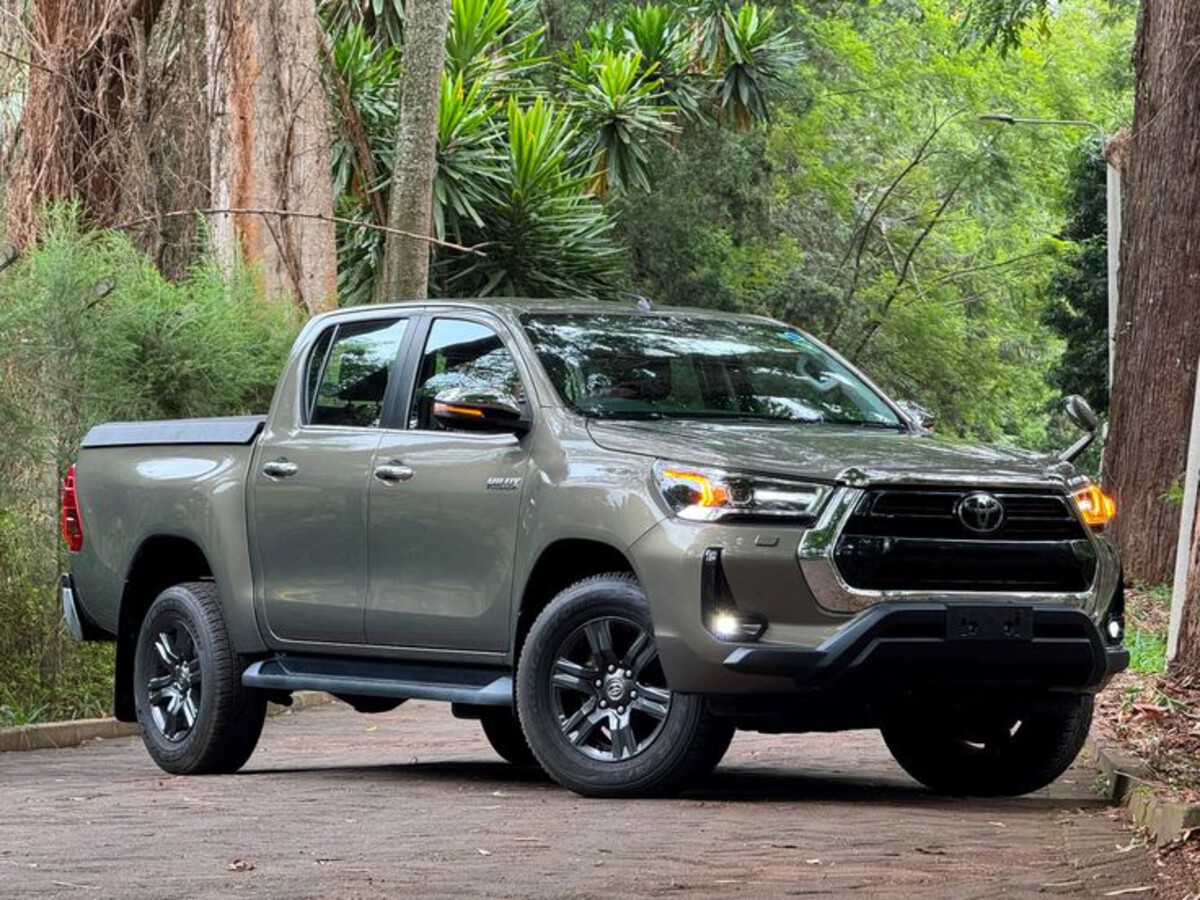
3. Toyota Hilux
Although the Toyota Hilux has never been officially sold in the United States, its global reputation as a tough and reliable pickup is undeniable. The Hilux is often regarded as one of the world’s most durable trucks, designed to endure conditions so extreme that failure could have severe consequences. Its straightforward engineering emphasizes mechanical simplicity and ease of maintenance, two traits that contribute heavily to its legendary status.
The Hilux chassis is built on a ladder frame with heavy-duty leaf springs or coil springs, depending on the generation, allowing it to absorb significant impacts without compromising structural integrity. This robustness is a key reason why the Hilux is popular in regions with poor road infrastructure and harsh terrain.
Under the hood, the Hilux offers a range of engine options, including both gasoline and diesel variants. Many of these engines use simple fuel delivery systems and lack complex electronics, making repairs and parts replacements easier and more cost-effective in remote or underdeveloped areas.
Diesel engines, in particular, are prized for their longevity and fuel efficiency, often running hundreds of thousands of miles with only routine maintenance. This contrasts with many modern diesel engines that rely on complicated emissions systems, which can be prone to failure. The Hilux’s fuel system is designed for reliability rather than outright performance, supporting its role as a dependable utility vehicle.
Another factor in the Hilux’s durability is its excellent corrosion resistance. Toyota has used high-quality coatings and corrosion-resistant metals in recent generations, allowing the trucks to survive in tropical, coastal, and desert environments.
The Hilux’s ability to resist rust and structural damage extends its lifespan well beyond that of many competing pickups, especially those made with less attention to protective treatments. Many Hiluxes are known to be still in use after 20 or even 30 years, a testament to the vehicle’s rugged construction and Toyota’s quality standards.
Finally, the Hilux enjoys widespread global support, with parts and knowledgeable mechanics available in many countries. This network ensures that the truck can be repaired and maintained even in areas where more complex vehicles would be impossible to service. The Hilux’s reputation for being easy to fix and highly reliable has made it a top choice for military, agricultural, and commercial use worldwide, further reinforcing its position as one of Toyota’s longest-lasting trucks.
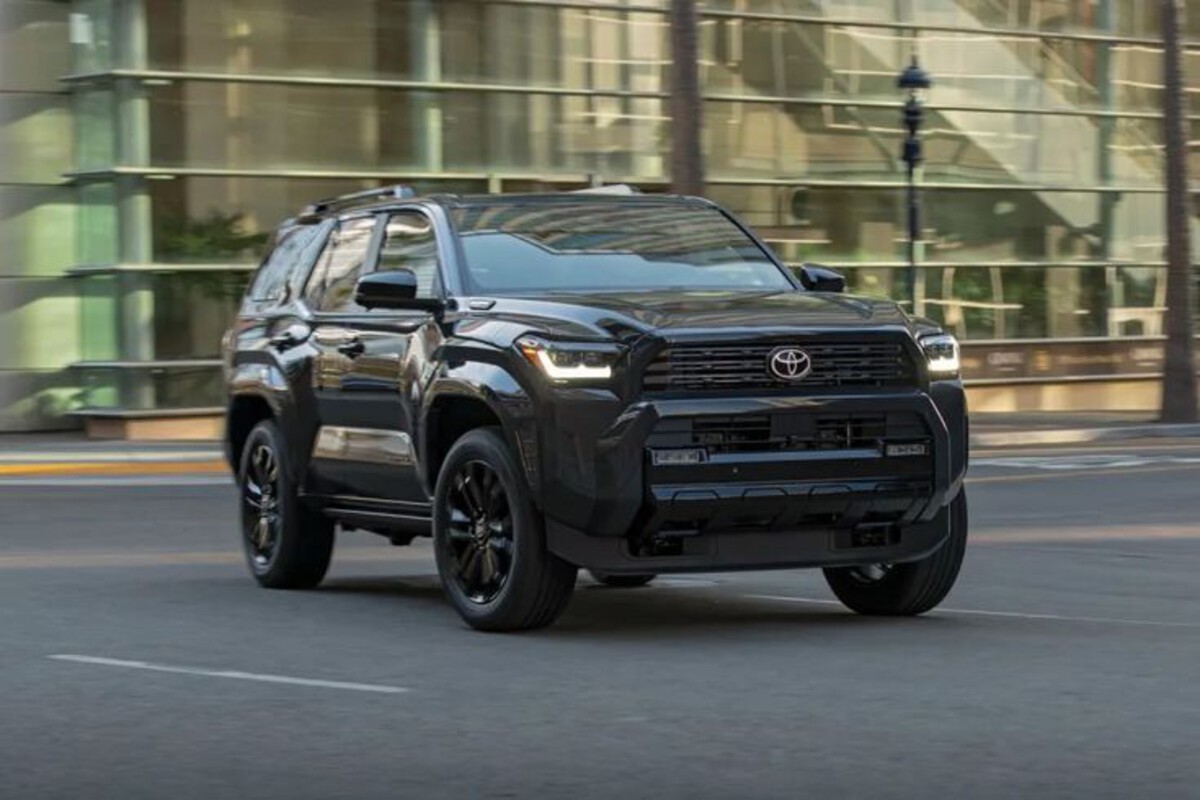
4. Toyota 4Runner (as a truck-based SUV)
The Toyota 4Runner, while technically an SUV, shares many mechanical and structural components with Toyota’s truck lineup, making it relevant in any discussion about Toyota’s durable vehicles. Built on a body-on-frame platform similar to the Tacoma, the 4Runner combines the versatility of an SUV with the strength and ruggedness of a truck.
Its construction allows it to endure the stresses of off-road driving, towing, and heavy use that would often challenge unibody SUVs. This design foundation is key to the 4Runner’s reputation for lasting well beyond the typical lifespan of many other SUVs in its class.
Underneath, the 4Runner utilizes engines and transmissions that have proven reliable over many years. The V6 engine, in particular, is praised for its balance of power and durability, capable of handling both highway cruising and trail conditions with ease.
The truck-style frame provides enhanced resistance to twisting and flexing, which can cause wear and damage over time in unibody vehicles. This toughness, combined with a reliable drivetrain, gives the 4Runner the ability to rack up hundreds of thousands of miles with relatively minor repairs.
Toyota has consistently prioritized corrosion resistance in the 4Runner’s design, especially in newer generations. Protective coatings and rust-resistant materials help keep the frame and body panels intact even in snowy or coastal environments where salt and moisture are prevalent. This resistance to rust means that many older 4Runners remain structurally sound, while competing SUVs often suffer from significant corrosion-related issues after a decade or more.
Additionally, the 4Runner is known for its mechanical simplicity relative to competitors that pack more electronics and high-tech features into their vehicles. This reduces the likelihood of early failures caused by sensors, wiring, or control modules, which can be costly and complicated to diagnose and repair.
Owners often comment on the 4Runner’s ease of maintenance and the availability of parts, factors that contribute to its longevity and ownership satisfaction. These qualities make the 4Runner a highly dependable vehicle that continues to be favored by those who demand toughness and reliability.

5. Toyota Land Cruiser Pickup (J70 Series)
The Toyota Land Cruiser Pickup, particularly the J70 series, is revered globally as a symbol of ruggedness and reliability. Designed with utility and simplicity in mind, the J70 emphasizes a no-nonsense approach to truck design that favors durability over luxury or complex technology.
Its ladder frame chassis is exceptionally strong, able to handle heavy payloads and challenging terrain with ease. The suspension system is designed for maximum resilience, often employing solid axles and heavy-duty springs that endure punishment from off-road use without failing prematurely.
The Land Cruiser Pickup’s engines, both gasoline and diesel, are similarly focused on longevity. These power plants are built with robust components and simple fuel systems that minimize failure points. Many examples of these trucks have been in continuous use for decades, particularly in agricultural, industrial, and military roles where downtime can be costly or dangerous.
The ease of servicing these vehicles is a significant advantage in remote locations where specialized tools and parts may not be readily available. Mechanics familiar with the J70 series can often perform repairs using basic equipment, prolonging the trucks’ operational life.
Corrosion resistance is another hallmark of the J70. Toyota has used heavy-duty coatings and treated metals to protect the body and frame against the effects of salt, humidity, and general wear.
This protection has allowed many Land Cruiser Pickups to survive in environments as diverse as deserts, jungles, and coastal areas without the frame rot and body rust that afflict many other vehicles. The truck’s reputation for maintaining structural integrity over long periods is well-earned and contributes to its status as a reliable workhorse.
Finally, the Land Cruiser Pickup’s minimalist interior and mechanical simplicity mean fewer electronic components to fail, reducing maintenance headaches.
The combination of these design principles, along with Toyota’s commitment to quality, has made the J70 series one of the longest-lasting trucks ever produced. It continues to be favored by professionals worldwide who require dependable transportation in the most demanding conditions.
Also Read: 5 SUVs That Rarely Lose AC Performance vs 5 That Constantly Fail
5 Toyota Trucks That Fail Early
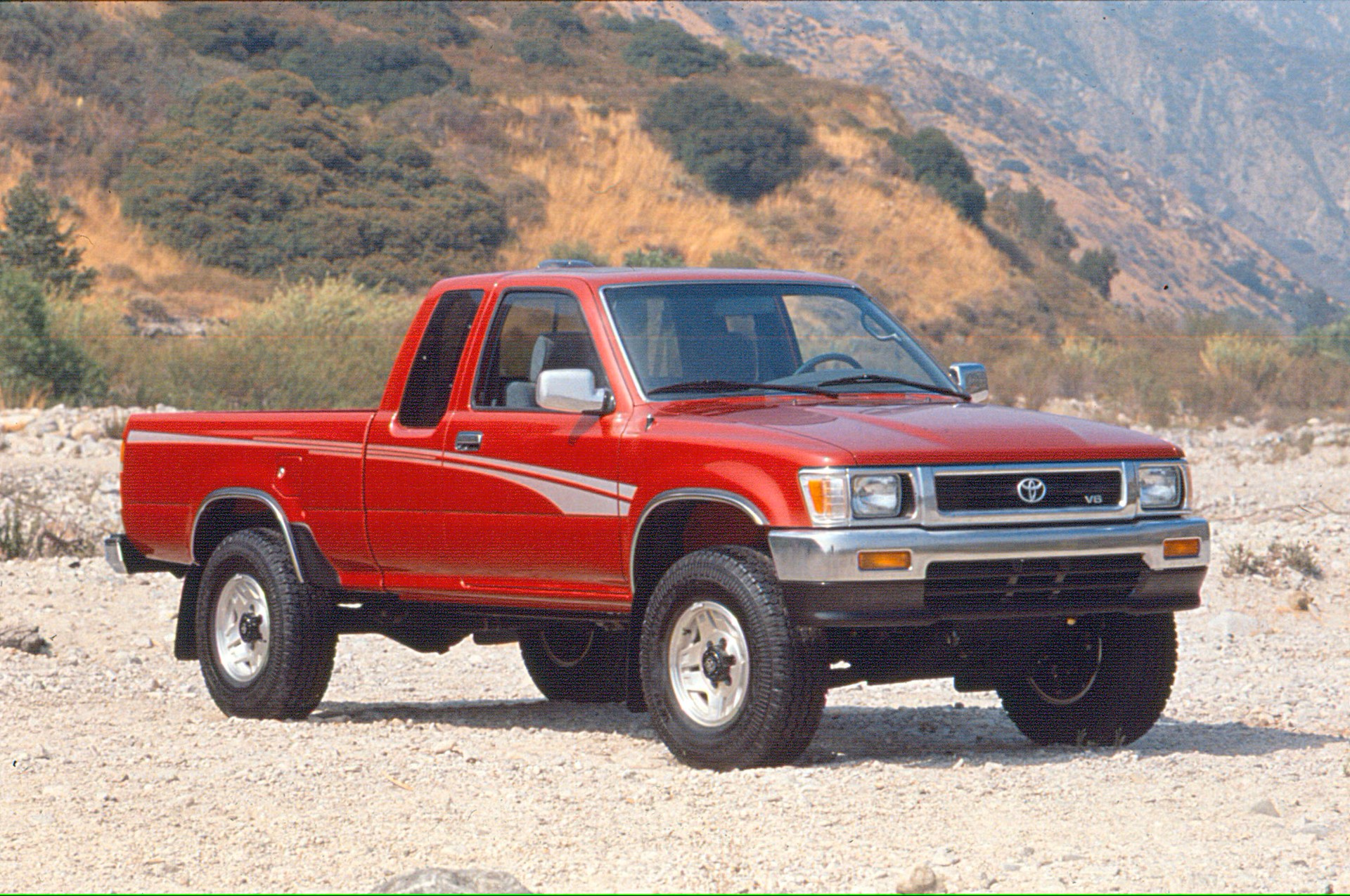
1. Toyota Tacoma (1st generation 1995-2004 with 4-cylinder engines)
Although the Toyota Tacoma is generally synonymous with reliability, the earliest generation equipped with 4-cylinder engines has faced challenges that affected its longevity.
The 2.4-liter 4-cylinder engine in these trucks, while fuel-efficient, tended to premature head gasket failures and cooling system issues that often resulted in overheating. This problem was exacerbated when the truck was used for demanding tasks like towing or extensive off-roading, placing additional stress on the engine components.
The head gasket failures in these early Tacomas are particularly problematic because they require labor-intensive and costly repairs. Overheating can warp the cylinder heads, damaging the engine block and necessitating expensive rebuilds or replacements.
This tendency to overheat was often linked to inadequate cooling system designs, including radiator inefficiencies and water pump weaknesses. Owners who drove these trucks hard sometimes found themselves facing engine repairs well before the truck had a chance to prove its longevity.
In addition to engine troubles, transmission issues have been documented in first-generation Tacomas with 4-cylinder engines. While the manual transmissions tended to hold up reasonably well, the automatic transmissions were susceptible to early failures, particularly related to torque converter problems and slipping gears. These failures often manifested as jerky shifts, loss of power, or complete transmission failure, leading to expensive repairs or replacements.
Rust also contributed to the shortened lifespan of many early Tacomas. In regions with harsh winters and salted roads, the trucks’ frames and undercarriages showed accelerated corrosion. Unlike some later models, the first-generation Tacomas lacked sufficient rust-proofing measures, which meant that structural degradation was a common issue.
This corrosion weakened frame components and diminished vehicle safety and durability. Combined with the mechanical problems, this resulted in many of these trucks failing earlier than anticipated.
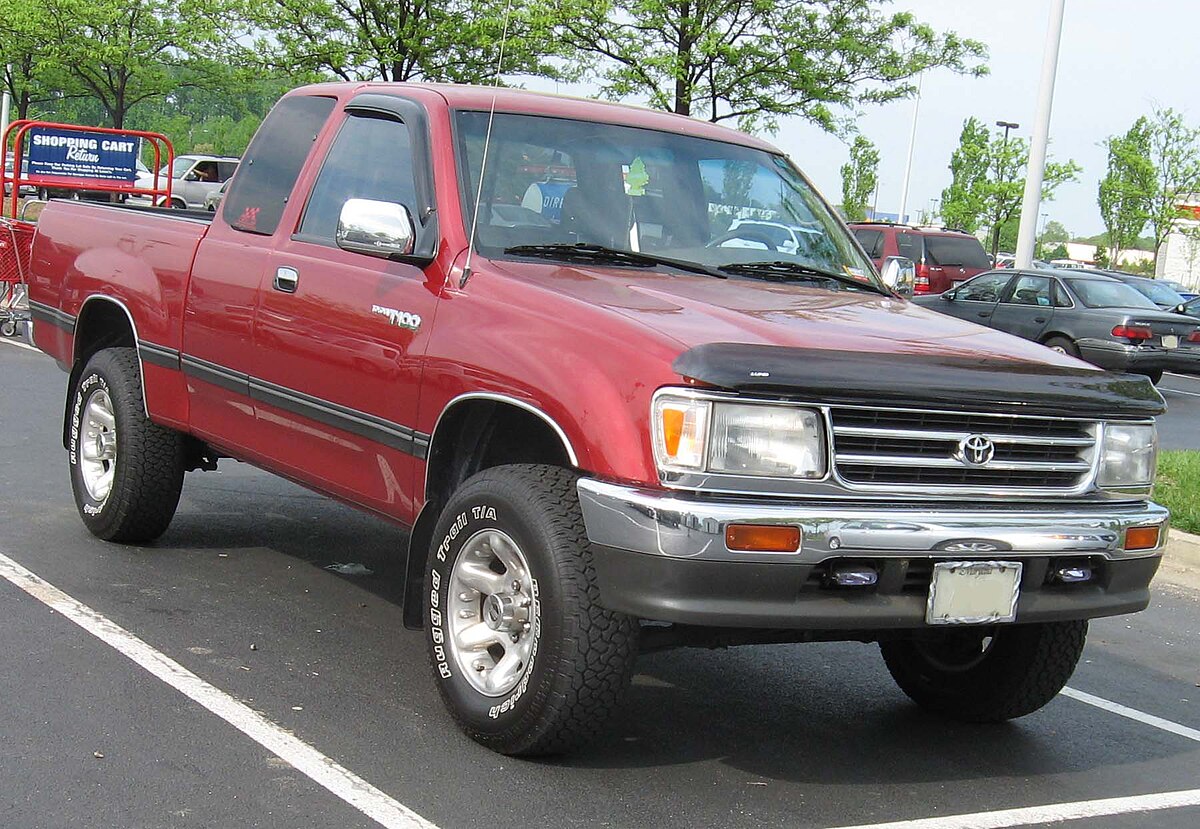
2. Toyota T100 (1993-1998)
The Toyota T100 was Toyota’s initial attempt at entering the full-size truck market in the United States, but it quickly became clear that this model struggled to meet the expectations set by Toyota’s reputation. While the T100 offered solid build quality and decent reliability compared to some competitors, its engine options were underwhelming for a full-size truck, leading to issues when owners demanded heavy hauling or towing capabilities.
The most common engine in the T100 was a 3.4-liter V6, which was reliable but lacked the torque necessary for many full-size truck tasks. This underpowered engine often forced drivers to push the truck harder than intended, putting extra stress on the drivetrain, transmission, and suspension components. Over time, this overexertion led to premature wear and failures, particularly in the transmission and differential systems.
The suspension design of the T100 also failed to meet the durability demands of heavy-duty use. Many owners reported early failure of suspension components such as bushings, ball joints, and shock absorbers. These failures not only degraded ride quality but also compromised vehicle handling and safety. Repair costs could add up quickly, deterring many from continuing with the truck.
Rust was another significant issue with the T100. Unlike other Toyota trucks, the T100’s body and frame were less well-protected against corrosion, leading to accelerated rusting, especially in northern states or coastal areas. The rust compromised the truck’s structural integrity and further reduced its service life.
These mechanical and structural problems combined to give the T100 a reputation as a truck that failed sooner than many of its competitors, leading Toyota to replace it with the more successful Tundra.
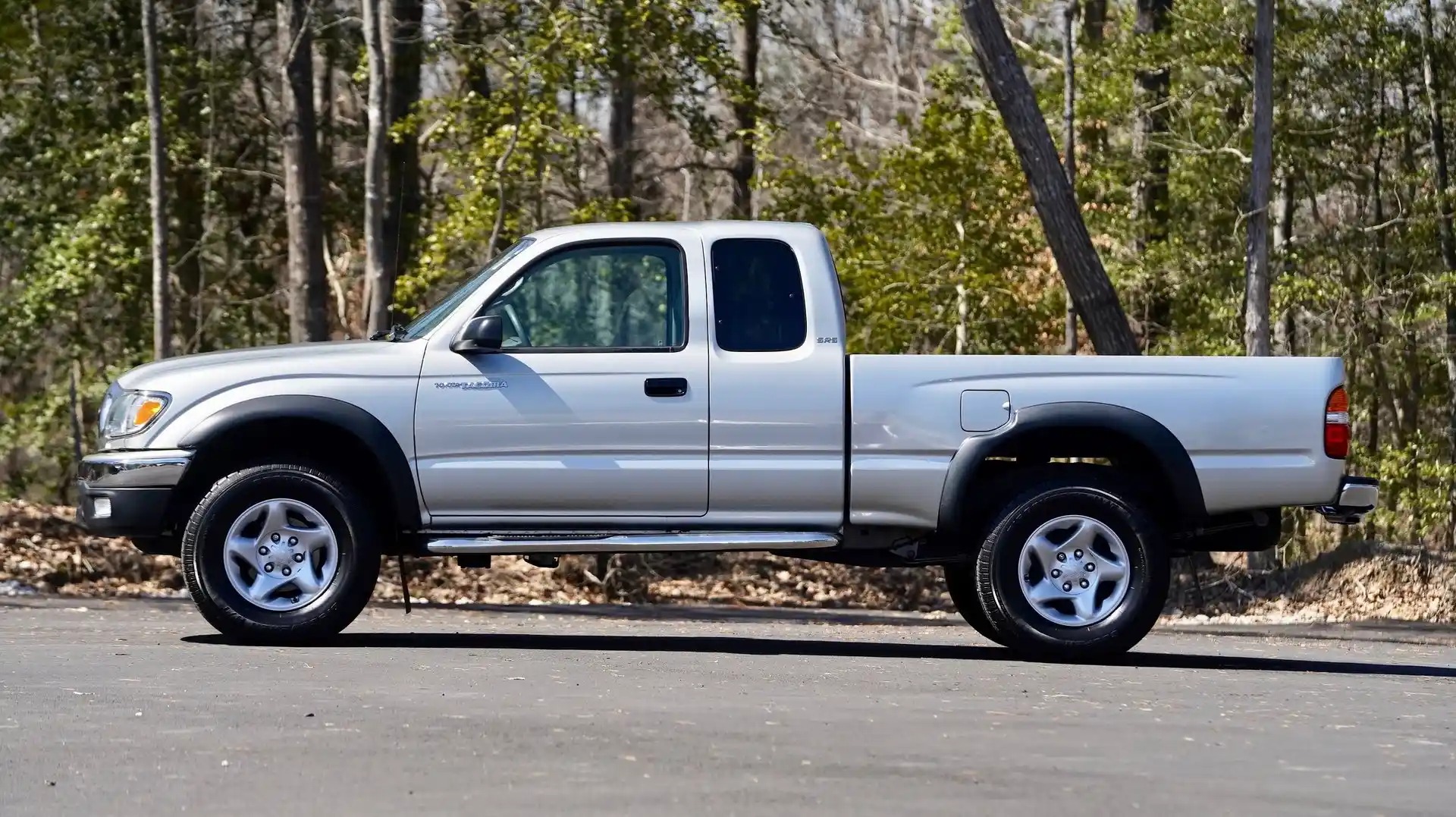
3. Toyota Tacoma (2nd generation early models, 2005-2010)
The early models of the second-generation Tacoma introduced in 2005 brought several improvements over the first generation, but they were not without their own set of reliability challenges.
One of the most frequently reported issues involved the automatic transmission, which in some cases exhibited premature wear leading to slipping, harsh shifting, and even failure. These transmission problems often surfaced well before the expected lifespan of the truck, forcing many owners to undergo costly repairs or complete transmission replacements.
Engine-wise, some early second-generation Tacomas experienced excessive oil consumption, valve cover gasket leaks, and occasional problems with engine sensors. While these issues may seem minor initially, neglecting them could lead to more severe engine damage down the line. The oil consumption issue, in particular, affected certain V6 engines, necessitating more frequent oil checks and top-ups, which if overlooked, could cause engine damage.
Suspension components were also a weak spot in early second-generation Tacomas. Premature wear of ball joints, control arm bushings, and other suspension parts was common, especially in trucks used for off-road activities or heavy-duty applications. These worn components not only impacted ride comfort and safety but also increased maintenance costs, diminishing the truck’s appeal as a low-maintenance vehicle.
Rust resistance in these early second-generation models was improved compared to the first generation but still inconsistent. Trucks operated in areas with salted roads often showed accelerated corrosion of the frame and undercarriage.
This rust weakened structural components over time, contributing to a shorter effective lifespan for these trucks in harsher climates. While many owners had positive experiences, the combination of transmission, engine, and rust issues made early second-generation Tacomas less durable.
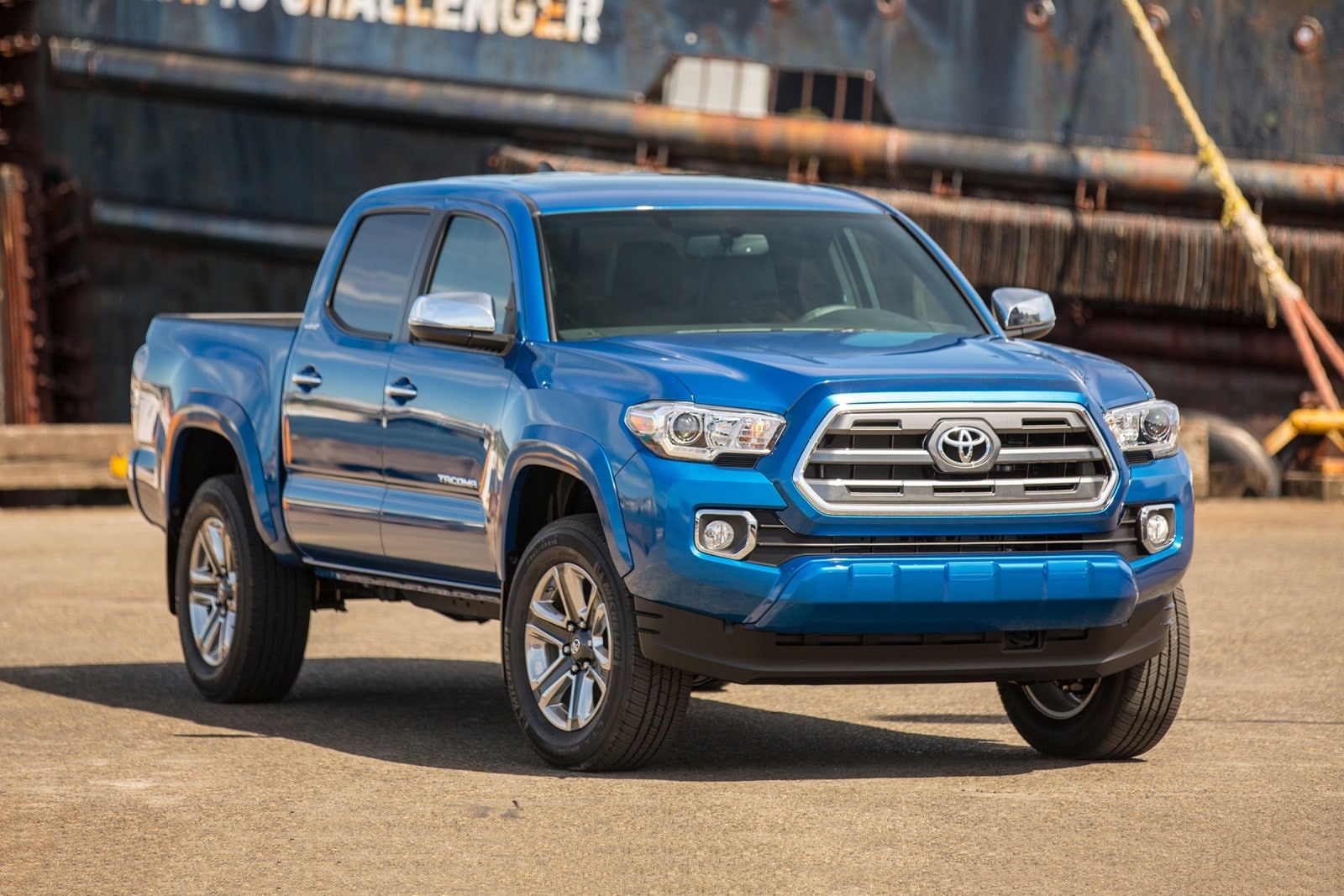
4. Toyota Tacoma (4-cylinder engines in the 3rd generation, post-2016)
While the third-generation Toyota Tacoma’s V6 models have generally been praised for their reliability and longevity, the smaller 4-cylinder turbocharged engines introduced more recently have encountered reliability challenges that have raised concerns among some owners. This modern 2.7-liter turbocharged four-cylinder engine was designed to improve fuel economy and reduce emissions, but it introduced complexities that have sometimes compromised its long-term durability.
One common issue reported with these turbocharged engines is premature turbocharger wear and failure. The turbocharger operates under high temperatures and pressures, and if not properly maintained or if driven under harsh conditions, it can suffer damage to its turbine or bearings.
Turbo failure often results in costly repairs and a loss of power, reducing the truck’s reliability and lifespan. Some owners have also noted issues with carbon buildup on intake valves, a problem more common in direct-injection engines, which can degrade performance over time.
Transmission pairing with the smaller engine has also faced scrutiny. The automatic transmissions sometimes show signs of early wear, particularly in towing or heavy-duty use scenarios. Shifting issues, slipping, and hesitation have been reported, though these problems appear less widespread than in previous generations.
Still, the presence of these issues in the 4-cylinder models highlights that the pursuit of efficiency sometimes comes at the expense of long-term durability.
Corrosion resistance on these newer Tacomas is generally good, but some owners have observed early rust formation on body panels and undercarriage components in certain environments. This suggests that while Toyota has made advances in rust-proofing, there are still vulnerabilities that can affect the truck’s longevity in harsh climates.
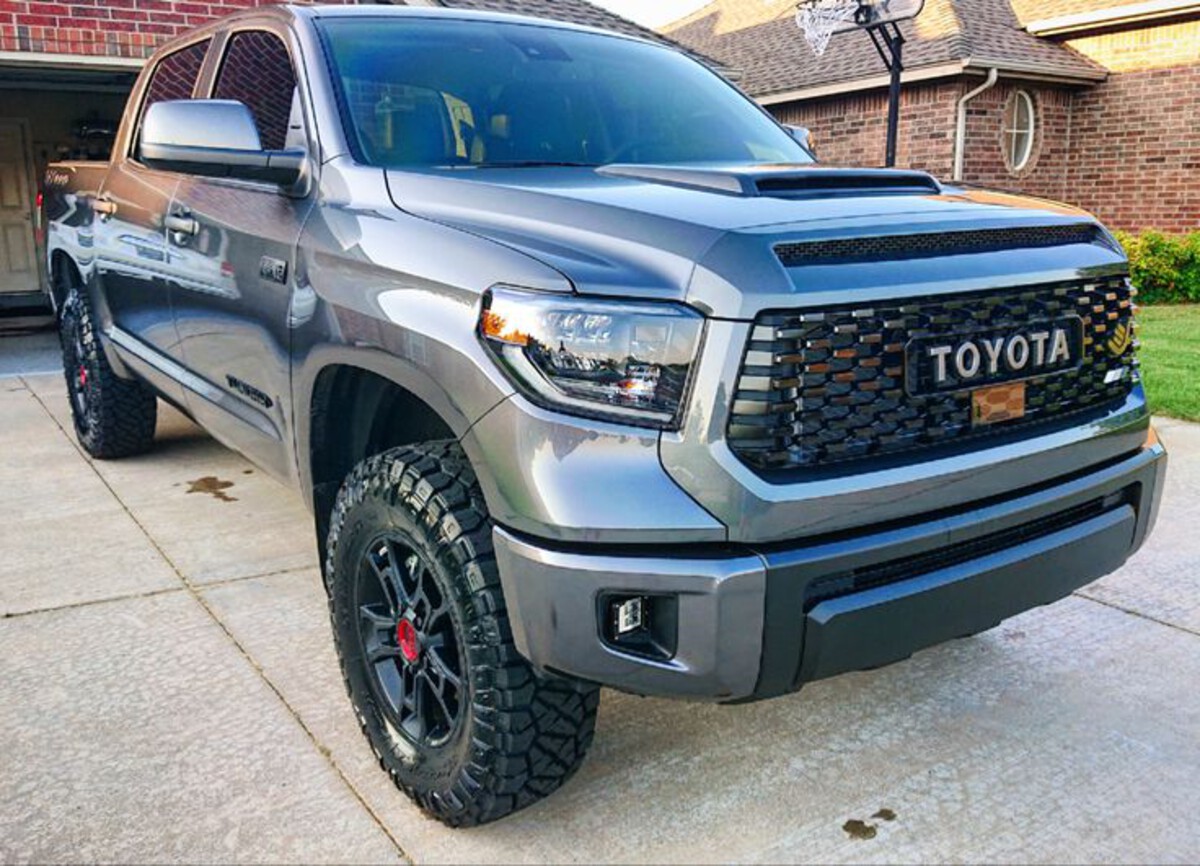
5. Toyota Tundra (3rd generation early models, post-2014)
The third-generation Toyota Tundra, introduced in 2014, represented a significant redesign intended to modernize the truck and better compete with American full-size pickups. While the Tundra generally maintained Toyota’s reputation for reliability, the early models in this generation faced a number of issues that affected their long-term durability.
Some early 3rd-generation Tundras experienced premature spark plug failures, which could cause engine misfires, reduced power, and increased fuel consumption.
Although spark plugs are a relatively inexpensive repair, the frequent need for replacement was frustrating for owners and indicative of underlying engine issues. Additionally, some engines showed signs of oil leaks from valve cover gaskets and other seals, which if left unchecked, could lead to more serious engine damage.
The transmission system in these early third-generation Tundras also faced criticism. Reports of rough shifting, hesitation, and delayed engagement suggested that the automatic transmissions were prone to premature wear under heavy loads or aggressive driving conditions.
While Toyota issued updates and recalls to address some of these issues, the early models still experienced more transmission problems compared to previous generations.
Rust and corrosion, historically a strength of Toyota trucks, became more noticeable on some of these Tundras, particularly on the frame and wheel wells in areas with heavy road salt use. This was somewhat unexpected, given Toyota’s previous success with rust resistance. As a result, some owners encountered frame rust issues earlier than anticipated, potentially shortening the truck’s service life.
While the third-generation Tundra brought many improvements in comfort, technology, and capability, its early models revealed durability concerns that affected owner satisfaction and reliability ratings. These issues highlight the challenges automakers face when integrating modern features and performance enhancements without compromising the toughness and longevity customers expect.
