
When it comes to pickup trucks, reliability and durability are two qualities that are often at the top of any buyer’s checklist. Whether for work, towing, off-road adventure, or simply day-to-day driving, no one wants to deal with a vehicle that frequently overheats or suffers from cooling system problems.
Unfortunately, not all pickups are created equal in this regard. While some models are known for running cool even under load, others have developed a reputation for frequent overheating and cooling system failures. Cooling issues can result in costly repairs, lost time, and even complete engine failure if left unaddressed.
That’s why it’s so important for buyers to consider the long-term reliability of a pickup’s engine cooling system before making a purchase. Some trucks, thanks to well-designed radiators, thermostats, and fans, can run at optimal temperatures even in high-stress environments. Others struggle to maintain proper engine temperature even under moderate loads, especially in warmer climates or during towing.
The reasons behind these differences can be traced to multiple factors, including engineering choices, engine size, cooling system design, and build quality. Trucks that rarely overheat typically have cooling systems that are well matched to their engine output and anticipated workload.
They often include features like larger radiators, transmission coolers, efficient airflow management, and intelligent fan control systems. In contrast, pickups that tend to run hot may have been built with undersized radiators, poor coolant flow, subpar fan systems, or simply engines that generate more heat than their cooling systems can handle over time. It’s not always the newest truck that performs best, either.
Some older models have built a legacy of reliability and thermal efficiency that newer models haven’t quite matched. Additionally, regular maintenance plays a role, but some models are simply more forgiving than others even when not perfectly maintained.
In this article, we’ll look at five pickups that rarely face cooling issues and compare them to five pickups that are often reported to overheat. This isn’t based on one-off cases or isolated incidents but rather common trends and long-standing feedback from owners, mechanics, and industry observers.
Whether you’re planning to buy used or new, or you’re curious about your own truck’s reputation, this comparison aims to give you a clear sense of what to expect in terms of cooling system reliability. Each section will break down the strengths and weaknesses of the trucks listed, with clear reasons why some are considered thermally reliable and others known for their overheating troubles.
Also Read: 5 Honda Sedans That Rarely Break vs 5 That Constantly Do
5 Pickups That Rarely Have Cooling Issues
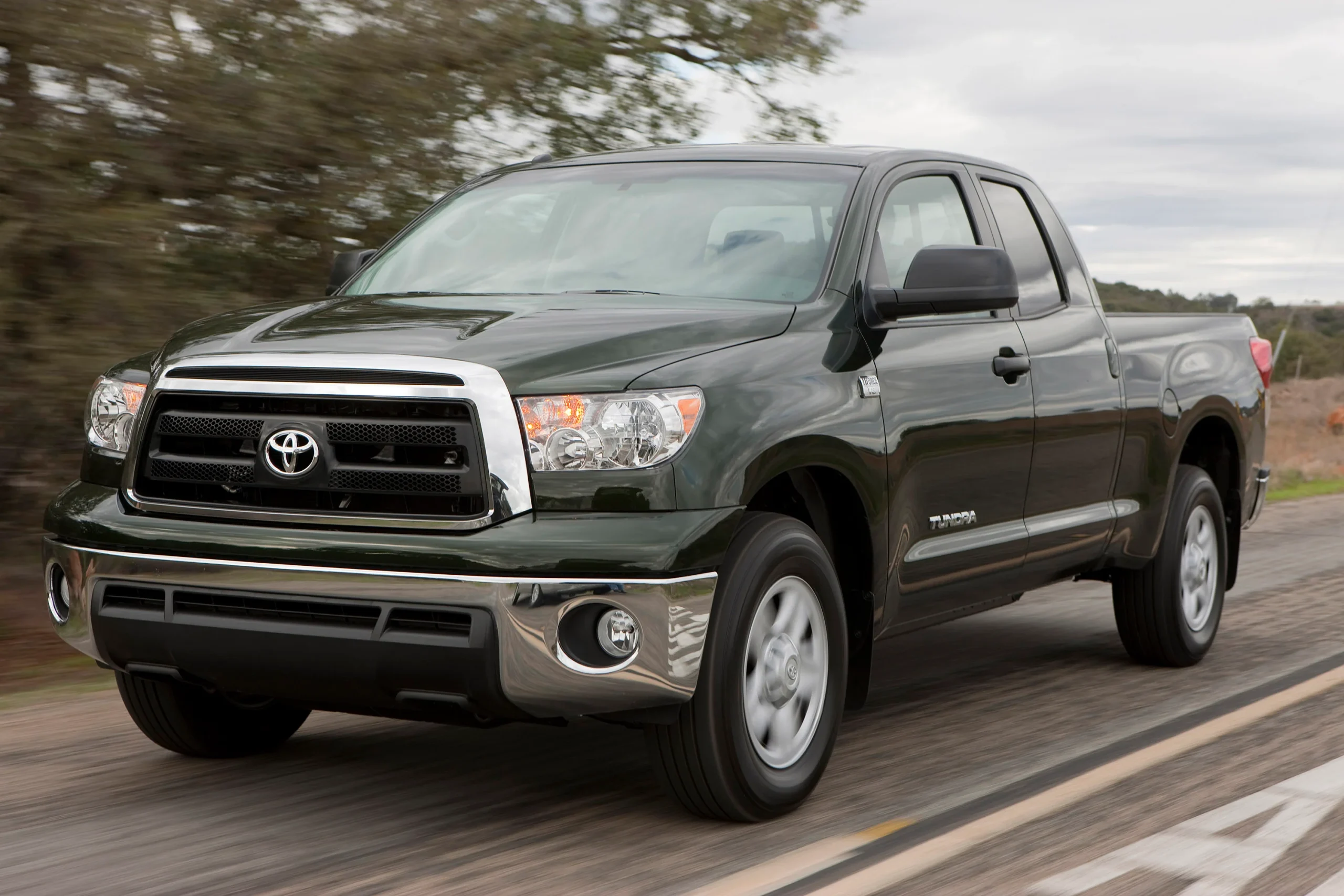
1. Toyota Tundra (Especially 2007–2021 Models)
The Toyota Tundra has built a reputation for rock-solid reliability, and its cooling system is one of the key reasons why it has earned that reputation. Especially the second-generation models (2007 to 2021), which are known for being mechanically simple and durable.
The 5.7-liter V8 engine is often praised for being overbuilt, and the cooling system is well-designed to match its power output. Toyota engineers equipped the Tundra with a large radiator and strong mechanical fan, and many models also come with a transmission cooler as standard or optional equipment.
In both towing and off-road conditions, the Tundra tends to maintain stable engine temperatures. Reports of overheating are rare, even among those who use the truck for heavy work. The truck was clearly designed with high-heat environments in mind.
This is especially important for drivers in southern states or mountainous regions where overheating becomes more likely due to ambient temperatures and altitude. The simplicity of its cooling system also plays a role. There’s less to fail compared to trucks with complex electronic fans or dual-loop systems, and maintenance is straightforward.
Another factor contributing to the Tundra’s cooling reliability is its consistent manufacturing quality. Toyota tends to build its engines and components with tight tolerances, and that extends to radiator fitment, hose quality, and fan operation.
Cooling-related complaints among Tundra owners are surprisingly low, especially when compared to similarly sized trucks from domestic manufacturers. Many owners report crossing the 200,000-mile mark with no major issues in the cooling department.
For anyone looking to avoid cooling issues altogether, the Tundra stands out as a smart choice. While it may lack some of the fuel economy or interior tech of newer trucks, it excels in the core areas that keep a vehicle on the road without drama. The design philosophy behind the Tundra is focused on durability and performance under stress, and that extends directly to its cooling system.
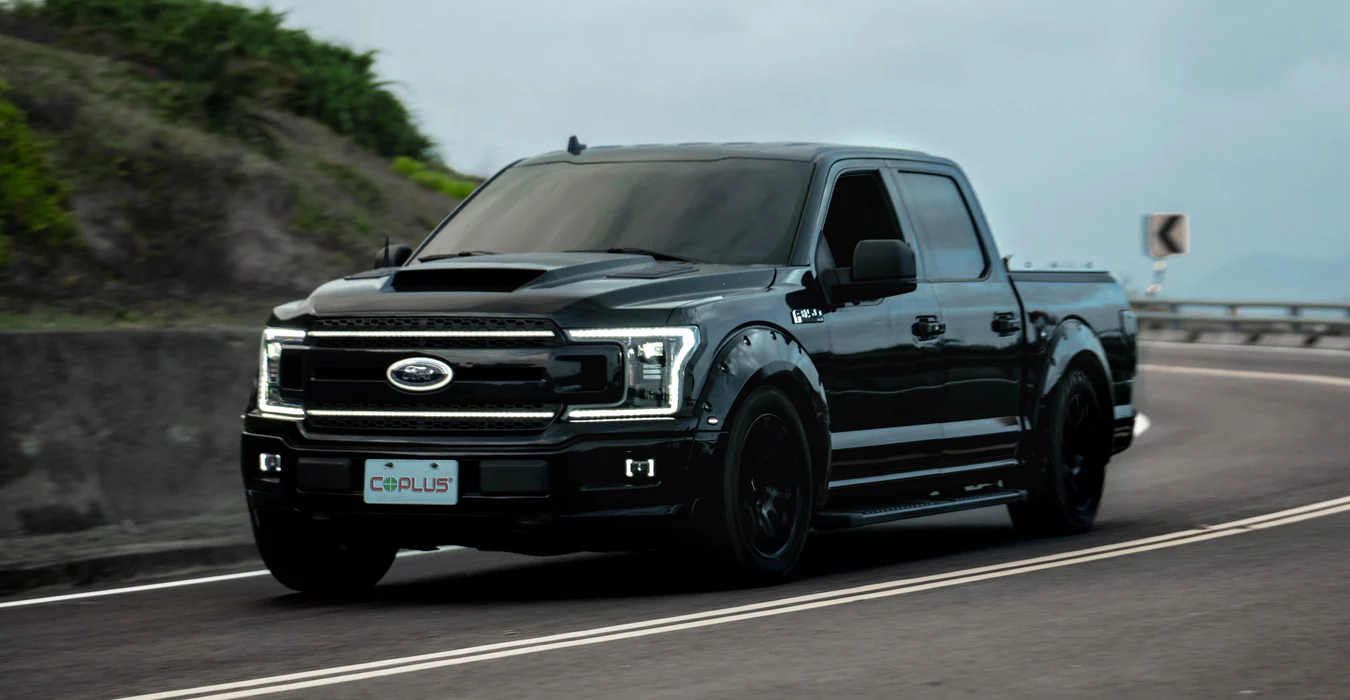
2. Ford F-150 (2011–2020 EcoBoost 3.5 and 5.0 V8 Models)
The Ford F-150 is one of the best-selling vehicles in the United States for good reason. Its blend of capability, comfort, and innovation makes it a top pick for many buyers. When it comes to cooling reliability, certain F-150 models have proven to be especially robust.
In particular, the second-generation 3.5L EcoBoost V6 (2017–2020) and the 5.0L V8 models (2011–2020) are known to handle heat very effectively, even under towing loads or long-distance highway driving.
Ford invested heavily in cooling upgrades for these models, especially after earlier iterations of the EcoBoost had some teething problems. The newer models feature intercoolers with better airflow management, larger radiators, improved fan systems, and optional tow packages that add transmission coolers. These enhancements make a noticeable difference in real-world conditions, especially for owners who tow trailers, boats, or campers.
One reason the F-150 maintains reliable temperature control is that Ford engineers anticipated the demands placed on the truck by its wide user base. Many owners rely on their trucks for hauling and off-road activities, and overheating would be a major liability.
As a result, cooling became a design priority. The airflow to the radiator and intercooler is unobstructed and efficient, and the thermostat operation has been calibrated to maintain optimal temperatures across different load conditions.
While no vehicle is completely immune to overheating if neglected, the F-150 has proven that with basic maintenance, its cooling system performs exceptionally well over time.
Whether you’re driving in the heat of Texas or the hills of Colorado, these F-150 models continue to earn praise for running cool when it matters most. Reliability reports and owner feedback both support the idea that the truck rarely leaves people stranded due to temperature issues.
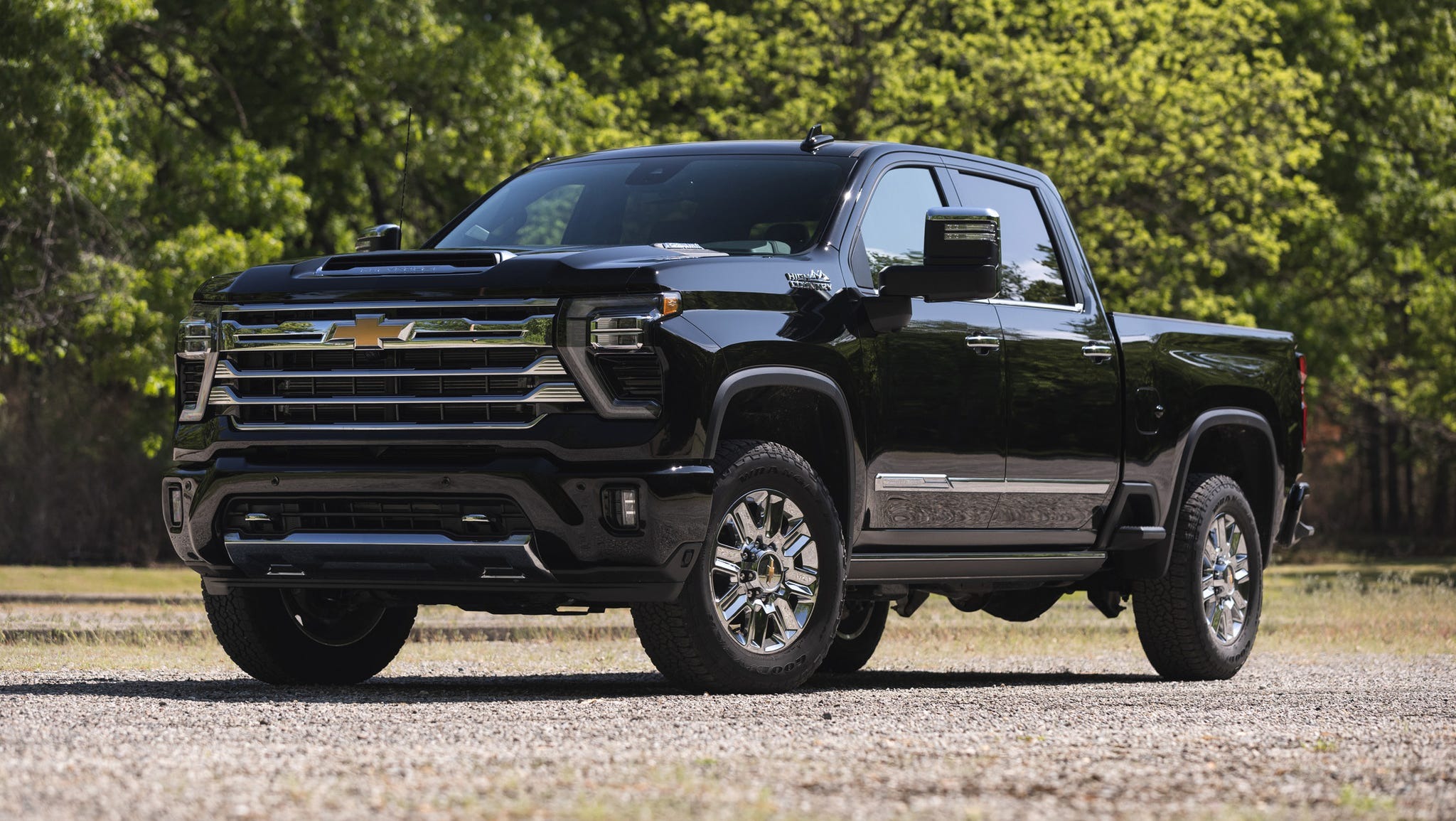
3. Chevrolet Silverado 2500HD (Duramax Diesel)
The Chevrolet Silverado 2500HD equipped with the Duramax diesel engine is another pickup that is widely regarded as thermally reliable. Diesel engines naturally produce more torque and operate at higher pressures than gasoline engines, which makes cooling even more important. GM has consistently engineered the Duramax-equipped HD trucks with heavy-duty cooling systems to match the demands placed on these workhorses.
The Silverado 2500HD comes with a large-capacity radiator, dual electric fans, and a separate transmission cooler. The truck is designed to tow heavy loads and haul serious weight, and as such, it needs to maintain safe operating temperatures under strain.
Most model years from 2006 to 2020 have maintained a solid reputation for cooling performance, and overheating is very rare unless there’s a mechanical failure or lack of maintenance.
These trucks also benefit from solid airflow design. The grille and front-end are built to funnel air directly to the radiator, and the engine bay has been shaped to release heat efficiently.
Even under extended highway hauling, the Duramax maintains a stable engine temperature, which is critical for diesel longevity. The turbocharger is cooled both by oil and coolant, and the system is built with redundancies to prevent thermal runaway.
Many Silverado HD owners use these trucks in extreme work environments, including construction, agriculture, and long-distance towing, and the trucks continue to earn praise for their ability to stay cool under pressure. Routine maintenance is key, but the core design of the Duramax cooling system gives it an edge in terms of long-term durability and performance.
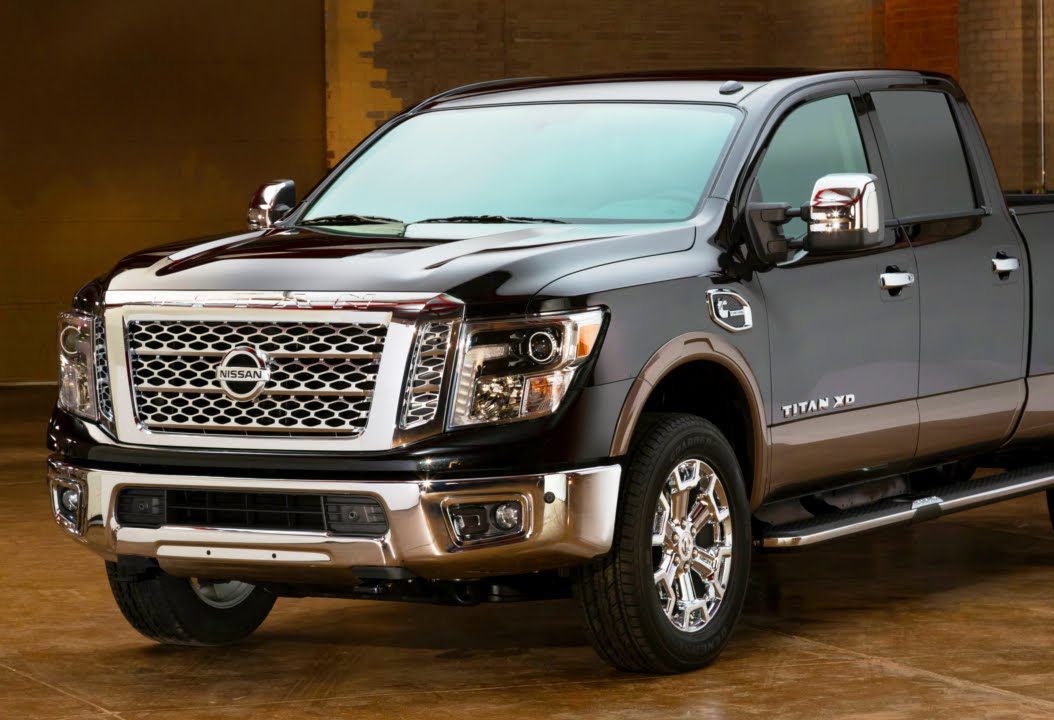
4. Nissan Titan XD (Cummins 5.0 Diesel)
The Nissan Titan XD with the Cummins 5.0-liter diesel V8 was a short-lived experiment, but it produced a truck with a highly reliable and efficient cooling system.
While the Titan XD wasn’t as popular as its competitors, it was engineered with a lot of attention to thermal management due to the nature of its diesel powertrain. The Cummins engine produces significant heat, and Nissan addressed this with a very robust cooling package.
The Titan XD includes a large radiator, dual fans, a heavy-duty oil cooler, and a transmission cooler. This setup allows the truck to maintain low temperatures even under towing loads. Many owners who use the Titan XD for hauling trailers or boats have noted that the truck stays consistently cool even on hot summer days. The reliability of the Cummins engine also adds confidence to the system.
The truck’s electronic controls do a good job of managing fan speed and thermostat behavior. Cooling fans ramp up in time to prevent heat buildup, and the flow of coolant through the system is strong and consistent.
It’s clear that the truck was designed with towing and work in mind, rather than just being a daily driver. That kind of planning results in fewer complaints about overheating, even with moderate neglect of maintenance intervals.
Even though the Titan XD is no longer in production, it remains a solid used option for buyers who prioritize reliability and low heat stress. The cooling system has proven to be dependable, and many used models are still on the road with high mileage and no major cooling failures. The diesel setup may not be for everyone, but for those who need it, it performs with confidence.
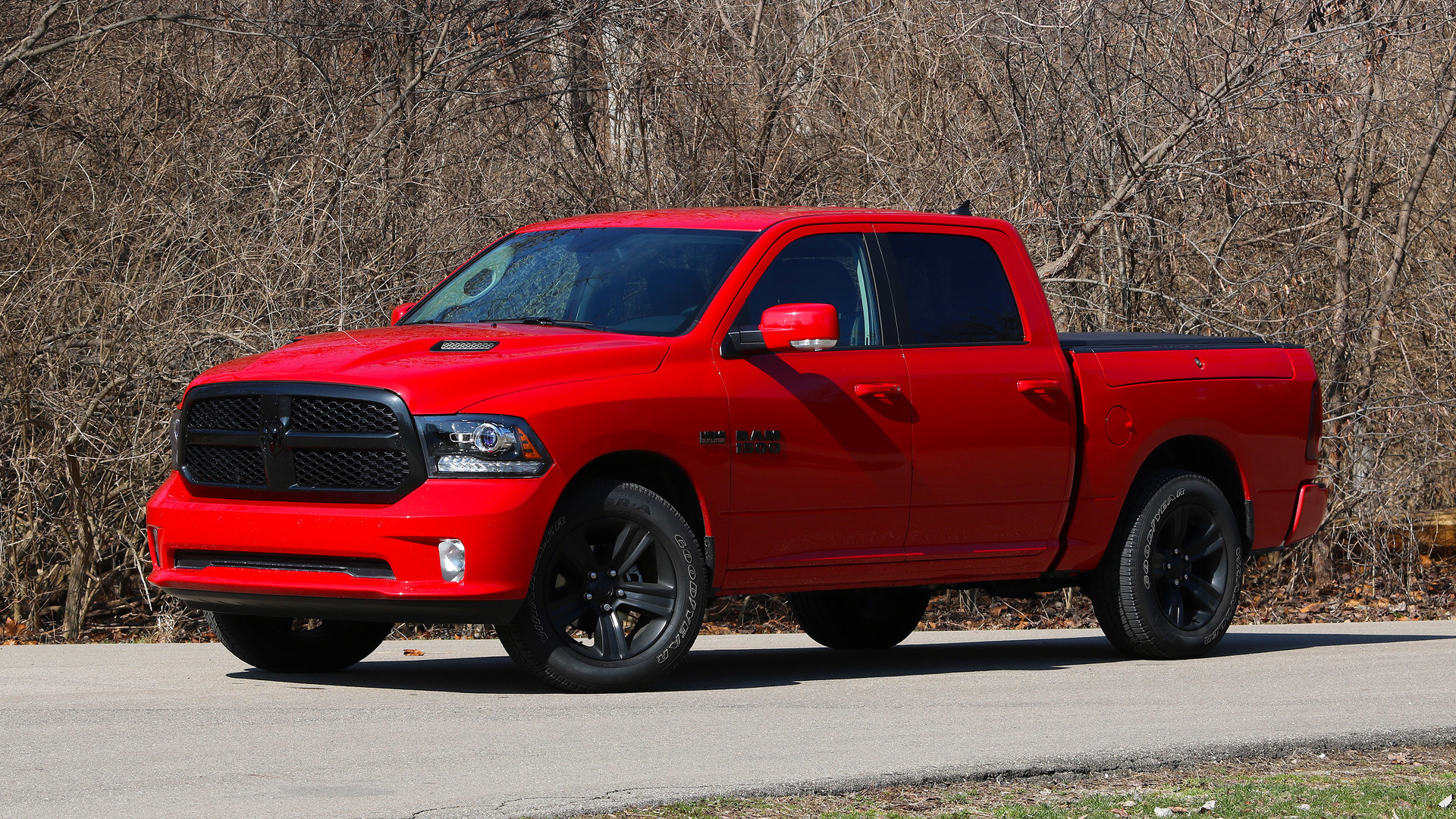
5. Ram 1500 (5.7 HEMI – 2013 and Newer)
The Ram 1500 equipped with the 5.7-liter HEMI V8, particularly from the 2013 model year onward, has shown itself to be a very thermally stable pickup. Ram made several key improvements to this engine’s cooling system starting in 2013, which resulted in better performance in both day-to-day driving and under heavy towing conditions.
The HEMI engine itself is a robust platform with a strong reputation, and the updated cooling systems that came in the last decade help the Ram compete well with other full-size trucks in the reliability category. With features like an active grille shutter system to manage airflow, an efficient mechanical water pump, and a decently sized radiator, the HEMI manages heat better than many might expect from such a powerful engine.
Ram also offers a heavy-duty cooling package for those who tow frequently, and it includes a larger radiator and an auxiliary transmission cooler. Trucks that come with this package rarely show signs of overheating even in harsh operating conditions. Many owners report consistent coolant temperatures and solid fan operation, even during long drives in hot climates.
The design of the front end allows for good airflow, and the fan clutch system is very responsive when additional cooling is needed. These factors combine to create a vehicle that doesn’t just perform well on paper but also proves itself in real-world usage. Mechanics who service these trucks often note that overheating complaints are far less frequent compared to similar V8 trucks from competitors.
The software controls in newer Rams also help the cooling system run efficiently. Engine temperature management has improved dramatically with the use of smart sensors and real-time thermal monitoring. The ECM (engine control module) adjusts fan engagement and air/fuel mixture to help manage heat more effectively.
This helps prevent heat soak and other temperature-related problems, especially after hard driving. Additionally, Ram’s engineers have designed the engine bay to reduce heat retention, allowing for faster cooldown periods once the engine is shut off. All of this makes the 5.7 HEMI-equipped Ram 1500 a surprisingly reliable choice for anyone concerned with thermal stability.
It’s worth mentioning that while the 5.7 HEMI has been used in a variety of vehicles, its performance in the Ram 1500 stands out due to how well the truck supports it with sufficient cooling infrastructure.
Even trucks that are used as daily workhorses, often loaded with tools, trailers, or carrying heavy payloads, rarely experience serious temperature issues if routine maintenance is observed. For buyers looking for a powerful half-ton pickup with proven thermal reliability, this generation of Ram 1500 is a dependable choice.
Also Read: 5 Nissan Leaf Years Worth Owning vs 5 To Avoid
5 Pickups That Constantly Overheat
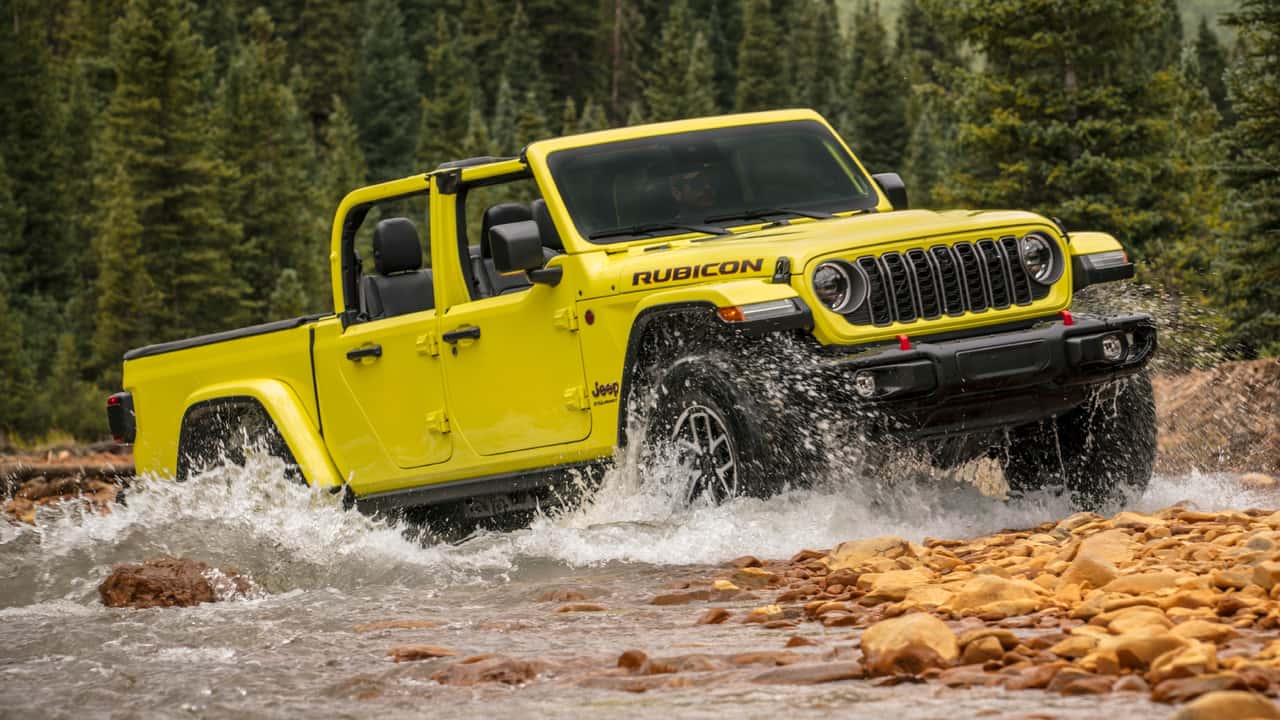
1. Jeep Gladiator (3.6L Pentastar V6 – 2020 and Newer)
The Jeep Gladiator, although marketed as a rugged off-road pickup, has faced consistent criticism when it comes to its cooling performance. The 3.6L Pentastar V6 engine, shared with many other FCA vehicles, is a solid performer in smaller cars but becomes strained when placed in a heavier pickup body, particularly when towing or navigating tough terrain.
The Gladiator’s cooling system, while adequate under light-duty conditions, begins to show its limitations under prolonged heat exposure or sustained workloads. This becomes even more pronounced in high-temperature regions where ambient heat compounds the engine’s own thermal output.
One of the main issues stems from the Gladiator’s relatively small radiator and insufficient airflow design. Unlike traditional pickups that prioritize forward airflow through larger grilles, the Gladiator’s vertical grille slats and smaller engine bay lead to reduced cooling efficiency.
The radiator doesn’t get the air volume it needs, especially at low speeds or when crawling through trails. Add to that the fact that many Gladiator owners equip their vehicles with larger tires and extra weight, and you have a situation where the engine has to work harder while receiving less cooling support. These conditions quickly expose the system’s weaknesses.
The automatic transmission can also contribute to overheating problems, particularly during towing or long climbs. The factory transmission cooler in the Gladiator isn’t robust enough for consistent, heavy use, and there are many owner-reported cases of high transmission temperatures.
Some drivers have had to resort to aftermarket solutions, like upgraded radiators or external transmission coolers, just to prevent overheating on relatively modest towing jobs. For a vehicle that markets itself as a trail-ready workhorse, this is a significant drawback. While aftermarket support is plentiful, it still requires additional spending and effort to fix what should have been solved in factory design.
Despite the Gladiator’s appeal as a lifestyle truck and off-road companion, its track record with cooling isn’t encouraging for those who plan to use it for anything beyond casual driving.
Many owners who live in warmer climates or use the truck for hauling have found themselves frustrated with repeated warning lights, coolant temp spikes, and the need to stop and cool down mid-journey. While it has other strengths, thermal reliability is not one of them, and it’s something potential buyers should seriously consider.
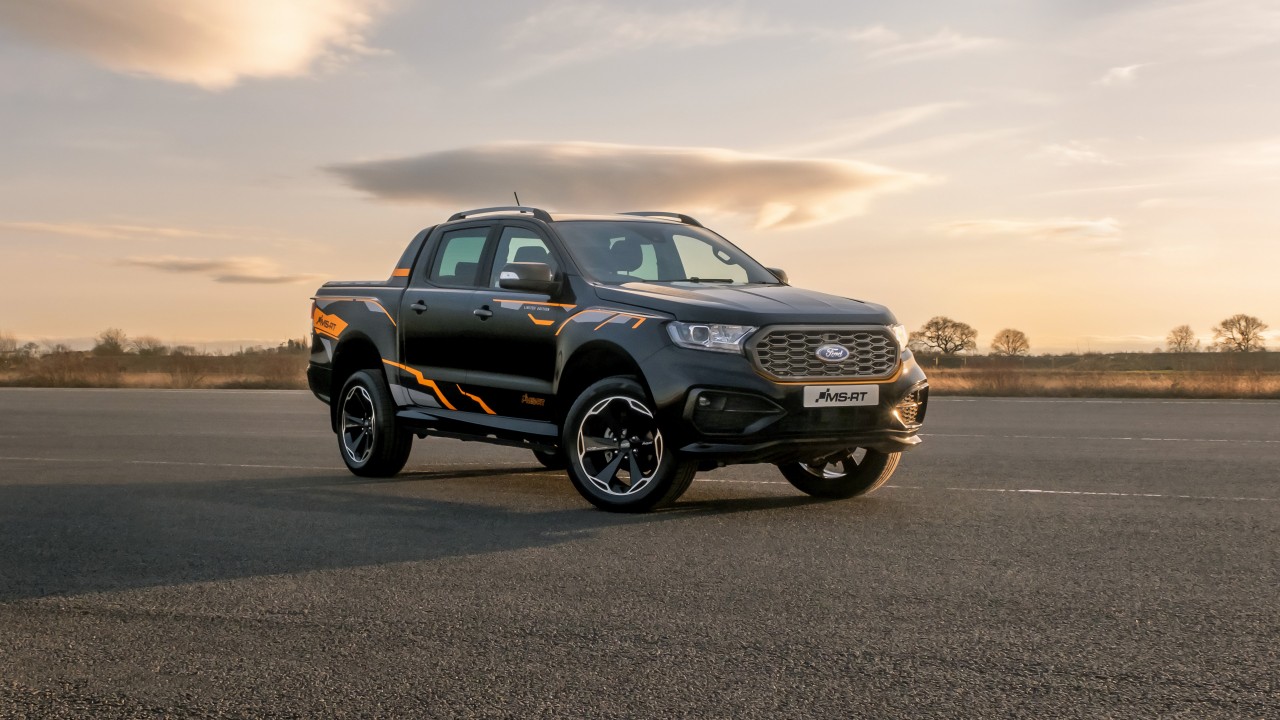
2. Ford Ranger (2.3L EcoBoost – 2019 and Newer)
The recent generation of the Ford Ranger, powered by the 2.3L EcoBoost engine, offers impressive torque and fuel economy for its size. However, when it comes to cooling performance, the Ranger doesn’t fare as well as expected. The 2.3L EcoBoost is a turbocharged engine that generates a significant amount of heat, especially when pushed hard.
While this isn’t inherently problematic, it becomes a serious concern when paired with an undersized radiator and limited cooling provisions, which is what the Ranger unfortunately delivers. Numerous owner complaints and mechanic reports point to overheating under load, particularly during towing or long drives in warm weather.
One of the core problems is that the Ranger was designed more for light-duty, everyday driving rather than being a heavy-duty workhorse. As such, Ford didn’t equip it with a very robust cooling system. The intercooler for the turbocharger is modest in size and struggles to keep intake temperatures down during prolonged acceleration.
The radiator, too, is not particularly large, and the cooling fan isn’t as aggressive as it should be in high-heat situations. When this engine is pushed, whether towing up a grade, accelerating onto highways, or driving in mountainous terrain, heat begins to accumulate faster than the system can dissipate it.
Transmission temperatures also climb quickly in these conditions. The Ranger lacks a separate transmission cooler in many trims, relying instead on the main radiator to handle both engine and transmission cooling.
This shared setup can become overwhelmed quite easily, leading to heat-related limp modes or, in more serious cases, damage to the transmission itself. While not every owner experiences these issues, those who regularly use their Rangers for more than commuting are the most likely to run into trouble. Long-distance towing is especially risky without added cooling support.
The Ranger was designed with efficiency and affordability in mind, not heavy-duty capability. While it’s a great compact pickup in many respects, cooling performance is not one of them.
Buyers who intend to use their Ranger for towing, off-roading, or driving in extreme climates would be wise to consider aftermarket cooling upgrades, or opt for a different truck altogether. The engine itself is capable, but the supporting systems fall short of what’s needed for demanding use.
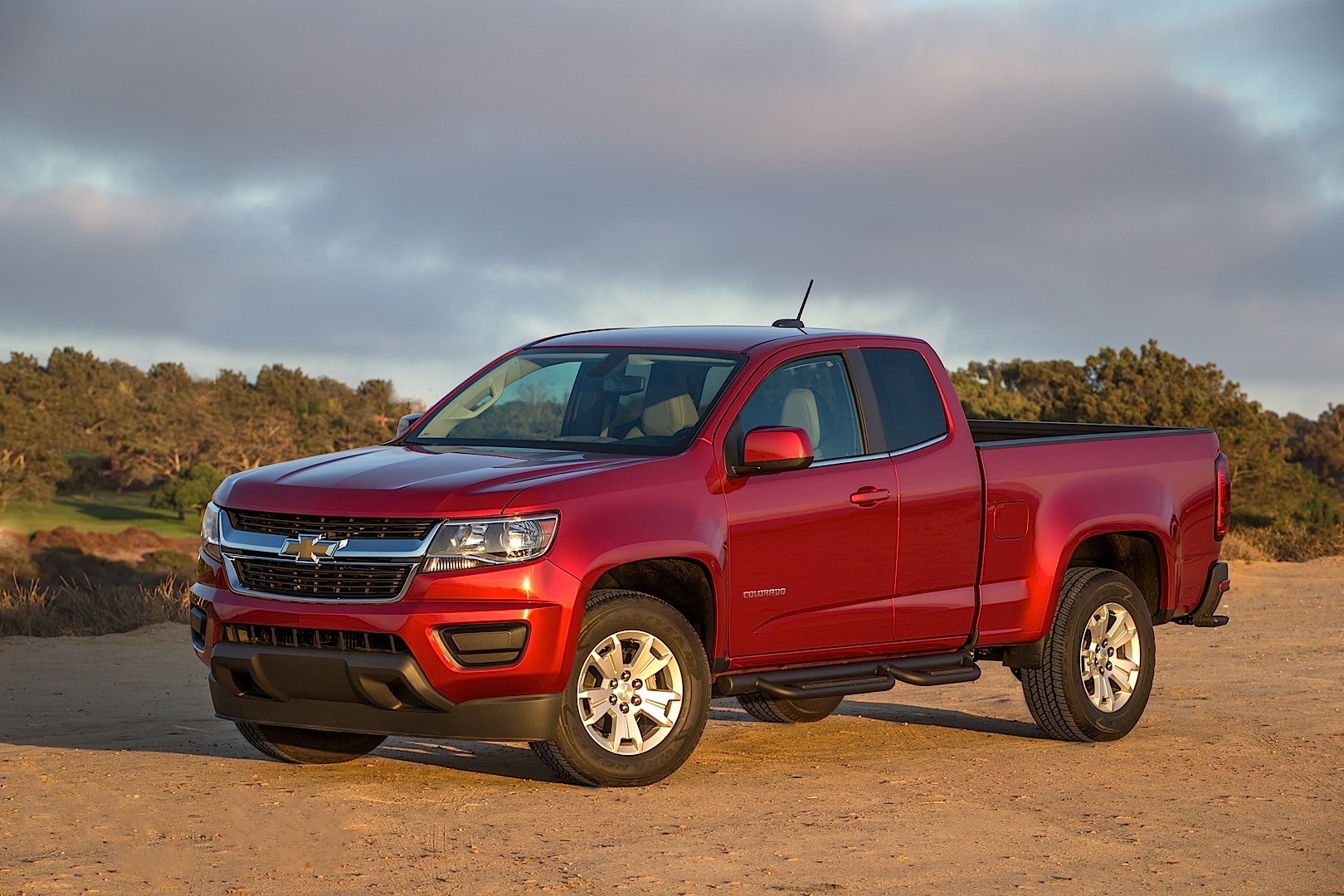
3. Chevrolet Colorado (3.6L V6 – 2015 to 2022)
The Chevrolet Colorado with the 3.6-liter V6 engine, particularly models from 2015 to 2022, has been flagged by many owners and mechanics for recurring overheating problems. While the truck offers decent performance and a smooth ride, it’s clear that the cooling system wasn’t designed to keep up with the demands placed on it.
The engine, shared across multiple GM vehicles, was designed more for mid-size sedans and SUVs, not for trucks expected to tow or haul with regularity. When used under strain, such as towing a trailer, driving in hilly regions, or operating in hot climates, the V6 simply generates more heat than the cooling system is capable of handling efficiently.
One of the most cited problems is the use of a relatively small radiator and underpowered cooling fans. GM seemed to have prioritized engine compartment packaging and weight savings over true thermal efficiency.
The airflow design of Colorado’s front end doesn’t help matters either; it restricts airflow more than necessary, particularly in stop-and-go traffic or at low speeds when the fans are most responsible for keeping things cool. The result is a setup that works fine under ideal conditions but begins to falter when real-world demands are applied. Multiple owners report temperature spikes while towing modest loads or during long idle periods in warm weather.
Adding to the issue is the way the cooling system interacts with the automatic transmission. Like several other modern trucks, the radiator and transmission cooler are often part of the same thermal loop, meaning that overheating in one area quickly causes a chain reaction that affects the other.
As the engine temp rises, so does the transmission temp, and the system has limited ability to recover once it gets hot. In some cases, the truck enters a limp mode, cutting power to protect the drivetrain. This can be especially frustrating for drivers on long trips or while towing up steep grades, where pulling off the road to let the truck cool down is not always practical or safe.
What’s most concerning is that GM has not provided a clear or comprehensive fix for this issue in factory configurations. While aftermarket solutions like upgraded radiators and electric fans are available, they cost money and require time and effort. For a mid-size pickup marketed as capable and adventure-ready, this is a serious shortcoming.
Owners who use their trucks lightly might never experience the issue, but those expecting the Colorado to perform like a scaled-down Silverado under real work conditions often find themselves disappointed. Thermal reliability simply isn’t one of this model’s strengths, and that becomes especially obvious in tougher environments.
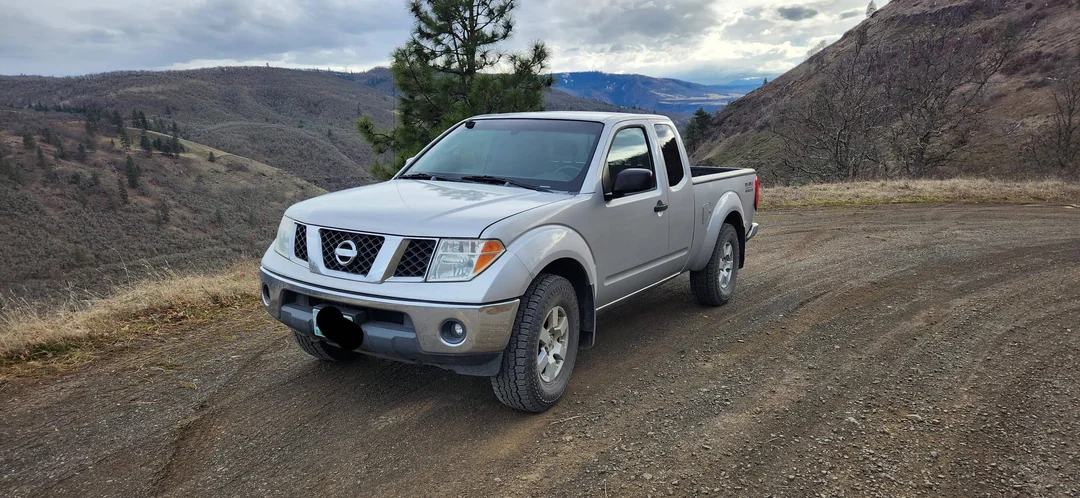
4. Nissan Frontier (4.0L V6 – 2005 to 2019)
The previous-generation Nissan Frontier, particularly those equipped with the 4.0-liter V6 engine from 2005 to 2019, is a truck that has developed a long-standing reputation for heating issues, especially as it ages. On paper, the engine produces solid power, and the Frontier itself is praised for its rugged simplicity.
However, the cooling system has proven to be a consistent weak point, especially in older models that haven’t been meticulously maintained. The radiator design, thermostat placement, and system capacity are all factors that contribute to frequent overheating episodes, especially under stress or in hot weather.
One of the most notorious issues tied to the cooling system in this model is the so-called “strawberry milkshake” problem. This nickname refers to a well-documented failure mode in which coolant leaks into the transmission via a failed radiator cooler, mixing the two fluids and effectively destroying the transmission.
While Nissan eventually addressed the issue with a revised radiator design, many trucks on the road today are still vulnerable. Even in trucks that don’t suffer from this specific failure, the radiator and thermostat design leaves little margin for error. Once the truck begins to overheat, it can escalate quickly and cause long-term damage.
Another challenge is that the 4.0L V6 runs hot even under normal conditions, and the cooling system seems to just barely keep it in check. Any added strain, like towing, off-roading, or driving in summer heat, can push it past its limit.
The factory fan setup is less than ideal, with a clutch fan that doesn’t always respond as quickly as needed. Radiator capacity is modest, and the plastic tanks on the sides of the radiator are prone to cracking with age and heat cycling. Replacing these parts is not difficult, but for many owners, it’s something they’ve had to do more than once.
Despite the Frontier’s image as a durable, no-frills truck, the reality is that its cooling system is outdated and somewhat fragile. Nissan stuck with the same engine and basic design for over a decade without significantly modernizing the components.
As a result, aging models are now entering a phase where cooling issues become more frequent, and even basic use cases can expose the weaknesses in the system.
For owners who plan to keep their Frontier running smoothly, frequent checks on coolant condition, radiator integrity, and fan performance are a must. This truck can still be reliable in other ways, but thermal stability is not something it can be counted on for without extra attention and care.
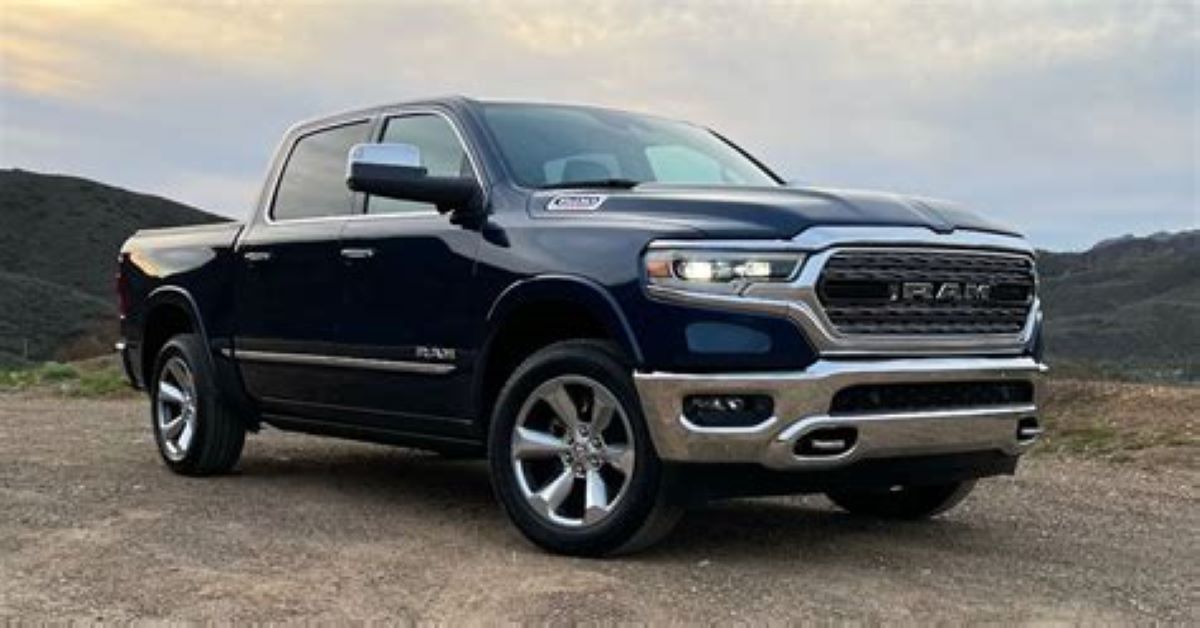
5. Ram 1500 (3.6L Pentastar V6 – 2013 to Present)
While earlier we praised the 5.7L HEMI version of the Ram 1500 for its thermal reliability, the same cannot be said for the models equipped with the 3.6L Pentastar V6. Found in many Ram 1500s from 2013 to the present, the Pentastar engine has proven to be a solid performer in minivans and lighter-duty vehicles, but its performance in the Ram 1500 has raised significant concerns, particularly when it comes to cooling.
The engine works hard to move a full-size truck, and the factory cooling system often doesn’t feel up to the task. Overheating in warm climates, during towing, or even just in stop-and-go traffic has been reported often enough to mark this as a recurring issue.
The core of the problem lies in the mismatch between engine output, vehicle weight, and radiator capacity. The 3.6L engine is relatively efficient, but it has to work harder than a V8 to move the heavier Ram body. That additional strain translates to higher heat generation.
The radiator, unfortunately, is not sized appropriately for these demands in many models, especially base trims that lack the heavy-duty cooling package. The electric cooling fans also struggle to keep up in high-load scenarios, particularly when temperatures climb and airflow is limited. For many owners, this results in heat spikes that happen unexpectedly and force the vehicle into a low-power mode to protect itself.
Another contributing factor is the engine bay layout, which is tight and doesn’t allow for the best airflow. Heat tends to linger longer in the compartment, and the plastic coolant reservoirs and hoses are known to degrade faster than expected. Several Ram 1500 owners have had to replace thermostats, water pumps, or even the entire radiator before reaching 100,000 miles, often more than once.
The Pentastar is a high-revving engine compared to its V8 counterpart, and that only adds to the cooling burden during acceleration, climbing, or heavy loads. It’s not uncommon to see temperature gauges spike during moderate towing or long uphill stretches, especially in summer conditions.
