
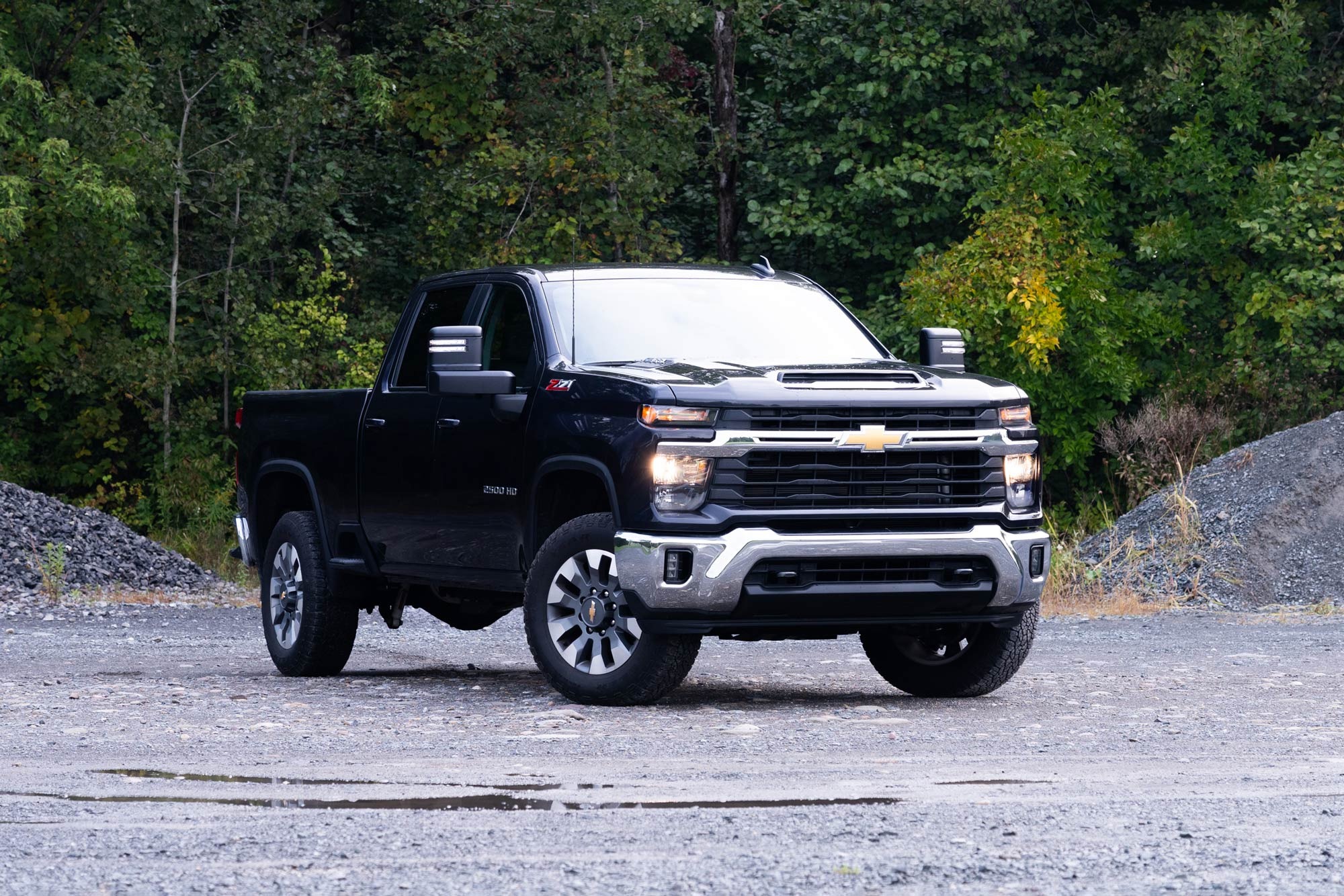
The Chevrolet Silverado is one of the most recognizable and widely used pickup trucks in the United States. Whether it’s for work, recreation, or daily driving, the Silverado has been a go-to vehicle for millions of drivers for decades. With its rugged design, powerful engine options, and a reputation built on durability, it has carved a strong place in truck culture.
However, like any long-running vehicle line, not all Silverado model years are created equal. Some years are celebrated for their reliability, longevity, and low maintenance costs, while others have left owners frustrated with persistent mechanical problems and expensive repairs.
People often talk about how a well-maintained Silverado can run for hundreds of thousands of miles. This is absolutely true for certain models, especially those that came out in years when GM nailed the balance of performance, quality control, and engineering.
On the other hand, some model years are plagued with problems right from the factory. Transmission failures, electrical glitches, rust issues, and subpar engine builds have haunted certain Silverados, making them vehicles to avoid if you’re looking for long-term dependability.
In this article, we’ll take a close look at five Chevrolet Silverado model years that are known to hold up incredibly well over time, these are the trucks that can run forever with the right care. We’ll also look at five years that have earned a reputation for being unreliable or high-maintenance, even when well cared for.
This comparison can be useful if you’re thinking about buying a used Silverado or if you’re simply interested in understanding the legacy of this iconic truck line.
Keep in mind that a lot of a truck’s reliability still depends on how well it’s been maintained by previous owners, how hard it’s been driven, and whether it has been kept stock or heavily modified. Still, some model years are more likely to stand the test of time than others. Let’s take a close look at the best and worst Silverado years from a longevity standpoint.
Also Read: 5 Diesel Engines That Outlive Pickups vs 5 That Crack Under Pressure
5 Chevy Silverado Years That Run Forever
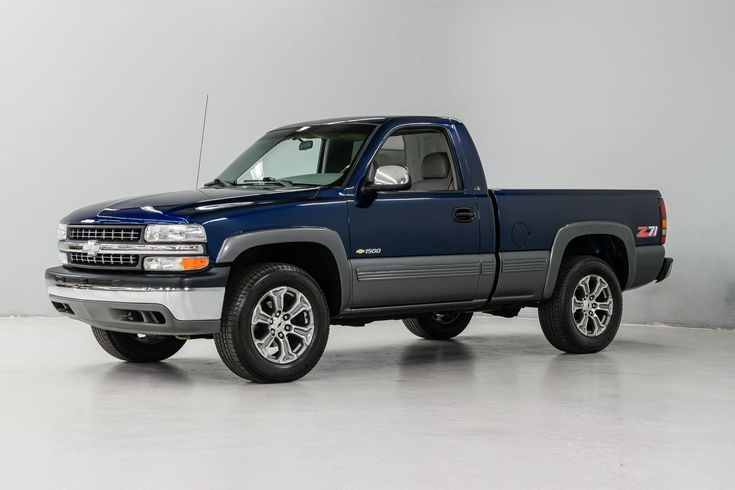
2006 Chevrolet Silverado 1500
The 2006 Silverado 1500 is often regarded as one of the most reliable trucks Chevrolet has ever made. Part of the first generation of the Silverado, this model stood out due to its simple yet solid engineering. Many owners have reported putting 200,000 to 300,000 miles on their trucks with only routine maintenance.
This kind of durability is no accident. The 2006 model was built with a focus on reliability rather than unnecessary technology or gimmicks. It featured tried-and-true engines like the 4.8L and 5.3L V8s, which were both known for lasting long under heavy use.
This truck was also relatively free from electronic failures, thanks to the limited amount of software and tech integration. That simplicity helped avoid the gremlins that often come with modern infotainment and sensor systems.
Mechanics appreciate these trucks because they’re easier to work on compared to newer models. Parts are widely available, and many repair procedures can be done without special equipment. For truck owners who just want something that works, the 2006 Silverado checks a lot of boxes.
Another key advantage is that the 2006 Silverado had a strong frame and suspension setup. It was built for hauling and towing, but it didn’t feel punishing to drive when unloaded. This balance made it a favorite among people who used their truck for work during the week and for personal driving on weekends. Despite its age, a well-maintained 2006 model can still command good resale value in the used market, which tells you how respected it is.
Finally, the truck’s rust resistance was better than some earlier models, especially if it was driven in dry climates or treated with undercoating in snowy regions. With fewer design flaws and a dependable drivetrain, the 2006 Silverado continues to earn its place as one of the most dependable trucks on the road today.
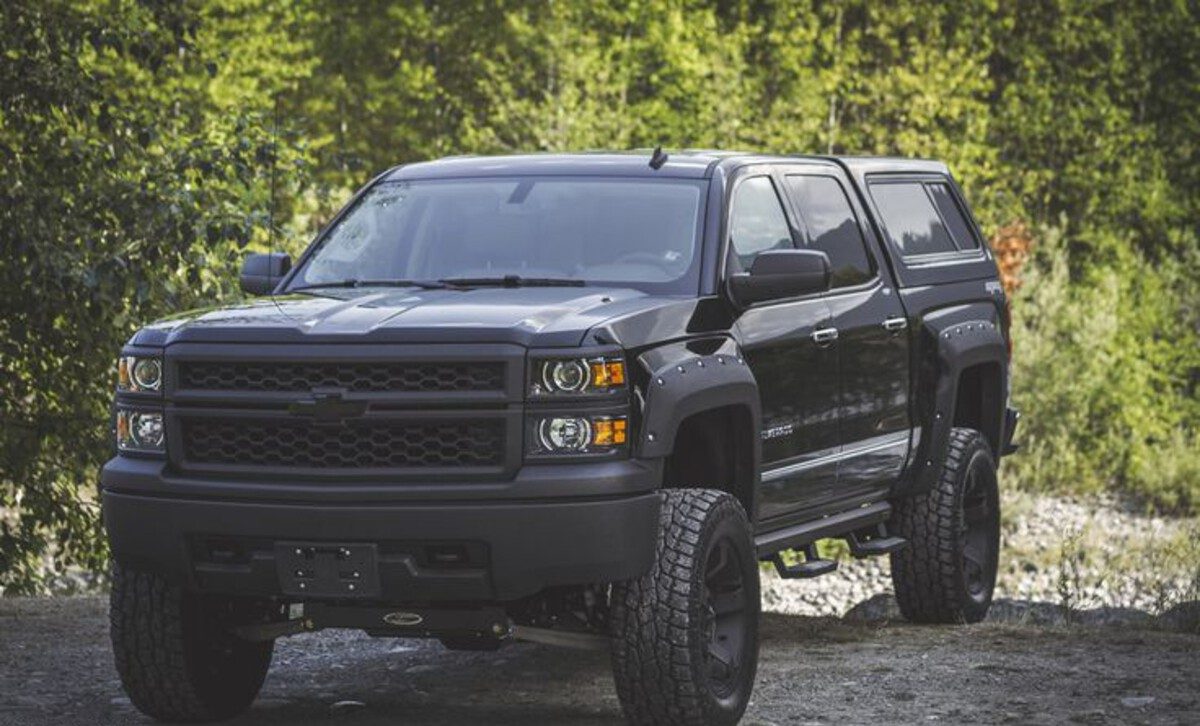
2014 Chevrolet Silverado 1500
The 2014 Silverado marked a turning point for the brand, introducing the third generation of the truck with significant improvements in build quality and materials. While the early 2014 models did have a few teething issues related to recalls, these were mostly addressed quickly and didn’t affect the long-term reliability for most owners.
Once the bugs were ironed out, this model year stood out as a solid and trustworthy option. It introduced GM’s EcoTec3 engine line, which brought better fuel efficiency without sacrificing power.
Owners often praise the 2014 Silverado for its smooth ride, thanks in part to a more refined suspension system. The cabin also saw a major upgrade, making the truck more comfortable for daily driving.
But even with these improvements, the 2014 model kept its core function as a reliable workhorse. Reports of major mechanical failures are rare compared to some of the later years, and many trucks from this year are still going strong with over 150,000 miles on the clock.
Another reason the 2014 Silverado holds up well is the quality of the transmission. Unlike some later years that struggled with 8-speed transmission issues, the 2014 models equipped with the 6-speed automatic are generally free from the shuddering and jerking problems seen in newer Silverados. The engines also have solid reputations, especially the 5.3L V8, which has been known to last if properly maintained.
People looking for a modern Silverado without too many high-tech headaches often find the 2014 model to be a great middle ground. It brings comfort and performance without the downside of being over-engineered. For those seeking a dependable used truck that still feels modern without being fragile, the 2014 Silverado stands as one of the strongest picks.
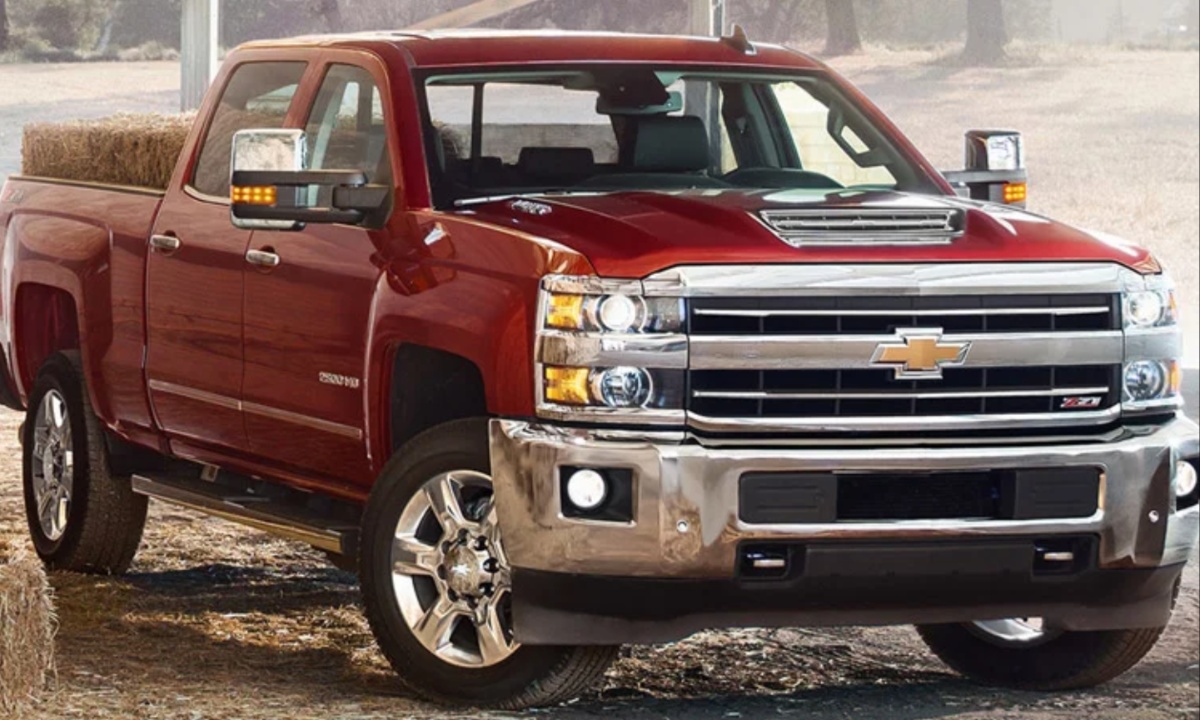
2003 Chevrolet Silverado 2500HD
The 2003 Silverado 2500HD is another model that has built a cult-like following among truck enthusiasts, especially those who need a heavy-duty workhorse. This year offered one of the most legendary diesel engines ever produced—the 6.6L Duramax LB7.
Paired with the Allison transmission, this combination delivered unmatched durability and towing power. Many of these trucks are still in operation today, used by farmers, contractors, and off-roaders who value power and reliability over flashy features.
One of the most appealing traits of the 2003 2500HD is that it was made before emissions equipment became more complex. This means fewer issues related to EGR valves, DPF filters, and DEF systems, which can often lead to expensive repairs in later models.
The LB7 engine, in particular, is known for its long lifespan when taken care of. The biggest issue it faced, injector failure, was well-documented and often replaced under warranty or with upgraded parts.
In terms of the truck itself, the 2003 Silverado had a straightforward interior and a body-on-frame design that was built to endure tough conditions. The heavy-duty frame and solid axle front suspension helped it perform well in real-world towing and hauling conditions. The truck wasn’t flashy, but it didn’t need to be. It was a tool, and one that was built to last.
The value of a well-kept 2003 Silverado 2500HD today is a testament to its strength. These trucks are still bought and sold at high prices because buyers know what they’re getting: a no-nonsense diesel truck that, with regular oil changes and basic maintenance, can easily run for 300,000 miles or more. If longevity is what you’re after in a heavy-duty truck, the 2003 model is a smart pick.
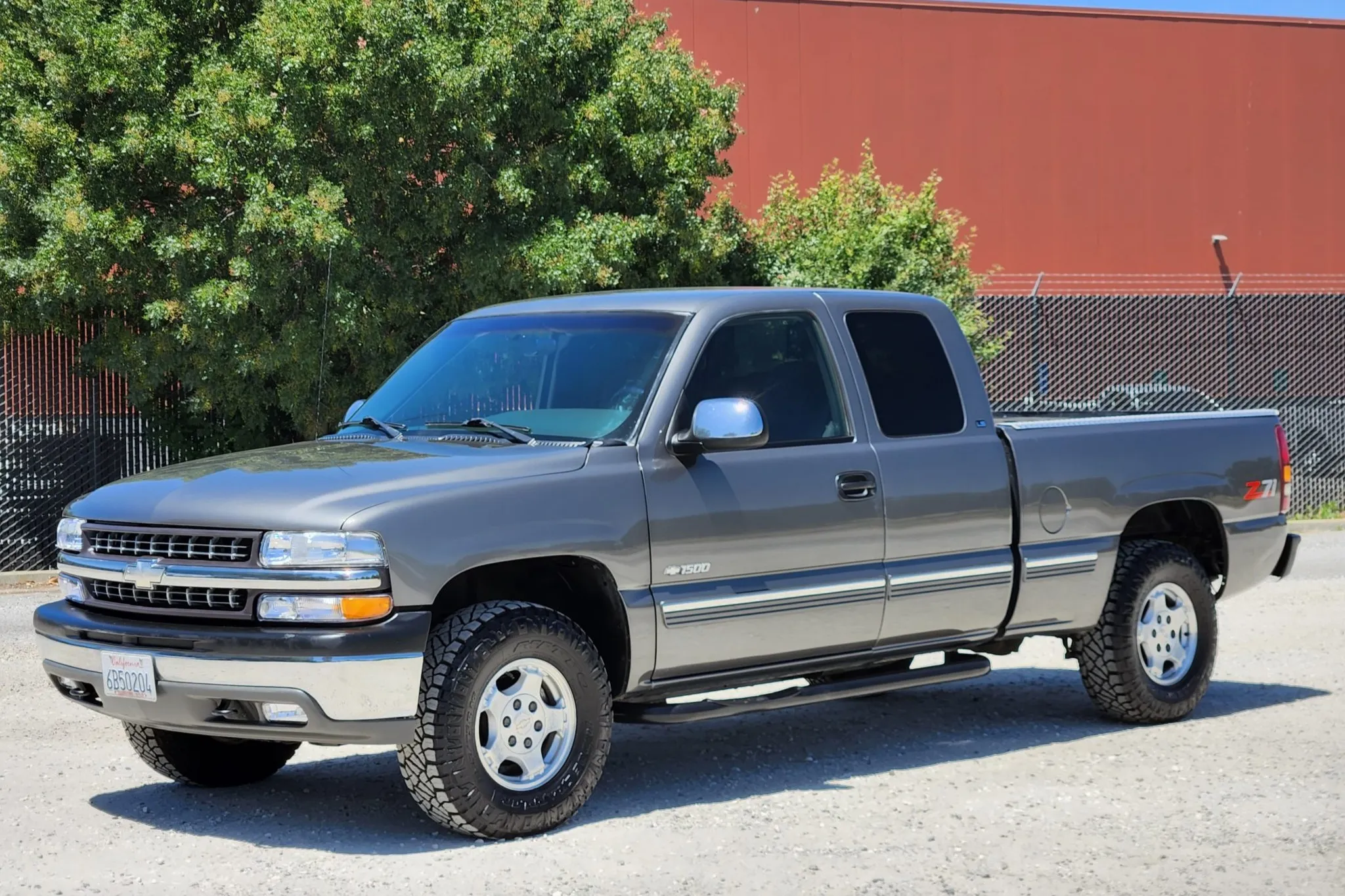
1999 Chevrolet Silverado 1500
The 1999 Silverado 1500 holds a special place in Chevy’s lineup as it marked the beginning of the Silverado nameplate, officially replacing the C/K series. Built with simplicity, strength, and reliability in mind, the 1999 model is widely regarded as a tough and dependable truck. Many of these are still on the road today, which speaks volumes about their build quality and mechanical resilience.
This model came with several engine options, but the 5.3L V8 in particular became a standout for its balance of power and longevity. These engines were overbuilt in many ways, and their reputation for high-mileage reliability is well earned.
It’s not uncommon to find original engines in these trucks with over 250,000 miles still running strong. The 4L60E automatic transmission, while not perfect, was well understood by mechanics and relatively easy to service.
Another strong point for the 1999 Silverado was its lack of unnecessary complexity. This was a time before vehicles became loaded with sensors, touchscreens, and electronic components that can fail over time.
The controls were simple, the design was utilitarian, and that helped contribute to the vehicle’s reliability. The frame and suspension were also well-designed, giving it a strong towing capacity and durability on rough terrain.
Owners of the 1999 Silverado often praise its ease of maintenance. Most repairs are straightforward and don’t require specialized tools or computer diagnostics. Parts are still widely available and reasonably priced. It’s one of those trucks where basic care goes a long way. As long as it’s not abused or neglected, this Silverado will keep going mile after mile.
2011 Chevrolet Silverado 1500
The 2011 Silverado 1500 remains a standout year for Chevy enthusiasts and truck owners who prioritize durability and consistent performance. Positioned within the second generation of the Silverado 1500, this model benefited from several refinements over its predecessors.
The 2011 edition featured the 4.8L, 5.3L, and even the 6.2L V8 engines, all of which were known for their toughness and ability to endure long-term use without major failures.
Among these, the 5.3L V8 has developed a reputation for being one of the more bulletproof engines Chevrolet produced during this era. It combines a good balance of fuel economy and power, which appeals to those needing a truck for both work and everyday driving.
One key to the 2011 Silverado’s longevity lies in its robust construction and relatively straightforward mechanical design. While it did incorporate modern comforts such as improved cabin materials and updated technology, it avoided becoming overly complex or prone to electronic failures.
The transmission, primarily the 6-speed automatic, proved reliable in this model year, avoiding the reliability issues that would plague some later Silverados equipped with newer 8-speed units. Owners have noted that the 2011 model handles towing and hauling tasks efficiently without putting excessive strain on the drivetrain.
From a maintenance perspective, this model year rewards owners who adhere to regular service schedules, including oil changes, transmission fluid changes, and timely brake service. The truck’s suspension components also tend to hold up well, even in tough working conditions.
The frame, designed to withstand the rigors of towing and heavy loads, remains structurally sound with proper rust prevention. While some minor issues like water pump leaks or minor electrical gremlins have been reported, these problems are relatively infrequent and typically easy to fix.
What also sets the 2011 Silverado apart is its aftermarket support and availability of replacement parts. This makes it easier for owners to keep these trucks running well into high mileage territory.
Many owners report their 2011 Silverados passing the 200,000-mile mark without major repairs, a testament to the model’s well-engineered powertrain and chassis components. For anyone looking for a balance of modern features and long-lasting dependability, the 2011 Silverado is often a smart choice.
5 Chevy Silverado Years That Don’t Run Forever
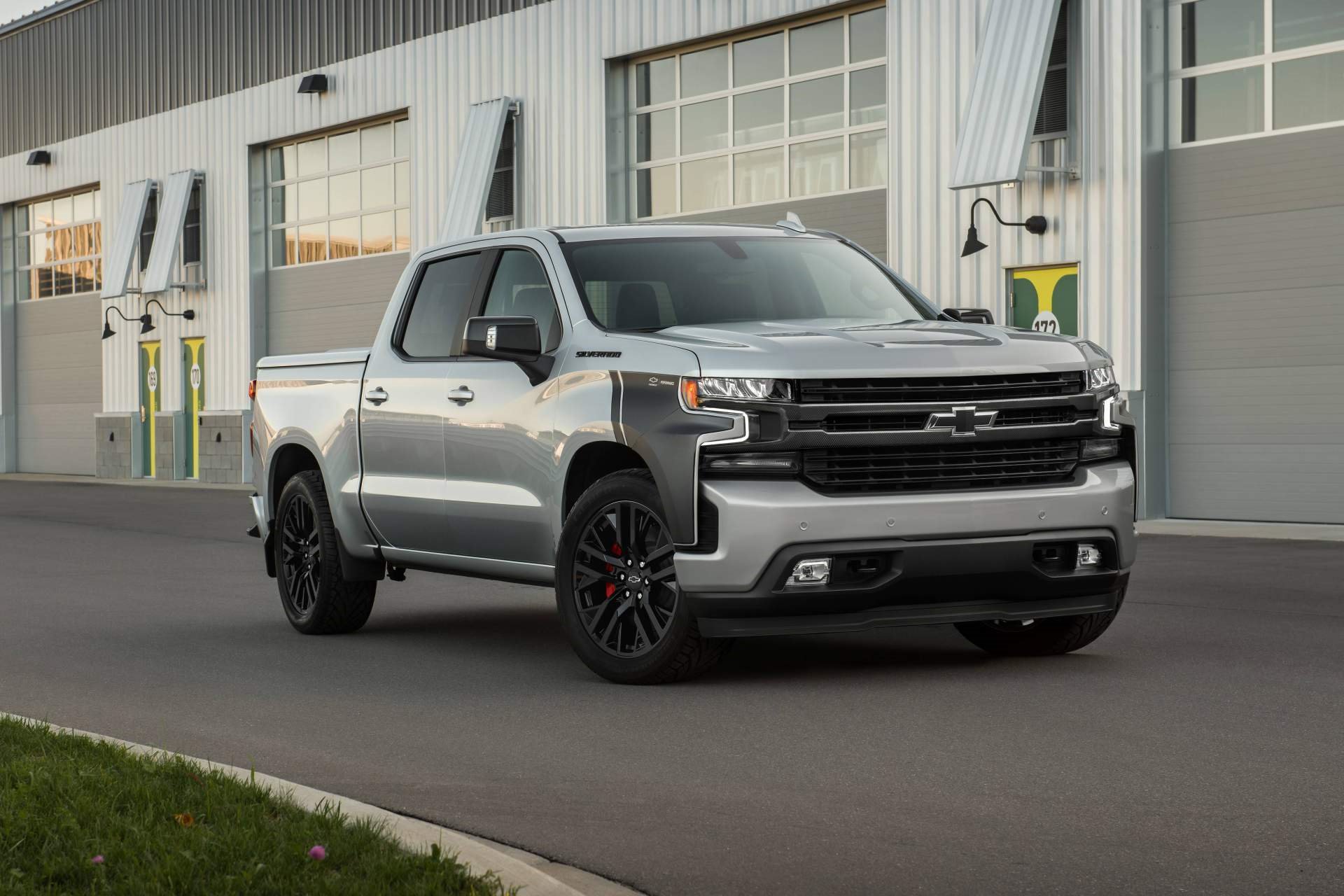
2019 Chevrolet Silverado 1500
The 2019 Chevrolet Silverado 1500 was met with high expectations thanks to a complete redesign that brought modern styling, advanced safety features, and improved technology. However, many owners quickly found that the 2019 model introduced new problems that affected the truck’s long-term reliability.
One of the most significant concerns was the 8-speed automatic transmission, which replaced the older, more proven 6-speed automatic in many trims. Early adopters reported a variety of issues, including harsh shifting, hesitation, and delayed engagement, which led to uncomfortable driving experiences and, in some cases, complete transmission failure.
These problems often required expensive repairs or transmission rebuilds, putting a dent in the truck’s reputation for durability. While newer transmissions are designed to be more efficient, the implementation in this model year seemed rushed, resulting in components not being fully refined for real-world conditions.
Beyond transmission troubles, the 2019 Silverado faced electronic system issues that became a headache for many owners. The increased reliance on complex computer modules and sensor networks meant more points of failure. Infotainment systems frequently froze or rebooted, Bluetooth connectivity was unreliable, and dashboard warning lights sometimes appeared without clear causes.
These glitches, while sometimes minor, could escalate into major problems if left unchecked. Additionally, some owners experienced “limp mode,” where the truck’s computer system restricts engine power to protect the drivetrain, requiring dealer intervention to reset or repair faulty sensors or modules. The growing complexity of the electrical systems, while improving comfort and safety, ironically undermined the truck’s dependability.
Rust has also emerged as an issue for the 2019 Silverado. Some trucks, especially those exposed to winter road salt or humid climates, showed early signs of corrosion on the frame rails, suspension components, and wheel wells. Rust can severely impact the structural integrity of a truck, leading to expensive body and chassis repairs.
The concern is that, despite improvements in rust-proofing techniques compared to older models, the protective coatings and materials used in 2019 Silverados did not hold up well in certain environments. This problem adds to maintenance costs and can shorten the useful life of the vehicle.
Lastly, the 2019 Silverado’s fuel economy and powertrain reliability received mixed reviews. While the EcoTec3 engines were designed to improve efficiency, some owners reported problems with cylinder deactivation systems, causing rough idle and increased oil consumption.
The combination of new technology and early mechanical issues meant the 2019 model was less reliable than its predecessors. The 2019 Silverado brought a fresh design and new features, but sacrificed some of the reliability that had made earlier Silverados popular among long-term owners.
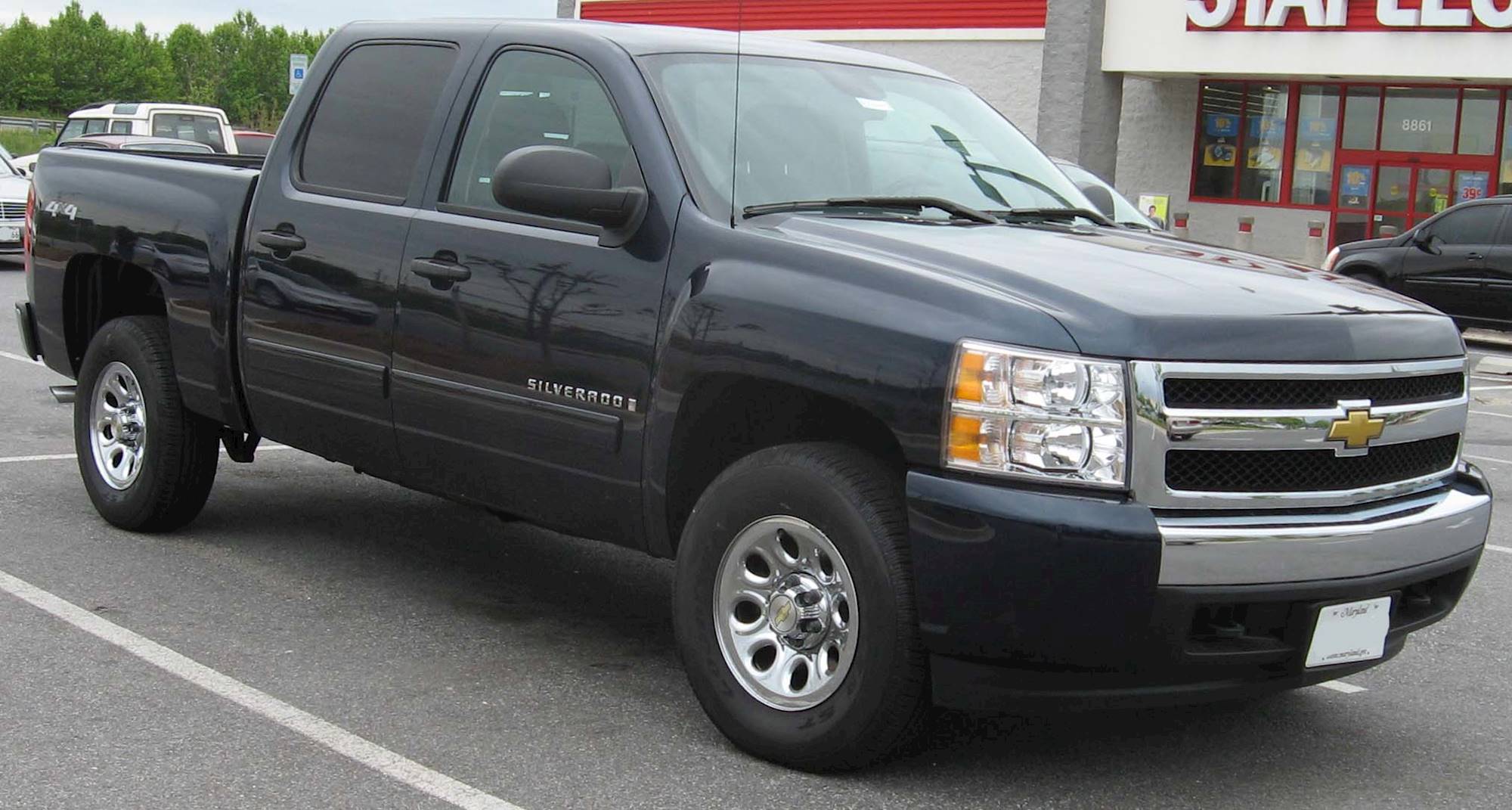
2007 Chevrolet Silverado 1500
The 2007 Chevrolet Silverado 1500 was part of the GMT900 generation, which was largely praised for its ruggedness and power. However, this specific year experienced a series of problems that tainted its reputation among truck enthusiasts and daily drivers alike.
One of the most glaring issues was the 4L60E automatic transmission, which suffered from premature wear and failure in a significant number of trucks. Problems ranged from rough and delayed shifting to complete transmission lock-ups.
Because the transmission is such a critical component in a truck, these failures caused major frustration and often meant costly repairs or replacements, detracting from the truck’s reliability.
Electrical system issues also plagued the 2007 Silverado. Owners reported faults ranging from malfunctioning power windows and locks to erratic dashboard warning lights that made diagnosing problems more complicated. These electrical gremlins often stemmed from faulty wiring harnesses or failing control modules.
The increasing complexity of the vehicle’s electrical systems made repairs expensive and sometimes unreliable, as intermittent issues could be difficult to pinpoint. In some cases, these electrical failures affected critical systems such as lighting and sensors, which could impact safety.
Engine-related problems further diminished the appeal of the 2007 model. Some trucks experienced excessive oil consumption, noisy lifters, and occasional misfires, often due to wear in valve lifters or timing chain components.
While these problems weren’t universal, they were frequent enough to cause concern for potential buyers. Engine issues can dramatically increase maintenance costs and reduce engine life, especially when combined with transmission and electrical troubles.
The 2007 Silverado also faced criticism for its suspension and frame durability in certain conditions. Although designed to be a heavy-duty work truck, some owners found that components like ball joints, control arms, and bushings wore out faster than expected, especially in trucks used for towing or off-road.
This accelerated wear added maintenance expenses and affected ride quality. Taken together, the mechanical and electrical issues made the 2007 Silverado a less attractive option for buyers seeking a dependable truck that can endure years of heavy use without major repairs.
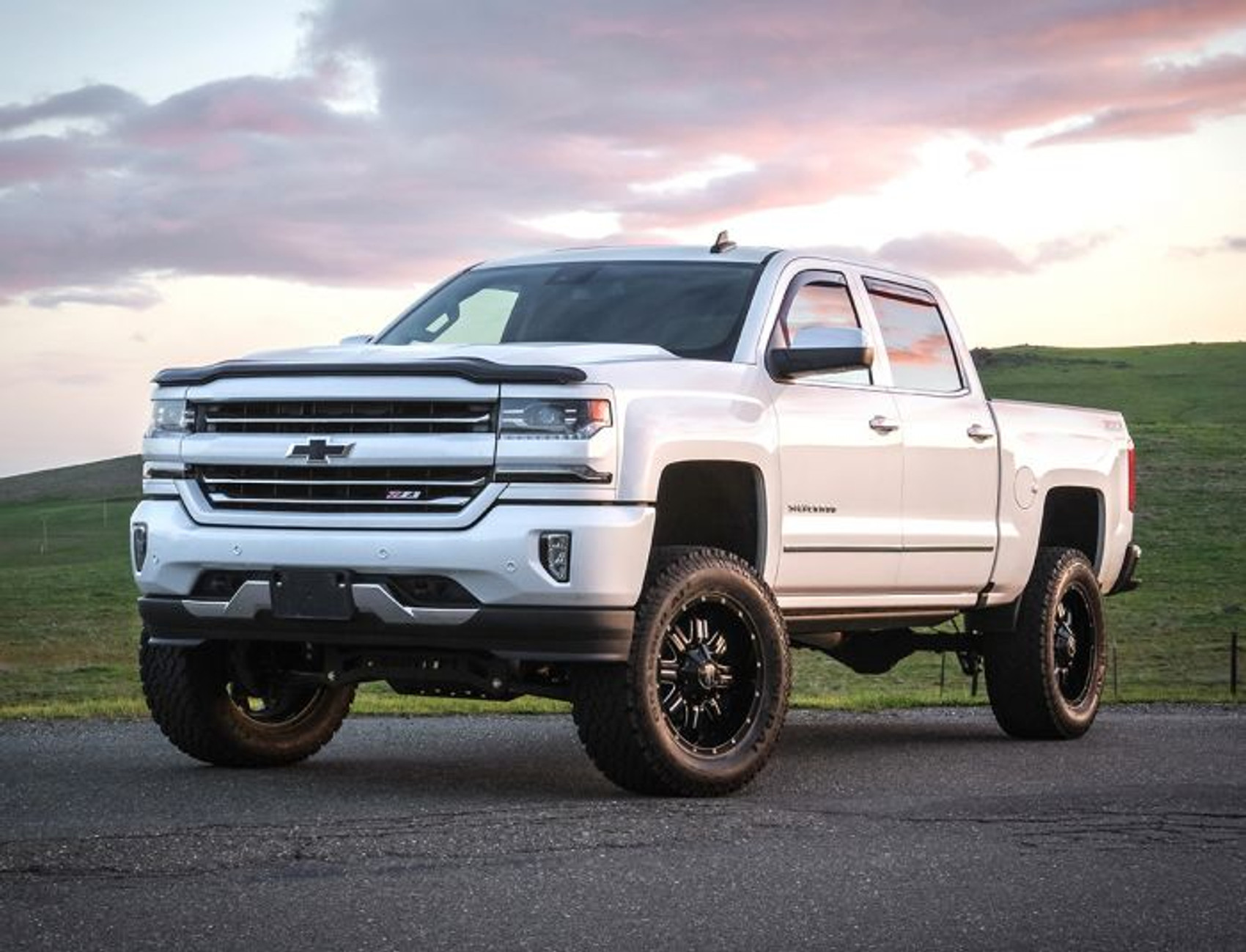
2015 Chevrolet Silverado 1500
The 2015 Silverado 1500 introduced new technology and a refreshed look that brought the truck up to date with competitors. However, this model year was plagued by problems that have hurt its long-term reliability in the eyes of many owners and experts.
The introduction of the 8-speed automatic transmission was intended to improve fuel efficiency and performance, but early versions suffered from transmission shudder, hard shifting, and in some cases, total failure. These issues caused increased warranty claims and led many owners to spend thousands on repairs. The transmission problems overshadowed what could have been a strong model year.
Beyond transmission concerns, the 2015 Silverado struggled with engine-related issues. The active fuel management system, which disables some cylinders under light loads to save fuel, was often the source of complaints. Owners reported rough idle, hesitation during acceleration, and increased oil consumption due to this feature.
Over time, these problems could lead to more serious engine wear, negatively impacting the truck’s lifespan. Repairs and modifications to deactivate or fix the cylinder deactivation system became popular among owners seeking to improve reliability.
Electrical glitches were also widespread in the 2015 model. Infotainment systems frequently froze or required resets, and warning lights sometimes appeared without an apparent cause.
The complexity of the truck’s modern electronics introduced new failure points, which required dealer visits and software updates. For many owners, these ongoing electrical issues became a source of frustration, especially given the higher cost of ownership compared to previous generations.
Rust resistance also raised concerns with the 2015 Silverado. Some trucks showed early corrosion on the frame, undercarriage, and wheel wells, especially in regions with harsh winters. Rust is a serious problem for pickup trucks, as it can affect safety and reduce resale value.
Despite efforts by GM to improve corrosion protection, the 2015 model year saw a number of reports of rust-related damage developing sooner than expected. This issue further undermined confidence in the truck’s durability and long-term value.
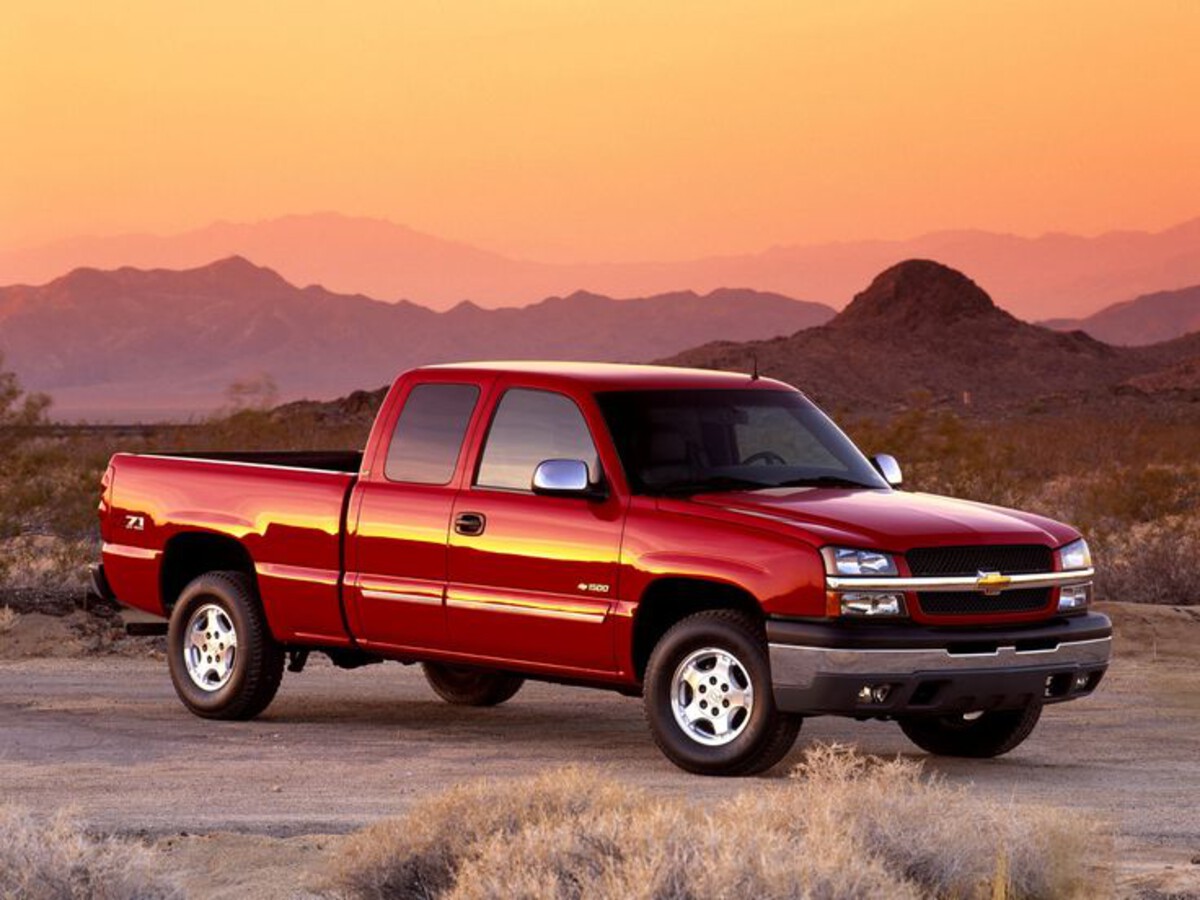
2002 Chevrolet Silverado 1500
The 2002 Silverado 1500 was the final year of the GMT800 generation and while it carried forward many of the platform’s strengths, it was also marked by several recurring problems. Transmission issues were particularly common in this model year.
Trucks equipped with the 4L60E automatic transmission frequently exhibited symptoms of slipping, harsh shifts, and eventual failure. These problems could appear relatively early in the truck’s life, leading to expensive repairs that reduce ownership satisfaction. Transmission repairs, including fluid changes and rebuilds, were more frequent for 2002 Silverados compared to other years.
Engine reliability was another weak spot for the 2002 model. Some engines suffered from excessive oil consumption, noisy valve lifters, and timing chain wear.
The valve train design was prone to wear under certain conditions, particularly when the truck was not regularly maintained with proper oil changes. These engine issues could lead to decreased performance and increased maintenance costs, detracting from the truck’s long-term dependability.
Rust problems also affected many 2002 Silverados. The frame and body panels were susceptible to corrosion, especially in northern climates where road salt is prevalent during winter months.
Premature rust can compromise the truck’s structural integrity and lead to costly bodywork or even render the vehicle unsafe. Many owners found that rust prevention and undercoating treatments were necessary to extend the truck’s service life.
Electrical faults were not uncommon either, with wiring harnesses and sensors sometimes failing prematurely. These issues could result in random check engine lights, malfunctioning accessories, and difficulty diagnosing underlying problems.
While the electrical systems were simpler than modern trucks, their aging components still posed reliability challenges. While the 2002 Silverado had its share of loyal fans, it is often considered a year to approach with caution due to these recurring issues.
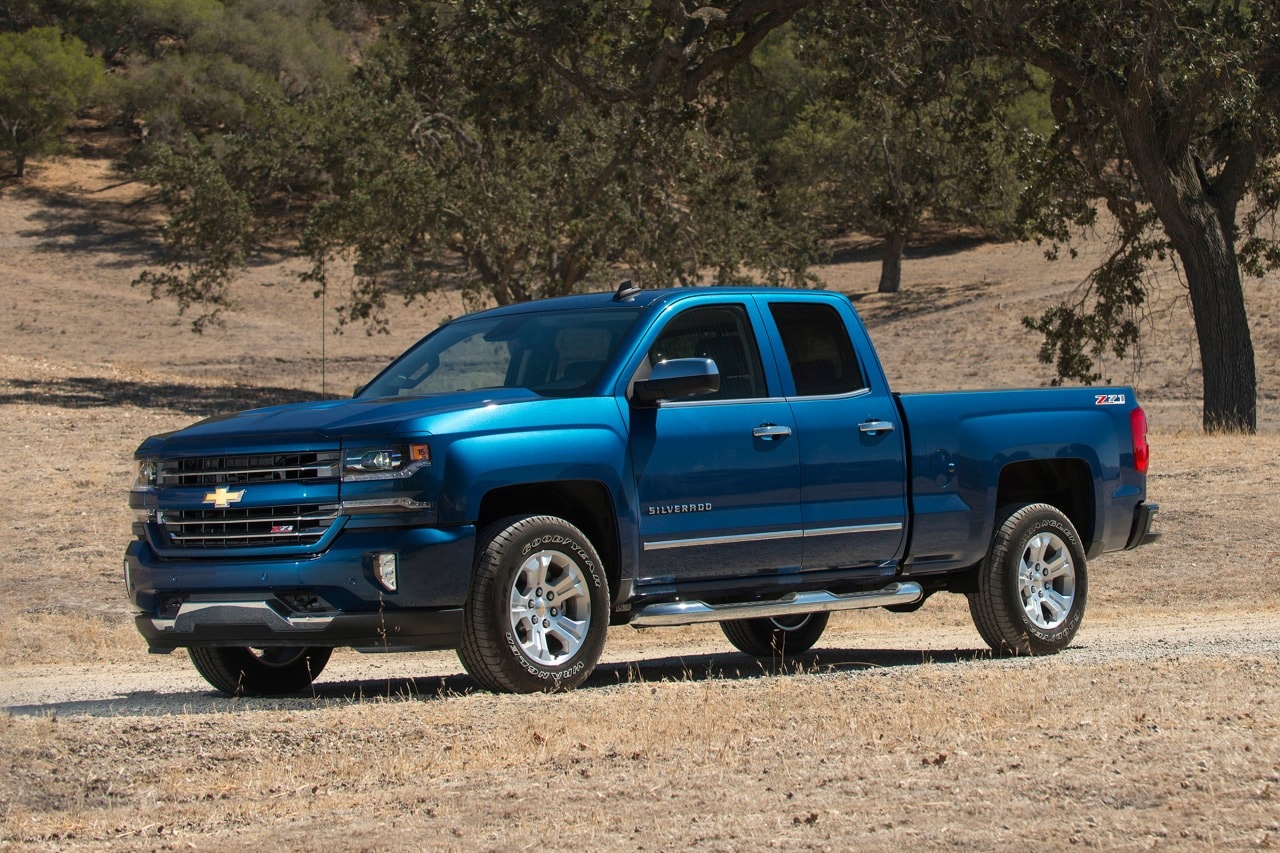
2017 Chevrolet Silverado 1500
The 2017 Chevrolet Silverado 1500, part of the third generation, presented a modernized truck with advanced features but came with a string of reliability problems. One of the most problematic areas was the 8-speed automatic transmission, which faced numerous complaints about hard shifting, erratic downshifts, and sudden power losses.
This transmission was relatively new for GM trucks and had not yet been fully refined, leading to premature wear and in some cases, complete failure. Drivers frequently found themselves dealing with limp mode and needing costly repairs, casting doubt on the transmission’s durability.
Engine-related issues also plagued the 2017 Silverado. The variable valve timing and cylinder deactivation systems, while designed to boost efficiency, sometimes caused rough idling, increased oil consumption, and occasional hesitation.
These problems indicated that the new technologies, while promising, had not yet reached peak reliability. Repairs to these components were often costly and complex, requiring dealer service or specialized tools.
The truck’s electrical systems also showed signs of strain. Owners reported glitches with infotainment systems, faulty sensors triggering false alarms, and erratic dashboard warning lights.
These electronic faults reduced driver confidence and often necessitated repeated software updates or component replacements. The increasing complexity of truck electronics meant that repairs could be time-consuming and expensive, especially compared to earlier, simpler models.
Rust also emerged as a concern for the 2017 Silverado. Although GM had improved corrosion protection measures, some trucks developed rust issues on the frame rails and lower body panels sooner than expected.
This was particularly common in areas with harsh winters, where salt exposure accelerated corrosion. Rust can seriously affect vehicle safety and longevity, leading some owners to invest in additional rust-proofing measures to protect their investment.
Taken together, the mechanical, electronic, and corrosion problems make the 2017 Silverado one of the more troublesome model years in recent history. While it offered modern amenities and powertrain improvements on paper, the reality for many owners was a truck that demanded more repairs and maintenance than expected for its class.
Also Read: 5 V6 Engines That Surprise Owners With Longevity vs 5 That Don’t Last
Choosing a reliable pickup truck can be a challenging task, especially when looking at a long-standing model like the Chevrolet Silverado, which has undergone numerous changes over the years. The longevity and dependability of a Silverado often depend heavily on the model year, as variations in design, technology, and manufacturing quality can lead to vastly different ownership experiences.
As highlighted, some years like the 2011 and 2003 models have earned reputations for running well beyond 200,000 miles with relatively few major issues, thanks to their simpler mechanical setups, proven powertrains, and solid build quality. These models often reward owners who maintain regular service schedules and avoid overcomplicating their trucks with overly complex electronics.
On the other hand, more recent models such as the 2019 and 2017 Silverados show that newer does not always mean better in terms of durability. The introduction of advanced transmissions, intricate electronic systems, and fuel-saving technologies have sometimes created more problems than solutions for long-term reliability.
Transmission failures, electronic glitches, and early rust issues are common themes among the less reliable years. These problems can lead to costly repairs and downtime that frustrate owners and diminish the appeal of these trucks as workhorses or dependable daily drivers.
While technological advancements have improved comfort, safety, and performance, they have also introduced additional points of failure that require specialized knowledge and frequent maintenance.
For buyers seeking a Silverado that “runs forever,” choosing model years with a proven track record for durability and mechanical simplicity is often the safest bet. It’s also important to perform thorough inspections, research known issues, and consider the availability of parts and aftermarket support.
