
Some vehicles age like milk, while others age like fine wine. For many car owners, reaching 200,000 miles means it’s time to start thinking about a replacement. But certain cars continue to perform, feel, and even look like they have many more miles left in them.
These are vehicles built with engineering that prioritizes durability, real-world testing that ensures reliability, and often, owners who stay on top of maintenance. While any car can last a long time with obsessive care, the cars on this list tend to hold up even under average conditions. They maintain their driving quality, comfort, and functionality well beyond the point where most cars begin to show their age.
This list focuses on ten standout models that routinely rack up 200,000 miles and still feel like trustworthy daily drivers. Whether it’s the feel of the steering wheel, the responsiveness of the engine, or the comfort of the seats, these cars keep their composure. You’ll find a mix of sedans, SUVs, and even a truck or two here, because longevity doesn’t belong to just one segment. It belongs to cars that are built right.
If you’re looking for a used car with serious staying power, or you want reassurance that your current ride still has years left in it, this list is for you.
These ten models have proven themselves through countless real-world miles. Many of them are known to exceed 300,000 miles without a complete breakdown, and that’s not a marketing claim; it’s something owners have confirmed time and time again.
We’re not just talking about reliability here. This list focuses on cars that actually feel like they have more life in them, even when the odometer says otherwise. Some still drive tight, others resist cosmetic wear, and a few even maintain strong resale value at high mileage. So if you’re wondering whether a car can still feel solid after all those years, the answer is yes, if you pick the right one.
Also Read: 5 Nissan Leaf Years Worth Owning vs 5 To Avoid
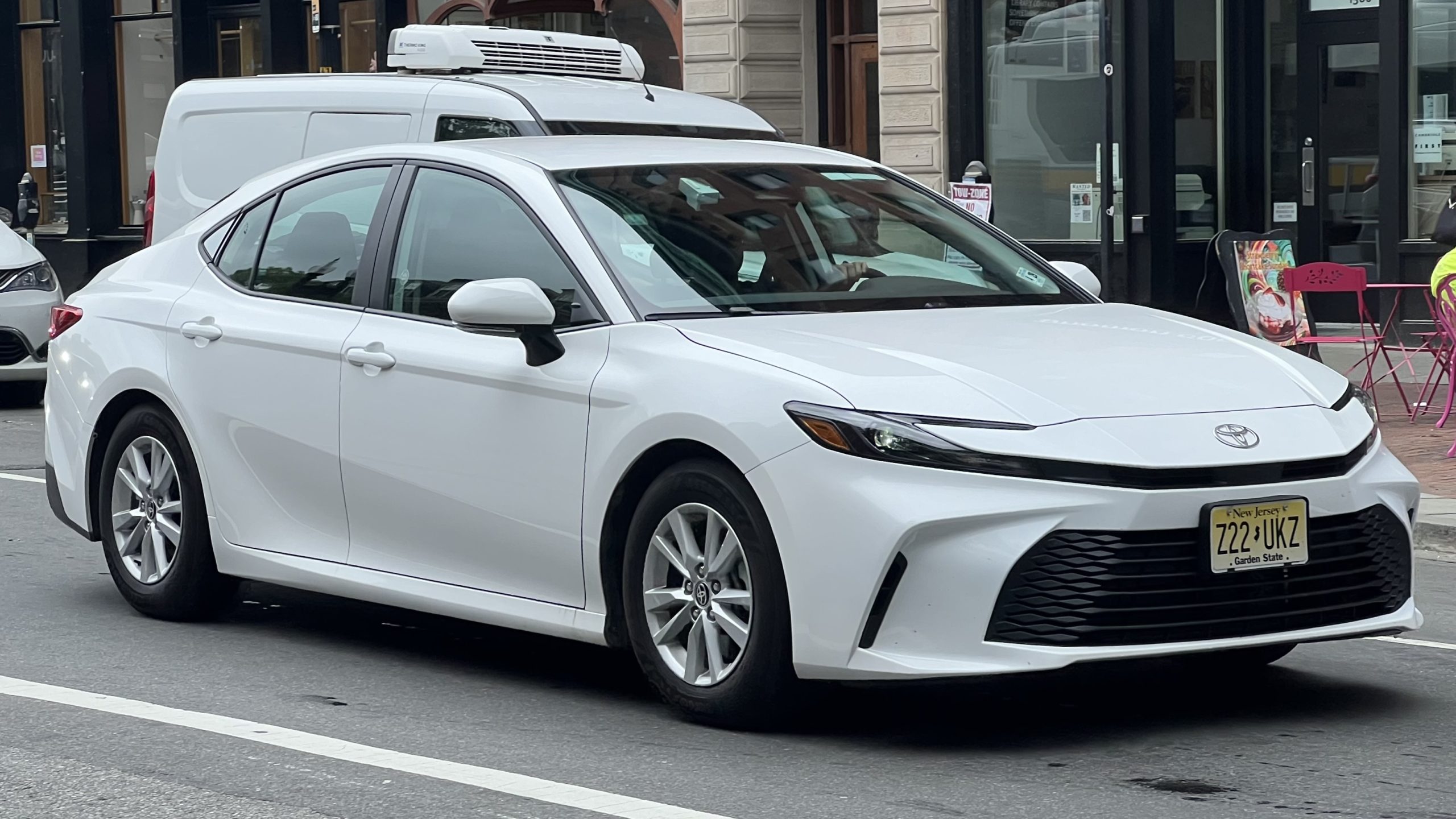
1. Toyota Camry
The Toyota Camry has long held a reputation for being one of the most reliable and durable sedans on the road. One of the key reasons it continues to feel solid after 200,000 miles is its simple but proven engineering.
Toyota doesn’t gamble too much with the Camry’s design, and that’s a good thing. Its engines, especially the 2.5L inline-4 and 3.5L V6, have been refined over many years. These powertrains don’t just run long, they run smooth.
Even after two decades of driving, many owners report that their Camry still shifts smoothly, accelerates without hesitation, and doesn’t rattle or creak. The suspension system might soften a bit over time, but it usually doesn’t become sloppy.
Interior wear is another area where the Camry holds up better than most. The seats, dashboard materials, and switchgear all tend to retain their integrity. The leather-trimmed models from the higher trims, such as the XLE or SE, especially hold their condition when cared for properly.
Unlike some cars, where the cabin begins to feel worn and aged, the Camry can still provide a relatively quiet and refined experience long after the warranty has expired. It may not have the flashiest features, but it makes up for it with a mature, well-built interior.
Mechanically, the Camry rarely suffers from catastrophic issues. Basic components like the water pump, alternator, and radiator may need replacing around the 150,000 to 200,000-mile range, but these repairs are usually straightforward and cost-effective.
The real testament to the Camry’s lasting quality is how seldom it breaks down in a way that leaves owners stranded. Even after high mileage, it still has a sense of mechanical confidence that some newer cars can’t replicate.
Finally, the Camry doesn’t suffer from the “old car feel” that plagues so many other sedans. The steering remains light but consistent, the brakes keep their bite with proper maintenance, and the body panels stay solid. With regular oil changes, fluid flushes, and a good set of tires, it’s entirely possible for a Camry to feel almost new after a quarter-million miles on the road.
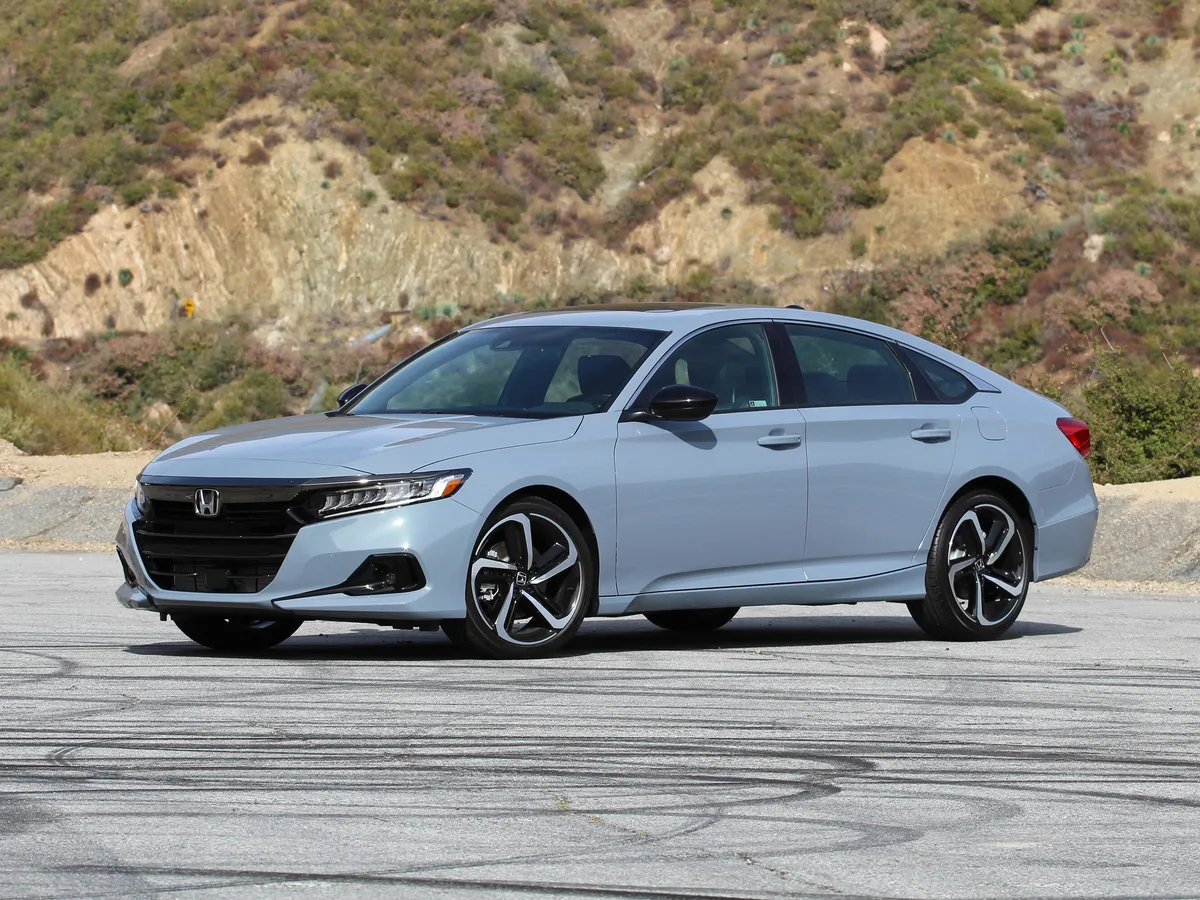
2. Honda Accord
The Honda Accord is one of the few midsize sedans that blends sportiness, comfort, and long-term reliability. Known for its strong engines and engaging driving dynamics, the Accord holds up remarkably well over time.
After 200,000 miles, many Accords still have steering that feels precise, a suspension that responds with confidence, and engines that don’t miss a beat. Especially in models equipped with the 2.4L inline-4 or 3.5L V6 engines, longevity comes naturally.
The cabin experience is also a major strength. Honda has consistently used quality materials in the Accord, particularly in the EX and Touring trims.
The seats retain their comfort over long distances and don’t show excessive wear unless abused. Controls for climate and audio often still function flawlessly after decades of use. Even the older infotainment systems, though basic, continue to operate reliably. Owners who take care of their interior will often find it hard to tell that their Accord has crossed 200,000 miles.
From a mechanical perspective, the Accord’s strong suit is its powertrain durability. The transmission, whether automatic or manual, is typically a solid unit with longevity in mind. Regular fluid changes can extend the life of both engine and gearbox well beyond the 200K mark. The exhaust system, mounts, and suspension components are also known to hold up well, especially in regions without heavy road salt.
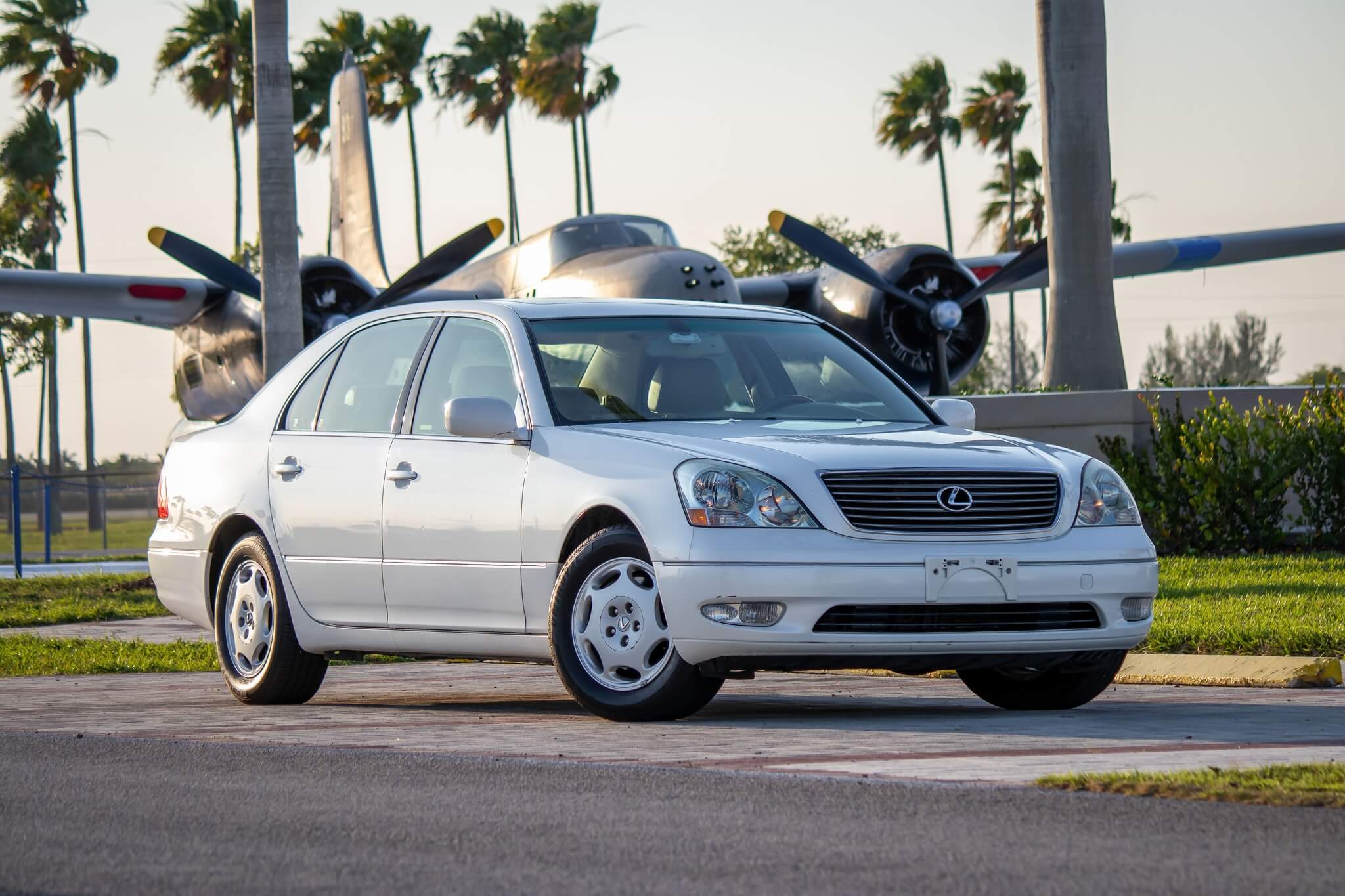
3. Lexus LS 430
The Lexus LS 430 is one of those rare luxury cars that can pass 200,000 miles and still feel expensive. Built with obsessive attention to detail, it offers a level of craftsmanship and durability that most automakers never come close to matching.
Introduced in the early 2000s, the LS 430’s 4.3L V8 engine is nearly bulletproof. It produces smooth, quiet power even after hundreds of thousands of miles. The transmission is also remarkably refined and holds up with routine maintenance.
Inside the cabin, everything about the LS 430 was designed to last. The leather upholstery, soft-touch plastics, and wood trim were all built with top-tier materials.
Even after years of use, the interior can still feel luxurious if it’s been well cared for. Electronics, including power seats, memory functions, and climate controls, tend to remain operational even at high mileage. That’s not common in most luxury vehicles, many of which experience serious electrical issues after a decade or so.
Driving the LS 430 doesn’t feel like driving an old car. The steering is light yet responsive, the brakes remain consistent, and the sound insulation keeps wind and road noise at bay.
It’s a car that was engineered with such a high baseline of quality that even with age, it doesn’t seem worn out. When maintained properly, the LS 430 becomes not just a long-lasting car, but a long-lasting luxury experience.
4. Toyota 4Runner
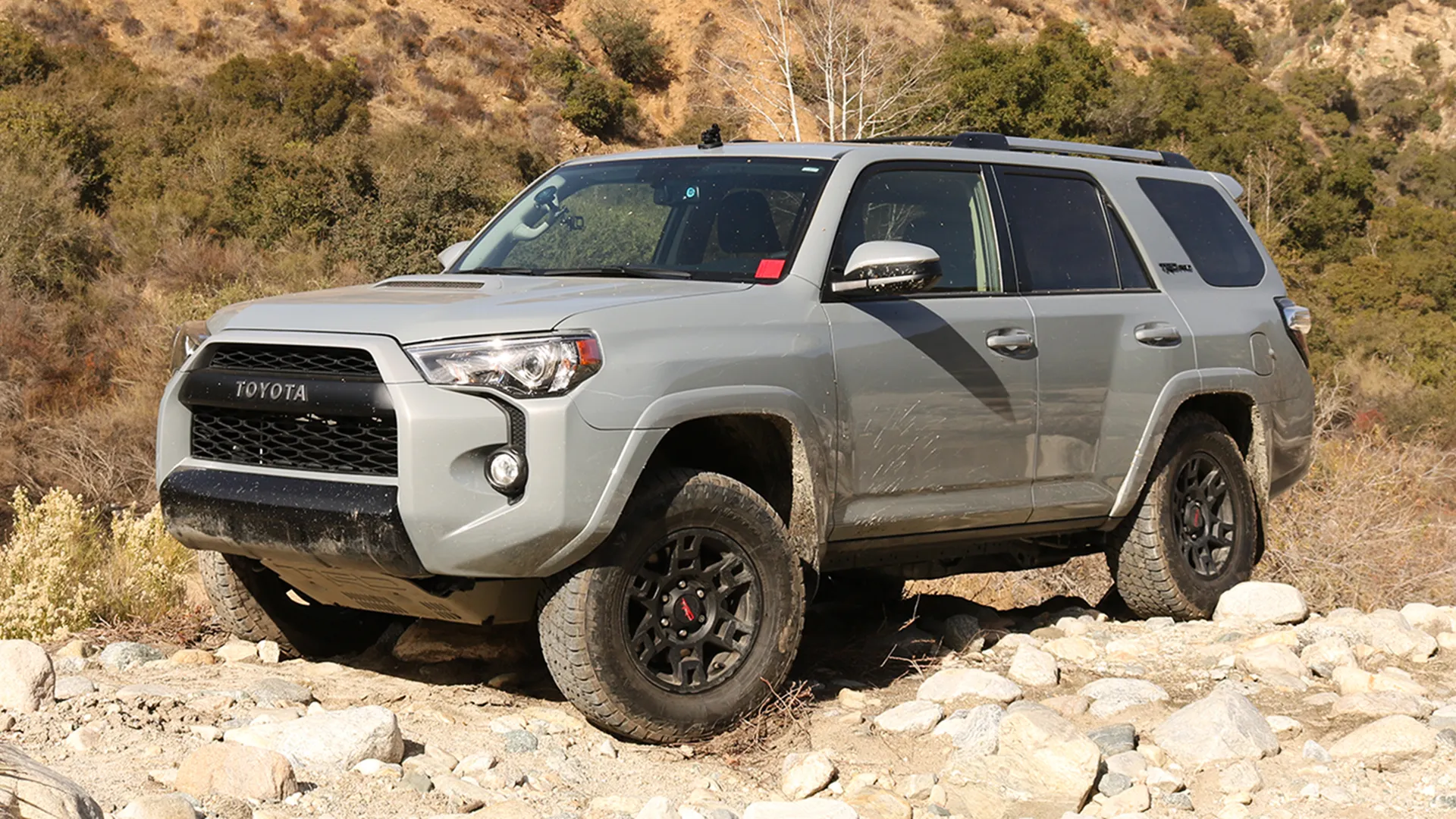
The Toyota 4Runner is one of the toughest SUVs ever made. Known for its rugged body-on-frame construction and reliable V6 engine, it’s a favorite among off-roaders, adventurers, and long-distance commuters alike.
When you get behind the wheel of a 4Runner with 200,000 miles on the clock, you might expect some creaks or fatigue. Instead, what you often find is a vehicle that still feels remarkably tight and composed. That’s a testament to Toyota’s focus on durability.
One reason the 4Runner stays fresh-feeling for so long is its simple and proven mechanical setup. The 4.0L V6 engine used in many models is known to run well past 300,000 miles. It doesn’t produce sports car power, but it delivers torque smoothly and reliably. Paired with a robust 5-speed automatic transmission and a stout drivetrain, it’s built to endure. These components aren’t stressed, which is key to longevity.
Interior quality is another strong point. While the 4Runner’s cabin has always leaned toward function over luxury, it uses hard-wearing materials that don’t fall apart easily. The controls, buttons, and knobs are built for heavy use.
The seats are usually durable enough to survive thousands of entries and exits without collapsing or cracking. Even after years of outdoor use, the 4Runner tends to hold its shape and character better than most.
Off the road or on, the 4Runner still drives like a competent, solid SUV. The suspension is firm but not harsh, the steering is steady, and the brakes stay effective with regular upkeep. It doesn’t feel like it’s falling apart,
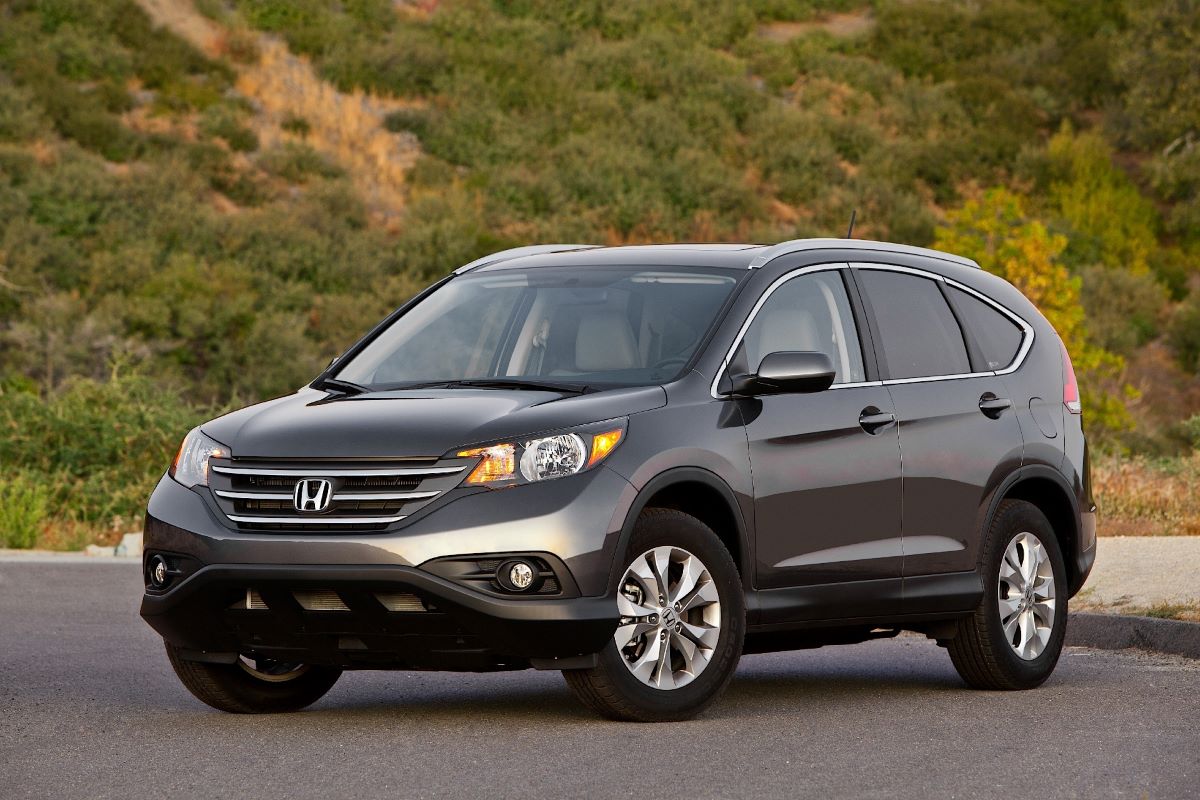
5. Honda CR-V
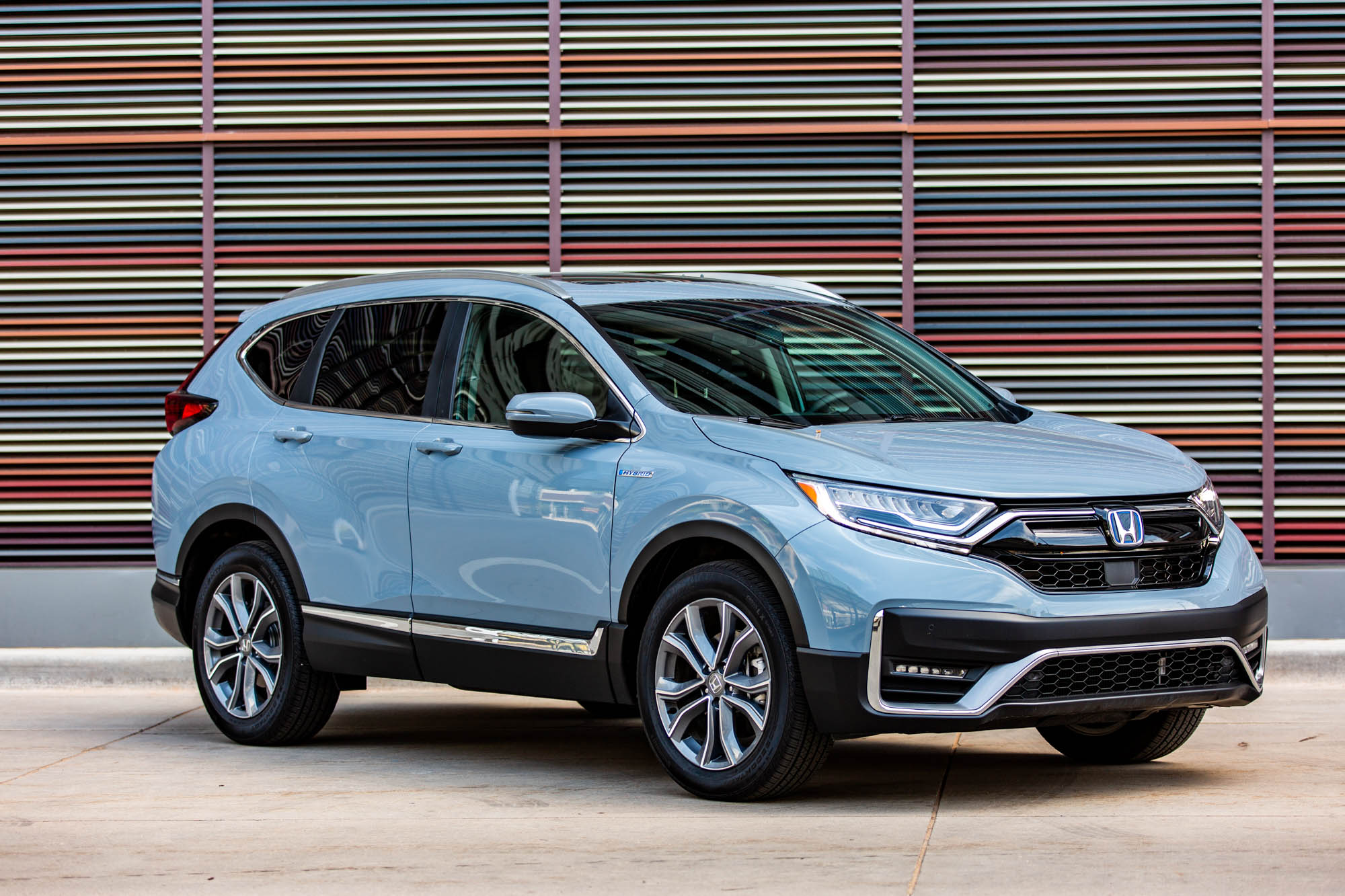
The Honda CR-V is one of the most consistent performers in the compact SUV segment, and it has built a loyal following over the years. One of the major reasons people stick with the CR-V is its reputation for lasting far beyond 200,000 miles without losing its essential character.
The engine choices, especially the naturally aspirated 2.4L inline-4 in earlier generations, are known for being low-stress, low-maintenance, and built to last. They’re not performance-oriented engines, but they are smooth, responsive, and consistent over time.
Many owners report that even after crossing the 200K mark, the CR-V still starts on the first try, idles quietly, and delivers steady power without hesitation. That kind of consistency is often only found in the most well-built vehicles, and it’s one reason why so many high-mileage CR-Vs are still being used as daily drivers.
Inside the cabin, the CR-V holds up better than you might expect from a small SUV. Honda has always prioritized practicality, and that focus has led to interiors that are not only smartly laid out but also extremely durable. The seat cushions don’t sag easily, the fabrics resist wear and fading, and the plastics are hard but not brittle.
Even the climate control dials and window switches continue to feel solid after years of use. Many owners of older CR-Vs say they still have working A/C, power locks, and sunroofs, things that often give out in cars of similar age and mileage.
The visibility remains excellent, the seating position is comfortable, and there’s a simplicity to the cabin that never feels outdated. That timeless quality is hard to replicate, and it’s a big part of what makes the CR-V continue to feel fresh even after 200,000 miles.
Another thing that helps the CR-V age gracefully is how well it handles road conditions. The ride is firm without being harsh, and the suspension tuning is solid enough that even older models don’t feel loose or unpredictable. The handling remains composed, and the body structure doesn’t suffer from the same flex or rattle that you find in other SUVs at this mileage.
As long as the shocks and struts have been maintained or replaced when necessary, the CR-V still corners with a surprising amount of poise. Braking is another strong point; with good pads and rotors, stopping power remains consistent, and the pedal doesn’t feel mushy or vague. That sense of predictability is what makes it so popular with families and commuters who need dependable performance every single day.
On top of all that, the CR-V has always been easy to live with. Maintenance is straightforward, parts are widely available and inexpensive, and even the older models are simple enough for home mechanics to work on. There aren’t many complicated electronic systems to fail, and the all-wheel-drive system in earlier generations is mechanical and robust.
Also Read: 5 Honda Sedans That Rarely Break vs 5 That Constantly Do

6. Lexus RX 350
The Lexus RX 350 is a midsize luxury crossover that manages to combine comfort, performance, and longevity in a way that few vehicles can. While luxury vehicles are often expensive to maintain over the long haul, the RX 350 defies that expectation.
The real standout feature of the RX 350, however, is its interior. Lexus doesn’t cut corners when it comes to materials, and it shows. Even in models that are 15 or 20 years old, the leather seats often remain soft and supportive, the dashboard materials don’t crack or fade, and the controls continue to feel premium.
Unlike many other luxury vehicles where electronics begin to fail with age, the RX 350 often maintains full functionality of its features, including navigation systems, power seats, and sunroofs.
The insulation and noise dampening remain highly effective, so the cabin stays quiet and serene even at highway speeds. It’s a rare thing to sit in a 200,000-mile vehicle and still feel like you’re in something genuinely refined, but that’s exactly what the RX 350 offers.
Ride quality is another area where the RX 350 continues to impress. The suspension tuning prioritizes comfort without sacrificing too much control, and even after significant mileage, the vehicle still rides like a luxury car should. If the struts or shocks have been replaced along the way, which is common maintenance, the RX regains much of its original smoothness.
The steering remains light but responsive, and the brakes provide a confident, composed feel. There’s very little in the driving experience that reminds you the car has been on the road for over a decade. In fact, many newer non-luxury vehicles don’t ride as comfortably as an older, well-maintained RX 350.
Finally, the RX 350 also stands out in terms of long-term ownership costs. While luxury vehicles often carry the burden of high repair bills and finicky technology, the RX is relatively simple to maintain thanks to its Toyota roots. It doesn’t have the complicated air suspension or overly complex drivetrains that some of its German rivals do.
Basic maintenance like oil changes, brakes, and timing belts (on older models) are manageable for the average owner or mechanic. This combination of reliability, comfort, and ease of ownership makes the RX 350 one of the few luxury SUVs that not only survives 200,000 miles but still feels like a luxury vehicle when it gets there.
7. Ford Crown Victoria
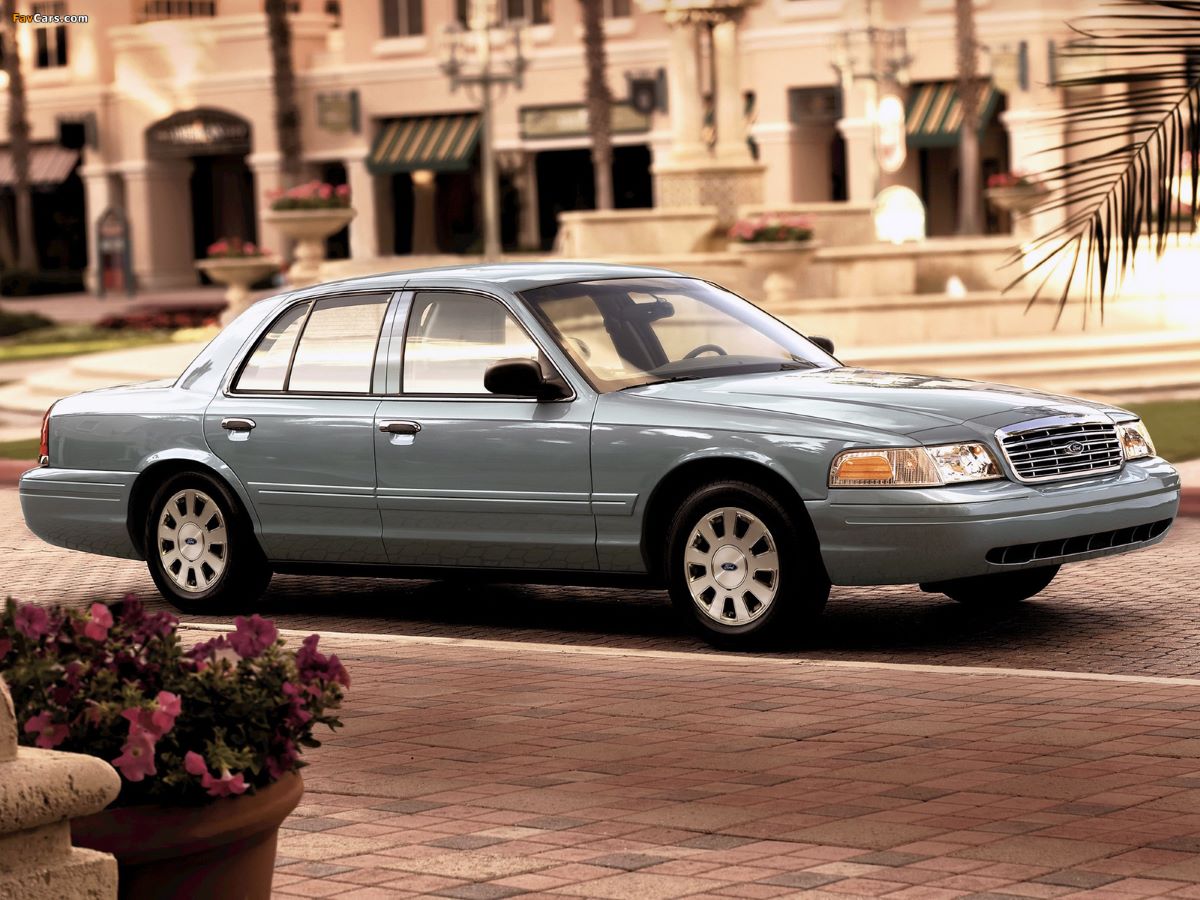
The Ford Crown Victoria is a car that most people associate with police cruisers and taxis, and for good reason. It was built to survive abuse. Underneath its conservative exterior lies one of the most durable drivetrains in automotive history. Powered by the 4.6L V8 from Ford’s modular engine family, the Crown Vic is a car that thrives on high mileage.
Police and taxi departments routinely drove these cars to 300,000 miles and beyond with minimal mechanical issues. The engine is simple, understressed, and incredibly reliable when maintained properly. Even after 200,000 miles, it still pulls strongly, idles smoothly, and responds consistently.
One of the Crown Victoria’s biggest strengths is its body-on-frame construction. While most modern sedans have shifted to unibody platforms for weight savings and improved handling, the Crown Vic’s old-school design gives it a level of durability that few cars can match.
The interior of the Crown Vic isn’t flashy, but it’s built to last. Most models have simple cloth seats that hold up better than expected. The plastics may be hard, but they don’t crack easily. Even the dashboard and gauge cluster continue functioning well after hundreds of thousands of miles.
Power windows, basic stereo systems, and HVAC controls are usually still in working order. The car’s simplicity actually works in its favor here, fewer complicated systems mean fewer things to go wrong. The ride is spacious and comfortable, and even tall passengers find it roomy. For a car of its size and age, the Crown Vic still delivers a quiet and solid cabin experience.
What’s most impressive is how the Crown Victoria drives at high mileage. The steering is light but stable, the suspension is soft but predictable, and the engine hums along like it’s just getting warmed up. While it might not have the refinement of a luxury sedan or the sharp handling of a modern crossover, it has something that matters just as much: resilience.
You can get in a 200,000-mile Crown Vic, turn the key, and still feel like you’re driving something dependable. That level of confidence is hard to find, and it’s why these cars have earned their reputation as some of the toughest, longest-lasting sedans ever made.
8. Subaru Outback
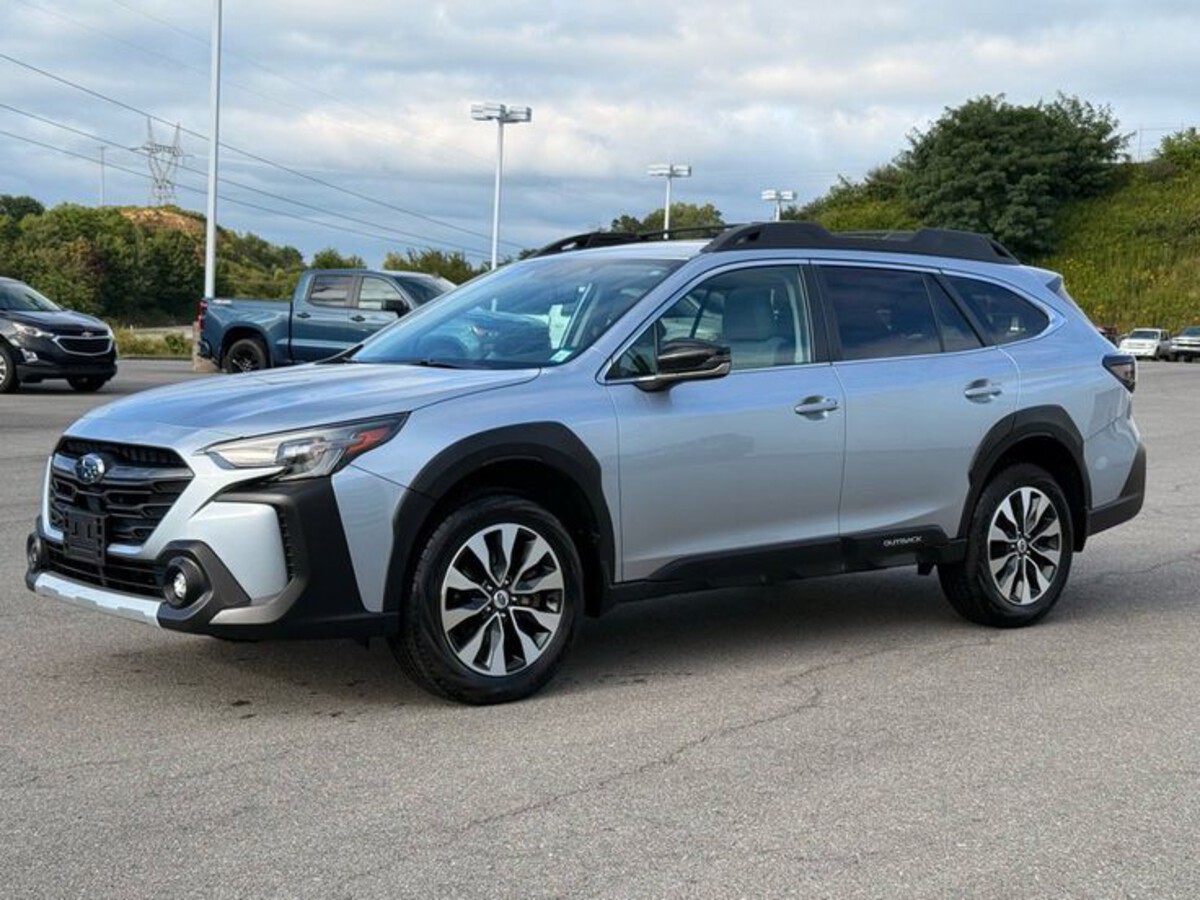
The Subaru Outback has long been a favorite for drivers who want all-weather capability, utility, and comfort in a car that can last the long haul. One of the key factors that makes the Outback continue to feel fresh after 200,000 miles is its intelligent design. It combines the ride quality of a car with the utility of a small SUV, and that balance never really goes out of style.
Equipped with Subaru’s symmetrical all-wheel-drive system, the Outback delivers excellent traction in poor conditions and inspires confidence even in aging models.
The AWD system, unlike many part-time systems found in other vehicles, operates full-time and distributes power effectively. This feature doesn’t deteriorate noticeably with age, and that’s part of why so many high-mileage Outbacks still feel competent and sure-footed on the road.
Under the hood, the Outback is often powered by the well-known 2.5L flat-four “boxer” engine, which has evolved steadily over the years. While earlier versions had head gasket issues, Subaru improved the design significantly in later models, and owners who’ve maintained their engines properly often find that the car still runs strong well beyond 200,000 miles.
The flat design of the engine helps keep the center of gravity low, contributing to a planted driving feel that persists even at high mileage. Combined with decent ground clearance and solid suspension tuning, the Outback continues to ride smoothly over bumps and rough roads, especially if the shocks and bushings have been refreshed. It’s not a performance car, but the driving experience remains composed and stable.
Interior durability is another strong point for the Outback. Subaru has never been known for luxury interiors, but they’ve always focused on practicality and wear resistance. The seats tend to hold their shape, and while some of the plastics may scratch over time, they rarely crack or come loose.
Controls and dials feel firm even in older models, and functions like heated seats, power mirrors, and audio systems often continue to work just fine after many years. Owners who use their Outbacks for outdoor activities or long commutes often note that the cargo area and folding seats are particularly well-made, holding up to everything from skis to toolboxes without showing significant wear.
Even in its older years, a well-maintained Subaru Outback remains one of the most balanced and versatile vehicles on the road. Its blend of safety, comfort, and ruggedness makes it a great option for anyone who needs a dependable all-rounder that doesn’t fall apart with age.
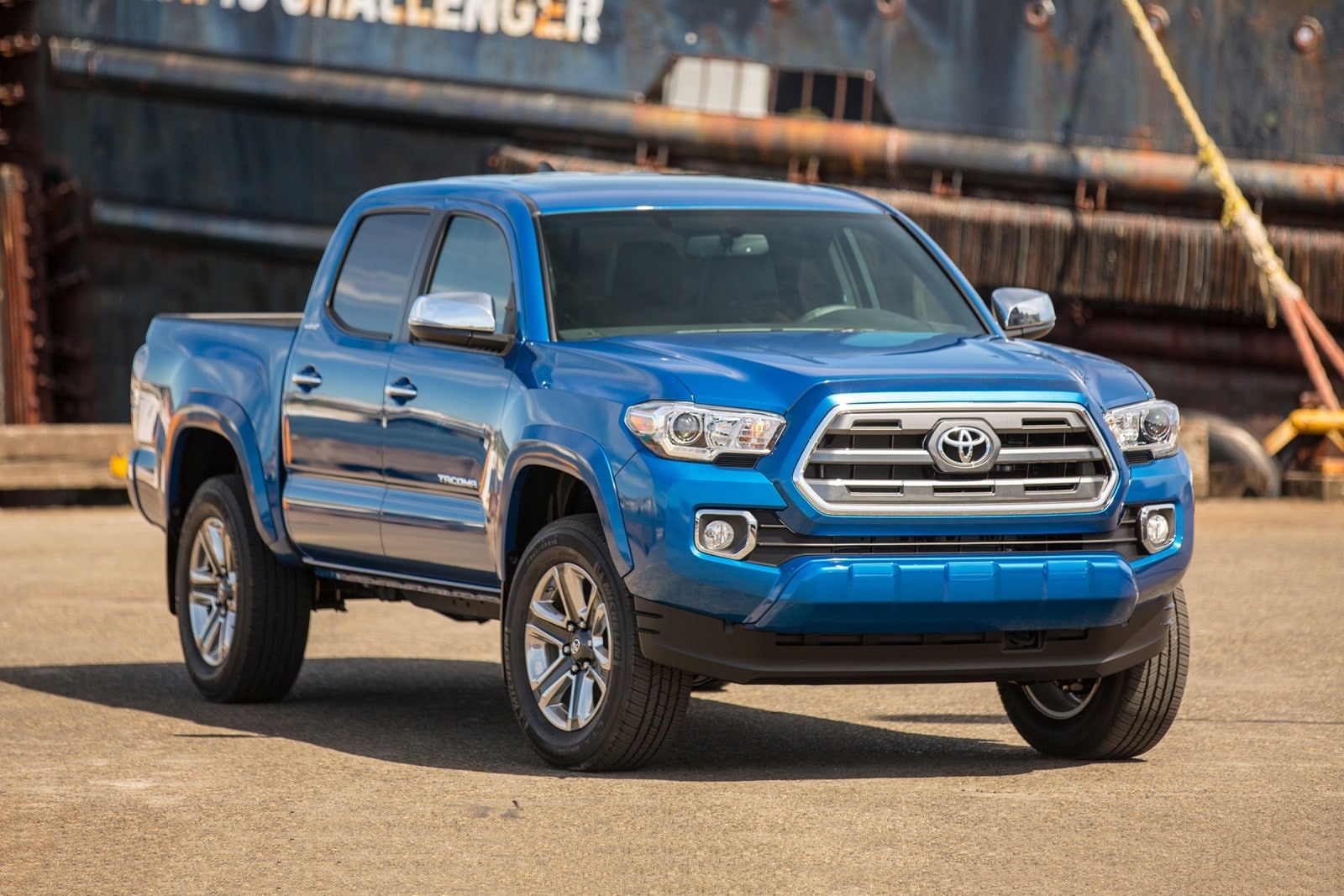
9. Toyota Tacoma
The Toyota Tacoma has earned its reputation as one of the most bulletproof midsize trucks ever built. It’s not uncommon to see Tacomas with 200,000 or even 300,000 miles still running as daily drivers, work trucks, or off-road rigs. What sets the Tacoma apart is that it doesn’t just survive those miles, it retains much of its original performance, feel, and structural integrity well into high mileage.
The 4.0L V6 engine found in many earlier Tacomas is one of the most dependable truck engines on the market. It’s not overly refined, but it is incredibly strong and long-lasting. Paired with a tough automatic or manual transmission, it delivers predictable, consistent performance that doesn’t degrade quickly over time.
One reason the Tacoma continues to feel solid at high mileage is its robust body-on-frame construction. This setup, typical of full-size trucks, gives the Tacoma added durability and strength that holds up against years of hauling, towing, and rough roads.
Even after extended use, the frame, suspension, and chassis components generally stay tight, especially if basic maintenance like bushing and shock replacement is kept up. Owners who take their Tacomas off-road or load them regularly often say they’re surprised at how composed the vehicle feels even after heavy use.
The steering doesn’t feel vague, the ride remains stable, and the truck continues to respond predictably to inputs, all of which make it feel less like an old truck and more like a seasoned one.
Inside, the Tacoma’s cabin is no-nonsense but impressively durable. It was never designed to compete with luxury trucks, but it was built with longevity in mind. The dashboard and center console are made from hard plastics that resist cracking, the fabric seats are rugged and stain-resistant, and the controls remain tactile and reliable even after years of use.
Power windows, HVAC systems, and even infotainment functions generally continue working well, and the layout remains user-friendly. In newer models, touchscreen systems and tech features tend to age more gracefully than in many competitors, and the climate control systems often require little more than routine service to keep functioning at full strength.
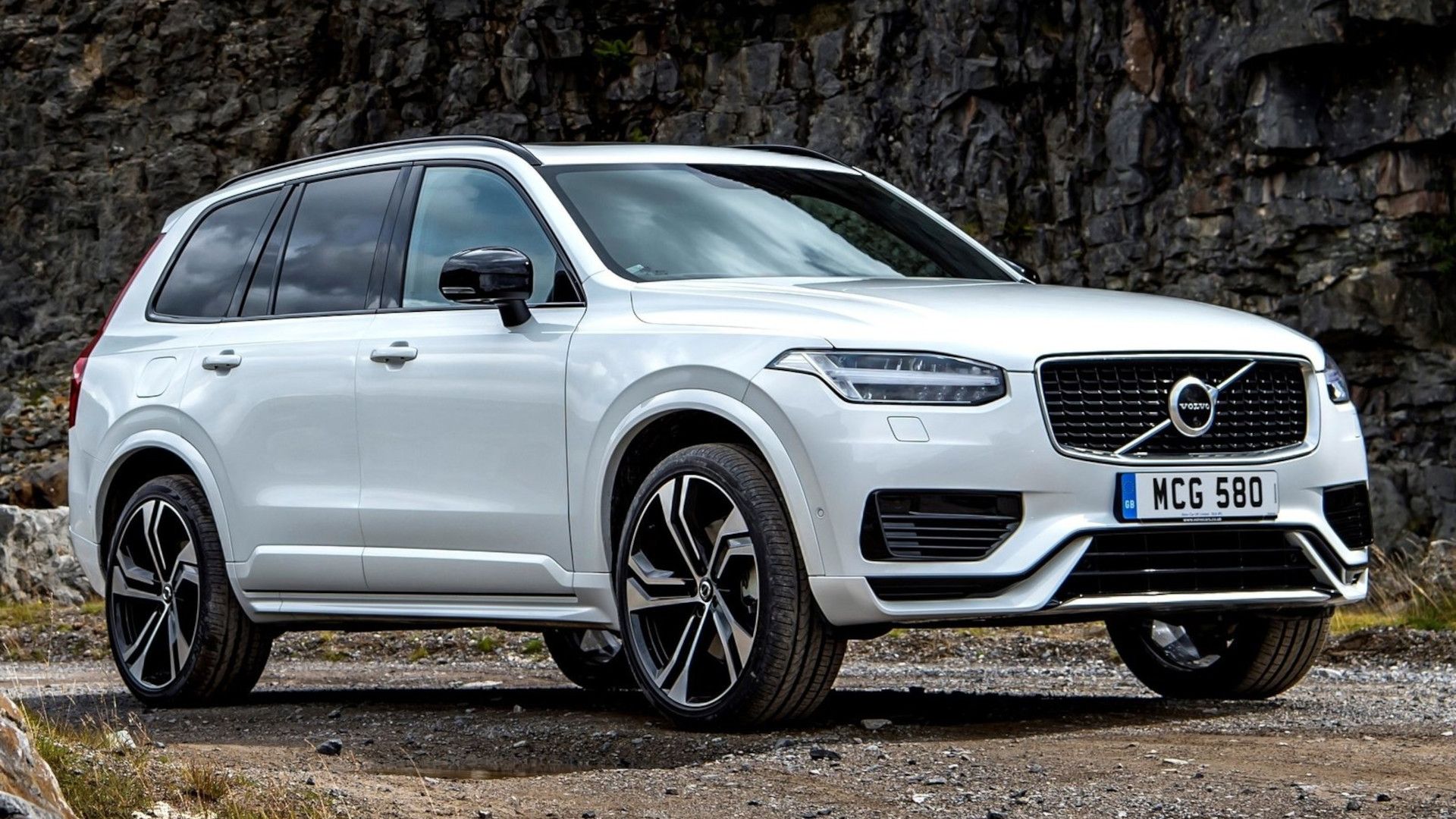
10. Volvo XC90
The first-generation Volvo XC90 stands out as a unique option on this list, largely because it offers something few long-lasting vehicles do, a blend of safety, European design, and surprisingly robust longevity. Built from 2003 to 2014, the early XC90 models were engineered with safety and structural integrity as top priorities.
Despite being a luxury SUV, it holds up very well over the years when properly maintained. The inline-5 and inline-6 engines, particularly the naturally aspirated variants, are known for their longevity when serviced regularly.
While some of the turbocharged variants require more attention, there are thousands of examples on the road that have passed 200,000 miles and continue to drive smoothly, quietly, and with authority.
What truly makes the XC90 stand out is how refined it still feels even after so many miles. The suspension, if well-maintained, continues to soak up road imperfections without losing its composure. The steering is well-weighted and tight for a vehicle of its size, and the brakes, while not sporty, remain effective and confidence-inspiring.
Unlike many European vehicles that develop complex issues as they age, the XC90 tends to age gracefully, particularly when owners keep up with routine maintenance and address known issues like transmission fluid changes and front suspension bushings. When cared for, the XC90 doesn’t lose its premium feel, and many owners say it still drives like a newer vehicle even at very high mileage.
The interior is another major strong point. Volvo’s seats are among the best in the industry for long-term comfort, and that’s true even in older models. The leather holds up remarkably well, the switchgear remains tactile, and the layout of the interior is functional and timeless.
Even the third-row seating in the XC90 is useful and doesn’t become rickety over time like in some competitors. One reason for this is Volvo’s attention to ergonomics and real-world use.
The cabin was built with families in mind, and that durability shows after years of wear and tear. High-mileage XC90s often still have working power tailgates, sunroofs, and infotainment systems, all of which contribute to a sense that the vehicle isn’t falling apart, even as the miles pile on.
There’s also something intangible about the XC90 that keeps it feeling fresh. It has a sense of solidity that you don’t get in every vehicle. Doors close with a firm thud, the body feels tight even over rough roads, and the car holds its composure in ways that lesser SUVs don’t.
This is the result of thoughtful engineering and build quality that prioritizes occupant safety and vehicle longevity. While it may require a bit more attention than something like a Camry or Accord, the XC90 rewards its owners with a driving experience that still feels secure, luxurious, and composed, even after 200,000 miles.
