
Compact cars have always held a special place in the automotive world. Their efficiency, practicality, and often affordability make them a preferred choice for many drivers. While trends come and go, some compact cars have proven their worth by continuing to perform well even after two decades.
This durability is a testament not just to the engineering but also to how well they have been maintained by their owners. When discussing vehicles that stand the test of time, especially at the 20-year mark, we’re talking about cars that have survived changes in technology, wear and tear, and evolving standards for safety and emissions.
Cars that last this long tend to share some key traits. They often come from manufacturers with a reputation for building solid, simple mechanics that can be easily repaired. They usually have parts that are widely available and affordable, encouraging owners to keep them on the road.
Additionally, these cars typically had decent build quality and design, with engines and transmissions that didn’t overcomplicate things, avoiding unnecessary reliability issues. Sometimes, the appeal of compact cars lies in their lightweight design and the way they handle, which can remain impressive even after years of use.
For drivers looking to purchase used cars that can still serve them well without breaking the bank, these models offer valuable insight. They also serve as reminders of a time when cars were often built to last rather than to be replaced every few years.
The following list highlights ten compact cars from the past that many owners have found to continue delivering on performance, fuel economy, and driving satisfaction, long after their prime. From practical sedans to sporty hatchbacks, these vehicles are examples of what happens when careful engineering meets smart ownership.
While some models have become icons in the automotive community, others quietly continue to serve their daily drivers without fanfare. Each of these vehicles brings something unique to the table, whether it’s low maintenance costs, a robust powertrain, or a reputation for reliability that has helped them defy time.
Before diving into the details of each model, it’s important to understand that longevity is influenced by multiple factors beyond just the make and model. How a car is maintained, the environment in which it’s driven, and even the driving habits of its owners play critical roles.
Yet, the fact that many of these compact cars are still found on the road today shows that their design and build were up to the challenge. Let’s take a closer look at ten compact cars that have proven they can still drive well after 20 years.
Also Read: 5 Toyota Cars That Run 400K Miles vs 5 That Don’t
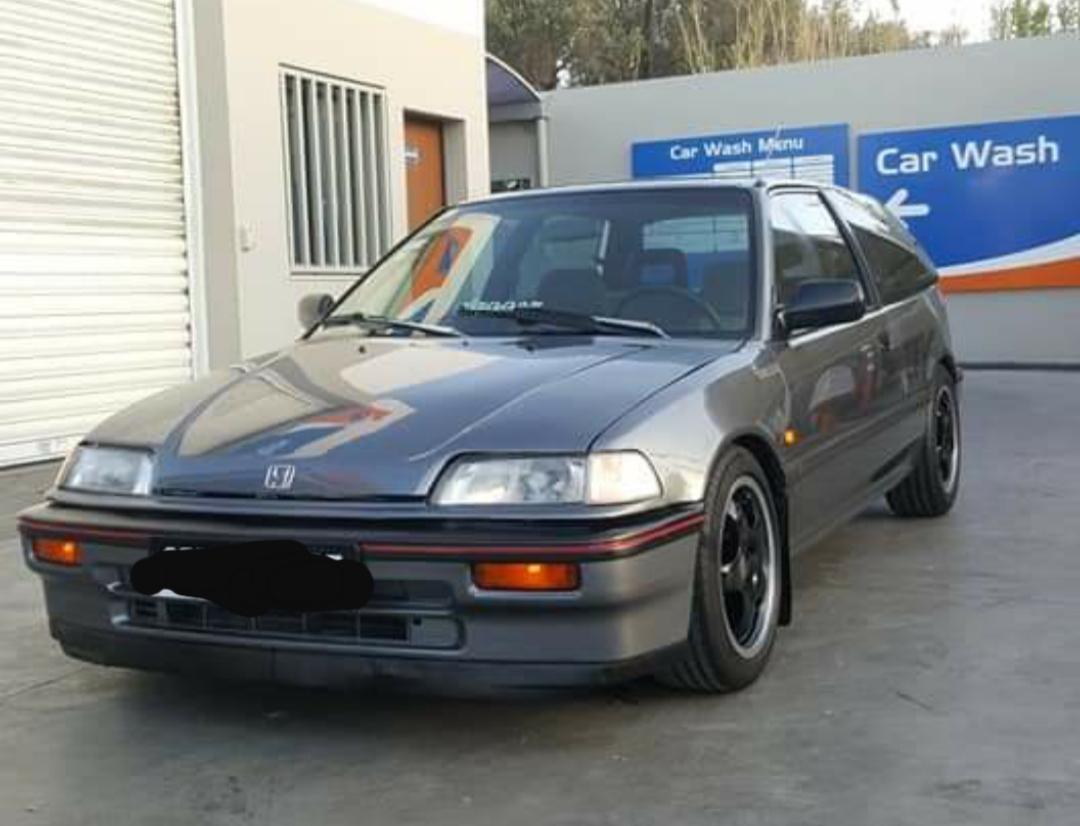
1. Honda Civic (1990s Models)
The Honda Civic of the 1990s is perhaps one of the most celebrated compact cars for longevity. Known for its simple yet effective engineering, the Civic has built a reputation for being reliable and easy to maintain. These models came with engines that balanced performance with fuel efficiency, and their mechanical parts were robust enough to withstand years of daily use.
Many owners have reported their Civics crossing well beyond the 200,000-mile mark without significant issues. The availability of parts and widespread knowledge about the car’s mechanics also contribute to its staying power, making repairs straightforward and affordable.
The chassis and suspension of the Civic were designed to be lightweight but sturdy, which contributed to its excellent handling and comfortable ride even years after purchase. The interior, while basic, was practical and durable, with controls that aged well and materials that didn’t degrade rapidly.
This made the Civic not only a car that could run well but one that could also remain comfortable for long-term ownership. The 1990s models, especially the fifth and sixth generations, offered a good mix of technology and simplicity, avoiding overly complicated electronics that often cause reliability headaches in older cars.
Fuel economy is another factor that keeps these Civics in demand, even decades later. Their engines, especially the 1.5 to 1.6-liter inline-four variants, were known for squeezing every drop of fuel efficiency out of regular gasoline. This made the car economical to run for long commutes and city driving alike.
Beyond that, many Civic owners took pride in customizing or maintaining their vehicles meticulously, which has helped many units stay on the road longer. Whether in urban settings or rural environments, these compact Hondas have proven to be adaptable and durable companions.
Finally, the Civic’s reputation as a solid compact car is backed by strong community support. There is an abundance of forums, guides, and aftermarket parts that help owners maintain or restore these vehicles.
This network has played a significant role in the longevity of the 1990s Civic models. For those looking for a compact car that still drives well after 20 years, the Honda Civic remains a top contender thanks to its balance of simplicity, reliability, and an enduring fan base.
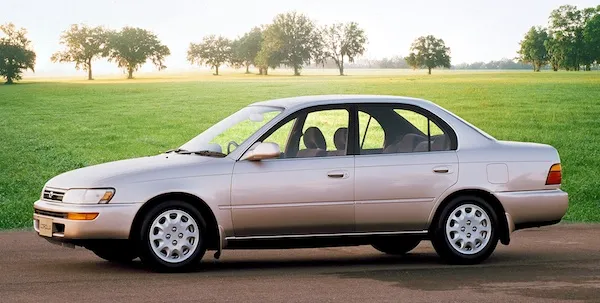
2. Toyota Corolla (1990s to Early 2000s Models)
The Toyota Corolla has long been synonymous with reliability, and models from the 1990s through the early 2000s continue to uphold that legacy. Known for their no-nonsense engineering and strong build quality, these Corollas are frequently seen with high mileage and minimal problems.
The engines, often the 1.6 to 1.8-liter four-cylinder variants, are simple yet efficient, capable of running smoothly with routine maintenance. One of the key reasons the Corolla endures is Toyota’s focus on durability over flashy features, which means fewer complex parts prone to failure.
The ride quality and handling of these Corollas were tailored for everyday comfort and ease of use, making them ideal for a wide range of drivers. The interiors, while modest, were built to last with materials that resisted wear and tear. This ensured that the cabin remained functional and comfortable even after two decades of use.
Owners often praise the ergonomics and straightforward layout, which means fewer electronic glitches as the car ages. The Corolla’s reputation for dependability means many were treated with care, receiving regular oil changes and tune-ups that help them continue running well.
Fuel efficiency has always been a hallmark of the Corolla, making it a cost-effective choice for drivers seeking an economical ride. These cars managed to combine reasonable power with outstanding mileage, a key reason they remain popular on the used market.
Because of their widespread availability, spare parts are easy to find and affordable, further extending the life of these vehicles. In addition, the Corolla’s straightforward mechanical design makes DIY maintenance feasible for many owners, which keeps repair bills down and cars on the road longer.
Beyond individual owners, Toyota’s reputation for quality has influenced many to keep their Corollas well-maintained, ensuring they still perform well after 20 years. The Corolla’s balanced approach to design, combining reliability, comfort, and economy, is why it continues to be one of the most respected compact cars from its era.
Anyone seeking a compact car that remains dependable and practical over decades would do well to consider these models.
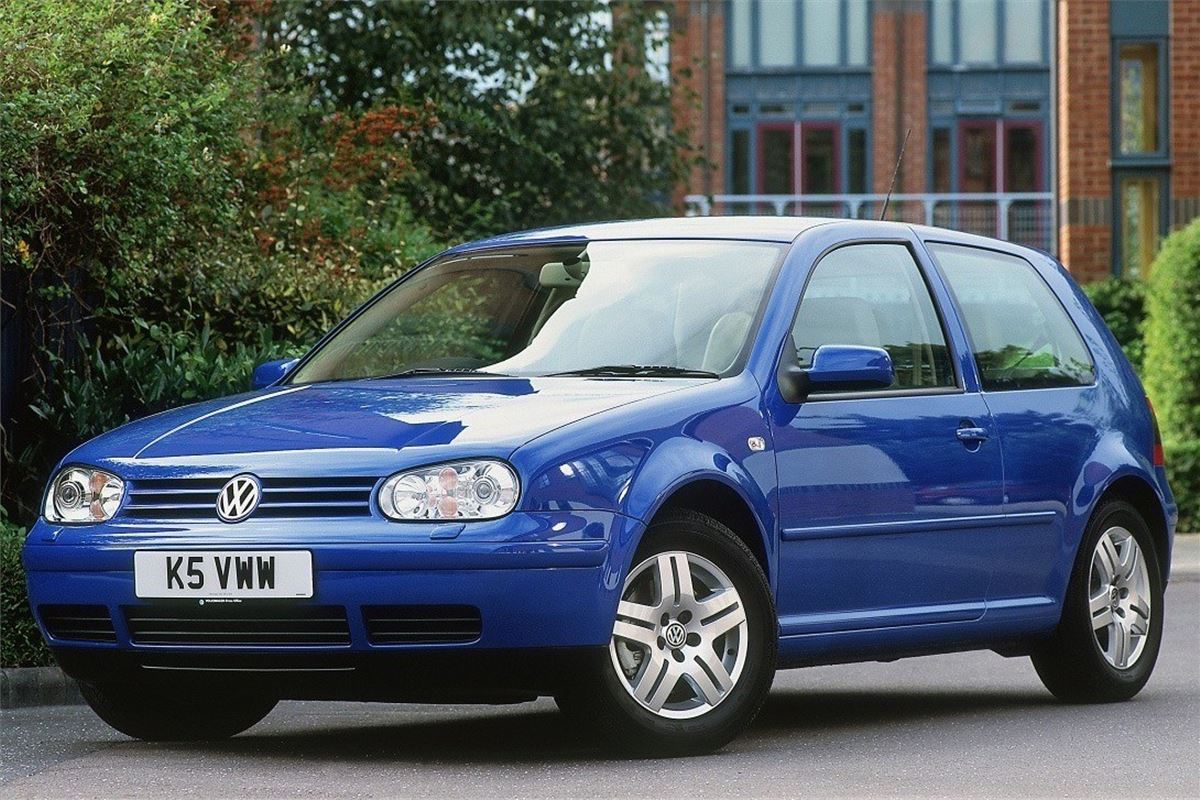
3. Volkswagen Golf (Mk3 and Mk4)
The Volkswagen Golf has always had a special following among compact cars, combining European styling with a solid driving experience. The third and fourth generations of the Golf, produced in the 1990s and early 2000s, have shown they can last well beyond two decades, especially when cared for properly.
These models offered a good balance between performance and practicality, with engines ranging from efficient inline-fours to more spirited turbocharged versions. While German engineering can sometimes mean higher maintenance costs, the Golf’s build quality often offsets these concerns through longevity and driving enjoyment.
One standout feature of the Golf is its handling, which remains sharp and confident even as the car ages. The suspension setup provides a comfortable ride without sacrificing agility, making these compact cars fun to drive after many years.
The interior design focused on quality materials and driver ergonomics, which helped prevent the cabin from feeling worn or outdated quickly. Volkswagen’s attention to detail in these models contributes to their ability to continue offering a satisfying driving environment long after their release.
The Golf’s engines, particularly the 2.0-liter four-cylinder and the 1.8T turbocharged variants, have been known to run reliably when maintained correctly. Fuel economy remains respectable, especially in naturally aspirated models, and the option for manual transmissions has been a favorite among enthusiasts who appreciate a more engaged driving experience.
Maintenance can be more involved compared to Japanese competitors, but many owners find the effort worthwhile for the Golf’s combination of quality and driving dynamics.
Support from the Volkswagen community, along with access to aftermarket parts and repair knowledge, has helped these Golfs stay on the road. Regular maintenance, especially on the timing belt, clutch, and suspension components, is essential to their longevity.
When these tasks are kept up, the Mk3 and Mk4 Golf models can provide dependable transportation with a touch of European flair, proving that compact cars don’t have to sacrifice character or performance even after two decades.
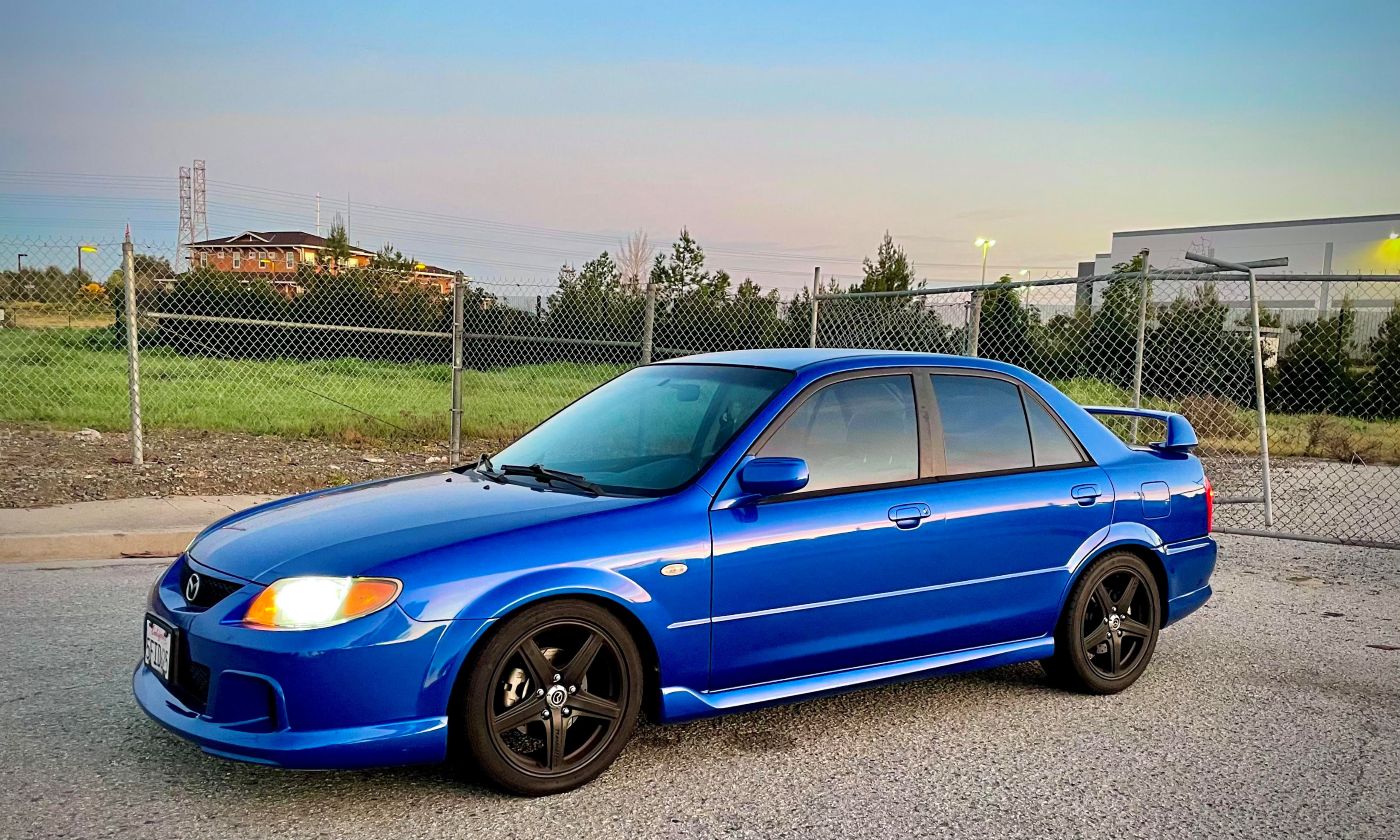
4. Mazda Protege (1990s Models)
Mazda’s Protege from the 1990s is often overlooked in discussions about long-lasting compact cars, yet it deserves recognition for its solid performance and durability. These vehicles combined Mazda’s focus on driving dynamics with straight forward mechanical design.
The Protege’s engines, typically 1.5 to 1.8 liters, were known for their smooth operation and relatively low maintenance needs. Many owners have reported their Proteges running reliably well past the 200,000-mile mark, a testament to Mazda’s commitment to quality in this segment.
One of the Protege’s strengths lies in its balanced chassis and responsive steering. These features made it a popular choice for drivers who wanted more engaging handling in a compact package. Despite being affordable, the Protege didn’t sacrifice build quality, with interiors that aged well and controls that remained functional after many years.
The suspension was tuned to provide a comfortable ride without feeling too soft or disconnected from the road, striking a good compromise that kept owners satisfied over the long haul.
Fuel economy was competitive for its time, helping keep running costs down. The Protege’s engines were efficient and didn’t require overly complex repairs, making them easier for independent mechanics or owners to work on.
This accessibility contributed significantly to the car’s longevity, as affordable maintenance encourages owners to keep the car in good shape. Replacement parts are still reasonably priced and available, which adds to the appeal for those considering a used Protege today.
Furthermore, Mazda’s reputation for blending performance with reliability helped the Protege earn a loyal following. While it may not have had the same level of fame as the Civic or Corolla, the Protege stands out as a compact car that can deliver years of trouble-free driving when maintained. Its mix of practicality, handling, and reliability makes it a strong contender among long-lasting compact cars from the 1990s.
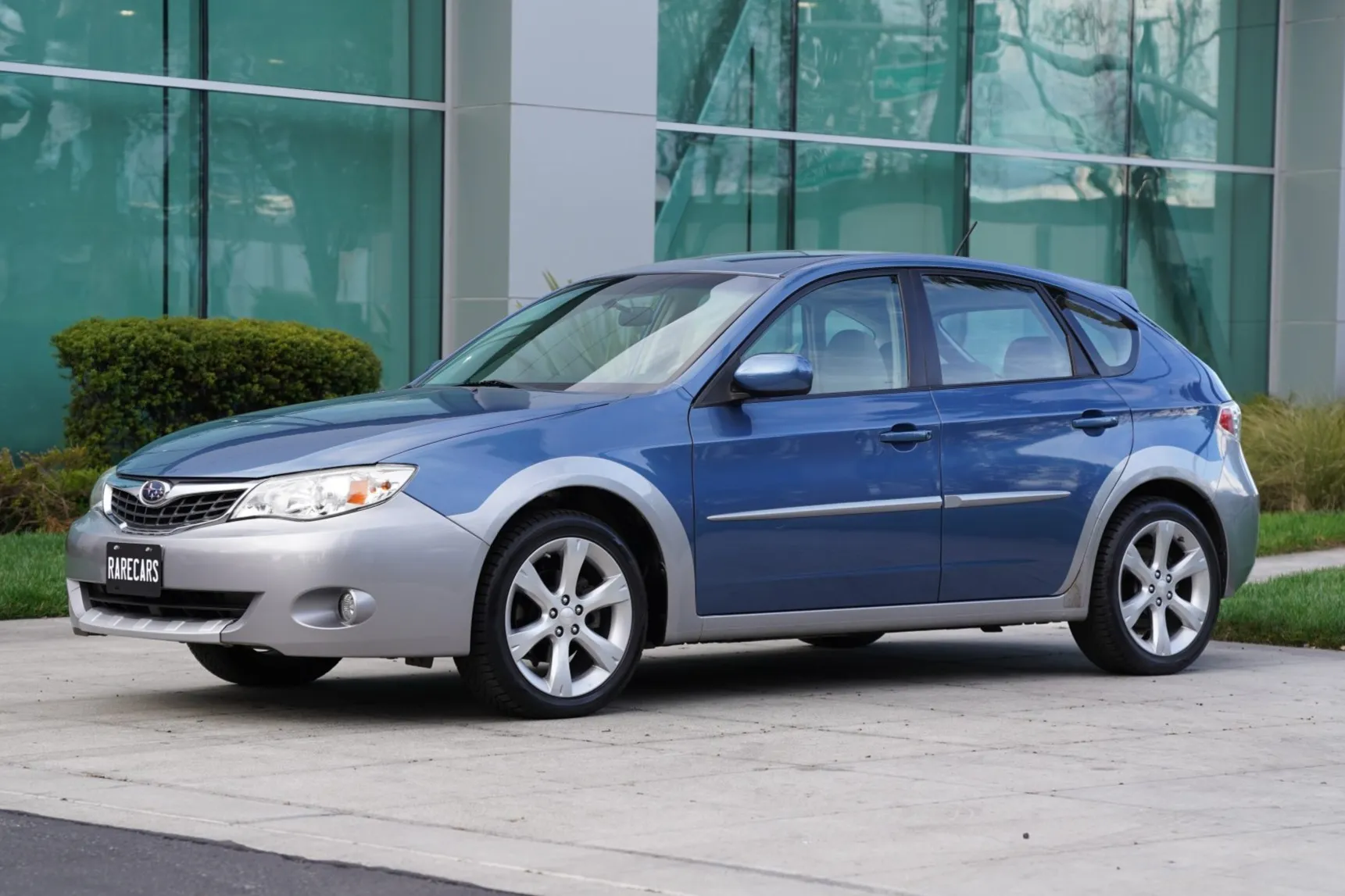
5. Subaru Impreza (Early 2000s Models)
The Subaru Impreza from the early 2000s is for its all-wheel-drive system, which sets it apart from many other compact cars of its time. This feature has helped the Impreza maintain traction and stability in various driving conditions, contributing to its long-term usability.
Subaru’s boxer engines in these models provided a low center of gravity, which improved handling and driving confidence. Many Imprezas from this era have shown remarkable longevity, especially when owners perform regular maintenance to keep the complex drivetrain in good condition.
The Impreza’s ride and handling were well-received for a compact car, combining practicality with a sporty feel. The cabin, while utilitarian, was built with durable materials that could withstand years of use.
The all-wheel-drive system made these cars particularly popular in regions with inclement weather, as it improved safety and drivability in snow, rain, and rough roads. This versatility helped many Imprezas stay on the road and remain relevant well after their initial release.
Engine reliability is a mixed topic for these models but generally positive when maintenance is thorough. Head gasket issues were known to occur in some Subaru engines of the era, but timely repairs and preventive care have allowed many Imprezas to continue running smoothly for 200,000 miles or more.
Fuel economy is reasonable given the added weight and complexity of the all-wheel-drive system, making the Impreza an attractive option for those who want both capability and efficiency.
The Impreza’s strong fan base and the availability of aftermarket support also contribute to its longevity. Enthusiasts and everyday drivers alike value the car’s balance of ruggedness and compact size. For those looking for a compact car that can handle diverse driving environments and still drive well after 20 years, the early 2000s Subaru Impreza is a solid choice worth considering.
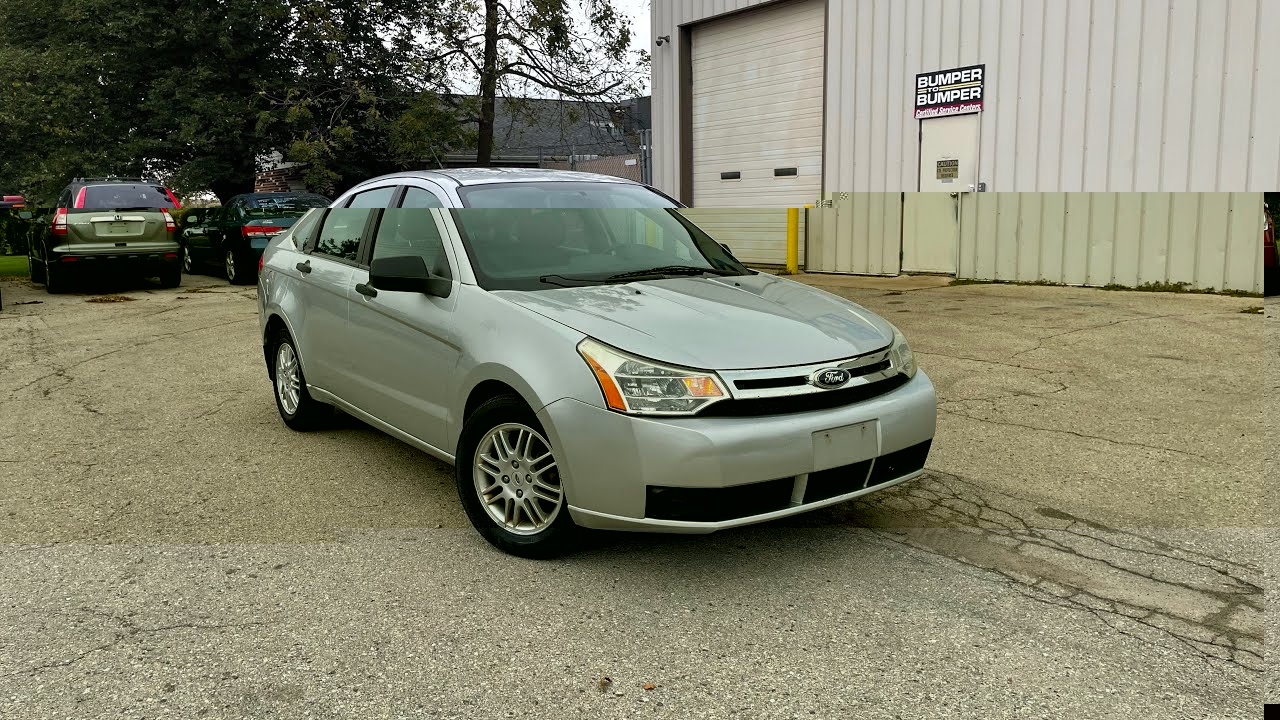
6. Ford Focus (First Generation)
The first-generation Ford Focus, introduced in the late 1990s and produced into the early 2000s, made a strong impression with its sharp handling and modern styling. It was a major step forward for Ford in the compact segment, offering features that rivaled many imports at the time.
These models have shown themselves capable of lasting two decades when properly cared for. The Focus’s engines, ranging from 2.0-liter inline-fours to smaller variants, provided a good mix of power and fuel economy.
The driving dynamics of the Focus stood out from many competitors, featuring responsive steering and well-tuned suspension. This made it enjoyable to drive even after years on the road, setting it apart from some more basic compact cars.
The interior was more modern and ergonomic compared to previous Ford models, with materials that generally held up well over time. Comfort and usability were priorities, and many owners found the Focus to be a practical yet engaging vehicle for daily driving.
Maintenance and repairs on the first-generation Focus are manageable, with parts being relatively affordable and widely available.
The car’s mechanical systems are straightforward, which encourages long-term ownership. Common issues that appear with age are often preventable with routine care. Fuel efficiency was competitive at the time, making the Focus a cost-effective option for commuting or city driving.
Ford’s success with the Focus helped establish it as a popular compact car that could compete globally. The combination of driving enjoyment, solid build quality, and reasonable maintenance costs makes the first-generation Focus one of the compact cars that continues to serve drivers well, even two decades after its initial release.
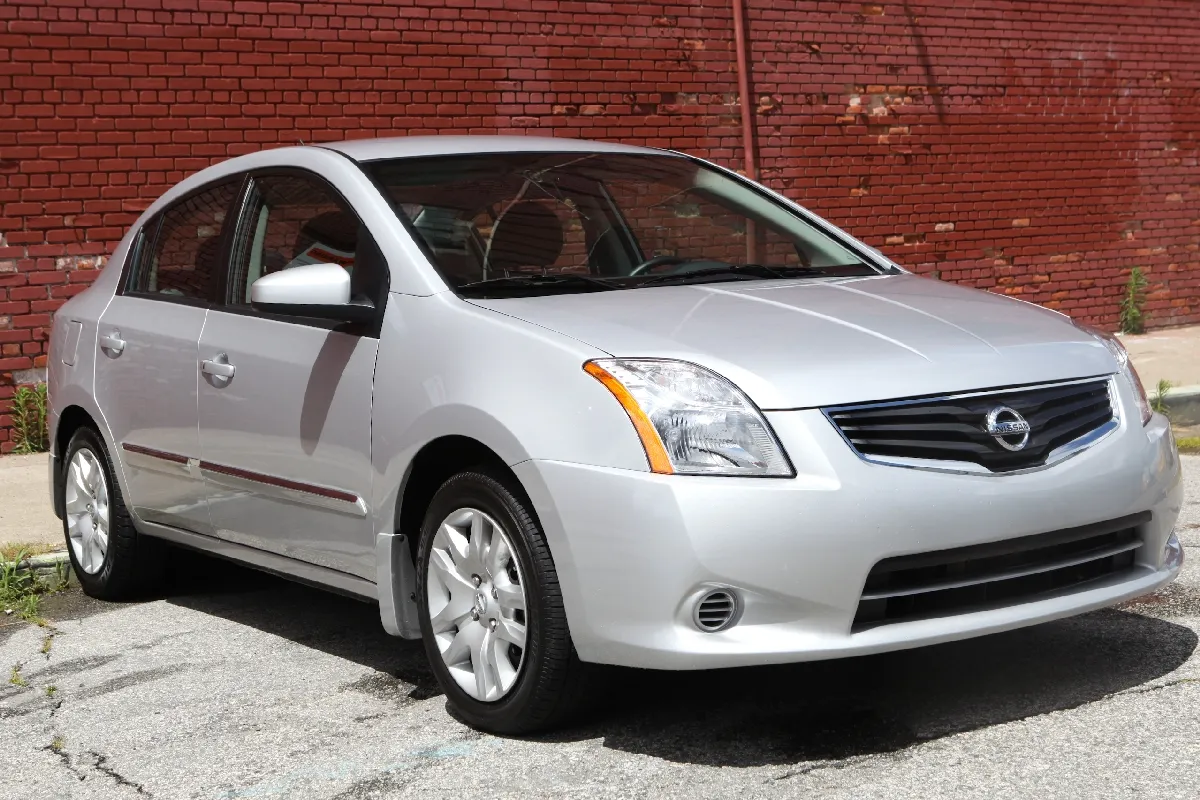
7. Nissan Sentra (1990s to Early 2000s)
The Nissan Sentra from the 1990s and early 2000s is known for its reliability and simplicity. These compact sedans offered straightforward engineering that allowed them to run efficiently with minimal issues.
The engines, often 1.6 to 1.8 liters, were designed to be durable and fuel-efficient, helping the Sentra remain relevant for drivers looking for an affordable and dependable vehicle. This combination of durability and economy contributed to many Sentras remaining on the road after 20 years.
The Sentra’s ride quality and interior design focused on comfort and practicality. While not the most exciting to drive, it provided a smooth and predictable experience suitable for daily commuting.
Materials used inside the cabin were chosen for durability rather than luxury, which helped the interior resist the wear common to long-term ownership. Drivers appreciated the spaciousness for a compact car, as well as the ease of operation and straightforward controls.
Fuel economy was a major selling point, with many Sentras delivering excellent mileage figures. This made the car affordable to run for budget-conscious drivers.
Additionally, the simplicity of the Sentra’s mechanics made repairs less costly and more straightforward, encouraging owners to keep them maintained and on the road. The availability of parts and a large service network further supported the Sentra’s long lifespan.
Nissan’s reputation for building reliable vehicles extended to the Sentra, and many of these cars have reached high mileages with minimal problems. For buyers interested in a compact car that continues to perform well after many years, the Sentra offers a balance of economy, durability, and ease of maintenance that few other models can match.
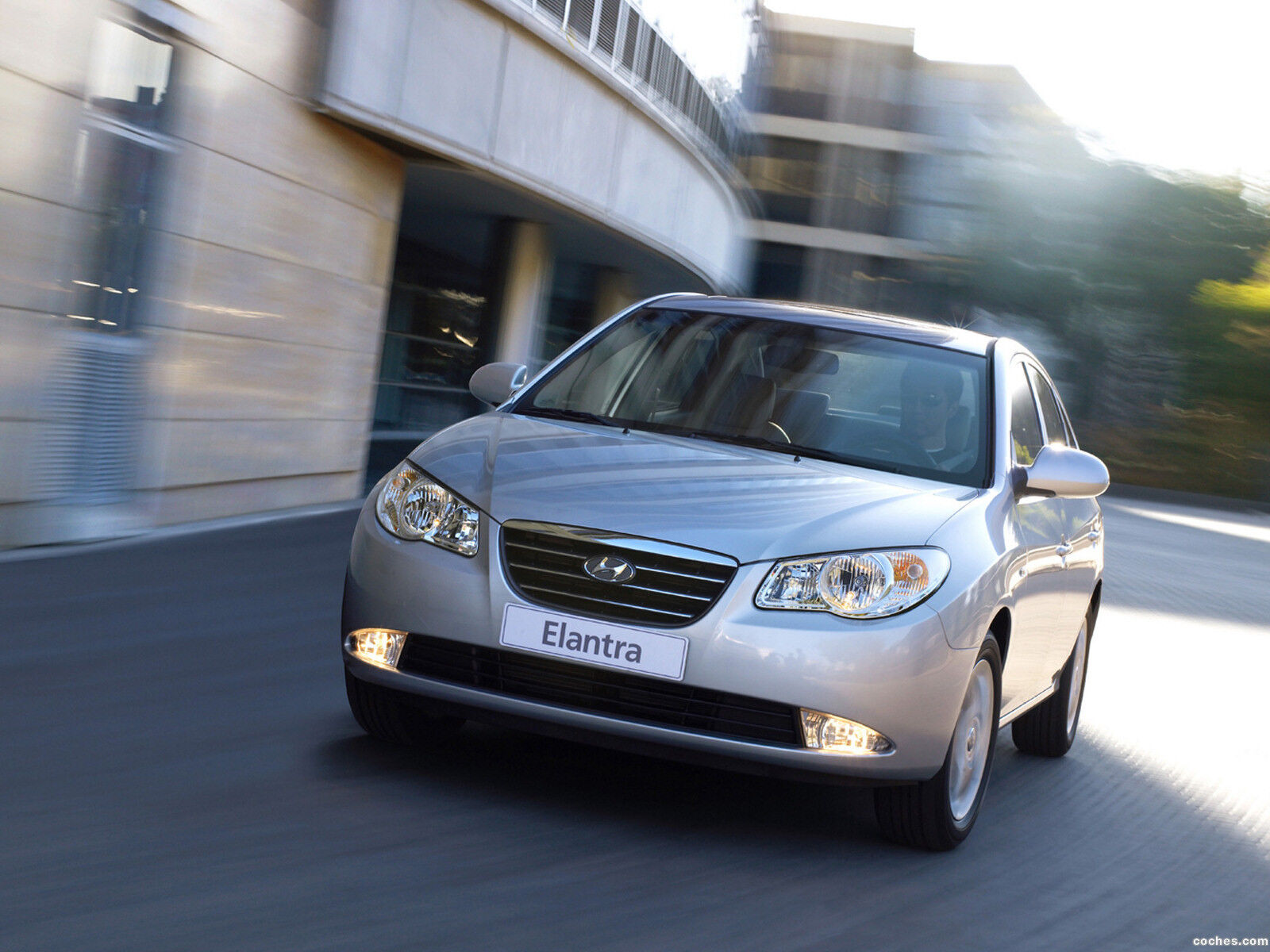
8. Hyundai Elantra (Late 1990s to Early 2000s)
Hyundai’s Elantra models from the late 1990s and early 2000s marked the brand’s emergence as a serious contender in the compact car segment. While early Hyundai models had mixed reputations, the Elantra helped change perceptions with improved build quality and reliability.
Many of these Elantras continue to drive well after 20 years, especially those that received regular maintenance. The engines, usually 1.6 to 2.0 liters, are simple and durable, offering good fuel economy and acceptable performance.
The Elantra’s interior quality improved significantly during this era, with better materials and design compared to earlier models. This helped the car remain comfortable and appealing over time.
The ride quality focused on comfort, making it a practical choice for daily driving and longer trips. While not particularly sporty, the Elantra was engineered to meet the needs of typical compact car buyers seeking reliability and value.
Maintenance on these models tends to be affordable, with parts widely available due to Hyundai’s growing market presence. This accessibility encourages owners to keep up with necessary repairs and servicing, extending the life of their cars. Hyundai’s warranty programs during this period also helped establish trust, and many of these vehicles benefited from attentive care as a result.
The Elantra represents a shift in the compact car market where Korean automakers began producing vehicles that could compete on reliability and longevity. For those looking for a compact car that still performs well after two decades, the late 1990s and early 2000s Elantra models offer a strong combination of value, durability, and everyday usability.
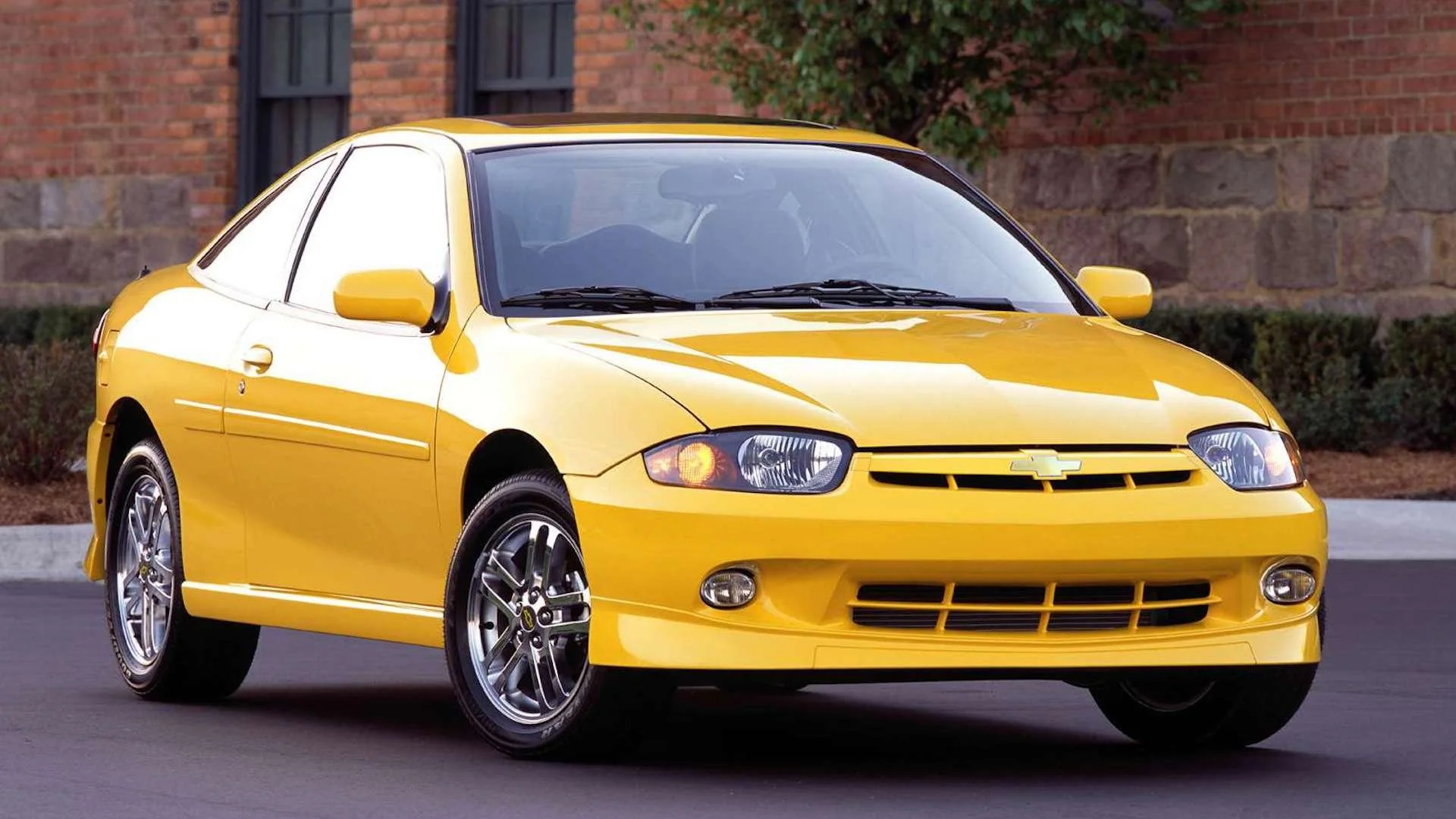
9. Chevrolet Cavalier (1990s Models)
The Chevrolet Cavalier, especially the models from the 1990s, was a popular compact car in the United States. While it might not have the same reputation for longevity as some Japanese competitors, many Cavaliers have proven that they can still drive well after 20 years.
The engines, typically four-cylinder variants, were simple and easy to work on, which helped keep maintenance costs low. For budget-conscious buyers, the Cavalier offered a practical solution with an emphasis on affordability rather than advanced features.
The Cavalier’s handling and ride quality were suited for everyday driving, offering comfort and ease of use. Its interior was functional, if somewhat basic, but made from materials that could endure years of wear.
Though not known for luxury or refinement, the Cavalier was appreciated for its straightforward design and the familiarity of its controls. This practicality contributed to many owners keeping their cars for long periods.
Fuel economy was reasonable for the era, and the Cavalier was designed to be an economical daily driver. Its mechanical simplicity meant fewer things could go wrong, and when repairs were needed, parts were relatively inexpensive and accessible. This made the Cavalier a common choice for drivers who needed dependable transportation without a large investment in maintenance.
While it might not be the first name that comes to mind when thinking of compact cars that last, the Chevrolet Cavalier still has a place on this list. It serves as a reminder that durability doesn’t always come from prestige but from practical design and ease of upkeep. Many Cavaliers continue to be driven today because of these qualities.
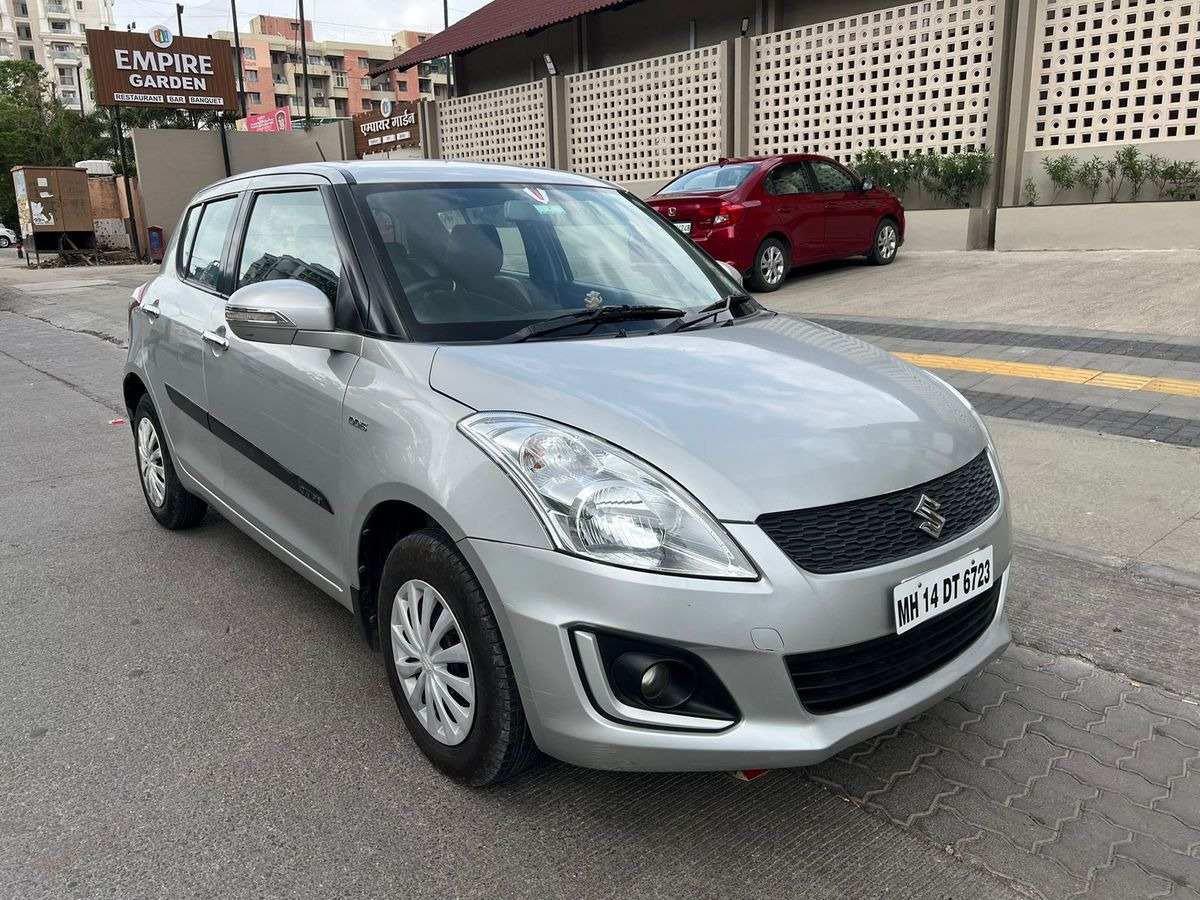
10. Suzuki Swift
The Suzuki Swift from the 1990s is a compact car that gained popularity for its nimble handling and efficient use of space. Though smaller than some competitors, the Swift’s lightweight design contributed to a lively driving experience that many owners still enjoy after two decades.
The engines, mostly small-displacement four-cylinders, were designed for simplicity and fuel economy. The Swift’s reliability was boosted by Suzuki’s focus on building durable yet affordable vehicles, making it a smart choice for long-term ownership.
Handling is one of Swift’s standout features, even after many years. The car’s small size and light weight allow it to be surprisingly agile and responsive. Drivers often appreciate how the Swift feels connected to the road, making it fun to drive in tight city streets or on winding country roads.
Despite its compact dimensions, the suspension setup manages to balance comfort and sportiness, so the ride remains composed and predictable long after its first sale. Many owners of these older Swifts praise their ability to maintain solid road manners, with little loss of steering precision or suspension performance after decades of use. This is a key reason why the Swift continues to enjoy a loyal following in many parts of the world.
Beyond driving dynamics, the Swift was built with durability in mind. Its engine, typically a 1.3-liter or smaller four-cylinder, is relatively simple in design, making it less prone to complex failures that can plague more advanced powertrains. Routine maintenance such as oil changes, spark plug replacements, and timely belt changes has been enough to keep these engines running smoothly well past 150,000 miles in many cases.
The transmission, whether manual or automatic, is known for reliability when serviced regularly. This mechanical straightforwardness appeals to those who prefer a no-nonsense vehicle that can be kept running for years without exorbitant repair bills. Moreover, the car’s small size means many of the parts are compact and easy to handle, which benefits DIY mechanics and professional shops alike.
Inside, the Swift’s interior is compact but cleverly designed to maximize space and comfort for its size. Materials used inside are modest but have shown resilience over time. Seats generally hold up well, and many Swifts from the 1990s still have interiors that feel fresh and intact, lacking excessive wear or deterioration.
The simplicity of the cabin controls also means fewer electronic problems over the years, as the car relies more on mechanical switches and gauges rather than complex electronics. This makes maintenance and repairs easier, allowing owners to keep their cars in usable condition for long periods. While the Swift might not offer luxury or advanced features, it delivers practicality that has stood the test of time.
Also Read: 5 Nissan Engines That Run Forever vs 5 That Don’t
Looking back over the list of compact cars that still drive well after 20 years reveals a common theme: durability and simplicity often go hand in hand. These cars prove that with careful engineering and proper maintenance, vehicles can maintain their performance and usability far beyond their expected lifespan.
Whether it is the legendary reliability of the Honda Civic and Toyota Corolla, the sporty European appeal of the Volkswagen Golf, or the rugged versatility of the Subaru Impreza, each car brings unique qualities that have helped it remain a viable choice for drivers decades after their manufacture.
The enduring presence of these compact cars on the roads today speaks volumes about the values they were built on: solid mechanical foundations, accessible maintenance, and practical designs that prioritize function without excessive complexity.
Their longevity is not just a matter of luck but reflects thoughtful design decisions by manufacturers and responsible ownership by drivers. It’s worth noting that environmental factors, driving habits, and the availability of parts all play significant roles in whether these vehicles reach or exceed the 20-year mark.
For anyone interested in purchasing a compact car with proven longevity, this list offers a reliable starting point. The continued popularity of these models underscores their ability to adapt to changing times while still providing dependable, efficient transportation.
Even as automotive technology advances rapidly, these classic compact cars remind us that durability, simplicity, and quality workmanship remain timeless qualities in a vehicle. Whether used for commuting, road trips, or everyday errands, they continue to fulfill their role well into their third decade.
Many vehicles are designed for shorter lifespans; these compact cars serve as examples of longevity that many modern drivers can appreciate.
Their stories encourage us to value long-term reliability and thoughtful engineering, emphasizing that sometimes the best car is one that just keeps going without fuss. For the compact car segment, these models stand out as true champions of endurance and practicality, still driving strong and proving their worth after 20 years and beyond.
