
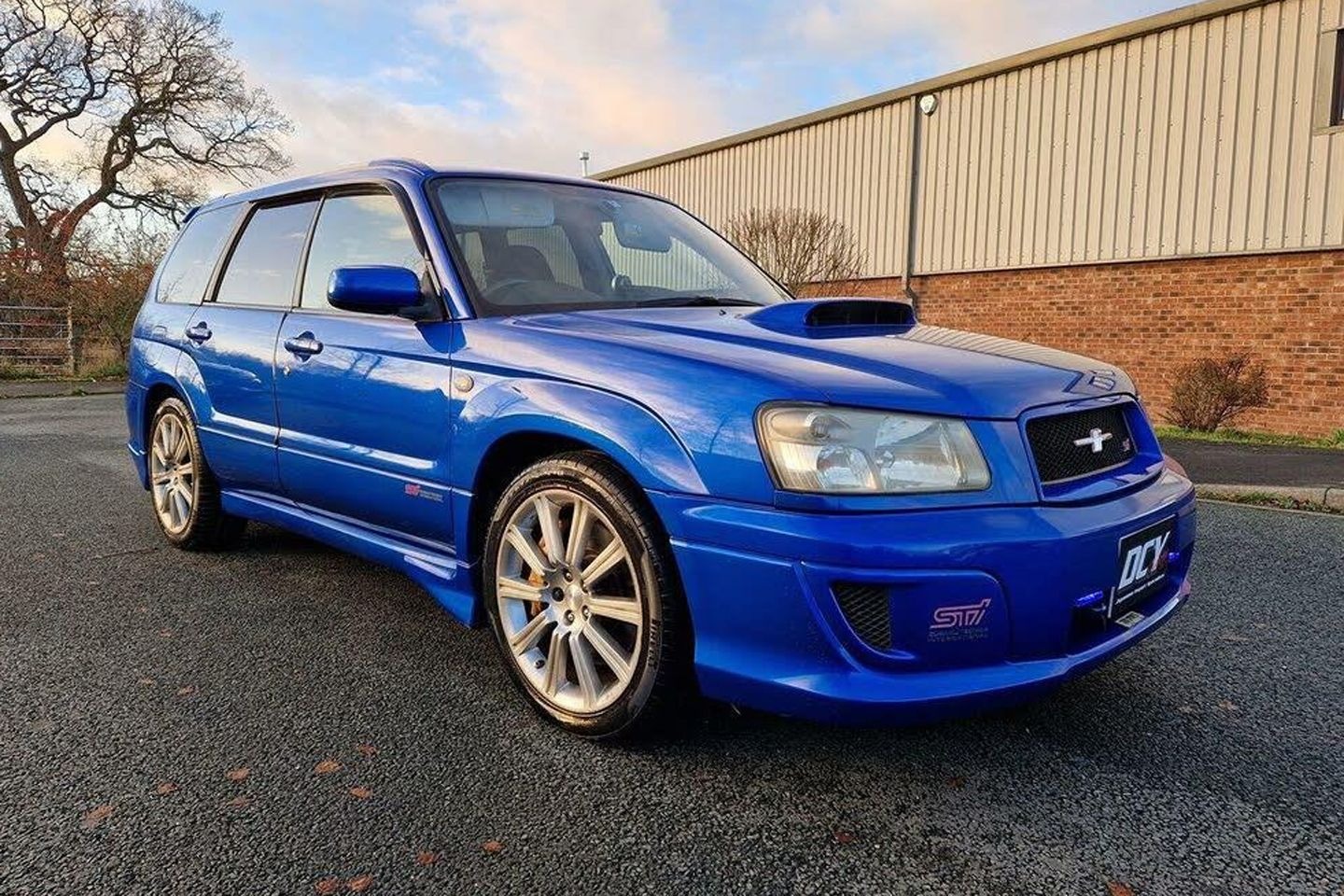
Compact SUVs have become one of the most popular vehicle categories in recent years, appealing to drivers who want a balance between practicality, efficiency, and style. Their versatility allows families, commuters, and adventurers alike to enjoy a vehicle that fits into urban life while still offering some of the ruggedness of larger SUVs.
But beyond just looks and features, one crucial aspect that often comes up when choosing a compact SUV is reliability and longevity. Many people want a vehicle that will not only get them where they need to go but also do so consistently over a long period without breaking down or requiring expensive repairs.
When considering the lifespan of a compact SUV, hitting 250,000 miles is often seen as a benchmark for durability. It’s a milestone that separates cars that are simply good for a few years from those that become dependable partners for a decade or more. This milestone can translate into fewer worries about frequent maintenance, better resale value, and a better return on the investment made in purchasing the vehicle.
However, not all compact SUVs are created equal when it comes to reaching that mark. Some models have reputations built on strong engines, solid build quality, and reliable components, making them known for their long lifespan. Others, while attractive and popular, often face issues that limit their longevity and can lead to costly repairs or premature replacements.
In this article, we’ll review five compact SUVs known for consistently running well beyond 250,000 miles, highlighting what makes them stand out. Then, we’ll contrast those with five models that generally don’t hold up as well over the long haul, examining the common pitfalls and concerns that prevent them from reaching the same level of durability.
Whether you’re buying a used compact SUV or planning for the long term with a new one, understanding these differences can help you make a smarter, more informed choice.
Also Read: 5 Toyota Highlander Years Worth Owning vs 5 That Aren’t
5 Compact SUVs That Run 250K Miles
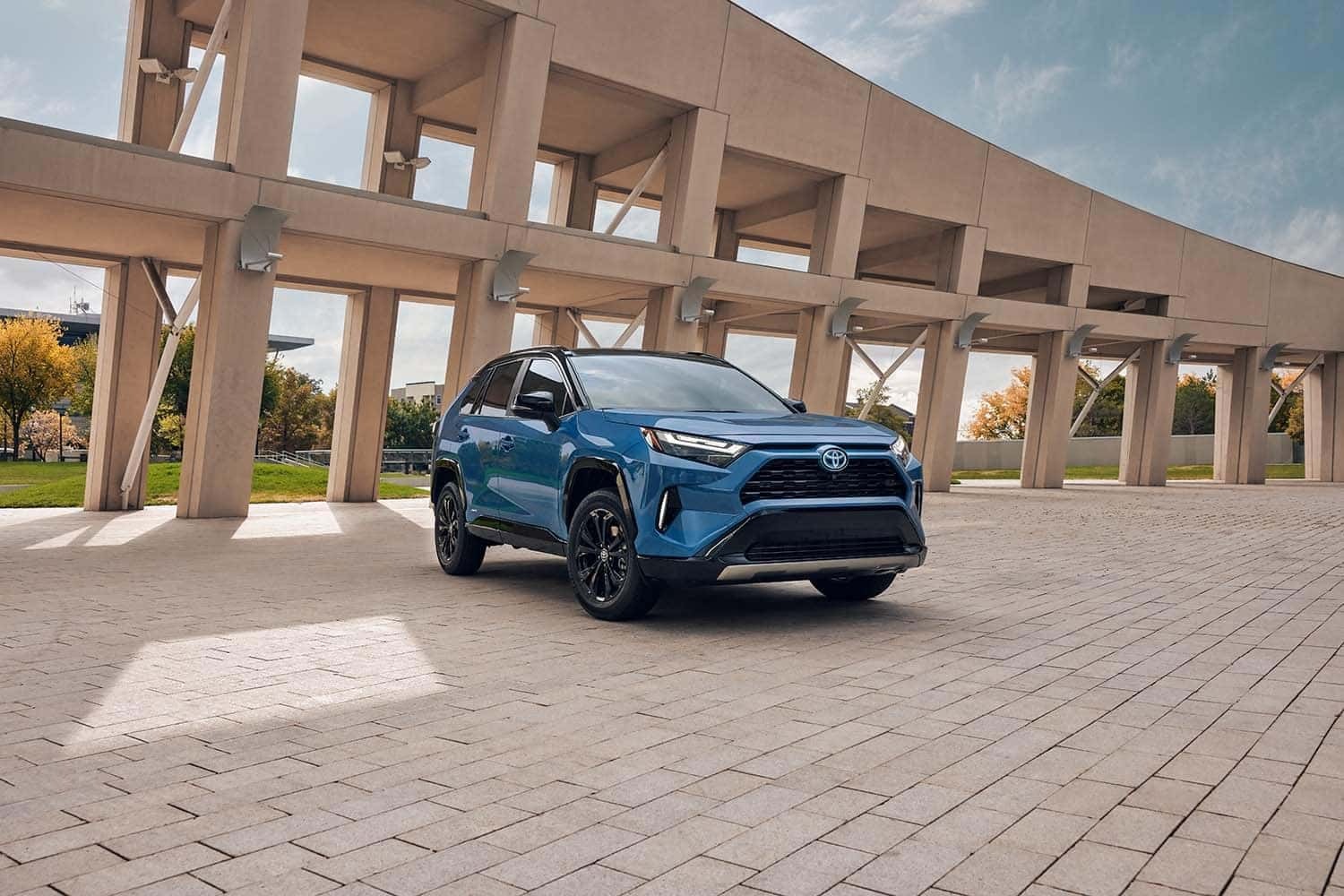
1. Toyota RAV4
The Toyota RAV4 has built a reputation over decades as one of the most reliable compact SUVs on the road. It benefits from Toyota’s conservative engineering philosophy, which emphasizes proven technologies and incremental improvements rather than radical redesigns that might introduce unexpected issues.
This careful approach to design and manufacturing means that many RAV4 models easily reach or surpass 250,000 miles when maintained properly. It is not uncommon to hear stories of RAV4s with over 300,000 miles still running smoothly, which is a testament to its solid construction and reliability.
The engine choices in the RAV4 are a major factor in its longevity. Toyota often equips this SUV with naturally aspirated four-cylinder engines that are designed to balance power, fuel economy, and durability. These engines avoid overly complex turbocharging or forced induction systems that can introduce additional wear points and potential failures.
This simplicity, paired with high-quality components and robust internal parts, allows the engine to perform consistently over time. The engine’s reliability is also enhanced by Toyota’s stringent quality control processes and the use of durable materials in critical areas.
Another important element contributing to the RAV4’s long life is the vehicle’s drivetrain and suspension system. The RAV4 is known for having a well-engineered chassis that maintains structural integrity over time and suspension components that wear slowly and predictably.
The balance of comfort and robustness in the suspension design helps reduce stress on other mechanical parts, such as the transmission and wheel bearings. Toyota’s use of durable transmissions, often automatic but also available in manual variants in older models, has also contributed to the RAV4’s ability to withstand high mileage without major issues.
Beyond the mechanical components, the RAV4’s interior build quality is designed for longevity as well. Unlike some vehicles that start to feel worn and cheap as miles add up, the RAV4 uses materials that hold up well against wear and tear. The seats, dashboard, and controls are built to maintain functionality and comfort over many years.
This attention to detail in both design and material selection means owners can enjoy a pleasant driving experience even when their vehicle has covered hundreds of thousands of miles. This combination of mechanical reliability and durable interior design explains why the RAV4 is frequently recommended as a long-lasting compact SUV.
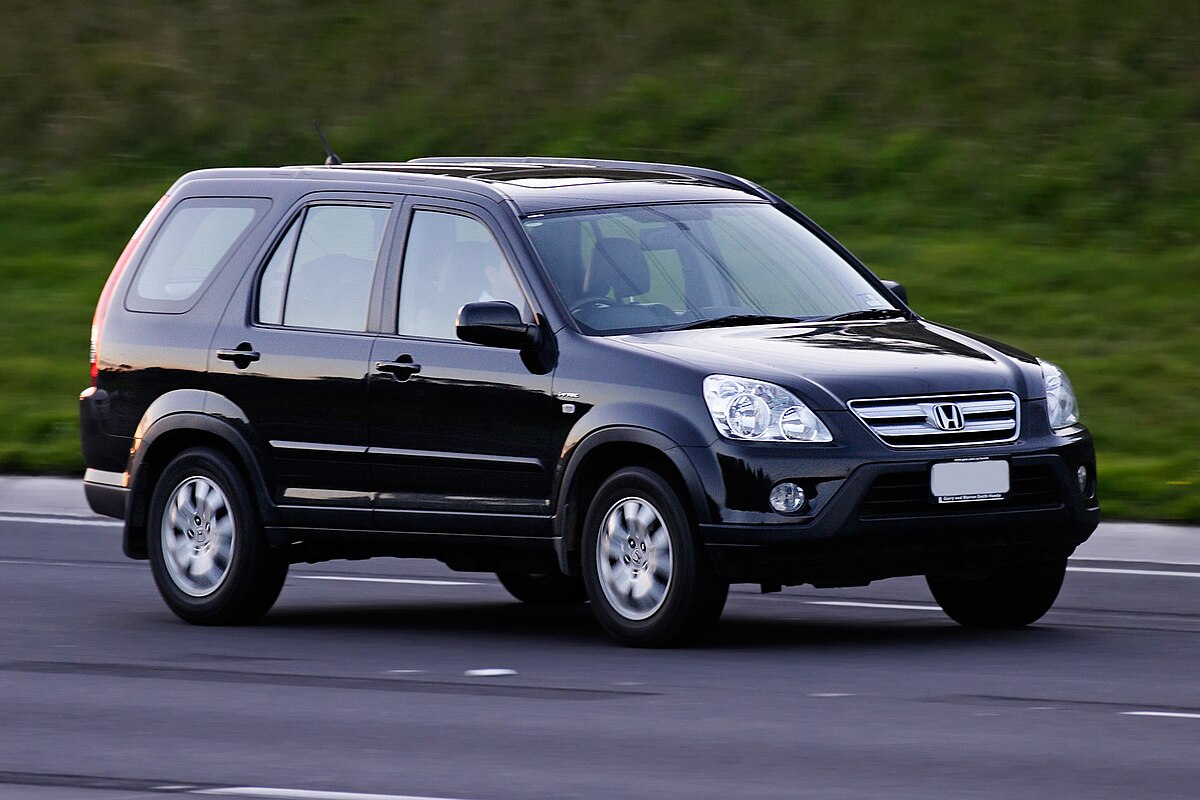
2. Honda CR-V
The Honda CR-V stands as one of the top contenders in the compact SUV category when it comes to reaching and exceeding the 250,000-mile mark. Honda’s reputation for engine longevity extends to the CR-V, which consistently benefits from solid engineering and a focus on durability.
Many CR-V owners report minimal major repairs even after driving their vehicles for over a decade, making this model a favorite among those seeking long-term reliability. The CR-V’s design philosophy balances the need for efficiency, power, and mechanical simplicity, which contributes heavily to its extended lifespan.
At the heart of the CR-V’s endurance is its engine, typically a four-cylinder with a reputation for robustness and consistent performance. Honda’s engines often incorporate technologies such as VTEC, which helps optimize performance and efficiency while reducing unnecessary engine wear.
These engines are known to respond well to regular maintenance schedules, and their internal components, such as pistons, valves, and bearings, tend to hold up well under stress. This ensures the CR-V remains dependable for years, with many models hitting and surpassing the 250,000-mile threshold without major overhauls.
The CR-V’s drivetrain and suspension systems are also for their reliability. The drivetrain includes transmissions and all-wheel-drive options that are engineered to withstand significant use and challenging road conditions. The suspension design aims to balance comfort and durability, reducing wear on the tires and related components.
This helps owners avoid frequent replacements and costly repairs, which is essential for long-term ownership. Additionally, Honda’s focus on build quality means that components are tested rigorously to ensure they can last through many years of daily use.
Inside the cabin, the CR-V features materials and craftsmanship aimed at durability and comfort. The seats often use high-quality fabrics or leather, depending on the trim, and the dashboard and controls are designed to resist fading and wear. This contributes to a vehicle that remains appealing and functional even as the miles add up.
For many owners, the CR-V is not just a mode of transportation but a long-term companion that maintains reliability, practicality, and comfort well beyond the 200,000-mile mark.
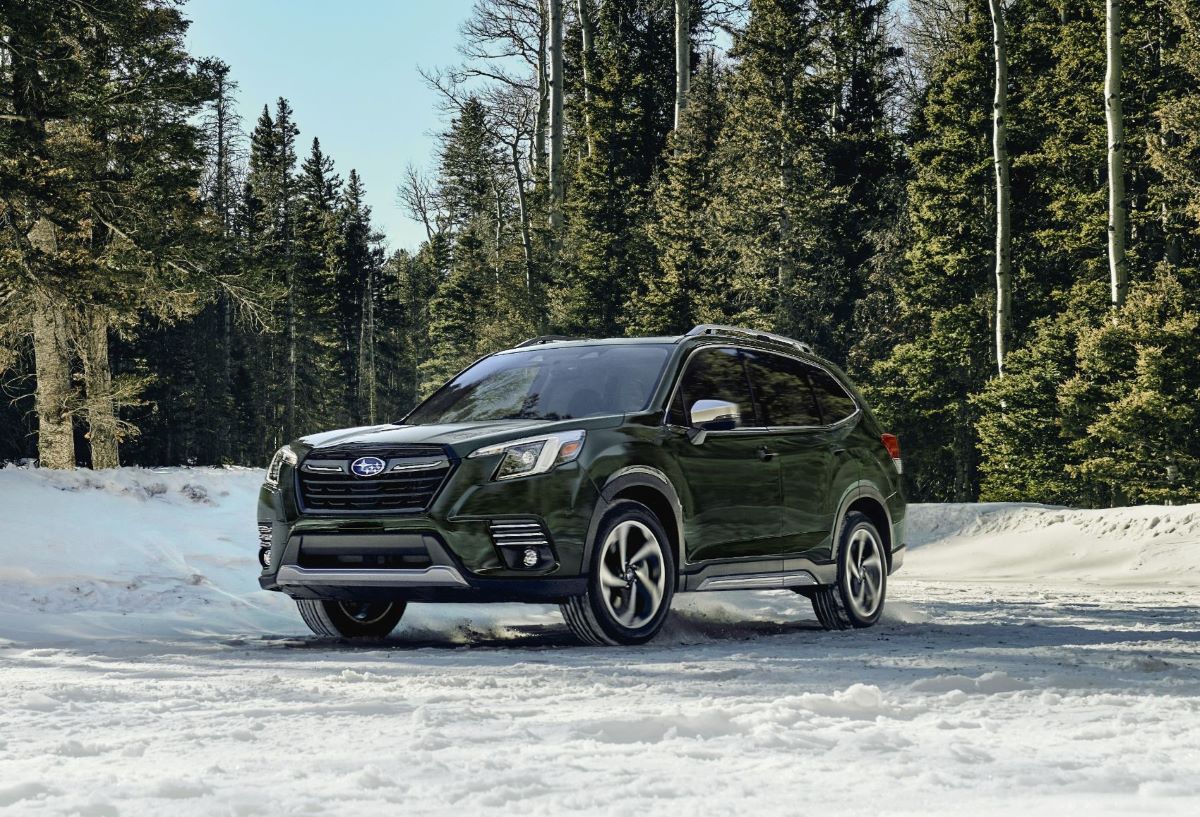
3. Subaru Forester
The Subaru Forester is widely recognized for its durability, particularly due to its distinctive engineering choices such as the symmetrical all-wheel-drive system and boxer engine layout.
These features provide excellent balance, traction, and stability, contributing to the Forester’s strong reputation for longevity, especially in regions with harsh weather or challenging terrain. Many Foresters have reached or exceeded the 250,000-mile milestone, proving the vehicle’s ability to handle both urban and off-road driving over extended periods.
The boxer engine, unique to Subaru, offers several benefits related to durability. By placing the cylinders horizontally opposed, the engine achieves a lower center of gravity, which reduces vibration and stress on the engine mounts and chassis. This design minimizes wear on the engine components and contributes to a smoother ride.
Subaru engines are robust, but they do require regular maintenance, particularly with timing belts and head gaskets, to maintain their long lifespan. When cared for properly, the engine’s longevity is exceptional, often outlasting competitors with more conventional designs.
Subaru’s all-wheel-drive system is another reason the Forester holds up well over time. The system is built to operate continuously without excessive wear, providing consistent traction and stability regardless of road conditions. This makes the Forester popular in areas with snow, rain, or uneven terrain, where maintaining control is critical. The AWD system, combined with rugged suspension components, means the Forester can handle heavy use without premature mechanical failures, further extending its life.
Inside, the Forester’s interior design emphasizes practicality and durability. The materials are chosen for their ability to withstand rougher use, such as outdoor gear and pets, without significant degradation. The spacious cabin and user-friendly controls also contribute to the vehicle’s enduring appeal.
Owners often praise the Forester for maintaining its functionality and comfort even after many years of use, which is a testament to Subaru’s commitment to quality and durability.
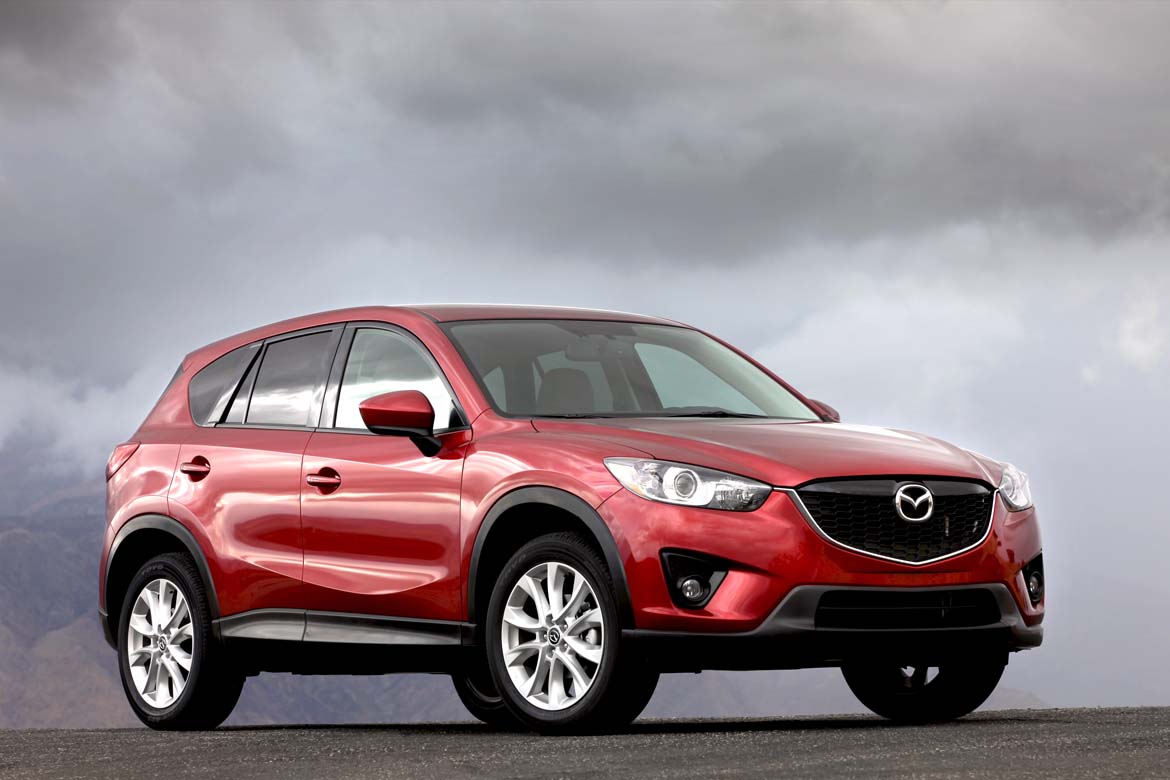
4. Mazda CX-5
The Mazda CX-5 is a relatively newer player in the compact SUV segment but has quickly earned a reputation for reliability and the ability to reach high mileage milestones. Mazda has invested heavily in engineering innovations like its Skyactiv technology, which optimizes internal combustion engine efficiency while minimizing wear and mechanical stress.
This approach has allowed the CX-5 to emerge as a compact SUV capable of crossing the 250,000-mile mark when properly maintained.
Mazda’s Skyactiv engines use advanced engineering techniques to improve fuel efficiency and reduce friction inside the engine. This not only benefits performance and emissions but also contributes to longer engine life by reducing the mechanical strain that typically accumulates over time.
The CX-5’s engines are designed to operate efficiently in a wide range of conditions, which helps prevent the common wear issues seen in less sophisticated designs. This robust engineering foundation supports the vehicle’s durability and helps maintain performance across many miles.
The CX-5 also benefits from a well-tuned chassis and suspension that minimizes the impact of rough roads and daily wear. The suspension is engineered to absorb shocks effectively, protecting critical components like the steering system, tires, and brakes from accelerated deterioration.
Mazda’s meticulous attention to detail during manufacturing ensures a tight build quality, which reduces rattles, squeaks, and other common issues that can develop as vehicles age. This solid build supports long-term durability and driver satisfaction.
Inside, Mazda pays special attention to the quality of materials and design aesthetics, resulting in an interior that ages gracefully. The CX-5 features durable upholstery, soft-touch surfaces, and well-constructed controls that remain comfortable and functional even after extensive use.
This attention to detail contributes to the vehicle’s resale value and long-term owner satisfaction, making the CX-5 not only a joy to drive but also a smart investment for those planning to keep their SUV for many years.
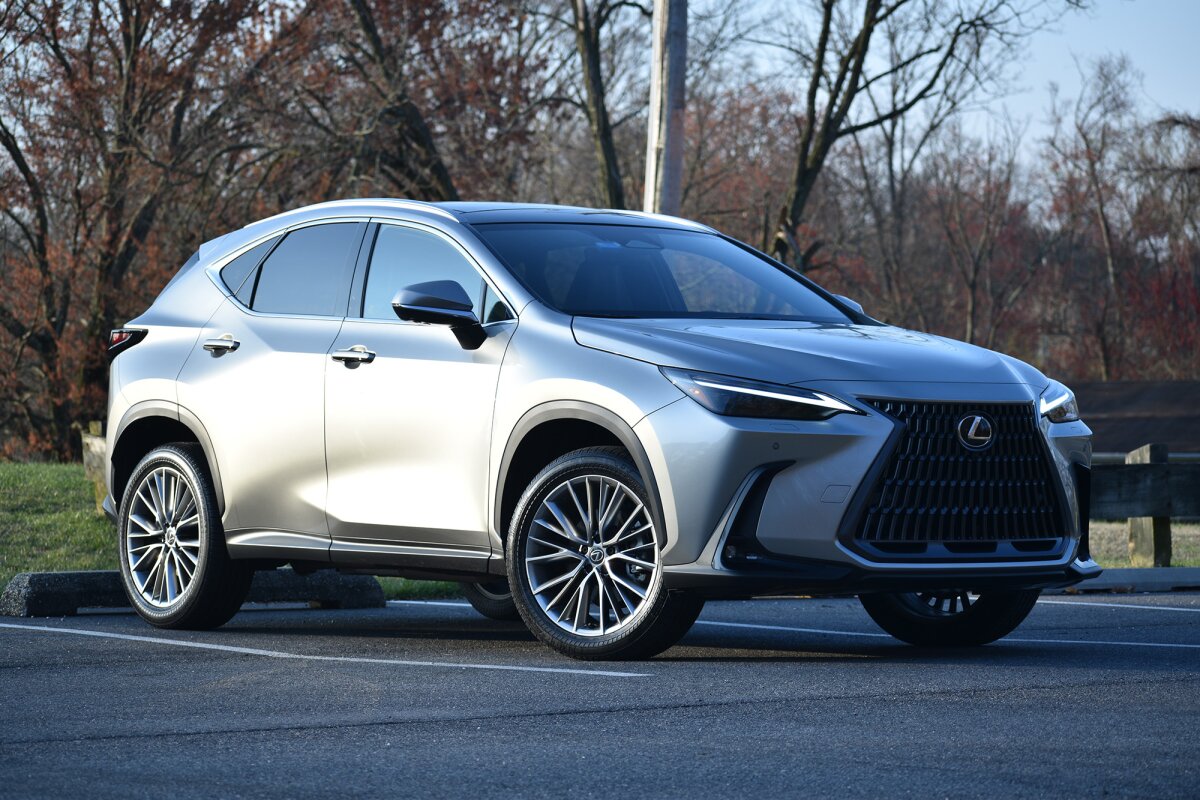
5. Lexus NX
The Lexus NX offers a unique blend of luxury and durability, combining Toyota’s renowned reliability with premium features and finishes. As a luxury compact SUV, it benefits from the same strong engineering foundation as the Toyota RAV4 but adds higher-quality materials and more refined construction techniques. This combination results in a vehicle that is capable of surpassing the 250,000-mile mark while maintaining its appeal and performance.
The powertrains in the Lexus NX are known for their smoothness and resilience. They typically consist of four-cylinder engines with or without turbocharging, paired with advanced transmissions that prioritize longevity and smooth operation.
Toyota’s involvement in the development and manufacturing process ensures that the NX’s engine and drivetrain components meet stringent durability standards. This level of engineering reduces the risk of mechanical failures and extends the vehicle’s usable life significantly.
Beyond the powertrain, Lexus places considerable emphasis on build quality and fit-and-finish. The materials used inside the cabin, from leather seats to soft-touch plastics and metal accents, are selected not only for luxury but also for durability. This results in an interior that can withstand years of use without showing excessive wear, which is important for owners who expect a high level of quality even as their vehicle ages.
Lexus also benefits from a strong dealer and service network that supports proper maintenance and repairs. The availability of specialized service technicians and genuine parts helps keep the NX running smoothly over many years.
This combination of mechanical reliability, luxury, and excellent service makes the Lexus NX one of the few compact SUVs that can comfortably reach and exceed 250,000 miles while continuing to deliver a premium driving experience.
Also Read: 5 Dodges That Stand the Test of Time vs 5 That Don’t Make It Past 80K
5 Compact SUVs That Don’t Run 250K Miles
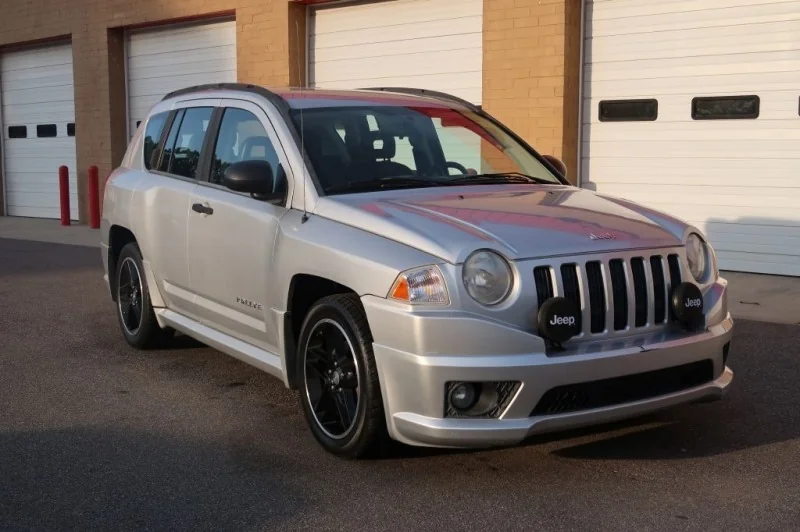
1. Jeep Compass
The Jeep Compass is often chosen for its off-road styling and brand heritage, but when it comes to long-term durability, it falls short compared to many of its competitors. Despite the rugged image Jeep cultivates, the Compass is built more as an urban crossover with limited off-road capability, and its engineering hasn’t consistently translated into longevity.
Many owners report significant mechanical problems as mileage increases, which can discourage those hoping to keep their Compass well beyond the 200,000-mile mark.
One of the most persistent issues with the Compass lies in its drivetrain and transmission systems. The vehicle has been known to suffer from transmission hesitation, slipping, and outright failure in some cases. These transmission troubles often appear well before the 200,000-mile threshold and can require costly repairs or even complete replacement.
The electrical system has also caused headaches, with owners experiencing frequent warning lights and sensor malfunctions that impact drivability and require frequent trips to the mechanic.
The engine options for the Compass, while adequate for daily driving, have not demonstrated the same level of durability seen in other compact SUVs. Some engines are prone to premature wear, especially if maintenance has been irregular or if the vehicle has been driven in demanding conditions.
Issues such as oil consumption, overheating, and early component wear have been reported, all of which contribute to a shortened lifespan for this SUV. These problems collectively limit the vehicle’s ability to reliably reach very high mileage.
Additionally, the Compass’s interior build quality often reflects its budget-focused design. Materials tend to wear out quickly, with owners reporting rattles, worn seats, and broken trim pieces appearing sooner than expected.
Electronics and infotainment systems are also noted to be less reliable, contributing to an decline in the vehicle’s usability as it ages. This combination of mechanical and interior durability issues means the Compass generally does not achieve the longevity that many compact SUV buyers seek.
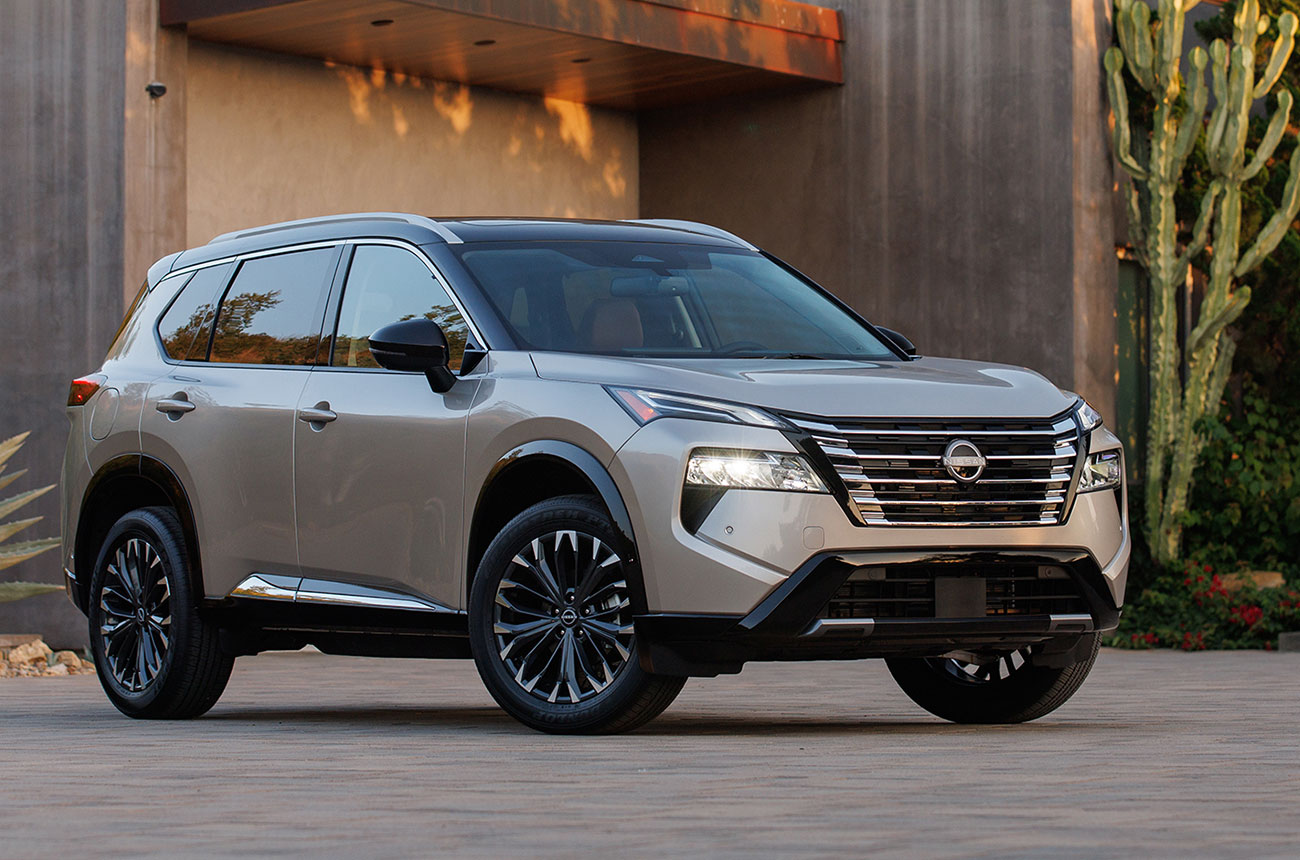
2. Nissan Rogue
The Nissan Rogue has gained popularity as a compact SUV with a comfortable ride and appealing styling, but it has faced criticism for not being among the longest-lasting vehicles in its segment. While some drivers have reported high-mileage success stories, the Rogue’s reliability record shows a pattern of mechanical issues that limit its ability to consistently reach or exceed 250,000 miles. These concerns have been particularly evident in models from the mid-2010s.
A major factor limiting the Rogue’s longevity is its continuously variable transmission (CVT). Although CVTs offer smoother acceleration and better fuel efficiency, Nissan’s implementation has been prone to premature failure and reliability problems.
Many owners have experienced issues such as transmission slipping, shuddering, or complete breakdowns well before reaching high mileage milestones. Repairs and replacements of these transmissions can be expensive and labor-intensive, discouraging owners from holding onto the vehicle long term.
The Rogue’s engines, while generally efficient, have also been known to develop problems over time. Some engines suffer from oil leaks, timing chain issues, and other mechanical faults that require repairs to maintain drivability.
These problems can lead to increased maintenance costs and reduce confidence in the vehicle’s ability to endure extended use. When combined with transmission troubles, the powertrain durability becomes a significant concern.
Interior quality in the Nissan Rogue also leaves something to be desired when considering longevity. Many owners have noted that seats lose their cushioning, interior plastics become brittle or crack, and infotainment systems experience glitches or failures over time.
These factors affect driver comfort and convenience and contribute to a sense that the vehicle is aging faster than its rivals. This often leads drivers to trade in or sell their Rogue earlier than they might with more durable competitors.
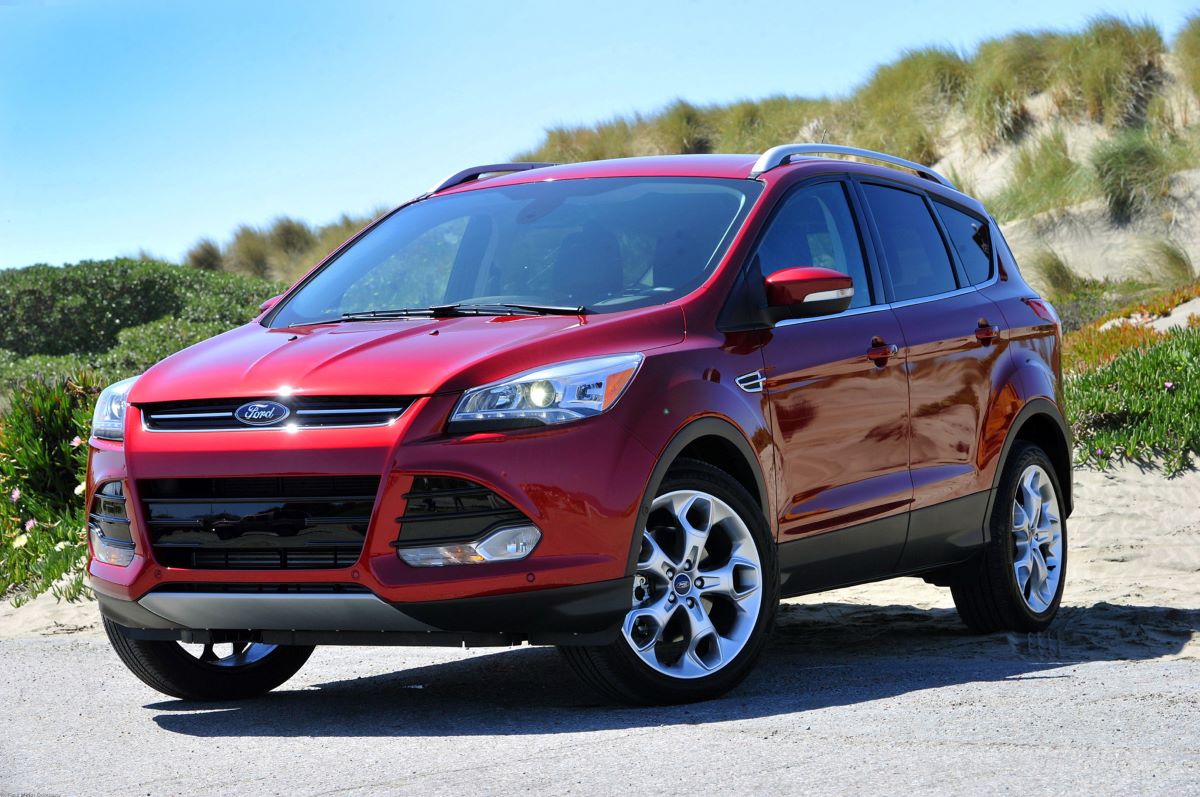
3. Ford Escape
The Ford Escape has long been a popular compact SUV choice due to its wide range of engines and features, but its ability to sustain high mileage without major repairs has been inconsistent.
While some older models have shown durability, many newer versions, particularly those with EcoBoost turbocharged engines, have struggled with reliability issues that prevent them from regularly surpassing the 250,000-mile mark. This inconsistency makes the Escape a more risky choice for long-term ownership.
One of the most frequently cited problems with the Escape is its turbocharged EcoBoost engines. These engines, designed for better fuel economy and performance, have been prone to overheating, timing chain tensioner failures, and carbon buildup on intake valves.
Such issues often lead to significant repairs before the vehicle hits very high mileage, discouraging owners who want a trouble-free SUV that will last a decade or more. Additionally, turbochargers themselves can be expensive to replace if they fail prematurely.
Transmission troubles also plague certain model years of the Escape. Complaints about rough shifting, hesitation, and transmission failure have surfaced in owner reports and reliability surveys. These problems often occur earlier than expected and may require transmission rebuilds or replacements, which can be a major financial burden. The combination of transmission and engine concerns reduces the Escape’s reputation for long-term durability.
Beyond mechanical reliability, the Escape’s interior components and build quality are often cited as weaker than some competitors.
Drivers report that upholstery wears out more quickly, plastic trim parts become loose or break, and electrical components malfunction. This premature wear detracts from the driving experience and lowers the vehicle’s perceived value over time. Consequently, many Ford Escape owners choose to replace their vehicles earlier than those who own more durable compact SUVs.
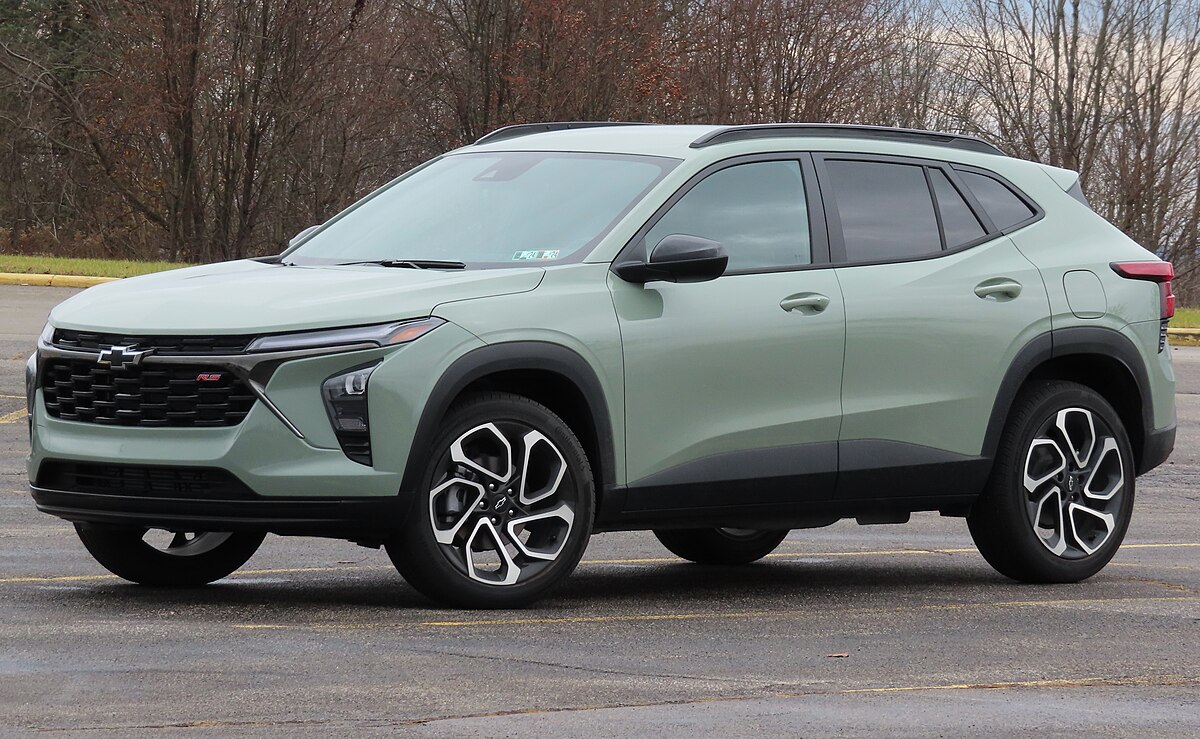
4. Chevrolet Trax
The Chevrolet Trax is marketed as an affordable, entry-level compact SUV that appeals to budget-conscious buyers, but this focus on cost savings often comes at the expense of long-term durability. While the Trax can be a reliable vehicle for short-term or light use, it tends to struggle with mechanical issues and interior wear that limit its ability to reach 250,000 miles. This has made it a less popular choice among those prioritizing longevity.
Mechanically, the Trax is equipped with smaller, less powerful engines that may not endure extensive wear over many years of driving. Some models have experienced issues such as transmission failures, especially with the automatic transmissions, as well as engine performance inconsistencies.
These problems are exacerbated when the vehicle is used in demanding conditions or if maintenance is irregular, shortening the Trax’s effective lifespan.
The Trax’s suspension and chassis are also designed more for city driving than rugged or long-distance use. This can result in accelerated wear on components such as shocks, struts, and steering parts, leading to increased maintenance and repair costs over time. The lighter construction, while beneficial for fuel economy, means the vehicle may not hold up well to the stresses of extended high-mileage use.
Inside, the Trax’s interior materials reflect its budget positioning. Many owners report that seats, plastics, and controls show signs of wear early in the vehicle’s life, including peeling surfaces, loose trim, and malfunctioning electronic features. These issues contribute to a feeling of cheapness and reduce owner satisfaction, especially for those hoping to keep the vehicle for many years.
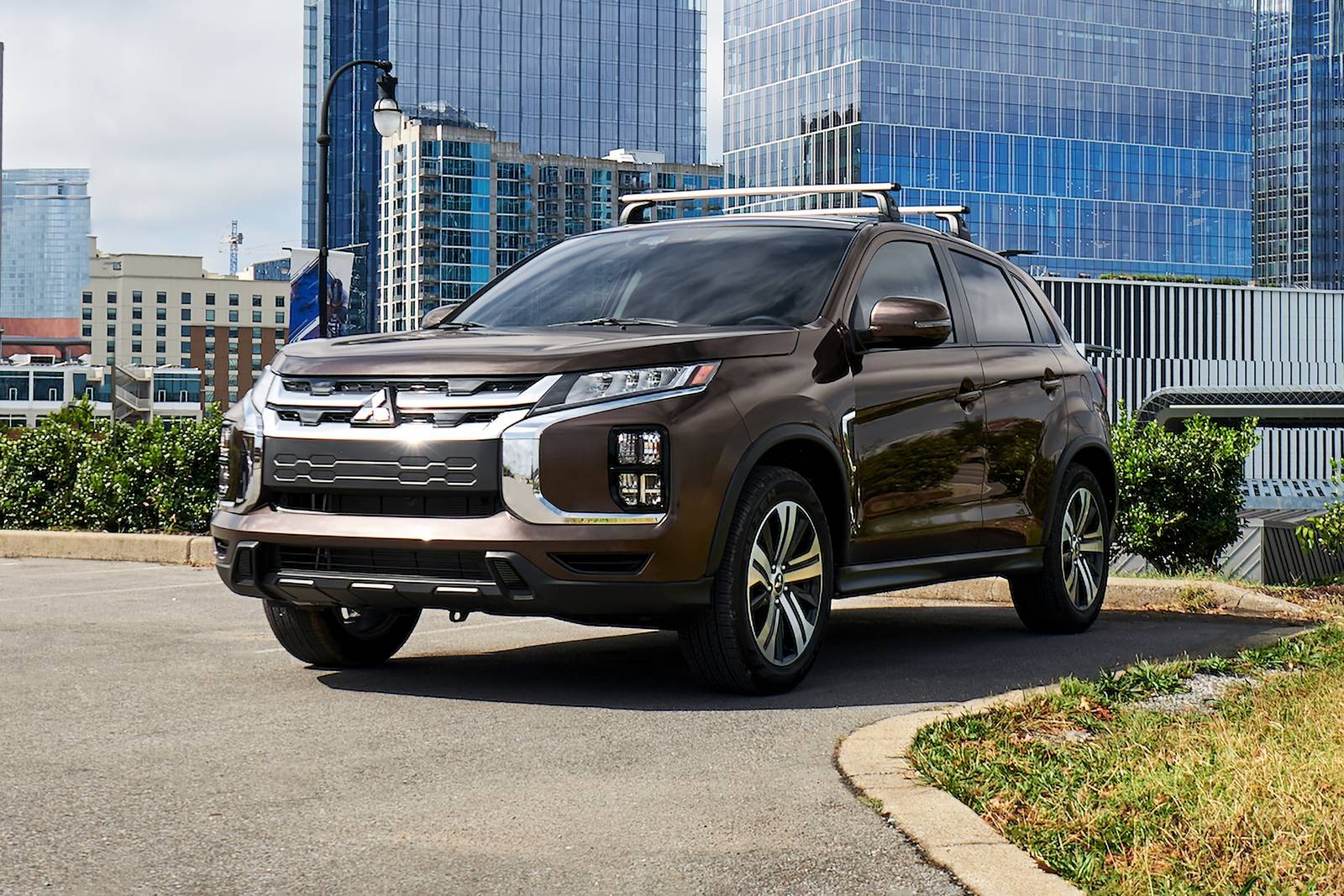
5. Mitsubishi Outlander Sport
The Mitsubishi Outlander Sport offers an appealing blend of sporty handling and affordability, but is generally not known for reaching very high mileage milestones like 250,000 miles. The vehicle’s engineering and build quality have faced criticism in areas that affect long-term durability. As a result, the Outlander Sport is often considered a better option for shorter ownership or moderate mileage use.
Engine reliability is a key concern for the Outlander Sport. Some model years have struggled with problems such as overheating, excessive oil consumption, and premature wear of vital components like the timing belt or water pump. These issues can lead to increased maintenance costs and reduce the vehicle’s lifespan.
When combined with the relatively small engine options, the Outlander Sport may lack the robustness required for extended high-mileage use.
The transmission system has also been a point of failure for many owners. Reports of jerky shifting, hesitation, and outright transmission failures have surfaced across various model years. These problems not only impact drivability but also add significant repair costs, which can be discouraging for those hoping to keep their vehicle long term. The transmission issues further diminish the Outlander Sport’s appeal as a durable compact SUV.
Inside the cabin, the Outlander Sport’s materials and build quality are functional but tend to wear out more quickly than those of competitors. Plastics can become brittle, seats may lose cushioning, and electronic features sometimes malfunction. This affects both comfort and perceived quality, which can lead owners to seek newer vehicles sooner than planned.
Also Read: 5 SUVs That Rarely Lose AC Performance vs 5 That Constantly Fail
When considering a compact SUV for long-term ownership, understanding which models tend to reach or surpass 250,000 miles is crucial. The ability of a vehicle to endure such high mileage depends on a variety of factors, including engineering quality, reliability of key components, ease of maintenance, and build durability.
Models like the Toyota RAV4, Honda CR-V, Subaru Forester, Mazda CX-5, and Lexus NX have demonstrated a remarkable capacity to stand the test of time. These SUVs combine reliable powertrains, robust transmissions, well-designed suspension systems, and durable interiors, creating a package that allows drivers to confidently rely on their vehicles for hundreds of thousands of miles.
A common thread among these long-lasting SUVs is their focus on mechanical simplicity and proven technologies. For example, Toyota and Honda’s preference for naturally aspirated engines and durable automatic transmissions limits potential points of failure, while Subaru’s unique boxer engine and symmetrical all-wheel-drive system contribute to balanced performance and longevity.
Mazda’s innovative Skyactiv technology reduces internal engine wear, and Lexus blends Toyota’s engineering prowess with upscale materials that stand up well over time. These factors, paired with diligent maintenance, provide a foundation for durability and a long driving life.
Conversely, other compact SUVs such as the Jeep Compass, Nissan Rogue, Ford Escape, Chevrolet Trax, and Mitsubishi Outlander Sport typically face challenges that prevent them from reliably achieving the 250,000-mile mark. Common issues with these vehicles often include problematic transmissions, turbocharged engines prone to premature wear, electrical gremlins, and interior components that degrade faster.
While these SUVs might appeal with their initial pricing or features, their long-term ownership experience often involves more frequent repairs and increased maintenance costs. This reality can lead to earlier trade-ins or replacements, especially for buyers seeking dependable, high-mileage vehicles.
Choosing a compact SUV, therefore, should involve careful consideration not just of style and immediate performance but also of the vehicle’s track record for durability and reliability. Long-term costs, ease of repairs, availability of parts, and reputation for mechanical soundness are critical factors.
Buyers prioritizing longevity should lean toward models known for robust engineering and lower maintenance headaches. In the end, selecting a compact SUV capable of reaching 250,000 miles or more can provide peace of mind, financial savings, and a reliable driving experience for many years.
