
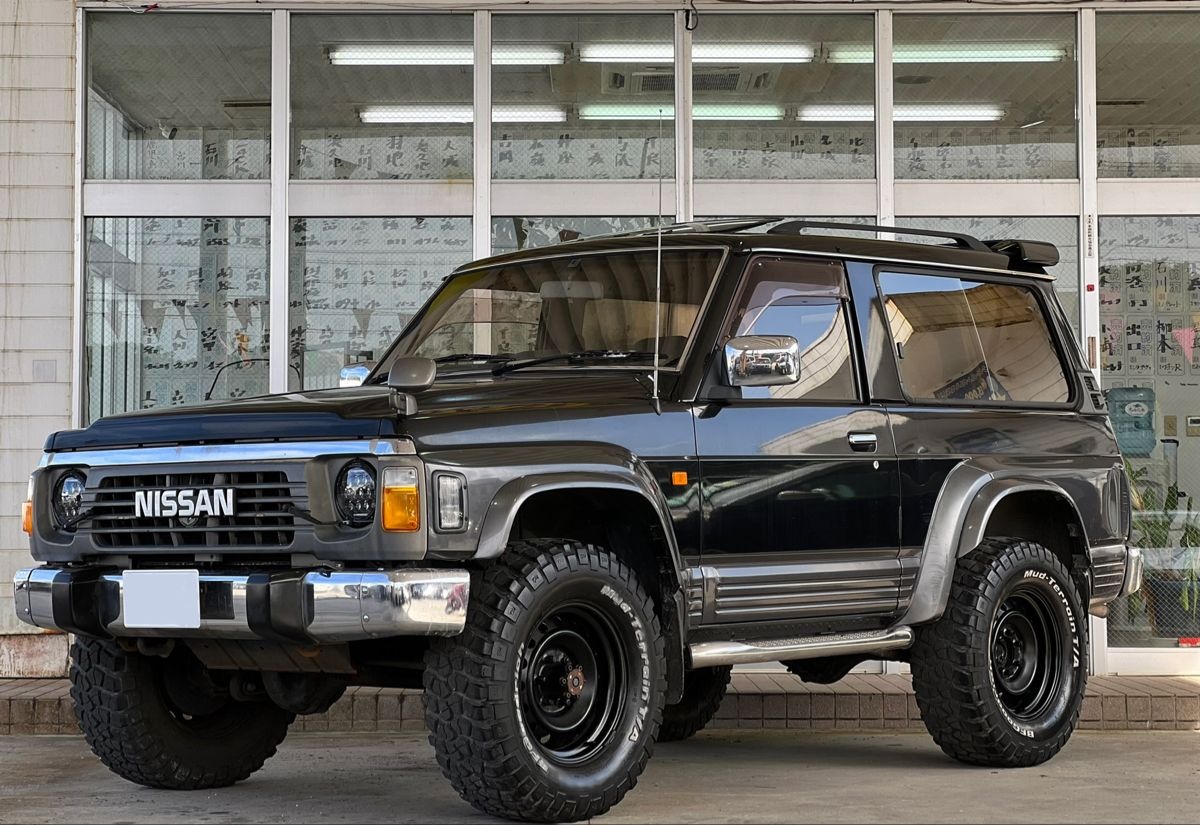
Cars often tell stories beyond their design and performance. Some vehicles endure harsh treatment, whether due to rough driving, neglect, or simply the passage of time in less-than-ideal conditions. Yet, despite this, certain cars prove their durability and resilience, becoming legends because they survive what seems like relentless abuse.
These vehicles are not just machines; they become trusted companions to families across generations, enduring decades of use, mishaps, and hard living without falling apart.
In the automotive world, longevity is a rare quality. Many cars suffer from mechanical issues, rust, or outdated technology that can render them useless in a matter of years. But a handful have built reputations for toughness and reliability, making them favorites among drivers who need a vehicle that won’t quit.
These cars don’t just survive; they thrive despite being pushed to their limits. From the daily grind of commuting to off-road adventures and even reckless handling by multiple owners, they remain functional and sometimes even improve with age.
The reasons behind these cars’ survival are varied. Some owe it to solid engineering, while others benefit from simplicity, fewer electronics mean fewer things to fail. Strong frames, reliable engines, and widely available parts also contribute to their staying power.
Additionally, many of these vehicles become beloved family heirlooms, passed down through generations, where they carry stories of perseverance and memories. It’s not just about mechanical durability but the emotional connection that keeps these cars alive through constant use and care, sometimes rough but always effective.
This article highlights ten such vehicles. These are cars known to have survived generational abuse, with owners who have pushed their limits, neglected them occasionally, or driven them hard through the years.
Despite this, these vehicles continue to run, defy expectations, and prove that some cars are built to last. Each car has its own unique story and reason for longevity, making them perfect examples of resilience in the automotive world.
Also Read: 5 Engines That Keep Their Power After 200K vs 5 That Lose It Early
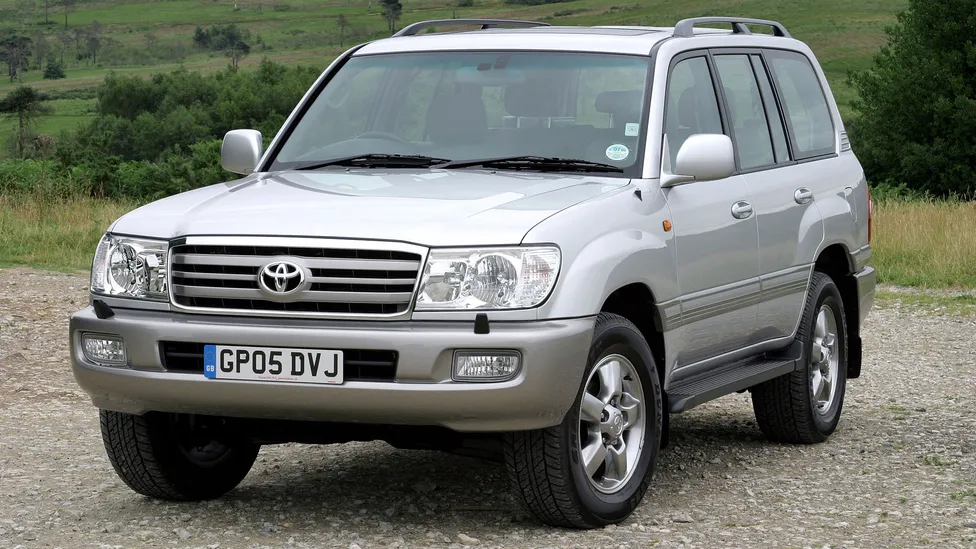
1. Toyota Land Cruiser
The Toyota Land Cruiser has long been considered the gold standard of rugged, durable SUVs. Its reputation for toughness dates back to its origins in the 1950s, when it was developed as a military vehicle capable of traversing the most challenging terrains.
Over the years, the Land Cruiser evolved into a civilian vehicle that retained its core principles of strength and reliability. Its body-on-frame construction, coupled with a reputation for bulletproof mechanical components, means it is built to withstand the harshest environments, from deserts to jungles and frozen tundras. Many Land Cruisers have clocked hundreds of thousands of miles, often passed down through families that rely on them not just for transportation but for survival in remote areas.
A key factor behind the Land Cruiser’s ability to survive generational abuse is its relatively simple yet effective engineering. Unlike many modern SUVs that rely heavily on electronics and complex systems, the Land Cruiser emphasizes durability over technology.
The engines, often inline six-cylinder or V8s, are designed to be robust and easy to repair, even with limited tools. Its suspension system, built for off-road use, is capable of handling rough terrain without failing. This simplicity means that when parts fail, they can often be repaired or replaced quickly, extending the vehicle’s lifespan significantly. Many owners become adept at maintaining these vehicles themselves, often using them in remote areas where professional help is not available.
Moreover, the global popularity of the Land Cruiser ensures an abundant supply of parts and knowledgeable mechanics. From Africa to Australia, the Middle East to South America, the Land Cruiser is revered by professionals, adventurers, and everyday drivers alike.
This widespread use guarantees that replacement components remain accessible and that there is a wealth of knowledge about common issues and fixes. It is not uncommon to see Land Cruisers with body damage, patched floors, and mismatched parts still going strong because of this support network and the vehicle’s resilient design.
Beyond its mechanical strengths, the Land Cruiser also becomes an emotional cornerstone for many families and communities. Passed down from one generation to the next, it often represents more than just a vehicle, it is a symbol of endurance and reliability in the face of adversity.
Stories abound of Land Cruisers being used for decades, surviving accidents, neglect, and extreme conditions while remaining operational. This connection between owner and vehicle fosters a culture of preservation and care, ensuring the Land Cruiser’s place on the road for many more years to come.
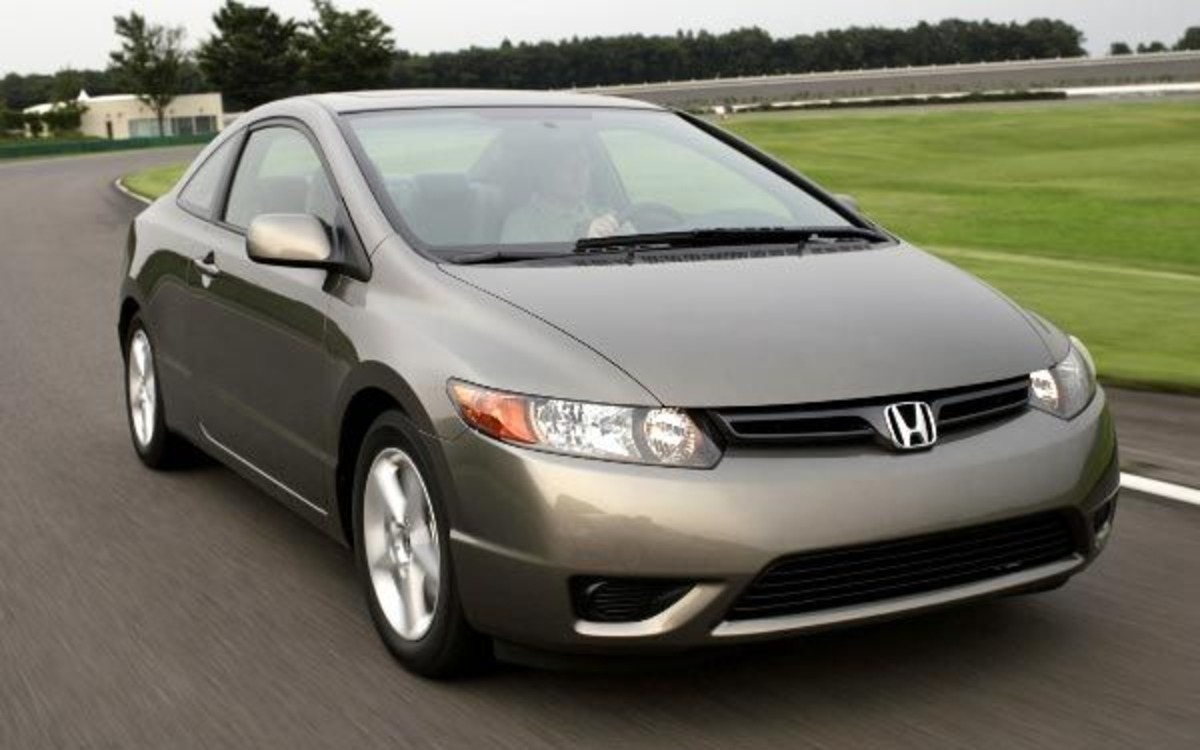
2. Honda Civic (Older Generations)
The Honda Civic, particularly models from the late 1970s through the early 2000s, has earned its place as one of the most durable compact cars in automotive history. When first introduced, the Civic was praised for its fuel efficiency, affordability, and surprisingly robust build.
Unlike many small cars of its era, the Civic was engineered with reliability in mind. Its simplicity and solid mechanical components allowed it to withstand years of aggressive driving, neglect, and repairs by owners with varying levels of automotive knowledge. This broad appeal led to the Civic becoming a staple vehicle in many households, often outlasting more expensive cars with less reliable engineering.
One of the most significant reasons for the Civic’s resilience lies in its engine design and mechanical simplicity. The early and mid-generation Civics often featured inline-four engines that were not only efficient but straightforward enough for amateur mechanics to work on.
This made routine maintenance and repairs accessible, even without advanced diagnostic tools. The Civic’s lightweight design also reduced stress on the drivetrain and suspension components, meaning these parts typically lasted longer than in heavier vehicles. When wear and tear did occur, replacement parts were affordable and widely available, encouraging owners to fix rather than replace their cars.
The aftermarket support for older Civics is another critical factor in their longevity. A massive enthusiast community emerged around these vehicles, sharing tips, parts, and modifications that improved performance and durability.
This culture of DIY maintenance allowed countless Civics to survive harsh treatment, from city streets filled with potholes to racetrack days where the car was pushed to its limits. It is common to find older Civics with over 200,000 miles still on the road, a testament to their engineering and the dedication of their owners.
Finally, the Civic’s endurance is also tied to the emotional connections it fosters. For many, these cars represent first vehicles, college cars, or reliable daily drivers passed from parents to children.
The fact that many Civics have survived such heavy use and sometimes neglect reflects not just on the car’s build quality but also on the care and attachment owners develop over time. The Civic’s ability to keep going, despite years of rough treatment and changing ownership, makes it a standout example of automotive longevity.
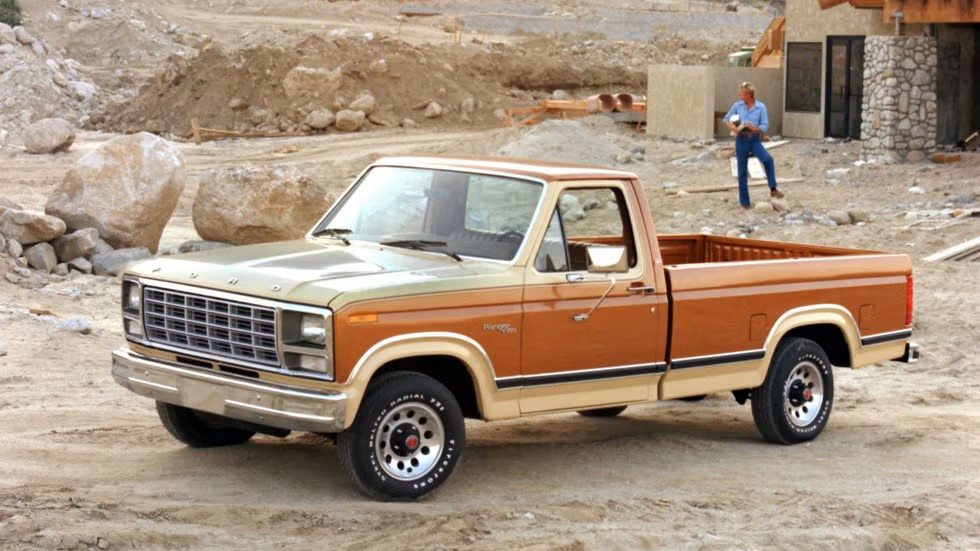
3. Ford F-Series (Especially Older Models)
The Ford F-Series trucks, particularly those produced before the 2000s, have earned a legendary status as some of the most durable and hard-working vehicles ever made. For decades, the F-Series has been the backbone of American work trucks, relied upon by farmers, construction workers, and families needing a tough, dependable vehicle.
The durability of these trucks stems from their straightforward design and rugged build, which was focused on functionality rather than luxury. Many F-Series trucks have survived generations of abuse, from hauling heavy equipment to enduring the harshest weather and terrains imaginable.
A major factor in the F-Series’ endurance is its body-on-frame construction, which isolates the cab and bed from road and load stresses. This architecture is beneficial for vehicles subjected to heavy loads and rough terrain, as it reduces damage to the vehicle’s structural integrity over time.
The engines, primarily V8s designed for torque and towing capacity, are built to withstand high mileage and constant use. This combination of a strong frame and powerful drivetrain allows the truck to endure repeated heavy-duty cycles without premature failure.
Another reason these trucks remain on the road is their straightforward mechanics. The F-Series trucks from this era were built without unnecessary complexity, which means fewer systems to fail and easier maintenance.
Parts are readily available, and many mechanics are familiar with these trucks, allowing for relatively low-cost repairs that keep them running for years. This accessibility has led to many F-Series trucks being passed down within families or kept in service well beyond the typical lifespan of most vehicles.
Culturally, the Ford F-Series represents more than just a truck; it is a symbol of hard work and reliability. Many owners treat their trucks as investments, maintaining them rigorously and sometimes restoring them to ensure they last for decades. The trucks become family heirlooms, carrying stories of work, travel, and adventure. Their ability to survive abuse and remain functional under harsh conditions cements their place in the annals of durable vehicles.
4. Volkswagen Beetle (Classic)
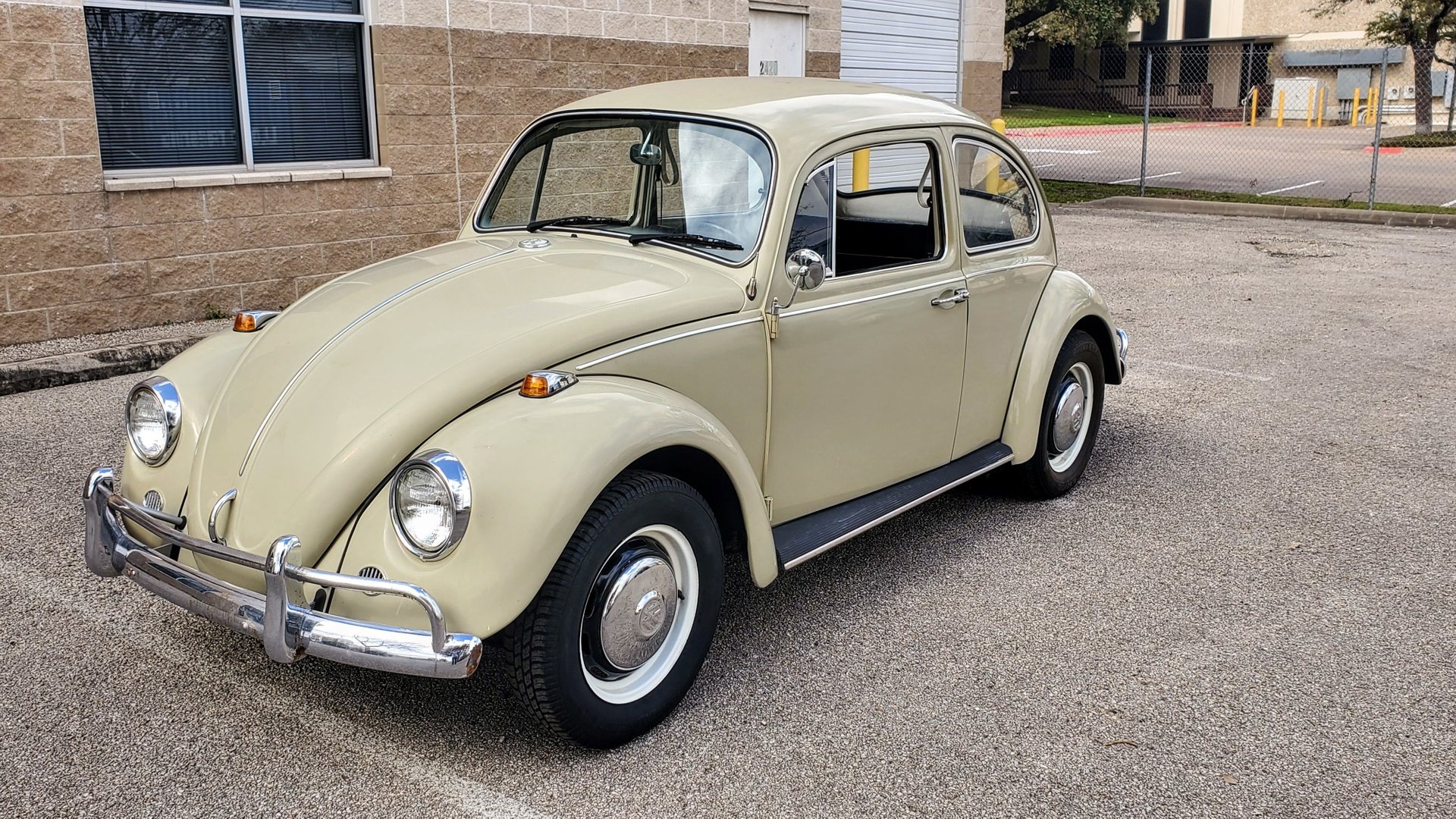
The classic Volkswagen Beetle is one of the most iconic and enduring vehicles ever produced, not just for its distinctive shape but for its remarkable durability. Designed initially as an affordable, simple car for the masses, the Beetle’s minimalistic engineering has allowed it to survive through generations of abuse and neglect.
Its air-cooled engine and uncomplicated mechanical systems mean fewer points of failure and easier maintenance. Many Beetles have been driven hard, neglected, and patched up repeatedly, yet they continue to run reliably, often decades after their production ended.
One of the most significant reasons behind the Beetle’s endurance is its air-cooled engine, which eliminates the need for a radiator and cooling system that are common failure points in many vehicles.
This engine design reduces complexity and the risk of overheating, allowing the car to operate in a variety of climates with less worry about mechanical breakdowns. Additionally, the rear-engine layout helps improve traction and stability, and the simple, modular design allows owners to replace or repair parts with minimal difficulty.
The global popularity of the Beetle also contributes to its survival. Produced in massive numbers and sold worldwide, parts remain widely available and affordable. Enthusiast communities have sprung up in nearly every region, providing support, advice, and aftermarket parts that keep these vehicles on the road. Because of this, even heavily abused or neglected Beetles can often be brought back to life with relative ease compared to more complex or rare vehicles.
The Beetle is more than just a reliable car; it holds a special place in automotive history and culture. Many families have stories of passing down a Beetle through generations, each owner leaving their mark on the vehicle while trusting it to get them where they need to go. The car’s simplicity and resilience make it a true survivor, capable of enduring both physical abuse and the passage of time.
5. Jeep Cherokee XJ
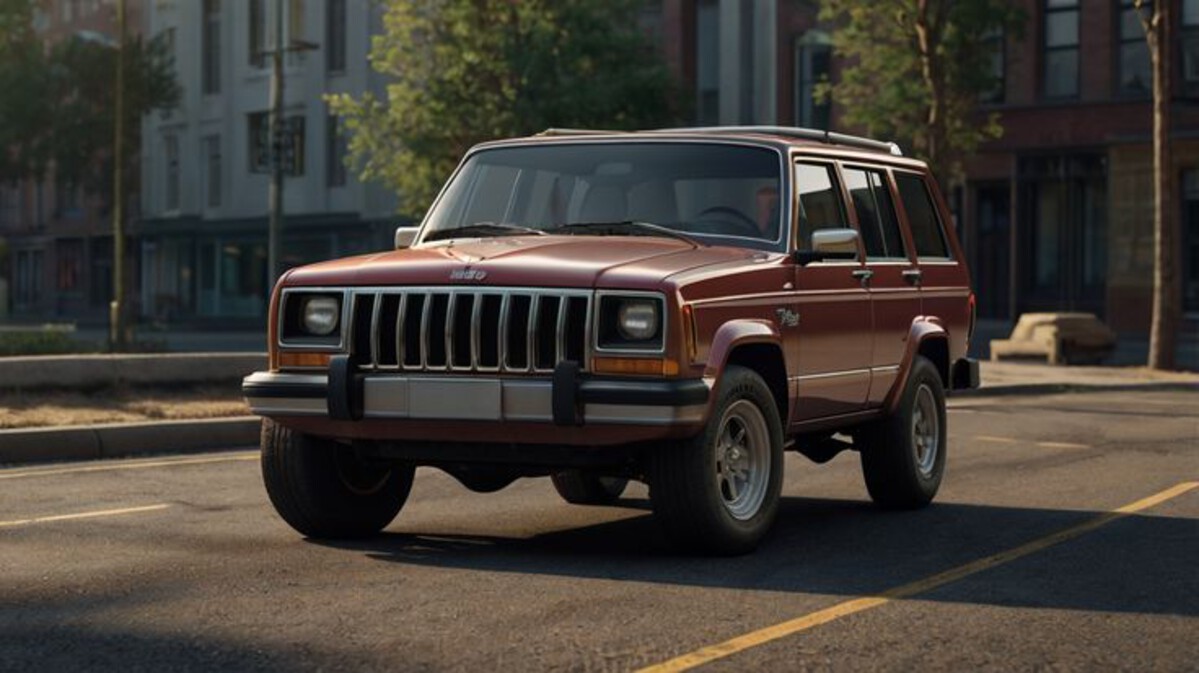
The Jeep Cherokee XJ has become synonymous with ruggedness and reliability, especially for those who value off-road capability combined with everyday usability. Produced between the mid-1980s and early 2000s, the Cherokee XJ was one of the first SUVs to blend passenger car comfort with true 4×4 off-road performance.
Its solid build, simple mechanical layout, and proven drivetrain make it one of the most durable SUVs to have survived abuse through multiple generations of ownership. This vehicle has been subjected to everything from rough trails and heavy loading to city driving and everything in between, yet it continues to run strong.
One of the XJ’s strongest points is its unibody construction, which was somewhat unique for SUVs of its era. This design choice provides a lighter yet durable chassis, improving handling without compromising strength. The Cherokee’s four-wheel-drive system is known for reliability and ease of maintenance, with robust axles and transfer cases that hold up under stress.
Additionally, the inline six-cylinder engine available in many models is famous for its longevity, often delivering over 200,000 miles with basic upkeep. These mechanical factors allow the Cherokee to absorb abuse better than many contemporaries.
Repairability and parts availability also help the Cherokee endure. The XJ was built in huge numbers and has a vast aftermarket support network, making it easier for owners to keep their vehicles operational even after years of neglect or hard use.
Many enthusiasts treat the Cherokee as a project vehicle, routinely rebuilding and upgrading their XJs to extend their life and enhance performance. This widespread community and support ensure the vehicle remains viable long after its original owners might have expected it to give up.
Beyond mechanics, the Jeep Cherokee XJ has become a symbol of freedom and adventure for many owners. It often serves as a vehicle passed down through families or communities, taking on roles from daily driver to weekend warrior. Its capacity to survive abuse and continue functioning through generations is a testament to its well-thought-out design and the care of its owners, making it one of the most beloved and enduring SUVs ever made.

6. Subaru Outback (Early Generations)
The Subaru Outback, especially models from the 1990s and early 2000s, quickly gained a reputation for durability and versatility. Designed as a rugged wagon with all-wheel drive, it appealed to people who needed a vehicle capable of handling a variety of road conditions while also serving as a reliable daily driver.
Its ability to survive generational abuse comes from a combination of engineering, practical design, and a loyal fan base that values its toughness. Many Outbacks have been passed from parents to children, enduring years of rough roads, winter weather, and heavy use.
One of the key reasons the Outback endures abuse so well is its symmetrical all-wheel-drive system. This setup provides excellent traction and balance, making it safer and more stable in difficult conditions such as snow, rain, and uneven terrain.
Unlike some AWD systems that can be complicated and prone to issues, Subaru’s design in these models is relatively simple and robust, contributing to the car’s ability to stay on the road despite challenging environments and less-than-ideal maintenance from owners.
The Outback’s boxer engine design also plays a role in its longevity. The horizontally opposed cylinders create a low center of gravity, improving handling and reducing wear on the suspension and drivetrain components. Additionally, the engine is known for its durability when properly maintained, often surpassing 200,000 miles.
Because the Outback was designed with practicality in mind, replacement parts are generally easy to find, and repair costs are manageable, allowing families to keep the car running through multiple ownership cycles.
Beyond the mechanical side, the Subaru Outback has become a symbol of practicality and rugged dependability. Many owners take pride in their Outbacks’ ability to withstand everything from daily commutes to off-road excursions without giving up.
It’s not uncommon to see these wagons well beyond their expected lifespan, thanks in part to the passion and loyalty of Subaru enthusiasts who ensure their cars continue to run through thick and thin. The Outback’s blend of utility and durability makes it a standout survivor among family vehicles.
7. Chevrolet Silverado (Older Models)
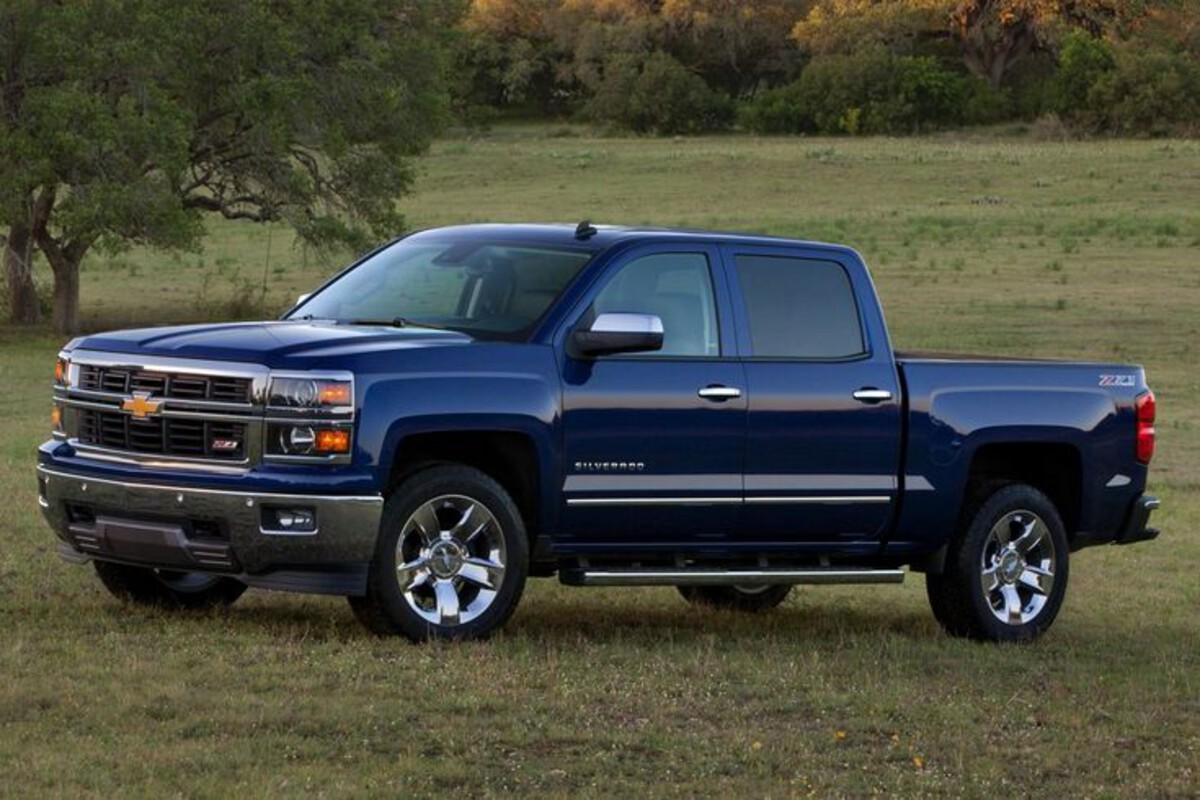
The Chevrolet Silverado, particularly the older generations from the 1980s through the early 2000s, stands as a testament to tough, no-nonsense American trucks built to last. These trucks were designed with work in mind, hauling, towing, and enduring the kind of punishment that would send lesser vehicles to the scrapyard.
The Silverado’s ability to survive generational abuse stems from its simple yet robust construction, widespread availability of parts, and the loyalty of owners who often rely on these trucks for demanding jobs.
One of the reasons the Silverado lasts through years of heavy use is its body-on-frame construction, which separates the vehicle’s body from the frame to absorb stress and impacts better. This structural approach means the truck can handle rough terrain, heavy loads, and even collisions without losing its integrity.
The engines powering these older Silverados, primarily V8s known for their torque and durability, are built to withstand high mileage and tough conditions, often running strong well beyond 300,000 miles when properly maintained.
The Silverado’s drivetrain and suspension components are also designed to handle punishment without failing prematurely. These trucks typically require routine maintenance, but their relatively simple design makes it easier for owners and mechanics to perform repairs and replacements, even on a budget.
The widespread presence of these trucks means that aftermarket support and parts availability are excellent, which encourages continued use and prolongs the life of the vehicle.
More than just a tool, many Silverados become family fixtures, passed down through generations. Whether used on farms, construction sites, or as daily drivers, these trucks develop a reputation for reliability that transcends harsh treatment and neglect. The Silverado’s toughness and versatility mean it remains in service long after many other vehicles have succumbed to wear and tear, illustrating its remarkable ability to survive abuse over time.
8. Volvo 240 Series
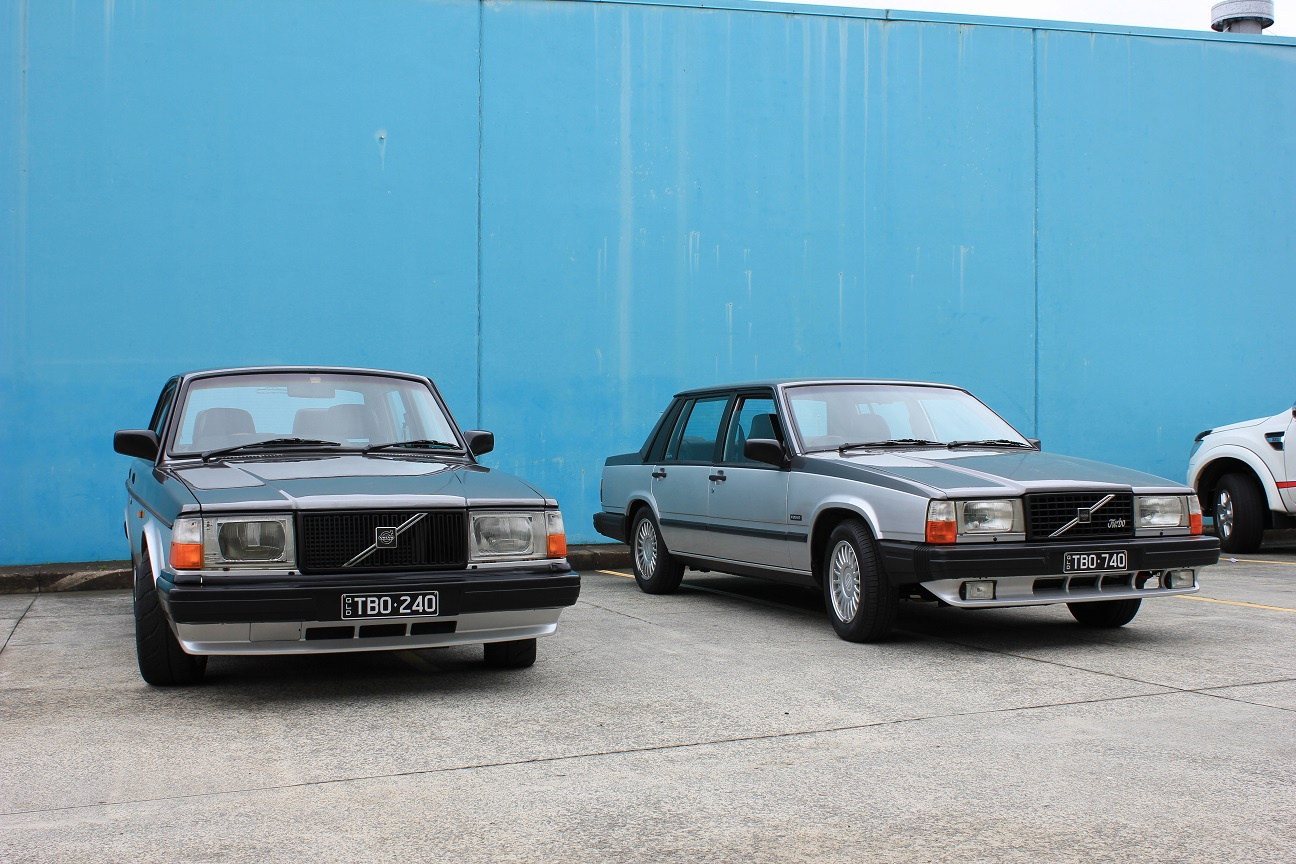
The Volvo 240 series is often celebrated for its legendary durability and safety. Produced from the 1970s into the early 1990s, these boxy sedans and wagons were built with an emphasis on strength and longevity, making them some of the most dependable cars to ever hit the road. Their reputation for surviving generations of use and abuse is well-earned, as countless examples remain on the road today despite decades of hard driving and minimal maintenance.
One of the standout features contributing to the Volvo 240’s endurance is its over-engineered chassis and body. These cars were built with thick steel and designed to withstand impacts and corrosion far better than many contemporaries.
The simplicity of their mechanical components, including straightforward inline-four and inline-six engines, made repairs less complicated and more affordable. This means owners, even those without deep mechanical knowledge, could keep their Volvos running through years of wear and tear.
The Volvo 240 also earned a reputation for reliability due to its conservative and practical engineering philosophy. While not the fastest or flashiest car, its components were designed to last and endure harsh environments.
Many owners found their Volvos capable of handling extreme weather, rough roads, and even minor collisions with minimal damage. The ease of finding parts and the supportive Volvo enthusiast community also contribute to these cars surviving long after production ended.
Volvo 240s are more than just durable vehicles; they become family heirlooms, passed down and maintained with care even when they show the signs of abuse. These cars are known to have survived neglect, accidents, and mechanical failures that would typically end the life of a less robust vehicle. Their ability to keep going despite such treatment speaks volumes about their build quality and the loyalty of their owners.
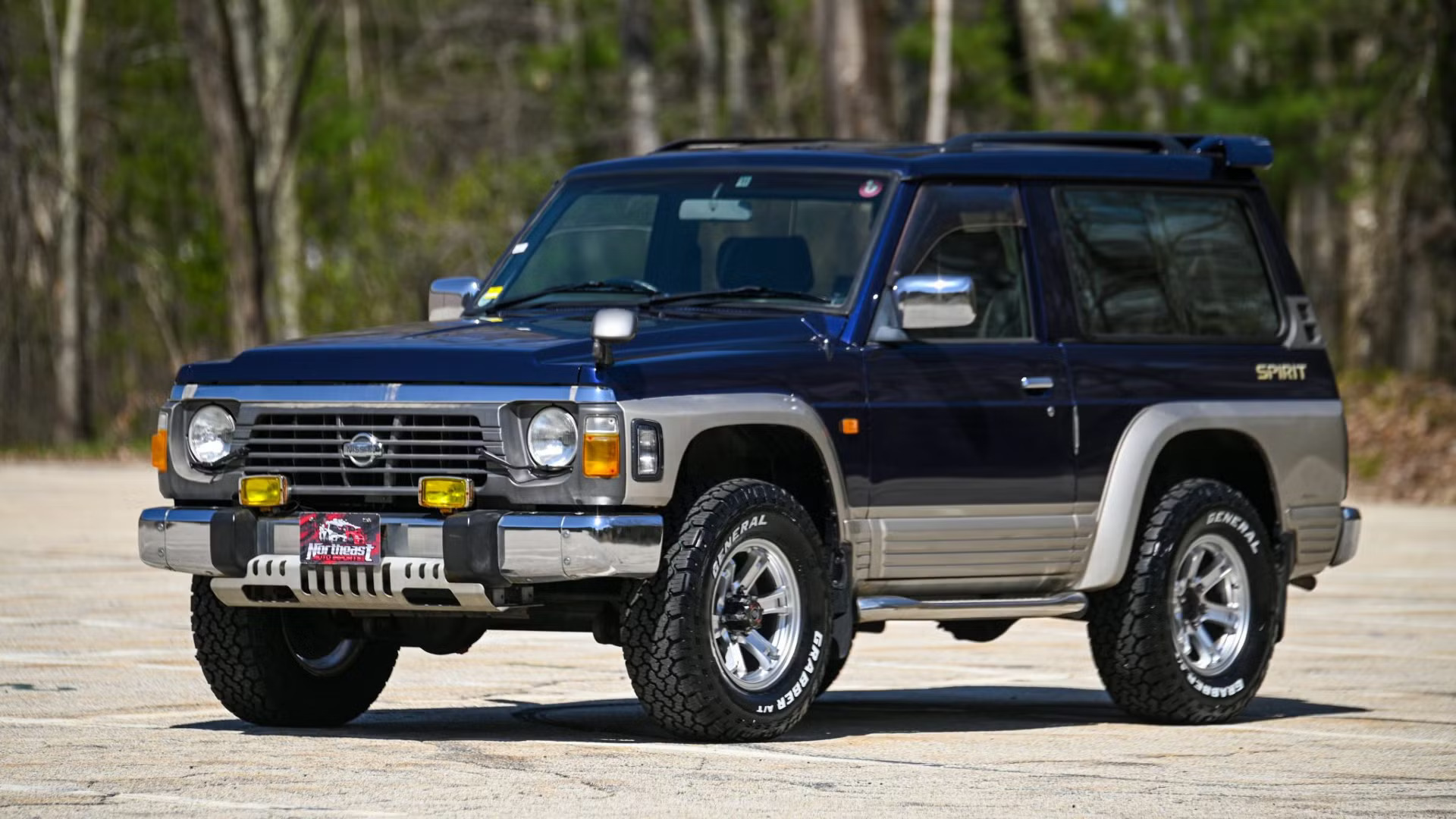
9. Nissan Patrol (Older Models)
The Nissan Patrol, especially older models from the 1980s and 1990s, is a favorite among those who need a tough, reliable off-road vehicle. Known for its rugged construction and capable 4×4 systems, the Patrol is a truck that can handle the toughest conditions, from deserts to mountains. Its ability to survive generational abuse comes from a combination of durable mechanical components and a design that prioritizes simplicity and repairability in remote or harsh environments.
A key factor in the Patrol’s longevity is its robust engine options, typically inline-six gasoline or diesel engines that are known for their torque and reliability.
These engines were designed to deliver consistent power and endure heavy workloads without frequent breakdowns. The Patrol’s heavy-duty suspension and solid axles help it absorb the impacts and shocks of off-road driving, while its rugged frame resists twisting and damage over time.
Parts availability and ease of maintenance are crucial for the Patrol’s survival. In many regions where the Patrol is popular, owners have learned to perform repairs with limited resources, keeping these vehicles running despite years of abuse. This practical approach means that even after decades of use, many Patrols remain operational, having been patched, rebuilt, or modified as needed.
The Nissan Patrol is more than just a utility vehicle; it becomes a symbol of reliability for families and adventurers who rely on it day after day. Passed down through generations, often in tough environments, these vehicles prove that with solid engineering and a bit of care, a car can endure extreme abuse and still come out on top.
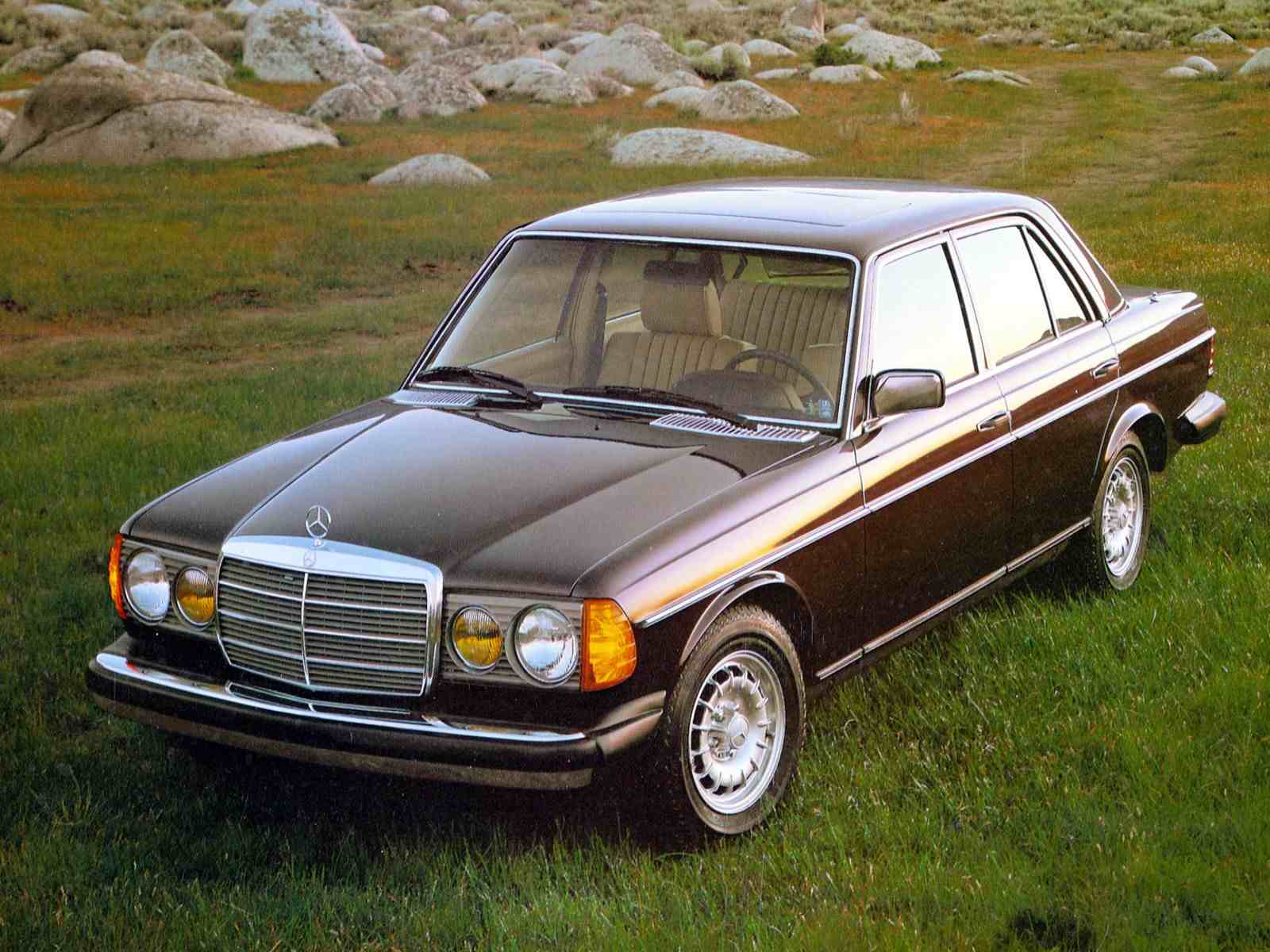
10. Mercedes-Benz W123
The Mercedes-Benz W123 series, produced from the mid-1970s to the mid-1980s, is often hailed as one of the most durable luxury cars ever made. Renowned for its solid construction, reliable diesel engines, and timeless design, the W123 has earned a reputation for surviving abuse that would cripple many modern vehicles. Its enduring presence on roads around the world, often with high mileage and years of hard use, is a testament to its exceptional build quality.
A significant factor in the W123’s ability to withstand generational abuse is its engineering philosophy. Mercedes focused on reliability and durability over flashy features. The car’s steel body is thick and rust-resistant, and its mechanical components, especially the diesel engines, are designed to last hundreds of thousands of miles.
These engines, known for their simplicity and robustness, can continue running smoothly even after decades of neglect and hard driving.
Maintenance and repair costs for the W123 can be higher than for some other vehicles, but the car’s design makes it straightforward to diagnose and fix issues. Mechanics worldwide are familiar with these cars, and parts are generally available through specialist suppliers and enthusiast networks. This support network helps keep the W123 on the road long after many other cars have been scrapped.
Many W123s become family vehicles passed down through generations, prized for their reliability and comfort. The combination of durability and classic styling means these cars are often lovingly maintained or restored, surviving abuse that would see many contemporaries fall by the wayside. The W123’s legacy as a nearly indestructible car continues to attract enthusiasts who appreciate its blend of toughness and refinement.
Also Read: 5 Cars With Affordable Parts vs 5 That Cost a Fortune
The remarkable durability of these ten vehicles highlights the enduring value of thoughtful engineering, simplicity, and robust construction. Each car on this list, whether the legendary Toyota Land Cruiser, the ever-popular Honda Civic, the hard-working Ford F-Series, the iconic Volkswagen Beetle, or the versatile Jeep Cherokee XJ, shares common traits that allowed it to survive the test of time and abuse.
These vehicles were not just built to transport; they were designed to endure the wear and tear of daily life, harsh environments, and even neglect. Their ability to withstand multiple generations of ownership speaks to the quality of their design and the care of the people who valued and maintained them.
What sets these cars apart is their combination of mechanical simplicity and strength. Instead of relying on complex technology prone to failure, many of these vehicles used proven engines, solid frames, and straightforward components that could be repaired or replaced with relative ease.
This practical approach ensured that owners could keep them running for years without prohibitive costs or specialized tools. The availability of parts and the support of enthusiastic communities further bolstered their longevity, as owners often shared knowledge and resources to keep these machines alive.
Moreover, these cars often transcended their function as mere transportation and became part of family histories and personal stories. Passed down through generations, they carried memories of hard work, adventure, and everyday life. This emotional connection often motivated owners to invest time and effort in their upkeep, allowing the vehicles to survive challenges that might have otherwise ended their journeys.
