
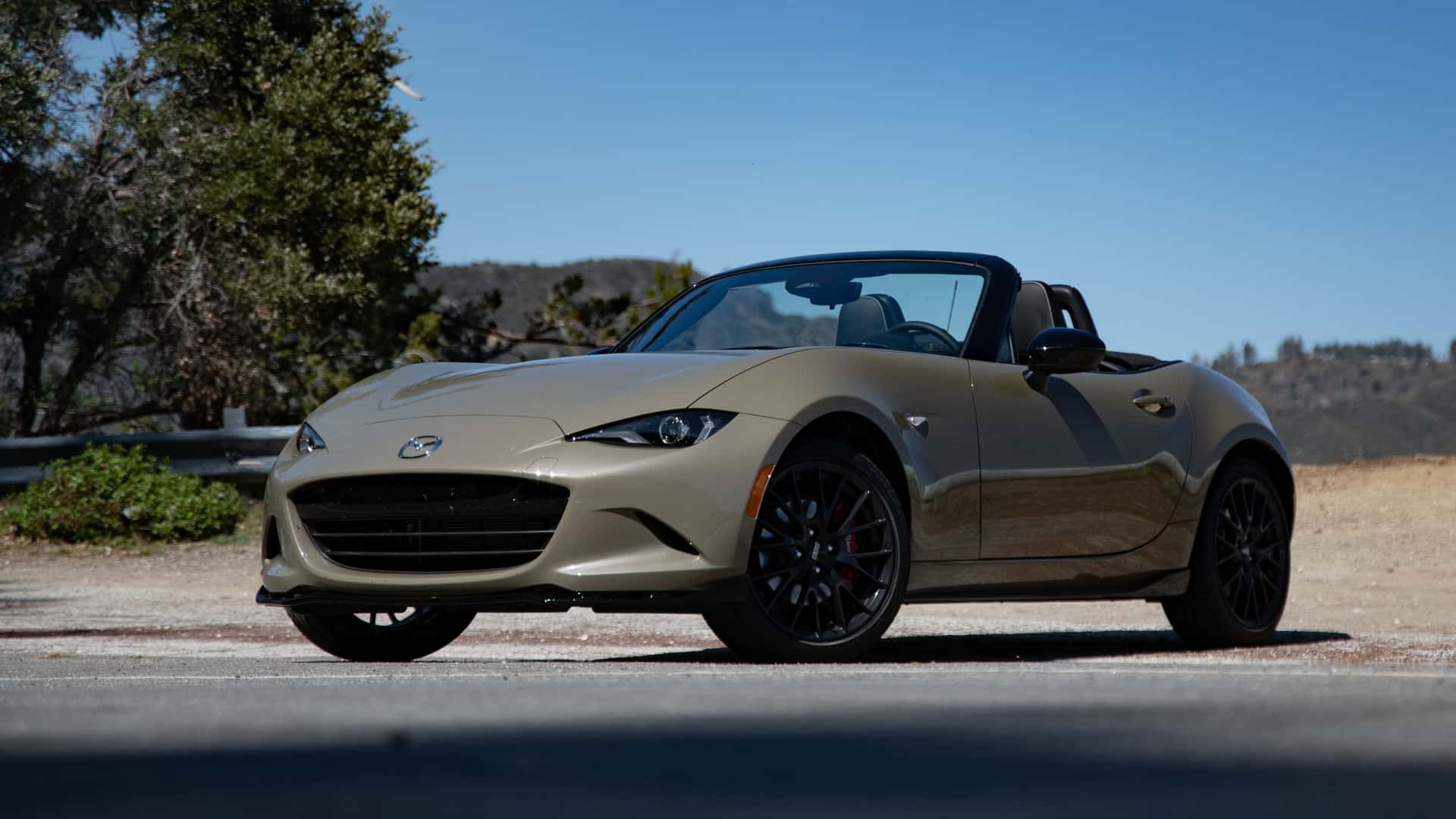
Cars are often judged by their appearance, both when they are new and as they age. While many vehicles from decades past now look outdated or out of place, some cars possess timeless designs that continue to appeal long after their production years have ended.
These vehicles manage to retain an elegant, balanced aesthetic that defies trends and fleeting fads. Rather than appearing dated or awkward, they maintain a sense of style and sophistication that allows them to fit seamlessly into modern settings. This rare quality makes them prized among enthusiasts and everyday drivers alike.
The way a car ages visually can be influenced by numerous factors, including the design philosophy at the time of its creation, the materials used, and how innovative or conservative the styling was.
Cars that age gracefully tend to have clean lines, balanced proportions, and a design that focuses on form and function without being overly complicated or trendy. In contrast, many cars designed around flashy features or excessive ornamentation can quickly become relics of a specific era, with styling that feels exaggerated or out of place as time passes.
In this article, we will look at ten cars that have demonstrated an ability to maintain their charm and style years after they were first introduced. These vehicles avoid looking old-fashioned or outmoded, proving that good design can stand the test of time.
From luxury sedans to sporty coupes and practical family cars, this list spans various categories but is unified by the enduring appeal of the cars’ looks. Whether you are a collector, a casual enthusiast, or someone simply interested in automotive design, understanding what makes these cars timeless can be both fascinating and inspiring.
By examining each car’s design details, their place in automotive history, and how they continue to hold up today, we can appreciate why they remain relevant and attractive. This exploration will show that age does not have to diminish a car’s appeal and that thoughtful design choices can create vehicles that feel as fresh today as they did decades ago.
Also Read: 5 Toyota Trucks That Outlast Rivals vs 5 That Fail Early
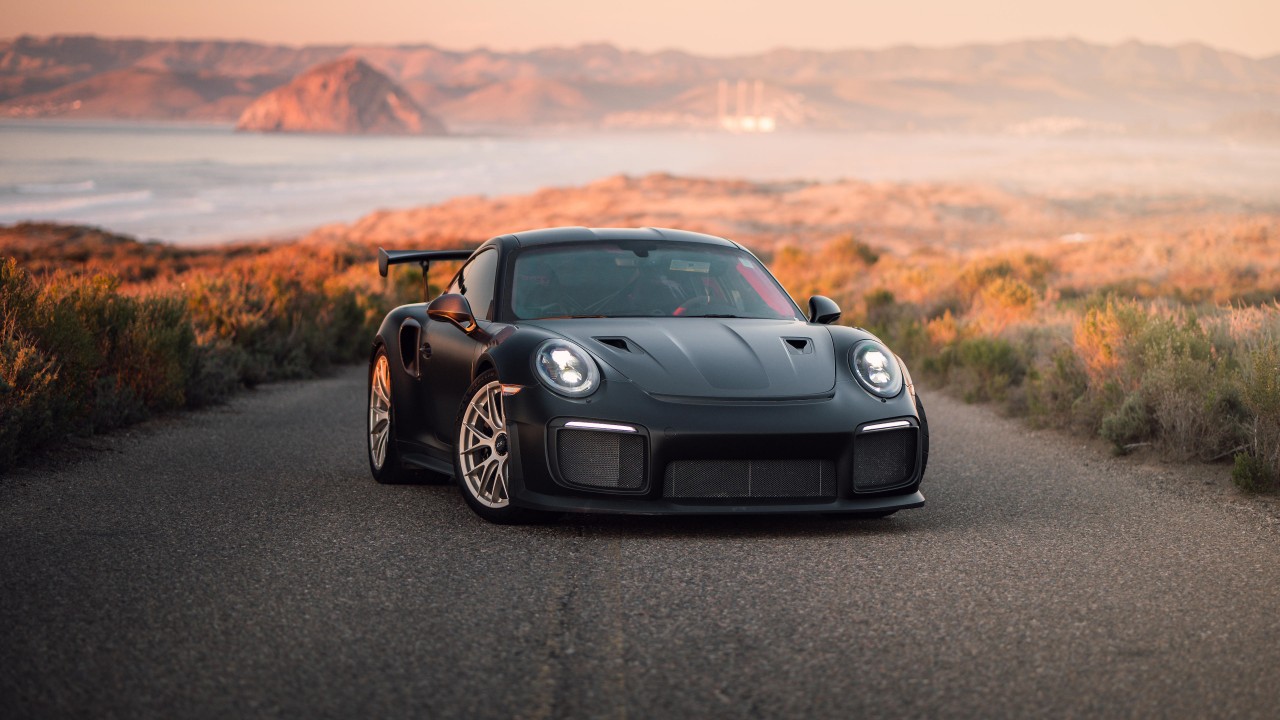
1. Porsche 911 (964 Generation)
The Porsche 911 has long been celebrated as an icon of automotive design, and the 964 generation, produced from 1989 to 1994, is a prime example of how a car can age without looking old. The 964 updated the classic 911 shape without deviating too far from its original form.
This model retained the characteristic round headlights, sloping roofline, and compact rear-engine layout that define the 911’s silhouette. What sets the 964 apart is its ability to modernize the car with subtle refinements rather than drastic redesigns, preserving its timeless appeal.
One reason the 964 ages so well is its harmonious balance of classic and modern design elements. The smooth, rounded bodywork lacks the sharp edges or overcomplicated details that often date cars from the late ’80s and early ’90s.
Unlike many of its contemporaries that adopted bulky bumpers or awkward plastic cladding, the 964 kept things sleek and proportionate. Its design feels purposeful and coherent, which makes it a favorite among collectors who want a vintage Porsche that still looks stylish on today’s roads.
Inside, the 964 manages a similarly timeless feel, combining straightforward controls with quality materials and a driver-focused layout. Although some aspects reflect the era’s technology, the cabin doesn’t feel outdated or cluttered.
The aesthetic remains simple and elegant, reinforcing the car’s enduring charm. The 964 is often praised for how well it bridges the gap between classic air-cooled 911s and the more modern iterations that followed.
Another factor contributing to the 964’s lasting appeal is its versatility. It is a car that performs well both as a daily driver and a weekend sports car, blending modern comforts with traditional Porsche handling.
This practicality, combined with its classic styling, ensures the 964 still stands out as a special car even after more than thirty years since its introduction. It’s proof that careful design evolution can create vehicles that grow better with age rather than become dated relics.
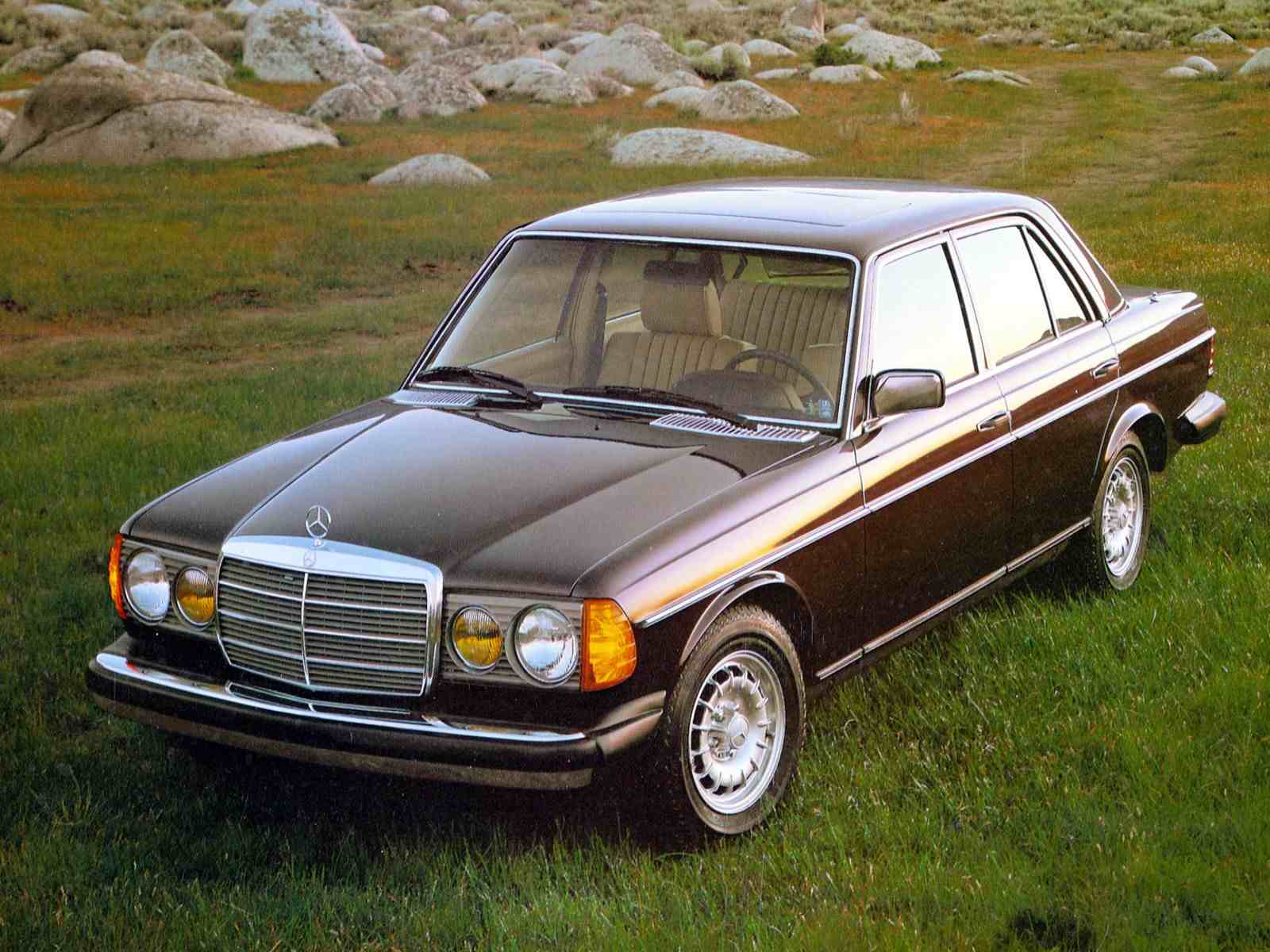
2. Mercedes-Benz W123
Produced between 1976 and 1985, the Mercedes-Benz W123 is widely regarded as one of the most reliable and enduring cars ever made. However, it is not just its mechanical reputation that earns it admiration; its design has also aged remarkably well. Unlike many cars from the ’70s and early ’80s that now appear clunky or awkward, the W123 maintains an elegant and dignified presence that many modern cars lack.
The W123’s styling is characterized by clean, straight lines and balanced proportions, creating a formal and timeless appearance. The front grille, with its large Mercedes star, gives the car a distinct and unmistakable face. Its upright stance and boxy silhouette, while clearly a product of its time, avoid excess or flamboyance, giving it an enduring charm.
The use of chrome trim and practical design cues, such as large windows and prominent bumpers, contributes to a look that is both functional and refined.
Inside, the W123 features a cabin designed with ergonomics and comfort in mind. The interior may feel somewhat dated compared to modern vehicles, but its straightforward layout and quality materials convey a sense of solidity and purpose. It is not flashy but exudes an aura of professionalism and reliability, adding to the car’s lasting appeal.
Beyond aesthetics, the W123’s reputation for durability and build quality means many examples remain on the road today, still performing well and maintaining their visual appeal. This combination of robust engineering and timeless design has earned the W123 a loyal following and a respected place in automotive history. It’s a car that proves good design does not need constant updates to remain relevant.

3. Toyota Land Cruiser 70 Series
The Toyota Land Cruiser 70 Series has been in production in various forms since 1984, and its rugged, no-nonsense design has barely changed over the decades. While many SUVs have adopted more modern, car-like styling, the 70 Series remains true to its utilitarian roots.
This unwavering dedication to function over form has ironically made the Land Cruiser one of the few vehicles that have aged without looking old.
The boxy and purposeful design of the 70 Series exudes strength and durability. Its high ground clearance, simple but effective grille, and squared-off body panels give it a timeless quality that feels just as appropriate in 2025 as it did in the mid-1980s. Rather than becoming a nostalgic throwback, it has become a symbol of reliability and adventure, embraced by enthusiasts and professionals worldwide.
The interior is equally utilitarian but designed with practicality and ease of maintenance in mind. The controls are straightforward and robust, with little emphasis on luxury or trendiness.
This stripped-back approach avoids many design fads that come and go, keeping the cabin feeling purposeful and relevant. Even as modern versions add safety and technology features, they retain the classic layout that has served users well for decades.
The Land Cruiser 70’s reputation for toughness and off-road capability reinforces its timeless appeal. It is a vehicle built to perform under the harshest conditions, and its design reflects this singular focus. This authenticity and straightforwardness have helped the 70 Series maintain a cult following, proving that durability and honest design can outlast style trends and keep a vehicle feeling fresh for decades.
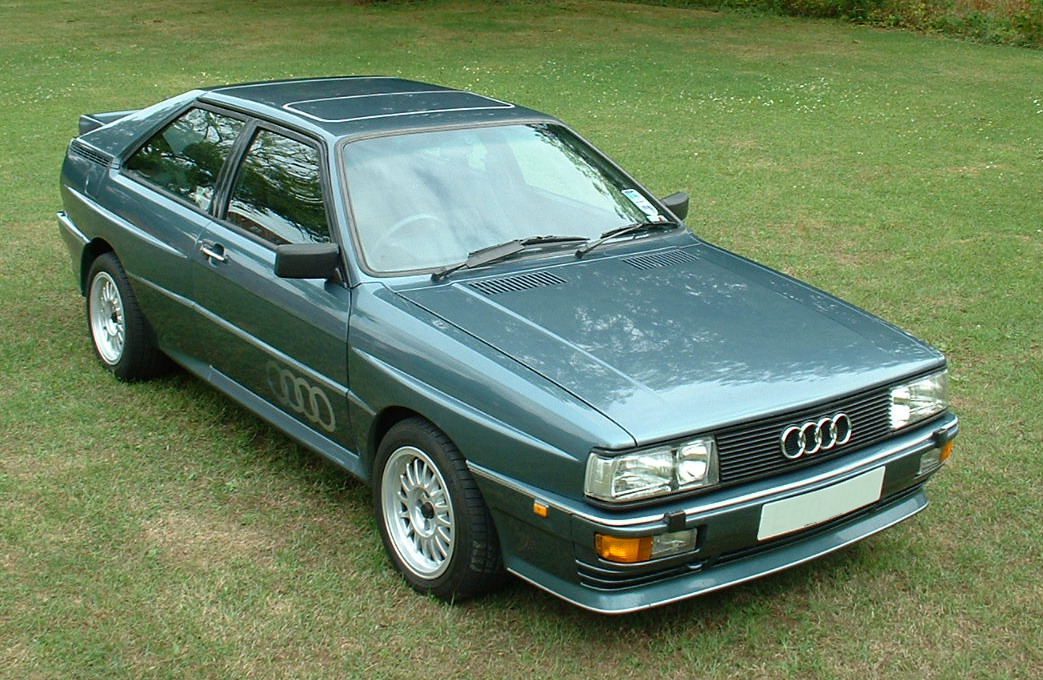
4. Audi Quattro (Ur-Quattro)
The original Audi Quattro, produced from 1980 to 1991, revolutionized the world of performance cars with its pioneering all-wheel-drive system and aggressive rally heritage. Beyond its technical innovations, the Ur-Quattro’s styling has also stood the test of time, combining sharp angles with balanced proportions that continue to resonate with car enthusiasts.
The Quattro’s boxy yet purposeful design reflects the boldness of early ’80s automotive styling without feeling dated or awkward today. Its flared wheel arches, distinctive front grille, and large rear spoiler give it an athletic stance while maintaining a clean and well-integrated look. This balance of aggressive detailing and restrained design elements helps the car remain visually striking without seeming excessive or outmoded.
Inside, the Ur-Quattro’s cabin blends a driver-focused layout with simple yet effective ergonomics. Though some materials and technology feel aged by today’s standards, the design remains functional and straightforward. The interior lacks unnecessary complexity, supporting the car’s performance-oriented character and reinforcing its timeless appeal.
The Quattro’s enduring popularity also owes much to its rally history and the performance legend it created. This legacy enhances the car’s image, making it a sought-after classic that doesn’t just look good but has a rich story to tell. As a result, the Ur-Quattro has become a design icon whose sharp lines and purposeful stance continue to impress decades after its debut.
5. BMW E30 3 Series
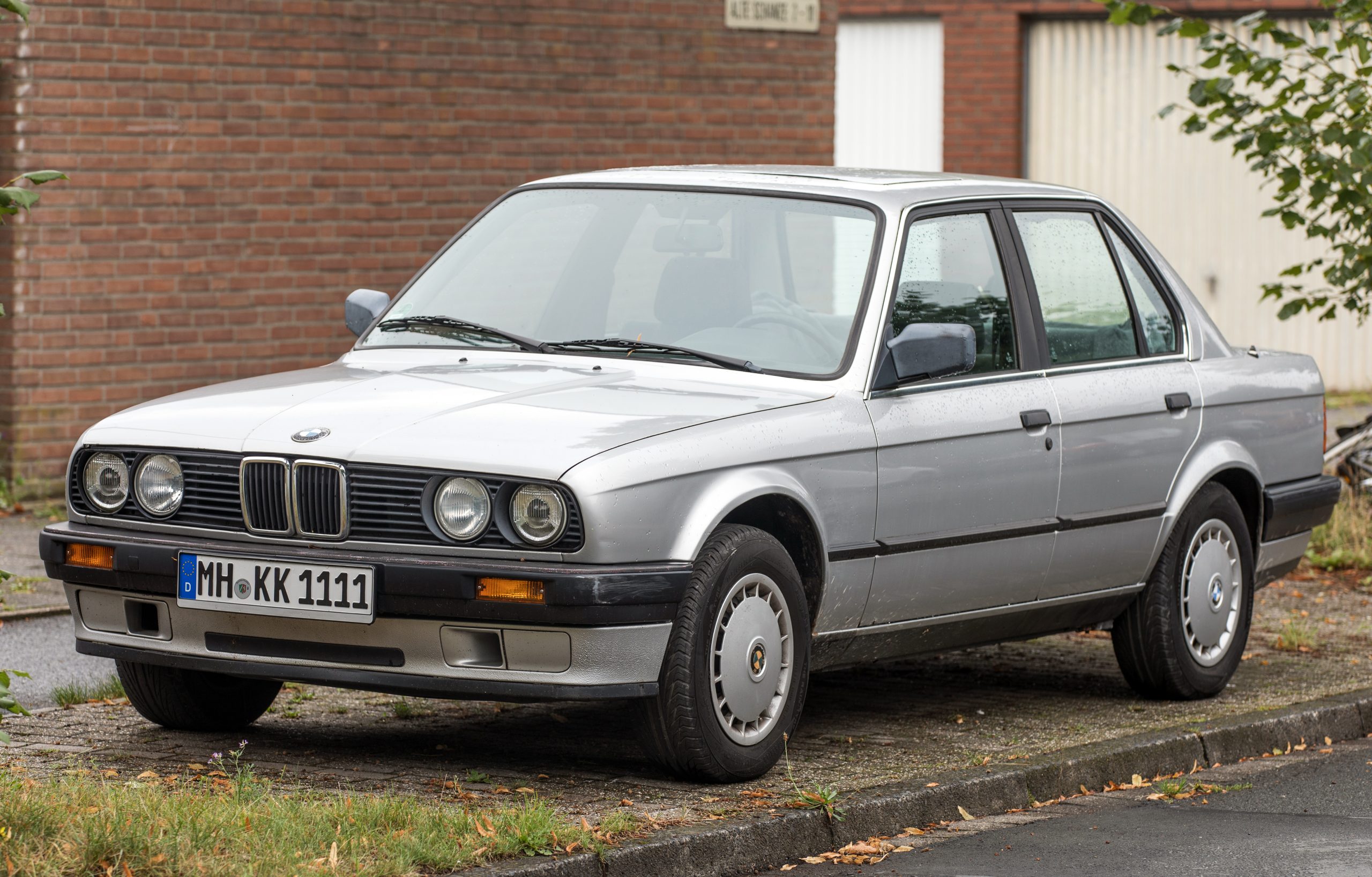
The BMW E30 3 Series, produced between 1982 and 1994, is often regarded as one of the finest examples of automotive design that has aged exceptionally well. Its clean lines, balanced proportions, and modestly aggressive stance combine to create a silhouette that feels just as compelling today as it did nearly forty years ago.
Unlike many vehicles from the ’80s that rely on sharp edges or gimmicky design cues that quickly feel outdated, the E30’s styling focuses on simplicity and timelessness. The rectangular headlights, Hofmeister kink in the rear window, and restrained use of chrome trim are all signature elements that contribute to its classic and enduring look.
One of the key factors behind the E30’s lasting appeal is its versatility in both appearance and performance. This was a car designed to be sporty without sacrificing daily usability, which is reflected in its exterior design. The bodywork manages to be muscular without appearing bulky, giving the car a poised and confident presence on the road.
It appeals to a wide audience—from enthusiasts who appreciate its dynamic handling and potential for tuning, to those seeking a stylish yet practical vehicle for everyday use. This dual nature has helped the E30 remain relevant across generations.
Inside, the E30’s cabin similarly balances classic and functional design. The driver-focused dashboard layout, straightforward controls, and use of quality materials ensure that the interior remains inviting rather than outdated.
While technology in these cars is obviously from a past era, the tactile feel of the controls and the simple elegance of the design prevent the interior from feeling old-fashioned. Instead, it offers a timeless driver’s environment that many modern cars try to emulate but rarely match.
Moreover, the E30 3 Series has become a cultural and automotive icon, symbolizing the golden era of BMW design. Its influence extends beyond just aesthetics to embody a certain driving purity and engineering ethos that enthusiasts continue to cherish.
This combination of form and function is what allows the E30 to maintain a youthful, vibrant appearance decades after production ended. It’s a rare example of how classic design and engineering integrity can combine to produce a car that never truly looks old.
6. Volvo 240
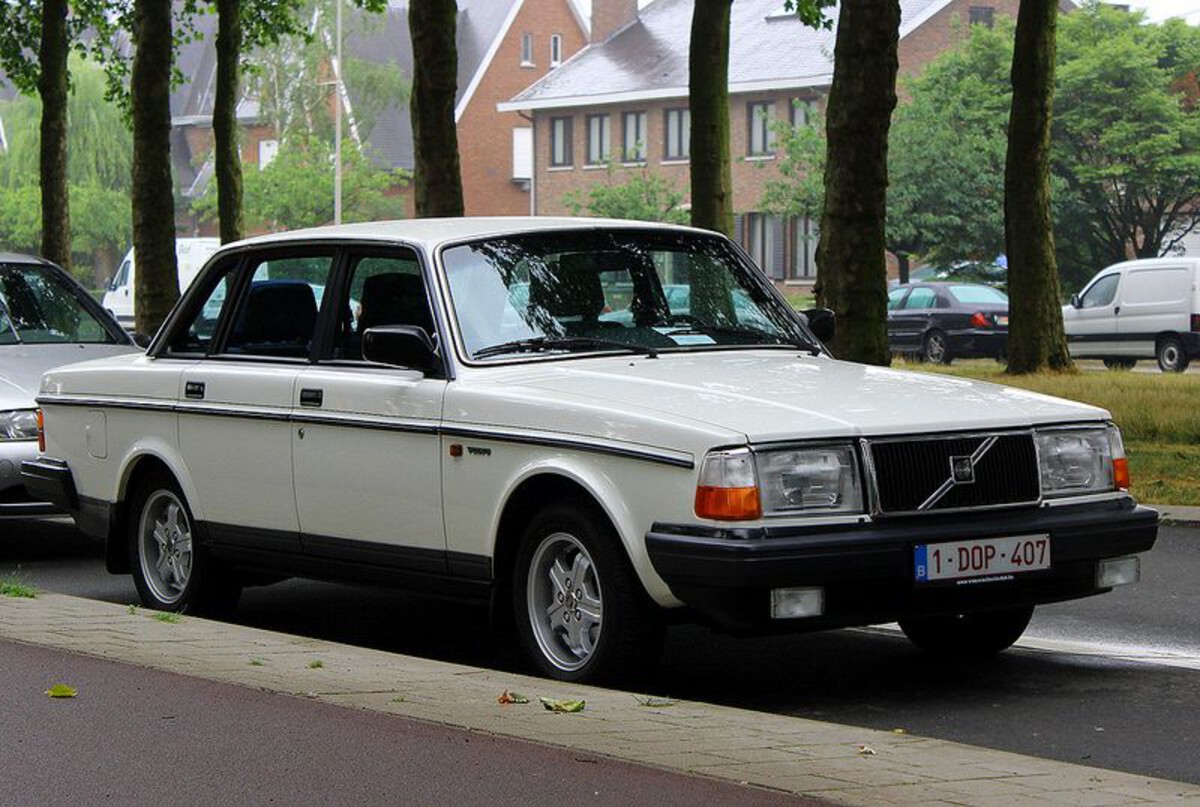
The Volvo 240, produced from 1974 to 1993, is a car that manages to age with a kind of rugged dignity. Its boxy design is unmistakably of its time, but rather than looking outdated or awkward, the 240 has become a beloved classic with a distinctive style that remains surprisingly relevant.
The car’s straightforward and purposeful design reflects Volvo’s commitment to safety, reliability, and practicality—values that still resonate with many drivers today. Its upright stance, large windows, and squared-off body panels contribute to a look that is both functional and iconic.
What helps the 240 avoid the pitfalls of dated design is its simplicity and honesty. The car was never designed to chase trends or impress with flashy aesthetics. Instead, it focused on practicality, safety, and durability, with a design language that is clear and easy to understand.
This lack of unnecessary ornamentation has allowed the 240 to escape the embarrassment that can come with overly stylized or faddish cars. Its presence on the road today is often met with a sense of nostalgia and respect rather than ridicule.
Inside, the Volvo 240’s cabin is similarly focused on function over fashion. The controls are large and easy to use, the seats are comfortable and supportive, and the materials are chosen for durability. While it may lack the modern luxuries and tech of newer vehicles, the interior feels honest and well-thought-out. This utilitarian approach adds to the car’s charm and contributes to its enduring appeal, making it a favorite for those who appreciate straightforward design.
Additionally, the Volvo 240’s reputation for toughness and longevity means many examples remain in daily use or are cherished as classics. Its solid construction and timeless design have earned it a cult following and a place in automotive history that few boxy cars achieve. Rather than fading into obscurity, the 240 has become a symbol of a practical and thoughtful approach to car design that continues to resonate with modern drivers.
7. Jaguar XJ (XJ40)
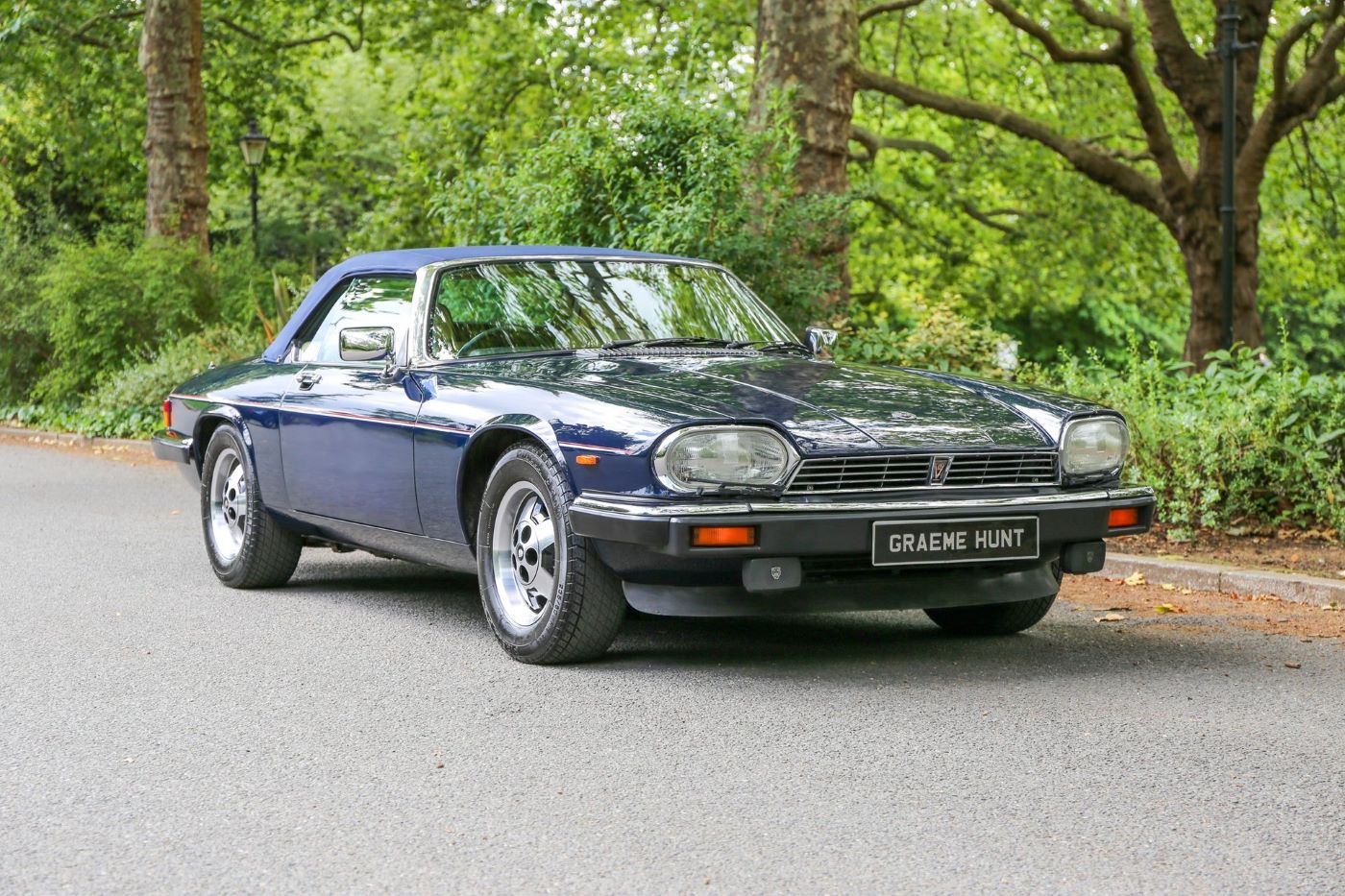
The Jaguar XJ, specifically the XJ40 generation produced from 1986 to 1994, exemplifies a luxury sedan that has aged with elegance and poise. Unlike some luxury cars from the ’80s and ’90s that can appear bulky or over-styled in retrospect, the XJ40 retains a stately and refined presence.
Its clean, angular lines and restrained use of chrome create a balanced and dignified look that commands respect without shouting for attention. The car’s long bonnet, sleek roofline, and sophisticated grille work together to give the XJ40 a timeless silhouette.
One of the defining characteristics of the XJ40 is its understated luxury. The design avoids excessive ornamentation or gimmicks, focusing instead on classic proportions and refined detailing. This restraint allows the car to maintain an aura of sophistication that transcends changing design trends. Whether parked next to modern luxury sedans or other classic Jaguars, the XJ40 holds its own and often stands out for its elegance.
Inside, the XJ40’s cabin complements its exterior with a similarly timeless design. Rich wood veneers, plush leather seats, and carefully crafted controls create an environment that feels both luxurious and inviting.
While some technological features may feel dated compared to modern cars, the design remains tasteful and functional. The interior’s focus on comfort and craftsmanship adds to the car’s lasting appeal and keeps it from feeling old-fashioned.
The XJ40 also benefits from Jaguar’s heritage and reputation for combining performance with style. This generation helped establish Jaguar as a serious contender in the luxury market during the ’80s, and its design reflects that ambition. The result is a car that continues to impress both visually and mechanically, maintaining a timeless presence on the road even decades after production ceased.
8. Mazda MX-5 Miata (NA)
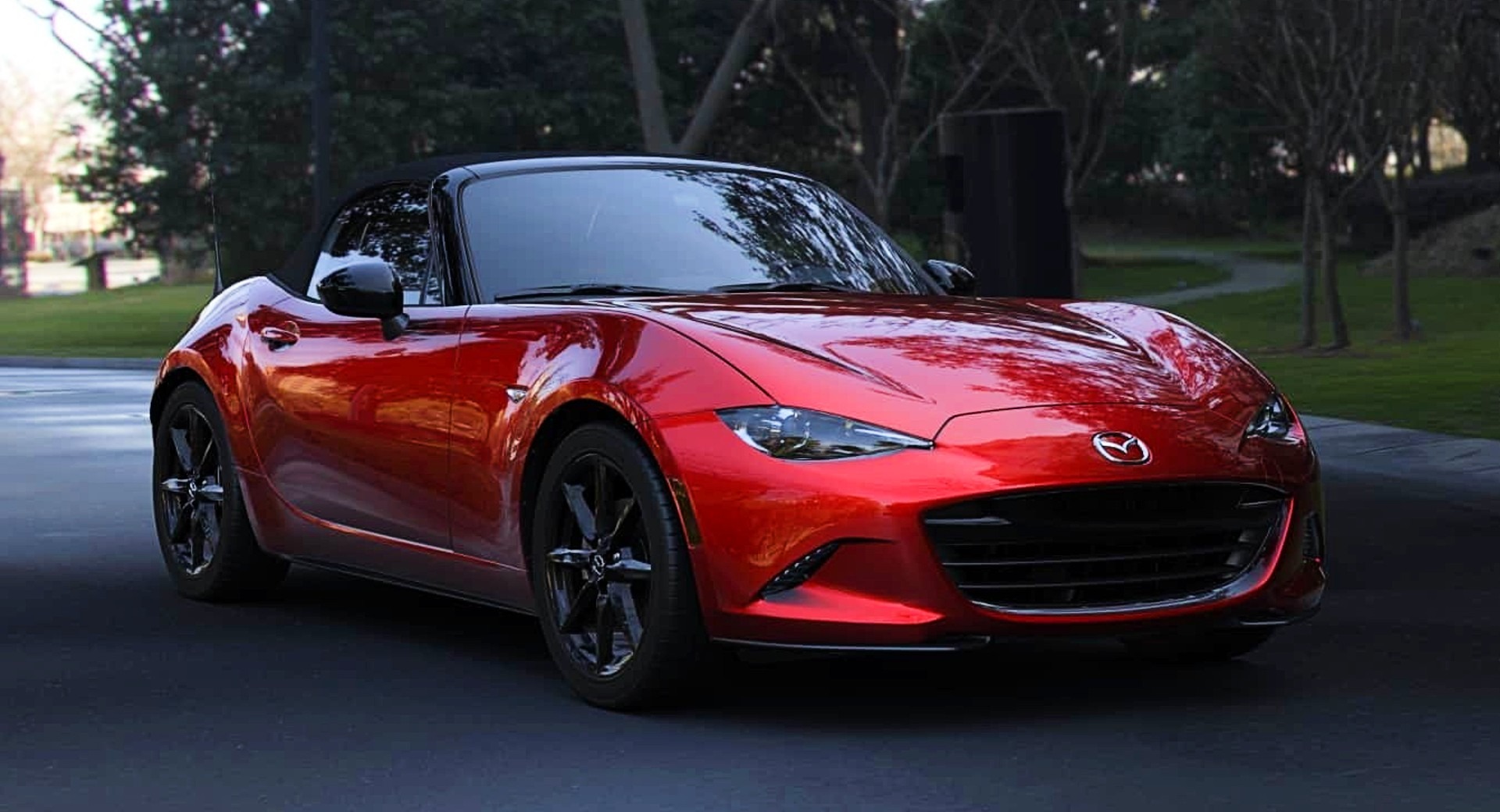
The original Mazda MX-5 Miata, known as the NA and produced from 1989 to 1997, is a sports car that has kept its youthful charm despite the passing years. Its design is simple, balanced, and free of unnecessary complexity, which helps it avoid looking dated.
The NA’s pop-up headlights, rounded bodywork, and compact proportions give it a playful yet purposeful appearance that remains appealing today. The Miata’s styling perfectly matches its philosophy of lightweight, fun driving, making it a beloved classic among enthusiasts.
What sets the NA Miata apart is its ability to capture the essence of a classic British roadster while benefiting from Japanese reliability and build quality. The styling pays homage to cars like the Lotus Elan and early British sports cars but with a cleaner and more modern execution. This careful blend of tradition and innovation helps the car maintain its relevance and visual appeal decades later.
The interior of the NA Miata is similarly straightforward and functional, emphasizing the driving experience rather than luxury or technology.
The cabin is cozy and driver-centric, with minimal distractions and clear controls. While the materials and features may be simple compared to modern cars, the design’s focus on simplicity and ergonomics ensures that it remains comfortable and enjoyable to use.
The Miata’s enduring popularity and reputation as an affordable, reliable sports car have cemented its status as a modern classic. Its timeless design and spirited driving experience continue to attract new fans, proving that great cars do not need flashy styling to remain relevant. The NA Miata is a perfect example of how thoughtful, minimalist design can result in a vehicle that ages gracefully and continues to captivate.
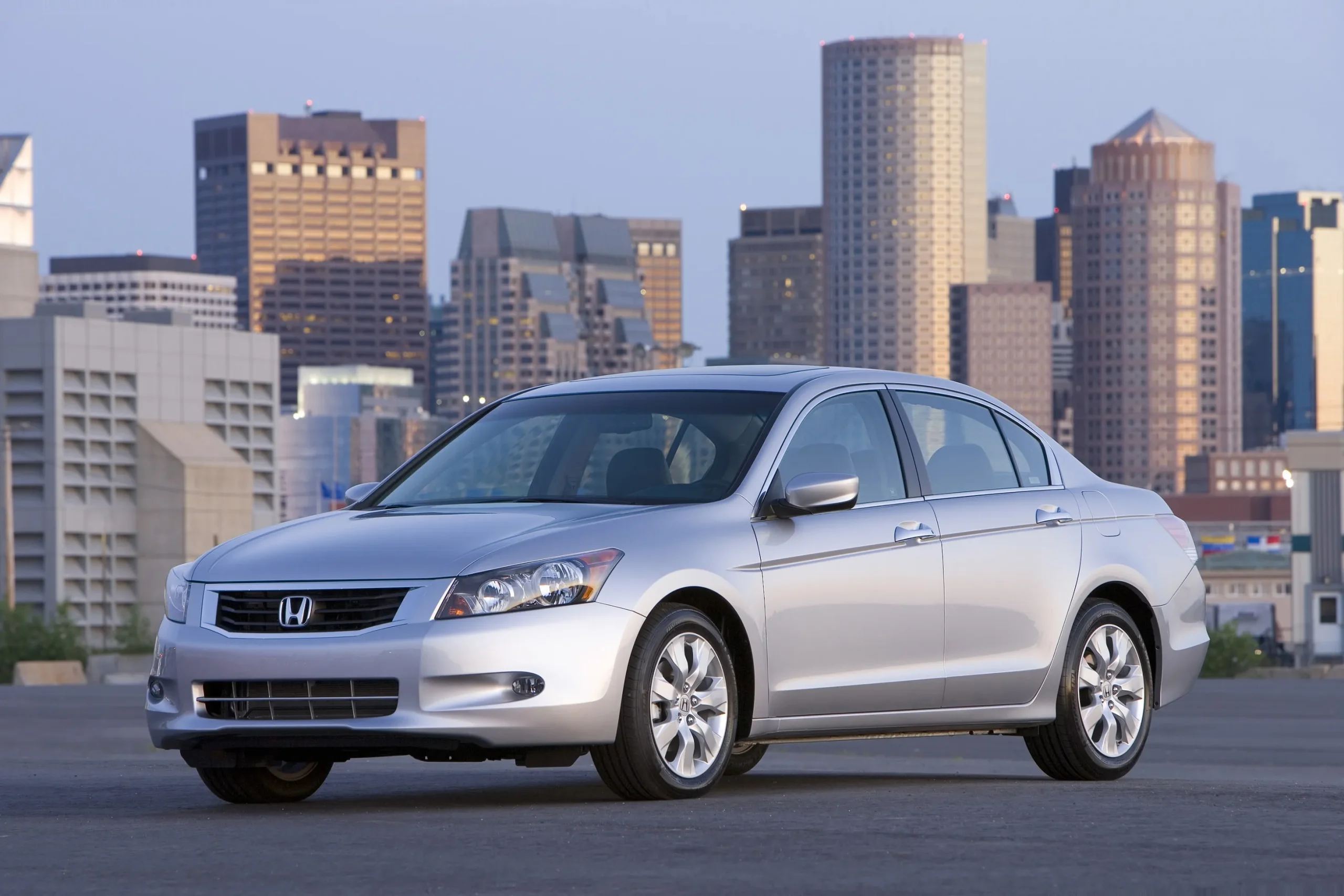
9. Honda Accord (Fourth Generation)
The fourth-generation Honda Accord, produced between 1989 and 1993, is a midsize sedan that demonstrates how a well-designed car can age gracefully and maintain broad appeal.
At a time when many family sedans were boxy and uninspired, the Accord introduced a more aerodynamic shape with smooth, flowing lines and balanced proportions. This design move helped the car avoid looking dated and instead gave it a sleek, modern appearance that lasted well beyond its production years.
The fourth-generation Accord’s exterior is characterized by rounded edges, a gently sloping roofline, and modest yet purposeful details like integrated bumpers and streamlined lighting clusters. These features work together to create a look that is simple but elegant. The car’s restrained design language avoids the pitfalls of overly complicated or trend-driven styling that can quickly date a vehicle.
Inside, the Accord offers a functional and clean cabin with a focus on comfort and usability. The dashboard is straightforward, with easy-to-read gauges and logically placed controls.
Materials are modest but durable, and the interior design remains pleasant without feeling stuck in the past. The balance between comfort, practicality, and simplicity contributes to the car’s lasting appeal.
The fourth-generation Accord also earned a reputation for reliability and value, which has helped many examples survive and remain popular today.
This combination of dependable engineering and timeless styling has made it a favorite among those who want a car that looks good without feeling old or outdated. Its continued presence on the road is a testament to the success of Honda’s design and engineering approach during this era.
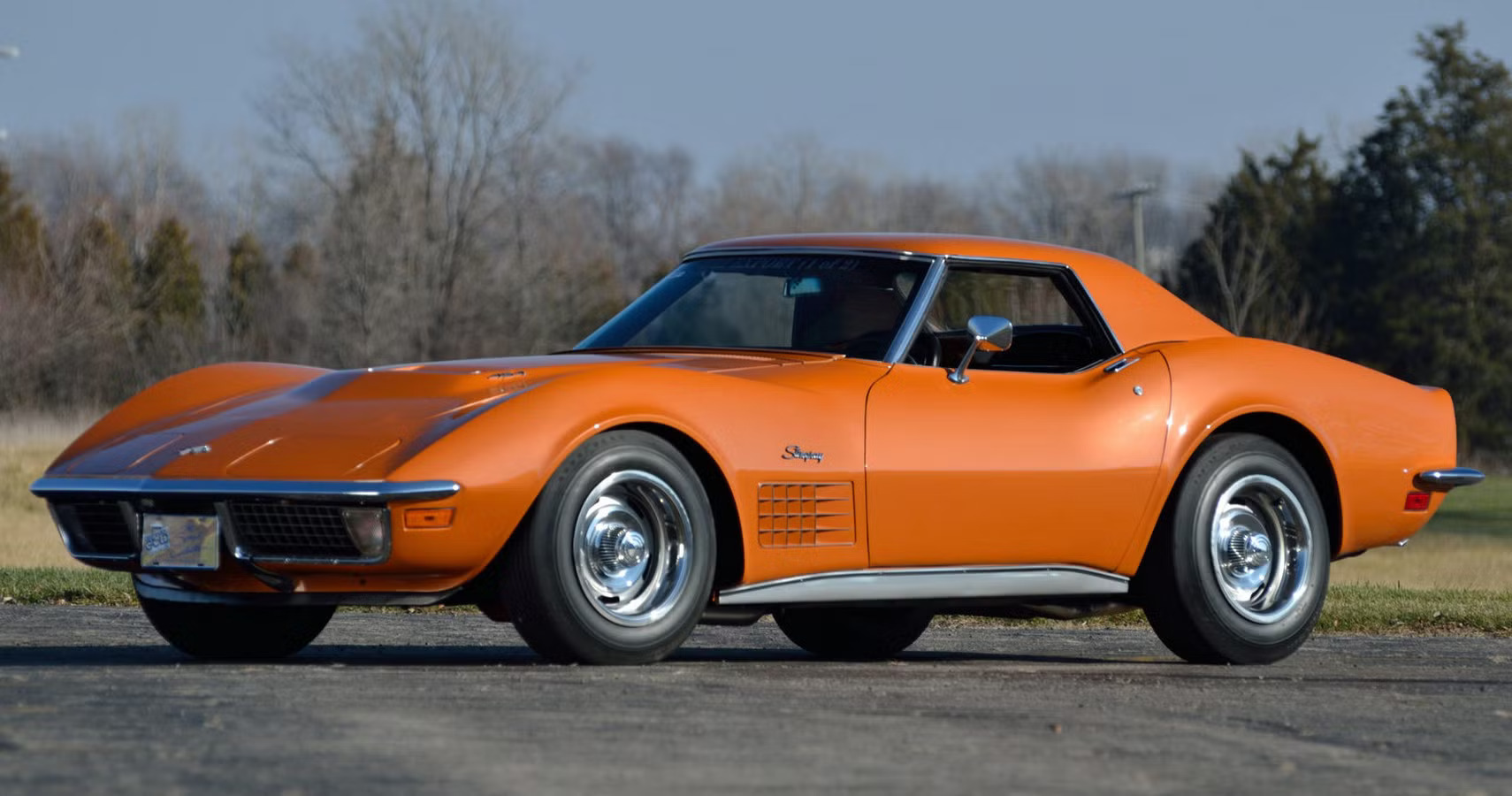
10. Chevrolet Corvette C3
The Chevrolet Corvette C3, produced from 1968 to 1982, is a sports car with a design that manages to avoid looking old despite its age. With its long hood, sweeping curves, and aggressive stance, the C3 embodies the spirit of American muscle and performance cars of its time.
While some cars from the late ’60s and ’70s now appear dated or overstyled, the C3 Corvette retains a sense of drama and excitement that keeps it visually relevant.
The C3’s design is bold and muscular but also well-proportioned. Its curvaceous bodywork, distinctive front grille, and chrome accents create a dynamic silhouette that captures attention. The design strikes a balance between aggressive and refined, avoiding the cartoonish or exaggerated elements that often date muscle cars from this era.
The Corvette’s recognizable shape has become synonymous with American sports cars, and this iconic look helps it remain attractive decades later.
Inside, the C3’s cabin reflects the performance focus of the car. The layout is driver-oriented, with sporty gauges, comfortable seats, and a minimalist design. While some materials and features feel distinctly vintage today, the aesthetic remains purposeful and engaging. The interior design complements the car’s bold exterior, creating a cohesive package that appeals to both collectors and enthusiasts.
The C3 Corvette’s lasting appeal is further enhanced by its place in automotive history. As one of the longest-running Corvette generations, it represents an era of innovation and American muscle car culture that continues to inspire passion. Its design manages to capture this spirit without feeling trapped in its era, making the C3 a classic example of a car that ages gracefully.
Also Read: 5 Trucks With Zero Depreciation and 5 That Tank Instantly
The cars featured in this list demonstrate that true automotive design is about more than just following trends or chasing the latest styles. Each of these vehicles has managed to maintain an appealing presence over the years because its designers focused on creating balanced proportions, clear lines, and purposeful details that transcend fleeting fashions.
Whether it’s the subtle evolution of a classic shape like the Porsche 911 964, the rugged practicality of the Toyota Land Cruiser 70 Series, or the sporty simplicity of the Mazda MX-5 Miata, these cars show that good design is timeless.
One common thread among these vehicles is their ability to blend function with form in a way that remains relevant across decades. Many of them come from eras when cars were built to last, not only mechanically but aesthetically.
The Mercedes-Benz W123 and Volvo 240, for example, have designs rooted in reliability and simplicity, which prevent them from feeling dated or awkward today. Similarly, the BMW E30 and Audi Quattro combine sharp yet restrained styling with strong performance credentials, helping them appeal to both enthusiasts and casual observers.
It’s also worth noting how the interiors of these cars contribute to their timeless appeal. Rather than cluttered or overly complex dashboards, these vehicles emphasize driver engagement, simplicity, and quality materials.
This approach contrasts with many modern cars, which can sometimes feel over-designed or filled with transient technology that quickly becomes obsolete. The cabins of the Jaguar XJ40 and Honda Accord from this list, for example, maintain an elegant and functional atmosphere that continues to feel comfortable and inviting.
Lastly, the cultural and historical significance of these cars plays a role in how they age visually. Vehicles like the Chevrolet Corvette C3 and the Audi Quattro carry legacies of performance, innovation, and character that add layers of meaning beyond just their looks. This heritage helps them remain relevant and admired by new generations of drivers.
These ten cars prove that age does not have to diminish a car’s charm or style. When design is thoughtful and grounded in quality, a vehicle can remain fresh and attractive for decades. For those who appreciate automotive aesthetics, these models offer inspiring examples of timeless design that continue to command attention and respect, regardless of how many years have passed since their debut.
