
Air conditioning systems in vehicles are often overlooked when considering long-term reliability. Most buyers focus on engine performance, transmission strength, or fuel economy, but a dependable AC system plays a significant role in driver comfort, especially in warmer climates.
A malfunctioning AC can quickly turn a routine drive into an unpleasant experience, particularly during summer months or in regions with consistently high temperatures. While many newer models are engineered for reliability, not all of them offer the same consistency in their HVAC systems.
AC systems, although relatively simple compared to other vehicle components, can be expensive to repair if they fail, with common issues ranging from leaking refrigerant to faulty compressors or sensors.
Some vehicles stand out for how rarely their air conditioning systems break down. This can often be attributed to high-quality parts, smart engineering design, or brands that prioritize long-term performance over initial cost-cutting. Over time, patterns emerge.
Certain models simply experience fewer complaints, lower reported maintenance costs, and longer-lasting systems that rarely need service outside of routine recharges or filter changes. Manufacturers that focus on build quality tend to invest in better materials and more refined components, which pays off not just in engine life but in the durability of the entire vehicle, including the climate control system.
This article outlines twelve cars known for their reliable AC systems. These are vehicles that owners often report to be problem-free when it comes to air conditioning. They cover a range of categories from compact sedans to larger SUVs and include both economy and luxury models.
While maintenance is still required on any system over time, the models listed here tend to avoid the more frequent or costly issues that plague other cars in their class. If staying cool without constant repair shop visits is a priority, these vehicles are strong candidates to consider. Here’s a look at twelve cars that rarely need AC repairs, based on known design quality, owner feedback, and long-term performance history.
Also Read: 10 Cars That Feel Brand New Even After 20 Years
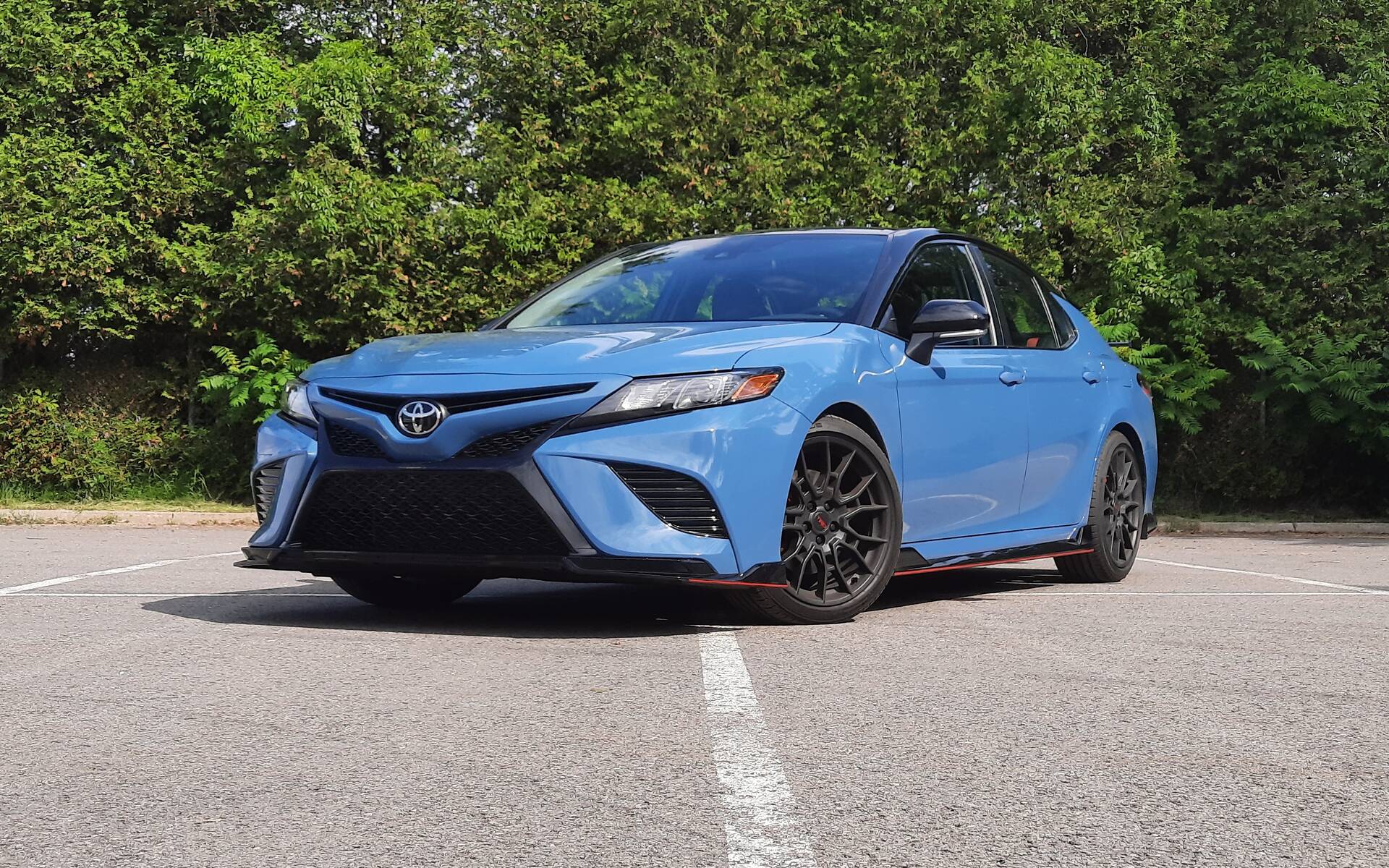
1. Toyota Camry
The Toyota Camry has long been praised for its reliability, and that reputation extends to its air conditioning system. Known for using durable components, Toyota equips the Camry with an HVAC system that generally lasts for many years without significant issues.
Many Camry owners report never needing to repair their AC systems even after a decade of use, aside from regular maintenance like replacing cabin air filters or recharging refrigerant.
One key reason for this reliability is the design of the AC compressor and condenser. Toyota uses high-quality parts with fewer plastic connectors, which are typically the first failure points in lower-cost vehicles. Additionally, the system is well-sealed, reducing the likelihood of refrigerant leaks. This kind of engineering allows the system to run efficiently for longer periods without the wear and tear that plagues cheaper or more complex units in some competing models.
The Camry also avoids unnecessary complexity in its AC system. Instead of packing in high-end but unreliable electronic components or sensors, Toyota focuses on systems that are functional and tested. This makes it less prone to malfunctions caused by electrical failures, which are increasingly common in modern cars. When electronic features are used, they’re often simplified and easier to diagnose or replace.
Owners often cite their Camrys as having consistent, strong cooling performance, even as the car approaches high mileage. Mechanics rarely list the Camry among models with frequent AC complaints. That makes it a solid choice for drivers who prioritize a car that keeps working the way it should, year after year, with minimal hassle in the climate control department.
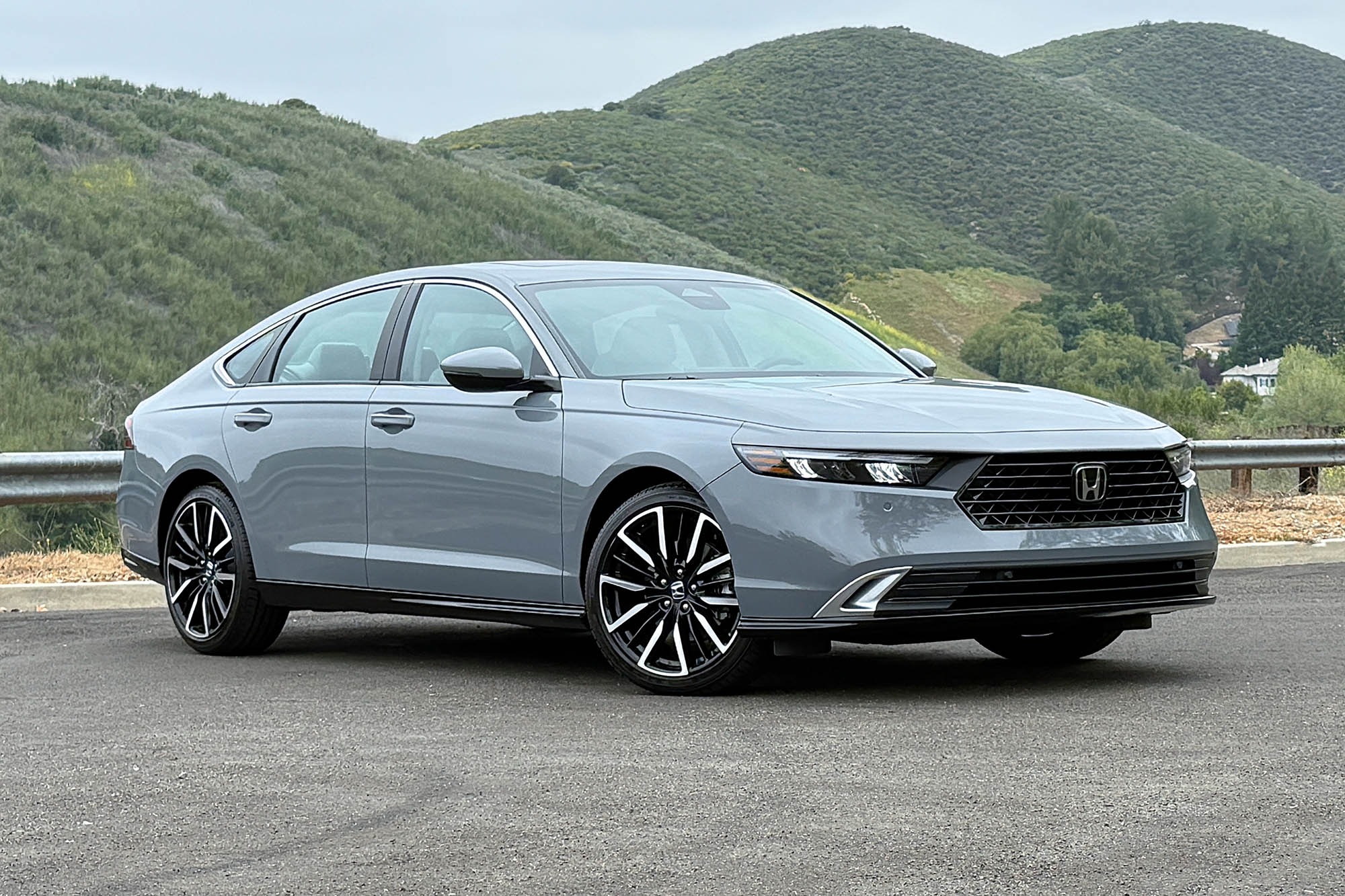
2. Honda Accord
The Honda Accord is another long-standing model known for dependable performance across the board. Its air conditioning system is no exception. While no vehicle is completely free from maintenance needs, the Accord has built a strong record of having a long-lasting and efficient AC system. Owners commonly report using their Accords for over 150,000 miles without needing any major air conditioning work.
Honda uses reliable compressors and high-grade materials in the construction of the Accord’s HVAC system. Unlike some competitors that struggle with component leaks or electrical sensor failures, the Accord’s AC system tends to stay sealed and functional for years. This contributes not just to fewer repairs but also to more consistent cooling across a wide range of weather conditions.
The AC controls in the Accord are straightforward and designed for ease of use. This reduces the chances of control panel malfunctions or sensor calibration issues that can arise in more complicated user interfaces. The blend of simplicity and durability is part of why the Accord continues to score highly in long-term reliability studies and owner satisfaction surveys, particularly in categories involving comfort and cabin environment.
Another advantage is the consistency of manufacturing quality. Honda has high standards across its production facilities, so whether the Accord is made in the United States or elsewhere, the quality of the components—including the AC system—remains consistent. This ensures fewer unexpected breakdowns and more predictable maintenance costs, which is something long-term owners deeply appreciate.
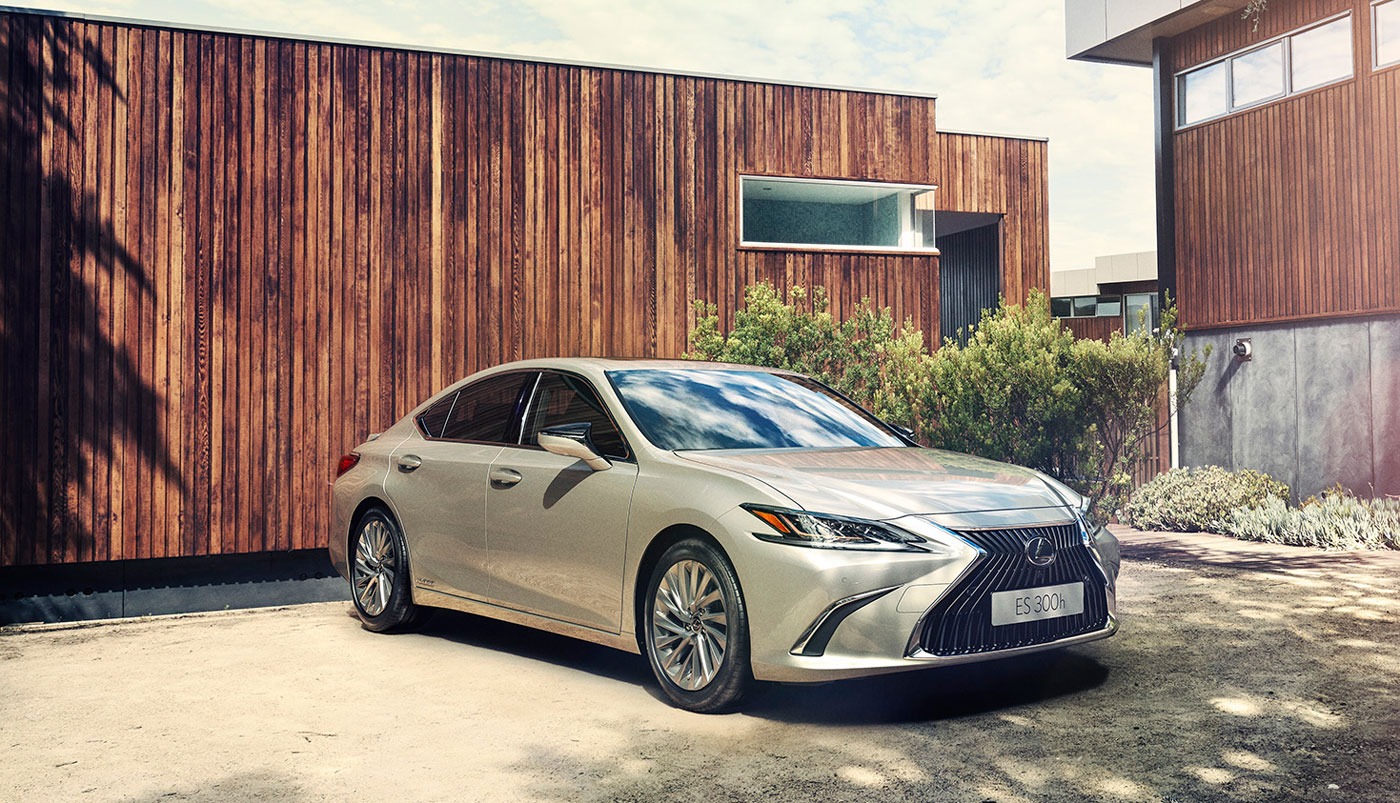
3. Lexus ES
Lexus is Toyota’s luxury brand, and the Lexus ES exemplifies what happens when Toyota’s already-reliable engineering is paired with premium materials and more attention to detail. The ES is widely praised for its smooth ride, luxurious interior, and quiet cabin, but it also features an HVAC system that rarely causes problems. Owners frequently comment on how well the AC continues to perform even after the car has accumulated high mileage.
The quality of the AC components in the ES is superior to what’s found in many non-luxury vehicles. Lexus uses robust compressors, multi-stage climate control, and superior cabin insulation, all of which reduce strain on the AC system. The result is a system that doesn’t have to work as hard to cool the cabin, which in turn prolongs its life. Reduced workload on components naturally translates into fewer chances for breakdowns.
Another strength of the Lexus ES is its climate control software, which is programmed for efficiency and precision. While complex software in some luxury vehicles leads to service issues, Lexus has refined its system to be dependable and user-friendly. Dual-zone or tri-zone systems in the ES operate smoothly with minimal calibration issues, which further enhances the system’s durability.
Service records and mechanic feedback both support the idea that the ES rarely encounters AC-related failures. When issues do occur, they are usually minor and easy to resolve. For drivers looking for both luxury and reliability without the burden of recurring AC repairs, the Lexus ES is a dependable option worth considering.
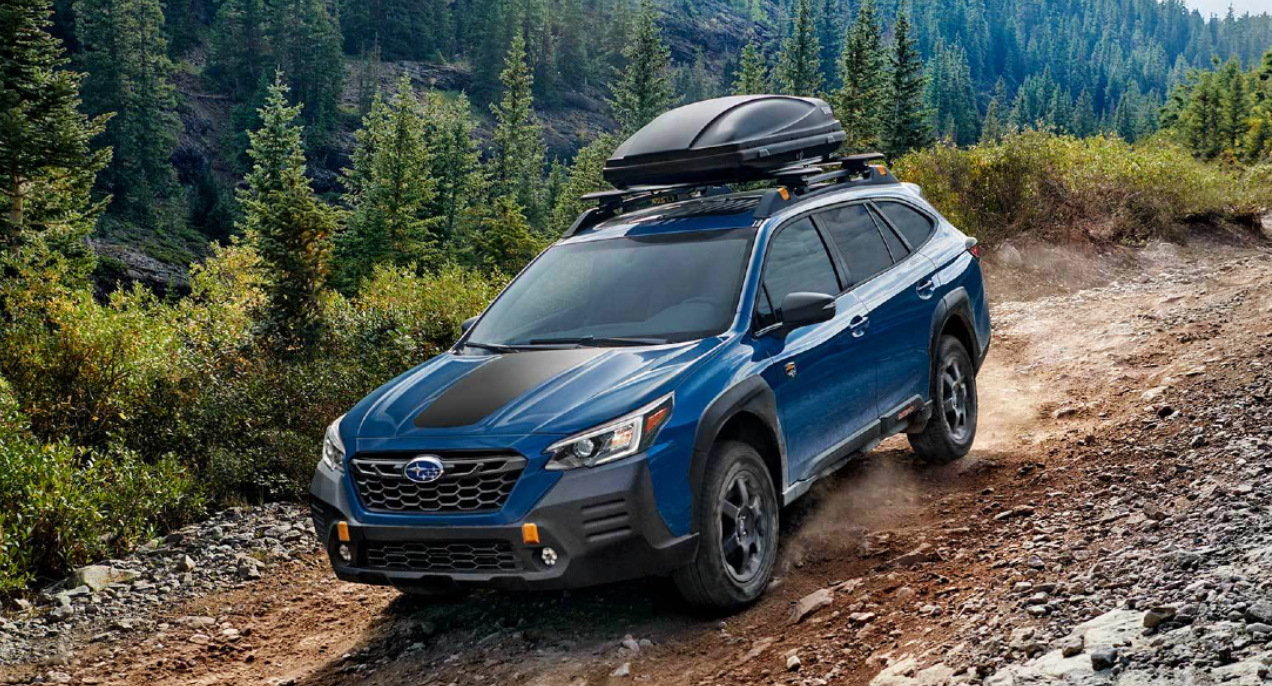
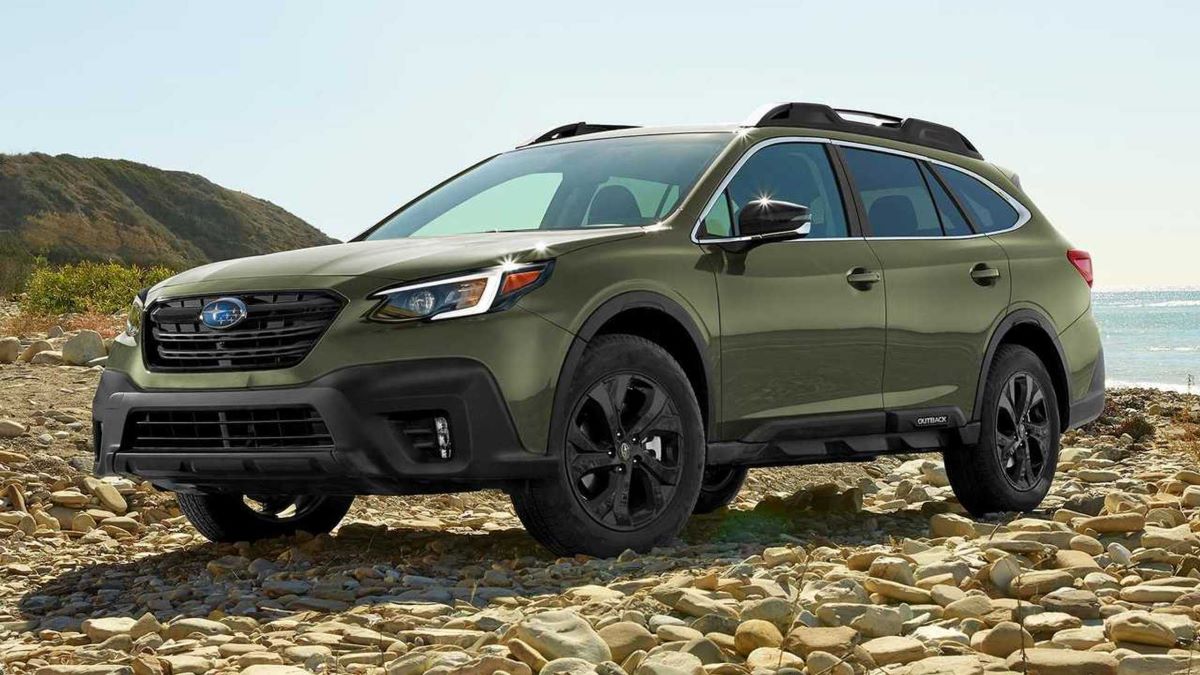
4. Subaru Outback
The Subaru Outback is a practical, rugged crossover known for its ability to handle rough roads and variable weather conditions. Part of its appeal is a durable HVAC system that performs reliably even under tough conditions. Whether it’s used for long road trips or daily commuting, the Outback’s air conditioning system is built to withstand frequent use without requiring regular repairs.
Subaru uses efficient system layouts in its vehicles, and the Outback benefits from this with an AC design that minimizes component stress. The condenser and evaporator are positioned to reduce exposure to damage and heat buildup, which helps the system maintain efficiency over time. This strategic design lowers the risk of overheating or premature component failure, both of which are common causes of AC issues.
In terms of user experience, the Outback provides strong and consistent airflow. Its system manages to cool the cabin quickly and maintain temperature effectively, even in warmer climates or after extended vehicle use. This reliability is a major reason why many Outback owners are repeat customers. They trust the system to work without needing much intervention beyond occasional maintenance.
Mechanics rarely see Outbacks come in for AC-related repairs unless the vehicle has extremely high mileage. Even then, the repairs are usually related to general wear and tear rather than system design flaws. For those who live in regions with wide-ranging temperatures and need a dependable car that keeps interior temperatures comfortable, the Subaru Outback is a smart choice.
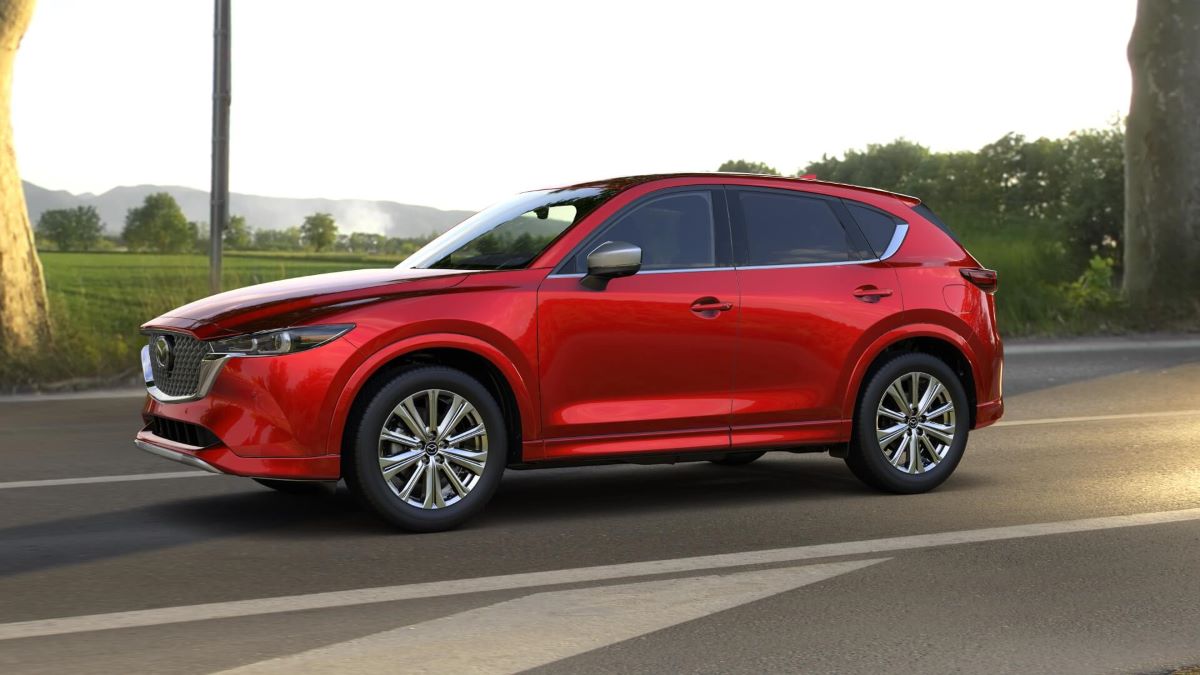
5. Mazda CX-5
The Mazda CX-5 stands out for its combination of sporty handling, stylish design, and a surprisingly dependable AC system. While Mazda as a brand has grown in recognition for its quality over the past decade, the CX-5 is one of its most reliable models, especially when it comes to comfort features like air conditioning.
Mazda’s approach to vehicle design emphasizes efficiency and simplicity. This translates into an HVAC system that is well-integrated into the vehicle and uses reliable components that don’t wear out quickly. The compressor and condenser units in the CX-5 are known for their durability and efficiency. They are built to handle a variety of climate conditions without faltering, even with extended daily use.
Another advantage of the CX-5 is its attention to cabin design. The well-insulated interior reduces heat gain during hot weather, which helps the AC system operate more efficiently. Since the system doesn’t have to run at maximum capacity as often, components last longer, and users experience fewer maintenance issues. This balance of smart design and dependable hardware pays off in terms of system longevity.
Routine service data shows that CX-5 owners rarely report AC failures during the vehicle’s first 100,000 miles. Even past that point, issues tend to be minor. Combined with the model’s reputation for low maintenance costs, this makes it a favorite among owners who value comfort and performance but want to avoid unexpected repair bills.
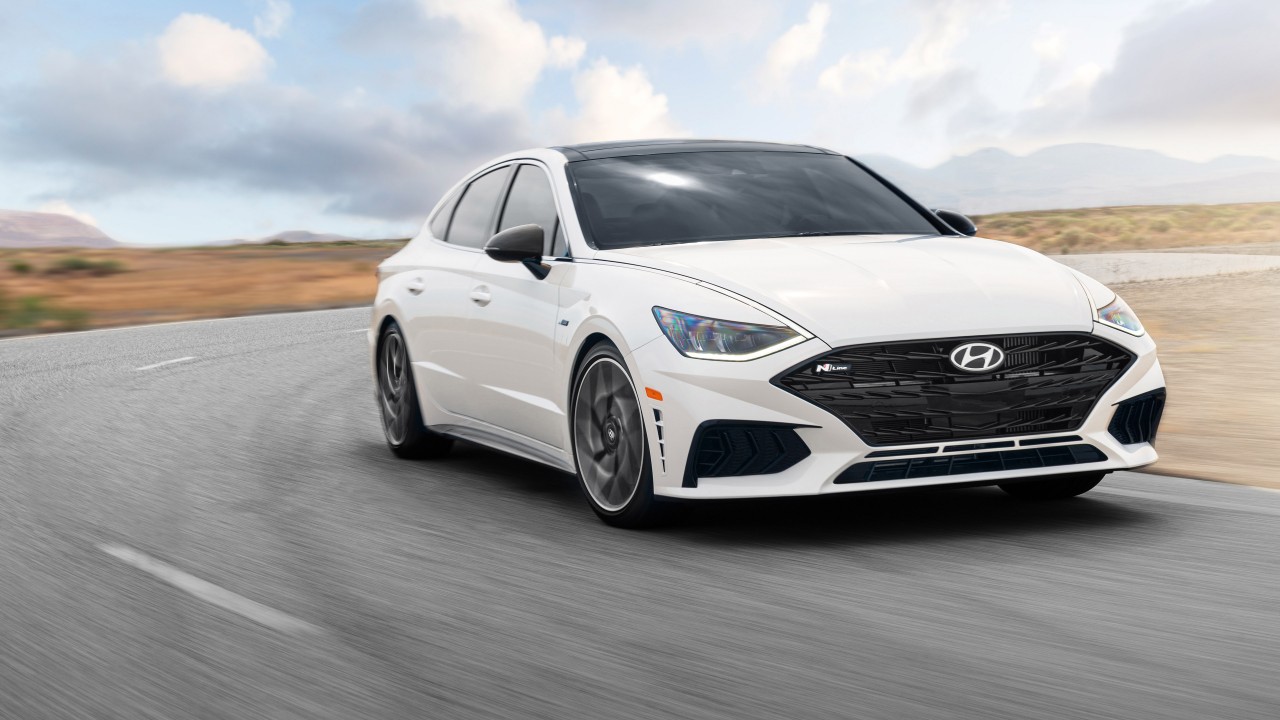
6. Hyundai Sonata
The Hyundai Sonata has matured significantly in terms of reliability and engineering quality over the past decade. Earlier models from the 2000s had some inconsistencies in component durability, but more recent versions, especially from the 2015 model year onward, have demonstrated impressive long-term stability, including in their HVAC systems.
The air conditioning setup in the Sonata is simple, robust, and well-integrated into the vehicle design. Hyundai has invested heavily in improving its part suppliers and build quality, and the results are clear. AC failures are not commonly reported, even by owners who keep the vehicle past 100,000 miles.
Hyundai’s engineering team has prioritized modular and efficient AC components, meaning fewer unnecessary points of failure. Compressors, for instance, are sourced from reputable manufacturers and designed to last the life of the vehicle with minimal degradation.
One benefit of this approach is that it keeps internal pressures stable, minimizing wear on internal seals and joints. The result is a system that doesn’t leak easily, doesn’t overheat, and doesn’t strain under pressure during long summer drives. These are often the weak points in systems of less reliable vehicles, and Hyundai has done a good job of minimizing those risks.
Another strong point of the Sonata’s HVAC system is its user interface and climate control sensors. While many cars have moved toward digital climate systems with complex interactions, the Sonata keeps things relatively straightforward while still offering precision.
The cabin sensors tend to remain accurate over the years, which helps the system regulate temperature efficiently without needing frequent recalibration. This improves comfort and reduces the need for technician diagnostics, which can sometimes trigger unnecessary parts replacements in other models.
Long-term ownership surveys and maintenance records show that most Sonata owners do not experience significant AC problems.
The most common AC-related service tends to be a refrigerant recharge around the 8 to 10-year mark, which is standard maintenance and not a sign of poor quality. For budget-conscious buyers who still expect reliability and comfort, the Hyundai Sonata continues to be a smart, low-risk choice in the midsize sedan market.
Also Read: 10 Classic Cars That Are Still Affordable to Own
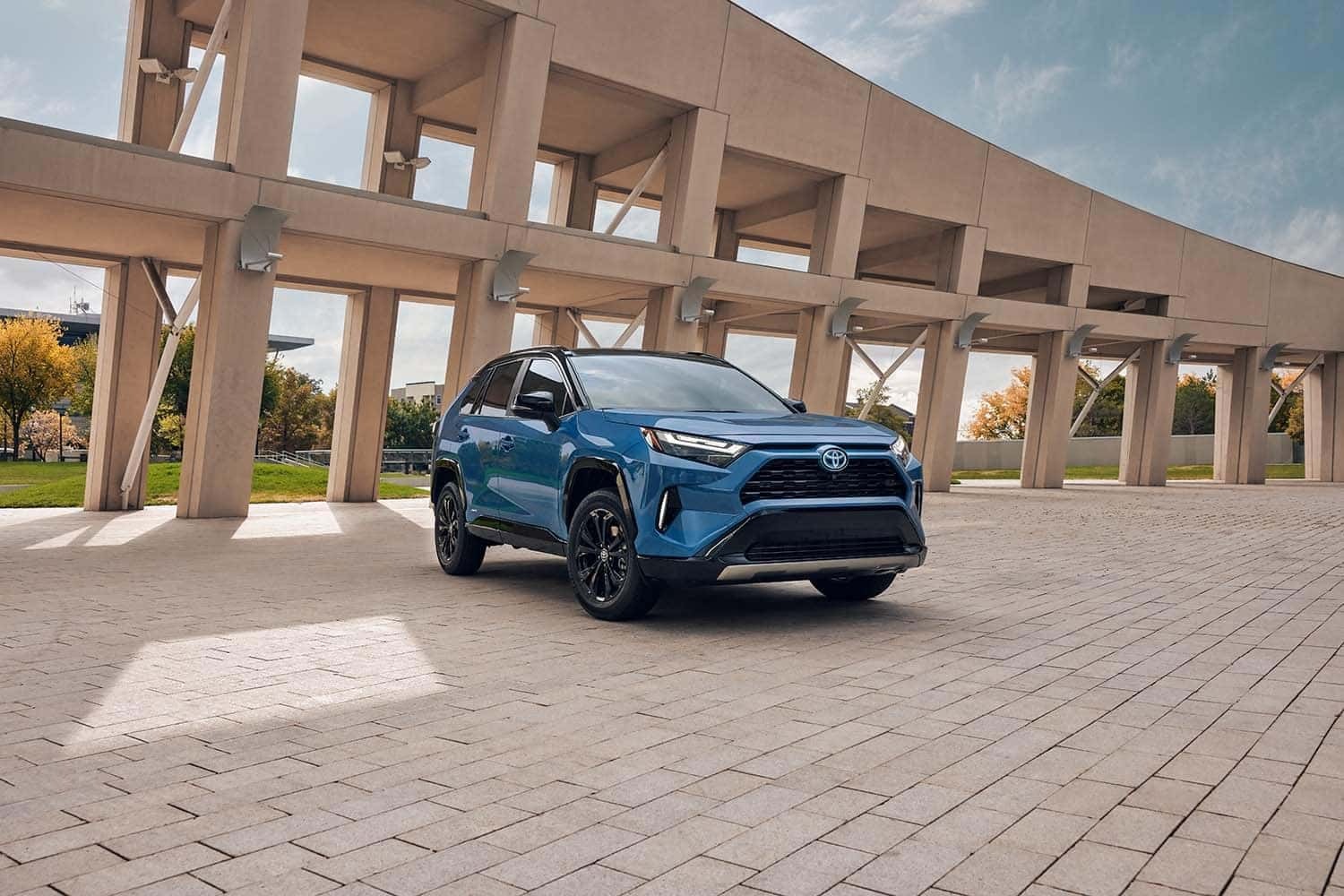
7. Toyota RAV4
The Toyota RAV4 is one of the best-selling SUVs in the world, and a big part of its success comes from Toyota’s reputation for making long-lasting, low-maintenance vehicles. The RAV4’s HVAC system is no exception. It’s built with the same reliability-first philosophy seen in the Camry and Corolla, and real-world usage backs that up. Whether it’s a gas, hybrid, or plug-in hybrid model, the AC system across RAV4 variants tends to be dependable over many years of use.
One reason for this consistency is that Toyota does not take unnecessary risks with its HVAC design. Instead of opting for overly complicated systems that offer little practical benefit, they focus on refining proven designs. The compressors used in the RAV4 are designed to operate under varying loads without overheating or losing efficiency.
This matters especially in hybrid versions, where AC performance can be compromised in stop-and-go driving if not engineered properly. The RAV4 avoids that issue by incorporating electric AC compressors that remain effective even when the engine is off.
Another important detail is that the RAV4 features cabin materials and insulation that reduce the load on the AC system. With less heat intrusion into the cabin, the system doesn’t have to run as hard or as frequently. This translates into a longer lifespan for the internal components, including the blower motor, evaporator core, and compressor clutch. Because the system doesn’t have to constantly cycle on and off, wear and tear is significantly reduced, helping it operate reliably for years.
From a service perspective, the RAV4 is rarely flagged for HVAC issues during regular maintenance appointments. Mechanics often note that AC complaints from RAV4 owners are uncommon, and when issues do arise, they are typically resolved with basic service steps like cabin filter replacement or refrigerant top-offs.
With a track record that spans over multiple generations, the RAV4 remains a strong choice for drivers looking for reliable climate control performance along with the practicality of an SUV.
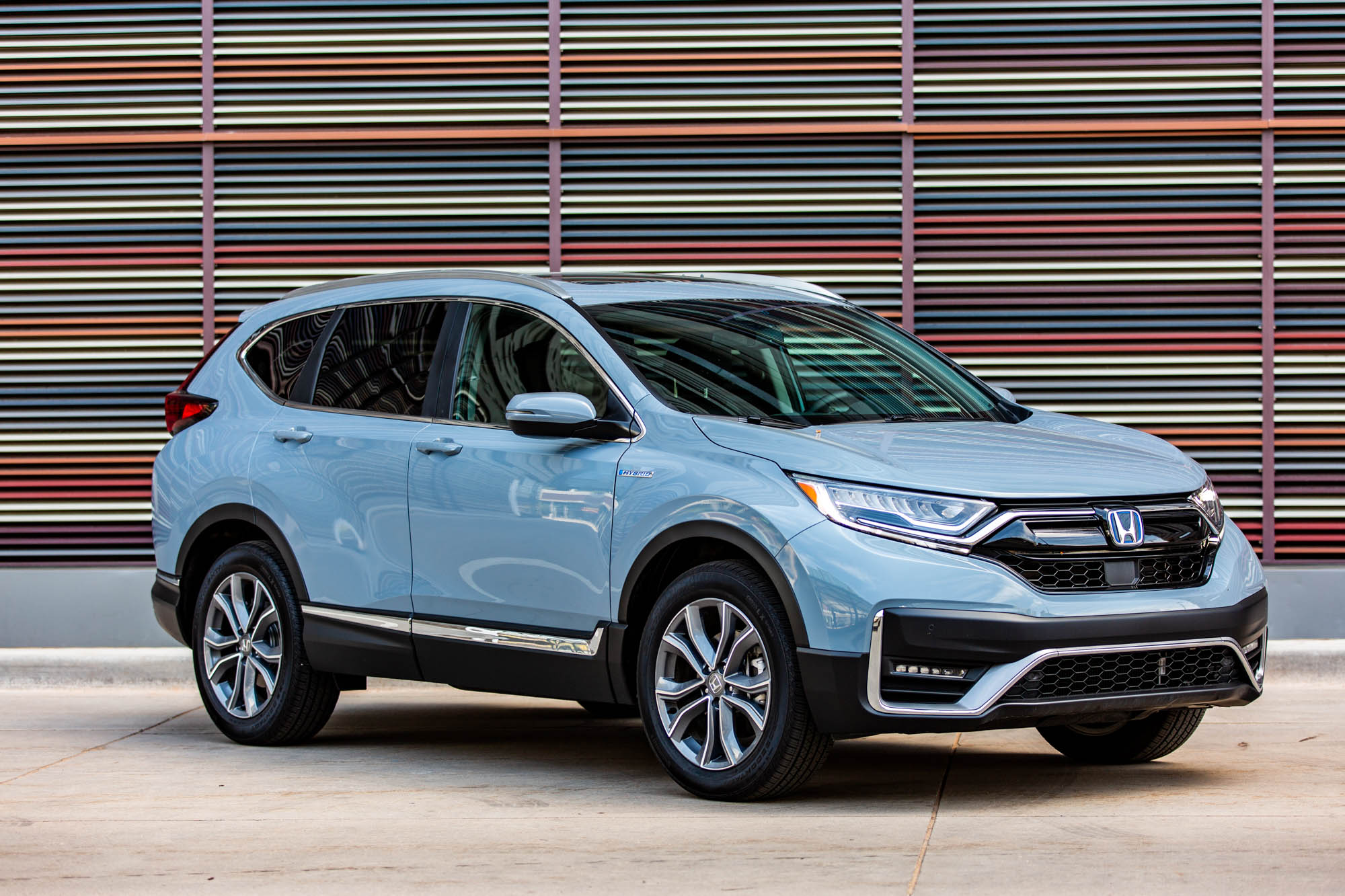
8. Honda CR-V
The Honda CR-V, like its sedan counterpart, the Accord, is known for its consistent performance and long-term dependability. One of the standout features of the CR-V is its balanced and durable HVAC system. Owners frequently comment on how the air conditioning continues to perform well, even in vehicles that are more than ten years old. This is especially impressive given the high use cases that SUVs typically experience, including road trips, long commutes, and diverse weather conditions.
Honda employs a similar HVAC design philosophy in the CR-V as it does in its other vehicles. Rather than attempting to reinvent climate systems with unproven technologies, Honda focuses on getting the fundamentals right.
The compressor is durable and placed in a location that reduces exposure to extreme engine bay heat, helping to extend its lifespan. Similarly, the condenser is designed to dissipate heat efficiently, which improves the cooling power of the system and reduces strain during extended use.
User control interfaces on the CR-V are also worth mentioning. They are easy to use, intuitive, and designed for long-term reliability. With fewer overly sensitive touch controls or finicky electronics, the system is less prone to breakdowns caused by failed sensors or worn-out control dials. This simplicity adds to the durability of the system and reduces the chances of electrical problems that can be expensive to diagnose and fix.
From a maintenance point of view, CR-V owners rarely report AC failures within the first 150,000 miles, especially if routine servicing is kept up. Even when problems do occur, they tend to be minor, such as fan noise or air filter clogs, rather than full system failures. That kind of performance is a major reason why the CR-V continues to be one of the top-selling compact SUVs and a favorite among families and commuters alike.
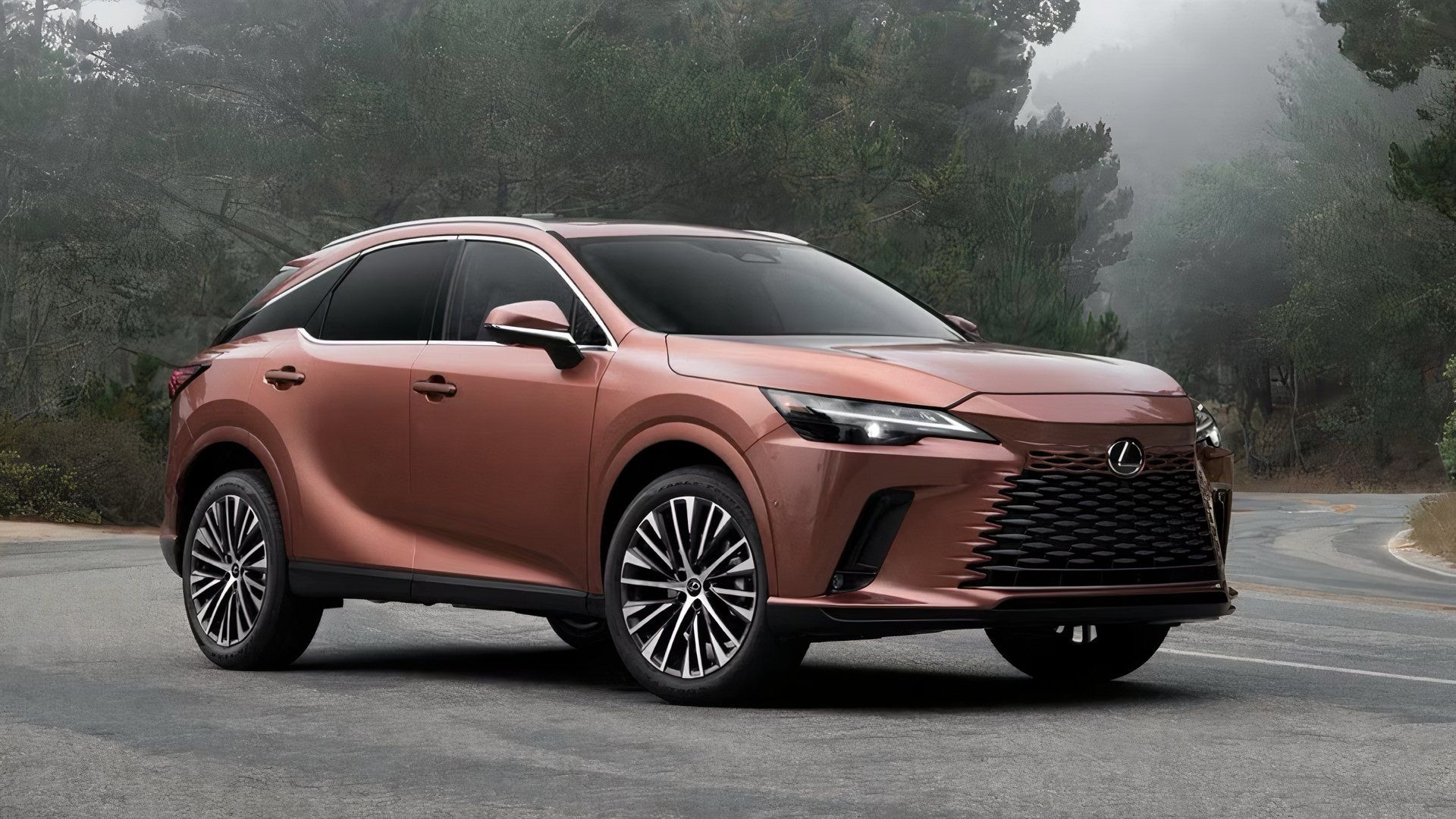
9. Lexus RX
The Lexus RX blends comfort, performance, and top-tier craftsmanship, and this combination naturally extends to its air conditioning system. As a luxury SUV, the RX is designed to meet high expectations, and its HVAC system is engineered with that goal in mind.
Owners consistently report that their RX models maintain excellent climate control performance for years, even with minimal maintenance. The components used in the RX’s AC system are high-end and built to last.
The quality of materials used throughout the HVAC system plays a key role in its durability. Lexus equips the RX with high-capacity compressors, advanced filtration systems, and superior ducting that ensures even airflow across the cabin. These features may not be flashy, but they are crucial in delivering consistent and long-lasting performance. By focusing on internal quality rather than gimmicks, Lexus has built a climate system that holds up over the long haul.
The RX also benefits from superior insulation and soundproofing, which reduces heat buildup in the cabin. That means the AC system doesn’t need to overwork to keep the interior cool, even on hot days.
With less demand placed on the system, it runs more efficiently and experiences less wear. This design consideration is particularly helpful for maintaining cooling performance during stop-and-go traffic or in city driving, where other vehicles may struggle.
Service records for the RX consistently show low rates of AC repair, even on older models. Refrigerant leaks, compressor failures, and blower motor issues are uncommon. When compared to other luxury SUVs in its class, the RX has a significantly better track record for HVAC reliability. That makes it an attractive choice for drivers who want luxury features without the costly repair risks often associated with premium brands.
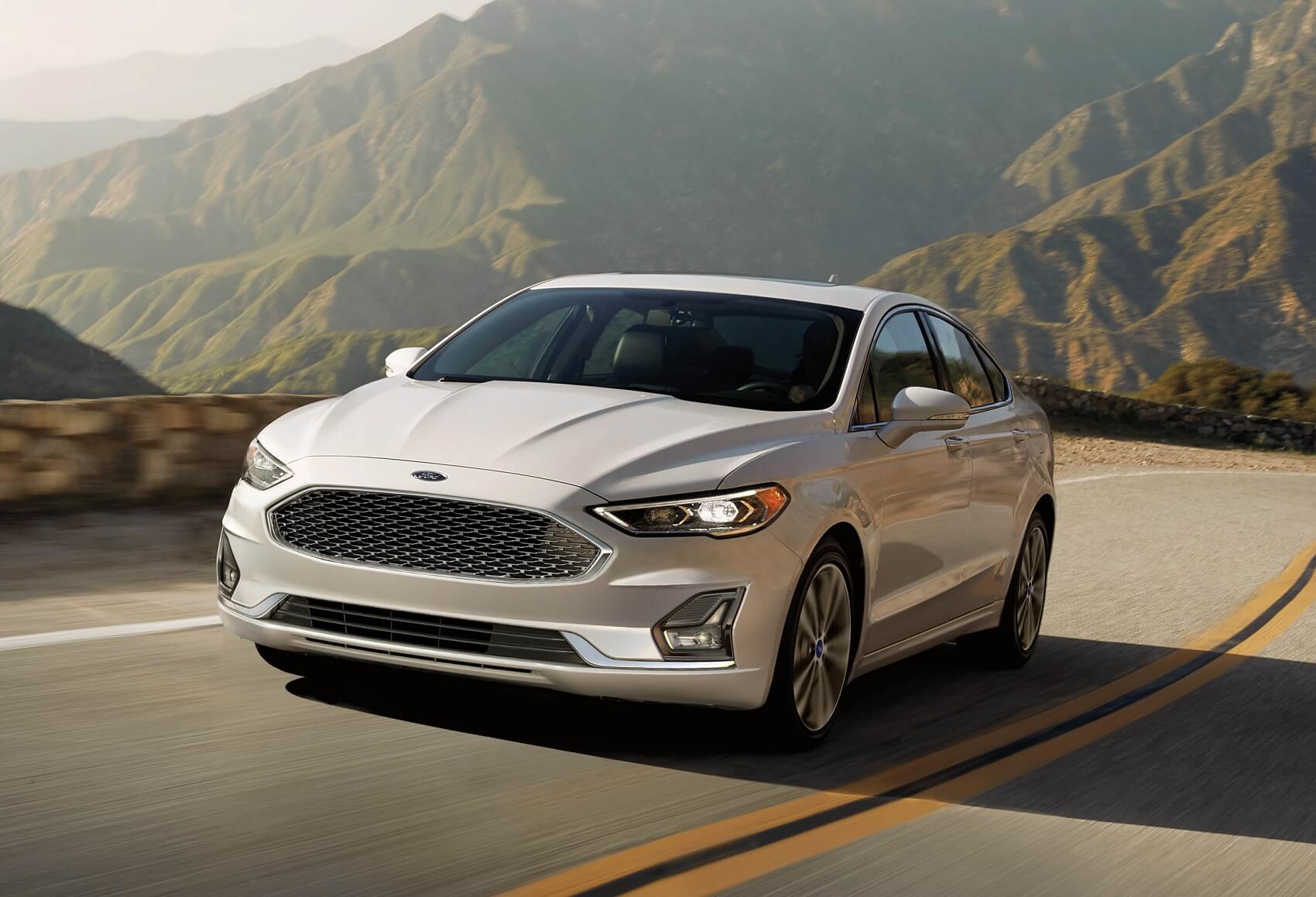
10. Ford Fusion
The Ford Fusion may not always be the first car that comes to mind when talking about durability, but it has quietly built a reputation as a reliable and practical midsize sedan. Among its strong points is an AC system that performs well under varied conditions and typically requires little attention.
The Fusion’s HVAC setup is built around proven, straightforward components, and its solid track record reflects that. Owners who keep up with routine maintenance often enjoy many years of worry-free operation.
One advantage the Fusion holds is the consistent quality control across its production years. Ford avoided making major overhauls to the AC system between generations, opting instead to refine and improve what already worked. This helped the brand reduce the number of HVAC-related service issues and also made diagnostics simpler for mechanics. As a result, many Fusion owners experience consistent cooling without the kinds of intermittent faults seen in other similarly-priced models.
The Fusion’s interior design supports its AC efficiency. The cabin is relatively well insulated, and airflow is strong and evenly distributed. This means the AC system can cool the car quickly and maintain comfort with less frequent cycling. Less cycling means fewer opportunities for wear, particularly in components like the compressor clutch and blower motor. These types of details might seem small, but they make a big difference in long-term durability.
The Ford Fusion offers reliable performance in a package that’s easy to maintain and economical to operate. AC problems are rare, and the most common issues tend to be related to minor electrical connectors or clogged filters—nothing too serious or expensive. For buyers seeking a reliable used sedan with minimal climate control issues, the Fusion is a strong contender.
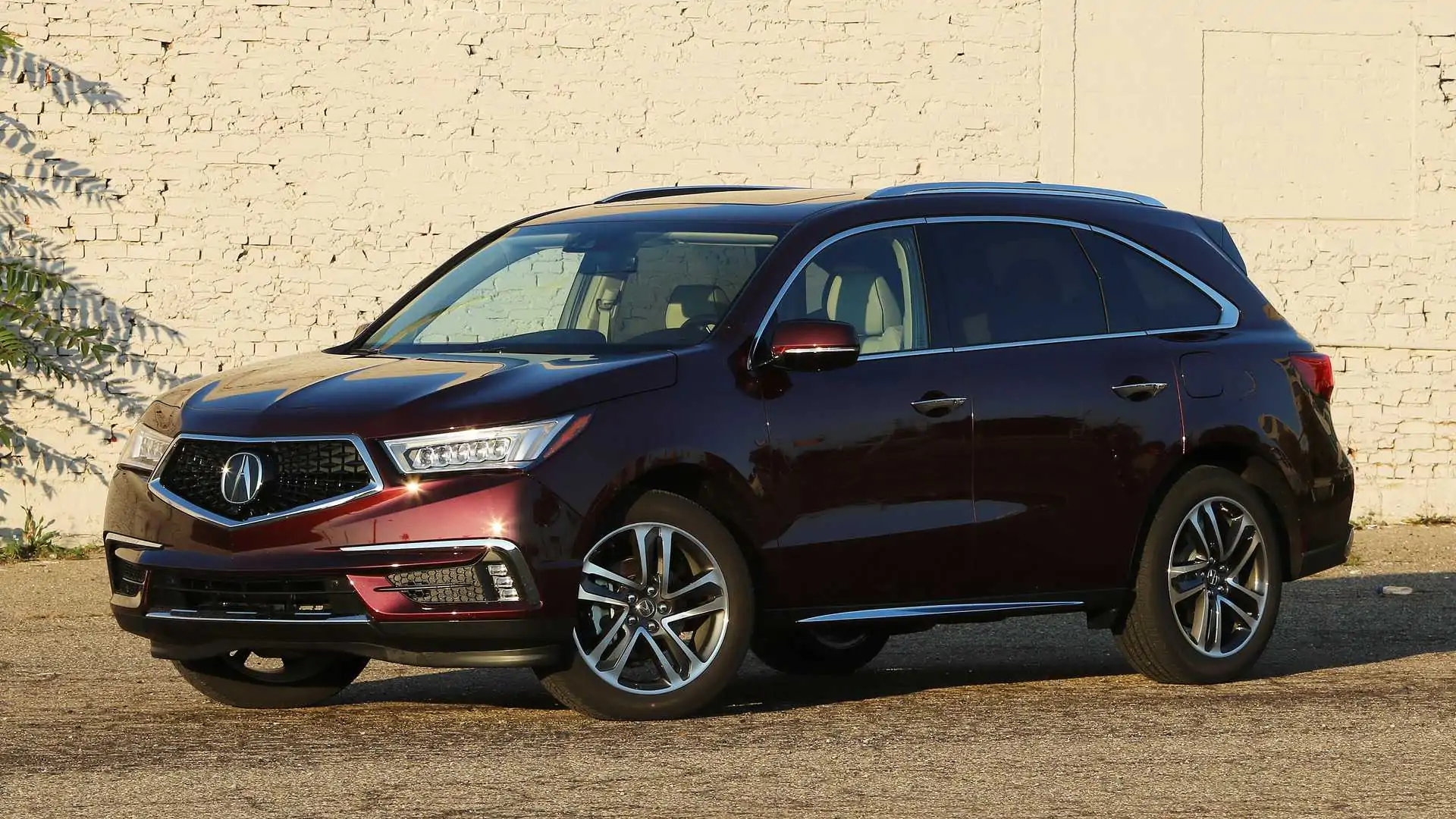
11. Acura MDX
The Acura MDX combines luxury and reliability in a way that few midsize SUVs manage. Built by Honda’s premium division, the MDX inherits much of the same reliable engineering found in vehicles like the Accord and CR-V but adds higher-end materials and features.
This includes a robust, well-insulated AC system that performs well across a range of temperatures and conditions. Whether it’s city driving, highway cruising, or extended road trips, the MDX’s HVAC system has a strong reputation for long-term reliability.
One of the MDX’s strengths is its tri-zone climate control system, which allows for individualized comfort settings without compromising performance. Unlike some multi-zone systems that become glitchy or inaccurate with age, the MDX system remains responsive and accurate thanks to high-quality sensors and well-programmed software. This helps the system avoid overcorrections and unnecessary strain, which can reduce the likelihood of component failure.
The compressor used in the MDX is one of the more reliable in its class. Owners often go well past 150,000 miles without needing to replace major AC components.
Even in older models, common service tasks are limited to blower motor cleaning, air filter replacement, or minor seal replacements—none of which are signs of systemic design flaws. This reliability is even more impressive considering the MDX’s size and power demands.
Acura’s focus on reliability as a brand pays off when it comes to the MDX. Many families who rely on the vehicle for long drives in varying climates find that the AC system holds up well year after year. It’s a luxury SUV that delivers premium comfort without the premium repair bills often seen in its European competitors. That balance of quality and practicality helps the MDX stand out in a crowded segment.
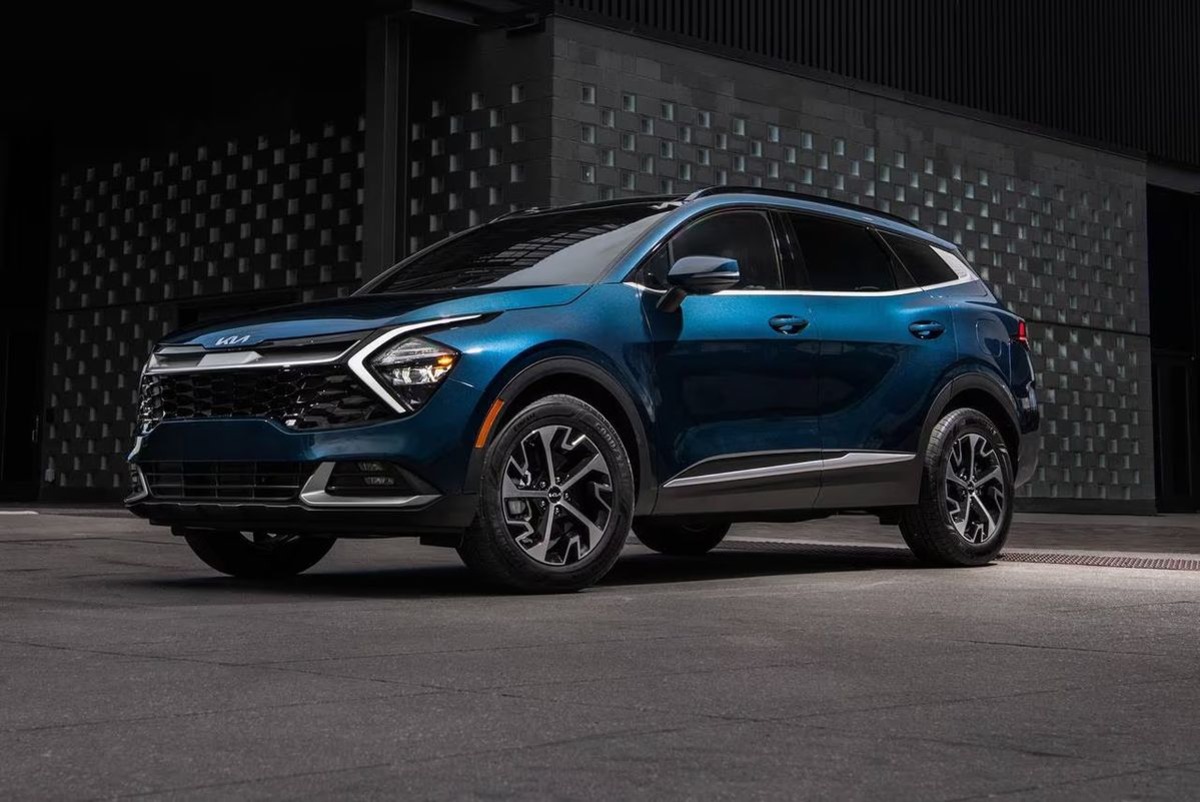
12. Kia Sportage
The Kia Sportage has undergone significant improvements over the years, evolving from a budget option to a well-rounded compact SUV that competes with more established brands. One of the highlights of the newer Sportage models is the durability of the AC system.
Owners consistently report good performance even after multiple years of use, and the repair history is minimal, especially compared to similarly priced competitors in the compact SUV market.
The AC system in the Sportage benefits from Hyundai-Kia’s shared platform engineering. Like the Sonata, the system is compact, efficient, and built using high-quality parts. The compressor is both effective and quiet, and it maintains consistent cooling without overloading the system. This level of design consistency helps reduce early wear and minimizes the risk of component failure due to excessive use.
Another positive aspect is that Kia has kept the system relatively simple. While offering modern features like dual-zone climate control, the HVAC system avoids unnecessary complexity. This approach reduces the chance of electronics-related issues that can plague systems with too many integrated digital sensors or smart features. When issues do occur, they’re usually cheap and easy to fix, which adds to the model’s appeal for cost-conscious owners.
The Sportage continues to gain popularity as a dependable, value-driven choice for SUV buyers. Its HVAC reliability contributes to its growing reputation. With a solid AC system, combined with better-than-average insulation and airflow, the Sportage is a good option for those who want strong cooling performance without the ongoing worry of frequent repairs.
