
Electric vehicles have come a long way over the past decade. One of the most important components that determines the success of an EV is the battery. It dictates how far the car can travel, how long it takes to recharge, and how many years the battery will serve before it begins to degrade.
Range anxiety, where drivers fear that their car won’t make it to the next charging station, was once a real concern. But today, many EVs are equipped with batteries that are not only powerful but also proven to maintain consistent range over time.
When people look for an electric vehicle, they often want to know if the range quoted by the manufacturer holds up under real-world conditions. These conditions include high-speed highway driving, cold or hot weather, use of air conditioning or heating, and carrying passengers or cargo.
A battery’s performance is influenced by its chemistry, design, thermal management system, and how it’s used over time. While some batteries lose significant range within a couple of years, others retain over 90% of their original capacity even after being driven for tens of thousands of miles.
This kind of reliability builds trust among drivers and encourages more people to consider making the switch from gas-powered cars. It’s not just about how far a vehicle can go when it’s new, but how far it can go after years of regular use. Battery durability is becoming a selling point, and manufacturers are beginning to provide warranties of 8 years or more to prove their confidence in battery longevity.
What follows is a look at ten EV batteries that have already shown that they can hold their range over time. These batteries are used in cars that have been tested, reviewed, and driven by thousands of real owners across the globe.
They have demonstrated strong performance in both lab testing and actual road use. While new battery technology continues to emerge, these examples are current proof that solid, dependable EV range isn’t just possible, it’s already here.
Also Read: 10 Performance Cars That Won’t Bankrupt You on Repairs
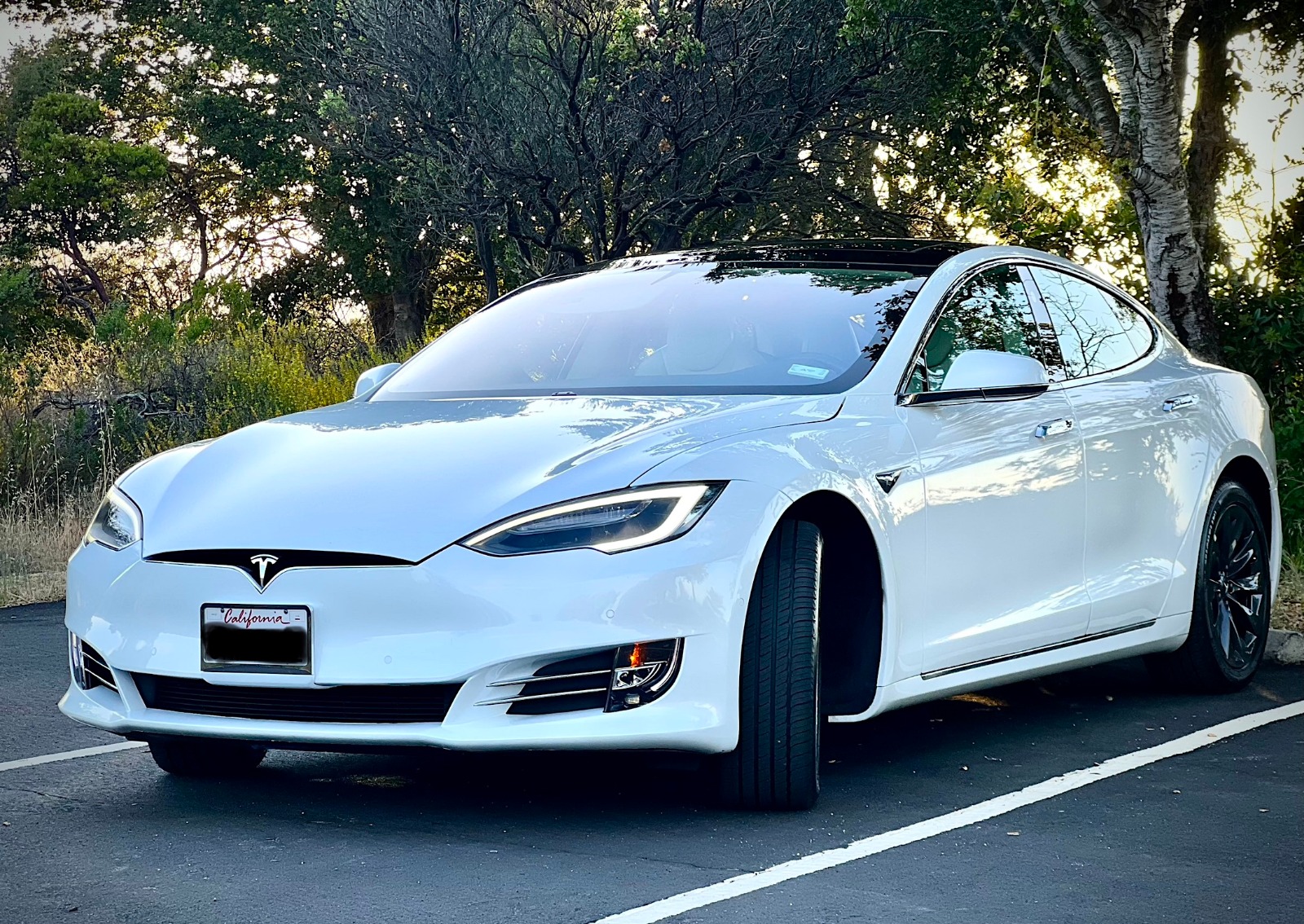
1. Tesla Model S Long Range Battery (Panasonic 18650 cells)
Tesla’s Model S Long Range uses Panasonic’s 18650 lithium-ion battery cells, and this combination has become one of the most reliable setups in electric vehicle history.
These cylindrical cells, arranged into battery packs with advanced thermal management, were engineered for both performance and longevity. The result is a battery that not only delivers long range from the start but holds that range remarkably well over time.
Drivers who have owned a Model S for more than five years frequently report minimal degradation. Some early adopters have reported retaining over 90% of their original battery capacity after more than 150,000 miles of driving.
This level of durability shows that Tesla and Panasonic focused on balancing energy density with long-term health, rather than chasing maximum capacity alone. The Model S’s thermal management system also plays a crucial role, keeping battery temperatures within optimal levels even during fast charging or extreme weather.
Part of the success of this battery comes from Tesla’s software management. Over-the-air updates have allowed the company to adjust battery performance and efficiency, helping to maximize range retention without needing hardware changes.
Additionally, Tesla owners often receive recommendations through the interface for optimal charging practices, which also contributes to the battery’s long lifespan. This close connection between hardware and software is one reason why the Model S battery system has proven so effective.
The Model S Long Range version has set the bar high for electric vehicle range. Not only does it offer more than 370 miles on a full charge when new, but that number holds up surprisingly well even after years of use. This battery pack, while not the most recent in Tesla’s lineup, continues to serve as a benchmark for what a long-lasting EV battery should look like.
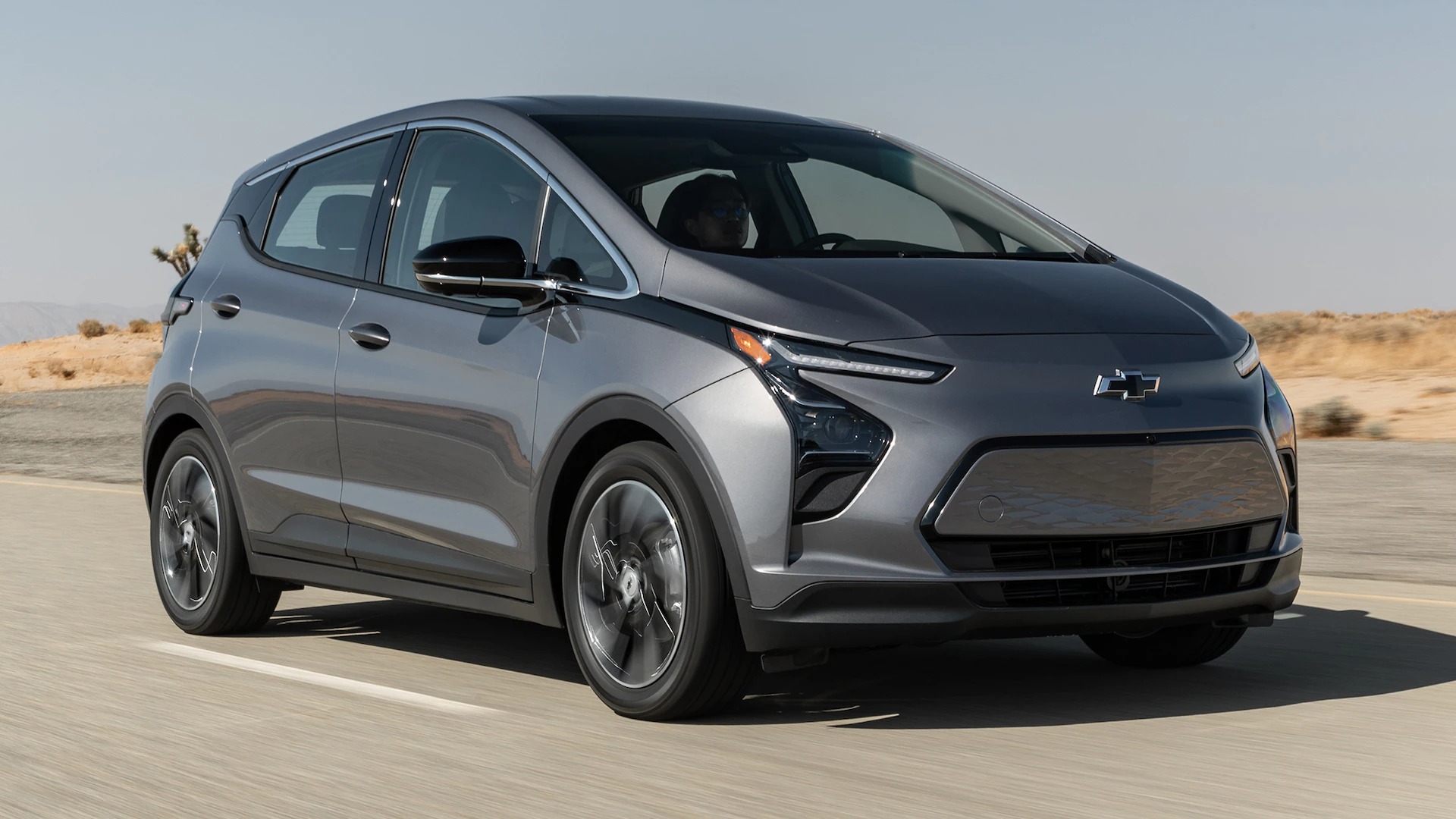
2. Chevrolet Bolt EV Battery (LG Chem 66 kWh)
The Chevrolet Bolt EV uses a 66 kWh battery developed by LG Chem, and this pack has earned a reputation for holding its range exceptionally well. Despite the Bolt being more affordable than many competitors, its battery performance rivals vehicles that cost far more. It offers around 259 miles of EPA-rated range, and many owners report that this figure stays consistent even after several years of daily use.
One reason the Bolt’s battery holds up so well is its conservative thermal management system. The battery pack is liquid-cooled, which helps maintain a stable internal temperature under a wide range of driving conditions.
This reduces stress on the battery cells and prevents rapid degradation. Chevrolet also limits the battery’s usable capacity slightly below its total capacity, creating a buffer that protects the battery from overcharging and deep discharging.
Owner data has shown that even after 100,000 miles, many Bolt batteries retain over 85% of their original capacity. That means drivers are still getting over 220 miles on a single charge, a very impressive number for a car in this price segment.
The performance in cold weather is also relatively strong for this battery, although like all EVs, there is some range loss in winter. Still, the design and chemistry used here seem to respond better than expected under adverse conditions.
The Bolt may not have the glamour or performance of luxury EVs, but its battery reliability has been one of its strongest selling points. Whether used for daily commutes or longer trips, this battery has demonstrated a strong ability to retain its range without significant drop-offs. As a practical EV for real-world use, the Bolt’s battery deserves recognition for its consistent performance over time.
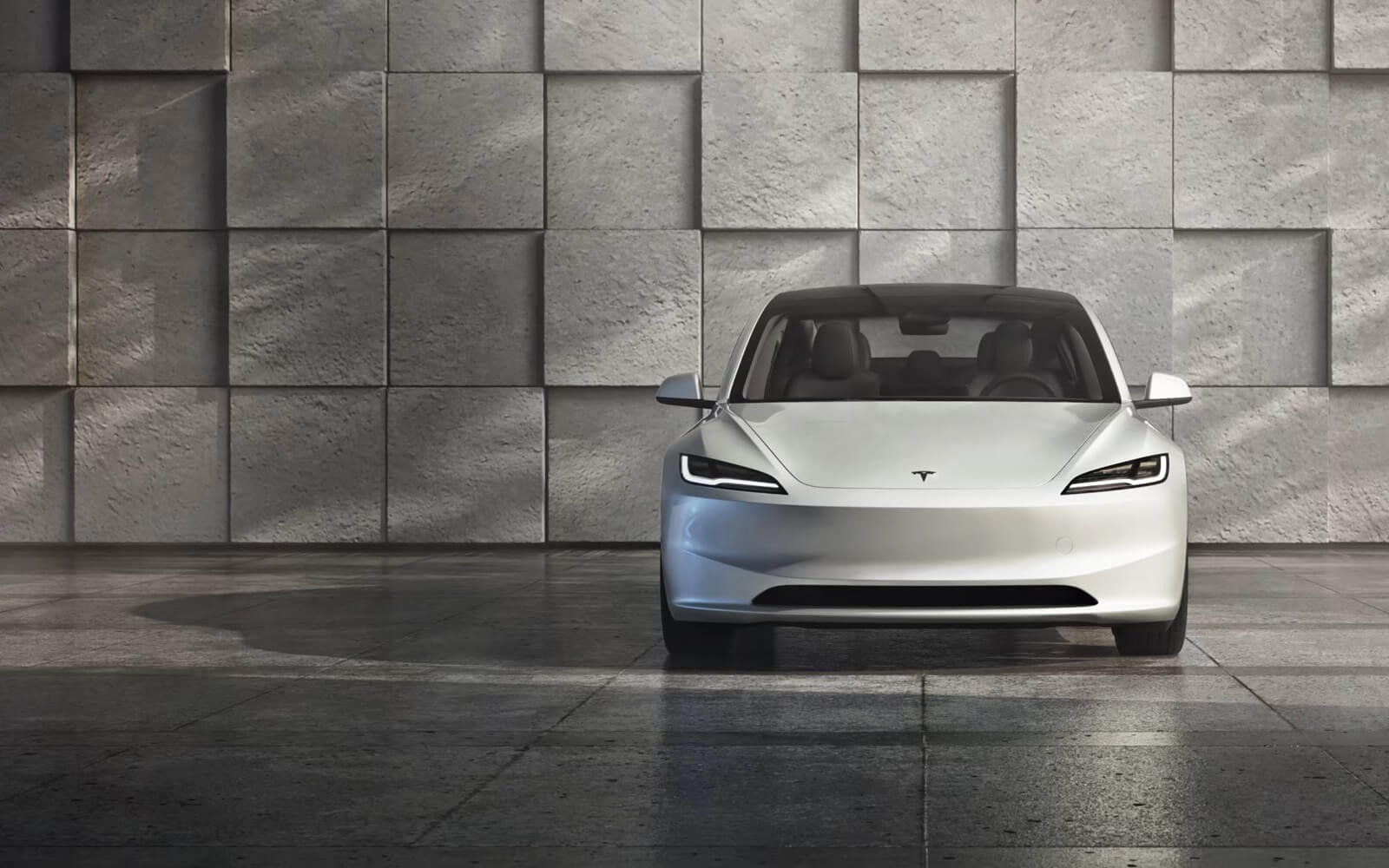
3. Tesla Model 3 Long Range Battery (LG and Panasonic 2170 cells)
The Tesla Model 3 Long Range uses 2170-format battery cells, supplied by both Panasonic and LG. These larger-format cells have become the cornerstone of Tesla’s newer battery packs and have proven to be both energy-dense and durable.
When the Model 3 first launched, there was skepticism about whether a more affordable Tesla could deliver the same battery reliability as the Model S. Over time, those concerns have been addressed.
Owners frequently report retaining around 90% of the Model 3’s original range after 100,000 miles. This is true across both the dual-motor and rear-wheel-drive versions. Tesla’s battery management software ensures that the cells are charged and discharged in a balanced way.
The Model 3 also benefits from Tesla’s thermal control system, which prevents overheating during supercharging or aggressive driving. These combined systems make it easier for the battery to maintain its original capacity over time.
Charging behavior also plays a role. The Model 3 handles frequent supercharging better than many competitors, due in part to intelligent battery preconditioning. Before the vehicle reaches a Supercharger, the car begins warming or cooling the battery to the optimal temperature.
This reduces wear on the cells and helps extend battery life. The result is a battery that not only lasts but continues to deliver solid range figures with minimal degradation.
Real-world data collected from thousands of Model 3 drivers shows consistent battery performance across different climates and driving styles. Whether it’s daily city driving or long road trips, the Model 3 Long Range battery is a standout for its combination of efficiency and staying power. This battery setup shows that scaling up production doesn’t have to mean sacrificing reliability.
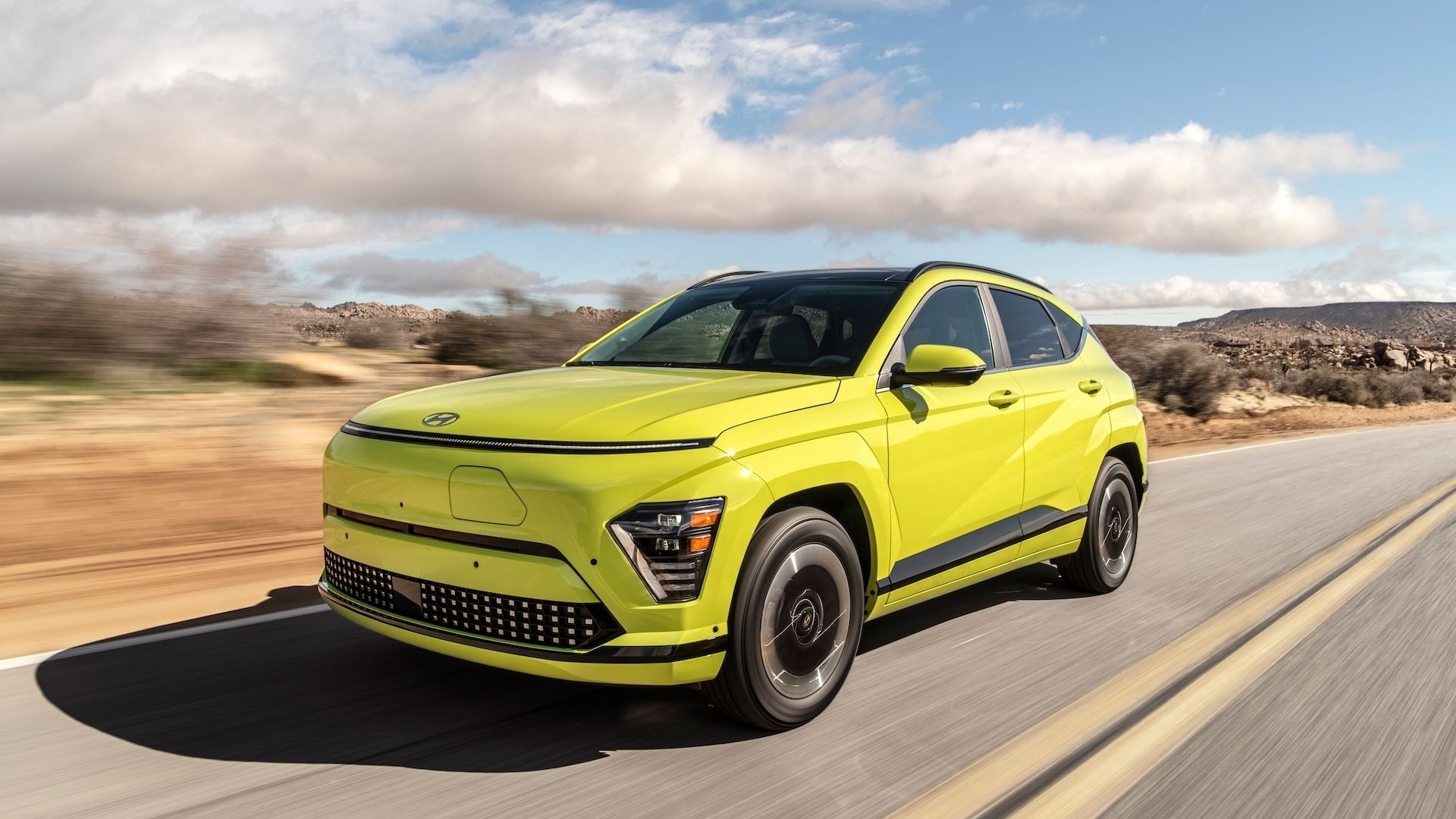
4. Hyundai Kona Electric Battery (64 kWh SK Innovation)
The Hyundai Kona Electric uses a 64 kWh battery supplied by SK Innovation, and it has proven to be one of the most dependable packs in the compact EV segment. The Kona’s advertised range of around 258 miles has been largely accurate, even as the car ages. Many owners report that the battery maintains over 90% of its capacity even after three to five years of use.
Part of this success is due to how Hyundai configured the battery. It operates within a carefully managed voltage window, ensuring that cells are never pushed to their extremes. The liquid cooling system further enhances the battery’s durability by keeping temperatures stable during both charging and driving. These features help reduce long-term wear and ensure consistent range figures.
Another key factor is Hyundai’s conservative software strategy. Unlike some manufacturers that push range limits for marketing purposes, Hyundai seems to have prioritized battery health.
Their battery management system limits full charging and deep discharging unless specifically requested by the driver. This means that, under normal usage, the battery is always operating in its most stable zone. That approach may slightly reduce the maximum usable range at times, but it pays off in longevity.
Owners have put the Kona Electric through many types of conditions, commuting, cross-country travel, and cold-weather driving, and the battery has shown consistent performance.
For a non-luxury EV, the Kona’s battery performance has outpaced expectations and helped Hyundai build credibility in the EV market. It’s a reliable, efficient, and durable battery that continues to hold its range even after years of real-world use.
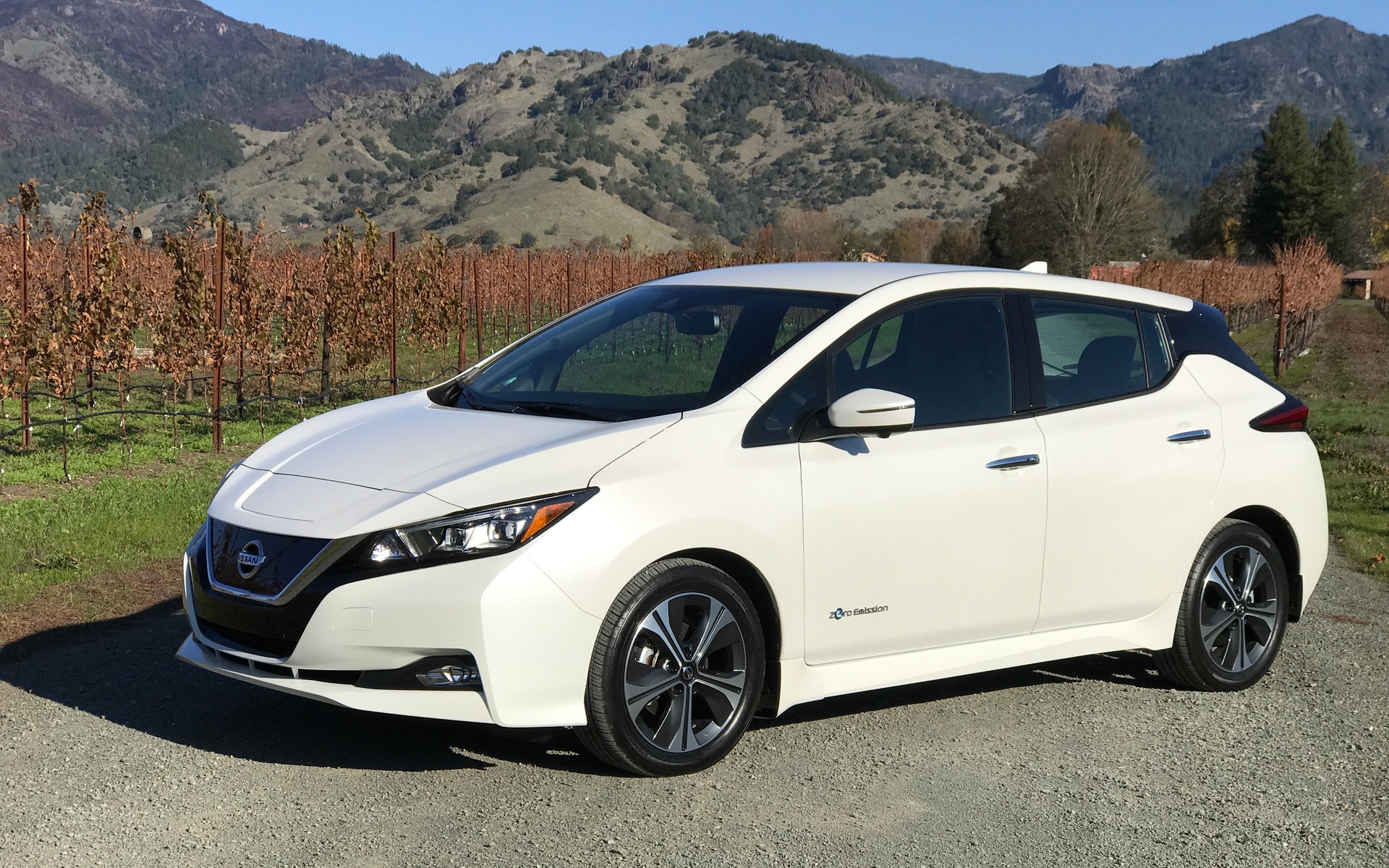
5. Nissan Leaf (40 kWh and 62 kWh AESC Battery Packs)
The Nissan Leaf has been a pioneering electric vehicle, and while early models had some issues with battery degradation, later versions have seen significant improvements. The 40 kWh and 62 kWh battery packs manufactured by AESC (Automotive Energy Supply Corporation) have demonstrated improved durability and much better range retention than the original 24 kWh versions.
These newer packs have solid-state improvements in thermal management, even though they still use passive air cooling rather than active liquid cooling. Despite this limitation, the batteries have held up well in various climates when managed correctly by drivers.
One of the reasons for the improvement in range retention in the newer Leaf models is the change in battery chemistry and software enhancements. The newer AESC packs use an updated lithium-manganese oxide chemistry that is more resilient to heat and charging cycles.
While earlier models of the Leaf were known for significant range loss in hotter environments, the updated packs fare far better even in warmer regions, provided they are not subjected to repeated rapid charging in high heat. The battery software also plays a critical role in monitoring state-of-charge and state-of-health, limiting charge rates when necessary to preserve long-term health.
Owners of second-generation Leafs, especially those with the 62 kWh battery, frequently report retaining around 88–92% of battery capacity even after driving upwards of 80,000 miles. While not quite as impressive as some liquid-cooled competitors, this still represents a large improvement over first-generation models.
Nissan’s conservative approach to usable battery capacity helps minimize long-term wear, and when owners avoid excessive DC fast charging, the batteries tend to remain reliable and deliver predictable range. Many Leaf drivers who have had their cars for several years report little noticeable difference in daily range.
Although the Leaf still lacks a full liquid thermal management system, the practical performance of the newer battery packs proves that solid engineering choices and software controls can compensate to a large degree.
For budget-conscious EV buyers, the Leaf continues to offer a respectable range with batteries that, when cared for properly, maintain their usefulness for many years. It’s a reminder that not all battery reliability comes from cutting-edge designs, sometimes consistency and simplicity go a long way.
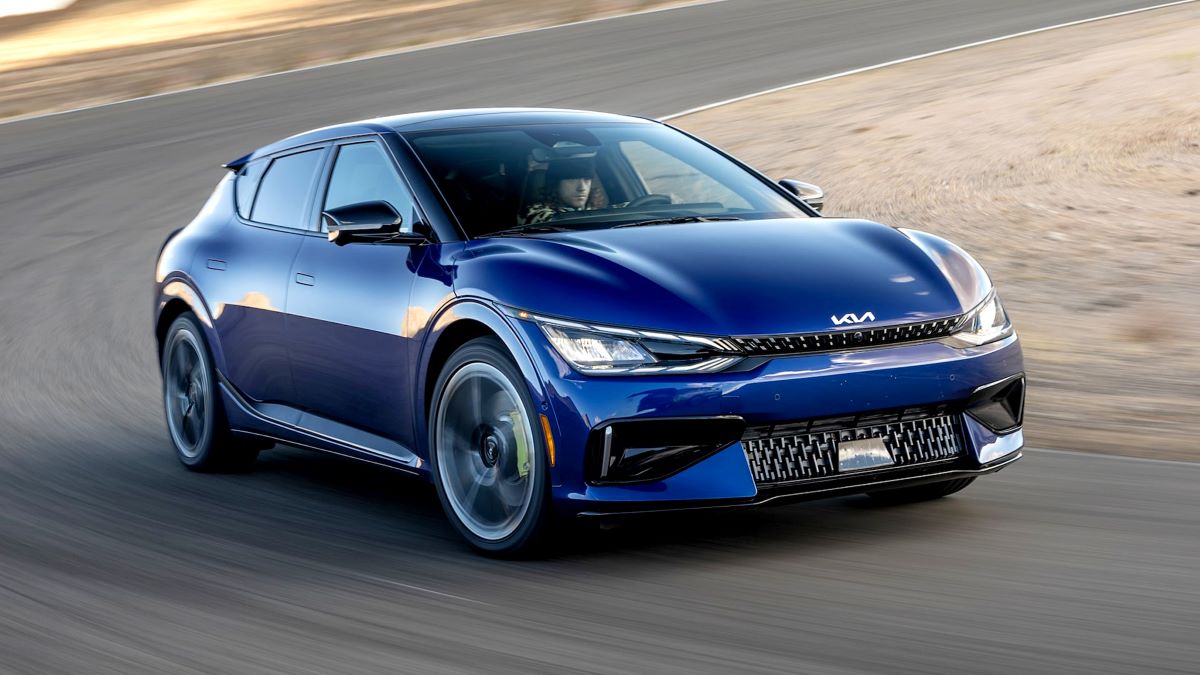
6. Kia EV6 Long Range Battery (77.4 kWh LG Energy Solution)
The Kia EV6 features a 77.4 kWh battery pack supplied by LG Energy Solution, and it has been praised for both its impressive range and ability to maintain that range over time.
This battery helps the EV6 achieve over 300 miles of EPA-rated range in its rear-wheel-drive version. What makes the EV6’s battery stand out is not just its size, but the intelligent design and integration of its battery management system, which works behind the scenes to keep performance stable over extended periods.
The battery itself uses NCM811 chemistry, which allows for higher energy density and faster charging capabilities. Some EVs with high energy density struggle with thermal buildup or accelerated degradation, but the EV6 has avoided those issues thanks to its robust thermal management system.
Liquid cooling is used to maintain optimal temperatures during both charging and driving, and the system activates proactively when the car approaches a high-output charger. This attention to temperature regulation ensures that the battery cells avoid overheating, even during repeated fast charging sessions.
From early ownership data and long-term testing, EV6 drivers are seeing only minor capacity losses even after tens of thousands of miles. This suggests that LG’s battery design and Kia’s integration are working well together.
The car’s built-in software allows users to set charging limits and schedule charging times to avoid high temperatures or battery strain. These features enable owners to prolong battery life by simply using the tools built into the vehicle’s interface. For those who charge mostly at home and avoid frequent 100% charges, the battery holds up extremely well.
Kia has also backed the EV6 battery with an extensive warranty, which further reassures owners about its longevity. The real-world performance of the EV6 battery has been one of its strongest points, helping the vehicle compete in a growing field of mid-size electric crossovers.
Its solid range, quick charging capabilities, and strong resistance to degradation place it among the best current examples of EV batteries that truly hold their range over time.
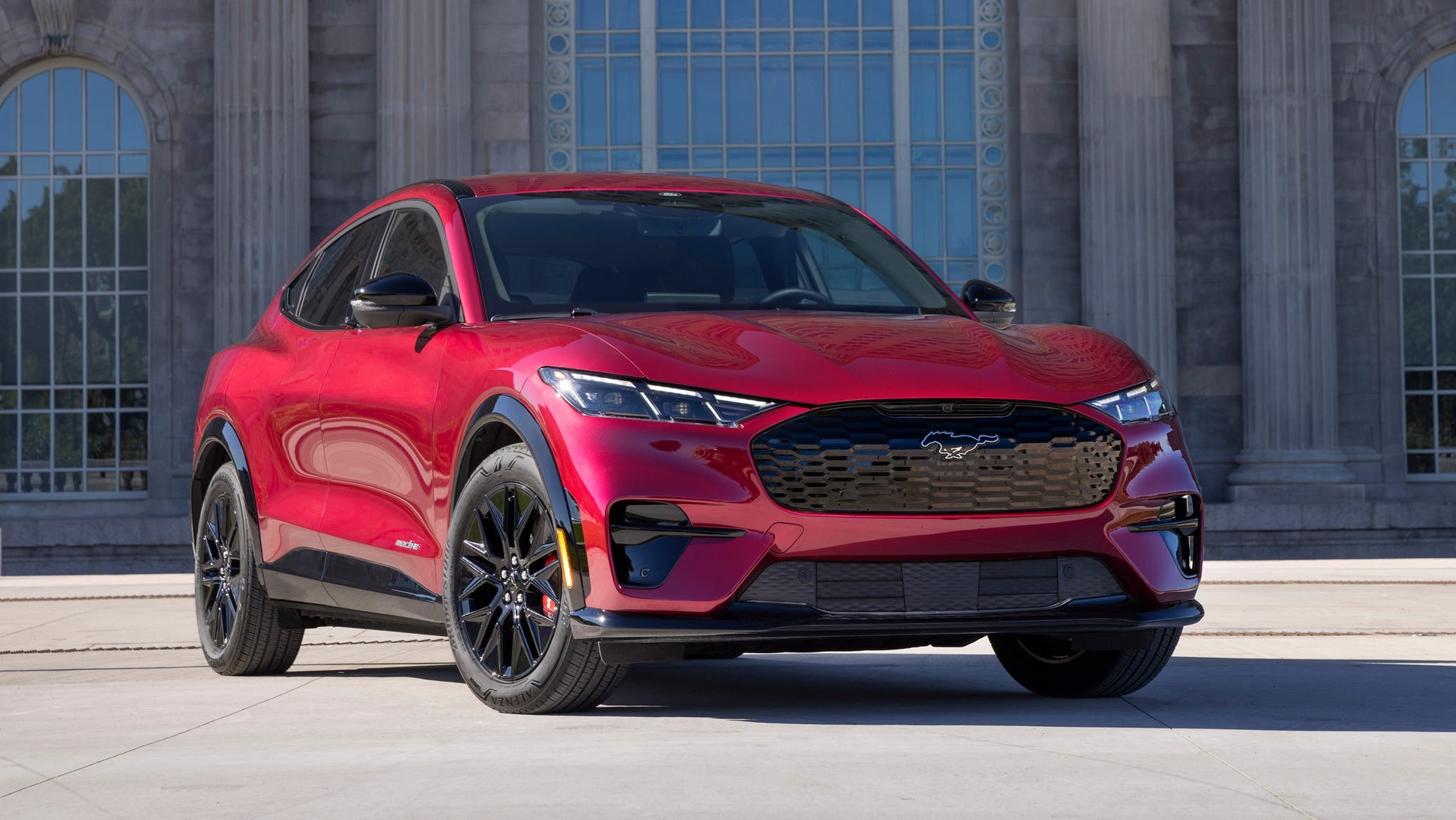
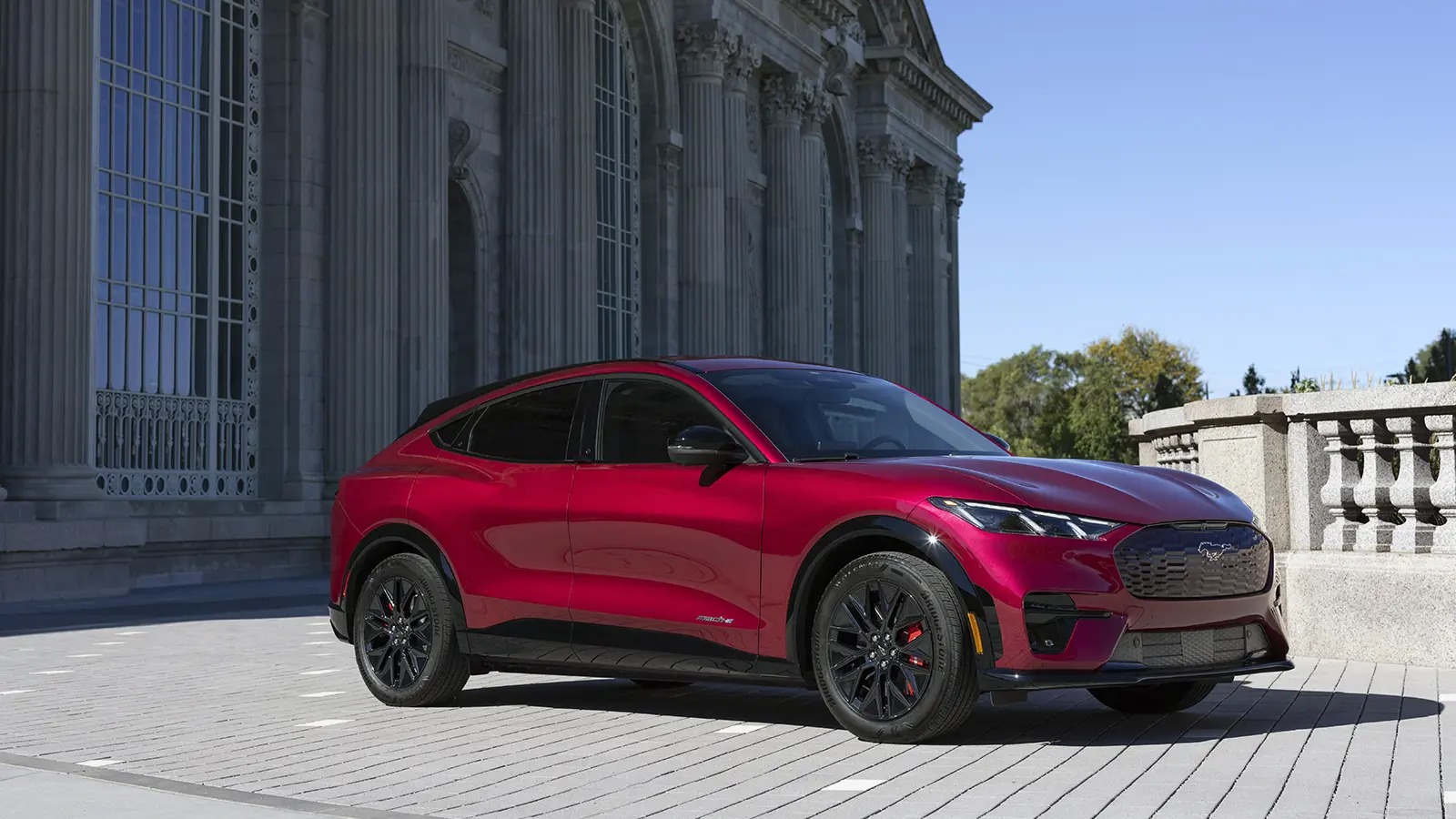
7. Ford Mustang Mach-E Battery (88 kWh Extended Range)
The Ford Mustang Mach-E has entered the EV market as one of the most ambitious offerings from a legacy automaker, and much of its success depends on the 88 kWh extended-range battery pack.
This pack uses LG Chem’s NCM cells, along with Ford’s proprietary battery management software. With EPA-rated ranges of over 300 miles depending on the configuration, the Mach-E’s battery has proven itself not just in range delivery but in range retention after several years of use.
One major advantage of the Mach-E battery system is its comprehensive thermal management. Unlike some earlier electric vehicles from traditional automakers, the Mach-E employs a full liquid-cooled system that helps regulate temperature in extreme conditions.
This is essential when fast charging, driving in hot climates, or using the vehicle in cold weather. The system ensures consistent battery performance and minimizes the risk of degradation caused by thermal stress, which is one of the biggest enemies of long-term battery health.
Many owners report maintaining more than 90% of their battery capacity after 30,000 to 50,000 miles. While the Mach-E is still relatively new, the early indicators show strong durability in both urban driving and longer highway trips.
The charging software allows users to set custom limits to avoid unnecessary wear on the battery, and this plays a large role in preserving range. Ford also provides guidance through its vehicle interface on how to maintain battery health, including preconditioning and scheduled charging options.
The battery pack in the Mach-E also includes some of the latest safety and redundancy features. Its design allows for individual modules to be isolated or replaced if there is a problem, reducing the risk of a full pack failure. This modular approach, along with the ability to receive over-the-air updates to improve battery performance or management, shows that Ford is investing in long-term reliability.
As more Mach-Es hit higher mileage marks, the battery continues to earn praise for its ability to keep delivering strong range numbers with minimal degradation.
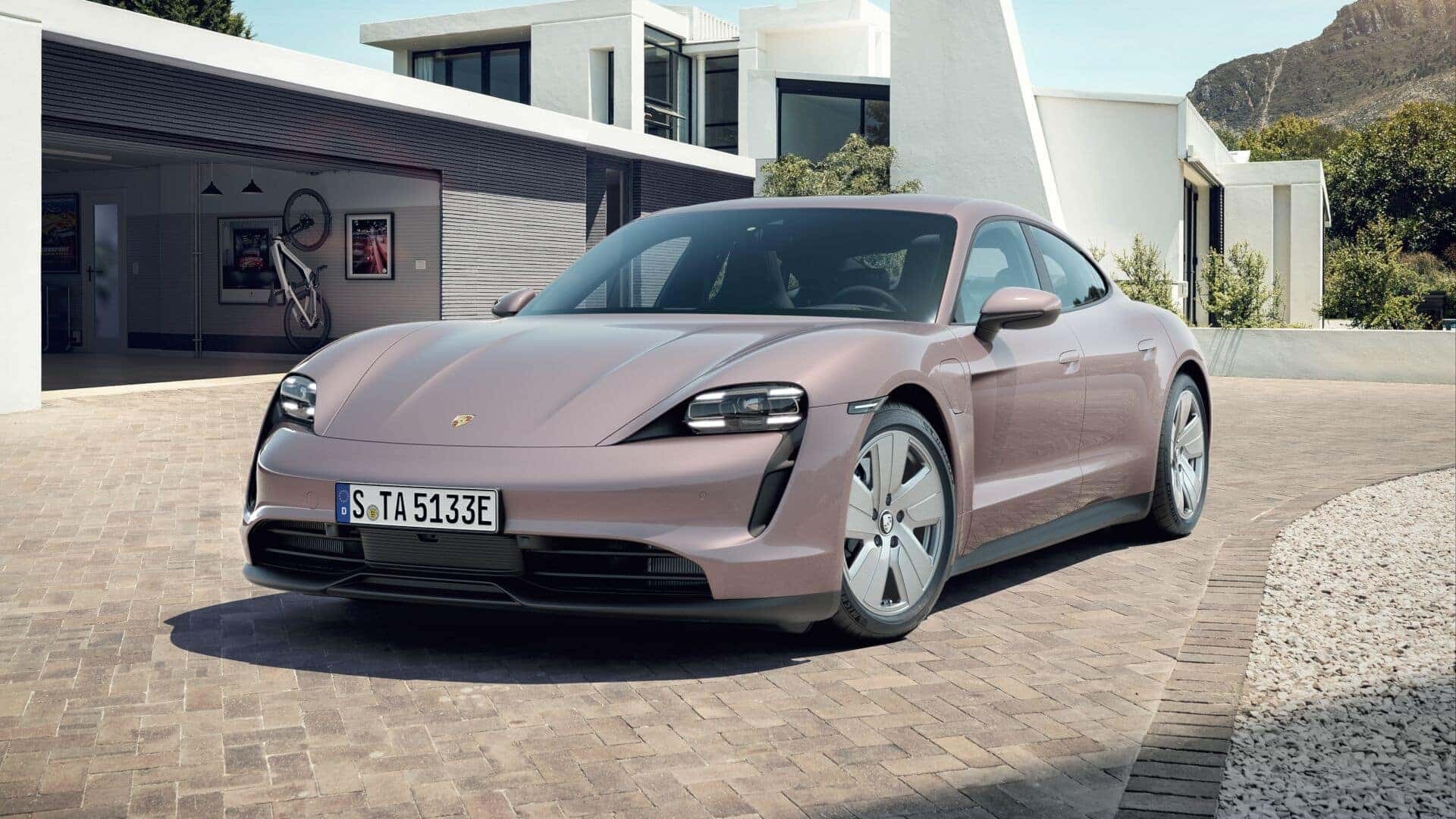
8. Porsche Taycan Battery (93.4 kWh Performance Battery Plus)
The Porsche Taycan uses one of the most advanced battery packs in any EV, known as the Performance Battery Plus. It offers 93.4 kWh of capacity and has proven to be not only powerful and fast-charging, but also highly durable when it comes to retaining range.
Despite being a performance-focused vehicle, the Taycan doesn’t sacrifice long-term battery health for short-term speed. This is largely due to Porsche’s engineering decisions surrounding thermal management, voltage design, and cell layout.
What sets the Taycan battery apart is its 800-volt architecture, which allows for faster charging and improved efficiency. Most EVs use a 400-volt system, but by doubling the voltage, Porsche reduces heat generation and charging time.
The thermal system is highly advanced and includes multiple cooling circuits and pumps that regulate battery temperature at all times. Whether charging, racing, or driving through summer heat, the system prevents the battery from reaching damaging temperatures.
Long-term testing and user reports suggest the Taycan’s battery holds up better than many expect for such a high-performance vehicle. Owners report losing only a few percentage points of capacity after 30,000–40,000 miles, even when using fast chargers regularly.
Porsche’s software also helps manage charge limits and includes automatic battery conditioning before high-speed charging, further protecting the pack from degradation. The car actively works to keep the battery in its healthiest possible state during all phases of use.
The Taycan’s battery pack is also designed with longevity in mind, not just performance. It’s split into multiple modules and contains robust shielding, making it less vulnerable to physical wear or environmental factors.
Porsche has shown that a luxury performance car can still prioritize battery durability without sacrificing excitement or range. For EV buyers who value both speed and sustainability, the Taycan’s battery is one of the best examples of long-term range retention combined with cutting-edge performance.
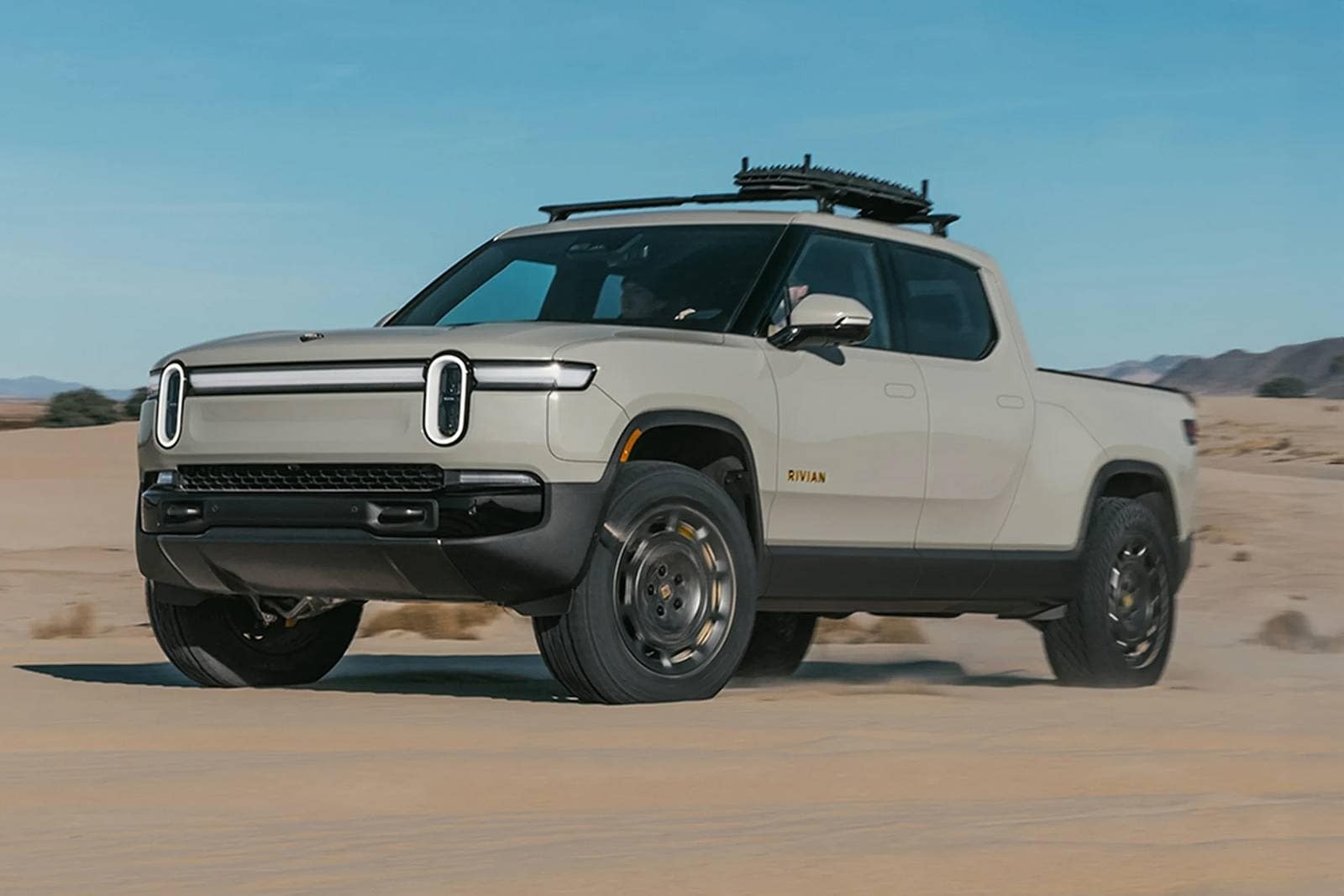
9. Rivian R1T and R1S Battery (Large Pack 135 kWh – Samsung SDI Cells)
Rivian’s entry into the electric vehicle space with the R1T pickup and R1S SUV brought with it one of the largest and most robust battery systems available in a consumer EV. The 135 kWh “Large Pack” battery uses Samsung SDI cells and has already proven itself capable of supporting serious driving demands.
These vehicles are designed for utility, off-roading, and towing, which means the battery is under more strain than the average commuter EV. Despite this, the Rivian pack has held up remarkably well under harsh and variable conditions, proving its reliability over the first few years of ownership.
The thermal management system used in Rivian vehicles is among the most advanced in its class. It includes an extensive network of liquid cooling lines that keep temperatures balanced across all modules during driving and charging.
Rivian anticipated that its vehicles would face frequent high-load scenarios, climbing steep grades, hauling gear, or charging in remote environments, and built the battery to handle those conditions without compromising cell longevity. This thermal resilience is critical for holding range, especially in a vehicle that often operates under load or on rugged terrain.
Early adopters of the R1T and R1S have reported minimal range degradation even after substantial mileage, including heavy use in off-road conditions. Several independent long-term tests have shown only 3 to 5 percent capacity loss after over 30,000 to 40,000 miles.
This performance is especially given that many Rivian drivers frequently use fast chargers and travel in varied climates. The battery’s size also works to its advantage; with a larger total capacity, it doesn’t have to work as hard to deliver daily range, reducing stress on individual cells over time.
In addition to hardware reliability, Rivian’s software plays a critical role in maximizing battery longevity. The vehicle provides detailed charging insights, allows for custom charge limits, and automatically precondition the pack before DC fast charging.
These features ensure that even users who are new to EVs can maintain good charging habits with little effort. Altogether, the R1T and R1S batteries have demonstrated that even in the demanding world of electric trucks, it’s possible to design a battery that not only supports long range but keeps it intact after years of real-world use.
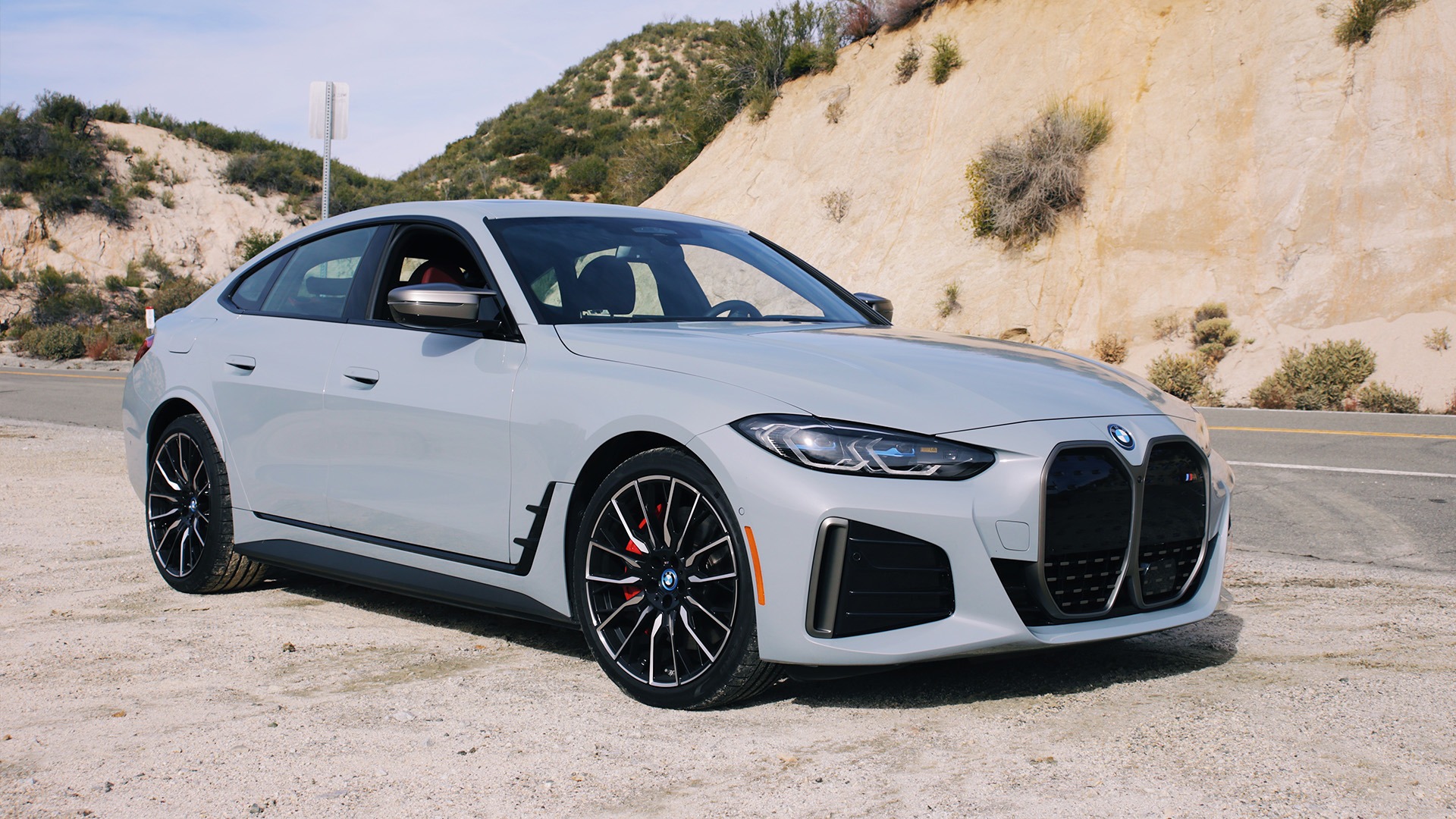
10. BMW i4 Battery (83.9 kWh Gross, 81.5 kWh Usable – CATL Cells)
The BMW i4 represents the German automaker’s push into serious long-range electric sedans, and its battery pack has already proven to be a well-balanced mix of performance, efficiency, and long-term stability.
The i4 uses prismatic lithium-ion cells supplied by CATL and integrates an advanced battery management system that prioritizes both performance and longevity. With an EPA-rated range of up to 301 miles in the i4 eDrive40 variant, BMW has created a pack that meets high expectations for range while still holding its performance over time.
BMW’s experience with electric vehicles dates back to the i3, and that history has clearly influenced the engineering in the i4. The battery pack in the i4 is tightly integrated into the vehicle’s floor and uses a liquid cooling system that keeps the cells within an optimal temperature range.
This design reduces the chance of thermal degradation during both high-speed driving and rapid charging. Additionally, BMW has taken a conservative approach to usable battery capacity, reserving a buffer zone at both ends of the battery’s state-of-charge window to prevent overcharging or deep discharging.
User reports and independent tests have shown that the i4’s battery retains much of its range even after significant use. In cases where the vehicle is charged primarily at home with moderate charging speeds, capacity retention after 20,000 to 30,000 miles has been over 95 percent.
This is a strong indicator that BMW’s battery integration is paying off. The car’s software also promotes responsible charging by defaulting to 80 percent max charge unless the driver overrides it, a move that reduces daily stress on the battery and contributes to longer life.
BMW also supports the i4 with a robust 8-year/100,000-mile battery warranty, which adds to owner confidence. The company has made long-term reliability a central feature of its EV strategy, and the i4’s battery pack reflects that commitment. It doesn’t simply exist to check the electric box for a traditional automaker; it shows that BMW is serious about electric vehicle engineering.
The i4’s battery not only delivers the driving range drivers expect from a premium sedan, but also holds that range with minimal degradation, proving that careful design and intelligent management can go hand in hand with performance and longevity.
Also Read: 8 Most Popular Pickup Trucks in the U.S. Ranked by Real Owners
Electric vehicles are no longer in their experimental phase, and the batteries that power them have become increasingly reliable, efficient, and durable. What was once a major source of concern, range anxiety, has now shifted toward a more nuanced conversation about how well that range holds up over time.
The ten battery systems discussed here represent the strongest examples of current EV technology that deliver on long-term performance. They have been tested not only by manufacturers but by real-world drivers in varied environments, under different driving styles, and across many thousands of miles.
From the performance-focused packs of the Porsche Taycan and Tesla Model S to the utilitarian durability of the Chevrolet Bolt and Rivian R1T, these batteries all share a few common traits. They are well-cooled, smartly managed, and often operate with built-in software limits that reduce stress on the cells.
The companies behind these batteries have invested not just in range figures for brochures, but in maintaining that range in practical usage. As EV adoption continues to grow, more attention is being paid to how these batteries age, and what drivers can expect after years of ownership.
What’s clear is that strong battery retention isn’t limited to luxury brands or ultra-expensive vehicles. Mass-market models like the Hyundai Kona Electric, Nissan Leaf (2nd Gen), and Kia EV6 show that careful engineering can result in batteries that perform reliably for years.
These examples prove that a consistent range doesn’t have to be sacrificed for affordability. Even in colder climates or under demanding driving conditions, these battery packs have held up well when given proper care.
The future of electric vehicles will bring even more advanced chemistries, like solid-state batteries and lithium iron phosphate variants, which promise longer life and better stability. But even now, these ten examples demonstrate that the foundation has already been laid for dependable, long-lasting EV batteries.
Drivers can confidently choose these models knowing their range won’t evaporate after a few years. Instead, they’re choosing vehicles with proven powertrains capable of holding their charge and serving them reliably well into the future.
