
Engines are the most critical and complex components in any vehicle, serving as the power source that propels cars, trucks, and machines forward. Their construction involves a combination of precision engineering, materials science, and meticulous assembly processes.
Despite these efforts, all engines face gradual wear and tear due to constant friction, heat, and mechanical stress. As a result, it is common for engines to require rebuilding at some point in their lifespan. Rebuilding involves disassembling the engine, inspecting and replacing worn parts, machining components, and reassembling everything to restore original performance levels.
This process can be labor-intensive and costly, often becoming a significant expense for vehicle owners. However, not all engines age the same way. Certain engines are famously durable, capable of racking up hundreds of thousands of miles with minimal internal maintenance or need for a rebuild.
Longevity in an engine depends on many factors, including the quality of manufacturing, the design philosophy behind the engine, materials used for components like pistons and cylinder liners, and how the engine is driven and maintained over time.
Manufacturers that prioritize durability tend to produce engines with thicker cylinder walls, stronger crankshafts, and improved cooling systems, all of which help reduce wear and heat-related damage. For vehicle owners, investing in an engine known for its endurance can save both money and frustration over the years. Instead of frequent costly repairs, these engines reward consistent maintenance with many miles of trouble-free operation.
In this article, we take a close look at ten engines that have earned reputations for requiring rebuilds far less often than average. These engines come from a mix of manufacturers, engine layouts, and fuel types, yet they all share a reputation for being built tough.
Their designs have stood the test of time, with many units still running reliably decades after their production ended. Factors such as conservative tuning, the use of durable materials, and simplified mechanical designs contribute to their long service life.
Whether you’re a car enthusiast, a mechanic, or someone looking for a dependable vehicle, understanding these engines can guide you toward models that will keep running strong and minimize the need for major engine work.
Some engines on this list have become legends in their respective categories due to their straightforward designs and ease of maintenance. Others achieve their reliability through advanced engineering that balances power and longevity.
We will discuss gasoline and diesel engines, inline and V-configurations, and consider their application in everything from daily drivers to heavy-duty trucks.
While no engine can claim to be completely maintenance-free or immune to issues, these ten have proven to be among the best at avoiding major internal rebuilds over extended lifespans. Let’s examine each one in detail to understand what makes them so durable and why they continue to be trusted by drivers and mechanics alike.
Also Read: Top 9 Moves To Avoid While Owning a Dodge Durango R/T
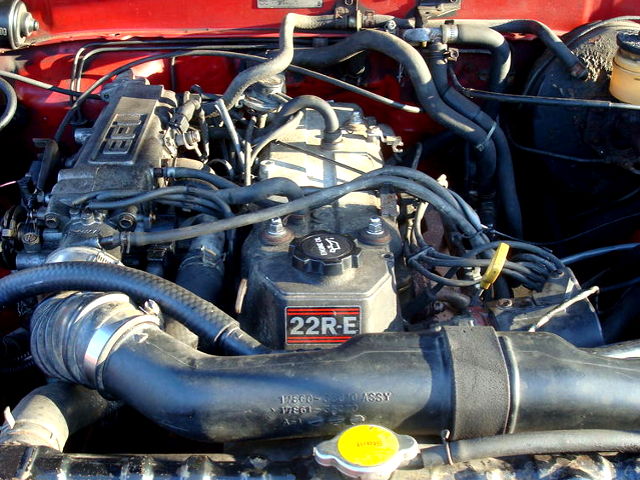
1. Toyota 22RE (2.4L Inline-4)
The Toyota 22RE engine is often cited as a model of reliability and longevity, especially in the world of compact trucks and SUVs. It was introduced in the mid-1980s and remained in production for over a decade, powering vehicles such as the Toyota Pickup, 4Runner, and early Tacoma models.
This 2.4-liter, inline-four engine gained a loyal following due to its simple yet effective design, which emphasizes durability and ease of maintenance. The engine’s robustness is largely attributed to its iron block and aluminum cylinder head construction, a combination that balances strength with weight savings. The overhead camshaft configuration enables efficient valve operation, contributing to better fuel economy and emissions while maintaining durability.
One of the reasons the 22RE stands out is its conservative tuning and low-stress operating characteristics. It is designed not to push the limits of its mechanical components, which reduces wear on the pistons, rings, and bearings. The cast iron block provides a sturdy foundation that resists warping or cracking, even under heavy use.
Meanwhile, the aluminum head helps dissipate heat efficiently, preventing the kind of overheating that can damage engine internals. Additionally, the 22RE benefits from Toyota’s reputation for tight manufacturing tolerances, ensuring that internal components fit well and operate smoothly over long periods.
The engine’s simplicity also plays a critical role in its durability. Fewer complex components mean fewer potential failure points. Valve adjustments can be performed easily, and the engine’s carbureted or fuel-injected systems are straightforward to service.
Its timing chain, as opposed to a timing belt in many other engines, is designed to last the engine’s entire life under normal use, reducing maintenance needs further. Owners who stay consistent with oil changes, cooling system care, and air filter replacements often report their 22RE engines running strong beyond 250,000 miles without needing major internal repairs.
Beyond its technical aspects, the 22RE has a passionate community of enthusiasts who have helped keep these engines on the road through aftermarket support and shared knowledge. Replacement parts remain widely available, making repairs and maintenance affordable.
It’s not unusual to find 22RE-powered vehicles still driven daily after more than 30 years, a testament to the engine’s resilience. This level of dependability, combined with relatively easy maintenance, has solidified the 22RE as one of the most respected engines when it comes to durability.
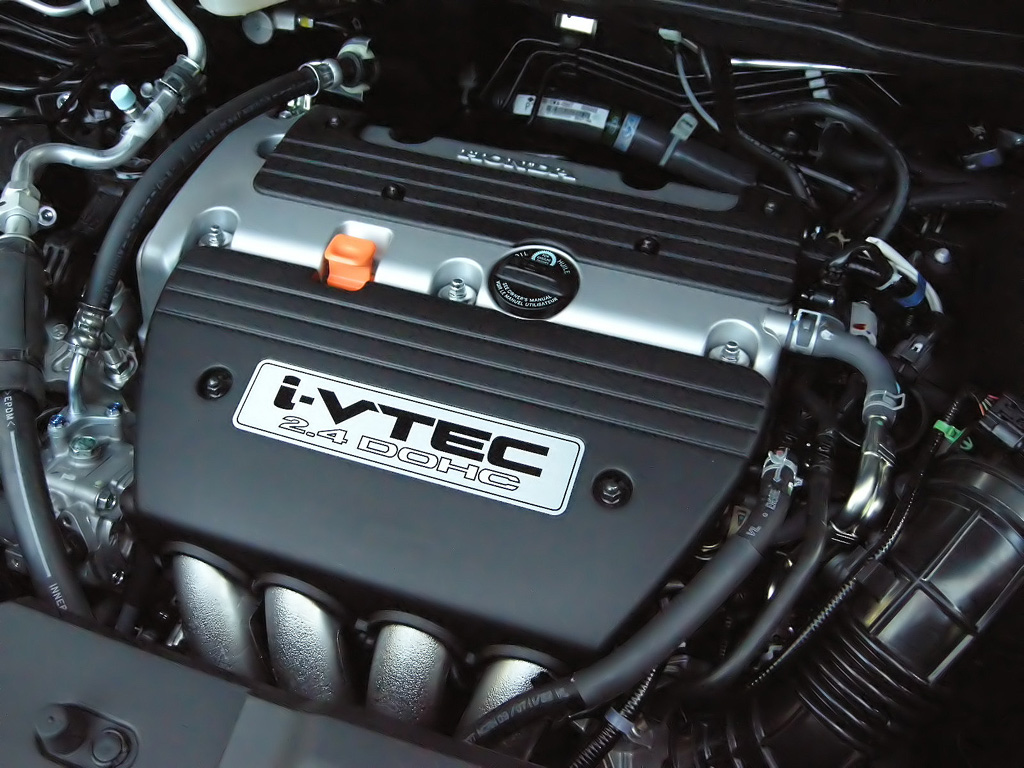
2. Honda K-Series (K20/K24)
The Honda K-Series engines, including the K20 and K24 variants, have become synonymous with reliable performance combined with modern efficiency. Released in the early 2000s, these engines have been employed in a variety of Honda models such as the Civic Si, Accord, and CR-V.
The K-Series engines mark a significant advancement over previous Honda powerplants, incorporating features like i-VTEC variable valve timing and aluminum blocks with cast iron liners to balance lightness with durability. The inline-four configuration, combined with precise engineering, allows these engines to produce impressive horsepower and torque figures while still being able to last well over 200,000 miles under normal conditions.
A key factor behind the K-Series’ durability is Honda’s commitment to precision manufacturing and high-quality materials. The aluminum block helps reduce engine weight, which in turn reduces stress on internal components such as bearings and crankshafts.
At the same time, the cast iron cylinder liners provide the necessary hardness to resist wear from piston rings and combustion pressures. Honda also employs advanced valve timing technology to optimize combustion efficiency, which reduces unnecessary heat and mechanical stress. This means that the engine operates smoothly under various loads, contributing to its long life expectancy.
Maintenance is critical to the longevity of any engine, but the K-Series’ design makes common maintenance tasks straightforward. Regular oil changes, timely replacement of the timing chain tensioner, and cooling system upkeep ensure the engine operates in ideal conditions.
Unlike many older engines, the K-Series utilizes modern engine management systems that help protect the engine by adjusting fuel delivery and ignition timing to avoid damaging conditions. This contributes to preventing issues like knocking or overheating that can shorten engine life.
Moreover, the K-Series engines have a strong aftermarket presence, which means owners can upgrade or replace parts without compromising the engine’s inherent reliability. Even when enthusiasts push these engines with forced induction or other performance modifications, the underlying design remains robust if maintained properly.
This blend of modern technology, quality construction, and ease of maintenance has earned the Honda K-Series a reputation as one of the most durable and reliable four-cylinder engines available.
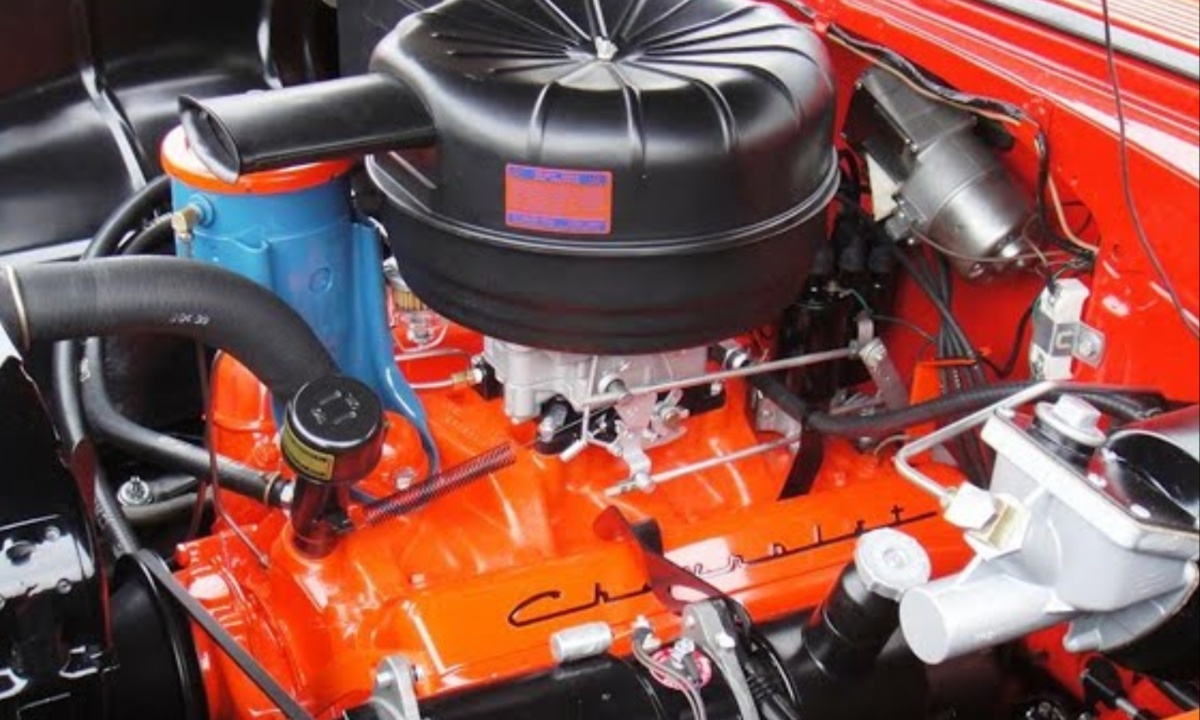
3. Chevrolet Small-Block V8 (5.7L)
The Chevrolet Small-Block V8 engine, particularly the 5.7-liter (350 cubic inch) version, is an icon in the automotive world, renowned not just for its power but for its remarkable longevity. Introduced in the late 1950s, the Small-Block Chevy revolutionized American V8 design with its compact size, light weight, and ease of maintenance.
Over the decades, it became the backbone of countless muscle cars, trucks, and street rods, with millions of engines built and still in service today. Its enduring design is based on a pushrod valvetrain, which, while simple compared to overhead camshaft systems, offers advantages in reliability and maintenance.
The pushrod design reduces the number of moving parts and complexity in the valvetrain, which minimizes the risk of mechanical failure. The engine block and heads are typically made from cast iron, providing strength and resistance to warping under heat and stress.
Internally, the Small-Block Chevy uses forged steel crankshafts and durable pistons designed to withstand the demands of daily driving as well as performance applications. The lubrication and cooling systems are well-engineered to maintain oil pressure and regulate temperature, which are crucial for avoiding premature wear.
Because of its widespread use, the Small-Block Chevy benefits from a vast network of parts suppliers, mechanics, and enthusiasts who keep these engines running strong. Routine maintenance such as oil changes, valve lash adjustments, and cooling system flushes are all that is typically required to keep these engines healthy for hundreds of thousands of miles.
Many well-maintained Small-Block Chevys have been documented with mileage exceeding 300,000 miles without internal rebuilds, a testament to their durability.
Enthusiasts appreciate the balance between performance potential and reliability. The engine can be built to produce significant horsepower without sacrificing longevity if built and maintained properly. Its simplicity also makes it a favorite among hot rodders and mechanics, as repairs and upgrades can be done with relative ease. The 5.7L Small-Block remains a symbol of American engineering, known for its longevity and versatility.
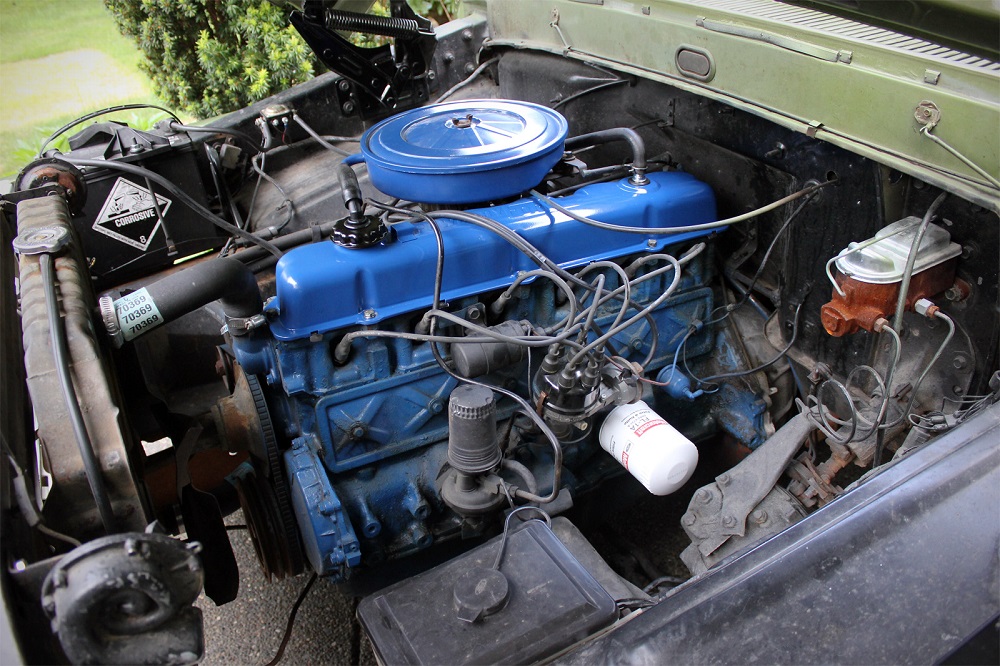
4. Ford 300 Inline-6
The Ford 300 inline-six engine is revered for its toughness and reliability, especially in the truck and commercial vehicle sectors. Introduced in the 1960s, this engine became a staple for Ford pickups, vans, and industrial vehicles for decades.
It is one of the last widely produced American inline-six engines, and its straightforward design has earned it a reputation as a “bulletproof” powerplant. Its naturally aspirated configuration delivers strong low-end torque, making it ideal for towing, hauling, and rugged use.
The engine’s design features a robust cast iron block and cylinder head, which provide excellent strength and thermal stability. The inline-six layout contributes to inherent mechanical balance, reducing vibrations and stress on components.
The pushrod-operated valves and a long stroke contribute to strong torque output at low RPMs, which helps reduce strain during acceleration and heavy loads. This results in less wear on the engine’s internals over time compared to higher-revving engines.
From a maintenance perspective, the Ford 300 is simple and reliable. The engine’s mechanical fuel delivery systems and straightforward cooling and lubrication designs mean fewer parts can fail. The timing chain is durable and typically lasts the life of the engine, and valve adjustments are easy to perform. These factors make it a favorite among owners who seek reliability without complicated maintenance schedules.
Many Ford 300 engines have been known to surpass 250,000 miles without the need for major internal rebuilds, especially when owners adhere to basic maintenance like oil and filter changes, cooling system flushes, and fuel system upkeep.
Its reputation for longevity combined with its torque characteristics has made it a beloved engine in the workhorse category, and it remains popular among restoration enthusiasts and those building rugged off-road vehicles.
5. Subaru EJ25 (2.5L Boxer)
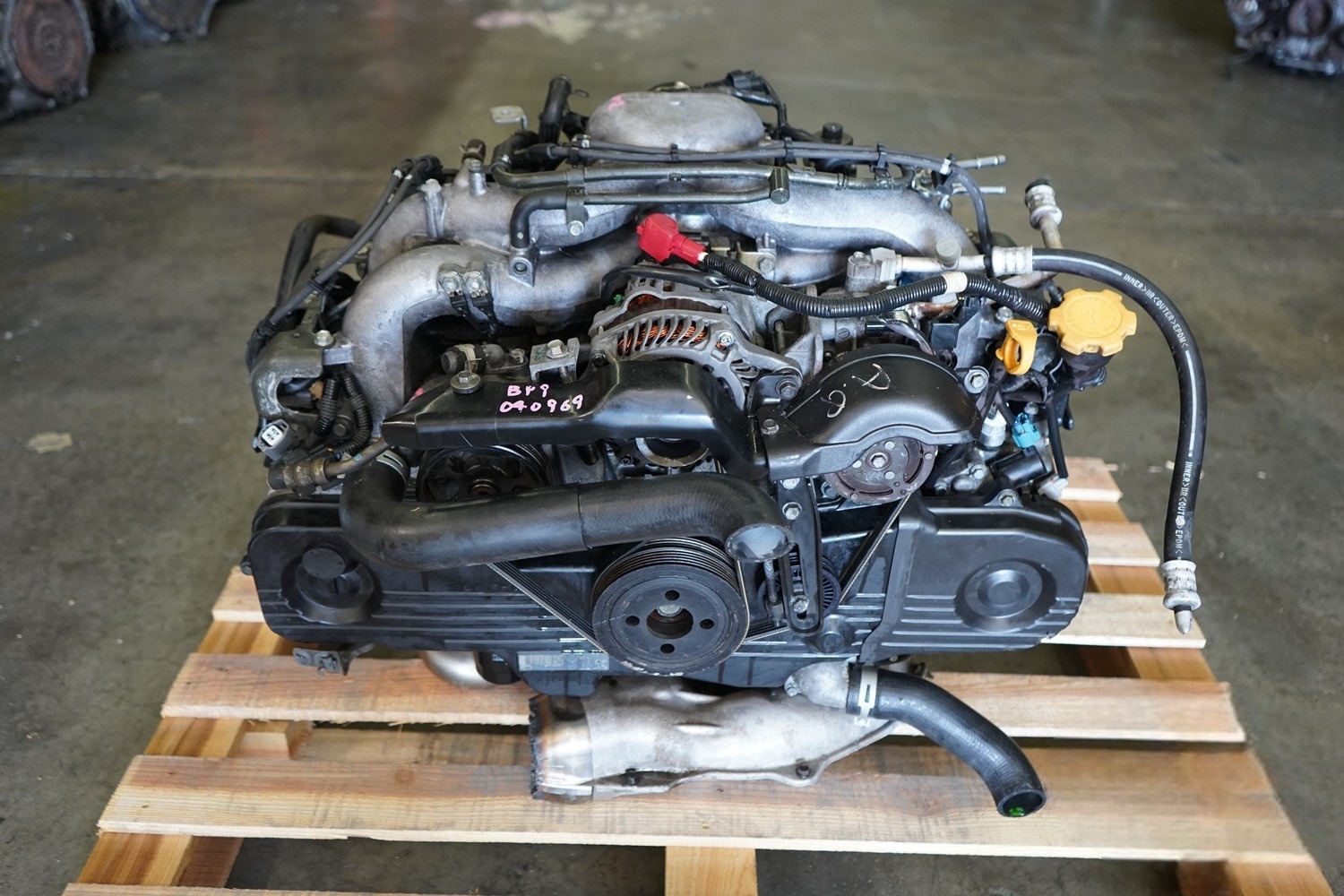
The Subaru EJ25 engine is a horizontally opposed four-cylinder, also known as a boxer engine, which sets it apart from most traditional inline or V-configured engines. Introduced in the 1990s, the EJ25 has been used in a variety of Subaru vehicles, including the Impreza, Legacy, and Outback.
This engine configuration allows for a lower center of gravity in the vehicle, improving handling and stability. Despite the challenges inherent in a boxer layout, such as the complexity of sealing and cooling, a well-maintained EJ25 is known for lasting a long time without requiring a rebuild.
Constructed with an aluminum block and heads, the EJ25 combines lightness with strength. The flat design of the cylinders helps to reduce engine vibration and distribute heat more evenly, which can improve engine longevity.
Early versions of the EJ25 had some issues with head gasket failures, which affected their reputation for reliability. However, Subaru improved gasket designs and materials in later versions, reducing the incidence of this problem significantly.
Routine maintenance on the EJ25 is essential to prevent common issues. Regular oil changes, using high-quality oil, and ensuring the cooling system is functioning properly are vital for avoiding overheating and sludge buildup.
Proper maintenance helps mitigate potential problems such as valve guide wear or timing belt failure, which could otherwise lead to the need for major engine work. When these steps are followed, the EJ25 can exceed 200,000 miles reliably.
Owners who adhere to Subaru’s recommended maintenance schedules often praise the EJ25 for its smooth power delivery and durability. The engine’s design also benefits from a strong aftermarket community, which provides replacement parts and upgrades that do not sacrifice reliability. The EJ25 represents a good balance between engineering complexity and longevity, especially in later versions with improved sealing and cooling.
6. Cummins 5.9L 12-Valve Diesel
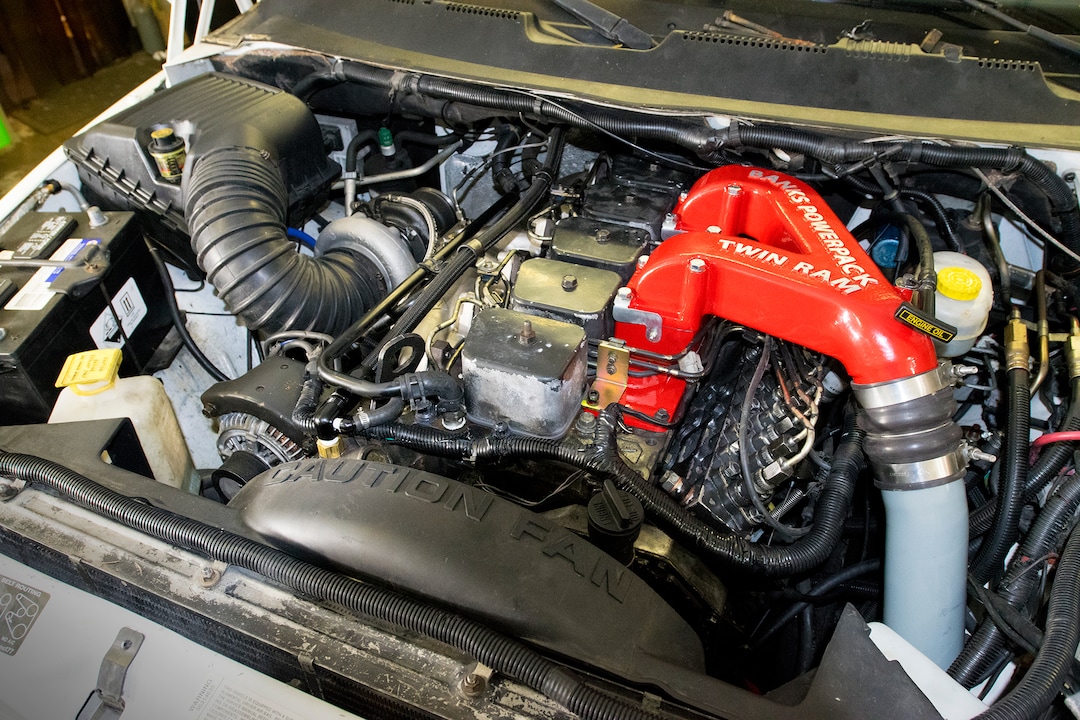
The Cummins 5.9L 12-valve diesel engine is considered one of the most durable diesel engines ever made, especially popular in Dodge Ram trucks from the late 1980s to the late 1990s.
This engine is revered in the diesel community for its rugged simplicity and ability to handle extreme workloads without frequent internal repairs. The mechanical fuel injection system used in the 12-valve version is highly regarded for its reliability and ease of repair compared to modern electronic systems.
Built with a cast iron block and heavy-duty internal components, the 5.9L Cummins is designed to withstand the intense pressures and stresses associated with diesel combustion.
Its forged steel crankshaft, large main bearings, and robust pistons contribute to its ability to survive under constant heavy loads, such as towing and hauling. The engine’s design focuses on durability over outright power, which helps reduce mechanical fatigue over time.
A defining characteristic of this engine is its simplicity. Unlike newer diesel engines, the 12-valve Cummins avoids complex electronics, turbocharging controls, and emissions devices that can cause reliability issues.
The mechanical injection pump can be serviced or rebuilt relatively easily, and many mechanics can work on this engine without specialized diagnostic tools. This simplicity means fewer points of failure and a longer service life.
Owners often report these engines lasting beyond 300,000 miles without needing a full rebuild, with some documented cases exceeding 500,000 miles.
Consistent oil changes, proper cooling system maintenance, and timely fuel system servicing are typically sufficient to keep the engine running. The 5.9L Cummins continues to be a benchmark for durability in diesel powerplants and remains highly sought after by those who prioritize longevity.
7. Lexus 1UZ-FE (4.0L V8)
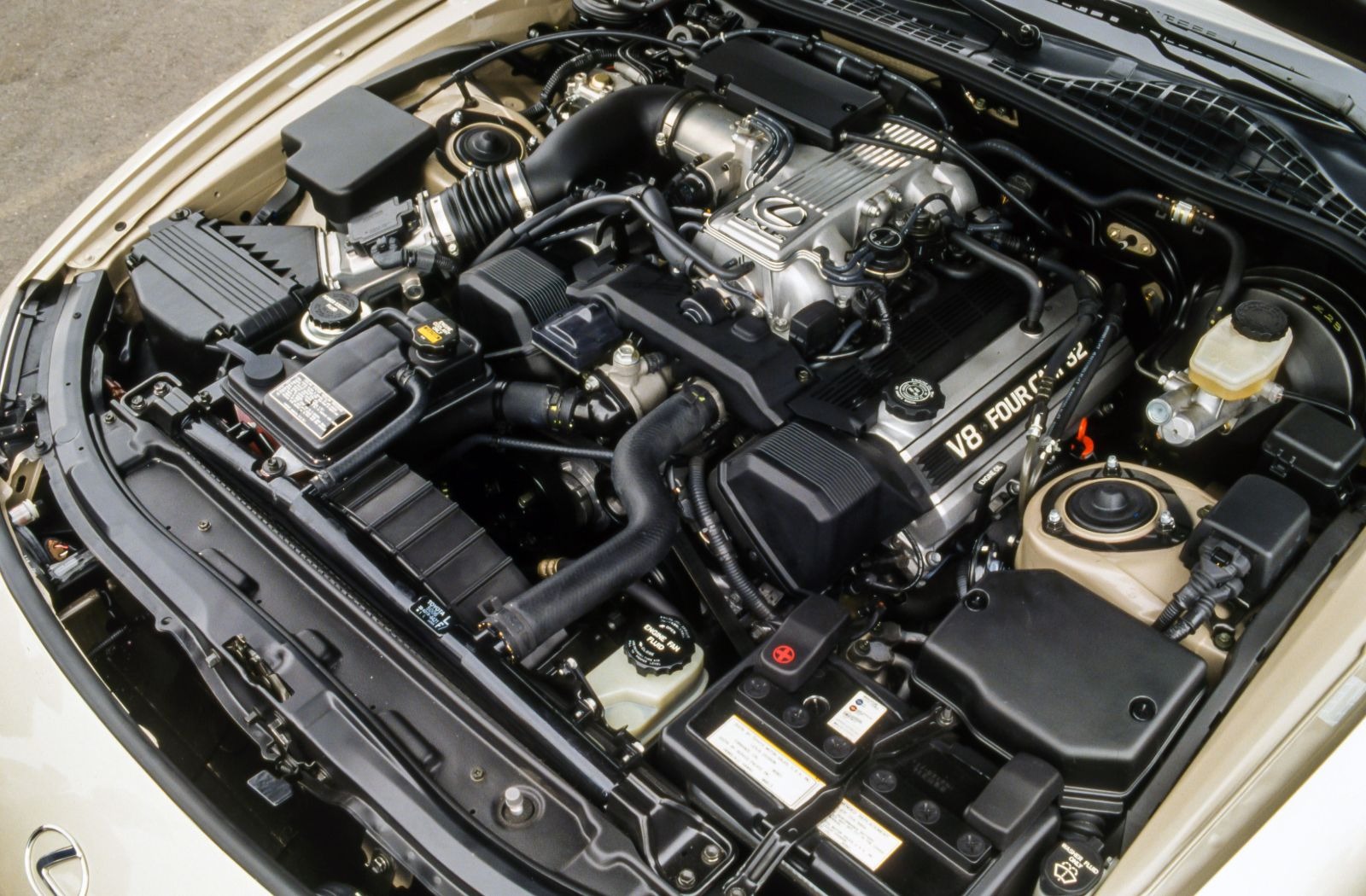
The Lexus 1UZ-FE engine is a 4.0-liter V8 introduced in the late 1980s and is renowned for combining smoothness, power, and exceptional reliability. Found in luxury models such as the LS400, SC400, and GS400, this engine helped establish Lexus as a brand synonymous with quality and longevity.
The 1UZ-FE employs an all-aluminum construction with advanced features like double overhead camshafts and four valves per cylinder, yet it manages to maintain an impressive record for durability and low maintenance requirements.
Despite its complexity compared to simpler pushrod engines, the 1UZ-FE was engineered with tight manufacturing tolerances and the use of high-quality materials that resist wear and fatigue.
The aluminum block is reinforced to maintain rigidity and prevent distortion under heat and stress, and the forged internal components, such as the crankshaft and pistons, contribute to long-lasting reliability. The timing belt requires replacement at regular intervals, but this maintenance task is straightforward when done on schedule.
Owners who follow recommended maintenance practices, including regular oil changes, cooling system flushes, and timing belt replacements, report engine lifespans exceeding 200,000 miles without needing internal rebuilds.
The engine’s smooth operation and refined power delivery make it a pleasure to drive, which is remarkable for an engine designed for luxury rather than just durability. The 1UZ-FE’s balance of performance and longevity has led to its use in many engine swaps and custom builds.
The engine’s reputation for reliability extends beyond Lexus vehicles. Its strong aftermarket support and availability of parts make it popular among enthusiasts who appreciate a robust V8 that does not sacrifice refinement for toughness. This engine exemplifies the potential of precision engineering combined with quality materials to create an engine that lasts.
8. Mercedes-Benz OM617 Diesel (3.0L)
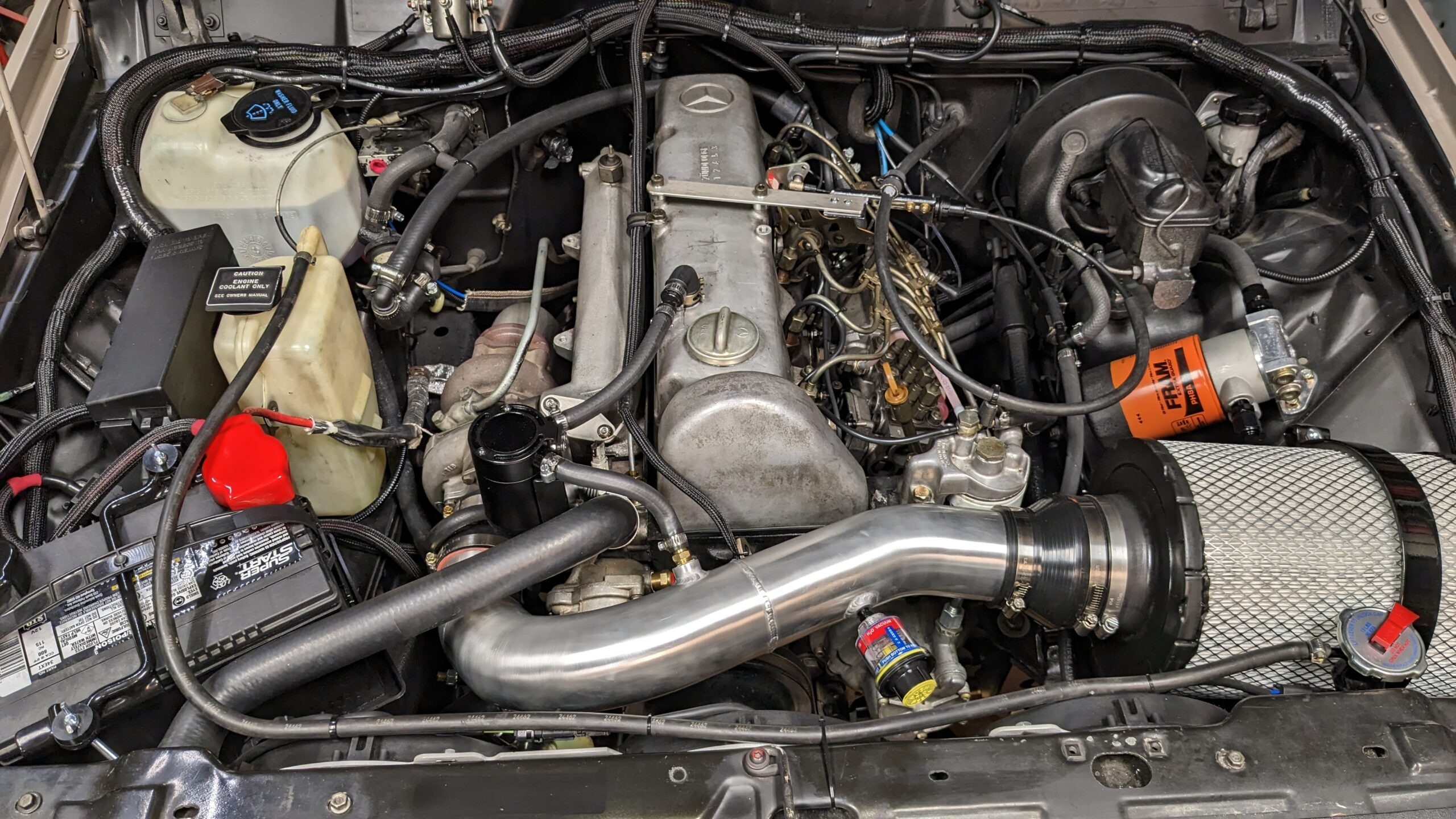
The Mercedes-Benz OM617 is a 3.0-liter inline-five diesel engine produced from the late 1970s through the 1980s and early 1990s. It earned a reputation for exceptional durability, with many examples known to have surpassed 400,000 miles or more without needing major rebuilds.
The OM617’s longevity can be attributed to its rugged design, conservative tuning, and robust construction, which have made it a favorite among diesel enthusiasts and those seeking reliable work vehicles.
Constructed with a cast iron block and head, the OM617 is built to withstand the rigors of heavy use and harsh conditions. Its indirect fuel injection system is mechanically operated, which reduces the complexity and potential failure points compared to modern common-rail diesel engines. The engine’s torque characteristics favor low-end pulling power, which reduces stress on internal components by avoiding high RPM operation.
The OM617’s maintenance requirements are straightforward. Regular oil changes, valve adjustments, and fuel system maintenance are the keys to its longevity. Its cooling system is designed to effectively dissipate heat, which prevents overheating—a common cause of engine damage. Because the engine avoids complicated electronics, it remains relatively easy to service, even decades after production ceased.
Many owners and mechanics regard the OM617 as one of the most reliable diesel engines ever made, with reports of engines running half a million miles without rebuilds. Its reputation is so strong that vehicles equipped with this engine are still sought after for their dependable performance. The OM617’s combination of simple engineering and robust materials ensures that it continues to be respected in the diesel engine world.
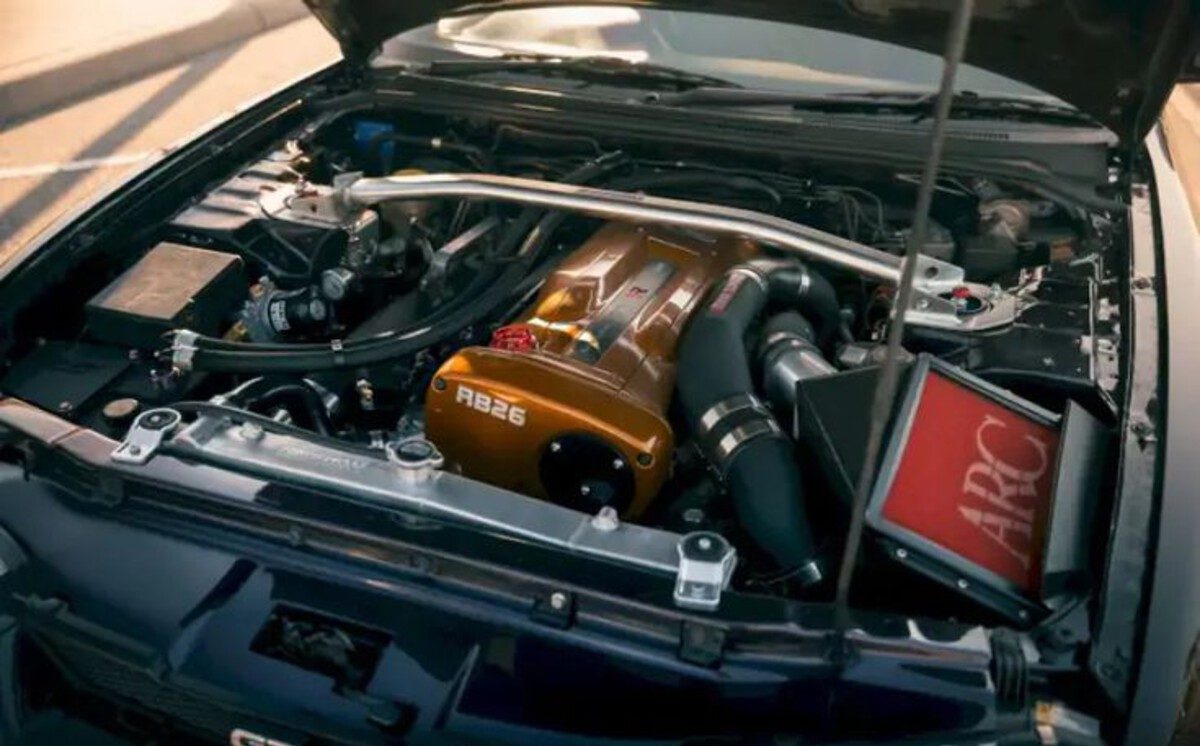
9. Nissan RB26DETT (2.6L Inline-6)
The Nissan RB26DETT is a legendary 2.6-liter inline-six engine known primarily for its use in the Skyline GT-R, a high-performance Japanese sports car. While the engine is famous for its power and racing pedigree, it also has a well-earned reputation for reliability and durability when maintained properly.
The RB26DETT’s design includes an iron block with aluminum cylinder heads, forged internals, and a twin-turbo setup that delivers impressive performance while maintaining mechanical integrity.
Despite its status as a high-strung sports engine, the RB26DETT was engineered with durability in mind. Its robust block construction and reinforced crankshaft help the engine handle significant boost pressures without succumbing to internal damage.
The engine benefits from precise fuel and ignition controls, as well as efficient cooling and lubrication systems that help mitigate the additional stress caused by forced induction.
Regular maintenance is crucial for the RB26DETT’s longevity. Oil changes with high-quality synthetic oils, cooling system care, and attention to the turbochargers’ condition help prevent premature wear. The engine’s strong bottom end and well-balanced internals allow many owners to exceed 200,000 miles without the need for a rebuild, especially when the engine is not consistently pushed to its limits.
The RB26DETT’s combination of performance and durability has made it a favorite among tuners and collectors. It stands as an example of how a high-performance engine can also be built to last, provided it receives the care and maintenance it deserves.
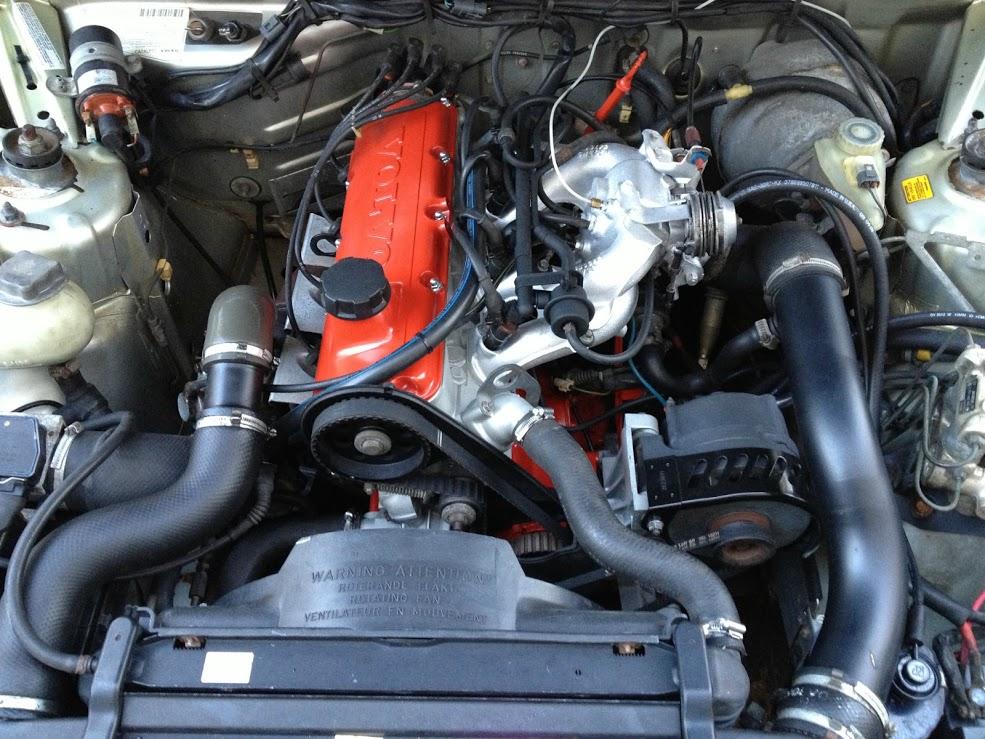
10. Volvo B230 (2.3L Inline-4)
The Volvo B230 engine, a 2.3-liter inline-four, is well-regarded for its durability and longevity, particularly in the 1980s and early 1990s Volvo sedans and wagons. Known for its robust iron block and head design, the B230 was engineered to withstand high mileage and heavy use, making it a staple in vehicles renowned for lasting well beyond 200,000 miles. Its reputation is bolstered by Volvo’s emphasis on safety and durability, which extended to powertrain design.
The B230’s design includes a pushrod valvetrain in earlier versions, later transitioning to overhead camshaft designs with fuel injection. Regardless of configuration, the engine is known for its conservative tuning and strong internal components, which contribute to long service life.
The cast iron construction resists wear and heat distortion, while the engine’s lubrication system ensures critical components remain protected during extended operation.
Maintenance on the B230 is straightforward, with easily accessible parts and a supportive community of Volvo enthusiasts helping keep these engines on the road. Proper care, including regular oil and coolant changes, valve adjustments, and timing belt replacements, allows the engine to remain reliable for many years and miles.
Many B230 engines have been documented with high mileage and minimal internal repairs, making them favorites among drivers looking for dependable, long-lasting powerplants. The engine’s combination of simplicity, durability, and a strong reputation for reliability ensures it remains a respected choice among classic engine enthusiasts.
Also Read: Top 10 SUVs That Car Dealers Fight to Buy Back
While no engine is completely immune to wear or failure, these ten powerplants have demonstrated remarkable durability and longevity over decades of use. Their designs emphasize simplicity, quality materials, and engineering principles that reduce stress and wear, enabling them to rack up hundreds of thousands of miles with minimal need for internal rebuilds.
Whether you prioritize low maintenance costs, reliability, or peace of mind, choosing a vehicle with one of these engines can offer significant benefits.
Each engine has its own strengths and characteristics, but all share a common theme: thoughtful engineering and robust construction. Regular maintenance remains crucial for maximizing lifespan, but these engines reward careful owners with years of trouble-free operation.
Understanding what makes these engines special can help consumers and enthusiasts make informed decisions when purchasing or maintaining vehicles.
If you are interested in longevity and minimal rebuild requirements, vehicles equipped with these engines are excellent candidates. Their proven track records in real-world conditions have earned them legendary status among mechanics, enthusiasts, and everyday drivers alike. By appreciating the qualities that contribute to engine durability, you can better care for your vehicle and enjoy many miles of dependable performance.
