
Rust is one of the most frustrating and costly problems a truck owner can face. It creeps in slowly at first, often hidden behind wheel wells, under doors, or along the frame, and by the time it becomes visible, it may already be doing structural damage.
While all metal is vulnerable to corrosion over time, not all pickup trucks rust at the same rate. Some manufacturers use better coatings, improved materials, or smarter designs to minimize the risk.
Others may focus more on cost-cutting, resulting in vehicles that begin to rot far earlier than expected. For those who use their trucks year-round, especially in places where road salt is common in winter, rust resistance is not just a bonus feature; it’s a necessity.
The list below includes trucks that have proven themselves over the years to resist rust better than most of their competition. These are not just based on advertisements or manufacturer claims, but on long-term ownership experiences, real-world climate performance, and mechanical durability.
Trucks that make this list tend to last longer, retain more of their value, and require fewer cosmetic or structural repairs. For people living in areas with wet or snowy climates, or those who want to avoid spending money on rust-proofing treatments every couple of years, choosing a truck from this list can save thousands in the long run.
While no vehicle is completely immune to rust, especially if neglected, some designs are simply built smarter. From high-quality paint jobs and undercoatings to corrosion-resistant alloys and sealed frame rails, manufacturers have made real progress in fighting rust.
The trucks featured here offer a combination of rugged performance and lasting durability. Whether you’re using them for work, daily driving, or recreation, these models have a reputation for standing up to the elements. Each has a track record of resisting the types of corrosion that shorten a truck’s lifespan, making them a solid investment for the long haul.
Let’s look at twelve pickup trucks that are known to rust less than most, with a breakdown of why they stand out in this area and what makes them dependable over time.
Also Read: 5 Cars That Outlast Their Radios vs 5 With Failing Electronics
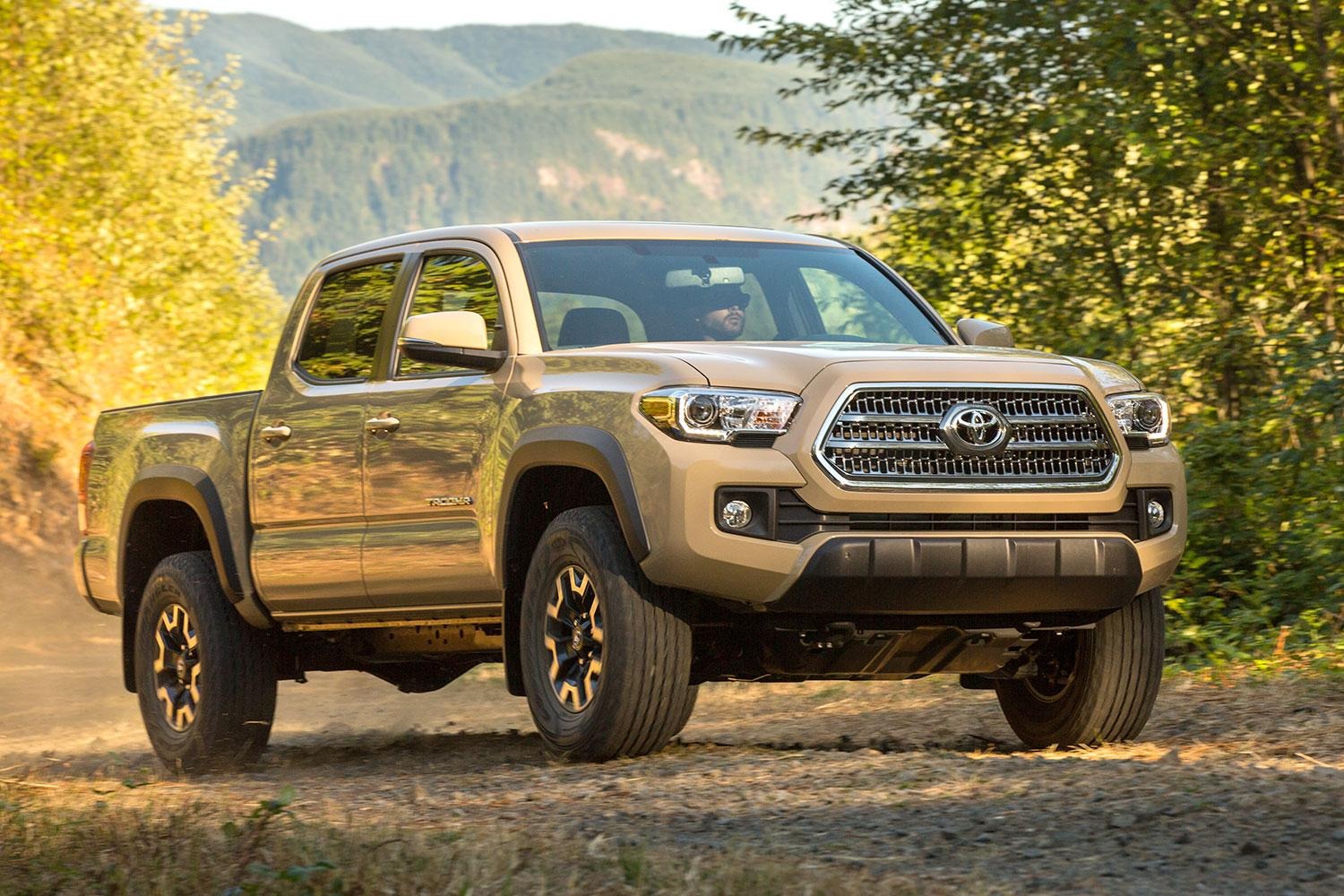
1. Toyota Tacoma
The Toyota Tacoma has long been known for its reliability, but what truly sets it apart is its rust resistance. For many years, Toyota has invested in high-quality coatings and anti-corrosion treatments during production.
One key feature is the use of electro-deposition coating on the frame, which acts as a protective layer before the actual paint is even applied. In addition, Toyota has consistently improved its frame design to prevent water and salt from pooling in hidden areas, a common cause of rust in other trucks.
Another reason Tacoma holds up well is that its frame and body are built with a keen focus on drainage. Earlier models did have some issues, but Toyota took responsibility and corrected the problem in later generations.
Newer models have improved frame geometry and protective sealants that make them far more durable in snowy or coastal regions. As a result, it’s not uncommon to see ten or fifteen-year-old Tacomas with minimal rust and solid undercarriages, even if they’ve been used heavily for work or off-roading.
Tacomas are also popular in areas with high humidity and frequent winter road treatments because of their proven longevity. Owners often report minimal rust on their door sills, tailgates, and wheel wells even after years of exposure.
This has contributed to the truck’s consistently high resale value, as buyers know they’re less likely to run into structural decay issues. While regular maintenance always helps, Tacomas don’t require extensive aftermarket rustproofing just to survive a few winters.
What makes Tacoma stand out is a mix of solid engineering and Toyota’s willingness to learn from past issues. While no truck is perfect, the Tacoma has shown that rust doesn’t have to be inevitable. For drivers who want a midsize truck that they can count on for the long haul without watching it disintegrate year by year, the Tacoma remains one of the most reliable choices on the road.
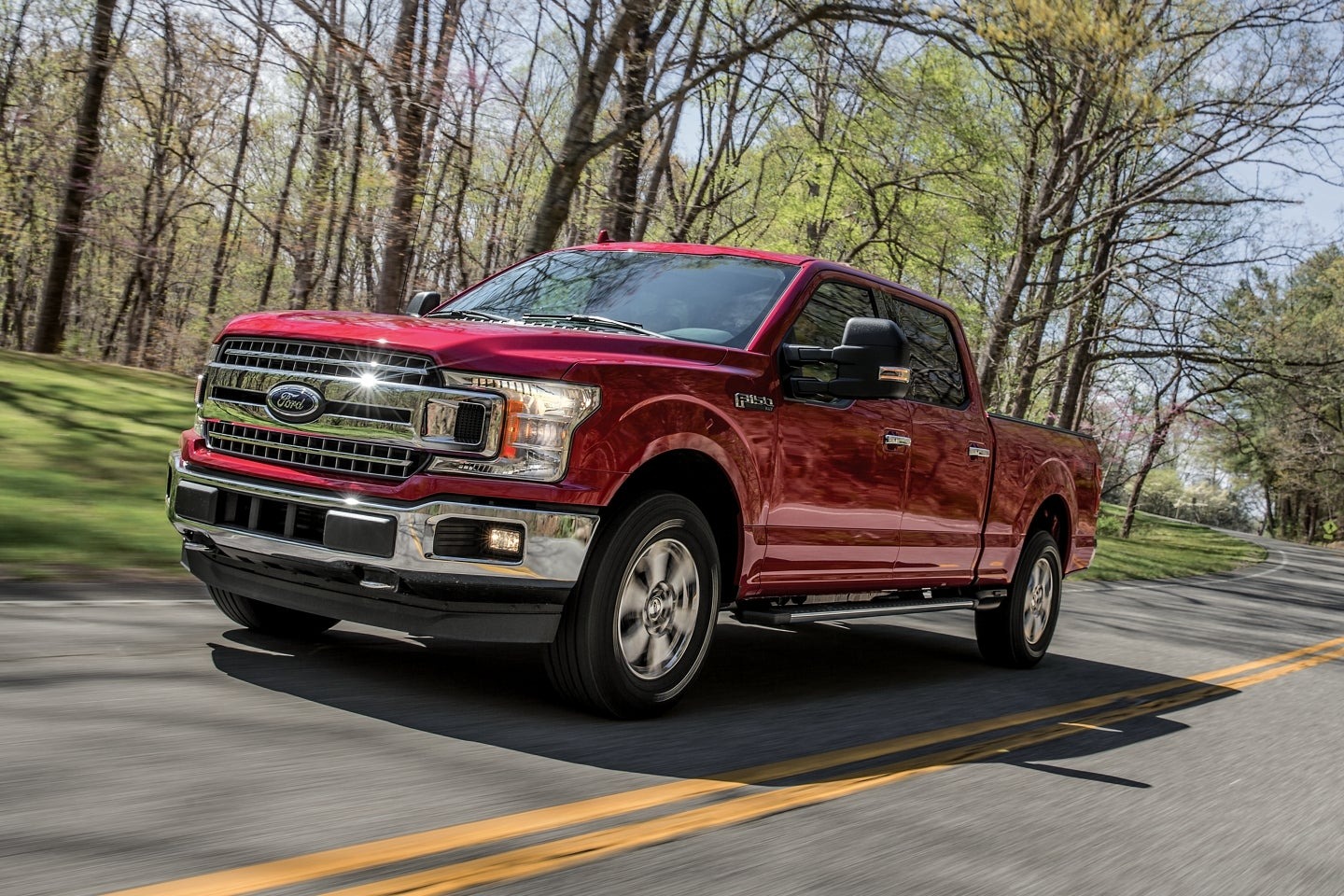
2. Ford F-150 (Aluminum Body Models)
When Ford made the decision to move the F-150 to an aluminum body starting in 2015, it was a bold and somewhat controversial choice. However, one of the biggest benefits of that change was a significant improvement in corrosion resistance.
Aluminum doesn’t rust in the same way that steel does. Instead of forming flaky red corrosion, it forms a thin layer of oxide that actually protects the metal underneath. This natural barrier keeps the body panels of newer F-150s looking clean and intact for many years, even in challenging environments.
The switch to aluminum had its critics, especially among those who worried about repair costs or dent resistance, but from a corrosion standpoint, it’s been a game-changer.
While the frame is still made of high-strength steel, Ford took additional steps to coat and treat it against rust, knowing that owners would expect the same durability they had come to trust. The result is a truck that holds up remarkably well against winter salt and coastal humidity.
In terms of real-world performance, many owners in northern states and coastal regions have reported excellent results. Even after several harsh winters, the body panels remain free of bubbling paint or obvious corrosion.
Regular washing and some undercoating help, of course, but even without it, the aluminum body resists the kind of decay that older steel-bodied trucks used to suffer. The result is a cleaner-looking truck with less long-term damage from the environment.
This change has helped keep the F-150 at the top of the sales charts. Buyers appreciate knowing their investment will last, not just mechanically but cosmetically.
For those looking for a full-size truck with modern engineering and strong corrosion resistance, the post-2015 F-150 is one of the strongest options available. The use of aluminum isn’t just a gimmick; it’s a practical solution to a very old problem.
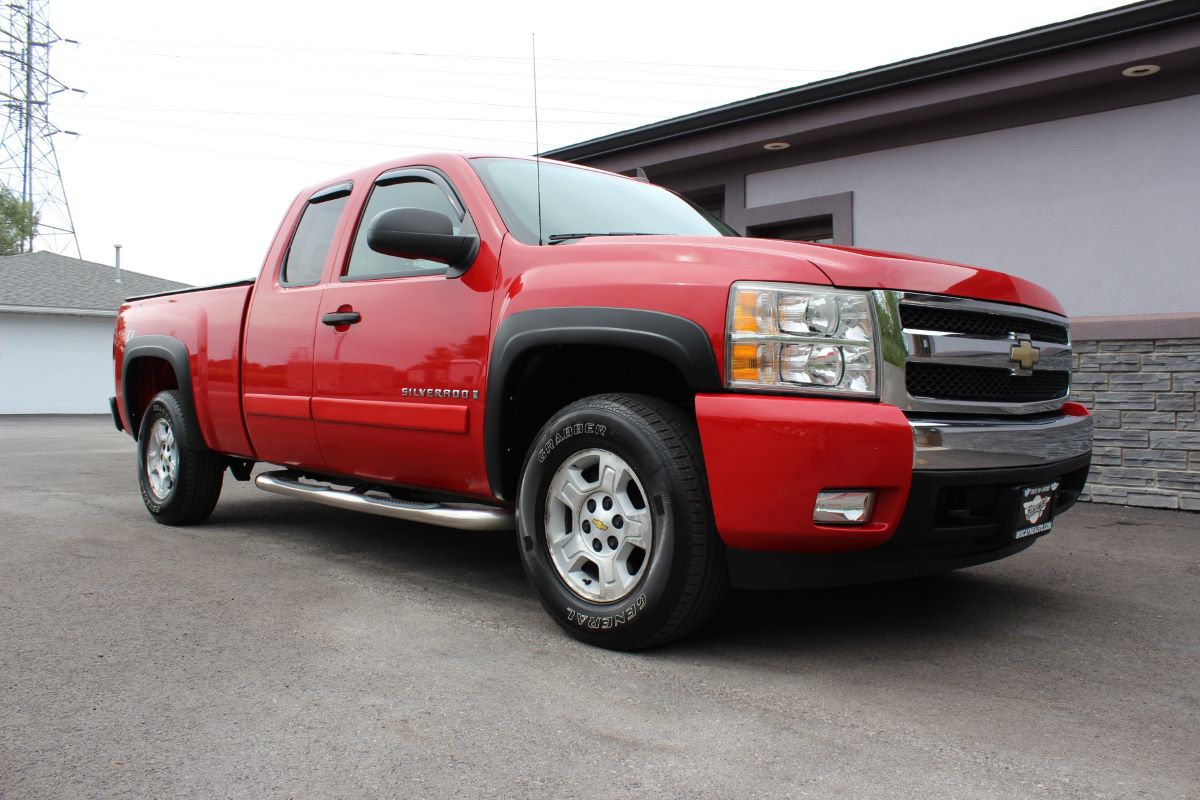
3. Chevrolet Silverado 1500 (Late Model)
The Chevrolet Silverado 1500 has been a staple in the pickup market for decades, and its reputation for durability extends well beyond just its mechanical components. In recent years, particularly from the 2014 redesign onward, Chevy focused heavily on improving the body’s corrosion resistance.
The automaker adopted enhanced galvanizing techniques and applied thicker layers of protective coatings to the steel body and frame components.
These treatments provide a formidable barrier against moisture, road salt, and the typical wear and tear that often leads to rust. While early Silverados were not without rust concerns, especially in northern climates, the advancements in manufacturing have significantly reduced those issues in more recent models.
Another factor contributing to the Silverado’s ability to resist rust lies in the quality of its paint application and factory undercoating. Chevrolet uses advanced robotic spray systems that ensure consistent and thorough coverage even in hard-to-reach areas.
The undercarriage, a hotspot for corrosion due to its exposure to road debris and salt, benefits from a durable sealant that remains intact for years. Additionally, the design of the Silverado’s frame includes strategic drainage holes and sealed seams that help prevent water accumulation. This means that owners in wet or snowy climates can expect the truck to remain structurally sound longer than many competitors.
Owners who have driven Silverados through tough winters consistently report minimal rust problems compared to trucks from other manufacturers of similar age. Of course, proper maintenance such as frequent washing and occasional undercoating still plays a role, but the base resistance is impressive on its own.
The body panels, especially the doors, fenders, and bed, tend to hold up well even after prolonged exposure to harsh elements. The result is a truck that not only performs reliably but also retains its value and appearance over time, reducing the need for expensive rust repairs or panel replacements.
Finally, the Silverado’s combination of strong materials and thoughtful engineering means that rust rarely compromises its structural integrity, even when used heavily in demanding conditions.
For truck owners who need a full-size pickup that will endure years of hard work and challenging weather without turning into a rust bucket, the Silverado stands as a solid, proven choice. Its reputation for longevity and resistance to corrosion continues to grow as Chevrolet refines its manufacturing process with each generation.
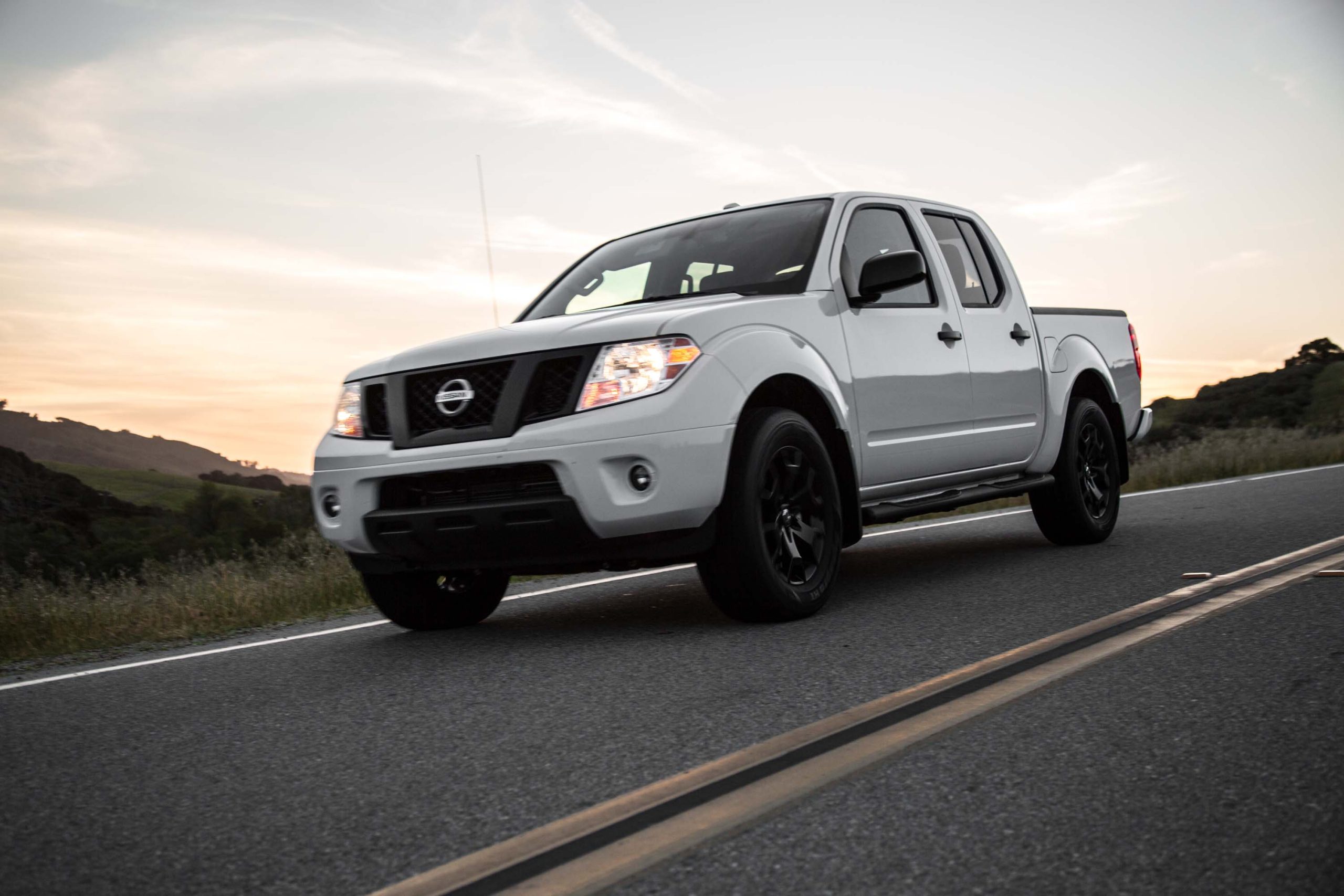
4. Nissan Frontier
The Nissan Frontier has a reputation for toughness, and part of that toughness includes its ability to resist rust better than many of its peers in the midsize truck segment. While the Frontier’s body is largely steel, Nissan takes a multi-layer approach to protecting it from corrosion.
The frame and underbody receive extensive galvanization, meaning each steel component is coated with a zinc layer that slows the rusting process significantly. Nissan also applies a durable epoxy primer under the paint, which acts as a second line of defense against moisture and road salts.
One advantage of the Frontier’s design is its relatively simple yet effective frame construction. With fewer complex seams and cavities, there are fewer places for water and salt to become trapped.
This straightforward design helps prevent rust from gaining a foothold where it can spread unnoticed. Furthermore, Nissan engineers make sure to include effective drainage channels and sealants in critical areas, which means moisture is channeled away from vulnerable metal parts rather than settling on them.
Many Frontier owners in areas with heavy winter salting report that their trucks maintain excellent body integrity even after several years of use. Rust tends to develop more slowly here than in some other midsize pickups, and visible damage is usually limited to surface corrosion that can be treated before it becomes a larger problem.
This rust resistance helps keep the Frontier in good shape, both structurally and cosmetically, which makes it a favorite among buyers looking for a rugged, dependable truck that doesn’t require constant rust repair.
Lastly, the Frontier’s longevity and durability are enhanced by Nissan’s commitment to quality materials and corrosion prevention. Whether it’s a model from the early 2010s or a newer version, the truck is built to endure exposure to the elements without succumbing quickly to rust. This makes it a practical choice for users who expect their trucks to see a lot of outdoor use, including in harsh climates with frequent road salt or high humidity.
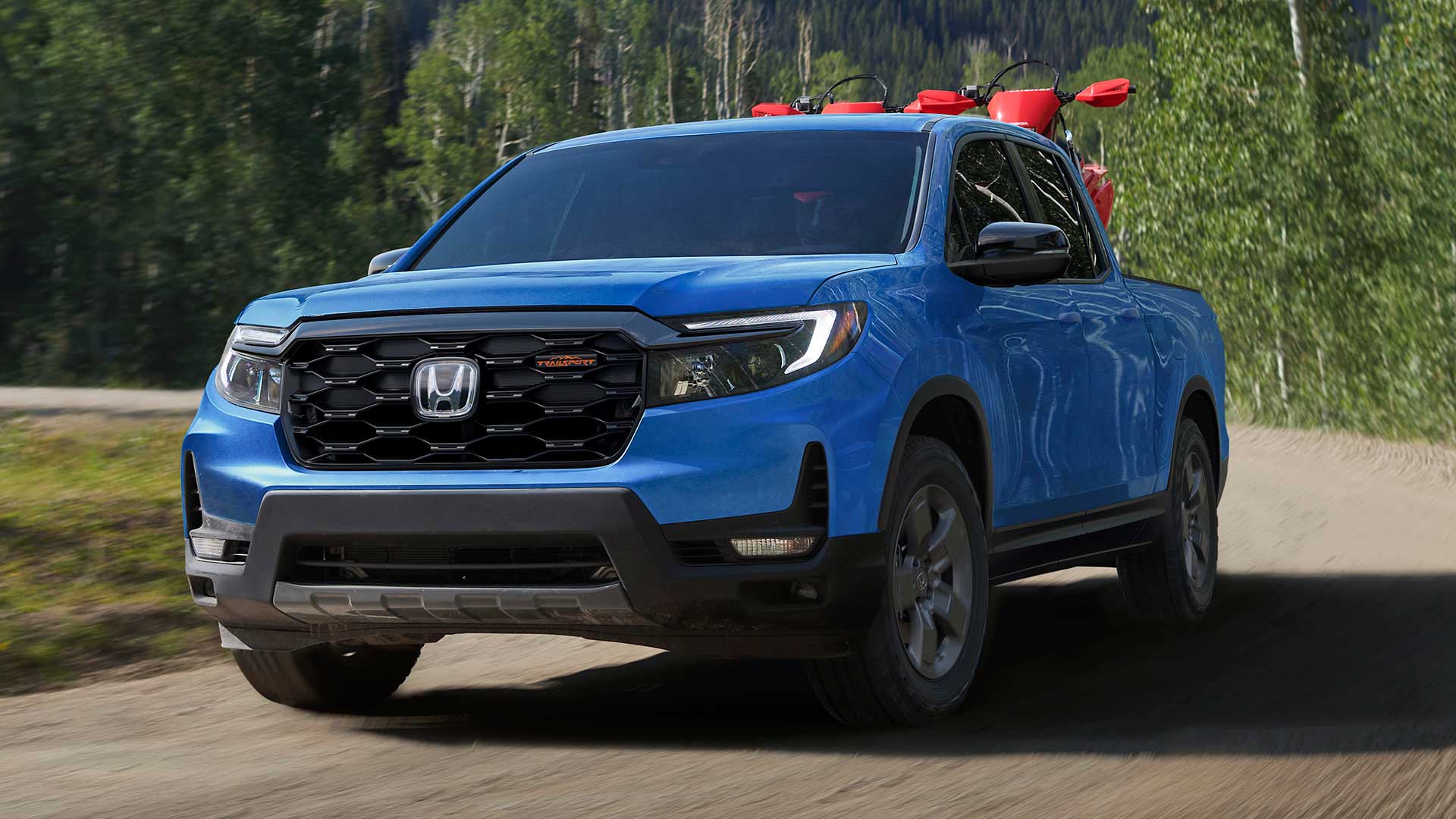
5. Honda Ridgeline
The Honda Ridgeline stands out in the pickup market for its unibody construction and car-like driving dynamics, but it also performs exceptionally well when it comes to rust resistance. Unlike traditional body-on-frame trucks, the Ridgeline’s design incorporates corrosion-resistant aluminum and galvanized steel in key areas.
Honda has invested heavily in rustproofing treatments, including electrocoating, which ensures even hard-to-reach areas beneath the body are protected from moisture and contaminants. This approach gives the Ridgeline an advantage in resisting corrosion compared to many body-on-frame pickups.
Another important aspect is Honda’s use of advanced paint technology. The Ridgeline’s paint is applied in multiple layers, including a clear coat designed to resist chipping and cracking. Since rust often begins where the paint is damaged or compromised, this added durability helps prevent corrosion from starting in the first place.
Additionally, the underbody and suspension components receive special coatings that guard against rust caused by road salt and water. These features mean the Ridgeline’s structure remains strong and intact, even in demanding environments.
Real-world experience backs up Honda’s engineering decisions. Ridgeline owners in northern states or coastal regions report minimal rust issues, even after years of use. The truck’s unique construction reduces the number of seams and joints where rust can typically form, which means fewer weak points for corrosion to spread. It’s not just a well-designed vehicle mechanically, but one that’s clearly built with long-term durability in mind.
Lastly, the Ridgeline’s reputation for rust resistance contributes to its solid resale value and longevity. While it may not be the most traditional pickup, it appeals to drivers who want a versatile, comfortable truck that won’t suffer from premature rust damage. For those who prioritize low maintenance and lasting aesthetics, the Ridgeline offers a rare combination of practical features and corrosion protection.
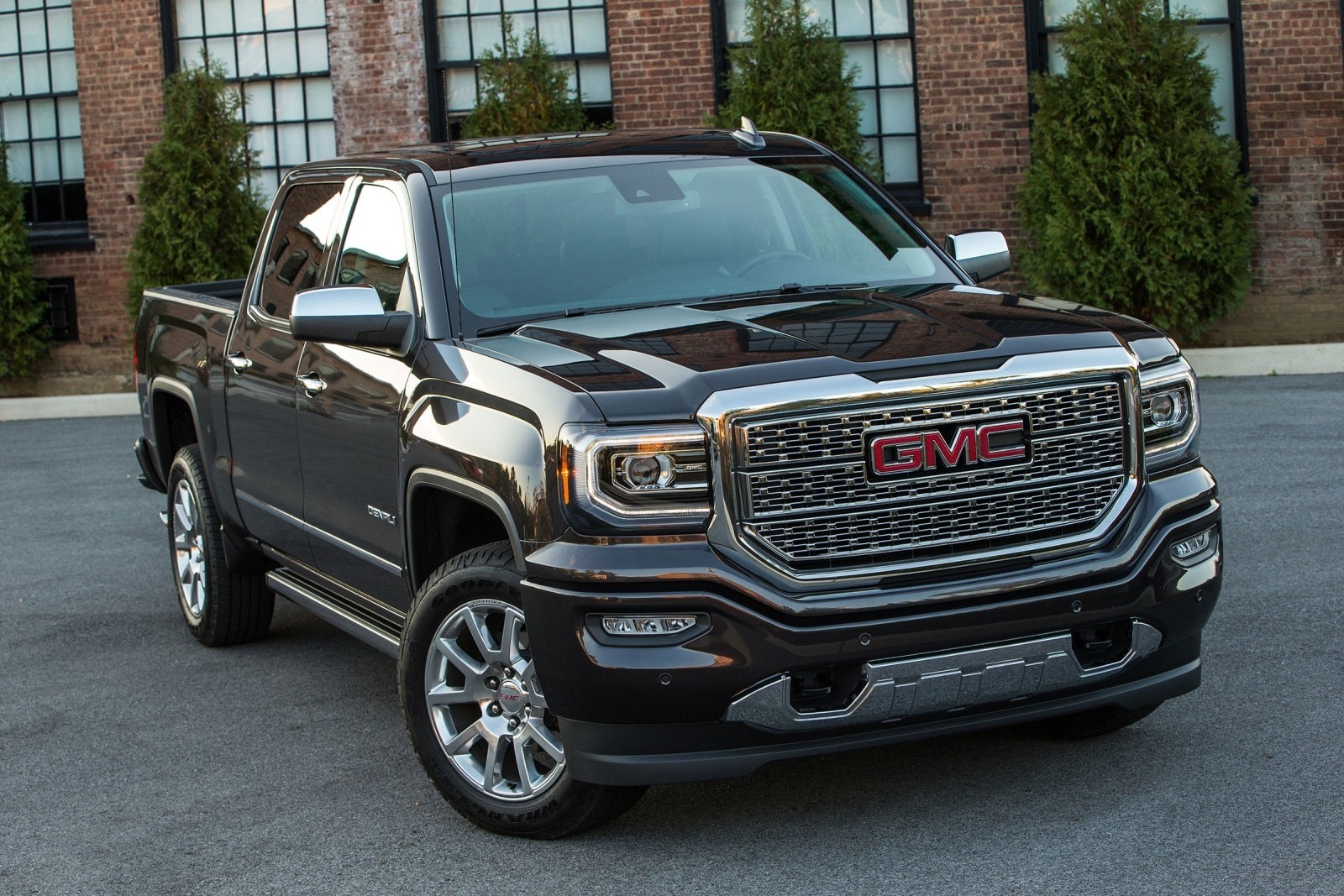
6. GMC Sierra 1500 (Recent Models)
The GMC Sierra 1500 shares much of its platform with the Chevrolet Silverado but has its own distinct refinements, particularly regarding rust resistance. In recent model years, GMC has adopted a series of anti-corrosion technologies aimed at increasing the truck’s durability in harsh environments.
This includes expanded use of galvanized steel, which provides superior protection by forming a sacrificial barrier that corrodes before the underlying metal. In addition, the Sierra benefits from advanced undercoating and sealants applied during production, designed to keep salt and water away from vulnerable areas.
The truck’s design also incorporates specific features to reduce the risk of rust buildup. These include strategically placed drainage holes in the frame and wheel wells that allow water to escape quickly, preventing pooling and the eventual breakdown of metal.
The Sierra’s body panels receive multi-stage painting processes with primers and sealants that enhance adhesion and prevent moisture penetration. This results in a vehicle that holds its finish well, even after exposure to road salts and other corrosive elements.
Owners often report that their GMC Sierras show remarkably little rust, even in regions where winter salt is used heavily. In addition to factory treatments, the truck’s durable frame and body materials help maintain structural integrity over the years. Regular washing and routine inspections further prolong its rust resistance, but the baseline protection is strong enough that many owners rarely encounter serious corrosion problems.
Also Read: 5 Cars That Keep Their Value vs 5 That Become Worthless Fast
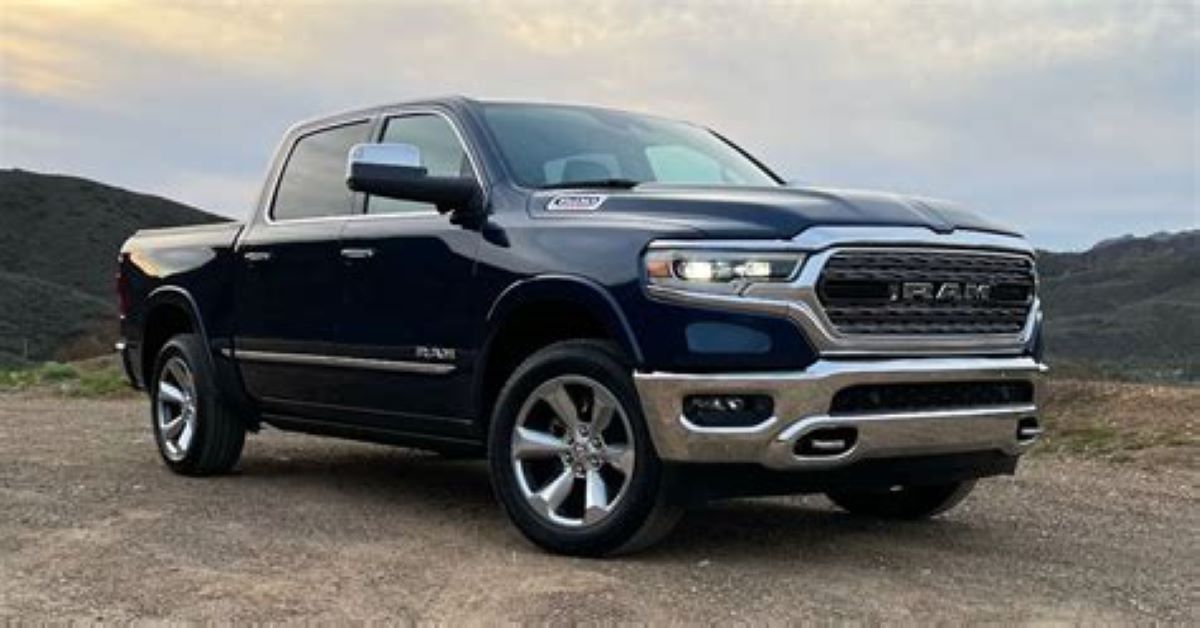
7. Ram 1500 (Recent Generations)
The Ram 1500, particularly models from 2013 onward, shows a significant improvement in rust resistance compared to older versions. Ram’s parent company, Stellantis, has invested heavily in new corrosion protection methods, including the use of galvanized steel and improved undercoating applications.
These protective layers are critical because they prevent moisture from penetrating the metal surfaces, reducing the risk of rust developing beneath the paint. In addition to these coatings, Ram employs advanced sealants around door seams, wheel wells, and frame joints to further minimize water intrusion points.
One key element in Ram’s improved rust resistance is the design of its frame and body panels. The engineers have refined the construction to reduce water traps, which are often the starting point for rust formation. This involves not only better drainage systems but also smoother seams and fewer weld points where corrosion can start. The use of high-strength steel in key areas also helps by offering greater resistance to environmental damage, while still maintaining structural integrity under heavy loads.
Owners of Ram 1500s have reported that with basic maintenance, such as regular washing and occasional undercoating, their trucks show remarkably little rust even after years of use in harsh climates.
While no truck is completely immune to rust, Ram’s newer models have earned praise for lasting longer without visible corrosion compared to earlier models or some competing brands. This is particularly valuable for those who use their trucks in snowy regions or for work involving exposure to mud, salt, and moisture.
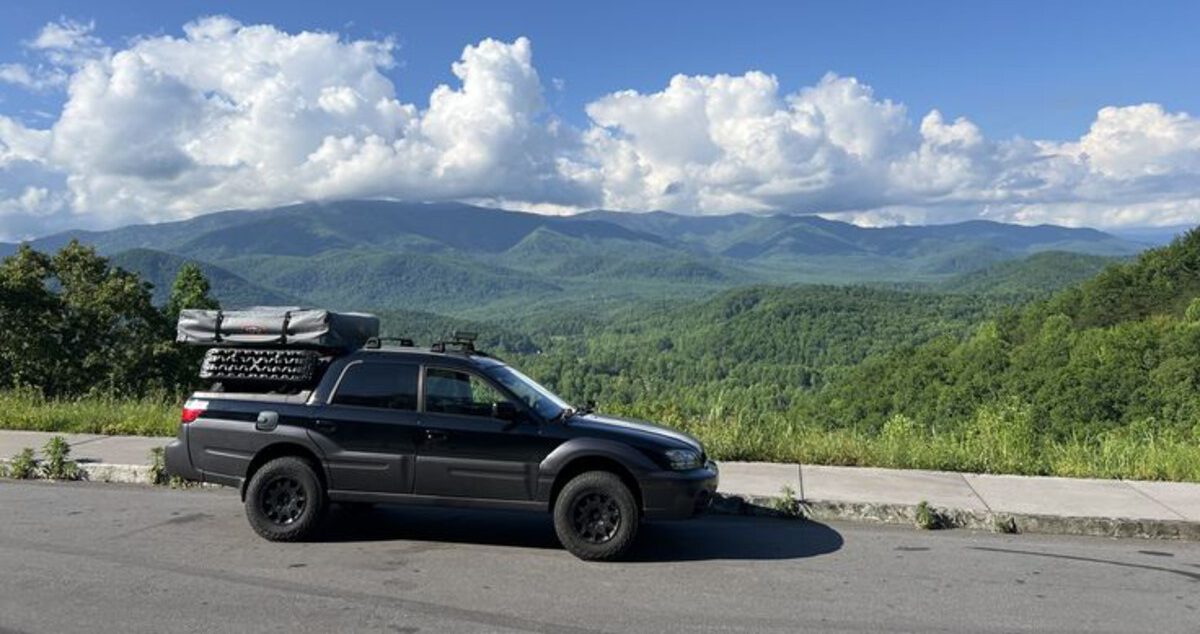
8. Subaru Baja
The Subaru Baja is a niche midsize pickup that doesn’t get as much attention as many others on this list, but it deserves credit for its corrosion resistance. Built on a car-based platform, the Baja benefits from Subaru’s well-known commitment to rust prevention in its passenger vehicles.
The Baja’s body panels are constructed with a significant amount of galvanized steel, and Subaru applies multiple layers of anti-corrosion coatings to keep moisture and salt from compromising the truck’s integrity.
The Baja’s smaller size and lighter weight also help reduce stress on body panels and frame components, which can otherwise exacerbate rust issues over time. Additionally, Subaru’s attention to detail in sealing door gaps, bed seams, and undercarriage joints means that water intrusion is minimized. These factors contribute to the Baja’s ability to resist rust, even in wet and salty environments where other pickups might start to show deterioration.
Finally, the Baja exemplifies how good engineering and quality materials can extend the life of a pickup even in tough conditions. For those who want a versatile, smaller truck with a proven track record against corrosion, the Subaru Baja is an underappreciated option that rarely lets rust take hold. Its mix of Subaru’s car-like durability and rugged truck features make it a unique but reliable choice.
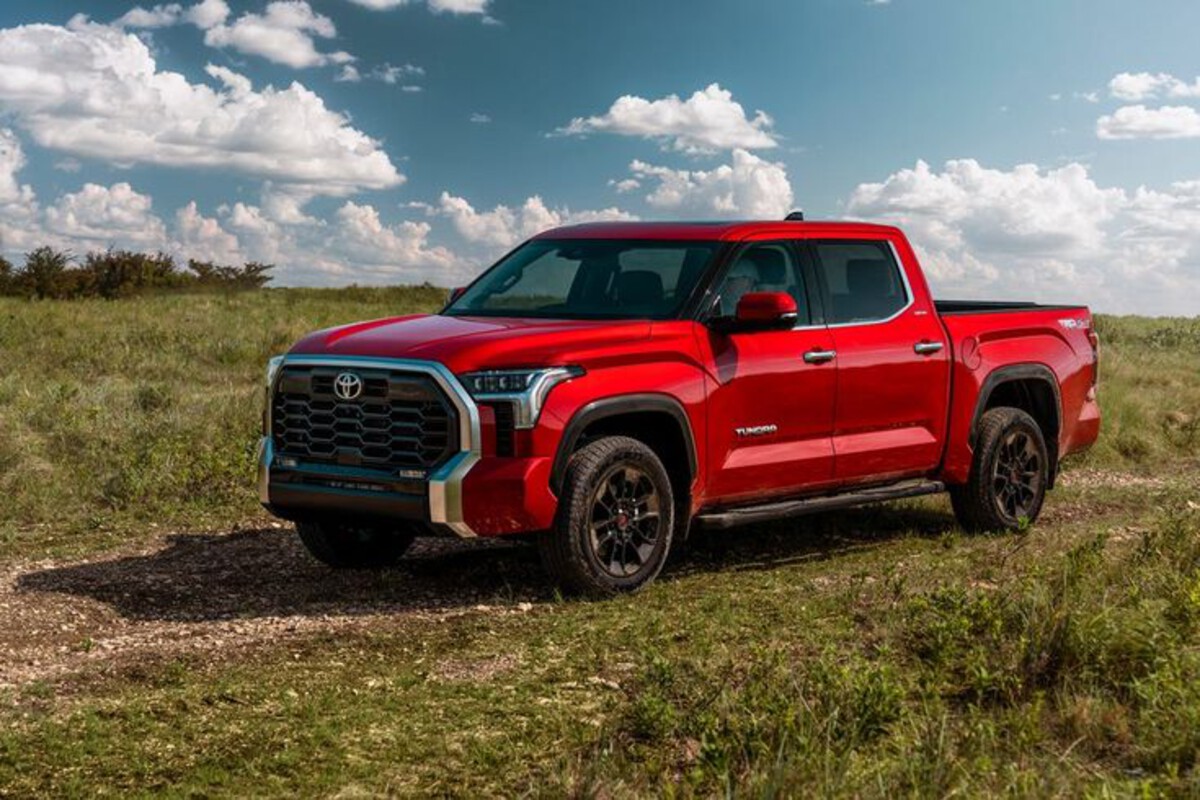
9. Toyota Tundra
The Toyota Tundra is known for its reliability and toughness, and rust resistance is an important part of its appeal. Toyota has long been proactive about corrosion prevention, applying a series of rustproofing treatments that start at the factory. This includes galvanized steel in critical areas and comprehensive electrocoating of the frame and body panels.
The Tundra’s frame itself is designed to drain water efficiently and is sealed to prevent the kind of moisture accumulation that leads to rust. These features help the truck maintain its structural integrity even after years of exposure to snow, salt, and rain.
In addition to its materials and coatings, the Tundra benefits from Toyota’s thorough quality control during manufacturing. The paint is applied using multiple layers, including primers and sealants, which improve adhesion and reduce the chance of paint chips or scratches, leading to corrosion.
The underbody receives a thick protective layer, and Toyota engineers include strategic drainage channels to prevent water from pooling in wheel wells or frame cavities. These design choices have resulted in many owners experiencing little to no rust problems even after a decade or more of use.
The truck’s rust resistance has contributed to its reputation for long-term durability, especially in regions with harsh winter conditions. Many Tundra owners report their trucks looking nearly pristine years after purchase, even when subjected to frequent road salt or humid environments.
This quality reduces maintenance costs and helps the vehicle retain its value, making it a sensible investment for buyers who intend to keep their truck for the long haul.
Lastly, the Toyota Tundra stands out as one of the few full-size pickups where corrosion is rarely a major concern, thanks to the combination of high-quality materials, smart design, and consistent manufacturing standards. For those who prioritize longevity and the ability to withstand tough climates without rust compromising performance or safety, the Tundra continues to be a leading choice.
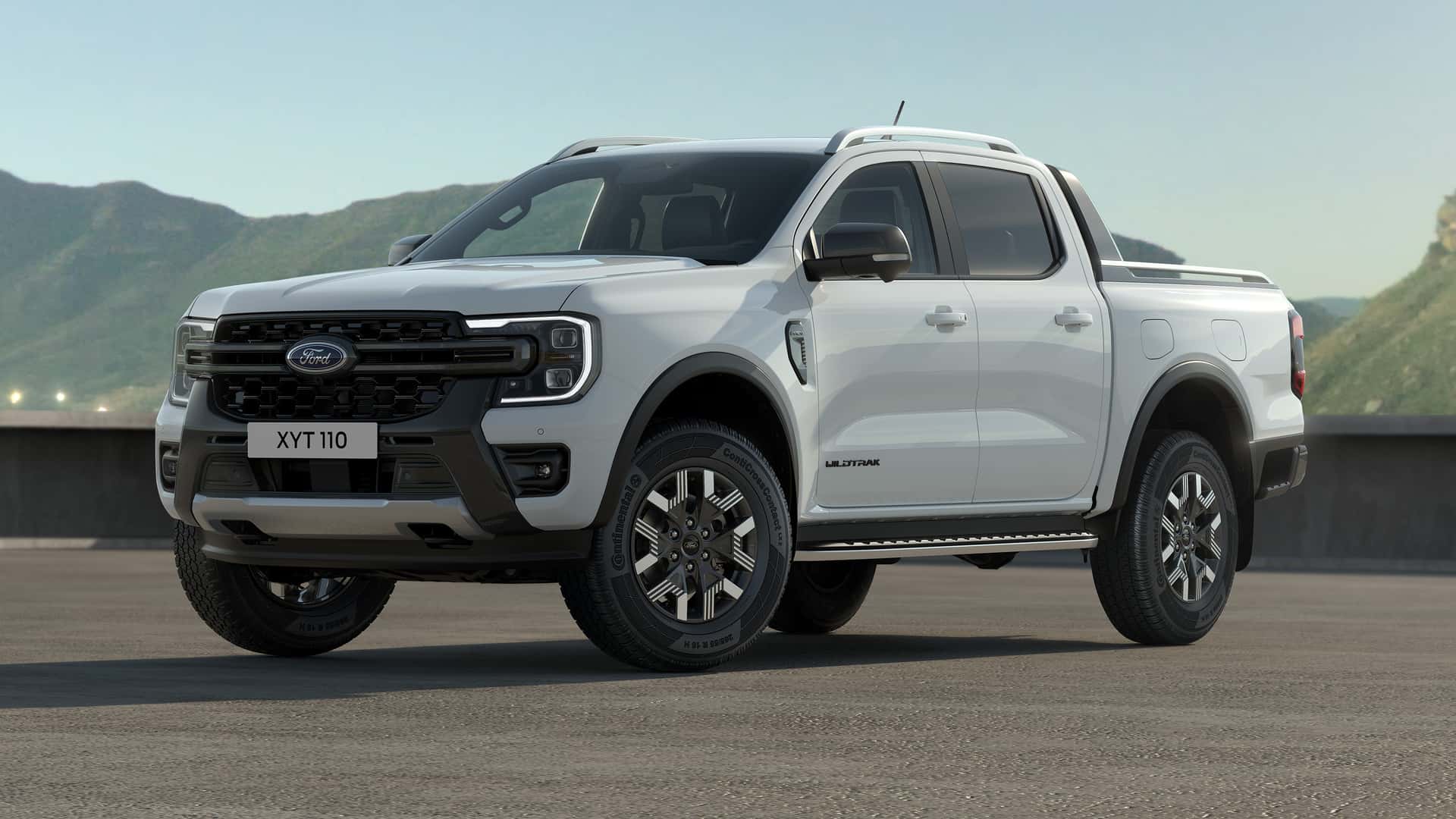
10. Ford Ranger (New Generation)
The reintroduction of the Ford Ranger to the North American market in 2019 brought with it modern advancements in rust prevention that were not present in earlier models. Ford has employed galvanized steel and advanced coatings in the Ranger’s construction, ensuring that the truck’s frame and body panels have enhanced protection against corrosion.
The design includes sealed seams and drainage holes specifically engineered to reduce water and salt buildup in critical areas. This attention to detail helps extend the truck’s life, particularly for those who use it in climates with snow and ice.
The Ranger’s compact size and lighter weight compared to full-size trucks also help reduce the stress that can cause rust-related cracking or metal fatigue.
In addition, the paint and clear coat layers on the Ranger are thicker and more resistant to chips than older models, which is important because paint damage is often the starting point for rust. Ford also applies a durable undercoating and corrosion-resistant suspension components that contribute to the truck’s long-lasting appearance and function.
Many owners have noted that their Rangers show little to no rust even after several winters in salty regions. The truck’s rust resistance is not only due to the protective materials but also to the effective engineering of the body and frame to prevent moisture accumulation. Regular washing and routine inspections remain important, but the Ranger’s factory protection sets a strong baseline for durability and appearance retention.
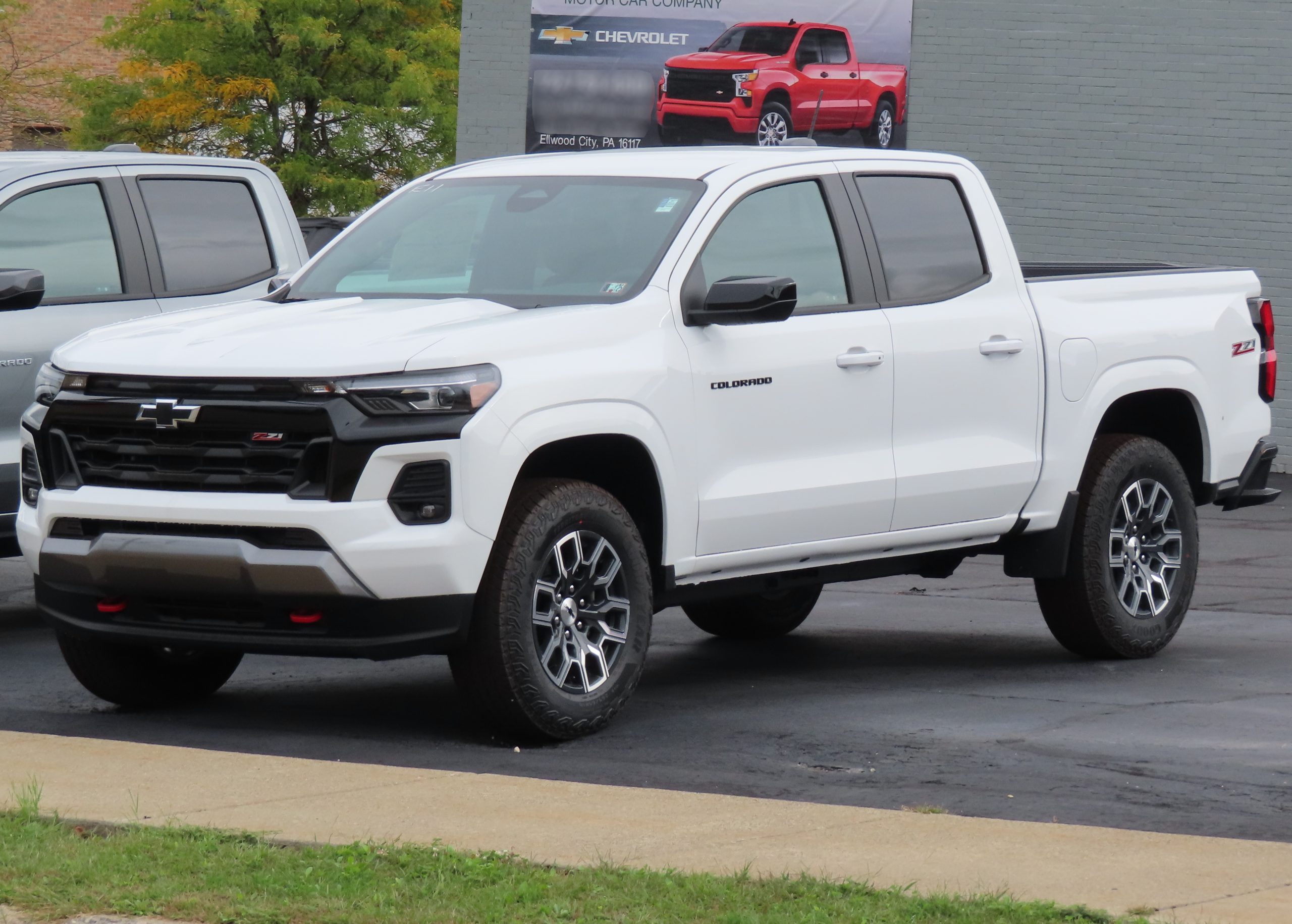
11. Chevrolet Colorado
The Chevrolet Colorado is a midsize pickup that has earned praise for its balance of capability and durability, including its rust resistance. Chevrolet has integrated advanced anti-corrosion methods into the Colorado’s production, including the use of galvanized steel panels and a robust application of rustproofing coatings to the frame and body.
These protections reduce the risk of corrosion that is common in trucks exposed to salt and moisture over time. The body’s design also includes well-placed drainage to prevent water from pooling in critical areas such as wheel wells and the truck bed.
One of the key reasons Colorado resists rust so well is its use of high-quality materials and modern painting techniques. The paint system includes multiple layers designed to seal and protect the metal underneath, helping prevent the chips and scratches that can lead to rust.
The frame and undercarriage receive heavy-duty protective coatings that stand up to road debris and harsh environmental conditions. This is especially important for drivers who use the truck in winter or coastal environments.
The Chevrolet Colorado’s combination of smart engineering, quality materials, and advanced corrosion protection makes it a reliable midsize pickup for those concerned about rust. It performs well in climates where corrosion risk is high, and owners can expect it to maintain both appearance and safety for many years.
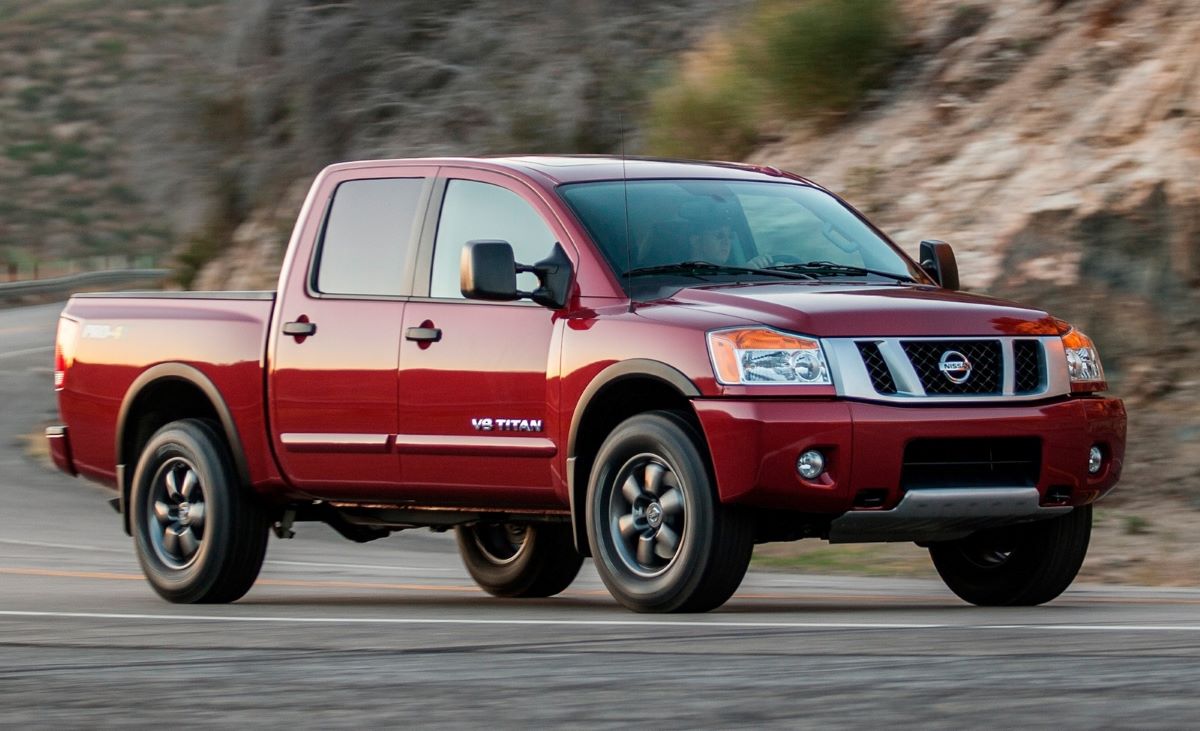
12. Nissan Titan
The Nissan Titan rounds out this list with its reputation for solid rust resistance, especially in recent generations. Nissan uses a combination of galvanized steel and extensive anti-corrosion coatings in the Titan’s construction, including electrocoating of the frame and body panels.
The truck’s design incorporates sealed frame rails and effective drainage to keep moisture from accumulating where rust typically starts. This focus on preventing water buildup is crucial in ensuring that the Titan can withstand years of exposure to road salt, snow, and humidity without serious corrosion issues.
Another reason the Titan resists rust well is Nissan’s commitment to durable paint finishes and protective undercoatings. These treatments guard against damage from gravel, salt, and other debris kicked up during normal driving.
The quality of these coatings helps keep the truck’s body looking fresh, while also maintaining structural integrity by preventing corrosion from weakening metal parts. Nissan also uses corrosion-resistant alloys in critical suspension and chassis components to further enhance longevity.
Real-world reports from Titan owners in northern states and coastal areas confirm the truck’s rust-resistant qualities. While occasional surface rust may develop over time, it generally does not progress to structural damage, especially with routine care such as washing and inspection. The baseline protection Nissan provides makes the Titan a practical choice for buyers seeking a full-size truck that won’t deteriorate rapidly due to corrosion.
