
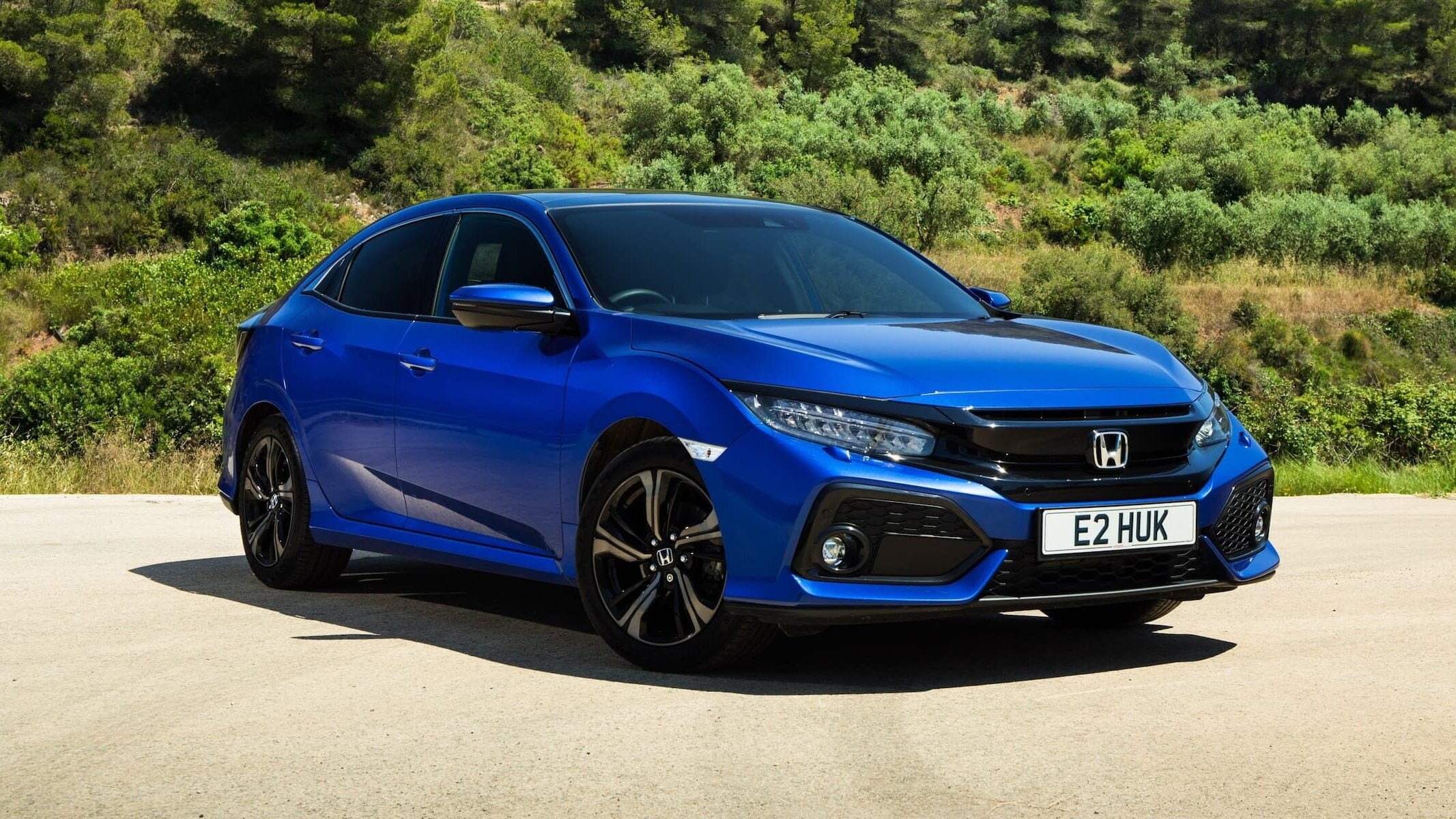
The Honda Civic has long been one of the most popular compact cars worldwide, renowned for its reliability, fuel efficiency, and relatively low maintenance costs. Over the decades, the Civic has evolved through numerous generations, each bringing improvements, new technologies, and occasional setbacks.
But not all years of the Honda Civic are created equal when it comes to longevity and dependability. Some model years have built a reputation for lasting hundreds of thousands of miles with minimal issues, while others have struggled with mechanical problems and premature wear.
Understanding which years of the Civic have proven to stand the test of time and which have fallen short is valuable for buyers and enthusiasts alike. Many factors influence a vehicle’s lifespan, including engine design, manufacturing quality, maintenance practices, and the kind of driving conditions the car endures.
Among these, the specific year and generation of the Civic can significantly impact how long a car will last before major repairs or replacements are needed.
This article will break down five Honda Civic model years known for their outstanding durability, cars that owners often report running smoothly well beyond 200,000 miles. On the other hand, it will also highlight five years that have faced criticism or widespread reports of mechanical and electrical problems that tend to limit their longevity.
Whether you are a potential buyer seeking a reliable used Civic or simply curious about the history of this iconic vehicle, this comparison will provide insight into which years offer the best chance at long-term satisfaction and which ones might cause headaches down the road.
The Honda Civic’s success over the years isn’t just about engineering; it also comes from the community of drivers who have maintained these cars with care. Yet, even the best care can be challenged by known issues tied to specific model years. Let’s take a closer look at the five Honda Civics that last forever, and five that don’t, to help you make a more informed decision or simply better appreciate the nuances of this automotive staple.
Also Read: 5 Cars That Outlast Their Radios vs 5 With Failing Electronics
5 Honda Civic Years That Don’t Last Forever
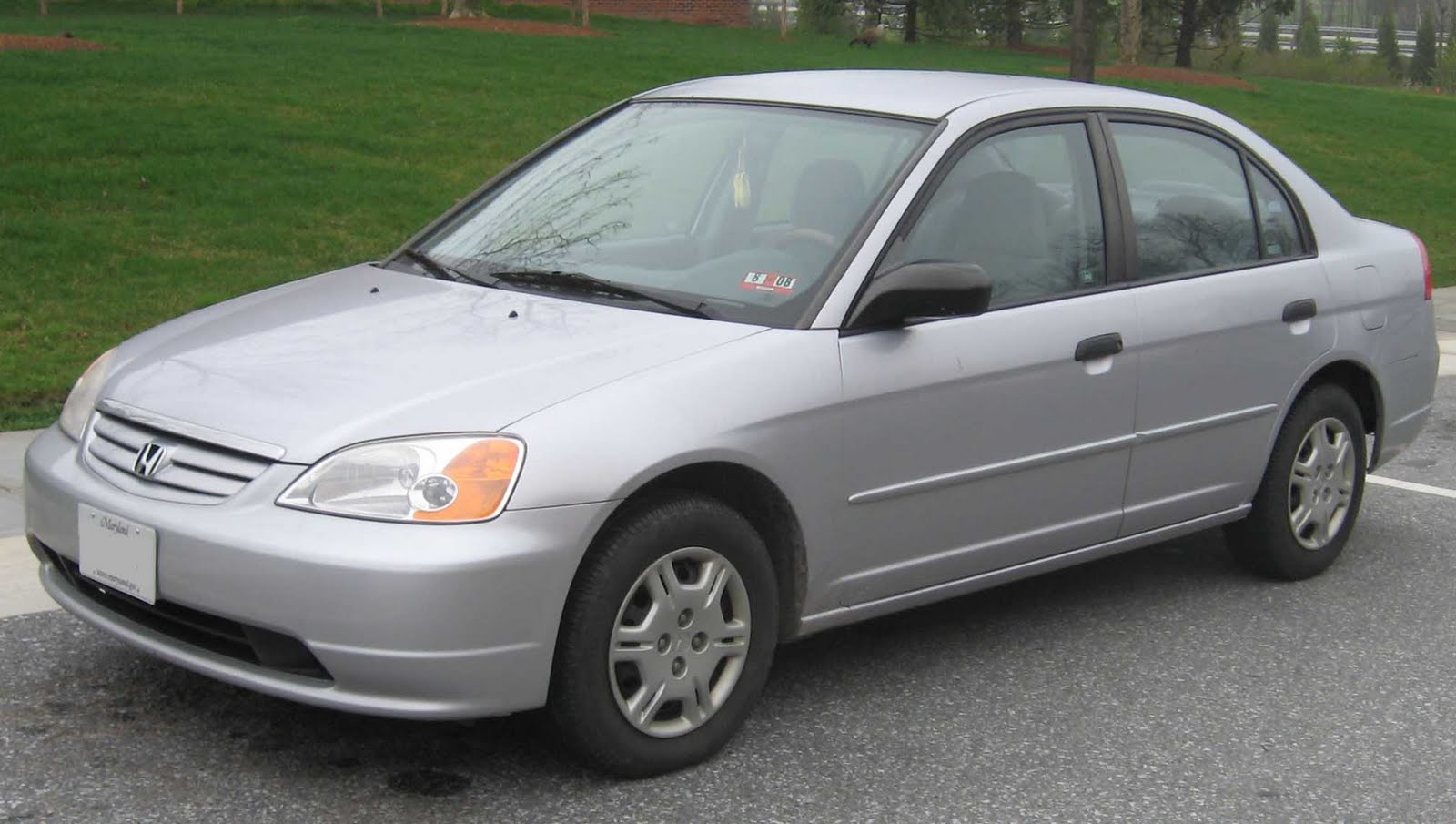
1. 2002 Honda Civic (7th Generation)
The 2002 Honda Civic, while part of the generally reliable seventh generation, has been criticized for certain recurring issues that affect its longevity. One of the main problems reported by owners involves the automatic transmission, which sometimes fails prematurely or suffers from rough shifting. This issue can lead to costly repairs or replacement, making it a less desirable option for buyers looking for a durable car.
Additionally, the 2002 model was affected by premature wear in suspension components and wheel bearings, which can contribute to a rougher ride and increased maintenance costs. Some owners also report problems with the electrical system, including faulty power window regulators and issues with the ignition switch. While none of these problems are necessarily catastrophic, they do accumulate and can shorten the car’s lifespan if not addressed promptly.
The engine itself, while generally reliable, has been known to develop oil leaks and minor head gasket concerns in some cases. This contrasts with earlier and later models that typically exhibit fewer engine problems. The cost of addressing these issues can add up over time and may deter buyers from keeping the car for the long haul.
Due to these factors, the 2002 Honda Civic does not share the same reputation for longevity as other model years. While it can still last with good maintenance, the likelihood of encountering more frequent repairs makes it less appealing for those seeking a Civic that will “last forever.”
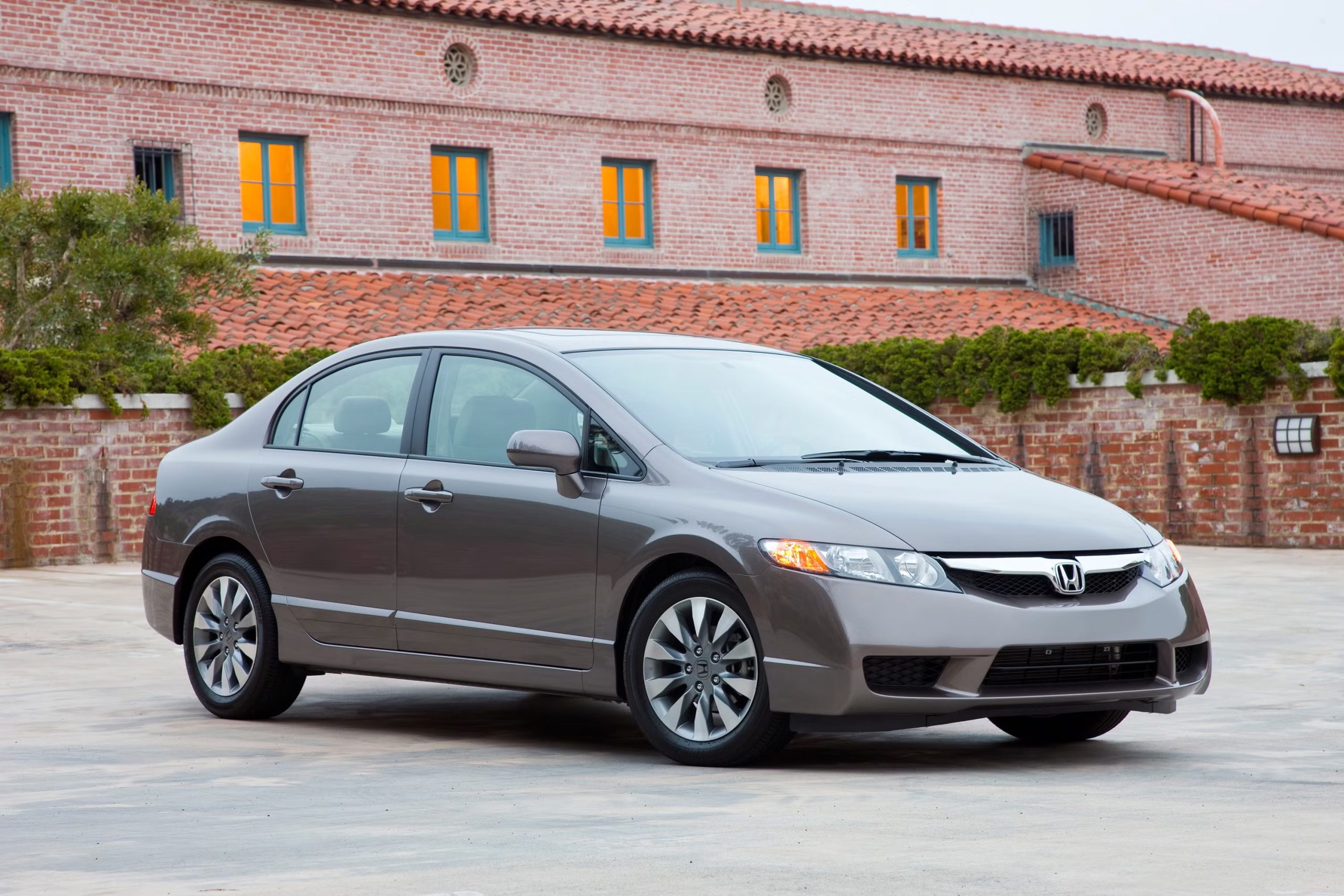
2. 2009 Honda Civic (8th Generation)
The 2009 Honda Civic, part of the eighth generation, has drawn criticism mainly due to its issues with the engine and suspension. Some owners have reported excessive oil consumption, a problem that can lead to serious engine damage if not managed carefully. This issue tends to reduce the engine’s lifespan and can be expensive to fix if caught late.
Additionally, the 2009 model has been known to experience problems with the suspension bushings and control arms, causing premature wear and negatively impacting ride quality. These repairs, while not always expensive, become frequent enough to affect the ownership experience and long-term reliability.
Some versions of the 2009 Civic also faced problems with the catalytic converter and exhaust system, leading to increased emissions and reduced fuel economy. The electrical system saw minor glitches, such as dashboard warning lights turning on without clear reasons, which although not serious, can be a nuisance for owners.
While the 2009 Civic retains many of the strengths typical of the generation, these mechanical concerns have led to a less favorable reputation for durability compared to other years. Potential buyers are often advised to check for these issues and factor in possible repairs before committing to this model year.
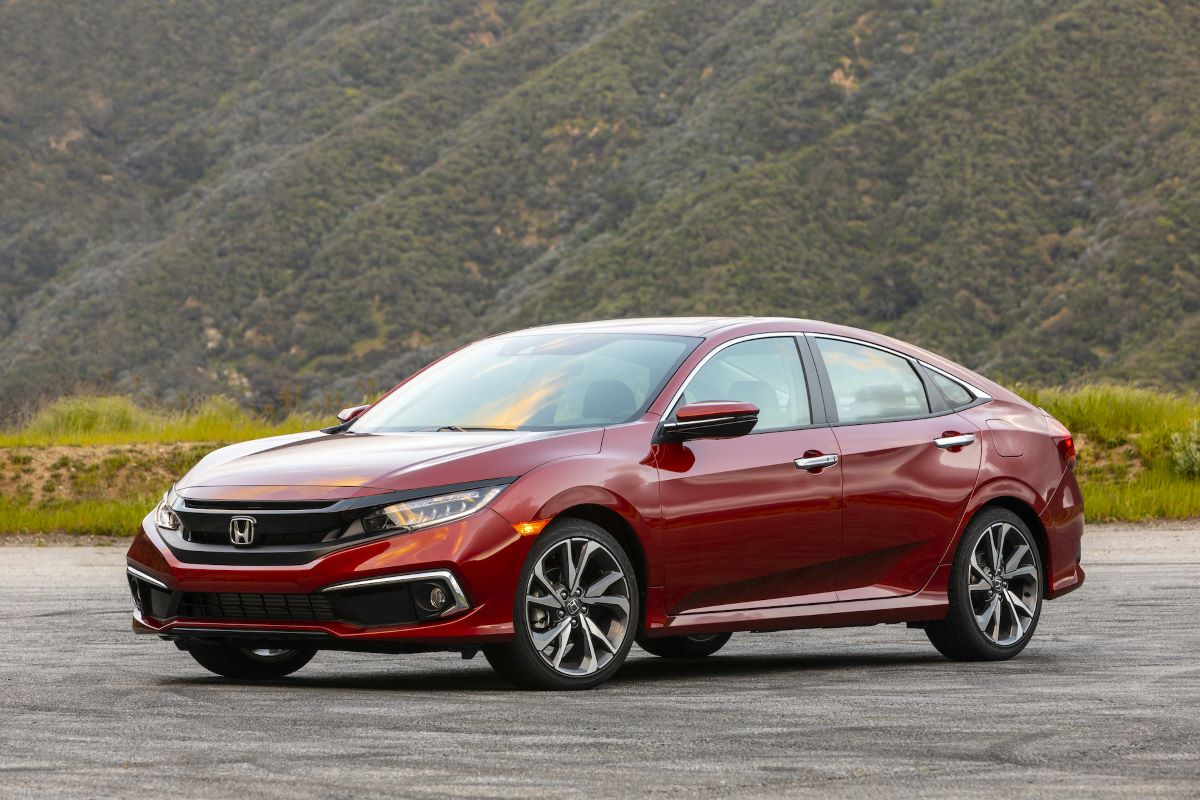
3. 2010 Honda Civic (8th Generation)
The 2010 Honda Civic is another model from the eighth generation that has seen criticism related to engine problems. Like the 2009 model, the 2010 Civic sometimes suffers from excessive oil consumption and occasional head gasket failures. These issues can lead to costly repairs or even engine replacement if not caught early, significantly reducing the vehicle’s lifespan.
Some owners have also reported problems with the automatic transmission, such as slipping or harsh shifting, which affects the car’s drivability and long-term durability. Suspension issues, including worn-out bushings and ball joints, have also been noted, contributing to higher maintenance costs.
Another factor that contributes to the 2010 Civic’s lower longevity is the presence of certain electrical problems, including dashboard warning light malfunctions and occasional failures in the power window system. These might not directly affect engine performance but can decrease owner satisfaction and the car’s usability.
Although the 2010 Civic retains many of the core strengths of the Honda Civic line, these issues make it a less reliable option for those looking to keep a vehicle for a long time without major repairs.
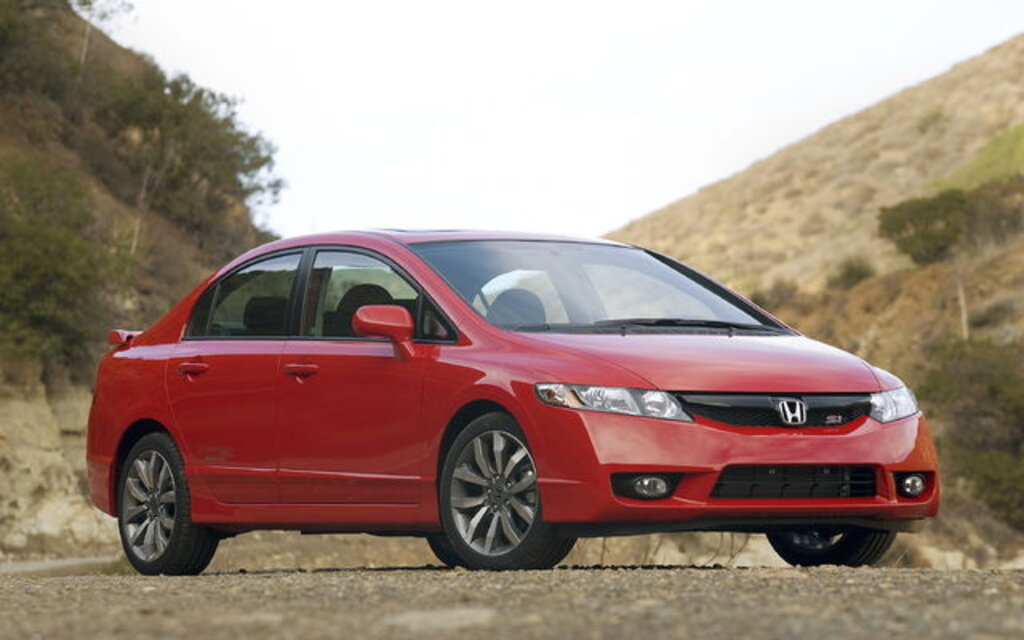
4. 2013 Honda Civic (9th Generation)
The 2013 Honda Civic has faced criticism primarily related to its transmission system. Some owners have reported transmission failures or problems with the continuously variable transmission (CVT) option, which can result in expensive repairs or replacements. Transmission issues are a significant factor in vehicle longevity and can drastically shorten the lifespan of a car.
Additionally, some 2013 Civics have been known to experience engine performance problems, such as rough idling, hesitation, and occasional stalling. While not widespread, these problems can indicate underlying mechanical concerns that may affect long-term reliability.
Suspension components and brakes have also been noted to wear prematurely in some cases, requiring more frequent maintenance than expected. Electrical problems, though less common, have included issues with dashboard warning lights and infotainment system glitches.
The 2013 Honda Civic falls short of the model years known for lasting forever, primarily due to transmission-related concerns and some mechanical quirks. Potential buyers should be cautious and perform thorough inspections before purchasing this model year.
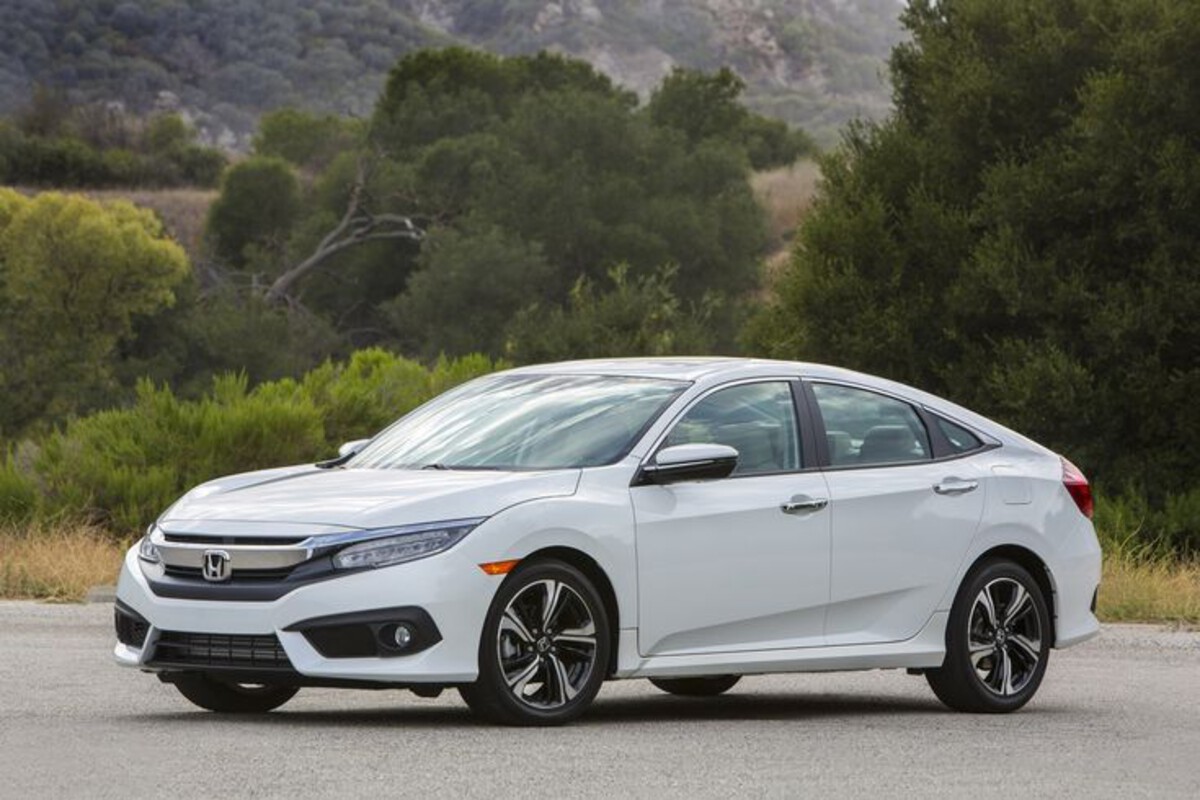
5. 2016 Honda Civic (10th Generation)
While the 10th-generation Honda Civic is generally praised for quality, the 2016 model year experienced a few issues that impact its reputation for longevity. One problem involves the turbocharged 1.5-liter engine, which in some cases has exhibited excessive oil dilution, where gasoline mixes with the engine oil. This can lead to accelerated engine wear and increased risk of failure if not addressed promptly.
Some owners have also reported issues with the infotainment system freezing or rebooting, though this does not affect mechanical reliability directly, it detracts from the ownership experience. There have been occasional reports of premature brake wear and suspension noises that require repairs sooner than expected.
While recalls and software updates have addressed many of these issues, their existence means the 2016 Civic doesn’t enjoy the same trouble-free reputation as other model years. Maintenance on the turbocharged engines requires careful attention to oil change intervals and engine monitoring.
As a result, although the 2016 Civic can still be a good car with proper care, its potential for more frequent or serious mechanical problems means it may not last as long as some other Civics without substantial upkeep.
Also Read: 5 Cars That Outlast Their Radios vs 5 With Failing Electronics
5 Honda Civic Years That Last Forever
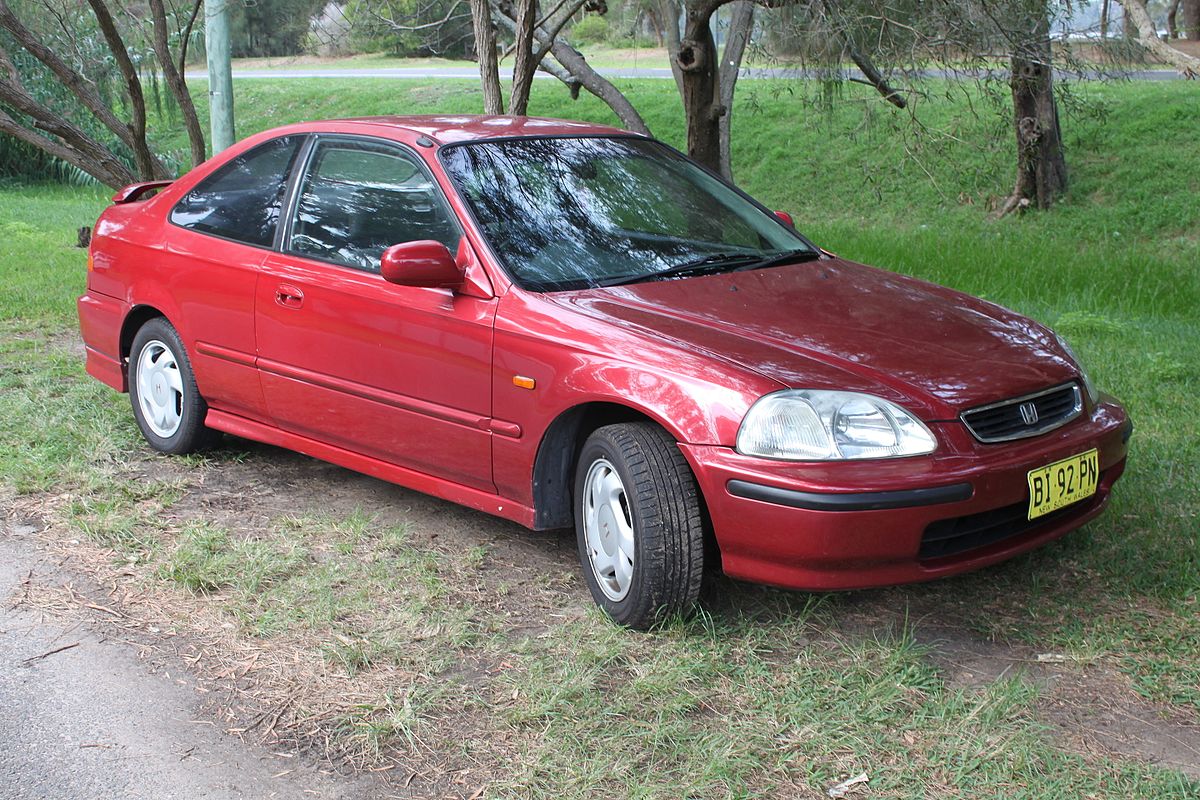
1. 1998 Honda Civic (6th Generation)
The 1998 Honda Civic represents one of the most reliable and enduring models in the Civic lineup. As part of the sixth generation, it struck a balance between mechanical simplicity and improved comfort features, which contributed to its lasting popularity.
The D16 engine equipped in this model is particularly for its robustness. This engine is less prone to the common issues seen in other years, such as head gasket failures or excessive oil consumption. Owners often praise the 1998 Civic for its ability to handle high mileage without significant mechanical degradation, which has cemented its reputation as a workhorse in the used car market.
Another factor contributing to the 1998 Civic’s longevity is the relative ease of maintenance. Its mechanical systems are straightforward, with fewer electronic components compared to later models, meaning there are fewer potential failure points. Timing belts and water pumps, common wear items, are easily serviceable and parts remain widely available and affordable.
This accessibility encourages owners to maintain their vehicles properly, avoiding the neglect that often leads to premature failure. The chassis itself has proven resilient, with many owners reporting minimal rust or corrosion issues even after years of exposure to harsh weather conditions.
Additionally, the 1998 model benefited from a manufacturing process that Honda had refined over previous generations. The fit and finish of the interior and exterior were better than some of its predecessors, and the build quality ensured that road noise and vibrations were kept to a minimum.
This contributed to a driving experience that felt solid and enjoyable, motivating owners to keep their vehicles longer. Combined with a reputation for reliability, the 1998 Civic has become a favorite among enthusiasts and everyday drivers alike who want a vehicle that simply keeps going.
Finally, the car’s market presence has contributed to its long-term success. Because it was a popular model year, there is a strong community of owners and mechanics familiar with the car. This creates a wealth of shared knowledge about common issues, fixes, and modifications that can extend the life of the vehicle.
Forums and repair guides abound, helping even novice owners keep their cars in top shape. The 1998 Honda Civic’s combination of mechanical durability, ease of maintenance, solid manufacturing, and strong community support makes it one of the true legends of longevity in the Civic family.
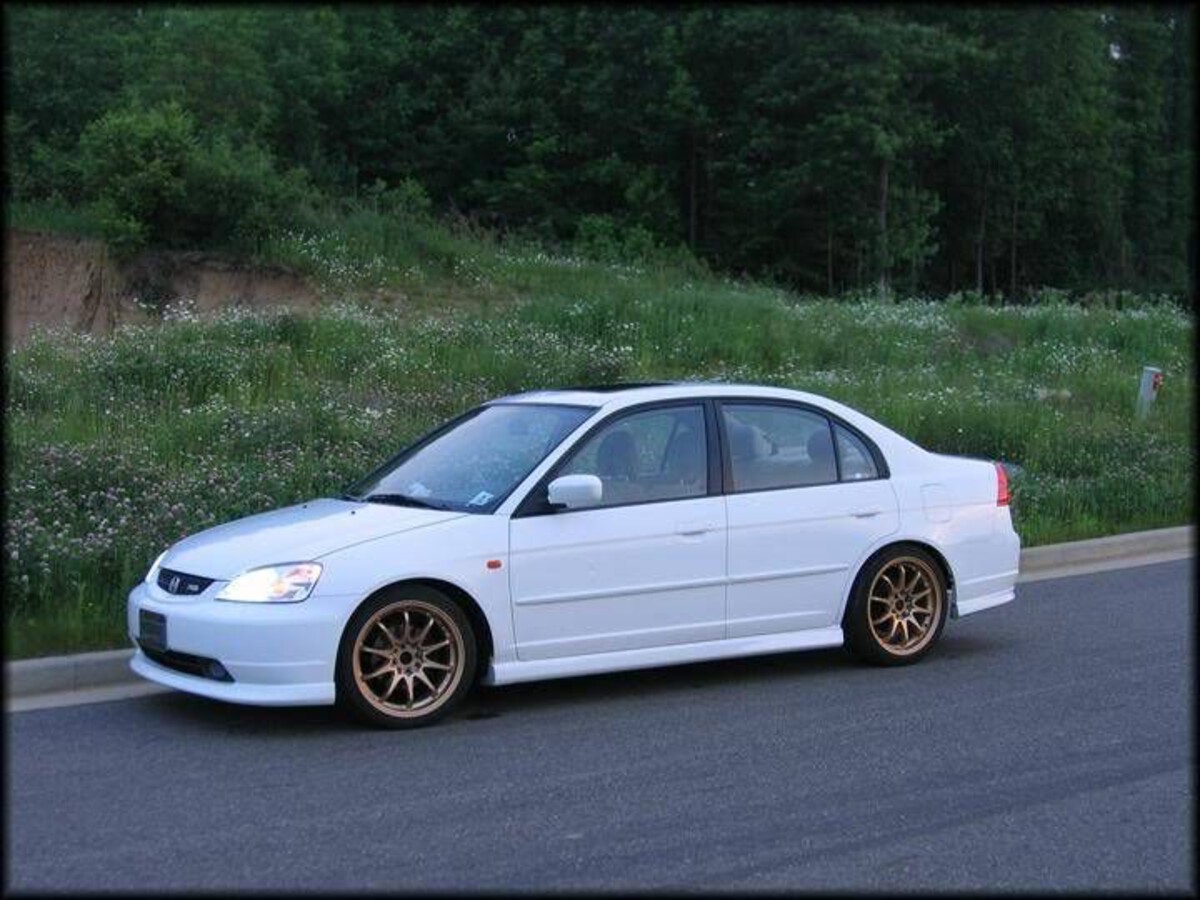
2. 2001 Honda Civic (7th Generation)
The 2001 Honda Civic marked a significant evolution in the Civic’s history, introducing a generation that combined modern design and improved fuel economy with Honda’s traditional reliability. This model featured several engine options, but the 1.7-liter SOHC engine stood out for its durability and efficiency.
It was engineered with an emphasis on reducing emissions and improving mileage, yet Honda did not compromise on mechanical integrity. Many owners report that with routine maintenance, including regular oil changes and timely replacements of wear components like spark plugs and belts, these engines can last well beyond 200,000 miles.
The 2001 Civic also featured enhancements in chassis rigidity and suspension tuning, which improved ride quality without sacrificing the vehicle’s ability to withstand the rigors of daily driving. This meant that even after many years on the road, the car retained a relatively comfortable and controlled driving experience. The brakes, steering, and suspension components were designed to be durable, further contributing to the car’s lasting performance. These factors, combined with Honda’s conservative approach to adding electronic features, resulted in a model that was less prone to the electrical issues that sometimes plague newer vehicles.
Owners also benefited from improvements in safety features, such as the addition of side airbags and better crash protection, which enhanced the car’s value and appeal. These safety upgrades did not come at the expense of reliability; rather, they showed Honda’s ability to innovate while maintaining a solid foundation of mechanical soundness.
The 2001 Civic’s interior also reflected a thoughtful approach to design, with durable materials that aged well over time, resisting wear and tear better than some competitors.
Another important aspect of the 2001 Civic’s longevity is the availability of parts and repair knowledge. Given the popularity of this generation, aftermarket and OEM parts remain abundant and reasonably priced. This encourages owners to address maintenance issues proactively, rather than delaying repairs that could lead to more serious damage.
Furthermore, many mechanics are well-versed in the nuances of this model year, making repairs quicker and more reliable. All these factors combined ensure the 2001 Honda Civic remains a top contender for those seeking a compact car that lasts a lifetime.
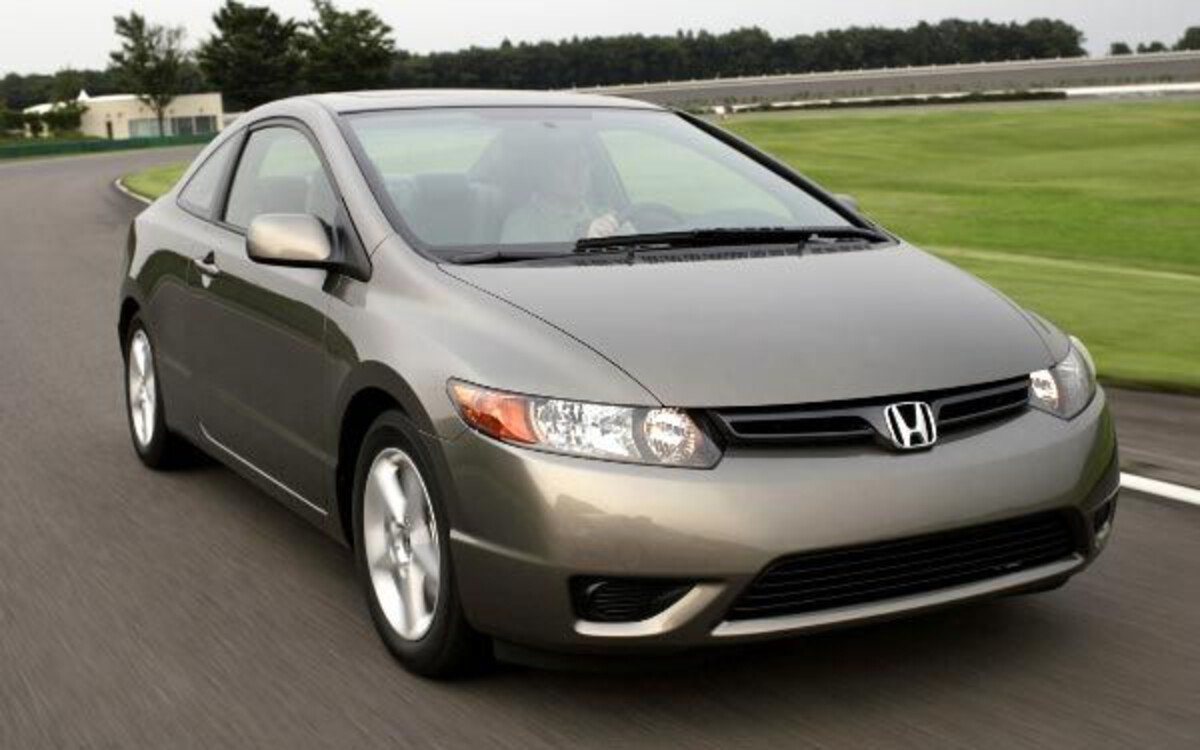
3. 2006 Honda Civic (8th Generation)
The 2006 Honda Civic represents a leap forward in terms of design and technology, while maintaining the mechanical reliability that Honda drivers expect. The eighth generation was characterized by a more aggressive exterior style and an upgraded interior that featured higher-quality materials and improved ergonomics.
Underneath the modern styling, the 2006 Civic continued to use proven engine technology, particularly the K-series 1.8-liter SOHC i-VTEC engine, which is widely regarded as one of the most durable and efficient engines Honda has produced.
This engine offers a good balance of performance and longevity. Its design includes features such as a timing chain instead of a timing belt, which reduces maintenance costs and the risk of catastrophic engine failure if not replaced on schedule.
Additionally, the 2006 Civic improved on its predecessors with better fuel injection systems and enhanced engine management, contributing to lower emissions and more consistent performance. The engine’s durability is complemented by a transmission system that, while more complex, has proven to be reliable in most cases, especially when the vehicle is well maintained.
The 2006 Civic’s suspension was upgraded with a more refined multi-link rear setup, which improved ride comfort and handling stability. This contributed to the car’s ability to remain enjoyable and safe to drive even after many miles of use.
Furthermore, the chassis was treated to better rust protection measures, which has helped many 2006 models avoid the corrosion problems that have shortened the lives of other vehicles in similar climates. This durability in the body and frame structure is a key factor in the car’s long-term survival.
Finally, the 2006 Civic benefits from a strong aftermarket and enthusiast community that has kept interest in the car alive. Because the engine is robust and parts are plentiful, owners are able to perform routine and preventative maintenance more easily, extending the life of their vehicles. For many, the 2006 Civic strikes the perfect balance between modern amenities and time-tested reliability, making it one of the best Civics for long-term ownership.
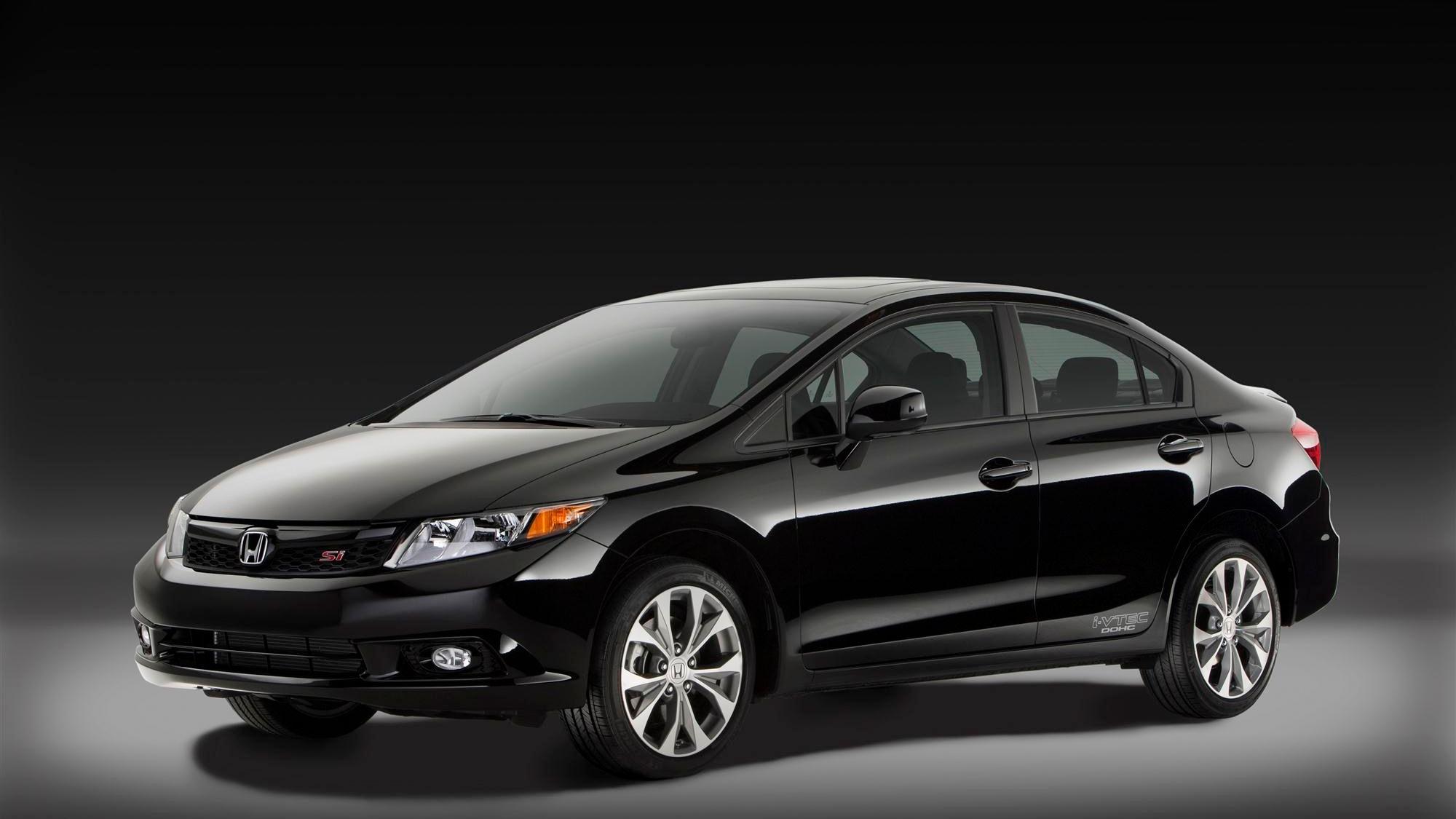
4. 2012 Honda Civic (9th Generation)
The 2012 Honda Civic stands out as a reliable and refined choice within the ninth-generation lineup. This model year introduced improvements in both aesthetics and functionality while holding true to the Civic’s reputation for longevity. The 1.8-liter SOHC i-VTEC engine used in the 2012 Civic is known for its strong reliability and efficiency.
This engine, paired with either a manual or automatic transmission, has been able to provide consistent power delivery and fuel economy over long periods, with many owners reporting high mileage with minimal mechanical issues.
The car’s chassis and suspension were also upgraded for a smoother, more comfortable ride. This was achieved without sacrificing the robustness that allows the Civic to endure years of use and various road conditions.
The suspension components, brakes, and steering systems were designed to minimize wear and maximize durability, contributing to the model’s lasting appeal. In particular, the suspension was tuned to absorb bumps effectively, which reduces stress on the vehicle’s frame and body over time.
Inside, the 2012 Civic offered a more modern interior with improved materials and better noise insulation, which helped the car age better cosmetically and kept driver fatigue to a minimum on long trips. This focus on comfort and quality didn’t detract from reliability but rather enhanced the ownership experience. Safety features such as stability control and additional airbags were standard or available, increasing the vehicle’s appeal without complicating maintenance.
Moreover, the 2012 Civic benefits from Honda’s continuous improvement in manufacturing processes. The tighter build tolerances and improved component quality have resulted in fewer common problems like rattles, leaks, or premature component failures.
This attention to detail helps the 2012 model hold up well against the test of time. As a result, this model year continues to enjoy popularity among buyers who want a dependable, modern compact car that won’t let them down in the long run.
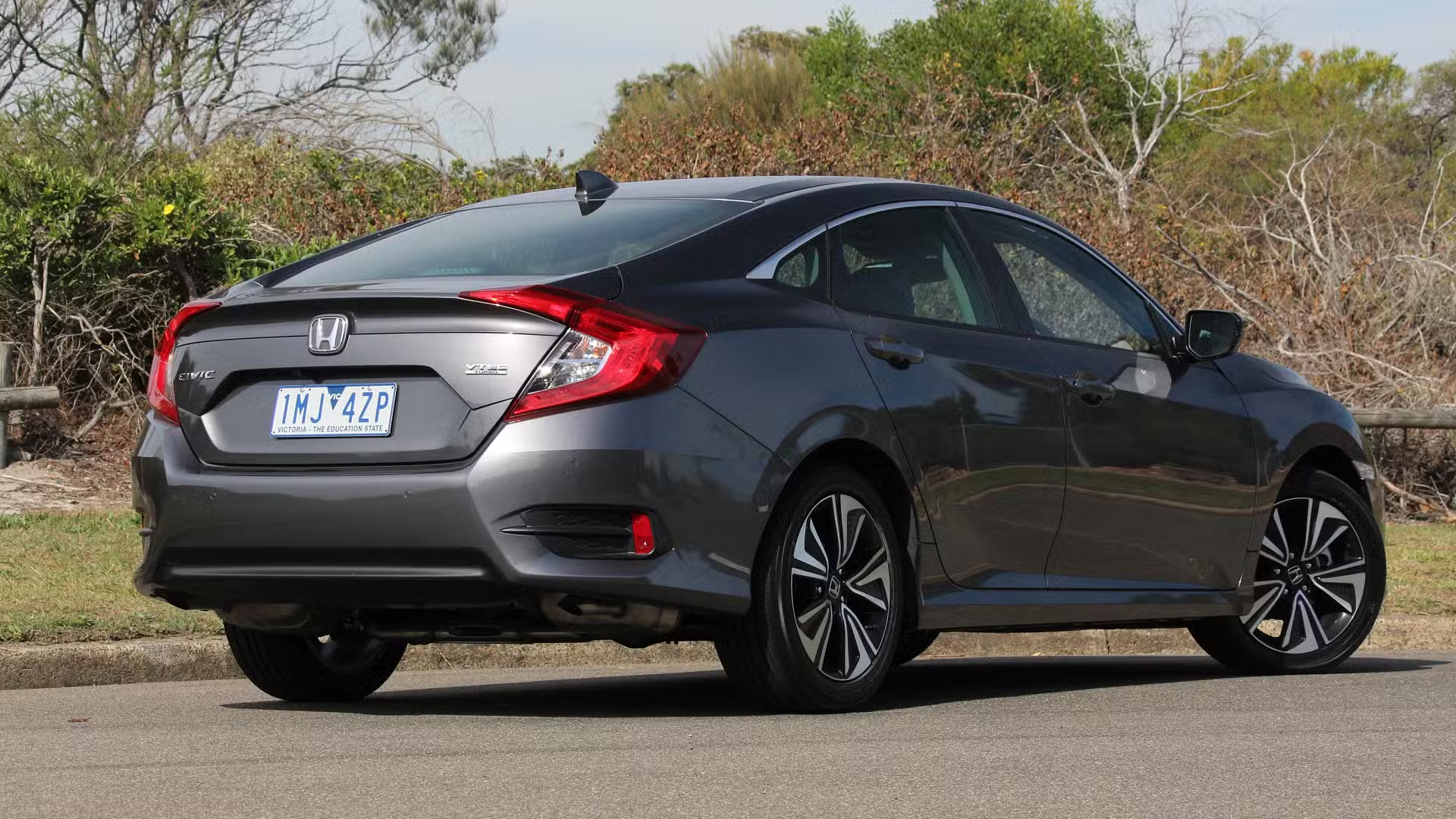
5. 2018 Honda Civic (10th Generation)
The 2018 Honda Civic is widely recognized as one of the most advanced and reliable models in the Civic’s history. This tenth-generation model combined aggressive, aerodynamic styling with a range of powerful yet efficient engines, including the turbocharged 1.5-liter inline-4 that quickly became popular.
This turbo engine delivered strong performance without compromising the reliability and fuel economy that Civics are known for. Early reports from owners suggest that, with regular oil changes and proper care, these engines can endure high mileage without significant issues.
The 2018 model also incorporated numerous safety and driver-assistance features, such as adaptive cruise control, collision mitigation braking, and lane-keeping assist, which enhanced both safety and comfort. Despite the addition of these complex electronic systems, Honda managed to maintain mechanical simplicity in critical areas like the engine and transmission. This approach reduced the likelihood of costly repairs and helped maintain a reputation for dependability.
One improvement in the 2018 Civic is its upgraded chassis and suspension system, which provide a more refined and sporty driving experience. The suspension design improves handling and ride comfort, allowing the car to maintain good stability and control even as mileage climbs.
In addition, Honda implemented better soundproofing materials and interior design enhancements that help the car maintain its fresh, well-maintained feel even after years of use.
The 2018 Civic also benefits from a robust dealer and service network, making maintenance and repairs straightforward. Replacement parts are readily available, and many mechanics are familiar with the newer technologies used in this model.
The combination of advanced engineering, reliable turbocharged engines, and improved manufacturing quality all contribute to the 2018 Honda Civic’s strong reputation as a vehicle that can truly last forever when properly maintained.
Also Read: 9 Best Tricks That Keep a Ford Flex From Breaking Down
When comparing the long-term performance and reliability of different model years, one thing becomes clear: not all vehicles are built with the same level of consistency. Even with a brand known for dependability, some years stand out for all the right reasons and others that unfortunately fall short.
The variations in performance, reliability, and owner satisfaction across the years serve as a reminder that even the most trusted manufacturers can produce models that don’t live up to expectations.
The years that tend to hold up well over time usually share common traits. These models are often marked by simplicity in design, well-tested engines, and fewer changes from previous successful years. They tend to avoid early adoption of unproven technologies, which lowers the chances of premature failures.
Moreover, these vehicles typically have strong track records of reliability reported by owners, mechanics, and third-party analysts. Their parts are widely available, relatively affordable, and they benefit from a wealth of community knowledge when it comes to repairs and maintenance. Longevity, in these cases, is not a lucky outcome, it is the result of solid engineering, quality control, and a commitment to producing something that lasts.
On the other hand, the years that tend to fall short often suffer from a mix of issues. Sometimes it’s related to changes in design that introduced flaws not seen in earlier models. In other cases, cost-cutting measures may have led to lower-quality components or less thorough testing.
New technology or engine designs that hadn’t yet been refined also contributed to reliability problems. Models from these years might look good on paper or have initially received positive reviews, but over time, they’ve shown a tendency to develop mechanical problems, suffer from premature wear, or face recurring electrical issues that are costly to fix and frustrating to live with.
What makes the difference between a vehicle that lasts over 200,000 miles and one that starts falling apart well before that mark often comes down to build quality, the presence or absence of design flaws, and how well the vehicle was maintained. But it’s also about predictability.
Owners want to know that if they keep up with regular maintenance, their car won’t let them down. The best model years consistently meet or exceed this expectation, while the worst ones too often betray that trust with expensive repairs, recalls, or chronic problems that affect daily use.
For buyers looking at used vehicles, understanding these distinctions is more important than ever. The exterior may look clean, the engine may sound healthy on a test drive, but history matters.
Choosing a model year with a reliable track record significantly increases the chances of getting a vehicle that will serve you well for years to come. Meanwhile, steering clear of the less dependable years could mean avoiding the stress and expense that come with constant repairs and uncertainty.
Consistency is what builds reputation, and reputation is what informs smart decisions. Not every year lives up to the same standard, and knowing which years shine and which ones struggle can make all the difference between a wise investment and a costly mistake.
