
Electric vehicles have gone through years of skepticism, doubt, and endless comparisons with gasoline-powered cars. Many people used to associate EVs with limited range, slow charging, lack of infrastructure, or concerns about battery life and maintenance costs.
But as technology matured, a growing number of electric vehicles began standing out not just for their innovation or sustainability, but for their ability to consistently perform without major issues. Reliability is no longer a feature reserved only for traditional internal combustion cars.
It’s something that several EVs have earned through years of real-world use, customer satisfaction, and minimal repair needs. Whether it’s long-distance travel, daily commutes, or harsh weather conditions, certain electric models have shown that they can stand the test of time.
Consumer confidence has been slowly shifting. More people are realizing that electric cars are not just trendy experiments. They’re practical, dependable machines. The early adopters who bought electric vehicles a decade ago have paved the way for today’s broader market.
They’ve shared feedback, posted high-mileage stories online, and reported lower maintenance costs. These stories matter because they break the myth that electric cars can’t last or aren’t trustworthy over long periods. Some EVs have even surpassed their gasoline counterparts in terms of long-term cost-effectiveness and mechanical stability.
Manufacturers who invested in quality batteries, efficient powertrains, and well-designed software systems are now seeing the results in customer retention and loyalty.
This article focuses on 12 electric vehicles that have already proven themselves to be reliable. These are not just flashy new models that came out last year. They include long-running platforms, high-mileage success stories, and vehicles that continue to deliver dependable performance after years of use.
Each one has demonstrated that electric doesn’t have to mean fragile or experimental. Whether you’re considering your first EV or just curious about how far the technology has come, these 12 models offer strong examples that electric vehicles can indeed be counted on for the long haul.
Also Read: 5 Subaru Models That Handle Mileage Well vs 5 That Don’t
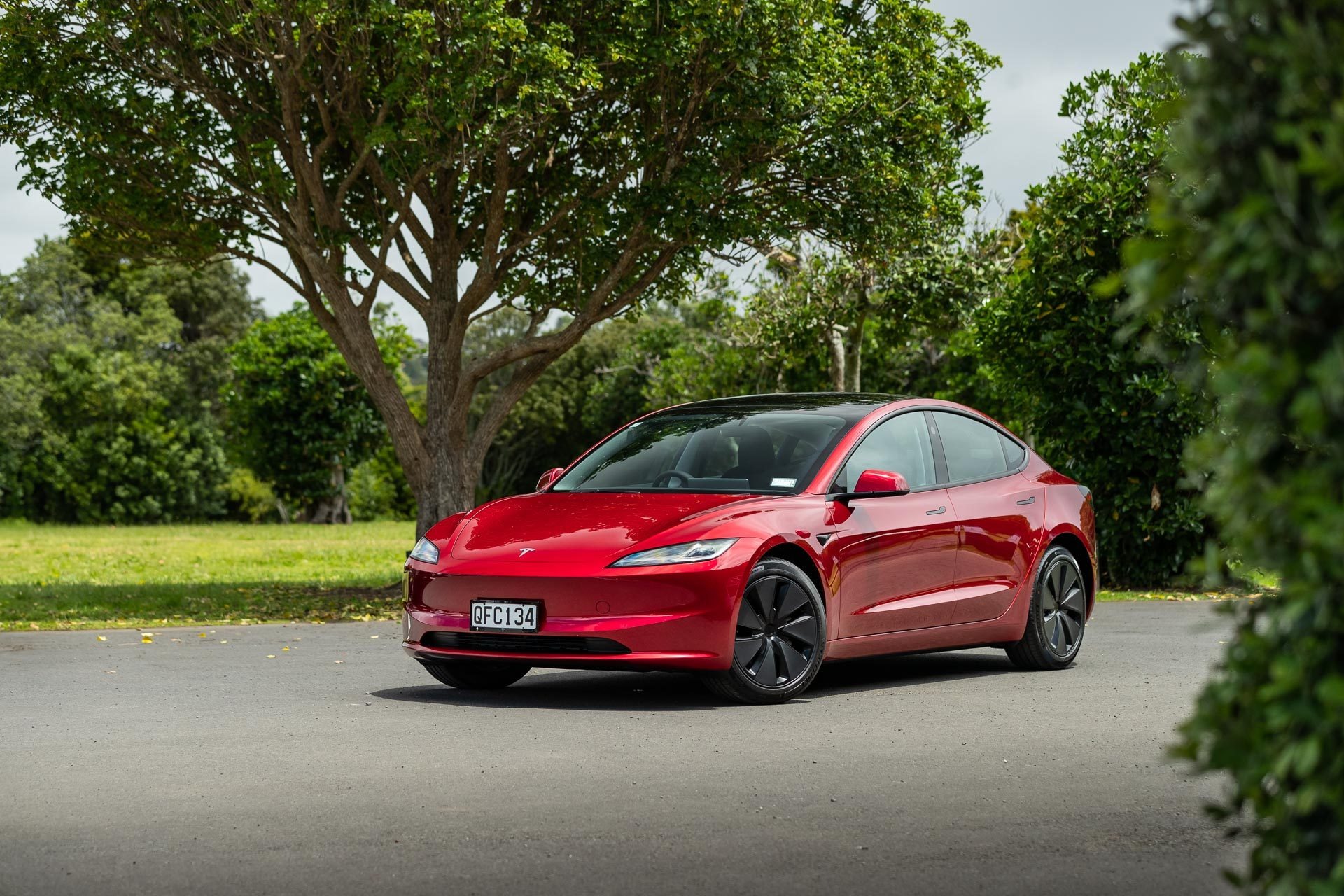
1. Tesla Model 3
Since its release, the Tesla Model 3 has become one of the most recognizable electric cars in the world. While early Tesla vehicles faced criticism for quality control, the Model 3 showed significant improvement in production standards.
Owners have praised the car’s durability over hundreds of thousands of miles. Some high-mileage drivers have even reported battery health above 90% after 200,000 miles, something nearly unheard of for earlier EVs. That alone makes the Model 3 stand out when talking about long-term dependability.
Mechanically, the Model 3 has relatively few moving parts, which contributes to fewer maintenance needs over time. The absence of things like oil changes, transmission fluid flushes, and engine maintenance makes it cheaper and simpler to maintain. What makes the Model 3 particularly reliable is how well the software and hardware integrate.
Tesla regularly pushes over-the-air updates that fix bugs, improve range, and enhance driving features without requiring a visit to the service center. This software-driven approach means the car can actually improve over time, which is the opposite of how most vehicles age.
Some critics still question panel gaps and interior materials, but in terms of drivability and system performance, the Model 3 has consistently held up well. Brakes last longer thanks to regenerative braking, and most owners report few powertrain issues even after several years.
While service center availability remains a challenge in certain regions, it hasn’t stopped the Model 3 from being widely recognized as a dependable daily driver.
The car’s battery technology, which uses cylindrical cells developed in-house, has proven to be a key factor in its reliability. Tesla’s thermal management system keeps battery temperatures within optimal ranges, reducing wear and tear. When you add together the mechanical simplicity, robust battery system, and consistent software support, it’s not surprising that the Model 3 has been one of the leading EVs people trust year after year.
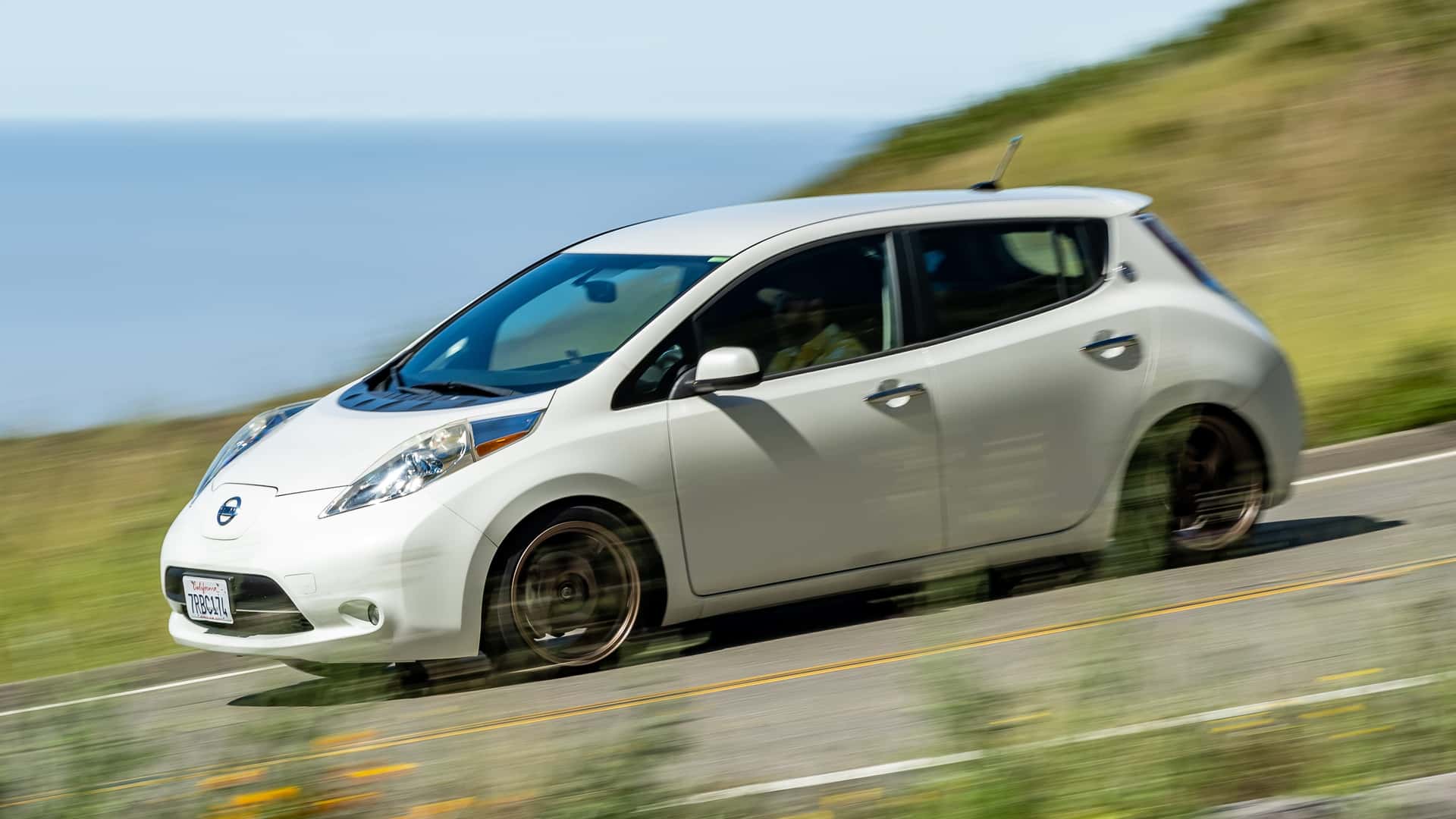
2. Nissan Leaf
The Nissan Leaf is one of the earliest mass-produced electric vehicles, and it’s had more than a decade to prove itself. Launched in 2010, the Leaf has built a reputation for being a no-nonsense electric commuter.
It may not offer flashy tech or a massive range, but its longevity speaks for itself. Many Leafs on the road today are still going strong with well over 100,000 miles. The simplicity of its design is a big reason why it continues to earn high marks for reliability.
One of the strengths of the Leaf is that it doesn’t rely on complex thermal battery management systems. While this was initially a limitation in hot climates, it actually reduced the number of parts that could fail. Over time, battery degradation issues were addressed in newer models, and improvements in chemistry helped extend the life of the cells. The 40 kWh and 62 kWh versions offer decent range and have proven themselves through years of use with minimal issues.
Even though the Leaf doesn’t use a liquid-cooled battery, many owners in moderate climates report minimal battery capacity loss. Additionally, the car has a strong record of mechanical reliability. Since it lacks a traditional transmission and uses fewer moving parts, long-term wear and tear is significantly reduced. The regenerative braking system extends brake life, and there’s less stress on the drivetrain compared to gas-powered cars.
The Leaf’s affordability also plays a role in its dependable image. It doesn’t aim to be a luxury car, and because it avoids complex features, fewer things can go wrong. Its practical, well-tested platform has led many people to purchase used Leafs as a second car or daily commuter.
After more than a decade in production, the Leaf remains a strong example of how EVs can be both affordable and dependable for the long run.
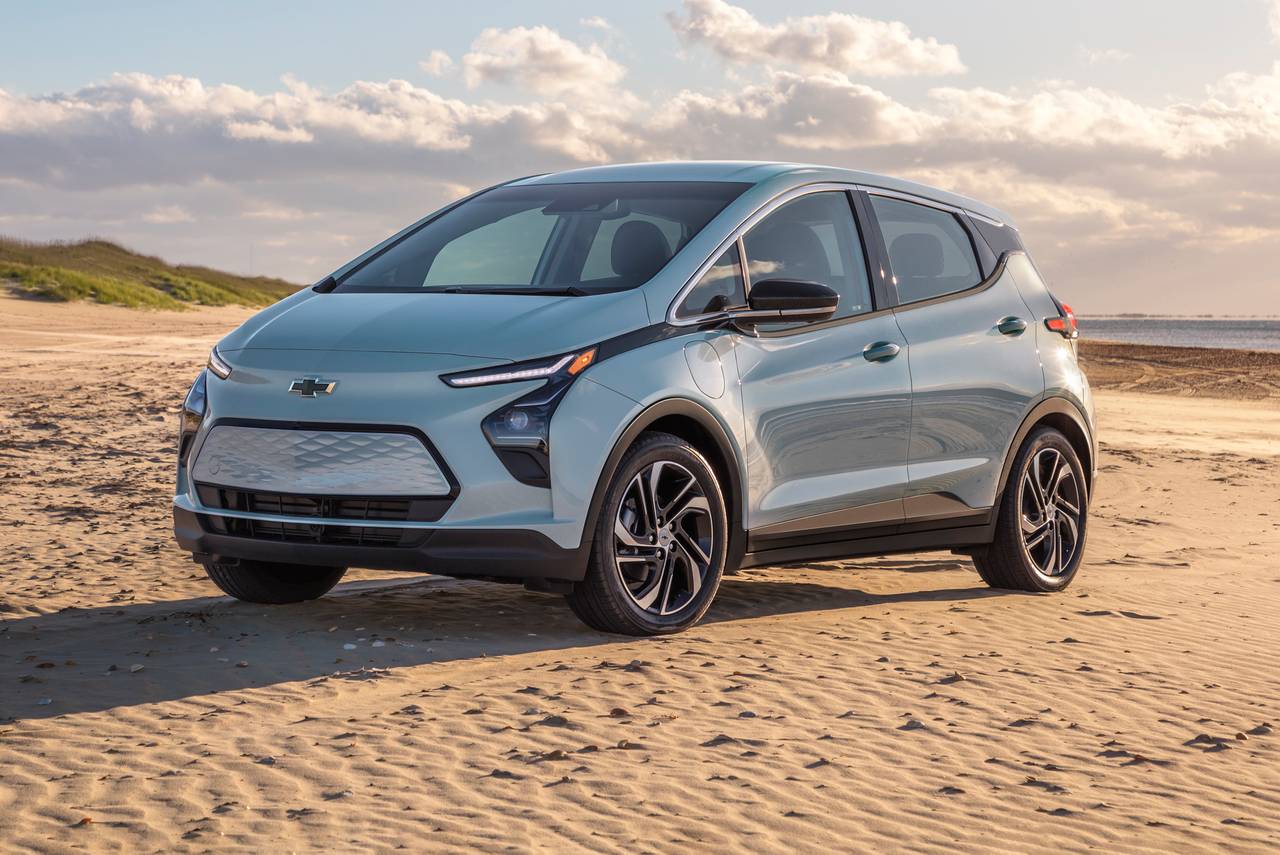
3. Chevrolet Bolt EV
Despite some early hiccups with battery recalls, the Chevrolet Bolt EV has become one of the most reliable electric vehicles on the market. The Bolt’s platform has matured over time, and post-recall versions have shown excellent consistency. It offers solid range, low maintenance costs, and a surprisingly roomy interior. What it lacks in luxury, it makes up for in practicality and cost-effectiveness.
The Bolt EV’s battery issues were serious but handled in a way that rebuilt trust. GM replaced affected battery packs and made software changes to prevent future problems. Since then, the car has continued to serve as a dependable option for many families and commuters. Its small footprint and large interior space make it ideal for city driving, while the roughly 250-mile range handles highway trips with ease.
Mechanically, the Bolt EV is straightforward. It uses a permanent magnet electric motor and single-speed transmission, reducing complexity and maintenance requirements. Many owners have reported minimal repairs after several years, and those who maintain their vehicles well often report them driving like new even after 100,000 miles. The Bolt’s regenerative braking system is especially effective at reducing wear on brake components.
Beyond the technical elements, the Bolt has proven to be dependable through real-world feedback. Many drivers use it for daily work commutes, delivery services, or long-distance travel. It’s not a flashy car, but it shows how a well-designed electric powertrain can provide a stress-free ownership experience. With the price dropping and incentives still available in many areas, the Bolt remains one of the most reliable and accessible EVs today.
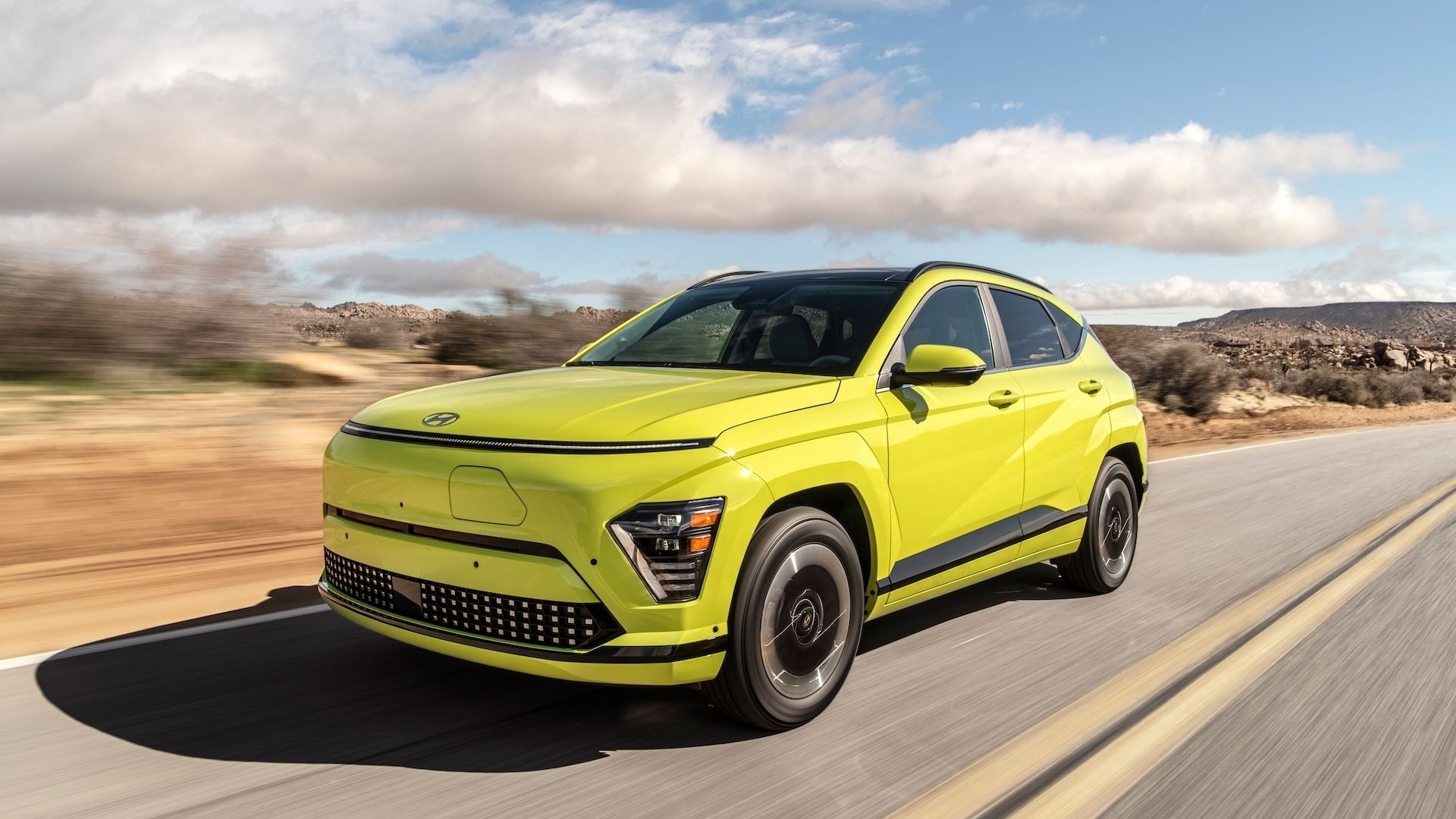
4. Hyundai Kona Electric
Hyundai’s Kona Electric stands out in its segment for offering excellent range, comfort, and reliability in a compact SUV format. Unlike some EVs that chase performance or luxury, the Kona focuses on consistent delivery. Drivers have reported minimal issues, and the vehicle’s systems are known for smooth integration and low failure rates. It’s also received praise for its solid build quality and responsive customer support.
The Kona Electric has a range of over 250 miles on a full charge, which puts it in the same category as more expensive EVs. Hyundai’s battery management system plays a big role in that consistency. It helps extend the battery’s lifespan and prevents the kind of thermal issues seen in older EVs. The battery warranty is also generous, which adds to customer confidence in the car’s durability.
Inside, the Kona Electric is simple but well-designed. The infotainment system, climate controls, and digital displays are user-friendly and reliable. Unlike some systems that freeze or glitch, Hyundai’s software has a good track record. Drivers also benefit from useful driver assistance features like lane-keeping assist and adaptive cruise control, which contribute to a safe and dependable driving
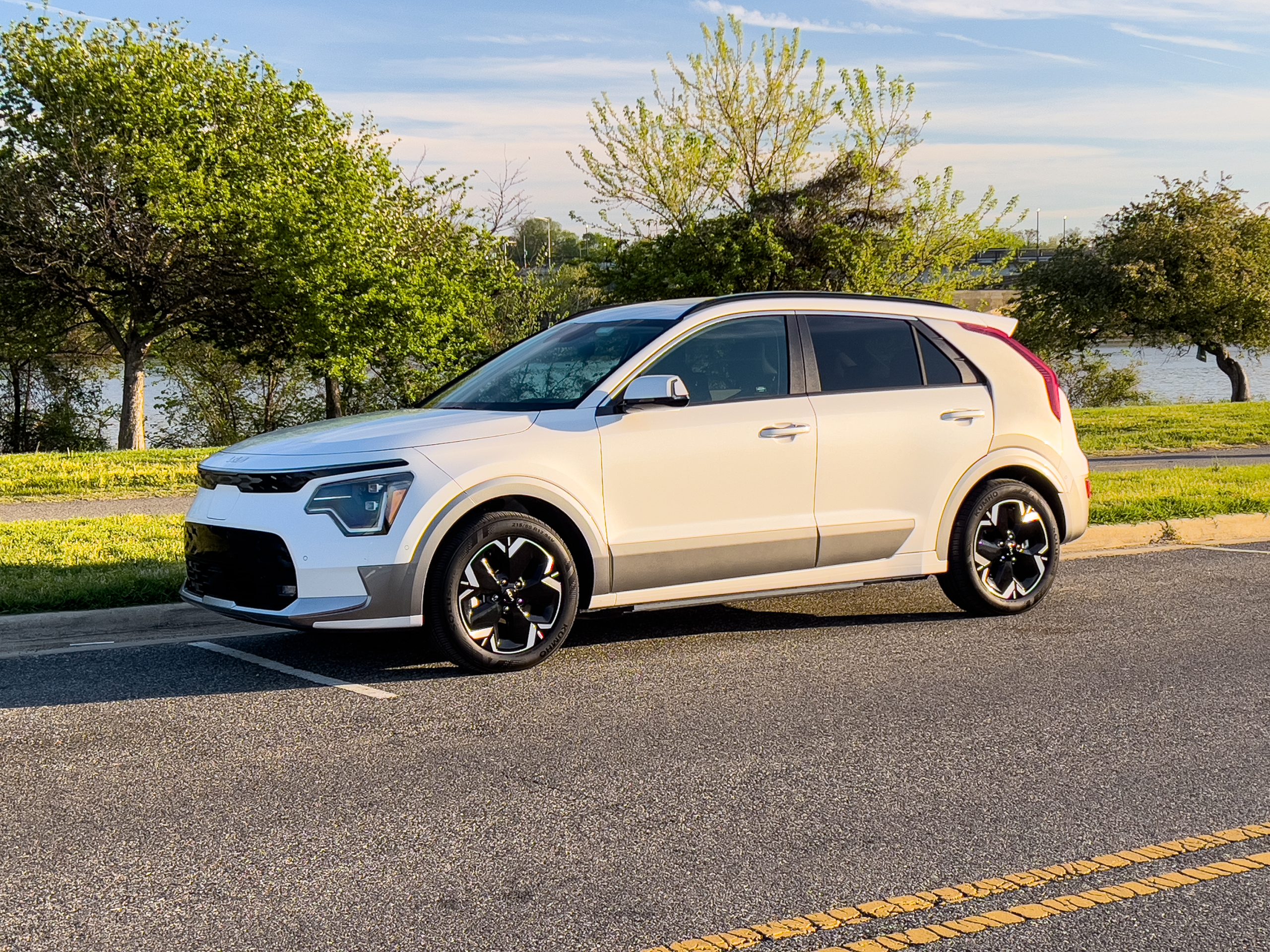
5. Kia Niro EV
The Kia Niro EV has earned a solid reputation as a practical and reliable electric crossover. From the beginning, Kia positioned it not as a futuristic gadget but as a well-rounded vehicle that just happens to be electric.
This mindset reflects in its build quality, its performance on the road, and its ability to keep performing without causing headaches for owners. The Niro EV is built on a platform that has been used in other hybrid and plug-in hybrid models, which adds a layer of confidence to its design and engineering. The parts have already gone through years of use, and Kia smartly adapted them to electric driving.
One of the most reliable features of the Niro EV is its battery system. It uses a liquid-cooled lithium-ion polymer battery that is known to maintain capacity well over time. Users who have driven the Niro for tens of thousands of miles often report minimal battery degradation, especially when regularly charging within healthy limits.
This durability has made the Niro EV a favorite among those looking for a long-term commuter or family car. The thermal management system in particular helps the battery operate efficiently in a wide range of climates, from cold winters to very hot summers, which is critical for long-term dependability.
Inside the cabin, the Niro EV balances comfort and function. The infotainment system rarely freezes or malfunctions, the physical buttons are clearly labeled and logically placed, and the driver-assist features operate consistently. This kind of system reliability makes a huge difference in everyday use.
Unlike some vehicles where owners deal with recurring software glitches or sensor errors, the Niro EV provides a relatively stress-free ownership experience. It’s not the most exciting car to drive, but it does what it’s supposed to do with minimal fuss, which is exactly what many people want from a reliable vehicle.
Mechanically, the Niro EV has very few issues. It shares its powertrain with the Hyundai Kona Electric, which also has a strong track record, and benefits from the same engineering quality. Drivers rarely report drivetrain or power delivery problems, and maintenance needs are minimal.
Aside from the usual wear items like tires and cabin filters, many Niro owners go months or even years without needing to visit the service center. For drivers looking for a no-nonsense EV that can go the distance without surprises, the Kia Niro EV stands out as a strong contender.
Also Read: 5 Honda Civic Years That Last Forever vs 5 That Don’t
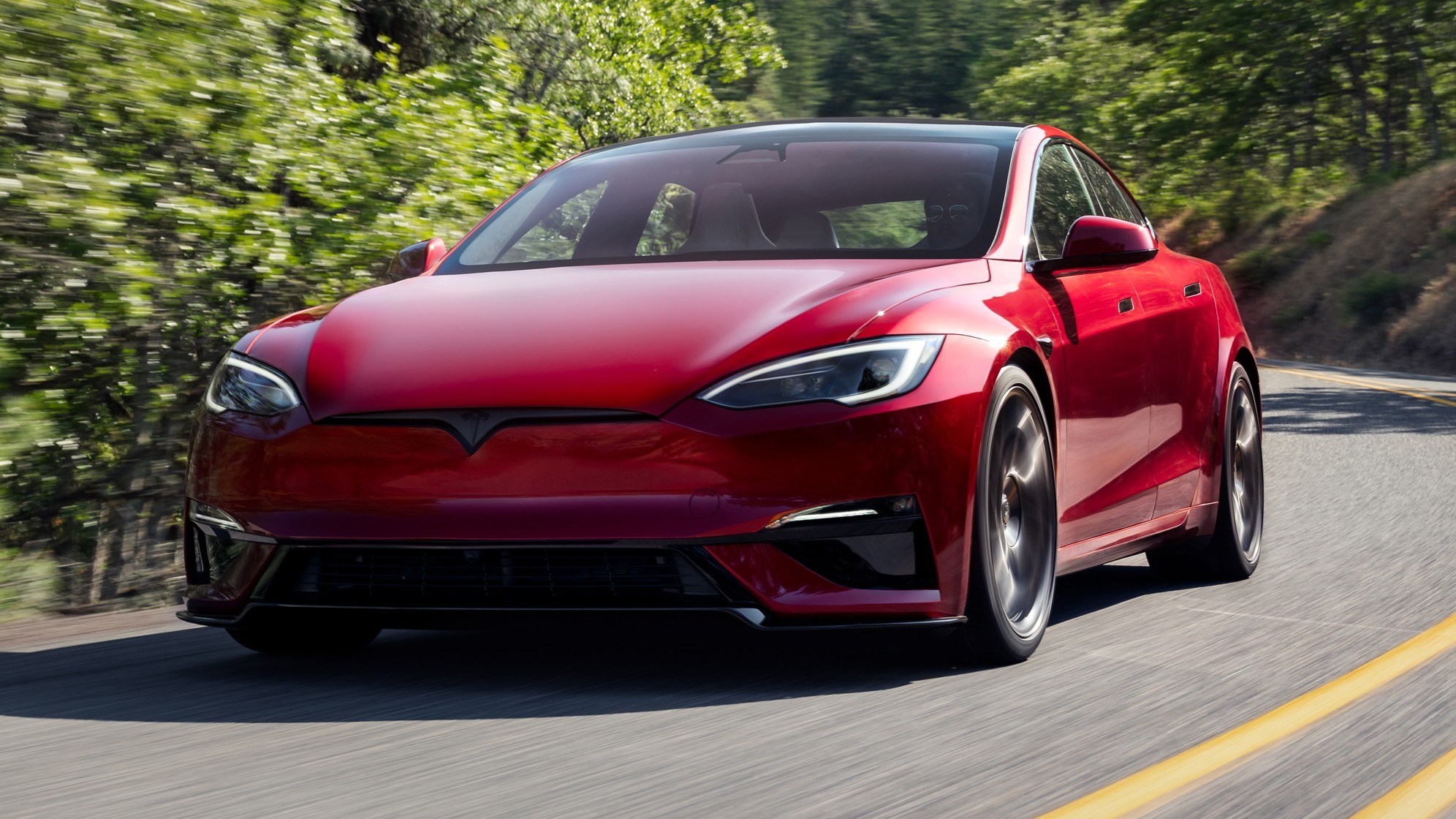
6. Tesla Model S
When the Tesla Model S first launched in 2012, it represented a major step forward in electric mobility. It wasn’t just about range or acceleration; it was about proving that electric cars could be luxurious, fast, and dependable all at once.
Over the years, the Model S has undergone several upgrades, but many early models are still on the road today, and some have accumulated mileage in excess of 300,000 miles. That kind of lifespan is extremely rare for most cars, and even more impressive for a vehicle that helped pioneer the modern electric age.
The Model S has benefited from constant software improvements throughout its life. Tesla’s over-the-air updates have fixed bugs, improved performance, and added features that weren’t even present when the vehicle was purchased.
This evolving software experience contributes to the perception of reliability, not just in avoiding breakdowns, but also in keeping the car current and enjoyable to use. The fact that a 2014 Model S can receive the same software updates as a 2020 model gives it a unique edge. This has helped many owners feel like their cars remain modern even as they age.
The battery systems in the Model S have also proven to be very durable. Even with frequent use and regular Supercharging, many drivers report only moderate battery degradation over time. The thermal management system is well-designed, and Tesla’s battery packs are among the most advanced in the industry.
Some early 85 kWh models still hold a charge within 80–90% of their original capacity after a decade of use, which is a strong indication of long-term engineering quality. These real-world examples show that the Model S is not just a high-performance machine, but also a long-distance workhorse.
Although early versions of the Model S had some quality control issues, such as trim misalignment or door handle problems, Tesla addressed many of these in later revisions. The powertrain, however, has remained one of the most dependable parts of the car.
Owners rarely report motor issues, and even components like the suspension and braking systems hold up well under regular use. With many units approaching the 10-year mark and still running strong, the Model S remains a landmark vehicle that proves electric cars can last as long, or even longer, than their gasoline counterparts.
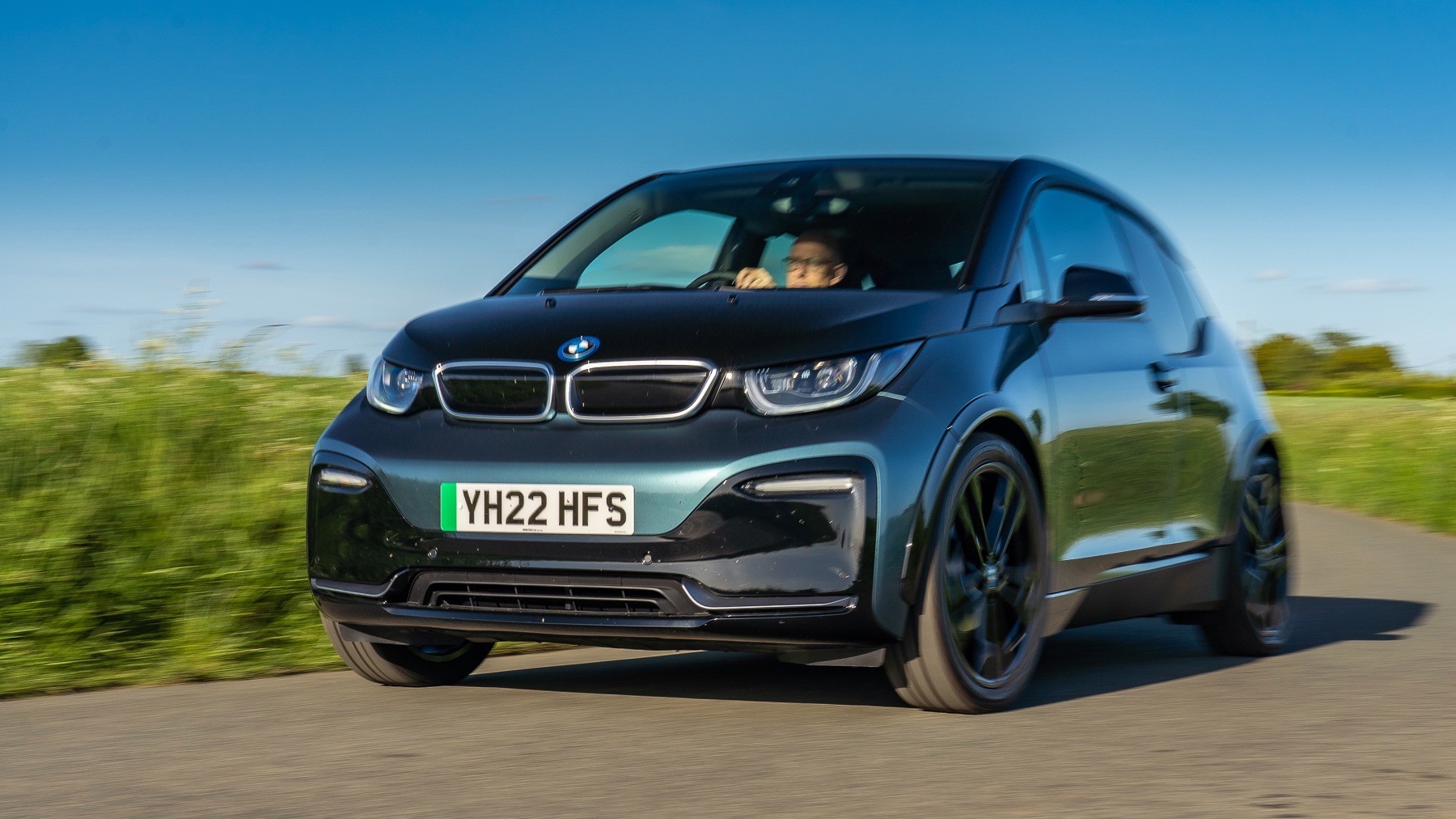
7. BMW i3
The BMW i3 was never meant to be a mass-market electric car, but it did something important: it proved that a premium EV could be both fun to drive and highly reliable. Built with a carbon-fiber reinforced plastic body and a unique rear-wheel-drive layout, the i3 stood apart from the competition.
While some questioned its small size and unusual design, the car’s long-term dependability has earned it a strong reputation among owners. Many early i3s from the 2014–2015 model years are still in daily use today with few complaints.
Mechanically, the i3 has one of the simplest powertrains in its class. The electric motor is efficient, and the car’s lightweight design means less strain on the drivetrain. This results in reduced wear and tear compared to heavier electric vehicles.
Even the optional range extender, a small gas engine designed to recharge the battery on the go, has proven to be reliable over time. Many owners who opted for this version report seamless integration between gas and electric power. The battery, while smaller than most modern EVs, performs consistently, and the car’s regenerative braking system does an excellent job of extending brake life.
Software performance in the i3 has been steady, with few bugs or major glitches reported by long-term users. BMW provided updates that improved the driving experience without overwhelming the system. The navigation, infotainment, and climate controls all operate smoothly, which adds to the sense of reliability.
While the user interface isn’t flashy, it is consistent, which matters when you’re relying on it daily. Drivers also note that the vehicle starts reliably in all types of weather, including sub-zero temperatures, where some EVs struggle with battery efficiency.
In terms of servicing, the i3 is low-maintenance. Aside from occasional tire replacements and standard checks, it doesn’t demand much from its owner. The simplicity of the powertrain, coupled with the sturdy build materials, has allowed many i3s to stay on the road for over 100,000 miles with few issues.
Even more impressive is the resale value, which has held surprisingly well in some markets due to continued demand for used, dependable EVs. The i3 may be small, but it’s a serious performer when it comes to long-term trustworthiness.
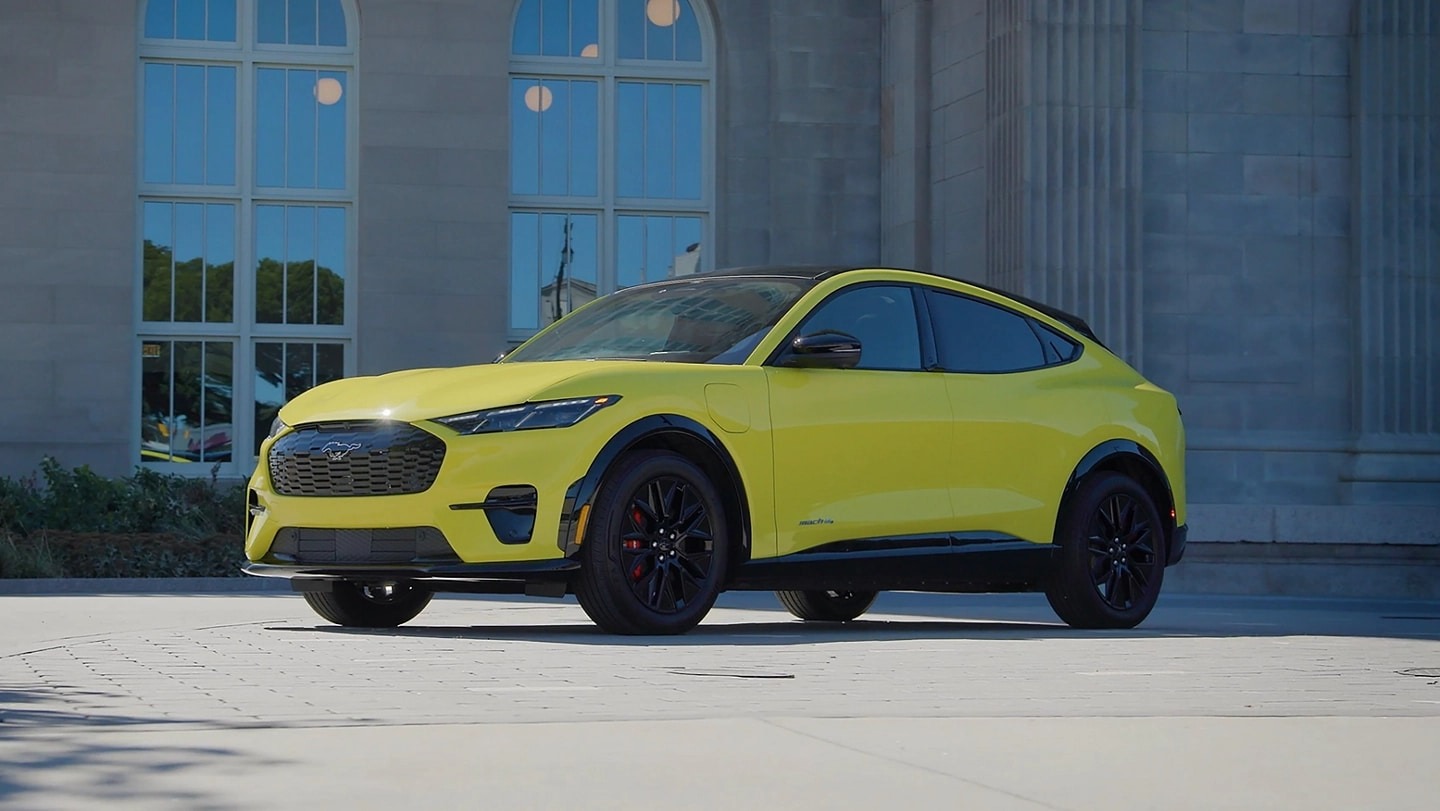
8. Ford Mustang Mach-E
Ford’s entry into the electric SUV market was met with curiosity and doubt. Could a legacy automaker really compete with the companies that had been building EVs for years? The Mustang Mach-E proved that not only could they compete, but they could also build something reliable right out of the gate.
Since its launch, the Mach-E has gained recognition for its solid engineering, practical design, and consistent software performance. While a few early updates were needed to smooth out connectivity and infotainment glitches, the ownership experience has been overwhelmingly positive.
The Mach-E’s battery and powertrain have shown strong reliability metrics, especially in newer versions. Ford uses a robust thermal management system that ensures consistent battery performance regardless of external temperature.
Owners in colder climates have praised the car’s ability to maintain range and cabin heat even during the worst winter conditions. The power delivery is smooth, the acceleration is responsive, and the car’s handling gives it a grounded, confident feel on the road. This builds trust in the vehicle’s ability to perform day in and day out without surprises.
Interior quality and design also contribute to the Mach-E’s reliable image. Ford has kept the cabin layout clean and user-friendly, with physical buttons in key places and a large central touchscreen that is responsive and relatively bug-free.
Over-the-air updates have improved responsiveness, added new features, and resolved minor glitches reported by early adopters. Unlike some other new EVs that feel like beta software platforms on wheels, the Mach-E offers a well-rounded, stable user experience that keeps owners coming back.
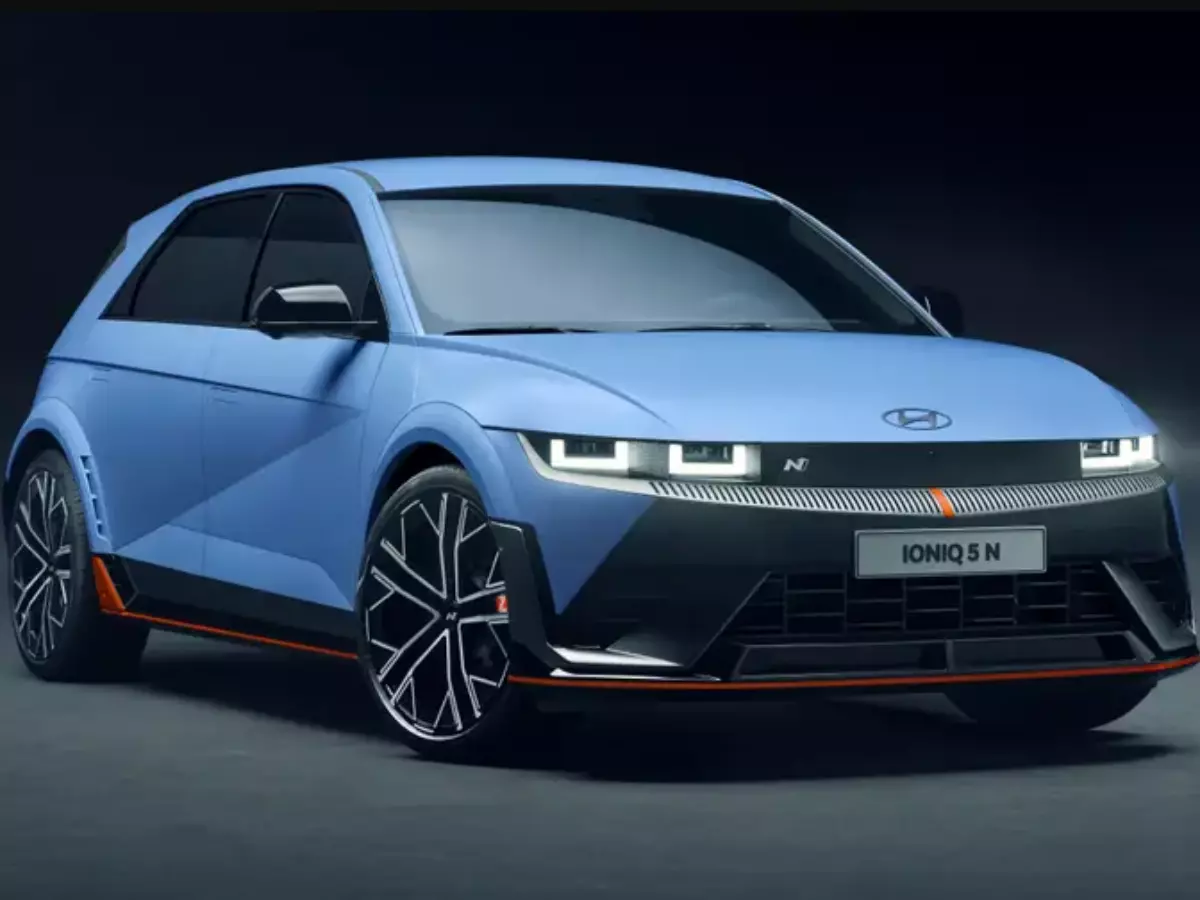
9. Hyundai Ioniq Electric
The Hyundai Ioniq Electric is one of the most underrated electric cars when it comes to reliability. Although it didn’t receive as much media attention as some of its competitors, it quietly built a reputation for being incredibly dependable.
Unlike some EVs that aim to be cutting-edge at the risk of unproven systems, the Ioniq Electric took a conservative approach. It was designed with efficiency, simplicity, and durability in mind. This direction paid off, especially for those who use their vehicles for long daily commutes and expect years of hassle-free operation.
The Ioniq’s battery management system is well-calibrated, providing stable range estimates and preserving battery health over time. It uses a relatively small battery pack compared to newer EVs, but it achieves excellent efficiency, allowing for respectable range without pushing the battery to its limits.
Owners have consistently reported minor degradation even after years of use. This is partly because Hyundai programmed conservative charging and discharging parameters that protect the battery from excessive wear. It may not have the longest range in the market, but what it offers is dependable and consistent.
Inside the vehicle, the build quality is straightforward but solid. The infotainment system works without major bugs, and the physical controls make it easier to interact with the car while driving. Hyundai also integrated useful features like Android Auto and Apple CarPlay, and unlike some automakers, these features work smoothly across model years without requiring extra subscriptions or paid upgrades.
Driver assistance systems such as adaptive cruise control and lane-keeping assist are available and operate with a level of reliability that makes them genuinely helpful, not just marketing features.
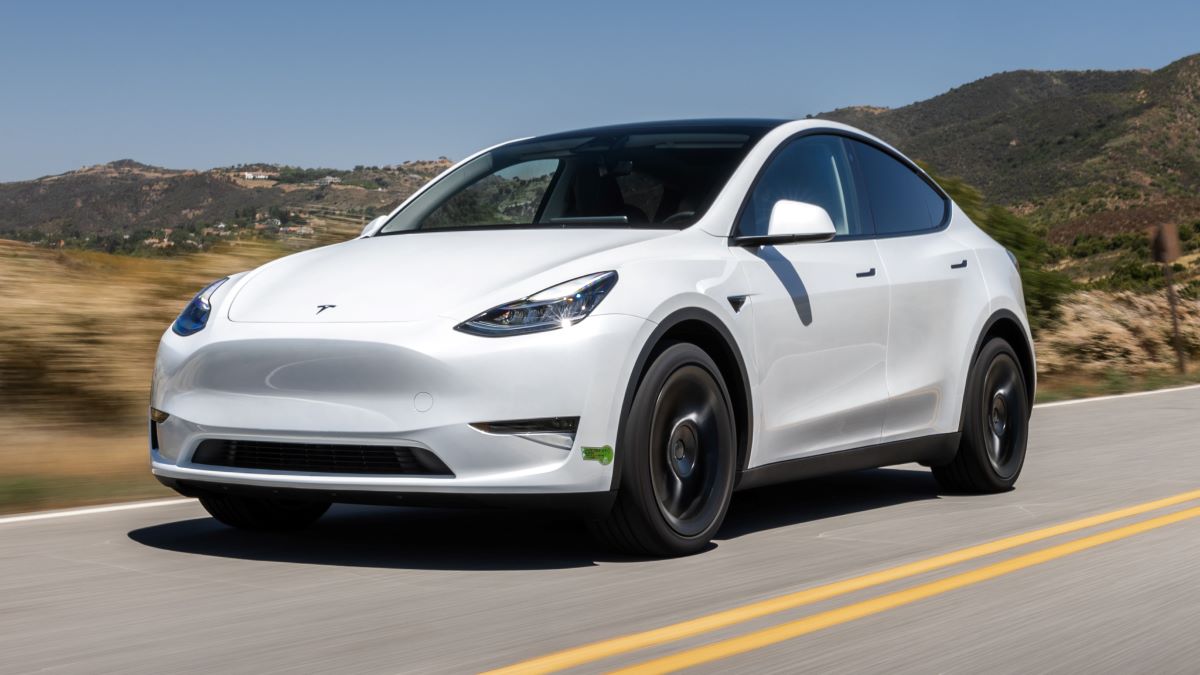
10. Tesla Model Y
Tesla’s Model Y is often viewed as the spiritual successor to the Model 3 in SUV form. Built on the same platform with many shared components, the Model Y has taken the lessons learned from earlier Tesla models and applied them to a segment that’s in high demand.
Over time, Tesla has refined its production processes, and many of the quality concerns present in early batches have been reduced or eliminated. Model Y owners who’ve driven tens of thousands of miles have consistently reported strong reliability, especially in terms of battery performance and drivetrain smoothness.
One of the most impressive aspects of the Model Y is its ability to maintain performance over time. Unlike some vehicles where acceleration begins to suffer as the battery ages, the Model Y retains its responsiveness and range with minimal degradation. This is a result of Tesla’s approach to battery thermal management, using active cooling and intelligent software controls.
Owners regularly track their battery health through third-party apps, and many find that after 50,000 miles, their range remains within 90% of the original value. That kind of consistency is exactly what makes a vehicle reliable in the eyes of consumers.
Another strength of the Model Y is its software experience. Over-the-air updates continue to be one of Tesla’s biggest differentiators. Not only do they fix bugs, but they also add functionality that makes the car feel new long after the purchase date.
This helps extend the usable life of the car and keeps the driving experience modern. Features like Sentry Mode, full self-driving preview capabilities, and software-based range improvements have all been added post-sale, which improves the ownership satisfaction. Unlike many automakers, Tesla tends to push updates to older models as well, which helps build a sense of long-term support.
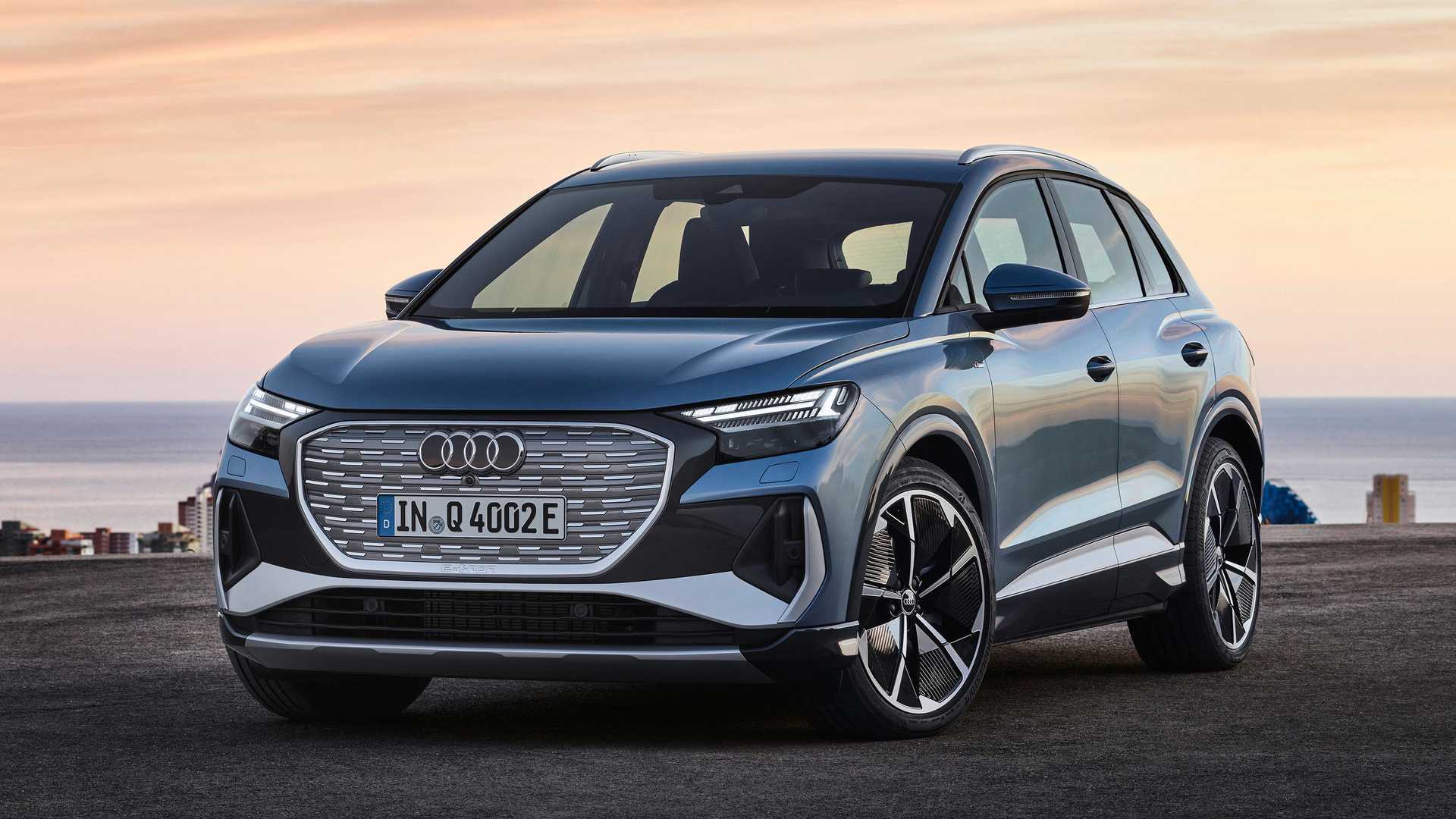
11. Audi e-tron (now known as Q8 e-tron)
Audi’s e-tron, recently renamed the Q8 e-tron, represents the luxury brand’s commitment to long-term reliability in the electric space. From the beginning, Audi approached this vehicle with the mindset of ensuring quality over flashiness.
Built with the same attention to detail as its internal combustion counterparts, the e-tron focuses on creating a seamless, comfortable, and dependable experience for the driver. Owners who have had their vehicles for several years often praise it for having no significant mechanical problems and for performing consistently regardless of mileage or climate.
The e-tron features a dual-motor all-wheel-drive system that provides both power and control in various driving conditions. Whether it’s rain, snow, or highway travel, the powertrain operates smoothly and without lag. More importantly, the battery system is extremely well protected and regulated.
Audi uses a sophisticated liquid cooling system that prevents thermal stress, which can degrade batteries over time. This has helped the e-tron maintain battery capacity and performance even in regions with extreme temperatures. The battery warranty and longevity have stood up well under customer scrutiny.
Inside, Audi’s traditional strengths in interior design and technology integration shine through. The infotainment system and digital instrument cluster rarely experience bugs or lag, and updates are handled efficiently through service centers or software channels.
Unlike some newer electric brands, where the tech feels half-baked, Audi’s systems are solid and dependable. Drivers appreciate the fact that everything works as expected, from the climate controls to the navigation features, and continues to work well after years of use. That kind of consistency is a major reason the e-tron has earned a reputation for reliability.
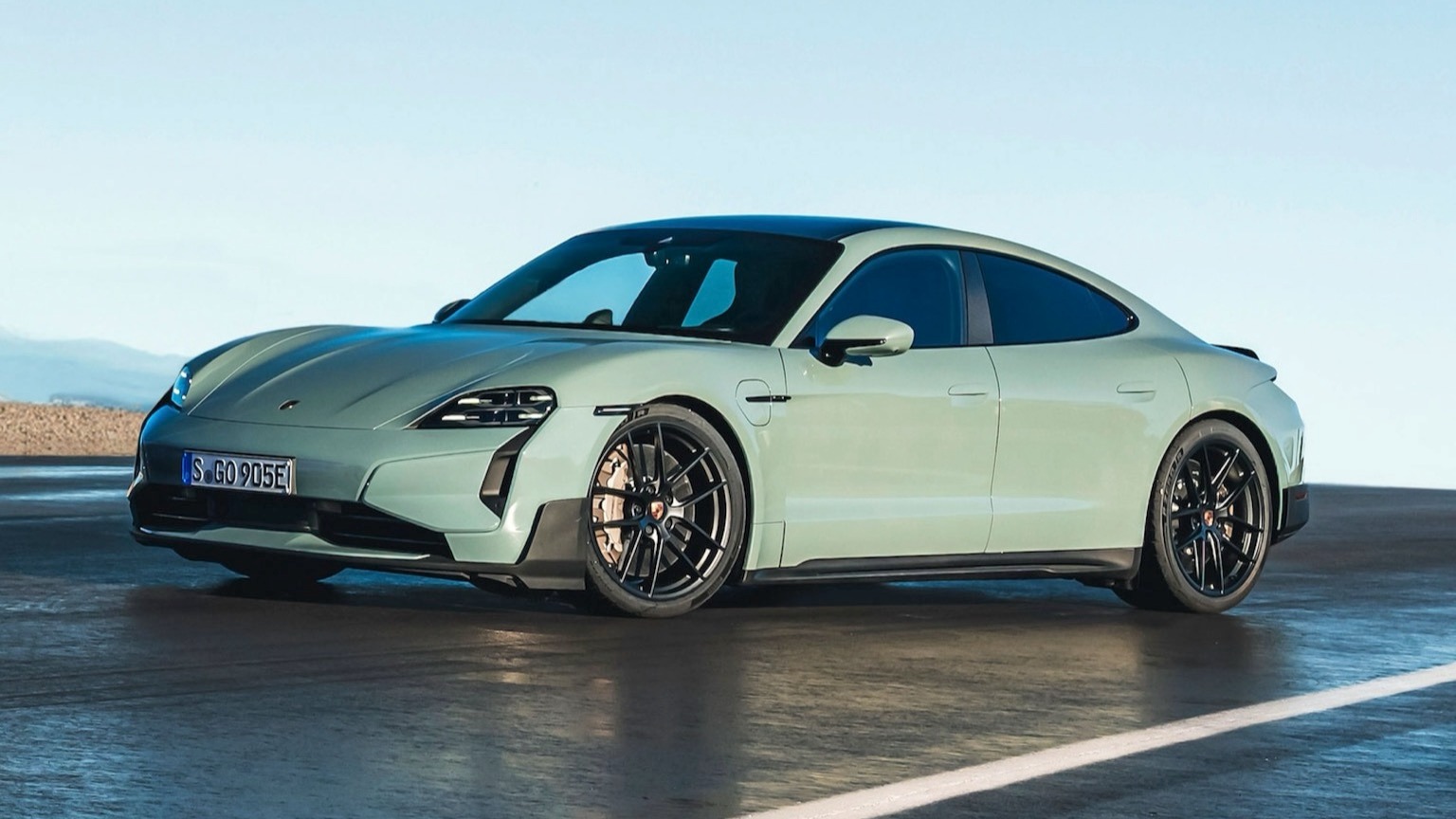
12. Porsche Taycan
The Porsche Taycan is proof that performance and reliability do not have to be mutually exclusive in an electric vehicle. As Porsche’s first fully electric model, there was pressure for the Taycan to perform not just on the track, but also in terms of longevity and build quality.
It succeeded on both fronts. From its powerful dual-motor setup to its premium materials and advanced battery management, the Taycan has proven itself to be a high-end EV that doesn’t just impress in the short term but also holds up well with continued use.
Another strength is the vehicle’s driving software and interface, which has been praised for both responsiveness and stability. While some luxury brands struggle to deliver intuitive digital systems, Porsche’s infotainment and driving configuration tools are both powerful and user-friendly.
There are few, if any, reports of software crashes, freezing, or unreliable sensor feedback. This matters not just for convenience, but also for safety and long-term usability. Whether it’s the adaptive cruise system, lane centering, or energy management, the systems work as expected and keep working over time.
Physically, the Taycan is built like a tank. The body feels solid, the suspension handles rough roads without issue, and the materials inside the cabin wear gracefully. Maintenance costs are on the higher side, but the actual need for maintenance is surprisingly low.
With fewer moving parts than a traditional sports car and with Porsche’s build standards, the Taycan is likely to remain on the road for many years to come. It’s a clear example that a high-performance EV can be not only exciting but also dependable for long-term ownership.
