
Performance cars are often seen as fleeting marvels, machines that burn bright and then quickly fall behind in the wake of newer, faster, and flashier models. Technology evolves, design trends shift, and power figures keep climbing, making it easy for yesterday’s hero to become today’s overlooked relic.
However, not every performance car fades into obscurity. Some manage to age with remarkable grace, retaining their charm, performance, and desirability even years after their release. Whether it’s due to timeless design, mechanical integrity, driver engagement, or lasting cultural relevance, these cars defy the idea that newer is always better.
The concept of a car aging well isn’t just about aesthetics. It includes how well it holds up mechanically, how its driving dynamics compare to modern vehicles, and whether it still feels special behind the wheel. Some cars gain appreciation over time as their quirks become character traits.
Others were just built so well from the beginning that they remain solid performers even after a decade or two. For enthusiasts, a well-aged performance car can offer much of the thrill of a modern machine at a fraction of the price, along with the added benefit of character that comes only with age.
It’s not always the flagship supercars that age gracefully, either. Often, it’s the more accessible sports cars or high-performance variants of everyday vehicles that prove the most resilient. Their simpler construction, analog feel, and focus on the driving experience rather than raw numbers give them a kind of permanence in a rapidly changing automotive world. They were never trying to be everything to everyone, and in that focus lies their longevity.
This list highlights twelve such performance cars that seem to get better with age. Whether you’re a collector, a casual enthusiast, or someone looking for a reliable used sports car, these machines deserve a second look. They’ve stood the test of time in more ways than one, and their ongoing appeal says a lot about what makes a performance car truly great.
Also Read: 5 Honda Civic Years That Last Forever vs 5 That Don’t
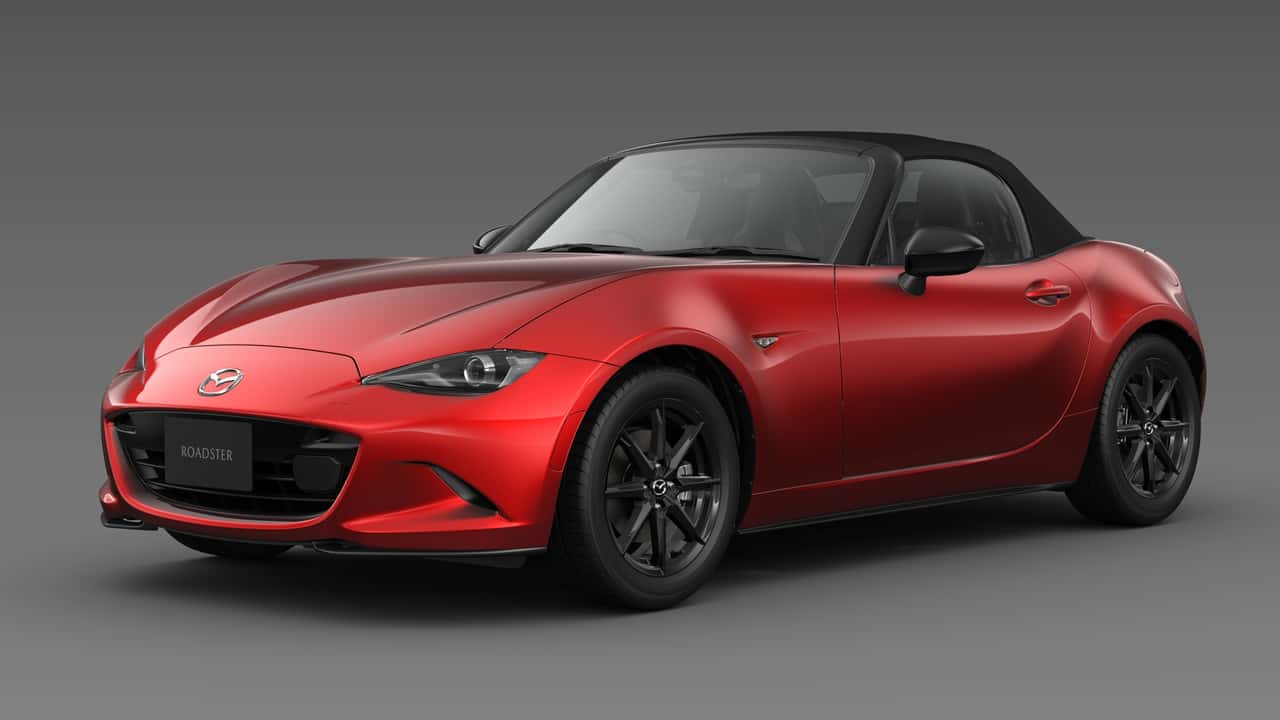
1. Mazda MX-5 Miata (NA/NB)
The original Mazda MX-5 Miata is a masterclass in balance and simplicity. Released in 1989, the NA Miata resurrected the lightweight roadster formula and made it accessible to the masses. What keeps the NA and even the early NB generations feeling fresh today is not raw power but the purity of the driving experience.
Weighing in under 2,200 pounds, with a front-engine, rear-wheel-drive layout and near-perfect weight distribution, the Miata’s handling is lively without being intimidating. It encourages spirited driving without punishing mistakes, making it a favorite for beginners and veterans alike.
Mechanically, the NA and NB Miatas are straightforward and durable. Their naturally aspirated inline-four engines may not wow with horsepower figures, but they are extremely reliable when maintained. The manual transmissions are crisp and satisfying, often cited as among the best made.
Because of the car’s simplicity, many owners find it easy to work on, and parts are still widely available. This makes owning an older Miata not only fun but also practical.
Aesthetically, the NA’s pop-up headlights and classic proportions have aged far better than many cars from the same era. The NB, while slightly more rounded and modernized, still retains the same charm and driving ethos. The interiors are basic, but functional and driver-focused, which keeps them feeling purposeful rather than outdated. Enthusiasts continue to restore and modify these cars, keeping a thriving aftermarket alive and well.
Values for clean examples, especially unmodified ones, have been on the rise, but they’re still relatively affordable compared to other performance icons. More importantly, the driving satisfaction they offer hasn’t diminished. In many ways, the MX-5 set a standard that few cars have matched, regardless of price or prestige. For those looking for authentic driving joy without breaking the bank, the Miata remains a gold standard.
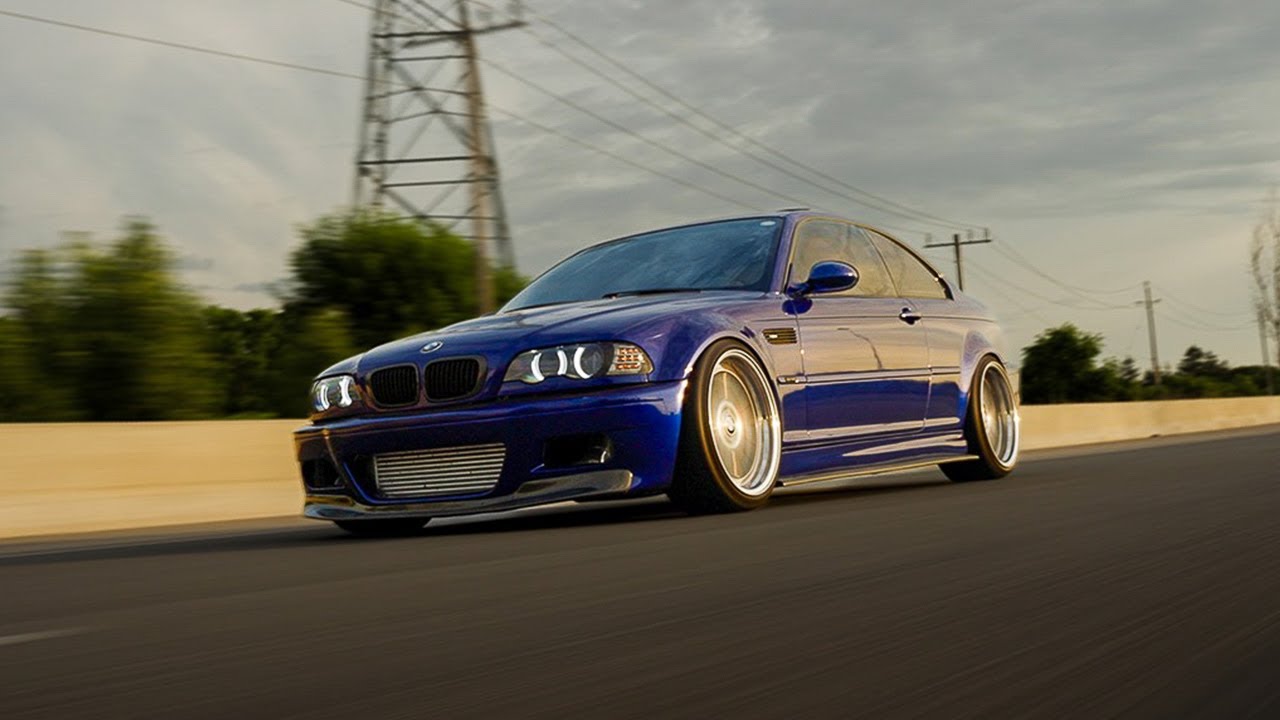
2. BMW E46 M3
The E46 M3, produced from 2000 to 2006, is often regarded as the sweet spot in BMW’s M3 lineage. It struck a near-perfect balance between analog engagement and modern refinement. With its high-revving 3.2-liter inline-six (the S54), rear-wheel-drive layout, and optional six-speed manual, it captured the hearts of enthusiasts from the start. Unlike newer M cars that grew in size and complexity, the E46 M3 remains focused and compact, giving it a lasting appeal.
One of the standout features is the engine. The S54 is an absolute gem, delivering around 333 horsepower and a redline just above 8,000 rpm.
It provides a linear powerband and a soundtrack that remains satisfying even by today’s standards. Coupled with precise steering and a well-tuned suspension, the car offers a level of driver involvement that’s becoming increasingly rare. The SMG transmission was available, but most purists prefer the manual for its more engaging nature.
The E46’s design is another reason it has aged so well. The flared fenders, quad exhausts, and subtle aggressiveness give it presence without being overly flashy. Inside, the cabin features quality materials, well-bolstered seats, and intuitive controls. It doesn’t feel ancient by today’s standards, but rather focused and driver-centric. It avoids the excessive tech clutter seen in many newer performance cars.
As values for earlier M3s climb, the E46 is being appreciated more and more. Well-maintained examples are becoming collectible, especially those with low miles and desirable color combinations. The aftermarket support is extensive, and parts availability is still strong. Its blend of usable performance, timeless styling, and analog driving feel ensures that it continues to age with grace, earning its place as a modern classic.
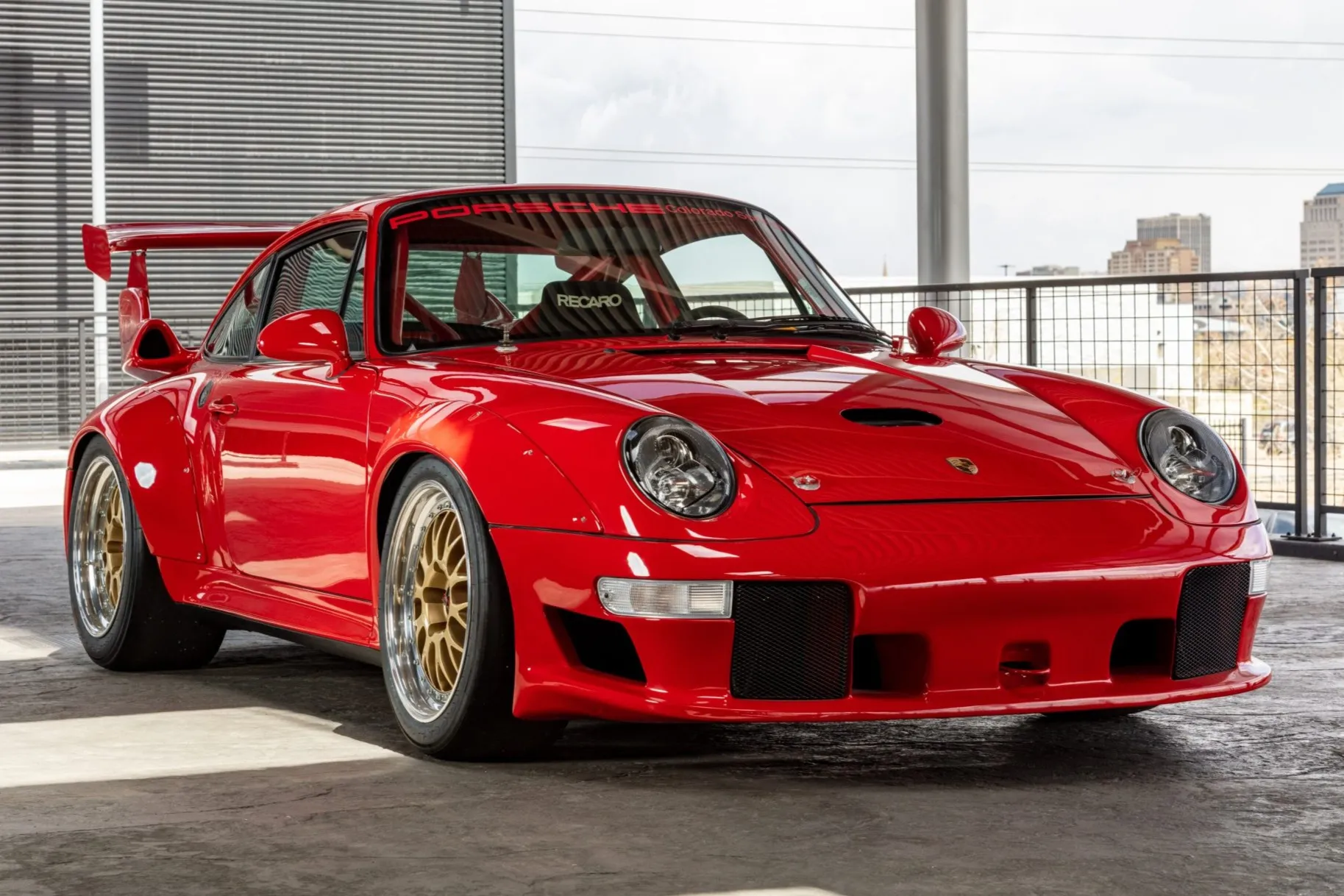
3. Porsche 996 911
When the Porsche 996-generation 911 launched in 1999, it faced criticism for its departure from the air-cooled engines and for sharing components with the Boxster. However, with time, many of those early judgments have softened. The 996 has emerged as a respected performance car, especially given its mechanical robustness and classic 911 driving characteristics. Today, it stands as one of the more affordable ways to own a 911 with real performance credentials.
The water-cooled 3.4 and later 3.6-liter flat-six engines offered strong performance, with 0–60 times hovering around 4.5 to 5 seconds depending on the model. The chassis was well-balanced, and the rear-engine layout gave it the signature 911 driving dynamics that fans love. Despite early concerns about the IMS bearing issue, many examples have been repaired or upgraded, making them more reliable than their reputation might suggest.
Visually, the 996 introduced a cleaner, more modern design language. While the “fried egg” headlights were controversial, they now help distinguish the car from the more common 997 and 991 models. The proportions remain classic 911, and with the right wheels and stance, the 996 has aged better than expected. Inside, the materials and layout are functional, with good ergonomics and visibility.
Values for the 996 remain relatively reasonable, though they’re starting to climb as enthusiasts recognize its potential. Compared to newer models, the 996 feels more connected and raw, offering a driving experience that’s increasingly rare. For those willing to look past the early criticism, the 996 is a rewarding car that continues to prove its worth year after year.
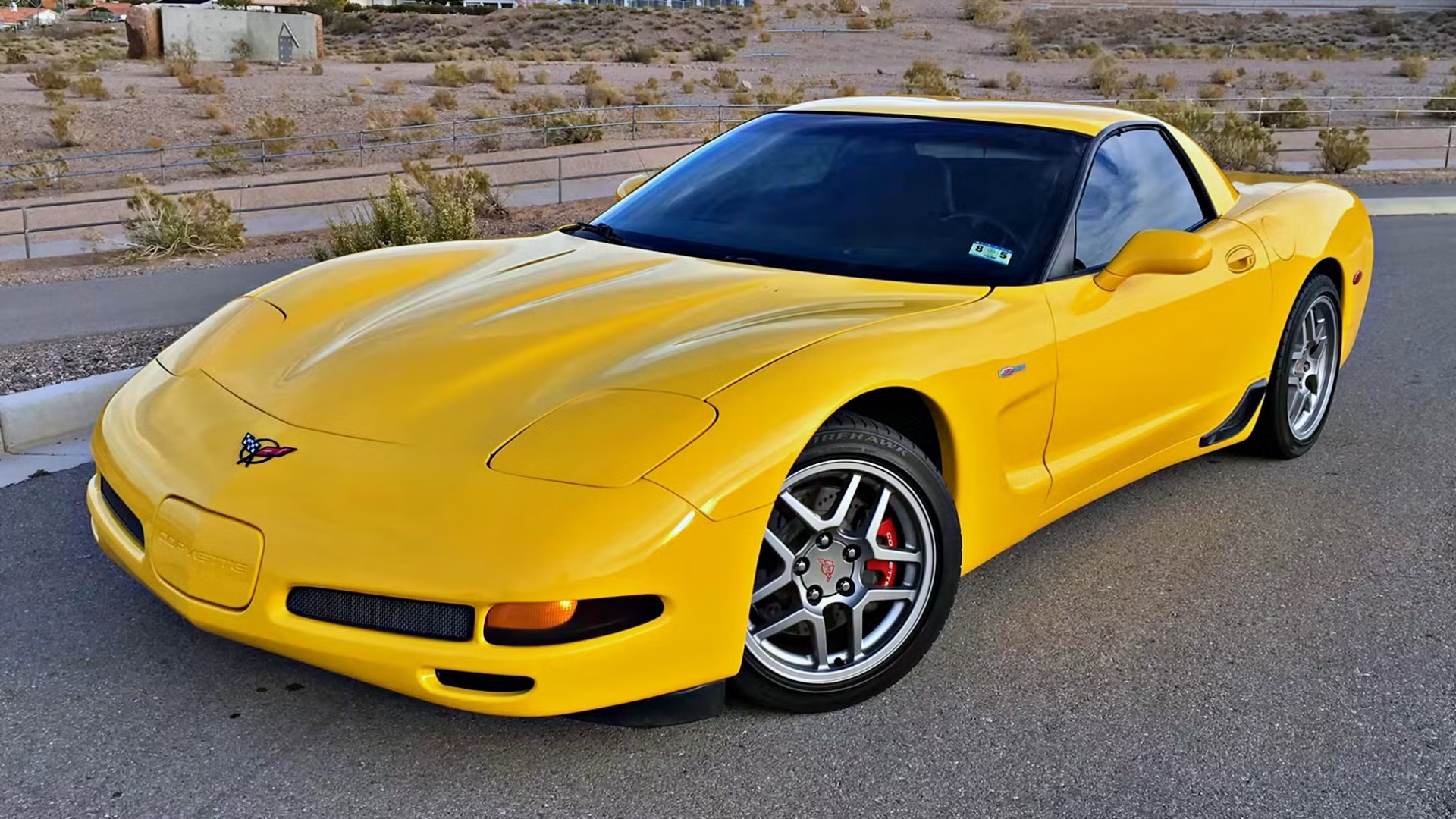
4. Chevrolet Corvette C5
The C5 Corvette, produced from 1997 to 2004, marked a turning point for America’s sports car. It combined serious performance with daily usability, making it one of the best all-around performance cars of its time. Its 5.7-liter LS1 V8 engine produced 345 horsepower (later bumped to 350), and the car could sprint to 60 mph in just over four seconds. Even by today’s standards, those are impressive numbers for a car that’s over two decades old.
The C5 introduced the LS engine family, which has become legendary for its durability, tuning potential, and widespread availability.
The transmission placement in the rear helped with weight distribution, giving the C5 excellent handling characteristics. The ride was comfortable enough for long-distance cruising, yet firm and composed in spirited driving. The optional Z51 package further sharpened the car’s dynamics without compromising its grand touring appeal.
Styling-wise, the C5 still looks modern enough to turn heads. Its long hood, short rear deck, and clean lines give it a purposeful appearance. Inside, the cabin isn’t as refined as European rivals, but it’s practical and driver-focused. With improvements over the C4 in terms of build quality and ergonomics, it feels more complete and less dated than its predecessor.
Thanks to its reliability and strong aftermarket, the C5 has remained popular among performance enthusiasts. It’s one of the best value propositions in the used sports car market. The availability of parts, ease of maintenance, and potential for modification only add to its appeal. Over time, the C5 has gained respect for being more than just a straight-line brute; it’s a well-rounded performance car that continues to age with confidence.
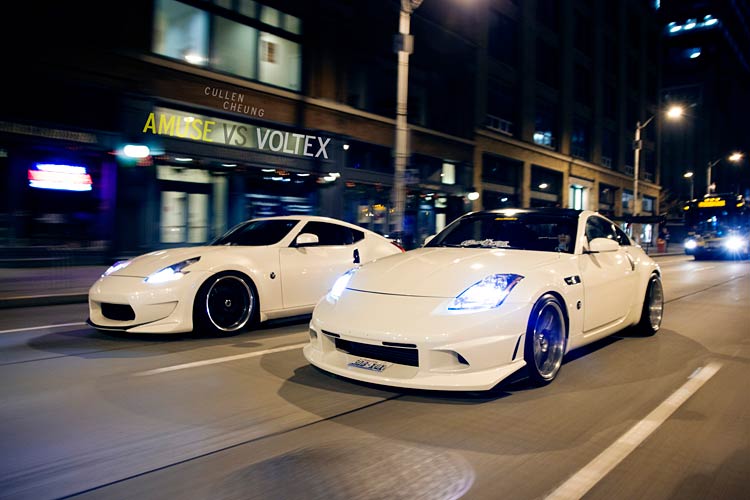
5. Nissan 350Z
The Nissan 350Z made its debut in the early 2000s as part of the company’s effort to revive its Z-car legacy. With the 240Z and 300ZX in its rearview mirror, the 350Z returned to the roots of the sports car formula: two seats, rear-wheel drive, and a naturally aspirated V6 engine.
It came at a time when affordable performance was dwindling, and it filled the gap for enthusiasts who wanted raw power and precise handling without breaking the bank. Over time, the 350Z has shown an impressive ability to age well, both mechanically and in terms of appeal.
Powered by the VQ35DE engine, and later the VQ35HR in updated models, the 350Z delivered between 287 to 306 horsepower, which was substantial for the segment. The engine is known for its durability and responsiveness, offering a broad torque curve and high-revving nature that make it enjoyable in daily driving or at the track.
The six-speed manual transmission was crisp, while the limited-slip differential added a layer of performance that made the car feel composed when pushed hard. Despite its aggressive edge, the 350Z is surprisingly comfortable and usable, making it viable as a daily driver even today.
Design-wise, the 350Z’s bold, muscular look has aged far better than many of its contemporaries. The wide stance, short overhangs, and sculpted profile give it a timeless sports car aesthetic. While the interior was criticized at launch for its plasticky materials, the layout is functional and puts the driver at the center of attention.
The large analog gauges and clear visibility offer a cockpit that prioritizes driving over unnecessary flair. The cabin does show some signs of early-2000s design, but its simplicity now works in its favor, giving it a clean and focused look.
Enthusiast support has remained strong for the 350Z. The aftermarket is vast, with options for performance, suspension, and aesthetic upgrades. Many owners treat these cars as blank canvases for modification, but unmodified examples are also becoming increasingly sought after.
Its reputation for reliability, ease of maintenance, and solid performance ensures that it remains a favorite for those looking for long-lasting driving excitement. Even after two decades, the 350Z still offers the thrills of a true performance car without feeling like a relic of the past.
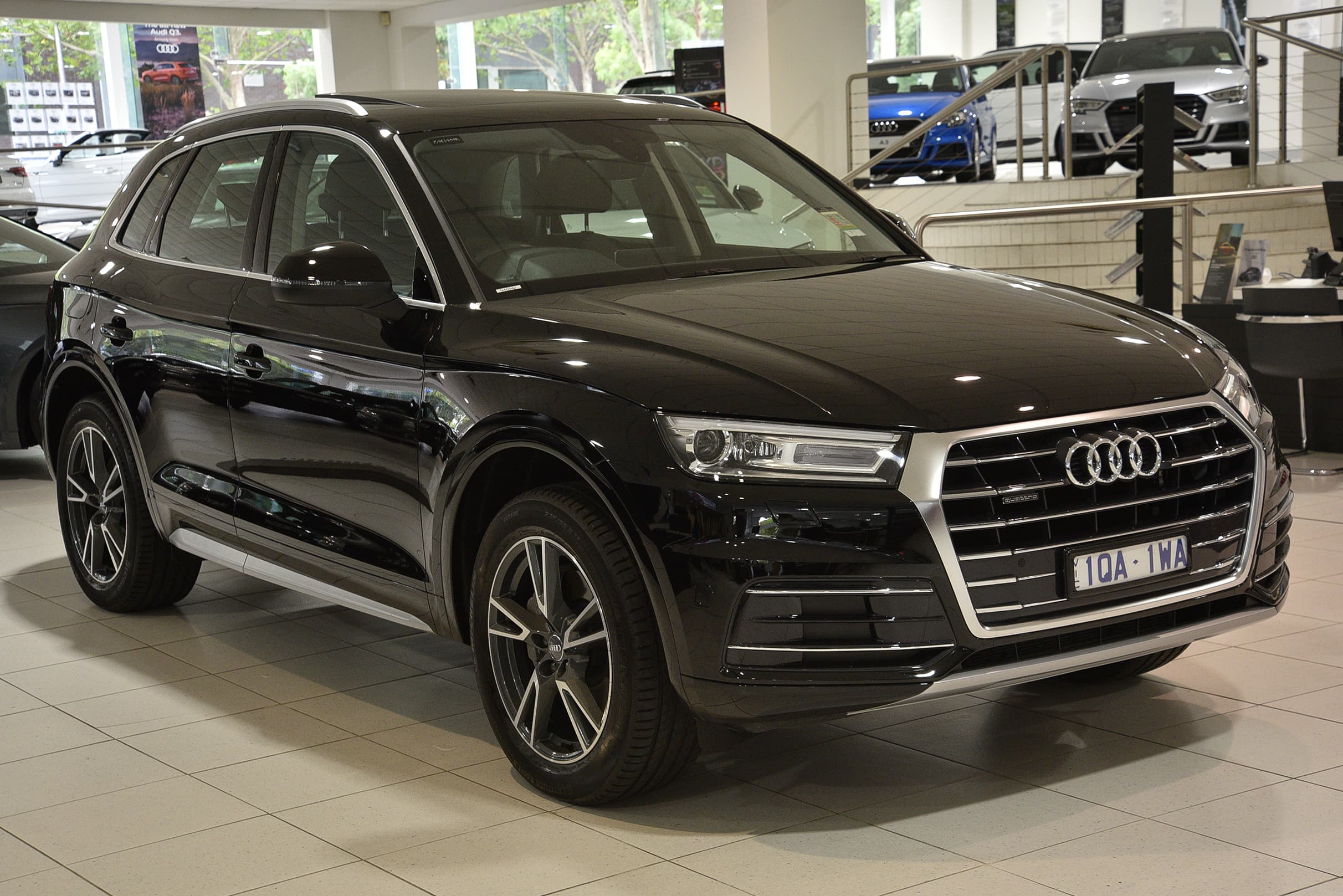
6. Audi TT Quattro (MK1)
When the Audi TT was first unveiled as a concept, it turned heads with its striking, futuristic design. Few believed that the production model would stay true to the original, but in 1998, Audi launched the MK1 TT with minimal compromises to its bold styling.
This decision alone gives the car a certain kind of enduring appeal. Its Bauhaus-inspired lines, rounded form, and compact dimensions have allowed the MK1 TT to remain visually fresh, even as the automotive world moved toward more angular and aggressive design philosophies.
Underneath the bodywork, the TT shared its platform with the VW Golf, but with significant enhancements. The Quattro all-wheel-drive system gave it traction and balance, especially in challenging conditions. Powered by a 1.8-liter turbocharged inline-four, the car offered 180 or 225 horsepower depending on the variant, with the latter being the more sought-after.
While those figures may seem modest today, the lightweight and tight chassis tuning made it feel lively and responsive on twisty roads. Later models also introduced a 3.2-liter VR6 with a DSG transmission, adding more muscle to the lineup.
Interior quality was, and still is, a strong point for the MK1 TT. Audi spared no effort in making the cabin feel premium, even by today’s standards. Brushed aluminum accents, solid switchgear, and an uncluttered dashboard contribute to an upscale yet minimalist aesthetic.
Even after 20 years, many TTs show remarkably little interior wear, a testament to the quality of materials used. The seating position, steering feel, and control layout create a comfortable yet connected driving experience that holds up remarkably well against newer models.
The MK1 TT’s aging has been helped by its uniqueness. It’s not trying to be something it’s not. It was never intended to be a raw sports car, but rather a stylish and composed driver’s car with enough performance to keep things interesting. Well-maintained examples, especially the Quattro 225 models, have started to climb in value.
Owners report good reliability when cared for, and the aftermarket still offers parts and support. The car’s personality, charm, and build quality ensure it remains more than just a pretty face as it grows older.
Also Read: 5 Toyota Camry Years Worth Owning vs 5 That Aren’t
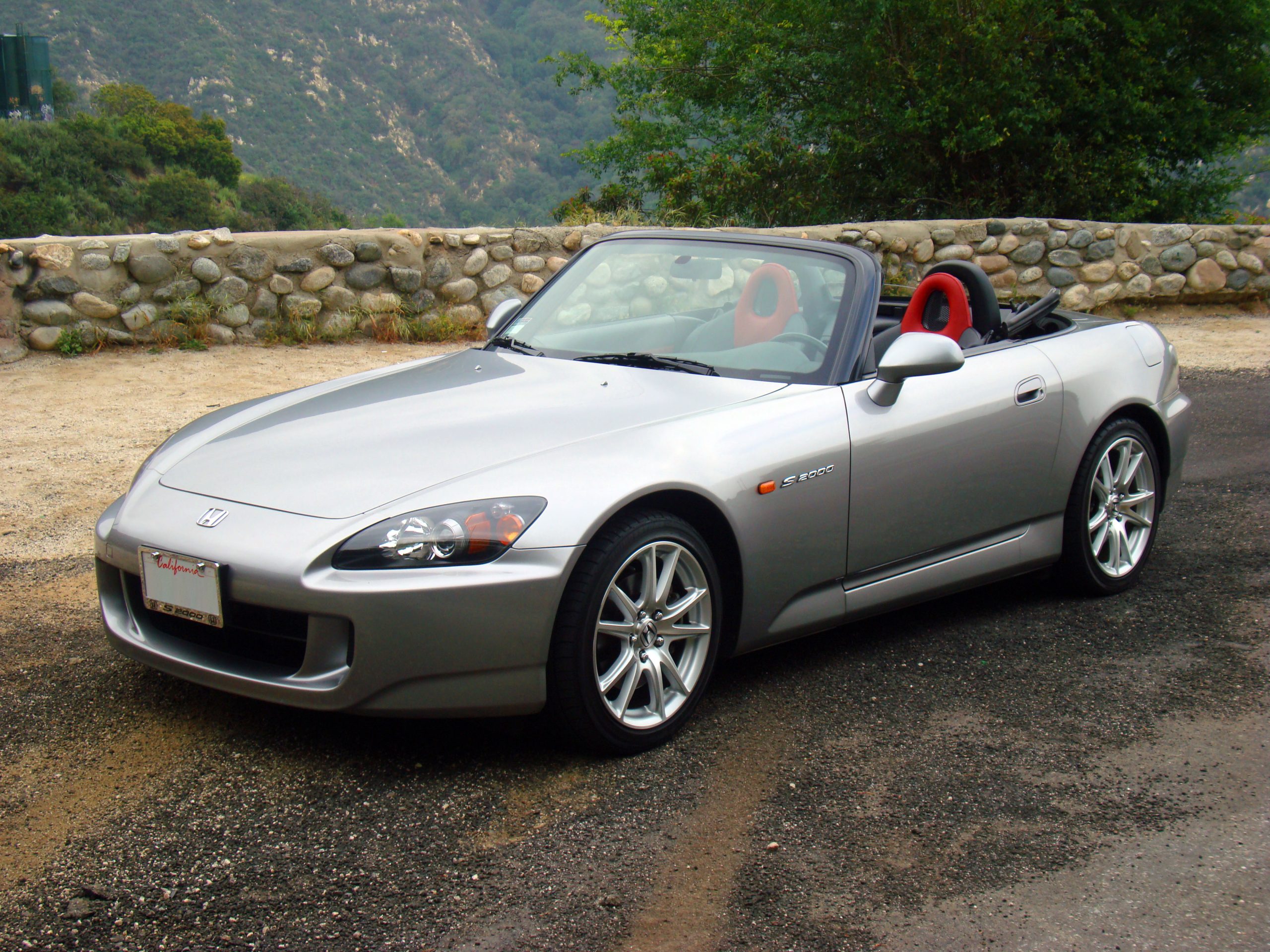
7. Honda S2000
The Honda S2000 is often hailed as one of the most engaging driver’s cars ever produced, and for good reason. From its debut in 1999, it quickly built a cult following, thanks in part to its high-revving engine and razor-sharp handling. The AP1 and later AP2 versions offered slightly different flavors, but the core experience remained the same: a roadster built around performance and purity. As time has passed, the S2000 has only grown in stature among enthusiasts, earning recognition as a modern classic.
The heart of the S2000 is its F20C engine, a 2.0-liter four-cylinder that revs to an astonishing 9,000 rpm. Producing around 240 horsepower, it held one of the highest power outputs per liter for a naturally aspirated engine for years.
The sensation of winding out the motor to redline is something very few cars can replicate, and it never loses its appeal. In the AP2, Honda increased displacement to 2.2 liters for improved torque and slightly adjusted the suspension to make it more livable, though both versions retain their signature handling precision.
What makes the S2000 age so well is its uncompromising focus on the driving experience. The steering is direct, the chassis is rigid, and the six-speed manual is arguably one of the best fitted to a production car.
There are no drive modes, no turbochargers, and no artificial enhancements. What you get is an experience that demands attention and rewards skill. In a world increasingly dominated by electronic assists and automation, the S2000 remains refreshingly pure.
Its design is also holding up remarkably well. The long hood, short rear deck, and wide stance give it classic sports car proportions, while the interior is clean and driver-focused. Though the cabin is tight, it doesn’t feel cramped or outdated. With values steadily climbing and clean examples becoming harder to find, the S2000 stands out not just as a fun car to drive, but as an appreciating asset that represents one of Honda’s finest engineering achievements.
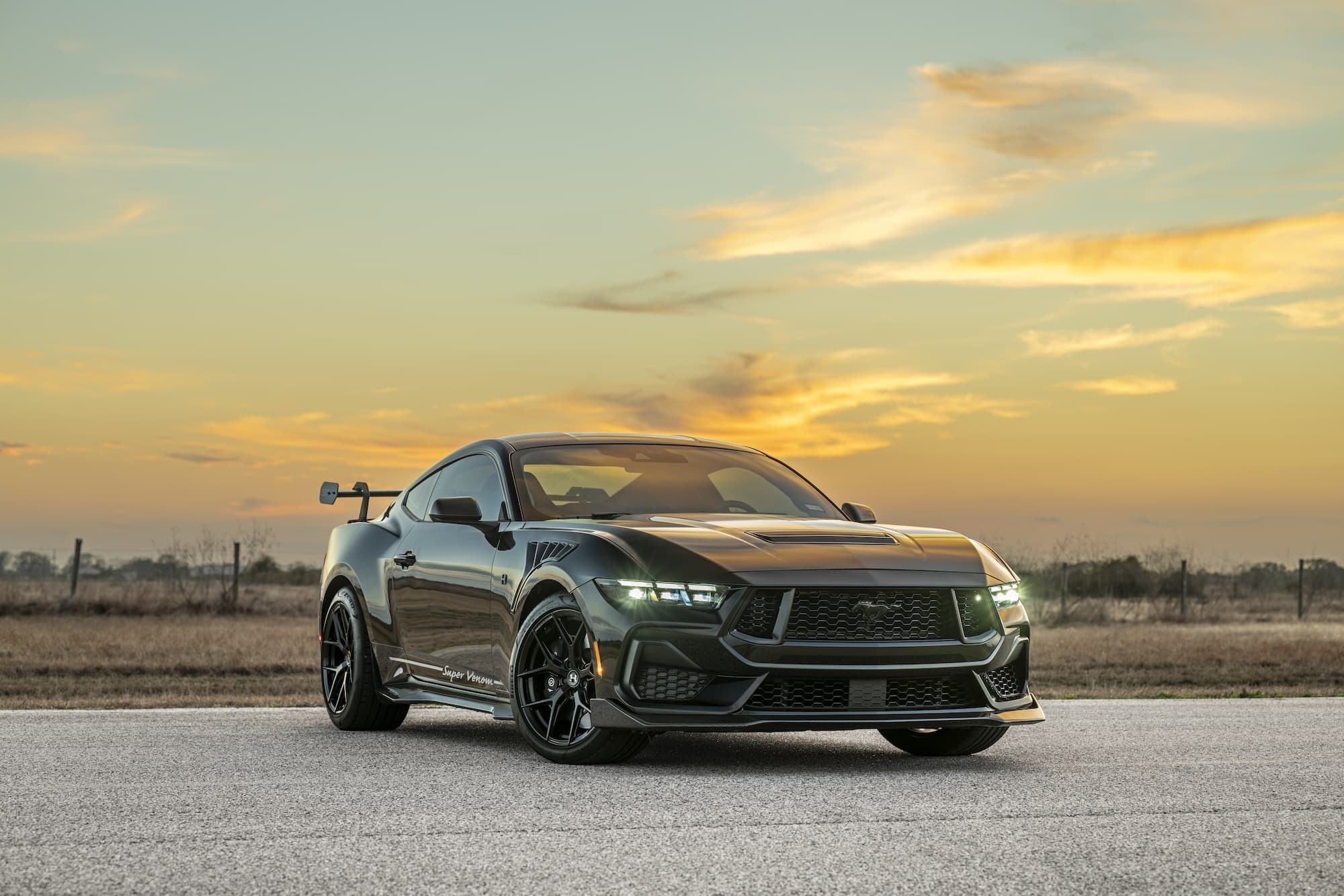
8. Ford Mustang GT (S197)
The S197-generation Ford Mustang GT, produced from 2005 to 2014, brought back the muscle car charm that had been missing for years. With its retro-inspired design, burly V8 engine, and honest rear-wheel-drive dynamics, it was a return to form for the Mustang. But what’s perhaps more surprising is how well this generation has aged. Even in the face of faster and more modern competitors, the S197 still delivers on its promise of accessible performance and visceral driving fun.
The 4.6-liter V8 used in early models made 300 to 315 horsepower, while the later 5.0-liter Coyote V8 in the 2011–2014 models bumped that figure significantly to over 400 horsepower. Both engines have proven to be durable and responsive, with the latter offering exceptional tuning potential.
The five-speed manual in earlier models and the six-speed in later versions are solid, and the chassis, while not the most refined, allows for tail-happy fun that remains controllable and entertaining.
From a design standpoint, the S197 nails the retro-modern balance. Its aggressive grille, sculpted hood, and fastback roofline echo the 1960s Mustangs without feeling cartoonish. The interior is straightforward, with large gauges, tactile switches, and a seating position that fits most drivers well. Though some interior materials aren’t up to luxury standards, they wear better than expected, and the layout still feels purposeful.
Another factor in the S197’s enduring appeal is its availability and affordability. Clean, low-mileage examples can still be found at reasonable prices, and the aftermarket is enormous. From bolt-on performance parts to full cosmetic overhauls, owners have endless ways to personalize their cars. Despite being a common sight, the S197 Mustang remains an iconic American performance car that doesn’t lose its charm with time.
9. Subaru Impreza WRX (GD Chassis)
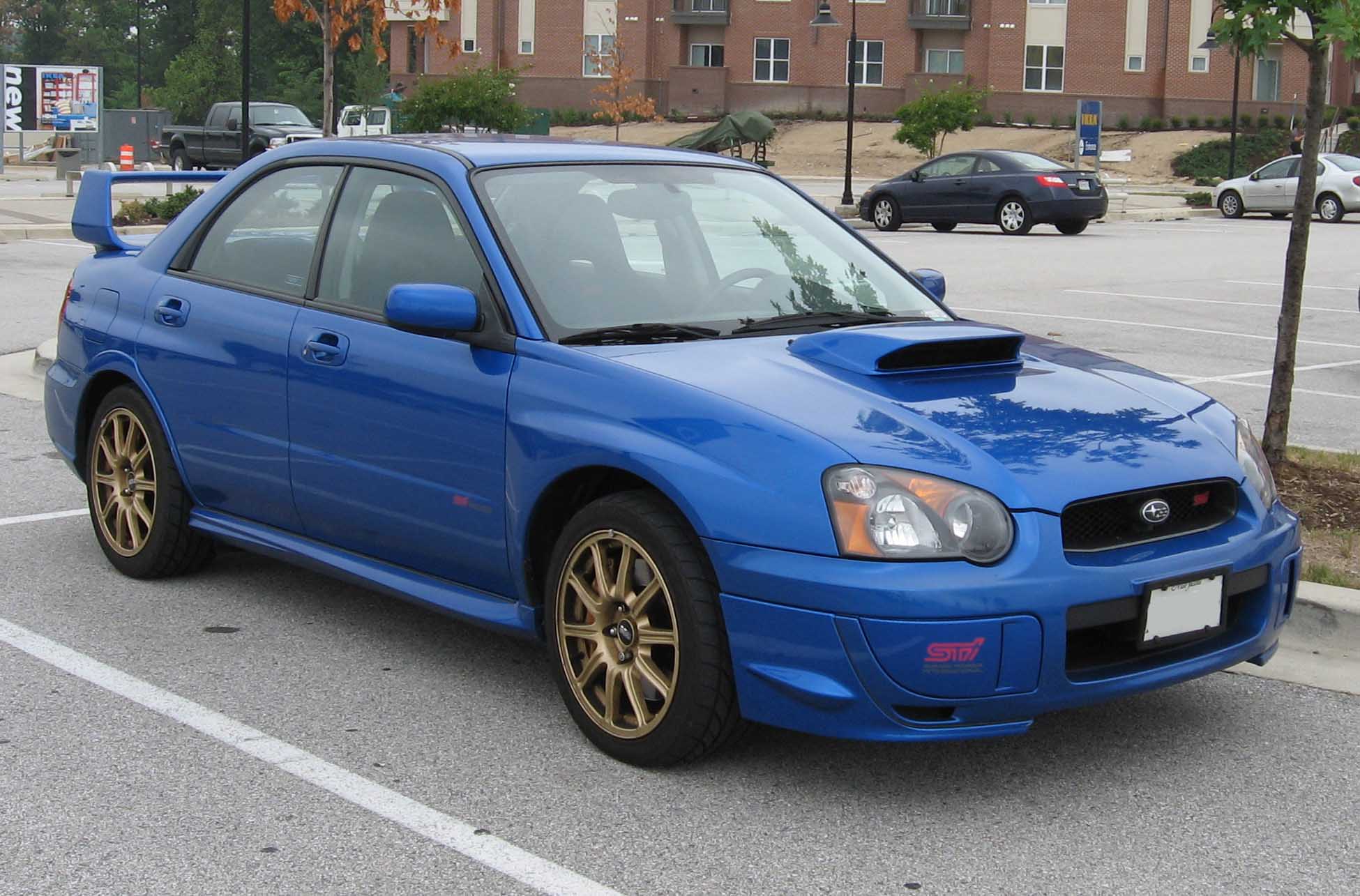
The GD-generation Subaru Impreza WRX, sold from 2002 to 2007 in most markets, remains one of the most beloved affordable performance cars of the early 2000s. It brought rally-bred performance to the street, offering turbocharged power, symmetrical all-wheel drive, and a practical four-door layout.
For enthusiasts, it represented a bridge between daily usability and weekend performance, and it still holds that reputation today. Unlike some modern performance sedans that have become bloated or overly refined, the GD WRX keeps things raw and engaging.
At the heart of the GD WRX lies the EJ-series turbocharged flat-four engine. It delivers a unique power delivery with a broad torque curve and a distinct rumble that became its trademark. Power outputs ranged from around 227 hp in early U.S. models to over 300 hp in STI versions.
The engine is known for its tuning potential, although reliability can depend heavily on maintenance and driving habits. Despite its quirks, the powertrain remains one of the defining features of the car and contributes heavily to its staying power.
Design-wise, the WRX’s styling is functional rather than flashy. Whether it’s the “bug-eye,” “blob-eye,” or “hawk-eye” version, each offers a distinctive look that still holds appeal. The aggressive hood scoop, flared fenders, and rear spoiler give it presence, but the car never feels like it’s trying too hard.
Inside, the cabin is simple and utilitarian, which ironically works in its favor today. The materials may not be luxurious, but they are durable, and the layout puts all the essential controls within easy reach. Even the analog gauges and minimal tech feel charming rather than outdated.
What keeps the GD WRX relevant is the driving experience. The steering is sharp, the chassis communicates well, and the grip from the all-wheel-drive system inspires confidence in all conditions. Whether on gravel, snow, or pavement, it feels sure-footed and eager.
With a strong community, robust aftermarket support, and a deep heritage in motorsports, the GD WRX continues to age gracefully. It reminds drivers of a time when performance sedans were about driving enjoyment rather than spec sheets and lap times.
10. Lexus IS F
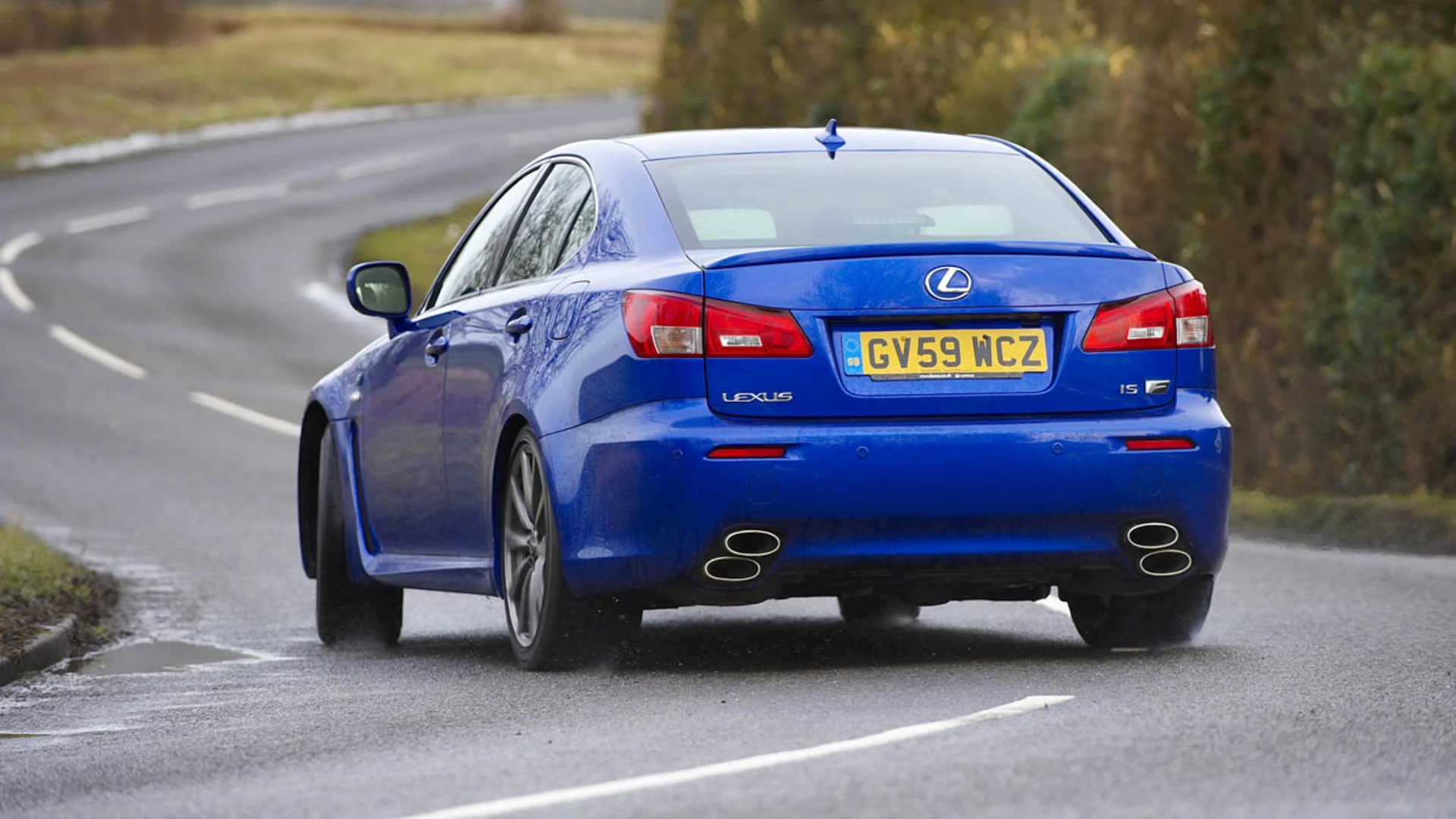
The Lexus IS F, introduced in 2008, was a major departure from the brand’s traditionally conservative approach. It was Lexus’s first attempt at a high-performance sedan, and it came out swinging. Under the hood sat a 5.0-liter naturally aspirated V8 producing over 400 horsepower, capable of propelling the car from 0 to 60 mph in around 4.6 seconds.
At the time, it challenged established rivals like the BMW M3 and Mercedes C63 AMG, but today, it stands out for very different reasons, namely, how incredibly well it has aged.
The IS F’s engine is arguably its greatest asset. Built with Yamaha’s input, the 2UR-GSE V8 combines silky refinement with a ferocious top-end rush. It’s paired with an 8-speed automatic transmission that was ahead of its time, offering quick shifts and responsive downshifts in manual mode.
Even today, this powertrain feels alive and responsive. It’s rare to find a naturally aspirated V8 in a compact sedan, especially one this smooth and reliable. That alone makes the IS F feel like something special and increasingly rare.
Visually, the IS F still holds up remarkably well. Its wider stance, quad-stacked exhaust tips, and more aggressive front and rear fascias give it just enough flair to distinguish it from the standard IS without overdoing it.
The proportions are tight and athletic, and even after a decade, it doesn’t look outdated. The interior tells a similar story: well-bolstered sport seats, a tasteful use of leather and Alcantara, and Lexus’ attention to build quality mean that most IS F cabins still look and feel premium even after years of use.
One of the IS F’s most enduring traits is its reliability. Unlike some German rivals that become maintenance headaches over time, the Lexus can deliver long-term ownership without constant repairs. It doesn’t have the aftermarket presence of other performance cars, but it doesn’t need it. The IS F is a complete package out of the box. That combination of subtle aggression, high-revving power, and durability ensures its place as a performance sedan that refuses to age poorly.
11. Mitsubishi Lancer Evolution IX
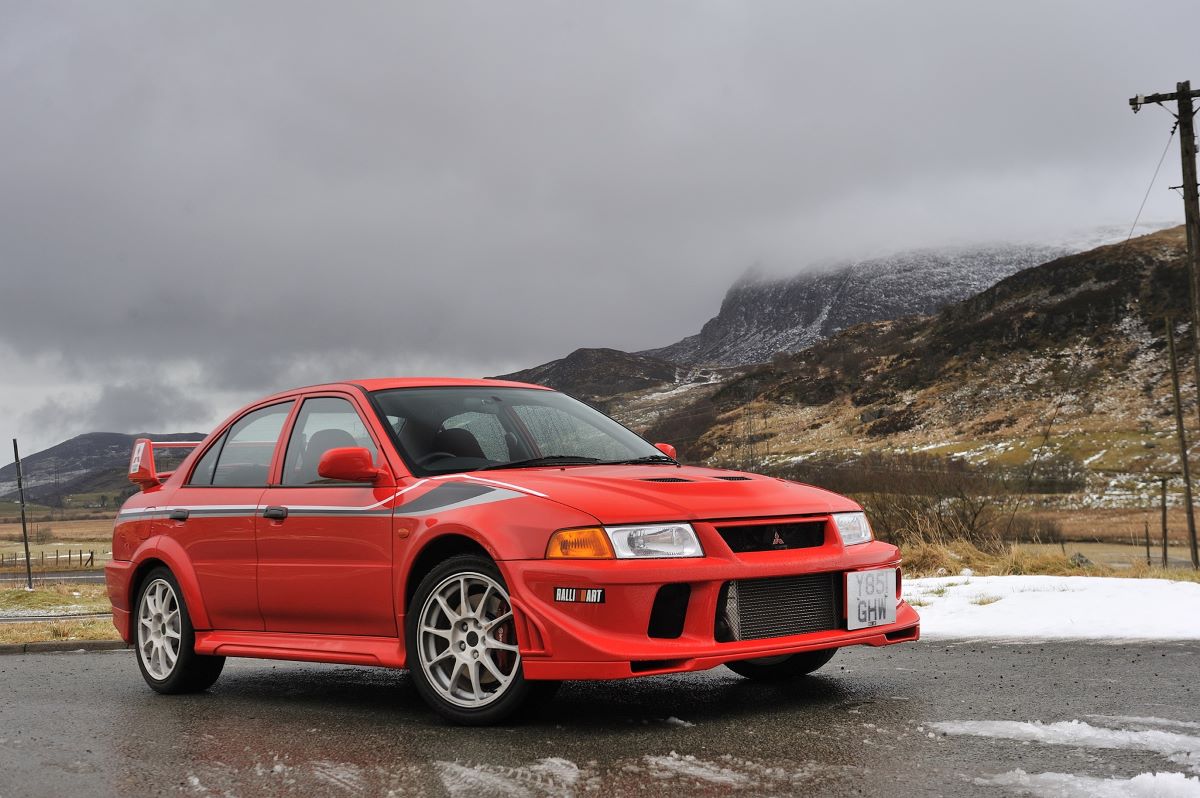
The Mitsubishi Lancer Evolution IX, produced from 2005 to 2007, is considered by many enthusiasts to be the pinnacle of the Evo lineage. Building on everything learned from previous generations, the Evo IX combined razor-sharp handling with an iconic turbocharged engine to create a compact sedan that could embarrass much more expensive sports cars.
Unlike some cars that rely on nostalgia, the Evo IX backs up its reputation with real-world capability that still feels impressive today.
At the core of the Evo IX is the 4G63T engine, a 2.0-liter turbocharged inline-four that had been honed through years of development. In the IX, it produced up to 286 horsepower in U.S. trim, with massive tuning potential beyond that.
The engine is known for its strength, responsiveness, and adaptability, making it a favorite among tuners. Paired with a close-ratio 5-speed or optional 6-speed manual and Mitsubishi’s advanced all-wheel-drive system, the Evo IX delivers grip and power with ferocity.
The chassis and suspension tuning are what truly make the Evo IX stand apart. With features like active center differential (ACD), Super Active Yaw Control (SAYC), and a lightweight body, the car responds instantly to inputs.
It feels alive and nimble, with a level of road feedback that’s increasingly rare. Driving an Evo IX on a back road is an experience few cars can replicate. Even after years on the road, it doesn’t feel worn out; it feels ready for more. That’s a major part of why it has aged so well.
Styling is functional but purposeful. The aggressive front end, wide stance, and large rear wing might not be to everyone’s taste, but it’s honest about what the car is. Inside, the Recaro seats and simple layout focus on the driver, not distractions. The materials aren’t luxurious, but the build quality is solid.
As modern cars become more complex and insulated, the Evo IX remains refreshingly focused. Its value has continued to rise, and with clean examples becoming rarer, it’s now viewed not just as a fast sedan, but as a modern collectible.
12. Acura NSX (NA1/NA2)
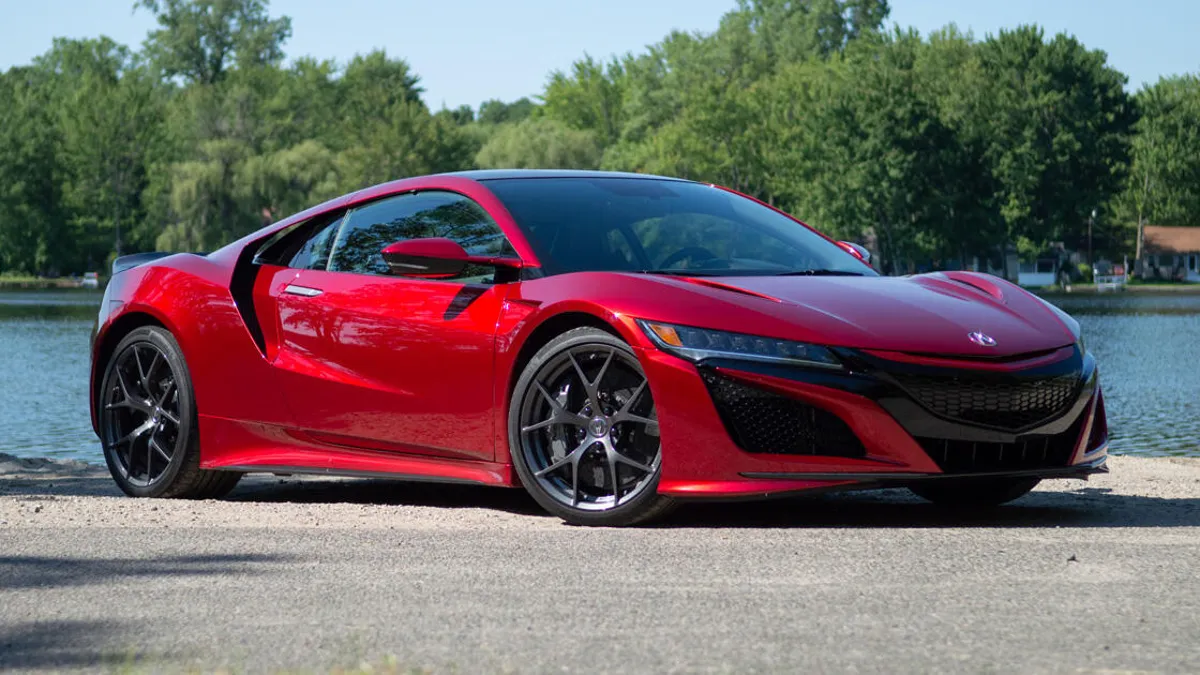
The original Acura NSX, launched in 1990 and updated in 1997 (NA2), was a game-changer. It brought exotic car styling and performance into a package that was usable, reliable, and engineered with the kind of precision that only Honda could deliver.
Over the years, the NSX has transformed from a curiosity into an icon. It doesn’t just age well; it seems to improve with every passing year, as the car world moves further away from the purity and balance that defined its existence.
What made the NSX stand out was its philosophy. It wasn’t trying to be the fastest car on paper. Instead, it focused on perfecting the driving experience through balance, visibility, ergonomics, and precision engineering.
The all-aluminum body kept weight down, the mid-engine layout ensured superb handling, and the naturally aspirated V6 (first the 3.0-liter, later the 3.2-liter in the NA2) provided a smooth, high-revving character. Combined with the gated 5-speed and later 6-speed manual transmissions, the NSX delivered everything in a remarkably accessible and user-friendly package.
Visually, the NSX remains striking. Its low, wide stance and clean lines haven’t aged at all. Where many early-90s cars look dated, the NSX still turns heads wherever it goes. Inside, the cabin emphasizes simplicity and visibility. The seating position is perfect, the controls are intuitive, and the materials have held up astonishingly well over time. There’s a level of driver-focused refinement that modern cars often forget in the pursuit of technology and convenience.
The NSX’s reputation has only grown stronger, as enthusiasts and collectors continue to recognize its significance. It was the car that forced Ferrari and Porsche to rethink their approach. And unlike many exotics of its time, the NSX didn’t require constant maintenance or temperamental care. It was built to last, and that legacy remains strong today.
With values rising and appreciation growing, the original NSX stands as a symbol of what performance cars used to be about: connection, harmony, and driving joy.
