
Buying a car isn’t just about horsepower, styling, or brand loyalty. For many people, it’s a financial decision. You’re not just purchasing transportation; you’re making a long-term investment. Ideally, you want that investment to stretch across many years without draining your wallet through maintenance, breakdowns, or rapid depreciation.
While no vehicle can last forever, some cars are built so well that they effectively “pay for themselves” over time. Whether it’s through low repair costs, excellent gas mileage, or sheer longevity, these vehicles often prove to be some of the most financially sound choices available. These are not necessarily the flashiest or fastest cars, but they offer unmatched reliability, durability, and consistency.
Vehicles that “pay for themselves” often do so by sticking around long enough to outlast monthly payments and continue running smoothly for years afterward. The moment a car is fully paid off, every mile driven after that without significant repair costs adds to your financial gain.
Some cars do this better than others, and owners regularly report hitting 200,000 or even 300,000 miles without catastrophic failures. If a car can last that long with regular maintenance, it essentially turns into a cost-saving machine, especially when compared to replacing it every few years. Insurance and registration costs also tend to be lower for older vehicles, which adds another layer of savings over time.
This list isn’t about luxury sedans or high-end sports cars. Instead, it’s focused on models that have earned a reputation for reliability, ease of repair, and sensible ownership costs. These are the cars that mechanics respect and that used car buyers hunt for.
They’ve survived the tests of time, road conditions, and countless oil changes. Each car on this list has its own strengths, but they all share one common feature: they’re built to last. Many of them have simple engineering, accessible parts, and massive owner communities that make maintenance more manageable and less expensive. Owning a car like this can be the difference between financial strain and financial breathing room.
If you’re looking for a vehicle that can go the distance without turning into a money pit, here are ten cars that last long enough to pay for themselves.
Also Read: 5 Honda Civic Years That Last Forever vs 5 That Don’t
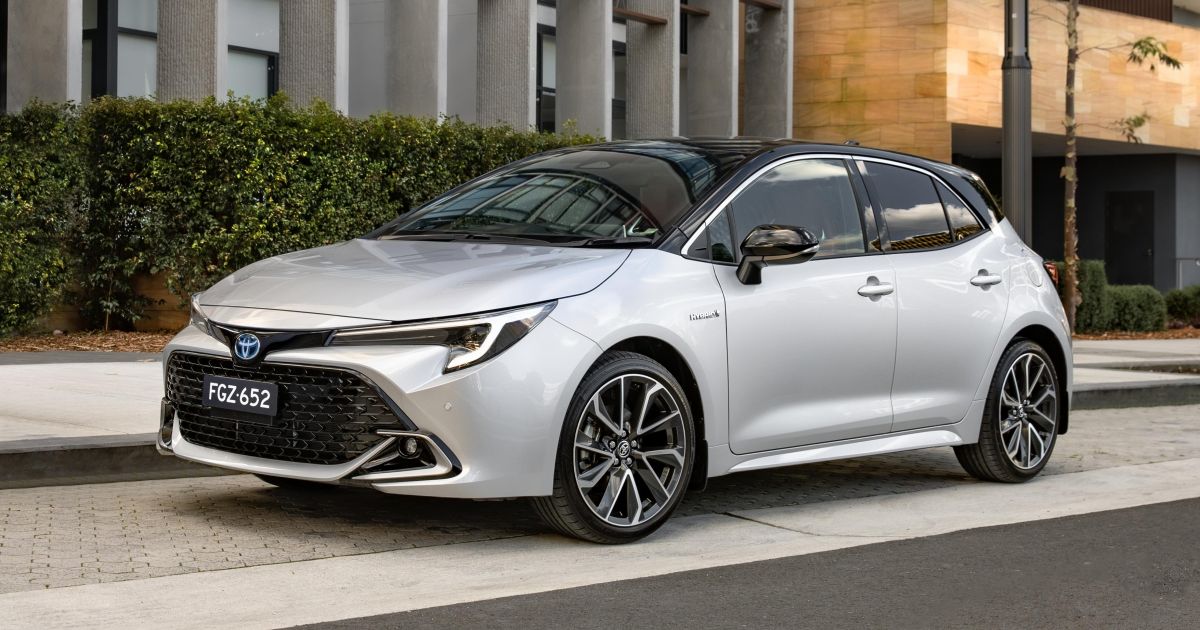
1. Toyota Corolla
The Toyota Corolla has earned its reputation as a dependable daily driver through decades of consistent performance and simplicity. One of the major reasons for its longevity is its straightforward engineering.
Toyota hasn’t tried to reinvent the wheel with this model. Instead, they’ve focused on refining a platform that works, resulting in a vehicle that resists major mechanical issues. With regular maintenance, it’s common for Corollas to reach 250,000 miles or more. This kind of mileage, combined with a relatively low purchase price, means that the car can essentially fund itself over time by avoiding costly replacements.
Another advantage of the Corolla is its parts availability. Because so many of these cars have been sold over the years, parts are everywhere and typically affordable. Whether it’s a small electrical component or a larger engine part, mechanics rarely struggle to find what they need.
This translates to lower repair bills for owners. Add to that the fact that Corollas are easy to work on, and even do-it-yourselfers can keep their vehicles running smoothly with a bit of knowledge and basic tools.
Fuel efficiency is another factor that contributes to the Corolla’s value over time. With solid gas mileage in both city and highway driving, it reduces your fuel expenses significantly over the life of the car. That’s money that stays in your pocket instead of going into the tank. Even older models perform well in this regard, giving owners another reason to hold onto them long after they’ve been paid off.
Finally, the resale value of the Corolla remains surprisingly strong for a car in its class. If you decide to sell a well-maintained Corolla after several years, you’re likely to get a decent return. When a car gives you minimal trouble and holds its value, it becomes more than just transportation; it becomes a smart financial tool.
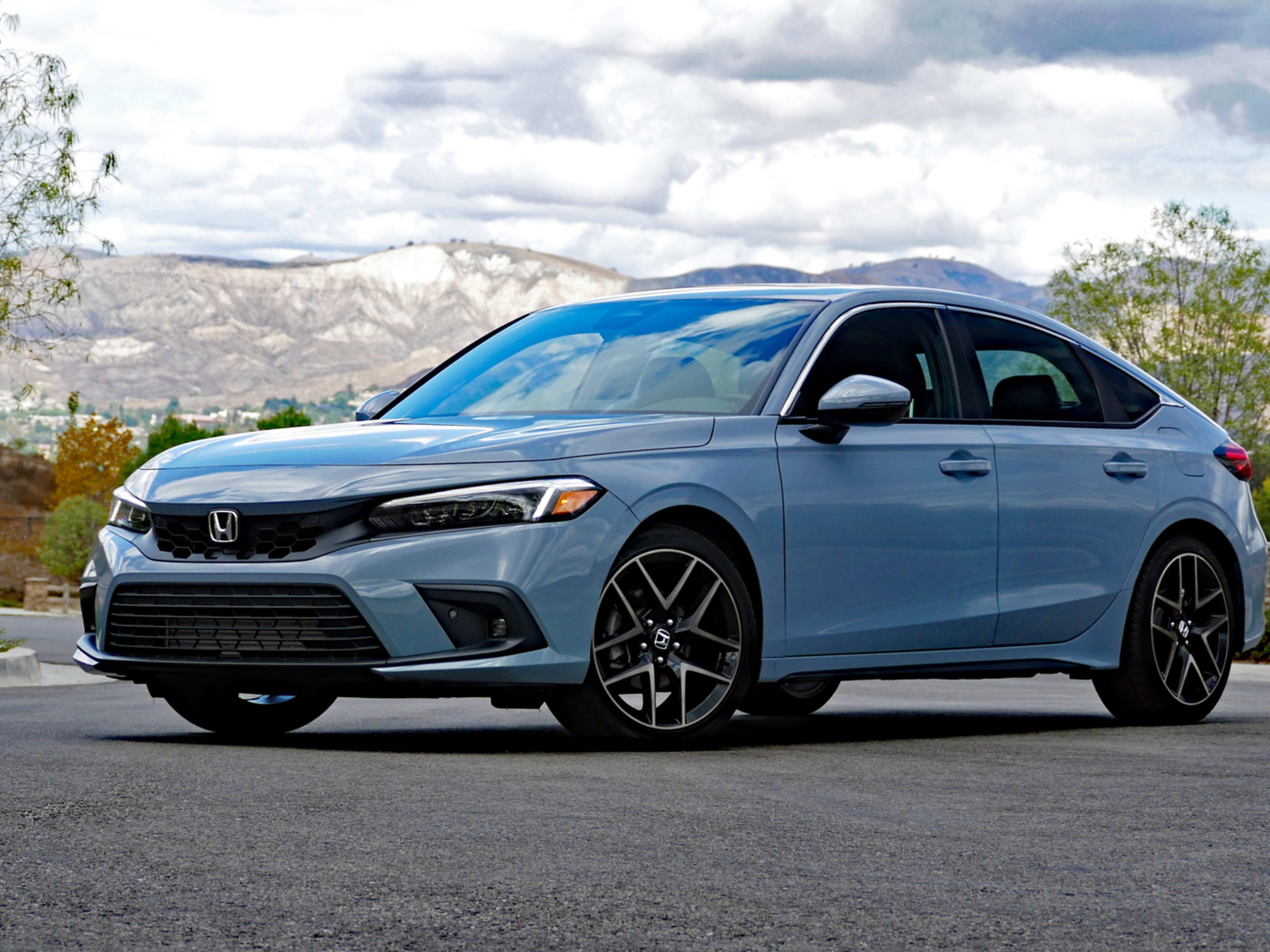
2. Honda Civic
The Honda Civic has been a top pick for budget-conscious drivers for decades, largely because of its ability to run efficiently and reliably over the long term. Many owners report driving their Civics for more than 300,000 miles with only standard upkeep.
The design philosophy behind the Civic focuses on balance: it offers reasonable performance, good gas mileage, and mechanical simplicity. That balance makes it one of the most reliable compact cars on the market.
Mechanics often regard the Civic as one of the easier cars to maintain and repair. This means you won’t be stuck paying massive labor costs for standard repairs, and in many cases, smaller fixes can be done in your driveway.
Civic parts are widely available and relatively inexpensive, which keeps maintenance costs lower than average. Because of its long-standing popularity, there’s also a massive online community of Civic enthusiasts and experts offering advice and tutorials, which is especially useful for owners who prefer to do repairs themselves.
Another reason the Civic tends to pay for itself over time is its outstanding fuel economy. Even models from over a decade ago manage to get impressive miles per gallon. This fuel efficiency not only saves you money but also extends the life of your vehicle by putting less strain on components like the engine and transmission. When combined with the low maintenance costs, the Civic becomes a vehicle that continues to save you money year after year.
Finally, Hondas in general, and Civics in particular, have an excellent reputation for longevity. This has helped keep demand high in the used car market, meaning that your Civic can still command a good resale price even after years of use. The fact that the vehicle retains so much of its value adds another layer of financial sense to what is already a cost-efficient ownership experience.
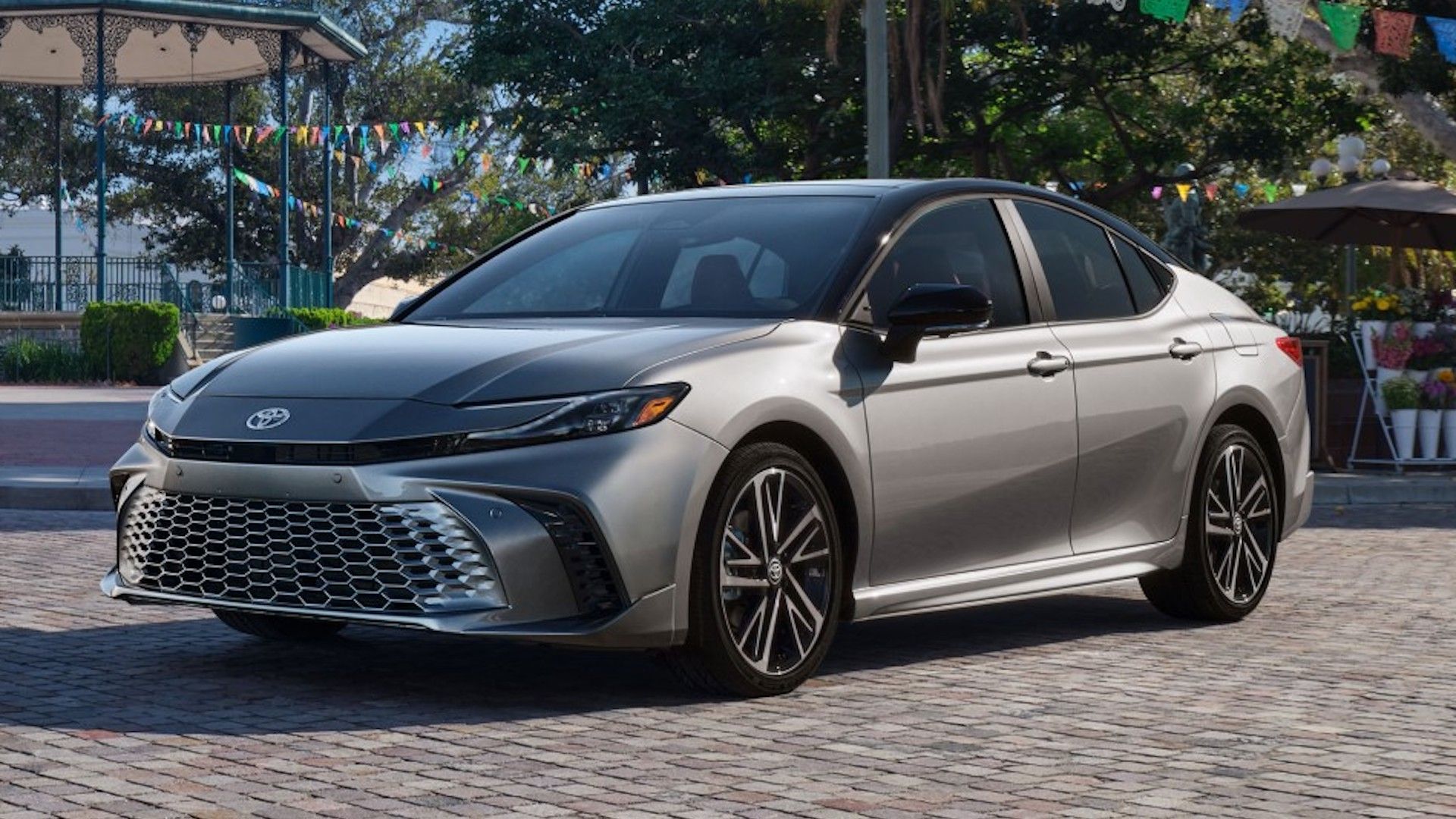
3. Toyota Camry
The Toyota Camry is often viewed as the reliable workhorse of the midsize sedan category. Known for its comfortable ride and bulletproof reliability, the Camry has consistently been one of the best-selling cars in America. Many Camry owners find themselves driving the same car for well over a decade, with some reaching 300,000 miles on the original engine and transmission. This kind of longevity is not just impressive; it’s financially rewarding.
One reason the Camry performs so well over the years is Toyota’s conservative approach to design and engineering. Rather than chasing trends or over-complicating systems, Toyota focuses on making sure every component works together in harmony.
That design approach makes the Camry not only reliable but also relatively easy to service. Mechanics are familiar with the platform, and parts are accessible and reasonably priced.
What also stands out with the Camry is how well it ages. The interior materials, electronics, and structural integrity often hold up better than competitors’ over time. This contributes to lower repair costs and fewer replacements of non-mechanical components. Because the Camry was built with long-term ownership in mind, it’s common to see them with their original seats, dashboard controls, and even suspension components still performing adequately after many years.
Fuel efficiency is solid, though not class-leading. Still, the Camry more than makes up for that by minimizing trips to the repair shop and offering a smooth, low-stress ownership experience. If you’re looking for a car that can outlast the competition and continue to serve reliably long after the payments have ended, the Camry fits that description very well.
4. Honda Accord
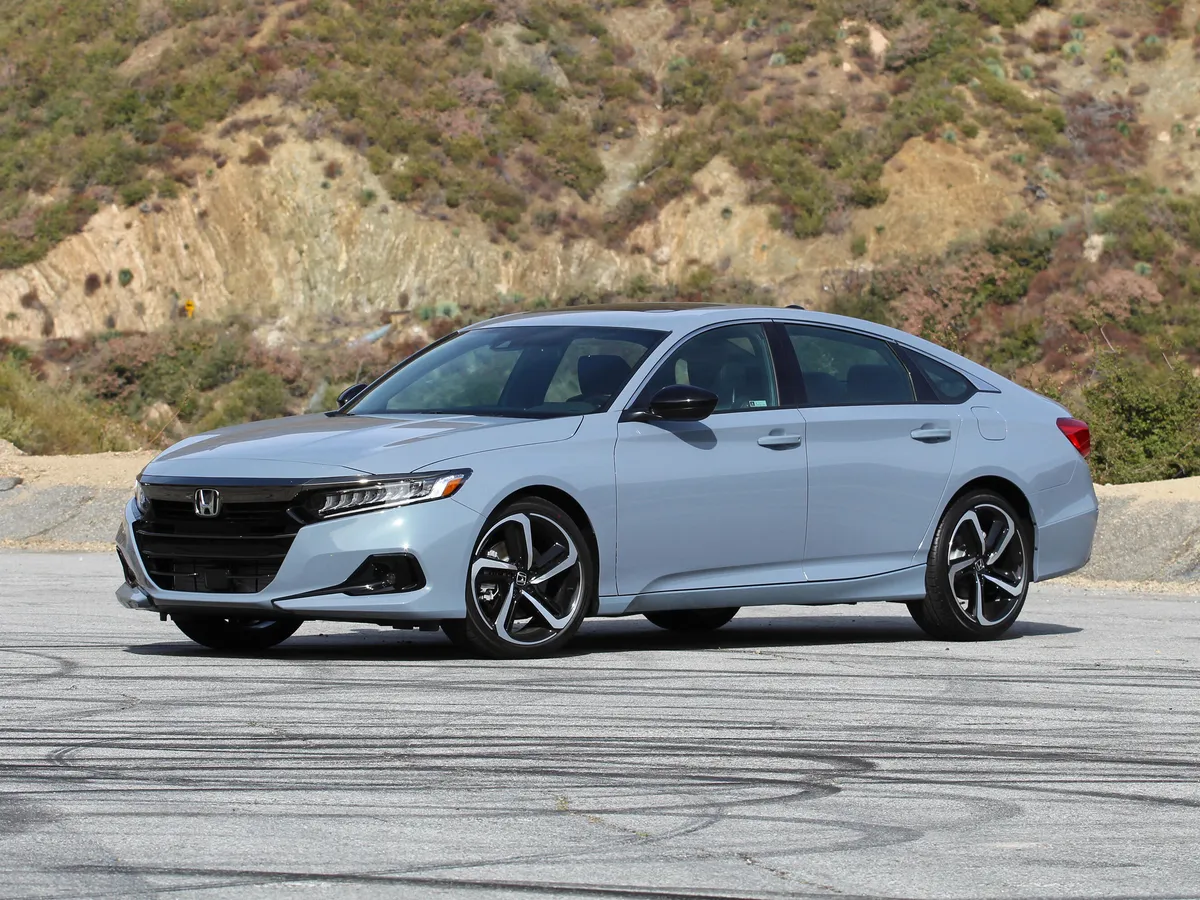
The Honda Accord is the kind of vehicle that seems to be built with longevity as a goal. It combines reliability, comfort, and decent performance in a way that few other midsize sedans do.
Many owners drive their Accords well beyond 200,000 miles, and some reach 300,000 with relatively few issues. It’s not flashy, but it’s dependable, and that dependability translates into serious long-term savings.
Like its sibling, the Civic, the Accord benefits from Honda’s well-regarded engineering philosophy. The engines are robust, transmissions are long-lasting, and the electrical systems rarely have significant failures.
One of the benefits of owning an Accord is that you don’t often face major, unexpected repairs. This kind of predictability makes budgeting easier and ownership more enjoyable. Plus, the car’s consistent build quality means you don’t see the kind of wear and tear that shortens the life of lesser vehicles.
Repair costs for the Accord are usually on the low end of the spectrum. Parts are easy to come by, thanks to the model’s long-standing popularity, and labor costs are generally reasonable because most mechanics are familiar with Honda vehicles. If you’re mechanically inclined, the Accord is also one of those cars that allows for a good amount of DIY maintenance, further saving you money over time.
Another point in the Accord’s favor is its ride quality and comfort. Many cars that are built to last make compromises on interior quality, but the Accord has long been known for its refined cabin and solid ergonomics. That means you’re not just keeping a car because it still runs; you’re keeping it because it’s still enjoyable to drive, even after many years.
5. Subaru Outback
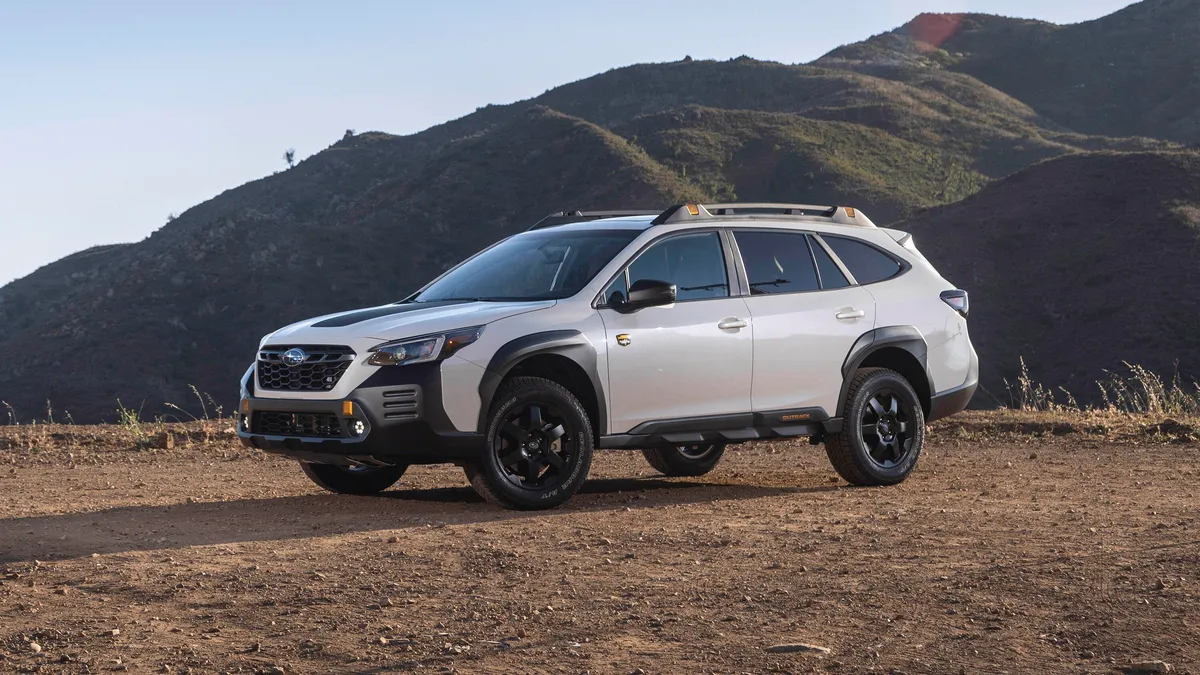
The Subaru Outback has earned a loyal following not just because of its all-wheel-drive capability, but also due to its long-term durability. It’s a car that seems to do everything reasonably well while lasting far beyond expectations when properly maintained.
Owners regularly share stories of their Outbacks crossing the 250,000-mile mark without major issues. This level of longevity makes it an attractive choice for families, outdoor enthusiasts, and commuters alike. One of the biggest advantages the Outback offers is its utility, it handles like a car but has the space and cargo capacity of a small SUV. That versatility adds to its staying power and usefulness across a wide range of lifestyles.
Subaru’s boxer engine design is unique and contributes to a lower center of gravity, improving stability and handling. However, it’s not just the engine layout that keeps this vehicle going. Subaru tends to use durable components in areas that matter, such as the drivetrain and suspension.
The symmetrical all-wheel-drive system, standard in most models, is engineered for reliability and long-term performance. It’s especially valuable in regions with harsh winters or rough terrain, which explains the Outback’s popularity in the northern and mountainous areas. This all-weather capability, combined with reliability, allows the car to stay relevant and functional longer than many competitors in its class.
Maintenance-wise, the Outback is reasonably affordable to own, especially when considering the benefits of its features. Some earlier models had head gasket issues, but Subaru addressed those problems in later years, and owners who stick to maintenance schedules tend to see few serious problems.
The community surrounding Subaru vehicles is also quite supportive, with plenty of guides, forums, and videos to help with do-it-yourself repairs or modifications. The Outback’s reliability, combined with its rugged design, often means that the car remains in good mechanical condition long after other vehicles have been scrapped or sold off.
Additionally, the Outback holds its value well in the used market. Even older models with higher mileage fetch decent resale prices. That, coupled with the fact that they can be driven for well over a decade with manageable upkeep costs, makes them a sound financial decision for those looking to get the most out of their vehicle purchase.
It’s not uncommon for a used Outback to still be serving its owner reliably at a point where many other cars would have become a financial burden.
Also Read: 5 Honda Civic Years That Last Forever vs 5 That Don’t
6. Lexus LS
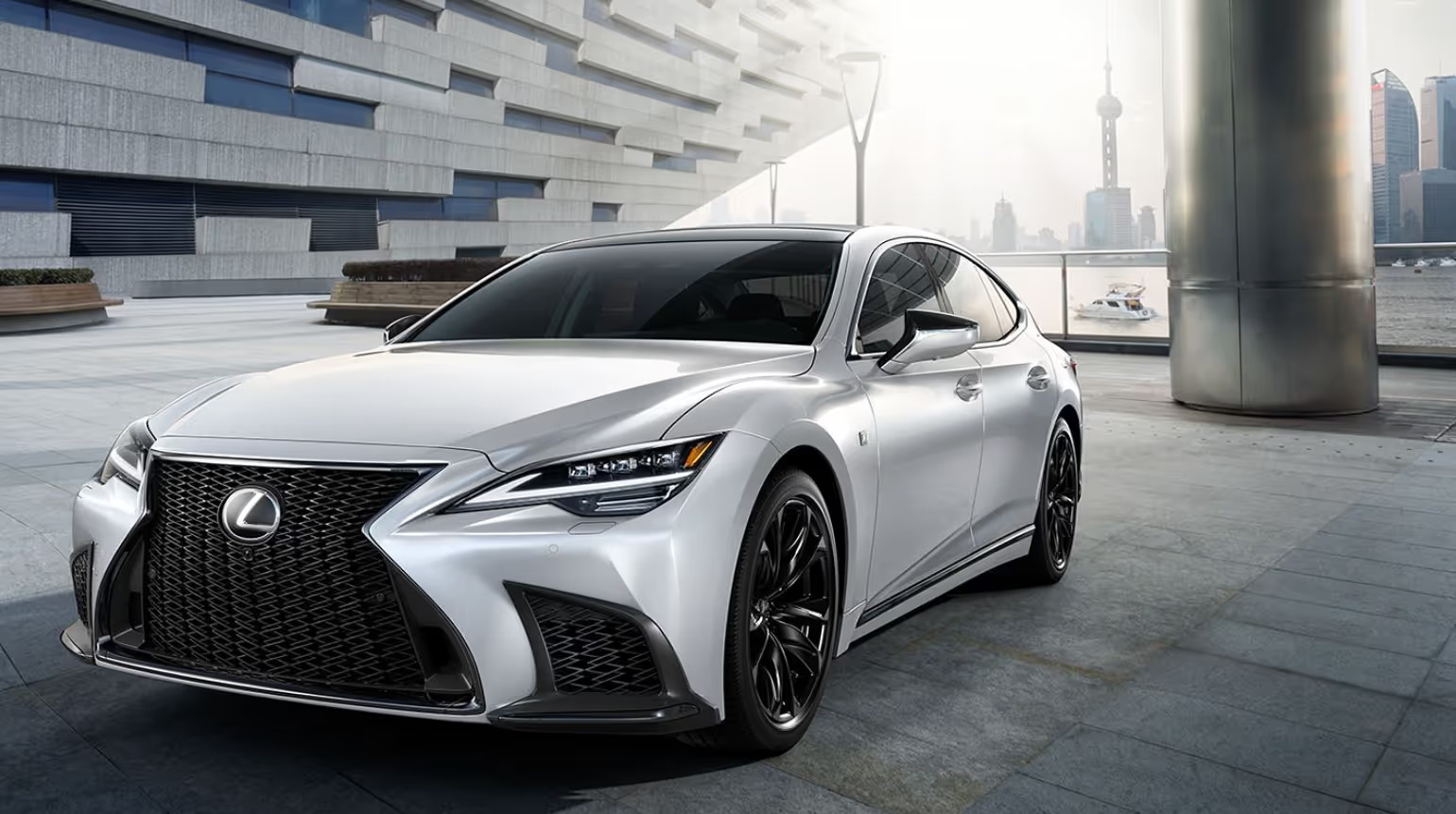
The Lexus LS series might come as a surprise in this list, especially since luxury vehicles aren’t typically known for cost efficiency over time. However, the LS is a rare exception. Built on the same principles as Toyota’s reliable engineering but wrapped in a more refined package, the LS has developed a reputation for lasting an incredibly long time with proper care.
In fact, the original LS400 models from the 1990s are often cited as some of the most over-engineered cars ever made. It’s not unusual to see these cars still on the road with odometers reading well over 300,000 miles. The combination of comfort, quietness, and mechanical resilience makes the LS an appealing option for those who want long-term reliability without sacrificing luxury.
One of the primary reasons the Lexus LS lasts so long is because Lexus aimed to outclass the established German luxury brands by building something with minimal compromises. That meant using high-quality materials for both interior and mechanical components, many of which were designed to outlast typical wear timelines.
The engines, particularly the V8s in earlier LS models, are legendary for their smooth operation and long life. When paired with properly maintained transmissions, they form a powertrain combination that rarely experiences serious failures.
Maintenance on a Lexus LS is surprisingly reasonable if you find a trusted independent mechanic or are willing to do some of the basic work yourself. Parts are often shared with Toyota models, meaning they’re more affordable than you’d expect for a luxury vehicle.
Many owners report that once you get past the initial purchase price, the LS is among the least expensive luxury sedans to own in the long run. In many cases, the higher initial investment ends up paying off due to lower repair frequency and better quality components that don’t need to be replaced as often.
Comfort is another lasting benefit. While economy cars might remain mechanically functional for a long time, they don’t always offer the same level of comfort in the later years. The LS, on the other hand, often feels just as comfortable at 200,000 miles as it did when new.
From the leather seats to the quiet cabin, everything ages with grace, making it a long-term vehicle that people not only keep but also continue to enjoy. If there’s a car that blurs the line between luxury and long-term value, it’s this one.
7. Toyota Prius
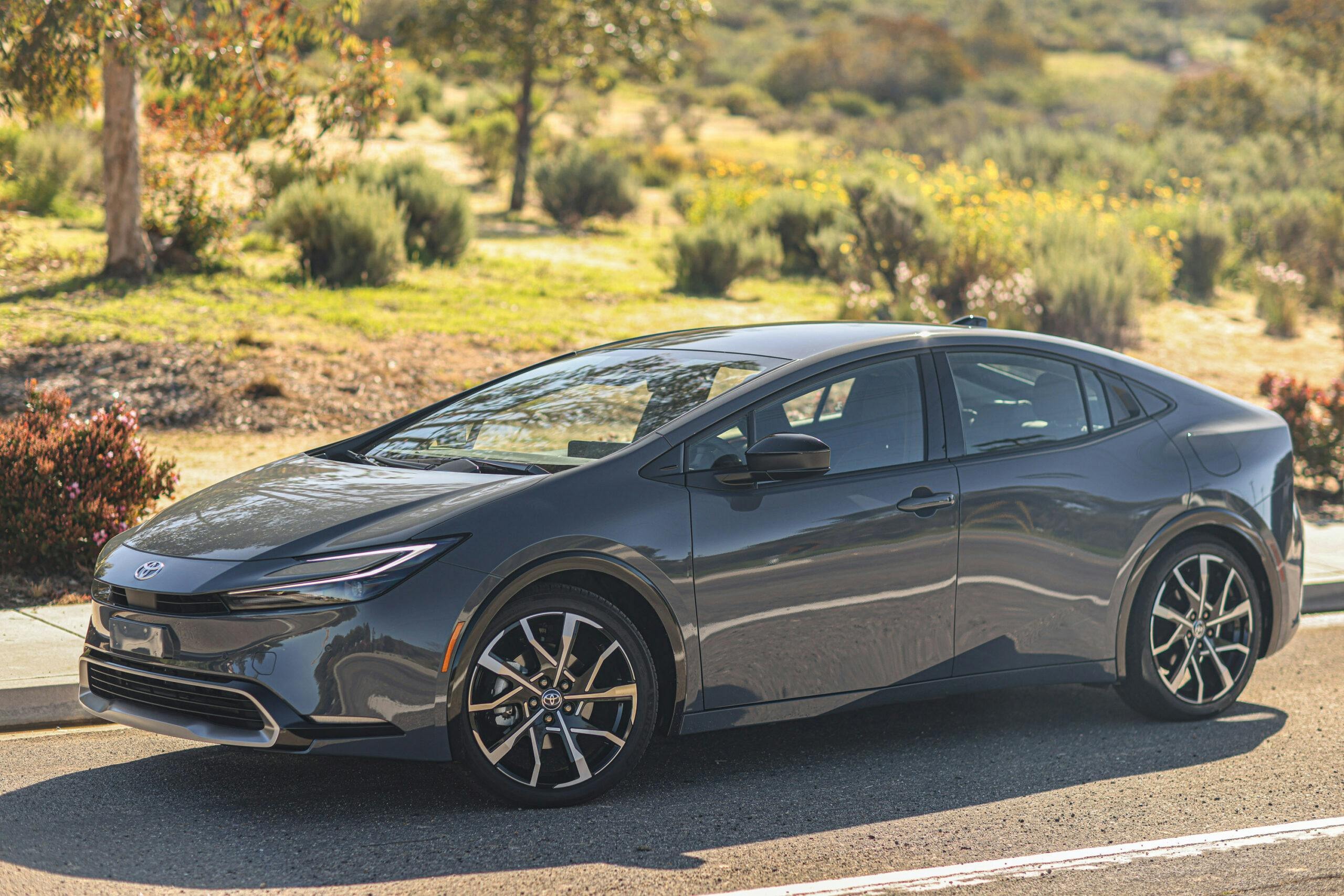
The Toyota Prius is not just a pioneer in hybrid technology; it’s also one of the most cost-effective cars ever built when you look at long-term ownership. One of the main reasons people are drawn to the Prius is for fuel efficiency, but its reliability is what really makes it a smart investment.
Many early Prius models are still on the road today with well over 200,000 miles, and some have even exceeded 300,000 with original battery packs still functioning. That kind of longevity, combined with exceptionally low fuel costs, means that the car often ends up paying for itself.
People often worry about hybrid batteries and assume they will need costly replacements after a few years. While this may have been a concern in the early days of hybrid tech, the reality has proven to be much better. Toyota engineered the Prius battery systems to last, and they often do.
Replacing one is much less common than many people assume. And even if a battery replacement is eventually needed, the savings from years of fuel efficiency often make the cost easier to swallow. It also helps that the price of replacement batteries has dropped significantly in recent years, making them more accessible than ever.
Aside from the hybrid system, the rest of the Prius is built with the same attention to reliability as Toyota’s other models. The engine and transmission, while working alongside the electric motor, don’t face the same wear and tear as traditional gasoline vehicles.
The reduced stress on components like brakes (thanks to regenerative braking) and the engine (which doesn’t run constantly) means less maintenance over the long haul. This contributes to why a well-maintained Prius often costs less to own across a decade than nearly any other car in its class.
Resale value for the Prius also remains strong, particularly in markets where fuel prices are high or emissions regulations are strict. Even older models with high mileage are sought after because of their reputation. So whether you’re holding onto it for the long haul or planning to resell, the Prius offers a long-term return that very few other cars can match. When you factor in its minimal fuel costs and extended lifespan, it becomes clear why the Prius makes financial sense over time.
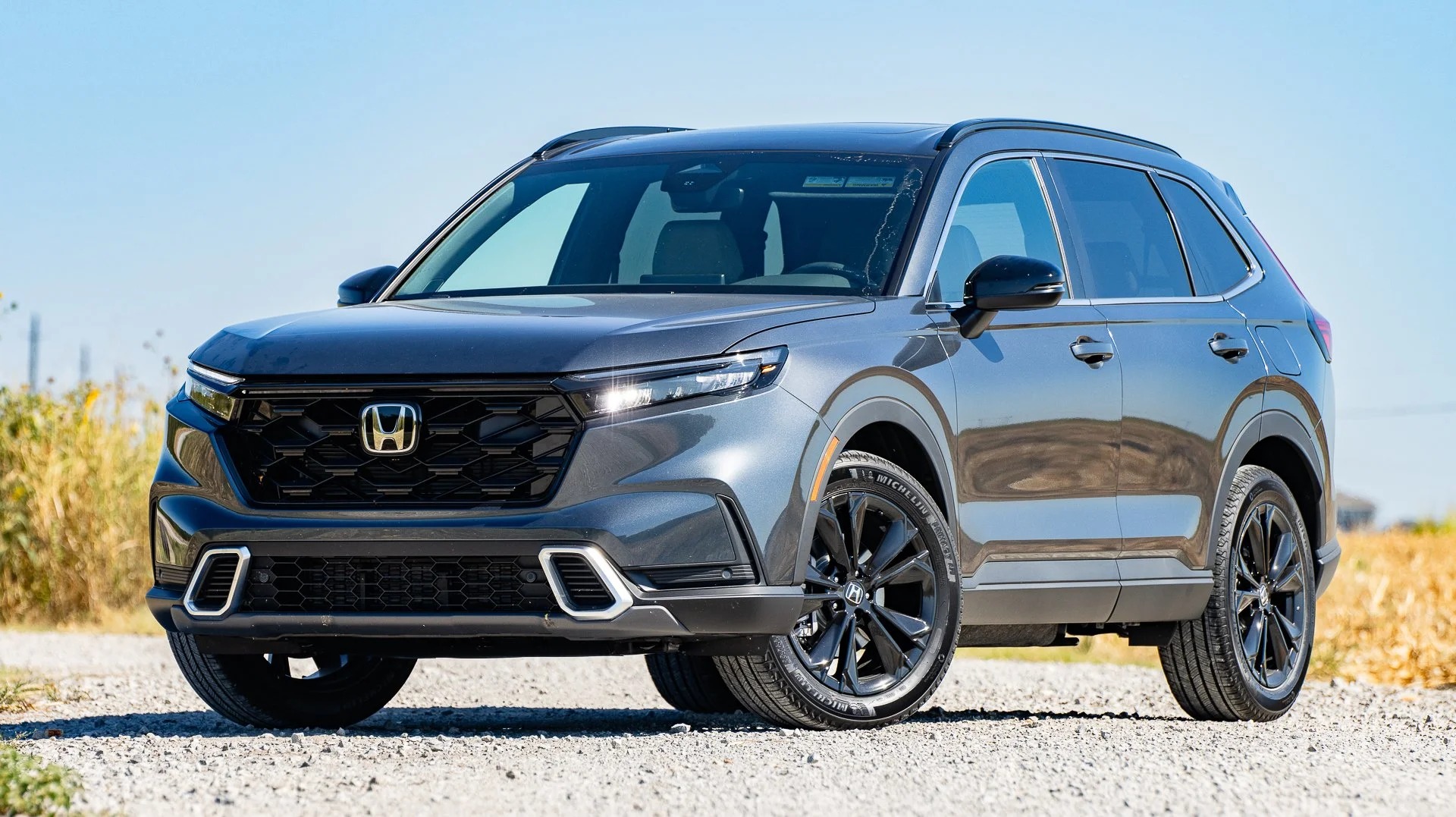
8. Honda CR-V
The Honda CR-V is one of those vehicles that seems to quietly run forever. It’s not flashy, but it offers a strong combination of practicality, comfort, and reliability. One of the biggest appeals of the CR-V is that it functions equally well as a family car, a commuter vehicle, or even a light-duty hauler.
With owners commonly reporting 200,000 to 300,000 miles with basic maintenance, the CR-V has proven itself to be a wise financial choice. Unlike some other SUVs, which require heavy servicing or special care, the CR-V tends to just keep going with regular oil changes and fluid checks.
Its engine and transmission are built with longevity in mind. Honda doesn’t overload this vehicle with overly complex systems, making it relatively simple and affordable to repair when issues do arise.
Even all-wheel-drive models, which can sometimes complicate maintenance in other brands, are known to be durable and manageable. The engineering is solid, and parts are not difficult to find. This ease of access keeps costs down and extends the life of the car, helping it reach that point where it’s outlived its payments and starts saving the owner money.
Interior quality is another area where the CR-V shines. The materials may not be luxurious, but they are designed to handle wear and tear. Whether it’s the seats, dash controls, or interior trim, everything tends to age slowly and gracefully.
This helps the vehicle feel “new enough” even after years of use, making it easier to justify keeping it around. When a vehicle still functions well and looks good doing it, there’s less temptation to replace it, which adds to the value it provides.
The CR-V also does well in terms of fuel economy for its class, especially when compared to other compact SUVs. Its size allows for good cargo space and passenger comfort, but not at the cost of excessive gas usage. That balance is a big part of why owners stick with this model for so long. If you’re looking for a small SUV that will outlast your loan and then continue to serve reliably, the CR-V is one of the safest bets on the market.
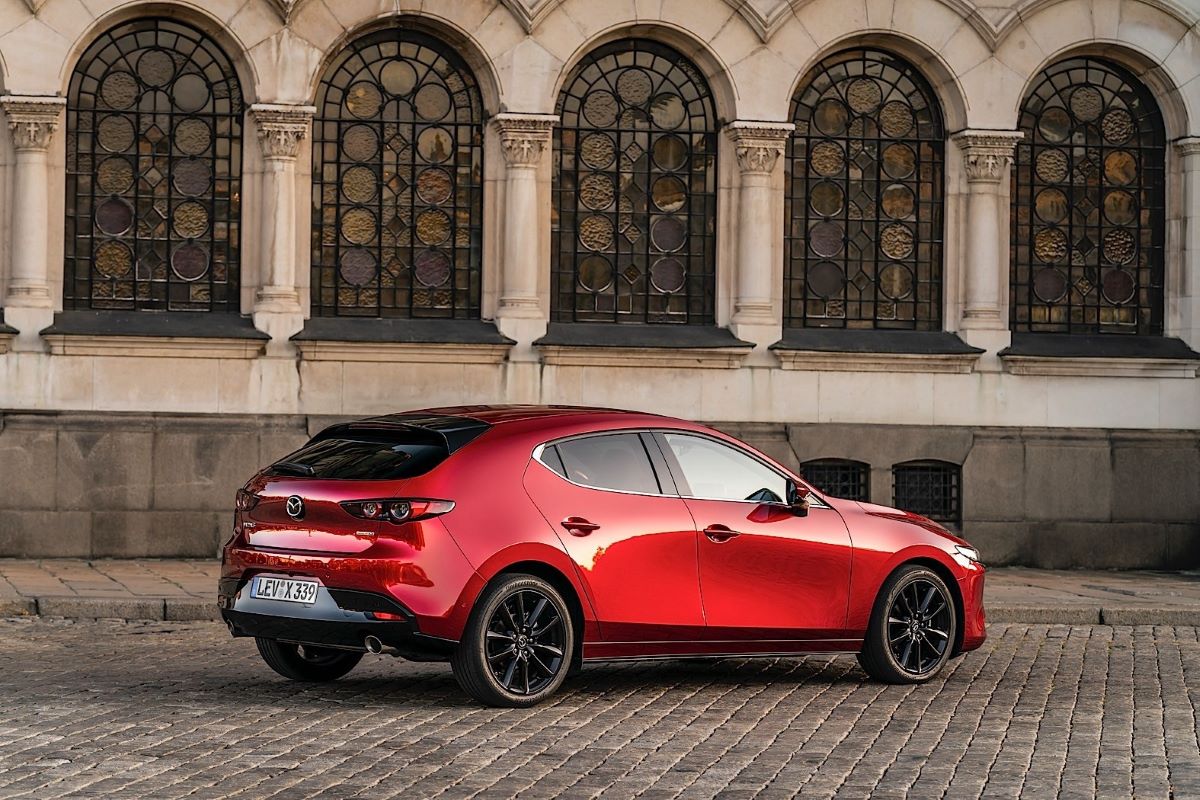
9. Mazda3
The Mazda3 is often overlooked in discussions about long-term reliability, but those who own one tend to keep it for a long time, and for good reason. Mazda has managed to combine sharp styling and fun driving dynamics with mechanical simplicity and solid build quality.
While other compact cars sometimes sacrifice long-term durability for initial performance or low prices, the Mazda3 has managed to strike a balance between the two. It’s not just a car that’s cheap to buy; it’s one that often costs less over time due to how long it continues running without serious issues.
Owners frequently report exceeding 200,000 miles without encountering major repairs, especially on naturally aspirated engines with proper maintenance.
The Mazda3’s drivetrain is a key part of its appeal. It doesn’t rely on turbocharged engines or overly complex systems to achieve performance. Instead, Mazda focuses on lightweight engineering and efficient power delivery. This means fewer components can fail and a generally lower stress level on the engine and transmission.
Manual transmissions are especially durable in these models, and even automatic ones tend to hold up better than expected. When paired with simple but effective suspension design and solid body construction, the Mazda3 stands out as a vehicle built to handle real-world wear and tear over many years.
Maintenance is another area where the Mazda3 does well. While it may not have quite the parts availability of a Toyota or Honda, it’s not far off. Common replacement parts like brake pads, filters, and suspension components are easy to find and relatively inexpensive.
Additionally, because the Mazda3 has been a consistent part of the brand’s lineup for over two decades, there’s a strong network of mechanics familiar with its design. DIY repairs are manageable too, especially in older models with simpler layouts. As a result, ownership costs remain reasonable long after the car has been paid off.
Another area where the Mazda3 stands out is its ability to remain enjoyable over time. A car might be reliable, but if it becomes boring or uncomfortable to drive, people are more likely to trade it in. The Mazda3 avoids that problem by offering engaging handling and a refined driving experience, even in older models.
It feels less like an appliance and more like something designed with the driver in mind. That driving enjoyment, combined with long-term reliability and low operating costs, helps make the Mazda3 a car that not only pays for itself but keeps delivering value for many years.
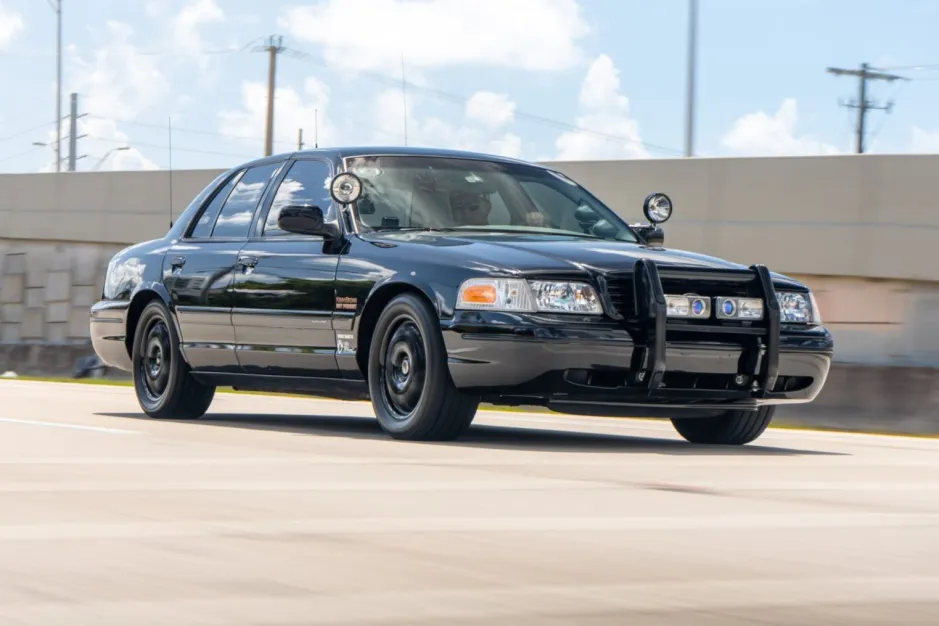
10. Ford Crown Victoria
The Ford Crown Victoria may not be in production anymore, but its legacy lives on in the countless high-mileage examples still in use today. Known best for its role in police departments and taxi fleets, the Crown Vic built a reputation around its toughness, simplicity, and near-indestructible powertrain.
These cars were built to take abuse and keep running, which is why they’ve been such a popular choice for fleets. For individual owners, that same durability translates into long-term value. It’s not uncommon to find Crown Victorias with over 300,000 miles that still run reliably, with the original engine and transmission.
At the heart of the Crown Victoria’s durability is its 4.6-liter V8 engine. While not the most powerful or efficient engine ever made, it’s arguably one of the most reliable.
Paired with a simple and sturdy 4-speed automatic transmission and a traditional rear-wheel-drive layout, the Crown Vic avoids the kinds of mechanical complexity that often shorten the lifespan of modern vehicles. The engine isn’t stressed and the transmission shifts smoothly under most conditions. It’s a configuration that was designed more for longevity and ease of service than for cutting-edge performance, and it has aged incredibly well because of that.
Servicing the Crown Victoria is also remarkably easy, thanks in part to its wide engine bay, body-on-frame construction, and massive aftermarket support. Parts are everywhere and relatively cheap due to the car’s years of widespread use in government fleets.
For DIY enthusiasts, this car is a dream. Even larger mechanical tasks like changing out suspension components or replacing gaskets are straightforward. It also helps that this model shares many parts with other Ford vehicles, keeping prices low and availability high. That level of serviceability is a major reason why people hang onto their Crown Vics far beyond what’s typical for most sedans.
Despite its age, the Crown Victoria still delivers a surprisingly comfortable ride. The interior is roomy, the seats are soft, and the suspension is tuned for smooth cruising. While it may not have the most modern tech or sharpest handling, it does what it’s supposed to do: provide reliable, comfortable transportation that doesn’t fall apart.
It’s one of the few full-size sedans that was built with durability as a central design principle, and that focus has helped it remain relevant to this day. If you can find a well-maintained Crown Victoria, it can provide thousands of worry-free miles at a fraction of the cost of a newer car.
