
College students don’t exactly have the luxury of brand-new vehicles or premium automotive features. Most of the time, what ends up in a college parking lot is the result of a used-car search driven by budget, reliability, and simplicity. It’s not about flashy rims, touchscreen dashboards, or turbocharged engines.
It’s about one key goal: making it to class, work, and maybe a weekend trip home without breaking down on the side of the road. These cars have earned reputations that go beyond specs and features; they’ve survived everything from harsh winters to missed oil changes and still managed to fire up each morning.
There’s a certain charm in these vehicles. They don’t pretend to be more than what they are. In fact, the very idea that a college student is driving a car built fifteen years ago, with maybe two hubcaps missing and a dashboard that squeaks, speaks to a form of automotive endurance.
These cars have been passed down by older siblings, found on used car lots with high mileage, or sold by neighbors who just wanted something newer. Still, they keep rolling. Most of them don’t turn heads or win awards, but they win loyalty by starting up in January and handling potholes like champions. That’s worth more to a student on a tight schedule and a tighter budget than any amount of horsepower or cutting-edge tech.
Affordability is key, but it’s not just about the sticker price. Maintenance costs, gas mileage, insurance, and parts availability all play into the bigger picture. A cheap car that breaks down every other month is no longer cheap. But a dependable used car with some scratches, solid internals, and a history of reliability can be a game-changer.
These ten vehicles have managed to strike that balance. You see them parked at dorms, in commuter lots, and in back rows of university garages. They’ve been scratched, dented, and sometimes ignored, yet somehow, they keep showing up. These are the cars that just won’t quit, and that’s exactly what makes them perfect for college life.
Also Read: 5 Dodge Models That Stay Reliable in Daily Use vs 5 That Constantly Break
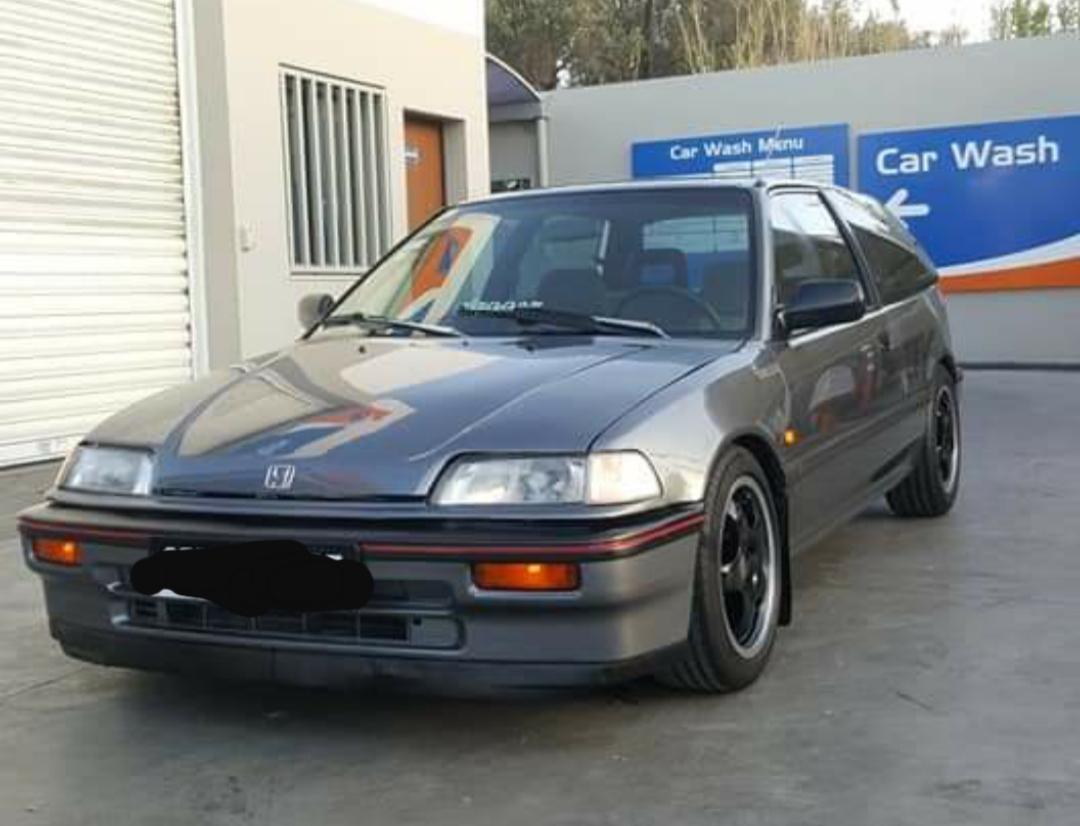
1. Honda Civic (1998–2012)
The Honda Civic has been a cornerstone of affordable transportation for decades. Its compact size, solid gas mileage, and well-earned reputation for reliability make it one of the most common sights in college parking lots.
From the late ’90s models to the early 2010s, Civics have proven that longevity and simplicity go a long way when money is tight and daily demands are high. They aren’t flashy, but they often have plenty of personality thanks to custom paint jobs, bumper stickers, or minor modifications by previous owners.
Part of what makes the Civic such a durable option is its straightforward engineering. Older models in particular have engines that are easy to work on, and parts are widely available and inexpensive. Even students who are new to car maintenance can often find tutorials and guidance for small repairs or upgrades.
There’s a large community of Civic owners who share tips, tricks, and troubleshooting advice. This support network has helped many Civics stay on the road far longer than expected.
Fuel efficiency is another major benefit. Many older Civics can still deliver 30–35 miles per gallon, even when they’re not in perfect condition. For students commuting or making frequent trips, the ability to fill up the tank for under $40 and get through the week is a big deal. Add to that the low insurance costs, and it’s easy to see why this car is a student favorite. Even at high mileage, they tend to hold up better than most others in their class.
You’ll often find Civics with over 200,000 miles still running reliably, making them one of the safest bets on the used market. They aren’t invincible, but they seem to handle neglect better than most. Regular oil changes and basic upkeep can keep these cars alive well beyond their years, which is exactly what students need: something that asks for little and gives back a lot.
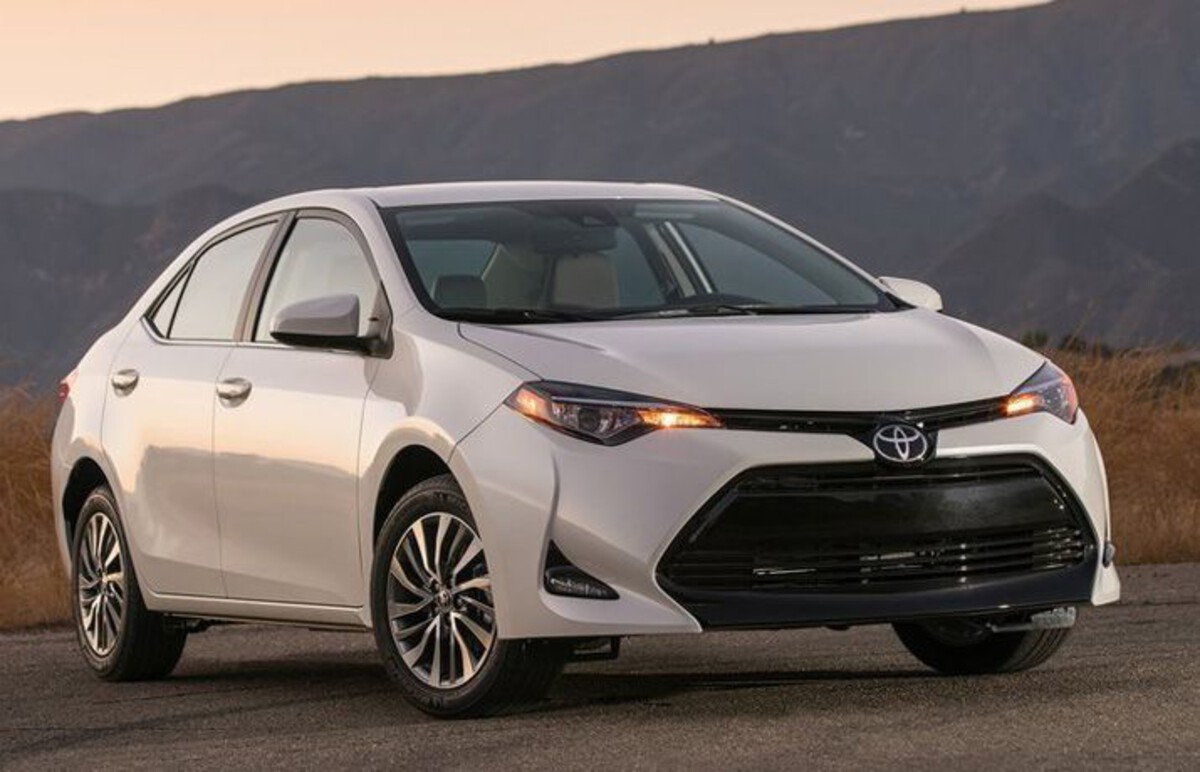
2. Toyota Corolla (1998–2013)
Another staple of the college lot is the Toyota Corolla. If the Civic is the classic student car, the Corolla is its quiet sibling that just works. It may not always have the same street cred or visual appeal, but it makes up for that with pure reliability. You can usually pick one up at a fair price, and if it has a well-maintained service history, it’ll likely last through all four years and possibly grad school too.
The Corolla’s engines are known for their durability. Older models often require minimal upkeep and can keep going long after their odometers pass 200,000 miles. There’s not much flash to the interior or exterior, but they were never designed to be attention-grabbing.
They were built for function, and they do that very well. Whether it’s the daily campus commute or the occasional road trip back home, these cars handle it with no drama.
Another benefit is the simplicity of repairs. Whether you’re dealing with a brake issue, worn-out tires, or a minor engine hiccup, parts are cheap and mechanics are familiar with the model. Even students who aren’t mechanically inclined can manage basic fixes, and YouTube is full of DIY videos made specifically for Corollas. That kind of accessibility is priceless when every dollar counts and time is limited.
You’ll find these cars parked under trees, crammed into tight spaces, or hauling friends across town. They’re not immune to rust or wear, but they wear it well. Many Corollas start to develop quirks over time, sticky windows, temperamental locks, or sagging headliners, but they keep moving forward. For a student juggling assignments, part-time jobs, and social life, the last thing they need is a car that demands constant attention. That’s why the Corolla remains a favorite.
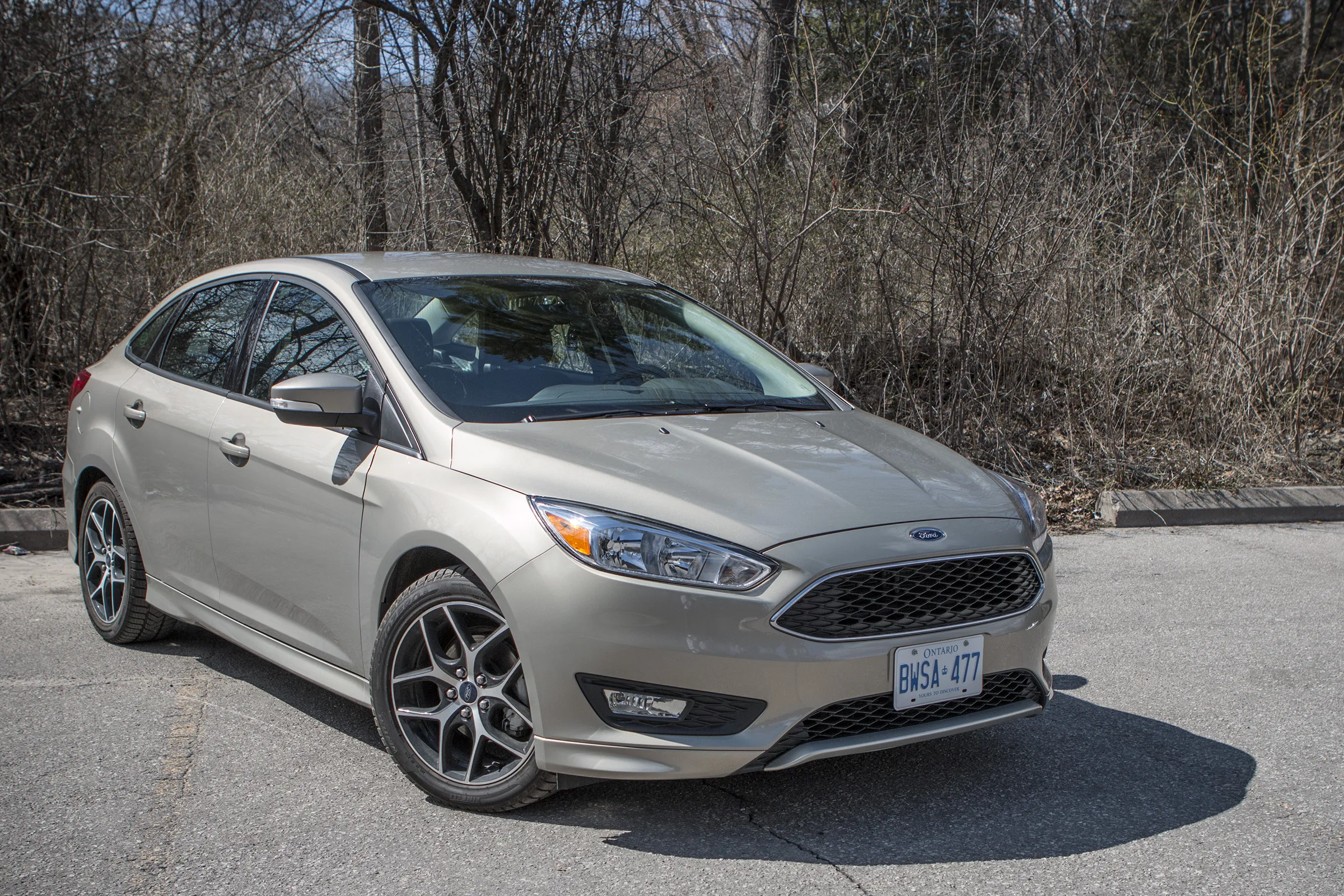
3. Ford Focus (2000–2011)
The Ford Focus has seen its share of ups and downs, but certain model years in the early 2000s delivered impressive longevity at an affordable price. The Focus became a go-to option for students who needed something dependable but didn’t want to pay the premium often associated with Japanese imports. With a wide selection of used models available, it’s not uncommon to see several of them scattered across a university parking structure.
What makes the Focus particularly appealing is its balance of drivability and practicality. It has decent trunk space, especially in hatchback form, and the compact size makes it easy to park in tight college town lots.
Older models offer straightforward features without unnecessary complexity, which is a major plus when trying to avoid electrical issues or failing infotainment systems. With regular care, these vehicles can hit 150,000 to 200,000 miles without major issues.
Maintenance and repair costs are manageable. Domestic parts are relatively cheap, and there’s wide availability thanks to the Focus being produced in large numbers. You don’t need to go to a specialized mechanic, and junkyards often have plenty of parts on hand if something breaks. Students with an interest in DIY repairs often find the Focus to be a good starter car for learning basic automotive work.
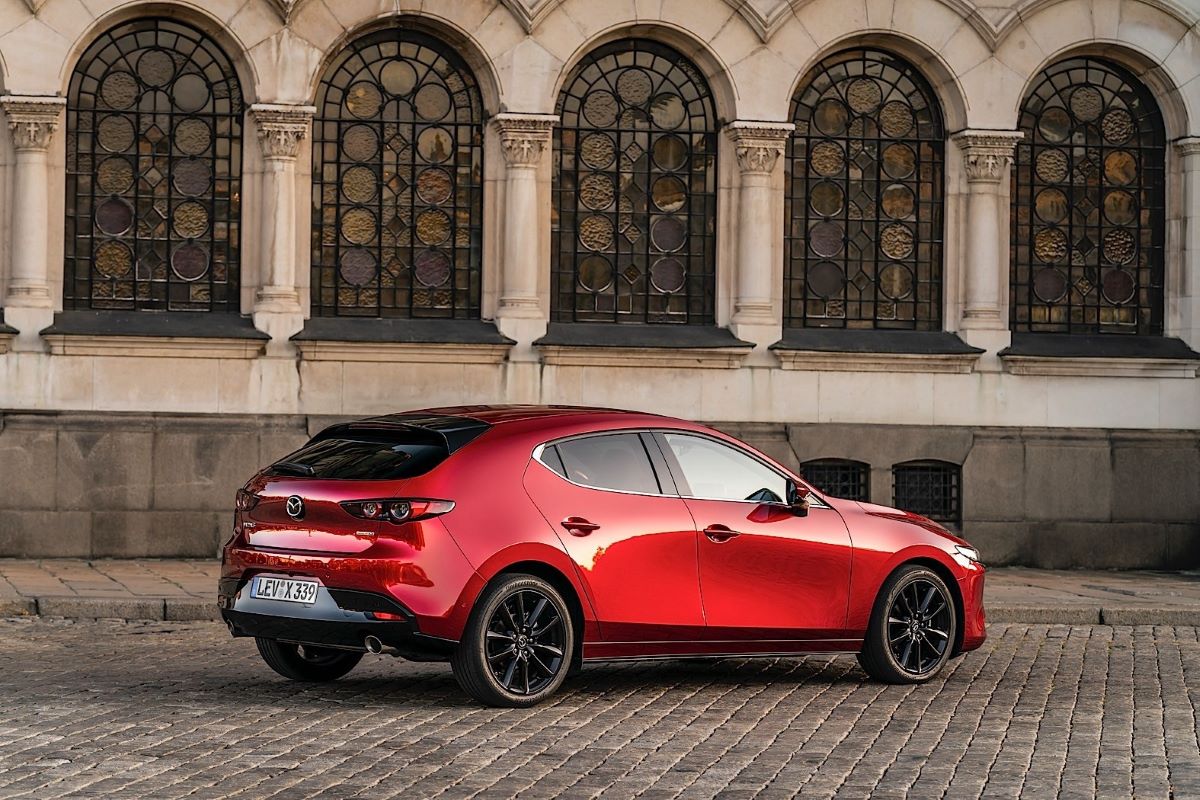
5. Mazda3 (2004–2013)
The Mazda3 brought something to the table that many budget-friendly cars lacked: fun. Even in its most basic trims, it had sharper handling, a more refined interior feel, and a driving experience that didn’t make you feel like you were stuck in a penalty box.
That balance between affordability and driver engagement helped it become a sleeper favorite among students who wanted something practical but still enjoyable. A well-maintained Mazda3 may not get as much attention as flashier options, but once you get behind the wheel, you understand why it’s lasted so long in college parking lots.
Mechanically, the Mazda3 is solid. The engines from these model years, especially the 2.0L and 2.3L versions, are known for their durability. When maintained with basic oil changes and proper servicing intervals, they tend to go well past 180,000 miles without serious issues.
The suspension, while tuned for a slightly sportier ride, holds up well under regular driving conditions. The body does tend to rust in certain climates, especially around the wheel wells, but that doesn’t usually impact performance. Students often ignore the cosmetic flaws in favor of what’s under the hood, and rightly so.
One of the reasons the Mazda3 shows up in so many student parking areas is its usability. It’s compact enough to handle city driving and tight campus parking, but the interior doesn’t feel cramped. Hatchback models are especially popular because they offer cargo space that rivals small SUVs.
Whether it’s hauling groceries, sports gear, or moving apartments between semesters, the hatch version is incredibly practical. Even the sedan provides more trunk space than many other compact cars in its class, giving it an edge in day-to-day functionality.
From a cost standpoint, the Mazda3 strikes a solid balance. Insurance is relatively low, parts are accessible, and fuel economy is decent, ranging from 26 to 33 mpg depending on the year and configuration.
Maintenance costs are manageable, though some models do require extra attention to brakes and suspension components as they age. Still, compared to many other cars in its price range, the Mazda3 gives back more than it takes. For students who want a reliable ride that doesn’t feel like a complete compromise, it’s hard to overlook.
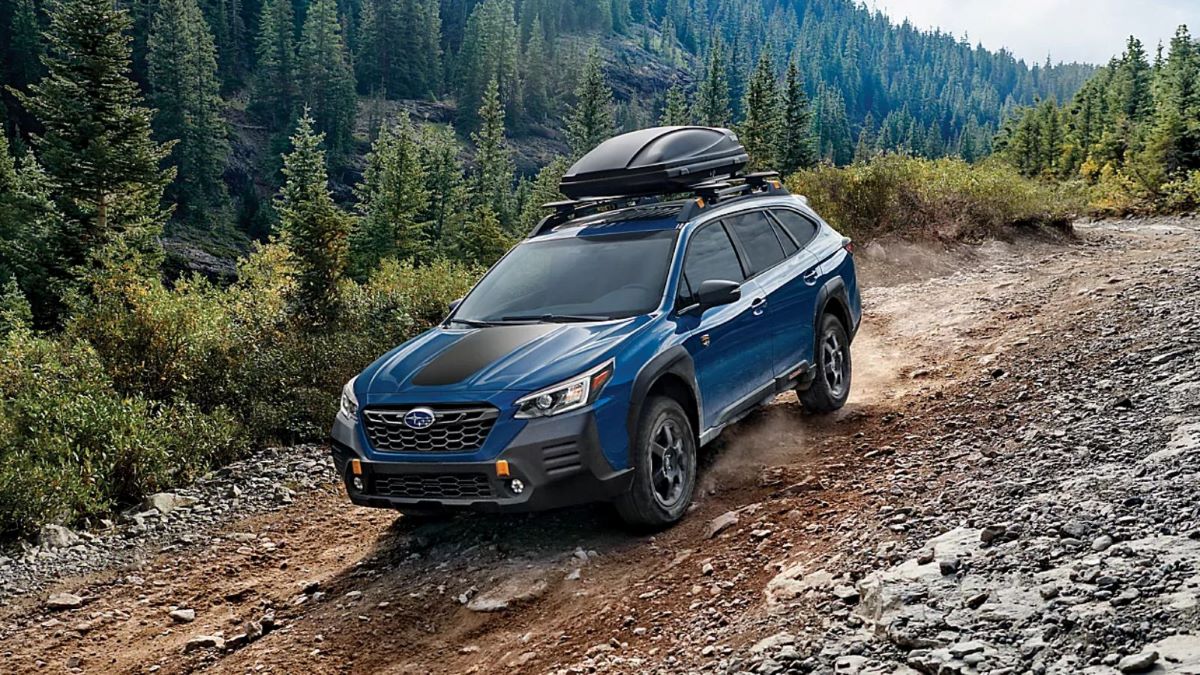
6. Subaru Outback (2000–2009)
The Subaru Outback might not seem like a typical college car at first glance. It’s larger than most compacts, it has all-wheel drive, and it’s often associated with families or outdoor enthusiasts. But take a walk through a university lot in a snowy or mountainous area, and you’ll see why it’s earned its place.
The Outback has proven to be an incredibly durable, practical option for students who need a bit more capability, especially in regions where winter driving is a real concern.
What sets the Outback apart is its standard all-wheel drive, which is rarely found in vehicles at this price point and class. For students in northern states or attending schools in mountainous regions, this makes a huge difference. The added traction and stability can turn dangerous winter commutes into manageable ones.
It doesn’t matter if it’s snowing, raining, or the road is full of potholes; the Outback just keeps moving forward. That’s the kind of peace of mind that matters when students are driving late at night or during bad weather.
Another reason the Outback stays in circulation is its practicality. The cargo space is huge, especially with the rear seats folded down. Students who are constantly transporting stuff, whether it’s laundry baskets, bikes, camping gear, or a car full of friends, find the extra room incredibly useful. The raised ground clearance also makes it easier to handle poorly maintained roads or dirt parking lots, which are more common around off-campus housing. It’s a car that feels equally at home on campus and on a road trip.
Subarus do require attention, particularly when it comes to head gaskets and oil leaks in some model years. However, many of these issues have become well-documented, and solutions are straightforward if handled early. Once those key areas are addressed, the Outback is a workhorse.
Many examples on the road today are still running strong with over 200,000 miles. For students who value rugged reliability and year-round usability, it’s hard to beat the Outback as an affordable long-hauler.
Also Read: 5 Toyota Tacoma Years That Rarely Break vs 5 That Constantly Do
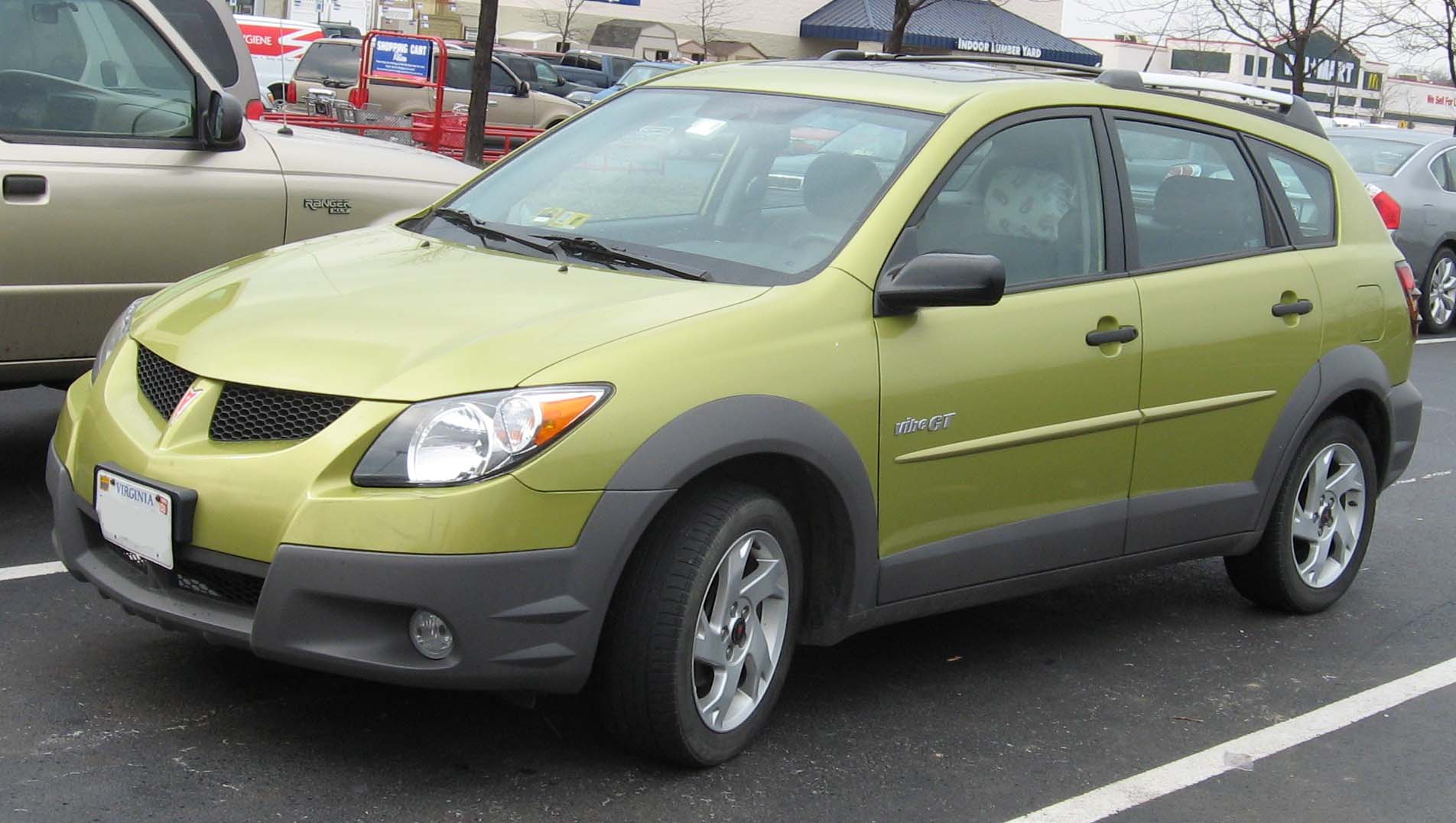
7. Pontiac Vibe (2003–2010)
The Pontiac Vibe might be one of the most underrated cars to appear in student parking lots. Developed in partnership with Toyota (it shares a platform and engine with the Toyota Matrix and Corolla), the Vibe combines Japanese mechanical reliability with a practical American-style hatchback design. That unique pairing makes it a favorite among budget-conscious students who want something that’s both tough and versatile without drawing too much attention.
Mechanically, the Vibe benefits heavily from Toyota’s engineering. The 1.8L engine, commonly found in Corollas of the same era, is known for its ability to withstand years of use with minimal drama. Timing chains replace the more fragile belts found in other cars, reducing maintenance headaches.
Many Vibes easily surpass 200,000 miles with basic upkeep. Since the parts are interchangeable with Toyota models, repairs are simple and parts are always available, something that can’t be said for most Pontiacs, especially since the brand was discontinued.
What makes the Vibe so college-friendly is its design. The hatchback layout, tall roofline, and fold-flat rear seats make it more functional than most sedans. It’s easy to load up with boxes during move-in week or haul gear for a weekend road trip. Despite its compact footprint, the Vibe feels spacious inside, and its upright driving position gives a clear view of the road. Plus, with fuel efficiency hovering around 30 mpg, it won’t drain a student’s bank account at the gas pump.
Styling-wise, it’s admittedly not the most exciting car, but that’s never been the point. It’s a sleeper vehicle, a quiet performer that keeps doing its job without needing praise.
Even though the Pontiac badge has long disappeared from new car lots, the Vibe continues to hang around, largely because it’s built on one of the most proven platforms of the 2000s. For students who care more about function than form, it’s one of the smartest used car buys available.
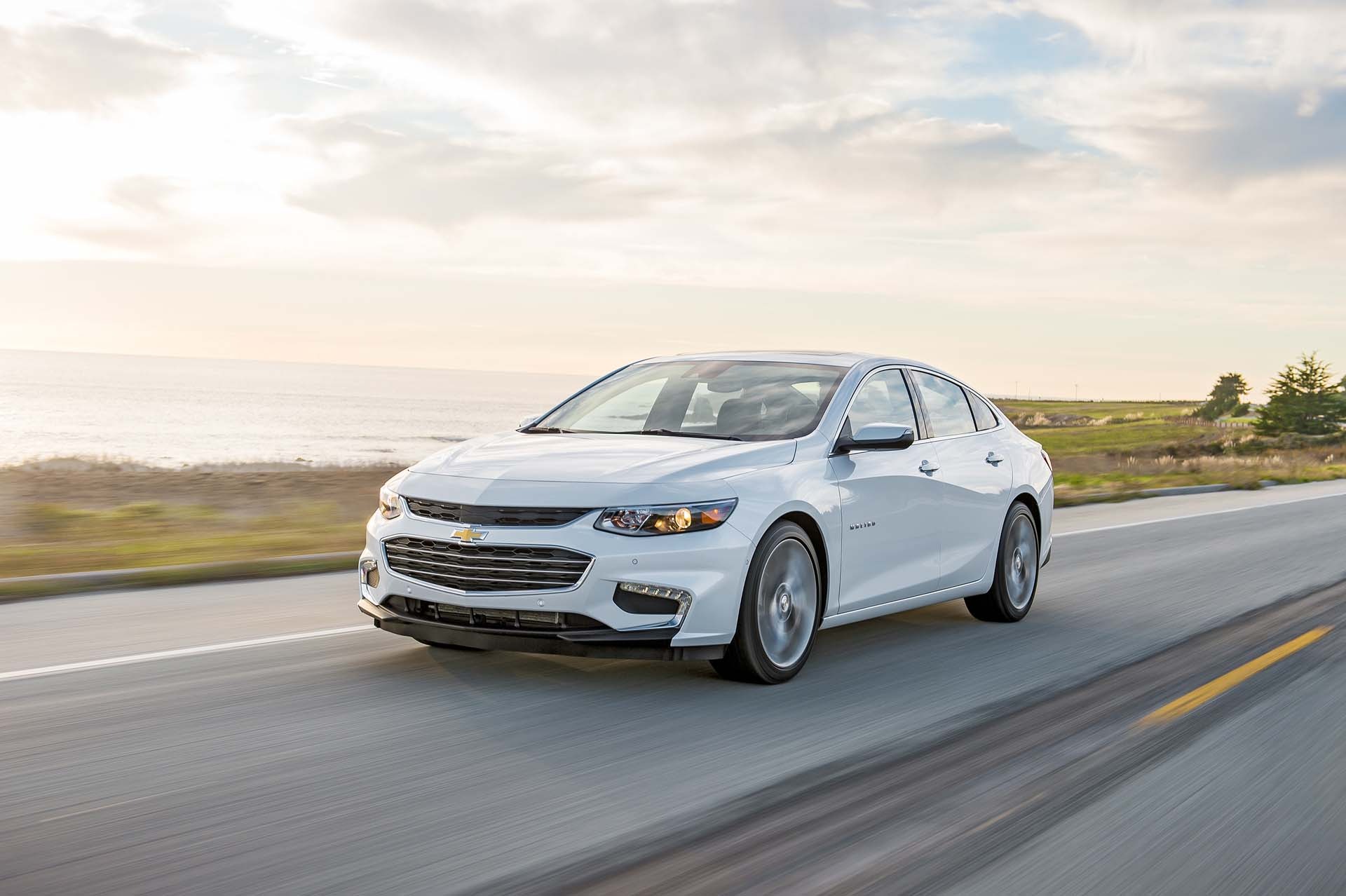
8. Chevrolet Malibu (2004–2012)
The Chevrolet Malibu might not have the cult following of the Civic or Corolla, but in terms of raw value and durability, it holds its own. Many students end up with Malibus because they’re affordable, widely available, and often come from family members upgrading to newer cars. While not all model years are created equal, certain generations of the Malibu have earned a reputation for being surprisingly long-lasting when treated well.
The Malibu’s interior is generally roomy for a midsize car, which makes it a comfortable choice for students doing long-distance drives between campus and home. The ride is smooth, and the suspension is tuned for comfort, not performance, which works just fine in most college situations.
It’s the kind of car that doesn’t stand out but doesn’t give you trouble either. That neutrality becomes a strength when your main goal is to make it to your next class without issues. Engine-wise, the Ecotec 2.2L 4-cylinder and the later 3.5L and 3.6L V6 options provided solid performance with decent fuel economy.
They’re not fast, but they’re consistent. Transmission issues were more common in earlier models, but cars that have been properly maintained can go for years without a problem. Since it’s a domestic car, parts are cheap and mechanics are familiar with the platform, keeping repair bills low.
From a student perspective, the Malibu is often the car you didn’t pick but end up appreciating. Maybe it was handed down or purchased at a steep discount, but it gets the job done without complaining. Its conservative design means it doesn’t draw unwanted attention, and that makes it a smart, if unexciting, daily driver. It may not win any design awards, but it’ll win your respect when it keeps running past 180,000 miles with minimal fuss.
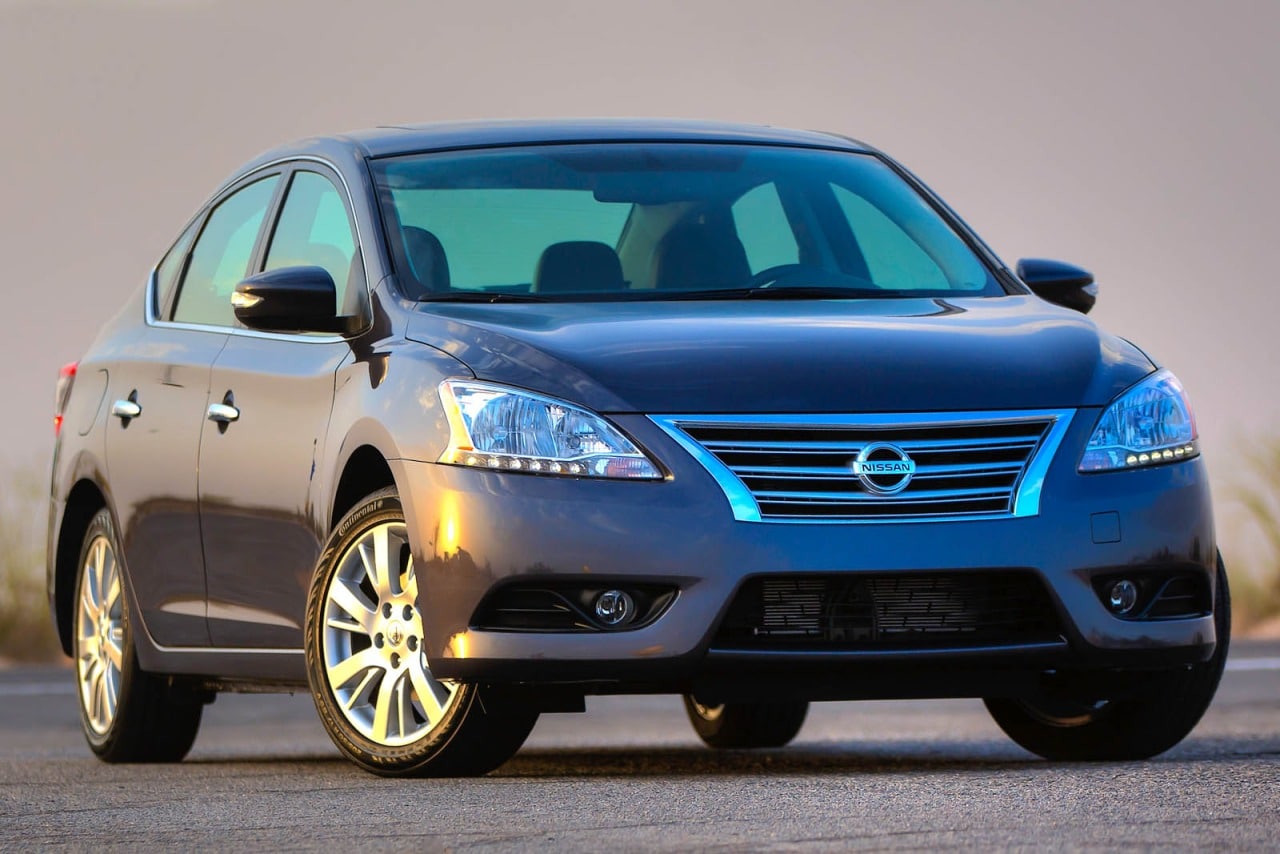
9. Nissan Sentra (2000–2012)
The Nissan Sentra has long flown under the radar, overshadowed by more popular rivals like the Civic and Corolla. Still, it’s quietly built a legacy of affordability and reliability that makes it a common sight in student parking lots. Older models, especially those from the early 2000s, offered decent performance, low maintenance needs, and just enough features to keep things comfortable without being overly complex.
The Sentra’s design isn’t flashy, but it’s practical. It has a small footprint that’s perfect for city parking and tight dorm lots, while the interior offers a bit more room than you’d expect from a compact sedan.
The rear seats are comfortable enough for friends or study group carpools, and the trunk can handle backpacks, groceries, and even small furniture runs during semester moves. It’s a practical choice in every sense of the word.
Under the hood, the Sentra’s engines are generally sturdy. The 1.8L and later 2.0L engines are efficient and require minimal attention. As long as you stay on top of basic maintenance, fluid changes, brake checks, and belt replacements, these cars often push beyond 150,000 miles with little drama. Earlier models may lack modern safety features, but for basic A-to-B transportation, they hold their own. Plus, insurance costs are typically lower, which is a huge win for young drivers.
Another bonus is availability. The Sentra was a high-volume seller, meaning there are still plenty of used ones on the market. That keeps prices low, and it also makes parts cheap and easy to find. Whether you’re shopping online or hitting up a local auto parts store, you’re unlikely to get stuck waiting weeks for a crucial repair. For students who need something that just keeps showing up without complaints, the Sentra is a surprisingly durable choice.
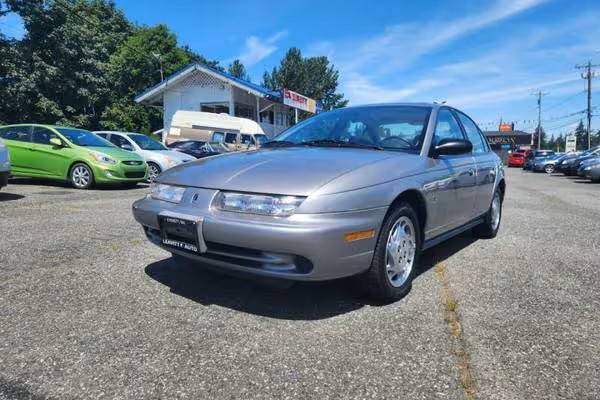
10. Saturn S-Series (1995–2002)
The Saturn S-Series might be one of the most unexpected survivors in college parking lots. These compact cars, built during a time when Saturn was GM’s experiment in innovation and customer service, have managed to outlive the brand itself. While Saturn as a company no longer exists, the S-Series remains relevant, largely because of how simple and sturdy these cars were built.
One of the quirks of the S-Series is its use of polymer body panels, which means the doors and fenders resist dents and rust far better than steel-bodied cars of the same era. You’ll often find 20-year-old Saturns with paint that’s faded but no major body damage.
Mechanically, they use relatively basic engines and drivetrains, which is exactly what helps them survive. There are fewer things to break, and what does break is usually easy and cheap to replace.
Students tend to appreciate the no-frills nature of these cars. They don’t have fancy tech or luxury features, but they do have working air conditioning, functional stereos, and fuel economy that’s still respectable by today’s standards. The manual transmission versions are especially tough, and many have crossed 200,000 miles with only minor repairs. The plastic interior might feel dated, but it rarely wears out in the dramatic way cloth or leather does.
Perhaps the biggest reason Saturns have stuck around so long is that they were often garage-kept by older owners and passed down. Many students got theirs from grandparents or neighbors who barely drove them, and once the car was in their hands, it just kept going.
The fact that Saturn is gone doesn’t really matter, parts are still easy to find, and mechanics are familiar with the GM layout. For students who need a simple, enduring car on a tiny budget, the S-Series continues to punch above its weight.
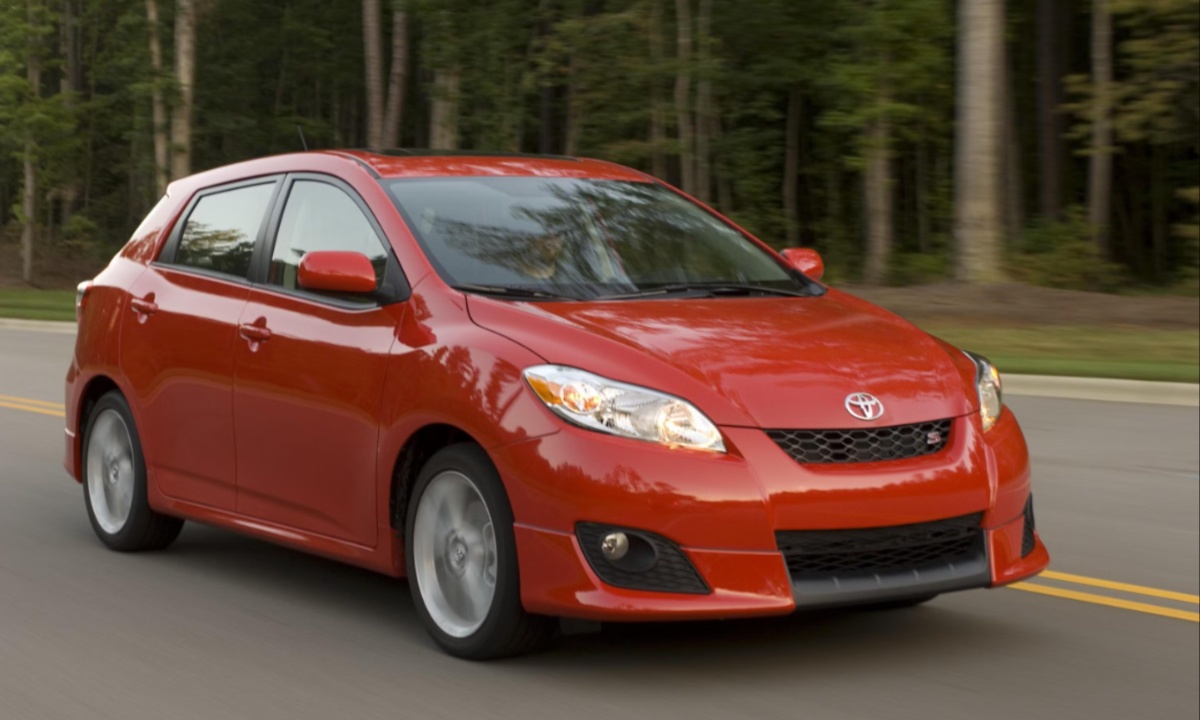
11. Toyota Matrix (2003–2013)
The Toyota Matrix is a practical and versatile hatchback that often flies under the radar, but it has earned a solid reputation among students for durability and functionality. Sharing many components with the Toyota Corolla, the Matrix combines Toyota’s legendary reliability with a more spacious, flexible interior.
Its wagon-like design appeals to students who need to carry gear, sports equipment, or even small furniture during moves. The Matrix’s cargo space and split-folding rear seats provide more utility than many compact sedans, making it a practical choice on campus.
Mechanically, the Matrix benefits from Toyota’s proven 1.8L 4-cylinder engine, which consistently delivers dependable performance with relatively low maintenance. With routine oil changes, timing chain care, and attention to brakes and tires, many Matrixes continue running well beyond 200,000 miles.
The model’s parts are abundant and inexpensive due to its shared lineage with the Corolla, and most independent mechanics are familiar with its setup. This accessibility keeps repair costs down, a major plus for budget-conscious students.
Fuel economy is another factor that makes the Matrix ideal for student life. Typical mileage hovers around 27 to 30 miles per gallon, which helps keep trips to the gas station manageable. Given the often unpredictable driving schedules of students juggling classes, jobs, and social activities, a car that can stretch every gallon is a relief.
The Matrix also offers decent handling and a comfortable ride, which can turn long commutes or weekend getaways into less stressful experiences.
Though the Matrix doesn’t often stand out for its styling or luxury features, it has a practical, no-nonsense appeal that suits its purpose perfectly. It’s reliable, easy to maintain, and flexible enough to handle the everyday demands of student life. Whether navigating tight parking spaces or hauling a full load of laundry and supplies, the Toyota Matrix has proven it’s a vehicle that refuses to quit, quietly earning its place in many college parking lots.
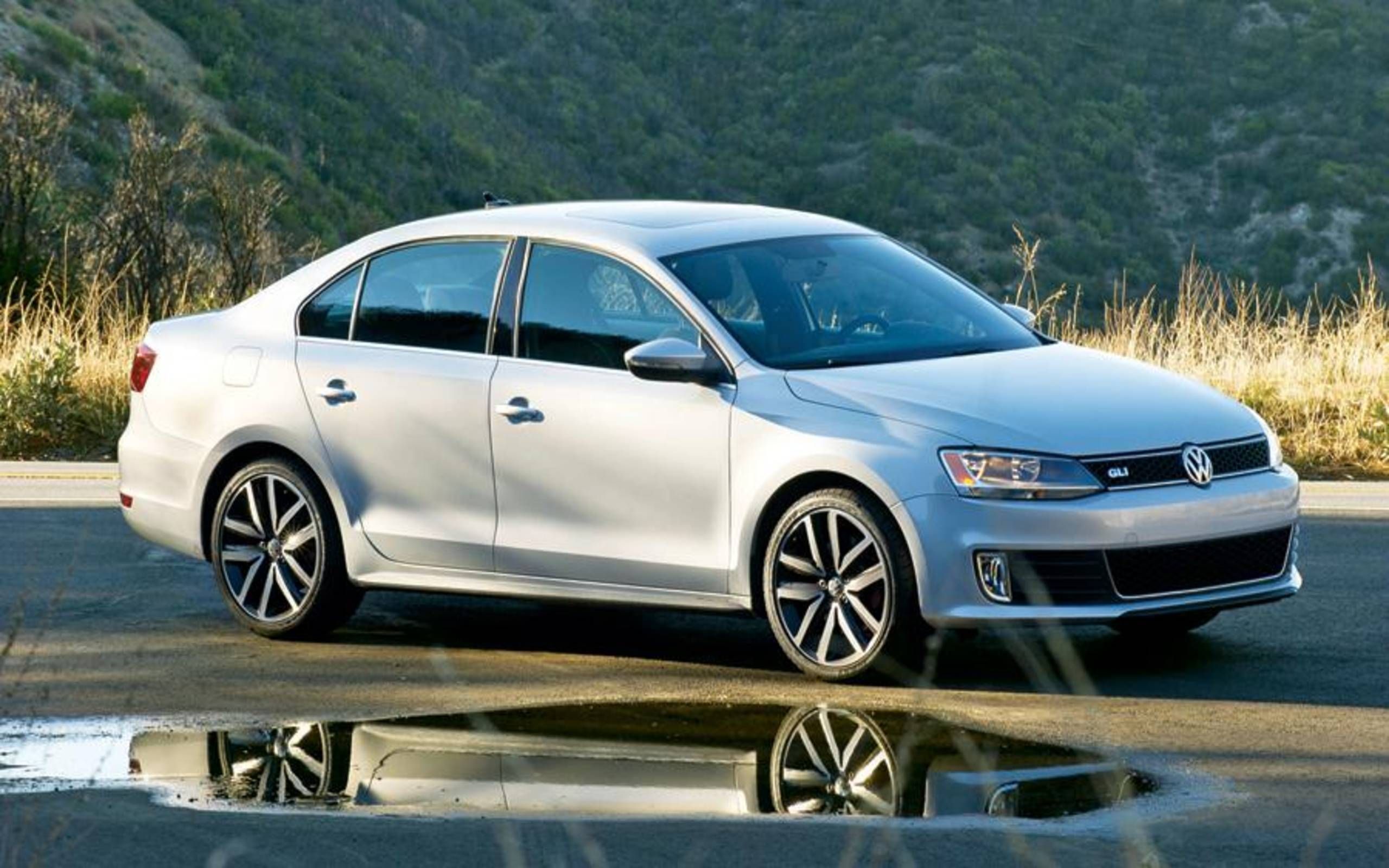
12. Volkswagen Jetta (2005–2011)
The Volkswagen Jetta is often overlooked in discussions about affordable and reliable student cars, but the 2005 to 2011 models strike a balance between European styling and everyday practicality.
These Jettas tend to offer a bit more style and refinement than some economy cars, making them appealing for students who want something that feels a little more grown-up but still manageable on a budget. The interior is generally well-built for the class, and the driving dynamics are often described as engaging without being overwhelming.
The Jetta’s engines, particularly the 2.0L 4-cylinder and the 2.5L variants, have a mixed reputation, but when maintained properly, they can deliver years of trouble-free driving. Many of these cars have been on the road for over a decade, and their longevity largely depends on adherence to routine maintenance like timely oil changes and coolant flushes.
Fuel economy is decent, typically in the 25 to 30 mpg range, making it a reasonable choice for students keeping an eye on fuel expenses.
Parts and repair costs for the Jetta can sometimes be higher than those for comparable Japanese compacts, mainly due to the brand’s European origins. However, because the 2005–2011 models are now common in the used market, parts are easier to find and more affordable than in newer models.
Many mechanics are familiar with this generation, and routine repairs such as brake work, suspension maintenance, and timing belt replacements are straightforward. A bit of DIY know-how can also stretch a student’s budget further.
The Volkswagen Jetta’s quiet cabin and smooth ride make it a comfortable choice for longer drives, while its compact size keeps it nimble around campus. It may not be the absolute cheapest option to buy or maintain, but it rewards careful ownership with a dependable, stylish ride that stands out in a sea of bland sedans. For students who want an affordable car that still feels like a step up, the Jetta deserves a place on this list.
