
Electric pickup trucks are no longer experimental novelties or flashy tech showpieces. They’re evolving into serious machines built for real-world work, off-road punishment, and day-to-day abuse. People who work in construction, agriculture, off-grid living, and other demanding industries have begun looking to electric vehicles as legitimate tools, not just green alternatives.
With torque delivery that beats traditional diesel engines, reduced maintenance requirements, and fewer moving parts, electric trucks are proving they can endure rough treatment if they’re built right. The challenge lies in finding which models can genuinely take a beating and keep running, rather than buckle under pressure when the environment gets brutal.
Buyers who use trucks as tools need more than flashy numbers. Range matters, but so does structural integrity, battery durability under load, and suspension that won’t collapse on a rocky site or snow-covered backroad. Weight distribution is another often overlooked element.
Electric pickups carry their mass differently than gas trucks, with a low center of gravity due to the battery packs, which may help them with stability on uneven terrain. Yet, they also need reinforced frames to handle constant impacts, towing loads, and shifting cargo. Some EV pickups prioritize luxury or speed, but a few are clearly built with rugged tasks in mind. Those are the ones worth watching.
This list focuses on 12 electric pickups that are expected to survive serious use, not occasional dirt road drives or towing a kayak once a year, but daily abuse in unpredictable environments. Whether it’s mud, snow, hauling lumber, climbing rock trails, or driving across long stretches with minimal charging infrastructure, these vehicles are engineered to keep going.
Each truck included has demonstrated or claimed attributes that suggest it won’t fall apart when things get rough. Design, motor strength, battery resilience, chassis toughness, and real-world intent all contribute to their place here. They may not all be on the road yet, but each one has the right features and build quality to suggest long-term durability under pressure.
Also Read: 12 Pickups That Survive the Harshest Winters
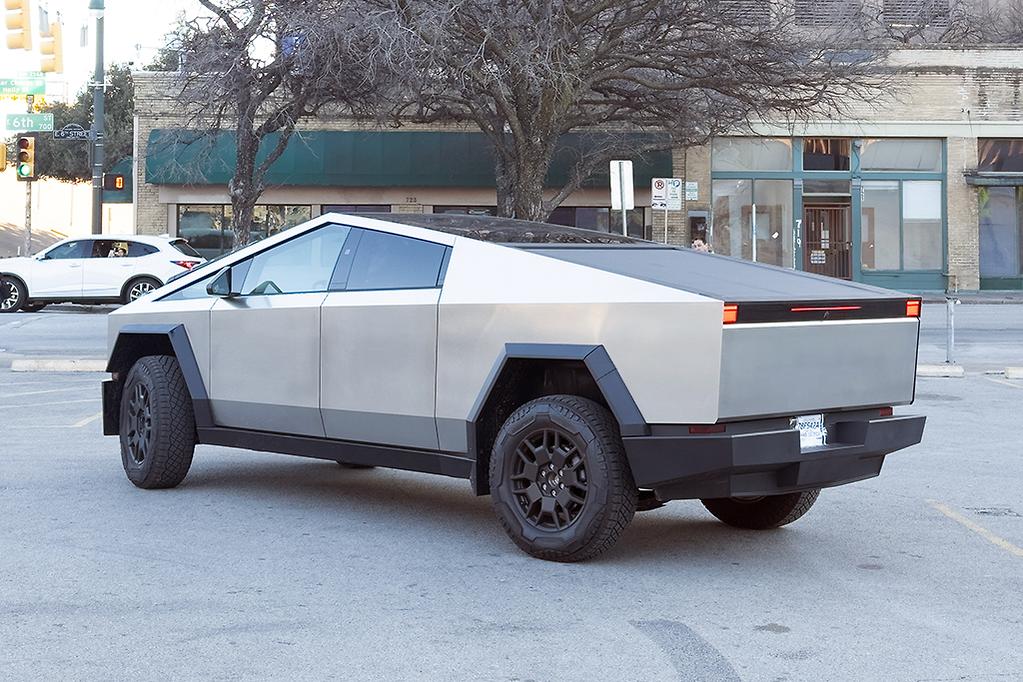
Tesla Cybertruck
The Tesla Cybertruck is one of the most polarizing designs in automotive history, but underneath the aesthetics is a vehicle that was clearly engineered to take abuse. Its stainless steel exoskeleton is more than a visual gimmick. It’s designed to be dent-resistant, corrosion-resistant, and structurally stronger than standard automotive panels.
That makes it suitable for industries where vehicles are exposed to sharp tools, falling debris, and rough contact with materials. It’s unlikely to suffer cosmetic damage as easily as traditional trucks, which is a practical advantage for work crews and job sites.
Battery durability is another factor. Tesla’s reputation for managing battery longevity is strong, and with the Cybertruck reportedly using a structural battery pack design, it gains rigidity and improved crash resilience.
This structural integration also helps when the truck is carrying a heavy load or experiencing flex under uneven terrain. The powertrain’s instantaneous torque is ideal for hauling and towing, and because electric motors don’t rely on traditional transmissions, there’s less mechanical stress involved in low-speed crawling or steep ascents.
One aspect often overlooked is how software plays a role in durability. Tesla vehicles use over-the-air updates to adjust performance characteristics. If towing or power delivery is causing battery degradation, the system can automatically adjust to preserve the life of the drivetrain.
This is not only helpful in terms of efficiency but adds a layer of protection for the vehicle’s core systems when operating under repeated strain. For harsh use, where the vehicle is constantly in demanding scenarios, this could extend service life significantly.
Critics have pointed out Tesla’s historical challenges with panel gaps and material inconsistencies, but those are more likely to affect aesthetic-minded buyers than those using the truck for heavy-duty purposes.
For users who need a vehicle that can physically handle tough jobs every day, the Cybertruck’s design philosophy checks several key boxes. It may not appeal to everyone visually, but its build is among the most potentially rugged of the current EV crop.
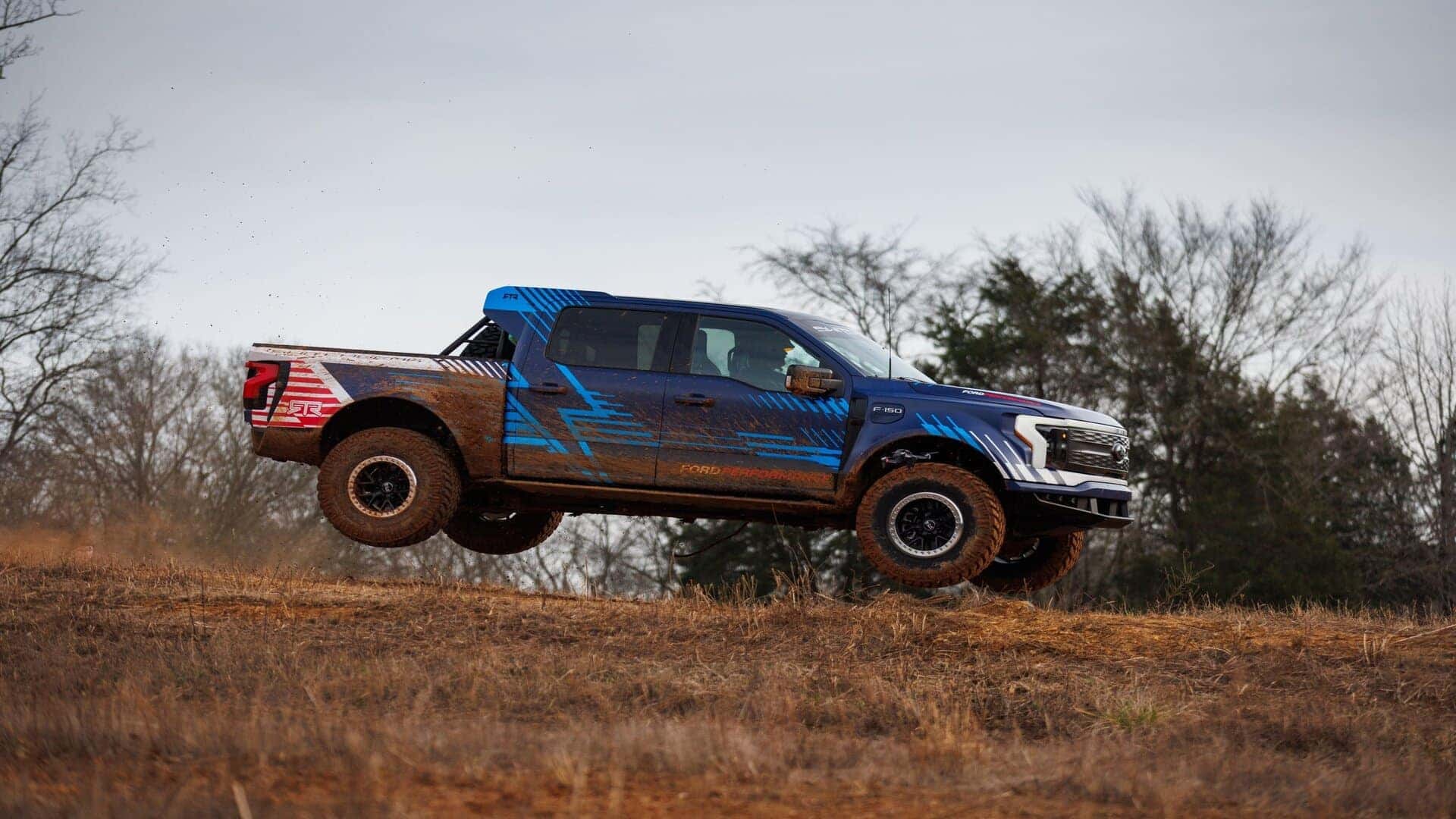
Ford F 150 Lightning
The Ford F-150 Lightning was built on one of the most trusted platforms in the American truck world. Its electric variant had big shoes to fill, given the history of the F-series as a workhorse across generations.
Ford took this seriously and approached the Lightning’s design from a utilitarian standpoint, integrating toughness into both the drivetrain and chassis. While it looks like a standard F-150, much of the frame and underbody has been reinforced to accommodate the weight of the battery pack and the demands of electric torque under towing stress.
Torque delivery is smooth and immediate, giving the Lightning strong low-end pulling power, which is especially important for work conditions involving trailers, boats, or equipment. Its dual-motor setup provides strong all-wheel drive control without needing complicated mechanical differentials.
Fewer moving parts mean less chance of failure during heavy use. Ford also equipped the Lightning with a smart power system that includes multiple power outlets, allowing users to plug in tools and equipment directly from the vehicle. For job site use or off-grid operations, this is a practical addition that reduces the need for additional generators.
The suspension has been tuned to handle extra weight while maintaining a decent ride, even when fully loaded. While the truck isn’t designed to be an off-road monster in the same league as purpose-built rock crawlers, it holds its own in uneven environments and has sufficient ground clearance to tackle muddy or snow-covered roads.
Battery protection systems underneath the truck have been added to reduce the risk of damage from debris, rocks, or hard contact with the trail.
Durability also comes from how Ford tests its vehicles. The F-150 Lightning underwent extensive stress testing in extreme temperatures and heavy loads. This testing helps ensure that the vehicle can maintain performance in real-world conditions.
Whether it’s delivering supplies to remote areas or transporting materials across rough terrain, the Lightning has enough muscle and engineering to keep up with the demand.
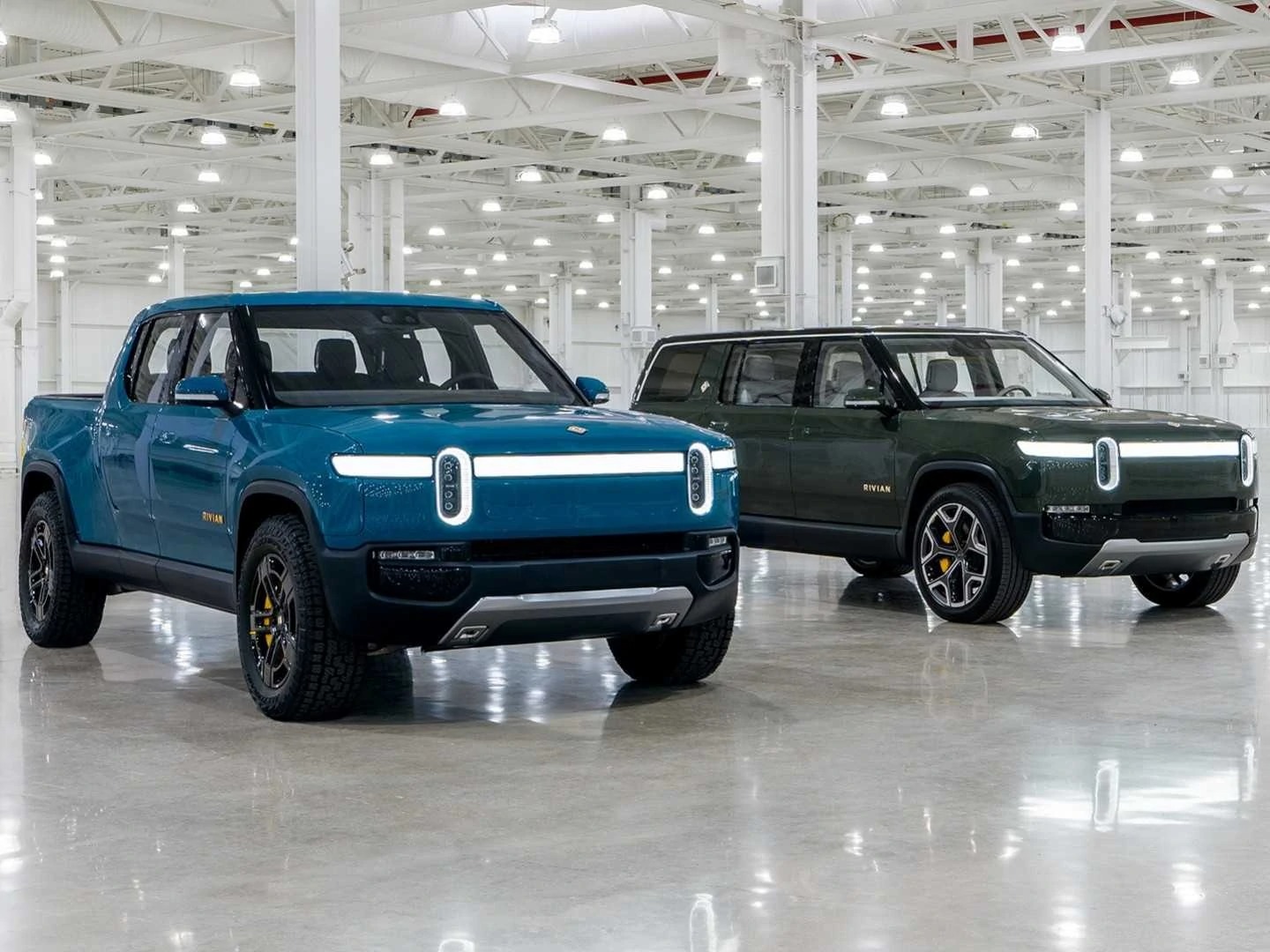
Rivian R1T (Credit: Rivian)
The Rivian R1T was never intended to be just another electric truck. From the beginning, it was positioned as a high-performance adventure vehicle, and many of the design choices reflect that.
What makes the R1T especially suitable for harsh use is its blend of off-road capability and structural resilience. With adjustable air suspension, quad motors, and a strong underbody shield, the R1T can handle rock crawling, deep mud, and water fording far better than most competitors in the electric segment.
Its ground clearance can be raised significantly for rugged terrain, and the truck’s software manages power delivery to each wheel individually. This enables superior traction in complex driving scenarios where grip is inconsistent.
For backcountry contractors, emergency response teams, or those living far from paved roads, that’s a critical advantage. The R1T is essentially an electric 4×4 that doesn’t need mechanical lockers or a traditional transfer case to distribute torque effectively.
Internally, the battery and drivetrain components are mounted in a way that minimizes exposure to environmental hazards. The flat floor design allows for more even weight distribution, which aids in stability on rough surfaces.
Rivian also emphasizes overbuilt materials in its body panels and frame structure, prioritizing impact resistance and durability. This makes it less likely to suffer from frame warping or internal rattling over the years of harsh use.
Another practical benefit is the integrated storage solutions, like the gear tunnel. While not directly related to durability, being able to store gear securely and safely without it bouncing around in the cab or bed contributes to the longevity of the truck’s interior.
It prevents damage from heavy tools or materials shifting during travel. All of this combines to create a vehicle that isn’t just electric, it’s purpose-built for environments where most EVs wouldn’t last a week.
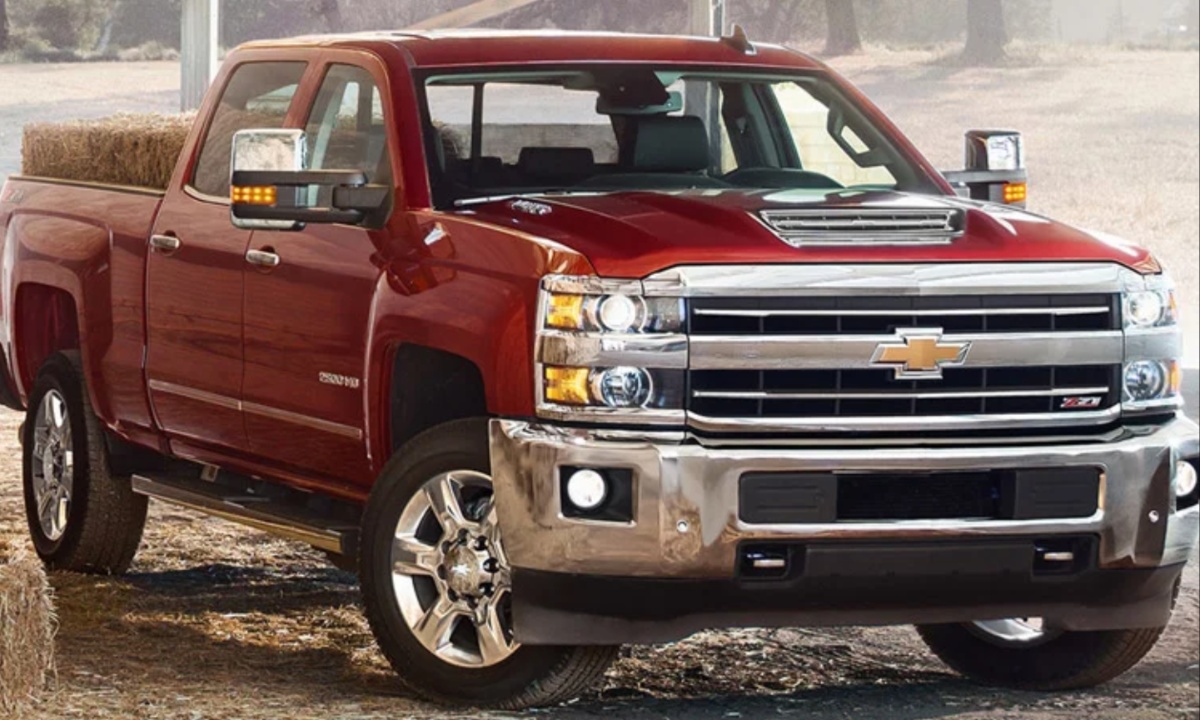
2023 Chevrolet Silverado 2500HD
Chevrolet’s Silverado EV marks a significant evolution from its internal combustion namesake, not just in terms of propulsion but in how the truck is engineered to handle real workloads. Built on GM’s Ultium platform, the Silverado EV benefits from a dedicated electric truck chassis rather than a retrofitted gas-truck frame.
That means its structure was developed with the unique stress points and weight distribution of EV components in mind. This foundation alone gives it a better chance at long-term durability under heavy use, especially when compared to models that repurpose traditional architectures.
One of the Silverado EV’s biggest strengths is its towing and payload capacity. Early specs suggest it can tow up to 10,000 pounds, with future versions planned to handle even more. That level of strength, paired with the high torque delivery from its electric motors, positions it as a serious tool for workers who haul heavy trailers or equipment.
Whether it’s for towing construction gear, livestock, or recreational vehicles, this truck is designed to remain stable and responsive under significant strain. Electric torque also allows smoother acceleration with heavy loads, reducing wear and tear on the drivetrain.
The Silverado EV also incorporates several features aimed at making hard work easier. One standout is the Multi-Flex Midgate, which allows the rear wall of the cab to open up for extended cargo length.
While this doesn’t directly improve the truck’s toughness, it demonstrates an understanding of practical needs, something electric trucks can’t ignore if they’re meant for real jobs.
The ride height, bed design, and modular cargo solutions all reflect a user-focused approach that prioritizes daily usability in work environments. The truck also features multiple onboard power outlets, ideal for tools, camping, or emergency power needs on job sites.
Durability isn’t just about raw materials; it’s also about how systems are integrated. Chevrolet has aimed to protect the battery from impact, water intrusion, and vibration. High-voltage components are sealed and strategically placed for maximum protection.
If the Silverado EV meets its design goals and holds up during long-term real-world use, it will likely become one of the most dependable options in the electric truck world, especially for users who expect their vehicles to take a pounding every day.
GMC Sierra
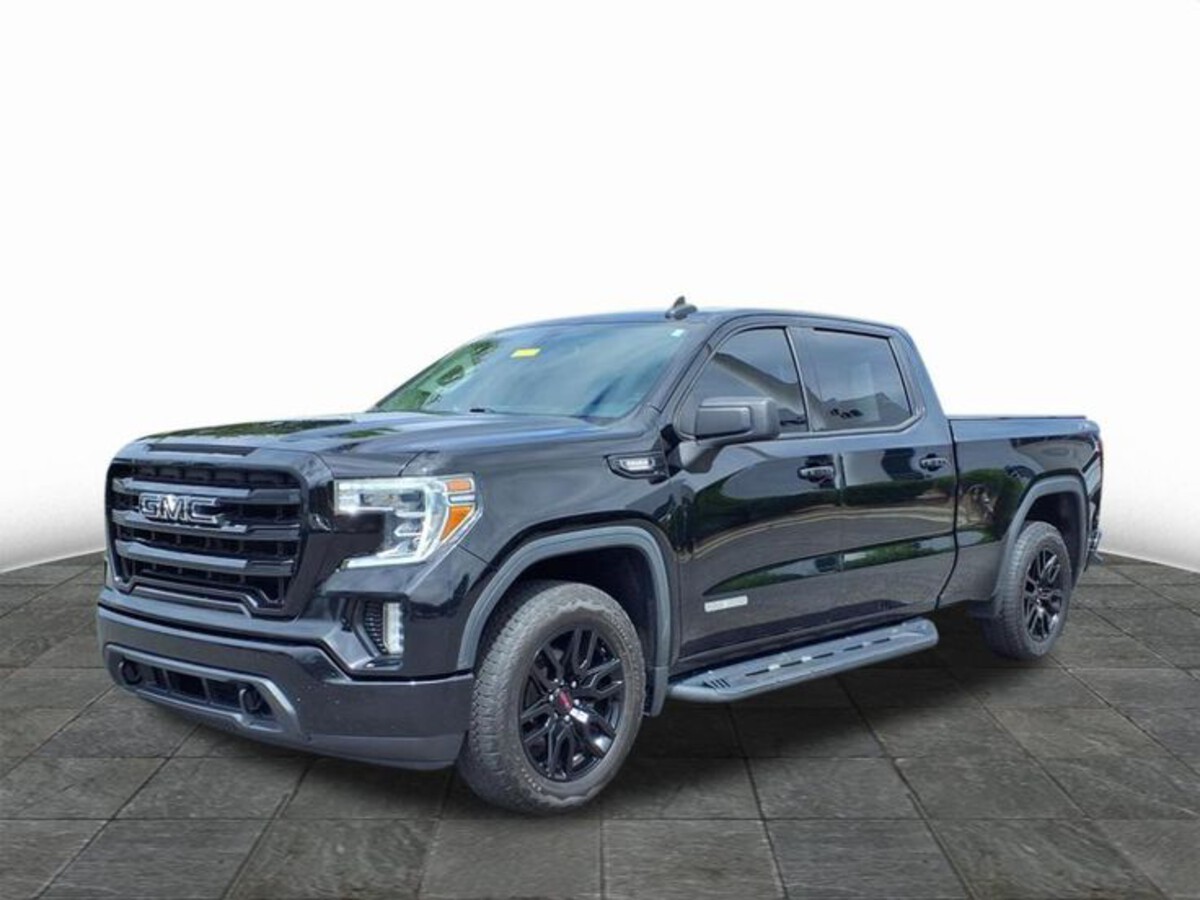
Sharing much of its DNA with the Silverado EV, the GMC Sierra EV adds a layer of premium build quality and additional features that may appeal to users who want both toughness and refinement. It’s not just a luxury truck in disguise, though.
GMC has a long-standing reputation for making trucks that can handle serious workloads, and the Sierra EV continues that tradition with smart enhancements and build improvements. While it shares the Ultium platform with the Silverado, its tuning, interior materials, and software systems have been uniquely adapted to create a truck that can function well in high-pressure environments while also offering advanced creature comforts.
Where the Sierra EV shines in terms of durability is in its intelligent power management and robust all-wheel-drive system. It features a dual-motor setup that provides power to both axles independently, allowing strong traction in difficult terrains. Snow, mud, gravel, or slick city streets, these are all within its comfort zone.
The high torque delivery means that the truck doesn’t need to wind up or shift gears under pressure. This consistent, instantaneous power reduces strain on mechanical parts and allows better control over heavy towing or awkward cargo situations, particularly when the road conditions are unpredictable.
GMC also puts significant effort into corrosion protection, sound dampening, and long-term material wear resistance. These might seem like luxury-oriented concerns at first glance, but they contribute directly to how long a vehicle can function without problems.
A quieter cabin may not seem important, but when you’re spending eight to ten hours a day inside the truck, less vibration and noise translates into less fatigue. Similarly, rust resistance and long-lasting interior materials mean the truck remains serviceable longer in harsh climates or dirty work environments.
The Sierra EV’s bed is reinforced and built for real hauling, not just light-duty recreation. It features similar modular cargo solutions as the Silverado EV but adds premium finishes that still maintain durability. More importantly, its battery protection systems, water resistance, and frame strength are all engineered with GM’s real-world commercial experience in mind.
This truck is built to last through years of heavy lifting without needing constant repair or service attention, making it a practical choice for professionals who rely on their vehicle daily.
Also Read: 12 Pickups That Survive the Harshest Winters
Bollinger B2
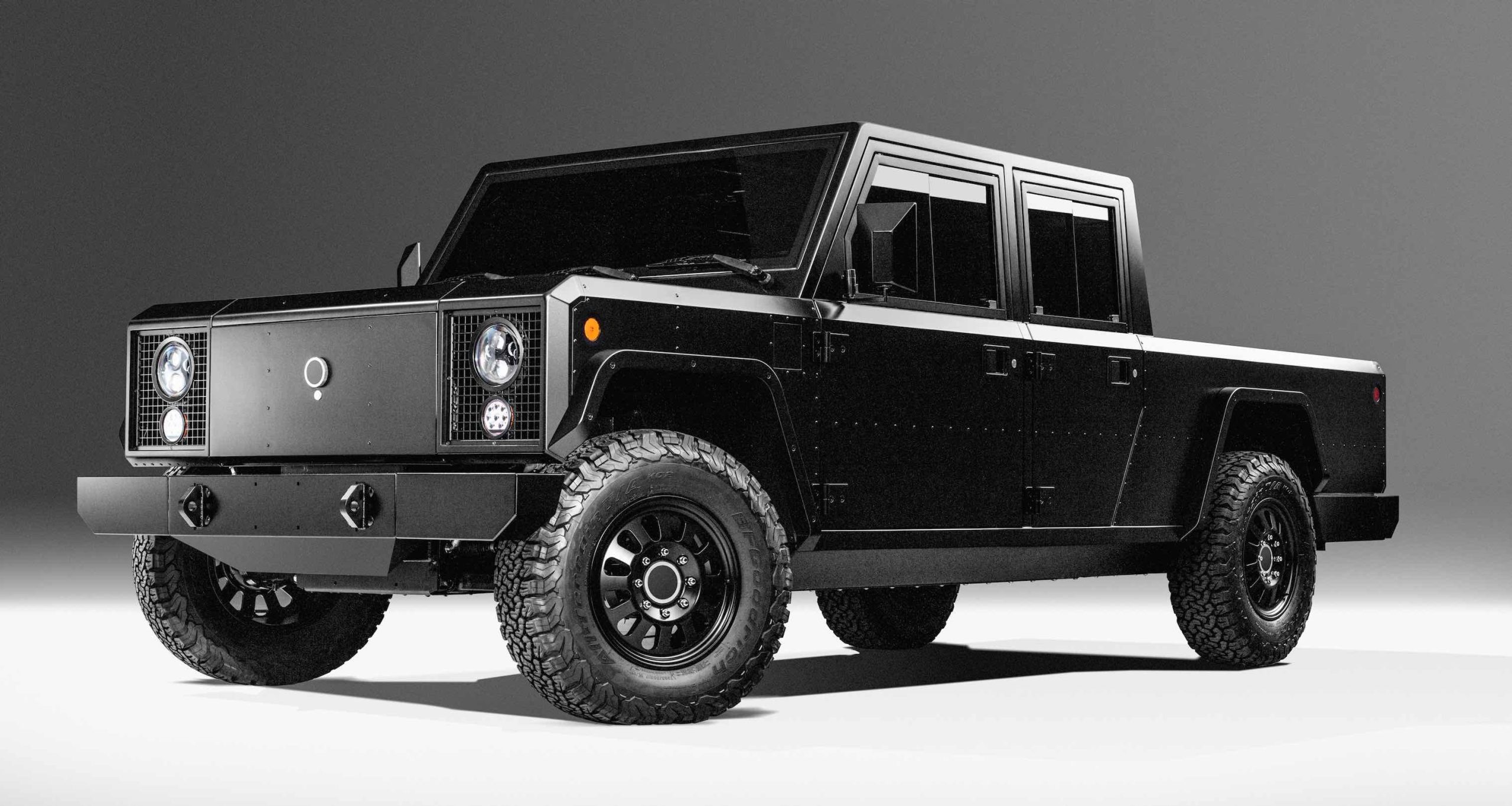
The Bollinger B2 is one of the most utilitarian and purpose-built electric trucks currently planned for production. Designed with ruggedness as its primary goal, the B2 strips away any illusion of luxury or lifestyle branding and instead leans heavily into practicality.
Its boxy design is more than an aesthetic choice, it allows for a flat interior cargo floor, extended load-through capabilities from front to back, and extremely easy access to critical components. This truck was clearly engineered with tradespeople, farmers, and off-grid users in mind, offering a no-nonsense structure that can handle repeated abuse.
Its dual-motor drivetrain is balanced with a 50/50 weight distribution, giving the B2 exceptional stability in rough terrain. It’s equipped with portal axles, which increase ground clearance without needing oversized tires. That’s a serious advantage for clearing rocks, stumps, and debris without compromising axle angles or damaging sensitive components.
The frame is made of high-strength steel, and the body panels are aluminum, keeping the truck light enough for range considerations but still strong enough to endure environmental punishment. It’s the kind of build that doesn’t shy away from bumps, scrapes, or collisions with nature.
Inside, the B2 is completely utilitarian. There’s minimal upholstery, no oversized touchscreen, and very little that could be described as “luxurious.” But this is intentional, everything is designed to be easy to clean, simple to maintain, and nearly impossible to break through casual wear.
There are drain plugs in the floor so you can hose it out, and switches and controls are durable enough for use with gloves. This might not appeal to mainstream truck buyers, but for users in agriculture, forestry, or mining, it’s a dream setup.
The battery and drivetrain systems are also built with protection in mind. They’re encased in armored housings with protection against water, impact, and dust. Bollinger claims the B2 will be capable of handling over 5,000 pounds of payload, with a towing capacity of 7,500 pounds.
These figures, combined with its off-road capabilities and simple maintenance profile, position the B2 as one of the most promising electric trucks for long-term, hard use. It may not have mass-market polish, but that’s exactly what makes it so well-suited for harsh conditions.
2024 GMC Hummer EV Pickup
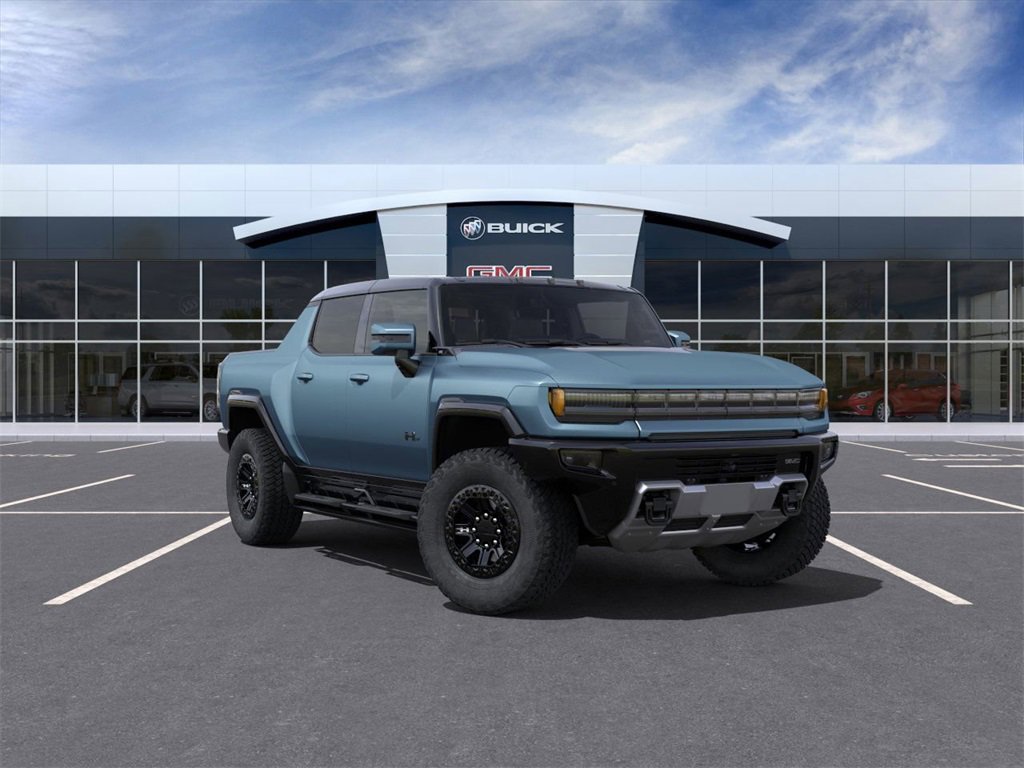
The Hummer EV Pickup is a massive, high-performance electric truck that combines luxury features with serious off-road capabilities. Despite its flashy branding and focus on power, it brings some genuinely useful technologies to the table for users who demand toughness from their vehicles.
This truck was not designed for subtlety, it’s large, heavy, and filled with systems that enhance its ability to operate in extreme environments. Its most unique feature is probably the “CrabWalk” mode, which allows diagonal movement, but there’s more than just gimmickry underneath.
Its off-road hardware includes adaptive air suspension, four-wheel steering, and underbody cameras to complex terrain. These aren’t just high-tech novelties; they provide real operational advantages when traversing areas where damage is likely, visibility is poor, or turning space is limited.
The truck also has significant ground clearance and armored battery protection, allowing it to pass over rough or jagged terrain without compromising its critical systems. The underbody shield plates are essential in places where rocks, roots, or uneven terrain can cause major damage to EV drivetrains.
The Hummer EV is heavy, but it uses its weight strategically. That low center of gravity from the battery pack helps keep it stable on inclines or off-camber trails. Combine that with torque vectoring across the motors, and it delivers confident control, even in unpredictable terrain.
For users hauling gear into remote job sites, forests, or mountains, the truck can power its way through areas that many traditional pickups might struggle with. It’s not the most efficient use of energy, but it is one of the most aggressive uses of electric power for utility and off-road functionality.
Its payload and towing capacities are strong, though not class-leading, but that’s made up for by its ability to get into and out of rugged environments where other trucks would falter. Inside, the interior is well-built, and while it leans toward luxury, the materials are solid and designed for real use.
This isn’t just a showpiece, it’s a tough machine for drivers who want capability and comfort without compromising on resilience. It might be big and flashy, but when it comes to handling hard use, it’s more than just a status symbol.
Alpha Wolf
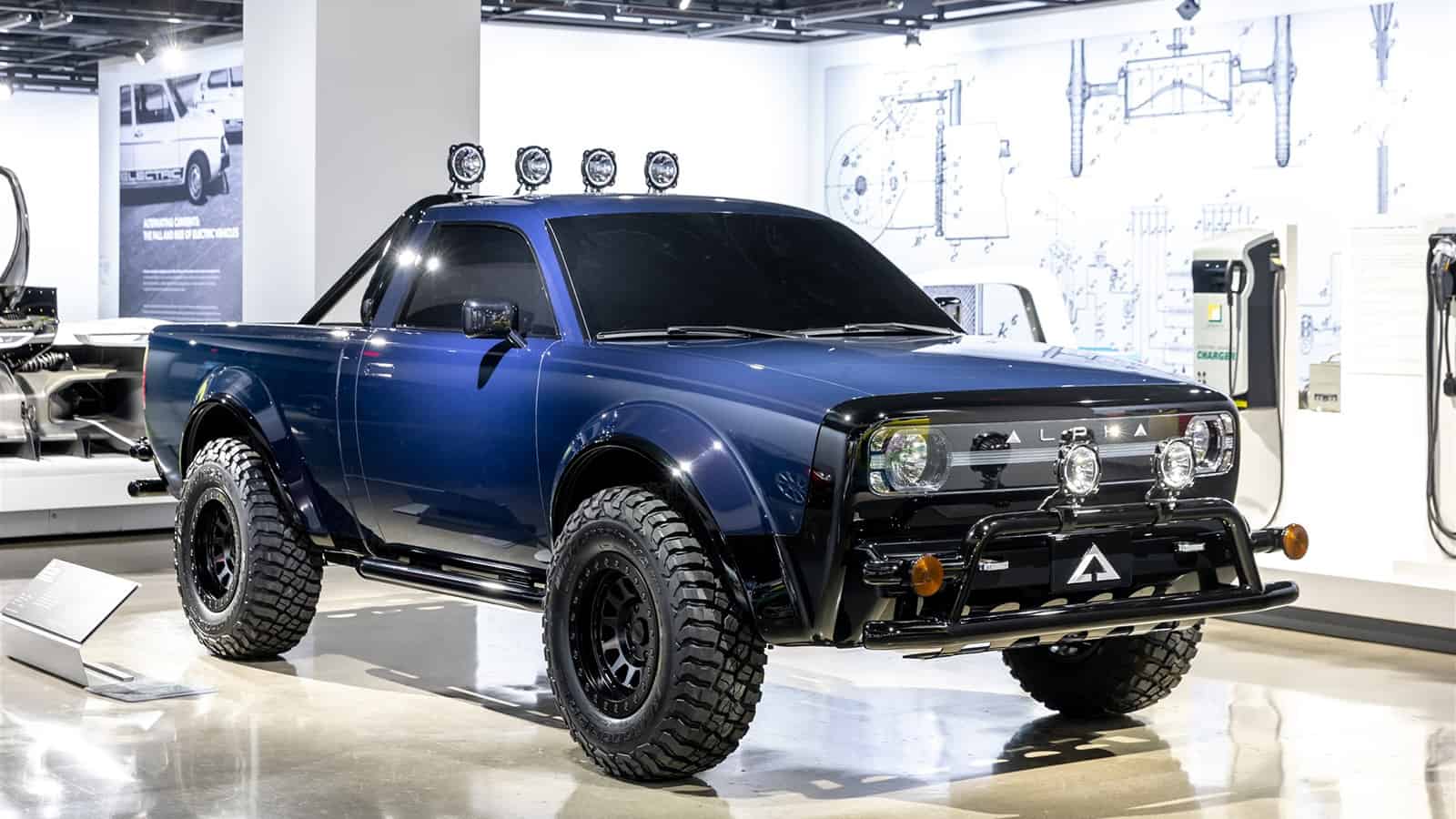
The Alpha Wolf is a smaller, compact electric pickup that doesn’t immediately look like a heavy-duty work vehicle, but it’s being developed with a strong focus on simplicity, reliability, and all-terrain resilience. It stands out from other entries on this list due to its size and relatively minimalist design, yet that may be exactly why it’s expected to survive harsh use.
The smaller footprint allows it to go places larger pickups can’t, and its retro styling hides the fact that it’s engineered to be a serious off-road machine. The emphasis isn’t on flash, but on building something lightweight, efficient, and tough enough for backwoods environments, weekend trail hauling, or low-maintenance rural jobs.
Alpha Motor Corporation has stated that the Wolf is being designed with a durable steel frame and all-terrain suspension to handle unpaved roads, deep snow, and mud with confidence. Its relatively lightweight compared to other electric trucks gives it an advantage in maneuverability and efficiency.
Fewer pounds means less stress on the drivetrain, less risk of bogging down in soft terrain, and more consistent performance over time. The AWD variant is expected to offer strong traction and torque delivery without the complexity of a full-size heavy-duty system.
This makes it ideal for small-scale contractors, utility workers, and anyone who needs a dependable vehicle that won’t require a massive footprint or extensive maintenance.
What truly positions the Alpha Wolf as a candidate for long-term survival under hard use is its simplicity. There’s no pretense of luxury or complex tech layers that could fail in remote environments. The interior is designed to be utilitarian, easy to clean, and resistant to wear.
The bed is proportioned well for carrying tools, gear, or even a small load of materials, and while its towing capacity won’t rival full-size trucks, it is more than enough for most light-duty needs. For users in agriculture, field research, forestry, or remote maintenance roles, this smaller form factor could be the most efficient and practical option.
Battery protection and rugged component housing are part of Alpha’s design goals, though the vehicle hasn’t yet hit full production. Still, early prototypes and company statements suggest a clear intent to build something durable, affordable, and repairable, three things that electric trucks often struggle to deliver together. If Alpha delivers on its promises, the Wolf might become one of the best lightweight EV pickups for people who value toughness without the bulk or excessive tech features.
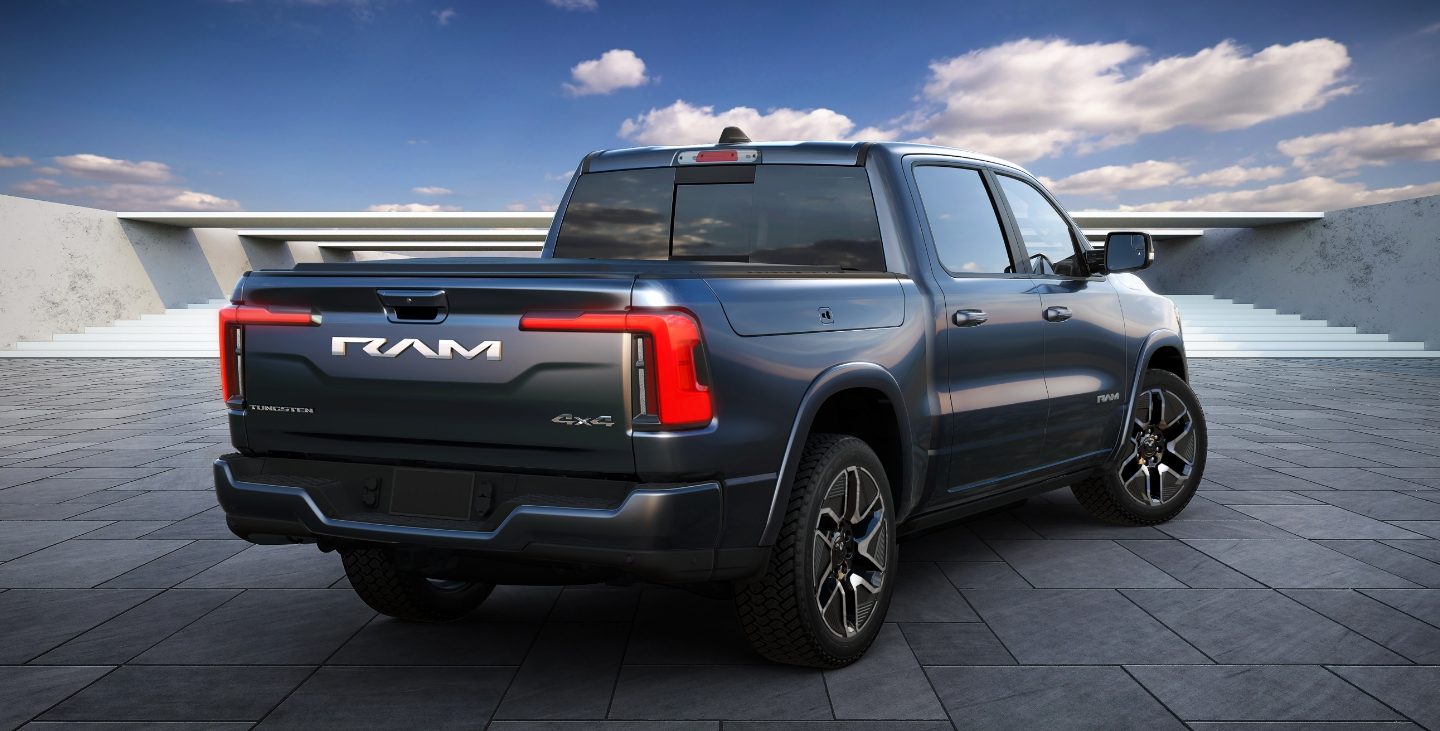
Ram 1500 REV
The RAM 1500 REV enters the electric truck race with a legacy of rugged gas-powered performance behind it. Known for their powertrains and worksite reliability, RAM trucks have been a staple for contractors, ranchers, and fleet operators for decades. Transitioning that reputation into the electric space means the REV carries some serious expectations.
From early specifications and design choices, it’s clear that RAM is building the REV to do real work and survive long-term abuse. The brand’s decision to use a full-frame platform, rather than a unibody or crossover-like structure, signals a commitment to old-school truck toughness married to new EV technology.
With high towing and payload figures expected to rival the best in the segment, the RAM 1500 REV looks like it will be capable of everything from hauling trailers to carrying heavy equipment without losing performance. The electric motors provide instant torque, a huge benefit for controlled towing on hills or uneven terrain.
One of the unique promises of the REV is the expected range-extending technology that could be offered in future models. This feature could be a game-changer for users in remote areas or industries with limited charging infrastructure, allowing for longer workdays without range anxiety interfering with productivity.
RAM is also putting effort into battery and undercarriage protection, using reinforced skid plates and strategically placed battery modules to avoid damage from debris or terrain. Its suspension system is expected to be adaptive and heavy-duty, giving it the ability to adjust for load weight while maintaining a comfortable and stable ride.
This is crucial when the truck is loaded to capacity and poor road conditions or off-road environments. Add to that a smart integration of power tools support and utility functions, and the truck becomes not just a transport vehicle but a mobile power station for job sites.
Durability isn’t just about the visible frame and drivetrain. RAM is known for building interiors that are rugged but still comfortable, and the REV seems to continue that tradition. Materials are expected to resist wear from dirty boots, tools, and all-weather conditions.
Storage space is plentiful, and utility-minded features like under-seat storage and protected electronics make this a vehicle ready for real-world use. If the RAM 1500 REV performs as well as its ICE counterparts in terms of toughness, it will likely become a long-term favorite for working professionals who want EV performance without compromising on reliability or ruggedness.
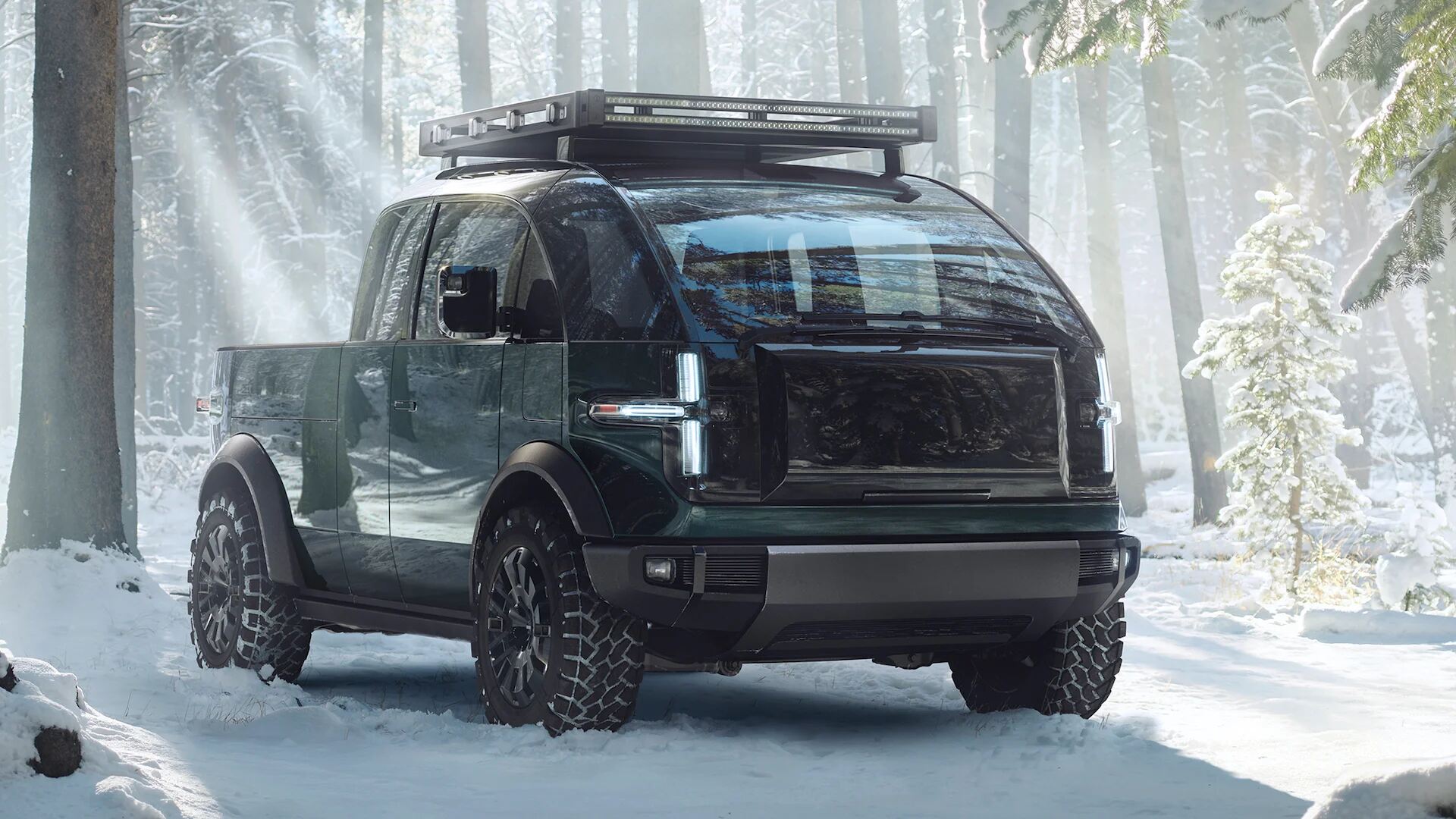
Canoo Pickup Truck (Credits: Canoo)
The Canoo Pickup might be the most unconventional entry on this list, but it deserves attention for its practical, modular design and work-oriented features. Its futuristic look might suggest a lifestyle vehicle at first glance, but a closer inspection reveals a truck built with utility at the core.
The flatbed-style cargo area, pull-out extension, front cargo bay, and multiple power outlets indicate a vehicle made for people who use their trucks for more than just commuting. It’s smaller than a full-size truck, but for small business owners, technicians, and field service workers, that size can be an asset.
Built on a skateboard-style platform, the Canoo Pickup offers a low center of gravity, excellent handling, and easy access to the battery and motor systems for maintenance. The frame is designed to be modular, allowing users to outfit the vehicle with various work modules or cargo systems depending on the job.
This means someone in could outfit it differently than someone in telecommunications or field inspection. It’s a form of flexibility rarely seen in the traditional truck market, and it makes the Canoo uniquely suited to evolving or diverse work environments.
From a durability standpoint, the Canoo has been engineered with simplicity in mind. Fewer moving parts, high-strength composite materials, and a minimalistic cabin design reduce the likelihood of failure over time. The absence of luxury elements means fewer features that can break or wear out.
The battery pack is sealed and integrated into the chassis in a way that minimizes exposure to impact, and the use of heavy-duty plastic and corrosion-resistant coatings help it stand up to water, dust, and mild impacts. While it may not be a rock crawler or heavy hauler, it’s incredibly capable in moderate, sustained utility work.
Perhaps the most significant advantage for long-term durability is the fact that Canoo’s design encourages modularity and repair. Unlike most consumer EVs, which are difficult to service or upgrade, the Canoo allows for more field servicing and easier parts replacement.
This makes it ideal for small fleet operators or individual owners who want to avoid expensive dealership repairs or who need to keep the vehicle running in off-grid areas. While unconventional, the Canoo Pickup might turn out to be one of the most resilient work vehicles in the electric category, simply because of how easy it is to adapt and maintain.
