
Engines are the heart of any vehicle, and their longevity speaks volumes about engineering quality and design durability. While many engines struggle to maintain performance over two decades, a select few have gained legendary status because they continue to operate reliably even after 20 years or more.
These engines have become benchmarks for durability, inspiring both enthusiasts and manufacturers to focus on long-term reliability rather than short-term power. The ability of these engines to maintain smooth operation after so many years is not accidental.
It comes down to the materials used, the engineering principles behind their design, the manufacturing processes, and how well they can be maintained. Some of these engines are naturally aspirated, some are turbocharged, but they all share a common trait: an incredible track record of dependability.
One major factor contributing to an engine’s longevity is its design simplicity. Engines with fewer complex components tend to have fewer points of failure, making them more reliable over time. However, simple does not mean boring or outdated.
Many of these engines were ahead of their time when first introduced and continue to impress because of their thoughtful design choices. The use of durable materials like forged steel, robust cooling systems, and well-engineered fuel delivery systems ensures that these engines avoid common pitfalls like overheating, premature wear, or inefficient combustion. These qualities help them stay smooth and responsive even after hundreds of thousands of miles.
Another key element is regular maintenance. While these engines are built to last, they still require proper care. Regular oil changes, timely replacement of wear parts like timing belts or chains, and keeping the cooling system in check go a long way in preserving engine health.
Owners who have treated these engines with care often report smoother running, consistent power delivery, and lower repair costs even decades later. This blend of smart design and conscientious care is what has kept these engines in operation long after their original warranty periods ended.
Finally, these engines have often found themselves in vehicles that are cherished by owners for their reliability. Whether in passenger cars, trucks, or even motorcycles, these powerplants have created a lasting bond with users.
This relationship is not only about mechanical reliability but also about the emotional connection people feel toward a machine that simply keeps going. In this article, we’ll look at 10 engines known for their exceptional durability, examining what makes each of them special and how they have managed to remain smooth and dependable long after many similar engines have faded away.
Also Read: 5 Engines That Handle Neglect Well vs 5 That Need Constant Care
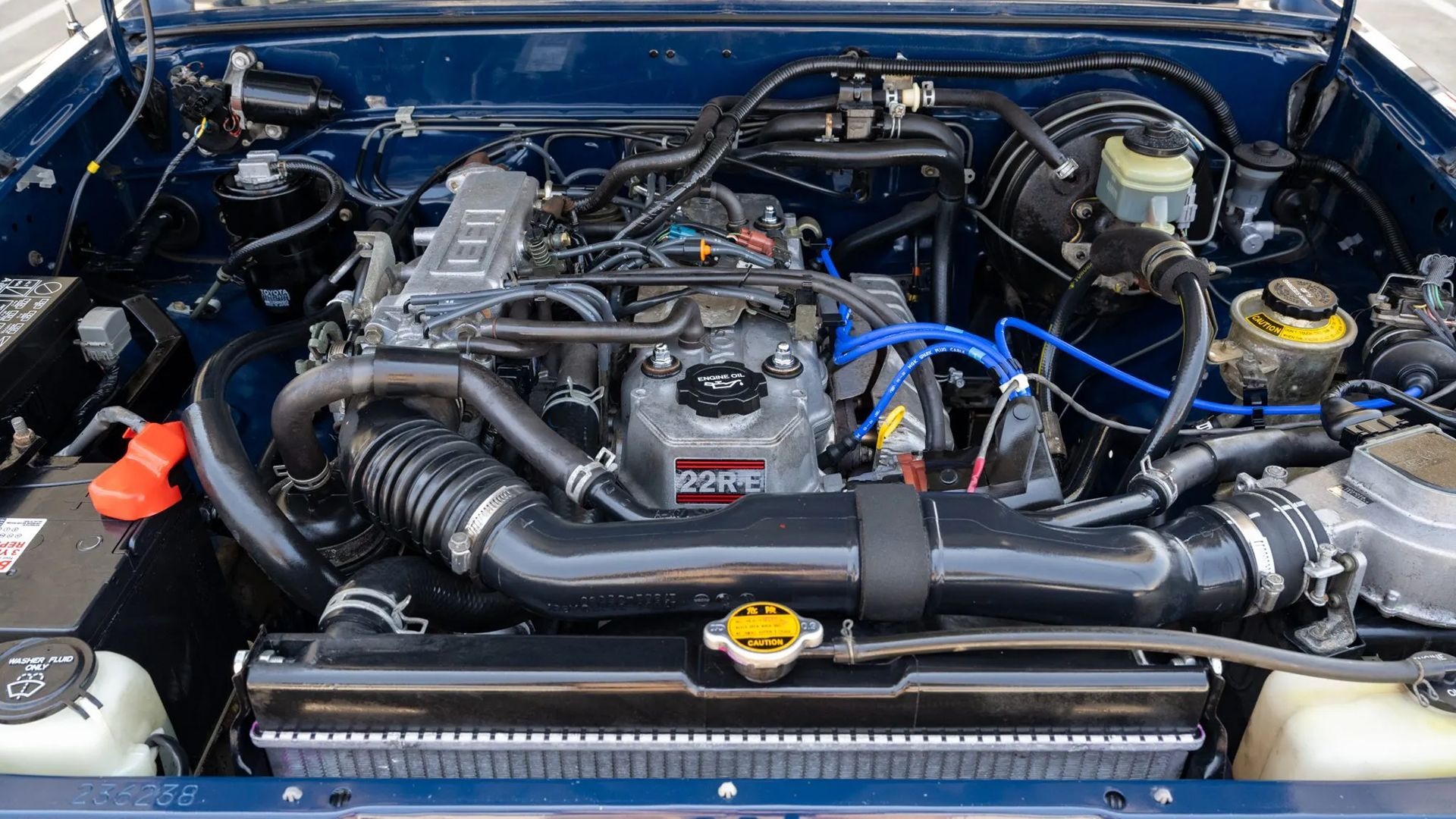
1. Toyota 22RE (4-Cylinder)
The Toyota 22RE engine is widely regarded as one of the most dependable 4-cylinder engines ever produced. Introduced in the mid-1980s, this engine powered many of Toyota’s pickups and 4Runners throughout the late ‘80s and early ‘90s.
Its solid construction and simple overhead camshaft design make it easy to service and maintain, contributing significantly to its longevity. The 22RE features a cast iron block and aluminum cylinder head, striking a balance between strength and weight. This engine was designed with reliability in mind rather than outright performance, which has helped it withstand the test of time.
One reason the 22RE remains so reliable is its conservative tuning. It produces modest power figures—typically around 100 to 120 horsepower—meaning it is not pushed to extremes that could cause early wear or failures. The engine’s fuel injection system, although simple by modern standards, was advanced for its time, helping maintain efficient combustion and reducing carbon buildup in the cylinders. This has prevented common problems that afflict older fuel systems and kept the engine running smoothly for years.
Another aspect that helps the 22RE run well after decades is its cooling system. Toyota designed the engine with a robust radiator and thermostat setup, which helps maintain steady operating temperatures under various driving conditions.
Overheating is a common culprit behind engine failure, but the 22RE’s ability to stay cool under load or high temperatures contributes to its longevity. Additionally, the valve train components are durable and rarely require adjustment, which simplifies maintenance.
Finally, the widespread availability of parts and the ease of working on this engine have made it popular among enthusiasts who often perform their own repairs. The 22RE has a large aftermarket support network, so components like gaskets, seals, and timing belts are easy to find and inexpensive.
Owners who perform timely maintenance often see these engines surpass 300,000 miles without significant problems, with some even reaching beyond 500,000 miles with the right care.
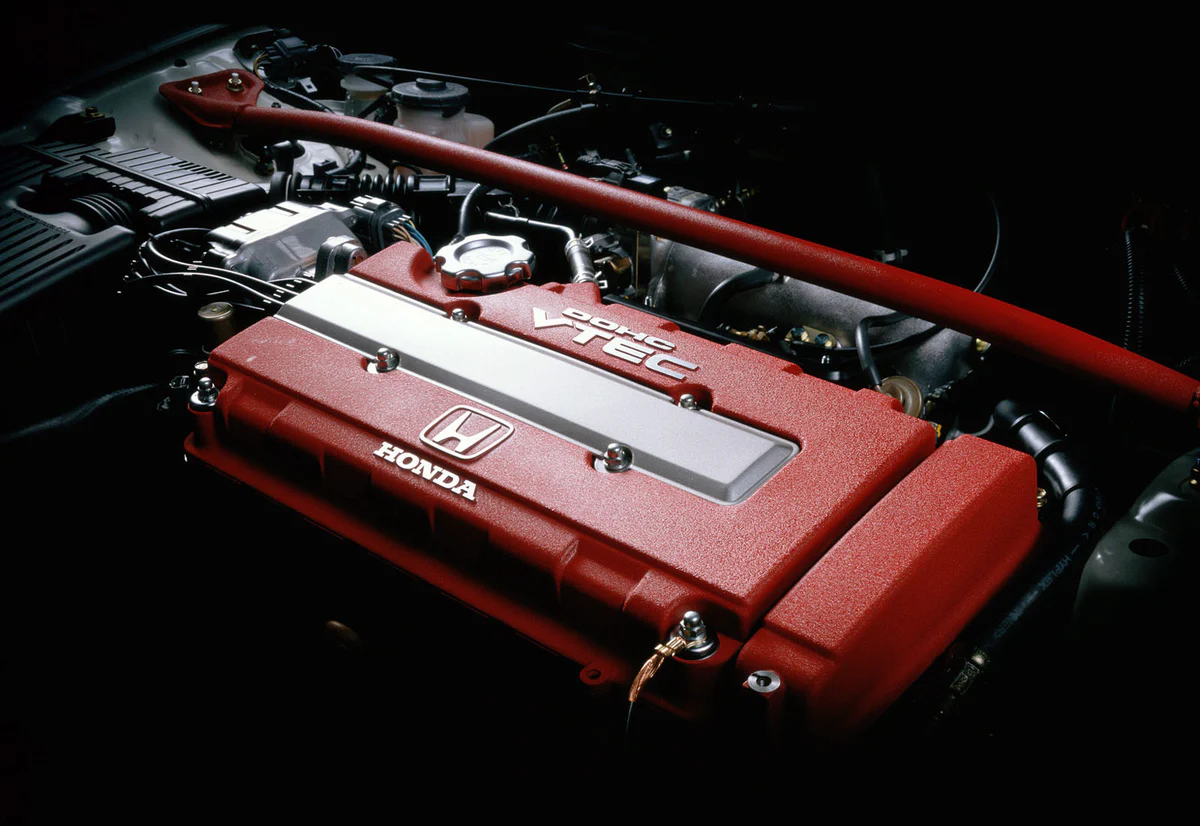
2. Honda B-Series (4-Cylinder)
The Honda B-Series engines, introduced in the late 1980s and produced through the early 2000s, are often praised for their combination of performance and durability. Found in various Honda Civics, Integras, and CRXs, these engines were built with an emphasis on high-revving power without sacrificing longevity.
The B-Series featured technologies such as DOHC (double overhead camshafts), VTEC (Variable Valve Timing and Lift Electronic Control), and lightweight aluminum construction. This engine became a favorite among tuners and daily drivers alike due to its reliability and spirited nature.
One of the main reasons the B-Series engines last so long is their strong bottom end. The engine block and crankshaft are built with quality materials and precision engineering, allowing the engine to handle significant power increases without compromising durability. The VTEC system also helps improve fuel efficiency and reduces engine stress by optimizing valve timing at different RPMs, contributing to a balanced wear profile over time.
Regular oil changes and valve adjustments, although sometimes required more frequently in B-Series engines compared to more basic designs, are straightforward and manageable. When maintained properly, these engines show minimal signs of wear even after decades. The use of lightweight pistons and forged connecting rods in some variants further enhances their ability to withstand stress.
Furthermore, the Honda community’s passion for these engines has ensured they remain popular and well-supported in terms of parts and knowledge. As a result, many B-Series engines have been kept on the road far beyond their expected lifespan, with reports of engines exceeding 250,000 to 300,000 miles while maintaining smooth performance.
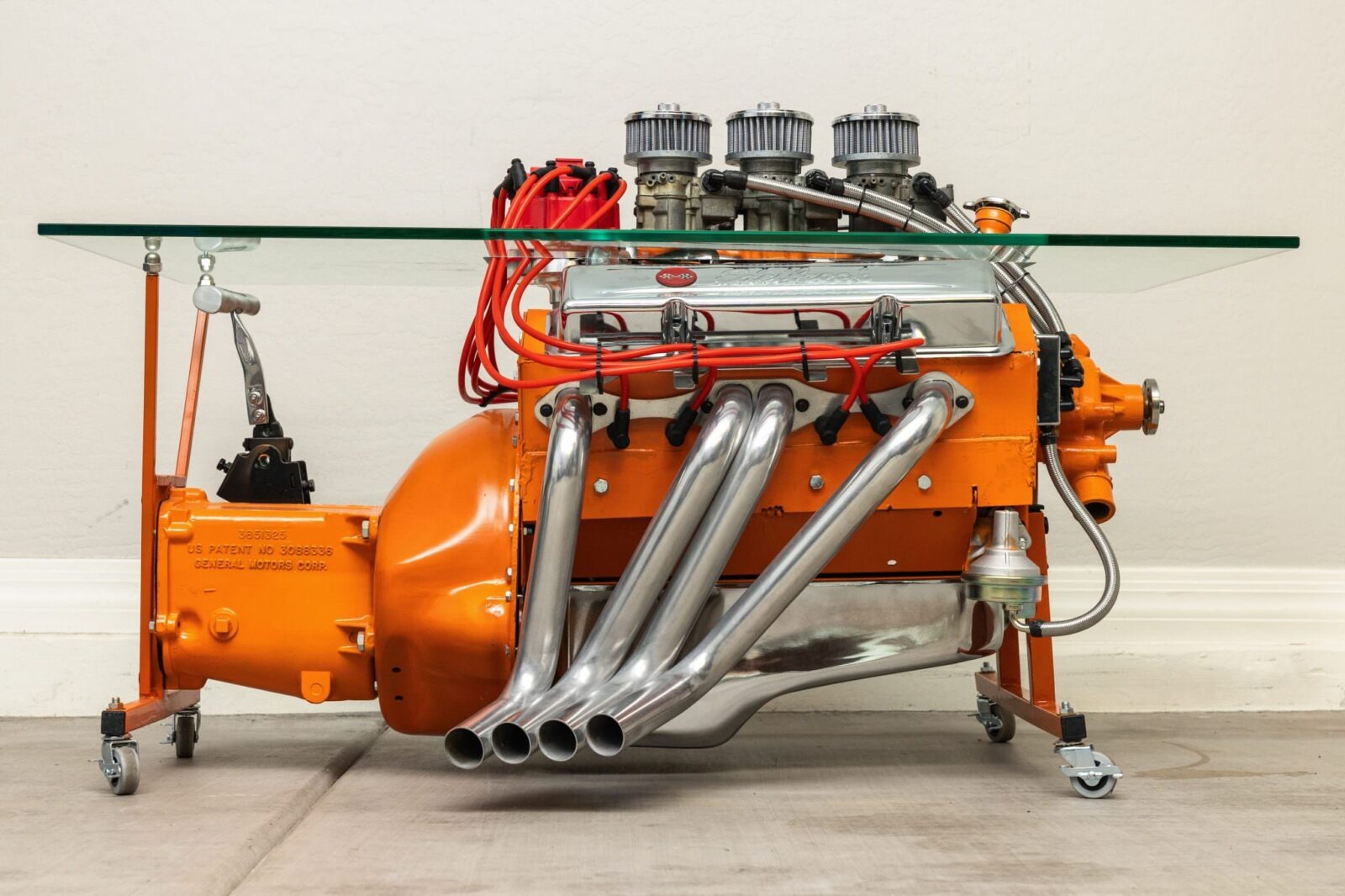
3. Chevrolet Small Block V8 (350)
The Chevrolet 350 small block V8 is one of the most iconic engines in automotive history. Introduced in the mid-1950s and produced for decades, it has powered countless cars and trucks across the United States and beyond. Known for its simplicity, robustness, and ease of modification, the 350 has earned a reputation for lasting well over 20 years with proper maintenance. Its pushrod design and cast iron construction create an engine that can endure high mileage and heavy use without major issues.
The 350’s longevity stems from its overbuilt components. The crankshaft, connecting rods, and pistons are designed to endure stresses that would destroy weaker engines. This strength means the engine can run smoothly for years, even with modifications or in tough environments.
While many enthusiasts tune the 350 for high performance, the stock versions are extremely durable, often seen powering older trucks that rack up hundreds of thousands of miles hauling heavy loads.
Another reason for its reliability is the widespread knowledge and parts availability. Being one of the most mass-produced engines, replacement parts are affordable and easy to find. This ease of repair makes it practical to keep these engines running smoothly for decades, as owners can address wear and tear promptly.
The simple mechanical fuel delivery and ignition systems used in earlier models are easier to maintain than the complex electronics found in modern engines.
Cooling and lubrication systems on the 350 were designed for durability as well. The engine’s cooling passages and oil galleries promote consistent temperature and lubrication, reducing the chances of overheating or lubrication-related failures. With regular oil changes and coolant flushes, many 350 small blocks remain reliable and smooth-running beyond the 20-year mark.
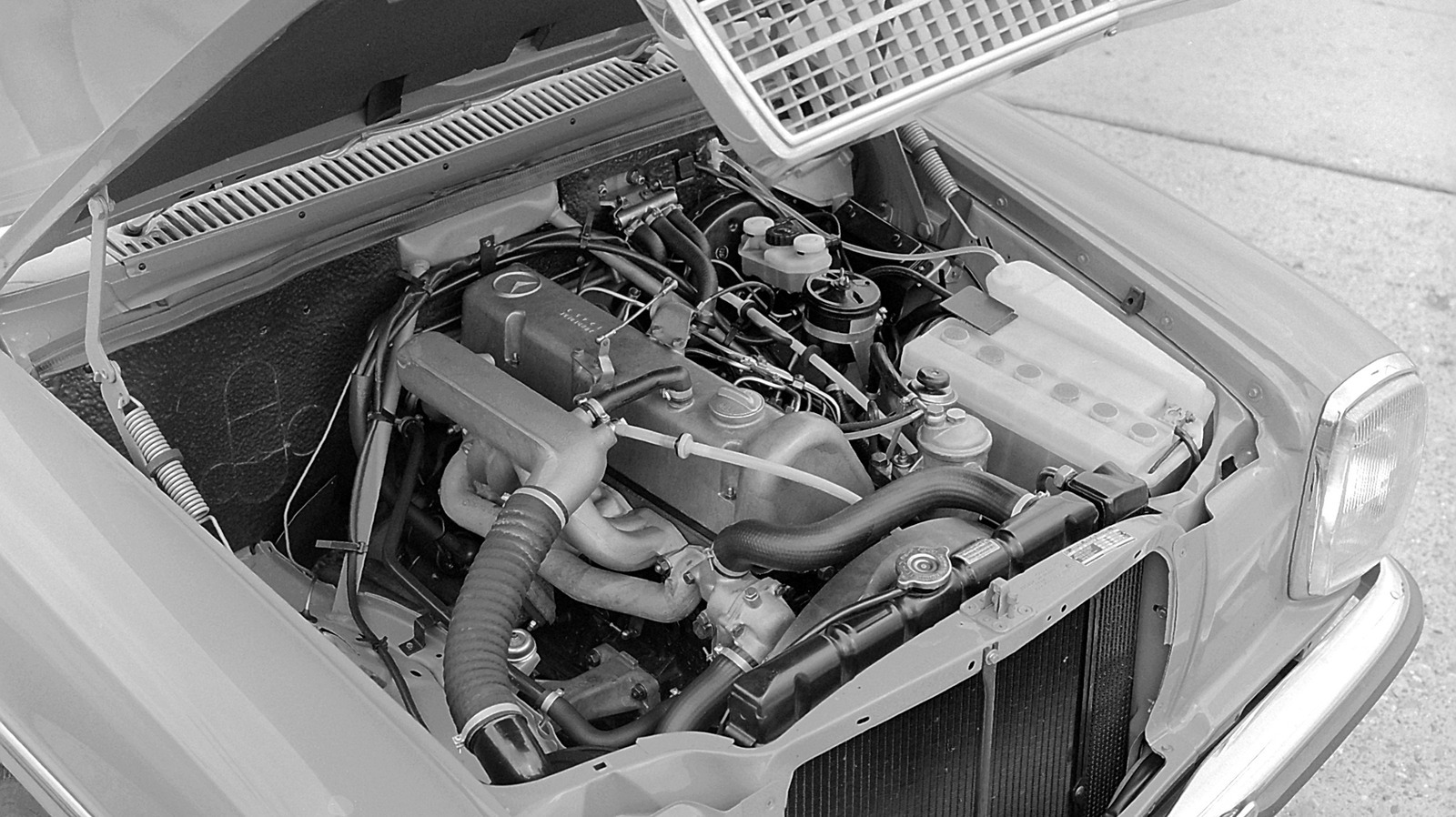
4. Mercedes-Benz OM617 Diesel
The Mercedes-Benz OM617 is a 5-cylinder diesel engine renowned for its longevity and reliability. Produced from the late 1970s through the mid-1980s, this engine powered many Mercedes sedans and wagons, especially the 300D models. Diesel engines, in general, tend to last longer than gasoline counterparts due to their lower operating temperatures and robust construction, and the OM617 is a prime example of this principle.
The engine’s design emphasizes durability, with a strong cast iron block and forged steel components. The OM617 is known to reach 500,000 miles or more with proper maintenance, often without major internal repairs.
Its mechanical fuel injection system, though more complex than gasoline systems of the time, was built to withstand harsh conditions and continuous use. The engine’s torque-rich output means it never has to be pushed hard to perform well, which reduces stress and wear.
Maintenance is straightforward but critical. Regular oil changes, injector servicing, and valve adjustments help keep the OM617 running smoothly for decades. Despite being over 40 years old in many cases, many of these engines continue to run without the common failures seen in less durable diesels. They have become highly sought after in the vintage diesel community for their reliability and smooth power delivery.
The OM617 also benefits from a strong cooling system, with large radiators and oil coolers that prevent overheating, a common issue in older diesels. Combined with its slow-revving, steady design, this engine exemplifies long-lasting performance under demanding conditions.
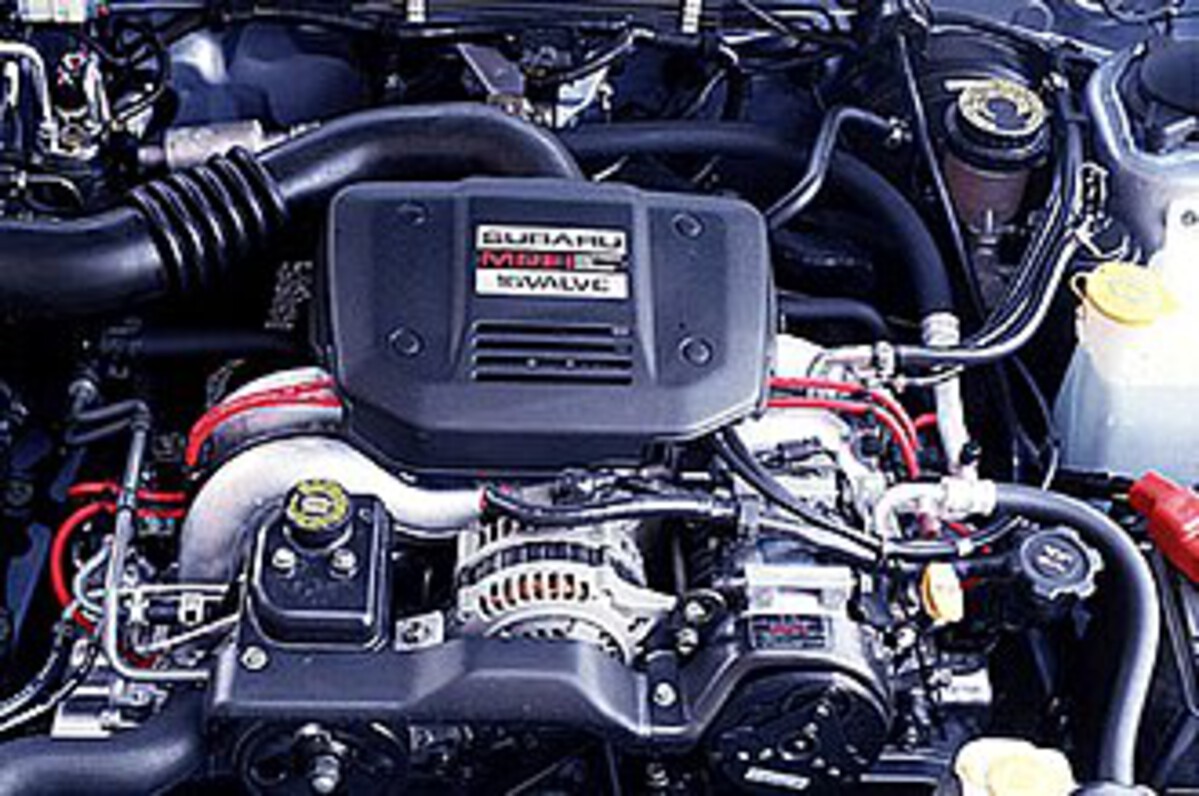
5. Subaru EJ25 (Flat-4)
The Subaru EJ25 is a horizontally opposed “boxer” engine introduced in the early 1990s and used in many Subaru models through the 2000s. Known for its smooth operation and low center of gravity, the EJ25 has gained a reputation for durability, especially in all-wheel-drive vehicles.
While some versions of the EJ25 have faced issues, many have demonstrated the ability to run smoothly well past 20 years with proper care.
One of the key strengths of the EJ25 is its balanced design. The boxer configuration reduces engine vibration by balancing the motion of the pistons opposite each other, which lessens stress on engine mounts and related components. This inherently smoother operation reduces wear and contributes to long-term reliability.
Materials used in the EJ25, including aluminum heads and blocks with cast iron cylinder liners, balance lightness with strength. While some earlier models had problems with head gasket failures, later iterations improved this aspect, enhancing durability.
Routine maintenance, such as timing belt replacements and cooling system checks, is essential for keeping these engines in good shape over long periods.
The EJ25’s water-cooled design and efficient oiling system also play a major role in its longevity. These systems ensure consistent temperatures and lubrication, even under demanding driving conditions. Many EJ25 engines continue to provide reliable, smooth performance after two decades, especially when owners adhere to maintenance schedules.
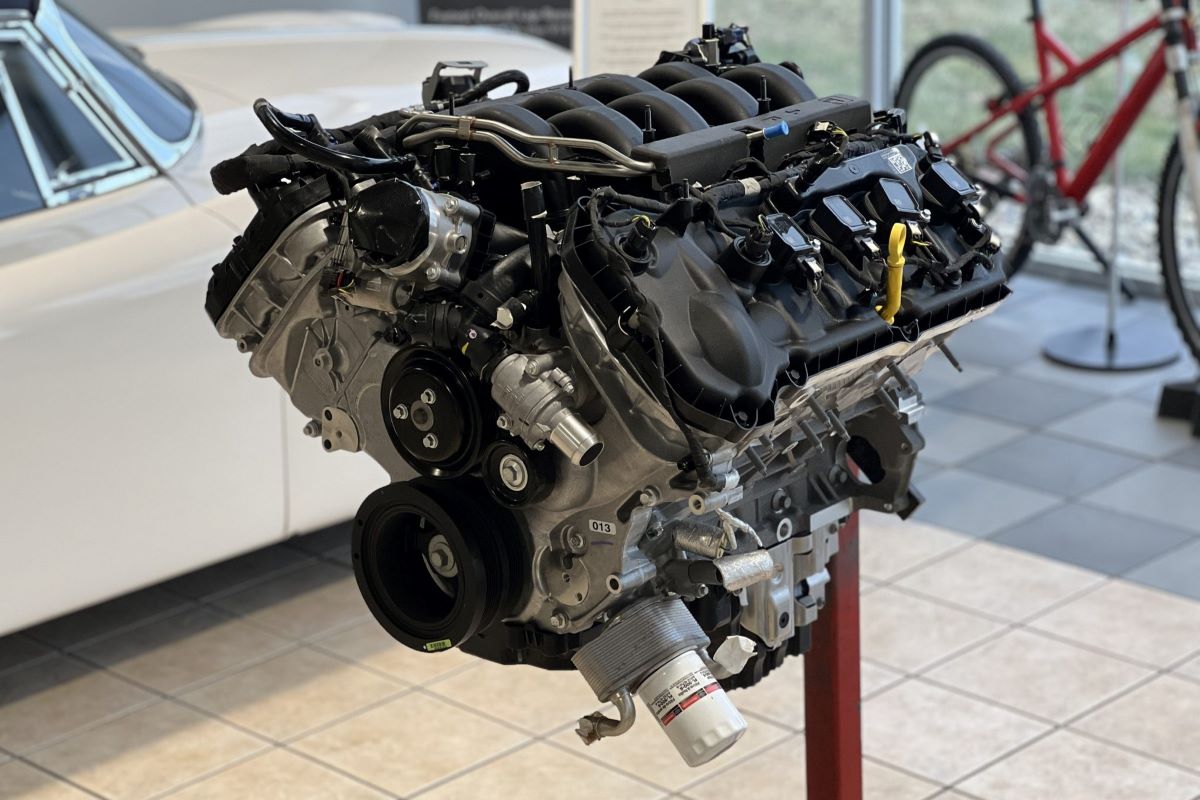
6. Ford 5.0L “Windsor” V8
The Ford 5.0-liter Windsor V8, popularized in the 1980s and early 1990s, is a classic American engine known for its strong performance and durability. Found in the Mustang, F-150 trucks, and other Ford vehicles, this engine has a loyal following due to its reliable operation and ease of modification. Its simple pushrod design and cast iron construction make it a solid performer over the long haul.
One reason the 5.0 Windsor endures is its mechanical simplicity. Without the complexity of overhead camshafts or turbochargers, the engine is easier to maintain and less prone to failure. The robust construction of internal components like the crankshaft, pistons, and camshaft reduces wear, especially under typical daily driving conditions.
Cooling and lubrication were priorities in the 5.0’s design, with well-sized oil pumps and effective radiator setups. These features ensure the engine avoids overheating and maintains adequate lubrication, critical to long-term engine health. Many 5.0 engines have been documented to run reliably for over 200,000 miles with standard maintenance.
The aftermarket support for the Windsor V8 also plays a role in its longevity. Owners can easily find replacement parts and performance upgrades, allowing them to maintain or even improve engine condition over decades. This has made the 5.0 a staple among muscle car enthusiasts and truck owners alike who value durability and power.
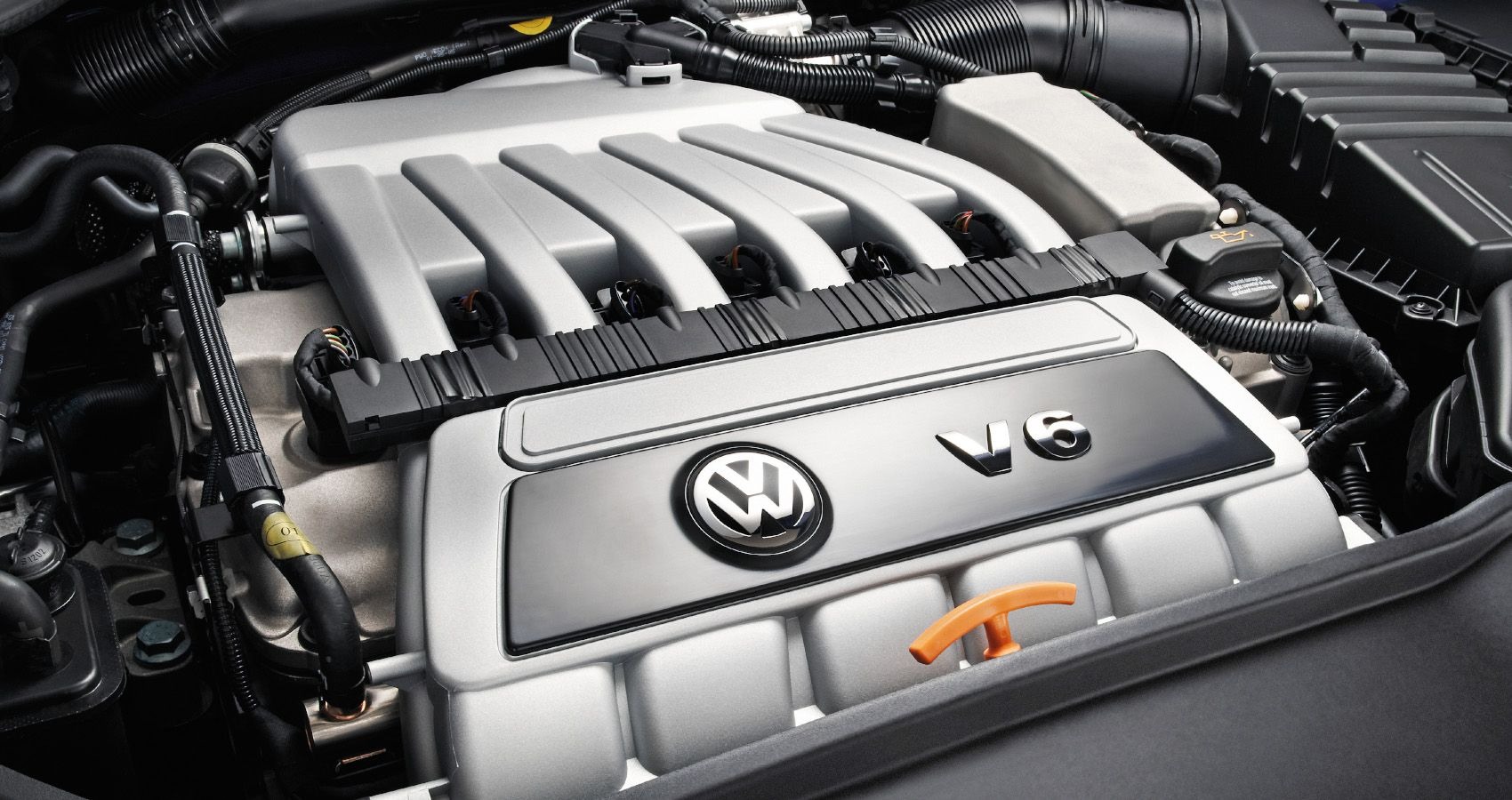
7. Volkswagen VR6
The Volkswagen VR6 engine, introduced in the early 1990s, is for its unique narrow-angle V6 design. This engine combined the compact size of a four-cylinder with the power and smoothness of a six-cylinder, resulting in a versatile and durable powerplant. Many Volkswagen and Audi models used the VR6, and its reputation for long-lasting performance continues today.
The VR6’s design contributes to its durability. With a single cylinder head covering both banks of cylinders and a compact block, the engine reduces the complexity and potential failure points common in traditional V6 engines. This simplicity aids in maintaining smooth operation after many years.
Materials and manufacturing quality are also key factors. The engine block is made from cast iron for durability, while the aluminum cylinder head helps reduce weight. The VR6 also has a well-designed cooling system that maintains optimal temperatures under various driving conditions.
Routine maintenance, such as timing belt changes, valve adjustments, and coolant flushes are critical for longevity. When these are performed regularly, the VR6 can exceed 200,000 miles while maintaining smooth, reliable performance. Its unique sound and character make it a favorite among enthusiasts who appreciate its blend of durability and performance.
Also Read: 9 Best Cars That Are Still Daily Driven After 40 Years
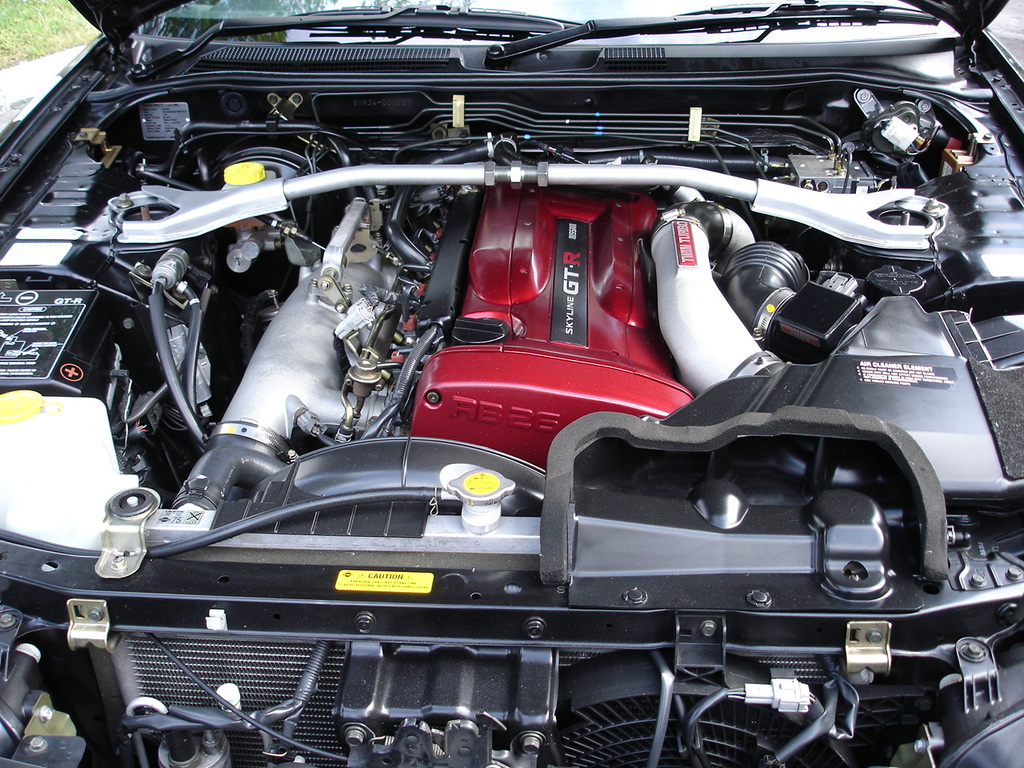
8. Nissan RB26DETT (Inline-6 Turbo)
The Nissan RB26DETT is a legendary inline-6 twin-turbo engine produced primarily for the Skyline GT-R models in the late 1980s and early 1990s. Although designed with high performance in mind, the RB26DETT is also known for its surprising reliability and ability to last over 20 years with proper maintenance. The engine’s robust construction and advanced design for its time have earned it a cult following.
Key to the RB26DETT’s longevity is its strong iron block and forged internals. The block’s strength allows it to withstand high boost pressures and RPMs without significant wear. The dual overhead camshaft design, combined with efficient cooling and oiling systems, ensures the engine runs smoothly and avoids overheating, even under demanding conditions.
While high-performance engines typically require extensive care, the RB26DETT benefits from Nissan’s engineering focus on reliability. Regular maintenance such as timing belt replacement, oil changes with high-quality lubricants, and turbocharger servicing are crucial for the engine to last decades.
Many RB26DETT engines have been kept in service well past 20 years, with some examples reaching 300,000 miles while maintaining their smooth, responsive characteristics. This durability, combined with outstanding performance, has solidified its status as one of the best long-lasting performance engines ever made.
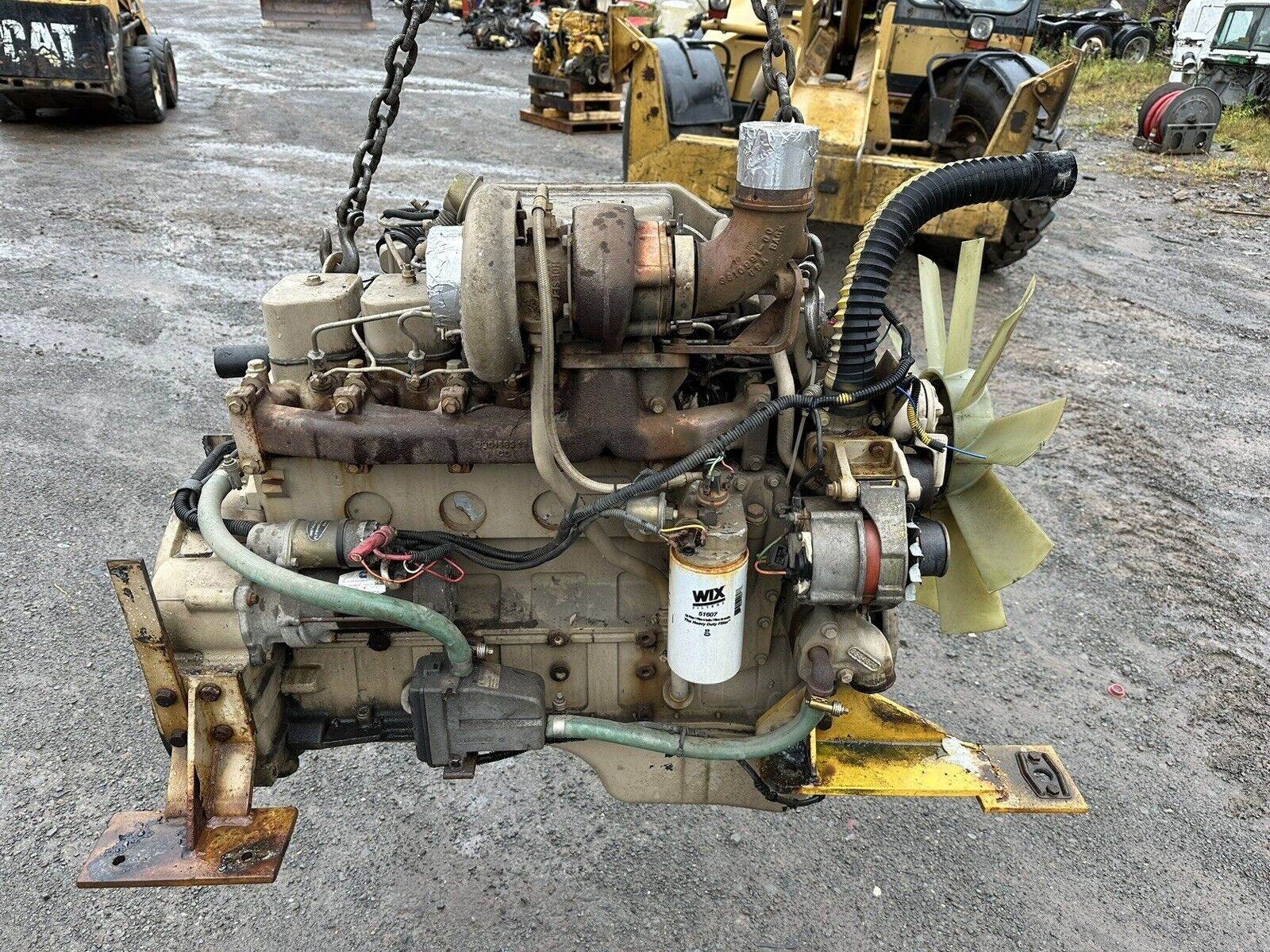
9. Cummins 6BT (5.9L Diesel)
The Cummins 6BT is a 5.9-liter inline 6-cylinder diesel engine that has become synonymous with durability and reliability, especially in trucks and industrial applications. Produced since the late 1980s, this engine is revered for its ability to run smoothly under heavy loads for decades. Its simple, rugged design and excellent fuel efficiency make it a favorite among truck owners and fleet operators.
The 6BT’s cast iron block and forged steel internals provide exceptional strength, enabling it to handle high torque outputs without failure. Its direct injection diesel system is mechanically controlled, reducing complexity and increasing reliability compared to electronically managed systems. This simplicity, combined with the engine’s ability to run on a variety of fuel qualities, contributes to its longevity.
Maintenance on the 6BT is straightforward but essential. Regular oil changes, fuel filter replacements, and valve adjustments help maintain smooth operation. The engine’s robust cooling and lubrication systems prevent overheating and premature wear, key factors in its ability to last for hundreds of thousands of miles.
Because of its reputation, many 6BT engines remain in active service for more than 20 years. Their smooth running characteristics, especially under load, make them trusted workhorses in demanding environments.
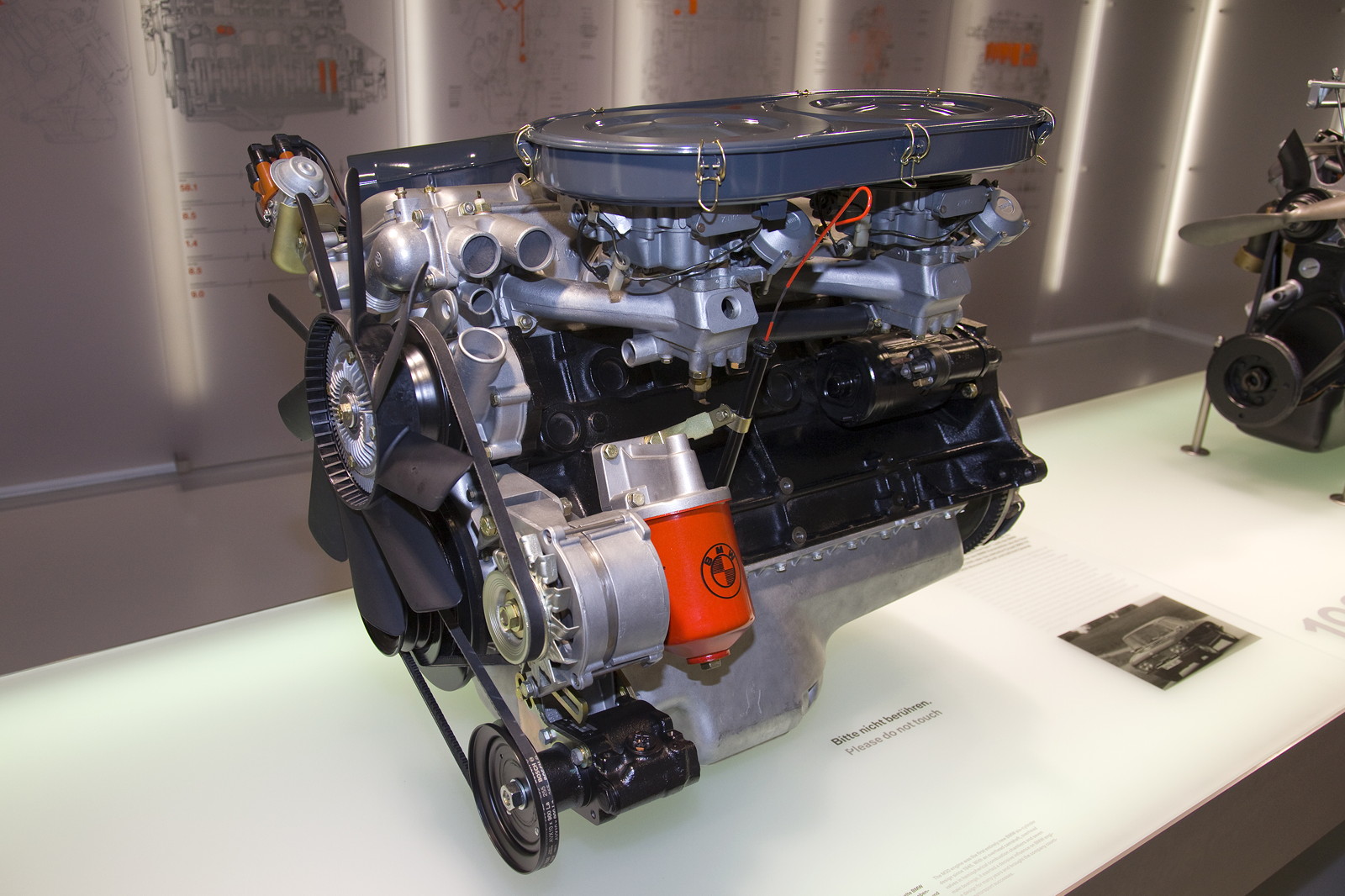
10. BMW M30 (Inline-6)
The BMW M30 engine, produced from the late 1960s through the 1990s, is an inline-6 engine celebrated for its smoothness, reliability, and engineering refinement. Used in many BMW models including the 5 and 7 Series, the M30 is considered one of the finest engines of its era and is known to run smoothly for decades.
The M30’s robust cast iron block and aluminum head construction offer durability and weight savings. Its SOHC (single overhead camshaft) design and well-balanced inline-6 configuration provide smooth power delivery and minimal vibration. These qualities reduce wear and extend engine life.
Maintenance, including regular oil changes and valve adjustments, is straightforward on the M30. Its mechanical simplicity compared to later multi-cam BMW engines makes it easier to service and maintain over the long term. Many owners have reported these engines running well beyond 200,000 miles with consistent smoothness.
The M30’s reputation for reliability, combined with the driving experience it provides, has made it a beloved engine among classic BMW enthusiasts. It remains a testament to the engineering excellence of its time and a fine example of an engine that continues to perform smoothly after many years.
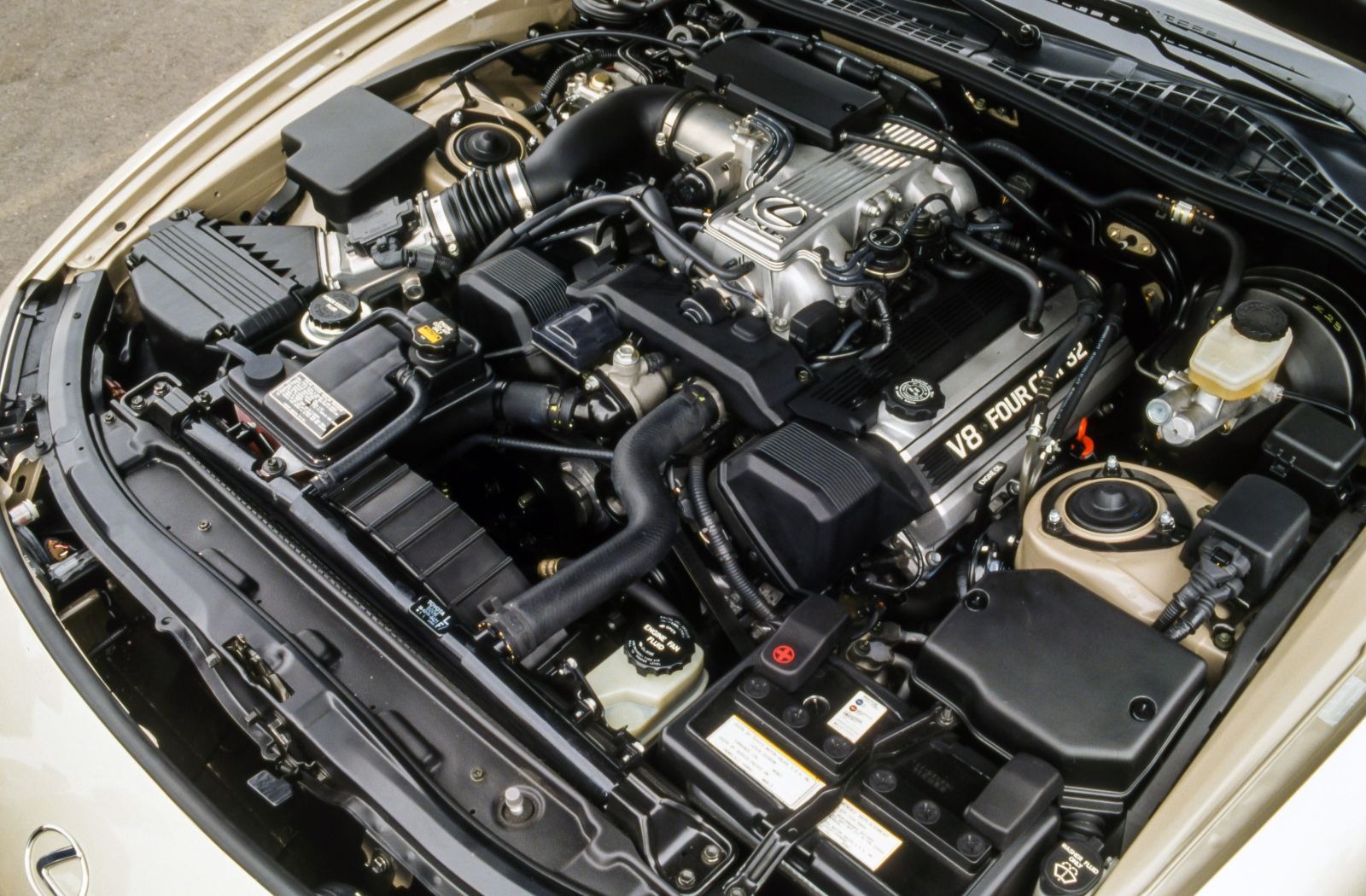
11. Toyota 1UZ-FE (V8)
The Toyota 1UZ-FE is a 4.0-liter V8 engine introduced in the late 1980s and used extensively throughout the 1990s in Lexus and Toyota luxury models like the LS400 and SC400. This engine quickly gained a reputation for exceptional smoothness and bulletproof reliability. Unlike many V8s of its time, the 1UZ-FE was designed with a focus on refinement, delivering silky power while being able to rack up serious mileage without significant issues.
Its all-aluminum block and heads reduced weight, while still maintaining structural integrity. The 1UZ-FE employs a DOHC setup with four valves per cylinder and a sophisticated cooling system, which together contribute to efficient combustion and temperature control. These factors ensure the engine operates smoothly and stays cool, minimizing wear even after years of use.
One of the reasons the 1UZ-FE lasts so well is its conservative tuning and high-quality internal components like forged pistons and a strong crankshaft. Toyota’s engineering ensured the engine could deliver reliable power rather than chasing extreme performance numbers, which helped extend its life. Furthermore, the 1UZ-FE benefits from a robust lubrication system, which reduces friction and heat inside the engine.
Owners who maintain this engine with regular oil changes, proper timing belt replacement, and coolant upkeep often find the 1UZ-FE still running strong past 300,000 miles. This combination of engineering excellence and careful maintenance makes it one of the longest-lasting luxury V8s ever produced.
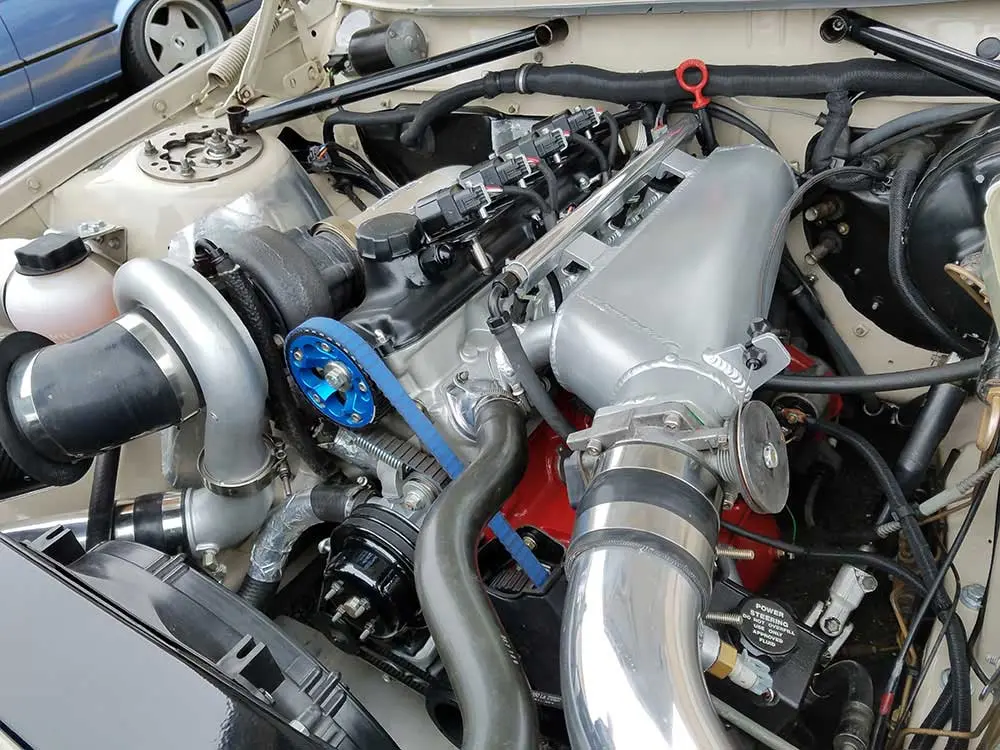
12. Volvo B230 (Inline-4)
The Volvo B230 engine is a 2.3-liter inline-4 engine that became a staple in Volvo cars throughout the 1980s and early 1990s. Known for its ruggedness and simplicity, the B230 gained a reputation for lasting well beyond two decades with regular care. It powered models like the Volvo 240 and 740, vehicles already renowned for their durability and safety.
The B230’s iron block and aluminum head combination gives it both strength and heat dissipation capabilities. This design was quite advanced for a 4-cylinder at the time and contributed to consistent performance and reliability. The engine’s fuel injection system was simple but effective, reducing the risk of problems caused by carburetors or early fuel injection designs.
Cooling is a particular strength of the B230. The engine manages heat efficiently, avoiding the common overheating issues seen in other engines of its era. This capability contributes to the engine’s smooth operation and long life. Additionally, the B230 has a straightforward timing belt system, making regular maintenance manageable for owners and mechanics alike.
With proper upkeep, including timing belt replacements and regular oil changes, many B230 engines have surpassed 250,000 miles without major repairs. Its reputation as a workhorse engine complements Volvo’s legacy for producing reliable, long-lasting vehicles.
13. Mazda Wankel Rotary Engine (13B)
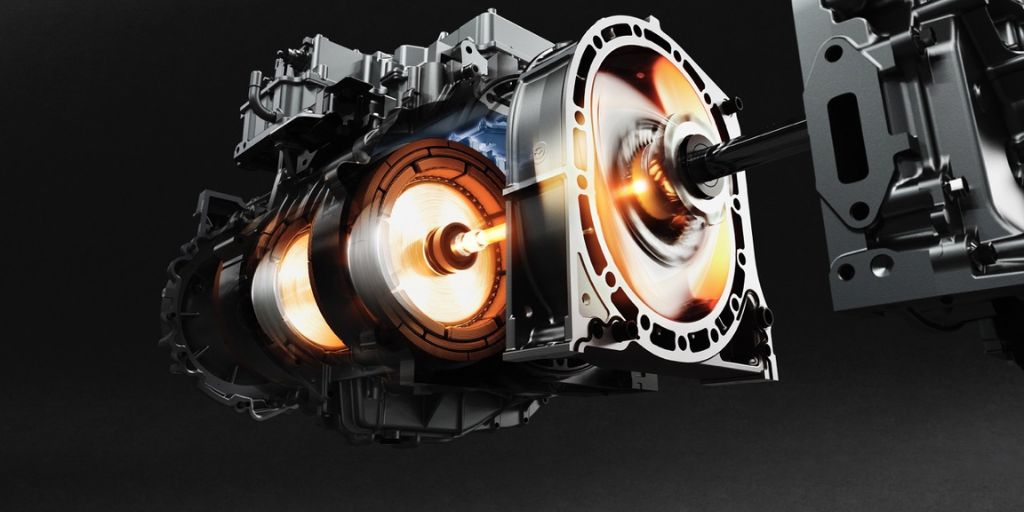
The Mazda 13B rotary engine is one of the few non-traditional internal combustion engines known for its longevity, especially considering its unique rotary design. Found in the RX-7 sports cars produced from the late 1970s to the early 1990s, the 13B has a distinctive smoothness thanks to its rotary operation, which lacks the reciprocating pistons of conventional engines.
The 13B’s design allows it to rev very high smoothly, offering spirited performance. Its compact and lightweight construction is also a benefit. However, rotary engines typically face challenges with sealing and fuel consumption, which can affect their lifespan if not cared for properly. Despite this, many 13B engines have remained reliable for over 20 years when regularly maintained.
A key to the 13B’s longevity is frequent oil changes and attention to apex seals, the unique sealing components critical to the rotary engine’s operation. Proper maintenance includes monitoring and replacing seals when necessary to maintain compression and prevent oil leaks. Cooling systems are also vital, as rotary engines tend to run hotter than piston engines.
When owners adhere to these maintenance protocols, the 13B provides smooth, reliable power well beyond its expected lifespan. Its continued popularity among enthusiasts speaks to the success of Mazda’s engineering and the durability achievable with this unusual engine design.
14. Ford Power Stroke 7.3L Diesel (Navistar)
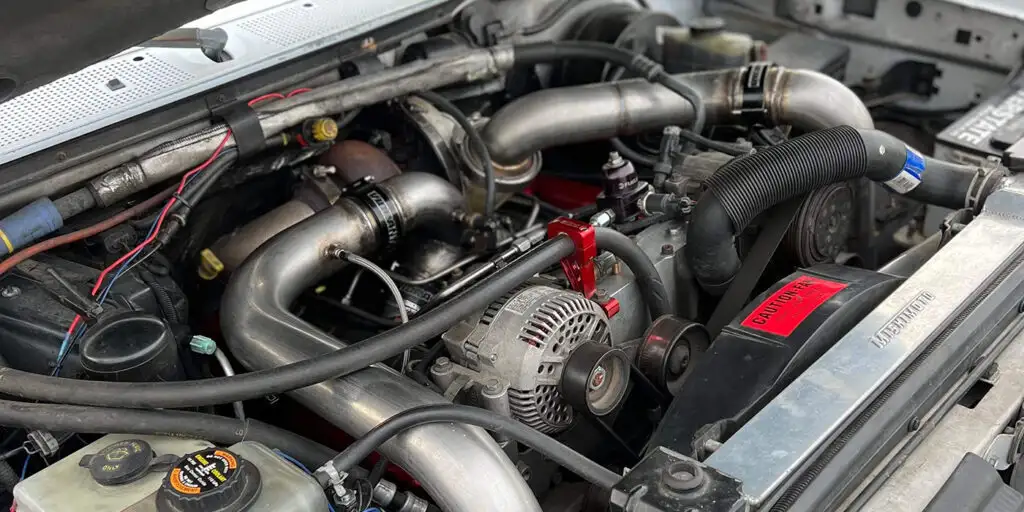
The 7.3L Power Stroke diesel engine, produced in Ford trucks from 1994 to 2003, is known for its remarkable durability and smooth operation even after extensive use. Found in heavy-duty trucks and work vehicles, this turbocharged diesel engine has earned a near-mythical reputation among diesel enthusiasts for its ability to keep running without major issues.
Its robust cast iron block and forged internals provide strength to withstand heavy loads and prolonged operation. The 7.3L uses a direct injection fuel system that is both efficient and reliable. Additionally, the turbocharger on this engine is well-built and not prone to failure, contributing to its longevity.
The engine’s cooling and lubrication systems are designed to cope with high stress, preventing overheating and wear. Regular maintenance, including timely oil changes, fuel filter replacements, and injector servicing, helps maintain its smooth running. Many owners report their 7.3L Power Stroke engines easily surpassing 300,000 miles and continuing to perform well.
This engine’s reliability and ease of maintenance have made it a favorite for work trucks and those needing dependable power over the long haul. It’s considered one of the best diesel engines Ford has ever produced in terms of lasting performance.
15. Lexus 2JZ-GTE (Inline-6 Turbo)
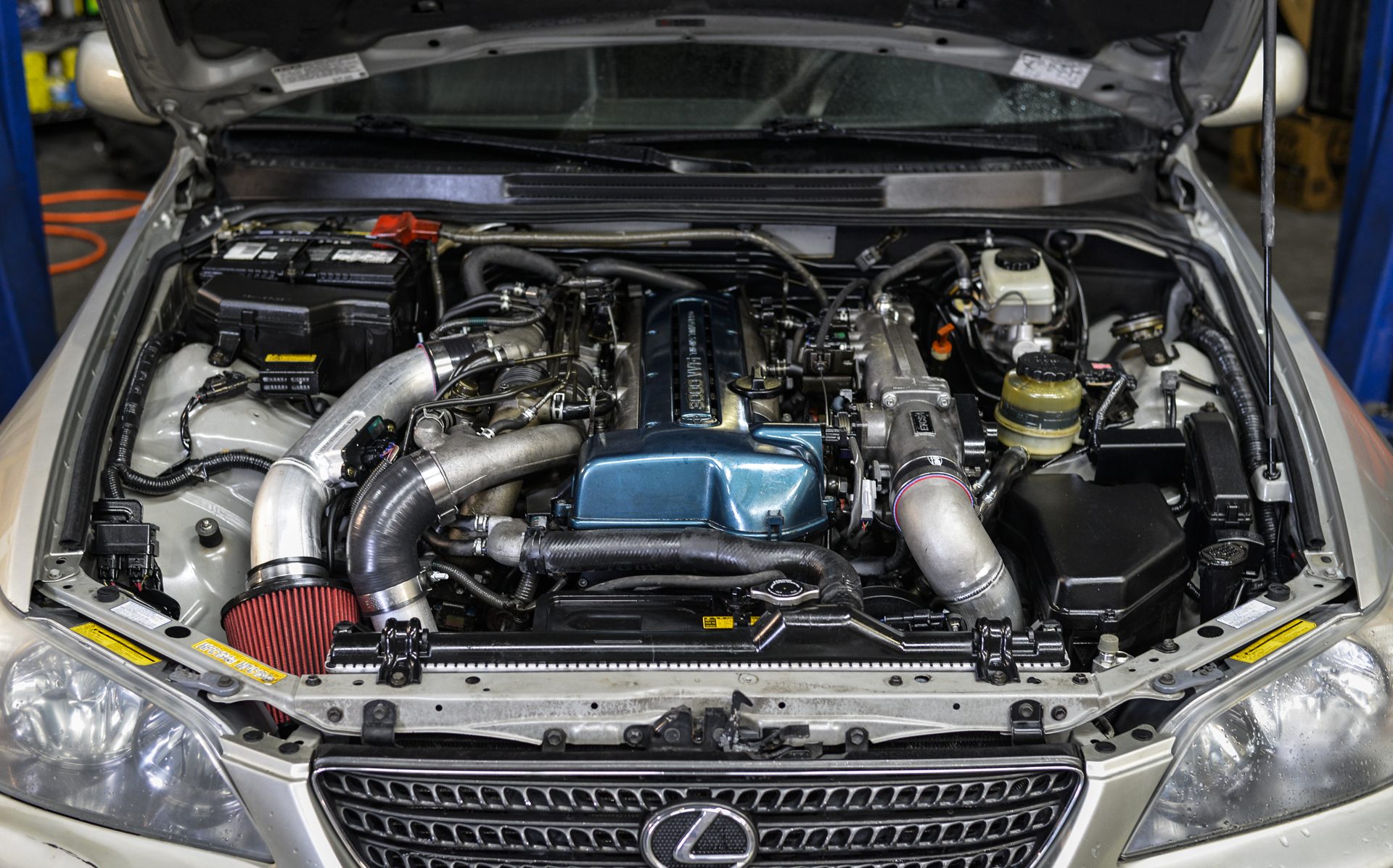
The Toyota Lexus 2JZ-GTE engine, famous for powering the Supra Mark IV, is an inline-6 turbocharged powerhouse with a reputation not only for performance but also for longevity. Introduced in the early 1990s, this engine combined strong factory tuning with an extremely durable design that allowed many to run smoothly for decades.
Its iron block construction is for strength, helping the engine resist wear and tear even when tuned for high horsepower. The 2JZ-GTE features a DOHC setup with four valves per cylinder and a reliable twin-turbocharger system that provides a smooth yet powerful driving experience. The cooling and oiling systems were designed to maintain engine health even under spirited driving.
One major factor in its longevity is the quality of internal components like forged pistons and connecting rods, which can handle increased power without failure. While this engine was capable of extreme tuning, the stock configuration was engineered with a strong emphasis on durability.
Owners who maintain the 2JZ-GTE with regular servicing, including oil changes, timing belt replacements, and cooling system checks, often report these engines running smoothly beyond the 20-year mark. The 2JZ-GTE remains one of the most sought-after engines for both performance and reliability enthusiasts alike.
