
Cars are often seen as fragile machines that demand regular upkeep to keep running smoothly. Most vehicles rely on consistent care like oil changes, timely repairs, and good driving habits to extend their lifespan.
However, some cars have earned a reputation for being nearly indestructible, continuing to operate well beyond what their owners put them through, even with poor maintenance. These vehicles seem to have a kind of mechanical resilience that allows them to shrug off neglect and still keep going. Whether it’s an outdated design, robust engineering, or simply luck, these cars have built legends around their longevity.
While proper maintenance undeniably extends any car’s life, these models are known for defying the odds. From engine robustness to solid construction, these vehicles often find a way to run reliably despite owners skipping oil changes, ignoring strange noises, or driving on bad fuel.
Their engines tolerate sludge buildup, their suspensions endure potholes without complaint, and their electronics, if they have any, often function despite abuse. This is not to say they are invincible, but rather that their basic mechanical design tolerates a level of neglect that would cripple many other cars.
In the world of vehicles, there is a curious category of cars known for their ability to last for hundreds of thousands of miles with minimal attention. Stories abound of some owners driving these vehicles for over 300,000 miles or even more, often with worn-out components still functioning adequately.
These cars become favored in places where access to repair shops or spare parts is limited or where owners can’t afford frequent maintenance. Their reputation for durability makes them a reliable choice for those who want a car that keeps running no matter what.
This article will take a close look at nine such cars that refuse to die even with terrible maintenance. They have earned their place in automotive history by being dependable, tough, and surprisingly forgiving. Understanding what makes these cars so resilient gives insight into engineering, design philosophy, and what can truly make a car last through thick and thin.
Whether you’re a car enthusiast or just curious about automotive endurance, these vehicles offer compelling examples of toughness that many modern cars can’t match.
Also Read: 9 Best Cars That Are Still Daily Driven After 40 Years
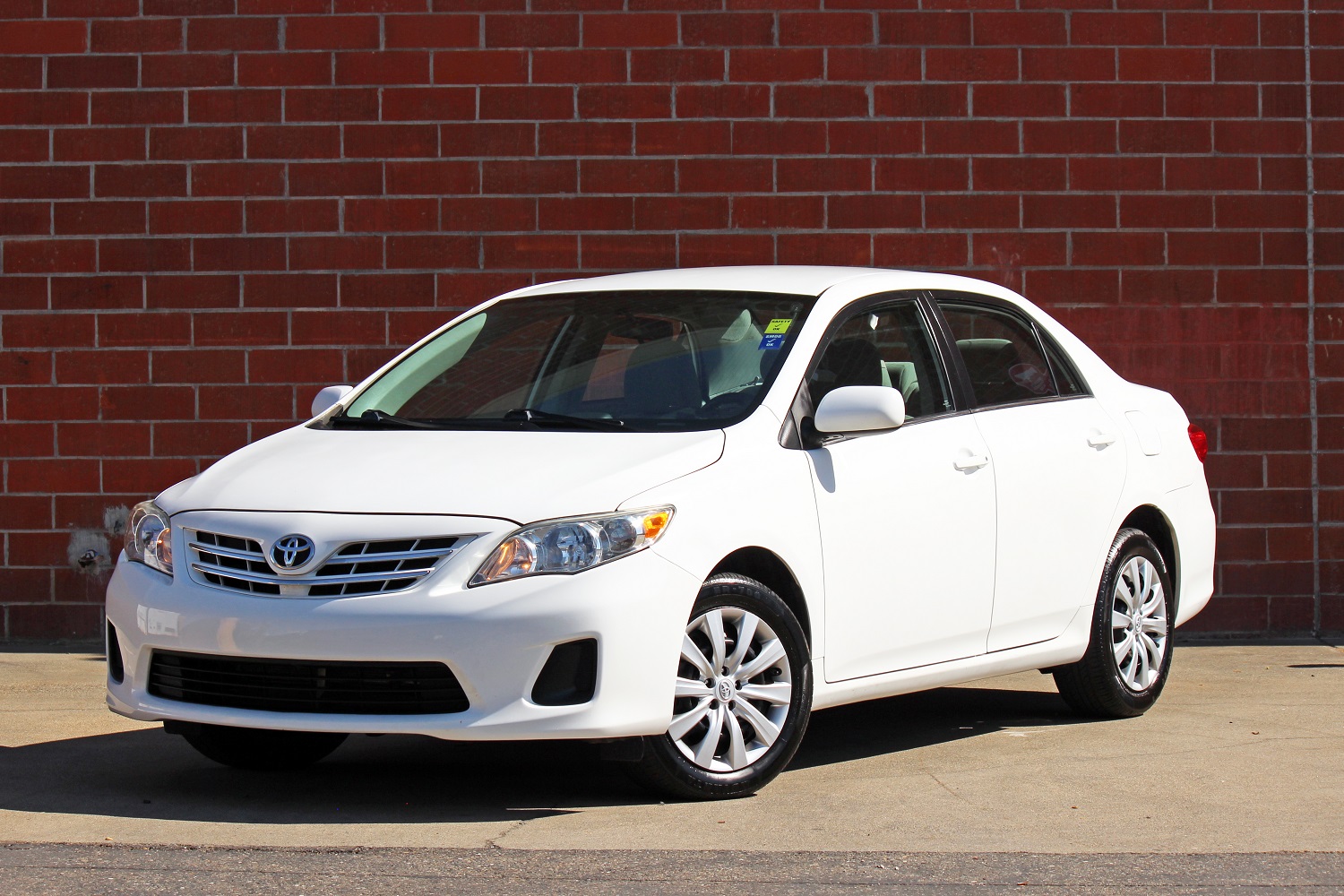
1. Toyota Corolla (E90 and Early 2000s Models)
The Toyota Corolla, especially models from the late 1980s and early 2000s, is often cited as one of the most durable cars ever made. Known for its simple yet reliable engineering, the Corolla became a global icon for longevity. Its four-cylinder engines, particularly the 4A-FE and 1ZZ-FE series, are known for their robustness, often running well past 200,000 miles even when neglected. The key to the Corolla’s resilience lies in its conservative engineering approach, which focuses on durability over cutting-edge technology or performance.
One of the reasons these Corollas are so forgiving of poor maintenance is the relatively simple mechanical setup. The engine is designed to operate efficiently without requiring high-quality fuel or frequent oil changes to survive. Even when owners delay changing the oil or ignore minor issues, the Corolla’s engine usually withstands internal wear better than many other cars.
This simplicity extends to the transmission and suspension, which are designed to endure rough roads and inconsistent driving habits without costly repairs.
The body and chassis of the Corolla also contribute to its lasting power. Rust-resistant materials and straightforward construction mean the car can survive harsh climates and rough usage.
Many of these cars have been known to run in places with little access to professional service, where mechanics might be scarce, and replacement parts are hard to find. Despite these challenges, Corollas keep moving, sometimes requiring only basic repairs or part replacements.
Owners of older Corollas often report stories of neglectful care such as skipping scheduled maintenance, running on low-grade fuel, or ignoring check engine lights. Yet the car will still start every morning and run reliably. This durability has made the Corolla a favorite for taxis, rental fleets, and budget-conscious drivers worldwide. Its reputation as a car that refuses to die with poor maintenance is well-earned and continues to this day.
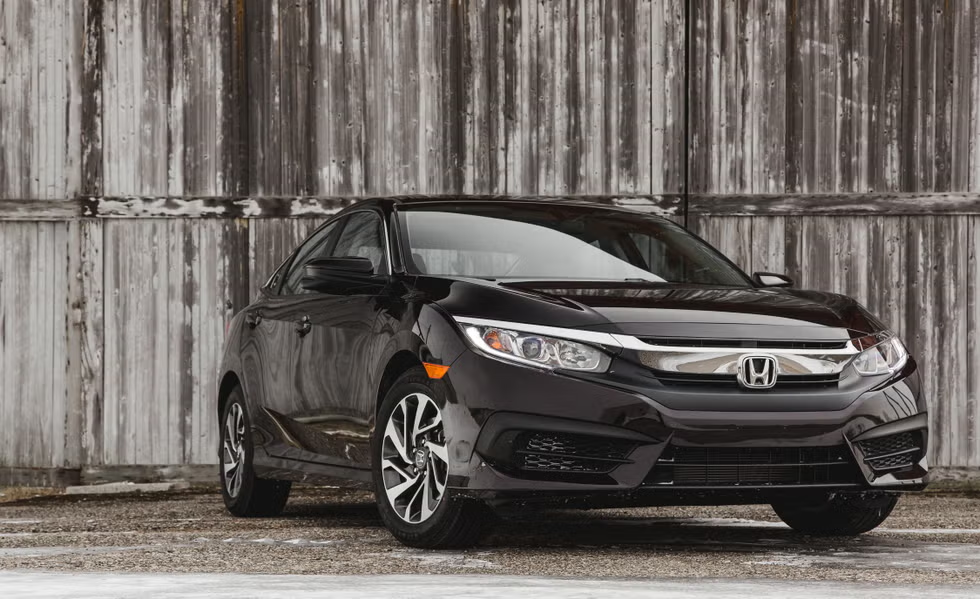
2. Honda Civic (1990s and Early 2000s)
The Honda Civic is another legendary compact car known for its reliability and longevity, even when maintenance is less than ideal. The models from the 1990s and early 2000s, especially those with the D-series and B-series engines, are known to withstand considerable abuse without giving up. Their ability to run for hundreds of thousands of miles despite irregular servicing has made them favorites among drivers looking for low-cost, dependable transportation.
Honda’s approach to engine design emphasizes high-revving, efficient engines with excellent build quality. These engines are relatively simple compared to modern counterparts and can tolerate skipped oil changes or delayed repairs better than many others.
The Civic’s mechanical fuel injection system and durable timing belts contribute to a solid and forgiving powertrain. Even when exposed to harsh environments or poor fuel quality, these engines often continue to run with little fuss.
The Civic’s lightweight design and quality suspension components help it endure road wear and rough driving conditions. The chassis is engineered to withstand significant abuse without falling apart or causing serious handling problems. This contributes to the car’s ability to stay on the road longer, even if the owner isn’t attentive to routine maintenance tasks like tire rotations or brake servicing.
Another factor contributing to the Civic’s durability is the wide availability of parts and a strong enthusiast community. While this may not directly affect the car’s ability to run poorly, it means owners can often make simple fixes on their own and keep the car going. The Civic’s reputation as a tough and reliable vehicle has made it a staple for used car buyers who want a vehicle that won’t quit easily, regardless of its maintenance history.
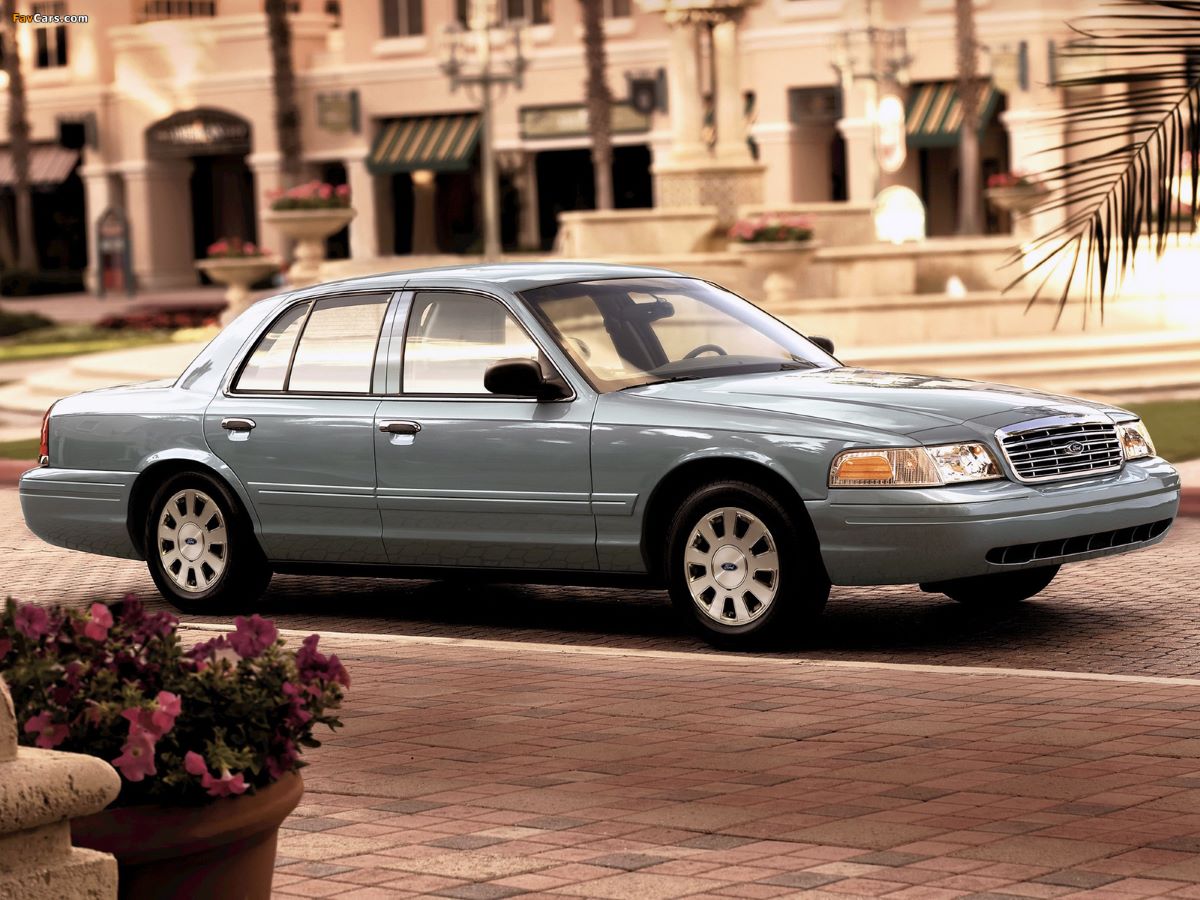
3. Ford Crown Victoria (1990s to Early 2000s)
The Ford Crown Victoria has long been known as a robust, heavy-duty vehicle, popular among police departments, taxi companies, and fleet operators. Its large V8 engine, body-on-frame construction, and simple mechanical design make it one of the most durable cars on the road. The Crown Vic’s ability to keep running despite neglected maintenance is largely due to its tough, old-school engineering principles.
The 4.6-liter Modular V8 engine found in most Crown Victorias during this era is a workhorse that tolerates high mileage and rough treatment. It doesn’t require premium fuel or frequent high-end maintenance to perform reliably.
Even with neglected oil changes or occasional overheating, the engine often keeps running, although like any engine, extreme neglect will eventually cause failure. The Crown Victoria’s transmission and driveline are similarly durable, built for the rigors of police pursuit and taxi use.
One of the biggest factors in the Crown Victoria’s longevity is its body-on-frame construction. This design, which is now rare in passenger cars, provides incredible structural durability and allows for easier repairs after damage. The suspension components are heavy-duty and designed to withstand heavy loads and rough roads without failing prematurely. These features make it ideal for rough usage and poor maintenance.
The Crown Victoria also benefits from a simple electrical system with few complex electronics compared to modern cars. This reduces the chance of electrical failures due to neglect or harsh conditions. Owners have been known to run these cars for hundreds of thousands of miles with minimal attention beyond basic fluids, proving that sometimes old-school engineering wins in the battle of durability.
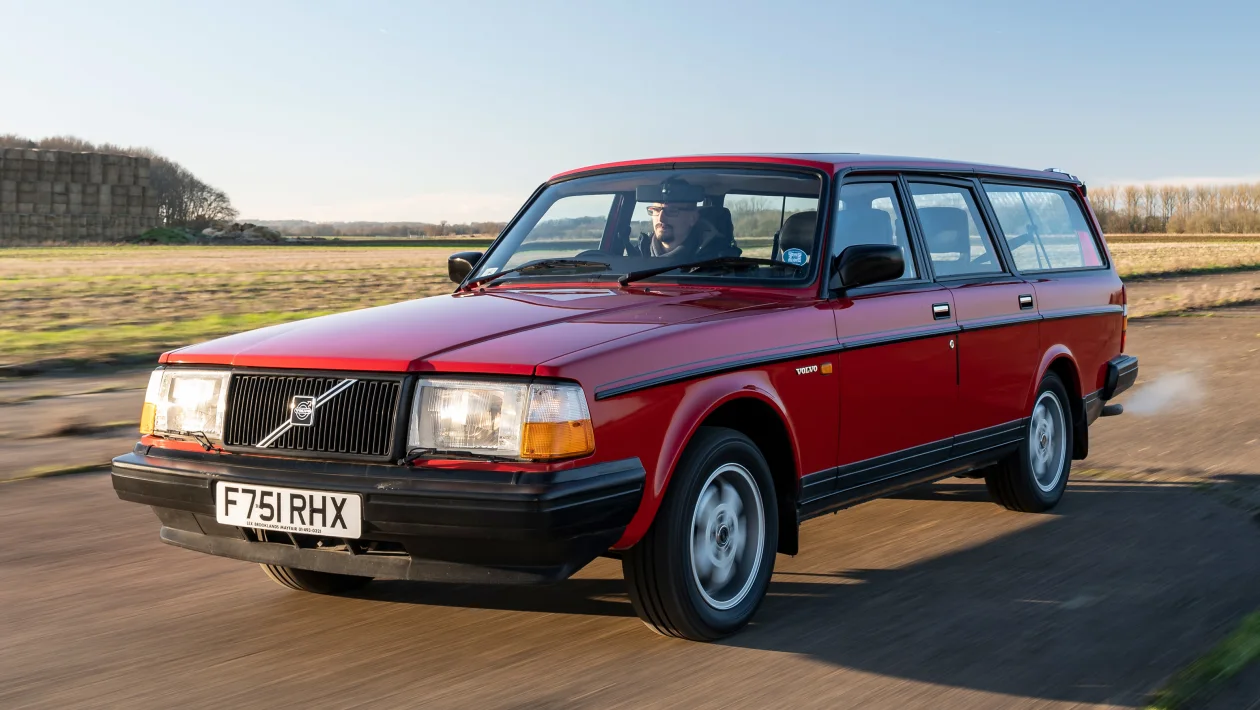
4. Volvo 240 (1970s to 1990s)
The Volvo 240 series is often regarded as one of the safest and most durable cars ever built. These cars were designed to last and withstand harsh northern climates with heavy snow and salt exposure. Their mechanical simplicity, strong steel bodies, and reliable engines contribute to their long life expectancy, even when owners don’t keep up with maintenance schedules.
Volvo’s inline-four and inline-six engines from this era are known for their longevity and ability to run under less-than-ideal conditions. While regular oil changes and tuning are recommended, these engines often survive for decades despite periods of neglect. The relatively low horsepower output means less strain on engine components, reducing the risk of major failures.
The 240’s chassis and body construction are legendary for their robustness. Thick steel panels and a sturdy frame prevent rust and structural deterioration that often plague older cars. The suspension system is straightforward and built for comfort and durability, making it resilient even on rough roads and with deferred repairs.
Another factor contributing to the 240’s survival is the ease of repair and the availability of replacement parts due to the car’s popularity and long production run. These cars have become beloved by enthusiasts and practical owners alike, and their reputation for being hard to kill even when poorly maintained endures as a testament to Volvo’s engineering philosophy.
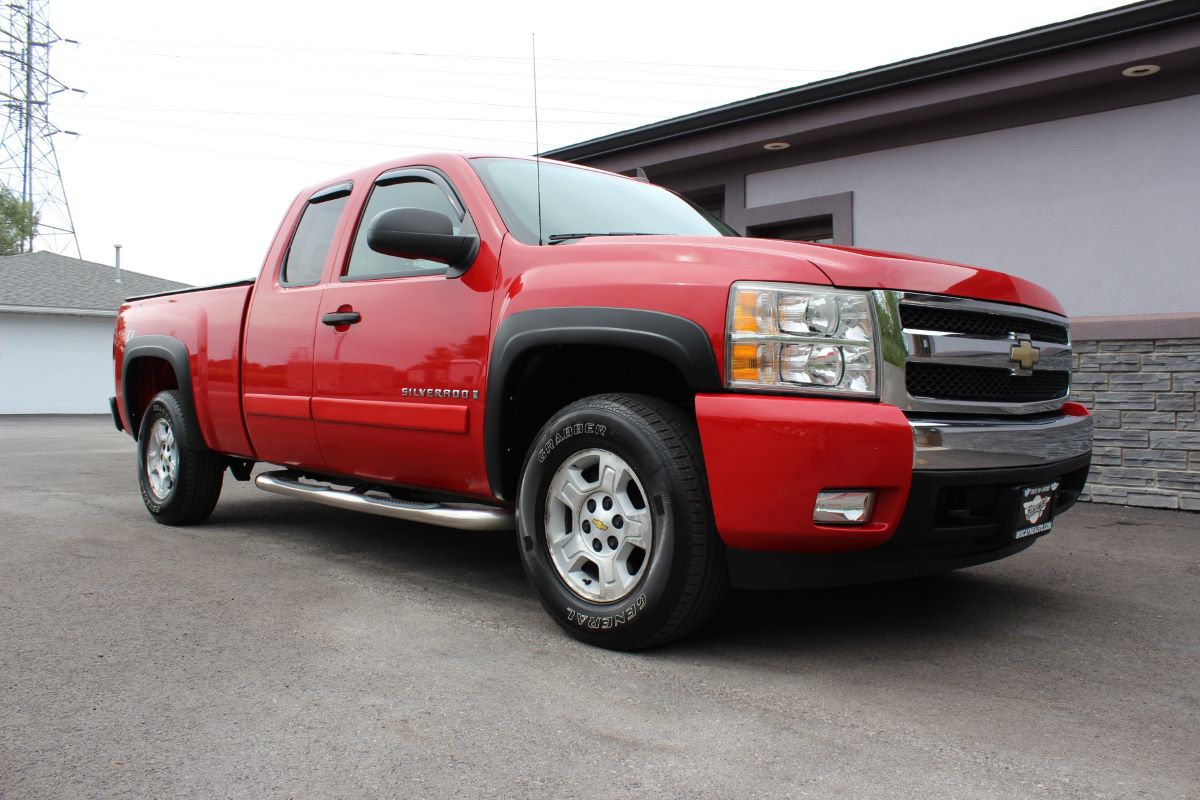
5. Chevrolet Silverado (Late 1990s to Early 2000s)
The Chevrolet Silverado trucks from the late 1990s and early 2000s have earned a reputation as reliable workhorses. Their durability and strong build quality mean they can endure years of hard labor and neglect. Whether used for hauling, towing, or daily driving, these trucks often continue to run despite less-than-ideal maintenance.
The Silverado’s V8 engines, especially the 5.3-liter Vortec series, are known for their toughness. These engines can take a lot of punishment and still run well beyond 200,000 miles with basic care. Even when maintenance is spotty, missed oil changes, delayed fluid replacements, or rough driving, the engines are often resilient enough to avoid catastrophic failure.
The truck’s heavy-duty suspension and body-on-frame construction help absorb abuse from poor road conditions and heavy loads. This durability means the truck’s undercarriage and frame often outlast the engine or transmission, making it easier to keep the truck on the road with minimal investment.
Another reason for the Silverado’s toughness is its simple electrical and mechanical systems. Unlike newer trucks with complex electronics, these models have straightforward designs that are easier to maintain or repair. This simplicity makes them ideal for owners who may not have the resources for frequent or expensive maintenance but still need a reliable vehicle.
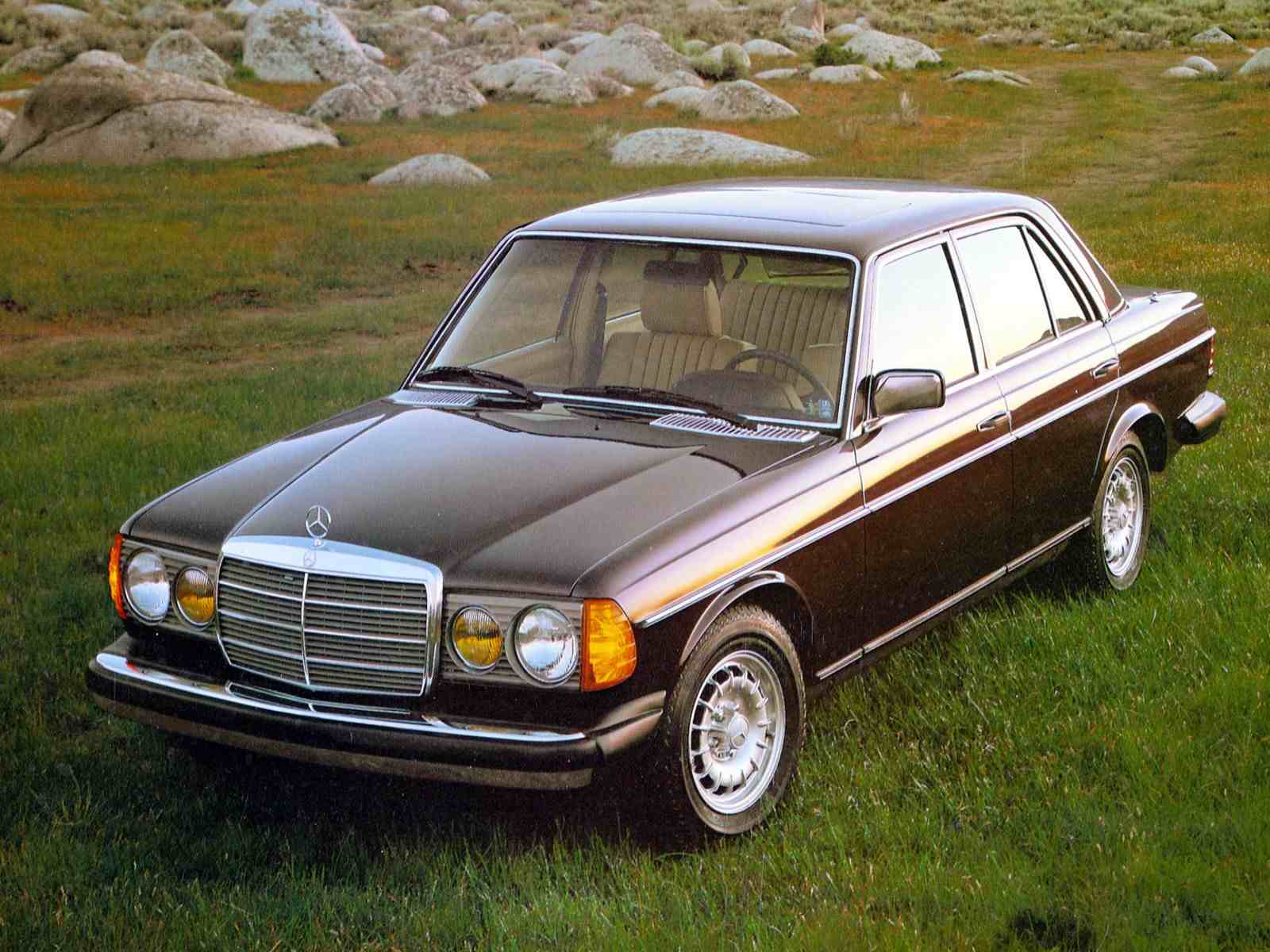
6. Mercedes-Benz W123 (1970s to 1980s)
The Mercedes-Benz W123 series is renowned for its legendary durability and engineering excellence. These cars have a reputation for surviving decades of rough treatment and neglect, often appearing on roads around the world with incredibly high mileage. Their mechanical simplicity, robust build quality, and over-engineered components allow them to resist wear and tear.
The W123’s inline-five diesel engines are particularly famous for their longevity. They can often run for several hundred thousand miles without a major rebuild, even when owners neglect routine maintenance like oil changes or fuel filter replacements. Diesel engines, in general, tend to be more durable due to their design, and the W123 diesel variants capitalize on this well.
The chassis and body of the W123 are built like tanks. Thick steel panels, solid welds, and high-quality suspension components contribute to the car’s long-lasting structural integrity. Even after decades of exposure to the elements, many W123s show little rust or damage, which is rare for cars of this age.
The electrical system in the W123 is straightforward, avoiding the complexity of later Mercedes models. This simplicity means fewer failures related to wiring or electronic modules, especially when maintenance is lacking. The combination of mechanical and structural durability has made the W123 a favorite among those who want a classic car that won’t quit on them, regardless of its maintenance history.
Also Read: 5 Engines That Handle Neglect Well vs 5 That Need Constant Care
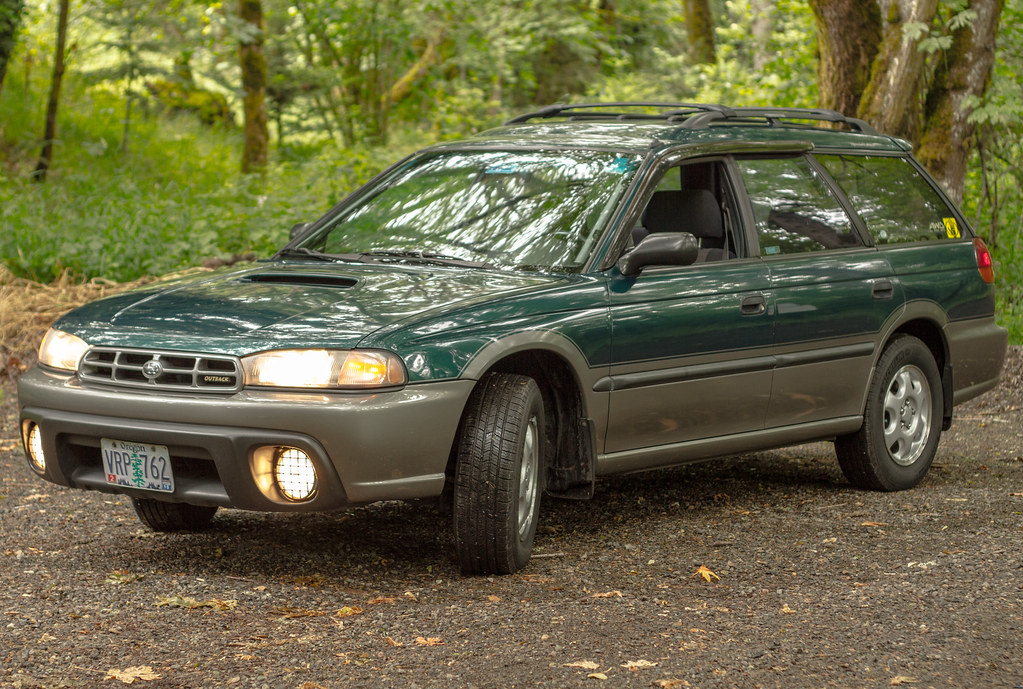
7. Subaru Outback (Late 1990s to Early 2000s)
Subaru Outbacks from the late 1990s and early 2000s are known for their ruggedness and ability to handle tough conditions. Their all-wheel-drive system and boxer engines contribute to a drivetrain that remains functional despite rough use and inconsistent maintenance. This makes them popular choices in regions with harsh weather and poor road conditions.
The boxer engine’s low center of gravity aids handling and stability, but it is also known for its robust design. The engine’s horizontally opposed pistons spread out wear evenly, and Subaru’s engineering ensures that even with skipped oil changes or minor neglect, the engine can continue running reliably. Many Outbacks from this era have been driven for hundreds of thousands of miles with little more than basic maintenance.
Subaru’s symmetrical all-wheel-drive system adds to the vehicle’s durability by distributing power evenly to all wheels, reducing stress on any one component.
This system can handle off-road conditions and slippery surfaces better than many two-wheel-drive cars, meaning the vehicle can keep moving even when conditions are less than ideal or when the suspension and drivetrain haven’t been properly serviced.
Another reason these Outbacks last so long is the availability of parts and the car’s popularity in rural and snowy areas. Owners often learn to do simple repairs themselves, extending the vehicle’s life despite missed service intervals. The combination of mechanical durability, AWD capability, and community support has earned the Subaru Outback a reputation for toughness, even with spotty maintenance.
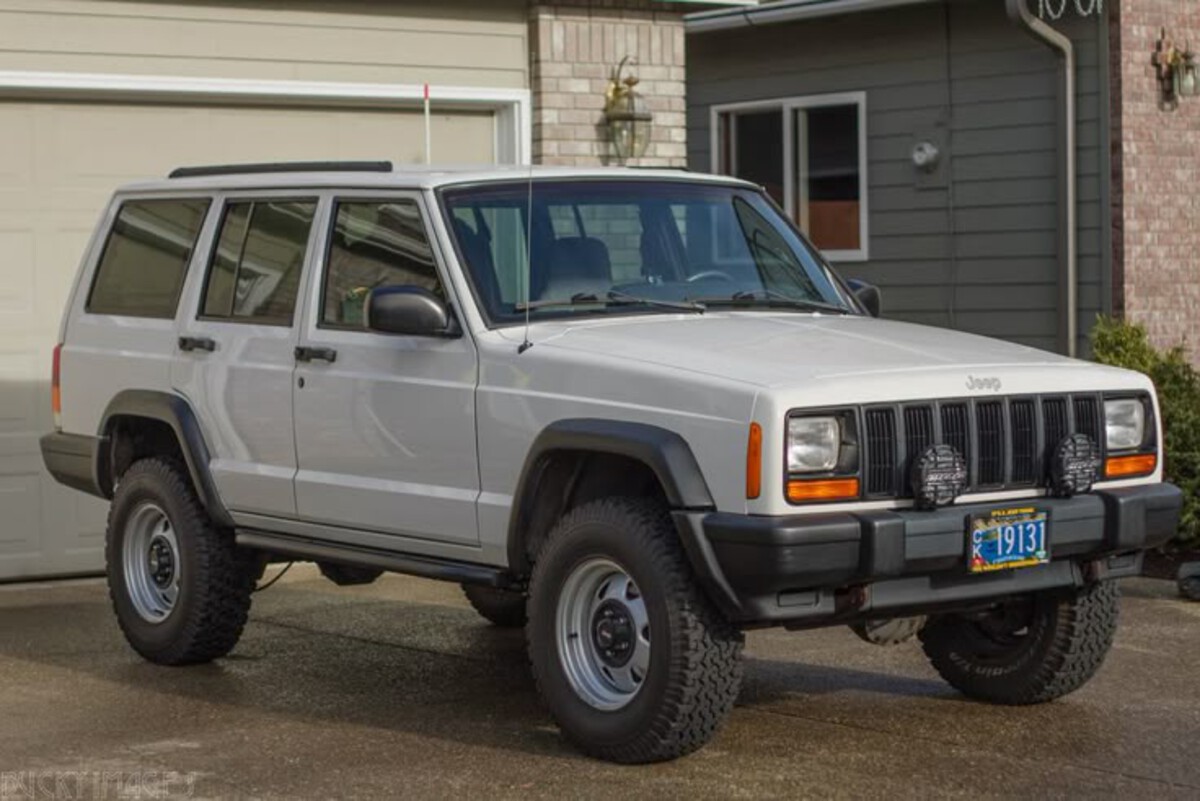
8. Jeep Cherokee XJ (1980s to Early 2000s)
The Jeep Cherokee XJ is a rugged SUV known for its simple yet durable design. With a strong frame, straightforward mechanics, and a dependable inline-six or four-cylinder engine, it is one of the vehicles that can keep going even with irregular maintenance. Its popularity among off-road enthusiasts and in rural areas highlights its ability to endure abuse and neglect.
The XJ’s engines, particularly the 4.0-liter inline-six, are well-regarded for their longevity. These engines are built with fewer complex components and can tolerate deferred maintenance better than many modern powertrains. Even when oil changes or timing chain replacements are delayed, the engine often keeps running, making it a favorite for owners who want a tough, reliable SUV without the hassle of constant servicing.
The Cherokee’s body-on-frame construction and durable suspension components add to its ability to survive harsh conditions. This design allows the vehicle to absorb impacts and rough terrain without significant damage. The suspension’s simplicity means it is easier to maintain or replace parts when needed, even if repairs aren’t made promptly.
The Jeep Cherokee XJ’s minimal electronics and mechanical simplicity reduce the risk of electrical problems that often plague modern vehicles neglected with poor maintenance. These factors combine to create a vehicle that, despite its age and potential neglect, often refuses to die, continuing to perform reliably for owners who may not always keep up with scheduled servicing.
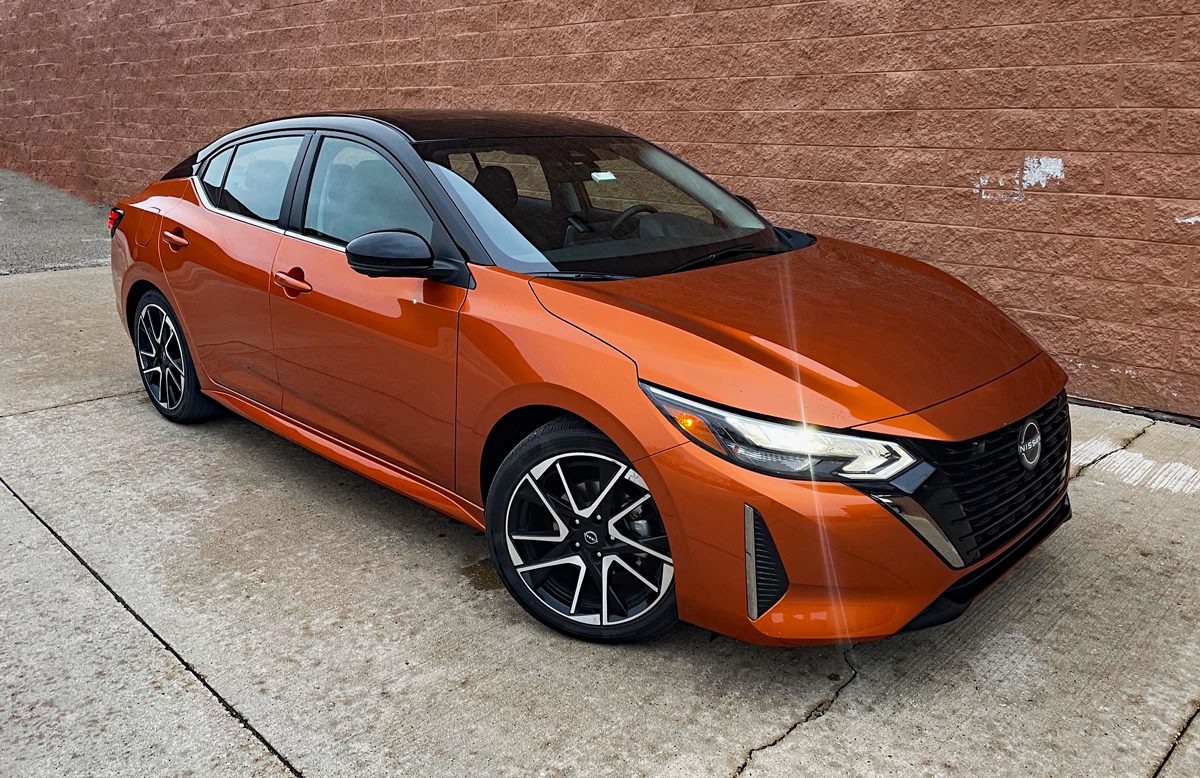
9. Nissan Sentra B13 (1990s)
The Nissan Sentra B13 from the 1990s is a compact car known for its basic design and reliable operation. Its straightforward mechanical layout and durable engine have earned it a reputation for lasting even when maintenance is less than perfect. This model is especially popular in developing countries and rural areas where access to parts and services is limited.
The B13’s 1.6-liter four-cylinder engine is simple and built to last. While not powerful, it is tolerant of low-quality fuel and skipped maintenance such as irregular oil changes. The carbureted models, in particular, are easier to fix and maintain, contributing to their longevity in tough conditions. Even with deferred servicing, these engines can run for many years without major failures.
The chassis and suspension are designed for durability rather than sportiness or luxury. This results in a car that can withstand potholes, rough roads, and daily wear without significant damage. The parts are widely available and inexpensive, allowing owners to make repairs as needed even in remote locations.
Nissan’s minimalist approach in the B13’s electrical system means fewer electronics to fail due to neglect or environmental factors. Combined with the mechanical durability, the Sentra B13 has built a loyal following of owners who appreciate a car that keeps running no matter how little attention it receives.
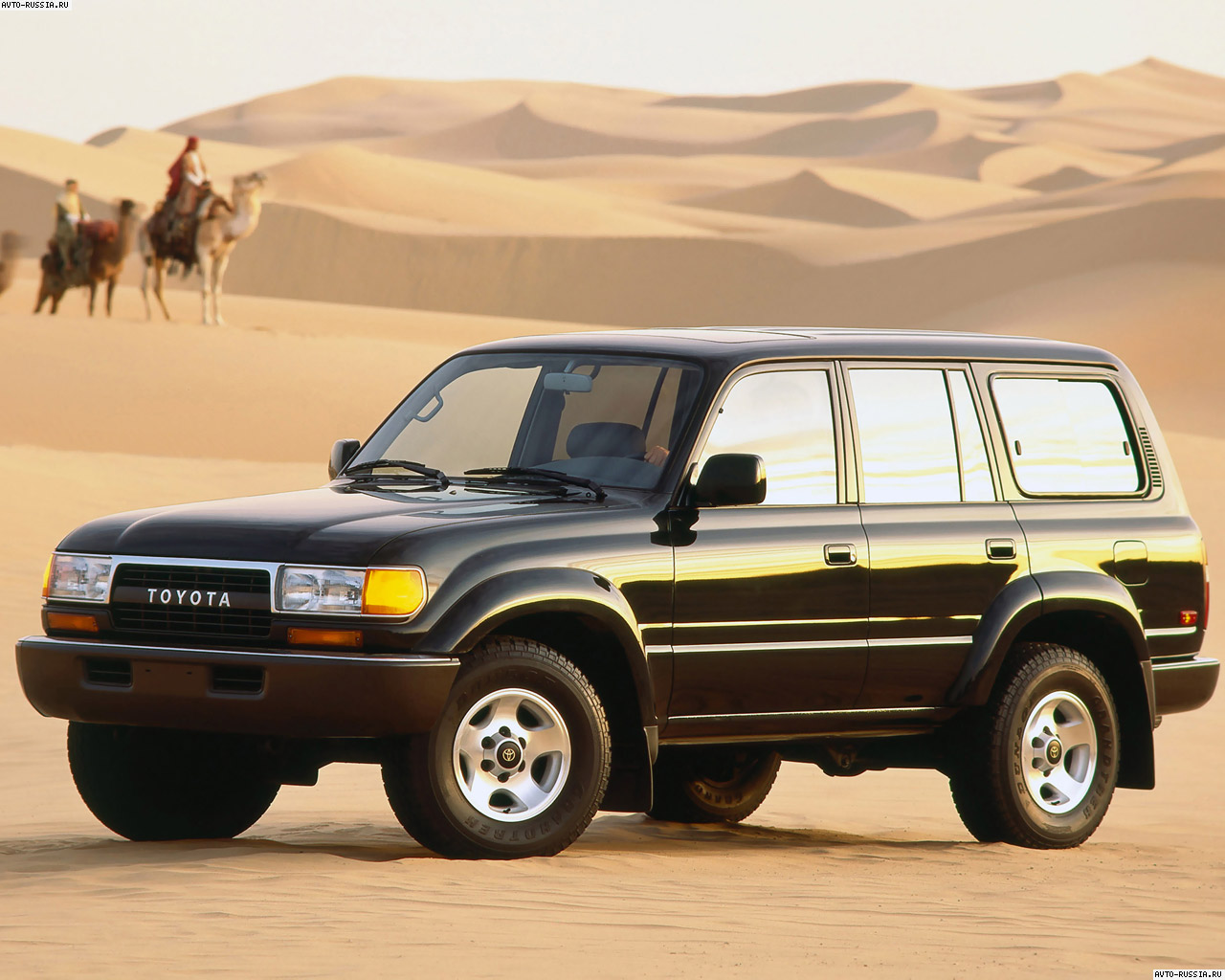
10. Toyota Land Cruiser (Older Models, 1980s to 1990s)
The Toyota Land Cruiser, especially older models like the 60 and 80 series, is synonymous with durability and longevity. Built originally as an off-road and utility vehicle, it has a reputation for surviving extremely harsh environments with minimal care. These vehicles often see duty in remote, rough terrain where access to maintenance facilities is rare, yet they still manage to keep going. Their engineering emphasizes simplicity and strength over luxury or complexity.
The Land Cruiser’s inline-six engines, like the 3F and 2H diesel engines, are designed to handle heavy loads and severe conditions. Their rugged construction allows them to tolerate poor maintenance such as infrequent oil changes, rough fuel quality, and inconsistent servicing. These engines don’t rely on sensitive electronics or complex systems, which lowers the risk of failure due to neglect. Even after hundreds of thousands of miles, these engines continue to run steadily in many cases.
The body-on-frame design, heavy-duty suspension, and strong chassis contribute to the Land Cruiser’s legendary toughness. These components are built to withstand off-road hazards like rocks, deep mud, and extreme weather without significant damage or premature wear.
The Land Cruiser’s design favors reliability and ease of repair in challenging conditions, making it a favorite among travelers, farmers, and militaries worldwide.
Owners often report stories of driving Land Cruisers through deserts, jungles, and mountains with little more than basic maintenance and still arriving at their destinations. The vehicle’s reputation for being almost impossible to kill stems from this real-world track record of resilience. In many parts of the world, the Land Cruiser is considered not just a vehicle but a trusted companion that refuses to give up, no matter the abuse it endures.
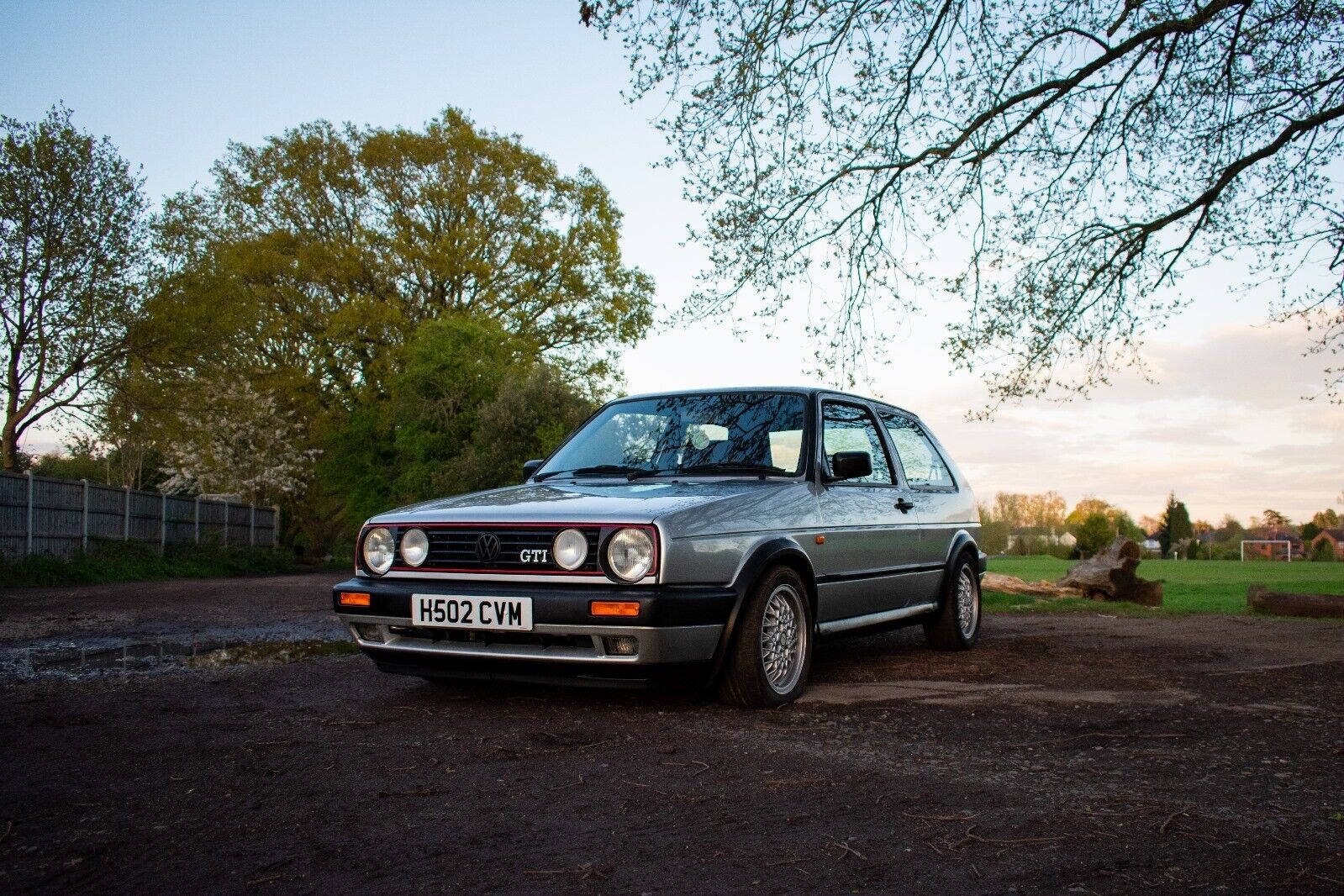
11. Volkswagen Golf Mk2 (1980s to Early 1990s)
The Volkswagen Golf Mk2 is another car that has earned respect for its durability, especially in European and developing markets. Its simple mechanical design and solid build quality have allowed many of these vehicles to survive decades of neglect and poor maintenance. Despite being nearly four decades old, many Golf Mk2s are still found on the road, often with high mileage and minimal care.
The Golf Mk2’s engines, especially the 1.8-liter inline-four and diesel variants, are known for being straightforward and robust. The engines do not rely heavily on electronics or sophisticated fuel injection systems, which makes them easier to maintain or repair by DIY mechanics. Even when oil changes are missed or the timing belt is neglected, these engines often limp along rather than fail catastrophically.
Beyond the engine, the car’s chassis and suspension are built to endure everyday wear and tear. The compact hatchback’s suspension design balances comfort and durability, and many owners report that it continues to handle well despite postponed servicing or rough driving conditions. The bodywork is fairly resistant to rust, especially when maintained in dryer climates or treated with occasional rustproofing.
Electrical systems on the Mk2 Golf are relatively simple compared to modern cars. This reduces the chances of electrical gremlins caused by poor maintenance or environmental exposure. Its combination of mechanical resilience, ease of repair, and relatively low-cost upkeep has helped the Golf Mk2 maintain its reputation as a car that keeps running, even when it’s not treated with the utmost care.
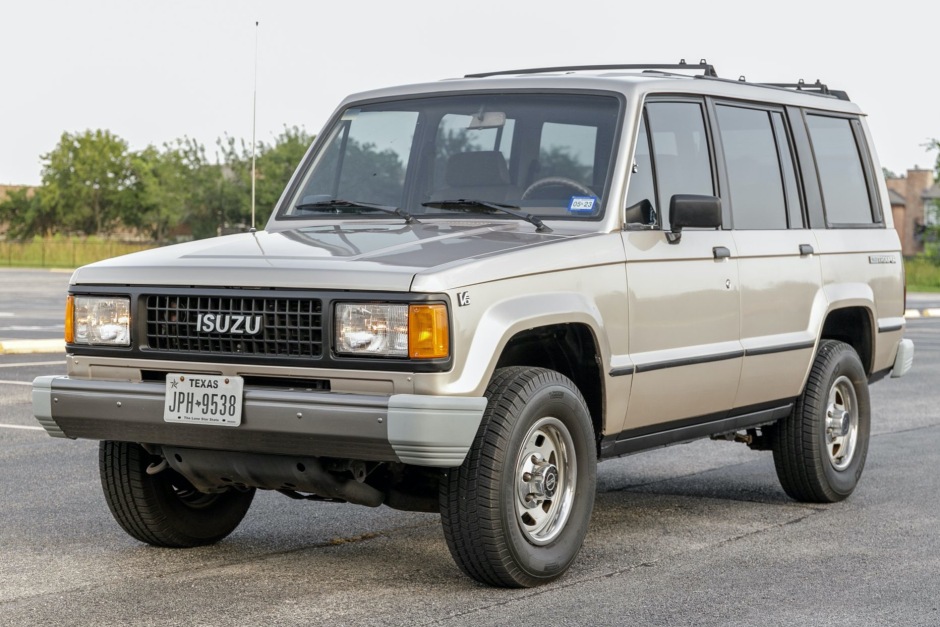
12. Isuzu Trooper (1980s to 1990s)
The Isuzu Trooper is a rugged SUV that has a following among those who need a tough vehicle capable of enduring heavy use and little maintenance. Known for its strong diesel and gasoline engines, simple mechanics, and body-on-frame construction, the Trooper can survive harsh treatment and continue operating well beyond what many other SUVs can handle.
The Trooper’s engines, particularly the 4JB1 diesel and 3.2-liter gasoline inline-six, are built to last. These powertrains can tolerate infrequent oil changes, lower-quality fuel, and delayed repairs. While modern engines often require precise servicing, the Trooper’s engines benefit from being designed with durability in mind, rather than peak performance. This makes them more forgiving to neglect and inconsistent maintenance.
The SUV’s body-on-frame build offers excellent durability on rough terrain and makes it easier to repair or replace damaged parts. The suspension is designed to handle heavy loads and uneven ground, which contributes to the vehicle’s ability to continue running without major suspension failures, even if maintenance is skipped.
This durability has made the Trooper a preferred vehicle in off-road circles and regions with challenging driving conditions.
Additionally, the Trooper’s relatively simple electrical and mechanical systems reduce the risk of breakdowns related to neglected wiring or complex modules. Many owners rely on these vehicles for years without extensive upkeep, proving that the Isuzu Trooper is one of those cars that truly refuses to die, no matter how rough the treatment or inconsistent the care.
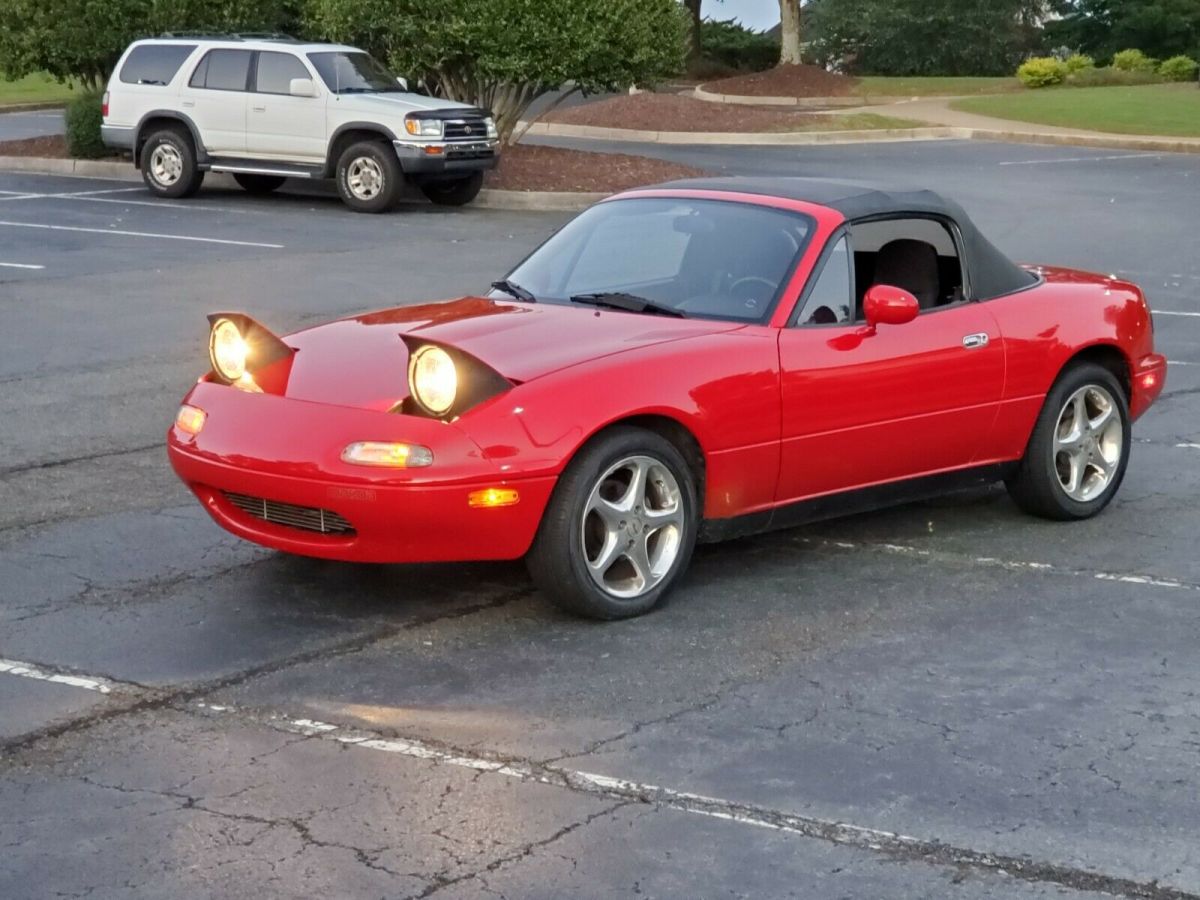
13. Mazda MX-5 Miata (NA and NB Generations, 1990s to Early 2000s)
The Mazda MX-5 Miata, especially the early NA and NB models from the 1990s and early 2000s, is famous for its simplicity, lightweight design, and remarkable reliability.
While often celebrated for its sporty handling and fun driving experience, the Miata also has a reputation for being mechanically tough and resilient, even when owners don’t follow strict maintenance routines. Its engineering philosophy focuses on simplicity and durability rather than complicated systems that are prone to failure when neglected.
The Miata’s four-cylinder engines, such as the 1.6-liter and 1.8-liter units, are straightforward and built to last. These engines can handle irregular oil changes, infrequent coolant flushes, and sometimes even less-than-ideal fuel without catastrophic failure.
The mechanical fuel injection system and simple ignition setup reduce the chances of complex breakdowns caused by neglect. While regular maintenance is always ideal, many Miatas have been known to reach high mileage with only the most basic care.
The chassis and suspension of the MX-5 are designed for balanced handling but also benefit from robust construction. The lightweight frame and durable suspension components handle daily driving wear as well as spirited cornering without significant degradation.
This durability extends to the convertible soft tops, which are relatively easy and inexpensive to maintain or replace, contributing to the car’s longevity even when owners don’t invest heavily in upkeep.
The Miata’s relatively simple electrical system, combined with Mazda’s reputation for quality, means that electrical gremlins are rare compared to other cars of similar age. The car’s straightforward design allows owners to perform many repairs themselves, which helps keep it on the road despite skipped or delayed maintenance. The MX-5 Miata has earned its place among cars that refuse to die, providing reliable and enjoyable transportation for decades, even when pampering is minimal.
