
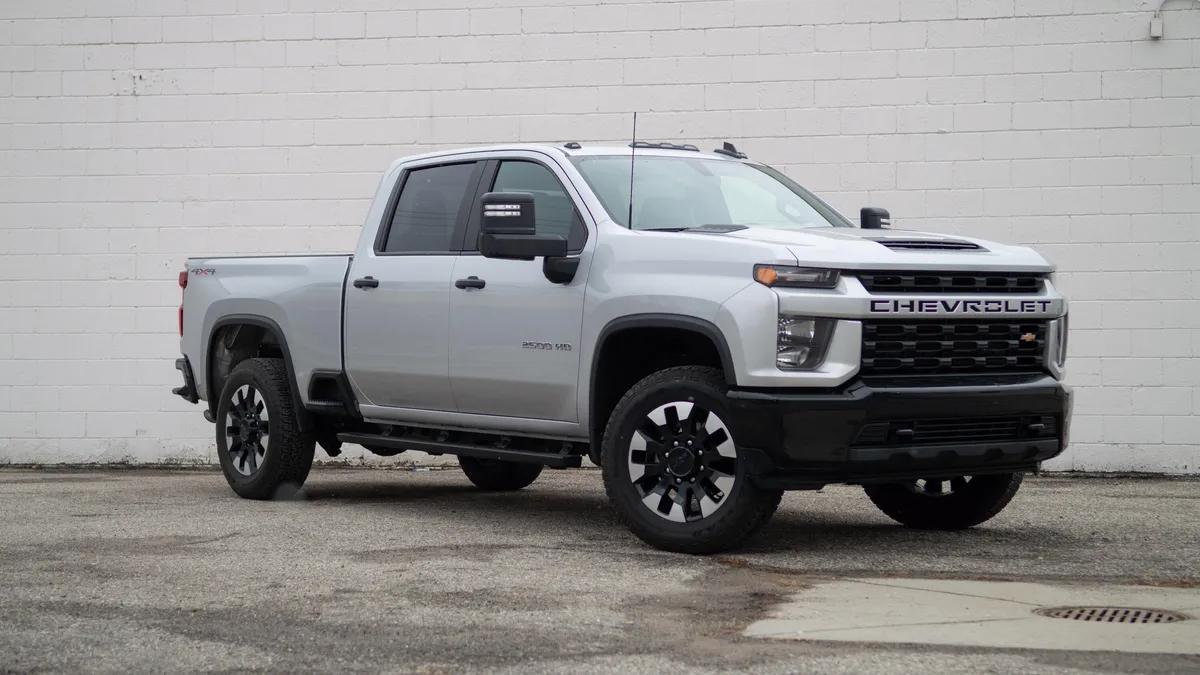
There’s something almost legendary about a car that keeps running well past what anyone might expect. While most vehicles start showing signs of wear and breakdown after a certain point, some models have proven themselves to be incredibly durable, racking up mileage numbers that few cars could ever dream of reaching.
Crossing the 400,000-mile mark isn’t just a sign of a well-maintained vehicle; it’s a testament to engineering, reliability, and often, the dedication of the owners who keep them on the road.
These cars aren’t just machines; they are stories of endurance and dependability. Their ability to run smoothly despite decades of wear and tear makes them stand out in a market where planned obsolescence is common and new models frequently replace old ones.
What makes these cars unique is a combination of solid design, reliable mechanical components, and, in many cases, an engine that is both robust and simple enough to be serviced repeatedly without costly repairs. The longevity of a car can depend on many factors, including the quality of materials, the efficiency of the engine, and how easily parts can be replaced or upgraded.
Maintenance practices and how the car was driven throughout its life also play a huge role. Yet, the models listed here have a proven track record, with countless owners reporting mileages well beyond the 400,000 mark without their cars giving up on them. From Japanese imports to American classics, these vehicles have shown the world that durability is possible, often far exceeding what anyone expected.
One of the most remarkable aspects of these cars is how they defy the odds of everyday wear and tear. Many were built in an era when manufacturers focused heavily on building reliable, long-lasting vehicles rather than focusing solely on technology or aesthetics. These cars often come with mechanical simplicity that helps them avoid the pitfalls of modern electronic failures or overly complicated systems.
Owners who have driven these cars for hundreds of thousands of miles often describe the experience as almost like having a trusted friend on wheels, something that starts reliably every time and needs nothing more than regular oil changes and occasional tune-ups.
This article will introduce you to twelve cars that have earned a reputation for refusing to quit even after 400,000 miles or more. Each vehicle has a story worth telling, and together, they highlight the best examples of longevity in automotive history.
Whether you’re a car enthusiast or just someone curious about what it takes to keep a car running for hundreds of thousands of miles, these twelve models offer insight into the kind of craftsmanship and durability that many modern vehicles strive to match but often fall short of. Let’s take a look at these remarkable survivors.
Also Read: 5 Cars That Rarely Need Costly Suspension Work vs 5 That Constantly Do
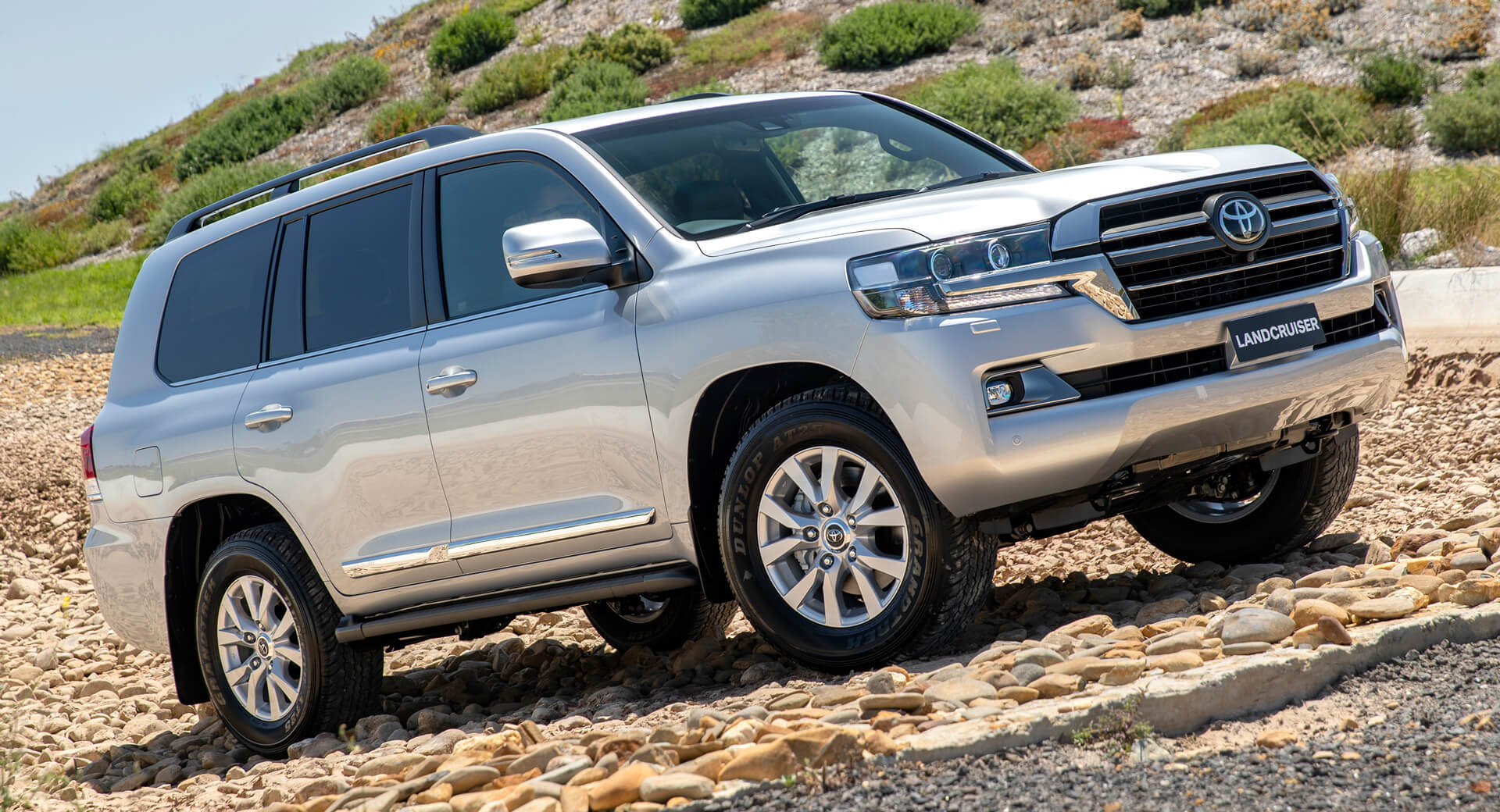
1. Toyota Land Cruiser
The Toyota Land Cruiser is often regarded as the symbol of reliability and toughness in the automotive world. This vehicle has a long-standing reputation for being almost indestructible, especially in harsh conditions. Built initially as a rugged off-road vehicle, the Land Cruiser has always been designed to endure extreme terrains, which has translated into its impressive longevity.
Owners frequently report reaching well beyond 400,000 miles without major issues, with many models still operating reliably after decades of use. Its ability to handle heavy loads, rough roads, and even neglect in maintenance makes it a favorite for adventurers and those living in challenging environments.
One of the key reasons for the Land Cruiser’s longevity lies in its build quality and engineering philosophy. Toyota has historically focused on simplicity and durability rather than just performance or luxury features. The mechanical components are designed to be robust and easy to repair, which means even when something breaks, fixing it doesn’t involve replacing a complex system.
The engines used in Land Cruisers, particularly the inline-six gasoline and diesel variants, are known for their durability and straightforward maintenance. Parts availability worldwide and a strong enthusiast community also contribute to the vehicle’s long life.
Maintenance plays a significant role in the Land Cruiser’s ability to surpass 400,000 miles. While the vehicle is undeniably durable, owners who keep up with regular oil changes, timely replacement of filters, and inspections of suspension and drivetrain components tend to see the best results.
Even when problems arise, the rugged nature of the Land Cruiser means issues often manifest as minor and repairable rather than catastrophic failures. This combination of solid engineering and practical upkeep ensures that the vehicle remains functional well past what many cars would consider their lifespan.
Another factor contributing to the Land Cruiser’s legendary status is its versatility. It can serve as a daily driver, a family vehicle, a workhorse, or an off-road beast. Its adaptability across various use cases means owners tend to treat it with care and value, ensuring it remains roadworthy.
The Land Cruiser’s reputation for longevity has made it a classic, and many who own one can attest that it’s a vehicle you don’t just buy, but a vehicle that becomes part of your life for the long haul.
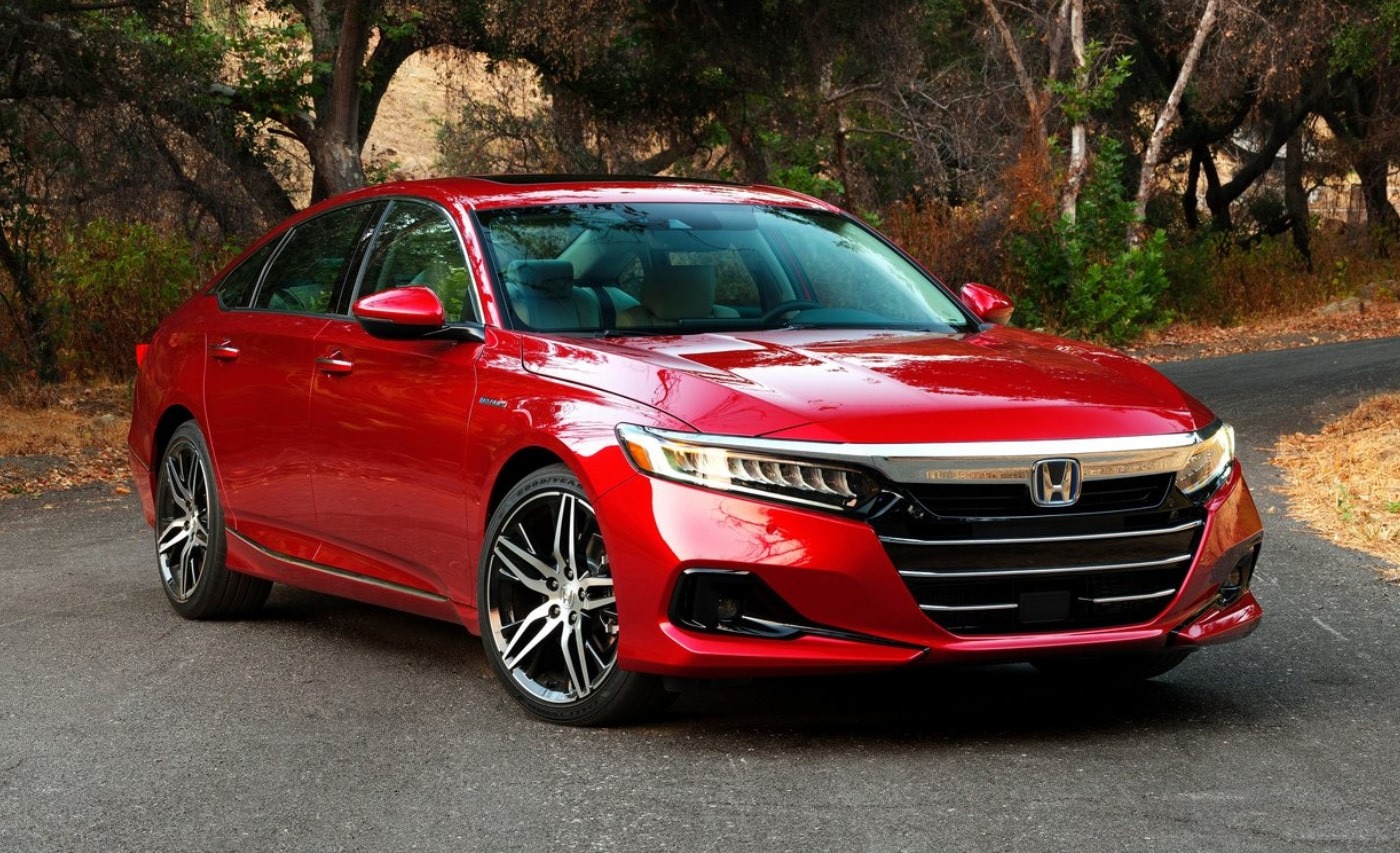
2. Honda Accord
The Honda Accord has long been a standard-bearer for reliability and longevity among mid-sized sedans. It is one of the best-selling cars in history and has earned a loyal following due to its blend of practicality, comfort, and durability.
The Accord’s engineering emphasizes efficient, reliable engines and a solid chassis, contributing to many owners reporting mileages exceeding 400,000 miles. Its reputation for holding up well over time is particularly impressive given its role as a daily commuter car, often exposed to stop-and-go traffic and varying driving conditions.
One reason the Accord tends to last so long is the straightforward nature of its engines. Over many generations, Honda has refined the design of their four-cylinder and V6 engines to balance power output with fuel efficiency and reliability.
The use of quality components and a focus on preventing premature engine wear have allowed these powertrains to run for hundreds of thousands of miles with routine maintenance. Regular oil changes, valve adjustments, and timely replacement of timing belts (on older models) are common factors in preserving the engine’s longevity.
The Accord’s transmission is another point in its favor. Many models come with transmissions that can last hundreds of thousands of miles if properly maintained. Automatic and manual transmissions alike have been praised for their durability. Honda’s reputation for quality extends beyond the engine to the suspension and braking systems, which remain responsive even after years of use.
While no car is immune to rust or wear, the Accord’s use of corrosion-resistant materials and well-thought-out design has helped it stay structurally sound even in less forgiving climates.
Owners of high-mileage Accords often share stories of their cars performing reliably across multiple decades and thousands of miles. Whether used for family transport or as commuter vehicles, these cars demonstrate that with consistent care, an Accord can be a vehicle that truly lasts.
The widespread availability of parts and affordable maintenance costs also contribute to the appeal of keeping an Accord on the road long after many other cars would be retired.
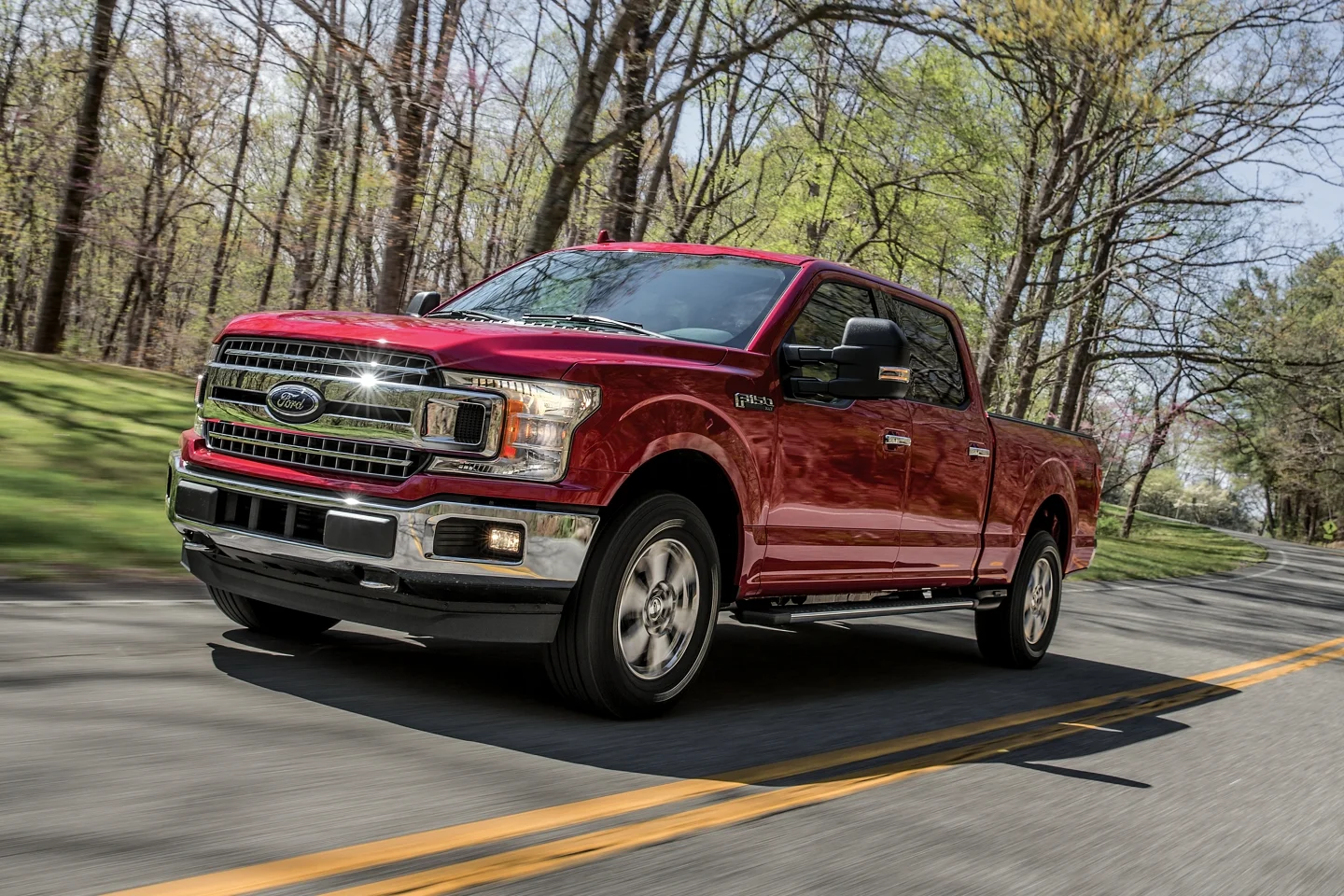
3. Ford F-150
The Ford F-150 is an iconic American pickup truck that has earned a reputation for durability and toughness. It’s widely regarded as one of the most reliable trucks ever made, especially considering the rigorous use many F-150s undergo as work vehicles.
High mileage examples exceeding 400,000 miles are common, with many owners attesting to the truck’s ability to withstand heavy loads, rough terrain, and long hours on the road. Its blend of power and ruggedness makes it a staple in industries like construction, farming, and transportation.
One key to the F-150’s long-lasting nature is the variety of engine options available throughout its production history. From the robust V8s to the efficient V6s and even diesel variants, Ford has consistently offered powertrains designed to deliver strength and reliability.
These engines are built with strong internal components capable of enduring high mileage with proper care. The F-150 also benefits from a durable chassis and frame, which can handle the stresses of towing and hauling without significant degradation.
The truck’s simplicity in design is another factor helping it last. While newer models include modern technology, many high-mileage F-150s belong to generations where mechanics could easily access and repair parts.
This ease of maintenance, combined with a large aftermarket and parts availability, helps keep these trucks running for a long time. Ford’s focus on ruggedness rather than just luxury means the components are tested to withstand heavy use rather than cosmetic appeal.
Many F-150 owners keep their trucks well-maintained, regularly servicing the engine, transmission, brakes, and suspension to ensure long life.
The combination of owner care, durable engineering, and the truck’s natural resilience results in vehicles that not only reach but exceed 400,000 miles. For those who need a reliable workhorse that won’t quit after years of use, the F-150 remains a top choice, proving that American muscle and endurance can go hand in hand.
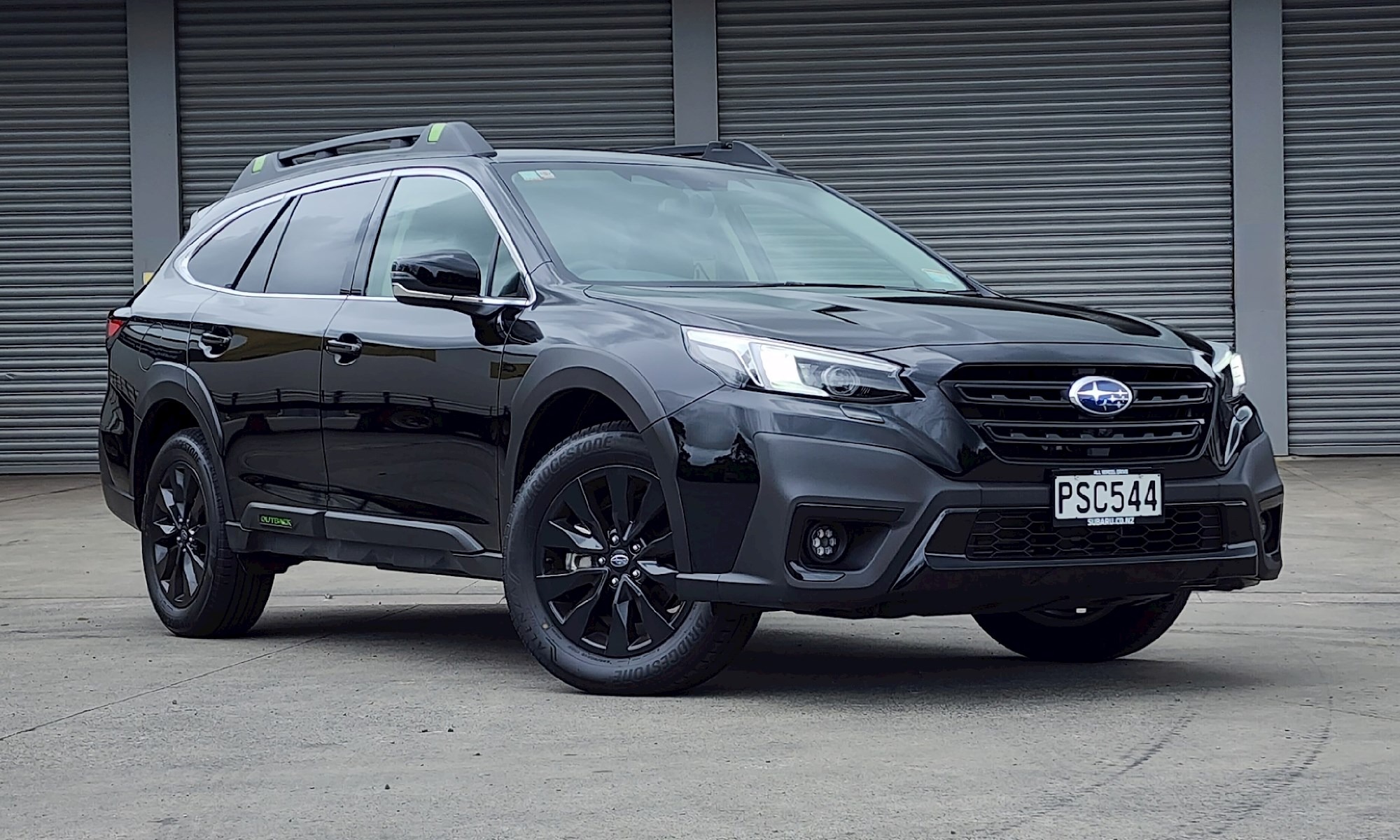
4. Subaru Outback
The Subaru Outback is known for its all-wheel-drive system and rugged capability, which have made it popular among outdoor enthusiasts and families alike. Its ability to handle a variety of road conditions has earned it a reputation for durability, especially in regions with harsh winters or rough terrain.
Many Outback owners report surpassing 400,000 miles, a testament to the car’s solid engineering and reliable mechanical systems. Unlike some vehicles that specialize in either comfort or performance, the Outback balances these elements while maintaining longevity.
One factor that contributes to the Outback’s high mileage potential is Subaru’s use of the boxer engine. This flat engine design lowers the center of gravity and allows for better balance, which helps reduce wear on suspension components over time.
The boxer engines are also known for their robustness and simplicity, making maintenance straightforward. Regular upkeep such as oil changes and timing belt replacements, are critical, but many engines run smoothly with minimal issues well past the 400,000-mile mark.
The Outback’s all-wheel-drive system is another reason it stands out. Designed for traction and stability, this system helps prevent the kind of damage that can occur in two-wheel-drive vehicles on slippery or uneven surfaces. Subaru’s symmetrical all-wheel drive is also durable, requiring little intervention beyond routine fluid changes.
This enhances the Outback’s lifespan by reducing stress on individual components and improving handling, which keeps the car safer and more reliable over time.
Additionally, the Outback has a reputation for solid build quality in the interior and exterior. While it may not be the flashiest car on the road, its construction is meant to endure daily wear and harsh conditions without premature failure.
The availability of parts and the community of Subaru enthusiasts further support keeping these cars running for hundreds of thousands of miles. The Outback is a great example of a vehicle that combines practicality, comfort, and endurance for the long haul.
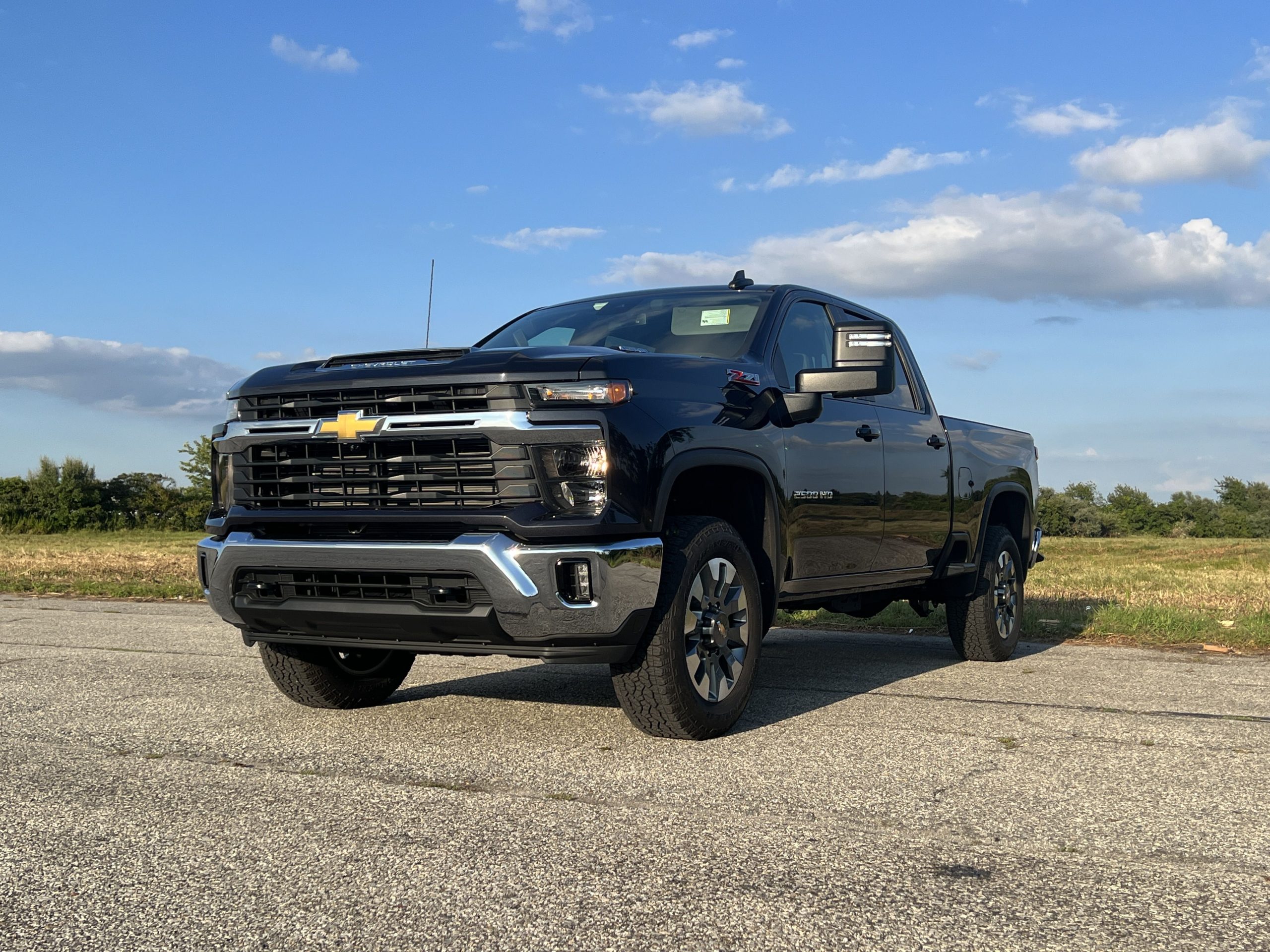
5. Chevrolet Silverado
The Chevrolet Silverado has long been a favorite among truck enthusiasts for its combination of power, reliability, and comfort. Like many full-size pickup trucks, the Silverado is built to endure tough conditions and heavy use, whether it’s hauling equipment for work or towing trailers on long trips.
Its rugged construction and well-designed powertrains contribute significantly to its ability to rack up mileage well beyond 400,000 miles. Many Silverado owners report stories of trucks continuing to perform reliably even after decades of daily use, often citing the vehicle’s robust frame and engine as the foundation of this longevity.
One of the Silverado’s key attributes is its lineup of durable V8 engines, particularly the small-block engines that have been refined over several generations. These powerplants are known for their ability to deliver strong torque and horsepower while maintaining mechanical simplicity that favors longevity.
The engines are built with heavy-duty components such as forged crankshafts and solid pistons, which help resist wear and extend engine life. Routine maintenance, such as oil and filter changes and attention to the cooling system, ensures these engines continue to perform even after hundreds of thousands of miles.
In addition to the powertrain, the Silverado’s chassis and suspension are designed to handle heavy payloads and rough roads without suffering significant damage. The truck’s frame is constructed from high-strength steel, providing a sturdy foundation that resists twisting and bending under stress.
This solid frame, combined with a well-tuned suspension system, allows the Silverado to maintain its ride quality and handling characteristics over extended use. Many owners praise the truck’s ability to stay reliable in extreme conditions, from construction sites to off-road adventures, which speaks volumes about its durability.
Another factor that helps the Silverado last so long is its availability of replacement parts and widespread mechanic familiarity. Because the Silverado is one of the most popular trucks in the United States, a vast aftermarket and service network is supporting it.
This accessibility makes repairs and maintenance more affordable and manageable, encouraging owners to keep their trucks on the road for as long as possible. The Silverado exemplifies how a combination of strong engineering, practical design, and owner care can produce a vehicle that stands the test of time.
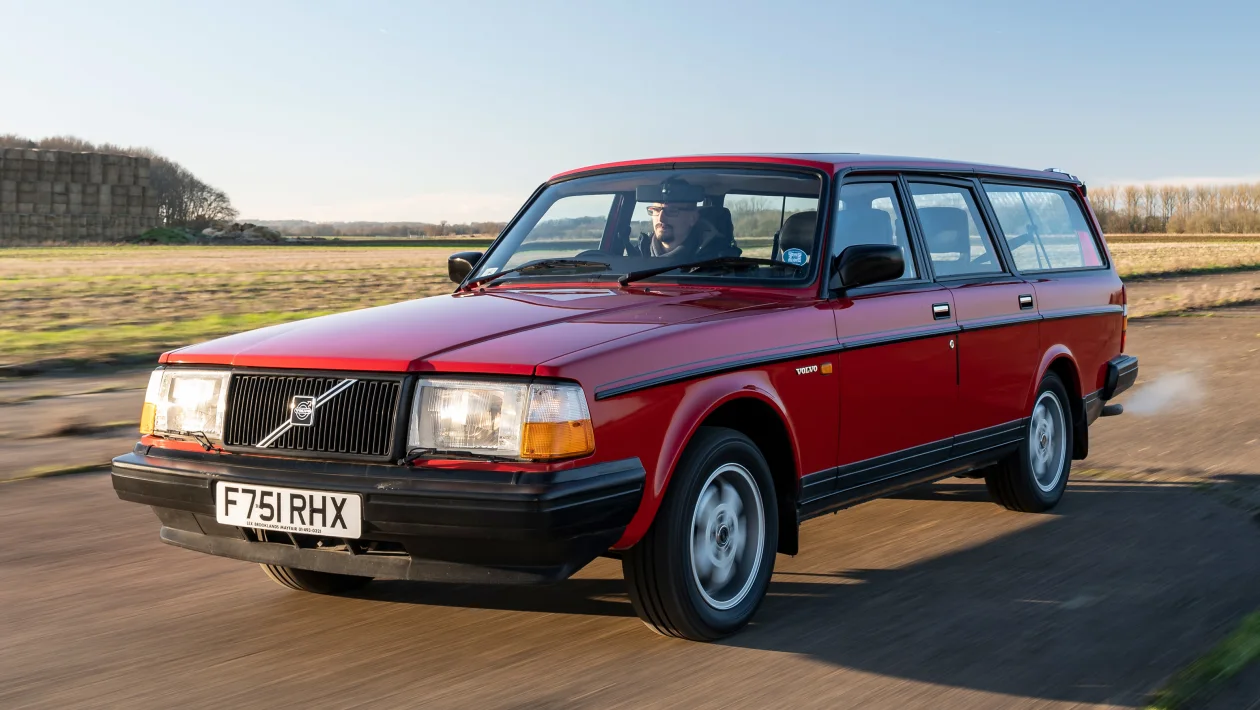
6. Volvo 240
The Volvo 240 is one of the most iconic examples of a durable, long-lasting car that refuses to quit even after hundreds of thousands of miles. Produced from the 1970s through the early 1990s, the 240 series built its reputation on solid construction, safety, and mechanical simplicity.
Despite its age, many Volvo 240s are still found on the road today, with numerous reports of models surpassing 400,000 miles. The car’s boxy shape and straightforward mechanical design make it an enduring favorite among classic car enthusiasts and those seeking a reliable daily driver.
A significant contributor to the 240’s longevity is its engine design. The four-cylinder inline engines found in these vehicles are renowned for their durability, with some variants having cast-iron blocks that withstand years of use without warping or cracking.
The engine components are designed to be easy to work on, encouraging regular maintenance and repairs, which are key to extending the car’s life. Many owners report that with basic upkeep such as oil changes, timing belt replacements, and periodic valve adjustments, the engine continues to run smoothly well past the 400,000-mile mark.
The Volvo 240’s build quality also plays a huge role in its endurance. The body panels are made from thick steel, offering excellent resistance to rust and damage. This attention to structural integrity means many of these cars remain roadworthy decades after their initial manufacture.
The safety features, innovative at the time, included reinforced frames and crumple zones, which not only protected occupants but also contributed to the vehicle’s toughness. The simplicity of the suspension and braking systems adds to the car’s ease of repair, making it a practical choice for long-term ownership.
Owners of high-mileage Volvo 240s often mention the car’s comfort and reliability, even in harsh climates and challenging driving conditions. Its reputation for running reliably without frequent expensive repairs has helped maintain a devoted following.
The car’s practicality, combined with its legendary durability, makes it a standout among vehicles that refuse to give up. The Volvo 240 remains a symbol of old-school automotive resilience, with a legacy of longevity that few cars can match.
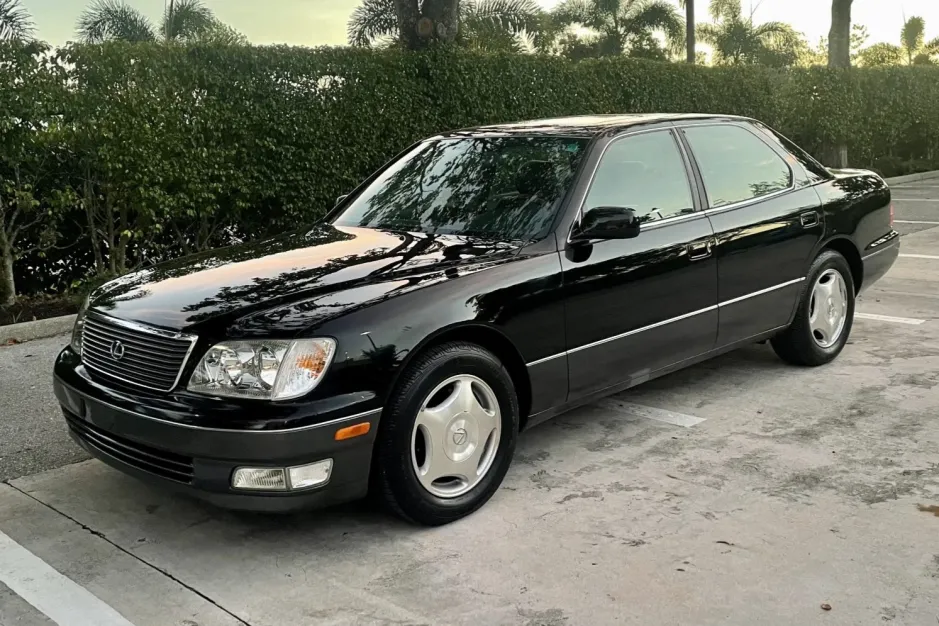
7. Lexus LS 400
The Lexus LS 400 marked a turning point in luxury cars by offering exceptional refinement alongside Toyota’s renowned reliability. Since its debut in the late 1980s, the LS 400 has become synonymous with longevity, with many owners reporting mileage well beyond 400,000.
This flagship sedan was designed with meticulous attention to detail, using high-quality components that emphasized smooth operation and durability. Its ability to combine luxury and long-term dependability is one of the reasons it remains one of the most respected cars in its class.
A key factor behind the LS 400’s longevity is its powerful yet reliable V8 engine. This engine was engineered to provide strong, smooth power delivery while being durable enough to withstand extensive use without major issues.
Precision engineering, high-quality materials, and Toyota’s rigorous testing standards contributed to the engine’s reputation for resilience. Maintenance routines such as regular oil changes, cooling system upkeep, and timing belt replacements (on earlier models) ensure the engine remains healthy even after hundreds of thousands of miles.
Beyond the engine, the LS 400 boasts a chassis and suspension designed to provide a comfortable ride over long distances without sacrificing durability. Its components, including suspension arms and bushings, are built to last and handle the stresses of daily driving with ease.
The car’s attention to noise and vibration reduction contributes to its enduring appeal, making it feel fresh and smooth even after many years on the road. The build quality, including corrosion-resistant materials and precise assembly, supports the car’s ability to stay reliable over time.
The Lexus LS 400’s reputation for longevity also benefits from its owners’ commitment to maintenance. Many enthusiasts appreciate the car’s mechanical simplicity compared to other luxury vehicles, making repairs and servicing more straightforward and less costly.
The availability of parts and knowledgeable mechanics further encourages keeping these cars running for long periods. As a result, the LS 400 stands as an example of how luxury and longevity can coexist without compromise.
Also Read: 10 Classic Cars That Are Still Affordable to Own
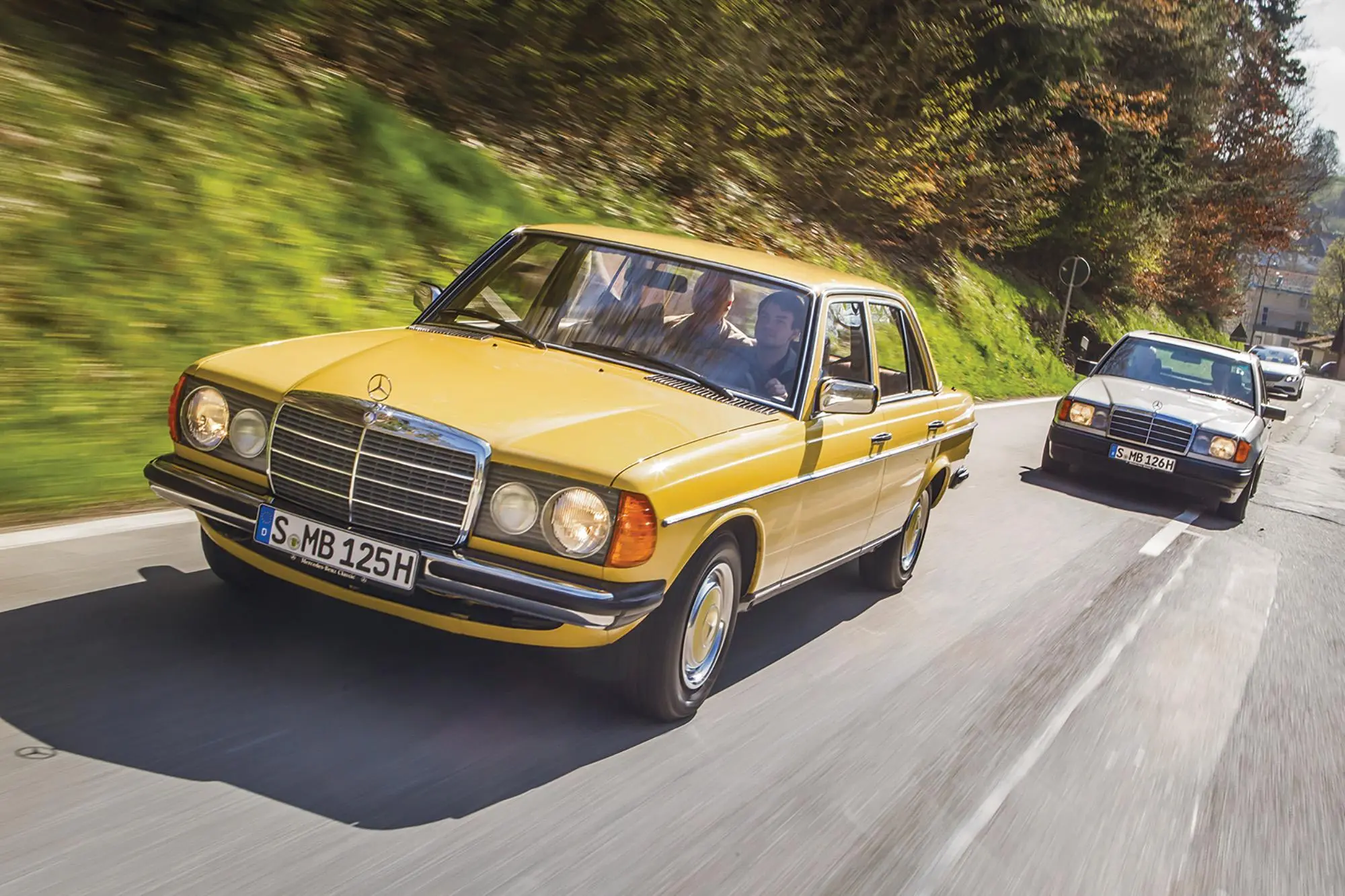
8. Mercedes-Benz W123
The Mercedes-Benz W123 series is a classic model that has earned a reputation for exceptional durability and longevity. Produced in the late 1970s and early 1980s, the W123 was engineered with a focus on solid construction and mechanical reliability, which has allowed many of these cars to continue operating well past the 400,000-mile mark.
Known for its timeless design and robust engineering, the W123 remains a favorite among collectors and drivers who appreciate vehicles that simply keep running regardless of age or mileage.
One of the reasons the W123 lasts so long is its use of highly durable engines, particularly the diesel variants. These diesel engines are famous for their longevity, with many examples running smoothly for hundreds of thousands of miles without significant overhaul.
The engines are built to withstand high compression and stresses, featuring components that are easy to service and repair. Even the gasoline-powered W123 models are recognized for their solid construction and reliable performance, making the entire series a benchmark in automotive durability.
The W123’s chassis and suspension systems are also engineered to endure extended use. Built on a sturdy platform, the car’s frame resists corrosion and structural fatigue, which is critical for longevity.
Suspension components are designed with simplicity and strength in mind, contributing to a comfortable ride that does not deteriorate quickly over time. Additionally, the car’s braking system is robust and straightforward, ensuring consistent performance with minimal issues as mileage climbs.
Owners of W123s often highlight the car’s build quality, which includes thick steel panels, sound insulation, and a well-thought-out interior that can stand up to years of daily use.
The availability of parts and the ease of working on these vehicles have helped many owners keep their W123s running reliably for decades. This combination of engineering excellence and practical maintenance makes the Mercedes-Benz W123 one of the most respected long-lasting cars ever produced.
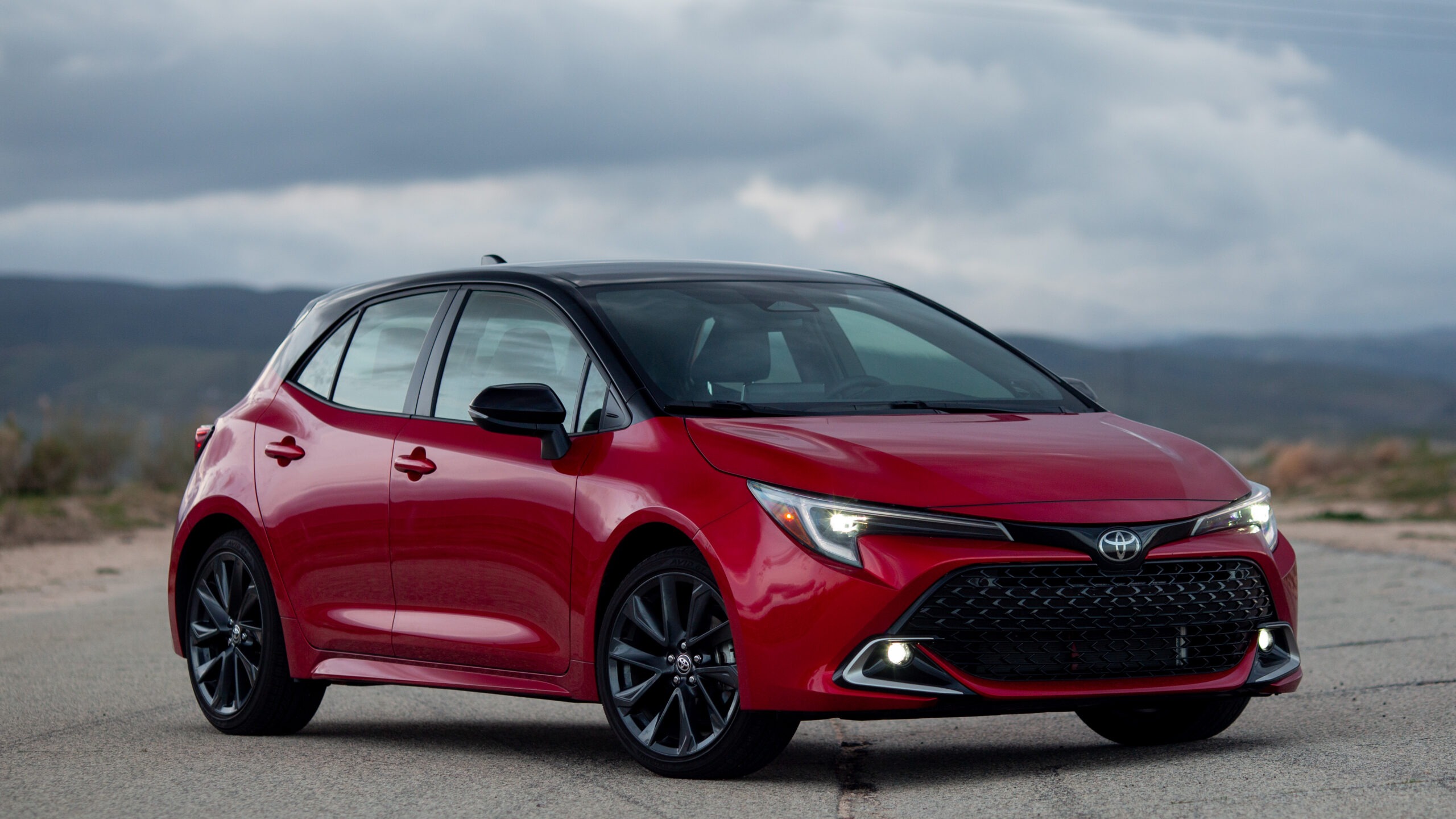
9. Toyota Corolla
The Toyota Corolla is one of the most recognizable and enduring compact cars in automotive history. Its reputation for reliability is virtually unmatched, and many Corollas have been known to surpass the 400,000-mile mark with regular care and maintenance.
The Corolla’s simple yet effective engineering, combined with Toyota’s emphasis on quality control, results in a vehicle that can handle years of driving while requiring minimal repairs. Whether it’s navigating city streets or long highway journeys, the Corolla remains a dependable choice for drivers around the world.
One major reason the Corolla achieves such longevity is its efficient and straightforward engine design. Many Corolla models have been equipped with four-cylinder engines that prioritize durability and fuel economy over raw power. These engines have relatively few moving parts and use proven technology, which helps reduce the likelihood of mechanical failure.
Regular oil changes, spark plug replacements, and timely attention to the timing belt or chain ensure these engines continue to run smoothly well beyond 400,000 miles. The lightweight design and efficient cooling system also contribute to reducing engine wear over time.
In addition to its engine, the Corolla’s chassis and suspension contribute to its long-lasting reputation. The car is built on a platform that balances rigidity with comfort, providing a stable driving experience while resisting common wear issues like rust and frame fatigue.
Suspension components are designed to be durable, with many owners reporting that shocks and struts only require replacement after significant mileage. The car’s brakes and drivetrain are similarly well-regarded, with many parts lasting well past typical replacement intervals when the vehicle is well-maintained.
The Corolla’s global popularity means that parts availability and service knowledge are extensive, which further encourages owners to keep their cars on the road for extended periods.
Affordability and practicality combine to make the Corolla a vehicle that continues to appeal to generations of drivers who value reliability above all else. Stories of high-mileage Corollas underline the car’s reputation for endurance, demonstrating why it remains a benchmark for long-lasting vehicles in the compact car segment.
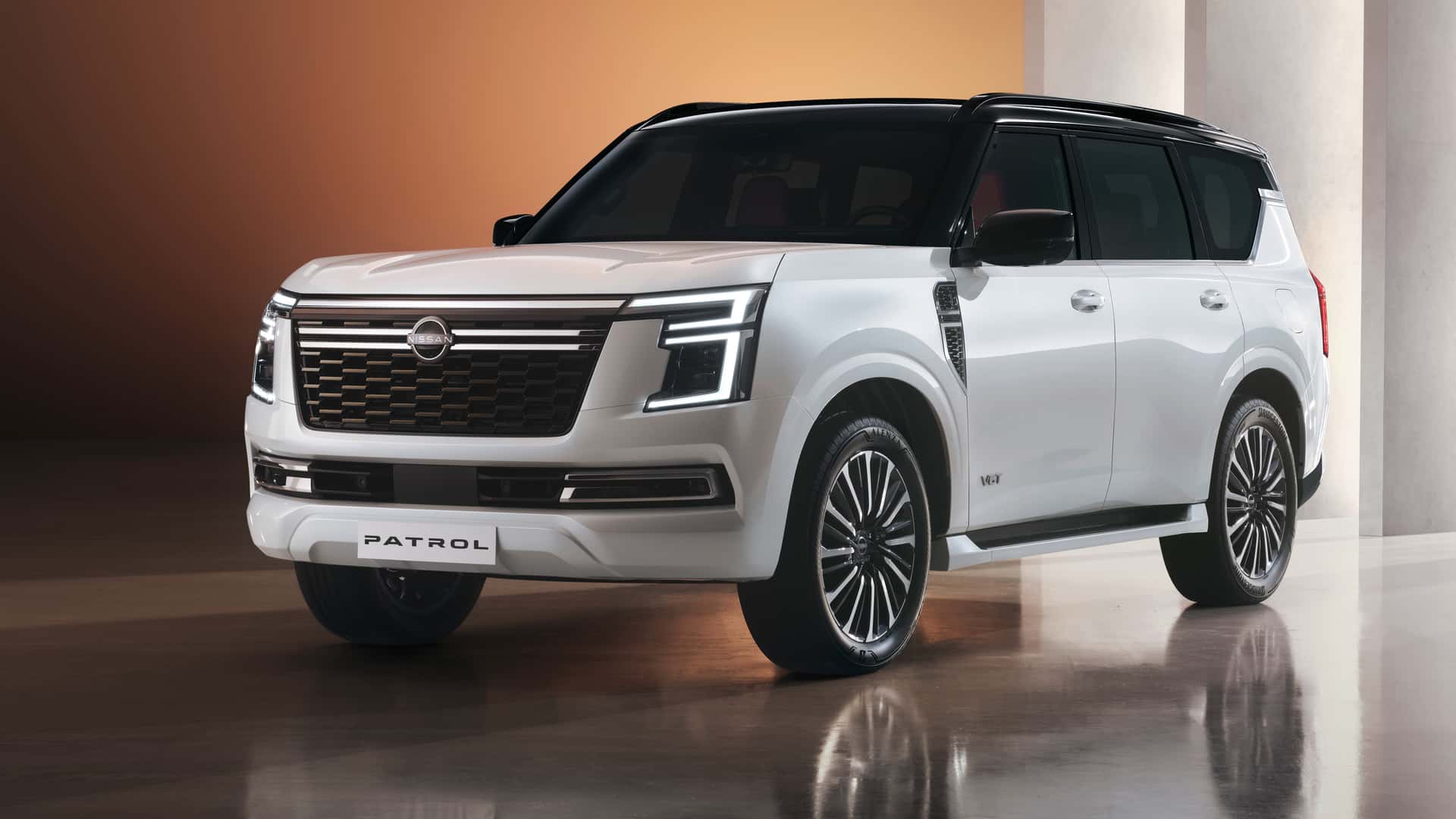
10. Nissan Patrol
The Nissan Patrol is a rugged off-road SUV with a long history of durability and toughness, particularly in regions where challenging terrain demands vehicles capable of withstanding harsh environments. Known for its robust build and reliable mechanical components, the Patrol has earned a reputation for surviving well beyond 400,000 miles.
Whether used for overlanding, heavy-duty work, or daily driving in difficult conditions, this vehicle’s longevity speaks to Nissan’s engineering focused on endurance and practicality.
One of the Patrol’s strengths lies in its powerful yet reliable engine options, including inline six-cylinder petrol and diesel engines that are known for their mechanical simplicity and strong construction. These engines are designed to deliver consistent power while being forgiving of less-than-perfect maintenance.
Heavy-duty components such as forged pistons, sturdy connecting rods, and strong cylinder heads help these engines run for hundreds of thousands of miles. Regular maintenance, such as oil and coolant changes, along with monitoring the timing chain or belt, helps keep these engines healthy over the long term.
The Patrol’s chassis and suspension are built with off-road performance and heavy use in mind. The vehicle features a strong ladder frame chassis and solid axles designed to handle rough terrain and heavy loads without compromising structural integrity.
Its suspension system is rugged and can absorb impacts and rough surfaces that would cause damage to less capable vehicles. This durability extends the life of suspension components, reducing the frequency of costly repairs and replacements and contributing to the vehicle’s ability to rack up high mileage.
Another reason for the Patrol’s impressive longevity is the vehicle’s straightforward mechanical design. Compared to many modern SUVs, the Patrol avoids overly complex electronics and intricate systems, making it easier to repair in remote or harsh environments.
The global presence of the Nissan Patrol has also resulted in a well-established network of parts suppliers and knowledgeable mechanics, which helps owners maintain and repair these vehicles efficiently. The Patrol’s reputation for durability, combined with its practicality and off-road capability, secures its place among the vehicles that refuse to die.
