
Electric vehicles (EVs) have come a long way since their early beginnings. While initial models faced criticism regarding range, performance, and battery degradation, the latest generation has proven to be more reliable, durable, and smoother to drive, even after years of use.
One of the key concerns for any car buyer, whether for a traditional gas-powered vehicle or an EV, is how well it holds up over time. For EVs, this includes not just the battery life, but also the integrity of the electric motors, suspension systems, interior quality, and software updates.
Many people assume that after 100,000 miles, an EV will begin to show signs of serious wear or diminished performance. However, some models continue to deliver a smooth, quiet, and efficient ride well past that milestone.
Driving an EV past 100,000 miles can feel just as enjoyable as it did during the first few thousand miles, provided that the car was built with quality components and properly maintained.
Smoothness in EVs doesn’t only refer to how the suspension handles bumps in the road but also how consistently the motor delivers power, how well the regenerative braking works, and how intact the cabin remains in terms of noise insulation and comfort.
In fact, many EVs are even better suited for long-term smooth driving than their gas-powered counterparts due to fewer moving parts, no oil changes, and regenerative braking systems that reduce wear on traditional brakes.
In this article, we will look at ten electric vehicles that continue to offer a smooth ride even after surpassing the 100,000-mile mark. These models are known for their lasting quality, with real-world drivers praising their continued performance.
Whether you’re looking at a used EV or are wondering how long your current one might last, these examples show that EVs can maintain comfort, power, and reliability far longer than skeptics once believed.
Each vehicle listed has earned a reputation for endurance, user satisfaction, and road comfort through high mileage. Let’s take a look at what makes each of these EVs stand out.
Also Read: 12 Cars of the Future That Might Actually Last Longer
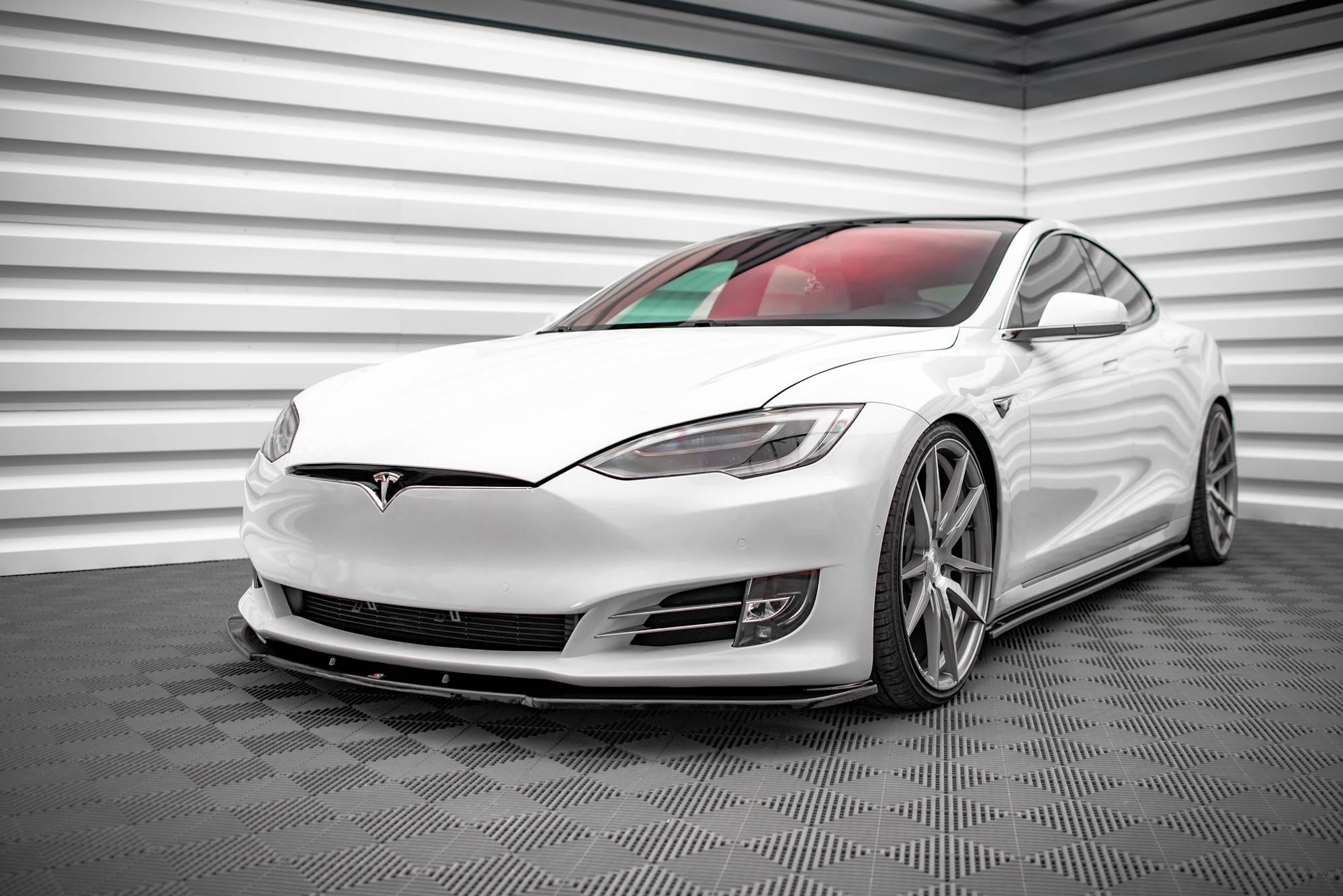
1. Tesla Model S
The Tesla Model S has often been at the center of conversations around electric vehicles, and for good reason. It’s one of the earliest mainstream luxury EVs that proved electric cars could be both high-performing and practical. After 100,000 miles, many owners still report smooth handling, fast acceleration, and minimal battery degradation.
One major factor contributing to this is the vehicle’s powerful dual-motor system and advanced air suspension, which provides an exceptionally comfortable ride even on rough roads. The minimalist interior, dominated by the large touchscreen interface, continues to hold up well in most cases due to the use of durable materials.
Another point worth noting is that the Model S benefits from Tesla’s consistent over-the-air software updates. These updates not only fix bugs and add features but can also enhance driveability and system optimization, which helps maintain smooth driving over time.
Many older Model S vehicles, even from 2013 or 2014, have improved performance thanks to this continued support. This long-term commitment to software has helped keep the driving experience fresh and efficient, even when the car itself has been on the road for over 100,000 miles.
In terms of battery and range, early concerns about degradation have been largely put to rest by long-term users. Most owners report only a 10 to 15 percent range loss after 100,000 miles, which is relatively modest and often doesn’t impact daily driving significantly.
Regenerative braking continues to work effectively, helping to preserve the brake pads and contribute to a consistent feel while driving. The electric motor remains quiet and responsive, and the cabin insulation keeps wind and road noise to a minimum.
Tesla’s attention to road feel and instant torque delivery adds to the sense of smoothness.
Even when used extensively, the Model S continues to glide effortlessly thanks to its well-balanced weight distribution and responsive steering. It may not be perfect, and repairs can be costly, but when it comes to a smooth ride past 100K miles, this model sets a high standard.
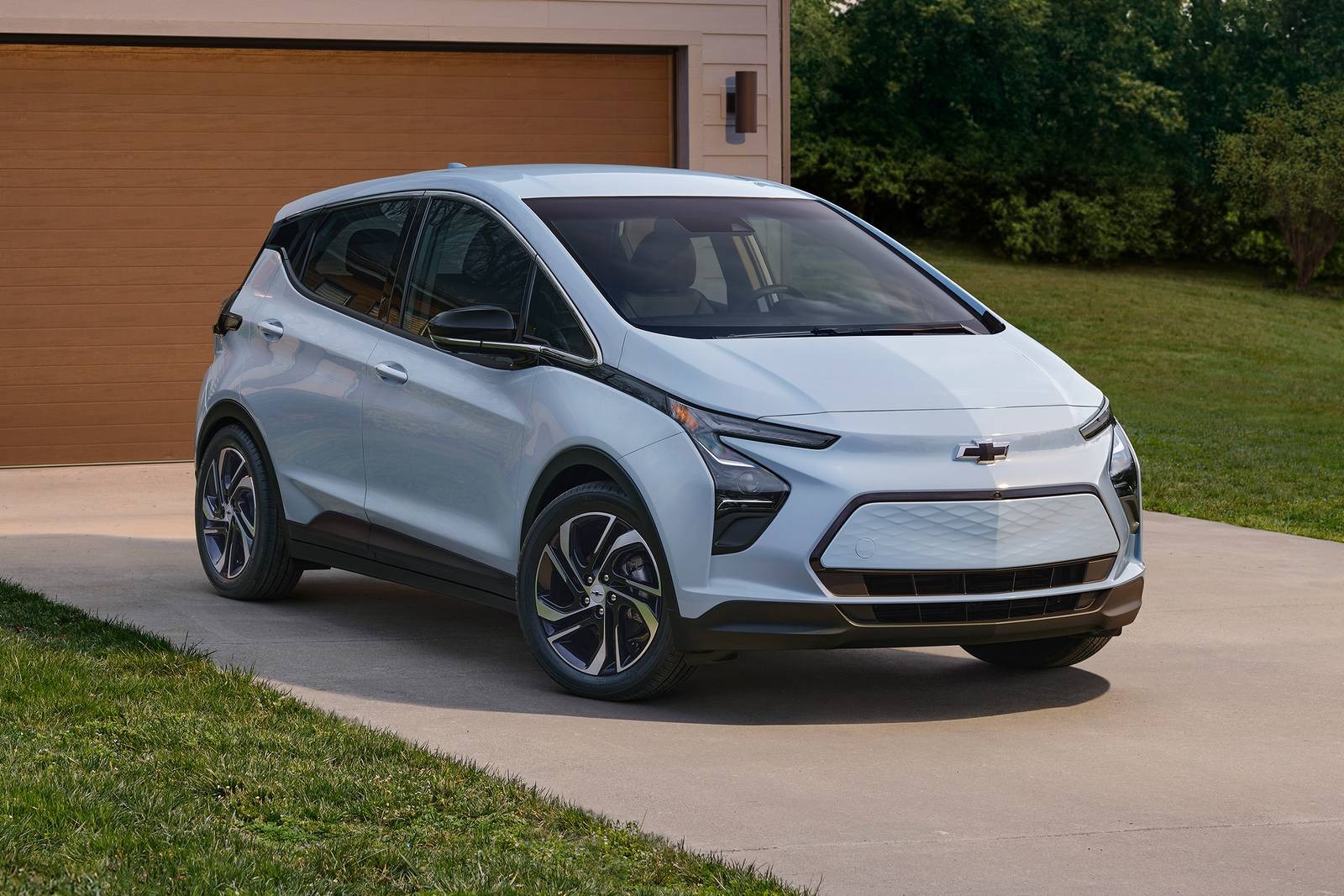
2. Chevrolet Bolt EV
The Chevrolet Bolt EV has gained popularity as an affordable, compact electric car with surprisingly good range and reliability. Despite its budget-friendly positioning, the Bolt has demonstrated a remarkable ability to stay smooth and composed even after extensive use.
Many drivers with over 100,000 miles on the odometer still report a consistent driving experience, with minimal vibrations, good throttle response, and solid braking.
The suspension setup, while not luxurious, strikes a fine balance between firmness and comfort, helping it manage daily commutes and longer road trips equally well.
One of the more impressive aspects of the Bolt is how well its electric drivetrain holds up. The single-motor setup provides linear acceleration that remains consistent even with age.
There are few reports of motor issues at high mileage, and regenerative braking continues to perform smoothly, allowing for predictable stopping.
The Bolt’s compact size also makes it agile in city traffic, and this agility doesn’t fade with age thanks to its well-engineered chassis and electric power steering system.
The interior, while simple, is functional and surprisingly resilient. Seats may show some wear over time, but the basic controls and layout remain easy to use.
The infotainment system remains responsive in most models, and the digital instrument cluster provides key driving data in a clean format. These small details contribute to a sense of familiarity and comfort, making long-term ownership more enjoyable.
Battery performance has also held up better than some expected. Owners report minimal degradation, with range figures dropping only slightly past 100,000 miles.
This makes the Bolt a reliable option for those concerned about long-term EV usability. While it may not have the luxury or performance of more expensive models, its consistent, smooth operation over time proves that reliability doesn’t have to come at a premium.
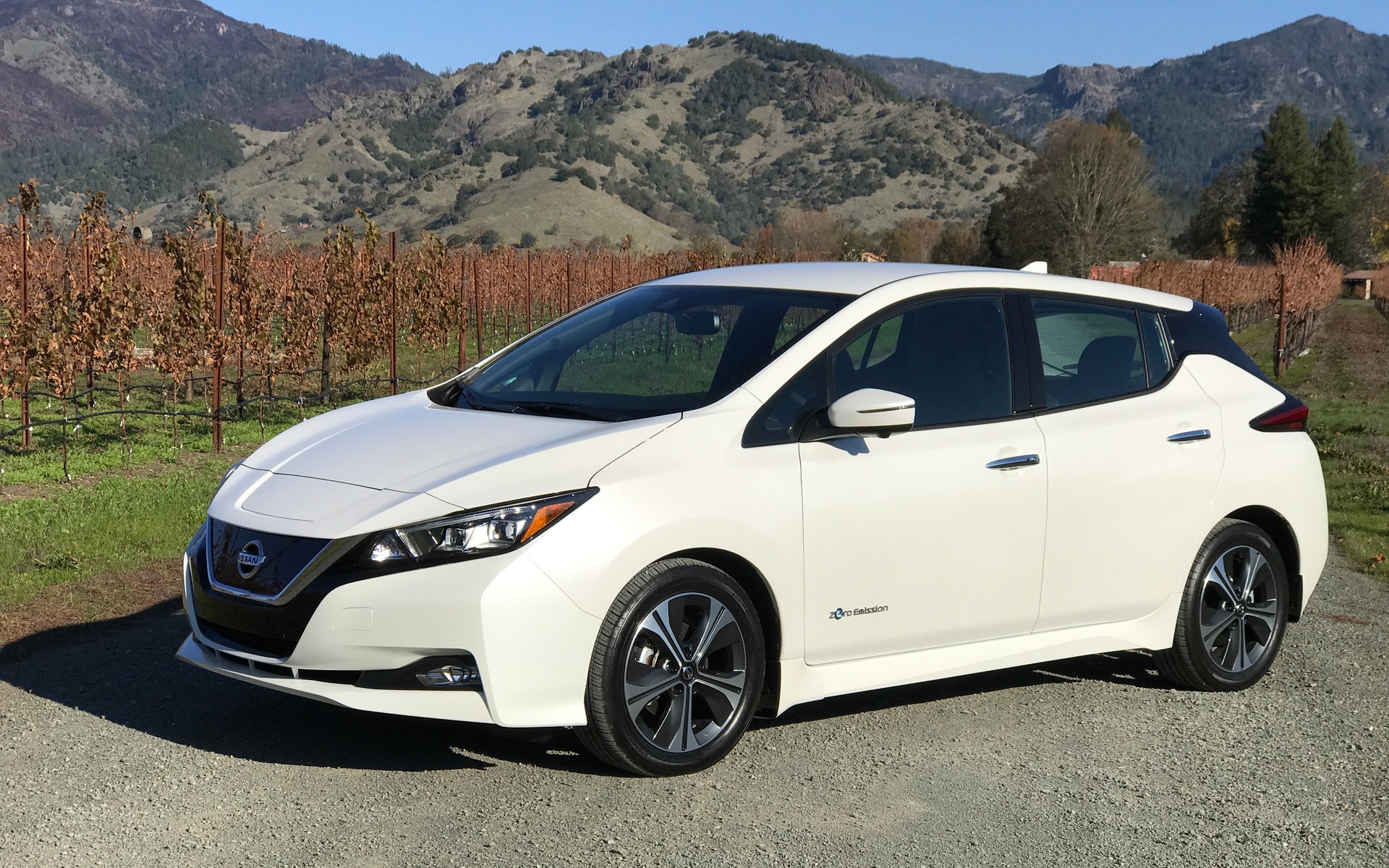
3. Nissan Leaf
The Nissan Leaf is one of the most recognizable names in the electric vehicle market. As one of the first mass-produced EVs, the Leaf has gone through multiple generations, each improving upon the last.
What’s impressive is that even earlier models, when well-maintained, continue to drive with a surprising degree of smoothness after 100,000 miles.
The Leaf’s electric motor is known for its quiet operation, and it still delivers consistent torque even with significant mileage. This ensures that city driving, where quick acceleration is often needed, remains effortless.
The ride quality in the Leaf is tuned for comfort rather than sportiness, which makes it ideal for daily commuting. Its suspension handles potholes and uneven roads better than many might expect from a compact hatchback.
Owners often praise how quiet the cabin remains, with very little wind or road noise creeping in, even in older units. The Leaf’s soft-touch materials and simple layout contribute to a driving environment that feels composed and easy to live with.
Battery performance has varied slightly across different generations, particularly in early models that lacked active thermal management. However, many of the second-generation Leafs and later models show good longevity in both performance and range retention.
Owners with high-mileage vehicles frequently report only minor capacity loss, and the car’s onboard systems manage energy distribution efficiently to maintain consistent performance.
What helps the Leaf stay smooth is its low center of gravity and responsive steering. It handles predictably and doesn’t feel clunky or worn, even after prolonged use.
Despite its relatively basic build, it has proven to be a dependable, easy-to-maintain EV that continues to deliver a comfortable, composed drive long after the warranty has expired. This consistency is what makes the Nissan Leaf a smart choice for budget-conscious buyers seeking long-term value.
4. BMW i3
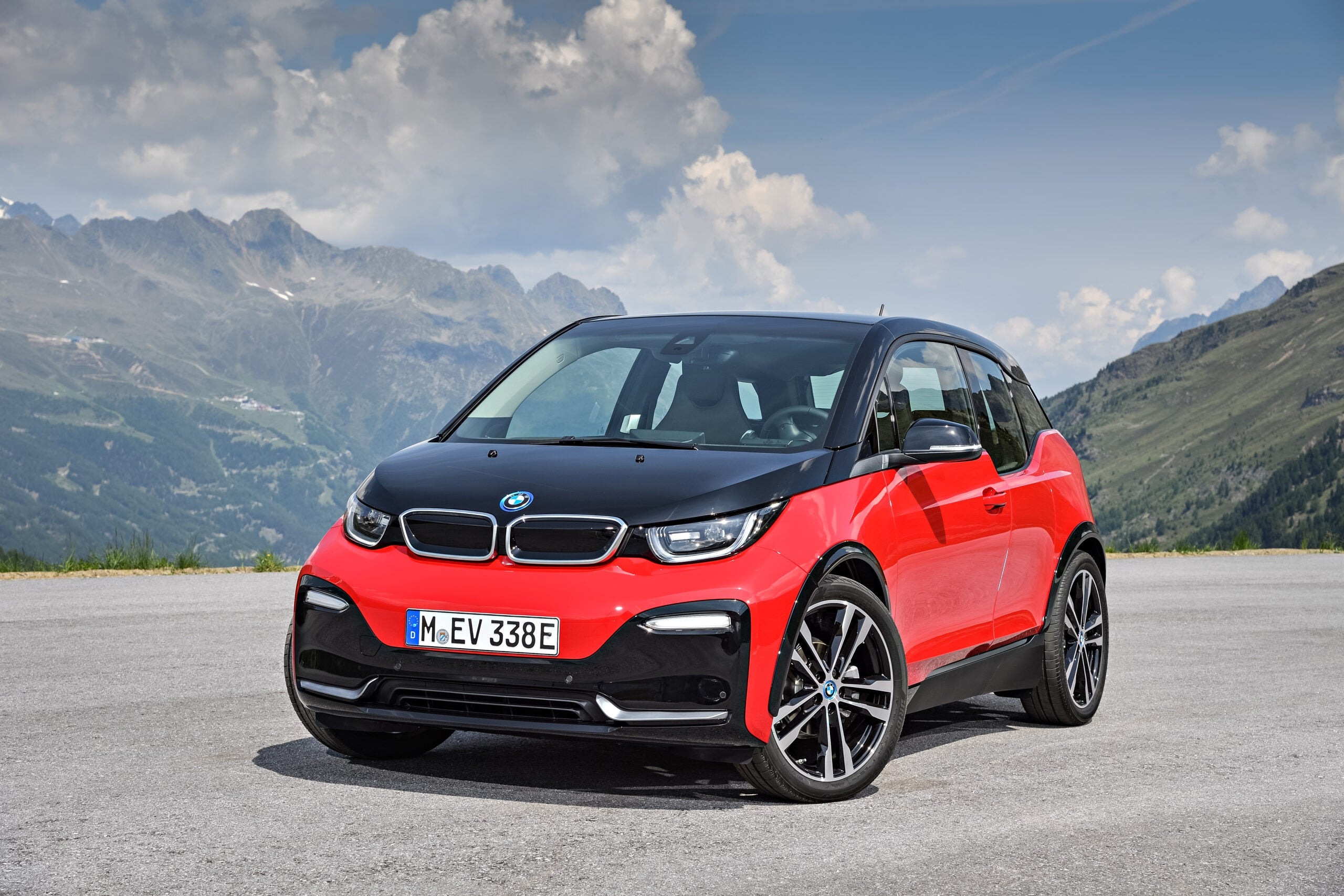
The BMW i3 stands out for its unique design and lightweight carbon-fiber-reinforced plastic frame. While it might not be for everyone stylistically, it remains a surprisingly enjoyable and smooth car to drive, even after logging over 100,000 miles.
One of the reasons for its long-term driving comfort is its suspension system, which absorbs road imperfections well, especially given the car’s short wheelbase. The narrow tires and light build contribute to nimble handling, making city driving especially pleasant.
The i3’s electric motor provides instant torque, and the single-pedal driving experience remains one of the most refined in its class. Regenerative braking is strong but well-calibrated, allowing for smooth deceleration without needing to use the brake pedal often.
This contributes to brake longevity and a consistent driving feel over the years. The electric powertrain remains quiet and efficient, and even older i3s rarely show signs of motor degradation or performance issues.
Interior quality is another area where the i3 shines. BMW used recycled and sustainable materials that have held up surprisingly well over time.
The seats, dashboard, and controls are durable, and the cabin remains quiet and pleasant. The unique floating display and minimalist controls don’t feel dated, and most owners report few issues with the electronic systems even after years of daily use.
Although the range on earlier i3 models is lower compared to newer EVs, the driving experience remains consistent. The available range extender option added confidence for longer trips, and many high-mileage i3s with this setup still perform reliably.
As long as the battery is well-maintained and the vehicle is not exposed to extreme climates for prolonged periods, the i3 continues to feel refined and engaging. For those who prioritize urban maneuverability, efficient performance, and a unique sense of style, the BMW i3 is a solid long-term EV.
5. Tesla Model 3
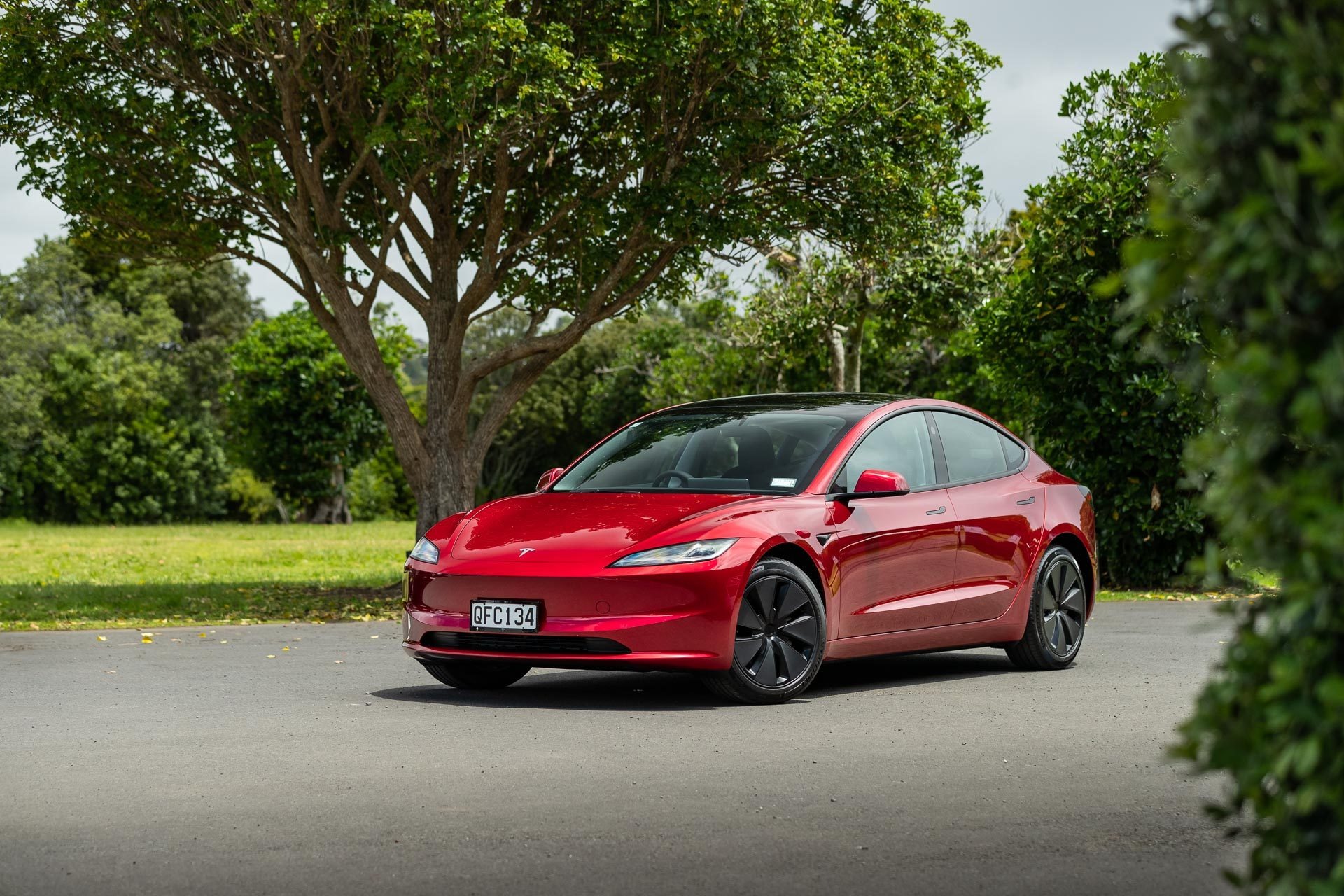
The Tesla Model 3 has quickly become one of the most popular electric vehicles globally, thanks to its balance of price, performance, and range. What sets the Model 3 apart, especially when talking about long-term driving comfort, is how well its core systems hold up over time.
After 100,000 miles, many owners report that the driving feel remains virtually unchanged from when the car was new. The electric motors continue to deliver sharp, immediate acceleration, and the throttle response remains as smooth and consistent as ever.
Unlike combustion engines that often lose responsiveness due to mechanical wear, the Model 3’s electric drive system doesn’t suffer the same fate when properly maintained.
The suspension system of the Model 3, particularly in the Long Range and Performance variants, does a good job of balancing comfort with responsiveness. Even after extended mileage, it tends to absorb road imperfections with ease.
While not as plush as high-end luxury sedans, it retains a firm yet forgiving feel that’s ideal for daily driving.
More importantly, there are very few reports of worn-out suspension components before the 150,000-mile mark, which speaks to the durability of its build. The steering remains sharp and predictable, and the low center of gravity, thanks to the battery placement, continues to aid in stability even on winding roads.
Interior quality is another area where the Model 3 has surprised long-term users. Tesla’s minimalist cabin design has proven durable, with the synthetic leather seats holding up well to regular use.
The touchscreen interface, central to the Model 3 experience, remains snappy and functional, and software updates help keep it feeling modern even after years of driving.
Additionally, thanks to Tesla’s strong community of owners and support documentation, any small issues that do arise can often be addressed with DIY fixes or service center visits that don’t require major part replacements.
Battery longevity in the Model 3 is also impressive. Real-world data suggests that most owners see only minor degradation after 100,000 miles, often around 8–12 percent.
With the battery pack still providing strong range and consistent power output, and the regenerative braking system continuing to reduce wear on brake components, the Model 3 holds its place as one of the smoothest long-term EVs available.
For those interested in buying used, this model often represents a great balance of enduring performance and minimal maintenance concerns.
Also Read: 12 EVs That Already Prove Electric Cars Can Be Reliable
6. Hyundai Kona Electric
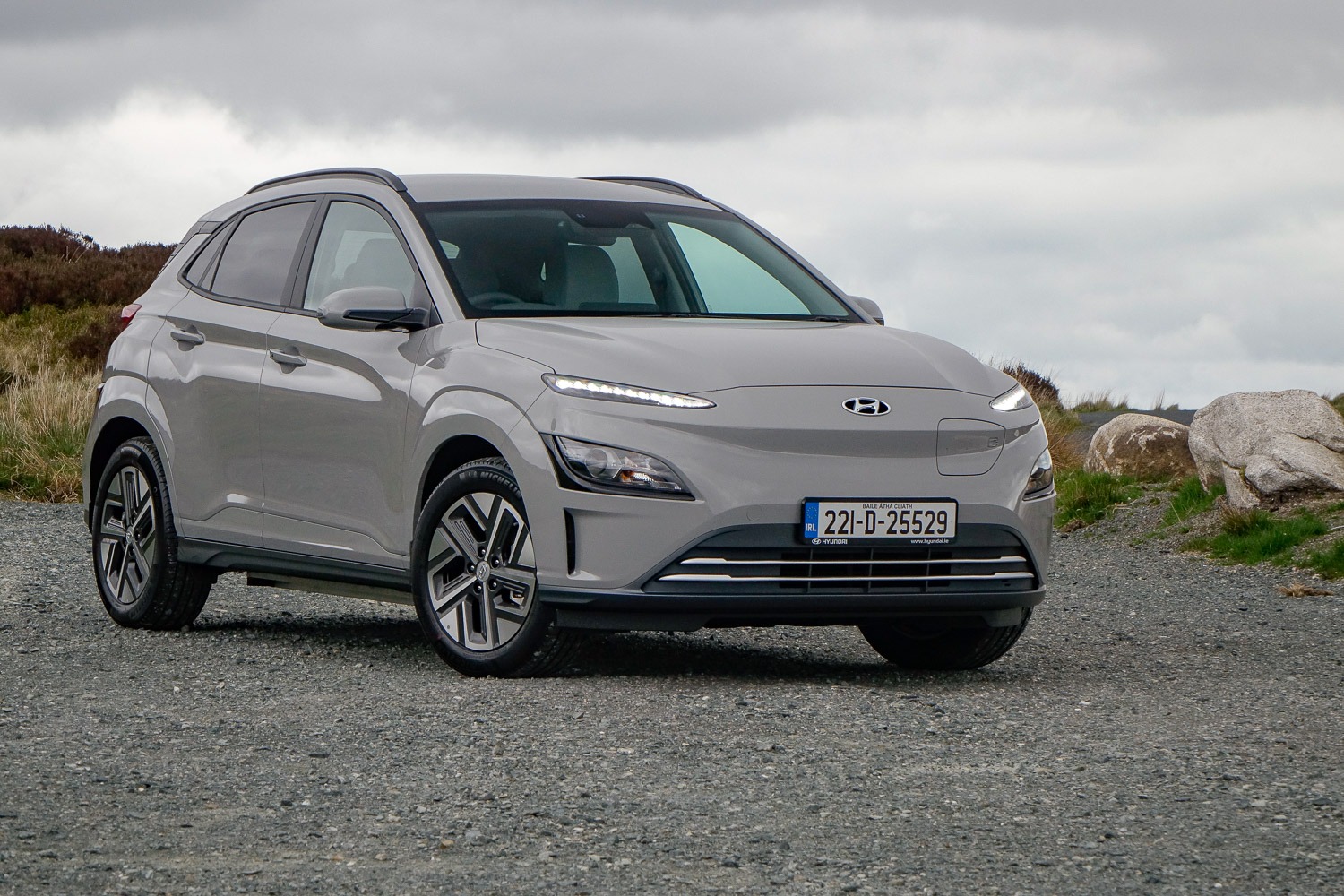
The Hyundai Kona Electric is often overlooked in EV conversations dominated by Tesla and other larger brands, but it has built a solid reputation for dependability and comfort. After crossing the 100,000-mile threshold, many Kona Electric owners report very little change in the driving experience.
The car continues to ride smoothly, with a suspension that is finely tuned to handle both city streets and highway travel. Hyundai has done an excellent job in making the car feel grounded and stable, with minimal cabin noise and a surprising level of comfort for a compact crossover.
One of the standout features of the Kona Electric is the consistency of its power delivery. The front-mounted electric motor, paired with a 64 kWh battery pack in most trims, offers a well-balanced amount of torque that makes acceleration feel effortless.
After extended use, there are few complaints about motor wear or performance dips. The regenerative braking is adjustable through paddle shifters, and the system continues to work efficiently, giving drivers smooth deceleration and reducing dependency on the physical brakes, which extends their lifespan significantly.
Interior durability is another strength of the Kona Electric. The seats remain supportive, and the dashboard layout is user-friendly and shows minimal signs of wear even with heavy use. The infotainment system, equipped with Android Auto and Apple CarPlay, remains functional and responsive over time.
Additionally, the climate control system holds up well, with few reports of performance degradation even after extended use. The cabin feels solid, with materials that are soft to the touch and plastics that don’t scratch or fade easily, all contributing to a sense of long-term quality.
Battery degradation on the Kona Electric has been minimal based on user feedback, with many reporting 90 percent or more of original capacity after 100,000 miles.
This level of performance, combined with Hyundai’s strong warranty program, gives owners peace of mind and helps ensure the car remains smooth and reliable throughout its life.
The Kona Electric may not get as much attention as some of its competitors, but its strong engineering and thoughtful design have made it a long-distance champion for many drivers.
7. Kia Niro EV
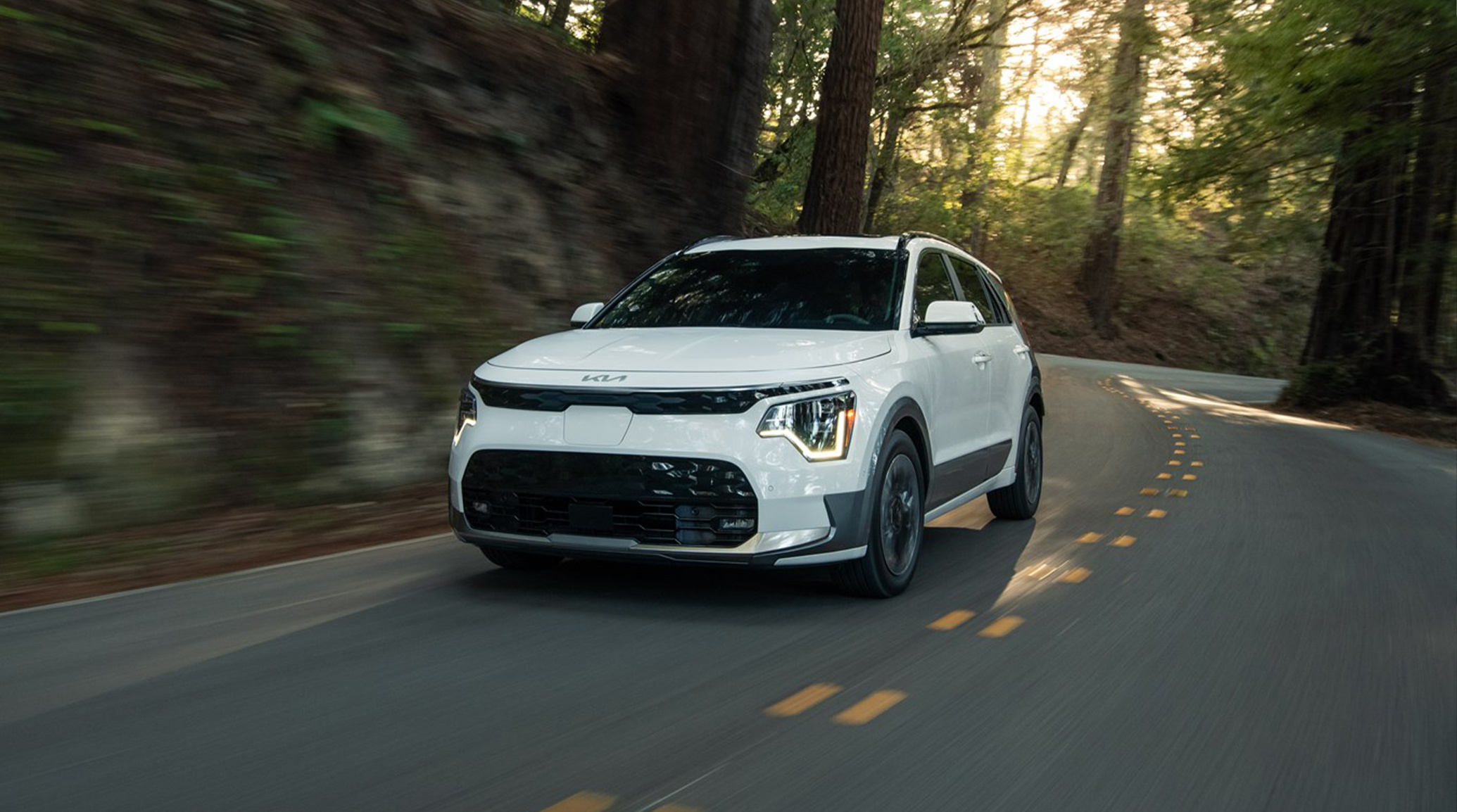
The Kia Niro EV, closely related to the Hyundai Kona Electric, has proven itself as a strong contender in the long-term electric vehicle space. Designed as a compact crossover with an emphasis on practicality and efficiency, the Niro EV continues to perform admirably even after reaching 100,000 miles.
Owners frequently praise how well it holds its composure over rough pavement and how consistent the steering and handling remain. This stability is aided by the EV’s well-balanced chassis and low battery placement, which give the car a planted, comfortable feel that holds up well with age.
Power delivery in the Niro EV is smooth and linear, even after years of daily commuting. The 201-horsepower electric motor offers sufficient torque for merging and overtaking, and its responsiveness doesn’t seem to fade over time.
The transition between acceleration and regenerative braking is well-managed, resulting in a natural driving experience that doesn’t become jerky or uneven with higher mileage.
The regenerative braking system also helps maintain braking performance while reducing wear on brake pads and rotors, which is particularly beneficial for long-term ownership.
On the inside, the Kia Niro EV is equipped with a straightforward yet functional interior that stands up well to heavy use. Soft-touch surfaces on the dash and doors help reduce squeaks and rattles over time, and the seating remains supportive for longer drives.
The infotainment system is intuitive and rarely shows signs of slowdown or failure. Climate control functions, seat warmers, and other creature comforts also remain reliable in high-mileage vehicles.
This consistency in quality helps create a sense of familiarity and trust, which becomes increasingly valuable the longer you own the vehicle.
Battery health in the Niro EV has been reassuring for many owners. With careful charging habits, most users report retaining 85–90 percent of original capacity beyond 100,000 miles. Kia’s battery thermal management system plays a key role in preserving longevity, especially in varying climate conditions.
When you combine that with the car’s smooth driving dynamics and low cost of ownership, the Kia Niro EV emerges as one of the more dependable electric options for long-term use, especially for those prioritizing a calm, stable ride.
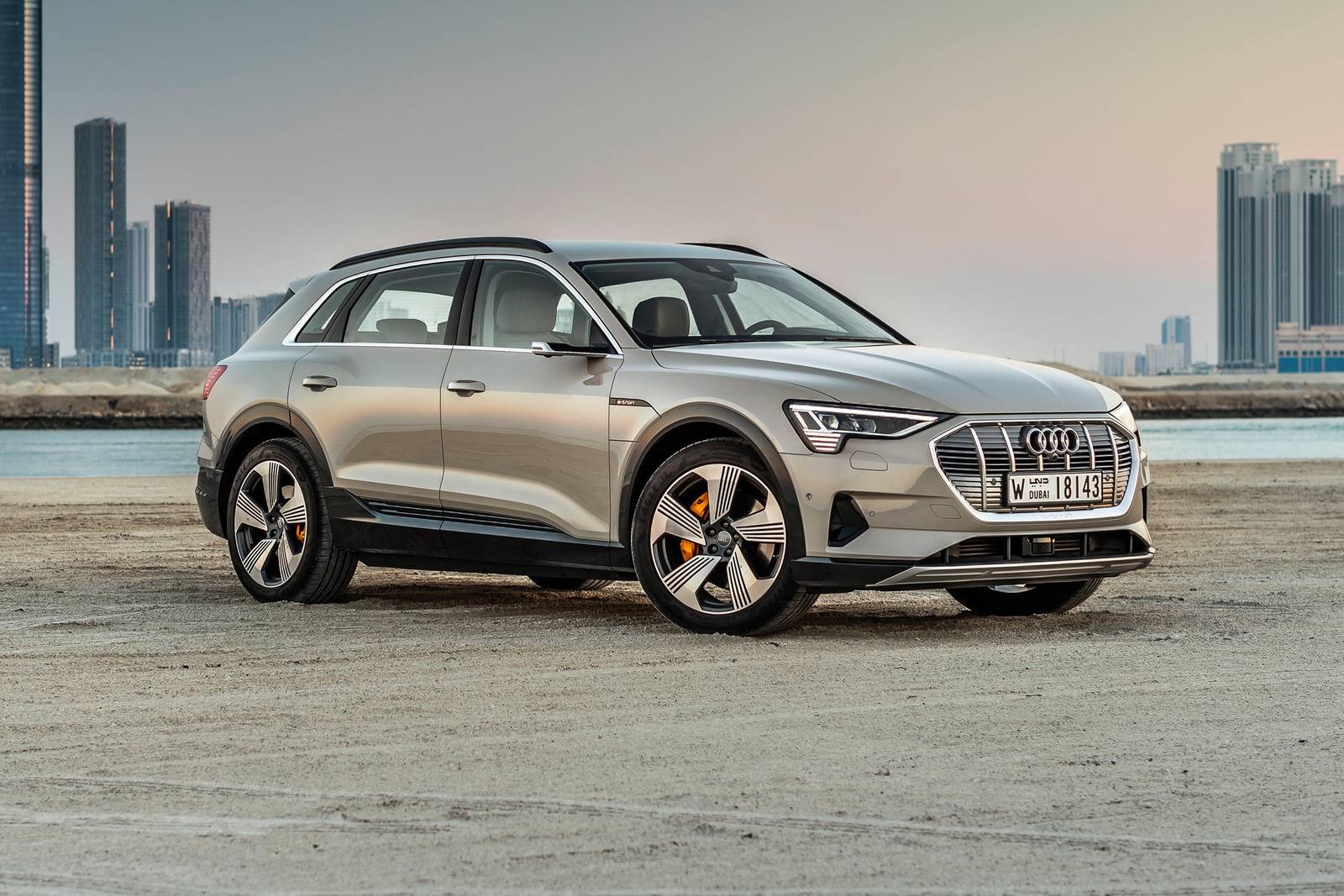
8. Audi e-tron
The Audi e-tron brings luxury to the electric vehicle world, and one of its biggest strengths is how consistently it delivers a refined, smooth driving experience over the years. Even past the 100,000-mile mark, the e-tron retains the same plush ride quality, quiet cabin, and seamless power delivery that it offered when new.
The dual-motor system provides strong acceleration with a smooth build-up of power that doesn’t feel abrupt or harsh. This setup, combined with Audi’s sophisticated suspension tuning, ensures that the e-tron glides over imperfections in the road, maintaining a level of comfort that very few EVs can match.
Audi’s adaptive air suspension system is a key component in preserving this ride quality over time. It adjusts based on road conditions and driving modes, and its long-term reliability has been surprisingly strong according to most owners. This system allows the e-tron to maintain a composed and cushioned feel even after extensive driving.
The steering remains precise, and the car’s weight distribution helps give it a stable, planted feel even at higher speeds or during cornering. These qualities make it especially appealing for drivers who prioritize comfort during long commutes or road trips.
The interior is where the e-tron truly shines in terms of long-term durability. Audi has outfitted the cabin with high-quality materials that age gracefully. Leather seats, brushed aluminum trim, and solid switchgear all retain their premium feel over time.
The dual touchscreen layout continues to perform reliably, and software updates have helped keep the system modern.
Drivers often note that the cabin remains impressively quiet, with minimal intrusion from wind or tire noise even after six figures on the odometer, which contributes to the smooth and serene driving experience.
Battery performance in the Audi e-tron does show some degradation over time, but the impact on real-world range is often less significant than expected, thanks to the car’s large battery capacity.
The thermal management system works effectively to maintain battery health, and most drivers don’t notice a major change in driving dynamics or range until much later in the vehicle’s life.
For those looking for an EV that delivers luxury comfort and lasting smoothness, the Audi e-tron is one of the top choices, and it continues to impress long after most other vehicles start to show their age.
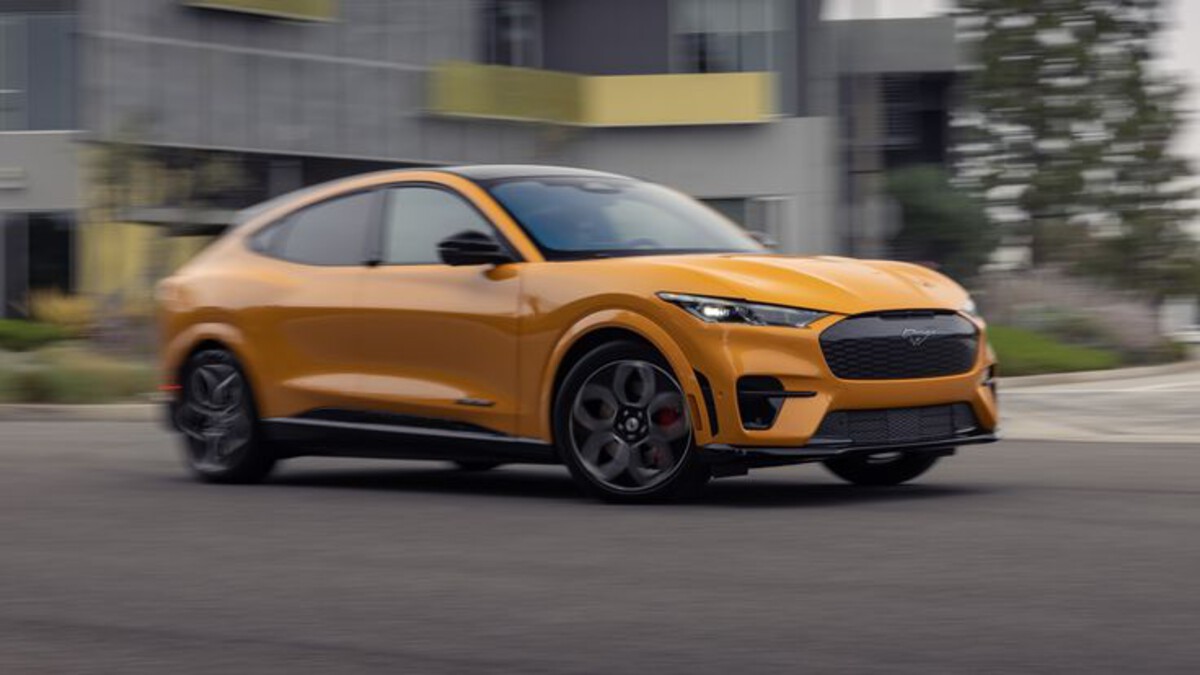
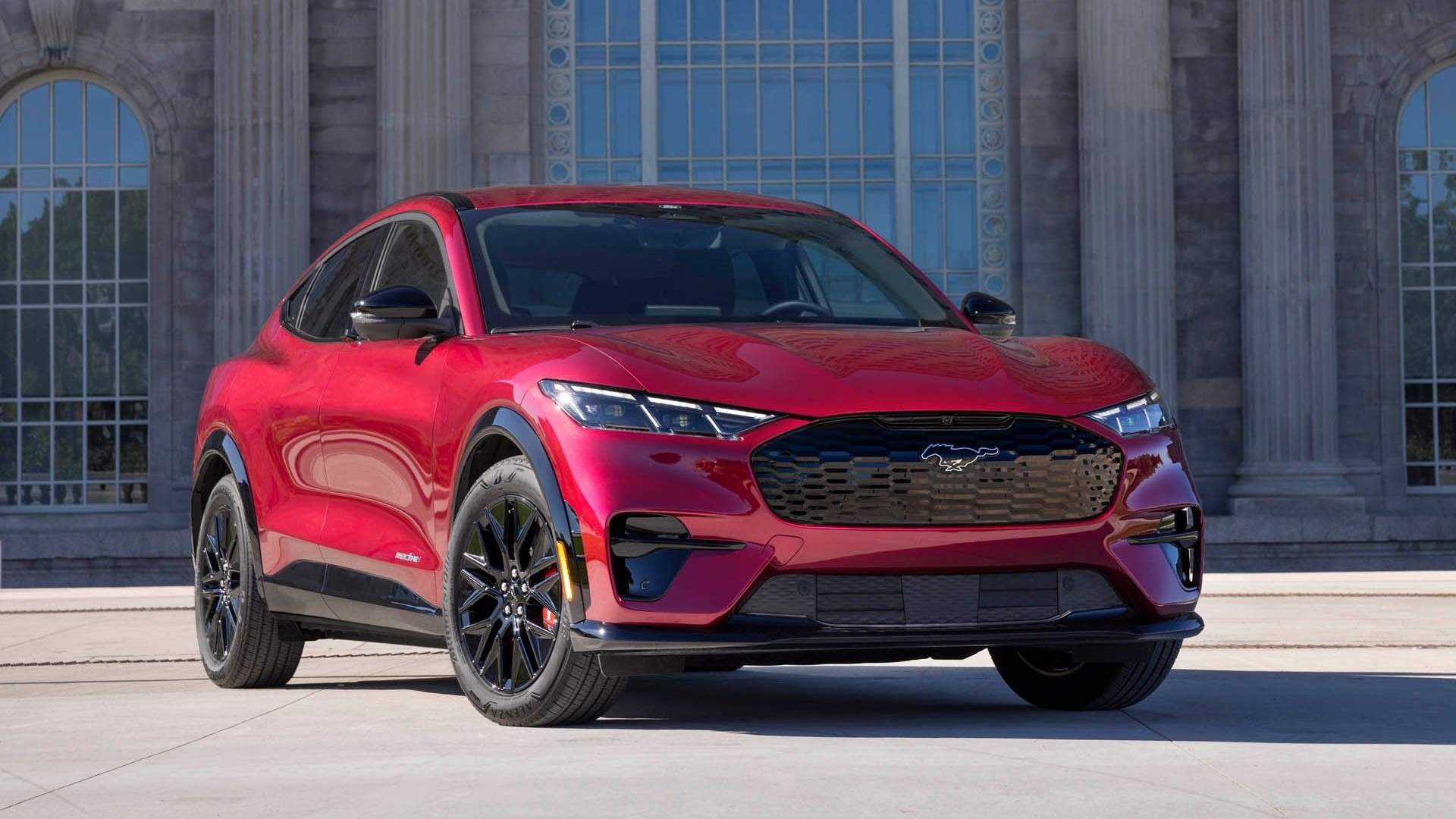
9. Ford Mustang Mach-E
The Ford Mustang Mach-E is one of the most successful examples of a legacy automaker transitioning into the electric space with style and performance.
Despite the Mustang name suggesting aggressive handling and a sporty edge, the Mach-E manages to blend that heritage with a very refined, smooth driving experience.
Even after 100,000 miles, many owners find that the Mach-E feels nearly as stable and comfortable as it did when new. The electric drivetrain delivers seamless power, and the steering feels well-weighted and predictable.
While it offers a sportier ride than some EVs, it avoids harshness, maintaining a level of smoothness that’s more in line with a premium crossover than a traditional muscle car.
One of the more impressive aspects of the Mach-E over the long haul is the quality of its ride comfort and suspension system. Ford engineers designed the chassis with balance in mind, and that balance continues to serve the vehicle well even after extensive wear.
The suspension absorbs bumps confidently without becoming too soft or floaty, which helps preserve that composed feel at both low and highway speeds.
Owners with over 100,000 miles report that the suspension components, including bushings and dampers, rarely need replacement if the vehicle is driven normally. That kind of mechanical consistency helps build confidence in the vehicle’s long-term value.
Interior wear and tear is another area where the Mach-E performs better than expected. The materials Ford used inside the cabin, including the synthetic leather, matte-finished plastics, and rubberized surfaces, have proven durable.
The large vertical touchscreen remains functional and responsive after years of use, and software updates have added new features that keep the infotainment system modern.
Buttons, switches, and other frequently used components tend to hold up well, with few reports of premature failure. The driving position is comfortable for long distances, and road noise is kept at a minimum thanks to solid insulation and quality seals around the doors and windows.
Battery health in the Mach-E is also holding up well, according to long-term drivers. While some minimal degradation is expected, the range difference after 100,000 miles is usually modest, around 10 to 12 percent on average.
The car’s built-in thermal management and software-driven charging limits help preserve battery life over time.
Combined with reliable electric motor performance and predictable handling, the Ford Mustang Mach-E stands out as a vehicle that not only feels smooth when new but continues to deliver a consistent and refined experience well into high mileage territory.
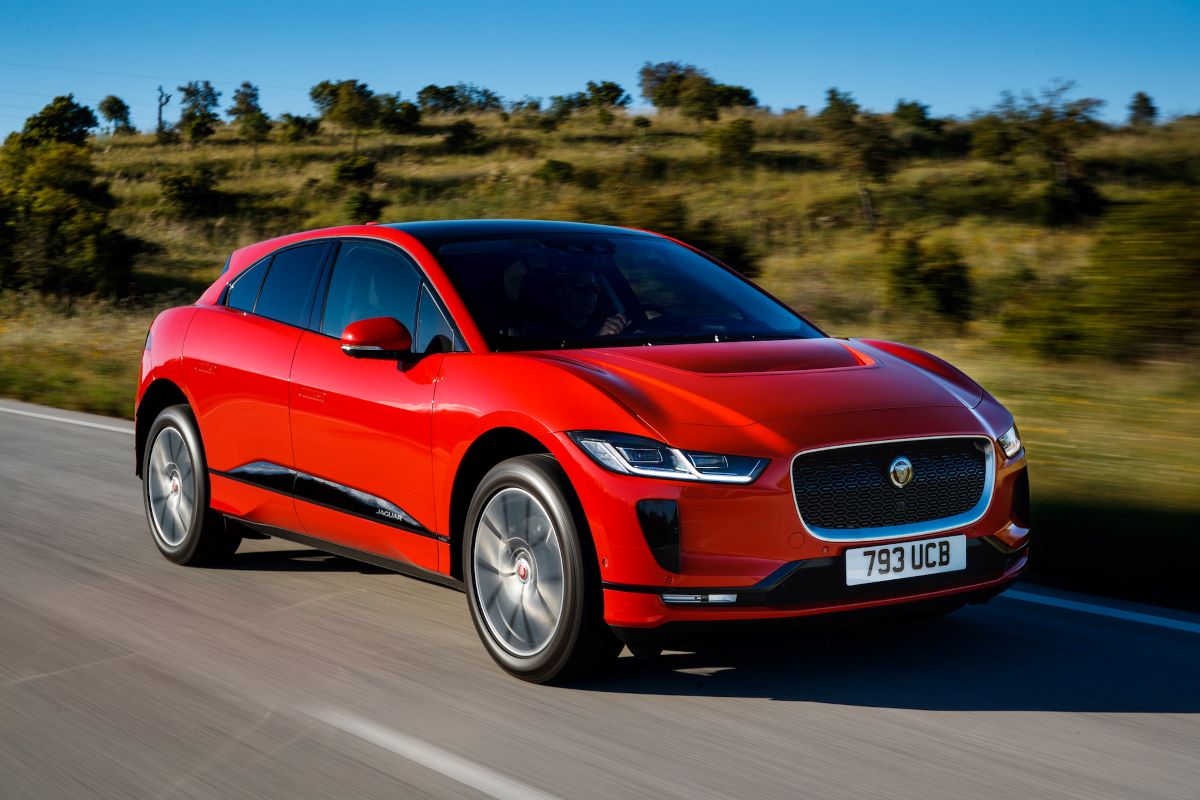
10. Jaguar I-PACE
The Jaguar I-PACE represents the luxury segment’s approach to electrification, combining sleek design, premium comfort, and high performance. From its launch, it was clear that Jaguar intended the I-PACE to be more than just a compliance car, it was meant to drive like a proper Jaguar, and it shows.
After crossing the 100,000-mile mark, many I-PACE models still offer a driving experience that rivals new premium EVs. The dual electric motors provide immediate, smooth acceleration that doesn’t lag or falter with age.
There are no noticeable power dips or delays, and the AWD system continues to deliver stable, confident handling under various road conditions.
One of the most praised features of the I-PACE over the long term is its ride quality. Equipped with an adaptive air suspension system, the car floats over road imperfections while still offering the kind of dynamic driving response you’d expect from a sports car.
Even after years of use, the suspension rarely loses its tuning, and the ride remains level, smooth, and controlled.
The weight distribution is nearly perfect, thanks to the battery being mounted low in the chassis, and this adds to the car’s sense of poise. Whether it’s in city traffic or on long highway drives, the I-PACE maintains a composed and luxurious feel that doesn’t diminish over time.
Interior durability is equally impressive. Jaguar used high-end materials throughout the cabin, including real leather, metal trim, and soft-touch surfaces that resist wear and aging.
After extensive driving, most owners report that the seats remain comfortable, the infotainment screens stay responsive, and the various buttons and toggles still function without issue.
The digital instrument panel provides clear, customizable information, and the dual-screen center console remains a unique and useful feature. Ambient lighting, climate controls, and even the premium audio system hold up well with age, contributing to a driving experience that feels modern and plush regardless of mileage.
As for battery health, the I-PACE’s active cooling system and software management help preserve capacity and performance. Long-term users typically report a manageable level of range loss, around 10 to 15 percent, which is within expectations for a vehicle in this category.
Importantly, the degradation does not impact the smoothness of the ride or the responsiveness of the drivetrain. The combination of elegant design, refined driving dynamics, and mechanical reliability makes the Jaguar I-PACE a standout among electric vehicles that remain smooth and luxurious even after a significant number of miles on the road.
