

The world of motorsports is filled with machines that push the limits of engineering. Most track cars are designed for performance, agility, and speed, often at the cost of long-term reliability.
The focus tends to be on shaving seconds off lap times, not extending the life of the engine or suspension components.
But every so often, a few cars stand out not just for their capabilities on the tarmac but for their incredible durability under extreme conditions. These aren’t just fast cars; they’re machines that seem to shrug off the abuse of countless hot laps, hard braking zones, and redline engine revs.
For enthusiasts who want a car that can handle track duty every weekend without falling apart by the third event, these vehicles become legends in their own right.
Track use places an extraordinary amount of stress on a vehicle. Brakes heat up to hundreds of degrees, oil temperatures soar, and tires wear out fast. But a truly durable track car resists mechanical failures, manages heat effectively, and continues to operate reliably lap after lap.
Some of these cars weren’t even designed specifically for track use but have earned their reputation simply by surviving years of hard use from owners who refuse to take it easy. In this article, we’ll highlight eight track cars that have proven themselves to be surprisingly durable in such punishing environments.
Whether you’re a weekend warrior or someone considering a long-term track build, knowing which platforms can hold up over time could save thousands of dollars in repair costs and countless hours in the garage.
These aren’t necessarily the fastest cars available, nor are they always the most high-tech. But what they share is a combination of thoughtful engineering, mechanical simplicity, strong aftermarket support, and a proven track record of reliability under pressure.
Some are naturally aspirated, others turbocharged. Some are modern, and others date back decades. Yet all of them have one thing in common: they just keep going. So if you’re looking for a car that won’t quit after 20 laps, here are eight of the most surprisingly durable track cars ever built.
Also Read: 12 EVs That Already Prove Electric Cars Can Be Reliable
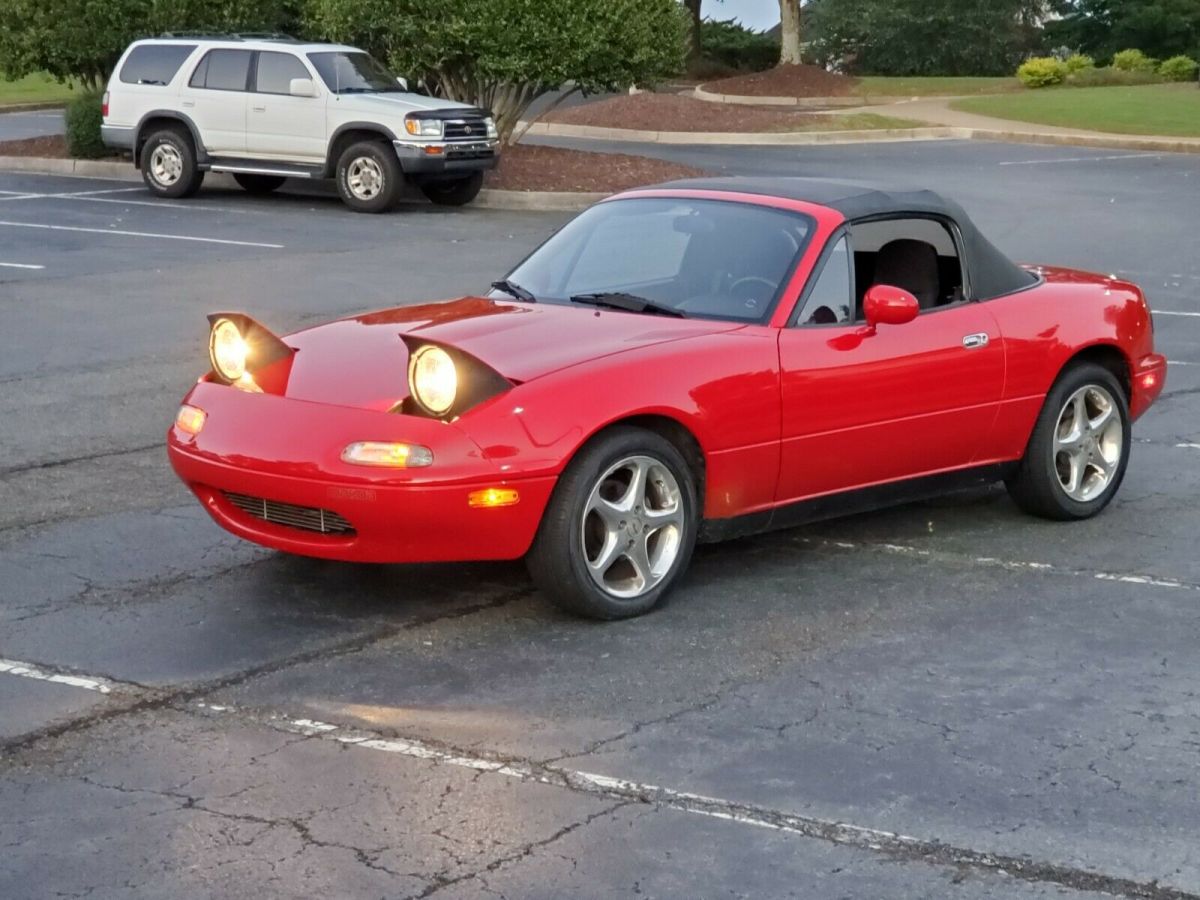
1. Mazda MX-5 Miata (NA/NB)
At first glance, the Miata might not seem like a car built for punishment. It’s small, light, and powered by a modest inline-four engine. But the Miata has long been a favorite among track day enthusiasts for a reason.
The early generations, especially the NA (1989–1997) and NB (1999–2005), have proven themselves time and again as nearly indestructible when properly maintained.
Their simplicity is part of the charm. With very few electronic nannies and a mechanical layout that’s easy to work on, these cars thrive in the hands of owners who know how to wrench.
What makes the Miata so durable is its overbuilt nature. The engines, particularly the 1.6L and 1.8L versions, can handle thousands of high-rev miles without complaint. It’s not uncommon to see these engines running strong at 200,000 miles with only basic maintenance.
The chassis is also robust, and the double-wishbone suspension at all four corners makes it a dream for handling while maintaining consistency under load. Track abuse often reveals weak points in cars, but in the Miata, those weak points are few and far between.
Cooling is often a concern with track cars, especially older ones, but the Miata holds up well even in hot conditions. While some owners opt for upgraded radiators and oil coolers, many find the stock systems hold their own for spirited driving sessions.
Brake wear is minimal thanks to the car’s lightweight design, and consumables like tires and pads last longer than on heavier vehicles. This means lower costs over time, which is a big part of why the Miata continues to be a go-to track car.
One of the unsung qualities of the Miata is how well it responds to regular use. Even when thrashed on a weekly basis, many examples just keep running.
There’s a huge community of owners, mechanics, and racers who know these cars inside and out. Whether you’re racing Spec Miata or just chasing personal bests at your local track, this little roadster often surprises people with just how much abuse it can take without breaking down.
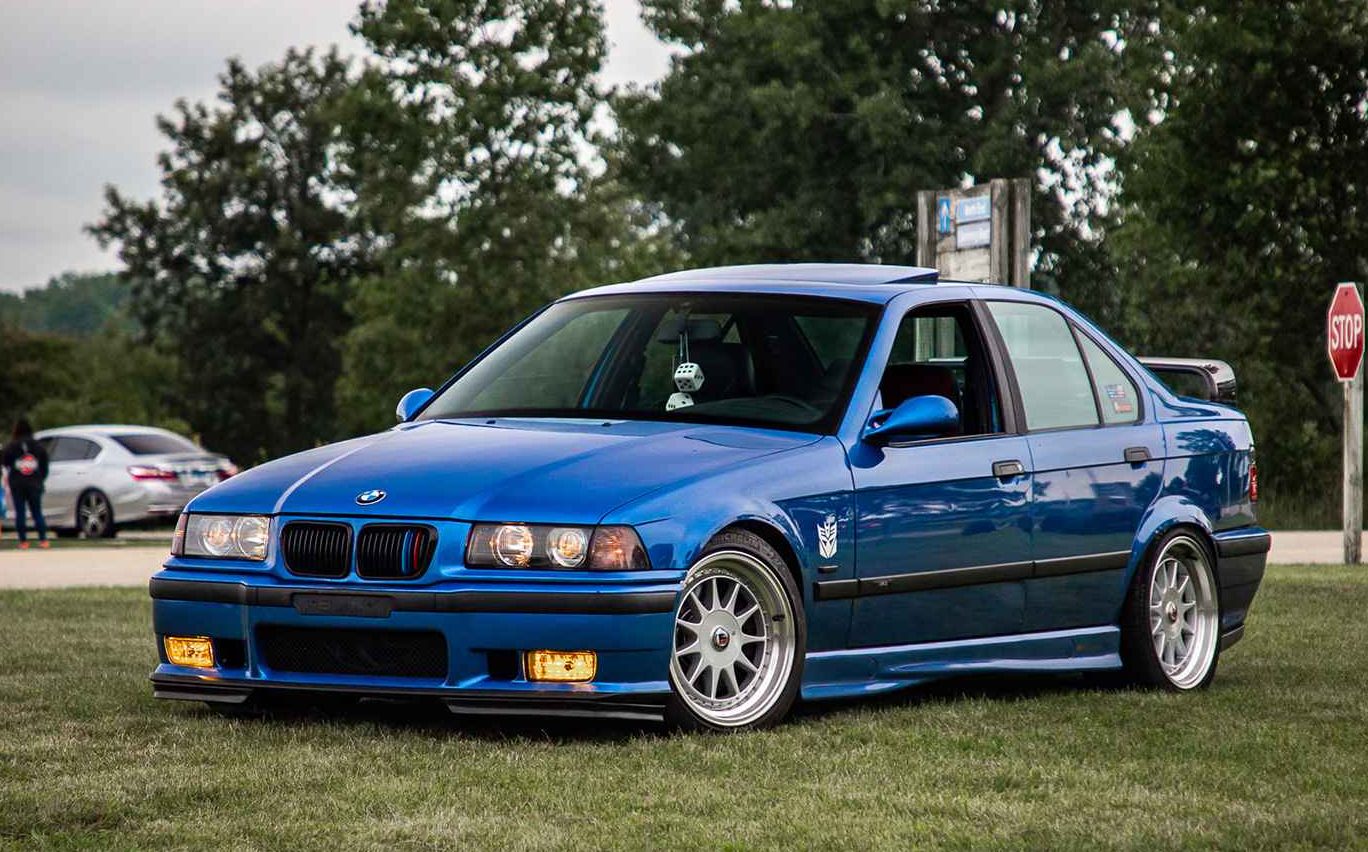
2. BMW E36 M3
The E36 M3, produced from the early to late 1990s, has earned a reputation as one of the best-balanced track cars of its era. It’s known for its nearly perfect 50/50 weight distribution, precise steering, and high-revving inline-six engine.
What many people don’t realize is how tough this car actually is when pushed to the limit. Even decades after its release, the E36 M3 continues to show up at track events and race series around the world, still running strong.
The S50 and S52 engines used in the U.S. models are not the most exotic BMW powerplants, but they are extremely resilient. With regular oil changes and attention to cooling, these engines can handle years of abuse. The internals are strong, and the valvetrain is designed to cope with high RPMs.
Cooling systems are a known weak point, but that’s one of the few areas that need addressing for serious track use. Once upgraded, the M3 becomes an incredibly durable machine.
Chassis rigidity is another strong suit. BMW built the E36 with motorsport in mind, and many components were over-engineered as a result. Suspension arms, subframes, and control arms can take a beating, and replacement parts are widely available.
Even after years of use, the car doesn’t feel loose or fragile. Track drivers often install polyurethane bushings and upgraded mounts, but even stock, the E36 holds its shape well under high cornering forces.
Where the E36 really shines is in its ability to take upgrades without losing reliability. Whether it’s bigger brakes, coilover suspension, or even a mild turbo setup, the car responds well and maintains composure.
You’ll see E36 M3s still running original drivetrains after multiple seasons of racing. That kind of longevity isn’t easy to come by in performance cars, especially ones that get used the way these do. It’s a testament to how well this platform was engineered from the start.

3. Honda S2000
Honda’s S2000 is famous for its high-revving F20C engine and razor-sharp handling, but what’s often overlooked is just how reliable and tough this car is on the track.
Built from 1999 to 2009, the S2000 has earned its reputation not just for performance, but for durability under heavy loads. Owners who track their S2000s frequently report that the engine and gearbox remain solid even after thousands of hard miles.
The F20C engine is one of Honda’s engineering marvels. Producing 240 horsepower from just 2.0 liters without forced induction, it revs all the way to 9000 RPM. You’d think an engine that lives at such high RPM would wear out quickly, but that’s not the case here.
Honda’s focus on tight tolerances, strong materials, and robust oiling ensures that the engine survives even the harshest conditions. As long as oil changes and valve adjustments are done on schedule, the engine keeps going.
One of the standout qualities of the S2000 is its transmission. The 6-speed gearbox is known for its smooth shifting and mechanical feel, but also for its toughness.
Track days are notoriously hard on clutches and gearboxes, but many S2000s run for years on the original transmission. The limited-slip differential is also strong and holds up well to repeated corner exits under throttle.
Chassis stiffness in the S2000 is another factor in its track longevity. The car was designed from the ground up as a roadster with structural rigidity in mind, not a chopped-down coupe.
This makes a big difference in how it responds over time to track stresses. Suspension components are also robust, and the double-wishbone setup keeps tire contact consistent without excessive wear.
Combine that with a huge enthusiast community and aftermarket, and you have a car that not only performs but stays running strong lap after lap.
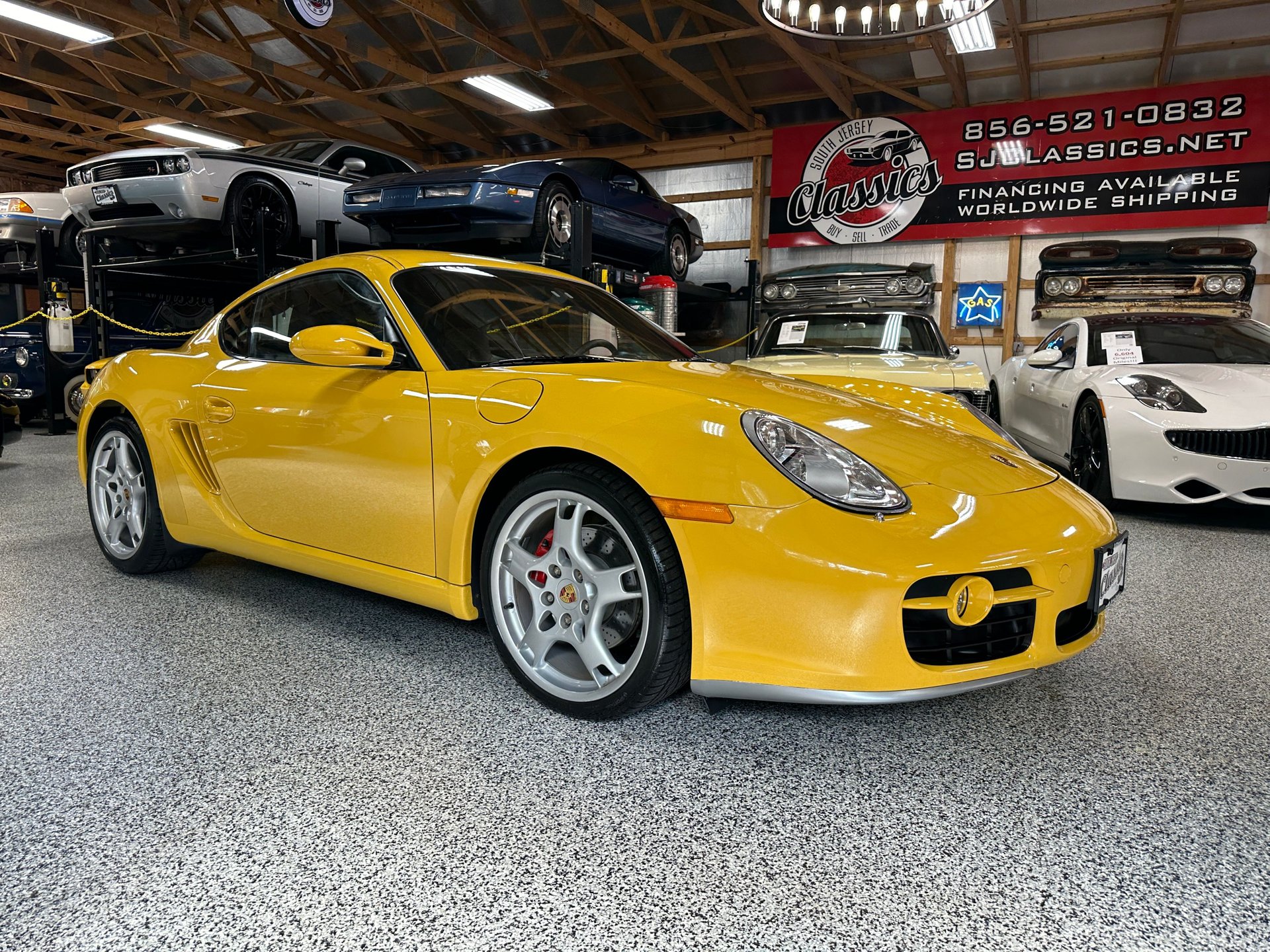
4. Porsche Cayman (987/981)
The Porsche Cayman, especially the 987 and 981 generations, is a rare combination of mid-engine balance and long-term durability.
Unlike some high-end sports cars that demand constant maintenance, the Cayman manages to offer both precision and toughness. It’s not uncommon to see these cars used extensively on the track without needing major engine or suspension work for years.
One of the reasons the Cayman is so tough is its relatively conservative tuning. The flat-six engines, while still sporty, are not pushed to the edge like some turbocharged units.
The naturally aspirated layout also contributes to thermal stability, which is essential during long track sessions. The 2.7L and 3.4L engines in the 987 and early 981 models can last well over 100,000 miles with track use if maintained properly.
Porsche paid attention to weight distribution and chassis strength. The mid-engine layout naturally reduces stress on tires and brakes, making for more even wear. This doesn’t just help performance, it extends the life of key components.
Many Cayman owners track their cars without needing to upgrade much beyond fluid changes and brake pads. The stock cooling system is efficient, and oil starvation is rarely an issue under high-G corners, unlike in some front-engine setups.
The Cayman also benefits from Porsche’s motorsport experience. Although it doesn’t wear the 911 badge, the Cayman shares many of its engineering principles.
Build quality is high throughout, with solid subframes, high-grade bushings, and metal components in places where other manufacturers might use plastic or rubber.
This structural integrity becomes very noticeable after years of abuse. The car doesn’t rattle or flex the way many performance cars do after being tracked repeatedly. You feel a level of consistency that doesn’t degrade over time, which adds to both the driving confidence and the car’s long-term viability.
Another advantage is the transmission. Both the manual and PDK (dual-clutch) gearboxes found in the Cayman have proven to be reliable. The 6-speed manual is praised for its mechanical feel and durability.
While track conditions do take their toll on clutches and synchros, Cayman gearboxes tend to outlast those of other cars in the same performance bracket.
The PDK version, often seen in the 981, is even more durable in many ways, as it shifts quicker and keeps engine RPMs in optimal ranges, reducing the chances of over-revving or user error.
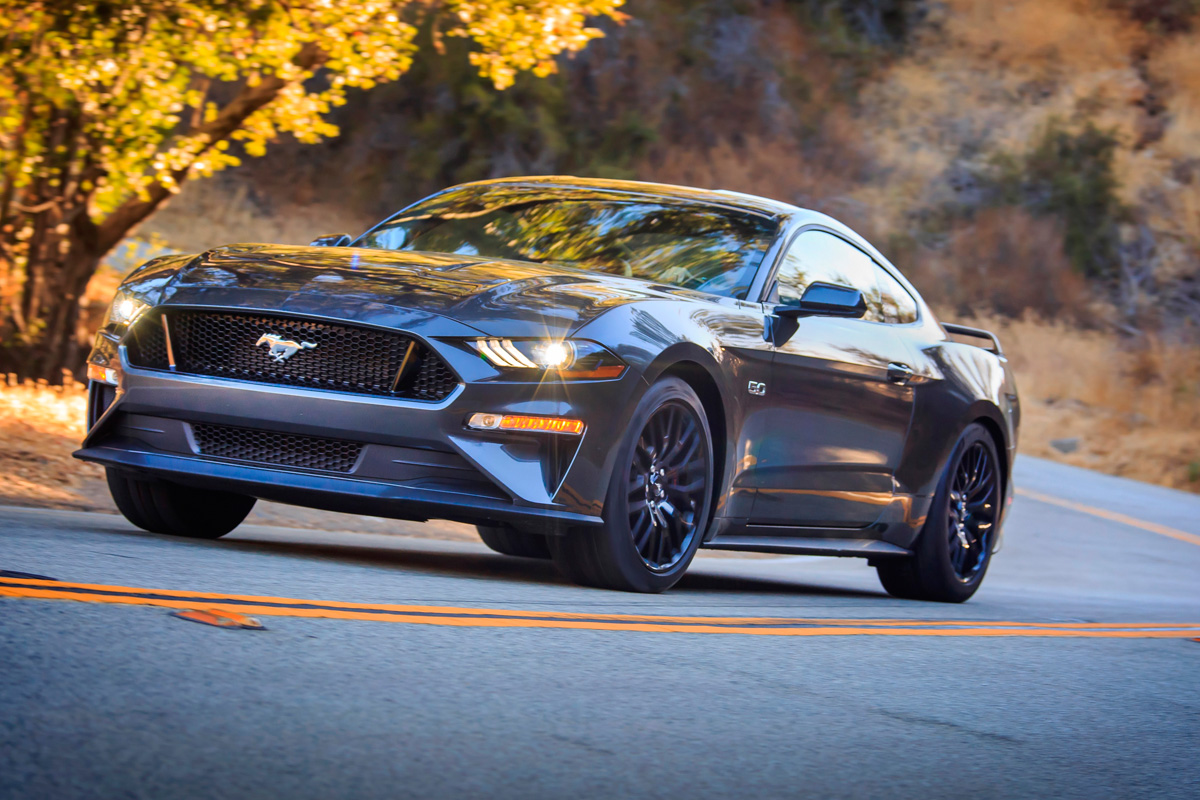
5. Ford Mustang GT (S197 and S550)
The Ford Mustang has long been considered a muscle car, but in its more modern forms, especially the S197 (2005–2014) and S550 (2015–present) generations, it has become a surprisingly competent and durable track machine.
The Mustang GT models with their 4.6L or 5.0L V8 engines have proven time and again that they can take a beating and keep pulling hard. Whether it’s a road course, autocross, or open track day, these Mustangs deliver consistent power and reliability, even when pushed hard.
One of the reasons these Mustangs are so resilient is the strength of the Coyote V8 engine found in the S550 generation. Known for its ability to rev to 7,000 RPM and produce upwards of 450 horsepower in stock form, the Coyote is a modern marvel of Ford engineering.
It uses forged internals, a strong aluminum block, and variable valve timing, all of which contribute to its durability. Owners have pushed these engines past 100,000 track miles with minimal wear, often needing only oil changes and spark plugs along the way.
Suspension used to be a Mustang weakness, especially in earlier models, but the S550’s independent rear suspension solved many of the issues that plagued the solid rear axle setup of the S197. The newer platform handles corners with more composure and less drama, and it responds well to aftermarket upgrades.
Track-focused versions like the GT350 and Mach 1 are even more durable, with improved cooling systems and beefed-up components designed for repeated abuse. Even the base GT holds up well when fitted with upgraded brake pads, fluids, and tires.
Another factor is the sheer availability and affordability of replacement parts. Mustangs are plentiful, and so is the support network. Parts are cheap, modifications are well-documented, and any issues that do arise are typically easy to fix.
You don’t need to be a professional mechanic to keep one running. For a V8-powered car that can survive full seasons of track use without coming apart, few options match the Mustang GT in both durability and cost-efficiency.
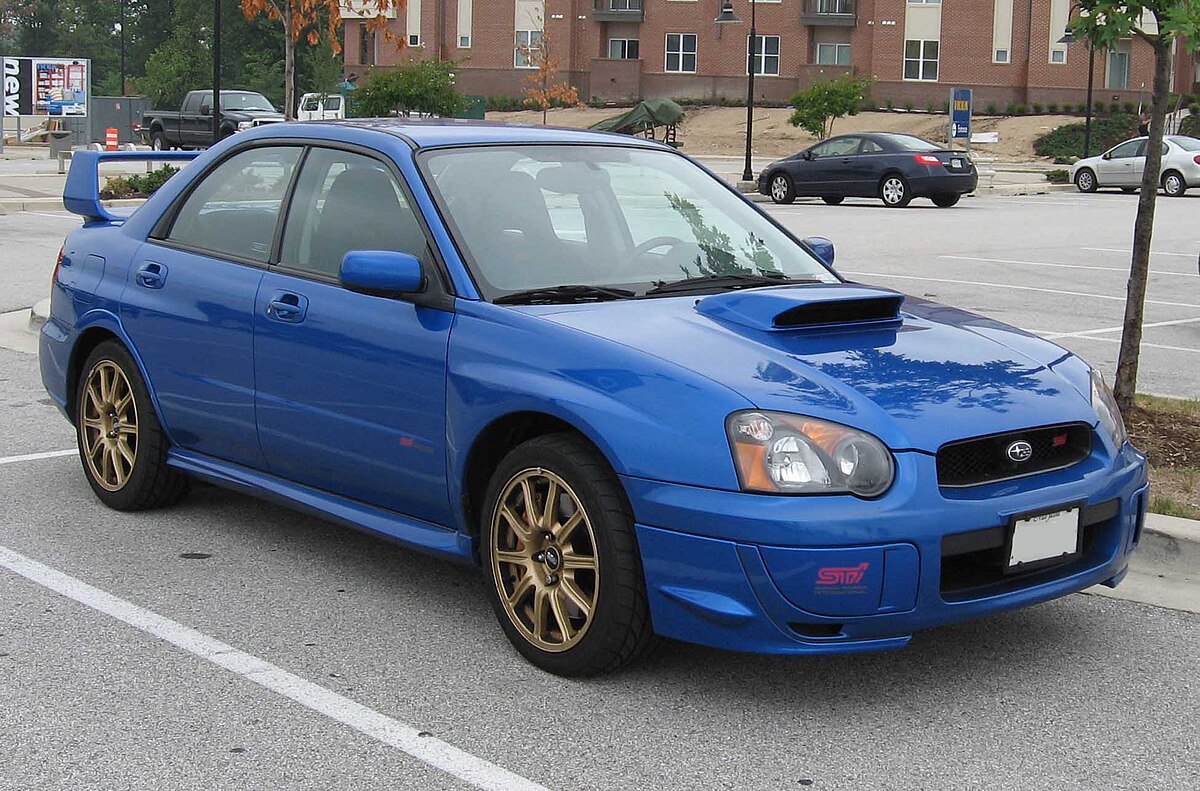
6. Subaru WRX/STI (GD and GR chassis)
The Subaru WRX and WRX STI have always been known for rally racing, but their capabilities on the track are equally impressive. Particularly, the GD (2002–2007) and GR (2008–2014) generations have earned a reputation for being able to handle intense driving while maintaining mechanical integrity.
Their all-wheel-drive systems, turbocharged boxer engines, and stiff chassis make them very engaging to drive on technical circuits, and remarkably tough as well.
The EJ-series engines used in these cars, especially the EJ257 in the STI, are known to have their quirks, but when properly maintained and tuned conservatively, they can last a surprisingly long time. Heat management and oiling are key, as these engines don’t tolerate neglect.
But when equipped with an upgraded radiator, oil cooler, and conservative tuning, they can survive thousands of miles of hard laps.
Many track-focused WRX and STI builds continue to run strong even after a decade of heavy use, particularly when run on safe AFRs and low boost levels.
Where the Subaru really stands out is drivetrain toughness. The STI’s 6-speed manual transmission is known for being one of the most robust gearboxes in its class.
Combined with Subaru’s symmetrical all-wheel-drive system and limited-slip differentials, it delivers traction and resilience under hard launches and high-speed cornering.
Clutch wear is inevitable on any track car, but Subaru’s drivetrain tends to absorb punishment better than many competitors in the turbocharged segment.
The WRX/STI also enjoys a massive aftermarket and fanbase. Owners are quick to share information on cooling mods, suspension setups, and proper tuning methods. While not immune to issues, especially under high-boost, poorly-tuned conditions, these cars are surprisingly tough when treated correctly.
Add to that a rigid body shell and strong factory brakes (especially Brembos on the STI), and you’ve got a car that can handle the worst you can throw at it on track days.
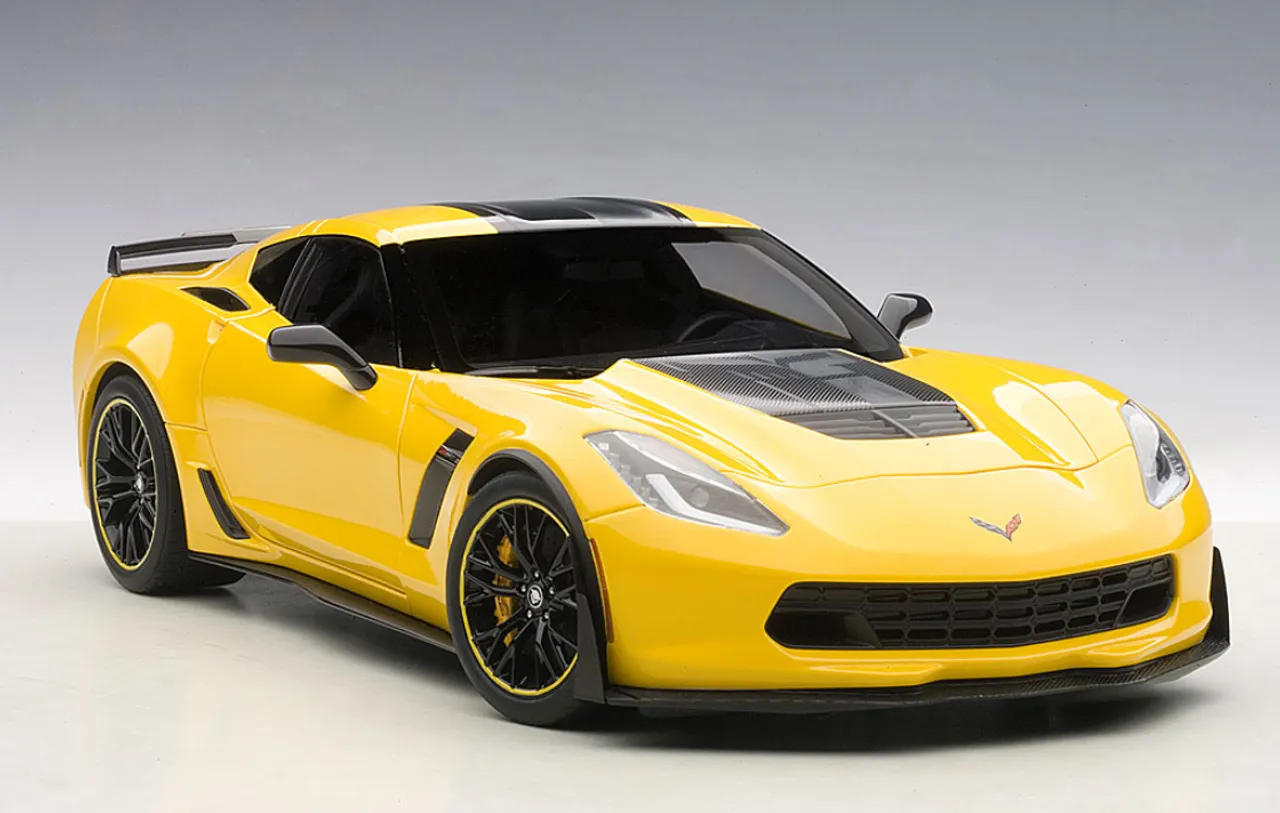
7. Chevrolet Corvette C5/C6
The Chevrolet Corvette, particularly the C5 (1997–2004) and C6 (2005–2013), is often underestimated when it comes to long-term durability under track use. Most think of the Corvette as a fast car, but not necessarily a resilient one. That reputation couldn’t be further from the truth, especially when it comes to these two generations.
Thanks to their simple but strong LS-series engines and proven suspension design, they have become staples in amateur and professional racing circuits alike.
The LS1 and LS3 V8 engines found in these models are virtually bulletproof. Known for their reliability and resistance to abuse, these engines can handle repeated track sessions with ease.
Oiling systems, especially on the LS6 in the Z06 variants, are well-designed for high-G cornering, and the cooling systems rarely require significant upgrades unless you’re running in extreme heat or adding forced induction. Many owners report well over 150,000 miles of hard driving on original engines with no major failures.
The Corvette’s transaxle layout, placing the transmission in the rear, helps balance the car and reduces wear on components under load. This design contributes to even tire wear and improves braking performance, key factors in track longevity.
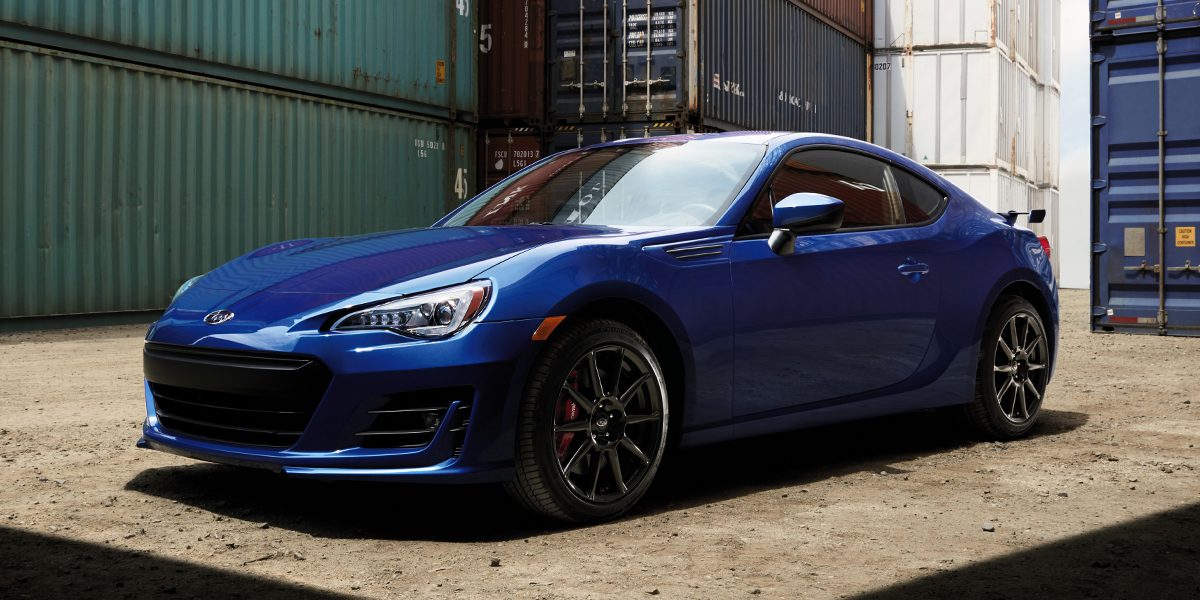
8. Toyota GR86 / Subaru BRZ (ZN6/ZN8)
The Toyota GR86 and Subaru BRZ twins, in both the first-generation ZN6 (2013–2020) and second-generation ZN8 (2022–present), are modern examples of cars built for driving fun without sacrificing longevity.
Despite being relatively low-powered and marketed as lightweight sports cars, these models are proving to be shockingly durable under constant track abuse. Lightweight, balanced, and affordable, they embody everything a driver-focused machine should be, without falling apart after a dozen track sessions.
The first-gen FA20 engine received mixed reviews early on due to reports of oil consumption and potential torque dips, but many of those concerns were overblown. When maintained with proper oil levels and cooling support, the engine handles repeated high-rev driving just fine.
The second-generation GR86/BRZ improved on this formula with the 2.4L FA24 engine, offering more power, torque, and a much smoother driving experience, without compromising reliability. In fact, the newer engine has proven even more robust under track load, partly due to better internals and improved factory tuning.
Bushings, control arms, and subframe components don’t tend to wear out prematurely, even after years of use on rough surfaces or aggressive cornering.
And when they do need replacement, the aftermarket is overflowing with options, everything from OEM parts to full race-spec upgrades, so keeping the car in top condition doesn’t become a wallet-draining exercise.
Gearbox and drivetrain resilience also deserve recognition. The 6-speed manual, shared with other Subaru platforms, has proven itself as one of the most durable transmissions in any sports car under $40,000.
Clutch replacements are straightforward, and differentials, particularly the Torsen LSD in later models- handle track abuse very well.
Automatic variants (especially the new 6-speed in the GR86) are less popular on track, but even they hold up better than expected under hard use. Combined with strong engine mounts and a solid rear subframe, drivetrain reliability is rarely a limiting factor for these cars, even when driven at ten-tenths.
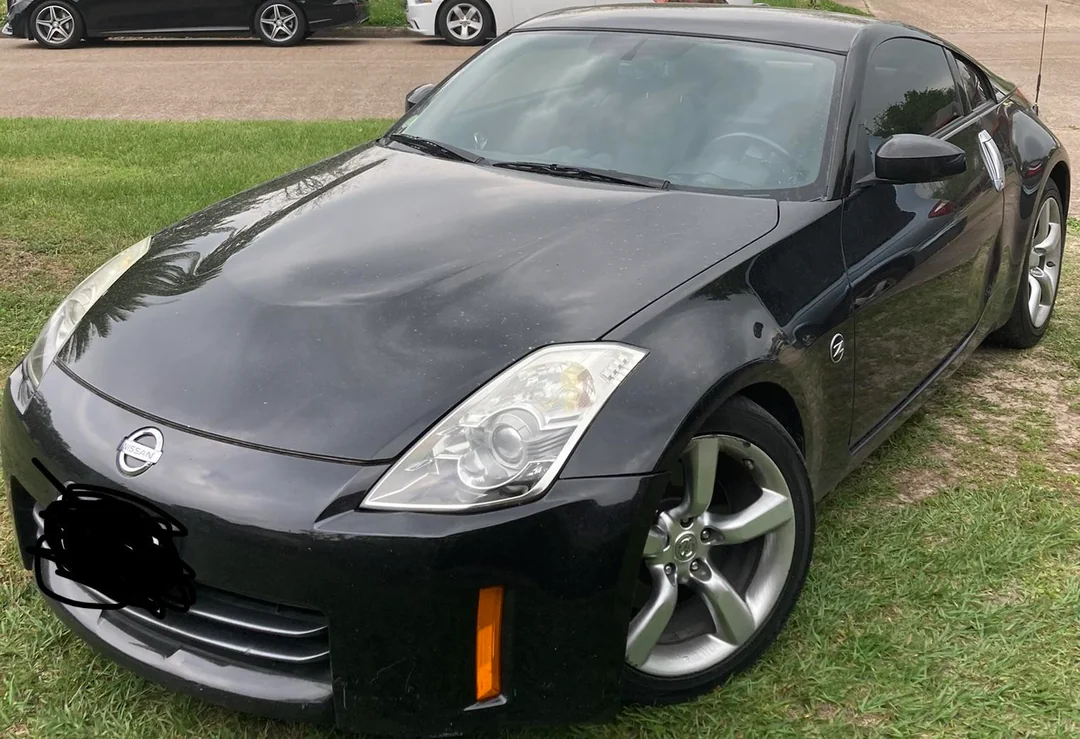
9. Nissan 350Z / 370Z
The Nissan Z platform, particularly the 350Z (2003–2008) and 370Z (2009–2020), has built a strong reputation for reliability under hard use.
While they may not receive as much media attention as other Japanese sports cars, these rear-wheel-drive coupes are frequently spotted at track events, drift days, and time attack competitions.
What makes them stand out isn’t just their affordability or handling balance; it’s their ability to withstand repeated abuse with minimal issues. They’re built tough, and they show it on the track.
The VQ35DE and VQ37VHR engines found in the 350Z and 370Z are known for their strength. These naturally aspirated V6 engines are capable of high mileage and endure frequent high-RPM usage without complaint.
The VQ37 in the 370Z, in particular, is known for its oiling improvements over earlier versions and can reliably operate near redline for extended periods.
Many track-focused drivers opt to add oil coolers, especially in hotter climates, but even stock, the engine resists heat soak well. With regular oil changes and proper monitoring, failures are rare.
Drivetrain and chassis durability are other major assets. The 6-speed manual gearbox in both models handles torque well, and the limited-slip differentials, standard in many trims, are robust. Suspension components, while somewhat heavy, are strong and resistant to fatigue.
The 350Z was even used in factory motorsport programs like the NISMO S-Tune series, which speaks volumes about its reliability under professional conditions. Aftermarket support is also plentiful, so replacing worn bushings or upgrading components is straightforward and affordable.
Brakes and cooling can be considered wear points, but not weaknesses. Many track enthusiasts simply upgrade pads, rotors, and brake fluid for better performance. The rest of the system holds up well over time.
Both Z-cars represent an excellent option for drivers who want something fast, well-balanced, and genuinely hard to kill. They aren’t the flashiest, but when it comes to reliability under load, few cars in this price range can match their long-term toughness on the track.
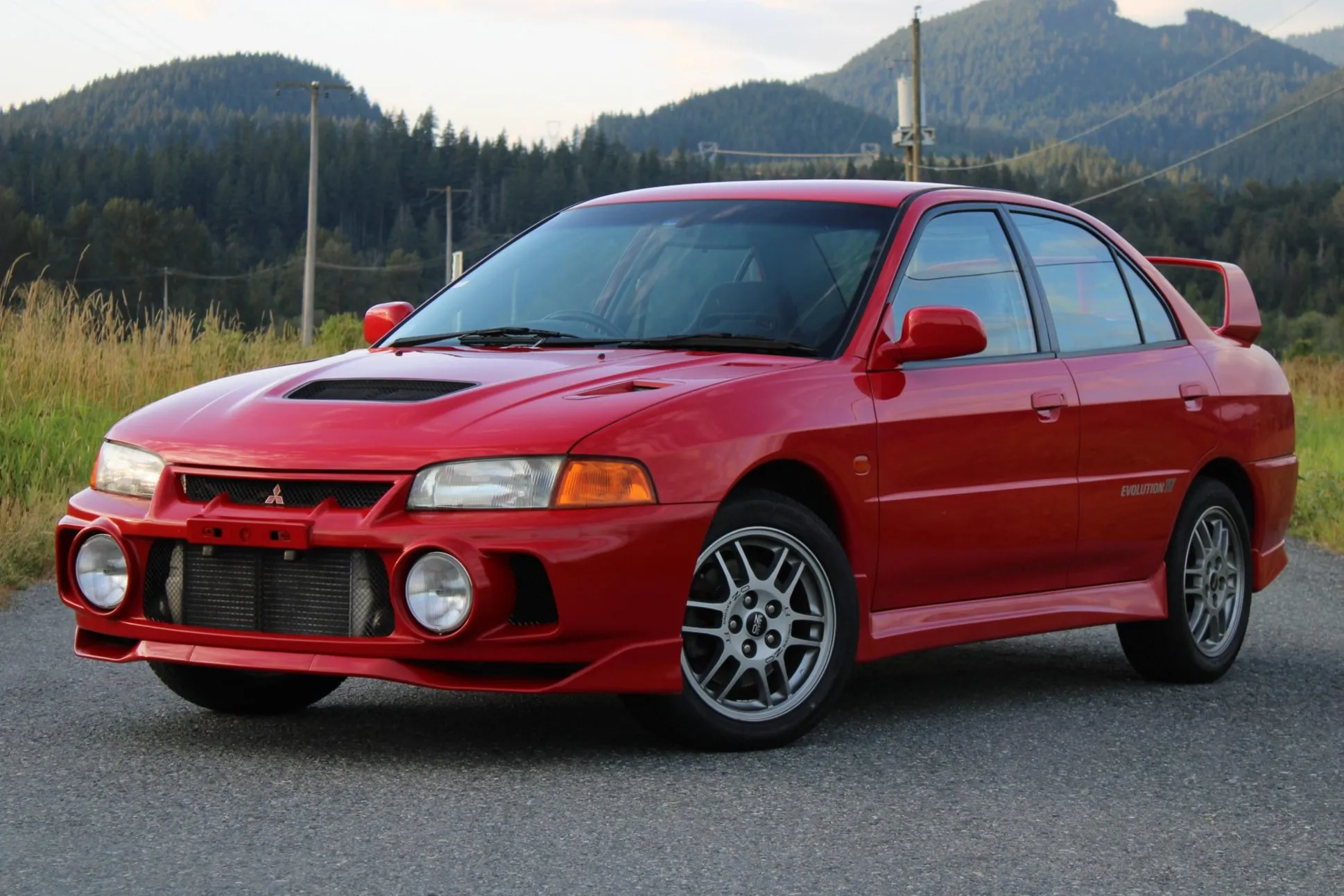
10. Mitsubishi Lancer Evolution (VIII–X)
The Mitsubishi Lancer Evolution, particularly generations VIII through X (2003–2015), is often celebrated for its all-wheel-drive grip and turbocharged punch. What many don’t fully appreciate is how durable these machines are when used aggressively, especially in track environments.
Despite being turbocharged, complex, and often heavily modified, the Evo’s core mechanical components are some of the toughest you’ll find in a street-legal performance car. Built with motorsport in mind, the Evo is more than just fast, it’s reliably fast.
The 4G63 engine in the Evo VIII and IX, and the 4B11T in the Evo X, are both engineered with longevity under stress in mind.
The 4G63 is particularly legendary, thanks to its iron block, strong internals, and reputation for surviving outrageous power levels. Even in stock form, this engine tolerates high RPMs, boost pressure, and heat.
It’s been used in rally stages, time attack builds, and endurance races without skipping a beat. The 4B11T is a more modern aluminum design, yet it’s also impressively stout, featuring forged internals and robust oiling.
Chassis strength and suspension robustness are frequently overlooked but critical to the Evo’s longevity. These cars were built with rally homologation in mind, so the subframes, control arms, and strut towers are tougher than average. Braking systems are excellent, especially on the MR trims with Brembo calipers.
Track enthusiasts often add cooling upgrades and stiffer bushings, but the car performs admirably in near-stock form.
With the right care, an Evo can take lap after lap at full tilt without overheating, losing alignment, or developing drivetrain issues. That combination of performance and resilience is rare, and the Evo delivers it consistently.
Also Read: 12 Cars of the Future That Might Actually Last Longer
Durability on the racetrack isn’t just about tough engines or bulletproof transmissions. It’s about how the entire car comes together: the cooling systems, suspension design, chassis rigidity, drivetrain strength, and ease of maintenance.
The eight cars covered in this article each bring something unique to the table, but they all share a reputation for holding up to track conditions better than most would expect.
Whether it’s the simplicity of the Miata, the engineering of the S2000, or the muscle of the Mustang, these vehicles have all earned their place among the most shockingly durable track cars.
Many people assume that to build a reliable track car, they need to spend six figures or buy something exotic. But durability doesn’t always come with a high price tag.
Often, it comes from smart engineering, a balanced platform, and a supportive community that knows how to take care of and improve the car.
Most of the cars listed here have massive followings, and that contributes to their long life. When issues come up, there’s always a solution, and parts are often easy to find and install.
It’s also important to note that durability isn’t just a convenience; it’s a financial advantage. A car that can go five seasons without a major repair is worth far more in the long run than one that needs constant attention and expensive replacement parts.
The cars listed here give drivers confidence that they won’t be stuck in the paddock with a blown engine or cracked subframe after every event. And they allow drivers to improve lap times through seat time, not by rebuilding broken components between weekends.
If you’re looking for a track car that can take the heat, literally and figuratively, these eight machines stand out as some of the toughest and most reliable platforms out there.
Whether you’re a beginner on your first autocross run or a seasoned racer chasing podiums, you’ll be better off with a car that can go the distance. And these cars don’t just survive the track, they thrive on it.
