
Police vehicles are more than just tools for law enforcement agencies; they are essential instruments that reflect the priorities, technology, and operational needs of departments across the globe.
While many may assume police departments frequently replace their fleets with the latest models, history tells a different story.
Several police forces have held on to specific car models for decades, valuing their durability, reliability, and performance in the demanding environment of law enforcement.
These vehicles, some iconic and others less well-known, became symbols of police work in their respective regions, earning a place not just in garages but in the cultural memory of the communities they served.
There are many factors that contribute to why a police department might keep a car model for such an extended period. Budget constraints often play a major role; a dependable vehicle that meets the needs of the department without constant mechanical issues or maintenance costs is worth holding onto.
Additionally, the familiarity of officers with a certain car, its parts, and repair procedures can contribute to a preference for continuity over change. Some cars simply outperform others in the specific requirements of police work, like high-speed pursuits, off-road capabilities, or endurance under harsh conditions.
For this reason, certain models become staples, continuing to serve long after their civilian production years have ended.
This article highlights ten such vehicles, cars that police departments kept for decades. These cars are not just vehicles; they are extensions of the police officers who drove them, witnesses to countless stories and events. Some became cultural icons, others remained steadfast behind the scenes.
But all share a common story of longevity and steadfast service in the world of law enforcement. Understanding why these cars lasted as long as they did offers insights into the evolving needs and challenges of policing, as well as the mechanics of vehicle performance and maintenance under constant pressure.
From American muscle cars that dominated highways to sturdy European sedans that served in urban patrols, each car on this list has a unique story.
They illustrate how police forces balanced cost, performance, and practicality over many years. Let’s take a look at these ten remarkable vehicles that earned their place in police history by standing the test of time.
Also Read: 12 Cars of the Future That Might Actually Last Longer
1. Ford Crown Victoria Police Interceptor
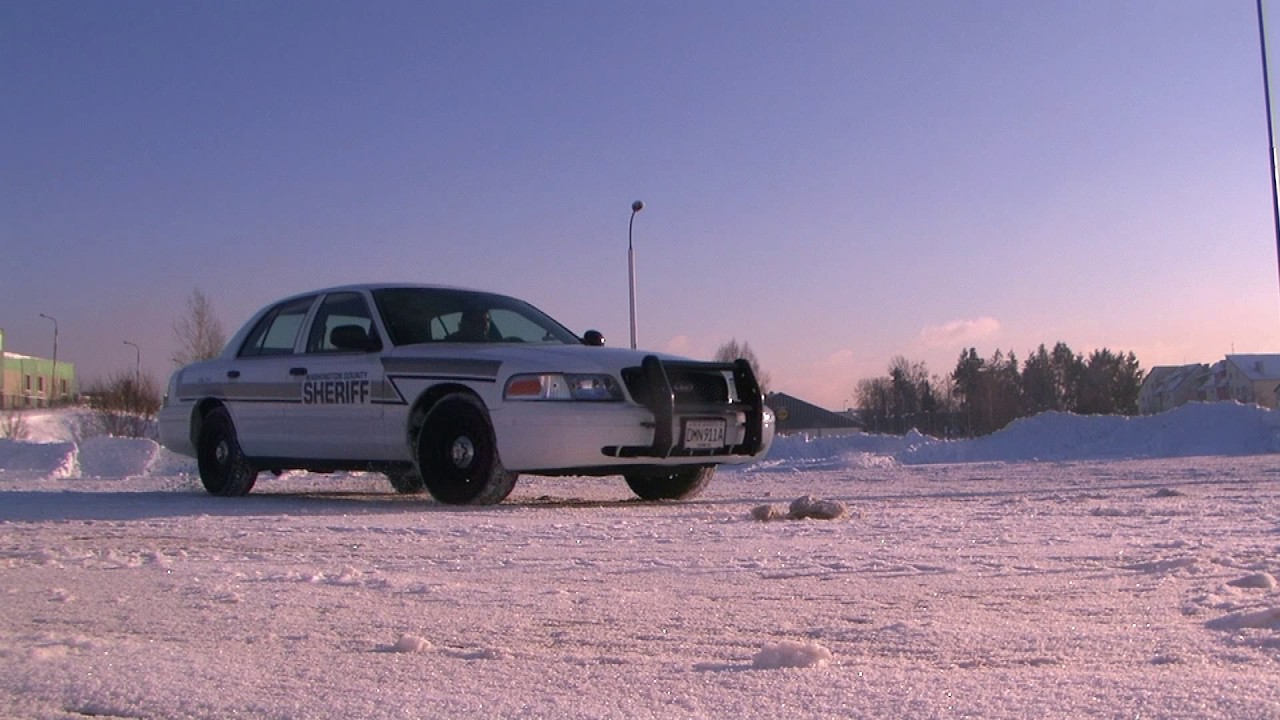
The Ford Crown Victoria Police Interceptor, often simply called the “Crown Vic,” is perhaps the most famous police car in North America. It was the backbone of many police fleets from the early 1990s until the 2010s. What made this car so indispensable?
For one, it was built on a sturdy rear-wheel-drive platform that made it durable and easy to repair. The car’s frame was body-on-frame construction, a design more common in trucks, which allowed it to withstand high-impact collisions without significant frame damage, a critical feature in law enforcement scenarios.
Many police departments across the United States and Canada favored the Crown Vic because of its balance between performance and reliability.
The car was equipped with a V8 engine that provided the power needed for pursuits, while still offering a relatively smooth ride for officers who spent long hours behind the wheel.
Its large interior space accommodated officers, their equipment, and sometimes even detainees with ease. This practicality helped the Crown Victoria maintain its status as a top choice for decades, despite competition from newer models.
The Crown Vic was also widely supported by aftermarket parts and service shops, which made maintenance more affordable and accessible, a crucial consideration for public agencies operating under tight budgets.
This factor, combined with the car’s straightforward mechanical layout, meant that police departments could keep these vehicles on the road long after their civilian counterparts had been retired. Many departments kept Crown Victorias in service well into the 2010s, with some still using them even today in specialized roles.
The longevity of the Crown Victoria was a testament to Ford’s understanding of police requirements. Its design focused on durability, reliability, and cost-effectiveness rather than cutting-edge technology or flashy features.
This conservative approach ensured that the Crown Vic remained a staple in law enforcement for decades, becoming an enduring symbol of policing on American streets.

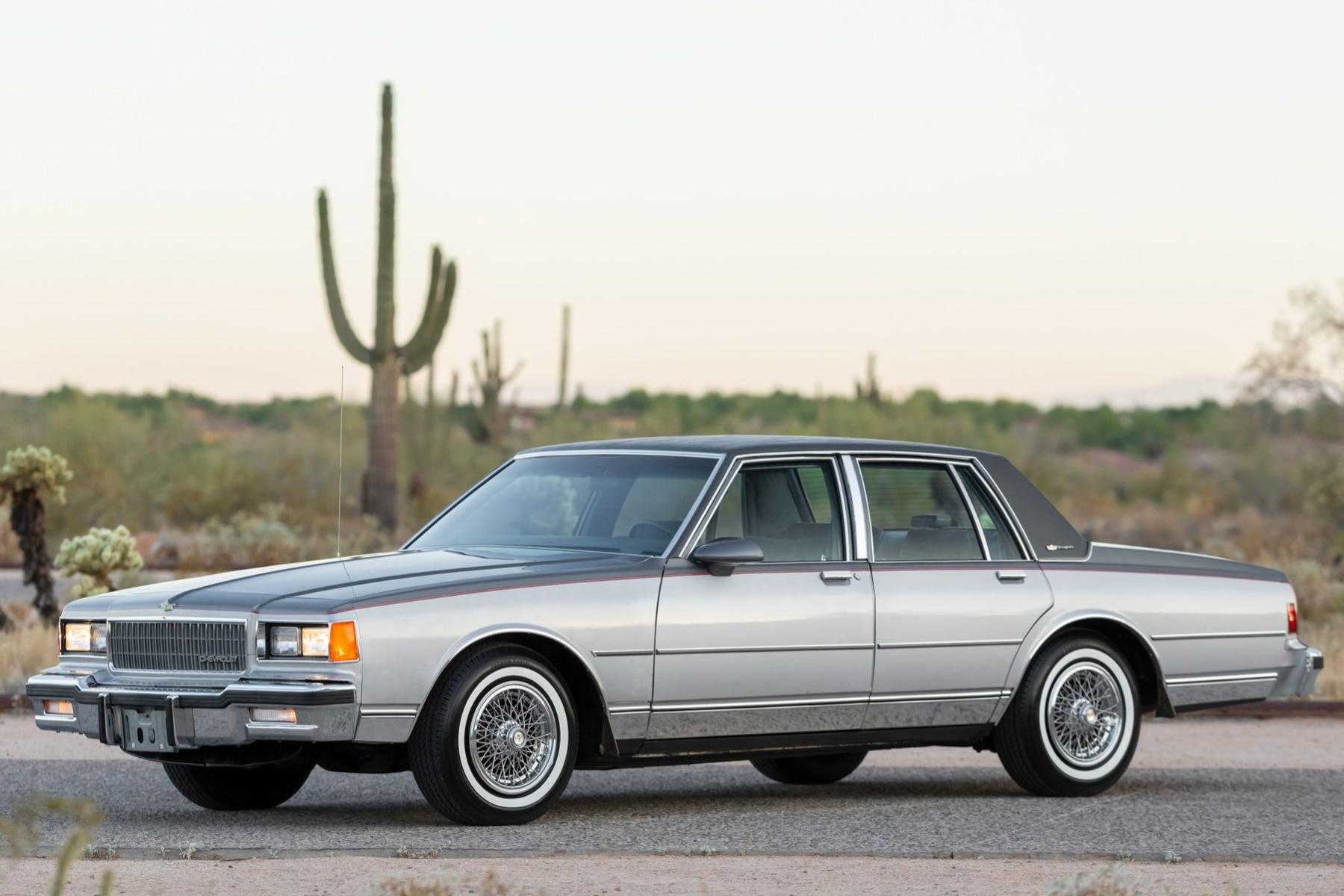
2. Chevrolet Caprice
The Chevrolet Caprice was another cornerstone in police fleets, especially during the 1980s and 1990s. Known for its spacious interior and smooth ride, the Caprice was a favorite among departments that needed a vehicle capable of highway patrol and urban duty alike.
Unlike the Crown Victoria, the Caprice was designed more as a full-size sedan with a softer ride, which many officers appreciated during long shifts.
Caprices were typically equipped with V8 engines and rear-wheel-drive setups that offered adequate power for pursuits and a reliable driving experience. Their size made them ideal for carrying heavy police equipment and passengers without compromising on comfort.
Many departments chose Caprices because they handled well on long stretches of road, making them particularly popular among highway patrol units.
One of the reasons the Caprice remained in police service for so long was its adaptability. The vehicle’s design allowed for easy customization, including the installation of radios, lights, and sirens without compromising the structural integrity or performance.
This flexibility meant departments could tailor the cars to their specific operational needs without the risk of mechanical issues.
Over the years, many police departments kept the Chevrolet Caprice well beyond the production years of the civilian model. This longevity was due to the car’s robust build, relatively low maintenance costs, and solid performance.
Some police forces even used updated versions of the Caprice into the early 2000s, underscoring its reputation as a reliable workhorse in law enforcement.
3. Volkswagen Passat (European Police Use)
Outside of North America, police departments often relied on different types of vehicles suited to their own unique environments and demands.
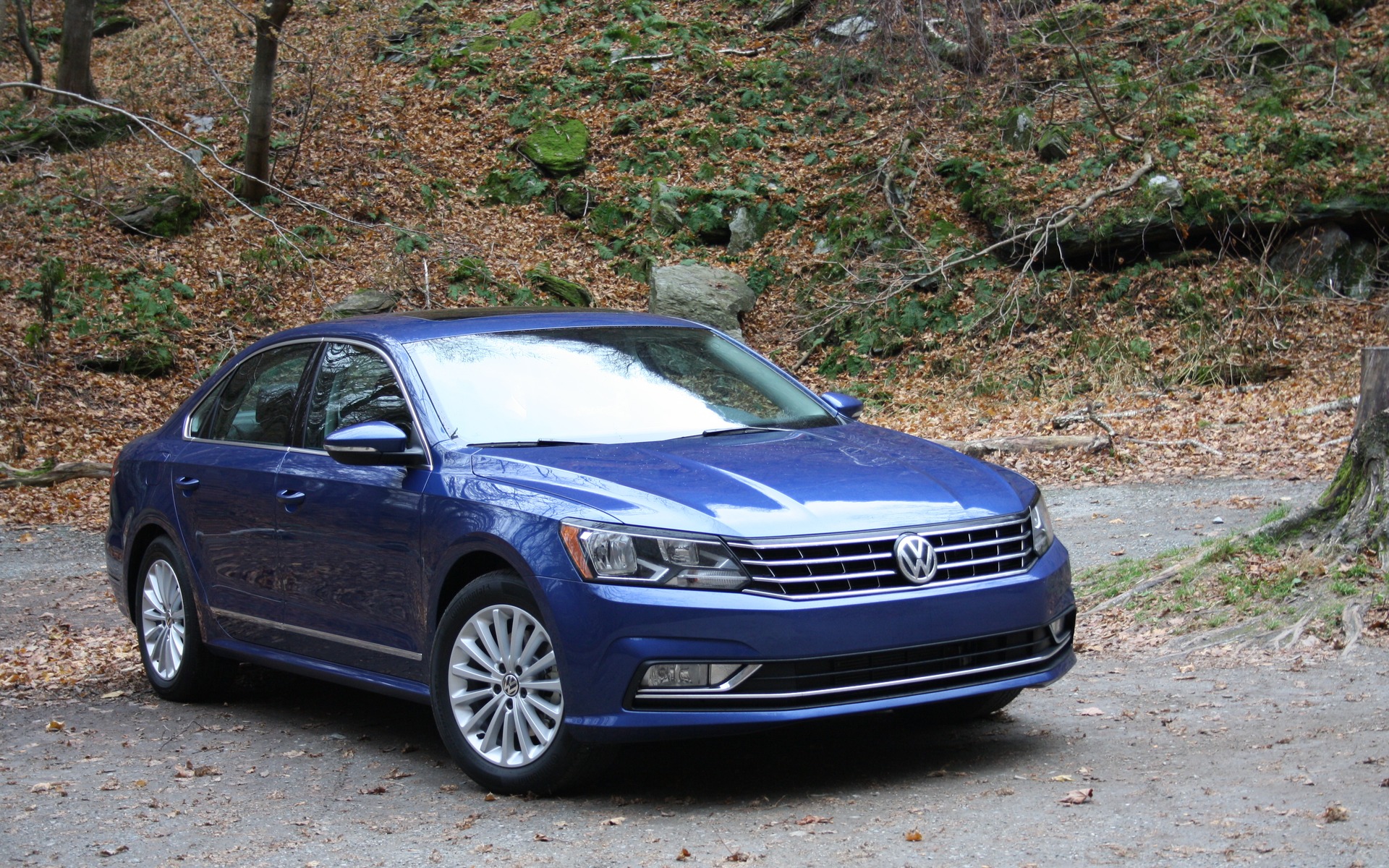
The Volkswagen Passat has stood out as a popular choice in many European countries for decades. This car, known for its balance of performance and economy, served as a reliable patrol vehicle in urban and suburban areas alike.
The Passat’s front-wheel-drive configuration offered good handling and fuel efficiency, important factors in the dense city environments of Europe where police work often requires a combination of quick maneuvers and long hours on the road.
Its size was suitable for narrow streets, yet it provided enough interior space for officers and their equipment. These qualities made it a practical choice for many police departments across Germany and neighboring countries.
What kept the Passat in service for so long was its consistent reliability and the availability of parts. European police departments appreciated the fact that the Passat was easy to maintain and had a reputation for mechanical soundness.
Additionally, its comfortable ride and relatively low operational costs made it a favorite among officers who logged extensive miles.
Throughout the 1980s and 1990s, the Passat became a fixture in many police fleets, often updated with new technology while maintaining the same basic platform.
This allowed departments to extend the service life of their vehicles without a complete overhaul. Even as newer models came into the market, the Passat’s proven track record ensured it remained in use for years, especially in regions where cost efficiency was paramount.
4. Toyota Crown (Japanese Police Mainstay)
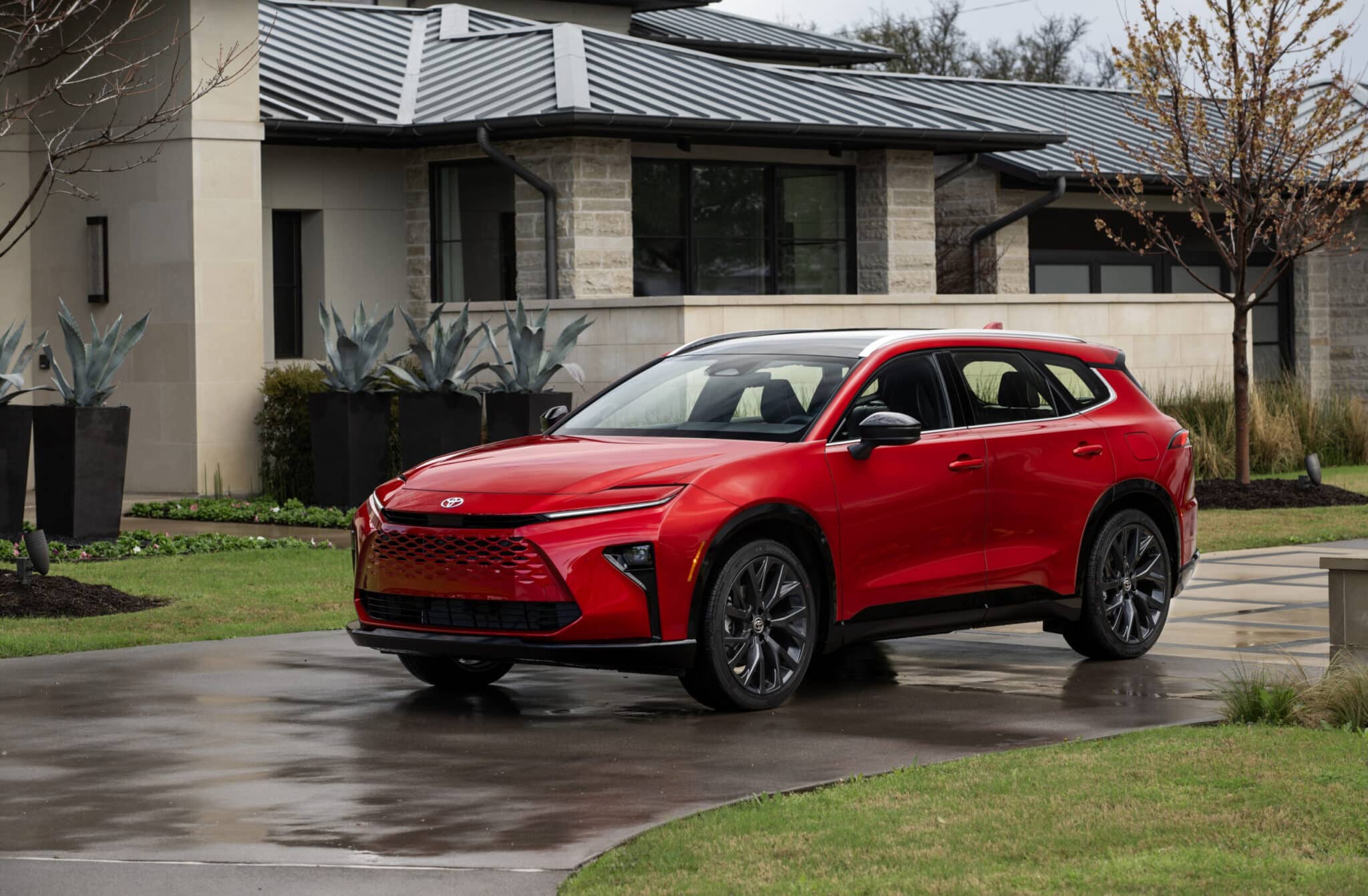
In Japan, the Toyota Crown became the iconic police car for many decades. Known for its durability and smooth driving experience, the Crown was a staple in Japanese police fleets from the post-war period through the early 2000s.
It symbolized reliability and a steady work ethic, traits that made it well-suited for the demands of urban and highway patrol duties.
The Toyota Crown featured rear-wheel drive and was equipped with engines that balanced power with fuel efficiency, crucial in a country with extensive urban centers and highways.
The vehicle’s build quality was exceptional, offering a quiet and comfortable ride that was appreciated by officers spending many hours on patrol. Its reputation for low maintenance costs and fewer breakdowns compared to other cars made it an economical choice for police departments.
One unique aspect of the Toyota Crown was its widespread availability and continuous production, which allowed police forces to maintain a consistent vehicle type over multiple generations.
The car’s design evolved, but the core features that made it suitable for police use remained, enabling seamless fleet management and parts supply.
The Toyota Crown also earned a reputation for safety and resilience. Japanese police valued its structural integrity and ease of repair, qualities that helped it endure decades of service.
Even as other models came and went, the Crown remained a symbol of dependable police transportation in Japan, with many departments continuing to use older versions alongside newer models for various duties.
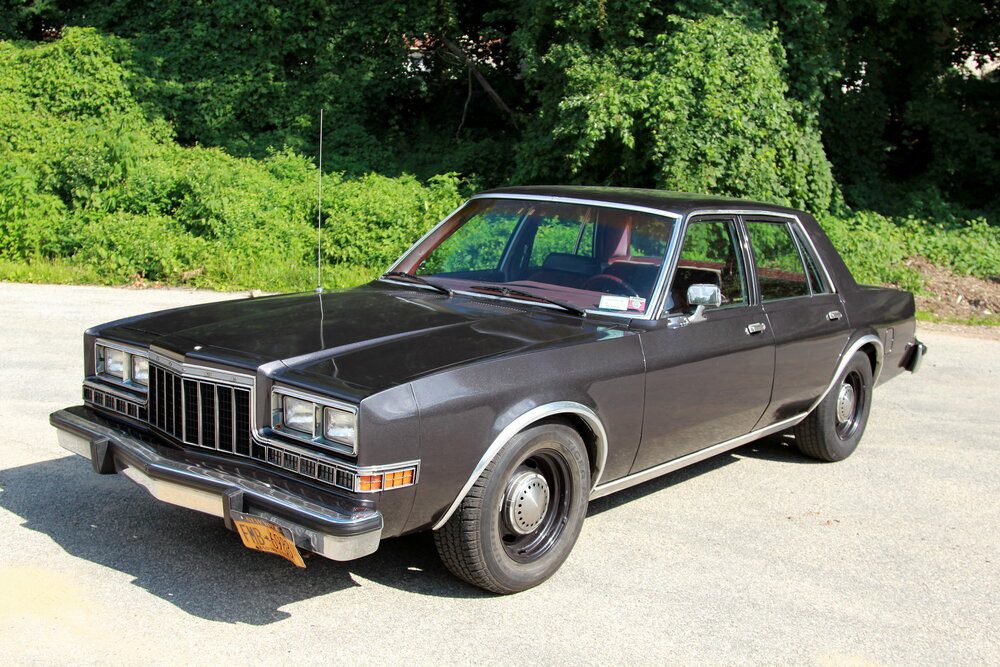
5. Dodge Diplomat
The Dodge Diplomat served as a primary police vehicle for many departments across the United States throughout the 1970s and 1980s. It became popular during a time when muscle cars were widely used by law enforcement for their raw power and speed.
The Diplomat, however, stood out due to its balance between performance and practicality. It was built on a solid rear-wheel-drive platform that could withstand the demanding conditions of police work, including high-speed pursuits and extended idling periods during stakeouts.
Many departments appreciated its robustness, which translated into fewer breakdowns and longer service life compared to some of its competitors.
The vehicle was often equipped with V8 engines that delivered impressive horsepower, essential for highway patrol units that needed to chase down speeding vehicles.
Beyond its performance capabilities, the Diplomat offered a spacious interior that could comfortably accommodate officers, prisoners, and necessary police equipment.
Its large trunk space was also a practical advantage, allowing officers to carry everything from cones to firearms and first aid kits without issue. These features made the Diplomat a versatile and dependable choice for many police agencies across the country.
One reason the Diplomat remained in use for so long was the affordability of its maintenance and repair. Its design simplicity meant fewer complicated parts and easier access to mechanical components, which reduced downtime and maintenance costs.
Police departments, often operating with limited budgets, found this to be a crucial factor in their fleet decisions.
As a result, many Diplomat units continued to serve well beyond their civilian production years, with some still in use into the early 1990s, especially in smaller or rural departments that couldn’t afford constant fleet upgrades.
Despite its eventual phase-out as newer models and technologies emerged, the Dodge Diplomat’s legacy in law enforcement remains significant. It represents an era when durability and straightforward engineering were prioritized over flashy design or excessive electronic systems.
For many officers, the Diplomat was a dependable partner during long shifts, earning a respected place in the history of police vehicles that endured for decades.
Also Read: 12 EVs That Already Prove Electric Cars Can Be Reliable
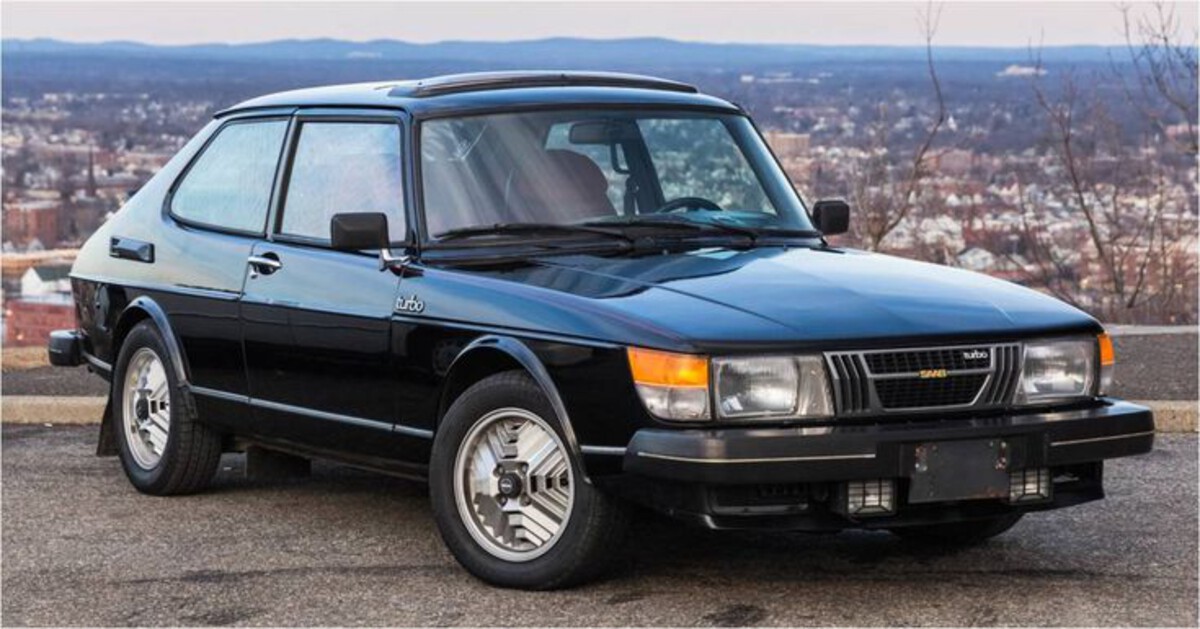
6. Volvo 240 (European and Scandinavian Police Workhorse)
The Volvo 240 is one of the most recognizable police cars used in Europe and Scandinavia for several decades, particularly from the 1970s through the 1990s.
Known for its legendary reliability, safety features, and rugged build, the Volvo 240 was perfectly suited to the demanding and often harsh environments in which police departments operated in these regions. It could handle extreme weather, from icy winters to heavy rain, without compromising performance or officer safety.
Volvo’s commitment to safety was a major reason why the 240 became a police favorite. It featured a sturdy frame and innovative safety designs for its time, which offered protection not only to the officers but also to any individuals involved in collisions.
The car’s reputation for being virtually indestructible helped police departments justify keeping them in service for extended periods. Unlike other vehicles that required frequent repairs or upgrades, the Volvo 240 often remained operational with routine maintenance over many years.
The vehicle was equipped with inline-four or inline-six engines that balanced decent power output with fuel efficiency, a crucial consideration for government fleets.
Its rear-wheel-drive layout offered good handling dynamics, and the car was comfortable enough to support long patrol hours without excessive driver fatigue. The simplicity of its mechanical systems made it relatively easy to repair, and parts were widely available, which kept maintenance costs manageable.
In addition to its functional benefits, the Volvo 240 also became something of a symbol of Scandinavian law enforcement professionalism and care. The car’s practical design, combined with its iconic boxy shape, made it an instantly recognizable sight on the roads.
Many police departments kept these cars for decades, gradually phasing them out only when newer models with advanced technology and emissions standards arrived. Even then, some continued to operate as secondary or training vehicles, a testament to their long-lasting utility.
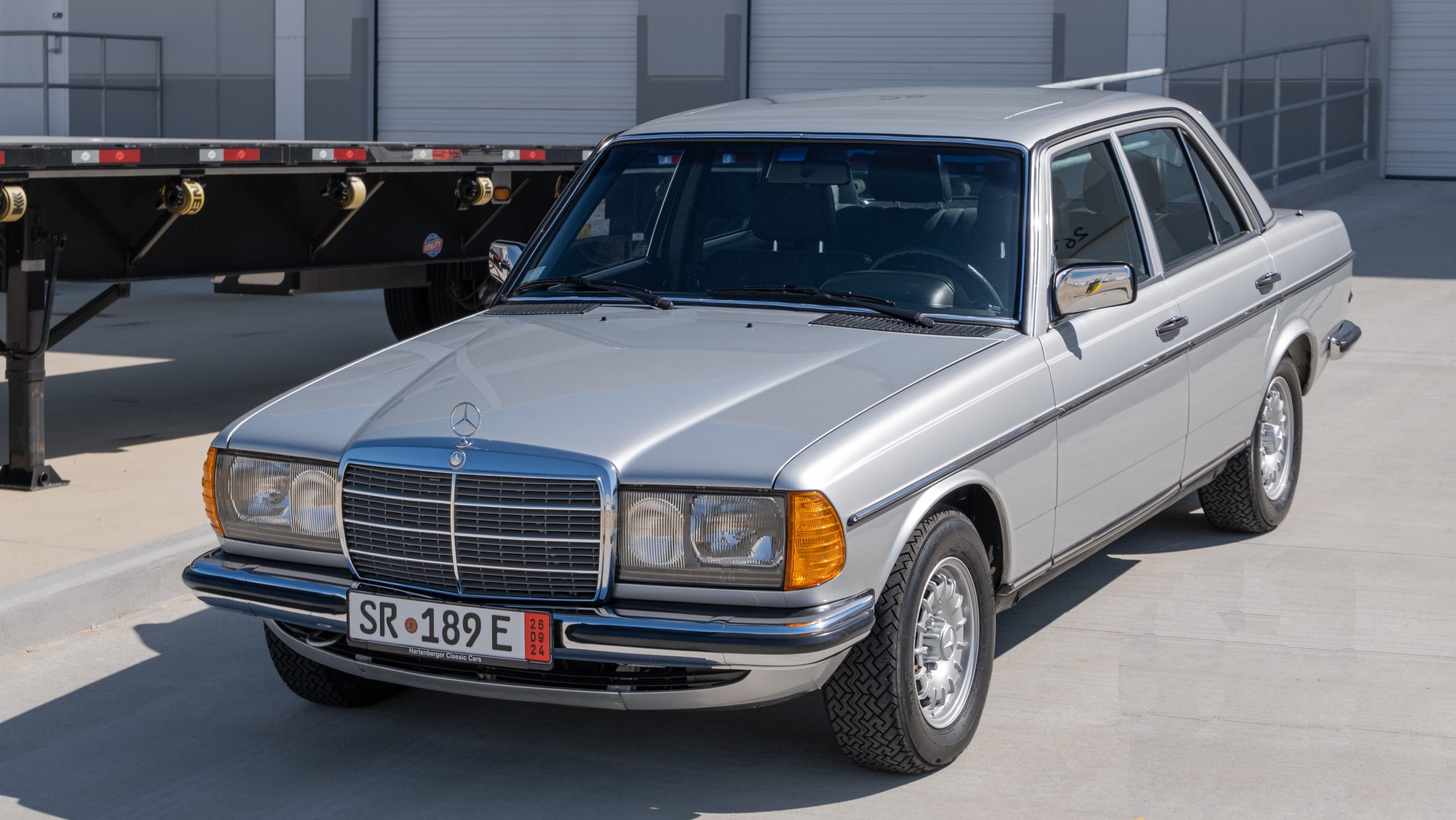
7. Mercedes-Benz W123
The Mercedes-Benz W123 series, produced from the mid-1970s to the mid-1980s, became a preferred police car in many European and Middle Eastern countries, especially Germany.
This luxury sedan stood out not just for its comfort but also for its exceptional build quality and engineering. Known for being nearly indestructible, the W123 combined durability with a refined driving experience, making it highly desirable for police departments that needed a vehicle capable of high-speed highway patrol and reliable urban work.
One of the reasons for the W123’s extended use in police fleets was its robust mechanical setup. The car was powered by a range of reliable gasoline and diesel engines that could handle extensive mileage without frequent major repairs.
Its suspension system was designed to cope with different road conditions, from smooth highways to rough city streets. This adaptability ensured that police officers could perform their duties effectively regardless of location or weather conditions.
The interior of the W123 was spacious and comfortable, providing ample room for officers and their gear. The build quality was such that these vehicles could endure long hours of use without interior wear becoming a major issue, an important consideration given the intensity of police work.
Additionally, Mercedes-Benz’s reputation for safety and engineering excellence gave law enforcement agencies confidence in deploying these cars across various operational roles.
Many police departments held onto their W123 units for well beyond their civilian sales life. In some places, these cars remained in service for more than two decades, supported by a strong network of spare parts and skilled mechanics familiar with Mercedes-Benz vehicles. Their reputation as a reliable, safe, and comfortable police car made the W123 a standout example of longevity in police transportation history.
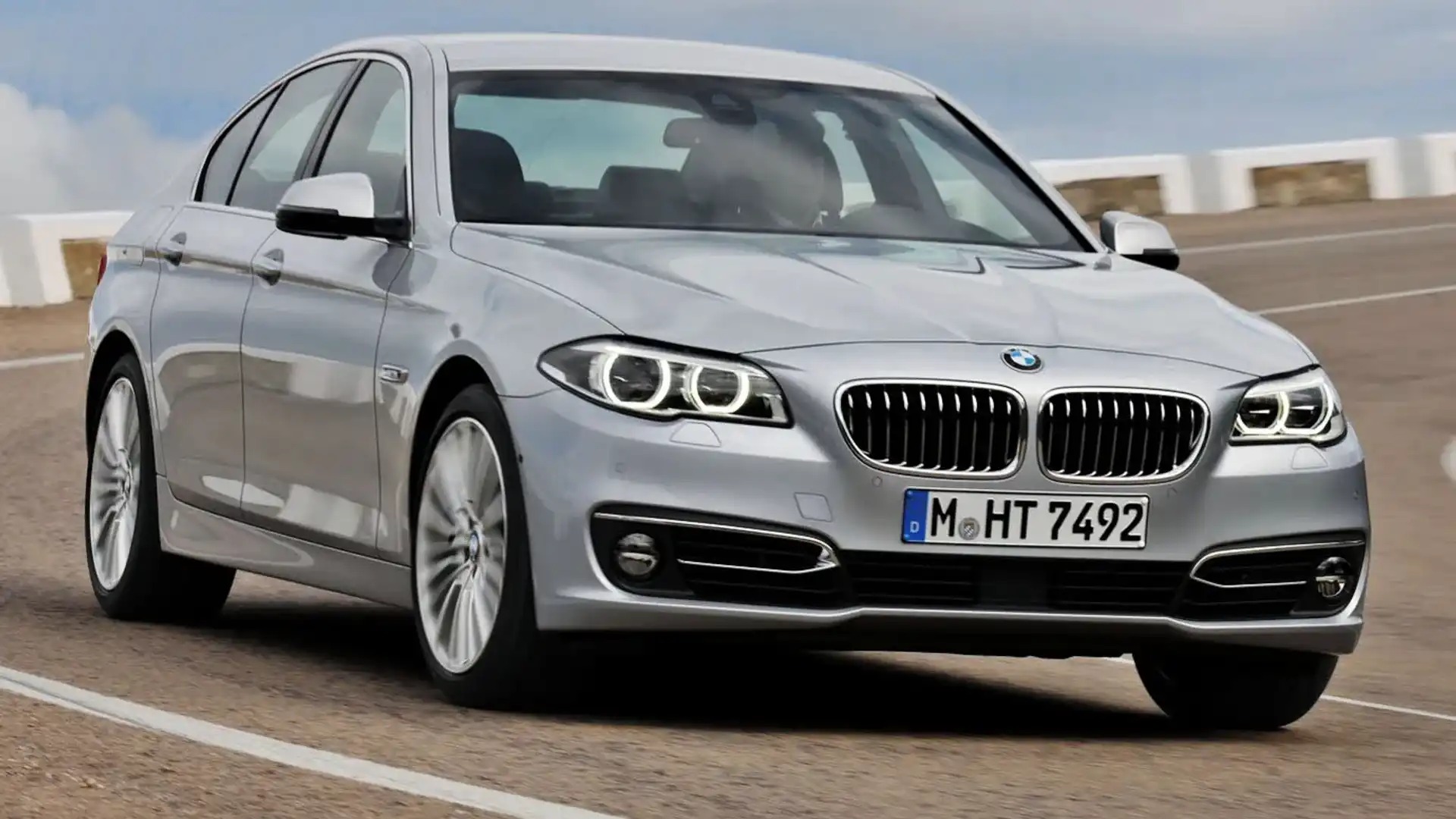
8. BMW 5 Series (E34 and E39 Generations)
BMW’s 5 Series, particularly the E34 (produced from the late 1980s to the mid-1990s) and the E39 (produced from the mid-1990s to early 2000s) generations, became staple police cars in many European countries.
These models brought together performance, advanced engineering, and a level of driver engagement that was rare among police vehicles of their time.
The 5 Series was favored especially in Germany and other parts of Europe, where police pursuits and rapid response were common.
The E34 and E39 offered powerful inline-six and V8 engines that provided excellent acceleration and top speeds, vital for highway patrol duties. Unlike some traditional police cars, these BMWs had precise handling, which made them suitable for the twists and turns of both urban streets and rural roads.
Officers appreciated the balanced chassis and suspension setups that allowed them to maintain control even under high-speed maneuvers.
Durability was another reason why these BMW models lasted so long in police service. The cars were built with high-quality materials and featured advanced engineering that helped prevent premature wear and tear.
Maintenance on BMWs, while sometimes more costly than more basic sedans, was offset by their longevity and performance reliability. Many police departments kept these vehicles in rotation for 15 to 20 years, often refurbishing them during their service life.
Comfort and safety were also strong selling points for police departments when it came to the BMW 5 Series. The interior was ergonomically designed, allowing officers to work for long hours without excessive fatigue.
Safety features, such as reinforced structures and airbags, were advanced for their time and contributed to the car’s reputation as a reliable and secure option for law enforcement. Together, these qualities ensured that the E34 and E39 remained police favorites for decades.
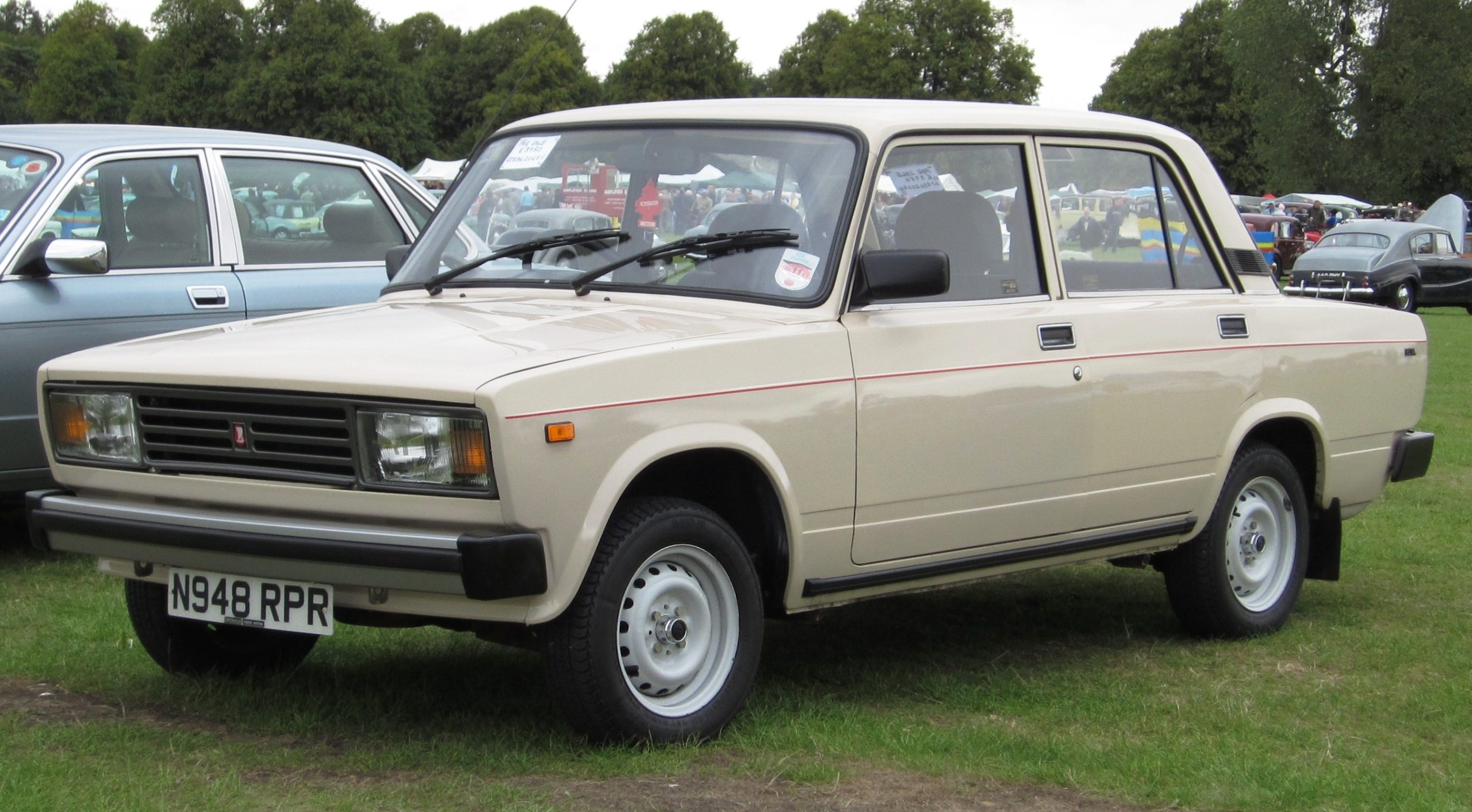
9. Lada Riva (Soviet and Post-Soviet Police Workhorse)
In the Soviet Union and later in many post-Soviet states, the Lada Riva (also known as the VAZ-2105/2107) was a ubiquitous police vehicle. Produced from the late 1970s through the early 2010s in various iterations, this car was emblematic of the practical, no-nonsense approach to law enforcement vehicles in that region.
Its simple design and mechanical reliability allowed police forces to use the same model for decades, even as more modern cars became available elsewhere.
The Lada Riva was powered by modest inline-four engines that prioritized fuel economy and ease of repair over speed. Rear-wheel drive and a straightforward suspension system made it capable of handling rough roads and unpaved areas, common in many parts of the Soviet Union.
Police departments appreciated that the car could be maintained with basic mechanical skills and parts were widely accessible, even in remote regions.
While the Riva was never known for high performance or luxury, its utilitarian nature was its greatest strength. The vehicle was cheap to acquire and operate, making it ideal for mass deployment in large police fleets.
Many departments relied on the Riva not just for patrol but also for administrative duties, training, and community policing. Its longevity was also due to the availability of replacement parts manufactured domestically, which made repairs straightforward and affordable.
Even after the Soviet Union dissolved, the Lada Riva continued to serve police departments across Russia and neighboring countries well into the 2000s. In some places, it remained in service alongside more modern vehicles, highlighting its reputation as a dependable and enduring police car.
Its presence in police fleets for such an extended period speaks to its functional design and the economic realities faced by law enforcement in the region.
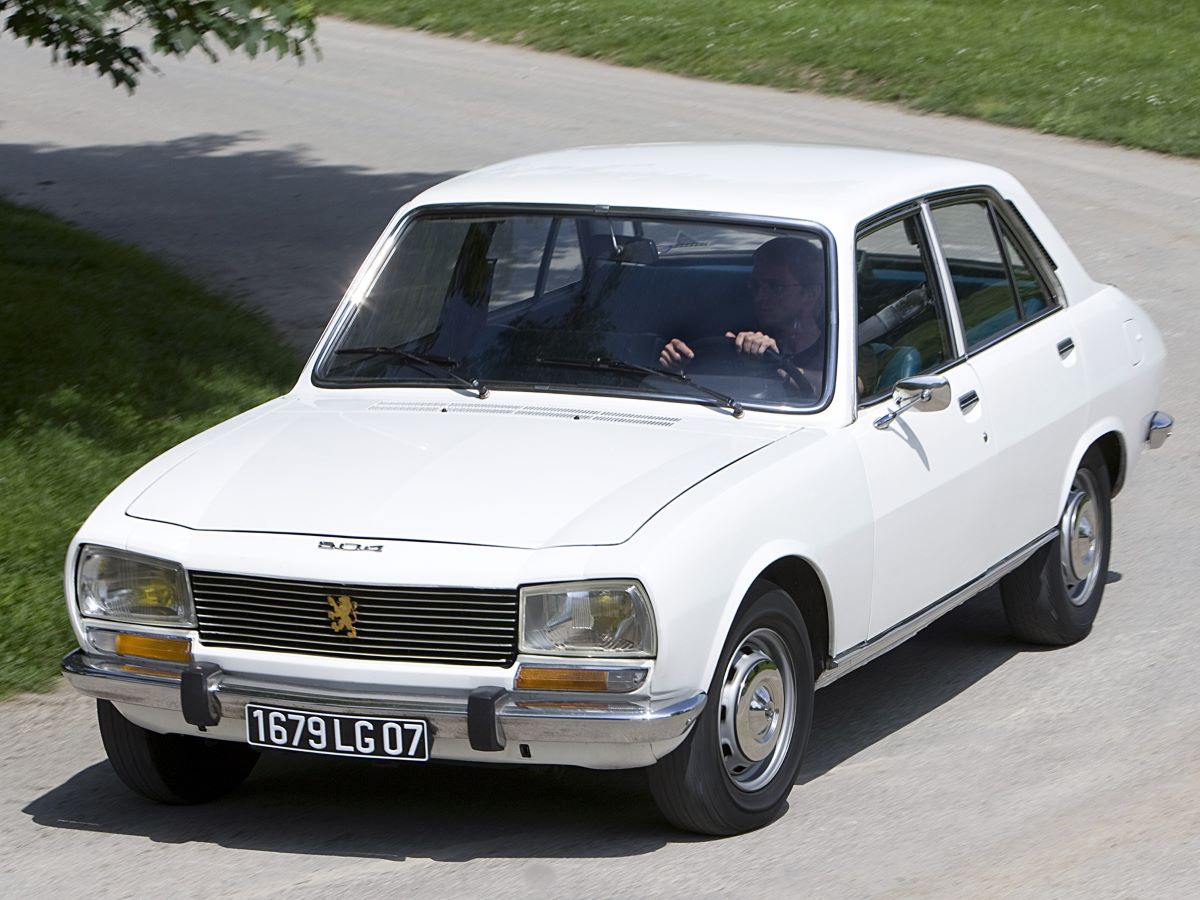
10. Peugeot 504 (African and Middle Eastern Police Workhorse)
The Peugeot 504 earned a remarkable reputation as a police car in many African and Middle Eastern countries, serving for decades from the late 1960s through the early 2000s.
Known for its ruggedness, simplicity, and versatility, the 504 was well-suited to the challenging conditions encountered by police forces in these regions. From rough rural terrain to busy urban streets, the Peugeot 504 proved to be a reliable companion for law enforcement officers.
One of the most impressive features of the Peugeot 504 was its durable chassis and suspension system. Designed originally as a family sedan, the car’s robust engineering allowed it to withstand the stresses of uneven roads and harsh climates without frequent breakdowns.
This resilience was essential in areas where road infrastructure was often poor, and police vehicles had to endure more than just typical wear and tear.
The Peugeot 504 was usually equipped with a range of gasoline and diesel engines that prioritized reliability and fuel economy, both important for police departments operating on limited budgets.
Its rear-wheel-drive layout, coupled with excellent ground clearance, allowed the car to perform well in diverse environments, from desert landscapes to city centers. This adaptability made it a preferred choice for various types of police work, including patrol, traffic enforcement, and community outreach.
Beyond its mechanical strengths, the Peugeot 504 was easy to maintain and repair, with parts widely available throughout Africa and the Middle East.
This accessibility helped police forces keep these cars running for decades, sometimes far beyond their intended service life. The vehicle’s longevity is a testament to its thoughtful design and suitability for the operational challenges faced by police departments in many developing regions.
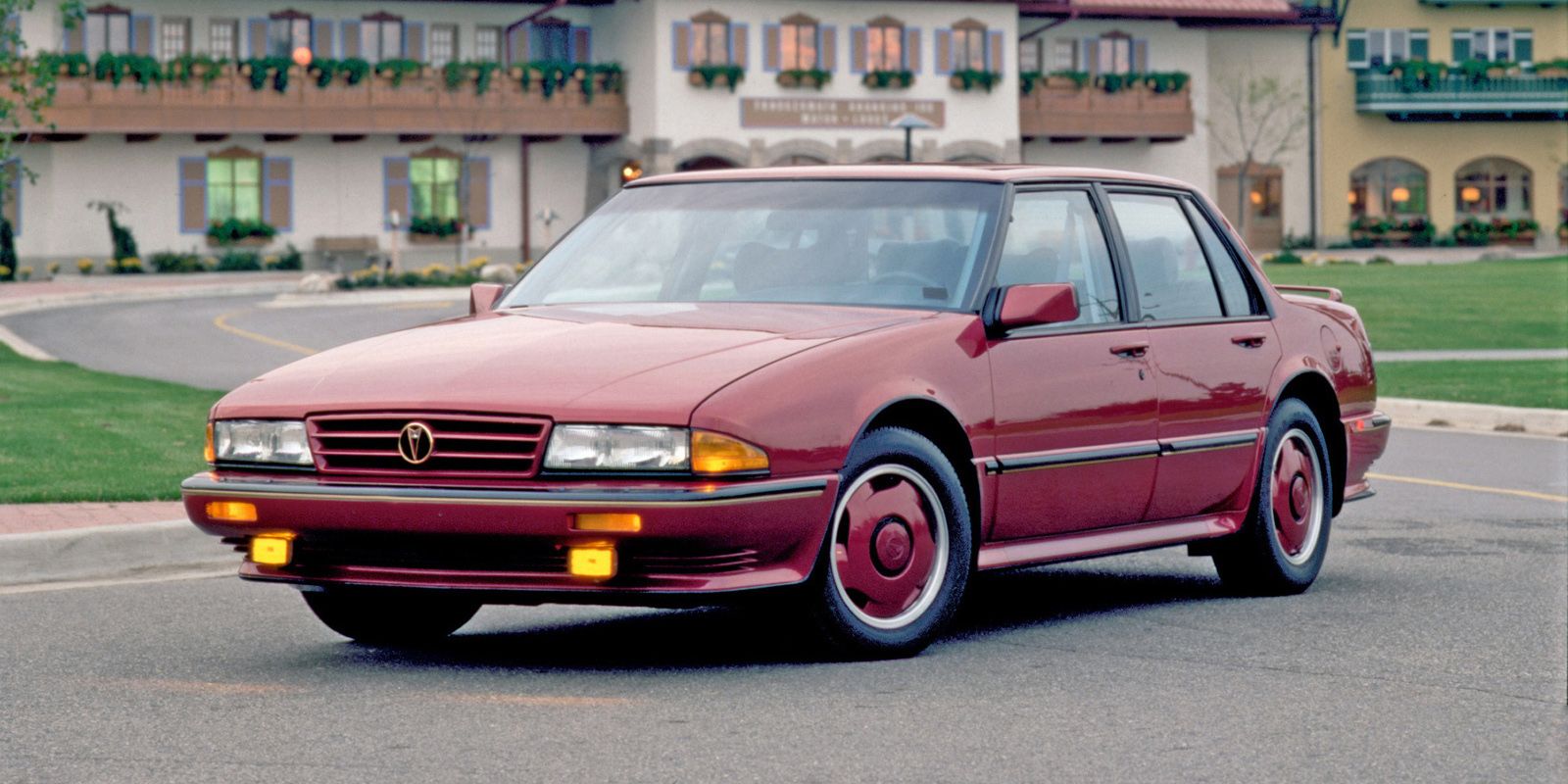
11. Pontiac Bonneville
The Pontiac Bonneville was a popular choice for many police departments in the United States, especially from the late 1970s through the 1990s. This full-size sedan was valued for its powerful engine options and comfortable ride, making it well-suited for long shifts and high-speed pursuits.
The Bonneville was built on a sturdy platform that could handle the rigorous demands of law enforcement while providing a smooth driving experience, which officers appreciated after many hours on patrol.
Many police agencies equipped the Bonneville with V8 engines, offering strong acceleration and the ability to maintain high speeds during chases.
Beyond performance, the interior space was generous, allowing room for both officers and detainees, as well as the necessary police gear. Its design balanced power and comfort, which helped departments maintain these vehicles in their fleets for many years.
The Bonneville’s reliability and ease of maintenance contributed significantly to its extended use. Parts were relatively inexpensive and widely available, and the car’s mechanical layout was straightforward enough to allow quick repairs.
Police departments, often operating under tight budget constraints, found the Bonneville to be a cost-effective option that could stay in service longer than many newer models.
Despite the eventual decline in popularity as more specialized police vehicles emerged, the Pontiac Bonneville remained a dependable and familiar presence in many departments’ fleets for decades.
It symbolized an era when American-made full-size sedans dominated law enforcement, combining power, practicality, and longevity in one package.
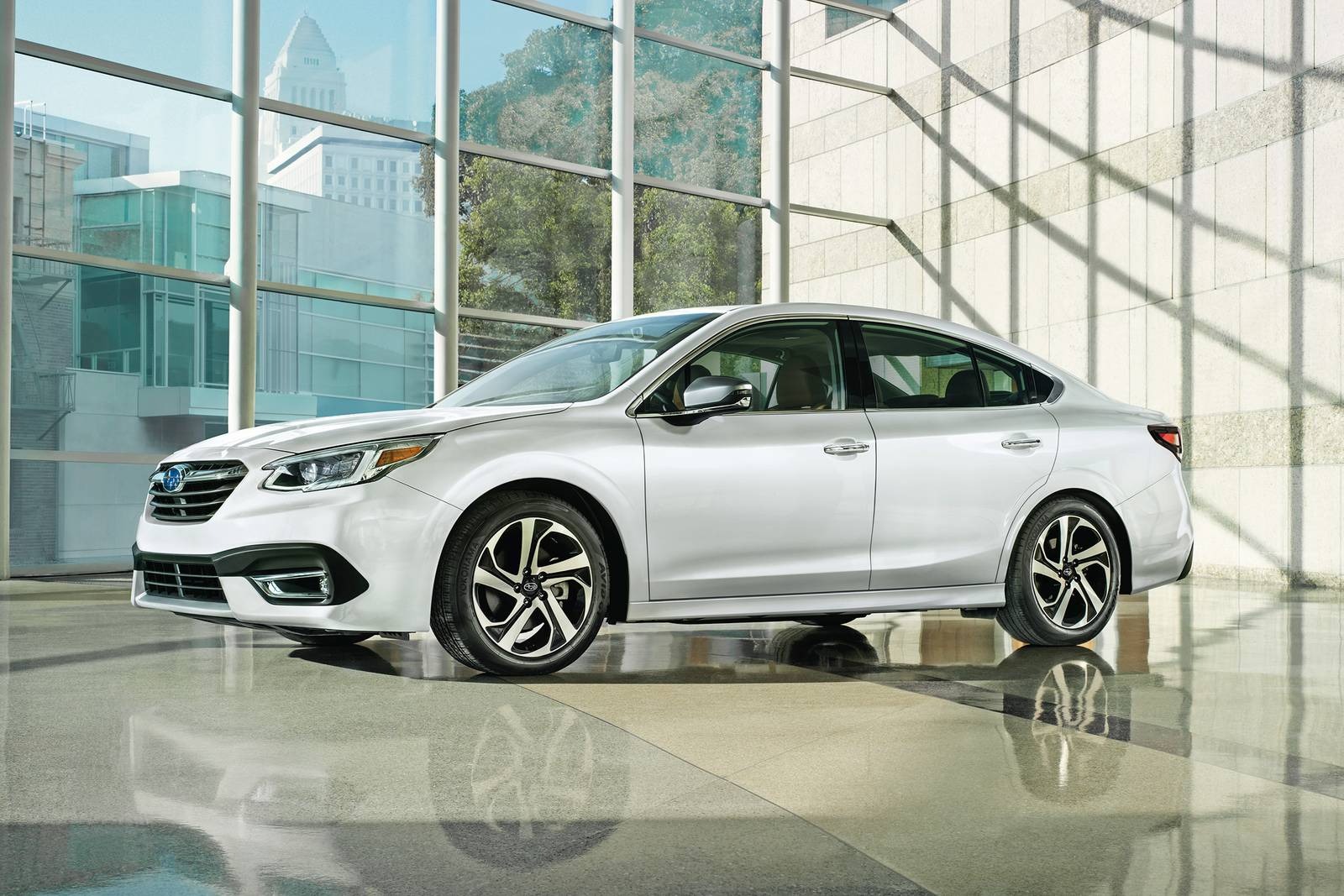
12. Subaru Legacy (Japanese and Australian Police Use)
The Subaru Legacy has been an important vehicle for police departments in Japan and Australia for decades, especially from the 1990s onward.
Known for its all-wheel-drive system, durability, and balanced performance, the Legacy offered unique advantages in areas where weather and road conditions could be unpredictable. Its combination of safety features, handling, and comfort made it well-suited to police work in both urban and rural environments.
One of the key reasons the Subaru Legacy lasted so long in police service was its symmetrical all-wheel drive, which provided excellent traction on wet, icy, or uneven surfaces.
This capability made the Legacy especially popular in regions with harsh winters or rugged terrain, where traditional rear-wheel-drive sedans struggled. The car’s solid build quality and efficient engine options helped departments maintain their fleets without excessive maintenance costs.
In addition to its performance benefits, the Legacy was designed with officer comfort in mind. The spacious interior allowed for easy installation of police equipment such as radios, computers, and sirens, while still providing a smooth and quiet ride. This combination made it a practical choice for long shifts, reducing fatigue and enhancing officer effectiveness.
Many police departments in Japan and Australia kept the Subaru Legacy in service for extended periods because of these attributes. Even as newer models appeared, the Legacy’s reputation for reliability and versatility ensured it remained a trusted vehicle for law enforcement.
Its presence in police fleets for decades highlights how certain cars meet the specific operational needs of agencies better than others, resulting in long service lives.
