
Emissions tests are a critical part of maintaining environmental standards and ensuring that vehicles on the road contribute as little pollution as possible. These tests measure the amount of harmful gases a car releases, such as carbon monoxide, hydrocarbons, and nitrogen oxides.
For drivers, passing an emissions test is often a requirement for renewing their vehicle registration or meeting regional regulations aimed at protecting air quality.
As concerns about air pollution and climate change continue to grow, cars that consistently pass emissions tests with flying colors become more desirable. Such vehicles typically have advanced engine technology, efficient fuel systems, and reliable emissions control components that reduce harmful exhaust gases.
When considering which cars rarely fail emissions tests, several factors come into play. The age of the vehicle, the condition of its engine, and the type of fuel it uses all influence how clean its exhaust emissions are. Newer models usually have stricter emissions standards and better technology to limit pollution.
Additionally, certain makes and models are known for having reliable emissions control systems that remain effective even after many miles of driving.
Drivers looking for a hassle-free experience when it comes to emissions testing often prioritize these vehicles because they reduce the risk of costly repairs or test failures.
In this article, we will look at twelve cars recognized for their strong track records in emissions testing. These vehicles stand out for their combination of durability, advanced engineering, and efficient emissions control. They represent a range of sizes and styles, including compact cars, sedans, and hybrids.
Each car has earned a reputation for producing lower emissions and passing tests consistently, making them attractive options for environmentally conscious buyers and anyone aiming to avoid the stress of failing an emissions inspection.
Understanding what makes these cars reliable in emissions testing can also provide valuable insight for owners of other vehicles who want to improve their own chances of passing.
Whether you are shopping for a new car, considering a used vehicle, or simply curious about which models perform well in emissions tests, this list will offer useful information. The twelve cars presented here not only meet strict environmental standards but also deliver solid performance and dependability.
Their success in emissions tests highlights the importance of good design, maintenance, and technology in keeping pollution low. Now, let’s examine the specific cars that rarely fail emissions tests and explore what sets them apart.
Also Read: 12 Cars of the Future That Might Actually Last Longer
1. Toyota Prius
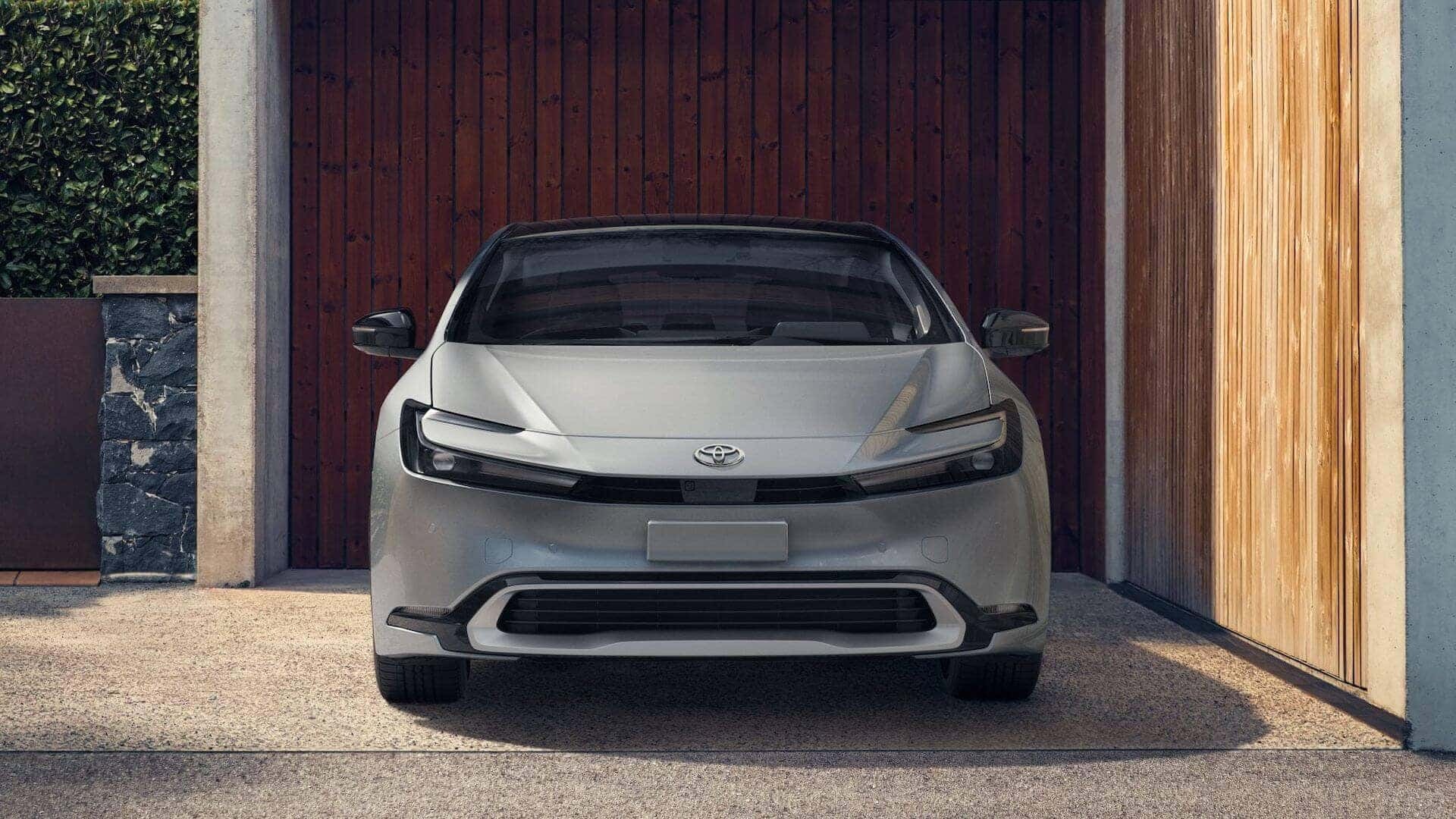
The Toyota Prius is widely known as one of the most environmentally friendly vehicles on the road. As a pioneering hybrid, it combines a gasoline engine with an electric motor to reduce fuel consumption and emissions. Its design focuses heavily on minimizing harmful gases, and this is reflected in its excellent emissions test record.
The hybrid system allows the car to operate in electric mode at lower speeds, cutting down on exhaust emissions during stop-and-go driving. Additionally, Toyota’s attention to the catalytic converter and onboard diagnostics ensures the vehicle’s emissions system stays in top condition.
Owners of the Prius often report few issues when it comes to emissions testing. This reliability is partly due to Toyota’s continuous improvements in emissions control technology. The Prius’s engine management system is designed to adjust fuel delivery and combustion in ways that minimize pollutant production.
As a result, the vehicle produces lower levels of nitrogen oxides and hydrocarbons compared to many other gas-powered cars. The battery and electric motor work together to provide smooth acceleration and assist the engine, reducing strain and maintaining cleaner exhaust.
In addition to its hybrid powertrain, the Prius benefits from strong build quality and robust maintenance schedules recommended by Toyota. Regular servicing, including timely replacement of air filters and spark plugs, helps keep emissions low.
Drivers who follow these maintenance routines find their cars rarely fail emissions inspections, even after many years on the road. The Prius’s reputation has made it a favorite choice for drivers who prioritize environmental impact without sacrificing practicality or performance.
Lastly, the Prius continues to evolve with newer models incorporating more efficient batteries and improved emissions software. This ongoing development ensures that the Prius remains at the forefront of clean vehicle technology.
Its consistent performance in emissions tests highlights the benefits of hybrid technology combined with reliable engineering. For anyone looking for a car that’s almost guaranteed to pass emissions testing, the Toyota Prius is a clear leader.

2. Honda Civic
The Honda Civic is another vehicle with a strong track record in emissions testing, especially in its newer generations. Known for its balance of fuel efficiency and reliability, the Civic is a popular choice worldwide.
Its engines are designed with advanced fuel injection and combustion technology that reduces emissions significantly. Honda has also integrated efficient catalytic converters and exhaust gas recirculation (EGR) systems into the Civic to ensure cleaner exhaust output.
One of the reasons the Civic performs well on emissions tests is its consistent use of quality components and precise engine management. The car’s onboard diagnostics system continuously monitors emissions-related parts, alerting the driver if maintenance or repairs are needed.
This early warning helps prevent the buildup of pollutants and increases the chances of passing inspection. Many drivers find that by addressing minor issues quickly, they avoid failures that could lead to costly repairs.
Fuel economy also plays a key role in the Civic’s emissions success. The engines are engineered to optimize combustion, which not only saves fuel but also reduces the amount of unburned hydrocarbons released into the atmosphere.
Additionally, the Civic’s relatively light weight and aerodynamic shape contribute to better efficiency, meaning the engine works less hard and produces fewer emissions during normal driving conditions.
Another aspect that helps the Civic pass emissions testing is Honda’s commitment to continuous improvement. The company updates its engines and emissions systems with each model year to meet or exceed tightening regulatory standards.
This focus on innovation has allowed the Civic to remain a strong contender for drivers seeking an emissions-friendly vehicle that is also affordable and practical.
3. Ford Fusion Hybrid
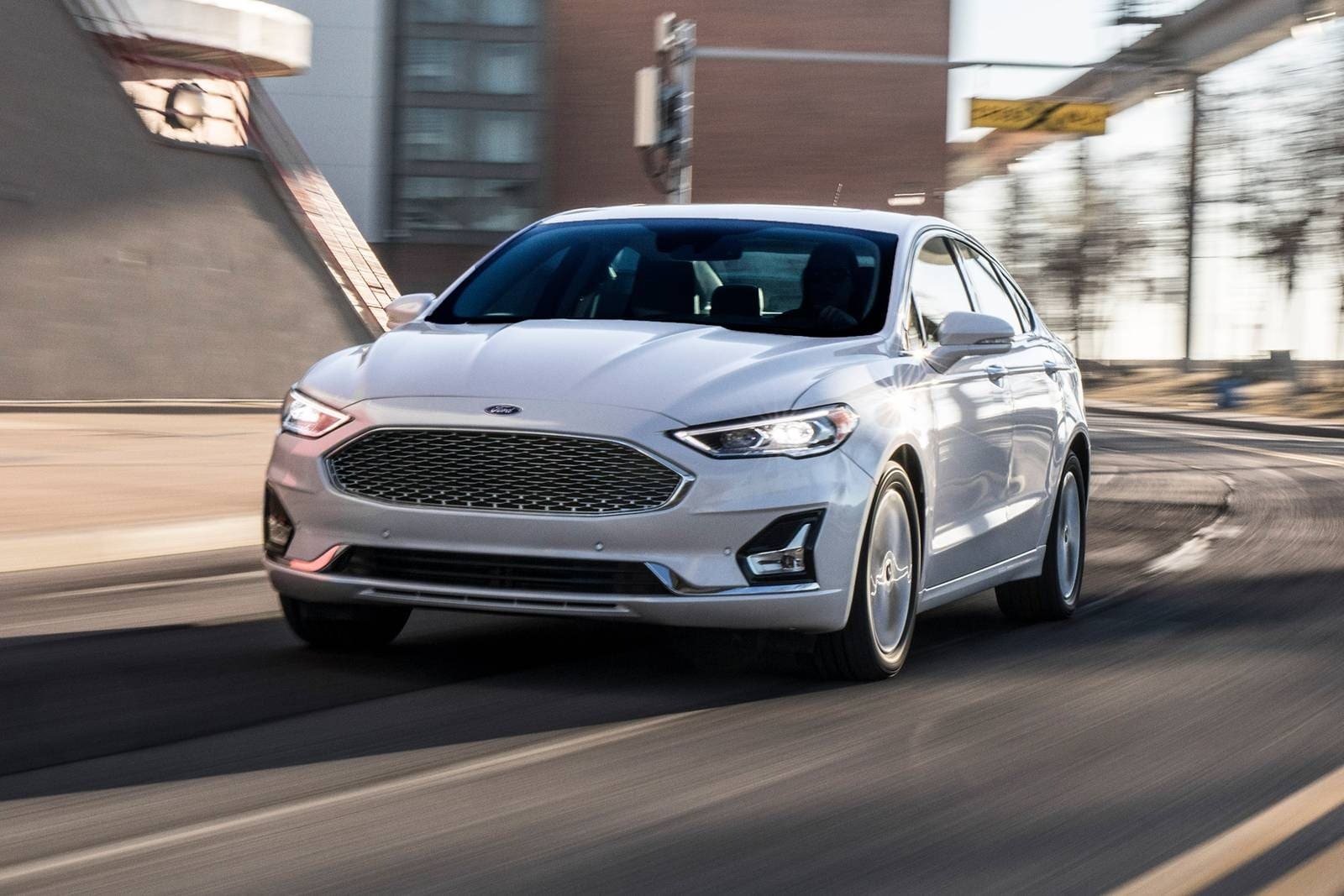
The Ford Fusion Hybrid offers a blend of performance, comfort, and environmental responsibility. Like other hybrids, it combines a gasoline engine with an electric motor, which helps reduce emissions by lowering fuel consumption during city driving and stop-and-go traffic.
The Fusion Hybrid’s technology is tuned to maintain a clean exhaust through careful control of the combustion process and effective emissions after-treatment systems.
One of the key factors behind the Fusion Hybrid’s emissions reliability is its use of a highly efficient catalytic converter system. This system quickly converts harmful gases into less damaging substances, helping the car pass emissions tests with minimal difficulty.
Ford also employs sophisticated sensors and feedback systems that adjust engine parameters in real-time to ensure that emissions stay within acceptable limits.
In addition to the hybrid powertrain, the Fusion Hybrid benefits from regular maintenance recommendations designed to keep the emissions system functioning optimally.
Proper care of the vehicle’s oxygen sensors, fuel injectors, and spark plugs is critical to maintaining clean combustion and low emissions. Drivers who adhere to the manufacturer’s service schedule often report trouble-free emissions inspections.
Furthermore, the Fusion Hybrid’s design emphasizes durability and long-term reliability, which means its emissions control components remain effective even after many miles of driving.
This durability, combined with advanced hybrid technology, makes the Fusion Hybrid a strong candidate for drivers seeking a car that rarely fails emissions testing while still offering a spacious and comfortable ride.
4. Lexus ES 300h
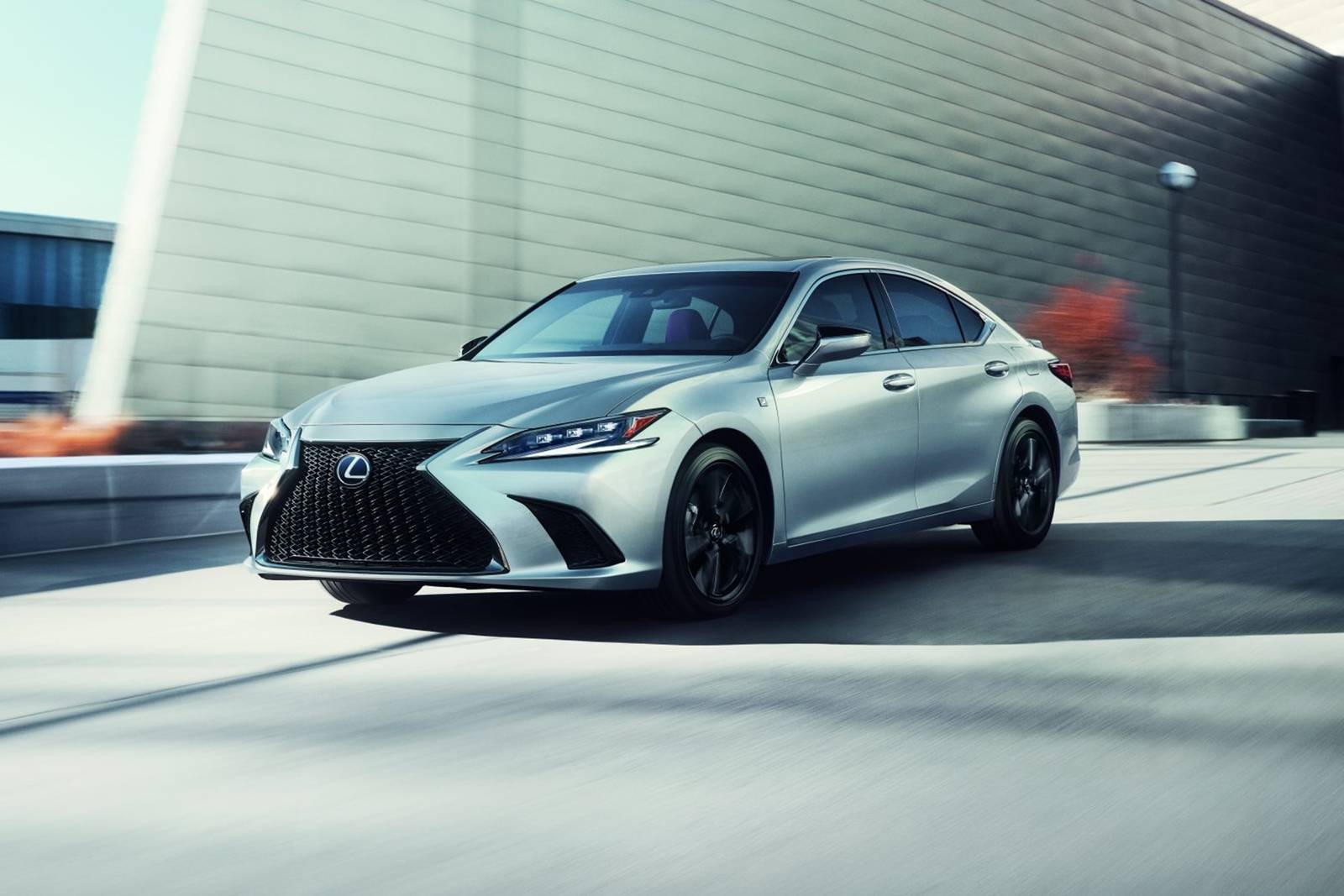
The Lexus ES 300h is a luxury hybrid sedan that shares much of its technology with the Toyota Prius but offers a more refined driving experience.
Its hybrid system reduces fuel consumption and emissions by using electric power during low-speed driving and assisting the gasoline engine when acceleration is needed. Lexus places a strong emphasis on smooth operation and advanced emissions control technology in this model.
The ES 300h features a highly efficient catalytic converter and an exhaust system designed to meet stringent emissions standards. Lexus uses precise fuel injection and combustion techniques that minimize the production of nitrogen oxides and other pollutants.
The car’s onboard diagnostics system monitors emissions components and alerts drivers to any issues that could lead to test failure, allowing problems to be addressed promptly.
Maintenance also plays a vital role in the ES 300h’s emissions success. Lexus recommends regular servicing of key components such as spark plugs, air filters, and oxygen sensors to keep emissions low.
The vehicle’s robust design means that emissions systems remain reliable over time, and drivers who follow maintenance schedules tend to pass emissions tests without trouble.
The combination of luxury, technology, and environmental responsibility makes the Lexus ES 300h an excellent choice for those who want a car that not only rarely fails emissions tests but also delivers comfort and sophistication. Its hybrid system continues to perform well in emissions inspections, reflecting Lexus’s commitment to clean and efficient vehicles.
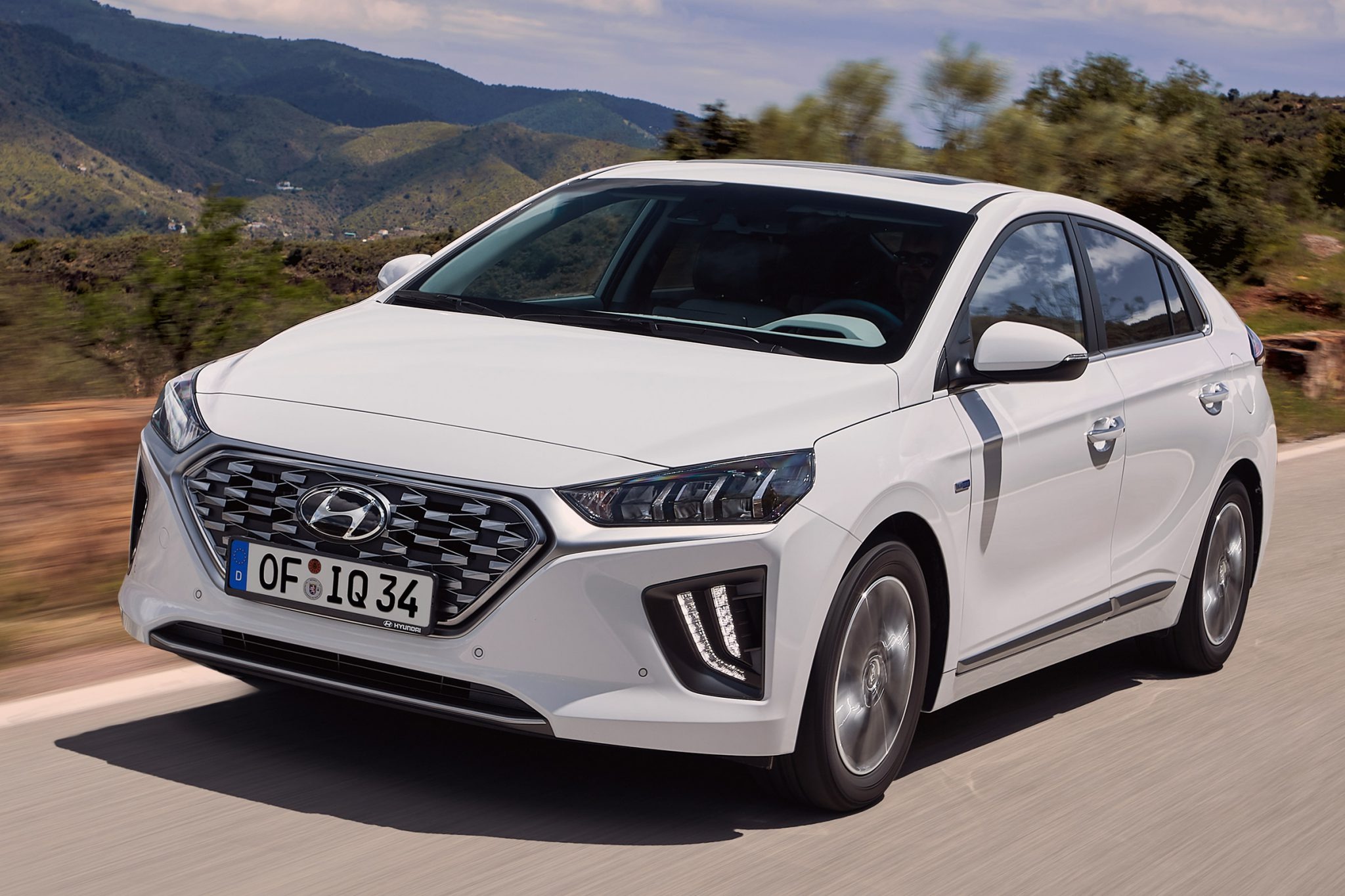
5. Hyundai Ioniq Hybrid
The Hyundai Ioniq Hybrid is designed with a focus on efficiency and low emissions. It combines a gasoline engine with an electric motor and uses advanced battery technology to reduce fuel consumption and exhaust pollutants.
The Ioniq Hybrid’s emissions control system includes a high-efficiency catalytic converter and an electronic control unit that carefully manages fuel delivery and combustion.
One of the Ioniq Hybrid’s strengths is its ability to switch seamlessly between electric and gasoline power, which helps keep emissions to a minimum in urban driving.
The car’s onboard sensors constantly monitor emissions components and provide real-time feedback to maintain optimal engine performance. This technology ensures that the vehicle stays within emissions limits under a wide range of driving conditions.
Hyundai also provides a detailed maintenance schedule for the Ioniq Hybrid, emphasizing the importance of regular oil changes, air filter replacements, and inspections of the emissions system.
Following these guidelines helps prevent emissions failures and extends the life of key components. Many drivers find the Ioniq Hybrid to be reliable and economical in terms of both fuel and maintenance costs.
In addition to its hybrid powertrain, the Ioniq Hybrid benefits from aerodynamic design and lightweight materials, which contribute to lower emissions by reducing the engine’s workload.
This combination of advanced technology and efficient design makes the Hyundai Ioniq Hybrid one of the vehicles that rarely fails emissions tests and appeals to drivers looking for an environmentally friendly option.
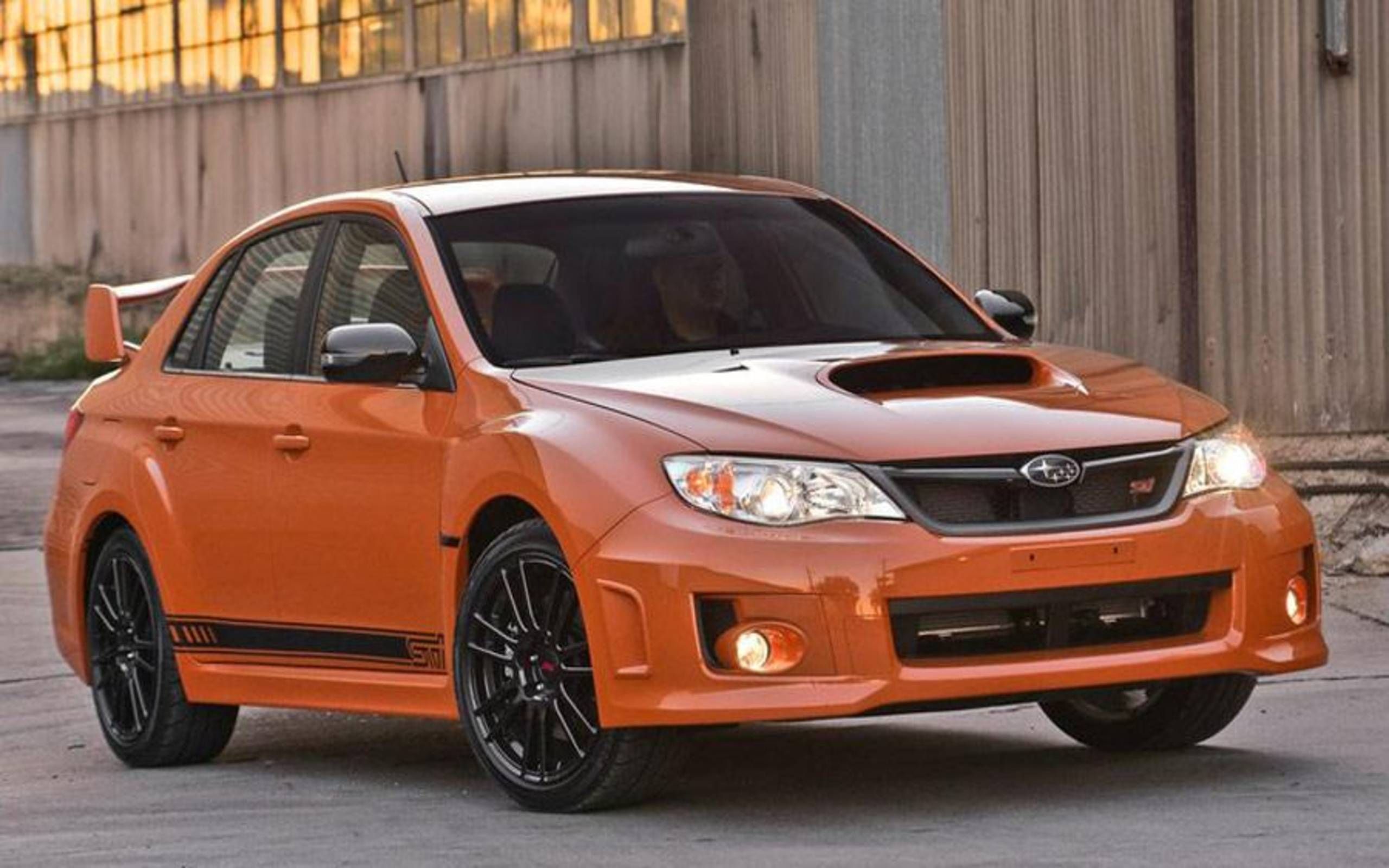
6. Subaru Impreza
The Subaru Impreza is a compact car that combines all-wheel drive capability with solid fuel efficiency and reliable emissions performance. Subaru’s use of boxer engines in the Impreza helps lower the car’s center of gravity, contributing to better stability and smoother engine operation.
This engine design also promotes more complete combustion, which results in fewer unburned hydrocarbons and lower emissions. The Impreza’s emission control system is robust, featuring a high-quality catalytic converter and oxygen sensors that monitor exhaust gases in real-time.
Subaru has invested in improving the Impreza’s fuel injection and ignition timing systems to ensure optimal combustion under different driving conditions.
The car’s engine management system constantly adjusts to maintain the proper air-fuel mixture, which helps reduce nitrogen oxide emissions and carbon monoxide output. Moreover, the vehicle’s all-wheel drive system is designed with efficiency in mind, ensuring it doesn’t unnecessarily increase fuel consumption or emissions during normal driving.
Regular maintenance is critical to keeping the Impreza’s emissions system functioning at its best. Subaru recommends routine inspections of the spark plugs, air filters, and fuel system components, as well as timely replacement of parts that can affect emissions, such as the catalytic converter or oxygen sensors.
Owners who keep up with these schedules often report smooth emissions test experiences, even as the vehicle ages. The longevity of the emissions system components also contributes to the Impreza’s solid reputation in this area.
Additionally, the Impreza’s emissions performance benefits from Subaru’s commitment to reducing environmental impact across its lineup.
This includes engineering improvements such as the use of lighter materials to improve fuel economy and reduce engine load. These factors combined make the Subaru Impreza a practical choice for drivers who want a car with dependable emissions control, capable all-wheel drive, and reasonable fuel efficiency.
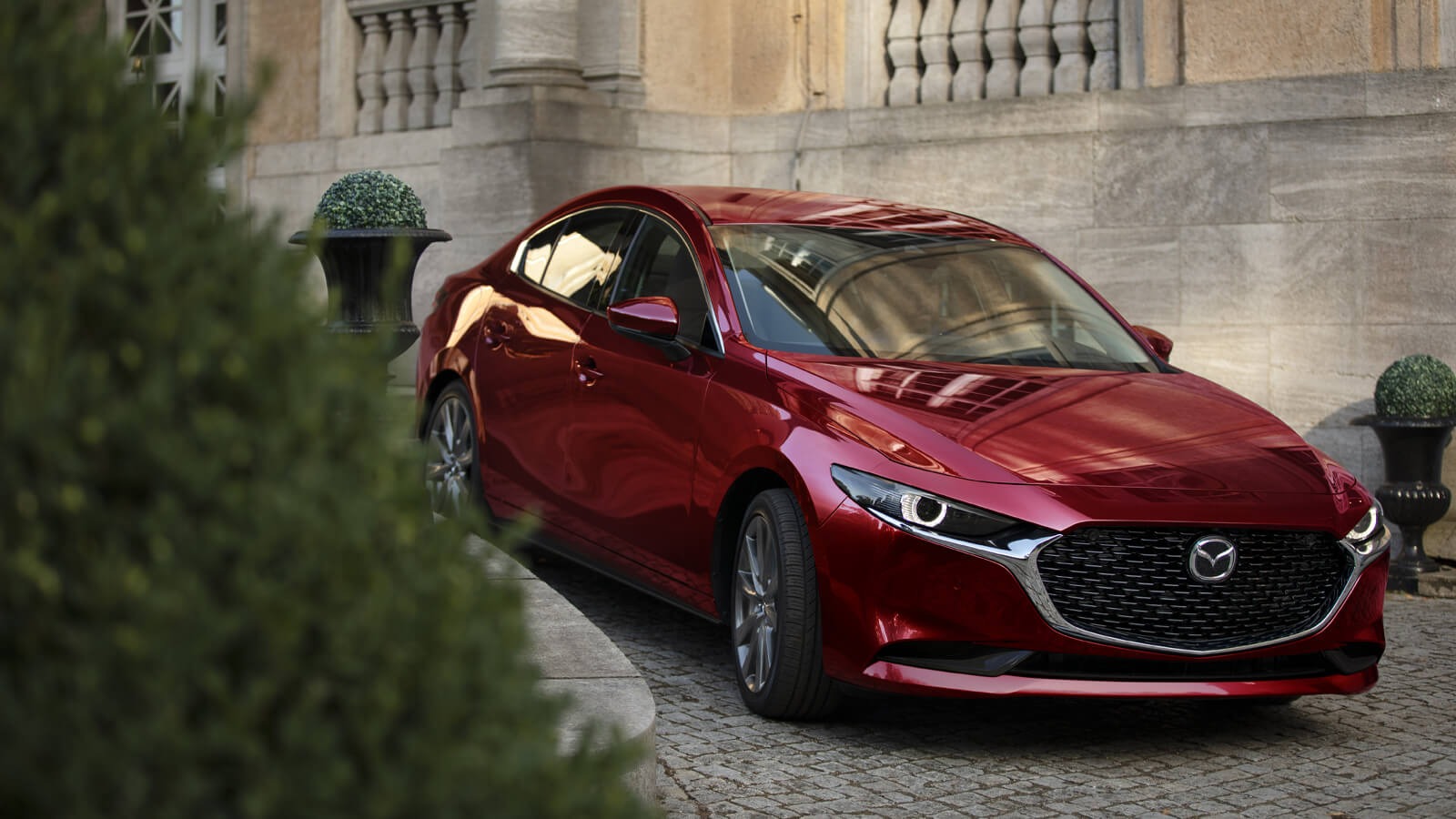
7. Mazda3
The Mazda3 is known for its sporty handling and efficient Skyactiv engines that deliver both power and fuel economy. Mazda’s innovative approach to combustion engine design plays a significant role in the Mazda3’s consistent success in emissions testing.
Skyactiv technology optimizes the combustion process by increasing compression ratios and improving fuel atomization. This results in more complete fuel burn and lower emissions of carbon monoxide and hydrocarbons.
Beyond the engine, Mazda uses a suite of emissions control technologies to keep exhaust pollutants low. These include catalytic converters with enhanced durability and oxygen sensors that provide accurate feedback for real-time engine adjustments.
The Mazda3 also incorporates an advanced exhaust gas recirculation system that reduces nitrogen oxide emissions by recirculating a portion of exhaust gases back into the engine for re-burning.
Maintenance and timely servicing are vital for maintaining the Mazda3’s clean emissions profile. Mazda emphasizes the importance of regular oil changes with high-quality synthetic oil, replacement of spark plugs, and inspection of air filters and emission-related components.
These actions help prevent the buildup of deposits that can affect combustion efficiency and emissions output. Owners who follow the recommended service schedules find the Mazda3 to be reliable when it comes to passing emissions inspections.
Furthermore, Mazda’s commitment to engineering excellence ensures that emissions control systems remain effective over time. The Mazda3’s light body construction and aerodynamic design also contribute to lower engine load, improving fuel efficiency and reducing emissions.
These combined efforts make the Mazda3 a well-regarded option for drivers seeking a car that rarely fails emissions tests without compromising on driving enjoyment.
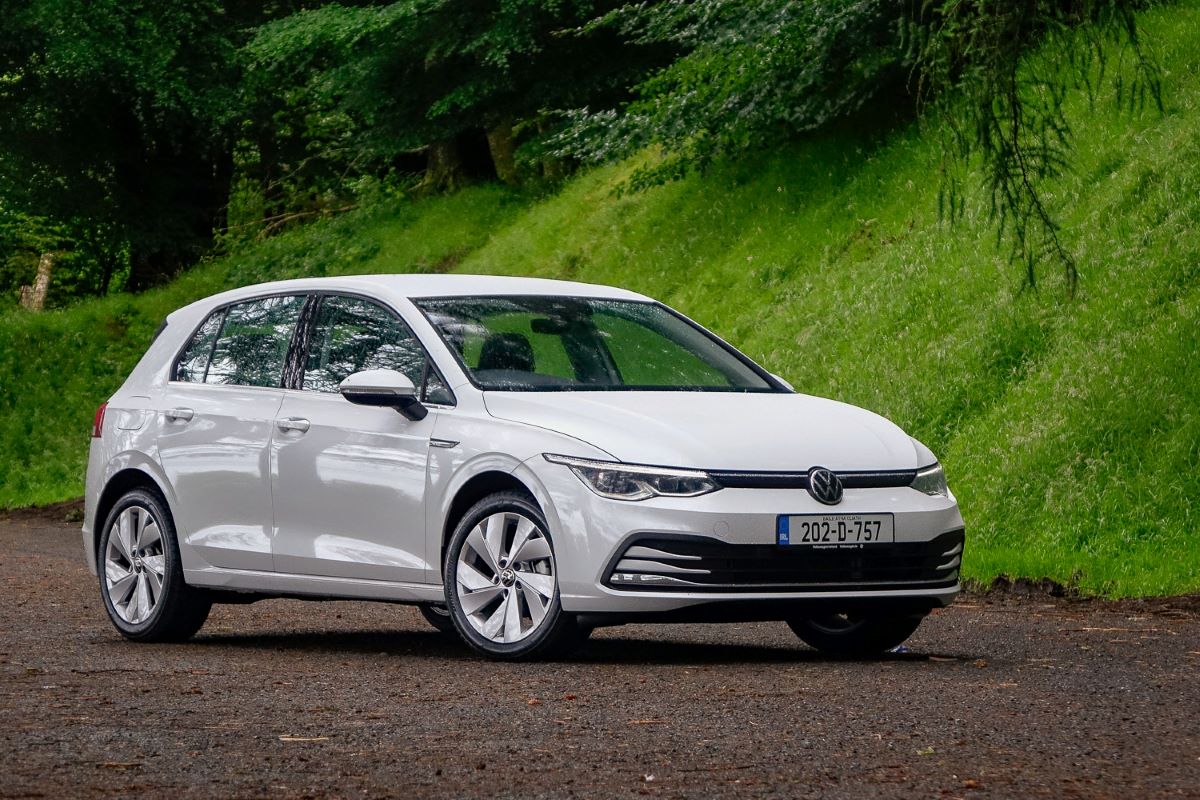
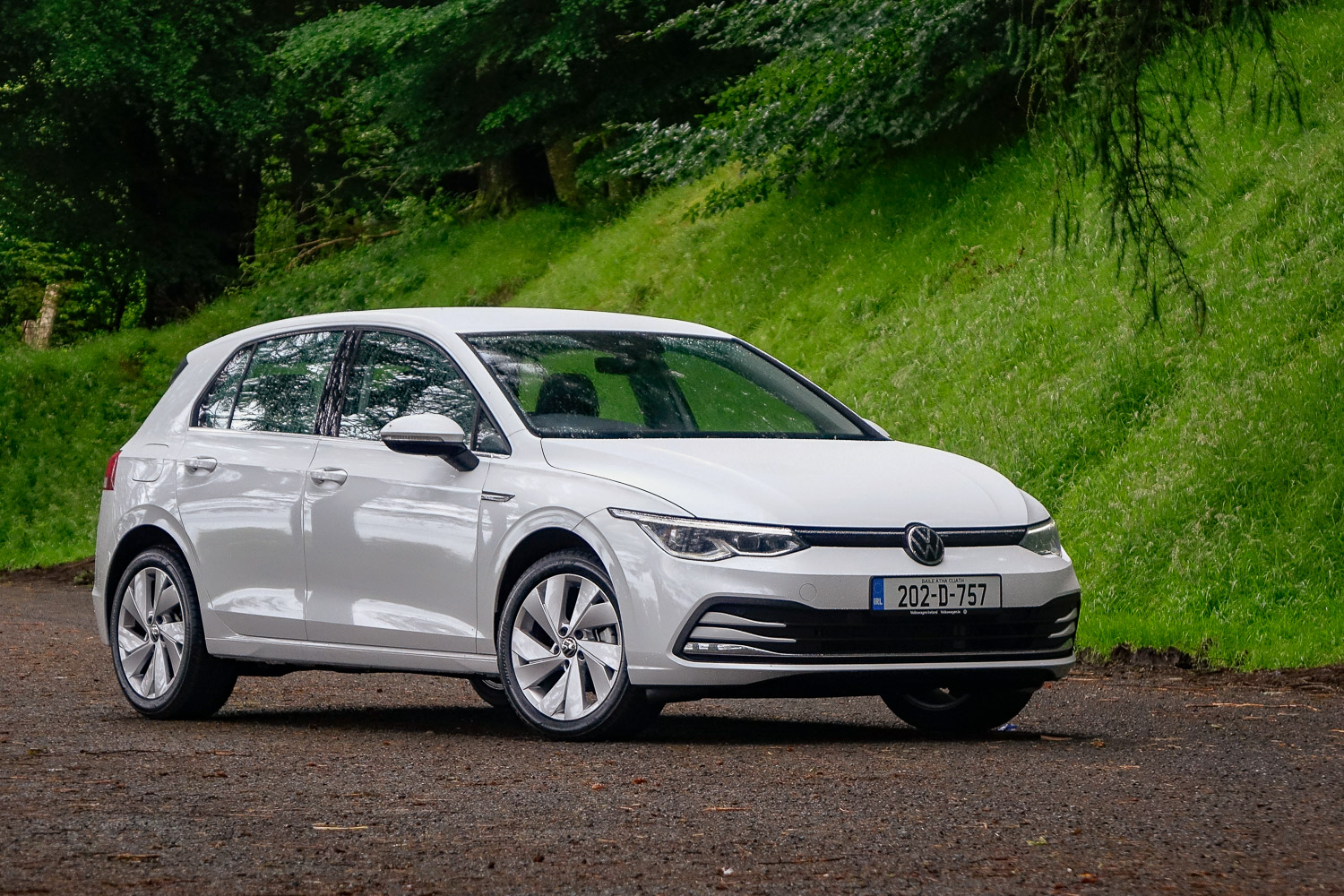
8. Volkswagen Golf TDI (Clean Diesel)
The Volkswagen Golf TDI, particularly the models equipped with advanced clean diesel technology, has been recognized for its ability to pass emissions tests reliably.
The TDI diesel engine uses a turbocharger and direct fuel injection to optimize combustion efficiency and reduce emissions. One of the critical components in the emissions control system of these vehicles is the diesel particulate filter (DPF), which traps soot and other particles before they can be released into the atmosphere.
In addition to the DPF, the Golf TDI uses a selective catalytic reduction (SCR) system that injects a urea-based solution into the exhaust stream.
This process converts nitrogen oxides into harmless nitrogen and water vapor, significantly lowering harmful emissions. The vehicle’s onboard diagnostics continuously monitor these systems to ensure proper functioning, reducing the likelihood of test failures.
Maintaining a Volkswagen Golf TDI to pass emissions testing involves specific attention to the diesel emissions system. Owners must ensure that the DPF is regularly regenerated, either passively or actively, to prevent clogging and failure.
This typically occurs during longer highway drives, which allow the system to burn off accumulated soot. Regular servicing of the SCR system and proper use of diesel exhaust fluid (DEF) is also essential.
Despite some challenges diesel vehicles have faced historically, the Golf TDI’s modern clean diesel technology has proven effective in reducing emissions and maintaining compliance with environmental standards.
When properly maintained, this car performs well on emissions tests, offering drivers the benefit of diesel fuel efficiency without compromising air quality.
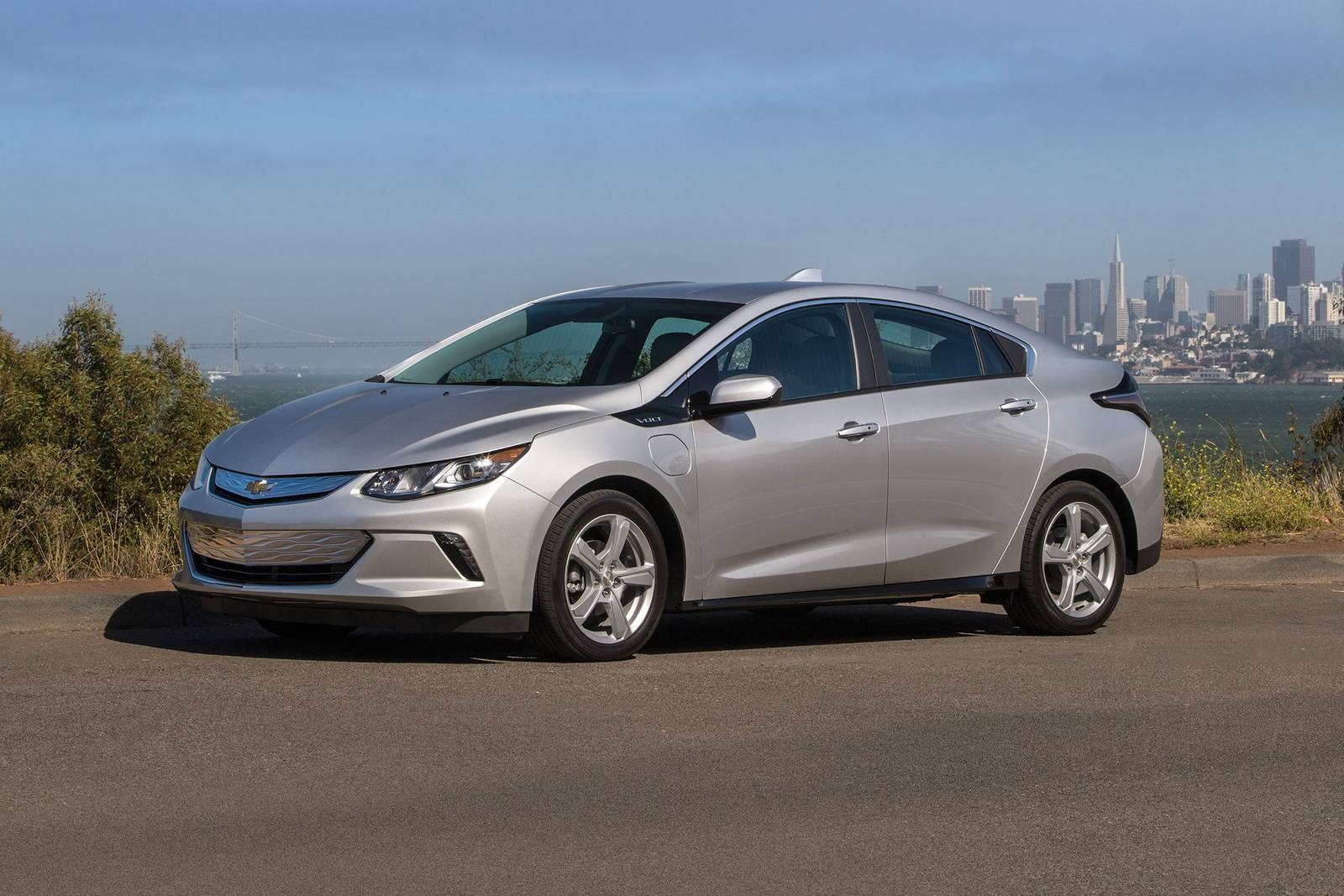
9. Chevrolet Volt
The Chevrolet Volt is a plug-in hybrid electric vehicle (PHEV) that blends electric-only driving with a gasoline engine for extended range. This dual powertrain setup greatly reduces emissions during most daily use since many trips can be completed on electric power alone, producing zero tailpipe emissions.
When the gasoline engine does engage, it operates in a highly efficient manner designed to minimize pollutants.
The Volt’s emissions control system is sophisticated, featuring catalytic converters, oxygen sensors, and an advanced engine control unit that manages fuel injection and combustion timing to limit emissions.
The electric motor assists the engine during acceleration, reducing the engine’s workload and lowering exhaust output. Additionally, regenerative braking helps recover energy and further improve efficiency.
Owners of the Volt often experience minimal emissions-related issues because the vehicle’s electric-first design drastically reduces the time the gasoline engine runs.
Maintenance routines typically focus on the battery system, electric motor, and conventional engine components like spark plugs and filters. As long as these are kept in good condition, the Volt’s emissions performance remains strong.
The Chevrolet Volt stands out as a practical choice for drivers seeking to reduce their environmental footprint without the range anxiety sometimes associated with fully electric vehicles.
Its ability to pass emissions tests with ease reflects the effectiveness of combining electric drive with gasoline power in a well-engineered hybrid system.
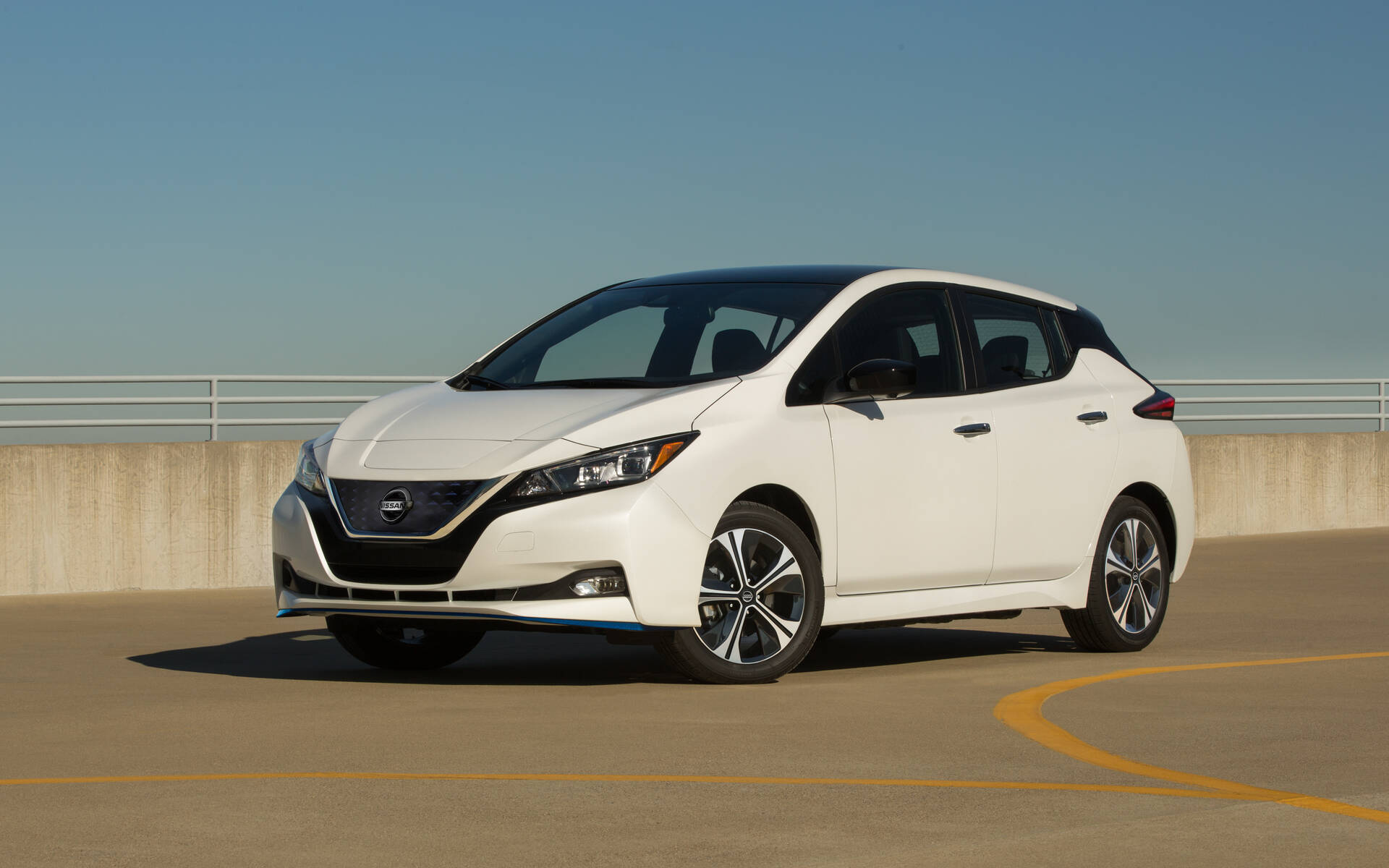
10. Nissan Leaf
The Nissan Leaf is a fully electric vehicle, which means it produces zero tailpipe emissions and, therefore, never fails traditional emissions tests.
As one of the most popular electric cars globally, the Leaf has helped redefine expectations for environmentally friendly transportation. Since it doesn’t have a gasoline or diesel engine, there are no emissions to measure, eliminating the risk of failure during inspections.
Electric vehicles like the Leaf rely on batteries and electric motors to provide propulsion. This setup eliminates the production of carbon monoxide, hydrocarbons, nitrogen oxides, and particulate matter typically associated with internal combustion engines.
As a result, EVs contribute significantly less to urban air pollution and greenhouse gas emissions, especially when charged with electricity from renewable sources.
Maintenance for the Nissan Leaf differs from conventional vehicles. Since there is no engine or exhaust system, owners focus on battery health, electric motor functionality, and software updates.
These vehicles typically require less frequent servicing and have fewer components that can wear out or cause emissions problems. The Leaf’s design also incorporates regenerative braking, which improves energy efficiency and reduces brake wear.
The Nissan Leaf’s ability to bypass emissions testing entirely makes it an attractive option for drivers who want to avoid the hassle and cost of emissions inspections. Its clean, quiet operation and lower environmental impact continue to drive the popularity of electric vehicles in cities and regions with strict emissions regulations.
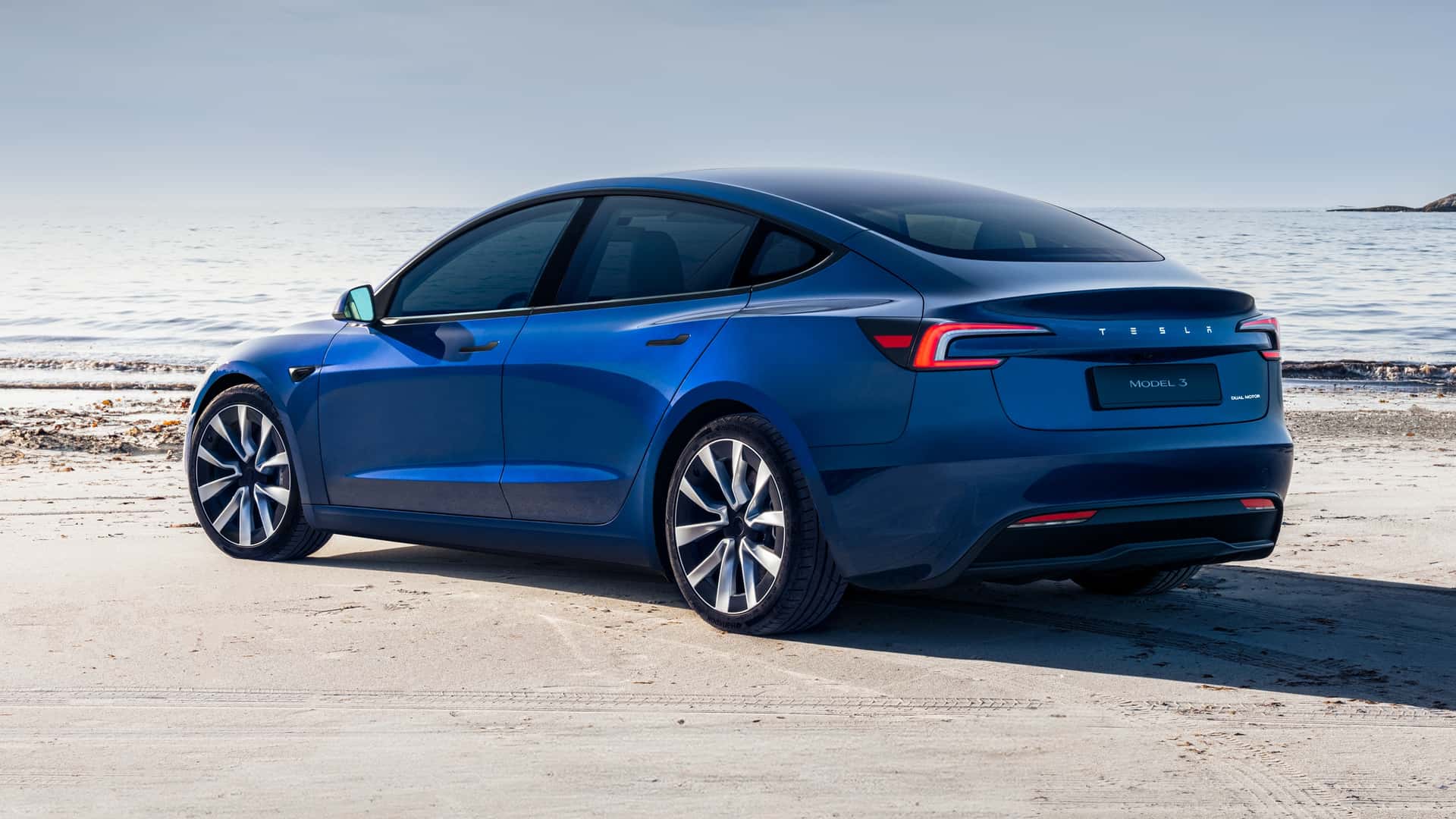
11. Tesla Model 3
Like the Nissan Leaf, the Tesla Model 3 is a fully electric vehicle and produces no tailpipe emissions. Its electric-only drivetrain eliminates concerns about emissions testing altogether.
Tesla has focused on building electric cars that offer long range, high performance, and advanced technology, making the Model 3 one of the most widely adopted EVs in the world.
The absence of a combustion engine in the Model 3 means it does not generate pollutants such as carbon monoxide, hydrocarbons, or nitrogen oxides.
This fundamental difference makes it exempt from traditional emissions tests, providing a hassle-free ownership experience in regions where emissions inspections are required. The Model 3’s battery pack and electric motors are engineered for reliability and efficiency, supporting a cleaner driving experience.
Owners benefit from Tesla’s over-the-air software updates that improve vehicle performance and battery management without needing to visit a service center.
Maintenance focuses on battery health, tires, brakes, and general wear components rather than emissions control. This simplicity reduces both maintenance costs and environmental impact over the car’s lifespan.
The Tesla Model 3 exemplifies the potential of electric vehicles to dramatically reduce urban air pollution. Its widespread adoption demonstrates how EV technology can replace gasoline-powered cars without sacrificing performance or convenience. For those wanting to avoid emissions tests entirely while driving a modern, high-tech car, the Model 3 is a standout choice.
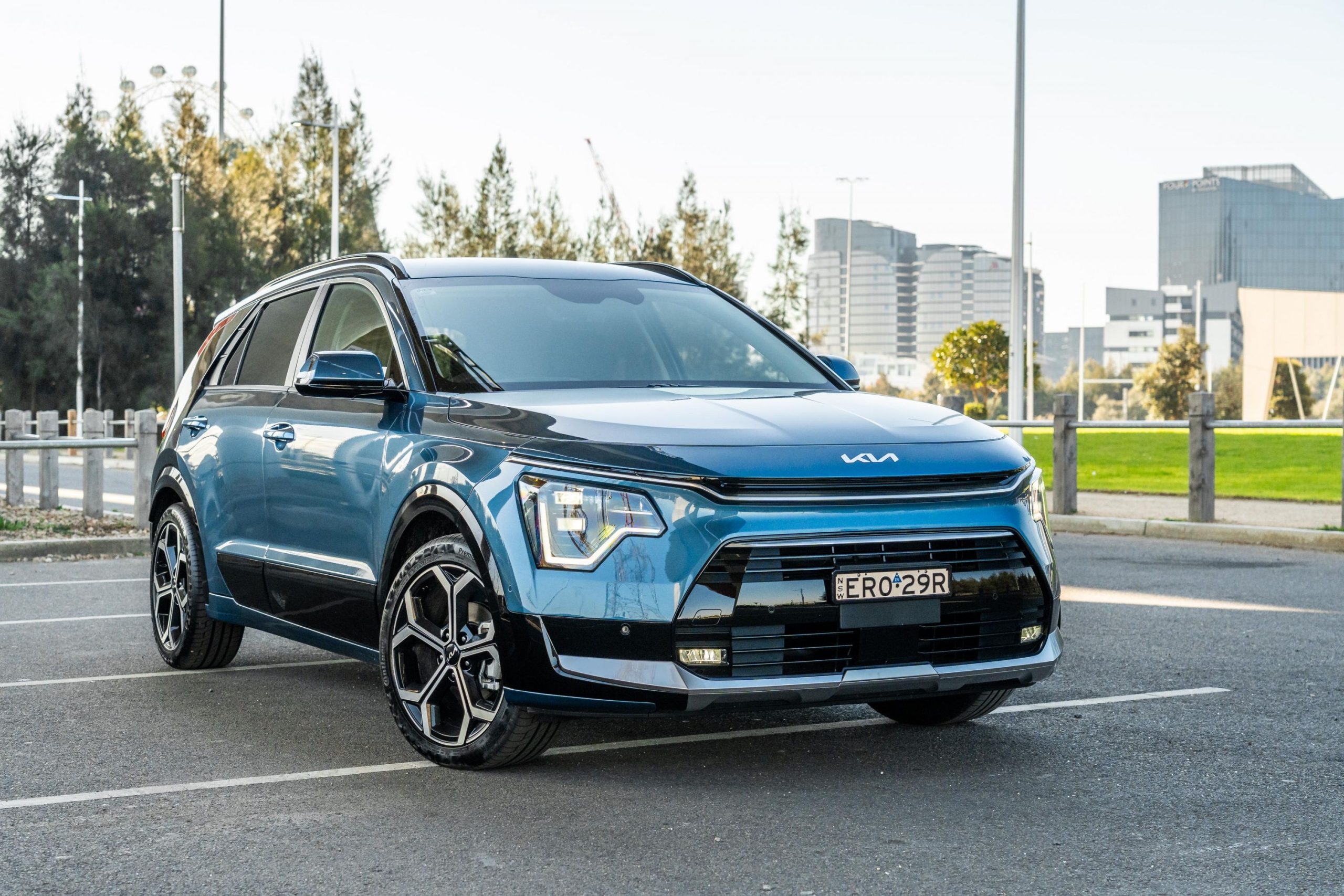
12. Kia Niro Hybrid
The Kia Niro Hybrid combines hybrid technology with a versatile crossover design. Its powertrain mixes a gasoline engine with an electric motor to optimize fuel efficiency and reduce emissions.
The Niro’s engine management system is designed to minimize pollutant production by carefully balancing power delivery and combustion efficiency.
Kia has equipped the Niro with advanced emissions control hardware, including a high-efficiency catalytic converter and an onboard diagnostics system that monitors key components.
The electric motor assists the gasoline engine during acceleration and low-speed driving, reducing the engine’s load and the amount of exhaust emissions. Regenerative braking further improves efficiency by recovering energy and reducing brake wear.
Owners who maintain the Niro according to Kia’s recommended schedule find that emissions-related issues are rare. Regular oil changes, spark plug replacements, and air filter inspections keep the engine running cleanly.
The Niro’s design also includes features that reduce weight and improve aerodynamics, which contribute to lower fuel consumption and emissions.
As a practical and environmentally responsible crossover, the Kia Niro Hybrid appeals to drivers looking for a vehicle that rarely fails emissions tests while offering the flexibility of a larger vehicle.
Its combination of hybrid efficiency, solid emissions control technology, and comfortable interior makes it a well-rounded choice.
Also Read: 12 EVs That Already Prove Electric Cars Can Be Reliable
Choosing a vehicle that consistently passes emissions tests is an important consideration for many drivers, especially as environmental regulations become more stringent and the focus on reducing air pollution intensifies.
The twelve cars outlined in this article share a common trait: they incorporate advanced technology, careful engineering, and reliable emissions control systems that help keep their exhaust emissions within legal limits.
Whether through hybrid powertrains, efficient combustion engines, or fully electric drivetrains, these vehicles demonstrate how innovation and maintenance combine to deliver cleaner, more environmentally friendly transportation.
Hybrid models like the Toyota Prius, Ford Fusion Hybrid, and Kia Niro Hybrid highlight the benefits of blending gasoline engines with electric motors.
This combination allows them to reduce fuel consumption and minimize harmful emissions, particularly during city driving, where stop-and-go traffic often results in higher pollution levels.
The sophisticated emissions control components in these vehicles, such as catalytic converters, oxygen sensors, and onboard diagnostics, contribute significantly to their ability to pass emissions inspections repeatedly.
Regular maintenance remains essential to keep these systems functioning at peak efficiency, preventing minor issues from leading to test failures.
For drivers seeking a traditional internal combustion engine vehicle that excels in emissions performance, models like the Honda Civic, Mazda3, and Subaru Impreza provide a strong balance of fuel economy, reliability, and clean exhaust output.
These cars benefit from continual improvements in engine design and emissions control technology that reduce pollutants without sacrificing performance. Their strong engineering and recommended upkeep help ensure that emissions-related problems remain uncommon, even as the vehicles accumulate mileage.
Clean diesel vehicles, such as the Volkswagen Golf TDI, offer another approach to reducing emissions while maintaining fuel efficiency.
Advanced diesel particulate filters and selective catalytic reduction systems allow these cars to meet tough emissions standards when properly maintained. However, these systems require specific care, making attentive ownership key to their emissions success.
Fully electric vehicles, represented by the Nissan Leaf and Tesla Model 3, eliminate tailpipe emissions altogether. Their zero-emission drivetrains sidestep emissions testing challenges completely, offering a straightforward solution for environmentally conscious drivers.
As battery technology and charging infrastructure improve, electric vehicles continue to grow in popularity, demonstrating the future direction of low-emission transportation.
As technology advances, the trend toward vehicles with superior emissions performance is likely to continue, helping to improve air quality and reduce the environmental impact of personal transportation.
