
Since its debut in the late 1990s, the Toyota Prius has set the benchmark for hybrid vehicle durability and long-term reliability. It was never the fastest or most luxurious, but what made it stand out was its consistency. Drivers praised it for lasting hundreds of thousands of miles with minimal major issues.
Fleet owners and ride-share drivers leaned on it for exactly that reason. It became the poster child for what a hybrid should be: dependable, fuel-efficient, and surprisingly robust. As hybrids become more common and the competition heats up, the question arises: What other hybrids out there today could earn the same reputation for lasting a very long time?
Longevity in a hybrid car isn’t just about the drivetrain; it’s a combination of strong battery management, reliable internal combustion components, well-designed software integration, and low-cost maintenance.
While electric cars are gaining momentum, hybrids still offer a bridge between traditional gas engines and fully electric vehicles. They’re easier to maintain than most EVs and don’t require specialized charging infrastructure, which is still not universally accessible.
This list of ten hybrid models represents vehicles currently proving themselves or having the potential to become the next Prius in terms of longevity. These choices are based on their powertrain engineering, real-world feedback, company history with hybrids, and design philosophy that leans more toward durability than flash.
Not every hybrid needs to look like a spaceship or have luxury-level tech to go the distance. In fact, the simpler the systems and the less strain placed on them, the better the chance that the car will reach 200,000 miles and beyond.
Some of these choices come from manufacturers with long-standing reputations for reliability, while others might surprise you because of how quietly they’re building up a name in the hybrid space. Whether you’re a commuter, a business driver, or just someone who wants a car that will last a decade or more, these are ten hybrids that could take the Prius’ crown for staying power.
Also Read: 12 Pickups That Survive the Harshest Winters
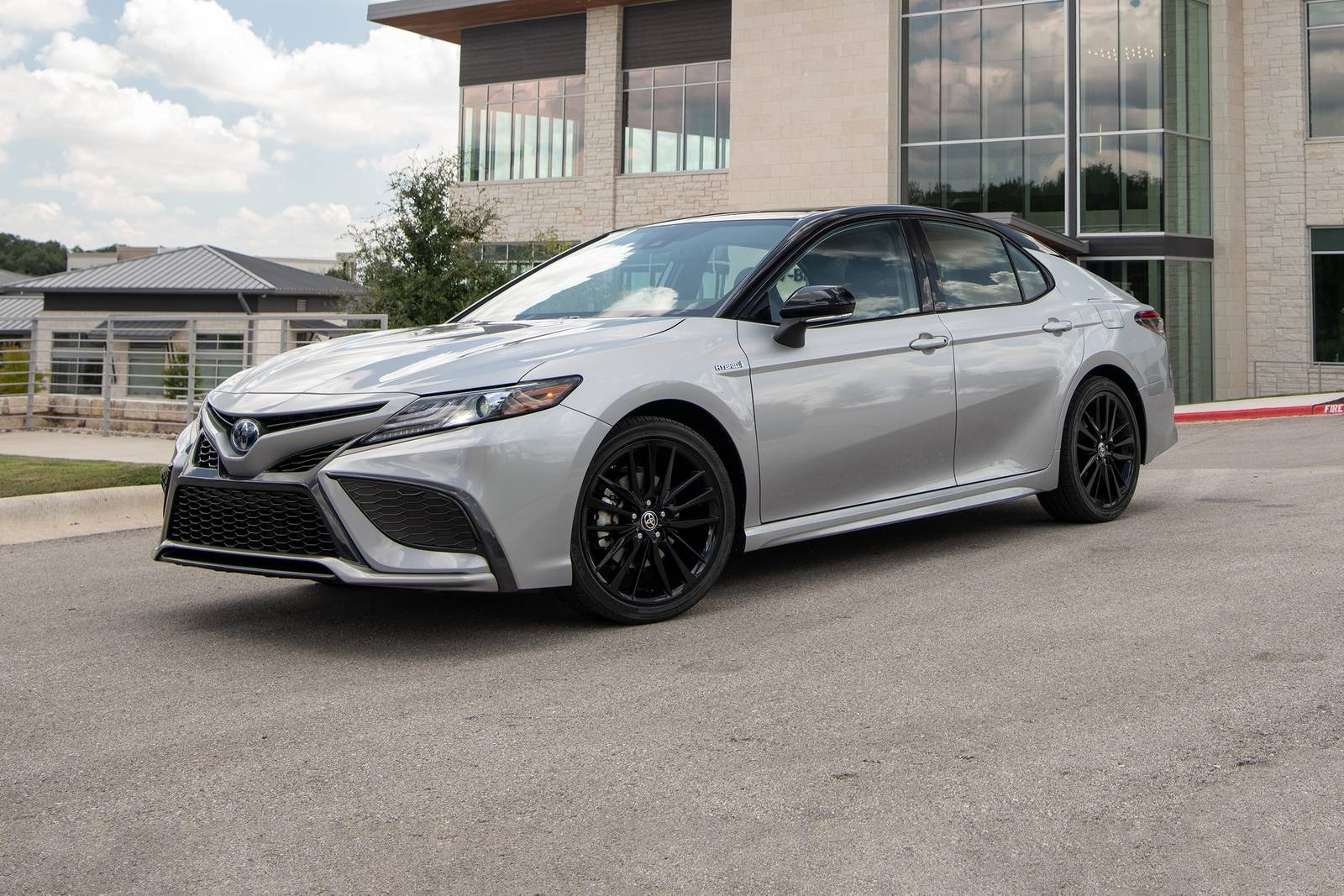
1. Toyota Camry Hybrid
The Toyota Camry Hybrid blends traditional midsize sedan reliability with Toyota’s hybrid expertise. It doesn’t rely on flash or high performance to appeal to its audience. Instead, it delivers predictable and consistent results, year after year.
The Camry has been on roads for decades, and the hybrid version has proven itself as a natural evolution of that legacy. The same conservative engineering choices that make the gasoline Camry a safe bet are present in the hybrid version as well.
Battery life in the Camry Hybrid has turned out to be solid across multiple model years. Toyota’s hybrid system manages the transition between electric and gas power with minimal stress on either component. Because of this balance, wear and tear on individual parts is lower, contributing to longer vehicle life.
The regenerative braking system is well-calibrated, allowing the brakes themselves to last longer than in traditional cars. Owners regularly report low maintenance costs and few surprises after years of ownership.
The Camry’s interior and tech systems are designed more for comfort than complexity. This straightforward approach leads to fewer electronic glitches and fewer software-driven failures.
Buttons, screens, and controls are intuitive and not overly dependent on constantly changing software environments. This simplicity makes the car easier to maintain over the long term, both for the owner and for independent mechanics.
Another important factor is how widespread the Camry Hybrid is. High production volume ensures parts availability well into the future, and more cars on the road mean a larger community of users sharing fixes and tips.
These factors matter when a car crosses 150,000 miles and you want to avoid dealership-only repairs. The Camry Hybrid’s staying power is based not only on how it’s built, but also on how easily it can be maintained and serviced as it ages.
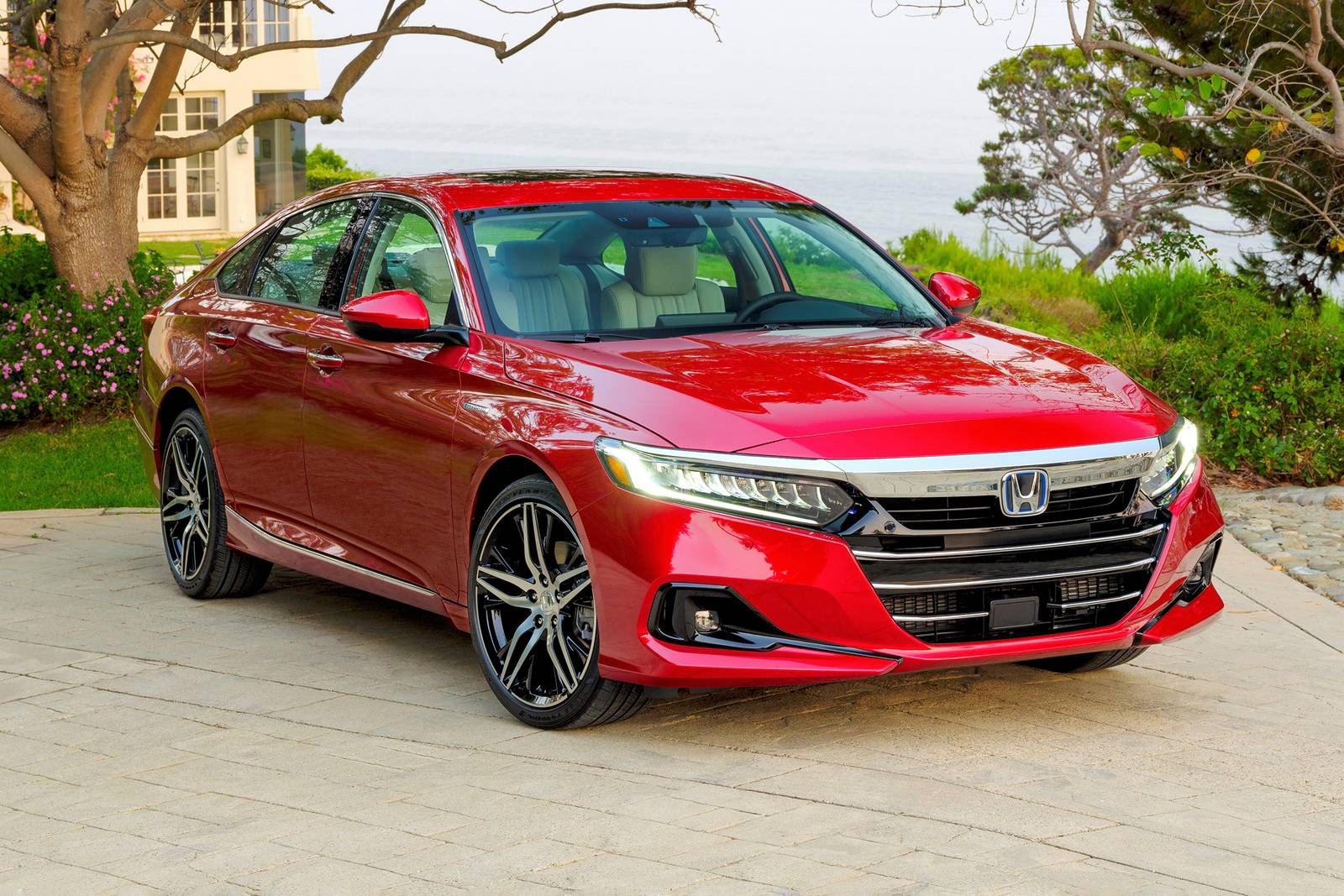
2. Honda Accord Hybrid
Honda has built its reputation on longevity, and the Accord Hybrid continues that trend with a well-balanced mix of performance, comfort, and long-term reliability. While Honda’s early hybrid systems faced some growing pains, the current generation has smoothed out most of those rough edges. The Accord Hybrid now stands as a serious contender to rival the Prius in lifespan without giving up the driving dynamics that Honda is known for.
What helps the Accord Hybrid’s longevity is its dual-motor hybrid system. It separates the propulsion and power generation roles, reducing mechanical complexity and improving energy efficiency. Because of the design, the gasoline engine often operates in its most efficient range, which reduces internal stress and wear.
This approach contributes to engine longevity while allowing the electric system to do most of the low-speed work, reducing fuel use and mechanical strain.
Honda also puts a lot of effort into building quality across the board. From panel fitment to suspension components, the Accord Hybrid is made to endure the kind of use that families and commuters put it through. Many Accord Hybrids have already crossed the 200,000-mile mark with minimal intervention, especially when basic maintenance is followed.
The reputation of the non-hybrid Accord spills over into this variant, giving owners confidence that they won’t have to switch cars every few years.
Another benefit is how refined the battery and software systems have become. Earlier hybrid models often faced battery degradation or complicated software issues that required expensive updates. Honda has addressed those issues over time, and the newer systems are more stable and less reliant on frequent software tuning. This reduces the likelihood of expensive surprises once the car is out of warranty.
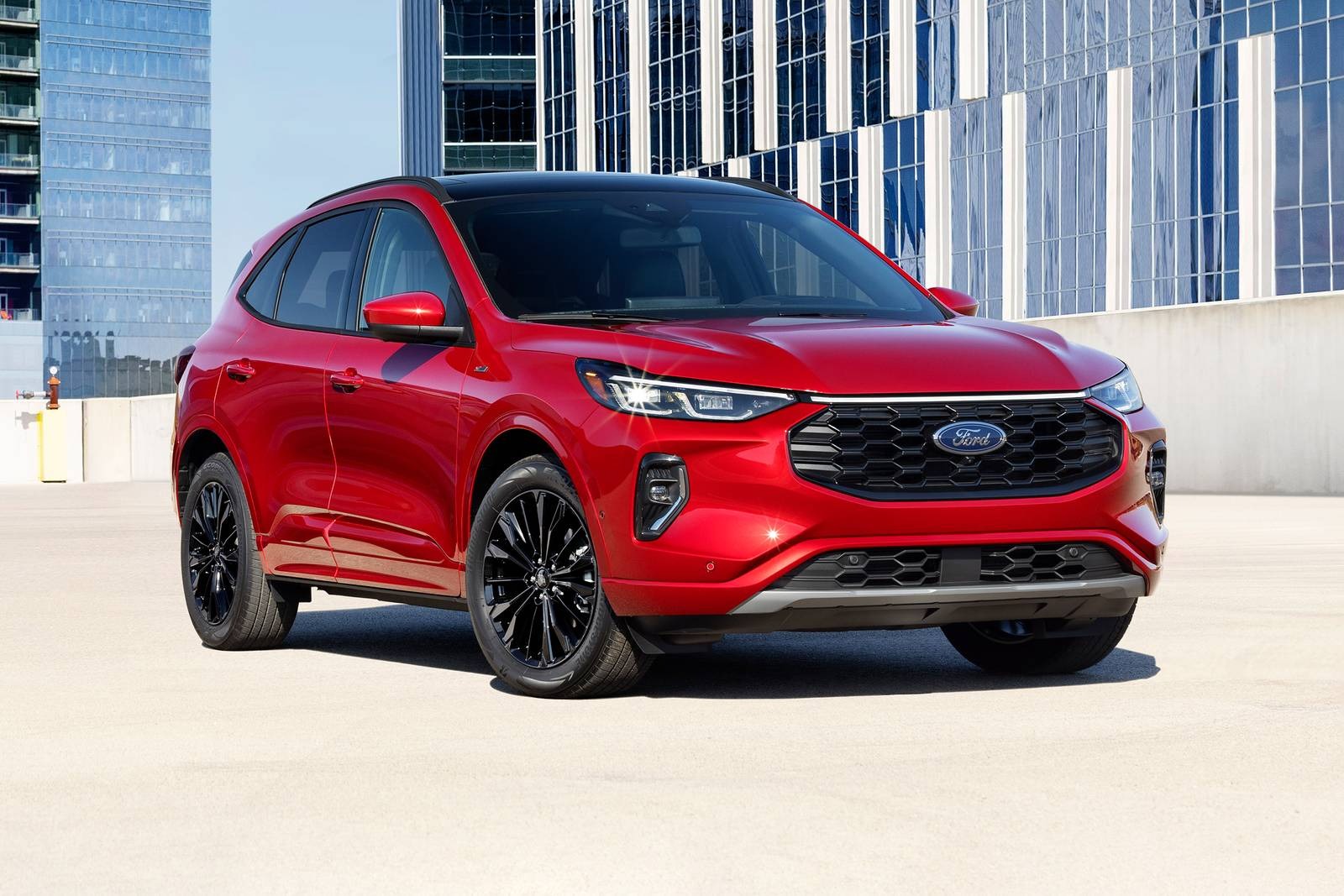
3. Ford Escape Hybrid
The Ford Escape Hybrid is an SUV that blends utility with a reliable hybrid powertrain. Ford was one of the first American manufacturers to embrace hybrid systems seriously, with the original Escape Hybrid being used in taxi fleets across cities. Those older models were known to cross 300,000 miles in some cases, giving the newer versions strong expectations to live up to.
One thing that stands out in the Escape Hybrid is its practical design. The hybrid system is integrated without compromising cargo space or passenger comfort, which means people tend to keep using the vehicle in everyday roles rather than treating it like a special car.
The hybrid battery is placed in a position that doesn’t require major interior rework to access, which helps when the car eventually needs service. This kind of thoughtful layout contributes to a longer usable life for the vehicle.
Ford’s hybrid technology has matured significantly over the years. The modern Escape Hybrid benefits from lessons learned in past generations, with improved electronic controls and better fuel economy.
Even in colder climates where batteries tend to suffer, Escape owners have reported consistent performance. Since the Escape is a compact SUV, it also faces fewer weight-related stress issues compared to larger hybrids.
Another plus is how common the Escape is. Like the Camry, its popularity ensures that parts are easy to find and that most mechanics have experience with it. You don’t need to go to a specialized hybrid shop to get it looked at, which helps reduce long-term maintenance costs. For people looking for a hybrid SUV that doesn’t need to be babied, the Escape Hybrid offers a very solid path toward high-mileage performance.
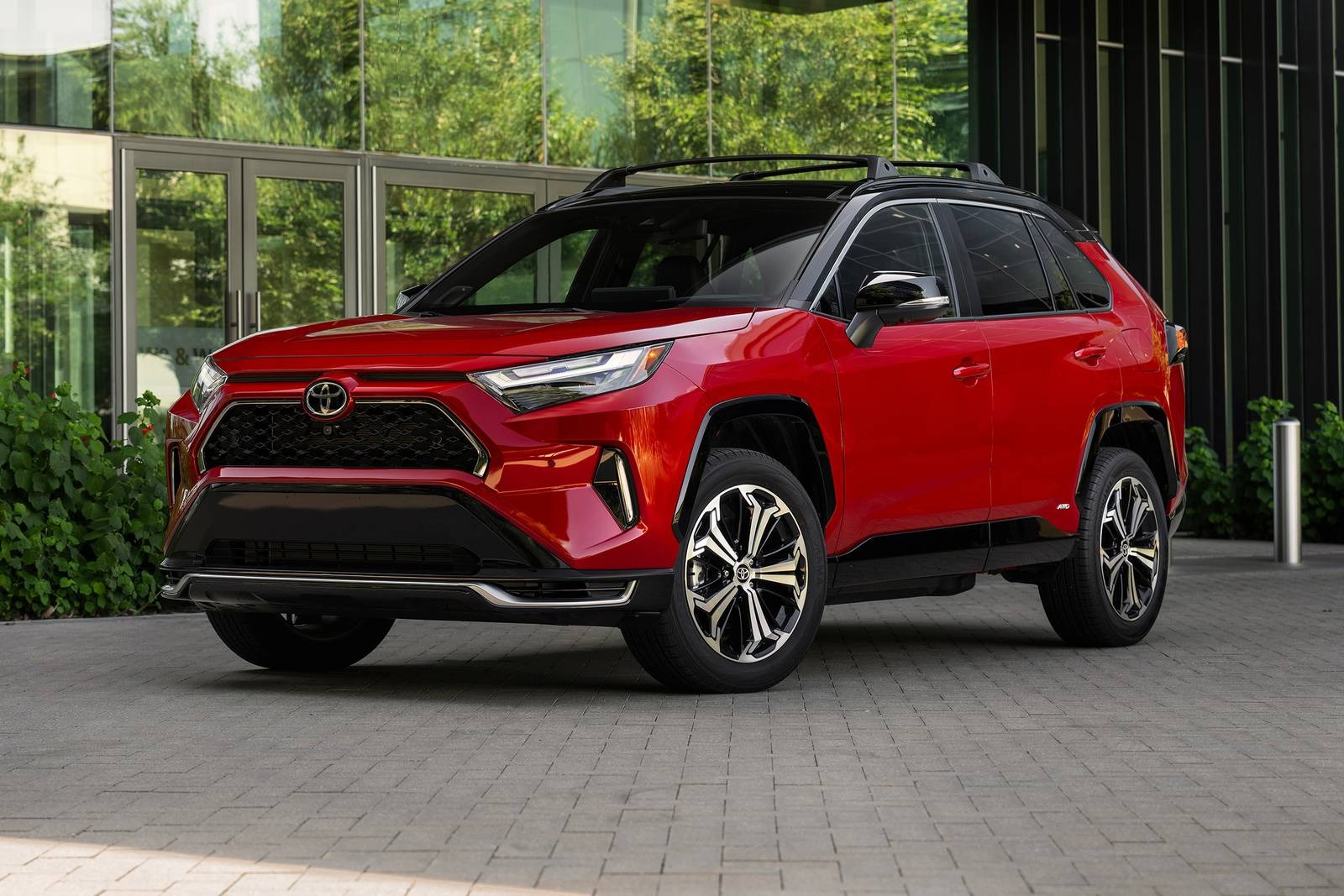
4. Toyota RAV4 Hybrid
The RAV4 Hybrid builds on Toyota’s proven hybrid platform and places it in one of the most popular compact SUV bodies on the market.
It has become one of Toyota’s best-selling models, not just in the hybrid segment but across its entire lineup. That widespread use and reputation for reliability have made it a prime candidate for those seeking a hybrid that will last as long as, or even longer than, the Prius.
Under the hood, the RAV4 Hybrid shares many components with the Prius and Camry Hybrid, particularly in its hybrid synergy drive system. This commonality means that the RAV4 benefits from the same engineering and reliability features.
Toyota doesn’t reinvent the wheel between models, which means that their most dependable features are refined and reused. The fewer unique parts a vehicle has, the less room there is for failure or compatibility issues in future repairs.
Owners report that the RAV4 Hybrid delivers consistent fuel economy and minimal degradation over time. Its battery placement is unobtrusive and well-protected, and its all-wheel drive system, which uses an electric motor for the rear wheels, is simple and doesn’t rely on complicated mechanical linkages. This limits wear and tear and lowers the chance of drivetrain failures that might otherwise plague small SUVs with AWD systems.
Durability in the interior and suspension also plays a role. The RAV4 Hybrid holds up well to daily use, from school runs to road trips. Unlike more luxury-oriented hybrids that may rely on complicated electronics or soft-touch materials that wear out, the RAV4 opts for practical, resilient materials. The result is a vehicle that looks and performs well even after years of heavy use.
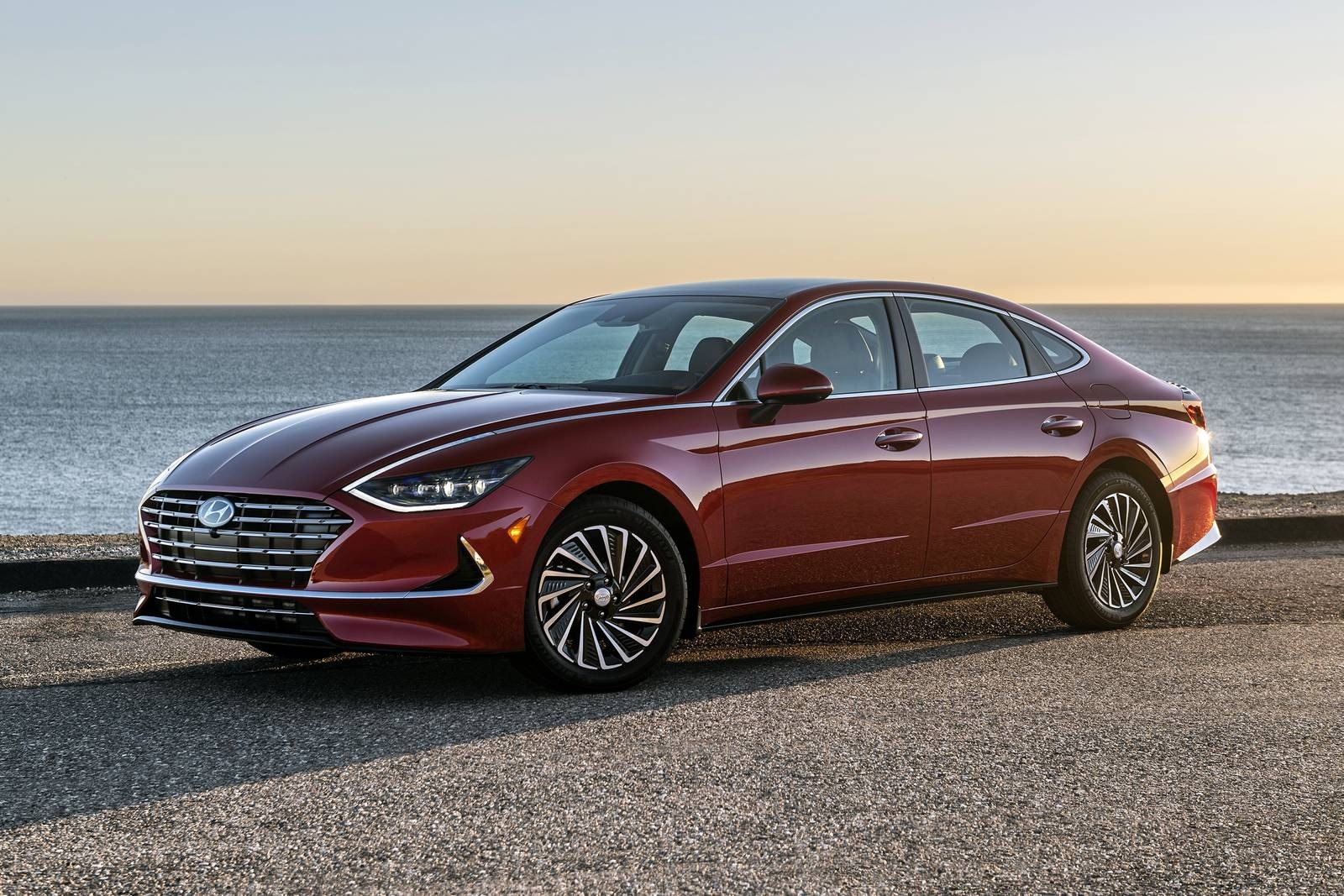
5. Hyundai Sonata Hybrid
The Hyundai Sonata Hybrid has come a long way from the company’s earlier forays into hybrid technology. Hyundai has steadily improved its reliability reputation, and the latest Sonata Hybrid models show serious promise in terms of long-term performance and build quality.
It’s not just the mechanical side that’s improved; Hyundai has refined the entire vehicle architecture with durability in mind. Unlike some competitors that push flashy features first and reliability second, the Sonata Hybrid seems to strike a healthy balance between innovation and practicality.
One of the standout features of the Sonata Hybrid is its use of a solar roof in higher trims. While this may seem like a gimmick, it actually contributes in small ways to battery maintenance by supplementing power over time. That said, even without the solar option, the hybrid system is efficient and well-integrated.
The vehicle switches between electric and gas propulsion smoothly, and the internal combustion engine doesn’t suffer from being overburdened. This matters because some hybrids place too much strain on a small gas engine, leading to premature wear. The Sonata Hybrid avoids that by making both power sources work in harmony without either being stretched too far.
Hyundai’s warranty is another factor that gives the Sonata Hybrid longevity potential. With a 10-year/100,000-mile powertrain warranty and similar coverage on the hybrid battery, the company clearly expects the car to go the distance.
Extended coverage gives peace of mind to early owners and also contributes to better resale value, which in turn encourages people to maintain the vehicle properly. A well-maintained hybrid is far more likely to last 200,000 miles or more than one that has been neglected. The warranty, in effect, nudges people toward taking better care of the car, which reinforces its longevity profile.
Additionally, Hyundai has improved serviceability on newer models. Past vehicles from the brand were sometimes difficult for independent mechanics to work on due to obscure parts or unusual layouts. The latest Sonata Hybrid models are better in that regard.
Components are more accessible, and the hybrid system doesn’t require dealership-only diagnostics for common issues. This matters after the car hits higher mileage, when owners want the freedom to maintain and repair without being locked into the dealership system. All these elements give the Sonata Hybrid the kind of durable foundation that could make it a long-term workhorse.
Also Read: 12 Pickup Trucks That Rarely Rust Out in Use
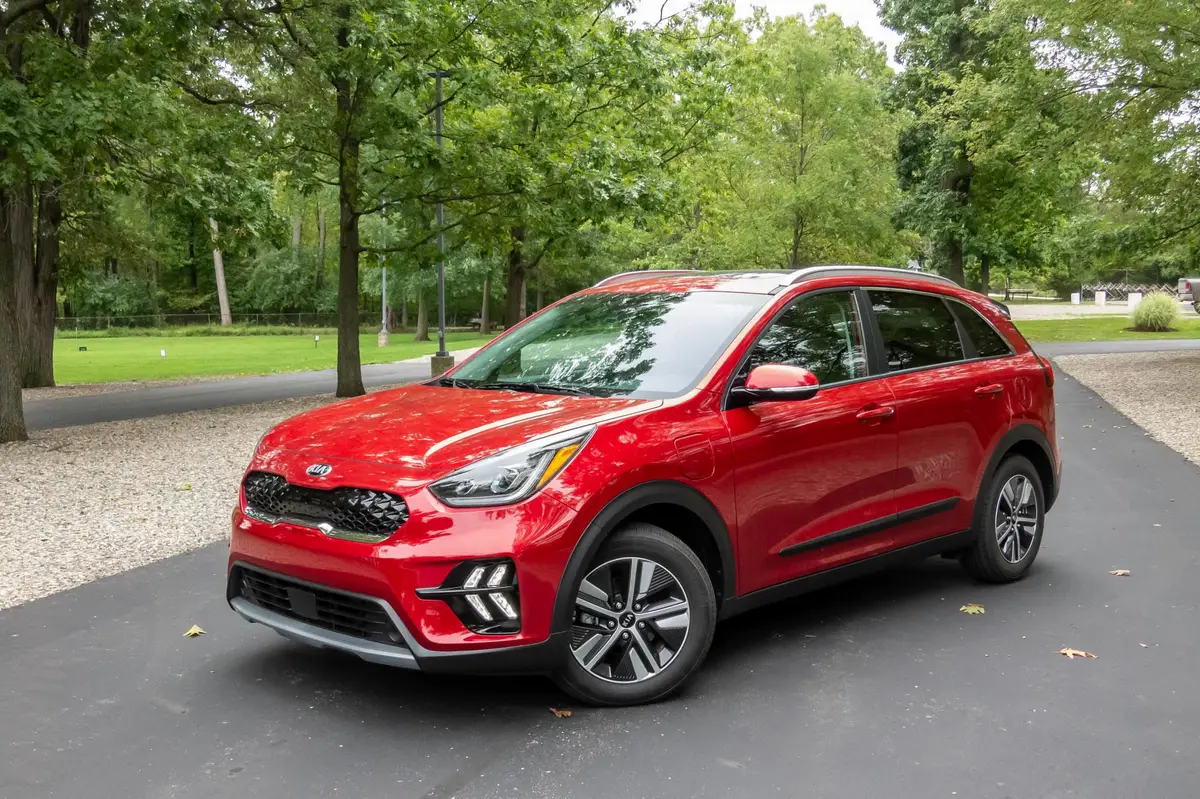
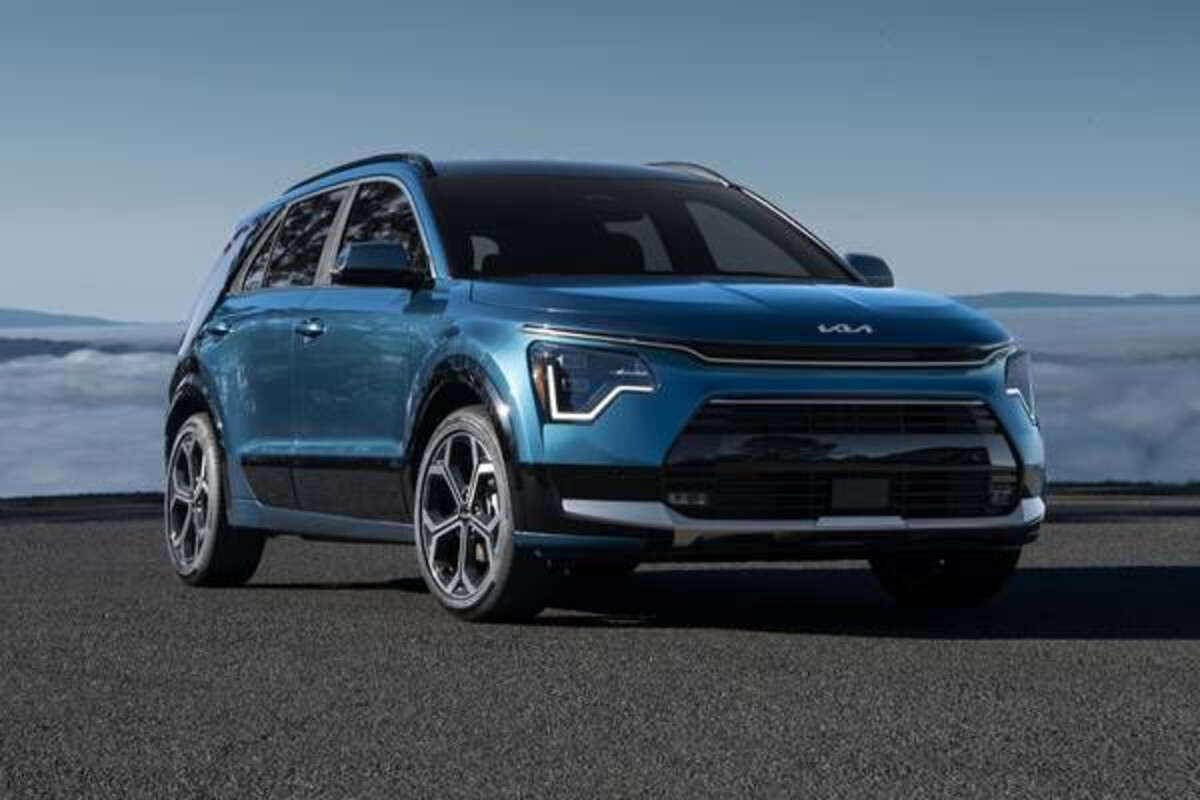
6. Kia Niro Hybrid
The Kia Niro Hybrid is a compact crossover that doesn’t try to be flashy or upscale, but rather focuses on functionality, simplicity, and efficiency. Built on a dedicated hybrid platform, the Niro doesn’t compromise its core purpose with performance ambitions or luxury frills.
This design discipline contributes directly to its durability. By avoiding over-complex engineering for the sake of trends, Kia has produced a vehicle that prioritizes low-stress operation, which is exactly what helps a hybrid vehicle rack up miles over the years.
One of the benefits of a smaller hybrid like the Niro is that it carries less weight and places less strain on its components. The engine, brakes, tires, and suspension aren’t subjected to the stress that larger vehicles endure, especially those trying to combine hybrid systems with towing or sporty performance.
This matters because lower mechanical stress translates directly to a longer lifespan. The Niro Hybrid is powered by a modest 1.6-liter engine paired with an electric motor, and both are tuned for efficiency rather than power. The result is a calm driving experience that extends the usable life of almost every part in the drivetrain.
Battery longevity is also well addressed in the Niro. The hybrid battery is liquid-cooled, which helps manage temperature extremes better than air-cooled systems in older hybrids.
Thermal management plays a huge role in how long a hybrid battery will last, especially in climates that are hot year-round. Kia’s system keeps the battery in a safe operating range, reducing the risk of early degradation. Many owners have reported few, if any, issues with battery performance, even as they approach six or seven years of ownership.
Finally, the Niro Hybrid benefits from the same long warranty coverage offered by Hyundai, as Kia is part of the same parent company. This extended protection helps not just early owners but also second and third-hand buyers, encouraging regular maintenance over the full lifespan of the vehicle.
The Niro may not be glamorous, but it does everything a good hybrid should do: deliver consistent efficiency, require minimal attention, and keep running year after year. That quiet reliability could very well earn it a Prius-level reputation over time.
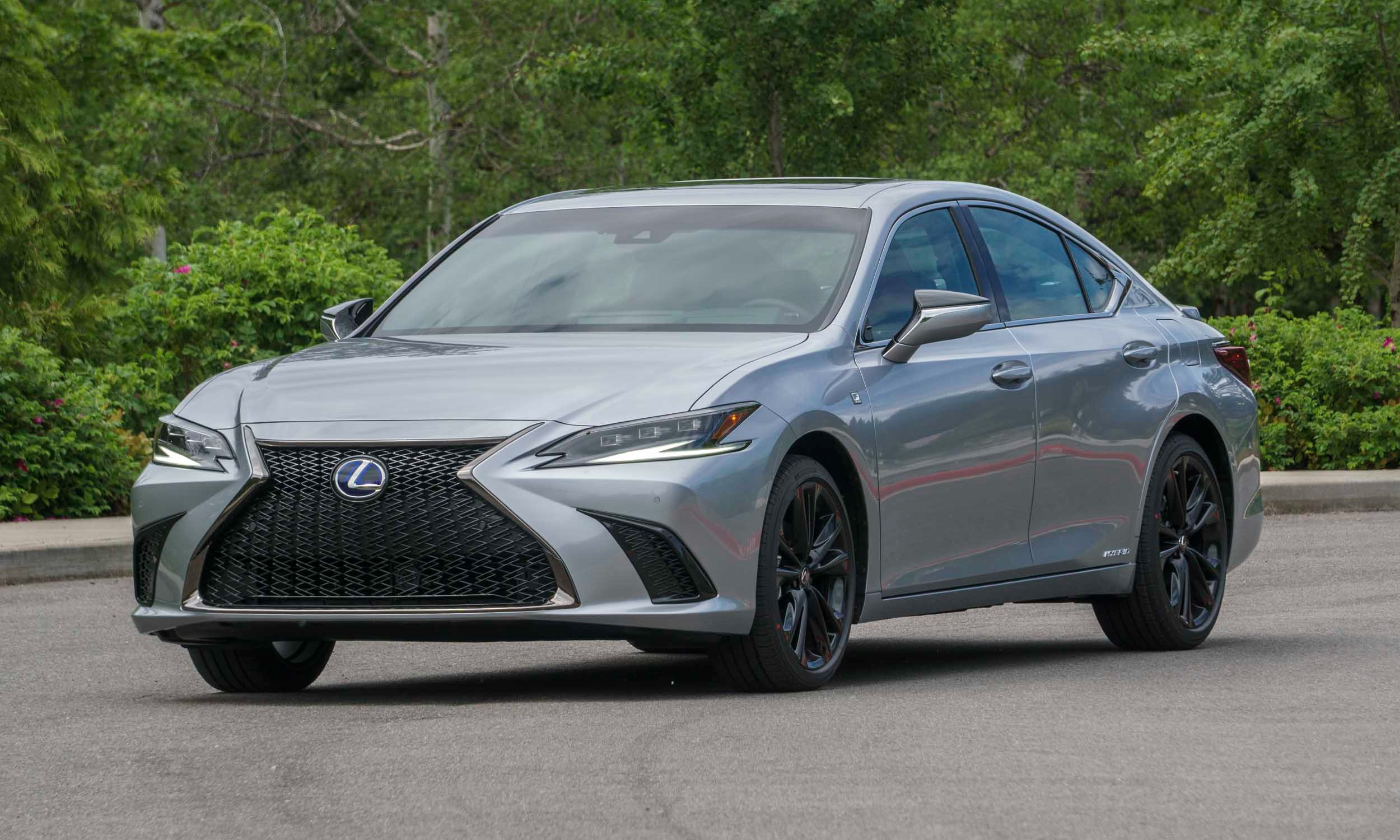
7. Lexus ES 300h
The Lexus ES 300h combines luxury with hybrid reliability, making it a unique offering on this list. While many associate luxury vehicles with higher maintenance costs and complicated electronics, the ES 300h avoids those pitfalls thanks to its Toyota DNA and conservative engineering.
Underneath the leather and wood trim is a hybrid system that shares many components with the Camry Hybrid and even the Prius. This shared platform benefits from Toyota’s legendary hybrid reliability while giving the owner a more refined experience.
What makes the ES 300h stand out is its long-distance comfort. It’s built to cruise smoothly on highways for hours, which means less stop-and-go stress on the hybrid battery and braking system. Long highway driving is easier on most cars, but especially so for hybrids, because it allows the gas engine to work more efficiently and reduces frequent cycling between power modes.
The ES 300h performs this role perfectly, making it a strong candidate for drivers who cover serious mileage each year. This kind of consistent, low-stress use is exactly what helps a hybrid vehicle last a decade or more.
Build quality is another area where the ES 300h excels. Lexus has long been known for its obsessive attention to detail in materials, panel fit, and mechanical tolerances. That level of quality control means fewer rattles, fewer electrical issues, and fewer interior components breaking down over time.
Even small things like the durability of seat padding, switchgear, and steering components are taken seriously. When combined with a well-tested hybrid system, that level of craftsmanship supports a long service life that goes beyond 200,000 miles.
The cost of ownership is also surprisingly reasonable. Because the ES 300h shares so much with other Toyota models, replacement parts are not as expensive as one might expect from a luxury brand. Independent shops familiar with Toyota hybrids can work on the ES 300h without special tools or training.
That accessibility helps keep maintenance affordable even after the warranty expires. The ES 300h may not be the cheapest vehicle to buy, but it rewards that initial investment by being incredibly reliable over the long term.
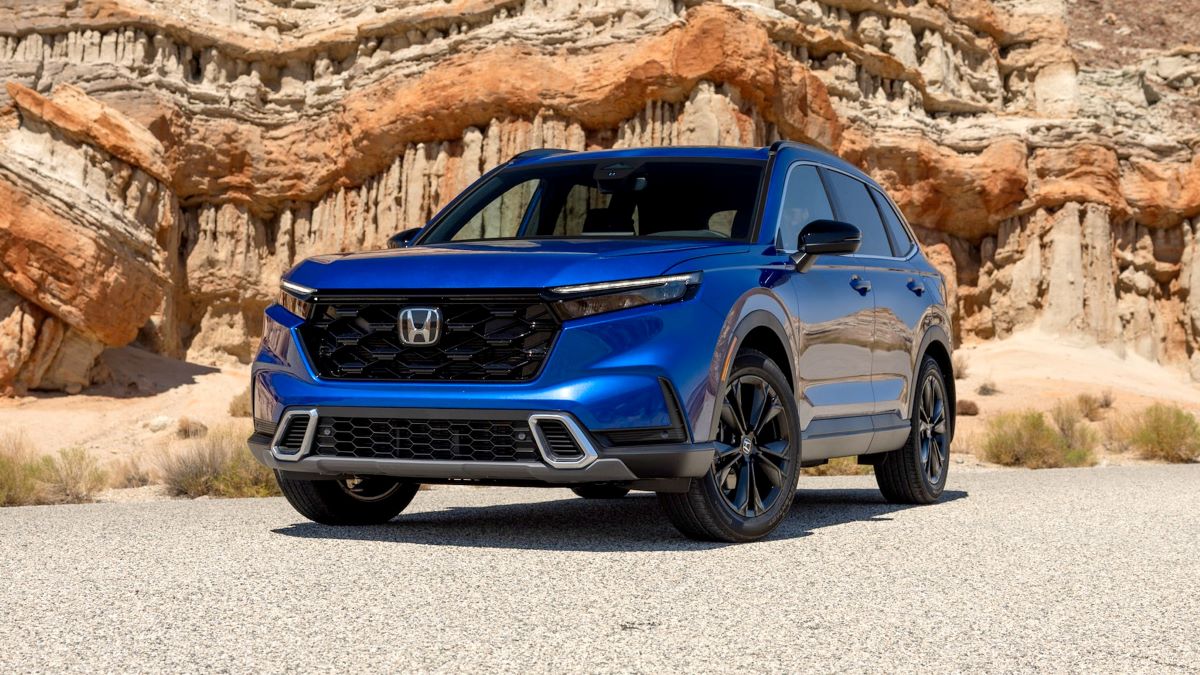
8. Honda CR-V Hybrid
The Honda CR-V Hybrid represents the brand’s move into combining its most popular compact SUV with hybrid technology, and the results have been promising. Honda took its time to enter this segment with a hybrid CR-V, but the benefit of that delay is clear.
The vehicle avoids many of the early issues that plagued hybrids from other manufacturers, instead offering a smooth, efficient, and surprisingly rugged crossover that appeals to a wide variety of drivers.
One of the key advantages of the CR-V Hybrid is that it uses a similar dual-motor setup as the Accord Hybrid, which separates propulsion and power generation functions. This layout reduces mechanical complexity and creates a more efficient energy flow, which translates into less wear on the engine and transmission.
Because the system avoids constantly shifting gears and does much of its work with electric torque, it reduces stress on traditional drivetrain parts, enhancing long-term reliability. The result is a hybrid SUV that drives with quiet confidence and has fewer opportunities for failure over time.
Interior quality and ergonomics also help the CR-V Hybrid stand the test of time. The materials are not overly fancy, but they are built to endure frequent use. Families and commuters alike appreciate how well the seats hold up, how reliable the climate control system is, and how the tech interface remains usable even after several years.
No reliance on massive touchscreens quickly becomes outdated, and the physical controls are built to last. This kind of practicality is often overlooked but is essential for longevity in everyday vehicles.
Additionally, Honda’s safety systems and driver assistance technologies tend to be some of the most reliable in the segment. The CR-V Hybrid includes these as standard on most trims, and unlike some competitors, they aren’t overly sensitive or prone to failure.
When owners don’t have to constantly recalibrate sensors or deal with false alarms, they’re more likely to keep the car over the long term. With solid mechanical design, low maintenance costs, and a practical layout, the CR-V Hybrid is well-positioned to become one of the longest-lasting hybrids in its class.
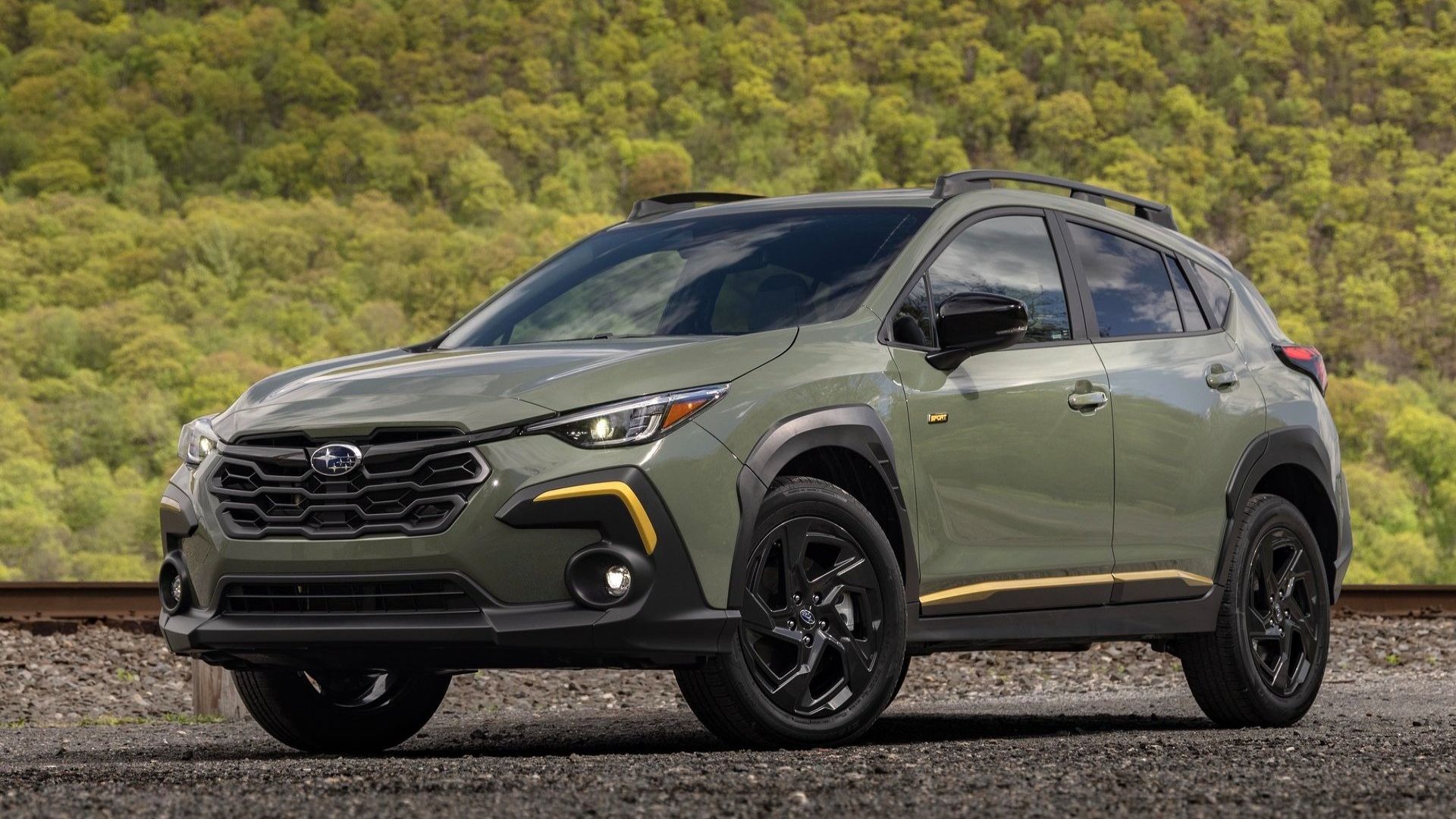
9. Subaru Crosstrek Hybrid
The Subaru Crosstrek Hybrid is a plug-in hybrid that merges Subaru’s well-known all-wheel-drive system with electrified efficiency. While it’s not the most powerful hybrid on this list, and its electric-only range is relatively limited compared to full EVs or larger plug-ins, it brings something different to the table: rugged practicality.
Subaru vehicles have long had a reputation for longevity thanks to their boxer engines and symmetrical drivetrain designs. The Crosstrek Hybrid continues that tradition with a hybrid system that prioritizes simplicity, traction, and utility over trend-driven features.
One of the key components to the Crosstrek Hybrid’s potential longevity is its mechanical DNA. While many hybrids are focused primarily on urban commuting, the Crosstrek Hybrid is designed with outdoor use and variable terrain in mind. This means its chassis and drivetrain components are reinforced to handle more than just pavement.
Suspension parts, underbody protection, and the all-wheel-drive system are all engineered to tolerate dirt roads, snowy conditions, and light off-roading. Because the car is physically built to withstand harsher use than most hybrids, it can also handle long-term wear more gracefully.
The hybrid system in the Crosstrek borrows from a partnership with Toyota, utilizing proven hybrid components in combination with Subaru’s powertrain. This mix is important. It means that the vehicle benefits from Toyota’s experience in hybrid engineering while keeping Subaru’s distinct approach to all-weather capability.
That hybrid system, while not the most advanced on the market, is reliable and intentionally conservative in its tuning. Subaru doesn’t push the hybrid technology to extremes; instead, it uses it to enhance efficiency without compromising the driving characteristics that owners expect. This kind of balance leads to fewer technical problems over the years.
Where the Crosstrek Hybrid also shines is in its practical, no-nonsense interior. Subaru doesn’t overcomplicate its vehicles with finicky touch-based controls or luxurious materials that wear poorly. The interior is built with long-term use in mind. Everything from seat fabric to switchgear is made to hold up under heavy usage.
For drivers in remote or variable conditions who need a hybrid that won’t quit on them and who value mechanical resilience over flash, the Crosstrek Hybrid offers an excellent long-term proposition. It may not have the range or glamour of some rivals, but it’s built to last.
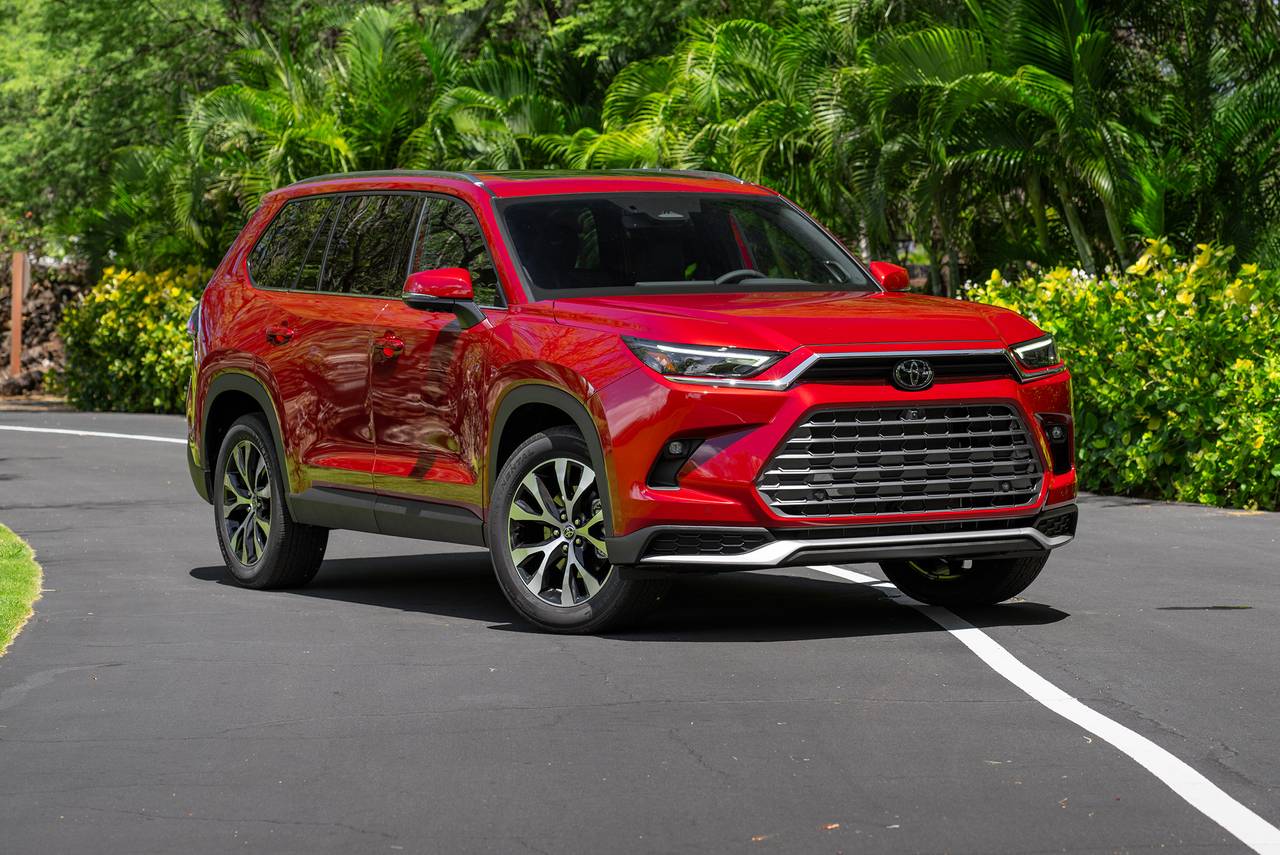
10. Toyota Highlander Hybrid
The Toyota Highlander Hybrid is the three-row answer for families who want both space and long-term reliability without giving up efficiency. While many larger SUVs struggle to balance fuel economy with utility, the Highlander Hybrid manages to do both well.
It takes the same hybrid principles that made the Prius a success and scales them up to fit a larger, more versatile vehicle. Toyota’s continued dominance in the hybrid market is no accident, and the Highlander Hybrid is a perfect example of how the brand continues to produce durable, long-lasting electrified vehicles across multiple categories.
One thing that supports the Highlander Hybrid’s long-term potential is how Toyota adapts its hybrid system to different weight classes without overengineering. The 2.5-liter four-cylinder engine used in the hybrid version is tuned for durability rather than performance, and it works in tandem with electric motors that handle low-speed torque demands.
This distribution of labor means that the gasoline engine isn’t constantly under heavy strain, which reduces the chances of early wear. Toyota also avoids turbocharging this engine, sticking with a naturally aspirated setup that is easier to maintain and less prone to failure over time.
Another key factor is the Highlander Hybrid’s simplicity in design relative to its size. While the SUV offers plenty of family-friendly features, it doesn’t rely on overly complex technology to impress. It includes a straightforward user interface, a reliable infotainment system, and physical buttons where they matter.
This attention to basic usability makes the car easier to live with and keeps potential electronic issues at bay. Fewer system failures mean fewer visits to the mechanic, and over a 10–15 year lifespan, that makes a huge difference. The interior is also made with resilient materials that hold up well under family use—stain-resistant upholstery, easy-to-clean surfaces, and durable plastics.
The final piece that secures the Highlander Hybrid’s place on this list is its excellent parts availability and Toyota’s strong dealership network. For owners who plan to keep their cars long-term, being able to access affordable replacement parts is crucial.
Because the Highlander shares components with other Toyota hybrids, many of its parts are widely stocked and affordable. Combined with the brand’s strong resale value, this helps keep the total cost of ownership low even after the warranty ends. For families seeking a long-term, practical hybrid with proven reliability, the Highlander Hybrid is one of the most capable choices on the market.
