
Mazda has built a reputation for manufacturing vehicles that not only deliver on performance and design but also remain durable and dependable for many years. Car buyers today look beyond just horsepower and fuel economy; they want vehicles that can stand the test of time, minimize maintenance costs, and stay on the road longer than their competitors.
While many brands advertise longevity, few consistently meet the mark like Mazda. The company has managed to create cars that perform reliably well past 100,000 miles, often with fewer major issues than their class rivals.
This makes Mazda an appealing choice for practical drivers who don’t want to compromise on reliability while still enjoying a dynamic driving experience. One of Mazda’s strongest qualities is its commitment to quality engineering and thoughtful design.
Unlike some manufacturers who rely heavily on gimmicks or flashy upgrades, Mazda has focused on improving engine durability, maintaining high build standards, and streamlining vehicle mechanics for long-term resilience. Even base trims of many Mazda models are engineered with longevity in mind.
This philosophy is reflected in everything from the way the doors close to the choice of suspension components. Many Mazda vehicles are regularly seen on the road well into their second decade of life, often outperforming similar models from Honda, Toyota, Nissan, and Ford when it comes to age and mileage.
There’s also something to be said about Mazda’s consistency. Whether you’re looking at a compact sedan, a midsize SUV, or a small hatchback, the brand rarely sacrifices reliability for aesthetics or short-term features. The Skyactiv technology, for example, doesn’t just improve fuel efficiency; it’s designed to work smoothly with fewer moving parts, which often translates to fewer mechanical failures.
This level of integration between performance and longevity is where Mazda truly sets itself apart from many of its competitors. Over time, their vehicles earn a loyal following among drivers who appreciate not having to worry about repeated breakdowns, extensive shop time, or expensive parts.
With that in mind, we’ve compiled a list of 12 Mazda models that stand out for their ability to last longer than their rivals. These vehicles are more than just reliable; they represent the culmination of smart engineering, reasonable maintenance requirements, and long-term owner satisfaction. Whether you’re buying used or new, these models are likely to offer peace of mind for years to come.
Also Read: 12 Muscle Cars Still Burning Rubber After Decades
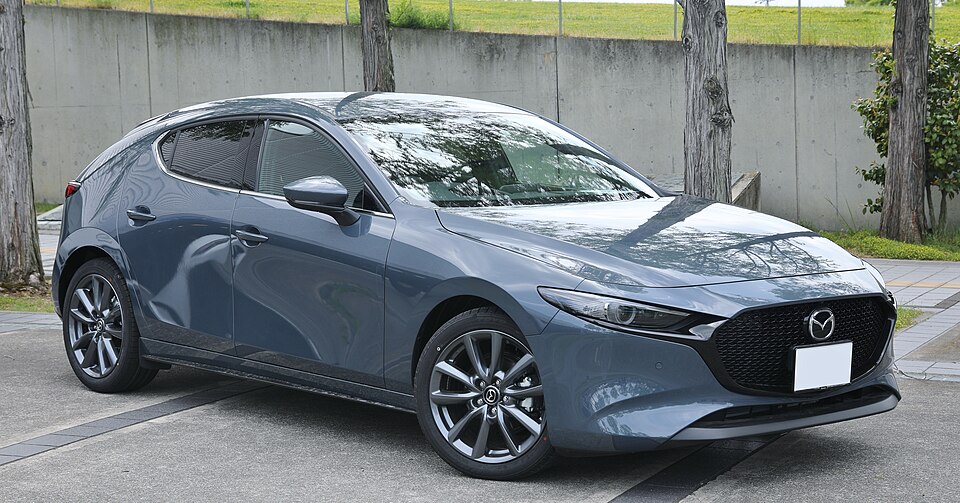
1. Mazda3 (All Model Years Since 2004)
The Mazda3 has remained one of the brand’s most consistent performers in terms of longevity. This compact sedan and hatchback combo is known for delivering a driving experience that rivals European brands, while still offering the dependability often associated with Japanese automakers.
One of the key reasons the Mazda3 has such a long road life is its simple yet solid construction. The vehicle has never tried to be overly complex in its design.
Instead, Mazda focused on giving drivers what they need: a durable engine, a comfortable interior, and a chassis that can take a beating. Older models with regular maintenance are often still running strong with over 200,000 miles on the odometer, which is a feat not all compact cars can claim.
Another point in the Mazda3’s favor is how it has handled technological updates over the years. As the model evolved, Mazda carefully integrated new technologies without compromising long-term reliability. From the early 2.0-liter and 2.3-liter engines to the newer Skyactiv-G versions, each generation has managed to retain a mechanical simplicity that reduces the number of things that can go wrong.
This is in stark contrast to some competitors that introduced overly complex infotainment systems or turbocharged engines with lower life expectancy. Even the manual transmission models, which are increasingly rare across the auto industry, have proven to be particularly robust in this lineup.
Maintenance costs also tend to be lower than those of rivals. The parts are affordable, the engines are relatively easy to work on, and there’s no need for overly frequent visits to the dealership. Owners who follow a basic maintenance schedule often find themselves with fewer repair bills over the life of the car compared to similar models from Honda or Volkswagen.
Rust was an issue in earlier generations, particularly in areas with heavy road salt, but even that has been largely addressed in newer versions with better paint and underbody treatment.
Finally, owner satisfaction and third-party reliability scores for the Mazda3 have remained consistently strong. Automotive review outlets and reliability tracking firms often rank it among the best in its class for long-term dependability. It’s not just the hard numbers that matter; it’s also the stories from long-time owners who often report very few mechanical issues, even with high-mileage units.
This word-of-mouth endorsement has helped the Mazda3 become one of the most trusted compact vehicles on the market today. It’s this blend of practicality and durability that secures its place on this list.
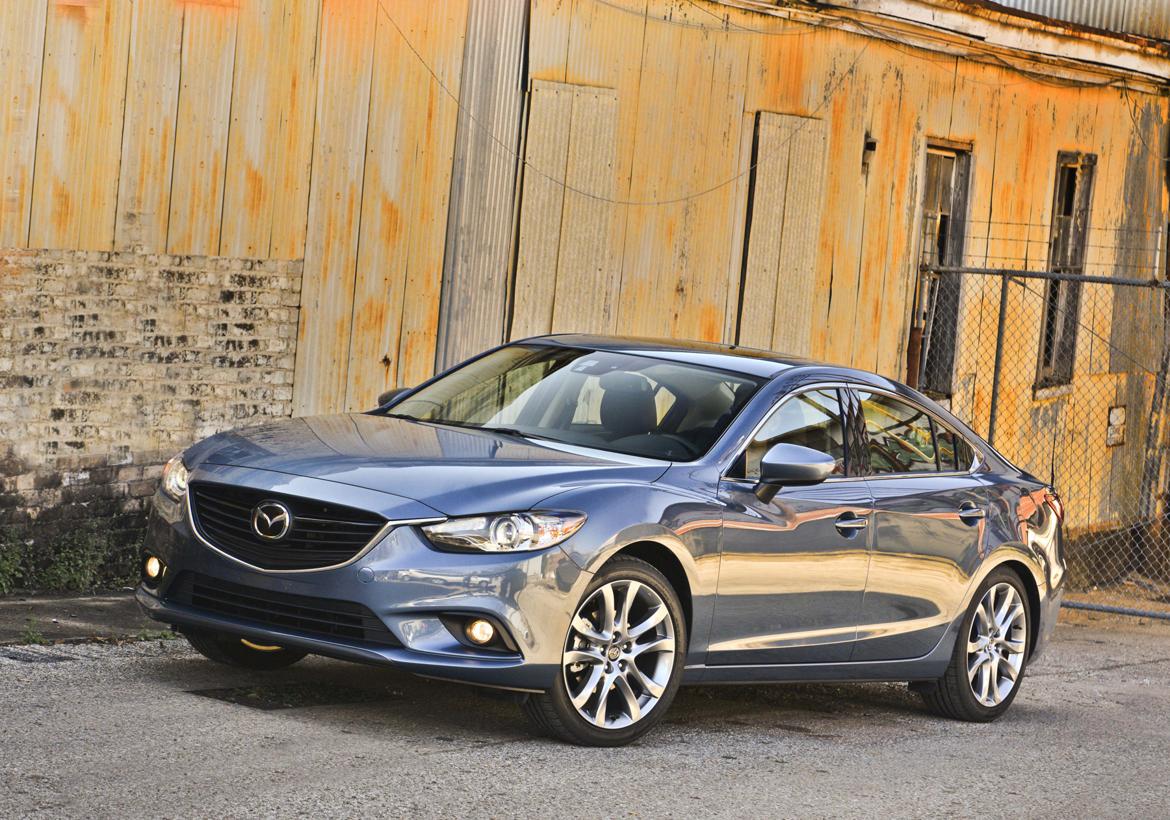
2. Mazda6 (2003–2021)
The Mazda6 is widely recognized as one of the most reliable midsize sedans to have come out in the last two decades. Introduced in 2003, the Mazda6 was designed to compete with established models like the Honda Accord, Toyota Camry, and Nissan Altima.
While those rivals have their own strengths, the Mazda6 has built its reputation on delivering engaging driving dynamics without compromising on long-term durability. Owners frequently report that their vehicles have lasted well over 200,000 miles with minimal repairs, provided basic maintenance was followed.
One of the contributing factors to this is Mazda’s emphasis on solid engine design, particularly the naturally aspirated inline-four and V6 engines used in earlier models, and the Skyactiv engines in later ones. These powertrains are not only efficient but also resistant to premature failure, making them ideal for drivers who expect their cars to last.
From a structural standpoint, the Mazda6 has always benefitted from rigid chassis construction and thoughtful design elements that contribute to its longevity. Earlier generations had some issues with rust in northern climates, but improvements in rustproofing and underbody protection in later years helped correct those shortcomings.
The suspension setup, while tuned for a sportier feel compared to its competitors, has also proven to be durable over time. Even in higher mileage vehicles, the suspension components tend to wear in a predictable and manageable way, rather than failing prematurely.
This has made the Mazda6 a favorite among drivers who want a balance between performance and durability. It’s a sedan that feels enjoyable to drive, yet doesn’t punish owners with frequent mechanical issues or costly repairs.
Interior materials in the Mazda6 have also held up well over time, particularly in models produced from 2014 onward. The cabin is built with quality plastics, leather, and fabrics that age gracefully. Buttons and switches tend not to wear out quickly, and even the infotainment systems, while sometimes criticized for being basic, are far less prone to electronic glitches than those found in competitors.
This simplicity works in favor of longevity. Fewer complicated features mean fewer components that can fail over time. Owners often report that even after 8 to 10 years, their cars still feel tight, free of rattles, and functionally complete. That kind of interior resilience is not always guaranteed in this segment, especially among competitors that opt for lower-quality materials to reduce costs.
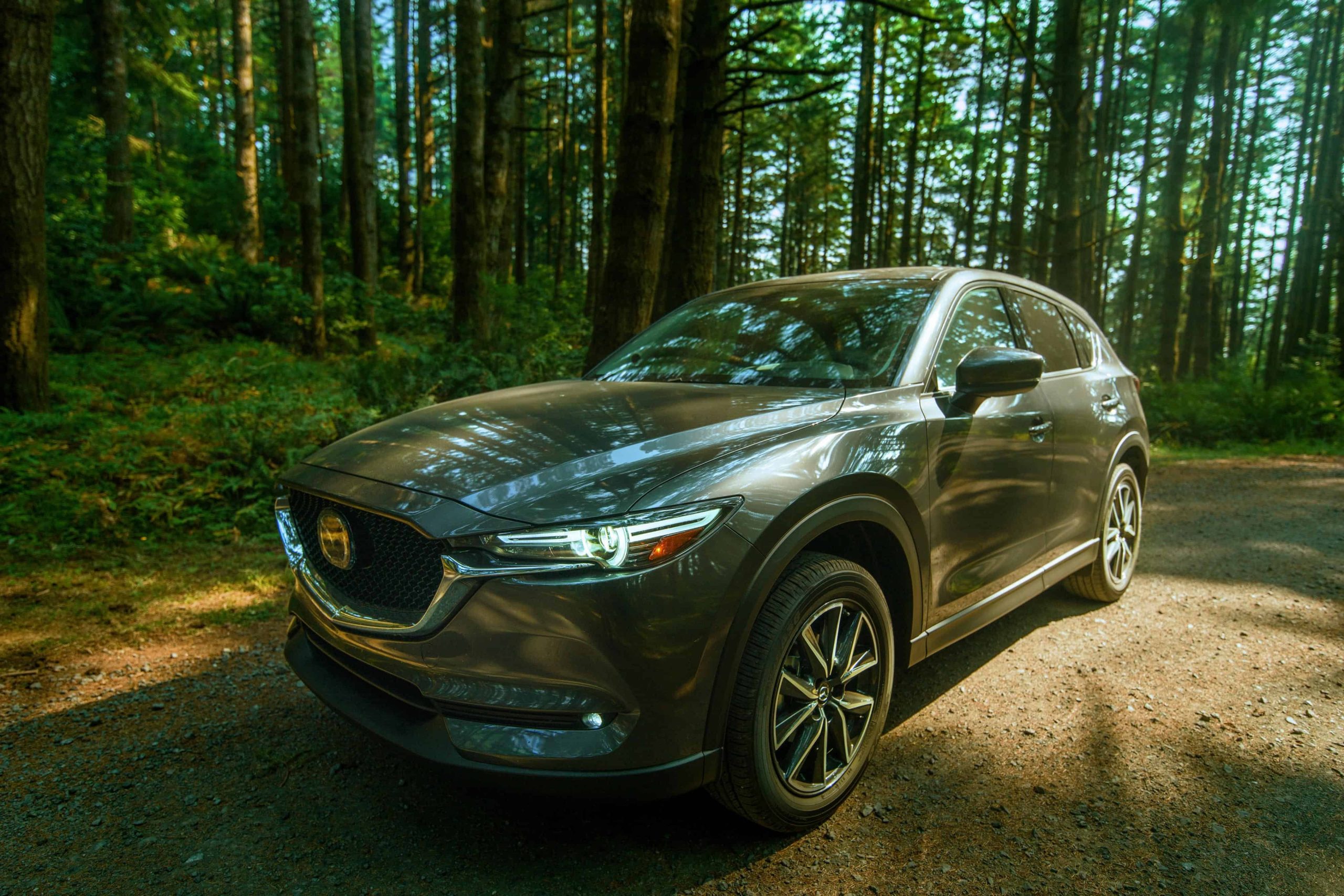
3. Mazda CX-5 (2013–Present)
The Mazda CX-5 quickly became one of the brand’s most successful models after its debut in 2013. A compact SUV aimed at families and practical drivers, the CX-5 brought something fresh to the segment. It wasn’t just about utility; it was about building an SUV that drivers would enjoy owning for many years.
The Skyactiv engines, particularly the 2.5-liter naturally aspirated version, are among the most reliable in their class. Unlike some turbocharged engines that may struggle with long-term durability, this engine prioritizes efficiency and resilience.
Many first-generation CX-5s are still on the road today, pushing 150,000 to 200,000 miles, with little more than routine upkeep. The simplicity of the drivetrain plays a major role in how well the vehicle ages over time.
The build quality of the CX-5 is another area where it outperforms many of its competitors. From the exterior panel fitment to the structure of the suspension, Mazda approached the CX-5 with a focus on making every component last. Early models didn’t come with all the bells and whistles that other brands were offering, but that restraint worked in their favor.
There were fewer electronics to malfunction, fewer components to wear prematurely, and fewer complex systems to maintain. Even the optional all-wheel drive system is considered very robust, with relatively low failure rates compared to some of the more advanced systems in rivals like the Subaru Forester or Ford Escape. The CX-5 strikes a nice balance between capability and simplicity, which gives it an edge in long-term reliability.
Another factor that contributes to the CX-5’s longevity is how well it manages wear-and-tear items. Brake components, suspension parts, and drivetrain elements typically don’t wear out as quickly as they do in some other compact SUVs. That means fewer trips to the mechanic and a longer time between costly repairs.
The transmission, particularly the six-speed automatic, is also well-matched to the engine, meaning it doesn’t get overworked or overstressed even after years of driving. Unlike some dual-clutch or CVT options in other vehicles, Mazda stuck with a traditional torque-converter design that favors long-term durability. For many buyers, this decision has paid off with fewer major transmission repairs down the line.
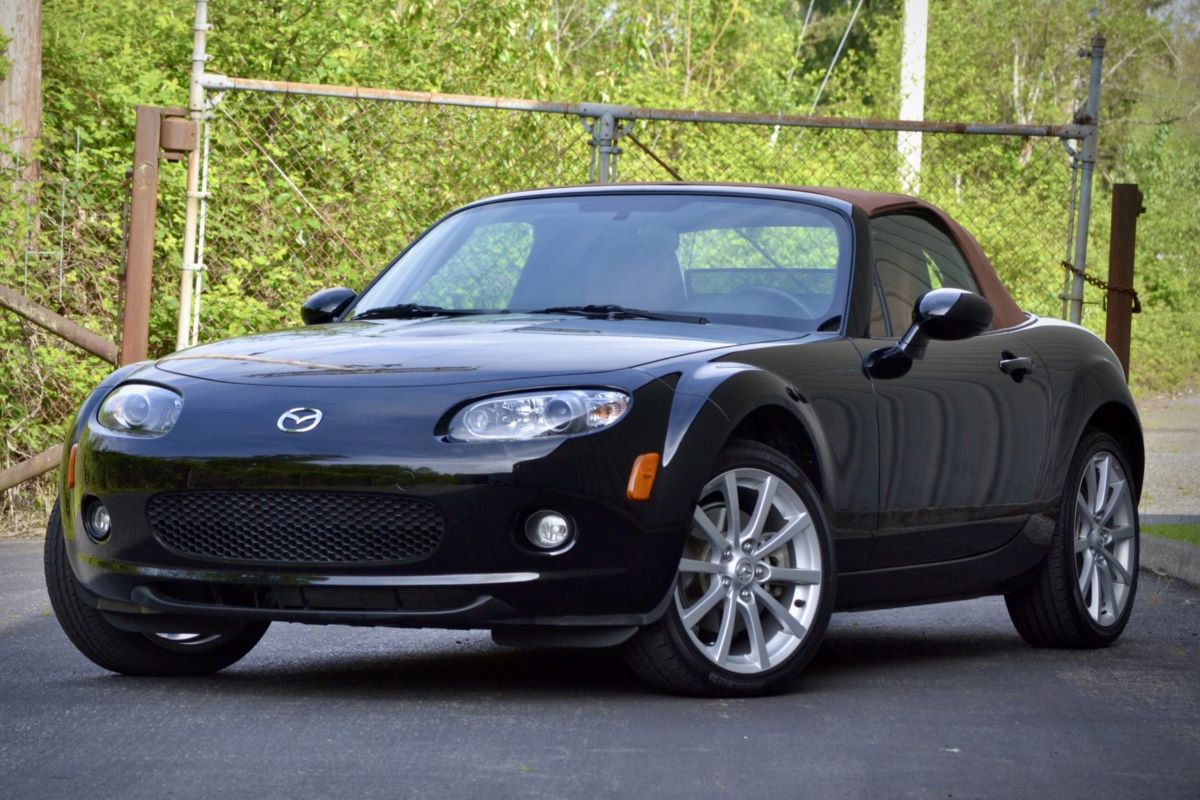
4. Mazda MX-5 Miata (All Generations)
Few vehicles have the kind of lasting legacy that the Mazda MX-5 Miata enjoys. Introduced in 1989, this two-seat roadster has gone through several generations but has remained true to its core values: simplicity, fun, and mechanical honesty. Because of this focused design philosophy, the Miata has become one of the most dependable sports cars in the world.
It doesn’t rely on complex technology or excessive horsepower to deliver thrills, which in turn means it doesn’t carry the mechanical risk that other performance cars often suffer from. Engines in the Miata are typically low-stressed, high-revving, and built to last. It’s common to find Miatas from the 1990s still running reliably today, even with over 200,000 miles.
The lightweight chassis and straightforward suspension design help reduce long-term wear on key components. Since the car itself doesn’t weigh much, parts like brakes, tires, and bushings tend to last longer. The car’s mechanical simplicity also means repairs are easier and cheaper.
There are fewer systems to diagnose, fewer electronics to malfunction, and a more accessible engine bay that allows both professionals and amateur enthusiasts to perform regular maintenance.
Whether you’re looking at the original NA model with pop-up headlights or the more modern ND version, the underlying philosophy remains the same: keep it simple and keep it reliable. It’s this simplicity that has helped the Miata build a reputation for being nearly bulletproof in terms of reliability.
Another contributing factor to the Miata’s longevity is the enthusiastic owner base. Unlike other vehicles that may be passed around without much care, Miatas are often owned by people who genuinely enjoy driving them and therefore take better care of them.
Oil changes, brake servicing, and tire rotations are done on time, and preventive maintenance is common. There’s also a strong aftermarket support system and a large community of knowledgeable owners who help each other troubleshoot problems before they become major issues. This culture of care and maintenance helps extend the life of the car well beyond typical expectations, even when used as a daily driver.
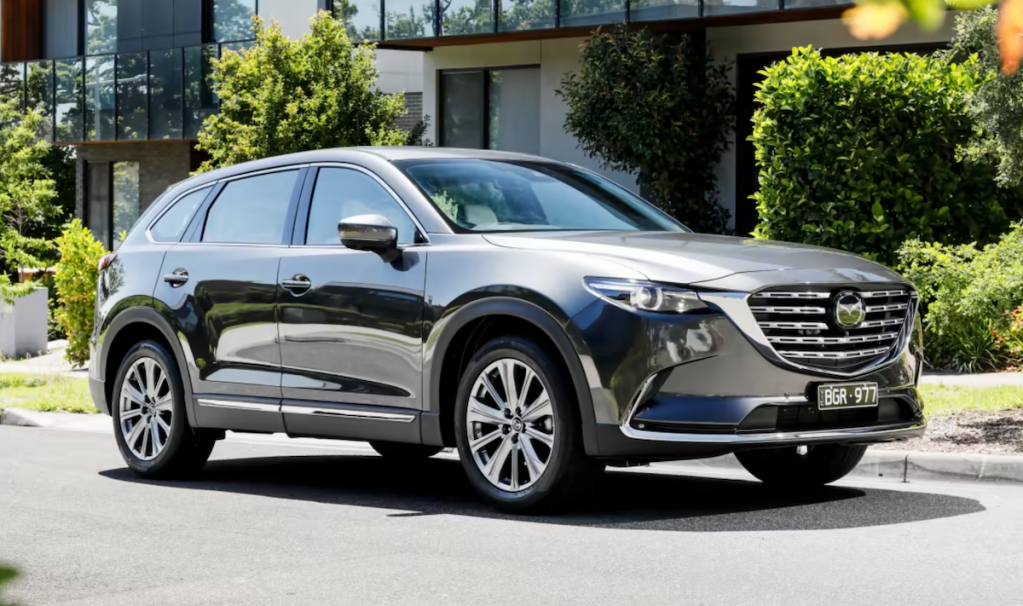
5. Mazda CX-9 (2007–2023)
The Mazda CX-9 stands out in the midsize three-row SUV category for its refined driving experience and impressive long-term reliability. From its debut in 2007 to the final production models in 2023, the CX-9 developed a strong reputation among families who needed space without sacrificing quality.
Unlike many large SUVs that suffer from excessive weight and mechanical complexity, the CX-9 has always managed to stay relatively agile and manageable. One of its most appreciated qualities is how well it holds up over time, particularly in terms of drivetrain durability.
The 3.7-liter V6 in the first generation was known for lasting beyond 200,000 miles with proper maintenance, and the later Skyactiv 2.5-liter turbocharged engines have also proven to be reliable with minimal issues reported.
Structurally, the CX-9 feels solid and well-built. Doors shut with a reassuring thud, panels remain tightly aligned over years of use, and interior components resist the creaks and rattles that often plague other large SUVs. This solid construction contributes to long-term durability, especially when the vehicle is exposed to varying road conditions, seasonal changes, and family wear-and-tear.
Even in models that have seen extensive use, road trips, carpools, camping weekends, interior components like seat mechanisms, climate controls, and storage latches tend to remain operational far longer than expected. While some rivals show signs of fatigue after five or six years, the CX-9 maintains its structural integrity for well over a decade.
The all-wheel-drive system available in the CX-9 is another element that contributes to its longevity. Designed to provide added traction in poor weather without unnecessary mechanical strain, it strikes a balance between capability and durability. This is important because some competitive SUVs introduce highly complex AWD systems that lead to premature failure or excessive maintenance.
Mazda kept theirs straightforward and integrated, reducing long-term issues. Suspension components are also tuned for a comfortable ride while remaining resilient. Bushing wear, shock degradation, and steering rack issues are less common in the CX-9 than in competitors like the Dodge Durango or Chevrolet Traverse. With periodic suspension checks and fluid changes, many CX-9s maintain their ride quality and steering precision well past 150,000 miles.
Also Read: 12 Cars That Refuse to Die in Junkyards (Worth Restoring)
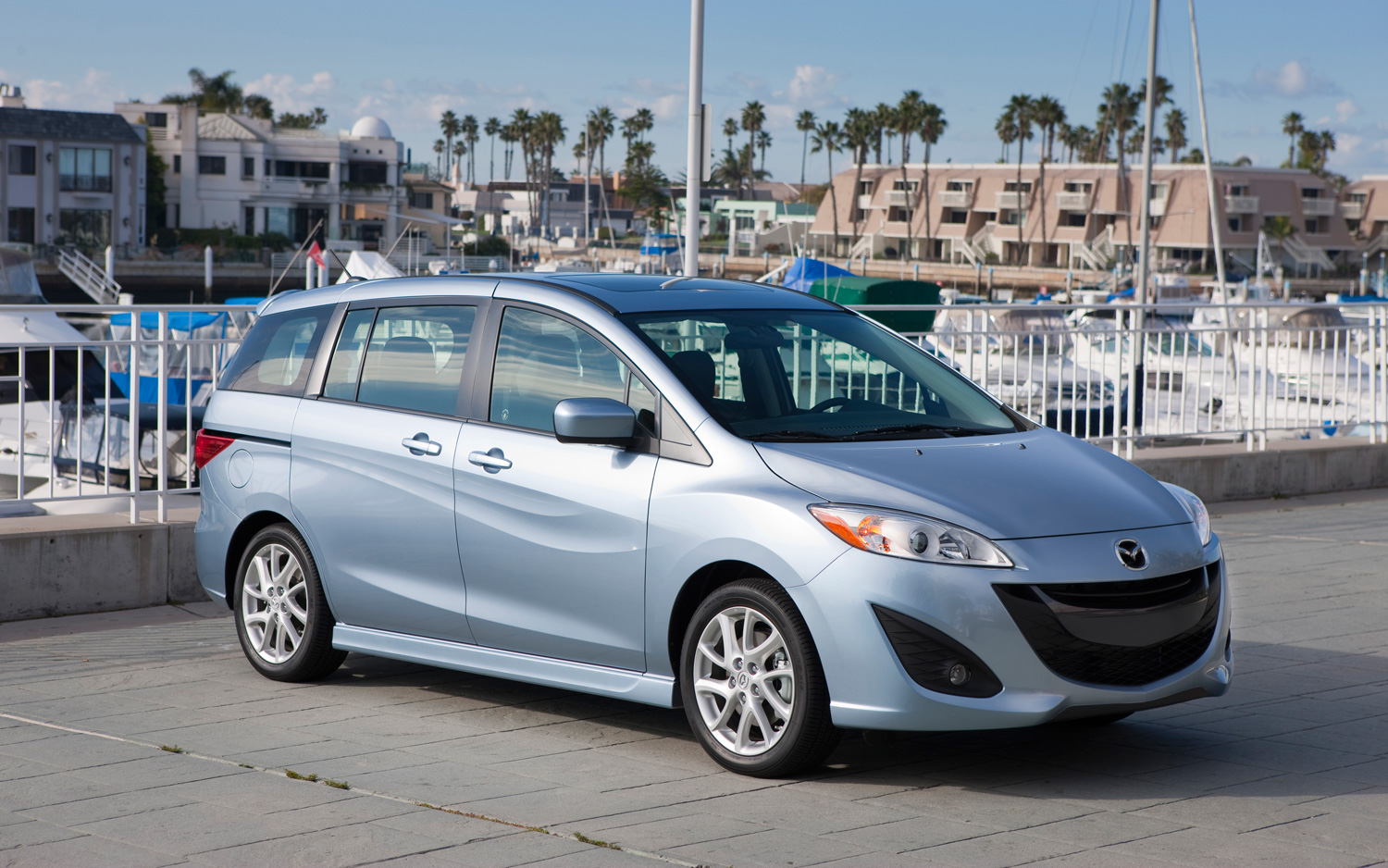
6. Mazda5 (2006–2015)
Though it was discontinued in 2015, the Mazda5 remains a quiet champion of practicality and long-term value. Often overlooked in the minivan and compact MPV market, the Mazda5 delivered something rare: a fun-to-drive, fuel-efficient vehicle with six-passenger seating that didn’t require the bulk or complexity of a full-size minivan.
Mechanically based on the Mazda3 platform, it inherited many of the same durable components that made that car a long-term standout. The 2.3-liter and later 2.5-liter four-cylinder engines are well known for their reliability, and they power the Mazda5 with enough strength to make it a capable city and family vehicle without overloading the drivetrain. These engines, especially when mated to the manual transmission, are incredibly robust and easy to maintain.
The sliding rear doors are one of the Mazda5’s most convenient and enduring features. Unlike some minivans that have motorized sliding doors prone to failure, Mazda opted for manual sliding doors in most trims. These are not only simpler but also much more durable over time.
Fewer electrical components mean fewer repair costs and less likelihood of breakdowns. For families using the vehicle regularly, especially with young children, this reliability is a key benefit.
Additionally, the vehicle’s smaller footprint made it easier to maneuver and park, which resulted in less wear on the steering system and suspension compared to full-size vans that handle more stress over time.
Interior durability is another area where the Mazda5 quietly excels. While the design may not be flashy, the layout is practical, and the materials are chosen with resilience in mind. Seat fabrics resist wear, plastics don’t fade as quickly, and the control layout remains intuitive.
Even after years of use, dashboards don’t show excessive cracking, buttons don’t stick, and storage compartments tend to stay functional. These small but important details have helped the Mazda5 age gracefully.
Owners often remark on how “tight” the vehicle still feels after a decade, with few rattles or interior failures. It’s this understated consistency that keeps the Mazda5 relevant in discussions about long-lasting vehicles, even years after production ended.
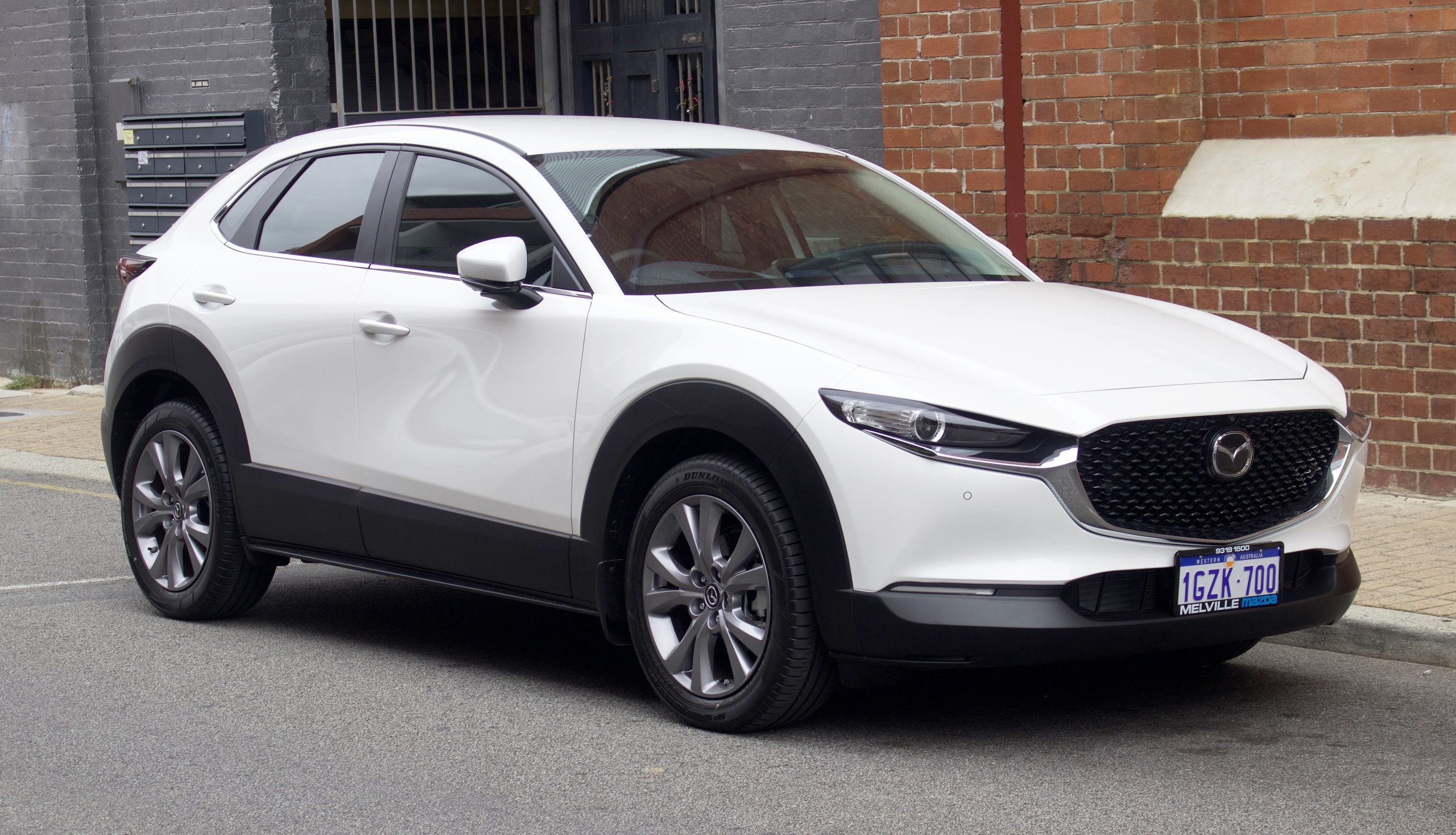
7. Mazda CX-30 (2020–Present)
As one of Mazda’s newer additions to the lineup, the CX-30 has quickly shown signs that it will follow in the footsteps of its long-lasting predecessors. Built on the same platform as the Mazda3, the CX-30 benefits from a solid mechanical foundation, making it more durable than many of the subcompact crossovers it competes with.
The naturally aspirated 2.5-liter engine is already well-regarded for its reliability, and the optional turbocharged version has so far proven to be stable with proper maintenance.
Mazda kept the engine options simple and avoided excessive downsizing or complicated hybrid systems, which can lead to long-term issues in other brands. The CX-30’s straightforward design increases the odds that it will hold up just as well as its older siblings.
The vehicle’s size also contributes to its long-term viability. It’s not so large that it stresses suspension and steering components, but it’s roomy enough to handle everyday family or commuting duties. The chassis tuning, which leans more toward sportiness, also uses stronger suspension bushings and reinforced components that tend to wear more slowly than those found in softer, comfort-focused rivals.
As a result, the CX-30 holds alignment better over time and is less likely to develop clunks, squeaks, or other common suspension annoyances. Drivers who perform regular alignments and rotate their tires will likely find that the handling and ride quality remain consistent even after years of daily use.
Another sign of long-term success is how Mazda designed the interior of the CX-30. Materials are clearly chosen for their durability. Even lower trim models use soft-touch surfaces that resist scratches and fading, while higher trims include leather and stitched materials that retain their appearance for longer than expected.
Buttons and switches feel sturdy, not hollow or loose, which adds to the sense that the car is built to endure. Unlike some competitors that load up with gimmicky features prone to breaking, the CX-30 offers a focused and reliable user experience. This is especially important in a time when tech-heavy interiors often lead to long-term reliability issues across other brands.
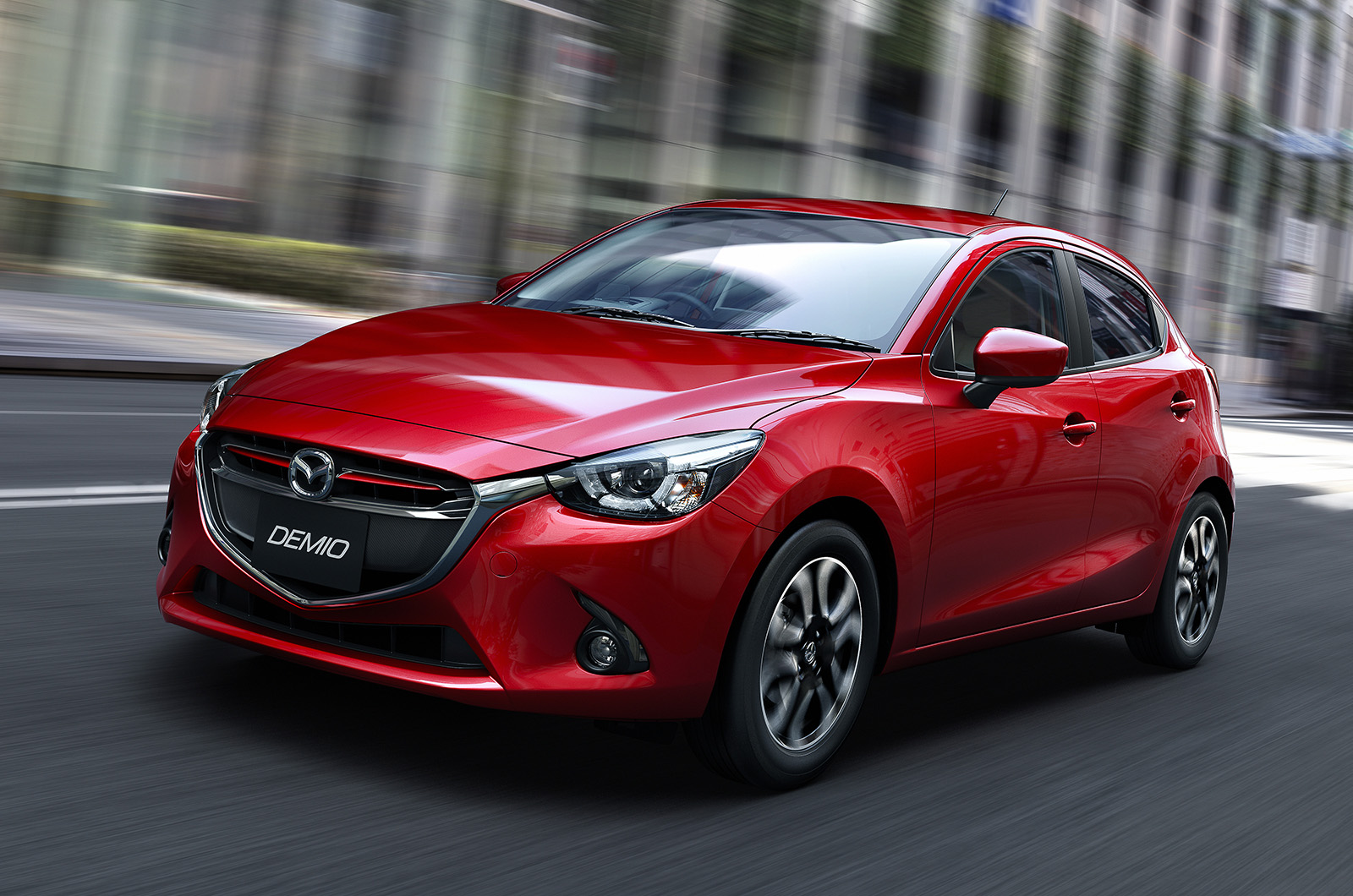
8. Mazda2 (2003–2014)
The Mazda2, also known in some markets as the Demio, has earned a reputation for being a durable and efficient subcompact car. Although smaller than many competitors, the Mazda2 doesn’t compromise on build quality or mechanical reliability. Its lightweight design reduces strain on the engine and transmission, which contributes to its ability to last longer than rivals in the same segment.
Powered by reliable four-cylinder engines that are simple in design, the Mazda2 has proven to be an economical and long-lasting choice, especially for urban drivers. Regular maintenance can keep these engines running smoothly well beyond 150,000 miles, which is a testament to Mazda’s engineering philosophy.
Structurally, the Mazda2 is built to withstand the wear and tear of city driving and harsh weather conditions. It doesn’t feature overly complex electronics or intricate mechanical parts that could increase the likelihood of failure over time. This simplicity, combined with high-quality materials for the chassis and body panels, allows the Mazda2 to resist rust and mechanical fatigue better than many of its competitors.
Even after years of daily use in stop-and-go traffic, these cars tend to maintain solid structural integrity and continue to offer a safe driving experience. This resilience makes the Mazda2 a solid pick for those who want longevity in a small package.
Inside the cabin, the Mazda2 is designed to withstand daily use without showing premature wear. While the materials may be modest, they’re chosen for their durability rather than luxury appeal. Seats tend to retain their shape, and interior plastics do not crack or become brittle over time.
The dashboard controls and switches have a reputation for staying fully functional for years, even with frequent use. The simplicity of the interior electronics also reduces the risk of malfunctions that can plague more feature-heavy small cars. This practicality helps maintain owner satisfaction and contributes to the car’s long service life.
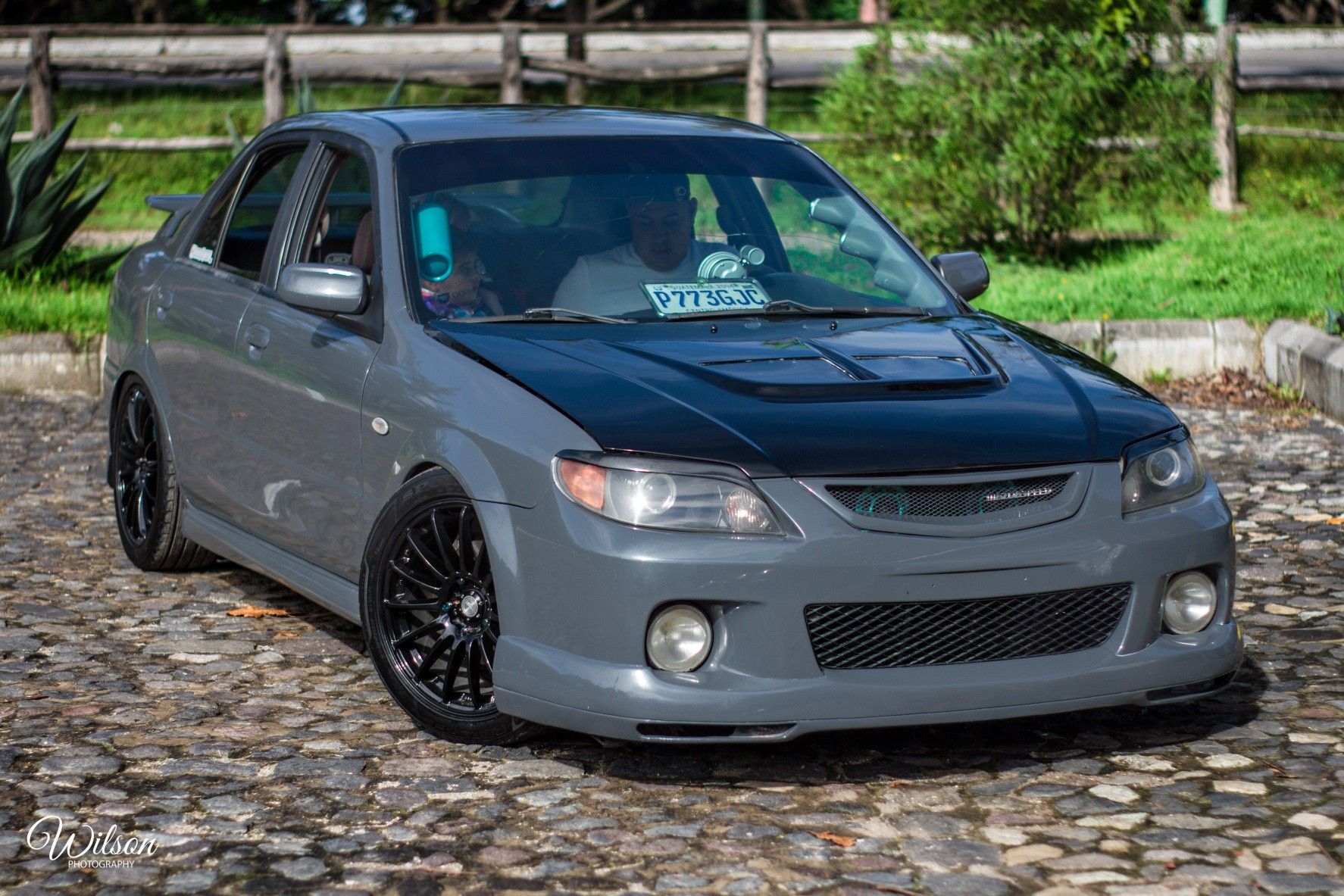
9. Mazda Protegé (1990–2003)
The Mazda Protegé is a compact car that has garnered praise for its longevity and reliability across multiple generations. Produced for over a decade, the Protegé was a mainstay in Mazda’s lineup during the 1990s and early 2000s, and many of these vehicles remain on the road today, a testament to their solid engineering.
The engines powering the Protegé, particularly the 1.8-liter four-cylinder, are well-known for their durability and straightforward design. These engines avoid unnecessary complexity, which results in fewer potential failure points and a lower cost of maintenance. As a result, many owners report trouble-free driving well past the 200,000-mile threshold.
Structurally, the Protegé was built to last. Although not a luxury vehicle, its chassis was rigid and well-constructed, with suspension components designed to balance comfort and durability. Unlike some rivals that opted for cheaper parts, Mazda used quality bushings and struts that stand up well to long-term use, even on rough roads.
The body panels have proven resistant to rust in most climates, especially when owners take proper care of the paint and undercarriage. This combination of a tough frame and high-quality suspension contributes to the car’s ability to provide a smooth ride without frequent repairs or component replacements.
Inside, the Mazda Protegé offers a simple, no-frills interior that prioritizes function over form, which has helped it age well. The materials used in the cabin are durable, and the controls rarely fail even after years of consistent use. Unlike some competitors that overloaded their vehicles with electronics, the Protegé stuck with reliable analog gauges and straightforward climate controls, reducing the risk of electrical problems.
Seats maintain their support and comfort, even with extended use, and the interior design is ergonomic enough to keep drivers comfortable for long periods. This practical interior has helped the Protegé maintain a loyal fan base among used car buyers seeking dependable transportation.
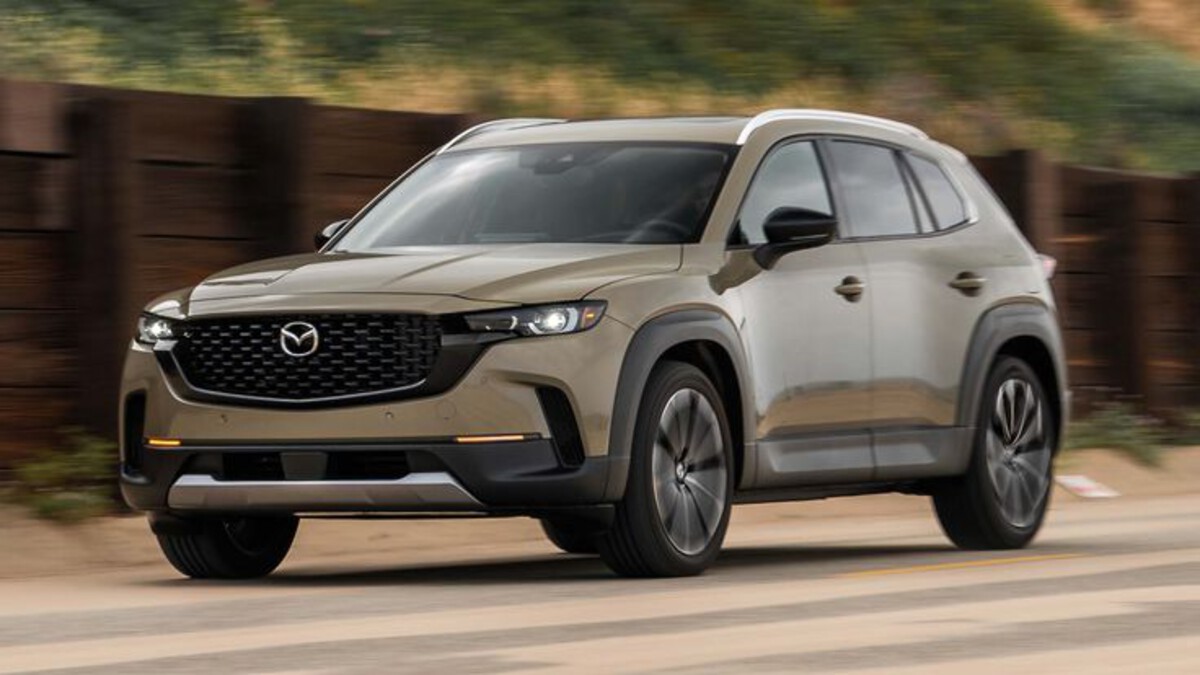
10. Mazda CX-50 (2022–Present)
As a newcomer to Mazda’s SUV lineup, the CX-50 has already attracted attention for combining ruggedness with the brand’s signature driving dynamics. Though it hasn’t been on the market long enough to develop a proven long-term track record, its design and engineering choices suggest it will live up to Mazda’s reputation for durability.
Built on the same platform as the CX-5 and CX-30, the CX-50 benefits from proven Skyactiv powertrains that prioritize both efficiency and reliability. Early reports indicate that the naturally aspirated 2.5-liter four-cylinder engine is stable and built to endure, while the turbocharged variant offers added power without sacrificing longevity when maintained properly.
The CX-50’s body and chassis are engineered with ruggedness in mind, targeting buyers who want off-road capability without compromising durability. Reinforced underbody protection and a robust suspension setup help the vehicle withstand rougher terrain and harsh driving conditions better than most competitors in its class.
This attention to durability extends to the drivetrain as well, where Mazda’s all-wheel-drive system is designed to be both capable and low-maintenance. Early owners have noted the CX-50’s solid construction and the absence of rattles or squeaks, which often develop prematurely in SUVs subjected to heavy use. The vehicle’s design clearly reflects Mazda’s commitment to building a long-lasting, well-rounded SUV.
Interior durability has not been overlooked in the CX-50. While Mazda’s focus remains on crafting a premium experience, materials used throughout the cabin are selected for their ability to resist wear, even under active lifestyles. High-quality leather, soft-touch plastics, and well-sealed electronic components suggest that the interior will maintain its quality for years.
Controls are designed to be user-friendly and durable, avoiding the frequent failures associated with overly complicated infotainment systems. This combination of durability and user-friendly design is crucial for a vehicle intended for both urban and rugged use.
