
The Jeep Wrangler has long been the go-to vehicle for off-road enthusiasts, adventure seekers, and those who prefer rugged terrain over smooth highways. Since its earliest origins in military service during World War II, the Wrangler has grown into a cultural icon, representing freedom, resilience, and an unyielding connection to nature.
More than just a vehicle, it has been a symbol of capability and toughness. Through countless evolutions, the Jeep brand has consistently managed to retain the raw and durable essence of the Wrangler, while introducing modern engineering and convenience features that enhance its performance.
Despite the rapid technological advancements in the auto industry, the Wrangler has remained true to its roots, consistently designed for those who would rather be on the trail than stuck in traffic.
While every Wrangler year has brought something new to the table, certain models have stood out for their superior off-road performance, reliability, and modification potential. Some years featured innovations that set the stage for future models, while others delivered such a balanced blend of power, handling, and durability that they remain trail favorites to this day.
These standout years have not only earned respect among Wrangler loyalists but also maintained high resale values and a strong presence in used 4×4 markets. Whether it’s the dependable TJ series, the aggressive Rubicon trim, or the technological leap taken by the JL generation, these years continue to dominate the trails even after thousands of miles.
For serious off-roaders, picking the right Wrangler year can make a major difference. Ground clearance, axle strength, factory-installed lockers, and drivetrain compatibility all vary from year to year. Some years introduced limited-edition trims with reinforced suspension or electronic sway bar disconnects.
Others managed to perfect the combination of classic Jeep simplicity with modern engineering refinements. Not all Wranglers are created equal, and enthusiasts know that selecting the right model year can define how well a rig handles rock gardens, mud pits, or steep inclines.
Also Read: 12 Muscle Cars Still Burning Rubber After Decades
1. 1997 Jeep Wrangler TJ
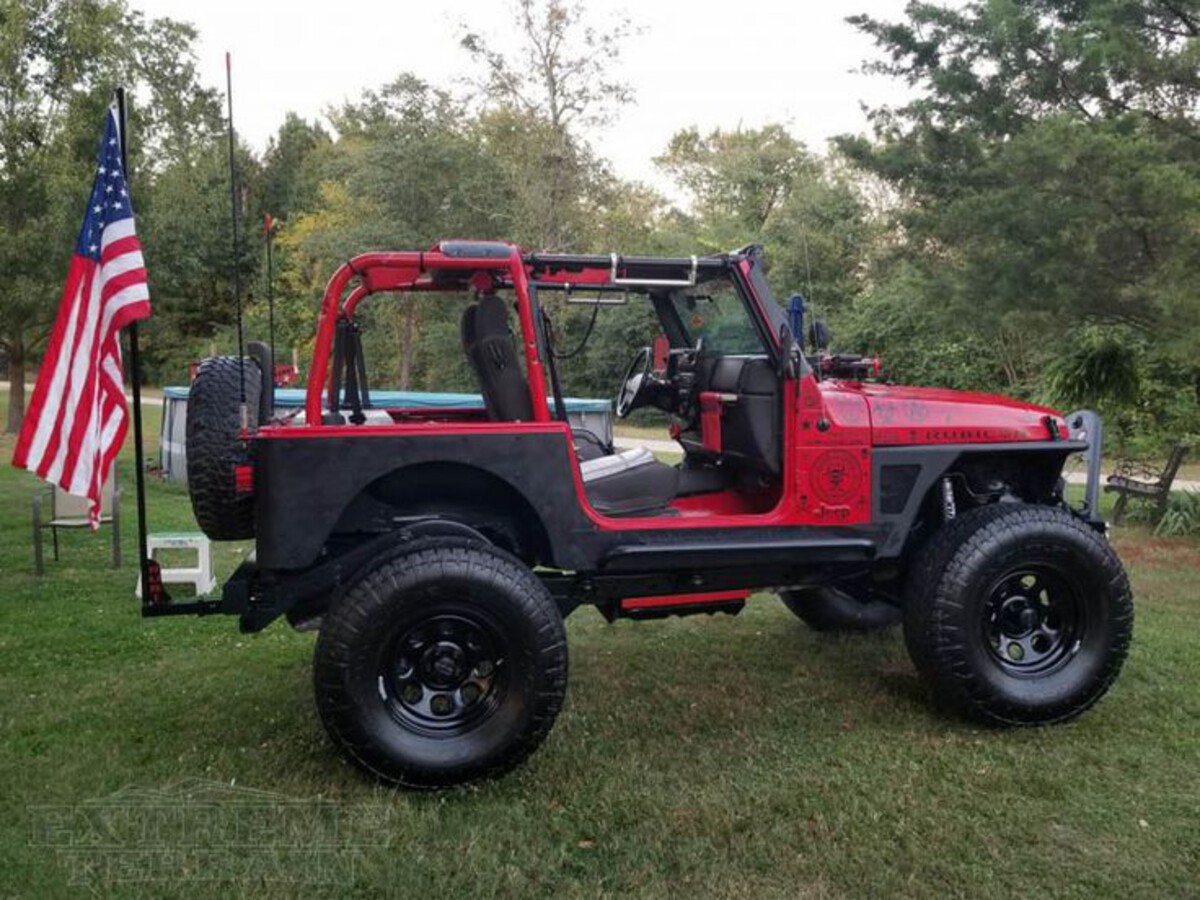
The 1997 model marked the rebirth of the Wrangler after the end of the YJ generation. Jeep introduced the TJ with round headlights, a direct nod to the original CJ design, which immediately pleased longtime fans. But the visual upgrade was only part of the story.
The biggest change was underneath: coil-spring suspension. Unlike the leaf-spring setup used in earlier models, the TJ’s coil springs greatly improved ride comfort and articulation, making it more capable on trails and more enjoyable on daily drives. Off-roaders quickly noticed the improved traction over uneven terrain.
The 1997 TJ also benefited from a relatively simple mechanical layout, which made it easy to repair and customize. There were fewer electronics and sensors to worry about, which meant fewer complications in muddy, wet, or dusty environments. For those who like to wrench on their own rigs, this model was particularly appealing.
The 4.0-liter inline-six engine provided enough torque and had a reputation for lasting hundreds of thousands of miles with proper maintenance. Its manual transmission was also sturdy and responsive, ideal for trail control.
Factory skid plates, solid axles front and rear, and a relatively short wheelbase gave the 1997 TJ excellent trail geometry. It handled tight switchbacks and steep hills with ease, and its smaller size meant it could go places larger, modern SUVs would struggle to reach.
This made it especially popular among rock crawlers and forest trail riders. The TJ was also light enough to avoid getting bogged down in soft sand or thick mud, and with a few aftermarket upgrades, it could handle almost any trail.
Lastly, 1997 was the beginning of a platform that would evolve into some of the most iconic Wranglers ever built. Parts availability is still widespread, and the aftermarket support is massive. Lift kits, lockers, tire upgrades, and armor options are endless. For anyone looking to build a capable rig from a reliable base, the ’97 TJ is a strong starting point that still holds its own today.
2. 2003 Jeep Wrangler Rubicon
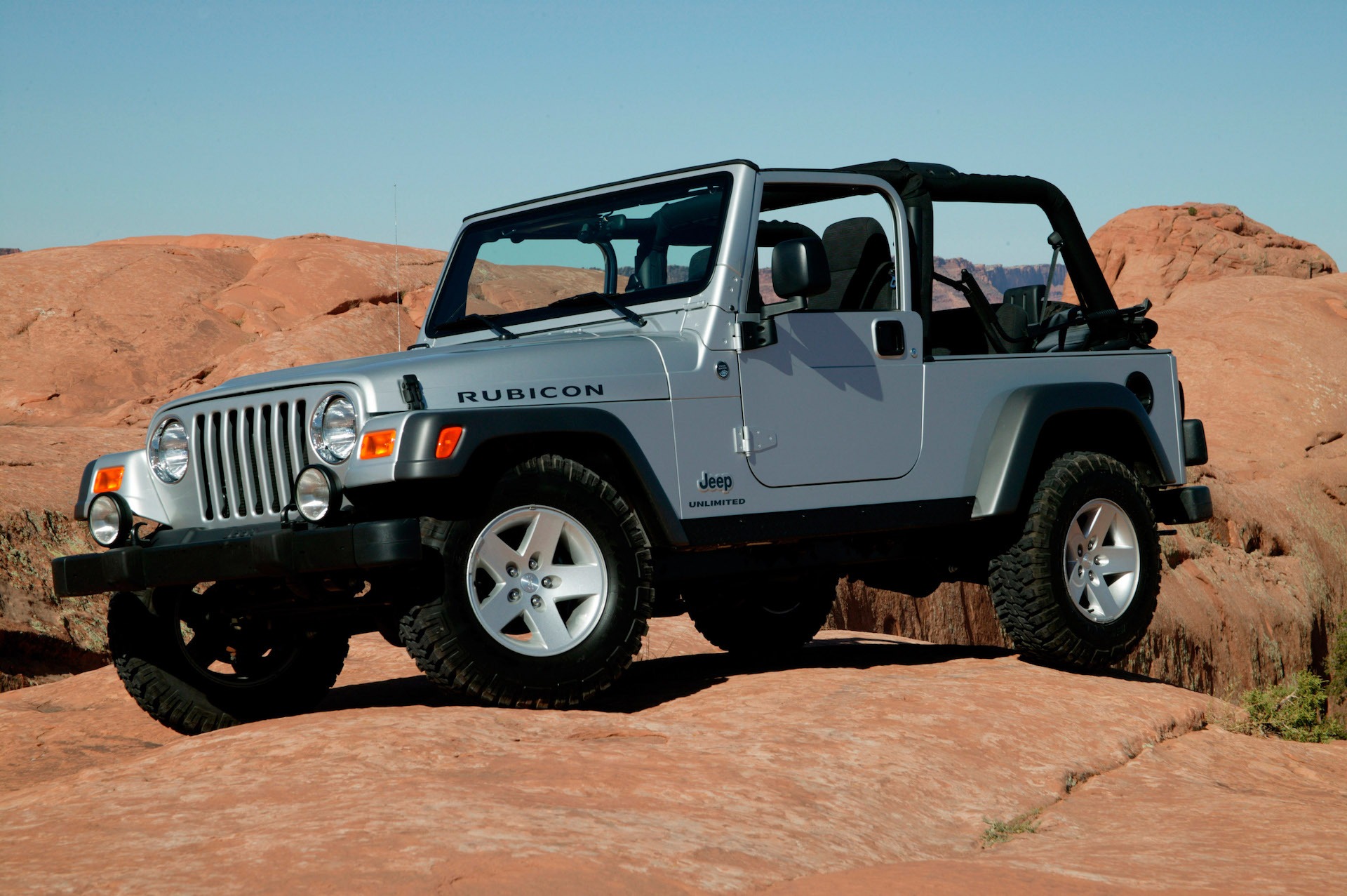
The 2003 Rubicon is one of the most trail-ready Wranglers ever released straight from the factory. Jeep engineers designed this trim level for hardcore off-road use, and it was a game-changer. The Rubicon came standard with front and rear Dana 44 axles, which were significantly stronger than the Dana 30 and 35 axles found on other trims.
These axles could take a beating on rocks, ledges, and rutted terrain, making them ideal for challenging trail environments. For many off-roaders, this was the year Jeep finally offered a true out-of-the-box trail rig.
Another major advantage of the 2003 Rubicon was its Rock-Trac transfer case. This system offered a 4:1 low-range gear ratio, which gave the vehicle excellent control in slow, technical crawling situations.
Combined with electronic locking differentials in both axles, the Rubicon had unprecedented traction capabilities for a stock vehicle. In conditions where one or more tires might lose contact with the ground, the lockers kept the Jeep moving forward. It made the Rubicon far more than just a cosmetic package.
Jeep didn’t skimp on protection either. The 2003 Rubicon featured factory skid plates and 31-inch tires, which provided decent ground clearance for a stock setup.
Its suspension was well-balanced, and while many owners chose to install lift kits, even in stock form, it had the geometry to tackle steep climbs and rock gardens without issue. The Rubicon badge wasn’t just marketing, it lived up to its name by performing well on the famous Rubicon Trail in California.
Durability and longevity also helped this model earn its place in the off-road hall of fame. The 4.0-liter inline-six engine remained a key strength, and the manual transmission option allowed for better control in tight terrain.
Years later, many of these Jeeps are still on the trails, often modified but still running strong. For anyone wanting a trail-ready Jeep without starting from scratch, the 2003 Rubicon remains a top-tier choice.
3. 2006 Jeep Wrangler TJ
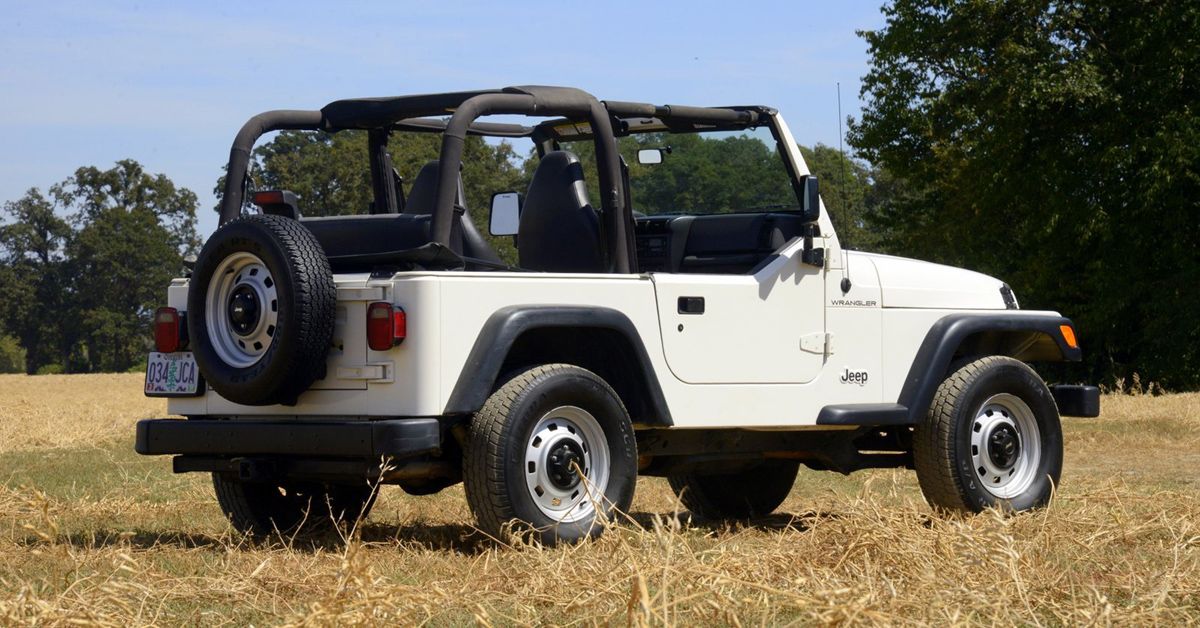
The 2006 model was the final year of the TJ generation and arguably the most refined version of that era. Jeep had spent nearly a decade fine-tuning the TJ, and by 2006, they had ironed out many of the earlier issues while keeping everything that made it great.
The suspension, drivetrain, and electrical systems were more reliable than ever, and Jeep introduced the Unlimited version (LJ) with a longer wheelbase, giving buyers more cargo space and a better ride.
One of the biggest advantages of the 2006 TJ is the availability of the Rubicon package with the LJ body. This gave the best of both worlds: the rugged off-road equipment of the Rubicon trim with the stability and cargo room of the longer wheelbase.
Off-roaders who wanted a little more room for gear or passengers found the 2006 LJ Rubicon to be ideal. Its stretched frame also offered better approach and departure angles for certain types of terrain.
The 4.0-liter engine saw its final year in 2006 as well. Known for its bulletproof reliability, this engine could take abuse without complaint, and it had plenty of low-end torque for off-road use. Whether crawling over boulders or easing down a narrow mountain trail, the engine performed without the need for high RPMs. Paired with either a manual or automatic transmission, it made the 2006 model year extremely capable.
The aftermarket community still heavily supports this model, with everything from long-arm suspension kits to upgraded armor, lighting, and drivetrain components readily available.
Those who own a 2006 TJ or LJ typically hold onto them, and clean versions are becoming increasingly sought-after. It represents the last year of the classic Wrangler feel before Jeep transitioned into the four-door era with the JK. For purists and performance fans alike, 2006 stands out as one of the best.
4. 2007 Jeep Wrangler JK
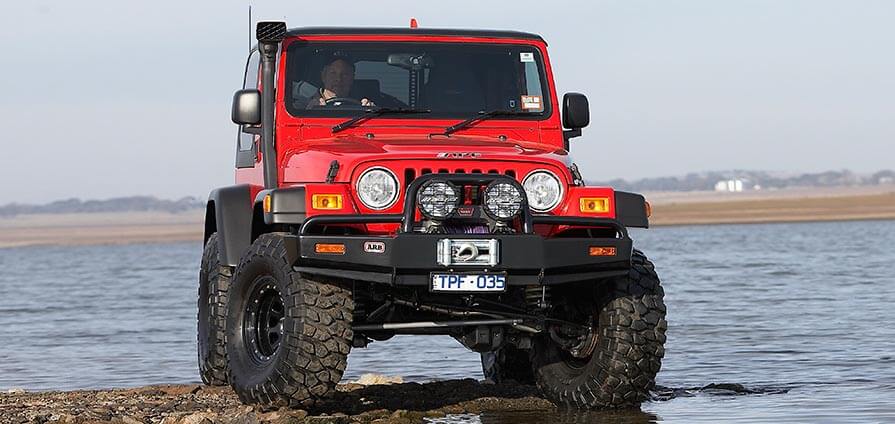
The 2007 model year marked a significant turning point in Jeep Wrangler history. It was the beginning of the JK generation, a complete overhaul from the previous TJ. Jeep introduced a four-door model for the first time, the Wrangler Unlimited, which changed everything.
The longer wheelbase and added passenger space made the Wrangler more versatile, appealing not only to off-roaders but also to families and daily drivers. Though traditionalists were initially skeptical, the added practicality proved invaluable for those who wanted to combine trail capability with everyday use.
The four-door Wrangler didn’t just bring more room, it also brought a new level of stability on the trails, especially on steep descents or during towing and overlanding adventures.
One of the big changes in 2007 was the introduction of the 3.8-liter V6 engine, replacing the legendary 4.0-liter inline-six. While it didn’t have quite the same reputation for durability, it did offer decent power for the JK’s heavier frame.
Coupled with a revised six-speed manual transmission or a four-speed automatic, it provided adequate performance for most trail conditions. Some off-roaders did find it underpowered compared to previous models, but for light to moderate trails, the 3.8-liter engine held up reasonably well.
Where the JK really shone was in its new suspension setup and frame strength. It retained solid axles front and rear, a must for hardcore off-roaders, and had improved ride quality both on and off the pavement.
From a trail perspective, the 2007 JK benefited from increased aftermarket support. As the first of a new generation, it quickly became the platform for numerous upgrades, including heavy-duty bumpers, suspension lifts, LED lighting, and gear storage solutions.
The longer chassis of the Unlimited offered a better foundation for rooftop tents and overland setups. Many enthusiasts also began converting these Jeeps for extreme wheeling, fitting 35- or even 37-inch tires with the right lift kit and gearing upgrades. Even stock, the 2007 JK had good ground clearance, approach and departure angles, and strong articulation thanks to its coil-spring suspension.
The interior was also more comfortable and modern than any previous Wrangler. Air conditioning, power windows, better sound systems, and improved ergonomics made it easier to live with day to day, without sacrificing trail worthiness.
For people who wanted a Jeep that could take them across a mountain pass and still handle school runs on Monday, the 2007 Wrangler JK opened a new chapter. It was the beginning of the modern off-road SUV that didn’t forget its roots, and it continues to be a reliable platform for trail use today.
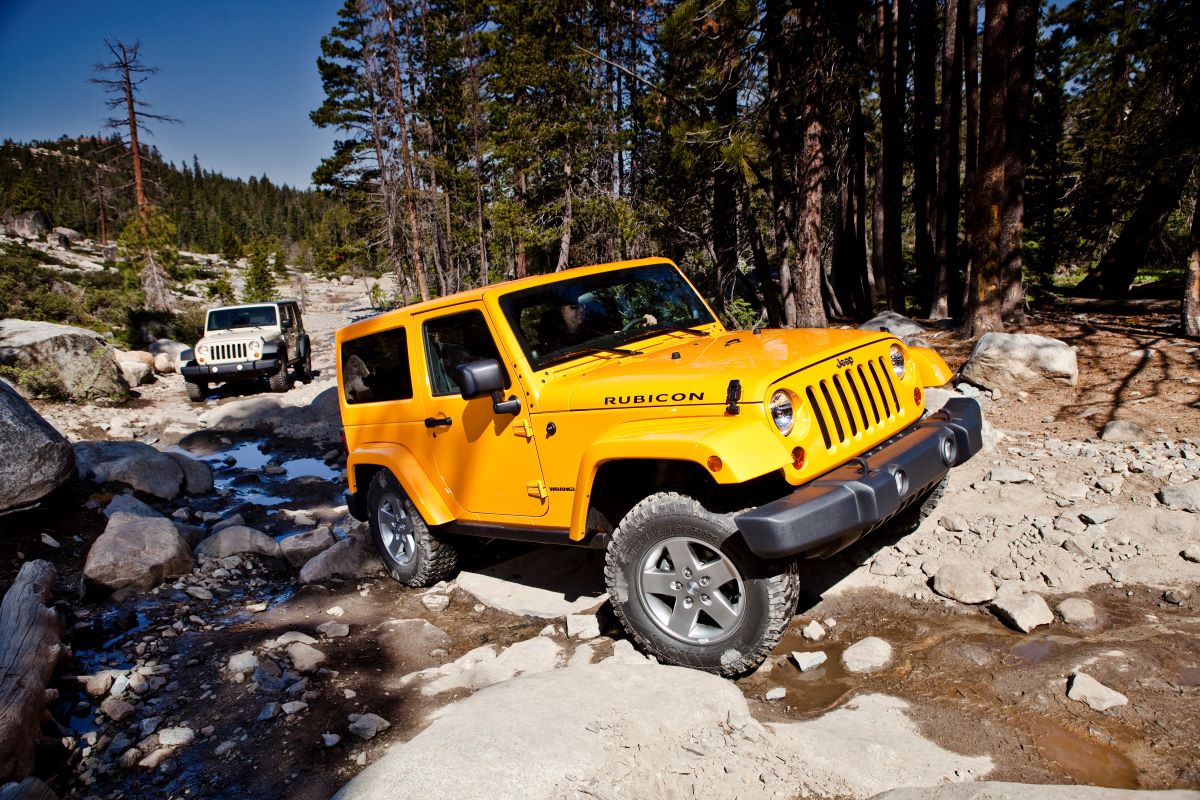
5. 2012 Jeep Wrangler Rubicon
The 2012 model year was a big deal for the Wrangler Rubicon, mainly due to the introduction of the new 3.6-liter Pentastar V6 engine. This engine replaced the previous 3.8-liter, addressing many of the complaints drivers had about power output and throttle response.
The Pentastar brought 285 horsepower and 260 lb-ft of torque, a major improvement that transformed the Wrangler’s driving dynamics. On the trail, the extra torque was especially noticeable in technical climbs, sand dunes, and situations where throttle precision mattered. It gave the 2012 Rubicon an entirely new personality, stronger, quicker, and more responsive, both on-road and off.
Beyond the new engine, 2012 retained the excellent off-road DNA that had already made the Rubicon trim legendary. It still came with the Rock-Trac 4:1 transfer case, which allowed for incredibly slow, controlled crawling over rocks and tough terrain. Locking differentials in both the front and rear axles gave it true 4×4 power in any condition.
When one wheel left the ground or hit a slippery patch, the lockers kicked in and kept the forward momentum steady. The electronic sway bar disconnect was another invaluable feature, allowing for improved articulation on the trail without having to get under the vehicle to disconnect parts manually.
Suspension geometry and tire clearance remained strong points as well. With 32-inch tires standard, the 2012 Rubicon had excellent ground clearance for most moderate to difficult trails. The frame and suspension setup allowed for significant articulation, which gave it better control over rocky or rutted surfaces.
Jeep’s engineering kept the center of gravity low enough to reduce rollover risk while still allowing a great approach and departure angle. For those who wanted more, aftermarket lifts, armor, and tire upgrades were readily available, and the 2012 model responded well to these enhancements without compromising reliability.
Interior updates also played a part in why the 2012 Rubicon stands out. Jeep redesigned the dashboard, improved insulation, and added better seats and materials, which made the ride more comfortable without softening the Jeep’s rugged feel.
The upgraded touchscreen and infotainment options were also a step forward for those wanting some convenience during long trail rides or weekend overlanding trips. Altogether, the 2012 Rubicon was a perfect balance between performance, durability, and modern comfort. It’s still widely considered one of the best modern Wranglers for serious off-road use.
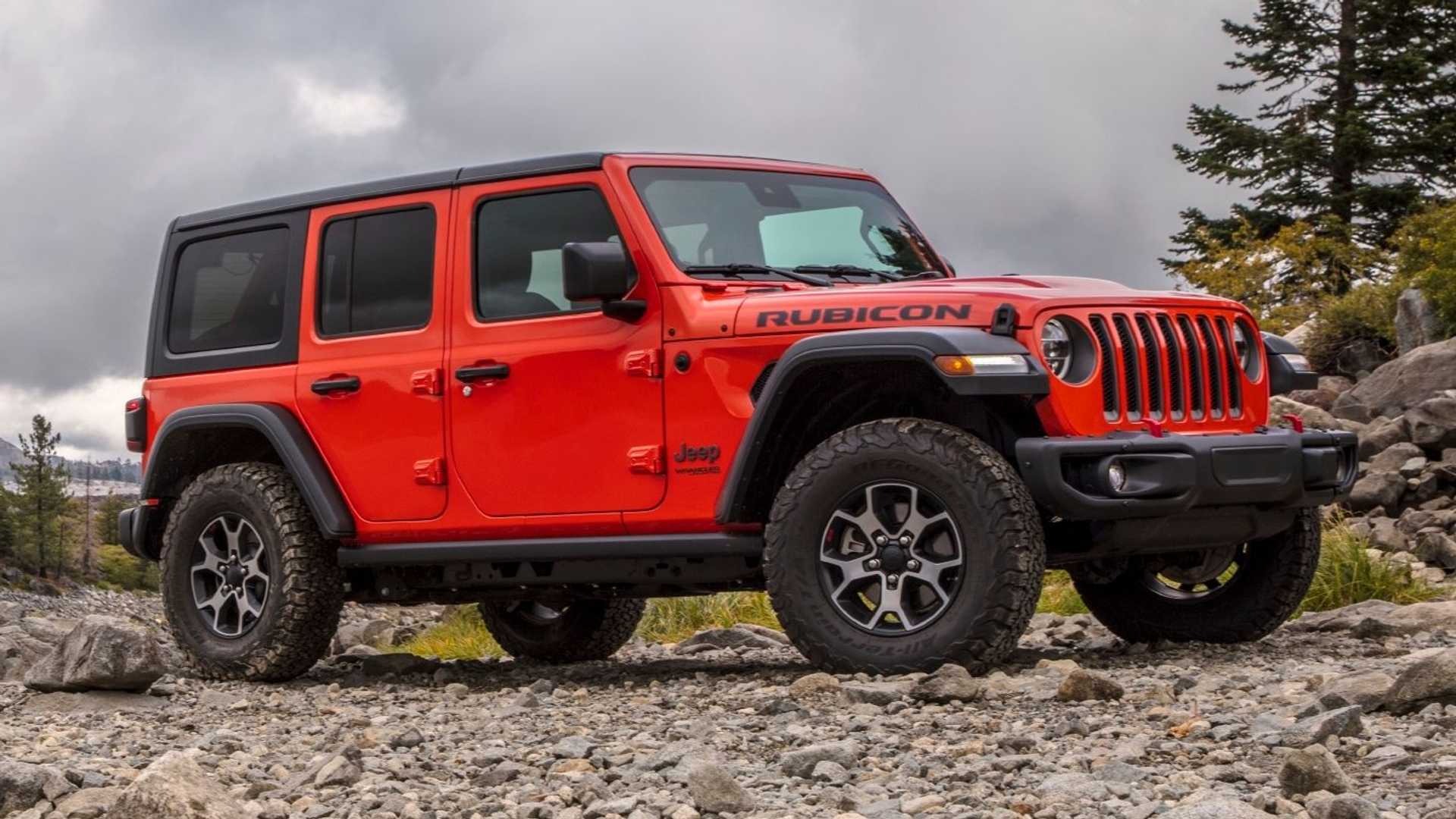
6. 2013 Jeep Wrangler Unlimited Moab Edition
The 2013 Moab Edition was a unique Wrangler that merged trail performance with a stylish, functional package. It was based on the Sahara trim but included several features from the Rubicon, making it a great mid-point for those who wanted off-road capability without going fully into hardcore territory.
Named after the Moab trails in Utah, some of the most iconic off-road terrain in the country, this edition came ready for action. It included a rear limited-slip differential and an optional locking rear differential, which greatly improved traction in uneven or slippery conditions. While it didn’t include front lockers like the Rubicon, it still handled challenging trails with confidence.
Performance-wise, the 2013 Moab Edition benefited from the same 3.6-liter Pentastar engine introduced in the previous year. This gave it more than enough power to handle rough terrain, sand, snow, or mud.
While not designed for the most extreme trails, the Moab Edition struck a smart balance between everyday drivability and solid trail capability. It’s still sought-after today for those who want a trail-ready Jeep with some luxury touches and a unique visual appeal that sets it apart from other trims.
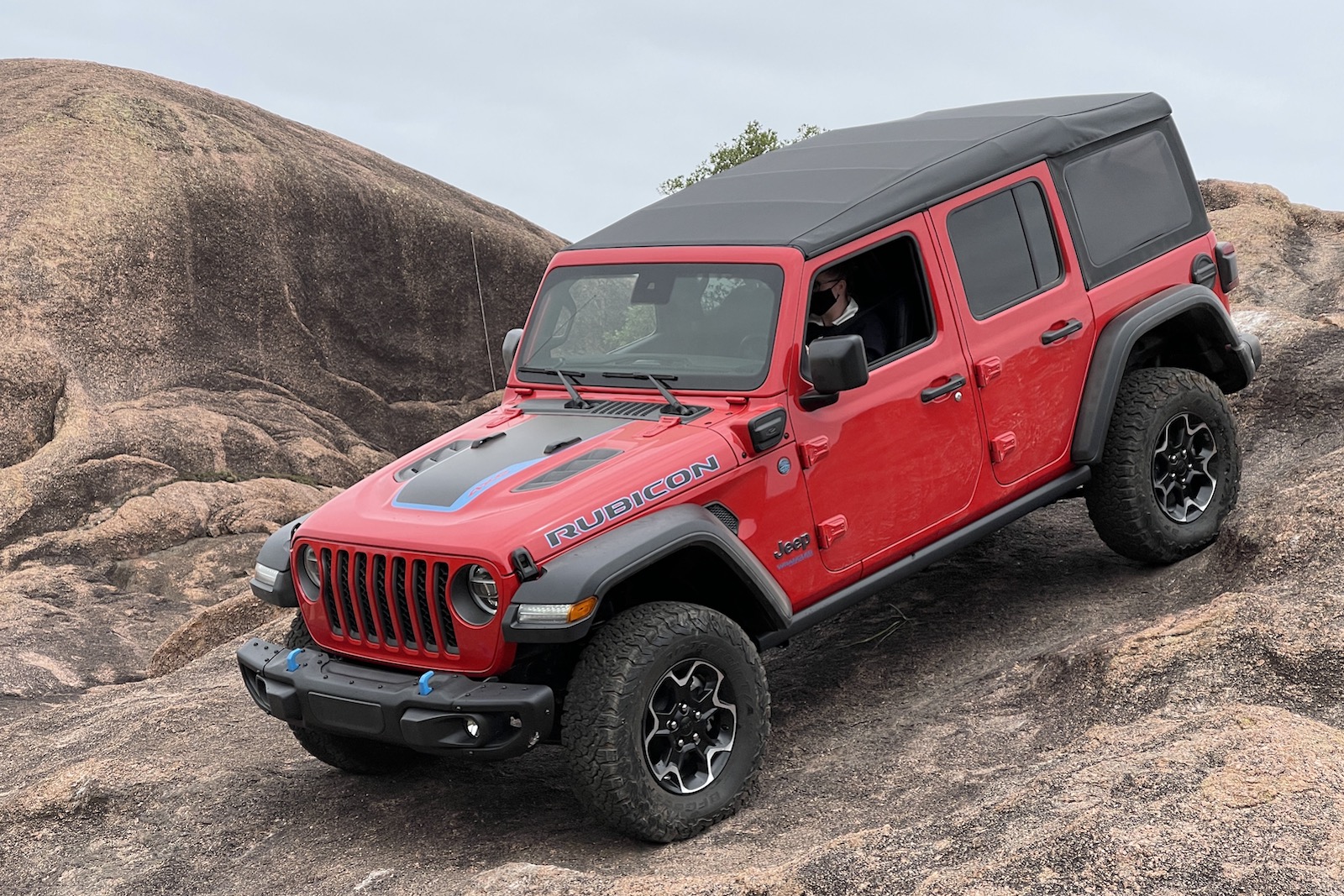
7. 2015 Jeep Wrangler Rubicon Hard Rock
The 2015 Rubicon Hard Rock Edition was a premium take on Jeep’s most capable trail machine. Building on the already impressive Rubicon platform, the Hard Rock added strength, styling, and trail enhancements that made it even more attractive to off-road enthusiasts.
One of the most noticeable upgrades was the steel front bumper with removable end caps. These weren’t just cosmetic, removing the ends increased clearance for climbing and allowed for tighter approach angles. The bumper was also winch-capable, making it easier for serious off-roaders to mount recovery gear without extensive modifications.
This year also saw improved reliability across the Wrangler lineup. Jeep had addressed many of the minor quality issues from earlier JK years, making the 2015 model one of the most mechanically sound of the generation. It was dependable, well-built, and still extremely customizable.
Enthusiasts loved how easily it accepted aftermarket mods, and many Hard Rocks were turned into serious off-road beasts with the addition of larger tires, lifts, winches, and bumpers. Even stock, it was ready for just about anything, and that’s why the 2015 Rubicon Hard Rock remains one of the top picks for trail dominance.
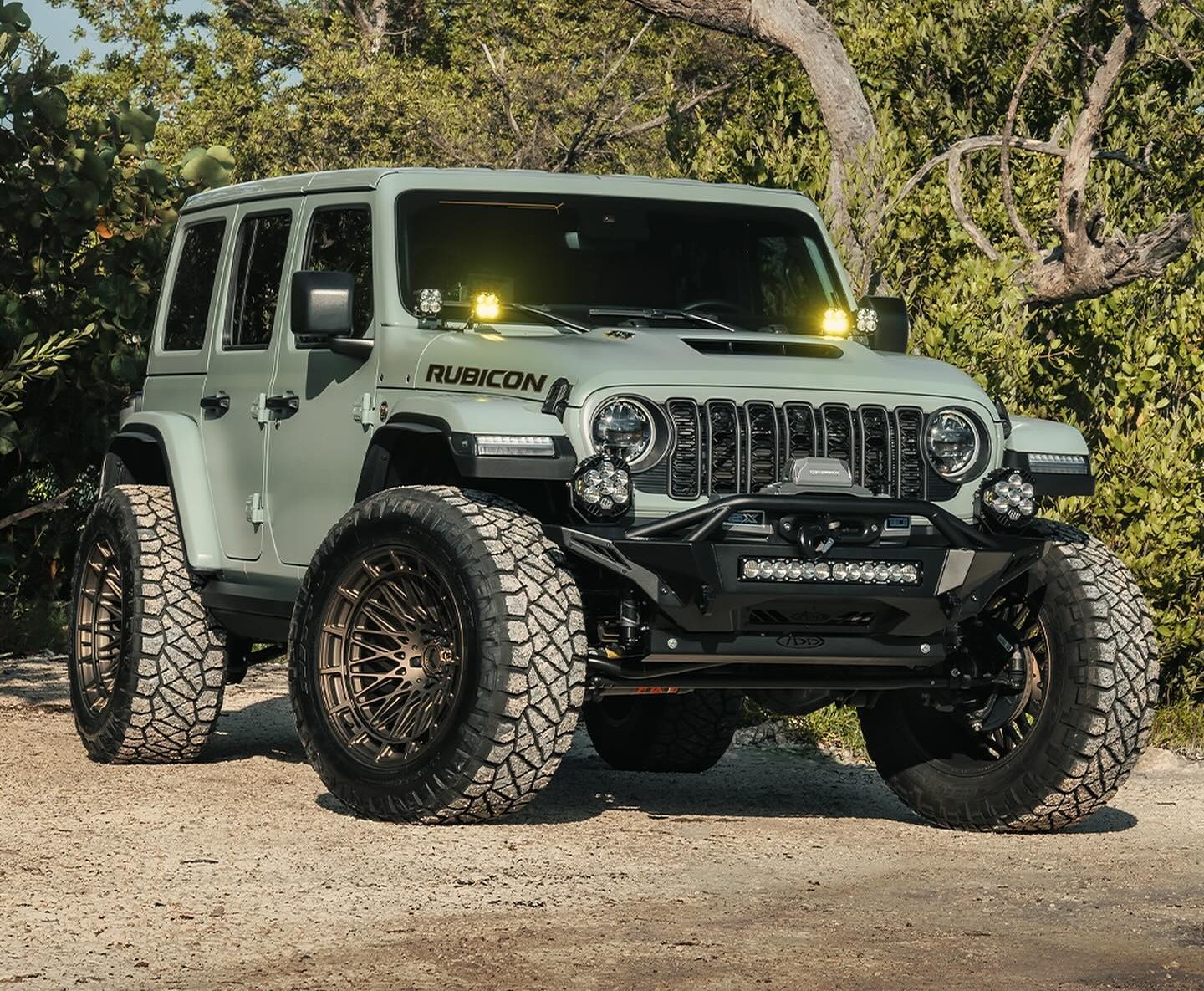
8. 2020 Jeep Wrangler Rubicon 392
The 2020 Jeep Wrangler Rubicon 392 pushed the boundaries of what a factory-built Wrangler could achieve by adding a powerful V8 engine to the lineup. This model was a game-changer, offering an unprecedented combination of raw power and off-road capability.
The 6.4-liter HEMI V8 produced 470 horsepower and 470 lb-ft of torque, instantly making the Rubicon 392 one of the most powerful Wranglers ever made. This explosion of power transformed the vehicle’s performance on and off the road, allowing it to conquer steep hills, deep dunes, and rugged rock trails with unmatched authority.
While traditional Wranglers are praised for their torque and crawling ability, the 392 brought speed and agility into the mix, appealing to thrill-seekers who wanted a muscle-car level of performance in a Jeep.
For trail riders, the 2020 Rubicon 392 remains a highly coveted vehicle. It merges the classic off-road toughness of the Rubicon with high-performance power that can blast through obstacles others might struggle with. While some purists might prefer the simplicity of earlier models, the 392 stands as proof that the Wrangler can evolve without losing its essence. It remains one of the most capable, exciting, and powerful Wranglers on the trails today.
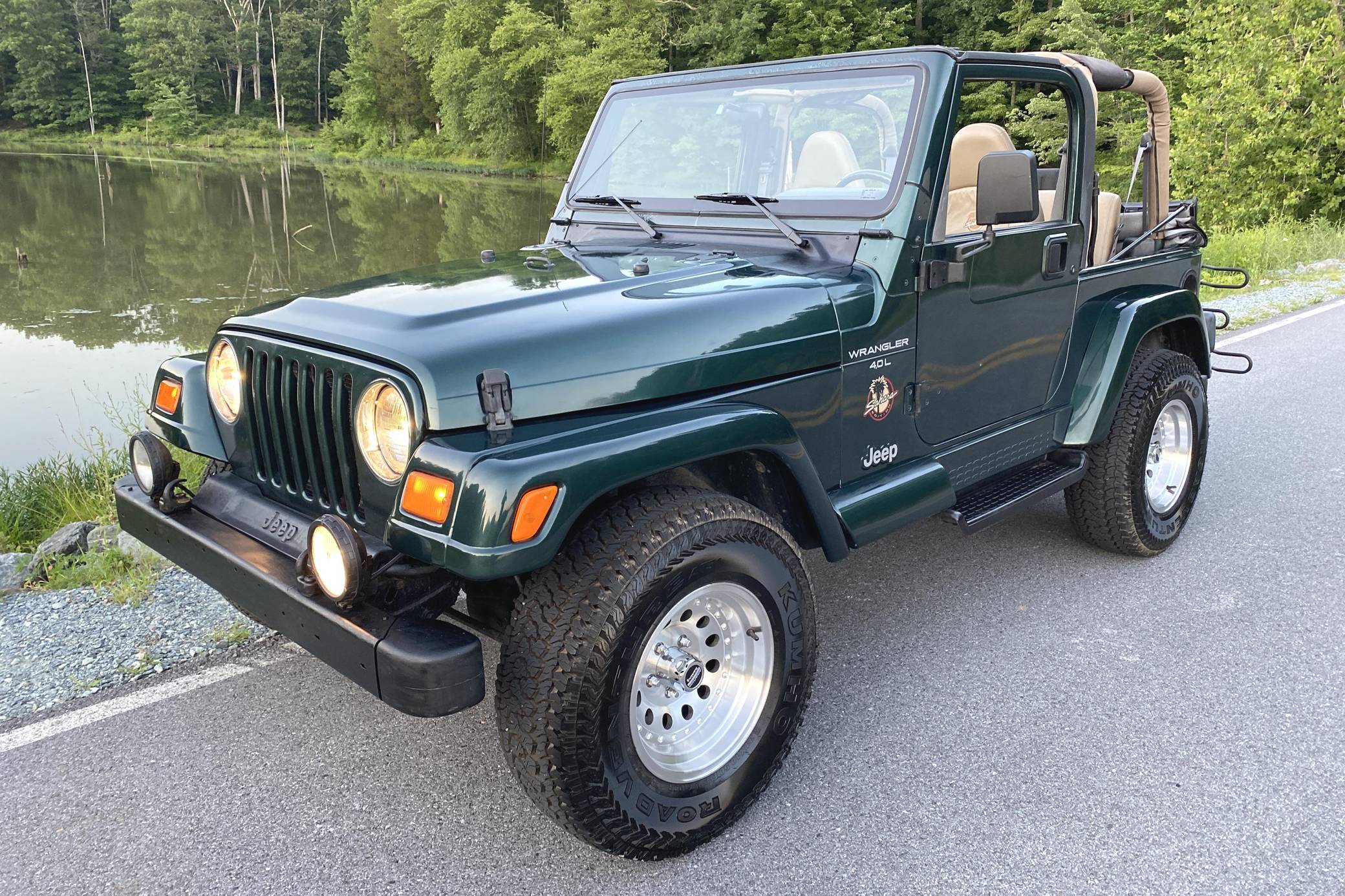
9. 2000 Jeep Wrangler TJ
The 2000 Jeep Wrangler TJ is often remembered as a dependable and approachable trail machine that kept the beloved characteristics of the TJ generation intact while offering improvements that enhanced usability and durability. This year benefited from several refinements made since the initial 1997 release of the TJ.
By 2000, Jeep had improved the interior comfort and mechanical reliability without sacrificing off-road capability. The coil-spring suspension continued to provide excellent articulation and ride comfort, allowing the Wrangler to navigate uneven trails with surprising ease for a vehicle of its size and design.
The 2000 TJ featured the 4.0-liter inline-six engine, renowned for its longevity and low-end torque. This engine could easily power the Jeep through challenging terrain, whether climbing rocky outcrops or crawling through thick mud. The manual transmission option remained popular among off-road enthusiasts who valued the control it offered.
Additionally, Jeep made incremental updates to the drivetrain and transfer case to improve durability, knowing that Wrangler drivers often pushed their vehicles to extremes. This commitment to rugged engineering made the 2000 TJ a reliable companion for serious trail use.
From a usability standpoint, the 2000 TJ improved driver ergonomics with better seating and updated controls, making it easier to handle in tight trail scenarios. The compact size and tight turning radius made the TJ adept at maneuvering narrow, winding paths. Its relatively lightweight frame prevented it from getting bogged down in soft terrain.
While not as technologically advanced as later models, the simplicity of the 2000 TJ meant fewer electronic components to fail during off-road adventures, an important consideration for those traveling far from civilization.
Finally, the aftermarket scene for the 2000 TJ was already beginning to flourish, with many manufacturers designing suspension lifts, bumpers, winches, and lighting kits specifically for this generation. The combination of factory toughness and customization potential made the 2000 TJ an excellent base for building a trail-ready rig.
To this day, many of these models remain in service, continuing to perform admirably in demanding off-road environments, which speaks volumes about the quality and design of the Wrangler during this era.
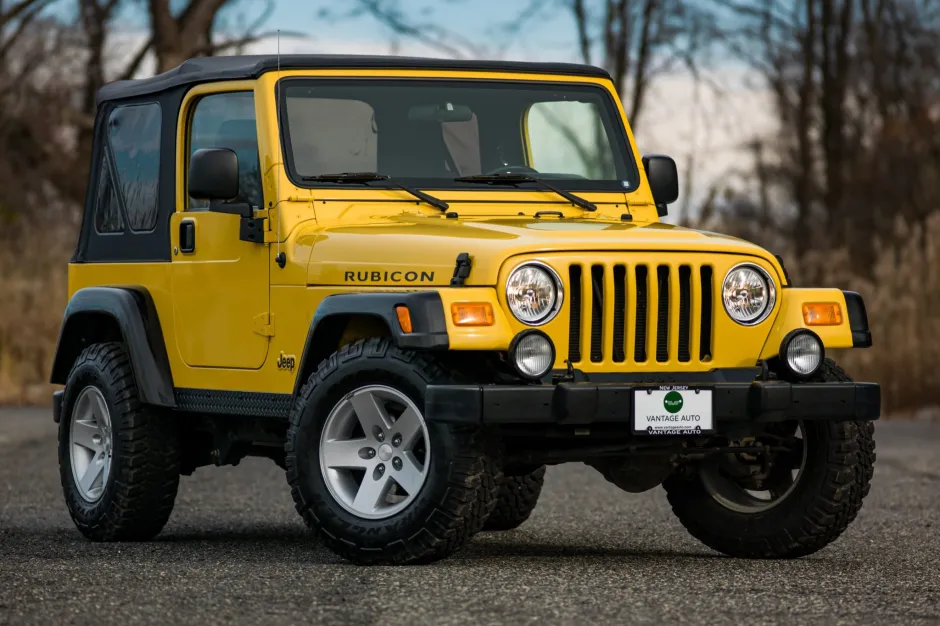
10. 2004 Jeep Wrangler TJ Rubicon
The 2004 Wrangler TJ Rubicon was a standout model that blended the proven TJ platform with enhanced off-road features designed to meet the needs of serious enthusiasts. Jeep had been perfecting the Rubicon trim since its introduction, and by 2004, this version offered a remarkable package of hardware that made it one of the most trail-capable vehicles available straight from the factory.
The key differentiators included Dana 44 axles front and rear, locking differentials, and the Rock-Trac transfer case with its aggressive 4:1 low range gearing. These components allowed the Jeep to crawl over rocks and navigate tough terrain with unmatched control and traction.
This model year also benefited from robust mechanical reliability. The 4.0-liter inline-six engine delivered consistent power and torque, making it ideal for slow-speed crawling and quick acceleration when needed.
Many off-roaders appreciated the manual transmission’s responsiveness, which combined with the Rock-Trac system allowed precise modulation of power to individual wheels. The Rubicon 2004 also included factory skid plates to protect vital components from trail hazards like sharp rocks and debris, a feature that increased confidence when tackling difficult trails.
Comfort and convenience in the 2004 TJ Rubicon were still secondary to its off-road performance but saw improvements compared to earlier years. The interior was functional and straightforward, designed to withstand dirt, mud, and water that often accompany off-road excursions.
Features like waterproof seat covers and rubberized floor mats reflected Jeep’s understanding of the rigors faced by off-roaders. Despite its utilitarian nature, the Rubicon provided enough creature comforts to make long trail rides manageable and enjoyable.
Aftermarket support for the 2004 TJ Rubicon was extensive, allowing owners to customize and upgrade their vehicles to match specific off-road challenges.
Whether adding lift kits for more ground clearance, upgrading tires, or installing protective bumpers and winches, this model year was versatile enough to handle serious modification without compromising its factory-built toughness. Many enthusiasts still regard the 2004 Rubicon as one of the most reliable and capable Wranglers for trail use, solidifying its place as a top choice for off-road adventurers.
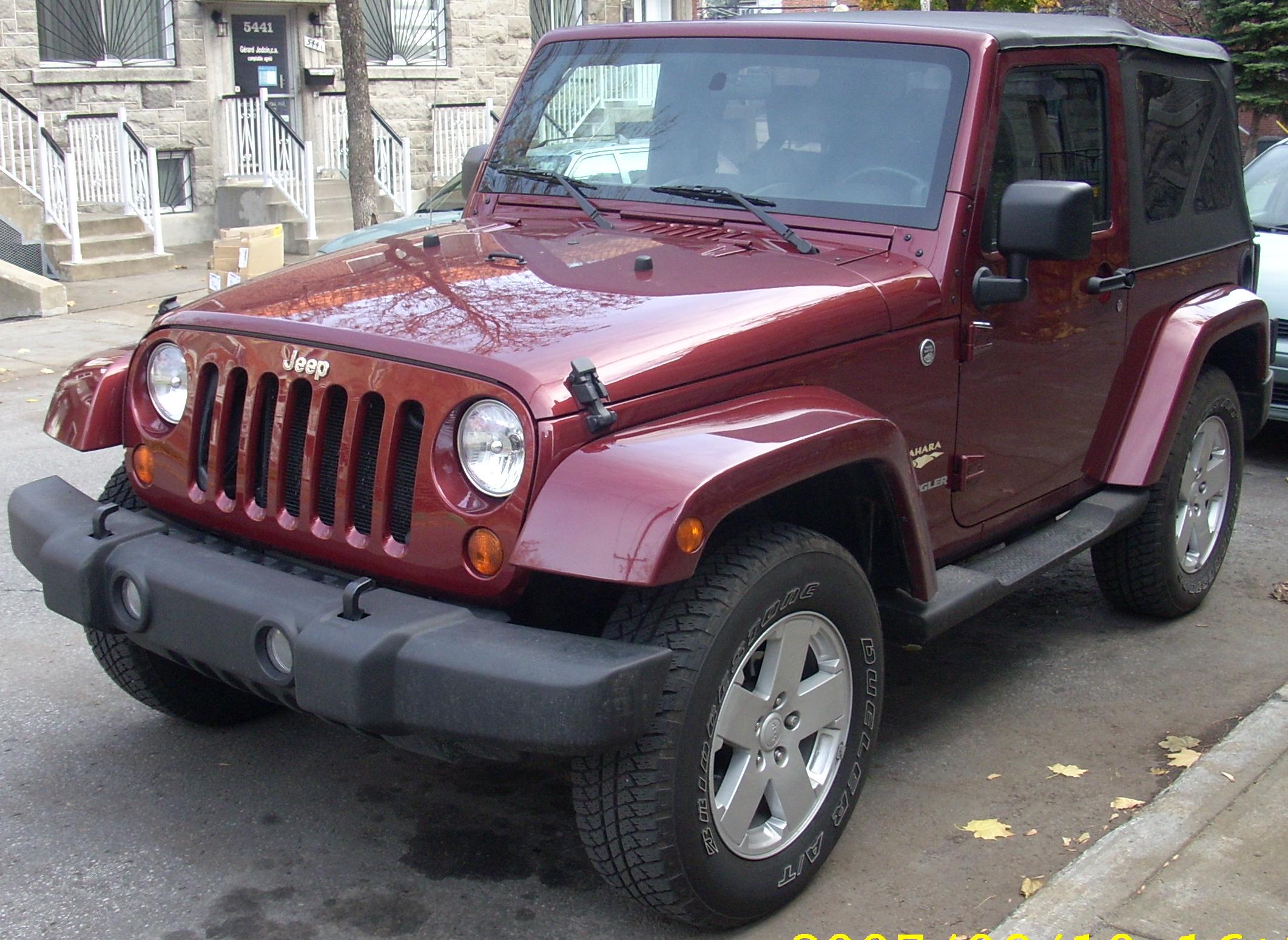
11. 2017 Jeep Wrangler JK
The 2017 Jeep Wrangler JK was one of the last model years before the major redesign that brought the JL generation in 2018. This year represents the pinnacle of the JK platform’s development, combining years of engineering refinements, reliability improvements, and user feedback into a well-rounded off-road vehicle.
The 2017 model featured a durable 3.6-liter Pentastar V6 engine, known for its balance of power and fuel efficiency. This engine gave the JK enough grunt to power through challenging terrain while maintaining respectable highway manners.
The 2017 Wrangler also benefited from the Rock-Trac transfer case and electronic locking differentials found on the Rubicon trim, which provided excellent crawling ability and traction control. The suspension was finely tuned to absorb trail impacts while maintaining control during high-speed maneuvers, making it versatile enough for both rock crawling and desert runs.
Jeep also included heavy-duty skid plates and rock rails to protect the undercarriage, a crucial feature for those who venture off the beaten path frequently. The availability of both two-door and four-door Unlimited versions gave buyers options depending on their needs for passenger space and cargo capacity.
Inside, the 2017 JK featured updated technology and comfort features, including improved infotainment systems and better materials. While still rugged, the interior felt more refined than earlier JKs, making it more appealing for daily use and long-distance travel to remote trailheads.
The combination of trail-ready features and improved comfort made the 2017 Wrangler a favorite among enthusiasts who wanted a capable vehicle without compromising on everyday usability.
Customization options for the 2017 JK were vast, with aftermarket suppliers offering everything from suspension lifts to specialized off-road lighting and armor. Owners could easily tailor their Jeep to handle specific trail conditions or personal preferences, whether that meant rock crawling, mudding, or trail touring. This model year remains a popular choice for those seeking a reliable, proven platform with strong off-road credentials and plenty of room for customization.
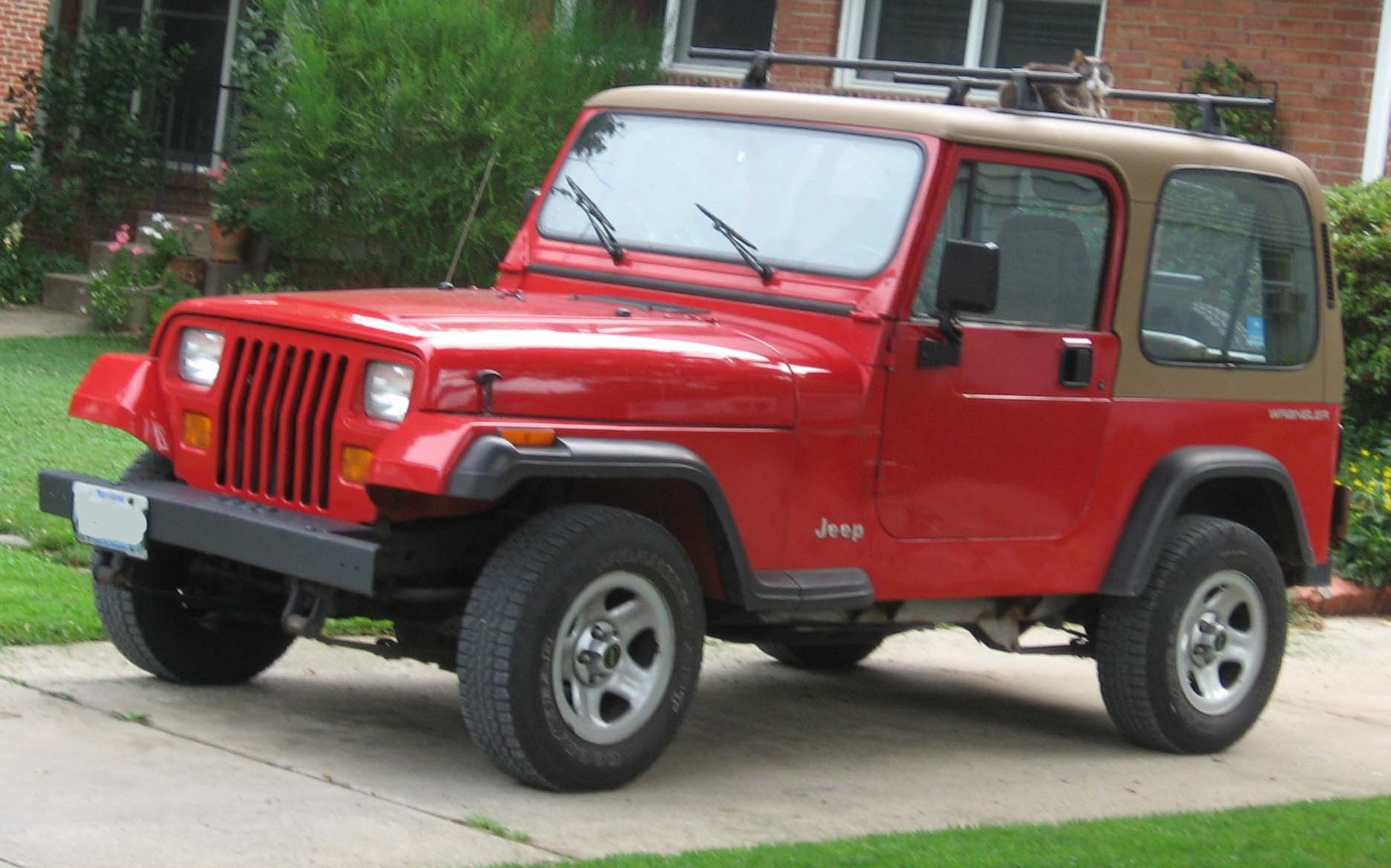
12. 1995 Jeep Wrangler YJ
The 1995 Jeep Wrangler YJ, while often overshadowed by its TJ successor, still holds a special place among trail enthusiasts for its unique characteristics and pioneering design. The YJ was the first generation of the Wrangler after Jeep revived the CJ series nameplate.
It introduced square headlights, a departure from the classic round look, which created a distinctive style that remains iconic today. Though its leaf-spring suspension was less advanced than the coil-spring setup introduced later, it still provided solid off-road capability, especially when paired with a skilled driver who could take advantage of its nimbleness and simple mechanics.
Mechanically, the 1995 YJ was powered primarily by the reliable 4.0-liter inline-six engine, which offered solid torque and durability. The manual transmission was standard for off-road enthusiasts who preferred hands-on control.
Despite lacking some of the refinements found in later models, the YJ’s simplicity meant fewer components to fail in harsh trail conditions, making it a dependable choice for adventurers. The short wheelbase and narrow track allowed the vehicle to maneuver through tight trails and dense forests where larger rigs might struggle.
