
When a car crosses 100,000 miles, most drivers start to expect more maintenance, repairs, and eventually the search for a replacement vehicle. But there are engines out there that redefine what longevity really means.
These engines are more than just reliable; they remain smooth, quiet, and capable even as the odometer spins past 400,000 miles.
What sets them apart isn’t some miracle engineering or secret oil additive; it’s a combination of smart design, high-quality materials, proper maintenance habits, and a reputation for lasting through decades.
Whether it’s the old-school cast iron blocks or the precisely engineered aluminum ones, some engines just seem to shrug off time and miles.
The key to an engine running smoothly after such a long life isn’t just that it keeps going. Many engines can technically run for a long time, but they get loud, rough, inefficient, or require expensive rebuilds along the way.
What separates these engines is that they still idle evenly, accelerate confidently, and respond well, without coughing, rattling, or hesitating.
For high-mileage drivers, taxi owners, and used car buyers, these engines have built a loyal following because they keep the car experience enjoyable and dependable even with numbers most cars never see.
This list isn’t about the newest or flashiest engines. You won’t find exotic V12s or hypercar engines here. These are engines built for the long haul, engines that have earned reputations across millions of real-world miles.
Owners, mechanics, and enthusiasts alike consistently report how little drama they experience even after the 300,000- or 400,000-mile mark.
They may not always have the most horsepower or advanced features, but what they do have is consistency.
These engines continue to operate the same way after two decades as they did in their first few years. That’s a rare trait in any mechanical system, especially one under constant heat, friction, and pressure.
Here are 10 engines known for their ability to stay smooth even after 400,000 miles, if treated right. Each one has proven its worth in different cars and trucks over the years, and all of them have one thing in common: staying power.
Also Read: 5 Cars That Still Drive Like New After 20 Years vs 5 That Don’t
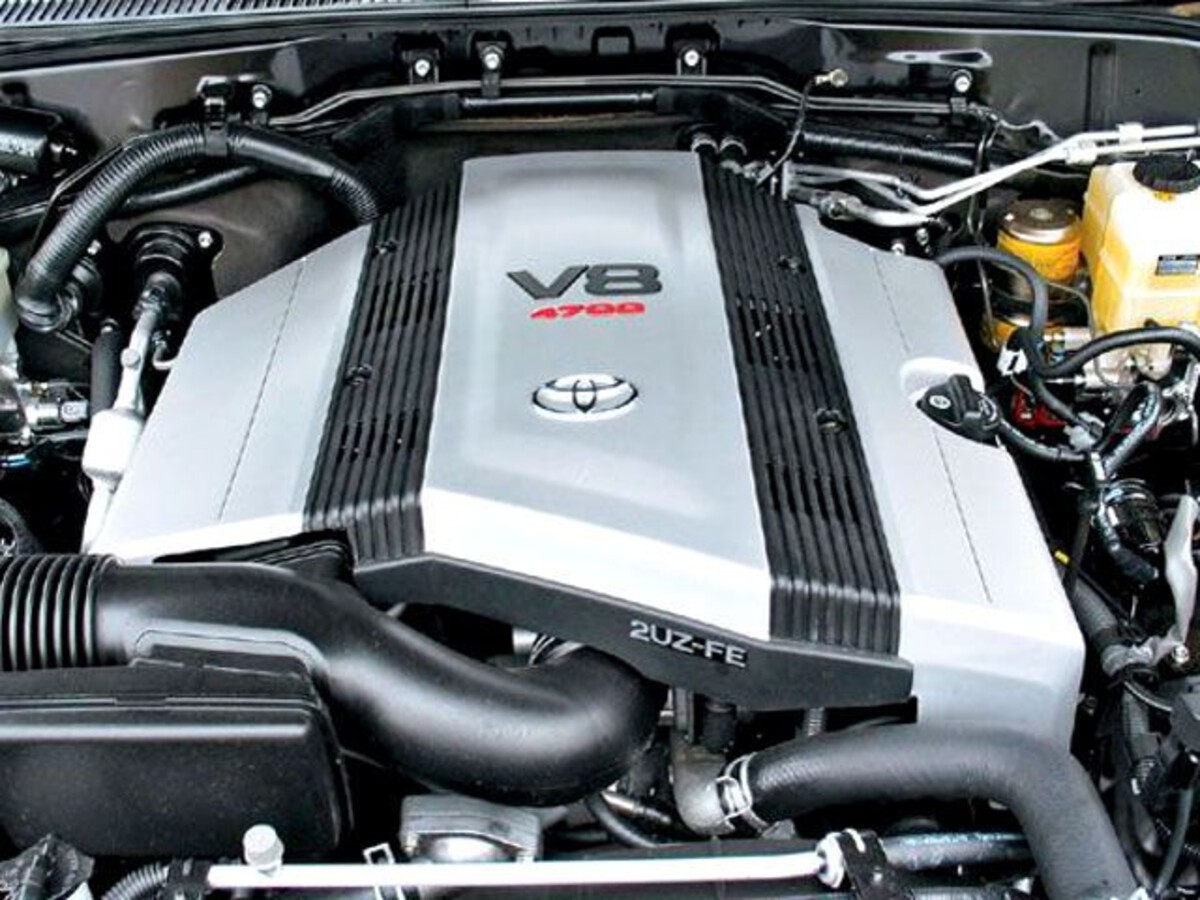
1. Toyota 2UZ-FE 4.7L V8
The 2UZ-FE V8 is part of Toyota’s legendary UZ engine family and has built a solid reputation for durability, smoothness, and longevity.
Used primarily in larger Toyota trucks and SUVs like the Land Cruiser, Sequoia, and Tundra, this engine is built to handle both daily driving and serious load-hauling without complaint.
It’s a naturally aspirated V8 with an iron block and aluminum heads, giving it strength where it matters while keeping weight manageable.
What makes this engine so smooth over time is its balanced nature. It doesn’t strain itself with high-revving designs, nor is it overly complex. The timing belt system is reliable, and with routine replacements, it keeps valve timing consistent.
The engine is not over-tuned for power, which allows the internal components to last longer and suffer less wear. That means less vibration, fewer breakdowns, and more consistent operation even when the mileage goes into the hundreds of thousands.
Another factor that contributes to its long life is how it deals with heat. The 2UZ-FE was engineered to operate in harsh environments and tough climates. It was used in markets around the world, including desert regions where heat is a constant threat to engine health.
Its cooling system and internal tolerances were built to handle this stress, which also helps the engine run smoothly in normal conditions for far longer than average.
Maintenance also plays a huge role in its longevity, but the 2UZ-FE is relatively forgiving. Oil changes, cooling system flushes, and timing belt services at the right intervals are usually enough to keep it running like new.
Many owners report engines that sound and feel the same at 350,000 miles as they did at 50,000. That kind of consistent, smooth performance is what earns this engine a spot on this list.
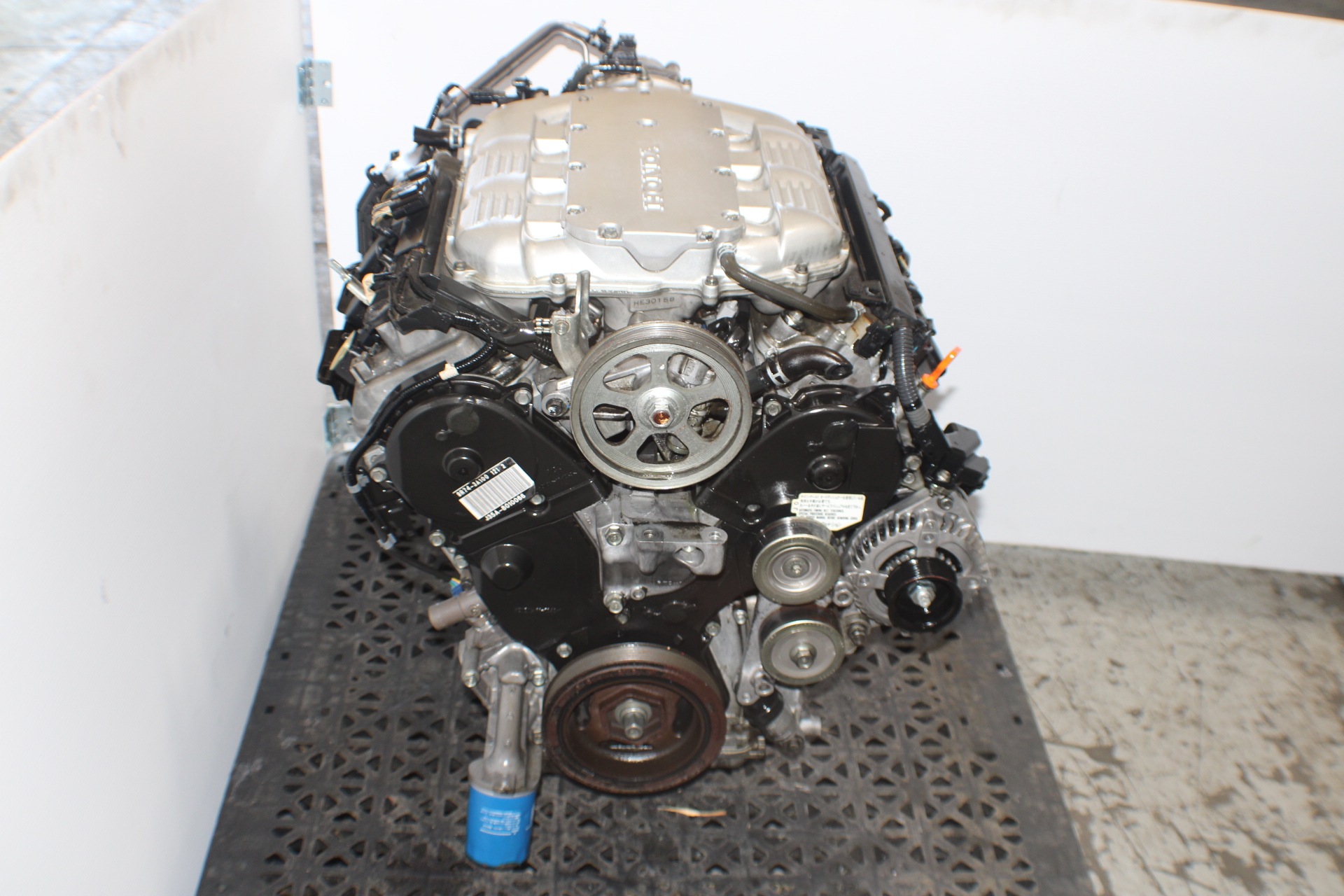
2. Honda J35 3.5L V6
Honda’s J-series engines have powered millions of vehicles over the years, but the J35 stands out for its balance between performance and reliability. Found in vehicles like the Honda Accord V6, Odyssey, Pilot, and Ridgeline, this engine has proven that smoothness and strength can go hand in hand.
Even when pushing past 300,000 or 400,000 miles, the J35 often continues to idle quietly, respond sharply to throttle input, and start without hesitation.
A big reason for its smooth operation is Honda’s emphasis on internal balance and tolerances. The J35 uses a 60-degree V6 layout, which naturally reduces vibration without requiring heavy balancing shafts.
Combine that with Honda’s attention to camshaft design, valve timing, and fuel management, and you get an engine that runs very evenly throughout its life.
It’s the kind of engine that still pulls cleanly at high mileage without sounding tired. Unlike some engines that begin to burn oil or develop ticking sounds after extensive mileage, the J35 often maintains its composure.
There are instances of owners who perform basic maintenance, oil changes, timing belt/water pump services, and spark plug replacements, reaching well past the 400,000-mile mark without ever opening the engine for major repairs.
It’s not rare to find a high-mileage J35 that still passes emissions tests and delivers solid fuel economy.
One of the unsung heroes of this engine is its compatibility with automatic transmissions that are also tuned for smoothness.
When paired with the right transmission and maintained together, the driving experience remains fluid even after years of use. Whether it’s in a family minivan or a daily-driven midsize sedan, the J35 doesn’t break down easily and doesn’t lose its smooth character over time.
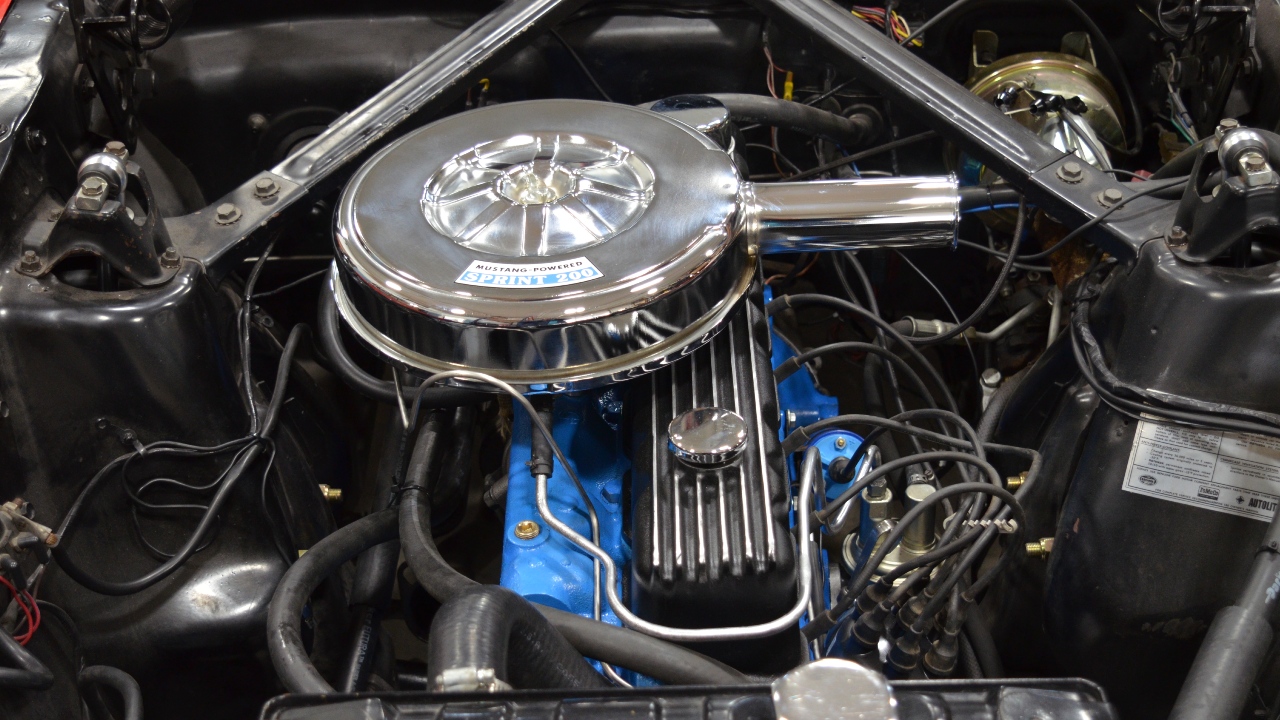
3. Ford 4.9L Inline-6
This engine may not be glamorous or fast, but the Ford 4.9L (also known as the 300 inline-6) is often regarded as one of the toughest engines ever built.
Found in the F-Series trucks from the 1960s through the 1990s, this engine is known for its smooth idle, dependable power delivery, and the ability to keep on running long after most other engines would have been retired.
It’s not uncommon for farmers and fleet operators to report engines still in use after 400,000 miles with only minor repairs.
What contributes to the smoothness of the 4.9L is its straight-six layout. Inline-six engines are inherently balanced, which means they don’t need extra vibration-reducing components to run evenly.
This makes them naturally smoother than most V6 or V8 configurations, especially over long periods. The simplicity of the design also means fewer moving parts that can wear out or go out of spec over time.
This engine was designed to be a workhorse, not a racehorse. It produces a lot of torque at low RPMs, which reduces stress on the engine during typical driving.
This low-end power also means the engine doesn’t have to work hard to move even heavy trucks, which contributes to less wear and tear on internal components.
Over time, that translates to an engine that still feels confident and balanced even when the odometer shows numbers well into the six-figure range.
Many long-time owners appreciate how quietly this engine can run when well-maintained. A clean idle, solid oil pressure, and even power delivery are common even after decades of use.
In the world of American trucks, it’s rare to find another engine with such a solid reputation for both longevity and smoothness. Even in colder climates or under heavy use, the 4.9L just keeps on going.

4. Lexus 1UZ-FE 4.0L V8
The 1UZ-FE engine is often seen as the pinnacle of smooth-running V8s, especially when it comes to lasting far beyond the average lifespan of most engines.
Found in the original Lexus LS400 and SC400, this engine was part of Toyota’s effort to compete with the best luxury brands in the world.
In doing so, they built a V8 that many consider over-engineered, in the best way possible. Even at 400,000 miles, many of these engines still run as quietly and evenly as they did when new.
It starts with the materials. The 1UZ-FE uses an all-aluminum block and heads, which helps with both heat dissipation and weight. Internally, it features robust forged steel connecting rods, a forged steel crankshaft, and a well-designed oiling system.
All of this contributes to not only durability but also a sense of smoothness that rivals more modern engines. The engine rarely sounds harsh, even when pushed hard, and it settles into an incredibly quiet idle.
Part of what makes the 1UZ-FE so dependable is how Toyota approached the engineering. Instead of pushing the engine to its performance limits, they designed it to handle more power than it was actually tuned for.
That means lower internal stress and longer component life. Owners often report that even after 300,000 miles, the valve covers have never been removed, and compression is still within factory spec.
5. Cummins 5.9L 12-Valve Diesel (6BT)
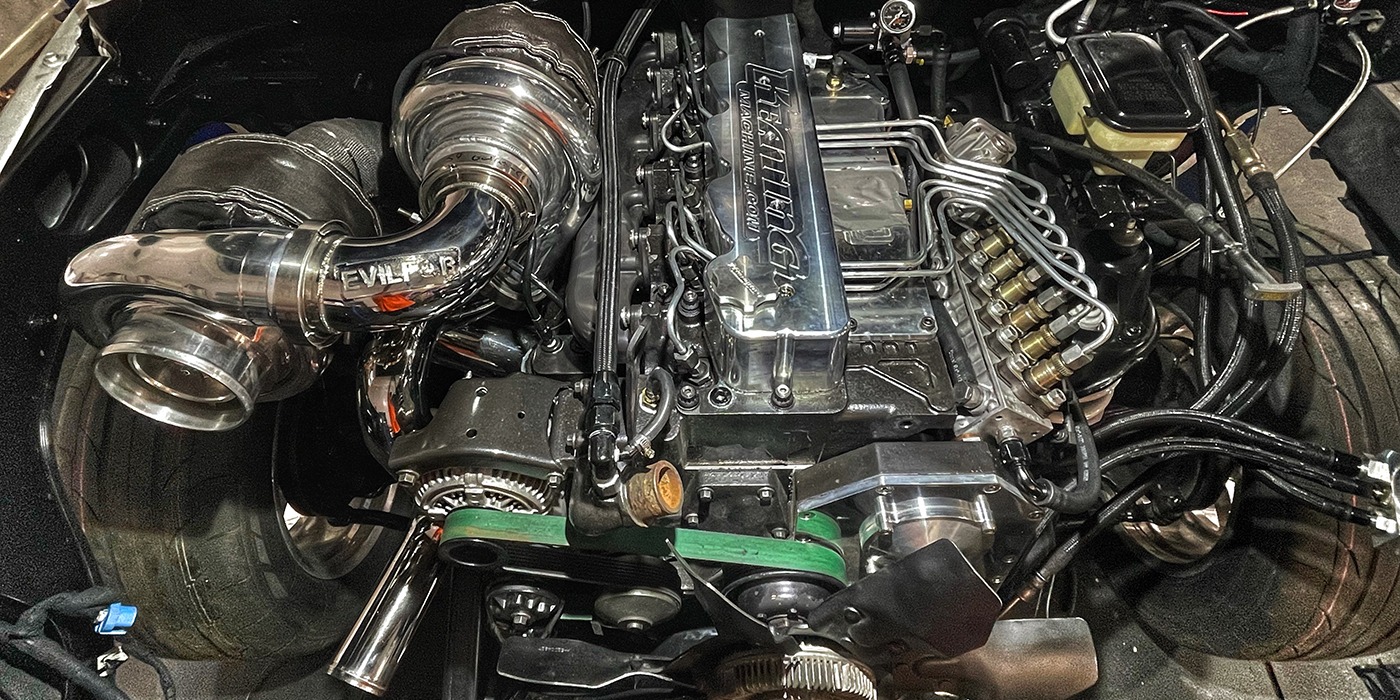
The Cummins 5.9L 12-valve inline-six diesel, also known as the 6BT, has become a legend in the world of heavy-duty trucks and long-haul applications.
Introduced in the Dodge Ram trucks in the late 1980s, this engine was originally developed for industrial and agricultural equipment. Its transition into pickup trucks brought an entirely new level of durability to the consumer market.
Known for its unmatched reliability, the 6BT not only performs under extreme loads but also maintains an impressively smooth power delivery even with hundreds of thousands of miles on the clock.
Its simplicity, combined with the rugged nature of its construction, makes it one of the longest-lasting engines ever put into a consumer vehicle.
One of the secrets to the 6BT’s success is its mechanical fuel injection system, which allows the engine to operate without relying on complex electronics.
The Bosch P7100 injection pump, in particular, is capable of delivering fuel with extreme precision, which contributes to both efficiency and a smooth combustion process.
The long-stroke inline-six configuration is naturally balanced, reducing vibrations and internal stress.
These mechanical attributes not only make the engine easy to work on but also allow it to run with consistent smoothness, even after long periods of heavy use. This is a big reason why the engine has found a second life in everything from off-road rigs to school buses and military vehicles.
Another advantage is the overbuilt nature of its internals. The engine block is made from cast iron, and the components like the crankshaft, connecting rods, and pistons, are designed to withstand immense pressure. This overengineering gives the engine a level of durability that’s rare, even among diesel engines.
Routine maintenance like valve adjustments, fuel filter changes, and oil service can keep these engines running smoothly for well over 500,000 miles.
In fact, many owners of these engines report barely noticeable wear after decades of use, and compression numbers remain strong even after what would normally be considered an engine’s full life cycle.
What also helps the 6BT remain smooth over time is its low RPM operating range. Unlike gas engines that regularly spin above 5,000 RPM, the 6BT usually maxes out below 3,000, reducing stress on all moving parts.
This slower operational pace significantly limits internal wear, while the strong torque output means the engine doesn’t need to be pushed hard to get the job done.
It’s not uncommon for these engines to idle smoothly all day long, and in some applications, they do exactly that. For anyone looking for an engine that stays calm, composed, and smooth through high mileage and hard labor, the 12-valve Cummins is in a league of its own.
Also Read: 5 Engines That Rarely Leak Oil vs 5 That Constantly Drip
6. Chevrolet 5.3L Vortec V8 (LM7/LC9)
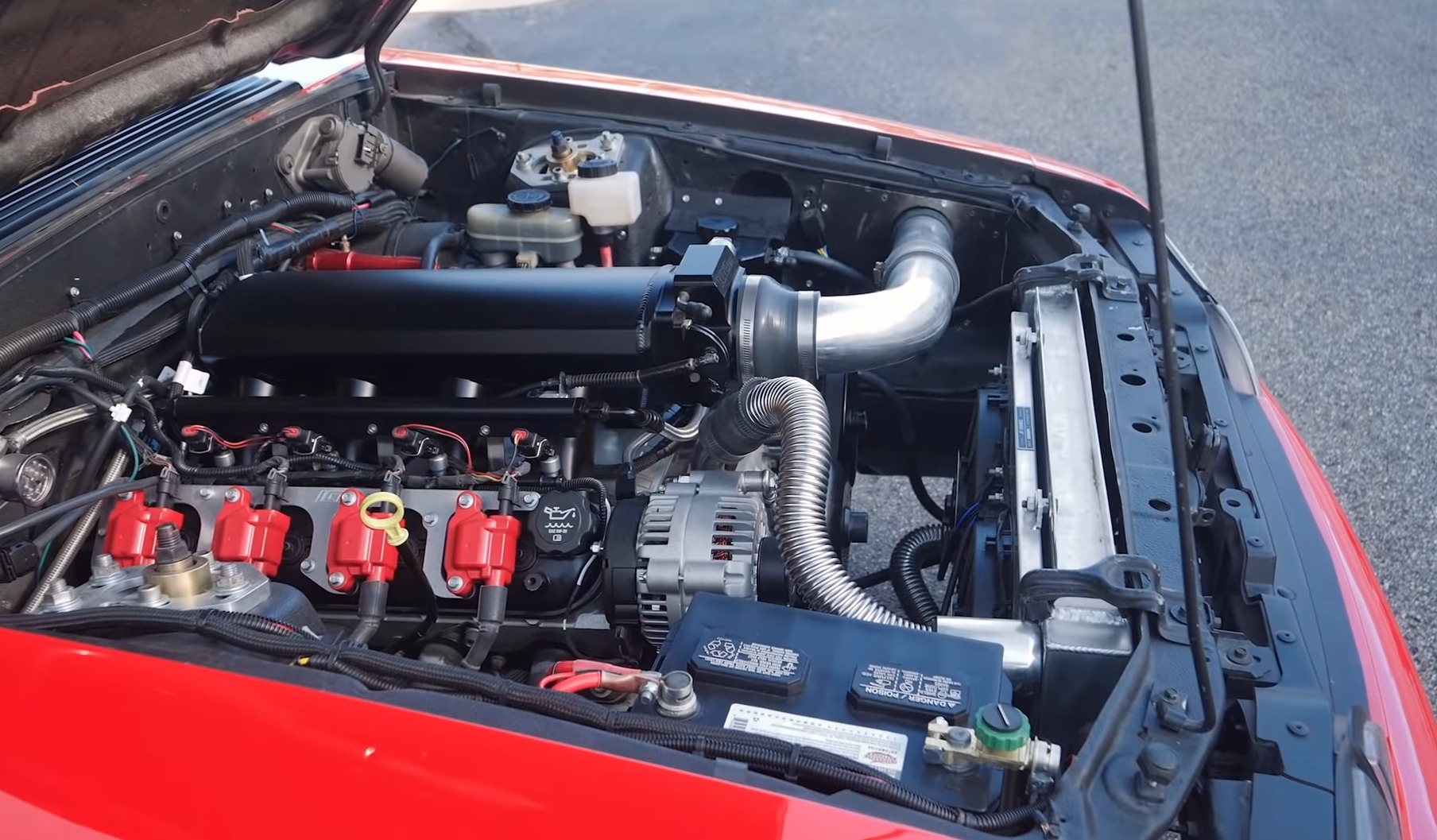
Chevrolet’s 5.3L V8, particularly the LM7 and LC9 variants found in Silverado trucks and Suburban SUVs from the late 1990s through the early 2010s, has developed a reputation for not just power and torque but also smoothness and longevity.
This engine is part of GM’s LS-family architecture, which is known for strength, scalability, and refinement. Owners often report these engines running smoothly past 400,000 miles with basic maintenance. Whether in highway-driven work trucks or family SUVs, the 5.3L offers consistent performance that doesn’t degrade significantly with age.
One of the keys to this engine’s smoothness is its modern design. It features a well-balanced crankshaft, a sturdy aluminum or iron block depending on the model, and an advanced coil-on-plug ignition system that ensures clean, efficient combustion. This results in a quiet idle and smooth power delivery, even in engines that have seen years of service.
The use of hydraulic roller lifters also contributes to reduced friction and wear, which in turn helps the engine maintain a steady rhythm and quiet operation throughout its life. These engines are also less prone to noisy valve clatter, especially compared to earlier pushrod designs.
The 5.3L V8 was built to serve a wide range of customers, from casual suburban drivers to those towing and hauling daily.
As a result, it was engineered with long-term durability in mind. Its oiling system, cooling design, and build quality allow it to handle both daily commuting and sustained high-load operation without skipping a beat.
The Active Fuel Management system introduced in later versions had its critics, but with careful maintenance or deletion, the engine continues to perform with minimal issues.
As long as oil levels are monitored and changed at reasonable intervals, these engines often show minimal wear internally, even after hundreds of thousands of miles.
Many mechanics have noted that teardown inspections of high-mileage 5.3L engines often reveal clean internals, minimal sludge, and surprisingly intact bearings and cam lobes.
These engines may not be exotic or high-revving, but they strike a strong balance between reliability, ease of maintenance, and smooth, consistent operation.
They start easily in cold weather, respond predictably to throttle inputs, and stay mechanically quiet even when the odometer is well past numbers that would send most engines to the scrapyard. It’s one of those engines that quietly proves its worth every single day.
7. Mercedes-Benz OM617 3.0L Diesel
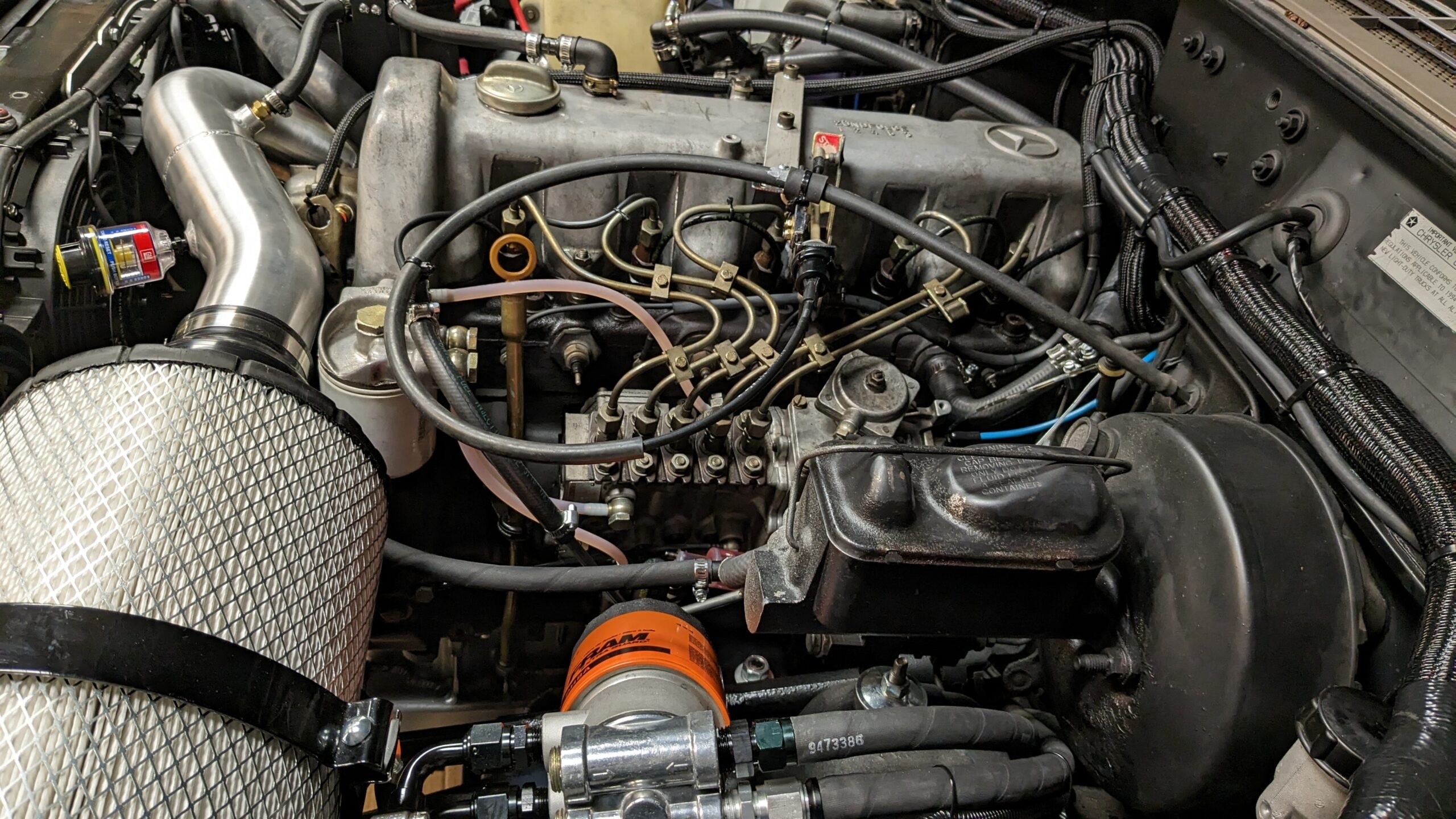
The OM617 diesel engine from Mercedes-Benz is often considered one of the most indestructible engines ever produced.
Found in models like the W123 300D and 300SD from the 1970s through the mid-1980s, this inline-five engine is not fast, but it is smooth, solid, and incredibly long-lasting.
Many examples have surpassed 500,000 miles, and some are known to have exceeded one million miles.
What makes the OM617 impressive is not just how long it lasts, but how consistently it runs throughout that lifespan, maintaining a calm idle, a balanced powerband, and quiet mechanical operation with surprisingly little fuss.
One of the reasons for its smoothness is the inline-five configuration. It combines many of the balance benefits of an inline-six with a shorter length, which makes it fit better in midsize vehicles. The design includes forged internals, a cast iron block and head, and a fuel injection system that is purely mechanical.
These elements, combined with Mercedes’ engineering philosophy of the time, contribute to an engine that can withstand abuse, poor fuel quality, and extended maintenance intervals without breaking down or running rough. Even today, these engines start easily, idle with minimal shake, and cruise with confidence.
Routine maintenance plays a part in their longevity, but these engines are known for tolerating neglect better than most.
Fuel filters, valve adjustments, and oil changes go a long way, and even when they’re not done on schedule, the OM617 keeps on ticking. It’s also designed to be repaired, not replaced.
Most components are rebuildable, and parts are still available, which keeps these engines running smoothly decades after they rolled off the assembly line.
Even after hundreds of thousands of miles, many of these engines exhibit no major smoke, knocking, or idle problems, which is rare in engines of this age.
What really sets the OM617 apart is how it feels. The engine has a unique hum and rhythm that becomes familiar to its owners, a steady, calm presence under the hood that feels more like a heartbeat than an industrial machine.
That character, combined with its ironclad reputation, makes it one of the smoothest and most enduring diesel engines ever built. In a time when cars were often designed to last a decade, the OM617 was engineered to last a lifetime, and in many cases, it still is.
8. Subaru EJ22 2.2L Flat-4
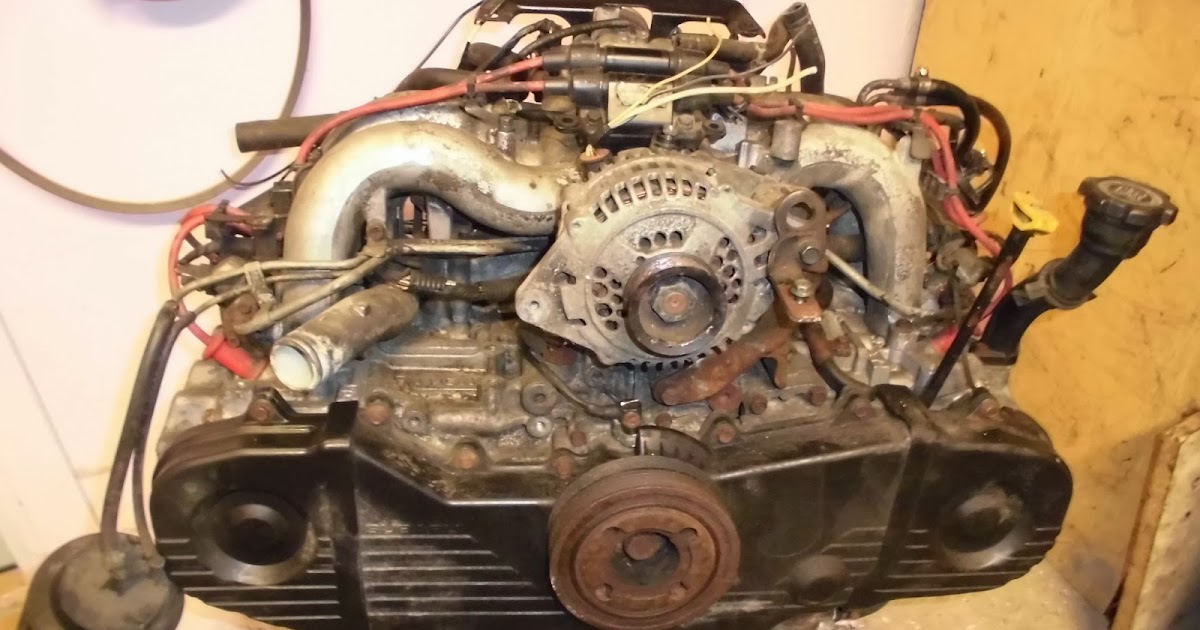
The Subaru EJ22 engine, particularly the non-interference version built before 1997, is widely recognized for being one of the toughest and smoothest flat-four engines the brand has ever produced.
Found in the Legacy, Impreza, and other Subaru models, the EJ22 has developed a cult following due to its low-maintenance design and bulletproof reputation.
This engine regularly surpasses 300,000 to 400,000 miles without internal repairs, and when properly maintained, it remains smooth and quiet for the entire journey.
Its simple layout, conservative tuning, and naturally balanced boxer configuration all contribute to its legendary endurance.
Flat engines naturally balance opposing forces due to their layout, which helps reduce vibration and noise. In the case of the EJ22, this results in an engine that feels refined and composed even when it’s been around the block more times than most.
The non-interference design also means that if the timing belt fails, the engine is unlikely to suffer internal damage, a rarity in modern engine design. This adds a layer of security for high-mileage drivers and contributes to the engine’s longevity by removing one major catastrophic risk.
Unlike some Subaru engines that have been plagued by head gasket issues, the EJ22 has proven to be far more robust in this area. It was built with thicker deck surfaces and stronger gaskets, which allow it to tolerate more heat cycles without failure.
When coupled with routine maintenance like oil changes and cooling system flushes, the EJ22 remains one of the few four-cylinder engines that doesn’t get noisier or harsher with age.
The timing belt-driven valvetrain is straightforward, and parts are cheap and easy to replace. It’s not flashy, but it’s hard to beat in terms of consistent, smooth operation across decades.
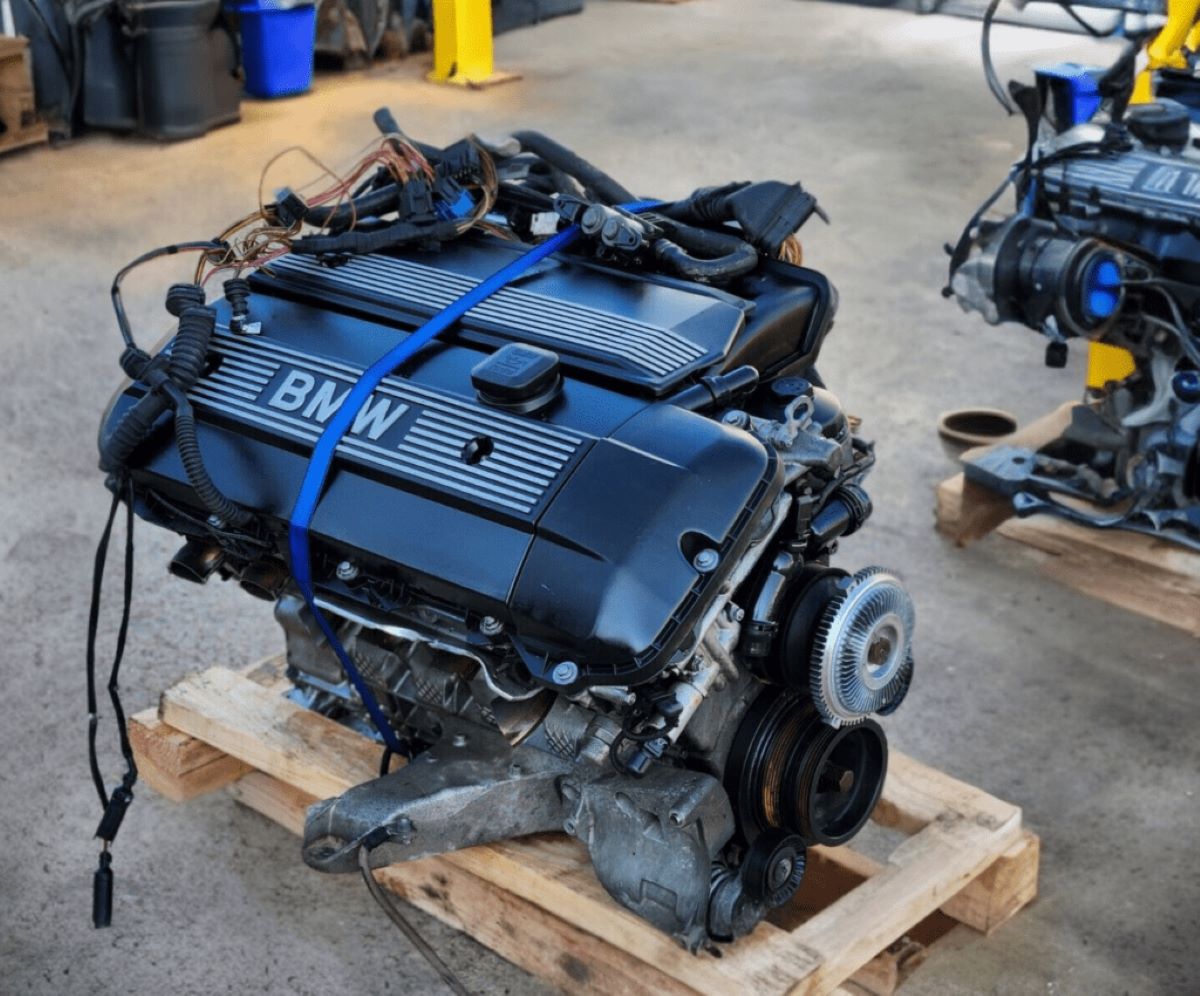
9. BMW M54 3.0L Inline-6
The BMW M54 engine is a 3.0-liter inline-six that found its way into many BMW models in the early 2000s, including the E46 3 Series, E39 5 Series, X5, and Z4.
While BMW isn’t always synonymous with longevity in the minds of average drivers, the M54 has carved out a reputation for being surprisingly durable and smooth, if properly maintained.
Unlike high-strung turbocharged engines that tend to wear out quickly, the M54 is a naturally aspirated, well-balanced powerplant that can easily exceed 400,000 miles while maintaining its composure. It’s not just that it lasts a long time, it stays refined, precise, and mechanically quiet for the long haul.
Part of what makes the M54 so smooth is its inline-six layout, which, by its nature, offers perfect primary and secondary balance.
This means minimal vibration at all RPMs, which translates into a calm idle and silk-like acceleration. Internally, the M54 uses a forged steel crankshaft and aluminum block with cast-iron liners, offering a strong but lightweight design.
The double VANOS variable valve timing system allows for optimal efficiency and torque throughout the powerband, which also helps the engine run efficiently and responsively even at high mileage. It’s an engine that feels cohesive and well-mannered, without any harshness or unexpected surprises.
What often surprises owners is how refined the engine remains even as the rest of the car ages. A 300,000-mile M54 will often idle just as quietly as a 50,000-mile version, assuming the maintenance has been consistent.
Common issues like valve cover gaskets, cooling system parts, and the oil filter housing gasket are all repairable and don’t usually affect the engine’s smoothness when addressed.
These are maintenance items, not fatal flaws. Internally, the engine holds compression well over time and rarely develops lower-end knocking or excessive valvetrain noise if cared for.
The oiling system, while not high-capacity, does a good job of protecting vital components if oil is changed regularly with proper-grade synthetic.
Another reason this engine endures is the mindset of many BMW owners who value the mechanical feel of their cars.
They’re often more willing to maintain the engine properly, understanding that the M54 will reward that effort with long-term smoothness and reliability.
Even at higher mileages, these engines remain surprisingly responsive and balanced. They’re not meant to be neglected, but they also aren’t fragile. A well-tuned M54 is one of those rare engines that continues to feel like a luxury powerplant even when the car it’s in is pushing twenty years of age or more.
For an engine that was never intended to be a million-miler, it has proven that smooth performance and endurance can coexist in the same block.
10. Toyota 1GR-FE 4.0L V6
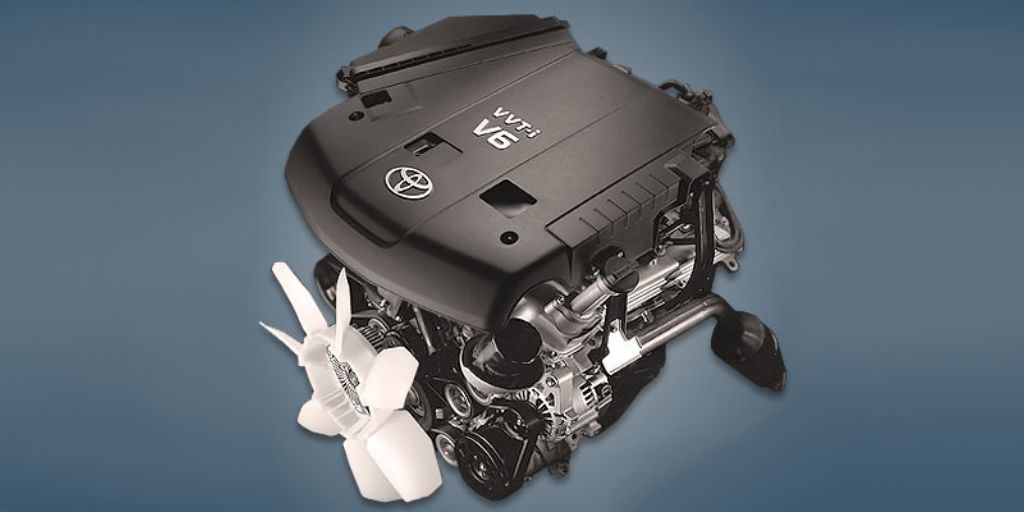
Toyota’s 1GR-FE engine is a 4.0-liter V6 that powers many of Toyota’s mid-size and full-size trucks and SUVs, including the Tacoma, 4Runner, FJ Cruiser, and early Tundra models.
Built to handle off-road abuse, heavy towing, and long-distance driving, the 1GR-FE has consistently shown the ability to run past 400,000 miles without losing its balanced performance.
Even under the harshest conditions, this engine has proven to be smooth, responsive, and mechanically resilient. It’s one of those engines that quietly racks up mileage without drawing much attention, until you look at the odometer and realize it’s still running like new.
One of the most impressive aspects of the 1GR-FE is how well it maintains idle quality and throttle response over time. Even with age and mileage, this engine avoids the common pitfalls of rough idling, misfiring, or excessive noise.
Much of that consistency comes from Toyota’s use of timing chains instead of belts, which eliminates one of the major wear points in many engines.
The timing chain system is robust and rarely needs attention, which helps preserve valve timing and engine balance even into the very high-mileage zone.
This chain setup, combined with strong cylinder heads and a reliable valvetrain, contributes heavily to the engine’s enduring smoothness.
The 1GR-FE is also known for its strong bottom end. The block is made of aluminum with cast iron liners, while the internals are stout enough to handle towing and off-roading without excessive wear.
It has been tested globally in harsh climates, from Middle Eastern deserts to North American winters, and has consistently performed without losing refinement.
Even when hauling heavy loads, it rarely strains or overheats, traits that contribute to the smooth, unbothered driving feel even when the engine has hundreds of thousands of miles behind it.
Toyota didn’t try to overcomplicate the engine, which allowed them to focus on durability and reliability rather than chasing performance numbers.
Owners of high-mileage Tacomas and 4Runners with this engine often note that aside from routine maintenance, they’ve rarely had to worry about the motor itself.
Fuel injectors, coil packs, and spark plugs occasionally need replacement, but the core engine remains tight, leak-free, and smooth.
It’s the kind of engine that, when taken care of, doesn’t surprise you with a sudden loss of power or unexplained roughness.
It keeps running, it keeps pulling, and it keeps starting every morning without complaint. For anyone looking for a gasoline V6 that stays composed and trustworthy far into its lifespan, the 1GR-FE is an easy recommendation.
