
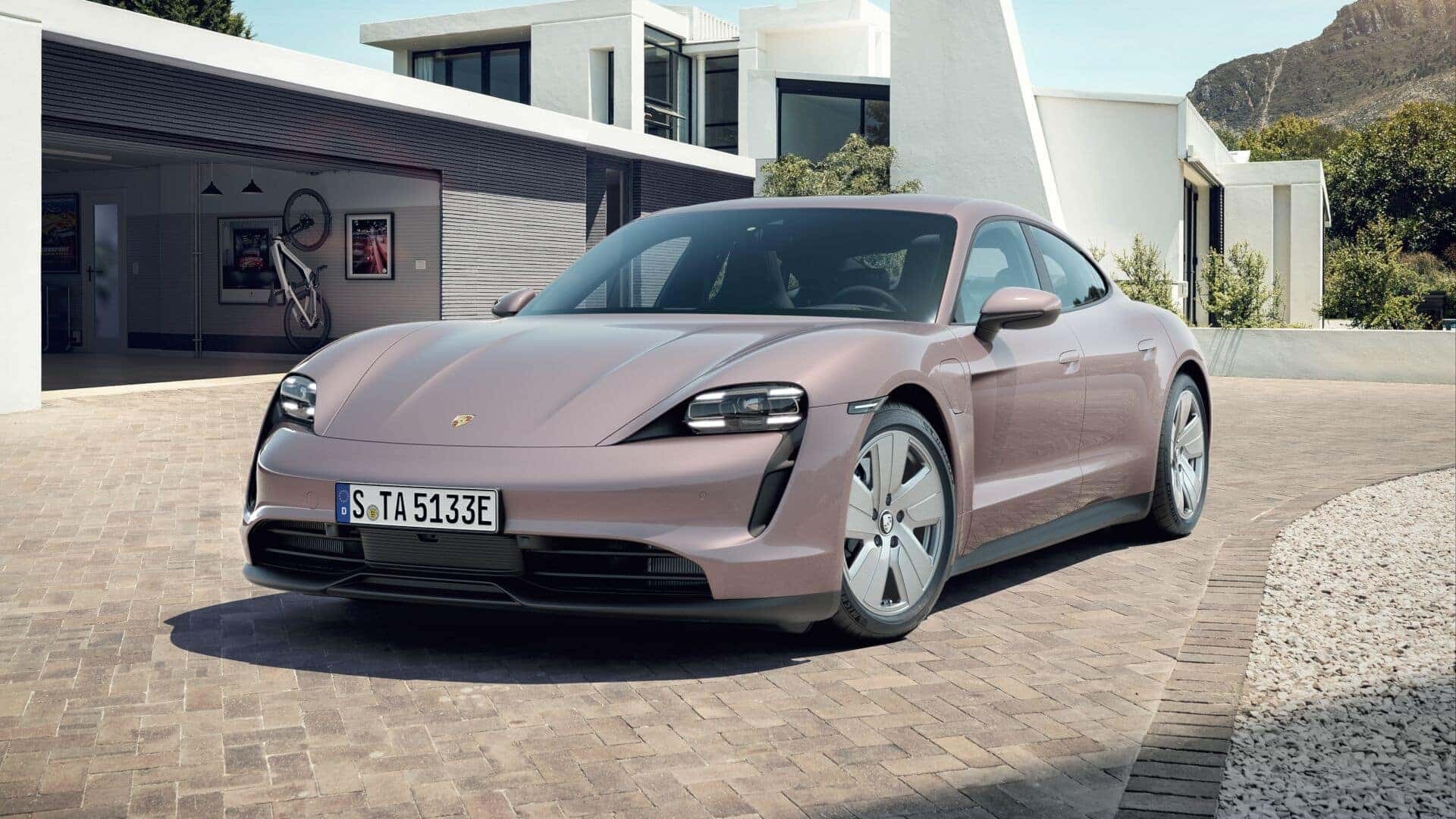
Electric vehicles (EVs) have become a significant part of the modern automotive industry, offering not only cleaner energy solutions but also lower long-term maintenance costs compared to internal combustion engine vehicles.
One of the biggest questions that continues to circle EV ownership is long-term durability: how long can these cars truly last?
Many skeptics have raised concerns about battery degradation, electronic failure, and high repair costs over time. However, evidence from real-world drivers, engineering data, and manufacturer design philosophies shows that certain EVs are built with longevity in mind.
With solid-state components, fewer moving parts, and advanced cooling systems, some electric vehicles are already clocking hundreds of thousands of miles with minimal degradation.
Reaching 500,000 miles is no small feat for any vehicle, electric or not. For context, the average driver logs about 13,500 miles per year.
Hitting the half-million-mile mark would take over 37 years at that rate, but for high-mileage drivers, rideshare operators, delivery services, or road trip enthusiasts, it could happen in a decade or less.
For a vehicle to endure that kind of workload, it must have a combination of durable components, a robust thermal management system for the battery, efficient software control systems, and a well-constructed chassis.
Not every EV is built to this standard, but a growing number are showing signs that they can endure such demanding expectations.
The 12 electric vehicles listed here are considered among the most likely to reach or exceed 500,000 miles, largely because of real-world data, design durability, and community reports from long-time users. These cars aren’t just surviving; they’re thriving well past traditional expectations.
Some are high-end models with superior materials and engineering, while others are more affordable but remarkably dependable. Most importantly, they reflect a shift in how automakers are treating EV longevity, not as a bonus, but as a standard.
Drivers today are right to expect that their electric car should last as long, if not longer, than any gas-powered counterpart. And in the right conditions, with proper maintenance and battery care, many of these EVs might go well beyond even half a million miles.
Also Read: 5 Engines That Rarely Leak Oil vs 5 That Constantly Drip
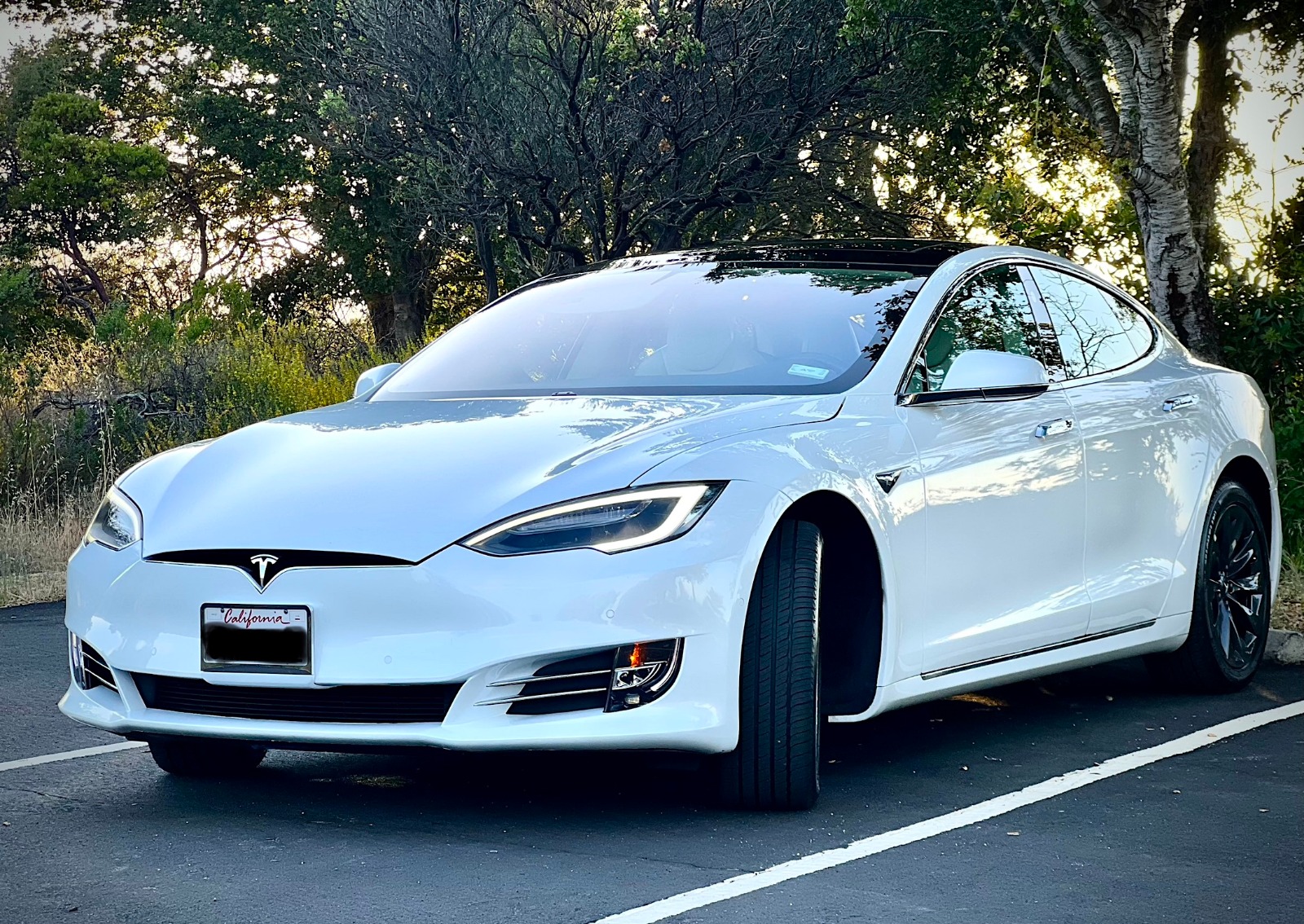
1. Tesla Model S
The Tesla Model S has long stood as a flagship in the EV world, not just for its performance and range, but also for its reliability over time. Since its launch in 2012, early adopters have provided valuable data on long-term durability.
Some units have already surpassed 400,000 and even 500,000 miles, especially those used for ride-hailing services and long-distance commuting.
Tesla’s drivetrain architecture, especially in early dual-motor versions, has proven to be resilient. The motors are built with minimal mechanical wear points, relying instead on magnetic fields to rotate with high efficiency and very little physical contact.
One of the biggest strengths of the Model S is its battery management system. Tesla developed a sophisticated thermal regulation platform that prevents overheating and balances charging cycles to reduce wear.
Over time, battery degradation in the Model S has averaged around 10% after 150,000 miles, which is excellent compared to industry standards.
Tesla’s continuous over-the-air updates also help the vehicle maintain efficiency and performance, which in turn preserves mechanical integrity.
These small software improvements can reduce strain on the battery and drive units without requiring physical servicing.
Structurally, the Model S benefits from a rigid aluminum chassis that handles long-term stress and vibration better than steel-based alternatives.
This contributes to the car’s ability to hold alignment, reduce cabin wear, and maintain a tight driving feel even after high mileage.
Owners who have maintained their Model S properly have reported smooth operation even after extensive use, with limited issues in core systems. Suspension components may need attention, but the powertrain often remains untouched.
Additionally, Tesla’s global Supercharger network and regenerative braking system reduce the burden on traditional braking components and energy systems.
These elements combine to produce a vehicle that not only can travel far on a single charge but can do so over hundreds of thousands of miles without requiring major component replacement. While early models had some issues, later versions have matured into some of the most durable EVs available today.
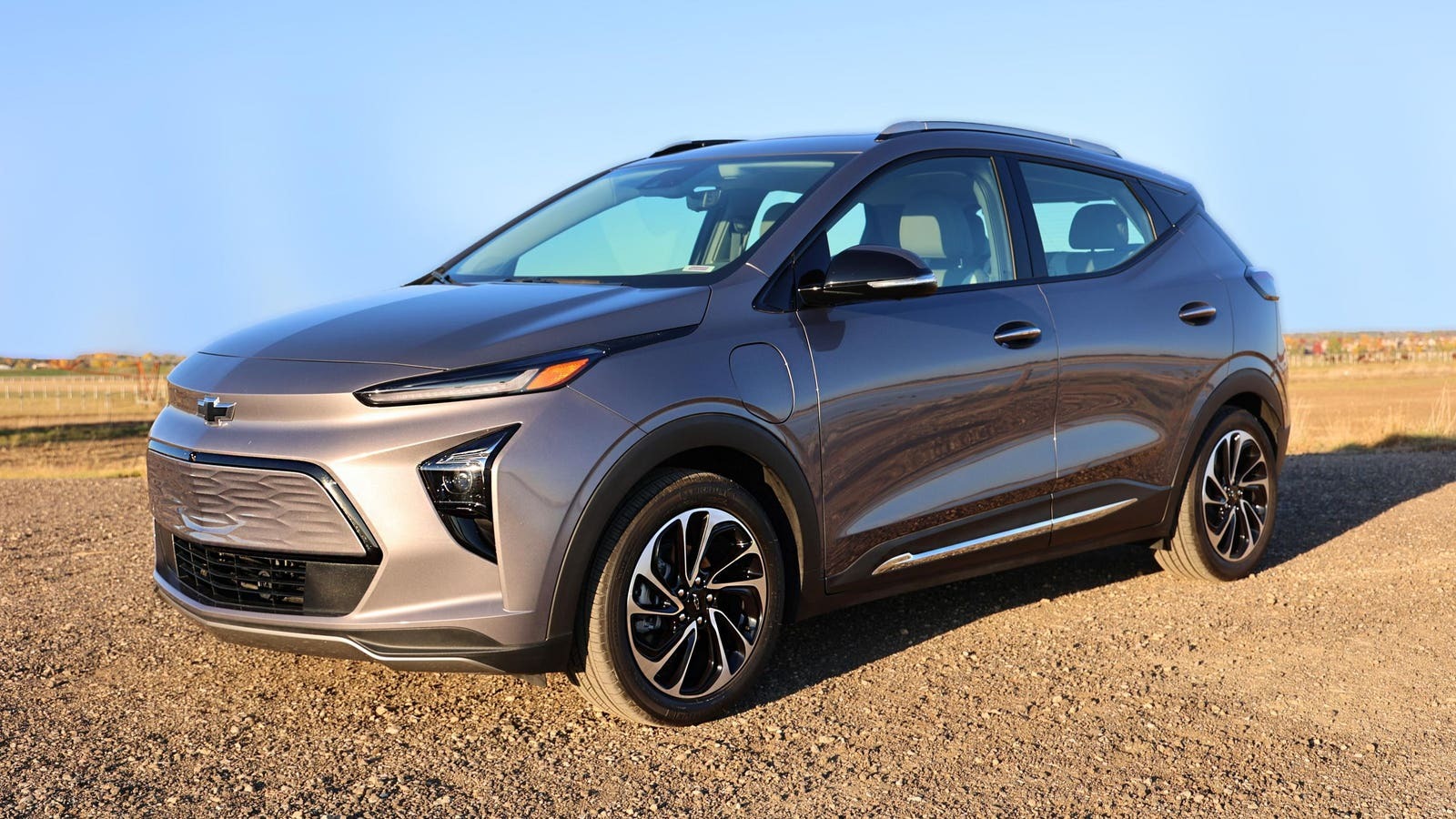
2. Chevrolet Bolt EV
The Chevrolet Bolt EV is one of the most practical and unassuming electric vehicles on the road today. It may not be flashy, but its durability and simplicity have won it a loyal following.
Originally launched in 2017, the Bolt has gone through a few iterations and recalls, but many of its core systems have remained consistent, and impressively robust.
The single-motor front-wheel-drive setup is straightforward and less prone to complex failures, which is one reason many owners report high mileage with minimal mechanical issues.
A key factor in the Bolt’s long-term potential is its liquid-cooled lithium-ion battery pack. General Motors engineered the Bolt with thermal stability in mind, especially after the battery-related recalls.
The updated battery design now includes better heat dissipation and smarter battery management software that balances cell usage to minimize degradation. Many drivers have reported less than 15% battery degradation even after more than 150,000 miles, which bodes well for reaching the half-million mark.
From a mechanical perspective, the Bolt benefits from simplicity. It has far fewer parts to wear out than an internal combustion vehicle, and even fewer than some more complex EVs. The regenerative braking system not only improves efficiency but also extends the life of brake components.
Owners who rely on one-pedal driving often report changing brake pads only after well over 100,000 miles. That’s a major cost-saving over time and a strong indicator of how light the mechanical load is across the vehicle.
Inside the cabin, the Bolt has held up well in long-term reviews. While materials are not luxury-grade, they are hard-wearing, and controls remain responsive even after years of daily use.
The infotainment system, while basic, does not tend to glitch or require resets, which adds to a feeling of lasting quality. For those looking for a budget-friendly EV that could potentially cross the 500,000-mile threshold, the Bolt makes a compelling case based on its simplicity and design focus.
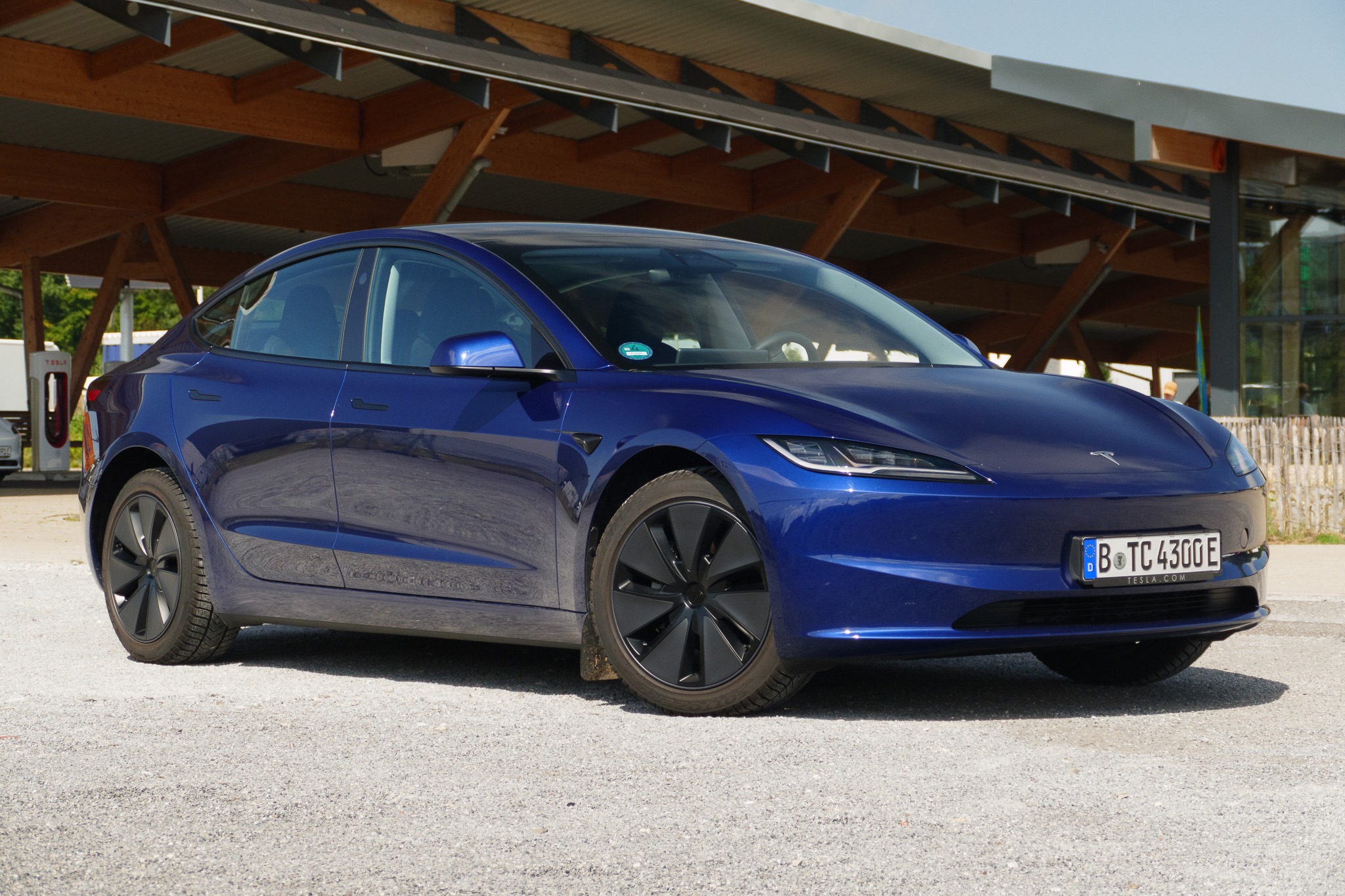
3. Tesla Model 3
The Model 3 has quickly become one of the best-selling electric vehicles in the world, and for good reason. It combines performance, affordability, and tech in a single, sleek package. But beyond the surface, the Model 3 has shown remarkable signs of long-term endurance.
High-mileage Model 3s, particularly those used for rideshare driving, have shown strong battery and drivetrain performance even after extensive daily usage. Several units have already reached the 300,000-mile mark with original motors and minimal battery degradation.
Tesla’s design for the Model 3 borrows heavily from the lessons learned with the Model S, particularly in terms of powertrain layout and battery management.
The Model 3 uses a similar thermal management system that controls battery temperature under all conditions, reducing the likelihood of premature degradation.
Reports show that after 200,000 miles, many Model 3 batteries still maintain around 85% of their original capacity. This is a crucial factor when aiming for 500,000 miles.
Another point in the Model 3’s favor is its modular design. Tesla vehicles are often easier to diagnose and repair thanks to centralized software logging and standardized parts.
Motor replacement, while rare, is also straightforward, and battery packs are designed in modules that can be replaced individually.
This allows high-mileage vehicles to continue functioning without a full battery replacement, keeping them on the road much longer than traditional vehicles with terminal engine wear.
Interior durability and body structure also contribute to the Model 3’s long lifespan. The vehicle’s minimalist cabin has fewer physical buttons to wear out, and its rigid chassis handles road vibrations well over time.
While some early build quality concerns were raised, later models have improved significantly in terms of panel fitment and material resilience. For many, the Model 3 isn’t just a trendy tech gadget, it’s proving to be one of the longest-lasting EVs on the market.
4. Lucid Air
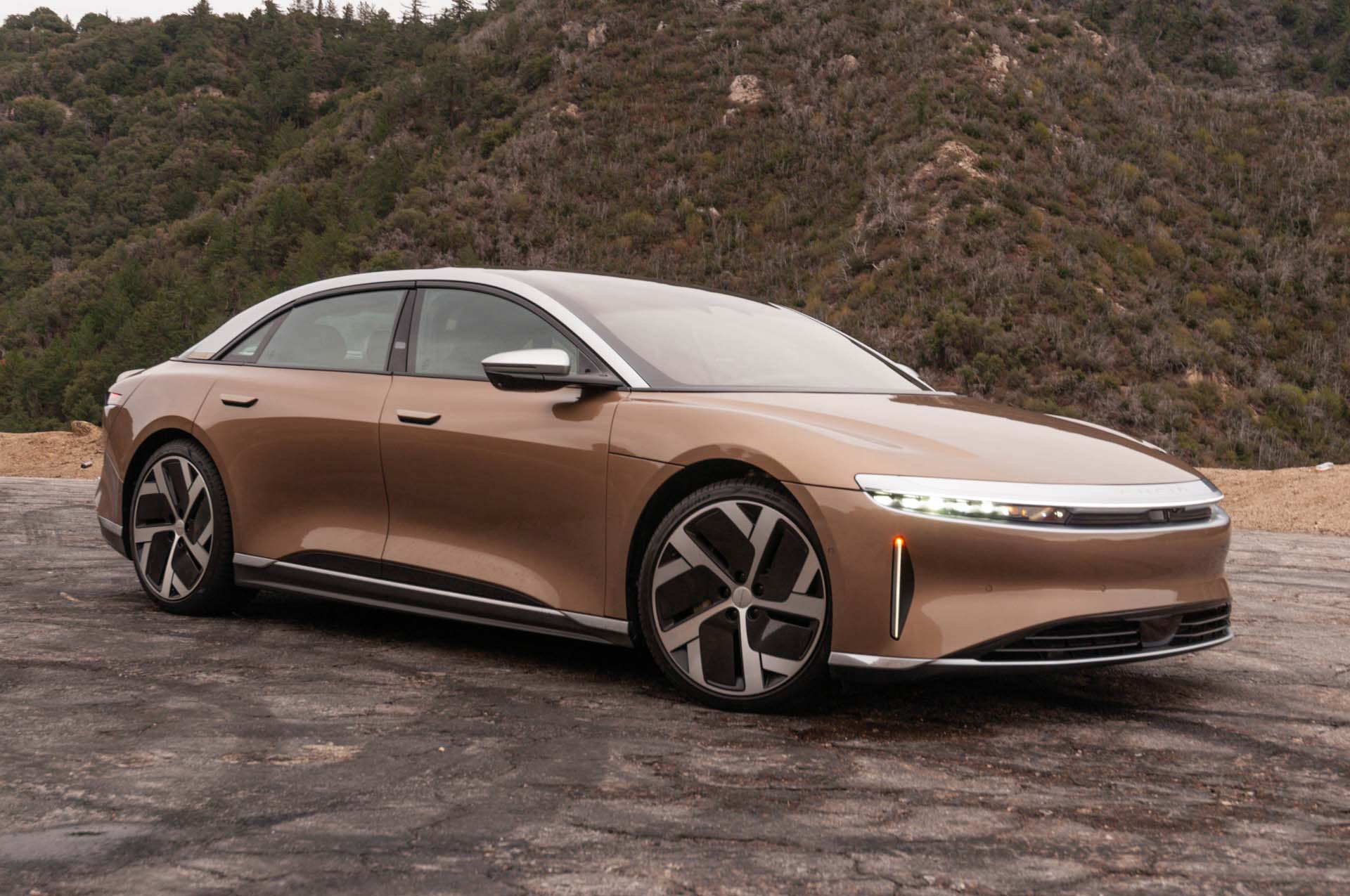
The Lucid Air represents one of the most ambitious EV designs in recent memory. Built by a team including former Tesla engineers, the Air is designed not only for luxury and performance but also for longevity.
While still a newer entry in the EV space, Lucid has engineered the Air with a proprietary motor system that boasts extremely high efficiency and minimal mechanical wear. It uses a unique micro-motor setup that is oil-cooled and designed for extremely high RPMs without reducing lifespan.
Battery architecture in the Lucid Air is also worth highlighting. The 900-volt electrical system reduces the current needed for charging and discharging, which minimizes heat generation and stress on internal components.
The battery pack uses advanced chemistry and thermal controls to keep each cell operating in ideal conditions, even under heavy acceleration or extreme temperatures.
While few Lucid vehicles have hit the high-mileage milestones of older Teslas, early indications suggest extremely slow battery degradation.
One advantage the Lucid Air has over many competitors is its power efficiency. It achieves high miles per kilowatt-hour thanks to its aerodynamic design and advanced drivetrain tuning.
Efficiency means less heat and less stress on the entire system, which adds up over hundreds of thousands of miles. Additionally, Lucid’s software platform is modular and built for long-term updates, meaning performance, range, and battery health can be improved over time without replacing physical parts.
5. Rivian R1T
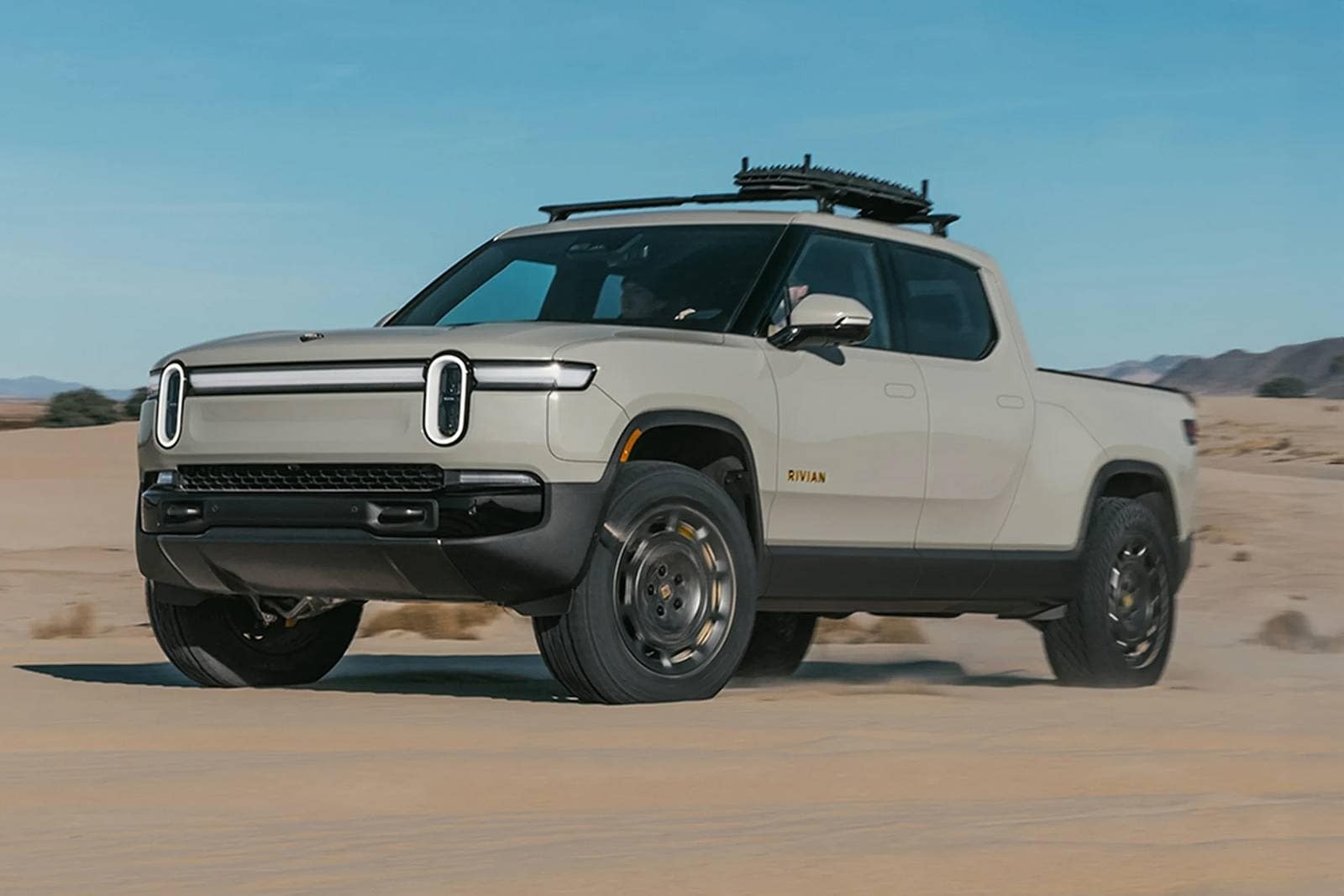
The Rivian R1T is one of the newest players in the electric truck segment, but it’s already earning a reputation for durability and thoughtful engineering. Built with adventure in mind, this electric pickup is designed to take abuse on and off the road.
From the ground up, the R1T is constructed using a robust skateboard platform that integrates the battery into the chassis for increased structural strength. That design not only improves safety but also helps the truck resist torsional stress over long-term use, making it a serious candidate for extreme mileage goals.
Its quad-motor configuration adds another layer of mechanical resilience. Each wheel is powered independently, reducing the need for complex differentials or transmission components that typically wear out over time. Because the motors operate with very little mechanical friction and have minimal moving parts, they are less prone to failure.
The regenerative braking system, which is also distributed to each wheel, reduces stress on the hydraulic brake system and extends component life significantly, some owners report rarely needing to replace brake pads after tens of thousands of miles.
Battery performance in the R1T also appears to be quite stable. Rivian has employed a liquid cooling system that envelops the battery pack and allows for efficient thermal regulation even under load.
Whether it’s towing, climbing hills, or cold-weather driving, the battery system keeps temperatures balanced, which directly slows down degradation.
Preliminary user reports suggest that degradation is minimal after the first 50,000 to 100,000 miles, especially when owners follow proper charging habits. This gives it a strong chance of holding performance as the miles add up.
Interior and component durability are also high priorities for Rivian. The cabin uses water-resistant and ruggedized materials, anticipating that many drivers will use the truck in rough conditions. The vehicle’s electronics, motors, and suspension system are all sealed and reinforced against moisture and dust ingress.
While it’s still early in the R1T’s lifespan, its engineering fundamentals suggest that it could easily exceed 500,000 miles when properly maintained, especially for users who prioritize mechanical sympathy and scheduled servicing.
Also Read: 5 Engines That Rarely Leak Oil vs 5 That Constantly Drip
6. Tesla Model X
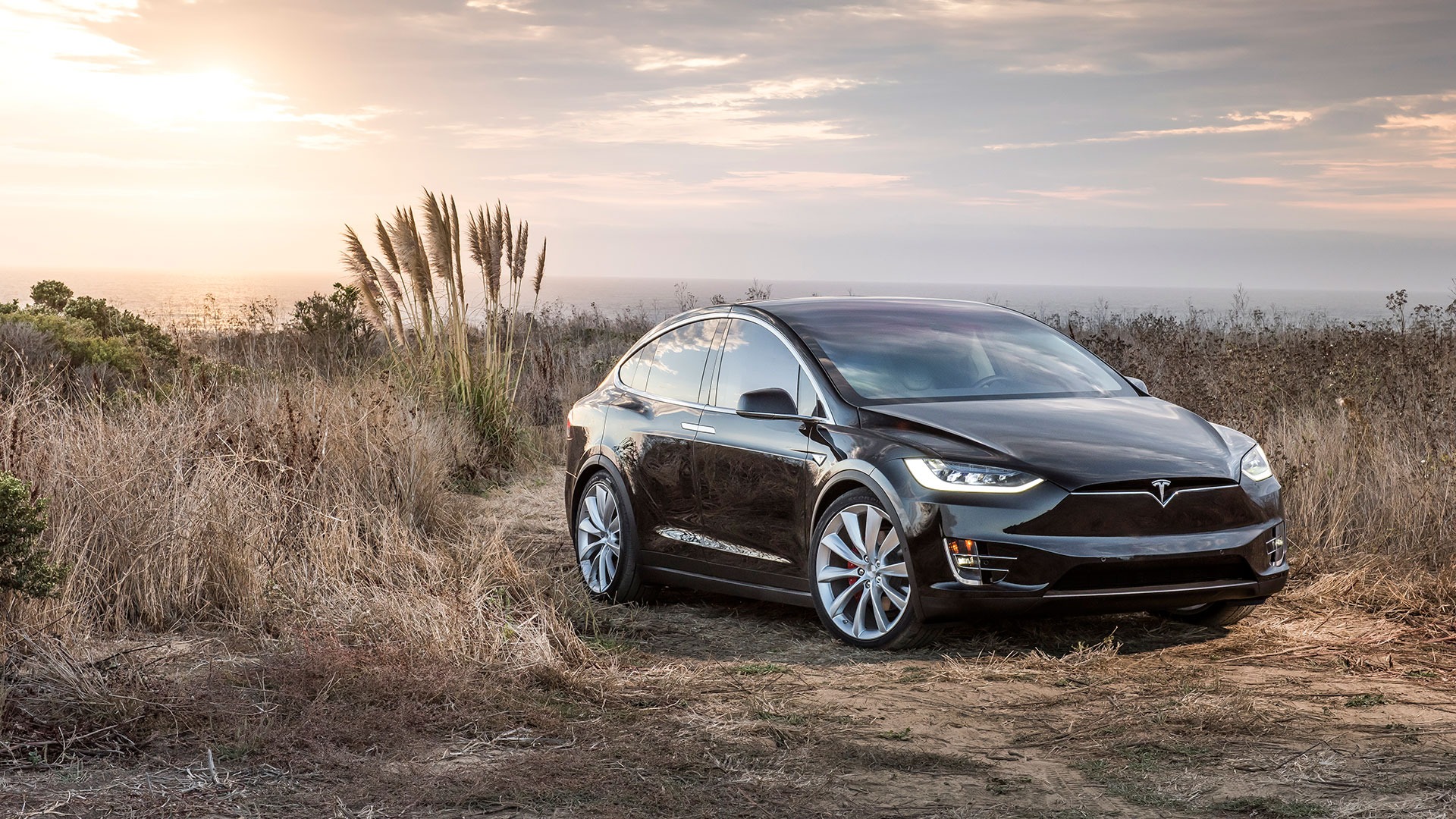
The Tesla Model X often gets attention for its falcon-wing doors and high-tech interior, but beneath the style lies a powertrain and battery system that mirrors the durability of the Model S. Since both vehicles share a common platform, many of the longevity benefits seen in the Model S are also present in the Model X.
The dual-motor and tri-motor variants use permanent magnet motors that have shown to be extremely reliable, often running for hundreds of thousands of miles with little degradation in performance.
The larger size and heavier weight of the Model X put more demand on the battery and drivetrain, but Tesla compensated with stronger components and refined software.
Its battery cooling system maintains optimal temperatures, even during heavy loads like towing or spirited driving. This consistent thermal control reduces wear and extends battery health.
Owners who use their Model X for long-distance travel or ride-hailing services have reported solid battery retention over time, with many vehicles passing 250,000 miles with no significant drop in range.
Another aspect that contributes to the Model X’s durability is its brake management. The regenerative braking system is especially effective due to the vehicle’s mass, allowing for significant energy recapture while sparing the traditional brakes from wear.
Combined with Tesla’s energy-efficient drivetrain and smart route planning features, the Model X doesn’t need to work as hard as one might assume given its size. These efficiencies reduce heat, friction, and strain across key systems, which helps maintain long-term performance.
While interior features like powered doors and premium infotainment might suggest complexity, Tesla’s modular hardware and remote diagnostic tools make maintenance relatively straightforward. The vehicle’s underbody is reinforced with aerospace-grade aluminum, which resists corrosion and flex over time.
With responsible charging behavior and standard servicing, there’s every indication that the Model X is capable of surpassing the 500,000-mile mark, particularly for owners who take care to minimize extreme usage patterns and ensure component health.
7. Hyundai Ioniq 5
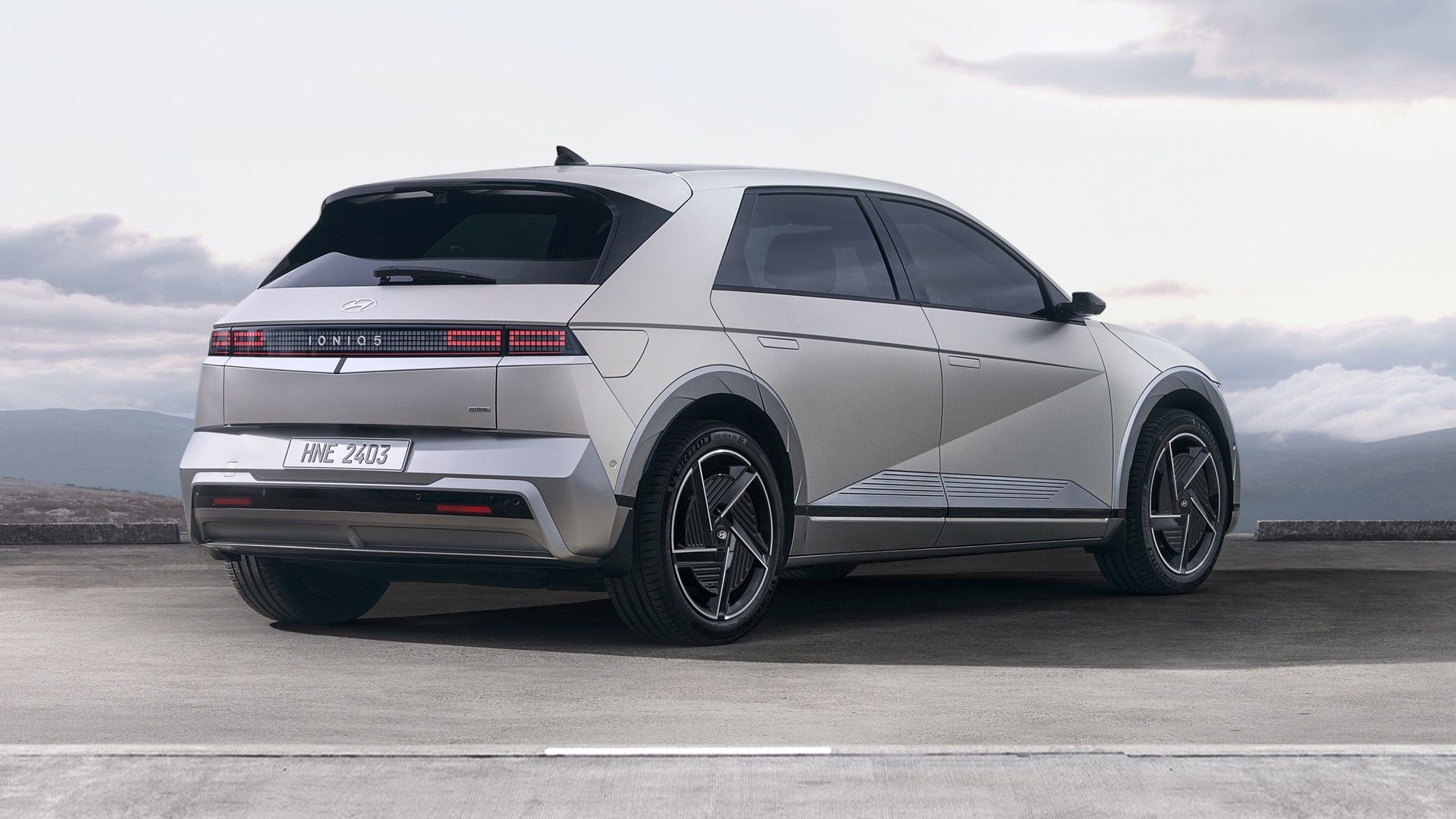
The Hyundai Ioniq 5 has quickly gained popularity for its futuristic styling and impressive efficiency, but one of its most underrated qualities is its potential for long-term durability.
Built on the dedicated E-GMP platform shared with other Hyundai-Kia EVs, the Ioniq 5 benefits from a battery and motor system that was engineered for minimal degradation and long service life.
Hyundai’s experience with hybrid vehicles over the past two decades clearly informed this design, and it shows in the consistency and reliability of the drivetrain.
One of the standout features of the Ioniq 5 is its 800-volt architecture. This high-voltage platform allows the battery to charge faster and with less heat buildup, especially compared to 400-volt systems.
Lower thermal stress means less wear on the battery cells, and Hyundai has fine-tuned the charging curve to minimize damage during repeated fast-charging sessions.
Owners who have tracked their battery health over tens of thousands of miles report very low degradation, often less than 5% over 50,000 miles.
The motor system is another area where Hyundai has focused on longevity. The Ioniq 5 uses a permanent magnet motor with optimized cooling and minimal contact wear.
Paired with a single-speed transmission, the setup is designed to provide consistent torque delivery with very little mechanical friction. Hyundai’s engineers also developed a predictive energy management system that adjusts motor load based on terrain and driving habits, reducing unnecessary strain on components during everyday use.
Durability also extends to the vehicle’s interior and chassis. The flat-floor design and minimalist dashboard help reduce mechanical complexity inside the cabin. Materials used in seating, buttons, and panels are high-quality and tightly constructed, which means fewer squeaks, rattles, or component failures over time.
The body structure includes a blend of high-strength steel and aluminum, designed to resist fatigue even in high-mileage driving. These factors combine to make the Ioniq 5 a strong candidate for drivers who intend to rack up serious mileage over many years.
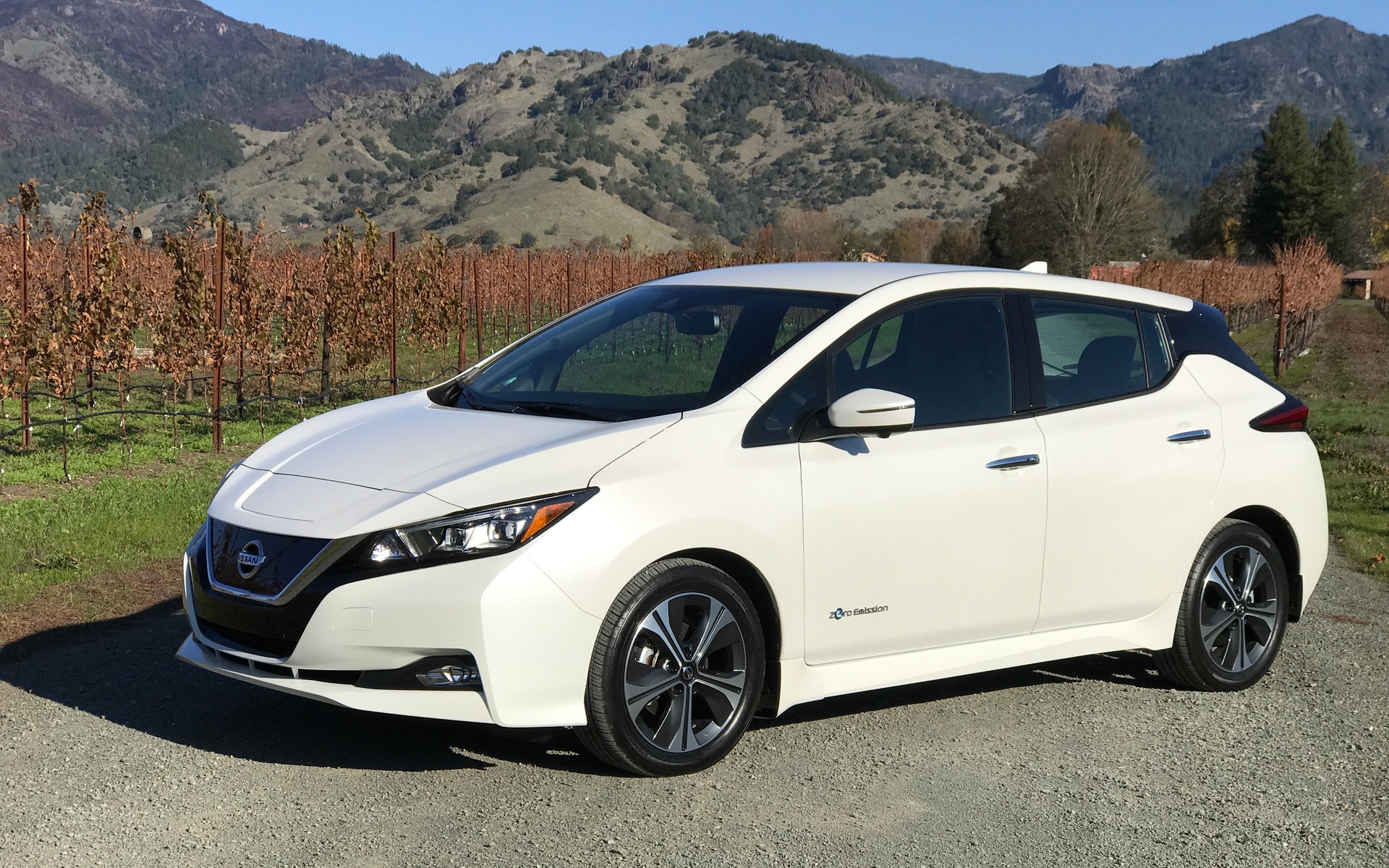
8. Nissan Leaf (2nd Generation)
The second-generation Nissan Leaf has made significant strides in terms of battery management and long-term reliability, making it far more suitable for high-mileage driving than the original model.
While the early Leafs suffered from passive air cooling and rapid degradation in hot climates, the updated versions include improved battery chemistry and smarter thermal regulation.
Although it still lacks full liquid cooling, the newer battery packs are far more resilient and consistent in performance, even when exposed to frequent charging cycles.
One of the key advantages of the Leaf is its simplicity. The single-motor design, front-wheel-drive layout, and lack of transmission complexity mean fewer parts that can fail.
This mechanical simplicity has proven beneficial for long-term ownership, with many owners reporting that core drivetrain components remain in excellent condition even after over 200,000 miles.
Routine maintenance is limited primarily to tires, brakes, and cabin air filters, with little else required for many years of operation.
Battery degradation, which was once a critical weakness, has now been mitigated in newer models through both software control and better thermal management.
While the absence of liquid cooling still makes the Leaf more vulnerable in extreme climates, careful charging and battery maintenance can keep degradation to minimal levels.
Owners who charge at moderate speeds and avoid full discharges report better long-term battery health. For city drivers or those in moderate climates, the Leaf can realistically last far beyond expectations with careful use.
The Leaf’s cabin and electronics are also built for consistency rather than flash. The materials used in the interior are durable and resistant to UV damage and daily wear.
The vehicle’s infotainment and drive control systems are simple but reliable, reducing the risk of long-term electronic failures. With a conservative driving style and proper battery care, many Leaf owners have seen their cars continue performing reliably at mileage levels that would challenge most gasoline vehicles.
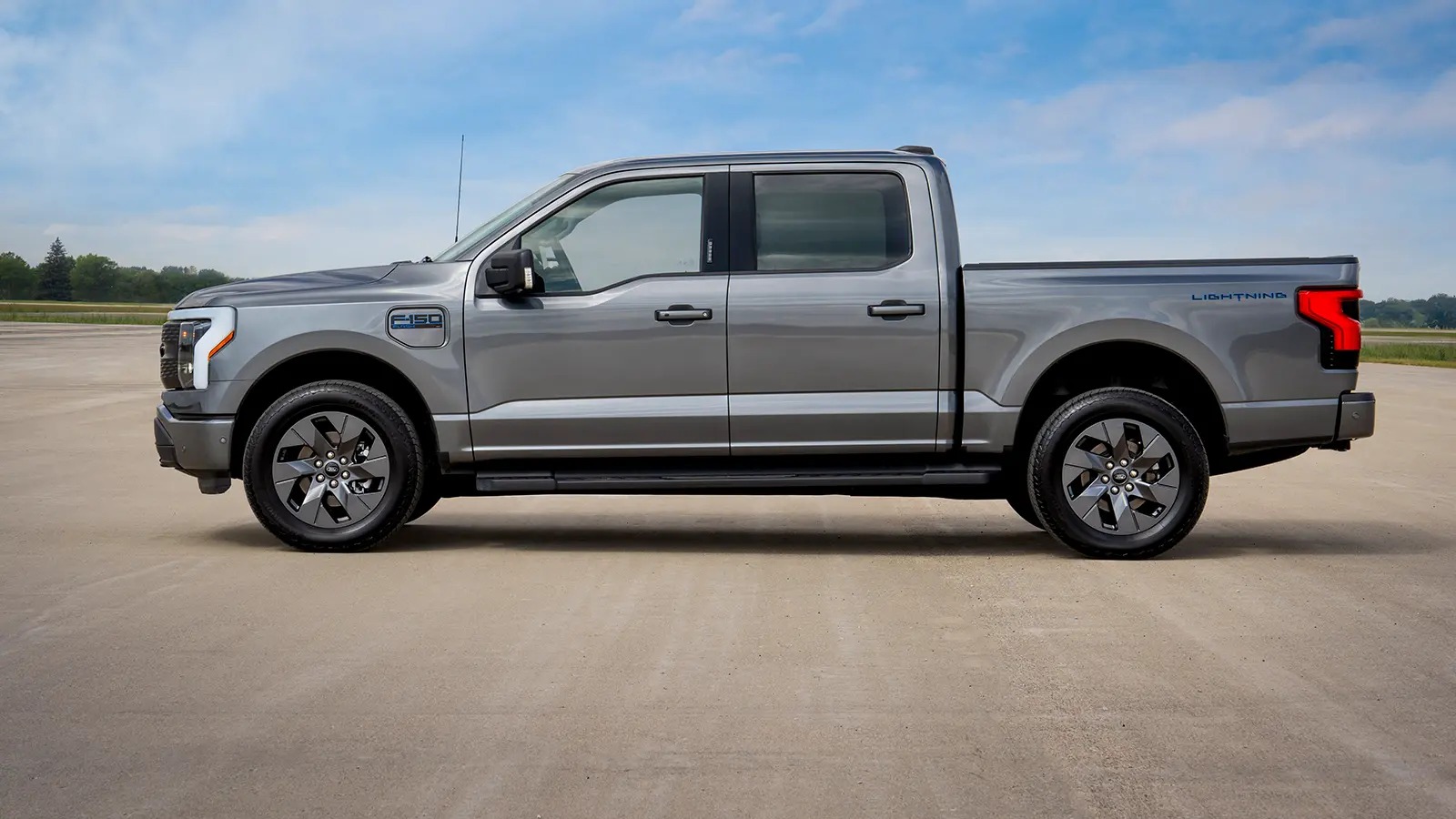
9. Ford F-150 Lightning
The Ford F-150 Lightning represents the fusion of classic American truck utility with modern electric technology. Built on a reinforced version of the traditional F-150 frame, the Lightning is engineered to endure the physical demands of a workhorse vehicle while offering the benefits of an electric powertrain.
Ford did not approach this vehicle as a novelty or a trend; it was built with the intent to serve fleet operators, contractors, and utility companies who depend on long-term performance.
This work-oriented design philosophy suggests that Ford expects the Lightning to rack up mileage similar to heavy-duty internal combustion trucks.
One major contributor to its longevity is the dual-motor AWD system. The motors used in the Lightning are sealed, low-maintenance units with very few wear points. Without oil changes, timing belts, or complex exhaust systems to maintain, the motors can run for hundreds of thousands of miles without major issues.
Additionally, regenerative braking reduces the mechanical strain on the standard brake components, lowering service intervals and associated costs. This also means that the Lightning endures less heat cycling than a gas engine would under heavy hauling or towing conditions.
Battery durability has been another focal point in Ford’s development of the Lightning. The battery pack is liquid-cooled and placed within a protective casing beneath the floor of the truck.
Ford includes a robust battery management system that regulates cell performance, balances loads, and keeps the temperature stable even during fast charging or long-distance towing.
Early adopters who have already driven tens of thousands of miles report consistent range performance and very limited signs of degradation. With proper charging habits, it’s entirely feasible that the Lightning’s battery could remain functional and efficient beyond the 500,000-mile mark.
Internally, the F-150 Lightning benefits from the same rugged design ethos that made the gas-powered F-150 a long-standing best-seller. The cabin materials are chosen for wear resistance rather than luxury, and the vehicle includes diagnostics tools and OTA updates that allow for long-term support and system optimization.
Whether used as a work vehicle or a daily driver, the Lightning’s design and mechanical resilience suggest a high likelihood of long-term reliability that could surpass even its combustion-powered predecessors.
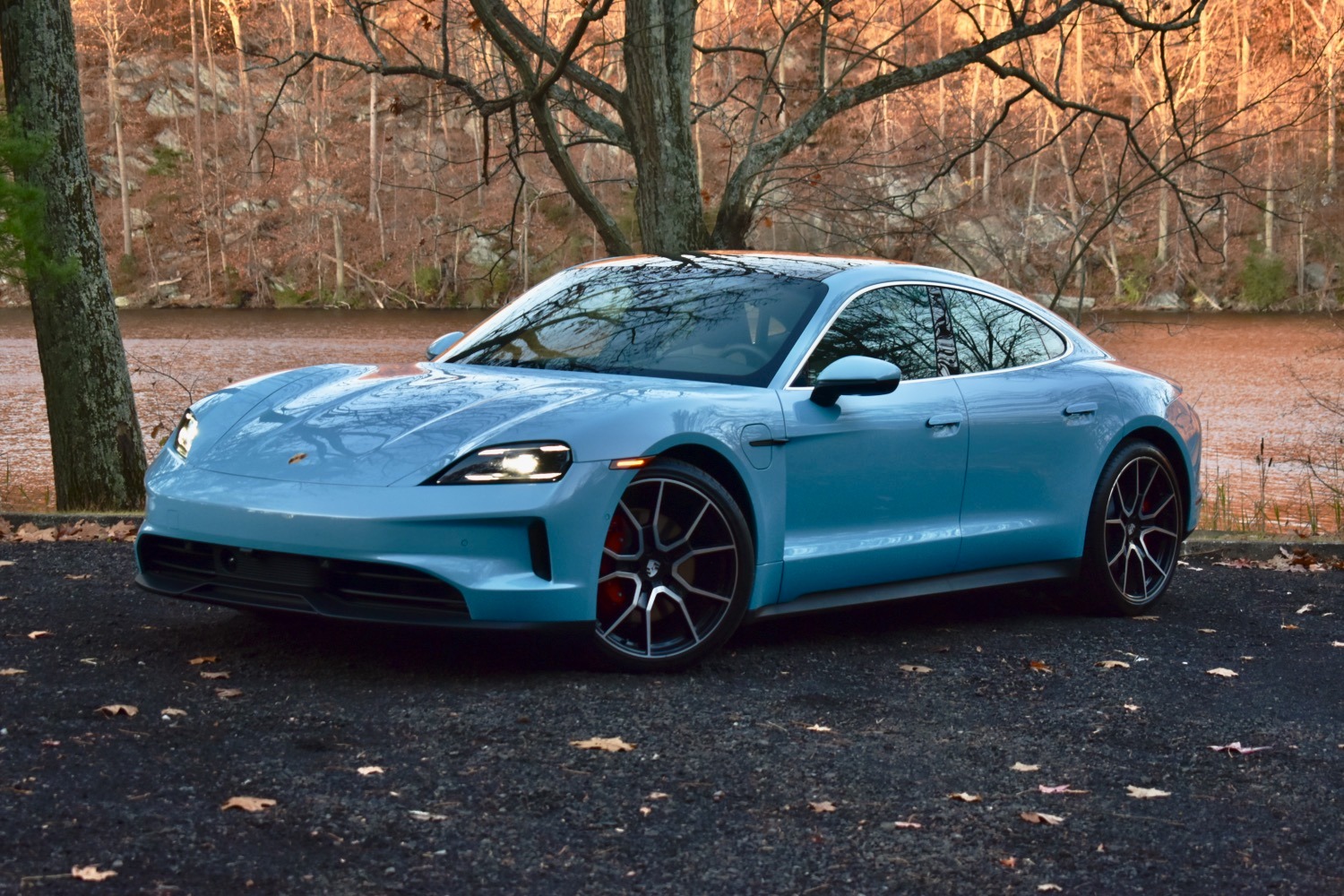
10. Porsche Taycan
The Porsche Taycan stands out not only for its performance and brand prestige but also for the meticulous engineering that underpins its design. While it’s often celebrated for its handling and acceleration, the Taycan’s durability is equally impressive.
Porsche built the Taycan with long-term track use in mind, which means its components, from battery cooling to drivetrain management, were designed to perform reliably under constant stress.
This level of engineering makes it a strong candidate for extreme mileage durability, especially for those who drive enthusiastically but want their vehicle to last.
The Taycan features an 800-volt electrical system, similar to the Hyundai Ioniq 5, which allows for rapid charging with lower heat buildup. The system also enables thinner wiring and reduced weight, improving efficiency.
The cooling system for the battery is highly advanced, with a multi-level thermal management strategy that ensures cells stay within ideal temperature zones during hard acceleration, fast charging, and extended high-speed driving. This results in reduced thermal wear on the battery, one of the most important factors in achieving a high mileage lifespan.
Another area where the Taycan excels is in its dual or tri-motor drivetrain layout. These motors are oil-cooled and engineered for sustained high output. Even under aggressive driving conditions, they maintain consistent power without overheating or triggering fail-safes.
Because these motors are built to racing specifications, they’re expected to endure far more mechanical stress than typical EV motors. When used in normal driving scenarios, their wear and tear is significantly reduced, which bodes well for the long-term health of the vehicle.
The interior and build quality of the Taycan are also critical to its long-term appeal. Porsche has a reputation for quality control and materials that age well, and the Taycan continues that tradition.
Its interior components, controls, and trim materials have been designed for years of use without degradation.
Even the seats and infotainment system hold up well under extended use. While not a budget option by any means, the Taycan provides buyers with a level of durability that could easily carry them through several hundred thousand miles of high-performance driving.
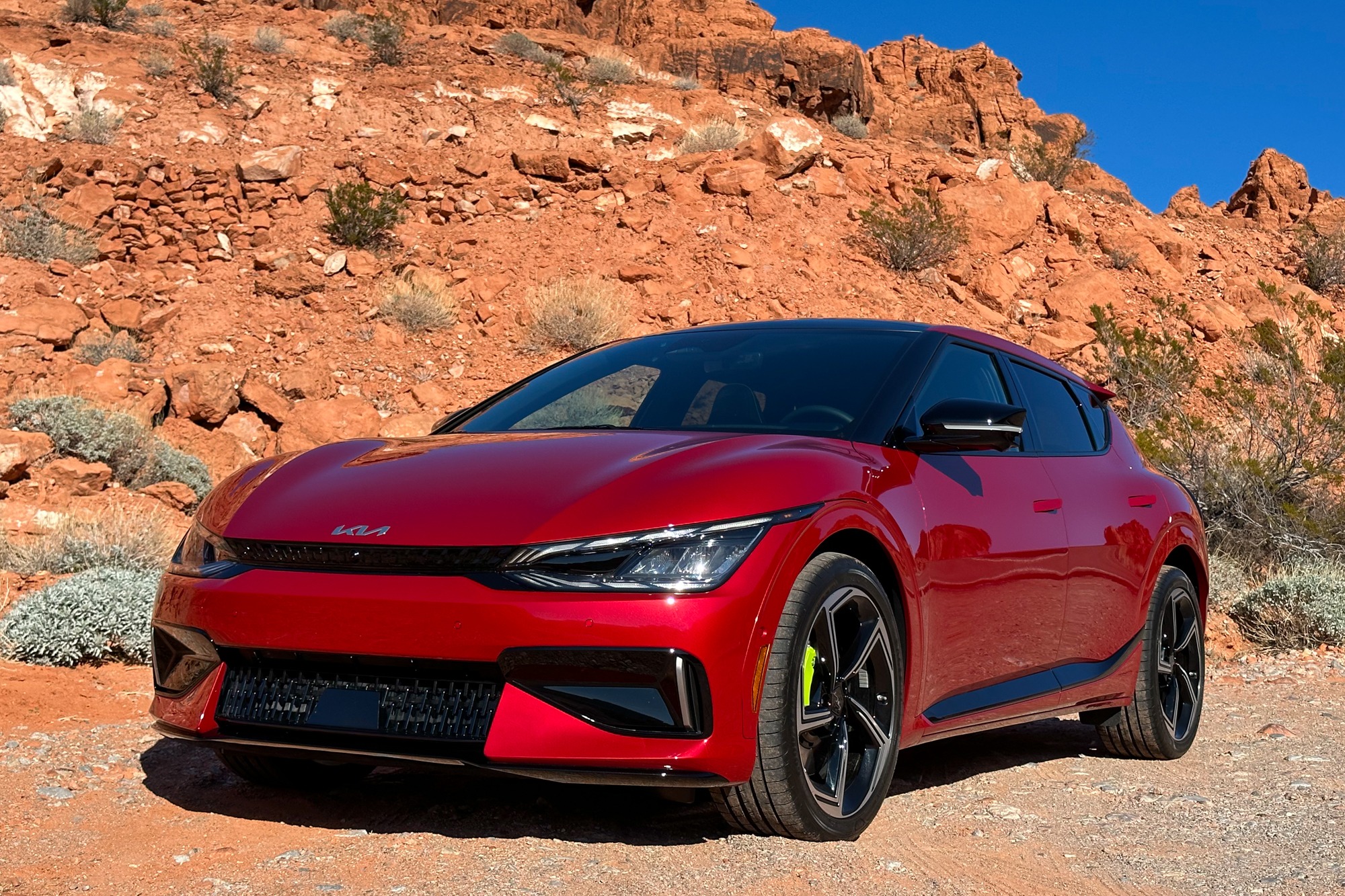
11. Kia EV6
The Kia EV6 shares much of its technology with the Hyundai Ioniq 5 but takes a more performance-oriented approach to design and driving dynamics. Built on the same E-GMP platform, the EV6 benefits from high-voltage charging architecture, efficient energy use, and smart thermal management.
Kia positioned the EV6 as a tech-forward, high-efficiency option for both commuters and long-distance drivers. This makes it a natural candidate for long-term ownership and serious mileage accumulation, especially for those who want performance and durability in the same package.
Its battery system is nearly identical to the one in the Ioniq 5, with an 800-volt platform that minimizes charging heat and reduces stress on the cells. Early data suggest excellent retention of battery capacity even after regular fast-charging, provided owners follow manufacturer recommendations.
The thermal management system uses a liquid cooling loop that is highly responsive, regulating individual cell temperatures and preventing hot spots that could accelerate wear. This level of control is crucial when aiming for a battery lifespan that stretches beyond 500,000 miles.
The EV6’s motor system is also engineered for endurance. Whether configured as a single-motor RWD or dual-motor AWD vehicle, the motors are quiet, efficient, and robust.
They have shown consistent performance in long-distance testing and have not suffered from overheating or torque degradation even under repeated acceleration.
Kia has implemented smart traction and torque management software that reduces strain on the motors by intelligently adjusting power delivery based on road conditions. This level of refinement makes it easier for the vehicle to operate under optimal load, reducing wear over time.
Inside, the EV6 is built with premium yet durable materials. Its layout is both futuristic and practical, minimizing components that tend to fail over time, such as knobs, switches, and legacy electronics.
The seats, dash, and panels have a quality feel and are expected to last well beyond the usual 150,000-mile mark, where many interiors begin to show age.
Combined with a robust suite of driver-assistance features and continuous software support, the EV6 is shaping up to be one of the most future-proof EVs on the road today.
