
The Toyota Corolla has earned its place as one of the most trusted vehicles ever built. When people talk about reliable, no-nonsense transportation, the Corolla almost always enters the conversation.
This reputation didn’t appear overnight; it was forged through decades of consistent performance, mechanical simplicity, and engineering that favored durability over flash.
Whether someone needed a daily commuter, a student car, or just something that would run without needing a second mortgage for repairs, the Corolla delivered.
It’s not a car that makes headlines for exotic performance or wild styling, but it consistently wins on one metric that truly matters: dependability.
Some cars become legendary because of their performance on a racetrack. Others because they were rare or expensive.
But the Corolla is one of the few cars whose status was built in driveways, backroads, freeways, and mechanic shops, where it rarely showed up, because it rarely broke down.
Its strength lies in how many miles it can go with regular oil changes, how long it can survive harsh weather, and how it still starts even when everything else seems to go wrong.
Toyota didn’t cut corners on the core essentials of the Corolla, and this allowed it to outlast its competition, especially in markets that value longevity over flair.
Over the years, some Corolla models have stood out more than others. These are the years that seemed to get everything just right. They featured bulletproof engines, transmissions that refused to die, and chassis that soaked up abuse without complaint.
Owners often kept them for decades, and many still run today with hundreds of thousands of miles on the odometer. These models are not just remembered fondly; many are still on the road, still passing inspections, and still showing up to work every day.
If there’s ever been a definition of automotive trustworthiness, the following ten years of the Toyota Corolla fit the bill perfectly. Let’s look at the ones that still feel as tough and reliable today as when they were first built.
Also Read: 9 Solid Cars That Rarely Develop Annoying Rattles
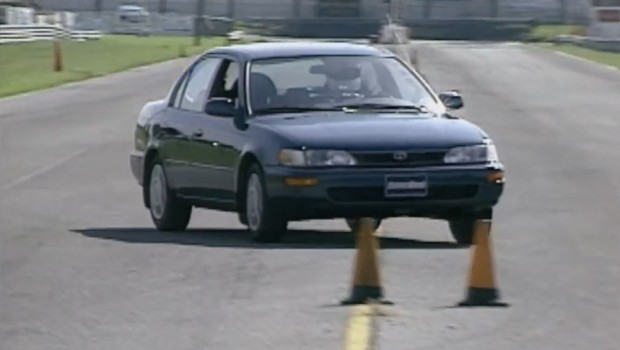
1. 1993 Toyota Corolla
The 1993 Corolla marked the beginning of the seventh generation, and it came at a time when Toyota was building some of the most over-engineered cars in its history.
Everything about this model feels like it was built to last. From the engine internals to the transmission tuning, Toyota seemed to be aiming for vehicles that could survive anything.
The car offered simple controls, a reliable 1.6L or 1.8L engine, and a cabin that resisted wear better than most of its rivals. The paint might fade over time, but the car itself rarely gave owners trouble if they followed basic maintenance routines.
What helped this year stand out was how it balanced modern efficiency with old-school simplicity. It had fuel injection, but not so many sensors that repairs became a nightmare. The parts were still mechanical enough that a backyard mechanic could keep one running for years.
There weren’t many fancy features, but everything that was included worked, and it kept working for the long haul. The suspension was soft, but not sloppy, which meant it could handle potholes and rough roads without developing rattles or worn-out bushings too quickly.
Another reason the 1993 Corolla has aged well is the body structure. Rust protection was decent for the time, and many models still retain their structural integrity decades later. The interior plastics, while not luxurious, held up remarkably well to heat and sun exposure.
Buttons, knobs, and switches still function smoothly in many of these cars, which is a testament to how solidly Toyota engineered every detail. This was not a car built to impress, it was built to last.
In resale markets and among enthusiasts who appreciate long-lasting vehicles, the 1993 Corolla still holds a reputation as one of the toughest compact sedans of the era.
It’s not rare to find these models still commuting, still taking on daily errands, and still requiring little more than oil, brakes, and tires to stay on the road. For people who value durability above all else, this model year is a classic example of Toyota’s best work.
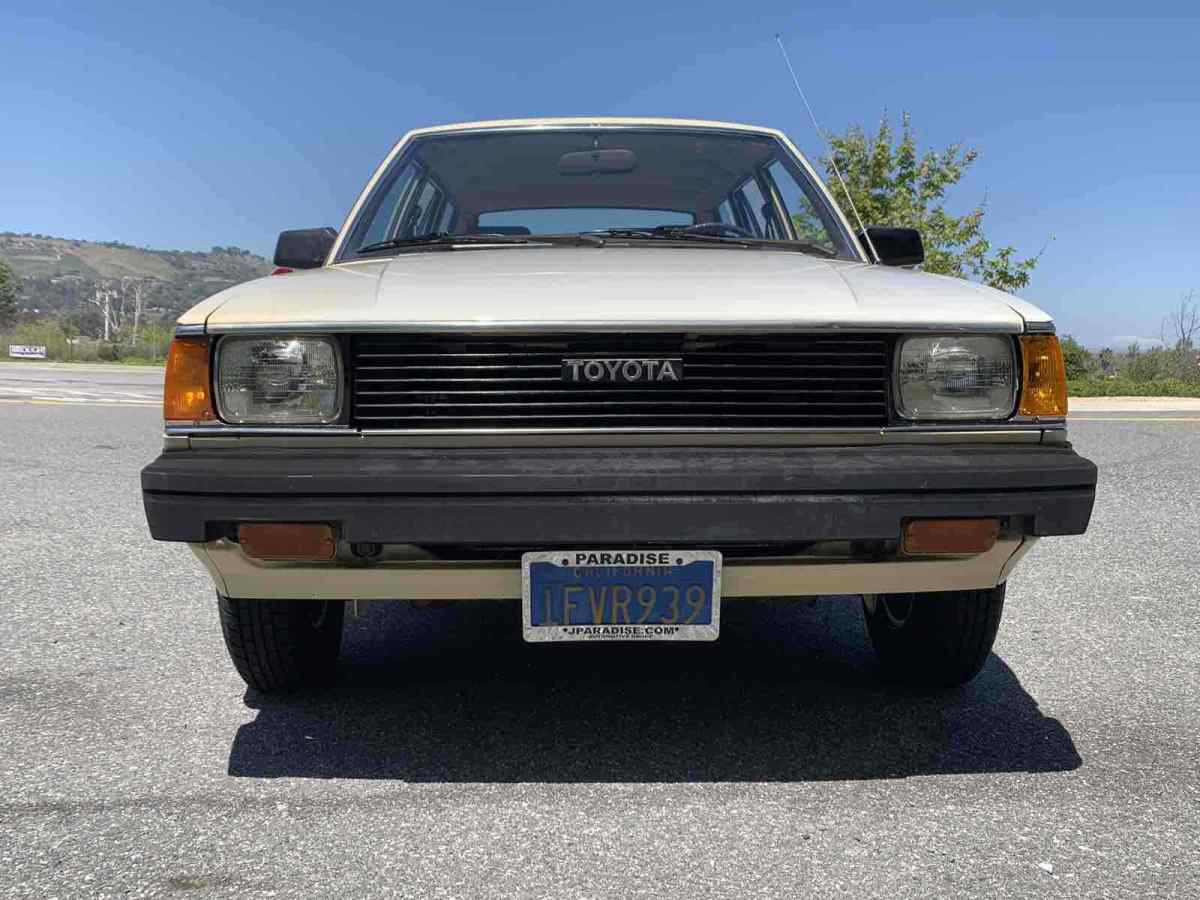
2. 1997 Toyota Corolla
By 1997, the Corolla had entered its eighth generation and showed signs of modernization without losing its bulletproof core.
This model featured more aerodynamic styling, slightly updated interiors, and improved efficiency, but underneath it all was the same rock-solid engineering.
The 1.8-liter 4-cylinder engine was smooth, fuel-efficient, and nearly indestructible. Many of these engines have surpassed 300,000 miles with little more than routine oil changes and basic upkeep.
One of the standout aspects of the 1997 model is how it handled aging. Unlike some cars from the 1990s that suffered from brittle plastics or electrical gremlins over time, the Corolla remained dependable.
Electrical systems were simple and effective, and there were fewer high-tech components that could fail. Even the automatic transmission, often the first thing to go in older cars, remained solid with basic fluid maintenance. Toyota’s decision to prioritize proven components over experimental features paid off in a big way.
Owners often report how easy this car is to maintain. Parts are cheap and widely available, and the layout under the hood makes it accessible for do-it-yourself repairs.
Brake jobs, timing belts, and water pumps all can be done without specialized tools. For those who wanted to avoid dealership service costs, the 1997 Corolla became a reliable companion that didn’t require a mechanic’s degree to keep on the road.
What sets this year apart is its balance of affordability, simplicity, and long-term usability. It’s the kind of car that people bought new and never sold because it just kept running.
Even today, you can see these models parked outside apartment buildings and used as daily transportation by students, retirees, and working-class drivers who want something they can trust. The 1997 Corolla didn’t try to be exciting; it focused on doing its job, and that’s exactly why it still feels bulletproof.
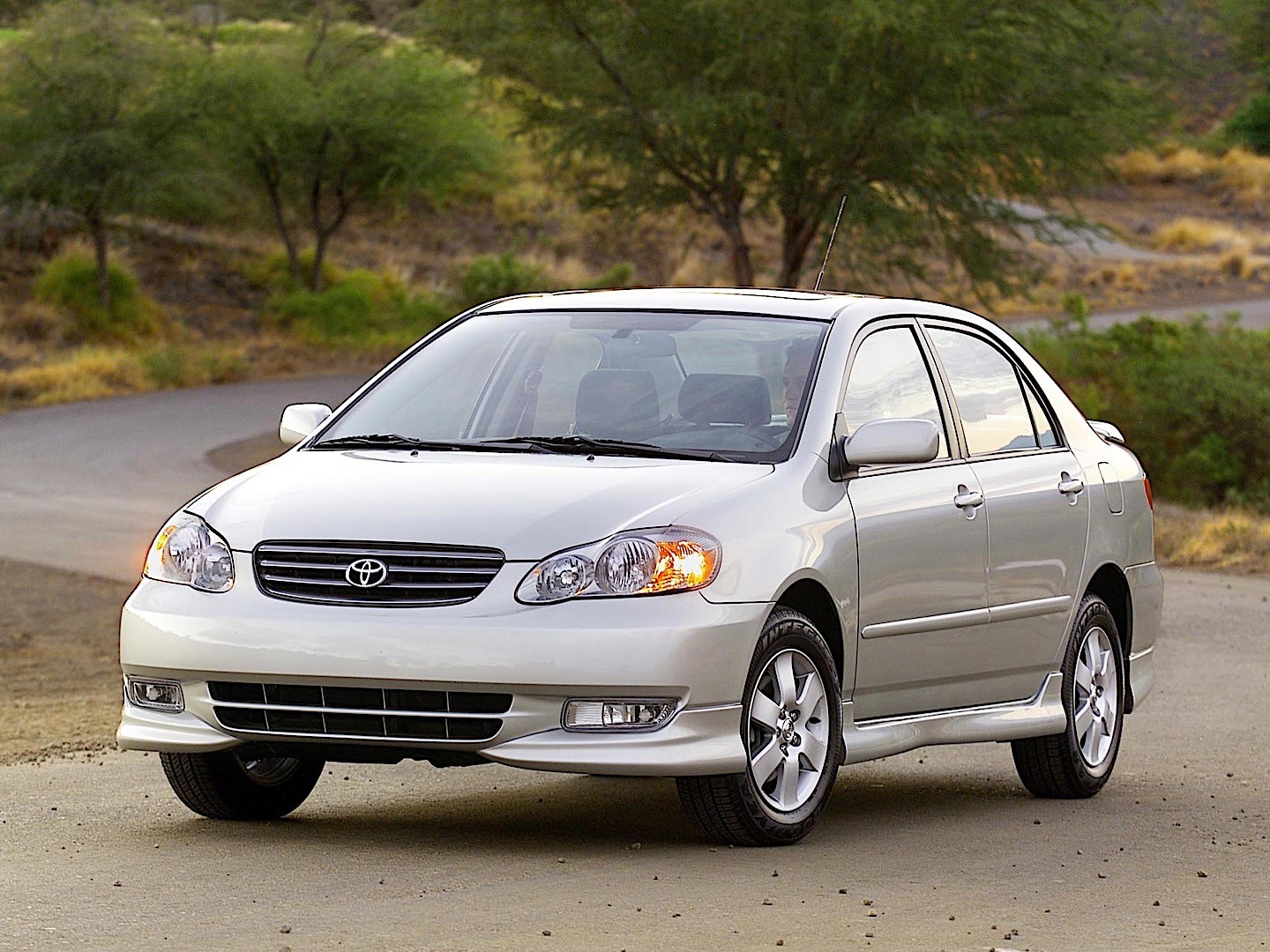
3. 2003 Toyota Corolla
When Toyota released the 2003 Corolla, it was a significant shift. This year kicked off the ninth generation and brought with it a more mature and grown-up design. The body became more refined, interior space increased, and safety features were improved.
Despite this move toward modernity, Toyota didn’t lose its focus on durability. The 1.8L 1ZZ-FE engine continued to be the workhorse under the hood and had already earned a solid reputation for reliability.
This generation featured a stiffer chassis and tighter build quality. The materials used in the cabin were an improvement over previous years, and noise insulation made it feel more refined inside.
Despite the added comfort, Toyota didn’t compromise on the mechanical integrity of the car. The suspension components, engine mounts, and transmission designs remained straightforward and strong, able to handle years of use without developing the kind of squeaks and clunks that plague lesser-built cars.
Many mechanics still consider the 2003 Corolla one of the easiest modern vehicles to service. Timing chains instead of belts meant one less maintenance item to worry about.
The spark plug access was easy, the oil filter was in a reasonable spot, and common wear parts like belts and hoses were inexpensive to replace. This made ownership affordable and helped keep these cars running even in areas where regular service might be inconsistent.
People often hang on to their 2003 Corollas for good reason; they rarely quit. Whether used as an urban commuter, a highway mile-eater, or a delivery car, this model handles abuse without protest.
Many ride-share drivers and fleet owners gravitated to this generation because of its ability to run for years with minimal investment. It may not turn heads, but the 2003 Corolla continues to earn respect by refusing to wear out.
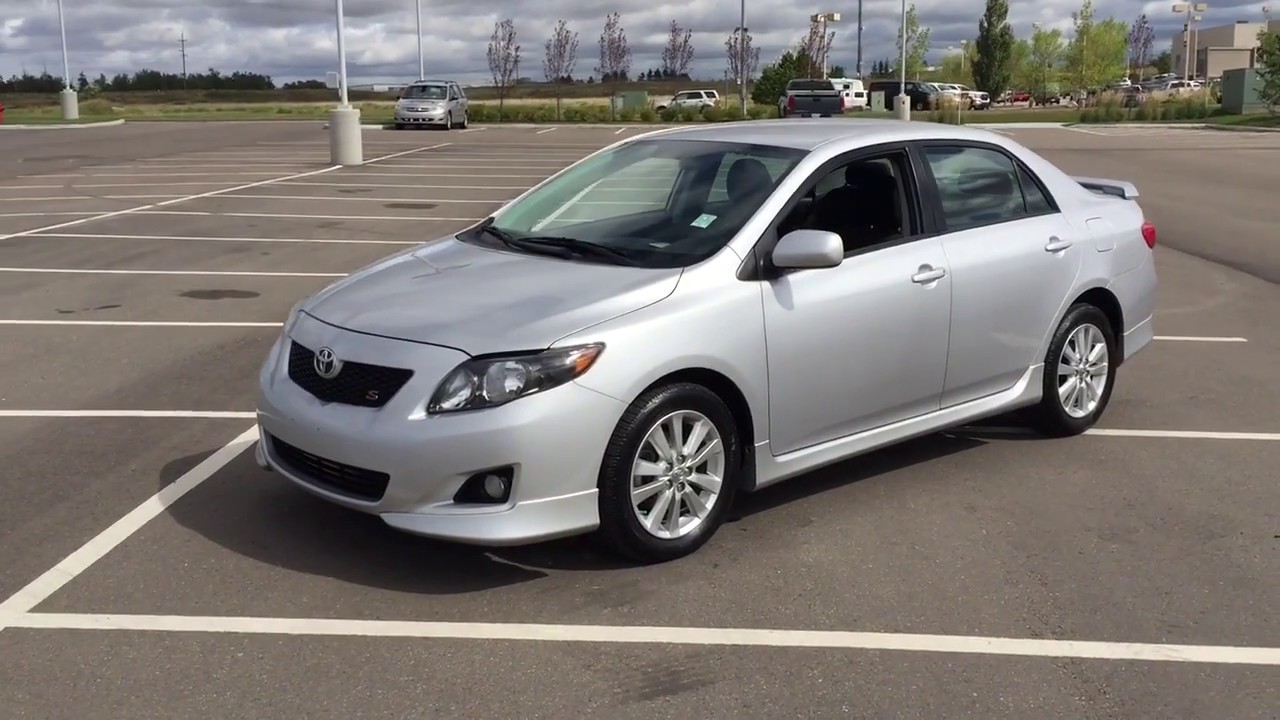
4. 2006 Toyota Corolla
By 2006, the Corolla had hit a sweet spot that balanced refinement, fuel economy, and long-term dependability.
This model year remained part of the ninth generation, which had already earned a reputation for being incredibly well-built. The 1.8L engine was still in place, and Toyota had continued to fine-tune the platform for better comfort without compromising reliability.
While the exterior design wasn’t flashy, it aged gracefully, and many 2006 models still look clean and respectable with minimal cosmetic wear.
Owners who purchased this car new often found little reason to upgrade because it rarely gave them issues, even as the odometer climbed past the 200,000-mile mark.
One of the biggest reasons the 2006 Corolla is remembered fondly is how well it holds up under pressure. These cars were commonly used for tough jobs like commuting long distances, driving through harsh winters, or handling stop-and-go traffic for hours at a time.
Yet, the drivetrain kept performing as if it had just rolled off the lot. The transmission, especially in the manual variant, was smooth and sturdy.
The automatic version, while simple by today’s standards, was extremely durable and rarely experienced failure if the fluid was changed at reasonable intervals. Suspension components, while basic, were robust and resisted premature wear, even on rough roads.
Toyota didn’t try to pack the 2006 Corolla with complicated electronics or advanced technology, which helped in the long run.
The electrical system remained simple and clean, with few things to go wrong. Power windows, door locks, and air conditioning systems typically continued working well into the car’s second decade.
The HVAC controls were mechanical and rarely failed. Even the seat fabrics and interior plastics showed impressive durability, holding up against heat, cold, and years of daily use. This simplicity made the car feel like something you could count on every day, no matter the conditions.
For people who wanted a reliable second-hand car, the 2006 Corolla became a top recommendation. Whether buying for a teen driver, using it as a backup commuter, or simply needing something to last until retirement, this model rarely let anyone down.
Many owners say they bought one with the intention of keeping it a few years, only to realize there was no reason to replace it even after a decade. That kind of staying power doesn’t happen by accident; it’s the result of smart engineering and a focus on long-term value.
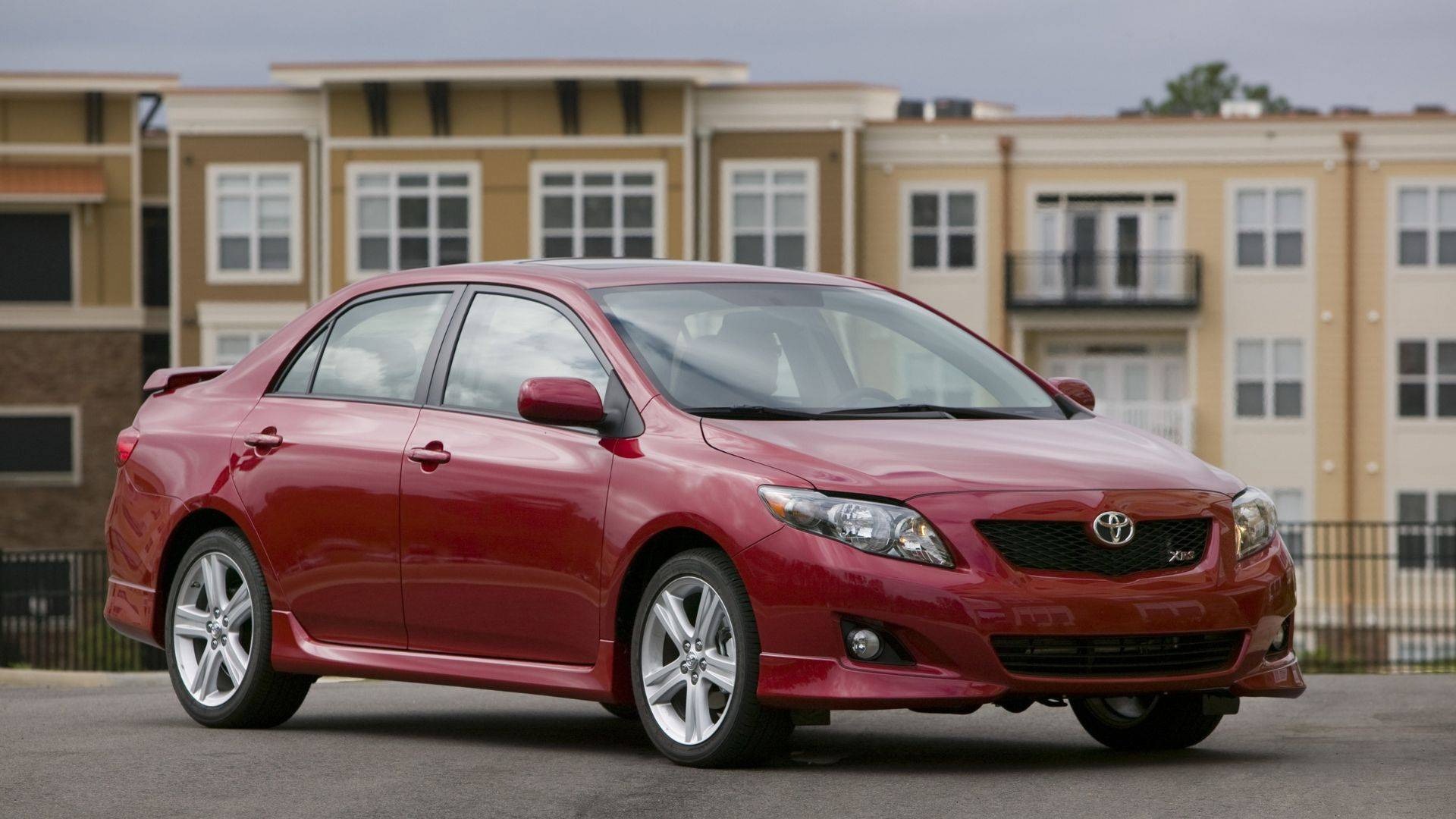
5. 2009 Toyota Corolla
The 2009 model marked the start of the tenth generation of the Corolla, and while it brought in new styling and a more spacious interior, Toyota remained loyal to its core mission: building a car that lasts. With a more modern design and improved safety features, the 2009 Corolla appealed to a broader audience.
Yet underneath the refreshed exterior, the same reliable DNA was intact. The engine options, including the 1.8L 2ZR-FE and the optional 2.4L in the sportier trims, were both proven designs. Both were known for handling high mileage with minimal mechanical drama.
One of the key factors behind the 2009 Corolla’s reputation is its exceptional ride comfort and composure. This was a car that felt more substantial on the road without sacrificing fuel efficiency or mechanical simplicity. It offered a smooth and quiet ride that many drivers compared favorably to more expensive sedans.
Toyota improved the chassis stiffness and sound insulation, making long drives less tiring. Yet despite these upgrades, the car retained the easy-to-maintain layout that owners appreciated. Mechanics continued to praise how accessible components were and how little tended to go wrong with regular upkeep.
This year also showed Toyota’s attention to safety without overcomplicating the vehicle. Features like anti-lock brakes and multiple airbags were standard, yet they were integrated in a way that didn’t compromise the car’s long-term durability. There weren’t excessive sensors or overly sensitive systems that triggered unnecessary alerts.
What was there worked properly and kept working. Electronic components were reliable and didn’t seem to suffer the types of early failures that plagued competitors in the same era. The vehicle’s computer systems were robust but didn’t interfere with basic drivability or repairability.
For used car buyers in the market for something dependable, the 2009 Corolla is still one of the most commonly recommended models.
It’s seen as a perfect middle ground between modern safety and classic Toyota reliability. Many of these are still used daily with over 250,000 miles, and they’re not just limping along, they’re still smooth, quiet, and ready for more. When people say a car “just works,” they’re often talking about this kind of Corolla.
Also Read: 12 Muscle Cars Still Burning Rubber After Decades
6. 2010 Toyota Corolla
The 2010 Corolla continued the success of the tenth generation and brought subtle improvements that made it even more appealing for drivers who valued simplicity and longevity. While it didn’t make headlines with innovation, it built on a platform that had already proven itself in the real world.
Most importantly, Toyota maintained its focus on build quality, and this model year is now widely recognized as one of the most worry-free compact sedans available in the used car market.
With both the 1.8L and 2.4L engines available, the 2010 Corolla offered solid performance without sacrificing the economy or dependability that had defined the nameplate for decades.
One of the standout characteristics of the 2010 model is how it aged. While other compact cars from this time period started to suffer from rust, transmission issues, or interior wear, the Corolla stayed strong. The materials used in the cabin held up well to repeated use, and components like door handles, climate knobs, and switchgear rarely broke.
Even in rough climates or urban settings, the exterior panels resisted corrosion better than many competitors. The fit and finish were excellent for the segment, and that attention to detail paid dividends years later.
Another point in this model’s favor is its forgiving nature when maintenance isn’t perfect. While regular oil changes are still essential, the 2010 Corolla was known for tolerating minor neglect better than most.
A missed fluid change or delayed air filter replacement didn’t spell disaster the way it might in other vehicles.
The engine didn’t develop timing issues or oil leaks easily, and the transmission could go over 200,000 miles without needing more than a fluid flush. This level of tolerance made it a favorite among college students, busy families, and drivers who simply needed something that worked.
Perhaps the most impressive aspect of the 2010 Corolla is how invisible it became, quietly doing its job, year after year, without demanding attention. It wasn’t flashy, but it didn’t need to be.
It was the kind of car you gave to someone you cared about because you knew it wouldn’t let them down. Whether driving across town or across the state, it was always ready, always reliable, and always built to last.
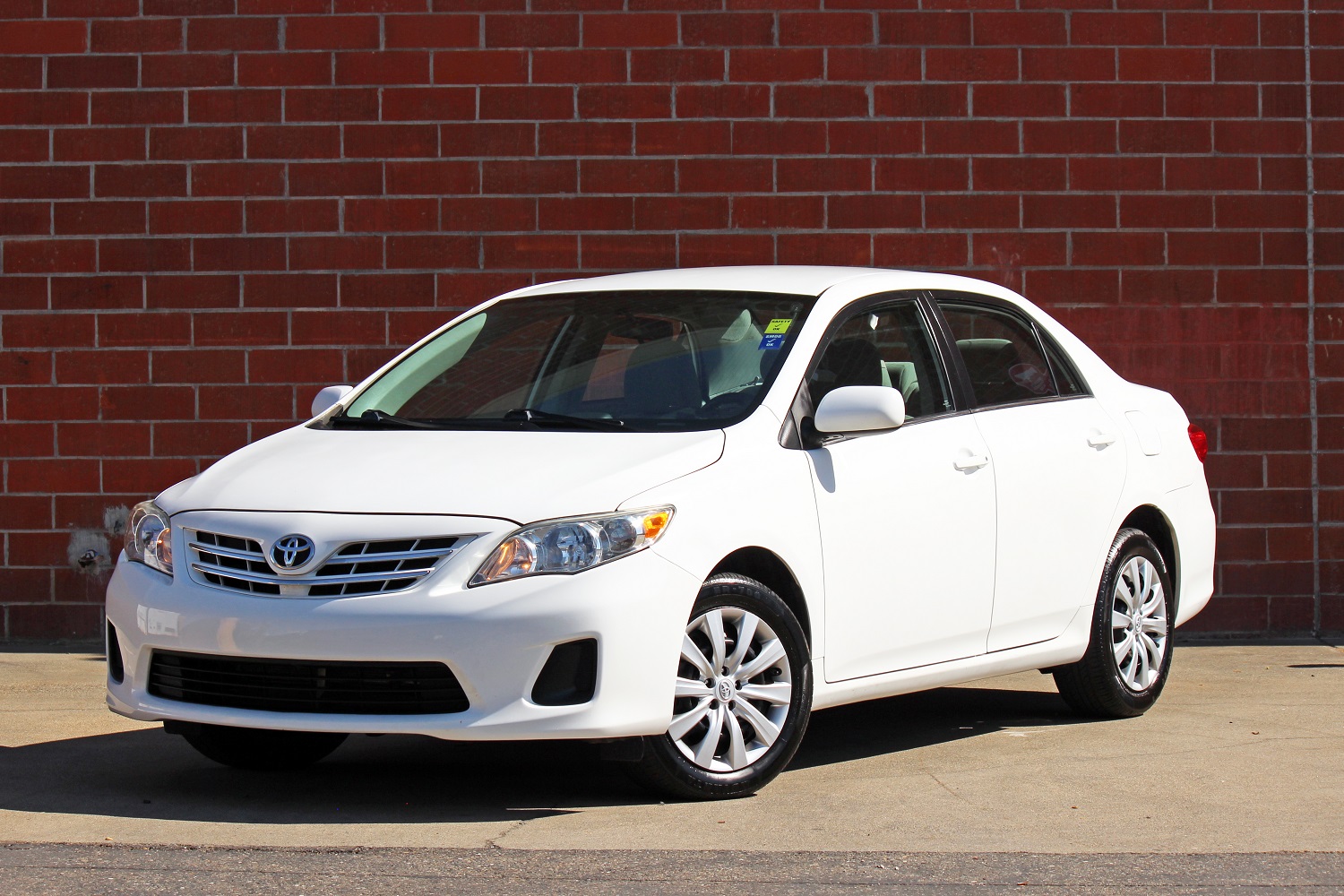
7. 2013 Toyota Corolla
The 2013 Corolla closed out the tenth generation, and it did so with a level of polish that reflected years of refinement. This was a model that benefited from all the lessons Toyota had learned up to that point.
The design was clean, the controls were intuitive, and the driving experience was stable and predictable. It didn’t try to push boundaries, and that was exactly what many buyers wanted.
With the 1.8L 2ZR-FE engine still serving as the primary powerplant, this Corolla continued to deliver the kind of stress-free ownership experience that had made it a household name.
What made the 2013 model feel particularly solid was its age resistance. Even as miles piled up, these cars retained their structure and drivability. Suspension bushings, engine mounts, and steering components wore slowly and evenly, allowing the car to feel tight and responsive even well past 100,000 miles.
There was no sudden decline in comfort or ride quality, just a gradual aging process that was easy to manage. This was a car that got better with time because it never gave you a reason to replace it.
Toyota also ensured that the 2013 model kept maintenance costs incredibly low. Oil changes, brake service, and tire replacements all remained inexpensive and straightforward.
This was not a car that needed special tools or diagnostic computers for every little issue. Mechanics appreciated the straightforward layout under the hood, and owners appreciated the low operating costs. Even dealership service prices stayed reasonable, making the car easy to own, whether brand new or with multiple previous owners.
For anyone looking for a used vehicle that still feels fresh and worry-free, the 2013 Corolla remains a top-tier option. It’s often passed down between family members or kept as a backup vehicle because people trust it so deeply.
The consistency in performance, the resilience in build quality, and the lack of mechanical drama all contribute to its status as one of the most dependable compact sedans ever made. It may be nearing the 10-year mark, but this Corolla still has the heart and stamina of something far newer.
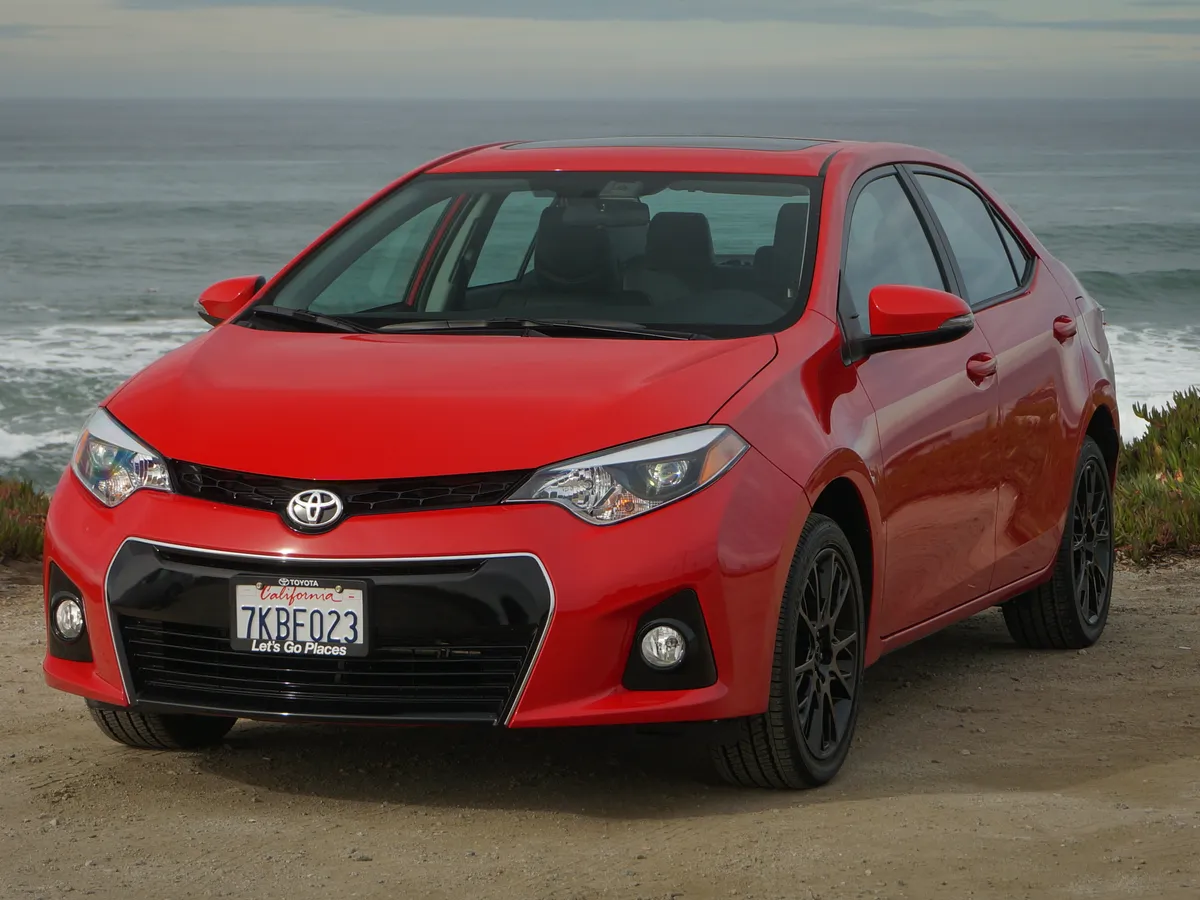
8. 2016 Toyota Corolla
The 2016 Corolla marked the debut of the eleventh generation, a model that combined modern design with Toyota’s legendary reliability. Though the styling became more aggressive and the technology more advanced, the car retained the core philosophy of durability and simplicity.
The 1.8-liter 2ZR-FE engine carried over, still known for its longevity and ease of maintenance.
This generation also introduced minor refinements to the suspension and chassis, making the ride smoother and handling more composed without compromising the Corolla’s well-earned reputation for toughness.
One of the reasons the 2016 Corolla remains bulletproof is its balance between modern convenience and proven mechanical design.
While it included more electronic features such as touchscreen infotainment and advanced driver aids, Toyota ensured that these additions wouldn’t become maintenance nightmares.
The core engine and transmission systems remained mechanical and straightforward enough for independent mechanics and do-it-yourself owners to service. This allowed the car to stay reliable even as it embraced new technology.
The interior materials and build quality showed clear improvement over previous generations. Soft-touch plastics, well-fitted panels, and durable upholstery combined to create a cabin that could withstand years of use without significant wear or rattles.
The climate control system and electrical accessories also proved durable in real-world conditions. Even with added complexity, the 2016 Corolla maintained a reputation for minimal electrical issues, a common source of headaches in modern cars.
Fuel economy remained strong, and the engine’s ability to handle high mileage without major repairs meant that many 2016 Corollas are still going strong on the road today. Whether used as daily drivers, rideshare vehicles, or commuter cars, these models show little sign of slowing down.
The 2016 Corolla strikes a near-perfect balance between embracing modern features and preserving the robust, bulletproof nature that has defined the model for decades.
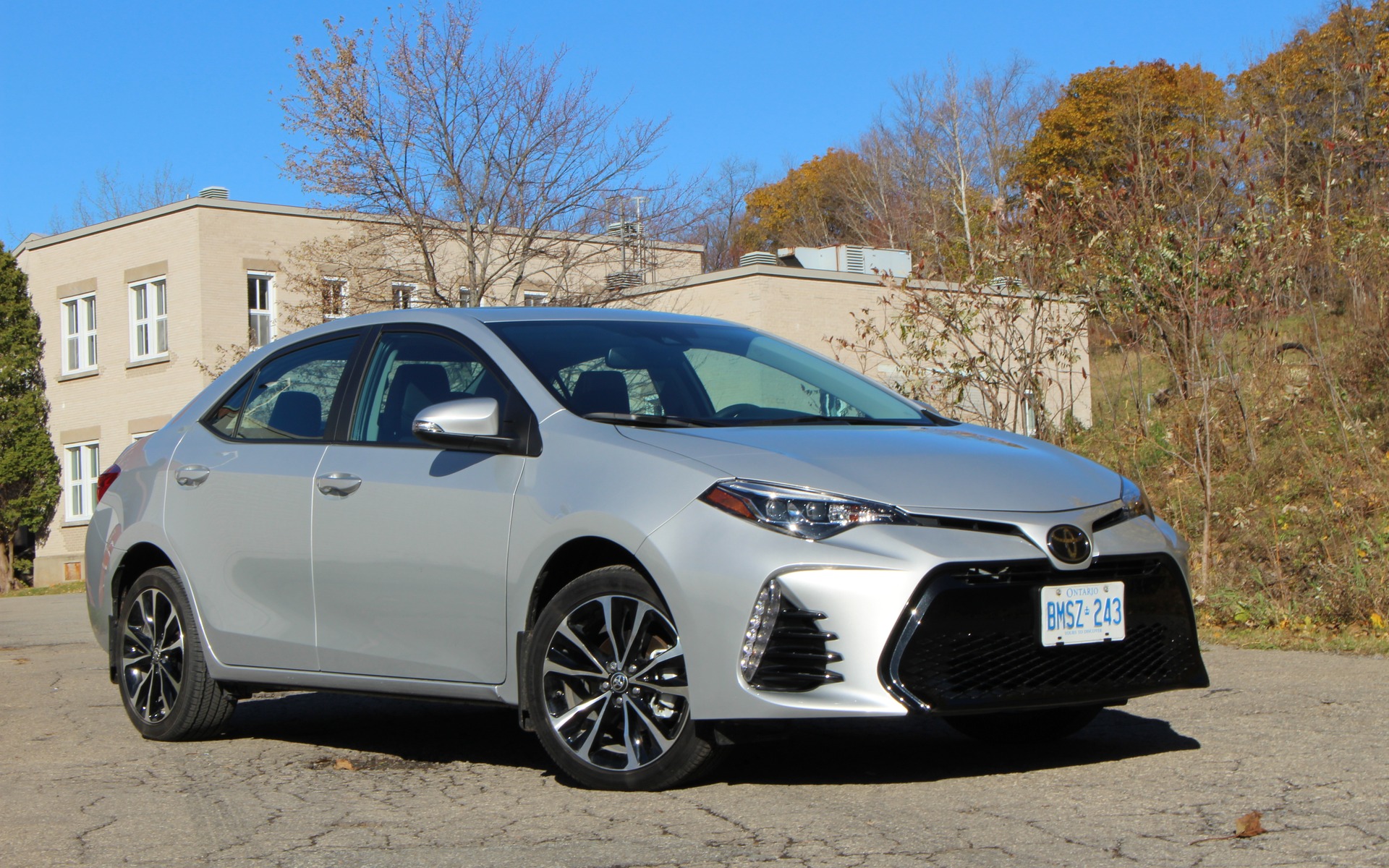
9. 2019 Toyota Corolla
The 2019 Corolla brought even more refinement to the eleventh generation with a stronger focus on safety, technology, and efficiency, yet the heart of the car remained its durability. Toyota introduced the 2.0-liter Dynamic Force engine in some trims, but the 1.8-liter engine continued in others, both of which were engineered for longevity and smooth operation.
The CVT (continuously variable transmission) became more common, designed for fuel economy and seamless driving, but built to endure if maintained properly. Owners praise the 2019 model for combining modern sophistication with Toyota’s legendary reliability.
Another factor making the 2019 Corolla bulletproof is Toyota’s commitment to quality control. By this point, the automaker had decades of experience fine-tuning every aspect of the car to minimize issues.
Manufacturing tolerances were tighter, materials were higher-grade, and the design reflected a deep understanding of what drivers need for long-term ownership. Electrical systems and computer modules were well-protected from the elements, and early reports indicated fewer glitches or failures compared to other cars in its class.
The driving experience remained comfortable and predictable, with suspension tuning that balanced ride quality and handling. While the switch to more electronic aids and driver-assist features added complexity, Toyota ensured these systems were modular and easier to repair or replace if necessary.
This forward-thinking design reduces the risk of costly repairs years down the line, keeping ownership costs low. Interior wear and tear were also minimized through thoughtful materials selection and construction, making the cabin still feel solid after many miles.
The 2019 Corolla’s reputation as a bulletproof compact sedan continues to grow, especially as more owners cross the 100,000-mile mark without major issues. This model is often recommended for those seeking a modern car that won’t become a money pit. Its blend of reliability, efficiency, and safety makes it one of the best choices in the segment for dependable transportation.
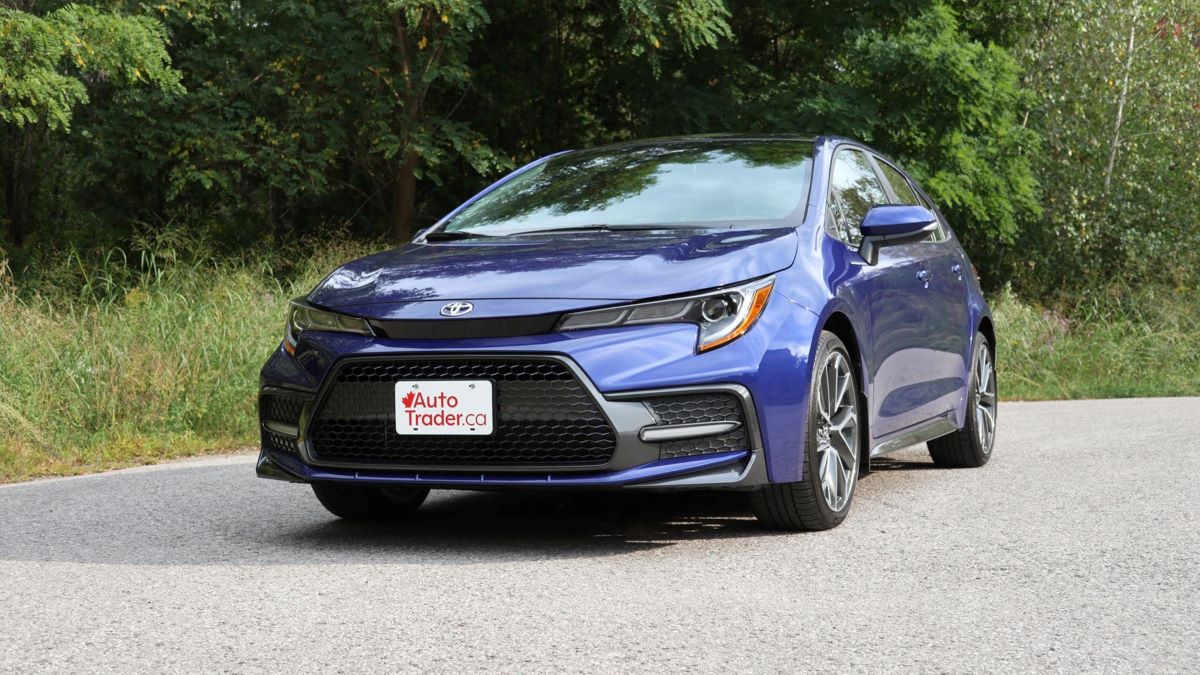
10. 2022 Toyota Corolla
The 2022 Corolla, part of the continued evolution of the eleventh generation, represents Toyota’s latest effort to blend modern technology with the bulletproof reliability the nameplate is known for.
With improvements in hybrid technology, advanced safety systems, and cabin refinement, this model appeals to today’s drivers without sacrificing the mechanical simplicity that keeps Corollas running for hundreds of thousands of miles.
The 2.0-liter Dynamic Force engine, paired with either a CVT or manual transmission in some trims, combines efficiency and strength, continuing Toyota’s tradition of long-lasting powertrains.
One of the standout features of the 2022 Corolla is the standard Toyota Safety Sense 2.0 suite, which includes adaptive cruise control, lane departure warning, and automatic emergency braking.
These systems are designed to be reliable and unobtrusive, enhancing safety without adding complexity that could lead to early failures.
Toyota engineers ensured that these electronic components were robustly tested to avoid the common pitfalls of modern driver aids, making this model not just safe but also dependable.
The interior of the 2022 Corolla benefits from improved materials and build quality, with attention to detail that keeps the cabin feeling fresh over time.
Soft-touch surfaces, high-quality stitching, and well-designed controls contribute to a user-friendly environment that can withstand daily wear and tear.
The infotainment system, while more advanced than previous generations, is designed with simplicity and durability in mind, reducing the chances of software glitches or hardware failures that plague many modern vehicles.
Despite all the new tech, the 2022 Corolla remains true to the core values that have made it a trusted choice for decades. The engine, transmission, and chassis are engineered to endure, requiring only routine maintenance to keep performing like new.
Many early owners have already reported excellent reliability, and it’s expected that this model will continue Toyota’s legacy of producing bulletproof cars for years to come.
