
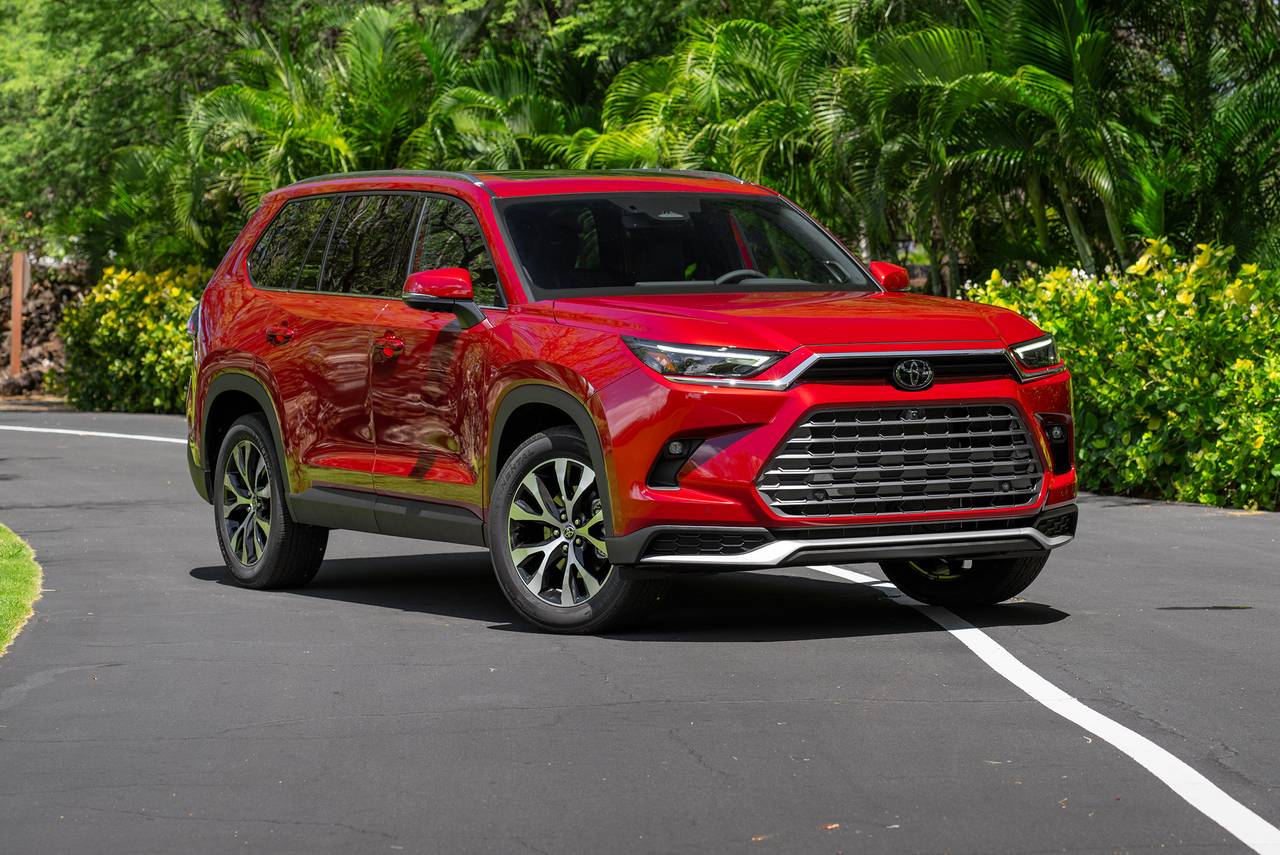
The Toyota Highlander has earned a reputation as one of the most dependable midsize SUVs on the market. Since its debut in the early 2000s, it has struck a balance between comfort, utility, and reliability that appeals to a wide range of drivers, from families looking for safe daily transportation to individuals wanting a roomy, easy-to-drive crossover.
The Highlander is often praised for its smooth ride, strong resale value, and low maintenance costs, making it a popular choice in the used SUV market.
Over the years, Toyota has released several generations of the Highlander, each improving on the previous in terms of performance, interior quality, fuel economy, and safety features. However, not every model year has been equally successful.
While most Highlanders have been solid, some stand out because they offered significant upgrades, better reliability, or value compared to others. Whether due to a redesign, the introduction of new technology, or simply a low number of reported issues, certain years have become more desirable for used car buyers.
For shoppers trying to decide which Highlander to buy used, the choices can be overwhelming. The model has changed significantly over the decades, from the early 2001 model that helped define the crossover market to the more recent editions packed with advanced safety systems and hybrid technology.
While newer models might be flashier, older ones can still offer a great experience at a lower price point, especially if they come from a year known for durability and minimal problems.
This article covers ten specific Toyota Highlander years that are especially worth owning. Each of these years has been selected for a combination of reasons, including reliability, performance, safety, comfort, and resale value.
Whether you’re shopping on a budget or looking for something a bit more refined, there’s likely a Highlander year on this list that meets your needs. Let’s break down what makes these ten model years worth your attention.
Also Read: 9 Solid Cars That Rarely Develop Annoying Rattles
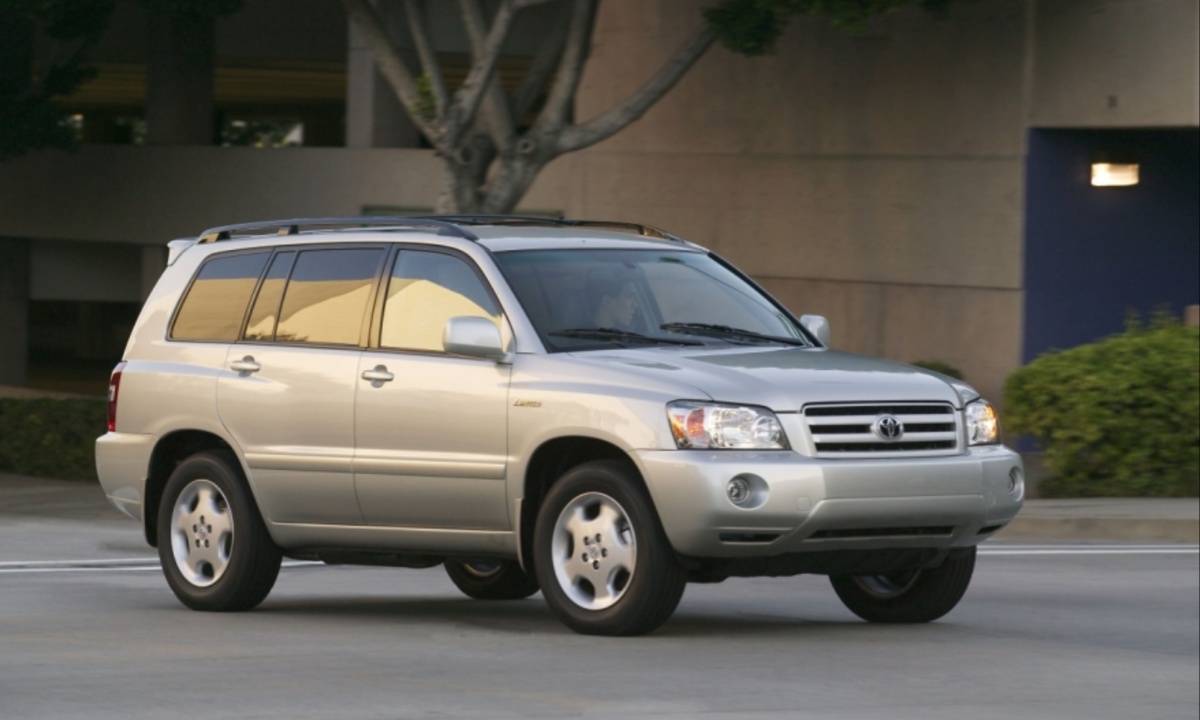
1. 2004 Toyota Highlander
The 2004 Toyota Highlander was part of the first generation, which began in 2001. By this point, Toyota had already ironed out some of the issues that affected earlier models.
The 2004 model year featured solid build quality and one of the smoother rides in the midsize SUV segment at the time. One of the big selling points was its available V6 engine, which delivered strong acceleration while still maintaining respectable fuel economy for an SUV of its size.
This year also marked the introduction of side curtain airbags as optional equipment, adding an extra layer of safety. Families looking for a reliable and comfortable daily driver found the 2004 model appealing due to its car-like driving dynamics and generous interior space.
Though it didn’t boast the most modern tech features by today’s standards, it offered everything most drivers needed at the time, including a solid stereo, climate control, and power accessories. The materials used in the interior aged well, which means a well-kept 2004 Highlander still feels relatively fresh inside.
From a reliability standpoint, the 2004 Highlander stands out as one of the better early-year models. Its engines, both the inline-4 and the V6, are known for their durability.
Routine maintenance is typically all that’s needed to keep these vehicles running well past 200,000 miles. The transmission issues that can sometimes affect older SUVs are rare in this model year, adding to its reputation as a low-risk purchase on the used market.
In terms of cost, the 2004 Highlander often comes in at a very reasonable price point, making it ideal for budget-conscious buyers. You get a dependable, practical SUV that still drives comfortably and doesn’t feel outdated in terms of core functionality.
For people seeking their first SUV or a secondary vehicle for utility purposes, this model often proves to be a smart, affordable option.
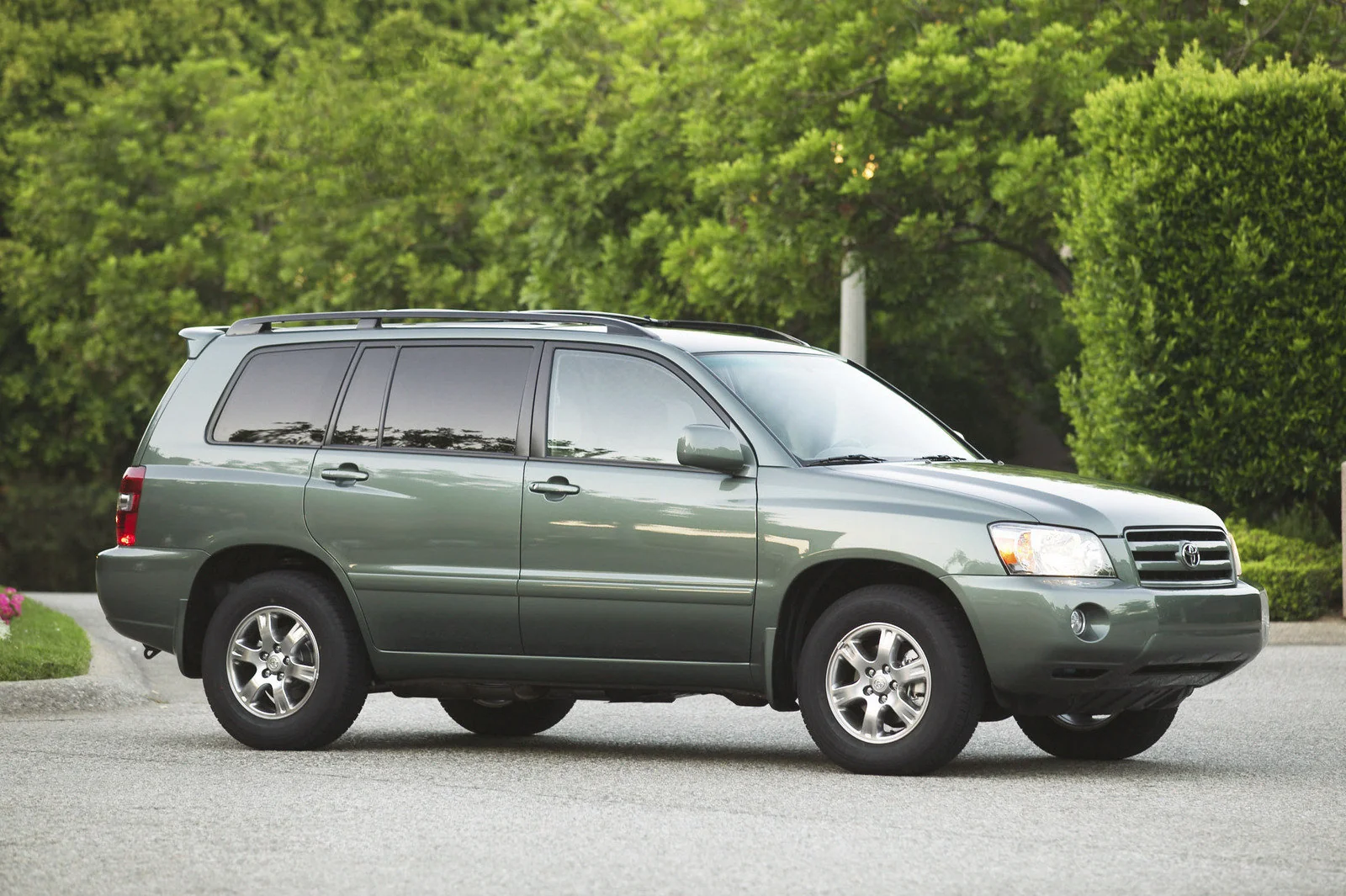
2. 2007 Toyota Highlander
The 2007 model marked the final year of the first generation. Toyota had refined the Highlander to the point where it was seen as one of the most balanced and dependable vehicles in its class.
While the exterior styling was somewhat conservative, the overall engineering and mechanical consistency made it a standout. This year offered both 4-cylinder and V6 engines, but most buyers preferred the V6 due to its stronger performance and smoothness.
One of the reasons the 2007 Highlander is worth owning is that it benefits from all the improvements made throughout the first generation, without the growing pains of a new redesign.
The suspension and ride comfort were particularly well-tuned, and the cabin insulation made for a quiet drive. The seats were spacious and supportive, especially in the front and middle rows. Even the third row, while snug, was usable for short trips and kids.
On the safety front, Toyota included antilock brakes, stability control, and full-length side curtain airbags as standard equipment in most trims. This made it one of the safer vehicles in its class at the time.
Additionally, the dashboard layout was intuitive, and the control knobs were easy to operate even while driving. Though infotainment options were basic, the overall cabin experience held up well.
Used examples of the 2007 Highlander are often found in good condition due to the model’s strong build quality and reliability. The parts are widely available, and most mechanics are familiar with the vehicle, making maintenance straightforward and relatively affordable. It’s an ideal choice for people looking for a practical, no-nonsense SUV that just works.
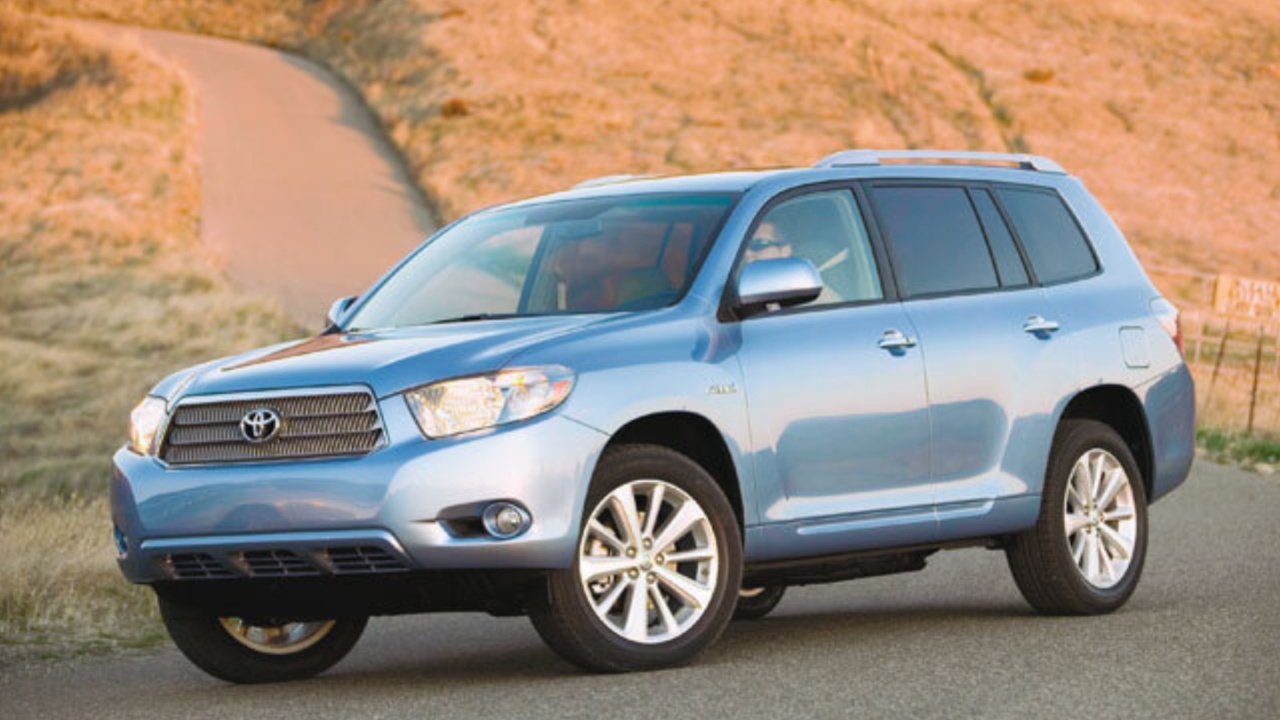
3. 2008 Toyota Highlander
The 2008 Highlander represented the beginning of the second generation. With a complete redesign, Toyota aimed to offer more space, better performance, and improved safety.
This model year introduced a more modern look both inside and out, and it succeeded in giving the Highlander a more premium feel. The size increase was particularly noticeable, offering more legroom and cargo capacity.
A big plus for this year was the addition of the 3.5L V6 engine, which gave it more power and improved towing capacity compared to the previous model. The ride was smoother thanks to a new suspension design, and road noise was kept to a minimum.
Families appreciated the quieter cabin and the more flexible seating arrangement, which included an optional second-row center seat that could be removed or stored for easier third-row access.
Safety features were improved in this redesign as well. Vehicle stability control, traction control, and multiple airbags came standard, making the 2008 model one of the safest SUVs in its class at the time. The overall chassis was more rigid, further enhancing crash safety. It also scored well in crash tests, which made it a top pick for buyers with kids.
Despite being the first year of a new generation, the 2008 Highlander proved remarkably free of major mechanical issues. Toyota did a solid job ensuring quality control during the transition. For those wanting a more modern Highlander without jumping into high depreciation territory, the 2008 model remains an excellent choice.
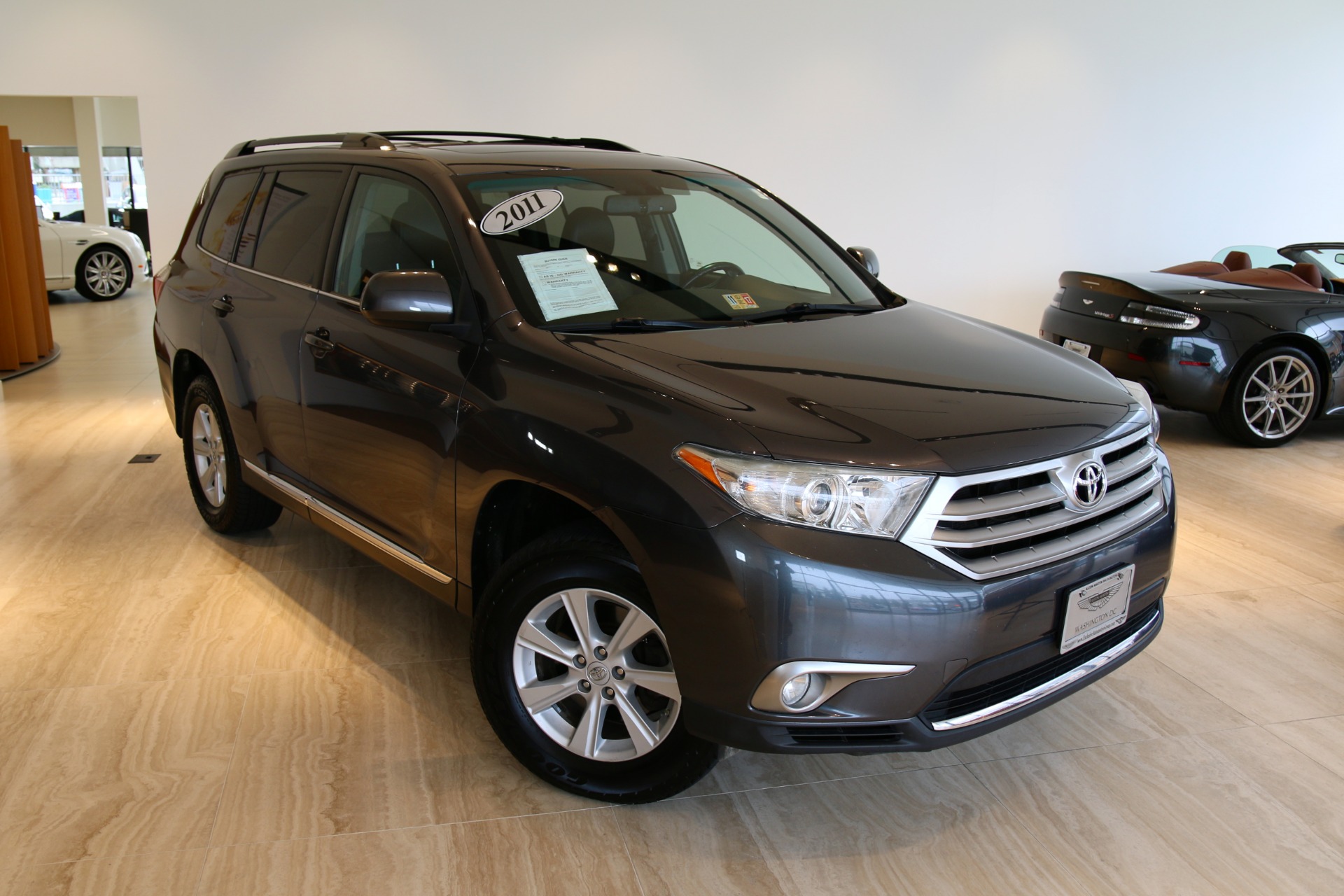
4. 2011 Toyota Highlander
By 2011, the second generation had matured significantly. That year, it received a refresh, which included updated exterior styling and a more refined interior.
It was a year where Toyota struck a good balance between modern features and the tried-and-true reliability the Highlander was known for. The updates included redesigned headlights, a new front bumper, and improvements to the infotainment system.
Under the hood, the 3.5L V6 remained the best choice for those needing power and towing capacity. Paired with a 5-speed automatic transmission, it delivered smooth acceleration and solid fuel economy for a three-row SUV.
The 2011 Highlander also had a hybrid option, which was ahead of its time in terms of fuel efficiency and low emissions, though it came at a higher price point.
Interior build quality was strong, with soft-touch materials on many surfaces and a smartly laid-out dashboard. The second-row seating could slide and recline, offering flexibility for passenger comfort or cargo space. With all seats in use, the cargo space was limited, but folding the third row down provided ample room for luggage, gear, or groceries.
Mechanically, the 2011 model is known for being durable and relatively low-maintenance. With proper care, these vehicles often surpass 200,000 miles without major problems. It also included advanced features like a backup camera and optional navigation, making it one of the better-equipped midsize SUVs of its time.
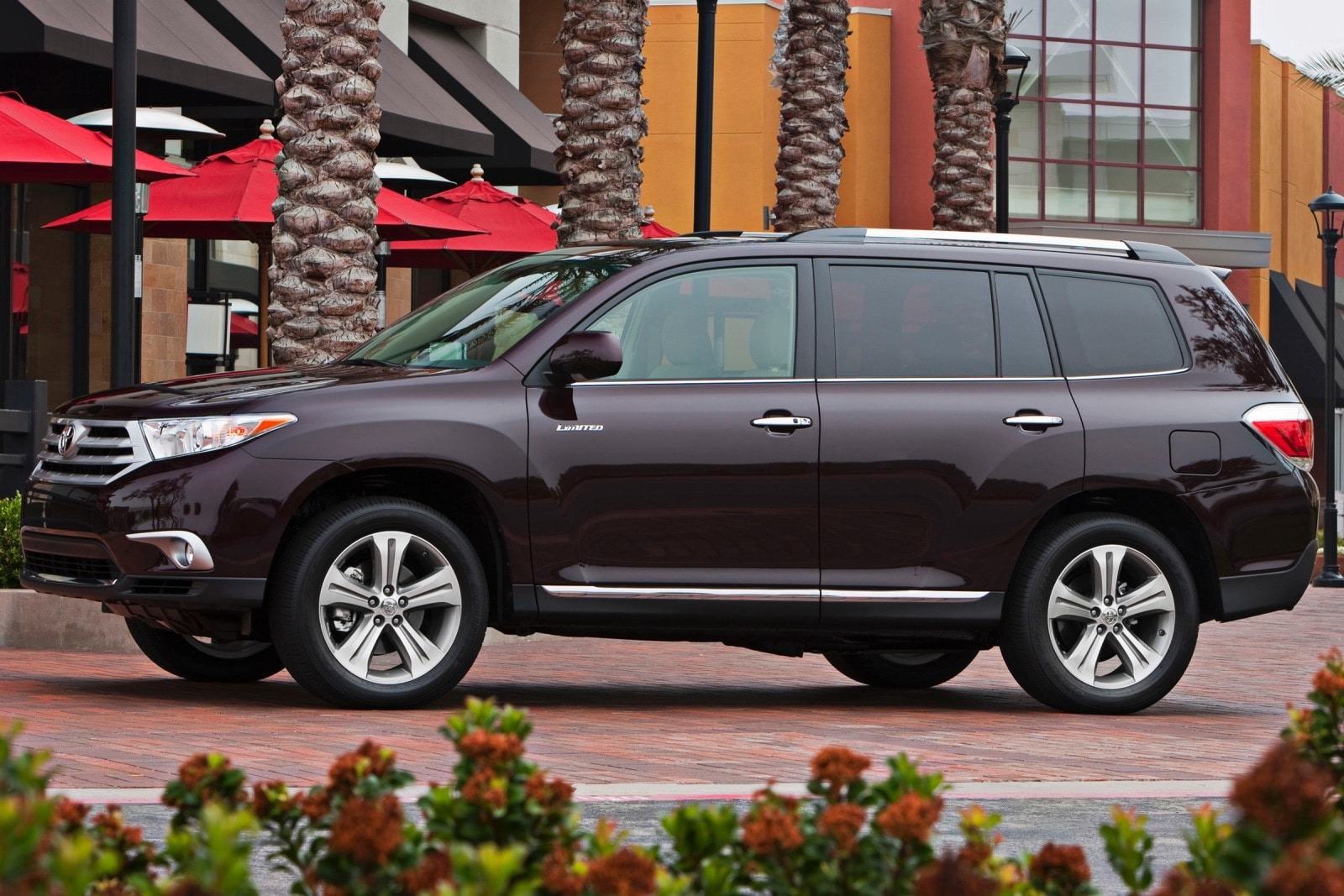
5. 2013 Toyota Highlander
The 2013 Highlander marked the final model year of the second generation, and it benefited from years of refinement. By this time, Toyota had addressed most of the minor complaints drivers had over the years, creating a very well-rounded vehicle.
The exterior styling was clean and straightforward, and the vehicle was often praised for being one of the most family-friendly options in its class. Available in both front-wheel and all-wheel drive configurations, the 2013 Highlander also came with either a 4-cylinder engine, a V6, or a hybrid powertrain.
The V6 remained the top choice for most buyers due to its smooth performance and decent fuel economy. Handling was composed, and the SUV did not feel overly bulky, which was important for urban and suburban driving.
Inside, the vehicle felt roomy and comfortable. The interior materials were a step up from earlier models, and the touchscreen interface had improved usability.
The seating was versatile, and the optional third row could accommodate children or smaller adults. Sound insulation was noticeably improved, making highway driving more pleasant.
As far as used SUVs go, the 2013 Highlander is one of the safest bets. It had a solid reliability record, and Toyota’s build quality standards meant that even after years of ownership, these vehicles rarely suffered from serious mechanical faults.
Owners frequently report that routine maintenance, oil changes, brake service, and occasional tire replacements- is generally all that’s needed to keep the SUV running smoothly.
This level of dependability has contributed to the Highlander’s strong resale value, making the 2013 model year a smart purchase for those seeking longevity in their vehicle investment.
Additionally, with its practical size, the Highlander fits well into a variety of lifestyles, from daily commuting to family road trips, offering the right balance of power and efficiency without overwhelming its drivers.
Inside the cabin, the 2013 Highlander offers a well-thought-out design that caters to families and individuals alike. The seats are supportive with ample cushioning, and higher trims include leather upholstery and heated front seats for added comfort.
Toyota made sure to pay attention to storage solutions as well, with cup holders, door pockets, and a center console that provide plenty of room for small items.
The dashboard design is simple but effective, avoiding unnecessary clutter while placing key controls within easy reach of the driver.
The sound system delivers decent audio quality, enhancing the driving experience on longer trips. Technology-wise, the vehicle was equipped with Bluetooth connectivity, allowing for hands-free calls and wireless music streaming, which was becoming an expected feature by this time.
On the safety front, the 2013 Highlander received high marks in crash tests, which further boosted its appeal to families. Standard safety features included multiple airbags, stability control, and traction control, all of which contributed to the vehicle’s excellent safety profile.
Some trims offered advanced features such as blind-spot monitoring and rear cross-traffic alert, giving drivers more confidence in challenging driving environments.
The availability of all-wheel drive also enhanced the vehicle’s performance in inclement weather, making it a dependable choice in regions that experience snow or heavy rain. The combination of comfort, safety, and practicality made the 2013 Highlander one of the more attractive midsize SUVs on the market.
Also Read: 12 Muscle Cars Still Burning Rubber After Decades
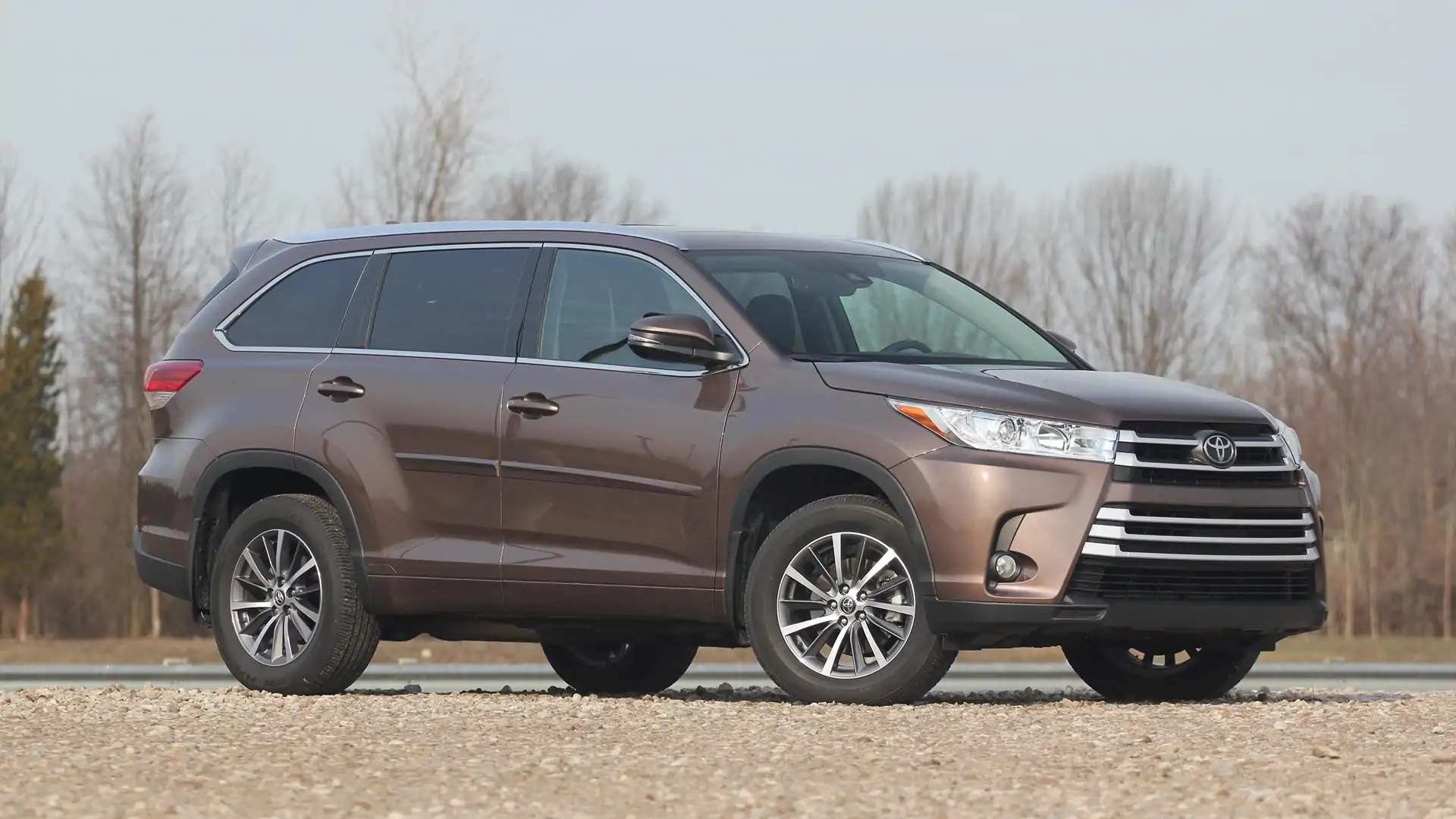
6. 2016 Toyota Highlander
The 2016 Toyota Highlander belongs to the third generation, which brought with it significant changes in design, technology, and overall refinement. This generation was a step up in terms of interior quality and driving dynamics.
The 2016 model continued to emphasize practicality while introducing more modern features that improved convenience and safety. It featured a more aerodynamic and aggressive exterior styling, which helped improve fuel efficiency and gave the Highlander a more contemporary look compared to earlier generations.
Under the hood, the 2016 Highlander offered two engine options: a 2.7-liter four-cylinder and a 3.5-liter V6. Most buyers gravitated toward the V6 for its robust power output and smooth acceleration. The V6 paired with a six-speed automatic transmission provided confident passing power on the highway and solid towing capabilities.
For those interested in fuel economy without sacrificing much power, the hybrid version was also available, combining the V6 engine with electric motors to deliver impressive mileage for its class. This hybrid setup made the 2016 Highlander one of the more environmentally friendly choices among midsize SUVs.
Inside, the third-generation Highlander introduced a much-improved cabin with higher-quality materials and a more upscale design. The dashboard featured a user-friendly touchscreen interface with standard Apple CarPlay and Android Auto integration, a welcome update that brought the vehicle into line with modern tech expectations.
The seating was comfortable, with more space for passengers in all three rows, making long trips more enjoyable. The rear seats folded flat with ease, expanding the cargo area to accommodate larger items, which is important for families or outdoor enthusiasts who need versatility from their SUV.
Safety remained a top priority for Toyota with the 2016 Highlander. It came equipped with Toyota’s Safety Sense suite of advanced driver assistance features on most trims.
This included adaptive cruise control, lane departure warning, automatic emergency braking, and a pre-collision system, which were still relatively rare features at this price point back then.
These technologies contributed to high safety ratings and provided extra peace of mind for drivers. Overall, the 2016 Highlander struck a great balance between modern technology, safety, and traditional Toyota reliability, making it one of the best years to own in this model’s history.
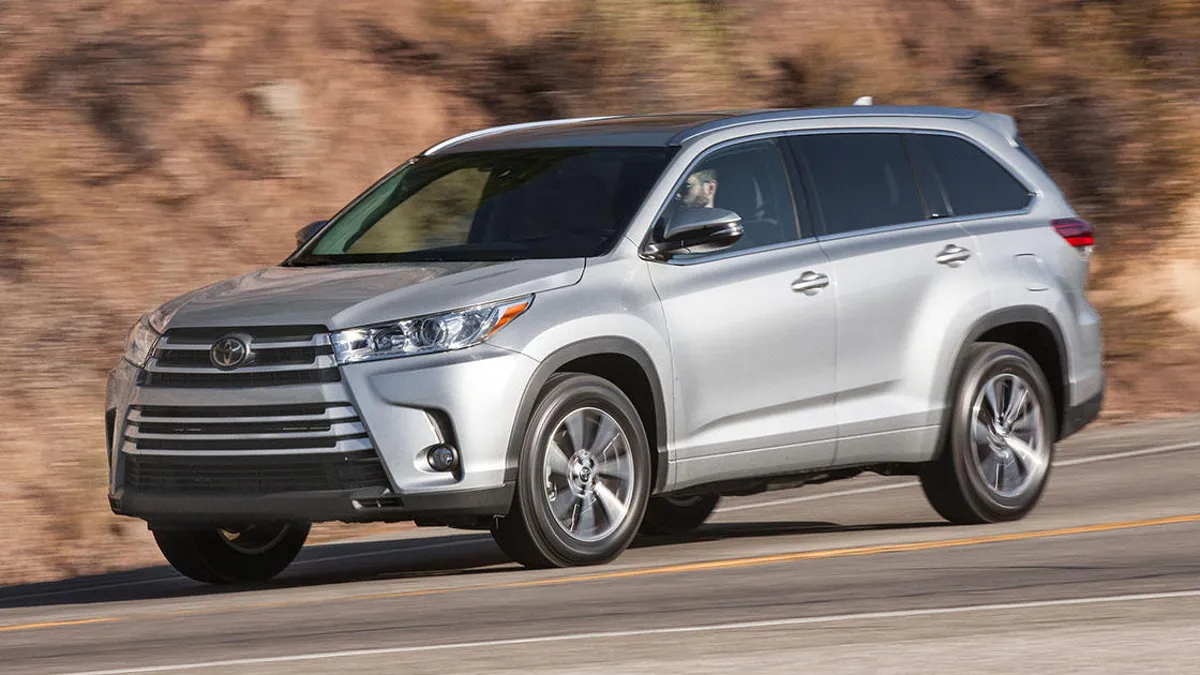
7. 2018 Toyota Highlander
The 2018 model year saw another update to the third generation, enhancing the Highlander’s appeal with subtle but impactful improvements. Toyota refined the exterior styling with a more aggressive grille and updated headlights, giving the vehicle a fresh look that stood out in a crowded midsize SUV market.
This facelift also included some aerodynamic tweaks that helped maintain fuel efficiency despite the slightly more muscular appearance.
Performance-wise, the 2018 Highlander continued with the dependable 3.5-liter V6 engine paired to an eight-speed automatic transmission, which improved responsiveness and fuel economy compared to the earlier six-speed.
The smoothness of the engine and transmission combination made daily driving effortless, whether on city streets or long highway cruises.
The hybrid variant remained available, offering an even more economical option for drivers concerned with fuel costs and environmental impact. It was especially popular in urban and suburban markets where stop-and-go traffic is common.
The cabin in the 2018 Highlander received thoughtful upgrades as well. The infotainment system became more intuitive, with a larger touchscreen display and faster response times. Interior materials felt more premium, especially in higher trims, where soft-touch surfaces, leather seats, and wood trim were offered.
Passenger comfort was a key focus, with generous legroom in the second row and enough space in the third row for children or smaller adults. The cargo space was competitive for the class, and Toyota’s well-known attention to detail was evident in the fit and finish throughout the interior.
Safety technology in the 2018 Highlander was top-notch, as Toyota expanded its Safety Sense suite to more trims. Features like blind-spot monitoring, rear cross-traffic alert, and parking sensors were standard or available across the lineup, reinforcing the vehicle’s family-friendly image.
Crash test results were consistently strong, which helped keep insurance premiums reasonable. Taken together, the enhancements made in 2018 positioned the Highlander as a leading option for those seeking a midsize SUV that excels in safety, comfort, and technology without sacrificing Toyota’s hallmark reliability.
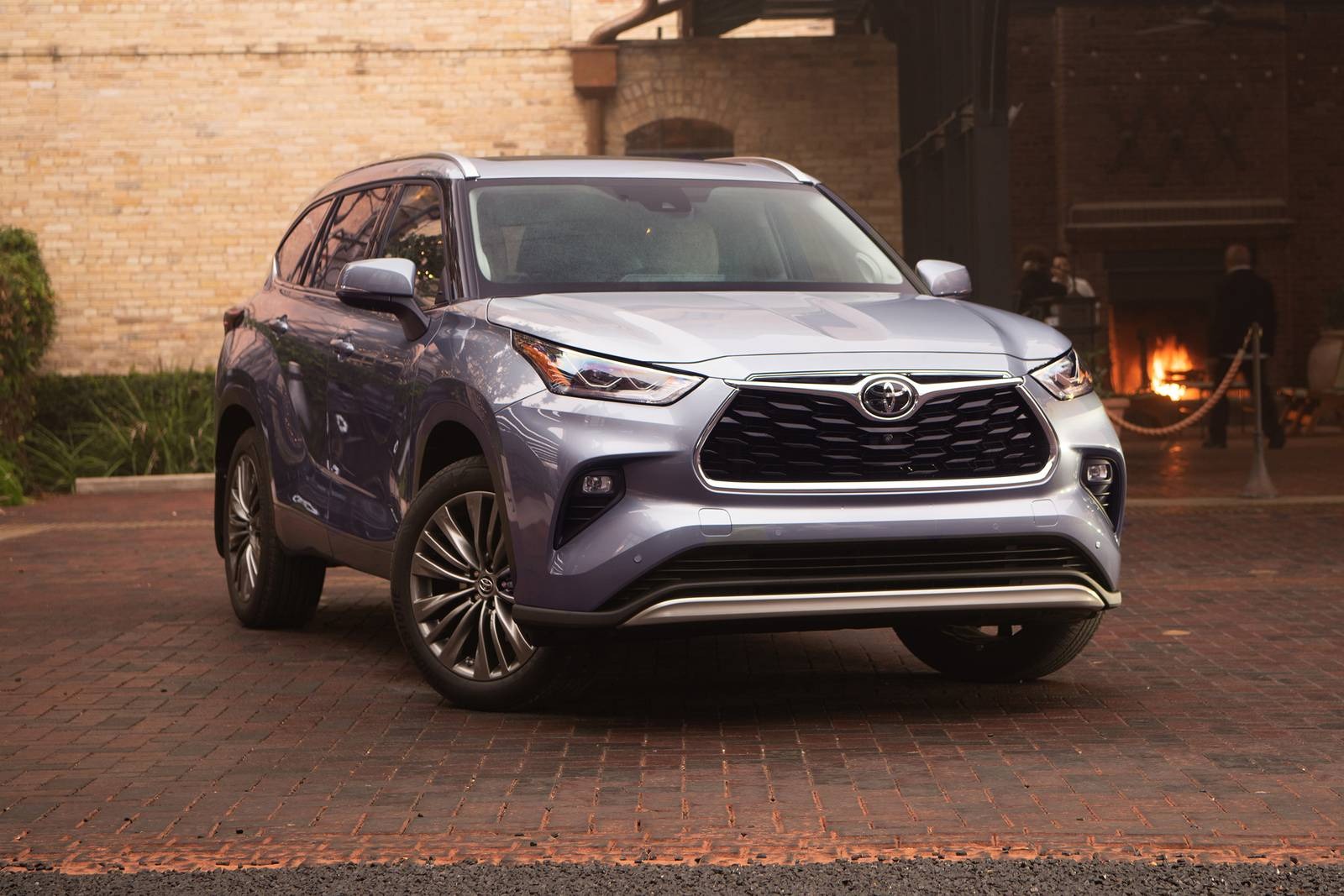
8. 2020 Toyota Highlander
The 2020 Highlander represents the fourth generation, bringing a major redesign that aimed to modernize the SUV while maintaining its practical roots. This model marked a shift toward a more aggressive and dynamic design language with sharp lines, a bold front grille, and sleek LED headlights.
The overall silhouette was more athletic, appealing to buyers who wanted an SUV that looked as good as it performed. This generation was built on a new platform that improved structural rigidity and ride quality, helping it stand out among competitors.
Under the hood, the 2020 Highlander came with a 3.5-liter V6 engine paired with an eight-speed automatic transmission, delivering responsive and smooth power delivery. It also offered a hybrid variant with an upgraded powertrain that combined efficiency with respectable acceleration.
The hybrid system utilized a more advanced battery pack and electric motors, improving fuel economy significantly over previous versions. This made the 2020 Highlander a compelling choice for those who wanted to reduce their carbon footprint without giving up power or space.
Inside, the 2020 model featured a complete overhaul with a focus on luxury and technology. The cabin was spacious and quiet, with premium materials used throughout. The dashboard was dominated by a large touchscreen display supporting Apple CarPlay, Android Auto, and Amazon Alexa, offering seamless smartphone integration.
The seats were supportive and comfortable for all passengers, with the second and third rows designed for maximum flexibility. Cargo capacity was generous, especially with the rear seats folded, making the 2020 Highlander versatile for hauling everything from groceries to sports equipment.
Safety continued to be a strong point for the 2020 Highlander, with Toyota Safety Sense 2.0 as standard equipment across all trims. This package included adaptive cruise control, lane tracing assist, pedestrian detection, and more, helping the vehicle earn top safety scores.
Toyota’s commitment to reliability also remained intact, with early reports indicating strong mechanical dependability and minimal issues. For buyers looking for a modern, tech-savvy SUV with proven reliability, the 2020 Highlander is a standout choice in the midsize SUV segment.
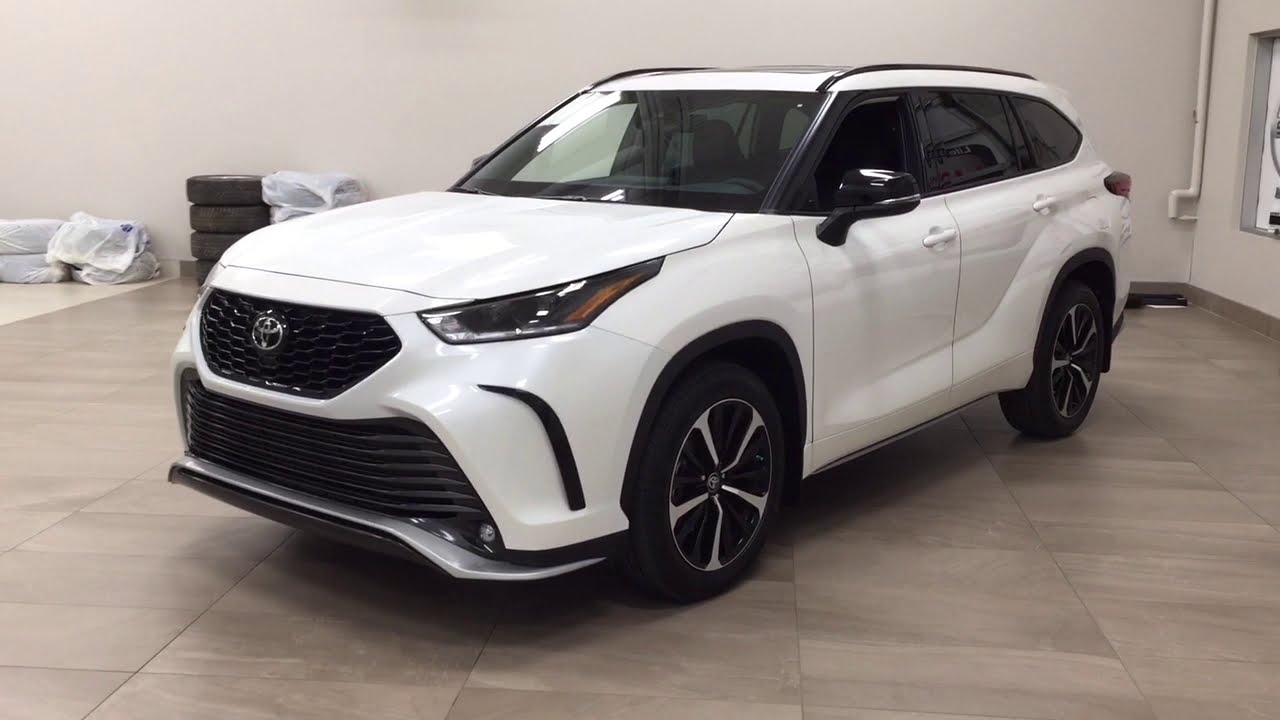
9. 2022 Toyota Highlander
The 2022 Toyota Highlander was built on the success of the previous generation by incorporating incremental improvements that further enhanced its appeal.
With a focus on driver comfort and advanced technology, the 2022 model catered to a market that increasingly demands sophisticated features and connectivity. Its exterior retained the sharp and muscular look introduced in 2020, with slight updates to the grille and wheel designs that kept the vehicle feeling fresh.
Powertrain options remained the same, with the 3.5-liter V6 engine and hybrid version continuing to offer a balance of power and fuel efficiency. The hybrid was particularly attractive to environmentally conscious drivers, offering excellent mileage without compromising performance.
The transmission’s smooth shifts and the vehicle’s confident handling helped the Highlander remain competitive against rivals that often emphasized sportiness or luxury at the expense of reliability.
Inside, the 2022 Highlander was equipped with an upgraded infotainment system that featured a larger 12.3-inch touchscreen on higher trims, which improved visibility and ease of use. Wireless smartphone charging and a premium JBL sound system were available, catering to tech-savvy buyers who value entertainment and convenience on the go.
The interior also offered thoughtful storage solutions and ample seating room for up to eight passengers, with the second-row bench or captain’s chairs depending on the trim. Passenger comfort was a priority, especially for families making long trips.
Safety features on the 2022 Highlander were state-of-the-art, with Toyota expanding its Safety Sense suite to include new functions like road sign assist and intersection assist. These additions helped maintain the vehicle’s reputation for excellent safety performance, a major factor for family-oriented buyers.
The 2022 model also featured improved driver-assistance tech that enhanced convenience during long drives and in stop-and-go traffic. Taken together, these updates made the 2022 Highlander a very well-rounded midsize SUV, appealing to buyers seeking a modern vehicle that combines performance, comfort, safety, and long-term reliability.
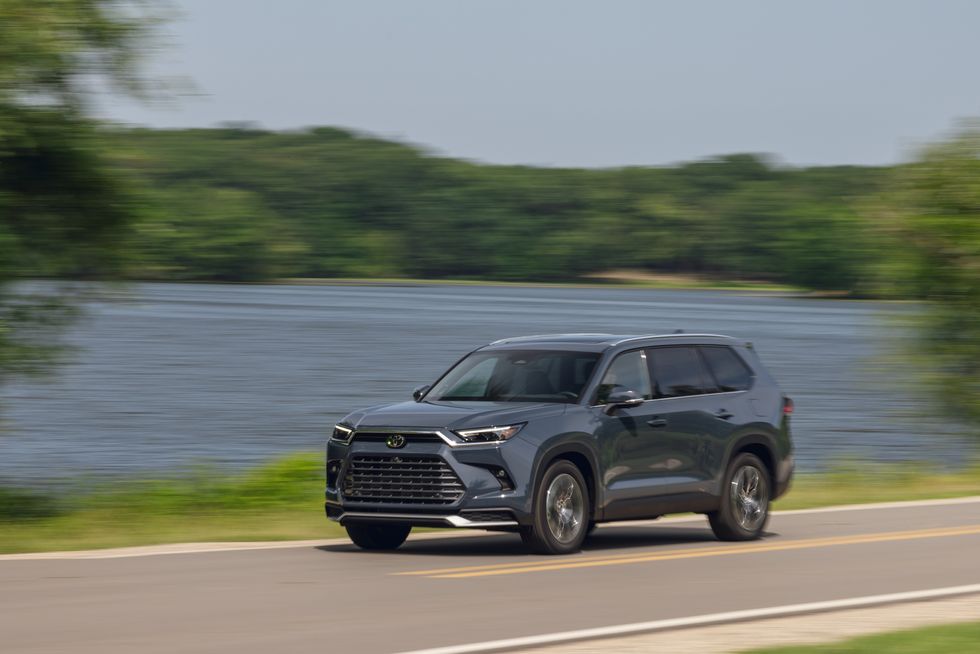
10. 2023 Toyota Highlander
The 2023 Toyota Highlander continues the tradition of offering a midsize SUV that excels in reliability, safety, and overall value. Building on the success of the 2020 redesign and subsequent improvements, the 2023 model includes subtle updates that keep it competitive in a crowded market.
The exterior styling remains bold and athletic, with minor tweaks to lighting and trim that provide a fresh appearance without losing the distinctive look that Highlander fans appreciate.
Under the hood, engine options remain consistent, with the proven 3.5-liter V6 and hybrid powertrain delivering dependable performance and solid fuel economy.
The hybrid version in particular continues to appeal to drivers who want to minimize fuel costs and environmental impact while still enjoying a comfortable and powerful SUV. Toyota’s commitment to hybrid technology is evident in the way it has refined this system to offer smooth acceleration, quiet operation, and reliable long-term performance.
Inside, the 2023 Highlander offers a refined and spacious cabin that includes the latest tech features. The infotainment system includes an updated user interface and improved connectivity options. High-end trims offer luxury touches such as leather upholstery, heated and ventilated seats, and a panoramic sunroof, making it a more premium experience.
The three-row seating configuration remains practical, with easy access and flexible cargo solutions that cater to families and active lifestyles alike.
Safety remains a cornerstone of the Highlander’s appeal in 2023. The Toyota Safety Sense 3.0 package is standard, offering enhanced driver assistance features like improved adaptive cruise control and lane-keeping assist.
These upgrades help reduce driver fatigue and increase safety in various driving conditions. Overall, the 2023 Highlander is an excellent choice for buyers who want a midsize SUV with a proven track record, modern conveniences, and a strong emphasis on safety and efficiency.
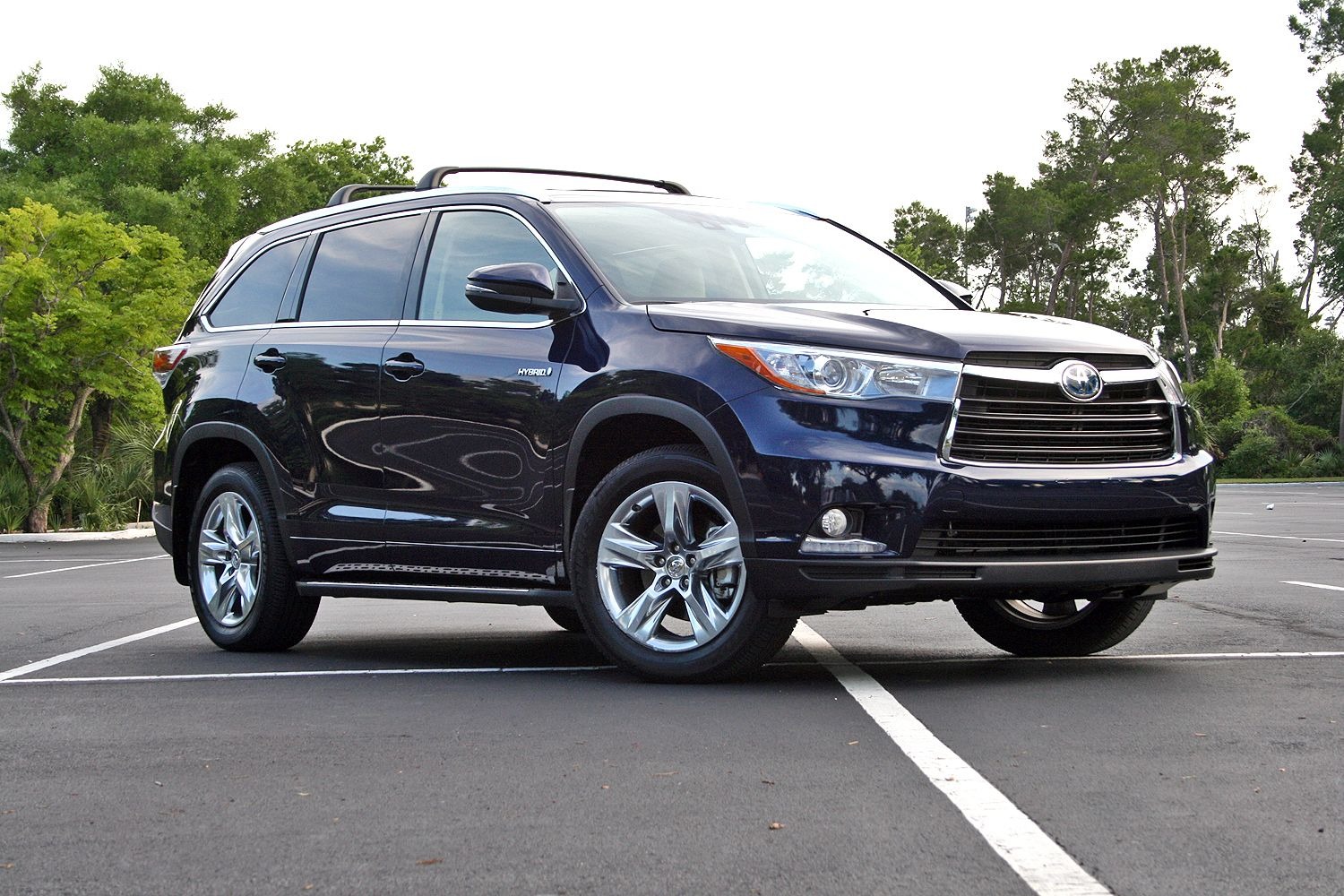
11. 2015 Toyota Highlander
The 2015 Toyota Highlander is another noteworthy model year within the third generation that deserves attention. It arrived just before the significant redesign of 2017 but still carried forward many qualities that had made the Highlander a favorite among midsize SUVs.
This model year struck a fine balance between affordability and features, making it especially appealing to buyers who wanted a reliable, comfortable vehicle without the higher price tag that comes with newer redesigns. Toyota’s reputation for longevity and dependability was well-established by this time, which gave used buyers confidence in their purchase.
Under the hood, the 2015 Highlander offered the familiar 2.7-liter four-cylinder and the stronger 3.5-liter V6 engine options. The V6 engine was by far the more popular choice, thanks to its smooth power delivery, ample acceleration, and towing capacity that made it suitable for a range of uses, including family vacations or hauling light trailers.
The transmission was a five-speed automatic, which some drivers found slightly outdated compared to competitors with more gears, but it was known for its reliability and ease of maintenance. Fuel economy was decent for the class, especially when opting for the four-cylinder engine, which prioritized efficiency over outright power.
Inside, the 2015 Highlander had a spacious and comfortable cabin that continued to prioritize family-friendly features. The seats were supportive, and the option for a third row meant it could accommodate up to seven passengers, although the third row was better suited for children or shorter trips.
The dashboard and controls maintained a functional design, with easy-to-use knobs and buttons that minimized distractions while driving.
While technology options were not as advanced as later models, buyers still had access to Bluetooth connectivity, a rearview camera, and an optional navigation system. The sound system was adequate, and the climate control system was effective in managing interior comfort in all seasons.
Safety features on the 2015 Highlander were solid for the time, including standard stability control, traction control, antilock brakes, and a full set of airbags. While it did not yet include the more advanced Toyota Safety Sense suite that debuted in later years, it still scored well in crash tests conducted around its release.
Many families felt confident choosing the 2015 Highlander as a practical and safe vehicle for daily use. The ride quality was smooth, and the handling was predictable, contributing to a sense of security behind the wheel.
