
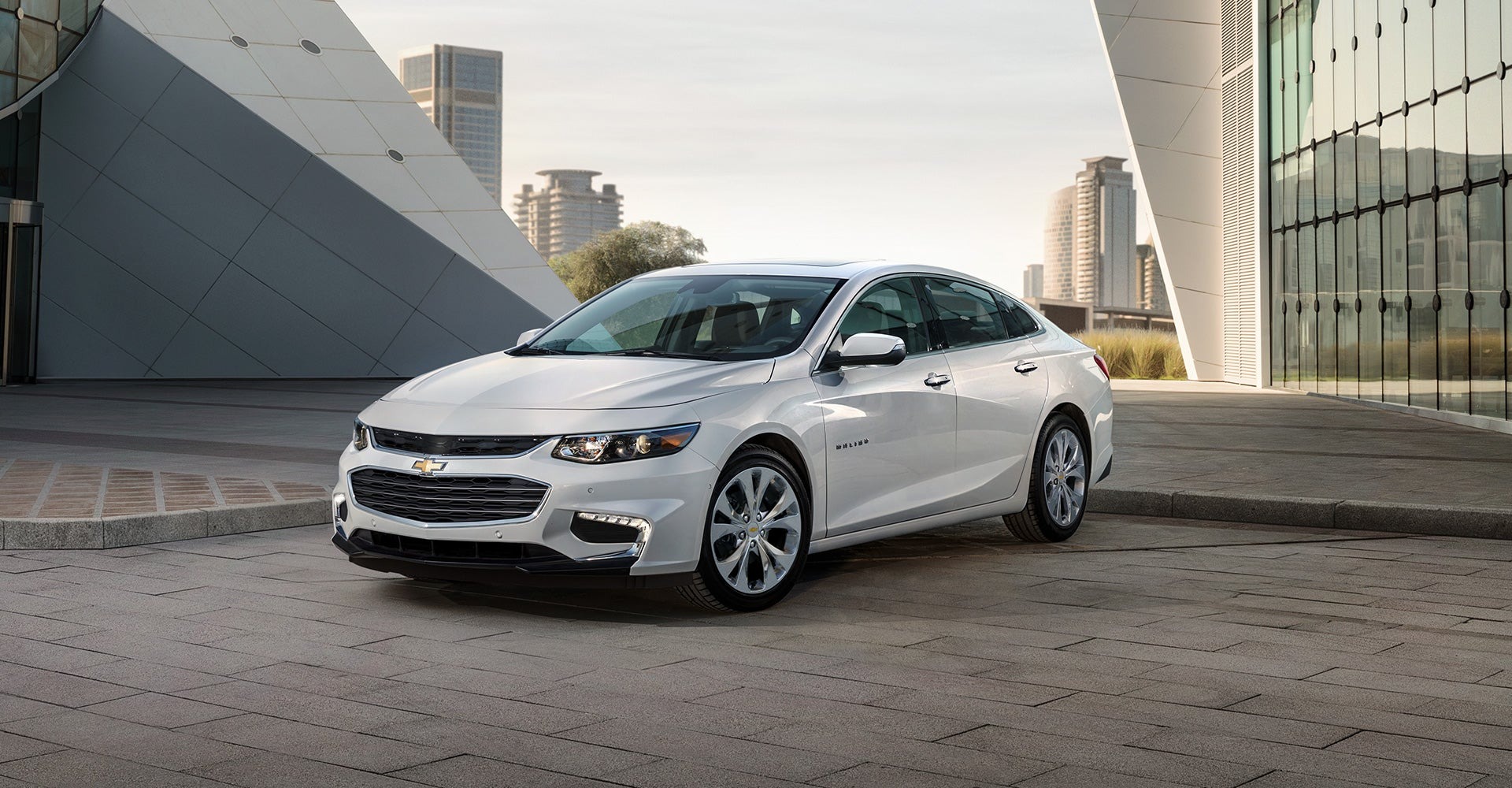
The Chevrolet Malibu has been a staple of the mid-size sedan market for decades. First introduced in the 1960s as a trim level of the Chevrolet Chevelle, the Malibu has evolved over generations, becoming a standalone model that has served millions of drivers with practicality, affordability, and comfort.
Over the years, some Malibu models have stood out more than others, especially when it comes to long-term durability and highway reliability. As the automotive world changes and newer models fill the roads, many older Malibu sedans continue to prove their worth with smooth, fuel-efficient performance and solid build quality.
For highway drivers, the needs are clear: stability at high speeds, consistent fuel economy, a comfortable ride, and low chances of mechanical failure. Certain model years of the Malibu still meet these standards even after many miles and years.
Highway reliability isn’t just about how well a car runs; it’s about how well it handles sustained travel. It’s about whether the transmission holds up after thousands of miles of cruising, whether the suspension absorbs imperfections without becoming overly stiff or noisy, and whether the interior remains quiet and intact.
The Malibu has generally done well in these areas, with some years especially standing out for their dependability. Owners have often reported that certain models perform just as well after 100,000 miles as they did at 30,000, especially on long-distance drives. While some model years suffered from early transmission or electrical issues, others became known for their resilience, even in rough driving conditions.
In this article, we’ll look at 12 Malibu model years that are still regarded as reliable choices for highway travel. Whether you’re a long-distance commuter, a rideshare driver, or someone planning to buy a used Malibu for occasional road trips, these years stand out for their track record, real-world performance, and value.
The criteria here focus on highway manners, engine durability, ride quality, and owner satisfaction. Each model selected has its own strengths and quirks, but all have demonstrated the ability to provide a steady, dependable highway experience even with age and mileage. Here are 12 Chevy Malibu years still worth trusting on the open road.
Also Read: 10 Best SUVs That Can Handle 20 Years of Abuse
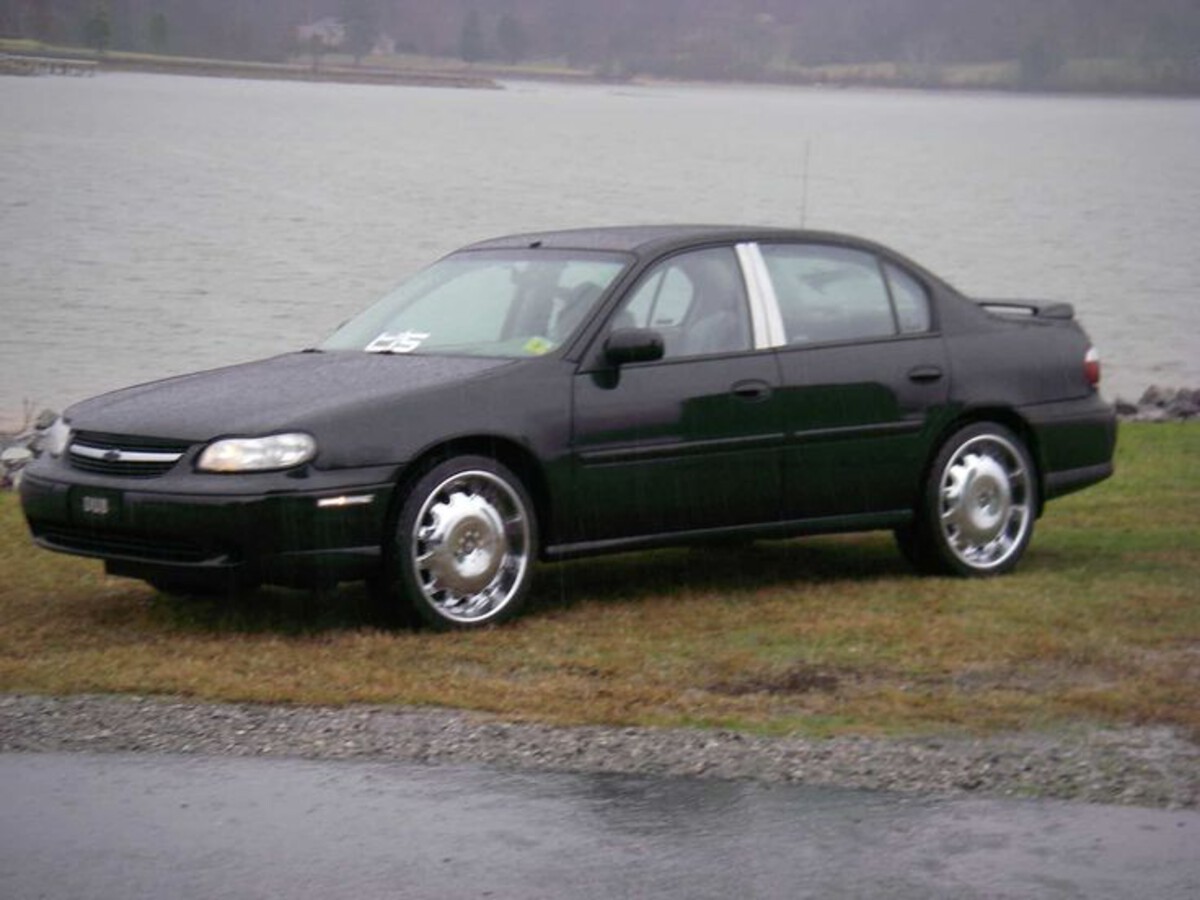
1. 2003 Chevrolet Malibu
The 2003 Malibu was part of the fifth generation and often goes under the radar when talking about reliable used sedans. Yet, it delivers where it counts. Its 3.1L V6 engine was a proven GM workhorse, used across several models. This engine was known for its longevity when maintained properly, often reaching over 200,000 miles without major issues.
For highway driving, this engine offered decent acceleration and could handle uphill grades or passing situations without strain. The 4-speed automatic transmission, while basic, matched well with the engine and delivered smooth shifts under moderate load.
Comfort was another strength of the 2003 Malibu. The interior was spacious for its class, and the front seats had good padding for long drives. Wind and road noise were relatively low at highway speeds, which made it a better cruiser than people often assume. The suspension was soft but well-suited for absorbing uneven pavement.
On longer trips, this kind of tuning actually becomes an advantage, helping reduce fatigue from continuous driving. The layout of controls was also intuitive, minimizing distractions during travel.
In terms of reliability, the 2003 model had fewer reported issues than many of its successors. Electrical systems were relatively simple, which limited the chances of random failures. When problems did occur, they were often related to minor things like window regulators or sensors, not major drivetrain components.
This simplicity can be a good thing when you’re clocking hundreds of miles on the interstate, you just want your car to work without fuss. Routine maintenance like oil changes and brake service go a long way with this model.
From a value standpoint, the 2003 Malibu is now extremely affordable on the used market. But don’t mistake its low price for low quality. For someone looking for a budget highway car that can still deliver consistent performance, the 2003 Malibu makes a strong case. With its durable V6, comfortable ride, and minimal mechanical complexity, it remains a sleeper pick for reliability.
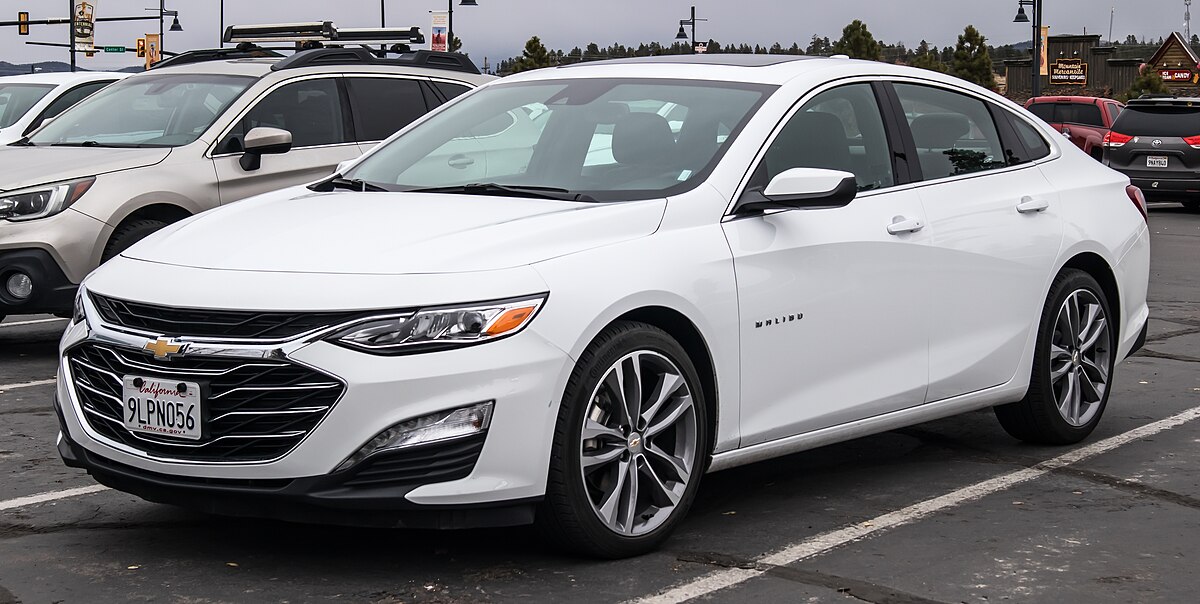
2. 2006 Chevrolet Malibu
The 2006 Malibu marked one of the better years in the sixth-generation lineup. This model benefited from a platform redesign introduced in 2004, which improved handling and ride quality.
For highway drivers, the changes brought a more confident, planted feel at higher speeds. Steering felt more responsive than in older models, and the suspension offered better control over rough pavement. Many owners noticed that this Malibu felt more like a mid-size car than a compact when cruising at 65 or 70 mph.
One of the standout features of the 2006 Malibu was the optional 3.5L V6 engine, which produced a smooth, usable power band well-suited for long-distance driving. It paired well with the 4-speed automatic transmission and proved to be more fuel-efficient than earlier GM V6s. Drivers regularly reported getting over 30 mpg on the highway, especially when cruising at moderate speeds. This combination of power and efficiency made the 2006 model a good choice for commuters and road trippers alike.
Inside, the 2006 Malibu featured a more modern design with improved sound insulation. The cabin was quieter than many competitors in its price range, reducing fatigue during longer drives. Seating comfort also saw an upgrade, with better lumbar support and more refined materials. The rear seats were roomy enough for adults, which made the Malibu a solid option for family travel. This was also the year when the Malibu Maxx, a hatchback variant, gained more attention for its added cargo space.
Durability-wise, the 2006 Malibu did well over time. While the four-cylinder models were economical, the V6 versions proved more robust for sustained use. Maintenance was straightforward, and many components, like spark plugs and coil packs, were easy to replace.
This model also avoided some of the more problematic electronic issues seen in later years. All of these factors combined make the 2006 Malibu a quiet performer, one that continues to handle highway duty well years after its release.
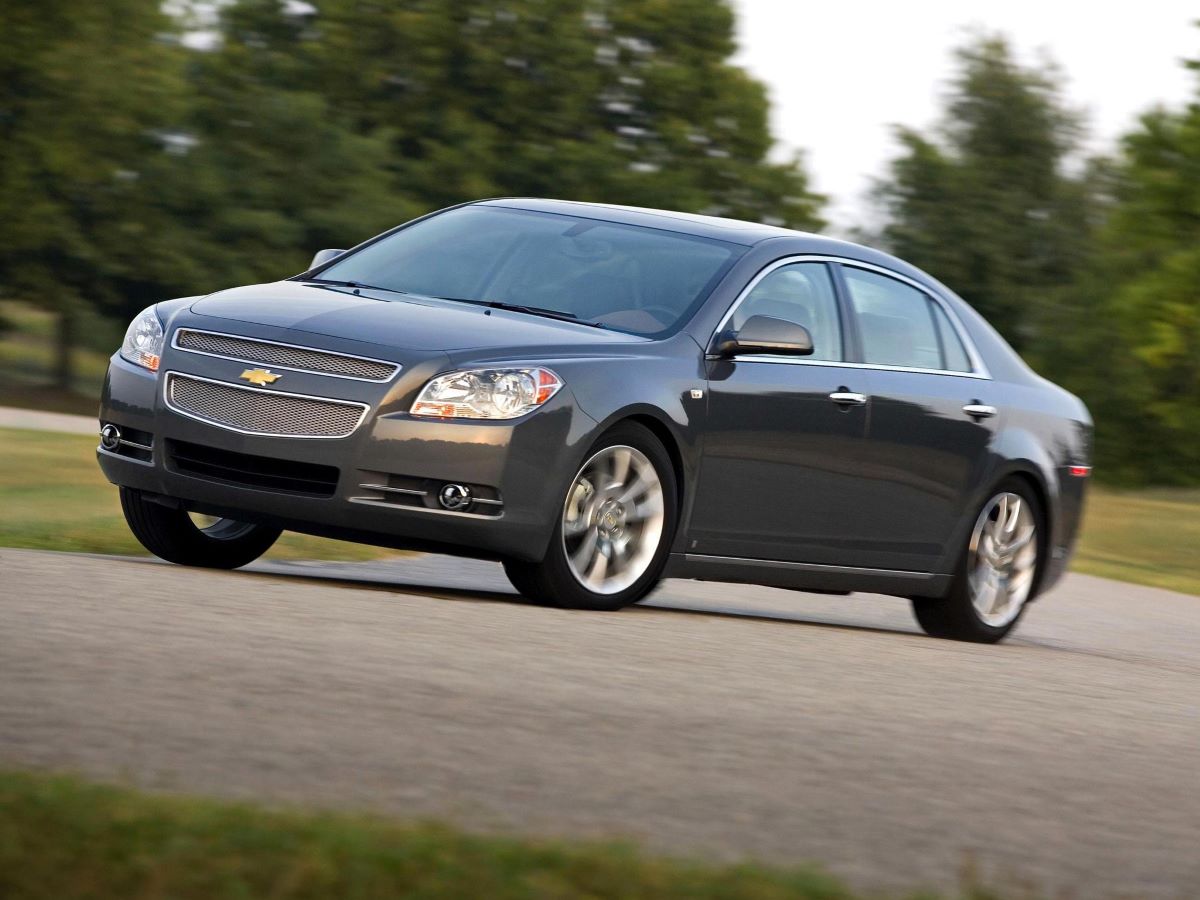
3. 2008 Chevrolet Malibu
The 2008 Malibu kicked off a new design generation and earned widespread praise for its build quality and styling. This model was a big leap forward in refinement, and it shows particularly well on the highway. The chassis felt tighter, the materials inside were better, and the suspension tuning was noticeably more composed. GM’s effort to move the Malibu upscale paid off in this year, especially for drivers who spend a lot of time behind the wheel on interstates or open roads.
One of the major benefits of the 2008 Malibu was the availability of both four-cylinder and V6 engines that performed reliably. The 2.4L Ecotec four-cylinder offered solid highway mileage and smooth operation, while the 3.6L V6 added strong acceleration for merging or overtaking.
The six-speed automatic transmission, which came with the V6, was a significant upgrade over previous generations, offering better fuel efficiency and less engine noise at cruising speeds. This made the 2008 model especially appealing for highway drivers looking for both power and comfort.
Inside the cabin, the 2008 Malibu felt more premium than expected. It had a quieter interior thanks to improved insulation and tighter panel fitment. Seats were supportive, especially in the front, and offered enough adjustability for drivers of various sizes.
Rear-seat passengers also benefited from increased legroom compared to previous models. The dashboard layout was clean, and visibility was good in most directions. For long-haul driving, these factors contribute to a less stressful experience.
As for long-term durability, the 2008 Malibu has held up better than many of its peers. The build quality was better than earlier 2000s models, and common issues were relatively minor. Regular maintenance kept the powertrain performing well, and many owners reported trouble-free operation well past 150,000 miles. For buyers looking for a used sedan that’s still capable on long drives, the 2008 Malibu remains a dependable and underrated option.
4. 2011 Chevrolet Malibu
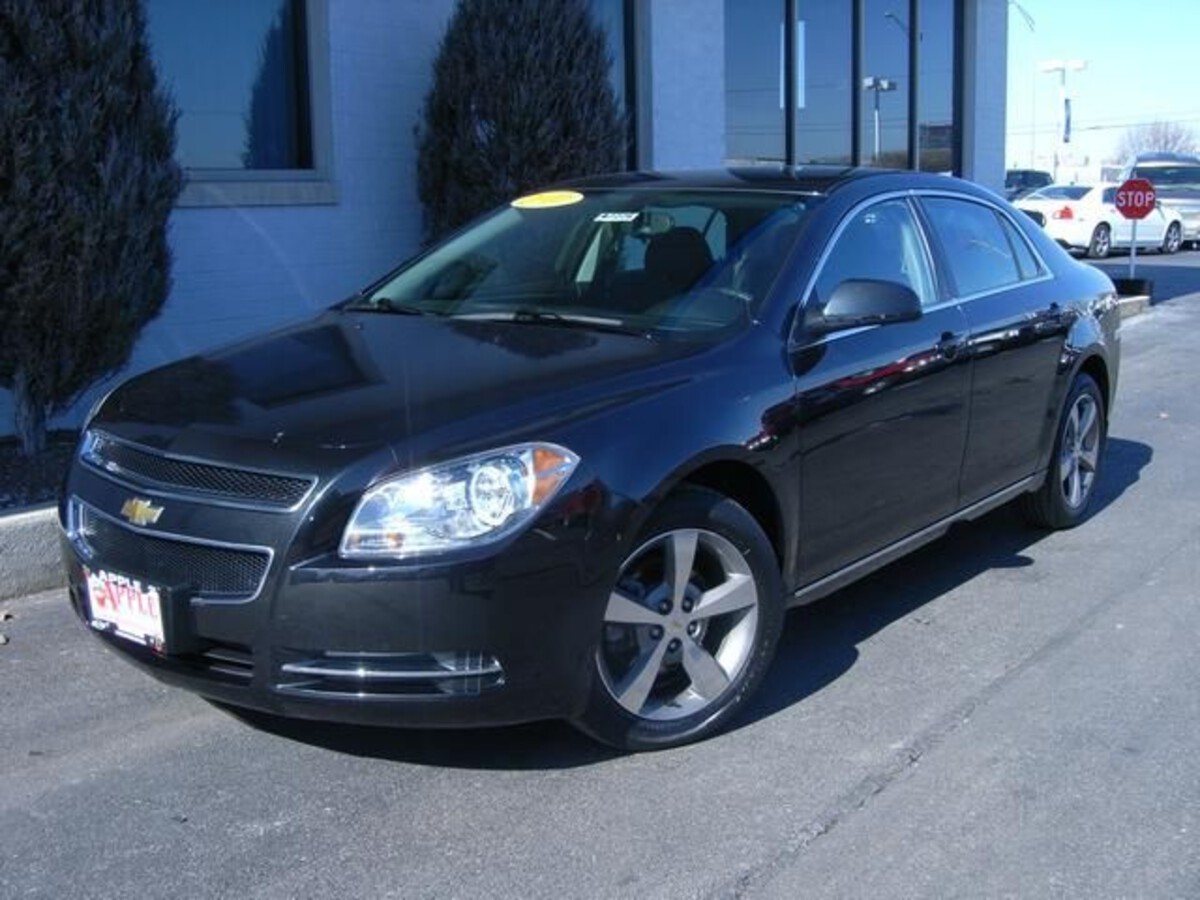
The 2011 Malibu represents a high point in the eighth generation and remains one of the most reliable mid-size sedans of its time. It struck a balance between performance, comfort, and long-term dependability. With highway driving in mind, this model year excelled in offering a smooth, consistent ride and commendable fuel economy. It earned several accolades during its release and still holds up as a solid performer today.
Under the hood, the 2011 model offered either the efficient 2.4L four-cylinder or the more powerful 3.6L V6. Both engines had proven themselves reliable in other GM vehicles and brought a good balance of power and fuel efficiency. The six-speed automatic transmission worked well with either engine, providing quick shifts and keeping engine noise low at cruising speeds. The four-cylinder version could easily hit 33 mpg on the highway, making it attractive for long-distance commuters.
The ride quality in the 2011 Malibu was particularly well-tuned for highway travel. It absorbed imperfections without feeling floaty, and cabin noise was well-managed even at higher speeds. Steering was responsive but not twitchy, which gave drivers more confidence during lane changes or windy conditions. Brake performance was also solid, with no major issues reported over time. For people who put a lot of miles on their cars, this kind of consistency is invaluable.
5. 2012 Chevrolet Malibu
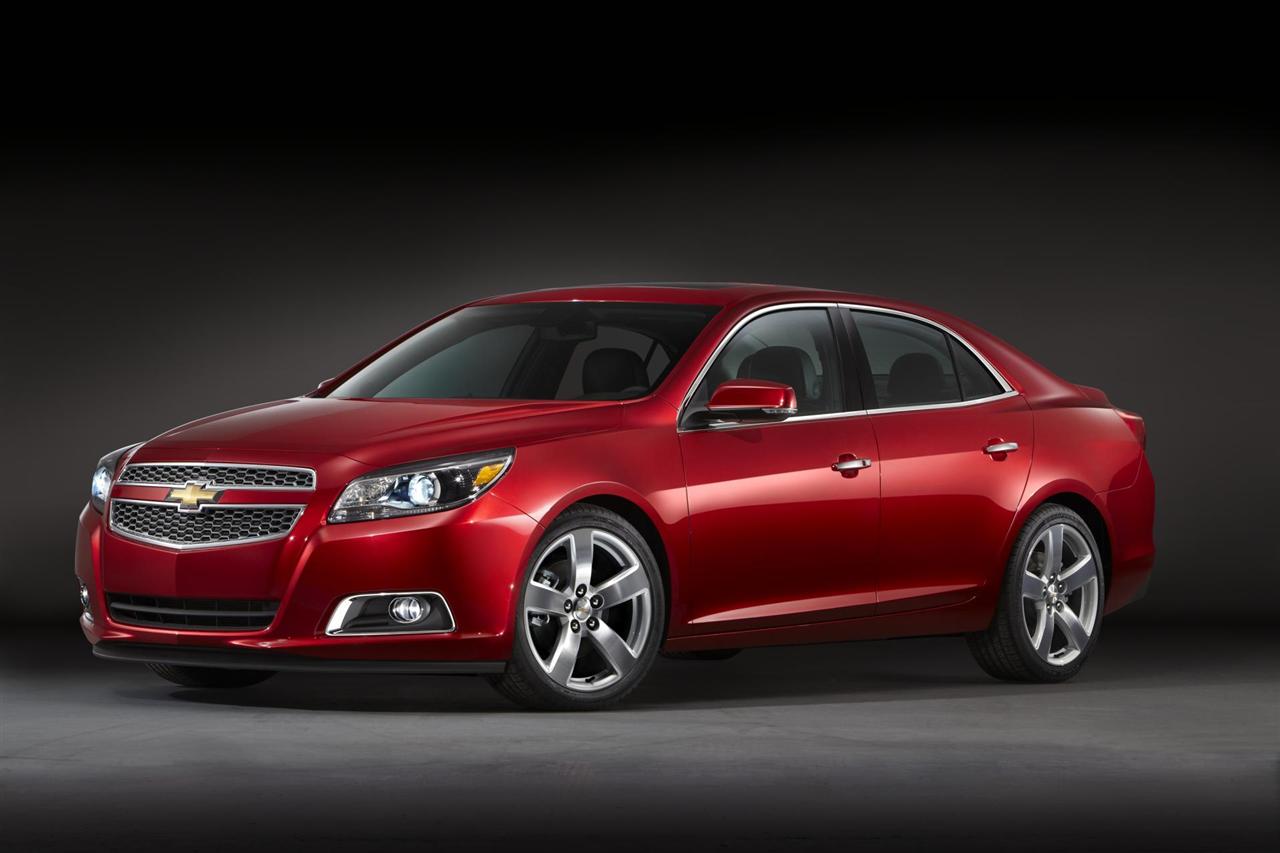
The 2012 Malibu marked the final year of the eighth generation before a full redesign. As a result, GM had ironed out many of the earlier production quirks, making this model one of the most refined and dependable versions of the platform. With years of development behind it, the 2012 Malibu offered a mature, stable driving experience well-suited for highway conditions.
Its structure felt tight, and the overall ride quality was composed and balanced, making it a favorite among those who spent a lot of time driving long distances. The four-cylinder and V6 powertrain options remained, and both were time-tested. Drivers found the 2.4L to be more than adequate for daily and highway use, while the 3.6L V6 added a level of smoothness and strength that elevated its highway cruising capability without sacrificing much efficiency.
Inside the cabin, the 2012 Malibu had one of the more upscale interiors GM had ever put in a mid-size car. The soft-touch materials, well-shaped seats, and quiet ride made it feel like a step above previous models. For highway commuters, this was especially important.
Long hours behind the wheel were less taxing due to thoughtful ergonomics and a suspension that was firm enough to avoid floating but soft enough to take the edge off poor pavement. It was a comfortable place to be at 70 mph, which matters a lot when you’re covering hundreds of miles at a time. Road and wind noise were well-muted compared to earlier models, and visibility remained decent even with the more sculpted exterior design.
From a mechanical standpoint, the 2012 Malibu benefited from years of drivetrain development. The engines were reliable when given basic maintenance, and the six-speed automatic transmission had matured to the point where it was no longer considered a weak link.
Brake components, suspension bushings, and steering parts also showed good durability across higher mileage. While no car is immune to age-related issues, the 2012 Malibu was more likely to suffer from minor nuisances like radio glitches or cosmetic wear than from serious mechanical failures. It also held its alignment well, which meant less uneven tire wear and fewer mid-trip surprises. These are the kinds of details that matter when evaluating a car’s long-distance reliability.
By the end of its run, the 2012 Malibu had become one of the most quietly competent highway cruisers in its class. It wasn’t flashy and didn’t have all the latest gadgets, but it did everything well enough to satisfy anyone looking for a no-drama vehicle to rack up miles in.
For drivers who value predictability, comfort, and minimal mechanical headaches, this model year is still a smart choice. It might not stand out at a dealership lot anymore, but on the highway, where it counts, the 2012 Malibu continues to hold its own.
Also Read: 10 Honda Civic Years Still Popular With Daily Drivers
6. 2014 Chevrolet Malibu
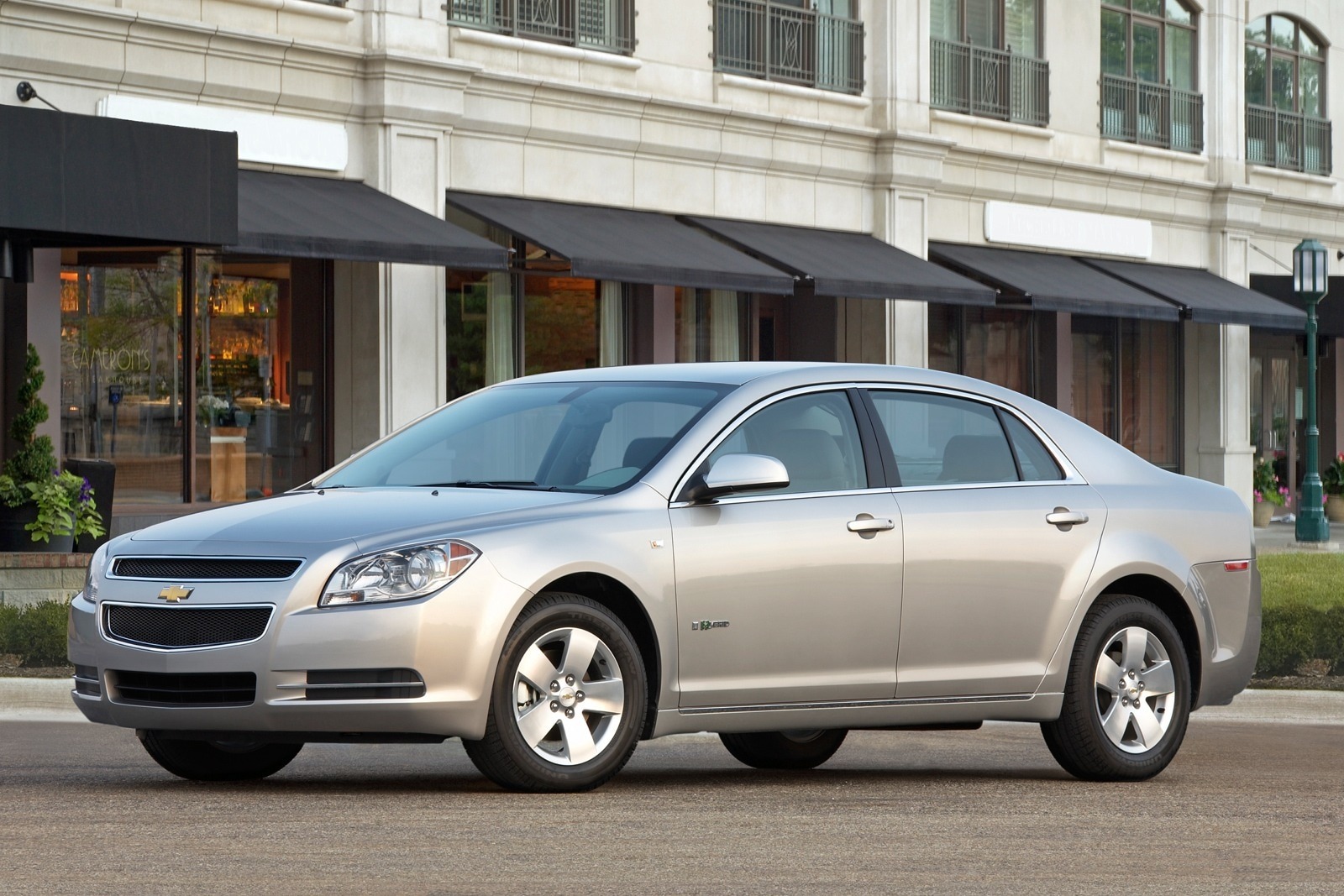
The 2014 Malibu was part of a mid-generation refresh that improved upon its 2013 predecessor in several meaningful ways. Chevrolet responded to criticism regarding rear-seat space and ride quality by making adjustments that positively affected comfort and highway performance.
These changes made the 2014 Malibu a stronger candidate for long-distance travel. It introduced a revised 2.5L four-cylinder engine with better fuel economy and improved torque at low RPMs, which helped with merging and passing. Highway mileage hovered around 36 mpg under ideal conditions, giving it one of the best fuel economy ratings in the Malibu’s history up to that point.
Another welcome update came in the form of noise insulation and cabin refinement. The 2014 model was quieter than both the 2012 and 2013 versions. Chevrolet worked to reduce wind noise and vibrations by adjusting body sealing and suspension geometry, resulting in a more composed ride at highway speeds.
For the driver, this meant fewer distractions and less strain over longer trips. The new engine’s auto start-stop system worked unobtrusively, shutting off the engine at stops and helping to conserve fuel during urban segments of travel, though some drivers preferred to disable it during highway-only runs. In general, the 2014 Malibu gave the impression of being a more mature and confident sedan, one that understood the needs of its drivers.
Reliability for the 2014 Malibu was solid, particularly when it came to drivetrain components and long-term maintenance. While the engine was relatively new, early reports were positive, and it lacked the troublesome timing chain or oil consumption issues that sometimes affected competitors.
The transmission shifted cleanly and reliably, and the braking system remained dependable even with high mileage. Electrical issues were rare, and the systems used to manage climate control, audio, and infotainment were less buggy than in some other GM models of the era. These traits made the 2014 Malibu a strong contender for a used highway car that could handle many more years of service.
From a driver’s perspective, the 2014 Malibu offered excellent ride comfort, confidence at speed, and a smart balance between economy and usability. While it didn’t have the flash of a sport sedan or the latest tech packages, it did what it was supposed to do, and it did it well. For families, commuters, and solo drivers alike, this year stood out as one that blended cost-efficiency with the kind of trustworthiness that only reveals itself over the long haul.
7. 2015 Chevrolet Malibu
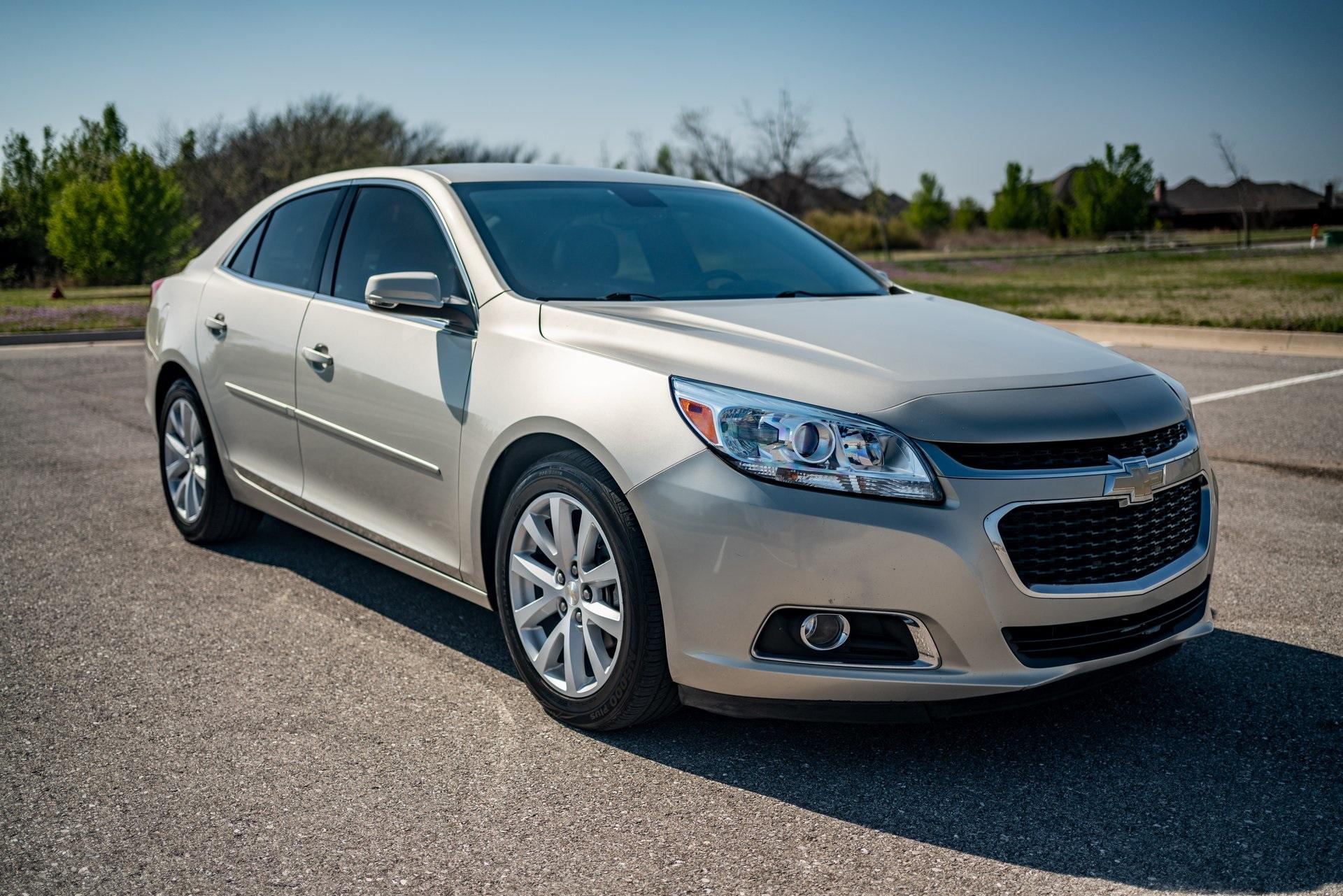
The 2015 Malibu carried forward the strengths of the 2014 model and added a few extra refinements. As the last full year of this design before the 2016 redesign, Chevrolet had worked out most of the quirks, and the car was stable, efficient, and easy to live with.
This made it a reliable highway cruiser, particularly for those who needed predictable performance from a car with minimal upkeep. Like its predecessor, it used a 2.5L four-cylinder engine mated to a six-speed automatic transmission. The power delivery was smooth and predictable, offering just enough grunt for highway speeds without sacrificing efficiency.
Where the 2015 Malibu truly stood out was in its quiet cabin and suspension tuning. Highway ride quality was among the best in its class. It managed to feel composed without being floaty, and the damping soaked up rough pavement better than previous versions.
The steering remained direct, giving the driver confidence even in fast-moving traffic or changing weather conditions. Sound insulation, too, was improved. Even on worn concrete highways or in windy conditions, the car kept noise to a minimum. These qualities made it especially suitable for drivers who spent hours each day commuting on highways or who took regular long-distance trips.
From a reliability standpoint, the 2015 Malibu was more consistent than many vehicles in its category. It had relatively few recalls, and customer complaints were largely limited to cosmetic or comfort-related features rather than core drivetrain issues.
The engine proved durable with regular oil changes, and the automatic transmission aged well when serviced as recommended. One common point of praise was the longevity of the suspension components and wheel bearings, parts that are often stressed by frequent highway driving. The electronics package, while not cutting-edge, was stable, with minimal glitches or sensor failures over time.
The 2015 Malibu proved that you didn’t need flashy tech or turbochargers to have a dependable and comfortable highway vehicle. Its honest approach to engineering, efficient design, and driver-focused comfort made it a solid choice for those who value consistency over flair. Years later, it continues to be a dependable presence on highways, often with high mileage and very few problems to speak of.
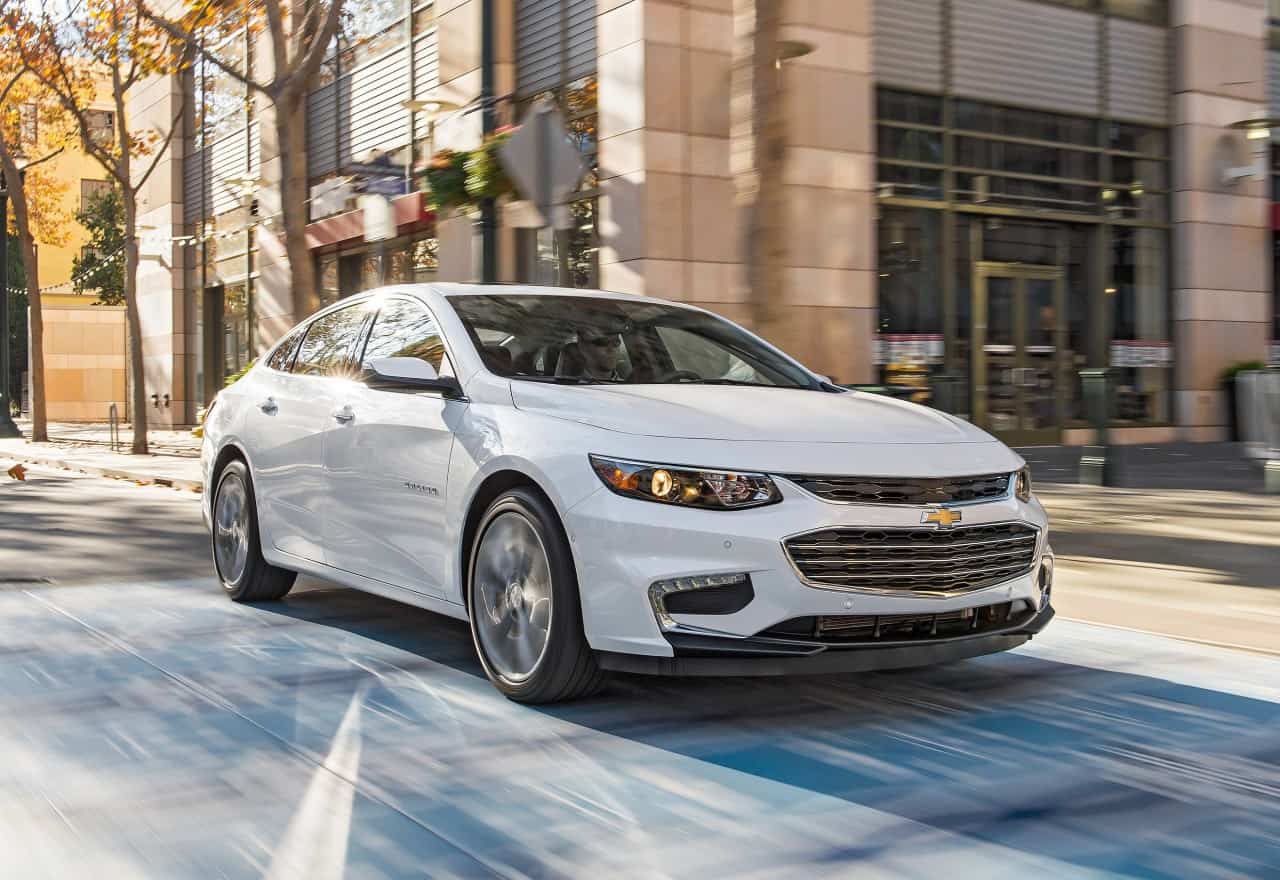
8. 2016 Chevrolet Malibu
The 2016 Malibu represented a full redesign and launched the ninth generation of the model. It was a significant departure from the past, both in styling and engineering. The new platform was longer, lighter, and more aerodynamic, which immediately benefited highway performance.
The reduction in weight improved fuel economy and acceleration, while the extended wheelbase improved ride quality. Drivers looking for a Malibu that felt modern and capable at highway speeds found that the 2016 version met and even exceeded expectations. The engine choices included a new 1.5L turbocharged four-cylinder and an optional 2.0L turbo for higher trims, both of which offered a refined experience at cruising speeds.
What set the 2016 Malibu apart on the highway was its composure at speed. The car tracked well in its lane, even in high crosswinds, and the suspension soaked up imperfections without bouncing or noise. The steering system was electric but felt well-tuned for the chassis, giving drivers just enough road feedback to stay engaged.
Long-distance comfort was further enhanced by new seat designs that offered improved back support and adjustability. For families or business travelers covering hundreds of miles at a time, these upgrades made the 2016 Malibu one of the best choices in the mid-size market that year.
In terms of reliability, the 2016 model had a relatively clean track record. The 1.5L turbo engine proved to be dependable with regular oil changes and proper maintenance, though it did require premium fuel under heavy load to maintain long-term health.
The new eight-speed automatic transmission that came with the 2.0L turbo was smoother and quicker than past units, and it held up well over time. Owners reported minimal issues with the cooling system, suspension, or electronic stability control, even at higher mileage. These are exactly the kinds of traits that define a good highway car: steady performance, few surprises, and low ongoing cost.
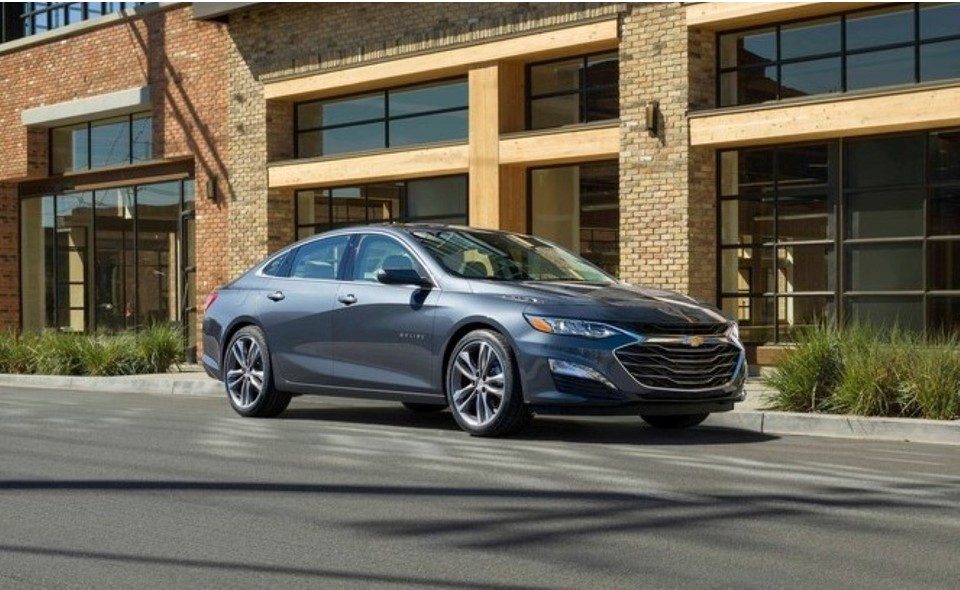
9. 2017 Chevrolet Malibu
The 2017 Chevrolet Malibu built upon the strengths of the previous year’s redesign and continued to prove itself as a reliable, well-balanced highway car. Chevrolet didn’t make dramatic changes in 2017, but that was a positive sign, it meant that the 2016 overhaul was solid enough that no major revisions were needed.
The structure remained stiff and quiet, and the drivetrains carried over with few changes, including the efficient 1.5L turbocharged engine and the stronger 2.0L turbo for those who wanted extra power. Both engines were engineered for smooth operation at speed, and both delivered impressive fuel economy in real-world highway use. For drivers who spent hours each day on long commutes, the 2017 Malibu’s powertrain options offered a comfortable and capable experience with very little drama.
What helped the 2017 Malibu shine on the highway was the level of refinement it achieved at a price that undercut many of its competitors. The suspension system was well-balanced, soaking up bumps without feeling overly soft. At higher speeds, the car maintained its composure even on older, uneven pavement.
The electric power steering was tuned for ease rather than sportiness, which helped reduce driver fatigue on long trips. Combined with a quiet cabin and aerodynamic shape, the Malibu became a car that didn’t just survive long highway drives, it made them easier. Whether cruising across state lines or sitting in traffic at 70 mph, the 2017 model held itself together without feeling strained or underbuilt.
Reliability also became one of the hallmarks of this model year. The 1.5L turbo engine, in particular, proved itself to be durable, provided it was maintained properly. Early fears about turbocharged reliability didn’t pan out for most drivers, especially those who stuck to regular oil changes and didn’t push the engine too hard while it was cold.
The automatic transmission paired with this engine was smooth and rarely reported as a problem point. Even the infotainment system, which had a touchscreen interface with smartphone compatibility, performed without many of the glitches seen in other makes. In a category where software hiccups and finicky sensors can become costly headaches, the Malibu avoided most of those pitfalls.
Owners of the 2017 model frequently report high satisfaction with its comfort, fuel efficiency, and ability to handle high mileage without developing major problems. This kind of real-world consistency is what turns a car from a gamble into a trusted tool.
It’s not about being flashy or filled with features; it’s about showing up every day and doing the job with minimal stress. And that’s what the 2017 Malibu did, and continues to do, especially on the highway where cars face their hardest tests in terms of engine load, suspension endurance, and fuel economy. Years later, it remains a smart pick for anyone wanting a quiet, stable sedan that can chew through the miles without complaint.
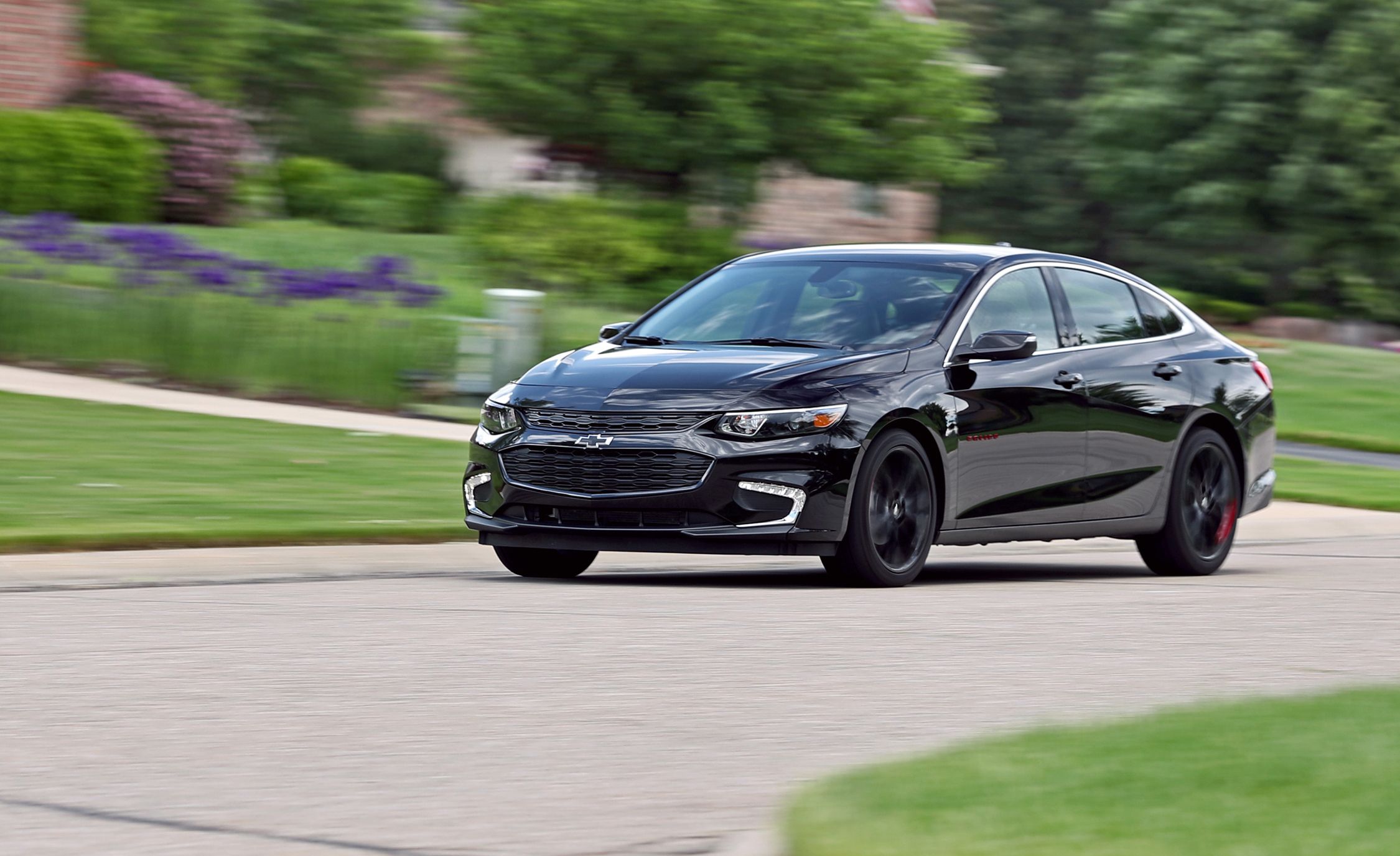
10. 2018 Chevrolet Malibu
The 2018 Malibu didn’t bring radical changes, but it continued to refine what the previous two years had established. This consistency was actually one of its greatest strengths; Chevrolet had found a formula that worked for highway drivers, and they wisely avoided tinkering too much.
The Malibu’s lightweight frame, improved aerodynamics, and quiet ride made it a strong performer for daily commuters and long-distance travelers alike. The 1.5L turbocharged engine remained the default powertrain, and it was more than capable of handling highway speeds while still returning excellent fuel economy numbers.
Real-world reports of 36–38 mpg were common, especially on steady interstate runs. That efficiency, combined with a reasonably sized gas tank, gave the 2018 Malibu strong highway range, an underrated but important feature for those who drive long stretches between stops.
Inside the cabin, the Malibu stayed competitive with its peers in terms of comfort and usability. The front seats were firm enough to provide support during long drives, and the driving position remained ergonomic and relaxed. Interior materials may not have been luxury-grade, but they were durable and practical, holding up well under years of wear.
Noise insulation continued to be a highlight. Whether driving through headwinds or along rough asphalt, the 2018 Malibu kept out most of the exterior noise that often causes fatigue on longer drives. The ride remained smooth and predictable, thanks to the well-tuned suspension and stable chassis, making it a car that could comfortably cover hundreds of miles in a single day.
One of the key factors that kept the 2018 Malibu reliable for highway use was the simplicity and stability of its systems. While newer cars often pack in complex electronics and sensors that increase repair costs and risk of failure, the Malibu struck a reasonable balance.
Its infotainment system with Apple CarPlay and Android Auto worked without frequent bugs. The climate control system remained responsive, and common issues like failing HVAC actuators or glitchy digital displays were rare compared to other models.
Maintenance was also manageable, with most wear parts, brake pads, filters, belts, and fluids easily accessible and not prone to premature failure. These small things add up when you’re putting thousands of highway miles on a vehicle each year.
