
Not all vehicles are built the same. Some roll off the assembly line with a reputation for needing constant attention and upkeep, while others quietly power through years of use with minimal complaints. For many drivers, reliability is the most important quality in a vehicle, especially when the car is subjected to rough treatment.
Whether it’s a long daily commute over pothole-riddled roads, towing heavy trailers every weekend, or hauling loads far beyond the recommended limits, some vehicles just keep going with barely a hiccup. What sets these machines apart is not just their engineering, but also their track record among owners who rely on them heavily and push them beyond what most cars are expected to handle.
There are cars, trucks, and SUVs that can take a beating and never seem to complain. They may not always be the fastest, flashiest, or most technologically advanced, but their ability to keep moving with little maintenance makes them standouts in a sea of vehicles that often end up in the shop.
For those who don’t want to befriend a mechanic or deal with unexpected repair costs, these models have become almost legendary. Owners who drive them for hundreds of thousands of miles often have very few repair stories to tell, and when they do, it’s often small fixes rather than big-ticket items.
This list focuses on ten such vehicles. These aren’t necessarily the latest models on the market, but they’ve built reputations over time. Many are found in places where reliability isn’t optional, rural areas, job sites, and households where the car needs to start every morning without fail.
Whether they’re Japanese workhorses or American-built trucks, these vehicles have stood the test of time and abuse. What makes them stand out is not a perfect driving experience or top-tier luxury, but a toughness that allows them to run strong with minimal fuss. If you’re looking for a vehicle that can take what you throw at it and still keep going, the following models have earned their places on the list.
Also Read: 10 Best SUVs That Can Handle 20 Years of Abuse
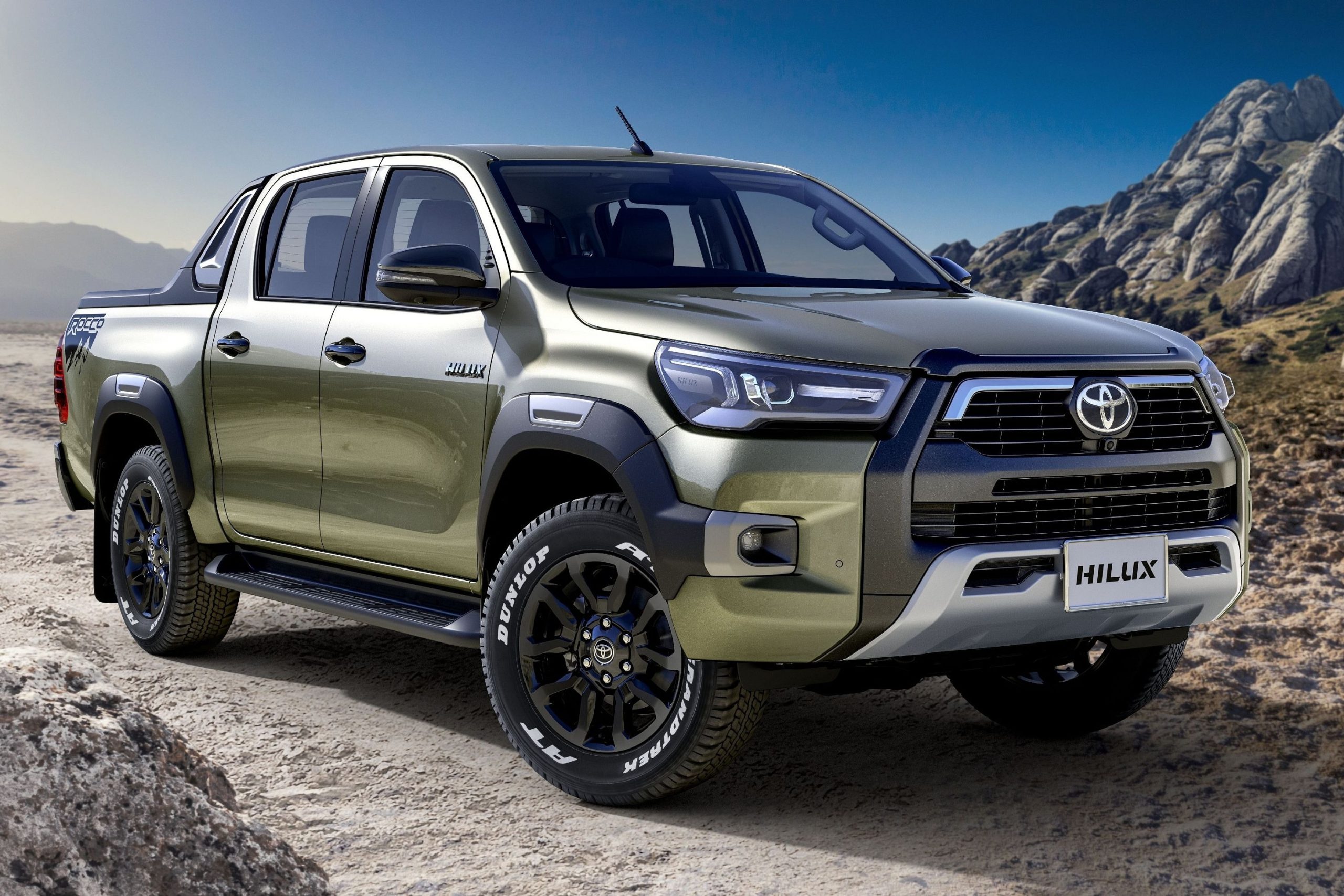
1. Toyota Hilux
The Toyota Hilux is the gold standard for reliability. Found on every continent and often in the most remote, rugged environments, it’s known for surviving years of harsh use. Farmers, contractors, and even military forces use this truck in conditions where failure simply isn’t an option.
Despite being pushed to the limit in off-road conditions, the Hilux rarely breaks down. Its reputation isn’t built on hype; it comes from decades of real-world performance. Many models from the 80s and 90s are still on the road today, still starting up and doing the work they were built to do.
One of the key reasons for the Hilux’s longevity is its simple and durable design. It doesn’t rely heavily on complicated electronics, which are often the first things to fail in modern vehicles. Instead, the Hilux uses proven mechanical systems that are easy to maintain and hard to break.
Owners frequently report that the vehicle needs little more than routine oil changes and tire rotations. Even when used to haul heavy loads or driven across rough terrain, the truck continues to operate smoothly. That kind of consistency is rare, especially over multiple generations.
Another reason the Hilux endures is Toyota’s strict attention to build quality. The company has a reputation for high standards, and the Hilux is no exception. The materials used in its construction are selected not just for comfort or style, but for longevity.
The frame is strong, the engine components are overbuilt, and the suspension is tough enough to absorb constant abuse. It’s not uncommon for a Hilux to pass 300,000 miles with few serious repairs, even when it’s spent most of its life being worked hard every day.
People who own a Hilux often describe it as unbreakable. That may sound like an exaggeration, but stories of the vehicle surviving crashes, floods, and years without proper servicing seem to support the claim. For someone looking for a vehicle that can handle hard use and just keep running, the Hilux is often the first and last choice. It has earned its reputation not through marketing but by proving itself over and over again in the real world.
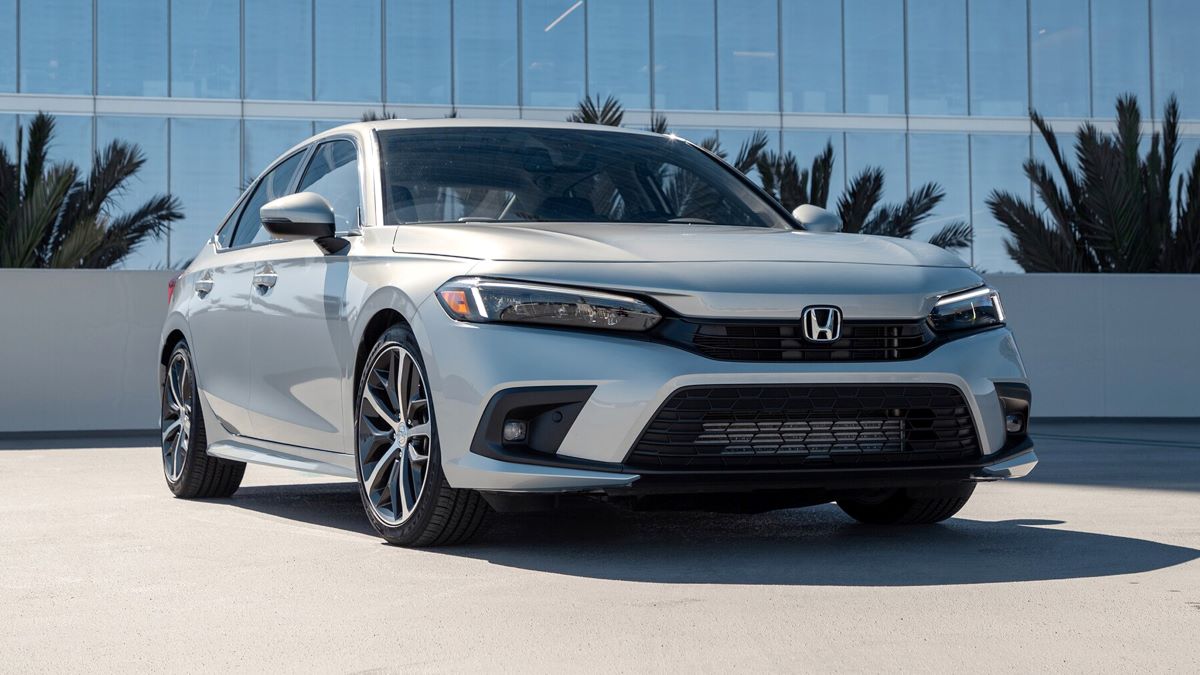
2. Honda Civic
The Honda Civic is often viewed as a basic commuter car, but its ability to take abuse and keep running has made it one of the most respected vehicles among budget-conscious drivers. It’s affordable, efficient, and easy to drive, but its reliability goes far beyond what many expect from a small sedan. People use Civics for long daily commutes, delivery services, and even amateur racing, and yet they rarely suffer from mechanical issues. It’s not uncommon to find a Civic with well over 200,000 miles on the odometer still running smoothly.
A big part of the Civic’s reputation comes from its engines. Honda’s four-cylinder engines are famous for their durability. They’re built with precision, often run on regular gasoline, and require very little to keep going.
Many owners report only performing basic maintenance, like oil and filter changes, for years before needing anything more serious. These engines are also very forgiving, often continuing to run well even when maintenance schedules are neglected. For young drivers or those who don’t keep track of every service, that reliability can be a lifesaver.
Beyond the engine, the Civic’s simple mechanical layout helps it avoid the kinds of problems that plague other cars. It doesn’t come loaded with excessive tech that breaks down. The transmission, steering, and suspension systems are all known for being dependable, even under hard driving.
This makes the Civic a favorite for tuners and street racers, who regularly push the car to its limits. Despite the abuse, it still often runs like new. That’s not something you can say about most economy cars.
Another reason for the Civic’s long life is its strong community and aftermarket support. Parts are affordable and widely available, and repairs are relatively simple. Whether you’re changing a clutch or replacing a timing belt, the job can usually be done without expensive tools or specialist knowledge.
That encourages owners to fix their Civics instead of abandoning them, further extending their lifespan. With the right care, and sometimes even without it, the Civic continues to prove itself as one of the most dependable vehicles ever made.
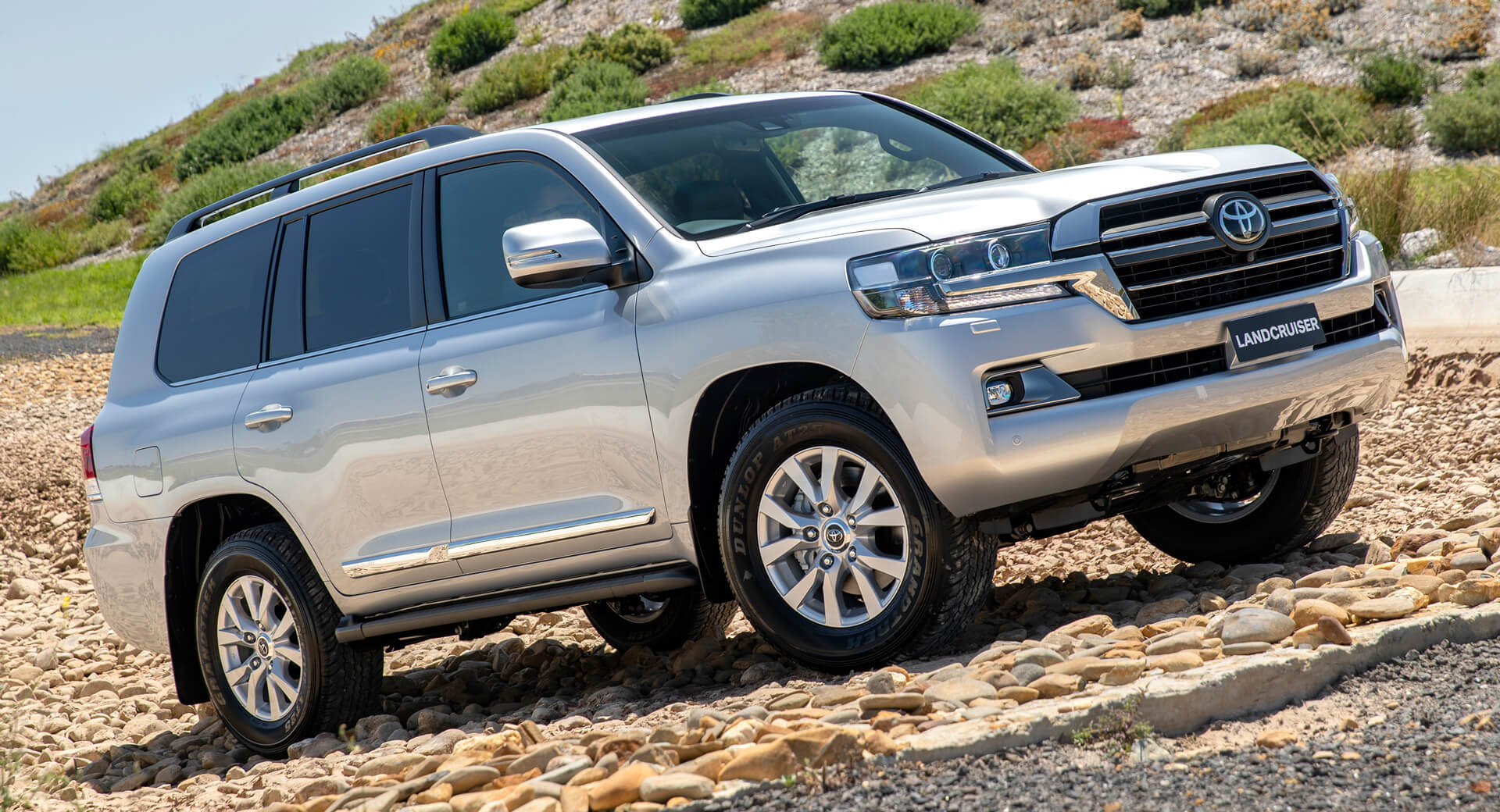
3. Toyota Land Cruiser
The Toyota Land Cruiser is more than just a luxury SUV. It’s one of the toughest vehicles ever produced. Designed originally for military and utility use, it has evolved into a capable off-roader with a reputation for lasting decades.
Whether it’s navigating deserts, pulling heavy loads, or carrying families through snowy mountain passes, the Land Cruiser handles it all without complaint. Owners of older models frequently boast about still driving the same vehicle after 20 or even 30 years of use.
One of the most impressive qualities of the Land Cruiser is its drivetrain. Toyota equipped this SUV with strong engines and bulletproof transmissions that have been known to last hundreds of thousands of miles without major failure. Diesel variants in particular are famous for their longevity, often operating under the most extreme conditions. This isn’t a vehicle that was designed with planned obsolescence in mind. It was built to outlast its owners, and in many cases, it does exactly that.
The Land Cruiser’s frame and suspension are also built to handle rough treatment. Unlike many modern SUVs that prioritize comfort over durability, the Land Cruiser was constructed to handle off-road abuse. It can climb over rocks, ford rivers, and cross deserts without needing anything more than regular maintenance.
The vehicle’s solid axles, heavy-duty shocks, and full-time four-wheel drive make it almost unstoppable in challenging terrain. Yet despite its ruggedness, it remains comfortable and smooth on pavement, making it suitable for both urban and rural environments.
It’s also worth noting that the Land Cruiser has a reputation for low maintenance costs relative to its capabilities. Though initial prices are high, repairs are infrequent, and parts often last longer than expected. Many long-time owners report only needing basic service items, like brakes and fluids, over the course of many years. For those who need a vehicle that can go anywhere and do almost anything without requiring frequent trips to the mechanic, the Land Cruiser remains a solid choice.
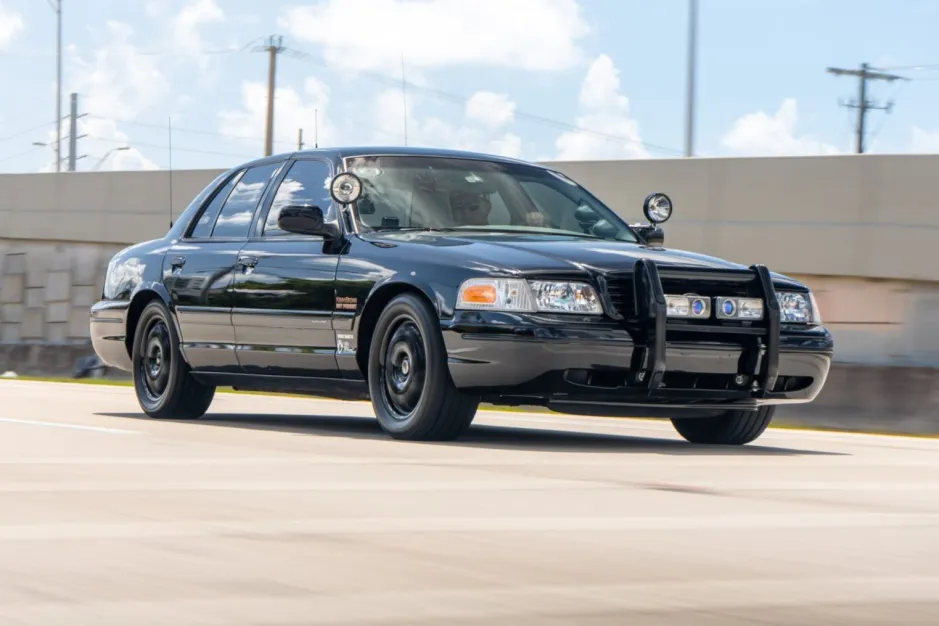
4. Ford Crown Victoria
The Ford Crown Victoria might not win any design awards, but it has built a name for itself as one of the most durable full-size sedans in automotive history. Known primarily for its use as a police car and taxi, the Crown Vic has proven it can handle extreme daily abuse for years on end.
These vehicles are often driven for 12 or more hours per day, across all kinds of roads, yet they remain mechanically sound far longer than most vehicles in their class. Many former police Crown Vics are bought at auction with high mileage and still have years of life left in them.
A major reason for the Crown Vic’s toughness is its body-on-frame construction. Unlike modern unibody sedans, the Crown Vic shares its basic structure with pickup trucks, allowing it to handle impacts and wear in a way that most passenger cars can’t.
The V8 engine under the hood is also known for its durability. It’s not the most powerful engine ever made, but it’s reliable, easy to work on, and has few common failure points. For city use, highway patrol, or long-distance driving, the powertrain performs without much drama.
Another benefit of the Crown Vic is its simplicity. Ford didn’t overload this vehicle with unnecessary features, which means there’s less that can go wrong. Electrical issues are rare, and mechanical parts are robust and cheap to replace. The suspension is designed for comfort and durability, often going tens of thousands of miles without needing attention. Taxis using these vehicles often hit
Taxis using these vehicles often hit 300,000 miles or more before being retired, and even then, many are sold to private buyers who get several more years of use out of them. Mechanics frequently mention the Crown Vic as a car that rarely comes in for anything serious. When problems do occur, they’re often easy to diagnose and repair.
The layout of the engine bay is straightforward, and most repairs can be performed with basic tools. This simplicity is a huge advantage in both fleet and private ownership, where downtime can be expensive and inconvenient. The platform, shared with the Mercury Grand Marquis and Lincoln Town Car, also ensures a vast supply of parts, both new and used.
Comfort and space add to the vehicle’s appeal, especially for drivers who spend hours behind the wheel. The seats are large and supportive, and the ride is smooth, making it ideal for highway travel. Despite its size, the Crown Vic is surprisingly maneuverable, and rear-wheel drive offers a more traditional driving feel.
While it’s not sporty, it’s steady, predictable, and built for endurance. These qualities made it the vehicle of choice for police departments across North America for decades. Departments didn’t just choose it for cost, they chose it because it worked, all day and every day, with minimal complaints.
One often-overlooked strength of the Crown Victoria is its ability to recover from neglect. While most cars begin to suffer quickly from missed oil changes or worn-out parts, the Crown Vic seems to tolerate abuse in stride.
It’s not uncommon for owners to admit they skipped services or ran the car hard, only for it to continue running without issue. This kind of tolerance for mistreatment is rare, especially in full-sized sedans. It makes the Crown Vic a favorite among drivers who want something they don’t have to baby.
Even though the Crown Victoria is no longer in production, its legacy lives on. Enthusiasts still buy and restore old models, knowing they can rely on them for long road trips or daily use. Its mechanical resilience and low cost of ownership make it a top choice for anyone looking for a used car that won’t let them down. Whether you’re buying one at auction or inheriting it from a family member, chances are good that it’ll keep going without asking for much in return.
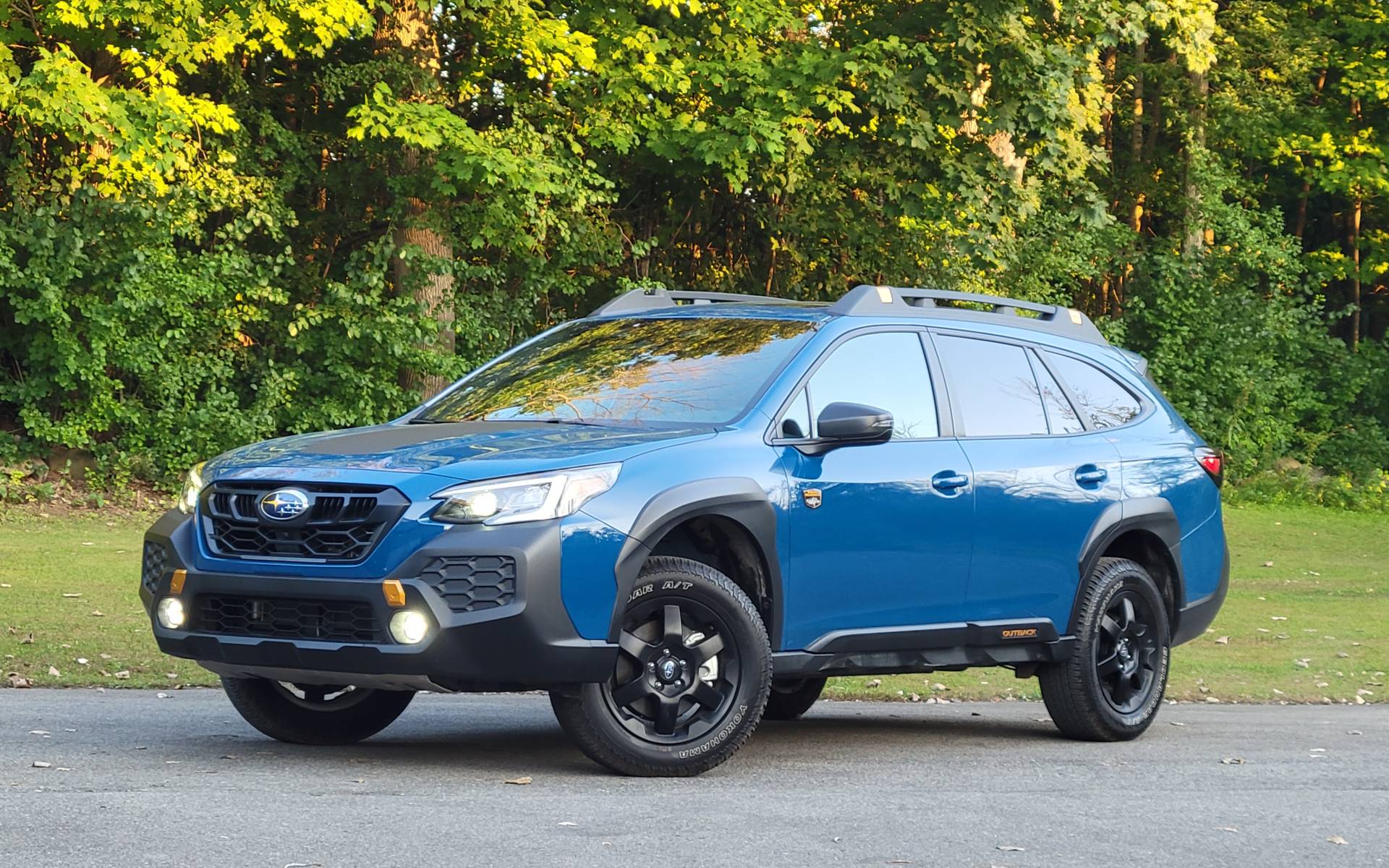
5. Subaru Outback (Pre-2015 Models)
The Subaru Outback, especially models from the early 2000s to around 2014, has developed a reputation for being both rugged and dependable, particularly in challenging climates. Designed to function as a capable crossover with off-road abilities, it combines the practicality of a wagon with the durability of a utility vehicle.
Many of these older Outbacks are still on the road today, often with original engines and transmissions despite heavy use. Whether used for commuting, camping, or light-duty off-roading, they rarely spend much time in the shop if maintained with basic care.
One key to the Outback’s durability is its symmetrical all-wheel-drive system, which offers excellent traction and balance under harsh conditions. Snow, rain, gravel, and even light trails are handled with ease, and this system doesn’t wear down easily.
Subaru’s AWD is always active, unlike other part-time systems, yet it doesn’t result in frequent mechanical failure. For those living in colder regions or mountainous terrain, the Outback often becomes a daily necessity. It takes rough winter driving and poor road conditions in stride, rarely needing more than routine fluid changes and brake work.
Where the Outback truly stands out is in owner experience. Many who have used their Subarus for cross-country road trips, daily commutes, and backcountry adventures all report the same thing: it just works. It may not have the flash of a modern SUV, but it earns trust through consistency.
Even with higher mileage, these vehicles continue to start every morning, handle all kinds of loads, and deliver confidence behind the wheel. That’s the kind of reputation that doesn’t come from a single model year, it comes from a history of reliability under real-world stress.
Also Read: 10 Honda Civic Years Still Popular With Daily Drivers
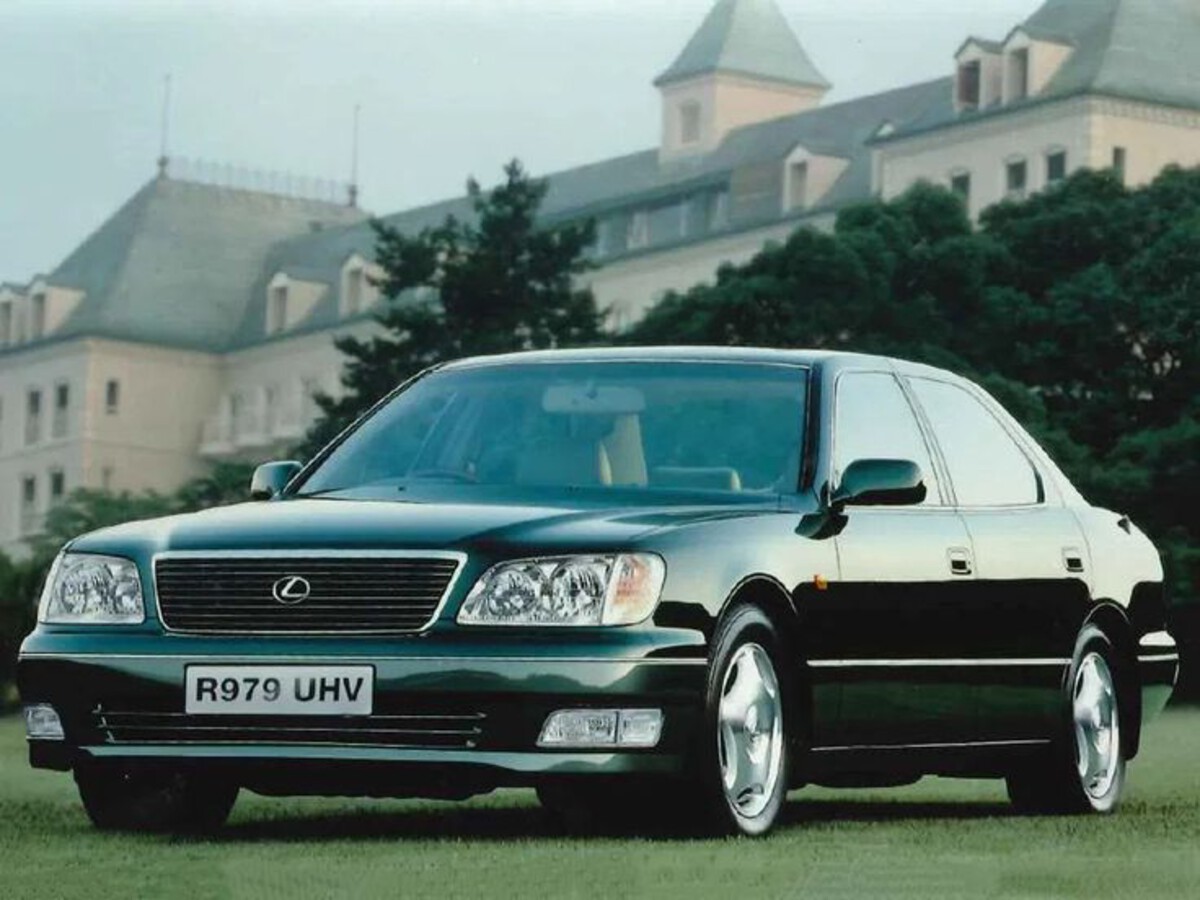
6. Lexus LS400
The Lexus LS400 is one of those rare luxury vehicles that matches high-end comfort with rock-solid reliability. Introduced in the early 1990s, the LS400 was Toyota’s flagship luxury sedan, designed to compete with the best from Europe. While it delivered on refinement, performance, and technology, what really set it apart was its near-indestructible engineering.
Underneath the leather and wood trim is a vehicle built to survive long-term use without drama. Owners regularly report driving their LS400s for 300,000 miles or more, with only basic maintenance and a few wear-and-tear parts along the way.
At the heart of the LS400 is the legendary 1UZ-FE V8 engine. This engine is overbuilt in every sense. Designed with the precision and longevity of an aircraft engine, it runs quietly, efficiently, and for far longer than most V8s of its era.
Timing belts, water pumps, and seals will eventually need replacing, but these are minor issues in the context of such a reliable powerplant. Many engines have never been opened up, even after decades of use. It doesn’t burn oil, rarely leaks, and maintains smooth operation even after hundreds of thousands of miles.
The transmission paired with the LS400 is equally durable. Smooth-shifting and well-calibrated, it rarely fails when fluid is changed at regular intervals. Even in stop-and-go traffic or long highway trips, the drivetrain rarely exhibits symptoms of wear.
Add to this a suspension system that balances comfort and control while being less prone to failure than air-suspension competitors, and you have a vehicle that feels as good on the road at 250,000 miles as it did at 50,000. The electronics, often a weak point in luxury cars, are also more reliable here due to Toyota’s conservative design approach.
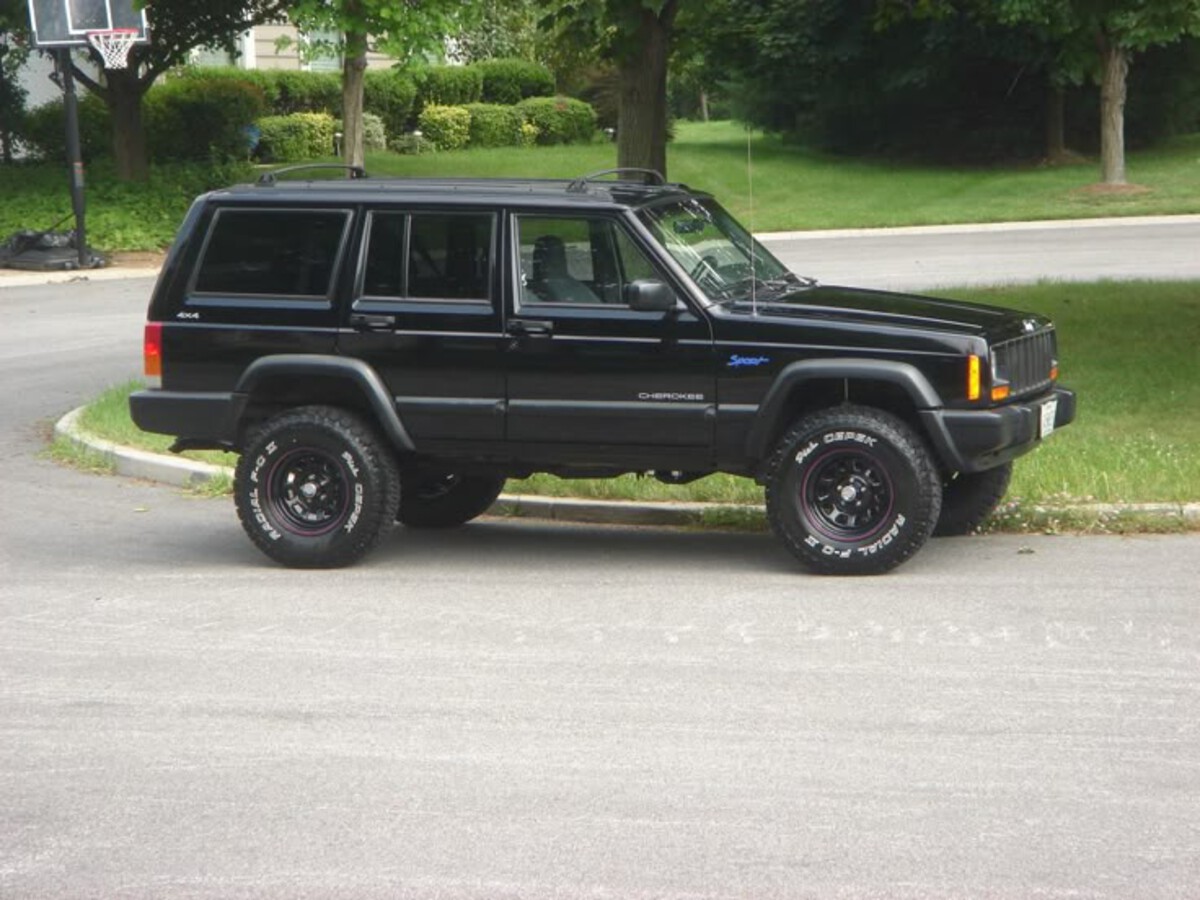
7. Jeep XJ Cherokee (1984–2001)
The Jeep XJ Cherokee, produced from 1984 to 2001, has a cult following that is well-earned. Compact, boxy, and extremely capable off-road, the XJ is also known for being incredibly tough. These Jeeps have long been used as workhorses on farms, hunting vehicles, off-road toys, and daily drivers.
What’s remarkable is that even when lifted, beaten up, and subjected to extreme trail conditions, they keep going. The design is simple, rugged, and functional, and the 4.0-liter inline-six engine under the hood is one of the most reliable powerplants Jeep ever made.
That 4.0-liter engine is at the heart of the XJ’s reliability. Producing decent torque and horsepower, it’s not particularly fast, but it’s smooth, durable, and can run well past 300,000 miles with proper maintenance. Even neglected engines often continue to run, albeit less efficiently.
The design is forgiving, and replacement parts are widely available and cheap. Timing chains, not belts, mean fewer worries about catastrophic failures. Regular oil changes and cooling system maintenance are usually all that’s required to keep it running strong.
Transmission options on the XJ also contribute to its longevity. Both the manual and automatic gearboxes used in these models have strong reputations. The AW4 automatic transmission, in particular, is praised for its durability. Whether crawling over rocks or driving through city traffic, it holds up with minimal issues.
The solid front and rear axles, combined with the body-on-frame-like toughness of the unibody structure, give the Cherokee a resilience that’s unmatched in many newer SUVs. It was built for hard use and responds well to it.
8. Honda Accord
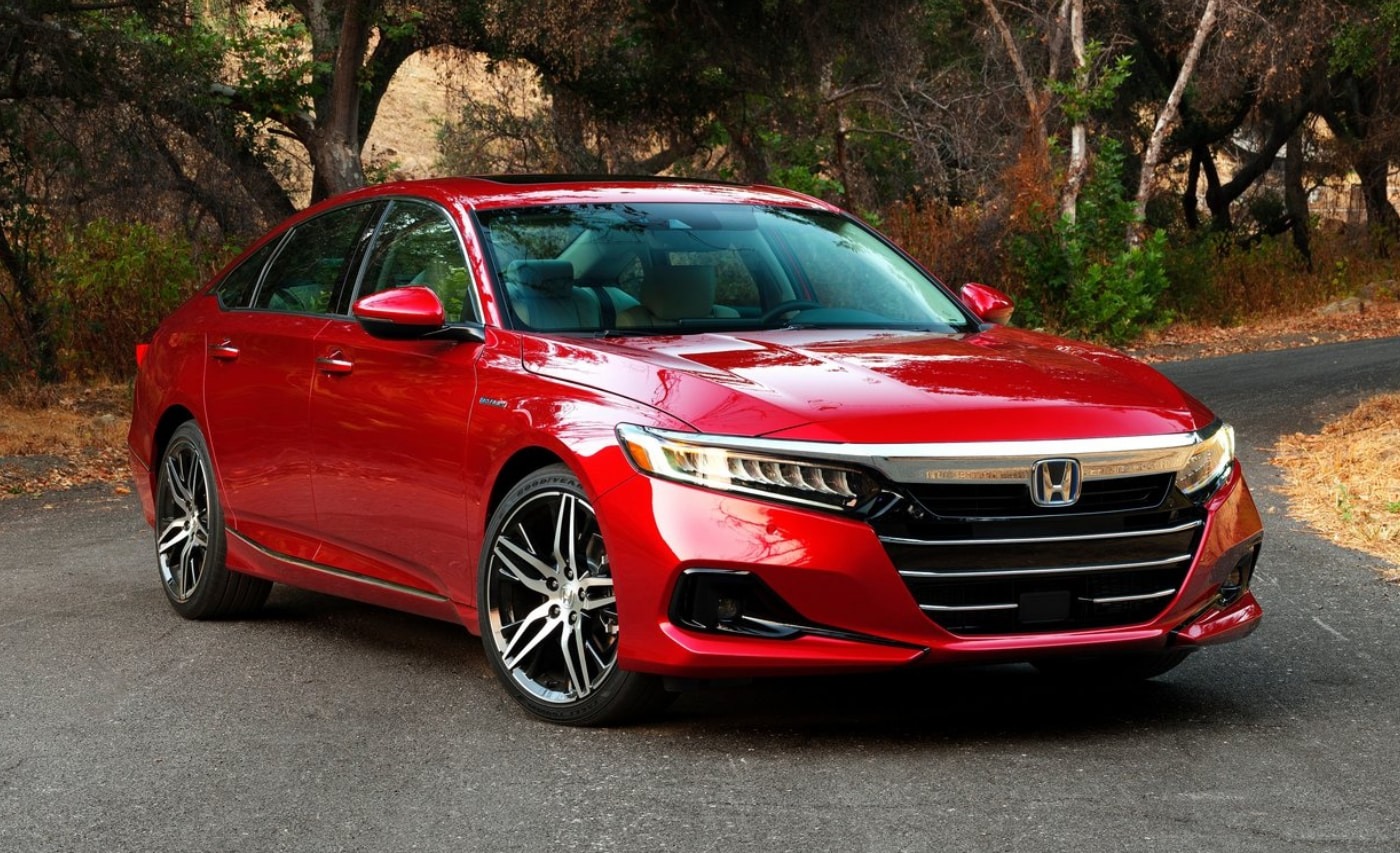
The Honda Accord has long been one of the most trusted names in midsize sedans, and much of that trust comes from its proven ability to withstand long-term abuse. For decades, the Accord has been the go-to choice for families, commuters, and even gearheads looking for a solid foundation.
What stands out most is not its styling or performance, though those have improved over time, but how stubbornly reliable it is. Owners routinely push Accords well beyond 200,000 or even 300,000 miles with few complaints, and that includes those who didn’t exactly treat the car with care. Whether it’s missed maintenance, rough driving, or just years of wear and tear, the Accord takes it all in stride.
One of the key strengths of the Accord lies in its powertrain. Honda’s inline-four engines, particularly the 2.4L i-VTEC found in many eighth and ninth-generation models, are built to last. They are responsive, fuel-efficient, and can handle inconsistent maintenance surprisingly well.
Timing chains reduce the risk of failure, and even when timing belts were used in earlier models, they proved to be long-lasting and inexpensive to replace. The V6 options also had strong reputations, but the four-cylinder models are often considered the most bulletproof for high-mileage driving. As long as the engine is not severely overheated, it tends to keep running smoothly.
Transmission reliability has been a mixed bag over the years, especially with the V6 automatics, but the manual transmissions and four-cylinder automatics hold up particularly well. Even under aggressive driving or frequent shifting, the manual gearboxes rarely fail.
The suspension and chassis are also engineered with balance and durability in mind. While softer than performance cars, the Accord’s suspension handles daily abuse well. Potholes, curbs, and hard braking don’t seem to knock it out of alignment easily. The simplicity of its design makes everything from oil changes to brake jobs easy for DIYers, further reducing the frequency of mechanic visits.
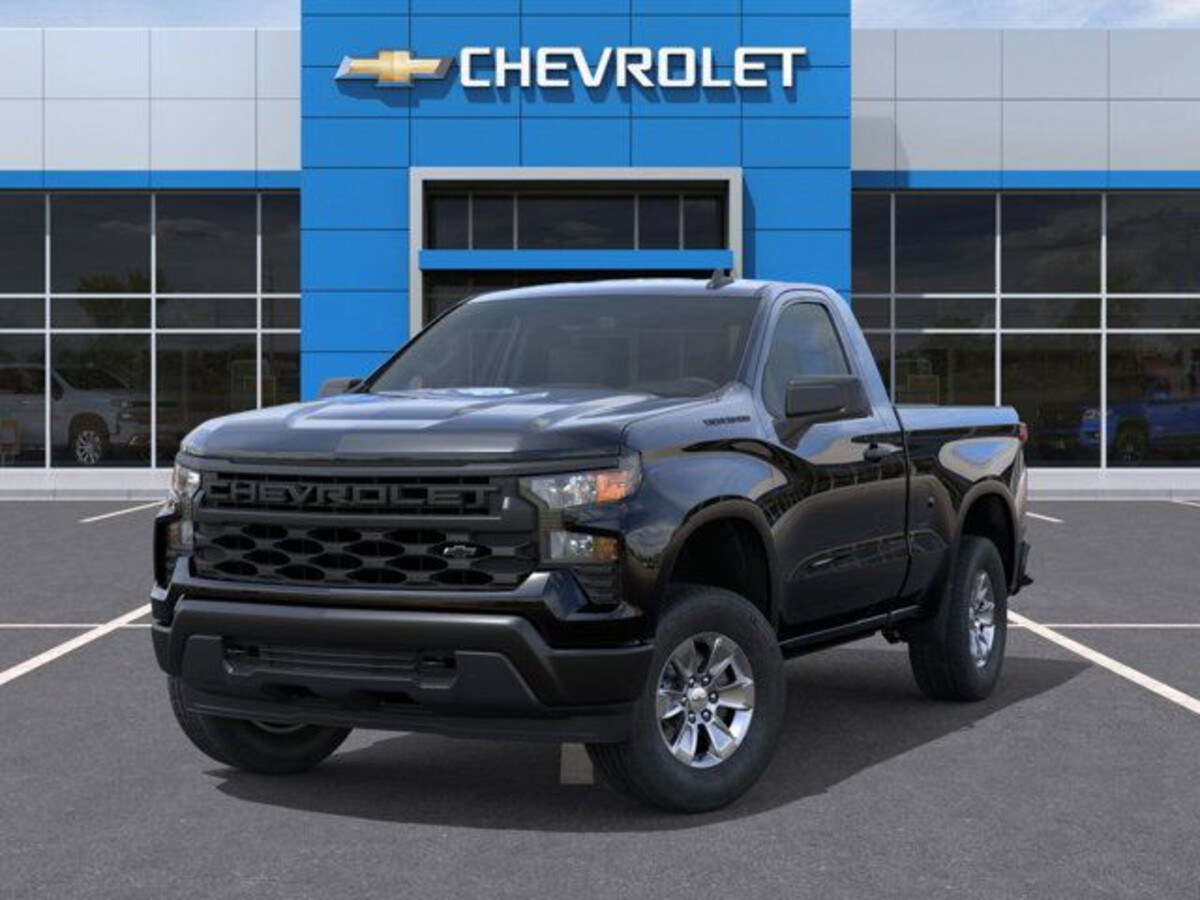
9. Chevrolet Silverado 1500
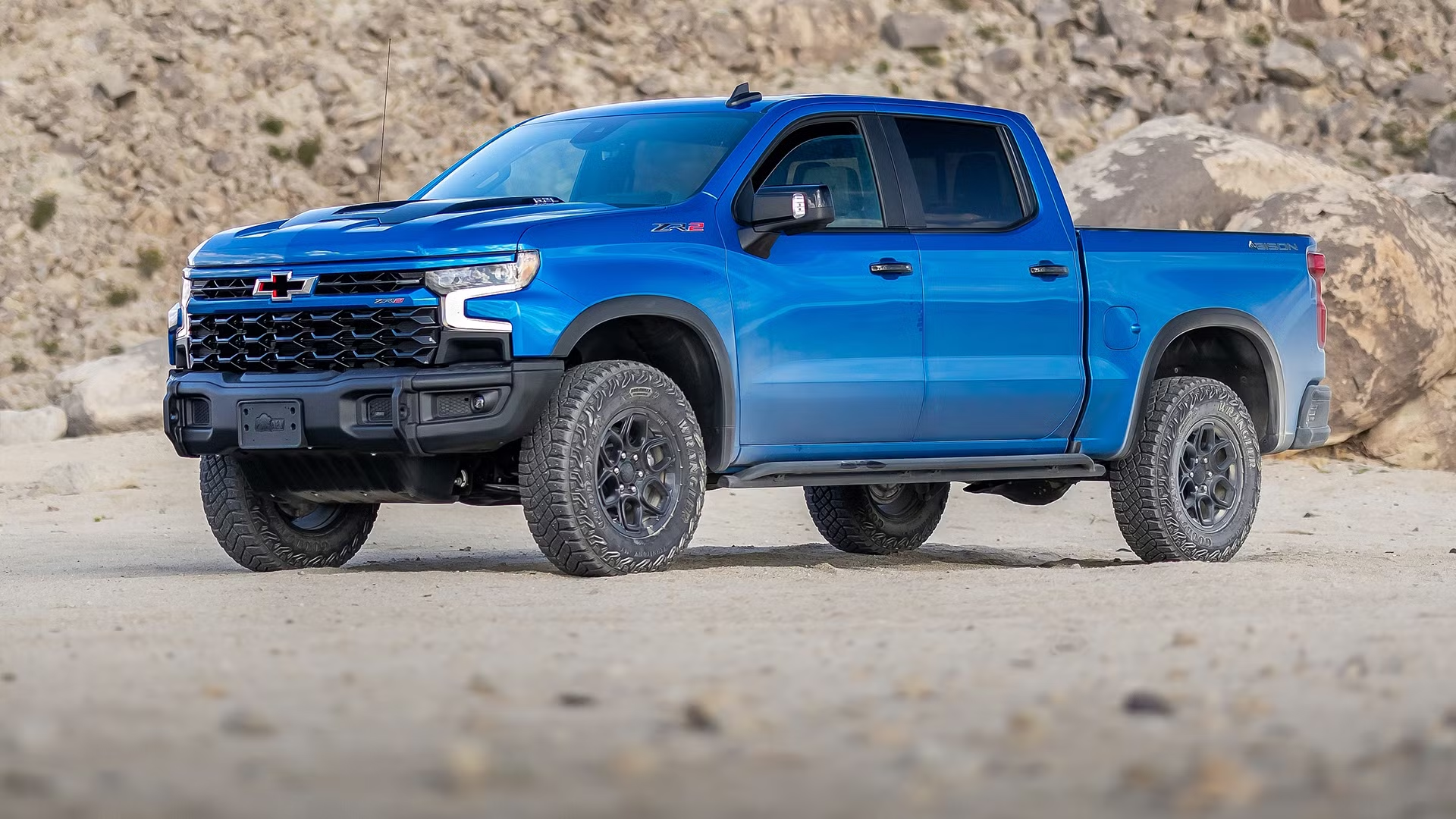
The Chevrolet Silverado 1500, particularly models from the late 1990s and early 2000s, has developed a reputation for being one of the most abuse-tolerant full-size trucks ever made. While later models added more electronics and features, these earlier Silverados prioritized mechanical simplicity and toughness.
Whether used for towing, hauling, off-roading, or long workdays on construction sites, these trucks have consistently demonstrated their ability to keep running when lesser vehicles would have given out. It’s not just anecdotal, mechanics often cite the early 5.3-liter V8 models as some of the most trouble-free vehicles they see.
The engine is often the heart of long-term reliability, and that’s where the Silverado shines. The 5.3L Vortec V8 engine is well-known for its durability and relatively low maintenance needs. These engines can tolerate poor maintenance habits, occasional overheating, and even being run with low oil for brief periods without catastrophic failure.
While not recommended, the fact that they can survive these abuses says a lot. With regular oil changes and cooling system upkeep, the engine will easily pass 300,000 miles. It’s also not uncommon for the original transmission to last just as long, especially in rear-wheel-drive configurations.
The rest of the drivetrain also holds up under stress. The transfer cases, axles, and differentials used in these trucks were designed with heavy-duty work in mind. The frame and suspension are equally strong, handling rough roads, potholes, and uneven loads with ease.
You’ll often see these trucks being used well beyond their intended load capacities, yet still operating without issue. Ball joints and tie rods eventually wear out, but these parts are easy and inexpensive to replace. Truck was built for hard labor and responds well to it, rarely complaining unless it’s been severely neglected.
10. Toyota Corolla
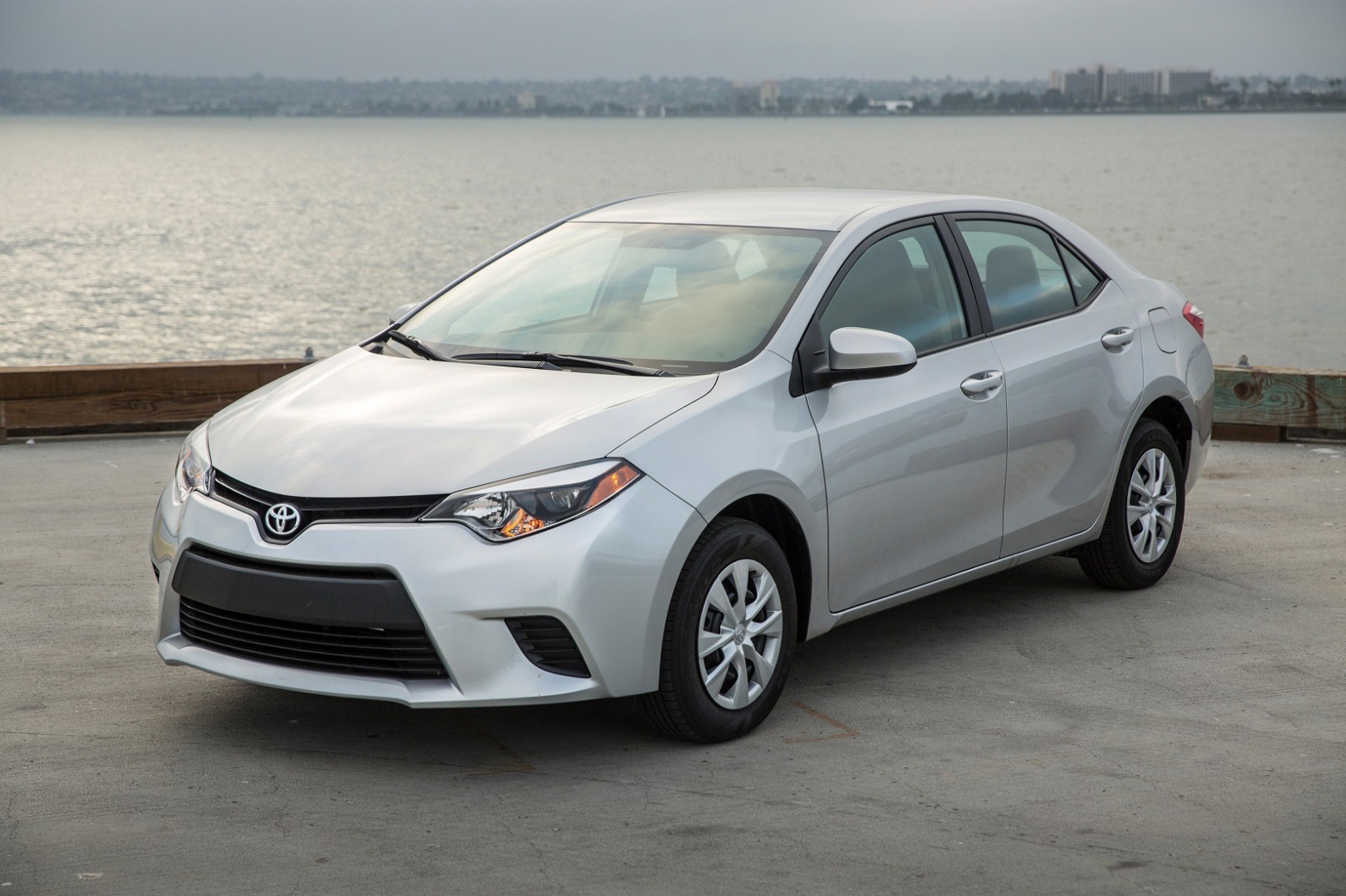
The Toyota Corolla may not be flashy or exciting, but it has earned its spot in history by being one of the most reliable and abuse-tolerant cars ever built. It’s the kind of vehicle that just works, day in and day out, without requiring much attention.
This makes it a favorite for students, delivery drivers, families, and just about anyone who needs dependable transportation. Even when pushed hard with minimal maintenance, the Corolla holds up better than most cars in its class. Its success isn’t based on cutting-edge innovation, but on conservative engineering that focuses on reliability above all else.
Under the hood, the Corolla’s small-displacement four-cylinder engines are deceptively tough. They aren’t built for high performance, but they are built to last. These engines have simple designs, making them less prone to complicated failures.
Owners have reported driving these cars for over 400,000 miles with only routine oil changes and occasional part replacements like water pumps or belts. The engines don’t tend to burn oil, and even if the car is driven aggressively or neglected for a while, it often continues to run with little fuss. That kind of mechanical forgiveness is hard to find in newer vehicles.
The automatic and manual transmissions in Corollas are similarly robust. Whether it’s the basic four-speed automatic or a manual gearbox from older models, these components rarely fail under normal use. Suspension and steering components are also simple and built to withstand years of wear.
Even bushings and struts, which usually wear out quickly in other compacts, tend to hold up longer here. Because of the Corolla’s light weight and well-balanced design, components don’t experience the same level of stress they might in heavier vehicles, which further improves longevity.
