
Some cars aren’t just vehicles, they become part of a person’s identity. For car enthusiasts, a select group of automobiles holds such deep emotional, mechanical, and historical value that selling them is simply out of the question. These aren’t necessarily the fastest, most expensive, or most technologically advanced vehicles.
Instead, they are the ones that stir the soul every time the engine starts, the ones that make their owners feel something real.
It might be the way they drive, their unique design, or the role they played during a pivotal point in someone’s life. These cars are more than machines; they’re milestones, companions, and lifelong projects rolled into one.
Keeping a car forever often means refusing to part with it even when practical logic says otherwise. Repairs cost more than the car is worth? These vehicles survive decades not because of convenience but because of passion.
Their owners pour time, money, and care into maintaining them, sometimes restoring them piece by piece, sometimes keeping them completely original. The bond formed between car and driver is strong, often growing with each year and each mile traveled together.
What makes certain cars so “keepable”? Often, it’s a combination of mechanical feel, a driving experience that can’t be replicated in modern cars, and timeless design.
It’s also about how accessible they are to work on. Many of these cars are simple enough for a weekend mechanic to enjoy fixing without relying on dealerships or complex diagnostics.
They’re also blank canvases for modifications, allowing owners to personalize their vehicles exactly to their taste. Enthusiasts form communities around these cars, sharing tips, swapping parts, and organizing meets. That sense of connection strengthens the desire to never let go.
Below is a list of ten cars that have earned a permanent place in garages and hearts around the world. These aren’t just cars that people love; they’re cars that people keep.
Year after year, decade after decade, these machines hold their spot not only on the road but in the lives of those who cherish them most.
Also Read: 10 Best SUVs That Can Handle 20 Years of Abuse
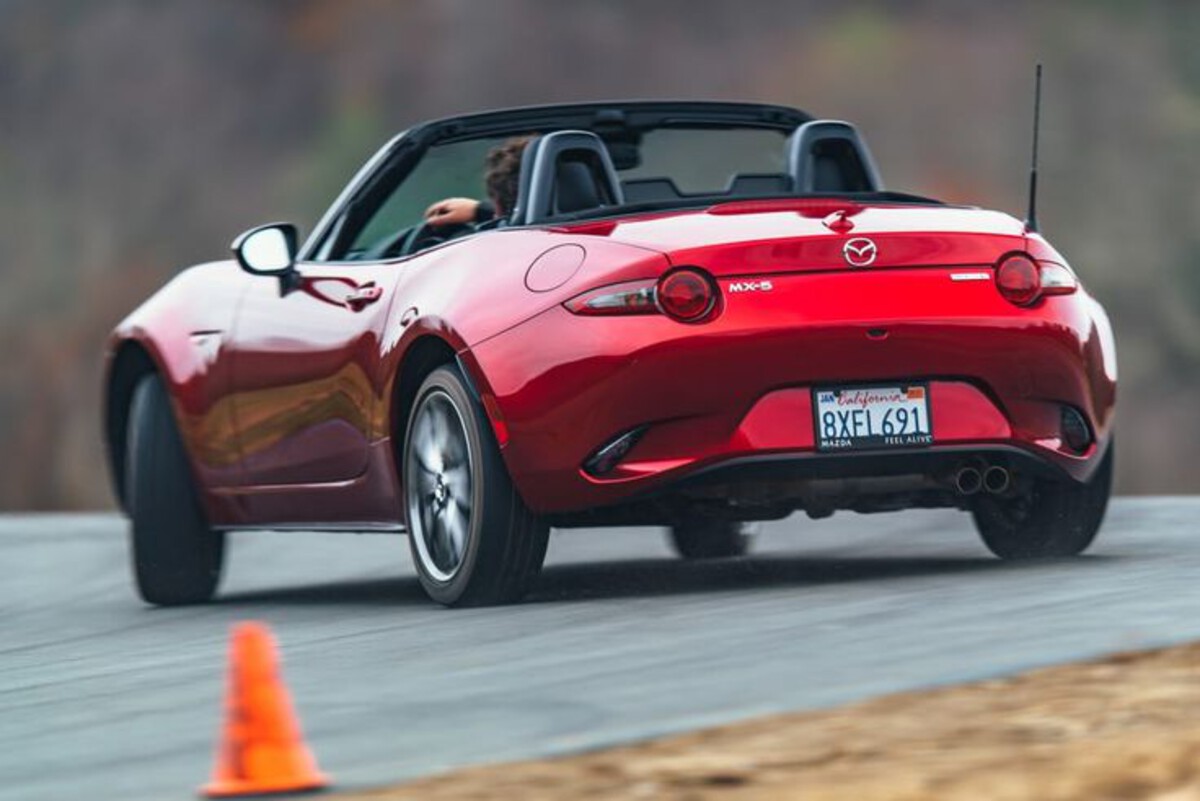
1. Mazda MX-5 Miata
The Mazda MX-5 Miata is one of the most beloved sports cars ever made, and for good reason. Lightweight, rear-wheel-drive, and equipped with a manual transmission, it delivers a pure driving experience that never goes out of style.
Enthusiasts keep their Miatas for decades because they embody the essence of driving joy. It’s a car that encourages connection, not only with the road but also with the car itself. Everything from the steering feel to the balanced chassis makes it deeply engaging.
Part of the Miata’s appeal lies in its simplicity. There are no complicated electronics or gimmicks that age poorly.
The mechanicals are reliable, easy to maintain, and often inexpensive to repair. This allows owners to perform most maintenance themselves, creating a stronger bond with the vehicle.
When parts do wear out, the car’s global popularity means replacements are affordable and readily available. Whether you’re restoring a classic NA model or upgrading an NC, ownership feels personal and rewarding.
Another major reason people hold onto their Miatas is the community that surrounds the car. Clubs, forums, and local meetups bring together thousands of owners who share advice, parts, and stories.
Modding culture is strong, with track builds, turbo kits, wide-body conversions, and tasteful vintage-style customizations being common. This shared enthusiasm creates a social experience that goes beyond the garage, and many owners say that the friends they’ve made through Miata ownership are as important as the car itself.
Finally, the Miata isn’t a status symbol or a flashy collector’s item, it’s a car that people genuinely love driving. Whether it’s being used for autocross events, Sunday backroads, or daily commuting, the car offers a consistent sense of fun.
That connection to simple, honest driving is hard to give up. For many, once they own a Miata, they never see a reason to replace it.
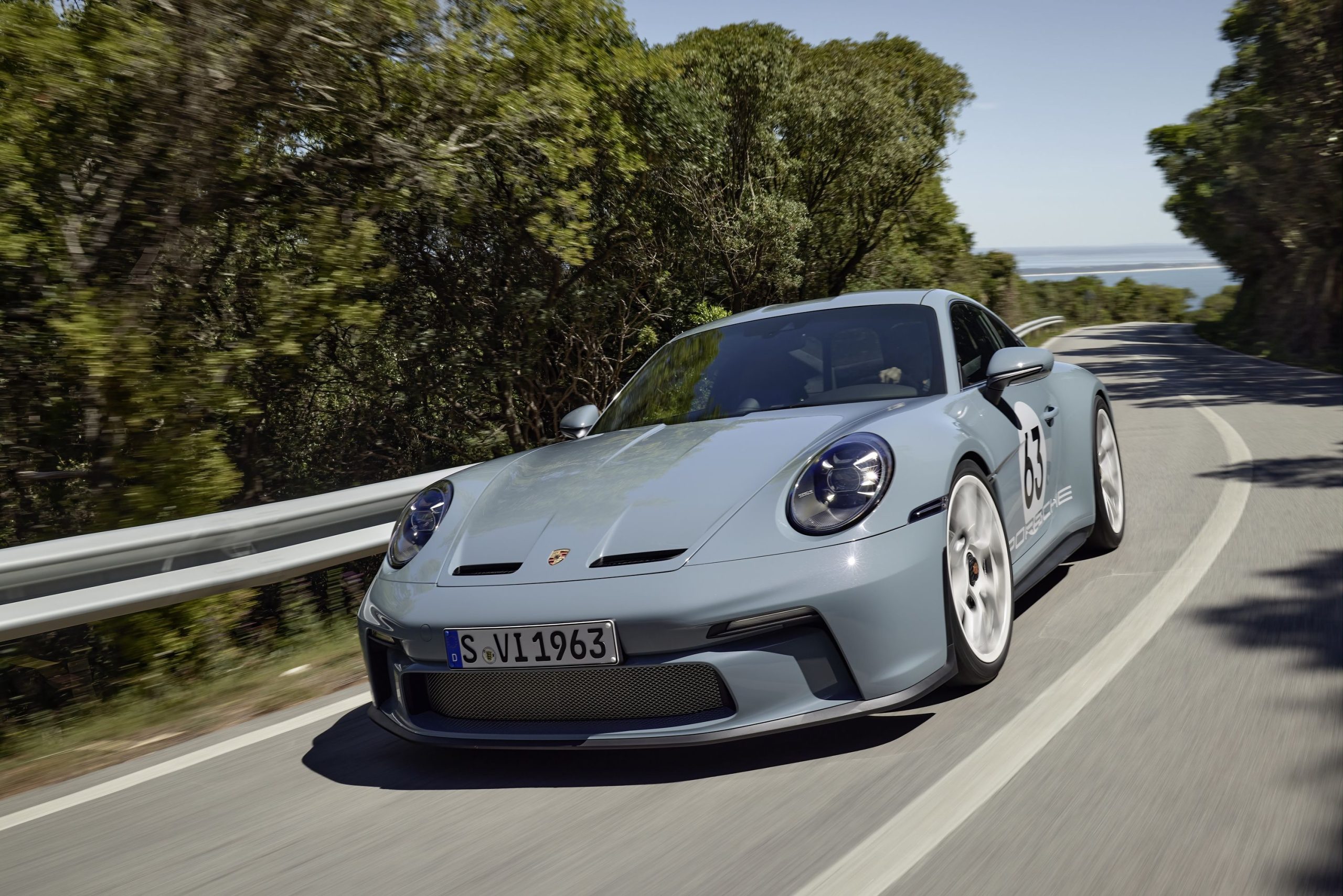
2. Porsche 911 (Air-Cooled Models)
Air-cooled Porsche 911s hold a special place in automotive history and in the hearts of enthusiasts. Built up until the mid-1990s, these cars are known for their distinctive engine sound, raw driving dynamics, and timeless design. Many owners consider the 911 more than a car, it’s a companion for life.
The driving feel is analog and immediate, making modern cars feel numb by comparison. Once someone becomes accustomed to the quirks of rear-engine handling, it becomes second nature, and letting go of that sensation is difficult.
Maintenance plays a role in why people keep these cars. While parts can be expensive, the engines are durable when properly maintained. Many air-cooled 911s on the road today have well over 200,000 miles, and their owners plan to add many more.
The cars are mechanical enough that seasoned enthusiasts can learn to work on them without needing advanced tools. Over time, this encourages a sense of stewardship and pride in keeping the vehicle running well past its expected lifespan.
The design of the air-cooled 911 has aged gracefully. Its iconic silhouette remains instantly recognizable and universally respected. While trends in automotive styling come and go, the air-cooled 911 stays relevant and admired.
For collectors and drivers alike, owning one feels like preserving a piece of automotive art. It’s not uncommon for people to keep their 911s for decades, passing them down through families as treasured heirlooms.
Moreover, the Porsche community is deeply rooted and supportive. Enthusiasts gather for drives, share knowledge, and maintain a strong network of suppliers and specialists.
The shared passion helps owners stay committed to their cars, even when modern alternatives offer more power or comfort. In many cases, the bond to an air-cooled 911 is so deep that the idea of selling it simply never comes up, it becomes part of the family.
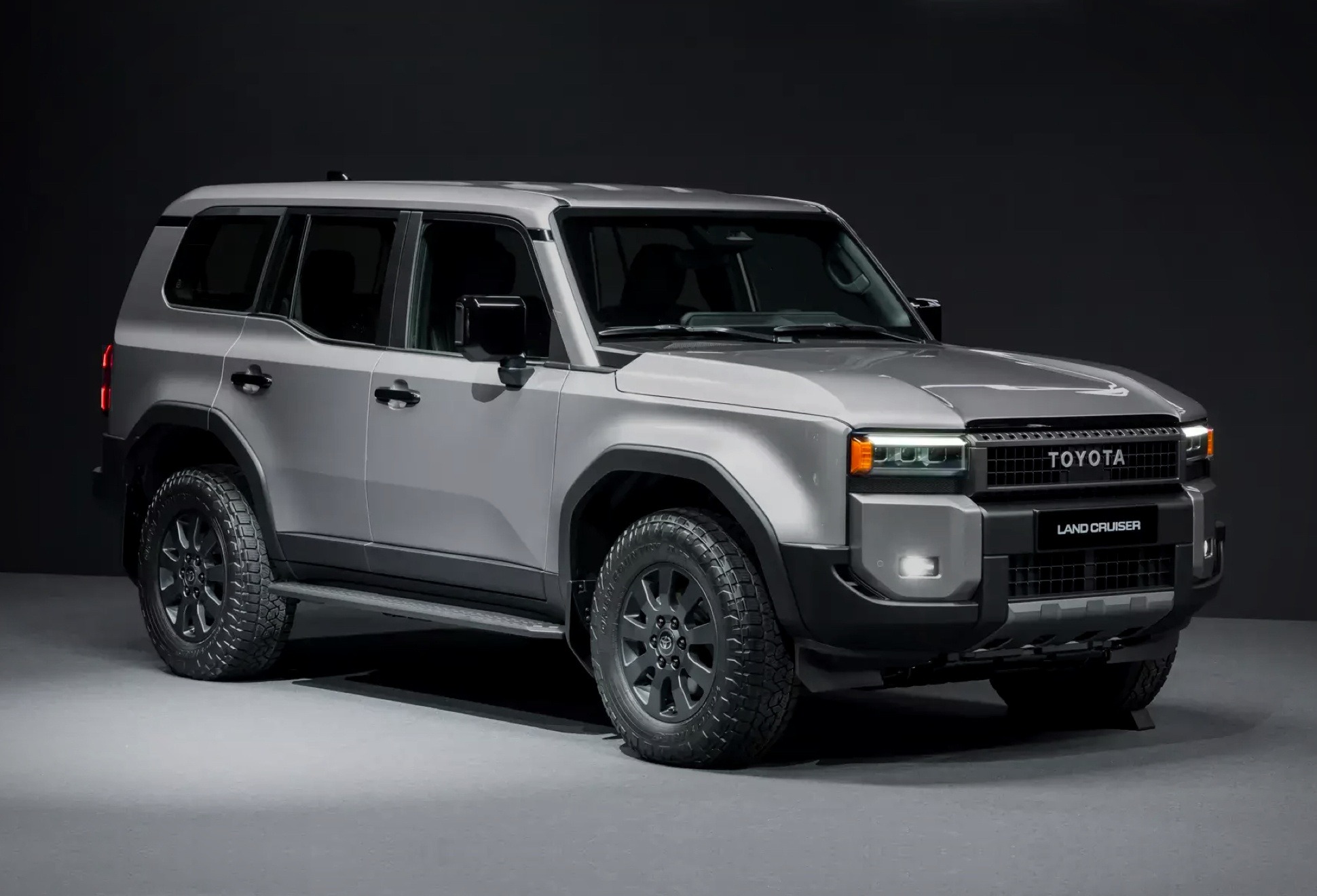
3. Toyota Land Cruiser (FJ60/FJ80)
The Toyota Land Cruiser, particularly the FJ60 and FJ80 models, is a vehicle that people keep for generations. Known for their bulletproof reliability, these SUVs have traveled across continents, scaled remote mountain trails, and handled everyday duties without missing a beat.
Owners often grow attached to the vehicle not just because it’s reliable, but because it has character and purpose. The sense of capability and confidence it brings is hard to replicate in newer, more luxurious SUVs.
Part of the reason owners keep these Land Cruisers is their mechanical durability. The inline-six engines in both the FJ60 and FJ80 are known to run for hundreds of thousands of miles with basic maintenance.
These trucks were overbuilt and designed to function in the harshest environments, from deserts to jungles. That toughness turns them into loyal companions, and many enthusiasts refuse to part with them even when faced with rust or wear.
Another key factor is utility. The Land Cruiser can tow, carry cargo, haul a family, and take on rough terrain without breaking a sweat.
Owners modify them with lift kits, roof racks, and off-road gear to create expedition-ready machines.
Even if a newer vehicle could technically do the same things, it wouldn’t have the same soul. The analog driving feel, clunky but satisfying gear changes, and old-school mechanical engagement make the experience richer.
Finally, there’s a cultural aspect to owning an older Land Cruiser. These vehicles represent a lifestyle of adventure, independence, and endurance. They are more than transportation, they symbolize stories and journeys.
From family camping trips to solo expeditions, the memories created with a Land Cruiser are powerful. That connection is emotional, and it’s why so many people restore them rather than replace them.
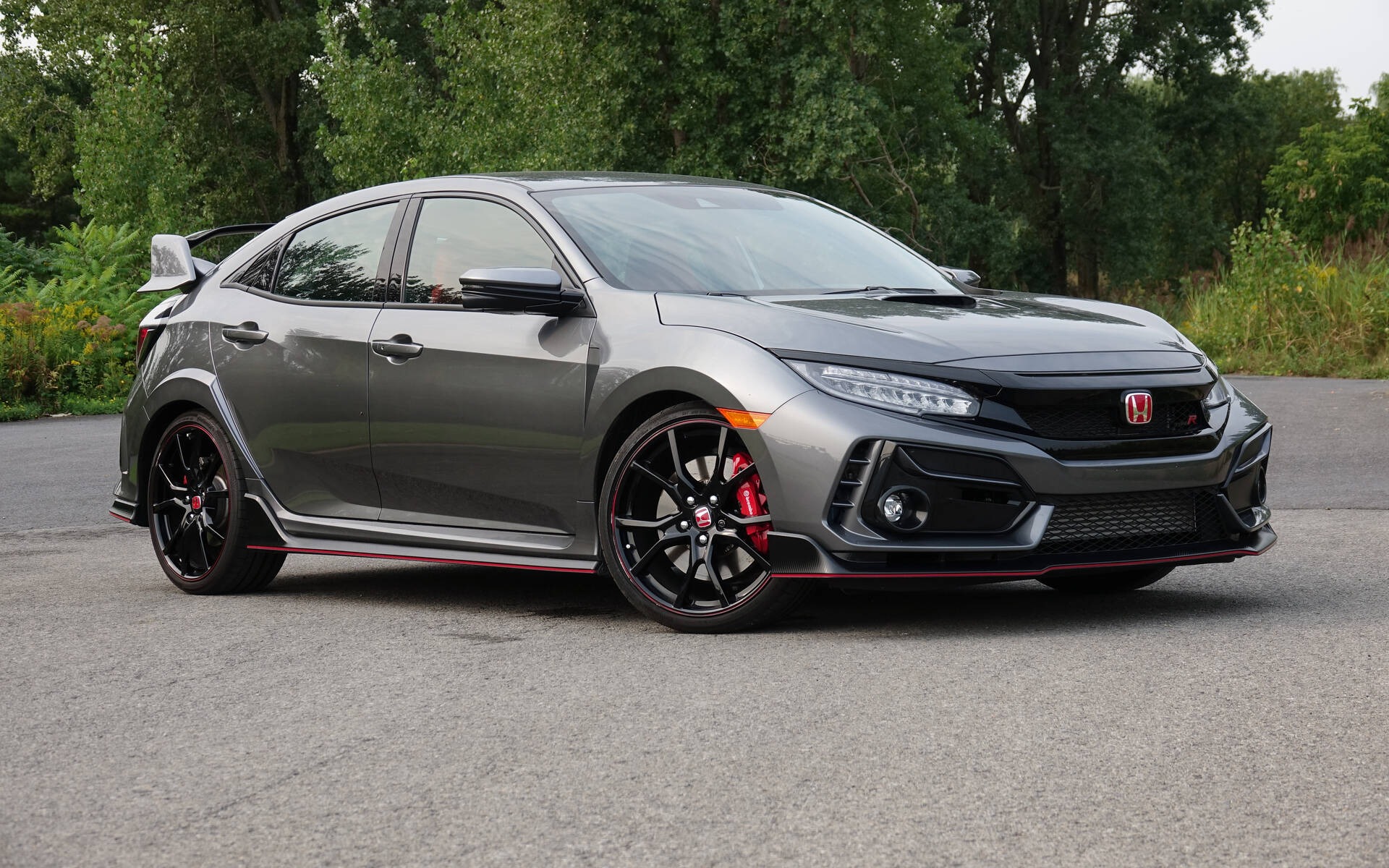
4. Honda Civic (EG/EK Generations)
For many car enthusiasts, especially those who came of age in the 1990s and early 2000s, the Honda Civic EG and EK models are cars that never leave their hearts or their driveways. Lightweight, practical, and incredibly tunable, these Civics sparked a generation of modifiers, racers, and tuners.
Even today, it’s common to see someone holding onto their 25-year-old Civic as if it’s a brand-new sports car. And in many ways, it still feels fresh and relevant.
The charm of these Civics lies in their simplicity and potential. Stock, they offer great fuel economy, agile handling, and a spacious cabin. With a few tweaks, they transform into legitimate performance machines.
The aftermarket support for these models is unmatched, with countless options for engines, suspensions, brakes, and aesthetics. People pour years into building the exact car they dreamed of as teenagers. Once built, there’s a deep sense of attachment that makes selling the car nearly impossible.
Reliability also plays a massive role. The D- and B-series engines are legendary for taking abuse and keeping on going. Many Civics have seen track days, spirited canyon runs, and daily commuting without a single hiccup.
They’re cheap to maintain, easy to work on, and forgiving to inexperienced mechanics. This encourages owners to do everything themselves, which adds another layer of connection. That sense of ownership deepens over time.
Civic owners also form tight-knit communities, both online and locally. From car meets to group drives, the Civic scene has always been about sharing and improving. There’s a friendly competitiveness among enthusiasts, but it’s also collaborative.
These cars aren’t just about nostalgia; they represent years of learning, wrenching, and growing. That emotional history makes them more than metal and plastic, they become symbols of youth, perseverance, and identity.
5. BMW E30 3 Series
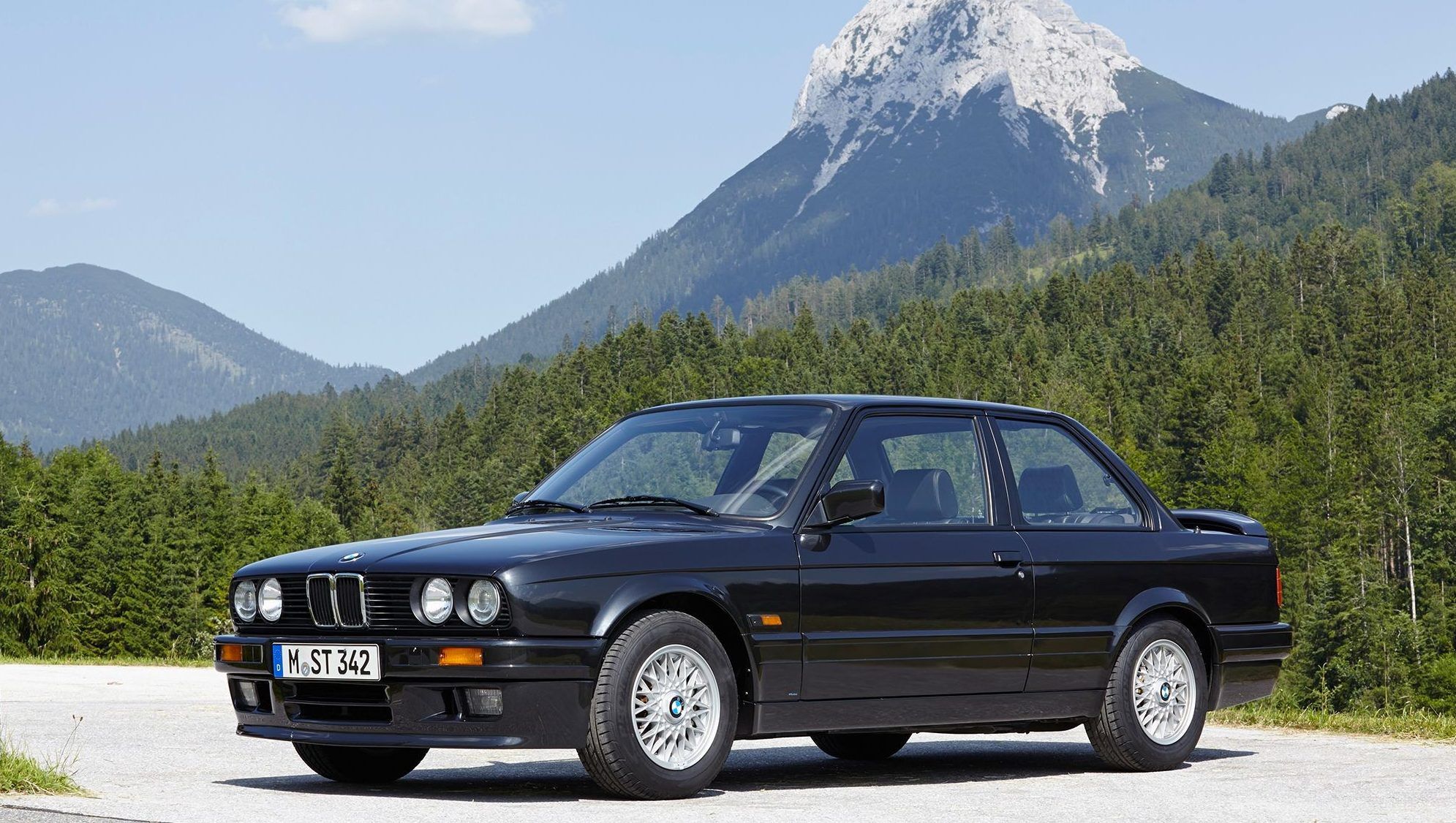
The BMW E30 3 Series is one of the most iconic vehicles ever to come out of Germany, and it remains a favorite among car enthusiasts for good reason. Built during the 1980s and early 1990s, the E30 represents a golden era of driver-focused engineering.
Its proportions are nearly perfect, with a front-engine, rear-wheel-drive layout, near 50/50 weight distribution, and responsive steering.
Whether you’re behind the wheel of a simple 318i or a high-performance M3, the experience is unforgettable. It’s the kind of car that feels alive, communicating every detail of the road and responding instantly to input.
Owners tend to keep their E30s because the car offers the perfect balance of mechanical engagement and everyday usability.
It’s sporty without being punishing, refined without being dull, and reliable enough to use daily with proper care. The engines, particularly the M20 inline-six and the M42 inline-four, are known for their durability when maintained.
The car’s mechanical simplicity also makes it ideal for DIY mechanics. With patience and some research, owners can tackle everything from suspension rebuilds to engine swaps in their own garages, which makes them feel invested in the long-term health of the car.
Beyond mechanical qualities, the E30 holds significant emotional value for many people. It’s often the first “real” car someone saved for, modified, or drove on a track. For some, it’s a hand-me-down from a parent or a car that represents a dream fulfilled after years of watching old DTM racing footage.
The E30 also looks timeless. With clean lines, strong angles, and a confident stance, it still draws attention on the street without being flashy. The design has aged with dignity, unlike many of its contemporaries, which helps keep interest high even after decades of ownership.
The community surrounding the E30 is also a major factor in why enthusiasts hang onto them. Owners share detailed build threads, gather at meets, and offer help with troubleshooting and parts sourcing.
There’s a real sense of respect and admiration among E30 drivers, especially when it comes to original or well-built examples.
As the years pass, clean E30s become harder to find, which makes them even more valuable in the eyes of their caretakers. Once someone owns an E30, they quickly realize they’d rather preserve and enjoy it than move on to something newer.
Also Read: 10 Cars That Survive Extreme Weather With Ease
6. Jeep Wrangler (TJ and Earlier)
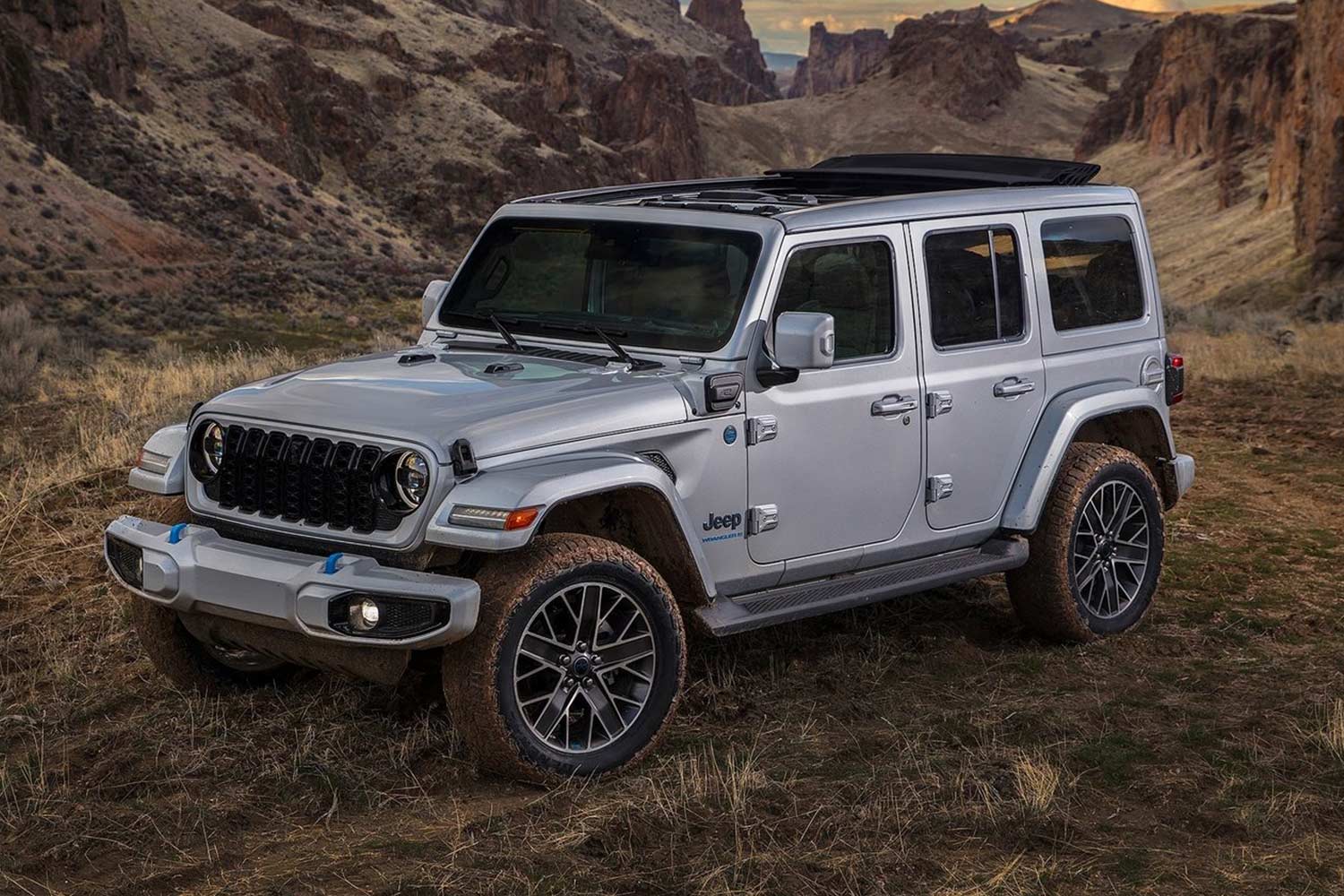
The Jeep Wrangler, especially the TJ and earlier generations like the YJ and CJ, is a vehicle that people often buy and never sell. It’s a simple, rugged, go-anywhere machine with a loyal following and a reputation for near-limitless modification.
With solid axles, short wheelbases, and available manual transmissions, these Jeeps are purpose-built for adventure.
The boxy design is more than a nostalgic throwback; it serves a function, offering excellent visibility and ease of repair. For those who love exploring trails, camping off-grid, or just cruising with the top down, there’s no replacement for a Wrangler.
Wrangler owners tend to form strong attachments because the vehicle is a blank canvas. It can be lifted, fitted with oversized tires, armored with steel bumpers, or converted into a rock-crawling monster.
But even bone stock, a Wrangler offers an honest, raw experience that connects the driver to the terrain in a way that most modern SUVs can’t.
That tactile feel, of the steering vibrating slightly as you climb over rocks, of the gears clicking into place, is addicting. Once you’ve customized a Jeep to your liking, it becomes something deeply personal and difficult to let go of.
Another reason people keep their Wranglers is the sense of identity that comes with owning one. Driving a Wrangler isn’t just about transportation; it’s about lifestyle. From the “Jeep wave” to trail badges and custom decals, the culture surrounding these vehicles is built on shared experiences.
It’s not uncommon to see a TJ that’s been through three engines and five paint jobs still running strong. Owners grow with these Jeeps, upgrading parts as needed, not because they have to, but because they want to keep the adventure going.
The practicality of the Wrangler also plays a role. It’s one of the few vehicles that can serve as a daily driver, an off-roader, and a weekend toy all in one. Its removable top and doors give it a convertible-like appeal, while the utilitarian interior makes it easy to hose out after a muddy trip.
And when it breaks, parts are widely available and often inexpensive. For many, the Wrangler is less a car and more a way of life, one they have no interest in giving up.
7. Nissan 240SX (S13/S14)
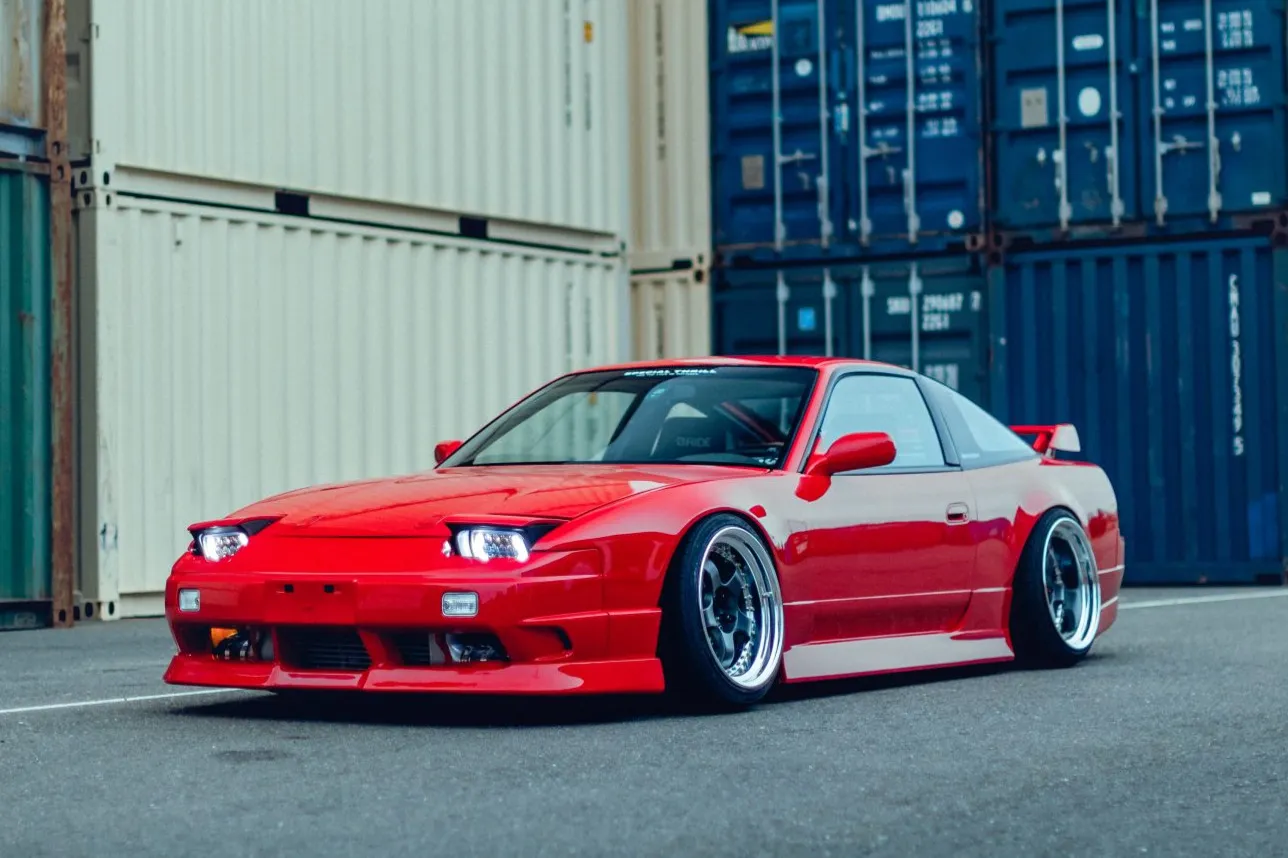
The Nissan 240SX, particularly the S13 and S14 models, is a car that lives on well past its production years, thanks in large part to its cult following in the drifting and tuner communities. Lightweight, rear-wheel-drive, and incredibly well-balanced, the 240SX became a platform for creativity, motorsport, and expression.
Owners who bought these cars young often never part with them because of the emotional and financial investment they’ve made. These cars may start as simple daily drivers, but they often evolve into projects, race cars, or showcases of mechanical talent.
Mechanically, the 240SX is approachable. The KA24 engine may not be a powerhouse stock, but it’s reliable and offers a good base for forced induction. Many enthusiasts swap in SR20DETs, RBs, or even LS V8s, transforming the car into something entirely new.
Because of the wide availability of parts and decades of community knowledge, building and maintaining a 240SX becomes a journey. That time spent under the hood, welding mounts, tuning engines, and fixing bodywork fosters a sense of pride. Every modification, scratch, and fix becomes part of the car’s story.
The design of the 240SX has also aged well. The long hood, short deck proportions, pop-up headlights on the S13, and aggressive stance of the S14 give it a timeless sports car appeal. Even casual observers can tell there’s something special about these cars, and those who know, know.
Despite their relatively low cost when new, clean examples now command serious respect and value. But for many enthusiasts, the resale value is irrelevant, the car represents years of memories and growth, both personal and mechanical.
Community is a huge part of why these cars stay in garages year after year. From drift events and car shows to online forums and YouTube channels, 240SX culture is strong and deeply embedded in car history. The relationships formed around these cars often outlast the parts themselves.
Whether it’s a beat-up drift missile or a pristine show build, the car becomes a badge of dedication. Selling it would feel like erasing a part of one’s automotive journey, something most owners simply can’t do.
8. Ford Mustang (Fox Body)
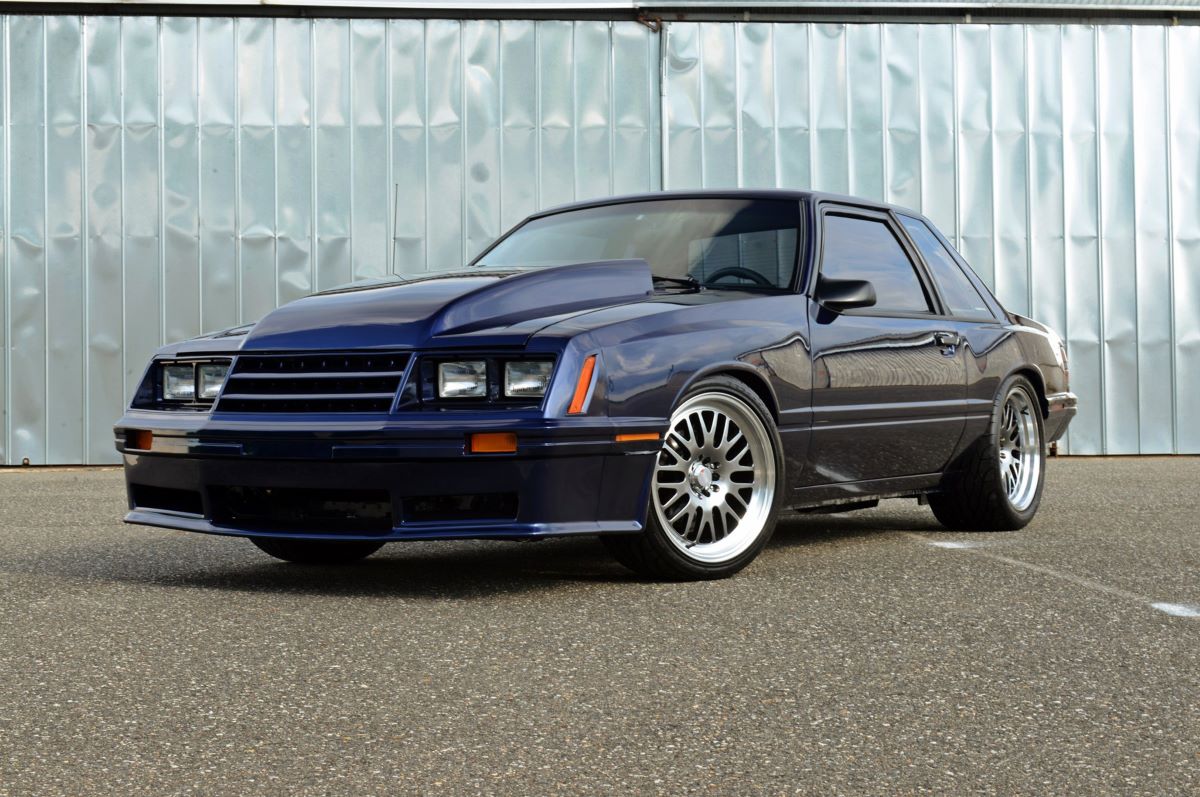
The Fox Body Mustang, produced from 1979 to 1993, has become one of the most cherished American muscle cars of the last century. Its angular styling, strong aftermarket support, and affordable entry price made it a favorite among gearheads across multiple generations.
What started as a common performance car became a collectible, especially among those who grew up seeing them at drag strips, car shows, or in their parents’ driveways. Once someone builds a Fox Body to their liking, it becomes more than just a car, it becomes a permanent member of the family.
The Fox Body platform is incredibly versatile. Whether you want to build a street cruiser, a quarter-mile dragster, or a canyon carver, the Fox Body can handle it. The 5.0-liter V8 is one of the most iconic American engines ever made, and its tuning potential is legendary.
The aftermarket has supported this car for decades, offering everything from suspension upgrades to turbo kits to full interior restorations. Owners often spend years customizing their builds, creating machines that perfectly reflect their style and goals.
Beyond performance, the Fox Body also holds deep emotional value. It represents a specific era in American car culture, one where performance became affordable again after the slowdowns of the 1970s. For many, it was their first fast car, the car they learned to wrench on, or the one they watched race on weekends.
That connection is hard to break. Even when newer, faster Mustangs are available, enthusiasts stick with their Fox Bodies because the experience is raw, familiar, and deeply personal.
The car’s simplicity is part of its charm. It’s not overloaded with electronics, and that makes it more approachable for DIY projects. You can fix it with basic tools, and replacement parts are cheap and easy to find. That ease of ownership encourages long-term relationships.
Combine that with a thriving online and real-world community, and you have a recipe for lifelong attachment. Selling a Fox Body often feels like letting go of a piece of your youth, something most owners aren’t willing to do.
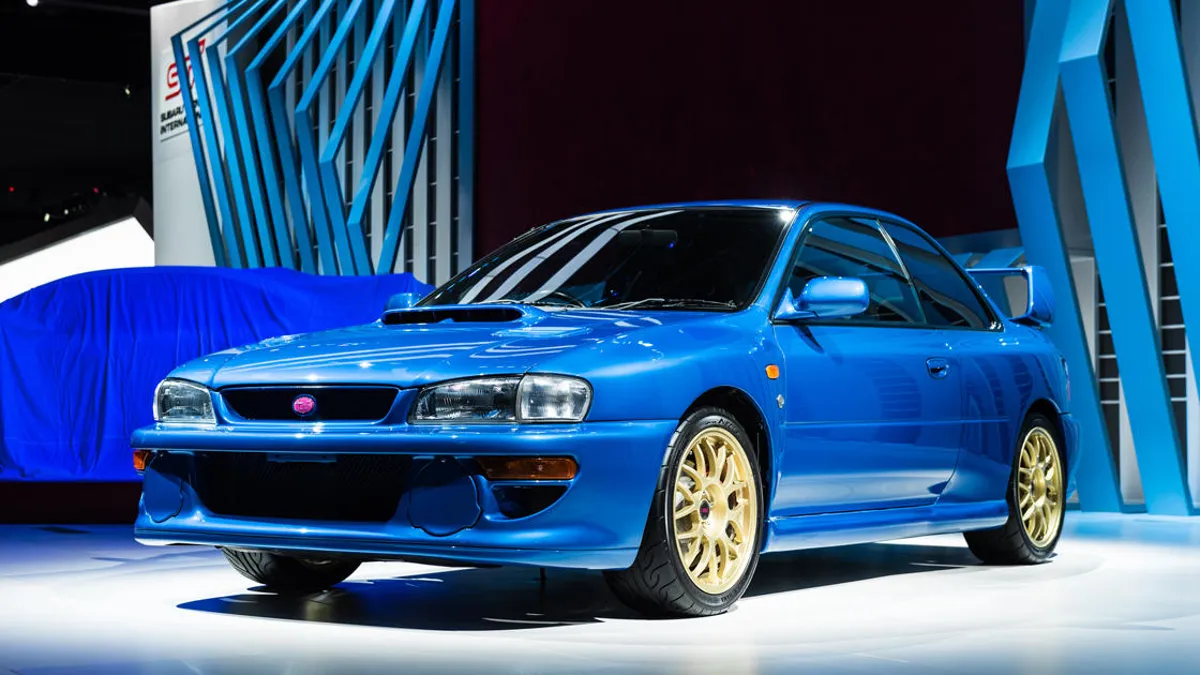
9. Subaru Impreza WRX (GD Generation)
One of the reasons the GD WRX remains in garages long-term is its real-world usability. It can serve as a year-round daily driver thanks to Subaru’s proven symmetrical all-wheel-drive system, yet it also delivers serious performance when the opportunity arises.
Owners who drive through snow, rain, or rough roads never feel like they’ve sacrificed fun for safety. That all-weather confidence is a rare quality in performance cars, and it’s a big part of why WRX owners stay loyal. This generation strikes a balance that’s hard to find today: it’s practical enough for grocery runs and rowdy enough for track days or backroad blasts.
The tuning potential of the GD WRX is another major reason people keep them. The turbocharged EJ engine responds well to modifications, and there’s a massive aftermarket community to support everything from minor bolt-ons to full engine builds.
Many WRX owners start off with light upgrades, an exhaust here, a tune there, and end up years later with a fully custom setup that reflects their personality and preferences. Once that kind of time, effort, and money has been invested, it becomes much more than just a car. Selling it starts to feel like giving up a piece of yourself.
The WRX also carries emotional weight for a generation raised on rally legends and motorsport heroes. For many, this car represents a childhood dream, made famous by names like Colin McRae and Petter Solberg.
Seeing a WRX on a gravel road with mud sprayed up the sides still inspires that same excitement today. Even those who never step foot off pavement feel connected to that racing DNA. That heritage gives the car a soul that newer models sometimes lack. It’s not just fast, it feels alive, and it has a story.
Finally, the GD WRX has a strong community built on shared experience. From meetups and online forums to YouTube channels and car clubs, WRX owners tend to support one another. They swap parts, troubleshoot issues, and celebrate each other’s builds.
That camaraderie helps reinforce the bond between owner and car. It becomes a hobby, a passion, and a part of life. Selling a WRX often feels like exiting a lifestyle that has provided not only joy but a sense of belonging. For many, that’s simply not an option.
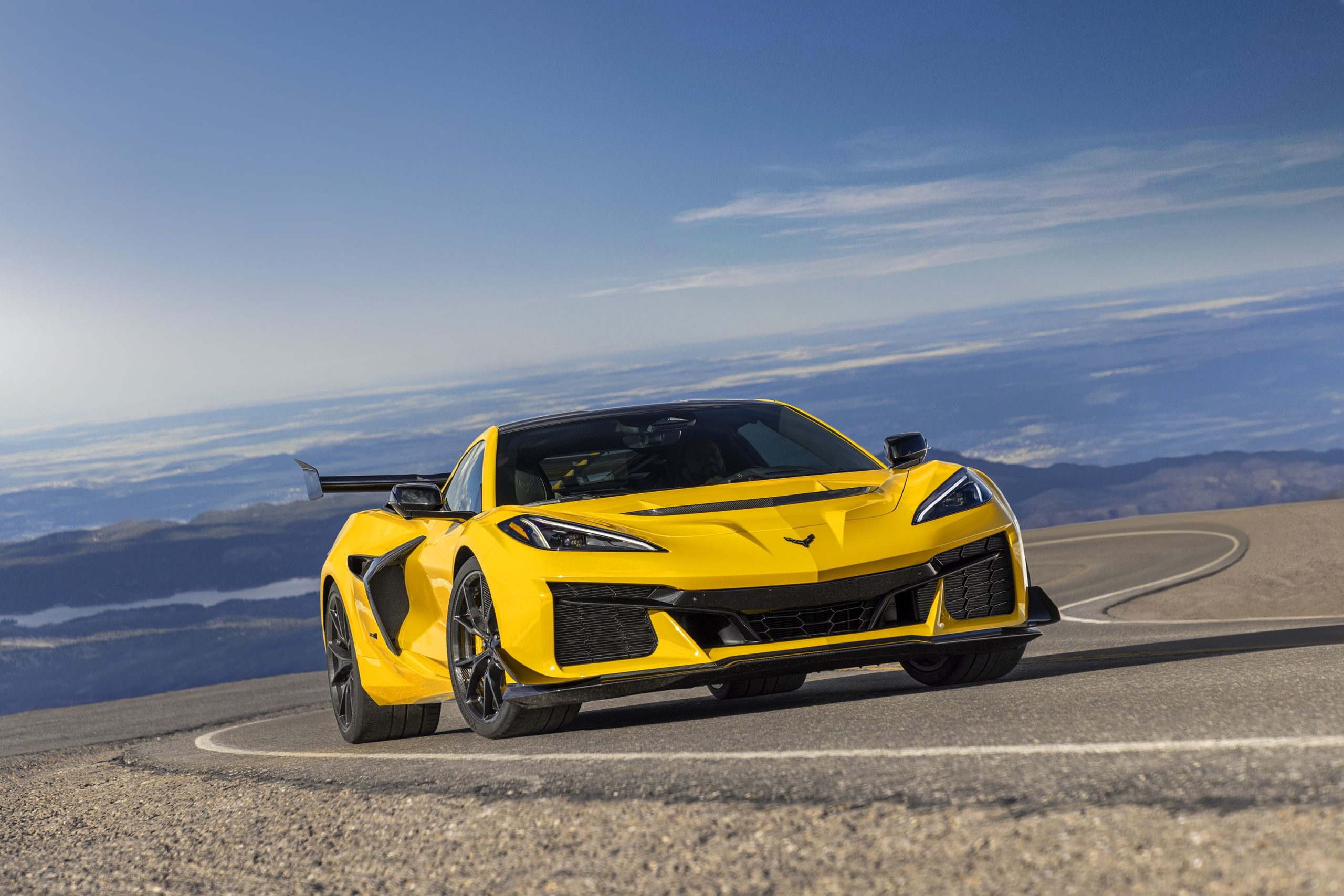
10. Chevrolet Corvette
The Chevrolet Corvette C5 is a car that continues to surprise and impress, even decades after its release. Launched in the late 1990s, it introduced a modern era of Corvette performance with the then-new LS1 engine and a refined chassis that dramatically improved handling.
It was affordable compared to European sports cars, yet it offered similar levels of speed and driving enjoyment. Today, the C5 remains a car that enthusiasts often keep indefinitely, not because it’s the flashiest or most expensive, but because it delivers everything they want in a sports car and continues to hold up year after year.
What keeps people holding on to their C5s is the near-perfect blend of performance, value, and reliability. The LS1 V8 is one of the most celebrated engines ever built, known for its smooth power delivery, stout durability, and ease of modification. It’s not unusual to see C5s with over 150,000 miles still running strong, often with just routine maintenance.
Enthusiasts who invest in upgrades, from suspension kits to exhaust systems to full engine rebuilds, find themselves growing increasingly attached as the car becomes more dialed-in and uniquely theirs. The cost-to-performance ratio is so strong that it’s hard to justify replacing it.
The C5 Corvette also delivers a driving experience that’s deeply satisfying. The car is wide, low, and planted, and it communicates clearly through the steering and chassis. With a manual gearbox and rear-wheel-drive layout, it maintains the traditional sports car feel that many newer models have moved away from.
Owners who take their C5s to the track or enjoy spirited driving know how rewarding it is. It’s not just fast in a straight line, it can corner, brake, and handle with real composure. That capability makes it hard to part with, especially when you consider what a replacement would cost today.
There’s also pride in owning a Corvette, especially among those who appreciate American performance heritage. The C5 represents a turning point for the Corvette brand, where performance truly caught up with global competition, and the car earned respect on the world stage.
For many, it’s not just a car, it’s a symbol of engineering done right. Owners often keep them in immaculate condition, showing them off at local shows or weekend cruises. Selling a C5 after all the memories it has created feels wrong for many, like letting go of a part of their story they still want to keep writing.
