
Dependability in a vehicle goes far beyond just getting from one point to another. It speaks to trust, longevity, consistent performance, and the ability to face the rigors of daily driving without letting the owner down.
For many people, especially those who rely on their vehicles for work, family, or long-distance travel, dependability is the most important feature a car, truck, or SUV can offer. Over time, certain vehicles have stood out for their ability to offer reliable service, sometimes for decades. These aren’t always the flashiest or most powerful vehicles, but they’ve earned respect by doing their job consistently well.
Drivers often build long-term relationships with dependable cars, maintaining them for hundreds of thousands of miles. Some of these vehicles have even become cultural icons, passed down within families or celebrated by loyal communities of enthusiasts.
The feeling of knowing a car will start every morning, handle rough weather, and not leave you stranded on the side of the road is one that many drivers prize above all else. Vehicle dependability often leads to lower maintenance costs, fewer breakdowns, and greater resale value, making it a smart long-term investment.
There’s no single definition of dependability, but the vehicles on this list share a common history of solid engineering, minimal problems, and long-term satisfaction from their owners. Some are compact sedans that have proven their mettle over millions of miles.
Others are rugged trucks that can be found still running strong on farms, job sites, and highways after years of use. Each of these vehicles has earned its reputation through real-world experience, not just marketing slogans.
This list includes a mix of different types of vehicles, from economy cars to full-size trucks, reflecting how dependability matters across all segments. The goal is to recognize not just a single good year or generation, but vehicles that have consistently proven themselves across time. Here are ten vehicles that have earned their reputation as some of the most dependable in automotive history.
Also Read: 10 Cars That Survive Extreme Weather With Ease
1. Toyota Corolla
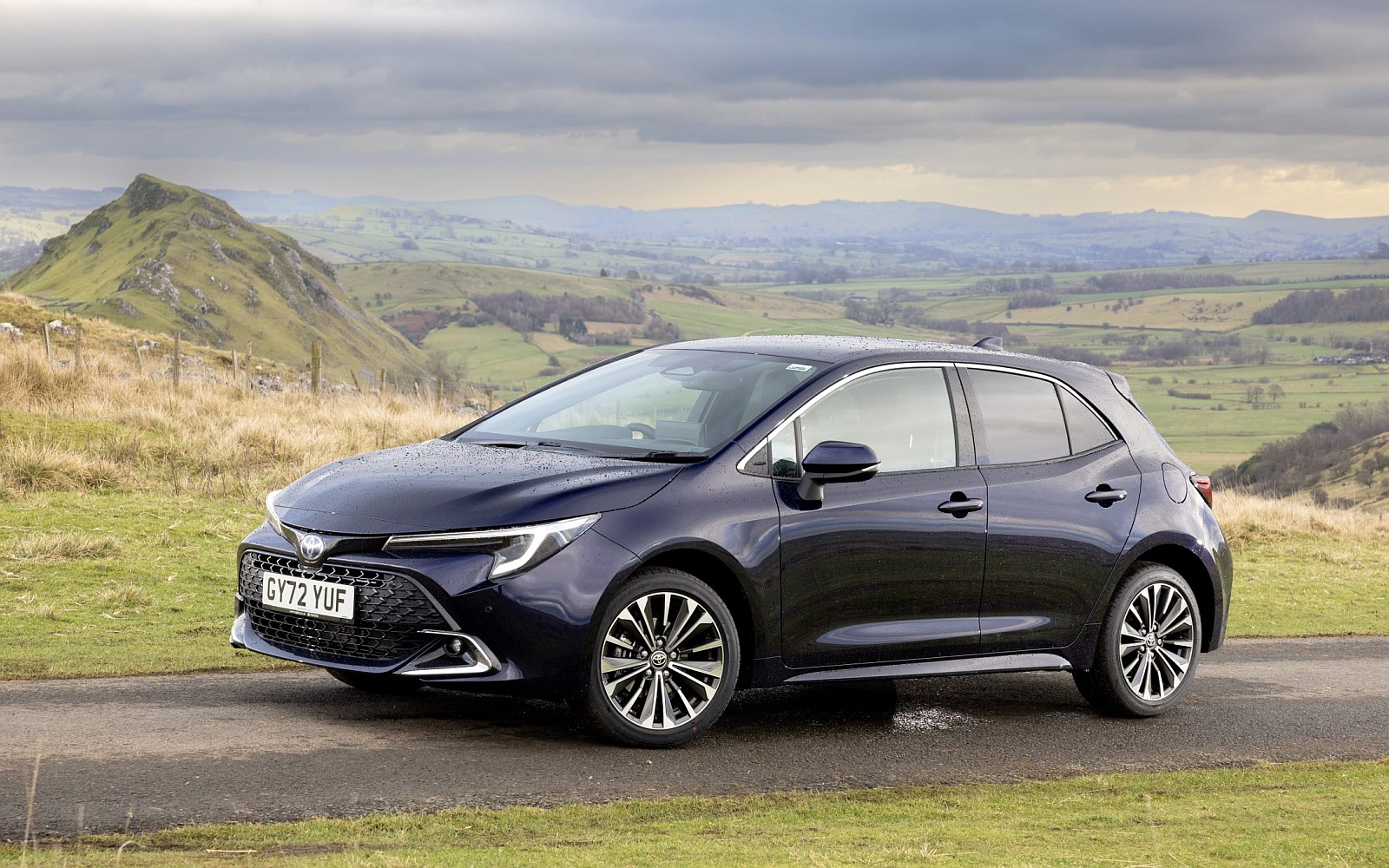
The Toyota Corolla has long been considered the gold standard of affordable reliability. Since its debut in the 1960s, it has been praised for being a no-nonsense vehicle that delivers consistent performance, good fuel economy, and long-lasting mechanical health.
Millions of drivers have turned to the Corolla as a trustworthy daily driver that rarely surprises them with costly repairs or sudden failures. Its simple design and engineering have made it easy to maintain, and many older models are still in operation today, especially in places where reliability is a necessity.
One of the strongest aspects of the Corolla is that it doesn’t try to be something it’s not. It doesn’t chase trends or rely on gimmicks. Instead, it focuses on the basics: solid build quality, fuel efficiency, and consistent performance. These traits have earned it a strong resale value and made it a favorite for students, commuters, and families alike. The interior is often modest, but it’s built with longevity in mind. Even after years of use, many Corollas keep running smoothly with only basic maintenance.
Another reason for the Corolla’s dependable reputation is the conservative approach Toyota has taken with its updates. Rather than radical changes with each generation, the company makes slow, calculated improvements that prioritize reliability over experimentation.
This approach has meant that each version of the Corolla benefits from years of testing and refinement. Mechanics are also familiar with its systems, which keep repair costs low and prevent diagnostic confusion.
Toyota’s commitment to quality control is evident in how the Corolla ages. It’s common to find Corollas with over 200,000 miles still serving their owners faithfully. For those seeking a car that will simply do its job for as long as they need it to, few options have been as consistently reliable as the Toyota Corolla. It’s not built to impress, but rather to endure, and that’s what makes it dependable.

2. Honda Civic
The Honda Civic is another name that has become virtually synonymous with reliability. First introduced in the early 1970s, the Civic quickly earned a reputation for being small but mighty. It combined excellent fuel economy with a sturdy drivetrain and a simple, functional design that stood up to the test of time.
Honda’s attention to engineering detail has meant that Civics are often praised for their longevity, and many owners proudly keep their vehicles running for decades with minimal issues.
Part of the Civic’s appeal lies in its practicality. Whether used as a daily driver, a first car, or even a basic work vehicle, the Civic delivers consistent performance. It doesn’t suffer from the frequent mechanical hiccups that plague many other compact cars. Owners often report few problems even after 150,000 miles or more, especially if regular oil changes and routine maintenance are followed. This has made it a favorite in used car markets and among budget-conscious drivers.
The Civic has also maintained its reputation across generations. While the design and technology have evolved, the car’s core values remain the same. Honda keeps a strong focus on efficient engines, user-friendly controls, and well-balanced suspension systems.
Even as infotainment screens and hybrid drivetrains have been added in recent models, the Civic still delivers on the dependability that made it famous in the first place. In fact, newer models continue to score high in reliability surveys conducted by automotive reviewers and customer satisfaction studies.
Enthusiasts also appreciate the Civic’s durability. Modified versions of the Civic have long been part of car culture, and many of these tuned-up vehicles are still driving after decades of use. The combination of a lightweight body and strong engine design means the car can handle modifications without falling apart.
That speaks volumes about the underlying build quality. The Honda Civic has more than earned its status as one of the most dependable vehicles ever built.
3. Ford F-150
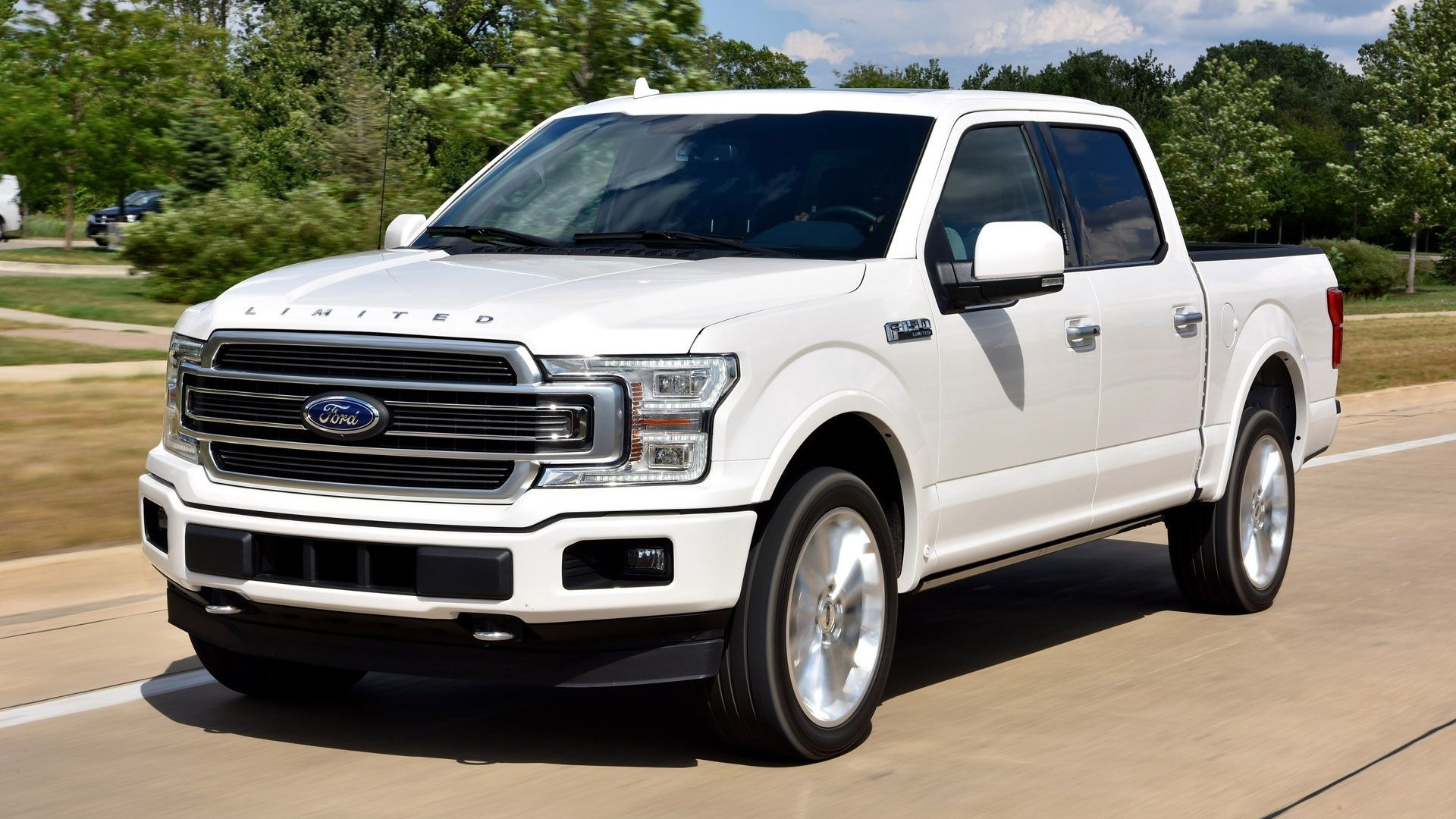
The Ford F-150 is not just one of the best-selling vehicles in history; it’s also one of the most trusted. For decades, it has served workers, families, and adventurers alike, offering a mix of strength, durability, and simple utility that few trucks can match.
The F-150 isn’t just built for power, it’s built to last. Whether it’s hauling heavy loads, driving on rough terrain, or just being a dependable daily truck, the F-150 has developed a reputation for getting the job done without complaint.
One of the key reasons behind the F-150’s long-term success is its consistent design philosophy. Ford doesn’t dramatically alter the truck with every generation. Instead, the company focuses on incremental improvements that strengthen the platform while maintaining core values like toughness and ease of maintenance. Many F-150 models from the early 1990s are still on the road today, a testament to their durability and the loyalty they inspire among their owners.
Another strength of the F-150 is the range of engines that have been offered over the years. Whether it’s the traditional V8s, the more modern EcoBoost V6s, or even diesel options, Ford has managed to provide reliable powertrains that hold up well over time.
These engines, when properly maintained, often last well beyond the 200,000-mile mark. Transmission issues have occasionally appeared in certain models, but the F-150 is known for its resilience under pressure.
The truck’s dependability isn’t just about its mechanical components. The interior of the F-150 is built to handle years of wear, whether from muddy boots or heavy use. Even older models tend to have working electrical systems, functioning gauges, and weather-resistant materials. All of these details come together to make the F-150 one of the most dependable trucks ever built. It’s not surprising that many people who buy one end up purchasing another when the time comes.
4. Toyota Hilux
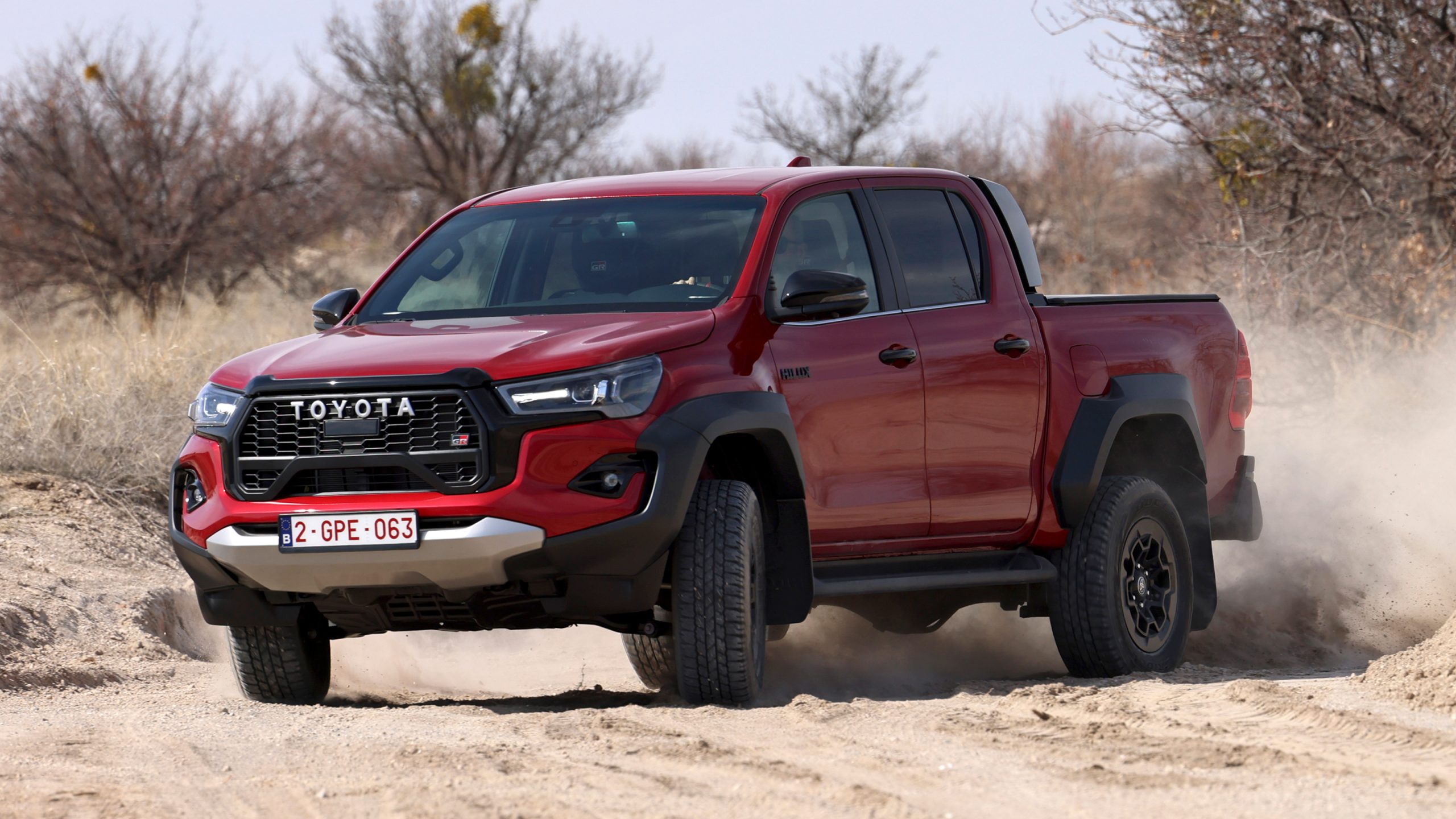
The Toyota Hilux has earned legendary status in many parts of the world due to its unmatched toughness and ability to survive under extreme conditions. This midsize pickup isn’t just dependable in the average commuter sense; it’s the kind of vehicle you can find hauling loads in desert climates, climbing rugged mountain trails, or even navigating war zones.
It gained worldwide recognition for its incredible resilience, particularly after several public endurance tests showed that it could continue functioning even after being dropped, drowned, or set on fire. That resilience comes from Toyota’s deliberate focus on simple, strong engineering over flashy innovation, and it’s a major reason why Hiluxes are still running decades after they were first sold.
One of the things that separates the Hilux from other trucks is how it balances mechanical simplicity with strength. Toyota deliberately keeps the Hilux platform conservative, especially when it comes to drivetrain technology and body design. This allows it to remain easy to fix and maintain, especially in countries where parts may be scarce.
Farmers, tradespeople, and humanitarian organizations rely on the Hilux for this reason. It’s a truck that doesn’t quit, even when resources are low and conditions are poor. That makes it far more than just a convenient vehicle; in many regions, it’s a lifeline. Its diesel engines are known to run for hundreds of thousands of kilometers, and many owners only replace them due to body rust, not mechanical failure.
In rural parts of Africa, Southeast Asia, and South America, you’ll find Hilux trucks from the 1980s still running strong. These trucks are not pampered. They’re often overloaded, driven on poor-quality fuel, and receive the bare minimum of maintenance. And yet, they keep going.
That kind of resilience is rare in modern vehicles, which often rely on electronic systems that are vulnerable to moisture, dust, and impact. Toyota engineers have continued to evolve the Hilux without compromising its core values. Newer models are more refined but retain the mechanical grit that made the original a legend.
Even in countries where it’s not widely sold, the Hilux has developed a cult following. Enthusiasts import them, restore them, and use them for off-road expeditions.
The vehicle’s reputation is such that its name has become shorthand for trustworthiness in hard environments. When people talk about a vehicle being able to “go anywhere,” the Hilux is often the first that comes to mind. It’s more than dependable, it’s practically unbreakable.
5. Subaru Outback
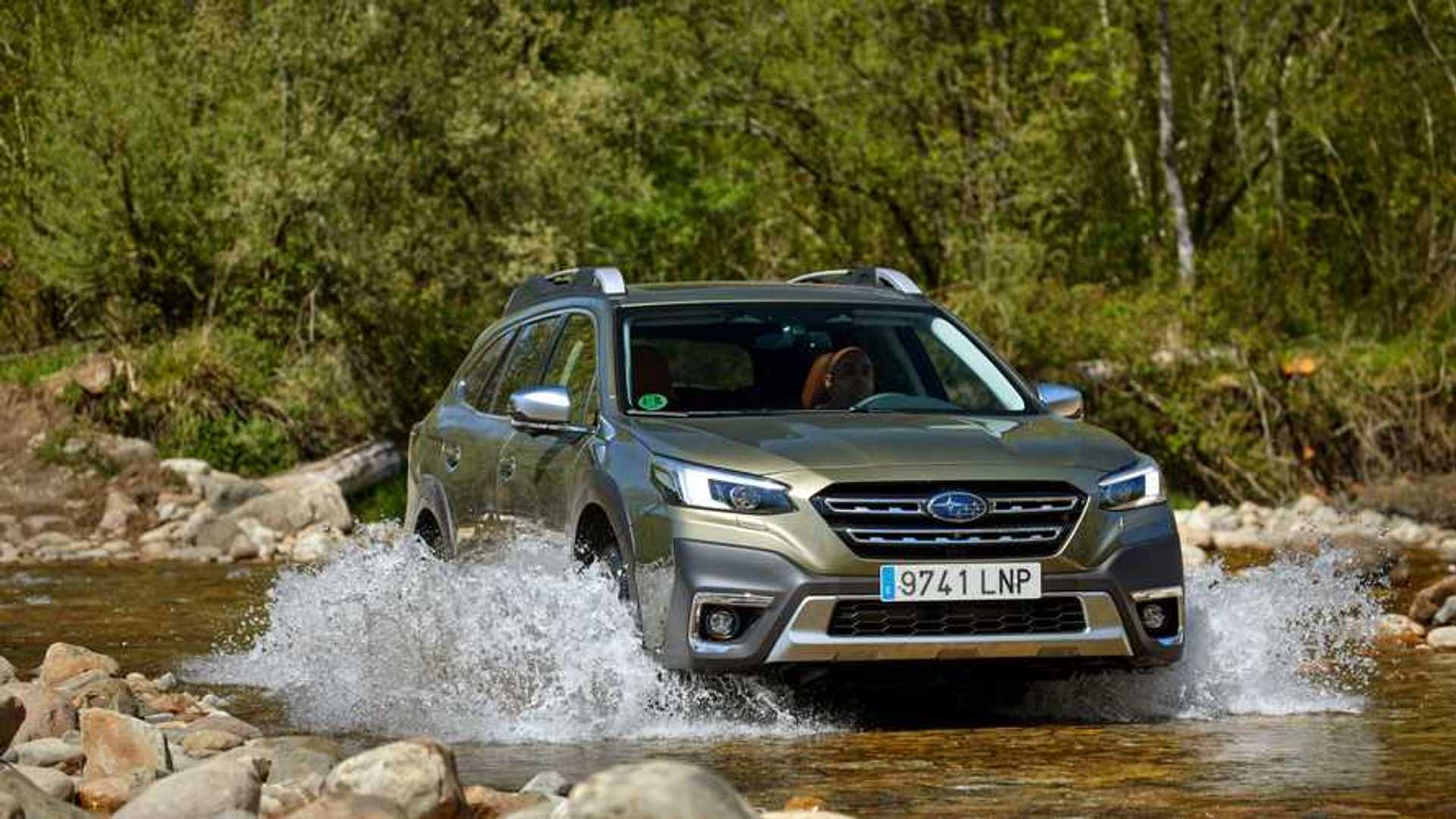
The Subaru Outback has carved out a reputation as one of the most practical and dependable vehicles for those who value safety, utility, and year-round drivability. Originally introduced as a more rugged version of the Subaru Legacy wagon, the Outback quickly became known for its all-wheel-drive capability, reliable performance, and family-friendly design.
It appeals to a wide range of drivers, from outdoor adventurers to suburban commuters. What makes the Outback especially dependable is how it performs in real-world conditions that test a car’s limits, icy roads, rough trails, long-distance travel, and sudden weather changes.
One of the biggest advantages of the Outback is its standard all-wheel-drive system, which is rare in its class. While many vehicles offer AWD as an option, Subaru builds it into every Outback, creating a dependable drivetrain that’s ready for snow, rain, mud, or gravel right off the lot.
This has made it a favorite in regions with harsh winters, mountainous terrain, and rural roads. The AWD system is more than a selling point; it’s a system that has proven itself again and again. Coupled with the vehicle’s low center of gravity, thanks to Subaru’s flat-boxer engine layout, it offers exceptional stability and control.
Subaru’s reputation for long-lasting engines is also a factor in the Outback’s dependability. While some older models experienced head gasket issues, Subaru addressed those problems, and recent generations have shown solid performance over the long haul.
Many Outback owners report crossing the 200,000-mile mark with original drivetrains still intact. Routine maintenance, including timing belt replacements and fluid checks, typically keeps the vehicle running without any major concerns. Owners appreciate the predictability of costs and the peace of mind that comes with a mechanically sound platform.
The interior of the Outback also contributes to its long-term usability. Subaru avoids excessive luxury or fragile materials, opting instead for durable plastics, weather-resistant upholstery, and practical layouts. The cargo space is generous, the seats are supportive, and the controls are logically placed.
This makes the Outback an easy vehicle to live with day after day. For families, dog owners, or those who regularly transport gear, the Outback just works. It’s not flashy, but it’s always ready, which is exactly what dependable vehicles are supposed to be.
Also Read: 10 Best SUVs That Can Handle 20 Years of Abuse
6. Honda Accord
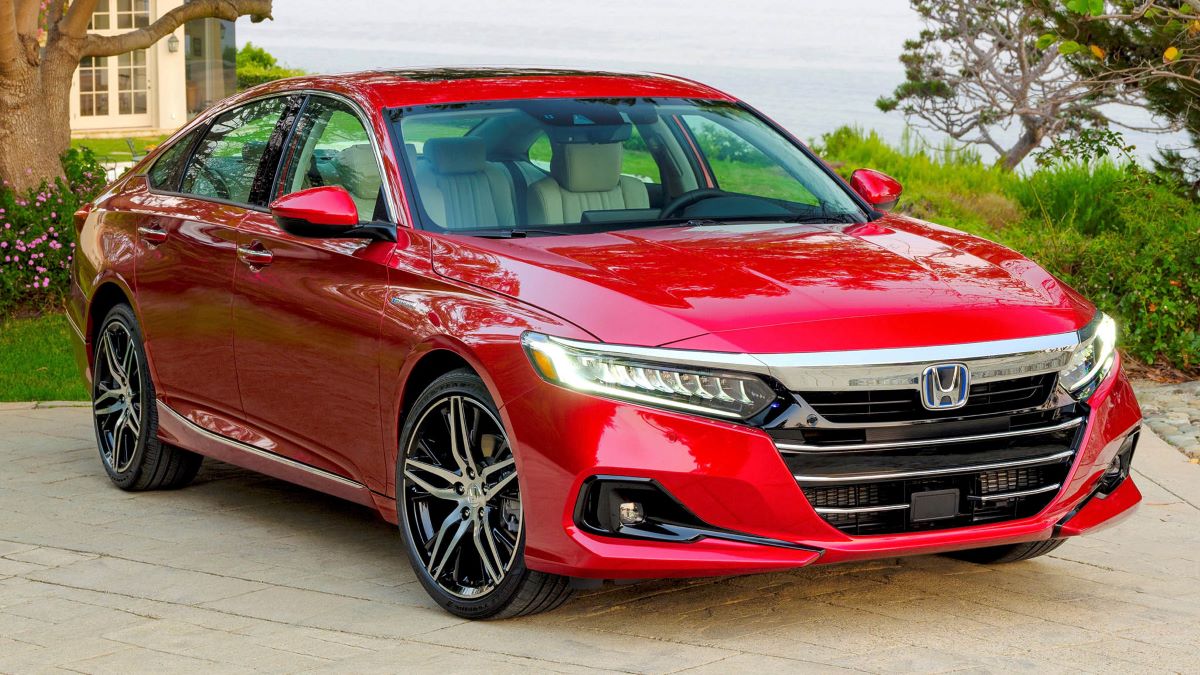
The Honda Accord has consistently ranked among the most dependable midsize sedans for more than four decades. Since its launch in the 1970s, it has provided a reliable alternative to more expensive or less efficient vehicles, offering a solid mix of comfort, durability, and performance.
The Accord is often seen as the older sibling to the Civic, more spacious, slightly more powerful, but still embodying the same dependable values that made Honda a household name. It’s not unusual to find Accords from the 1990s still on the road, having endured multiple owners and hundreds of thousands of miles with their original engines.
What gives the Accord its staying power is a combination of quality manufacturing and attention to long-term functionality. Honda designs its vehicles with longevity in mind, using time-tested components and prioritizing engine durability over cutting-edge features that may not age well.
Many Accords are equipped with naturally aspirated engines that are known for their smooth operation and resistance to wear. The transmission systems, especially in manual versions, are also celebrated for their precision and longevity. Even the suspension systems hold up well over time, which contributes to the smooth and quiet ride that the Accord is known for.
Another factor in the Accord’s dependable image is its low total cost of ownership. Not only is it affordable to purchase new or used, but it also requires fewer repairs than many competitors. When issues do arise, they are usually predictable and manageable.
Replacement parts are widely available, and most independent mechanics are familiar with the Accord’s systems. That means less time in the shop and fewer unexpected bills. Many owners keep their Accords for 10 or 15 years, often passing them on to teenage drivers or family members with full confidence that the car still has life left in it.
Inside, the Accord focuses on function rather than form. While newer models have added screens and more advanced technology, the underlying structure of the cabin is solid. Seats are comfortable, visibility is excellent, and controls are intuitive.
That makes for a car that not only lasts mechanically but also remains pleasant to drive. When you combine that with proven safety ratings and excellent fuel economy, it’s easy to understand why the Honda Accord continues to be a symbol of long-term dependability for millions of drivers around the world.
7. Volvo 240
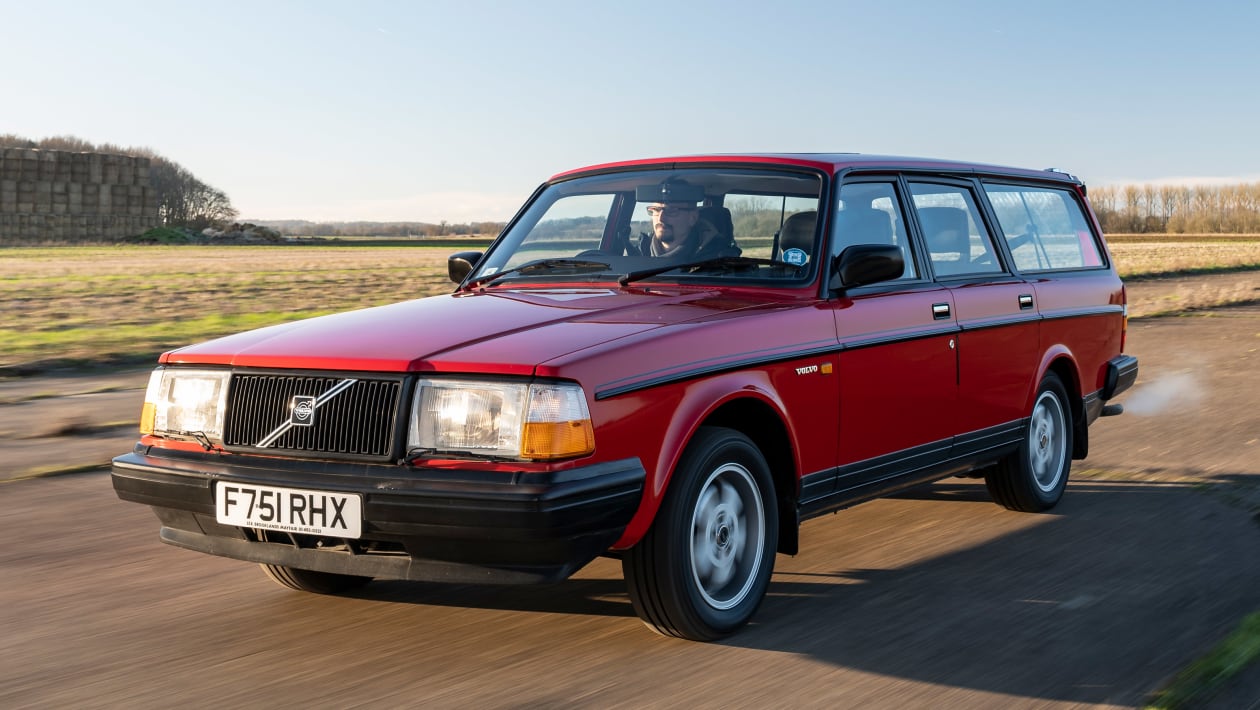
The Volvo 240 is a car that defined durability in an era when vehicles were becoming more disposable. Produced from the mid-1970s through the early 1990s, the 240 earned a reputation for being practically indestructible.
It became a popular choice for families, students, and professionals alike, especially those who valued safety, mechanical simplicity, and long-term cost savings. Its boxy appearance became a kind of badge of honor among those who prioritized substance over style. Long after it went out of production, the 240 still holds a revered place in discussions of dependable cars.
Mechanically, the Volvo 240 is a masterpiece of straightforward engineering. The four-cylinder engine used in most versions is known for its simplicity and incredible lifespan. With regular oil changes and basic upkeep, these engines can last upwards of 300,000 miles.
The drivetrain components are robust, with many examples running on original transmissions even after decades of use. Its rear-wheel-drive layout, though uncommon today, contributes to a balanced feel and fewer complications compared to modern all-wheel-drive systems. This mechanical layout is both strong and easy to repair, making it a favorite among DIY mechanics and enthusiasts.
The safety record of the 240 also plays into its reputation for dependability. Volvo made safety a priority long before it became a common industry focus. The 240 featured crumple zones, reinforced passenger compartments, and excellent crash-test performance for its time.
This emphasis on passenger protection not only helped save lives but also meant the vehicle structure aged well, with many examples still maintaining their integrity after decades on the road. The build quality is exceptional, with thick sheet metal and robust welds throughout the chassis.
On the inside, the Volvo 240 was never about luxury. But it offered a comfortable, well-designed cabin that stood up to the wear and tear of daily life. The upholstery, dashboard, and controls were made from materials that aged gracefully rather than deteriorating quickly.
Its simplicity made everything easy to access and fix, whether you were replacing a heater core or changing a light bulb. That makes the 240 a vehicle you can keep on the road for a long time with minimal stress, which is exactly what defines true dependability.
8. Chevrolet Suburban
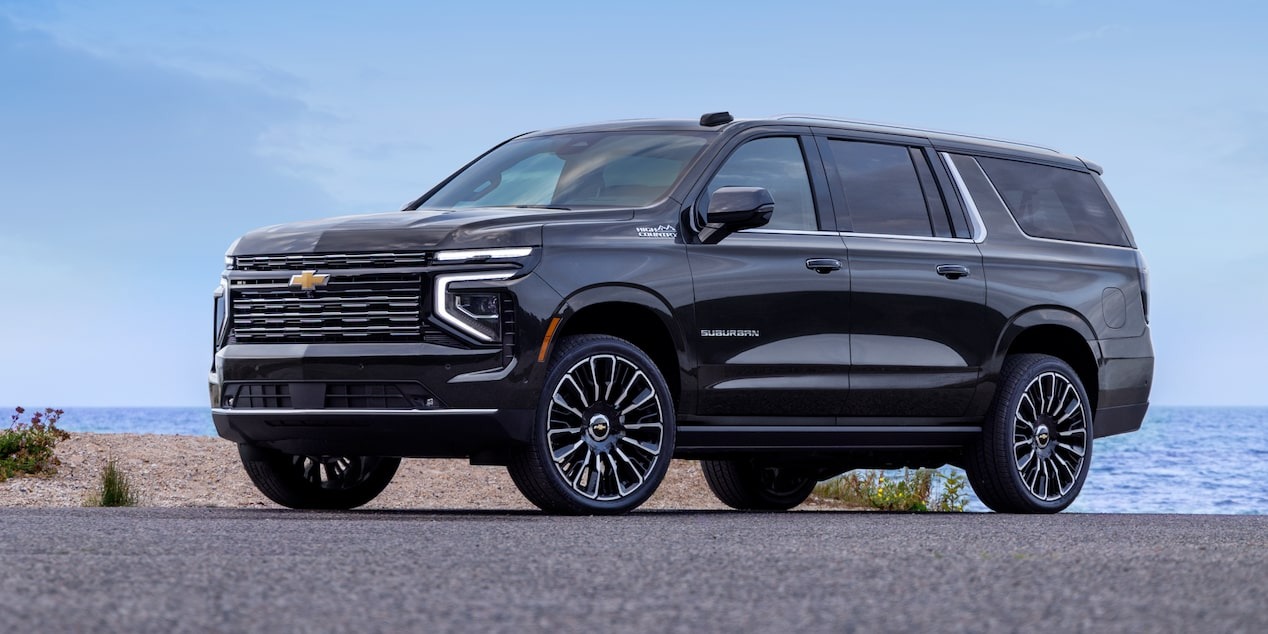
The Chevrolet Suburban holds the distinction of being one of the longest-running nameplates in automotive history, with a legacy that stretches back to the 1930s. Over the decades, it has evolved from a rugged utility vehicle to a full-size SUV, while maintaining a clear reputation for durability and long-term usability.
Families, emergency responders, government agencies, and fleet operators alike have all turned to the Suburban when they needed a vehicle that could transport many people or cargo over long distances without complaint. Its large body-on-frame design, powerful engines, and spacious interior have contributed to its widespread use and continued reputation as a dependable workhorse.
One of the main reasons the Suburban has remained so trusted over the years is its mechanical simplicity, particularly in earlier models. The truck-based platform, shared with Chevrolet’s pickup line, offers a level of toughness that most unibody SUVs can’t match.
The V8 engines, especially the older small-block versions, are known for their ability to withstand high mileage with basic maintenance. Cooling systems, axles, and transmissions were built to handle heavy loads and extended use. That’s why Suburbans are commonly seen with over 250,000 miles, still being used for towing boats, hauling trailers, or shuttling large families across states.
Another element that has played into the Suburban’s reliability is the availability of parts and repair knowledge. Because it shares many components with other GM vehicles, mechanics are generally familiar with its layout, and parts are widely available and relatively affordable.
This makes the Suburban easy to maintain, even when it gets older. Many owners do much of the maintenance themselves, and there’s a large community of enthusiasts online who share advice and technical tips. Unlike some large SUVs that feel disposable after a few years, the Suburban has proven that it can stand the test of time with proper care.
Inside the Suburban, space and comfort have always been priorities, but not at the expense of function. Even with newer generations offering more upscale interiors, the focus remains on practical design, big buttons, sturdy materials, and ample cargo space.
It’s a vehicle that adapts to your needs, whether that means family road trips, construction jobs, or emergency evacuations. Its presence in police departments, school transportation fleets, and large households isn’t an accident. The Suburban has proven over and over again that it’s a dependable tool, not just a status symbol, and that’s a large part of its continued success.
9. Jeep Cherokee XJ
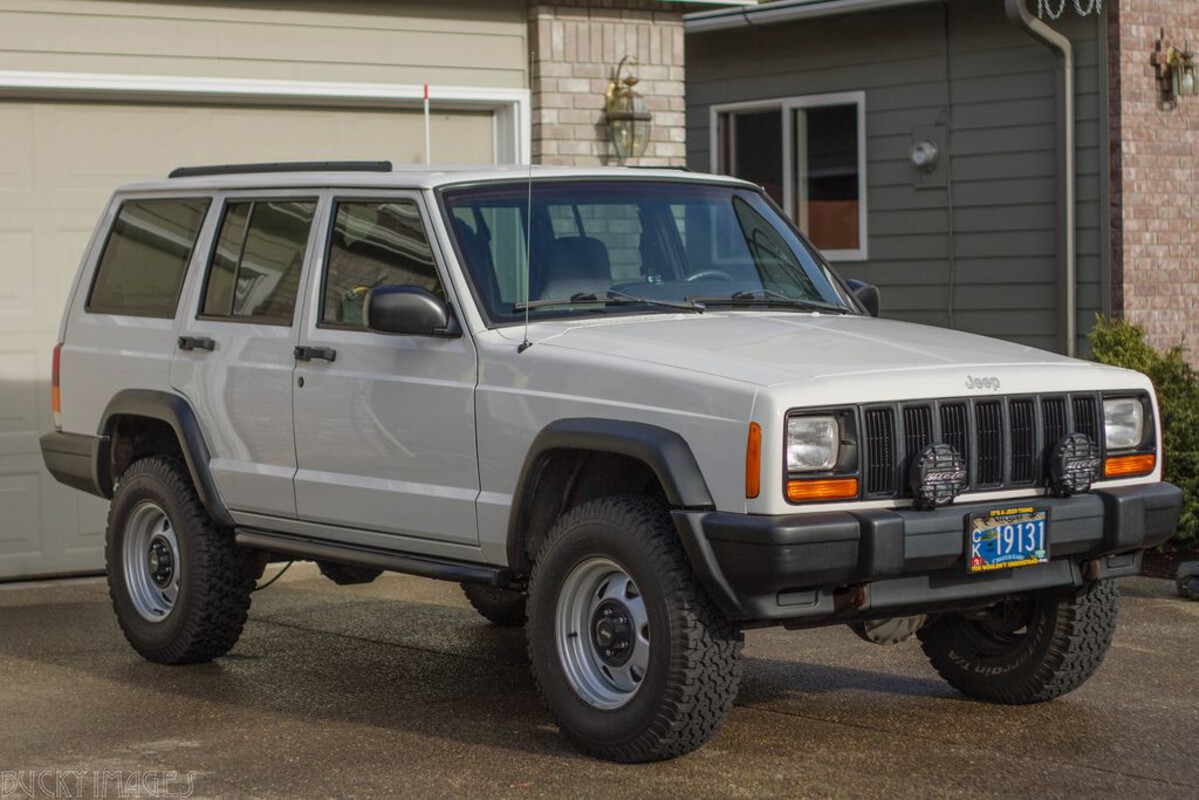
The Jeep Cherokee XJ, produced from 1984 to 2001, has become a legend in off-road and enthusiast circles for its combination of rugged design, dependable drivetrain, and long-lasting components. Unlike many SUVs of its era, the XJ managed to strike a perfect balance between everyday drivability and serious trail capability.
Its compact size made it easy to maneuver, but it was still tough enough to handle mud, snow, rocks, and everything in between. What’s particularly impressive about the Cherokee XJ is how long these vehicles have lasted, many are still running strong today, often with minimal upgrades from stock.
The body-on-unibody construction of the Cherokee XJ also deserves mention. Jeep used a unibody platform, but with such reinforcement and bracing that it ended up being stiffer and more durable than many of the full-frame SUVs of the time. This gave the Cherokee excellent structural strength without the added weight, making it ideal for both on-road and off-road use.
Suspension components were rugged and basic, often easily upgraded by aftermarket parts. Enthusiasts still praise the XJ as one of the most modifiable and reliable platforms available for off-road builds and adventure travel.
Inside, the Cherokee was never luxurious, but it was practical and built to last. The dashboards were simple and well laid out, controls were chunky and mechanical, and seating was straightforward and comfortable for the era. What it lacked in modern flair, it made up for in ruggedness.
It’s a vehicle that doesn’t require coddling or constant attention, just basic care and respect. For those seeking a dependable 4×4 without the complexity of newer systems, the Jeep Cherokee XJ remains a tried-and-true option that stands tall decades after its last model rolled off the assembly line.
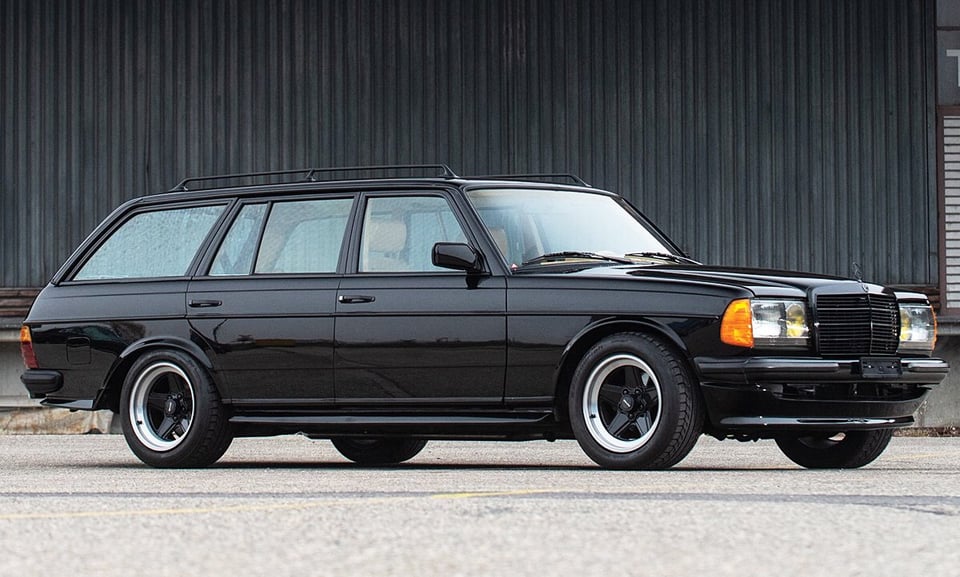
10. Mercedes-Benz W123
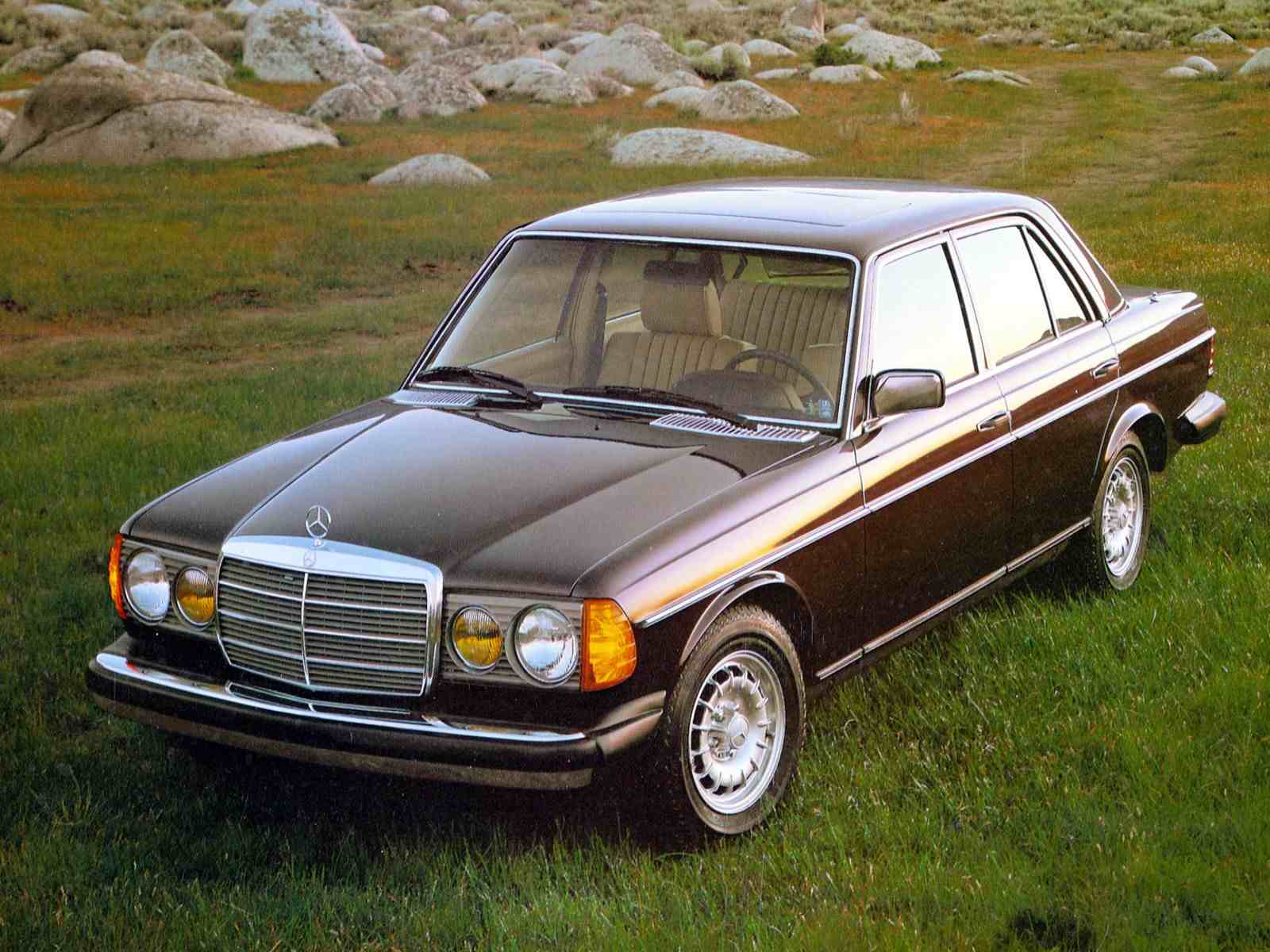
The Mercedes-Benz W123, built from 1976 to 1985, is one of the most respected examples of automotive engineering when it comes to durability and long-term dependability. While Mercedes today is known more for luxury and technology, the W123 era was about engineering first and foremost.
These vehicles were designed to last indefinitely, with many W123s still running today across Europe, Africa, and the Middle East. Taxi fleets in developing countries still use these sedans and wagons daily, and many of them have covered over 500,000 kilometers or more, without a major mechanical overhaul. Few vehicles in history have aged as gracefully or proven themselves in so many environments.
One of the major reasons for the W123’s reputation is its overbuilt nature. The engines, especially the diesel variants like the 240D and 300D, were engineered to run under load for hundreds of thousands of miles. While not fast by any stretch, these engines are known for their low-stress operation and mechanical longevity.
Paired with manual transmissions or simple automatics, the drivetrains in these cars are exceptionally reliable. These power plants are famously slow, but they rarely quit. Owners often joke that the only thing faster than a W123 diesel is a glacier, but the glacier will break down first. Driving a W123 is a unique experience. It’s not about speed or handling, though it’s composed and comfortable; it’s about confidence.
You know when you turn the key that it’s going to start, regardless of the temperature or mileage. That’s a rare feeling in a car, and it’s what has made the W123 a cult favorite. Even 40 years after its debut, it’s still regarded as one of the most dependable vehicles ever created, proof that when engineering is prioritized over cost-cutting, the results can be truly timeless.
