
A V6 engine has long been a symbol of balanced performance and reliability. For decades, manufacturers have used the V6 as a sweet spot between power and efficiency. While not always the most powerful option on the market, many V6 motors have earned a reputation for lasting hundreds of thousands of miles when treated right.
The key phrase here is “with proper care.” Regular maintenance, timely fluid changes, and thoughtful driving habits often turn an already good engine into one that feels unbreakable. There’s a reason some of these motors are still on the road today with over 300,000 miles and still humming along without issue.
Some engines develop cult followings not just because of their horsepower figures or exotic designs, but because owners come to trust them over time. These motors don’t just start every morning; they rarely complain, rarely break down, and deliver consistent performance year after year. The reliability isn’t an accident either.
Many of these engines were engineered during times when long-term durability mattered to automakers, especially in the family sedan and SUV market. The result is a list of engines that go well beyond their expected lifespan, becoming legends in their own right.
Of course, no engine is truly immortal. Even the most reliable V6 can suffer if oil changes are skipped, if it’s driven hard while cold, or if basic upkeep is ignored. But when owners stick to the service intervals and keep an eye on things like valve cover gaskets, coolant levels, and transmission fluid, these engines tend to reward them.
In fact, there are some motors on this list that have shown the ability to outlast the car they’re in. That’s not marketing hype, it’s feedback from real owners, mechanics, and enthusiasts who have watched these engines rack up miles like it’s nothing.
This list isn’t about the most powerful V6s ever made. It’s not about the fastest or the most advanced either. Instead, it’s about engines that inspire confidence with every mile. They’re the motors you see under the hood of a 25-year-old vehicle that still runs without hesitation. So here are 10 V6 engines that, when given the attention they deserve, seem to resist the passage of time better than most.
Also Read: 5 Honda Accord Years That Run Forever vs 5 That Don’t
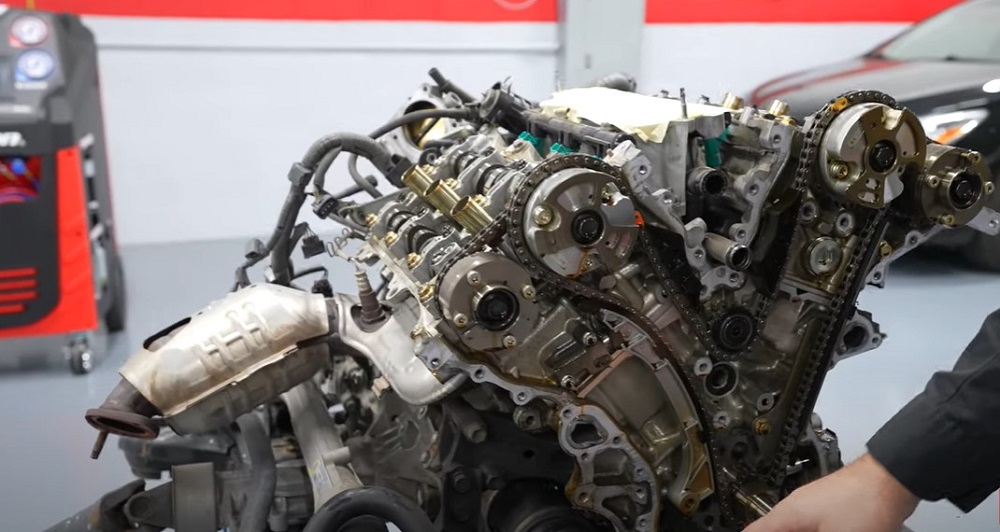
1. Toyota 3.5L V6 (2GR-FE)
Toyota’s 2GR-FE 3.5L V6 has become one of the most respected and dependable engines ever made. Found in vehicles ranging from the Camry and Avalon to the Sienna and Highlander, this motor is known for smooth operation and an extremely long lifespan. It uses a timing chain rather than a timing belt, which reduces the number of critical maintenance items owners have to worry about. With basic upkeep, this engine regularly reaches well past 300,000 miles without significant repairs.
Part of what makes the 2GR-FE so durable is its engineering simplicity. It avoids excessive complexity and instead focuses on proven design features.
It uses aluminum construction, dual overhead cams, and variable valve timing to balance performance and efficiency. But even with modern features, it doesn’t overwhelm mechanics with unnecessary technology. This combination of modern performance and classic reliability is part of why it’s become so respected.
These engines are also relatively forgiving. Even when owners fall behind on minor maintenance like spark plugs or fluid changes, the engine often keeps running without major complaints. Of course, it’s still important to take care of it properly, but it has a margin for error that many other engines lack.
The real key to longevity, however, is regular oil changes using quality synthetic oil and keeping an eye on the cooling system. Do that, and the 2GR-FE will likely outlast the rest of the car.
Another aspect worth noting is the after market support. This engine has been in production for years and is widely used across Toyota and Lexus vehicles, so parts are plentiful and affordable. Whether you’re doing your own work or going through a trusted mechanic, the 2GR-FE doesn’t demand much in terms of specialized tools or knowledge. It’s simply one of the most hassle-free V6 engines out there.
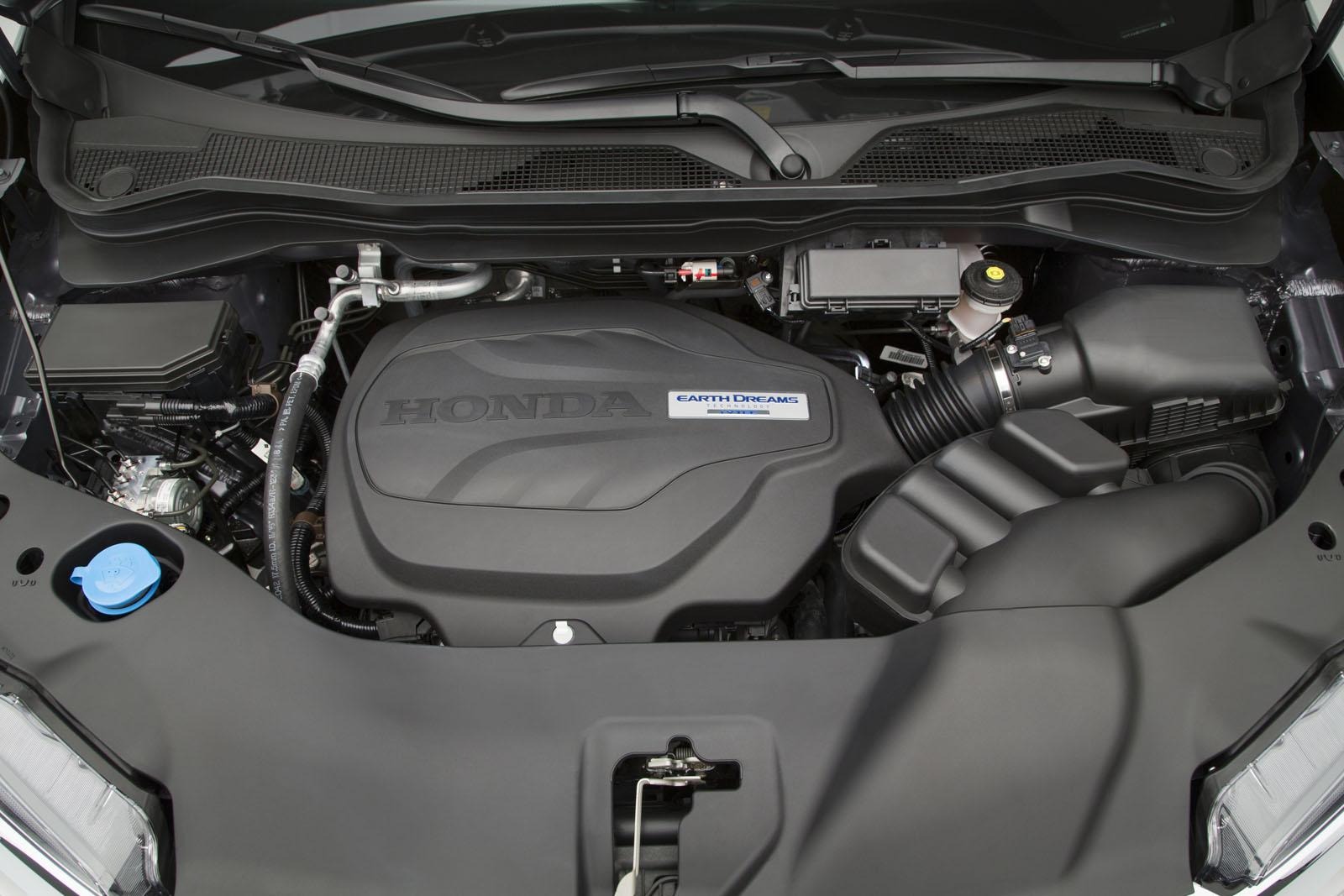
2. Honda 3.5L V6 (J35 Series)
Honda’s J35 series has been a staple of reliability for years. It’s used in popular models like the Accord V6, Odyssey, Pilot, and Ridgeline. This engine series is known for its silky-smooth power delivery and minimal vibration, which makes it a favorite among families and long-distance drivers alike. But beyond the driving feel, what sets the J35 apart is its resilience over time. Properly maintained, this engine can easily exceed 250,000 miles, with many reaching 300,000 or more without needing major internal work.
One of the strengths of the J35 series is that Honda engineered it with longevity in mind. It has strong internals, uses a timing belt or chain depending on the version, and generally avoids major design flaws.
There are some known issues in certain model years, such as worn engine mounts or VTEC-related oil leaks, but these are well-documented and easily repairable. When these small issues are addressed early, the engine itself rarely becomes the weak link.
Maintenance is relatively straightforward. Oil changes every 5,000–7,000 miles, regular coolant flushes, and transmission fluid checks go a long way. It’s especially important to use high-quality oil in this engine, as the VTEC system relies on proper oil pressure to function correctly. Neglecting oil changes can lead to timing issues or performance problems, but again, this is more of a user error than an engine design fault.
A final note about the J35: it offers more than just durability. It provides respectable power (between 240 to 280 hp depending on the variant), a broad torque curve, and refined sound. This makes it a good all-around engine for both performance and comfort. Many owners report that even after hundreds of thousands of miles, the engine still idles smoothly and accelerates without hesitation. That kind of consistency is rare and speaks volumes about Honda’s approach to engineering.
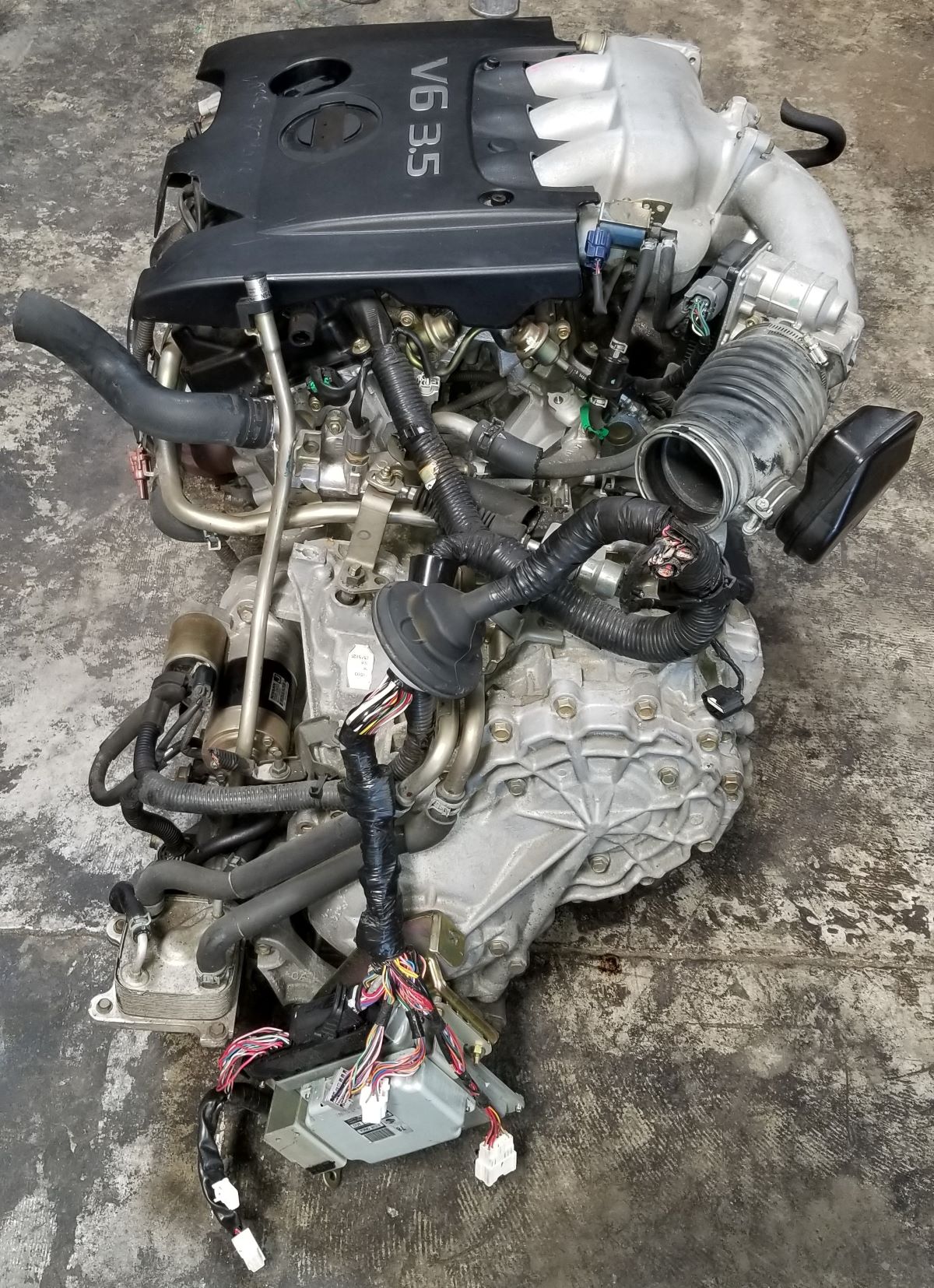
3. Nissan 3.5L V6 (VQ35DE)
The VQ35DE is perhaps one of the most widely praised V6 engines in modern automotive history. Built by Nissan, this motor has powered everything from the Maxima and Altima to the 350Z, Murano, Pathfinder, and Infiniti models. Its combination of power, reliability, and tuning potential has made it a favorite among enthusiasts and daily drivers alike. With good care, this engine can easily push past 250,000 miles and still run with authority.
One of the VQ35DE’s biggest strengths is its balance of performance and efficiency. Producing between 240 and 300 horsepower depending on the model and year, it never feels underpowered.
Despite this level of performance, the engine maintains excellent reliability. It uses an aluminum block, DOHC configuration, and continuous variable valve timing. These features give it modern power characteristics while retaining long-term durability.
That said, the VQ35DE isn’t without its quirks. In earlier models, issues like oil consumption and timing chain tensioner noise were somewhat common, especially when maintenance was neglected. However, Nissan improved the design over time, and later versions have proven to be very robust. Regular oil changes and high-quality filters are key. It’s also smart to keep an eye on gaskets and valve cover leaks as the engine ages.
Enthusiasts also appreciate the tunability of the VQ35DE. It responds well to bolt-on mods and is capable of significant horsepower gains with the right upgrades. But even when left stock, it’s one of the most rewarding and dependable V6 engines ever made. This motor’s blend of longevity and driving fun is something few others can match, making it a prime example of a V6 that feels nearly indestructible when looked after.
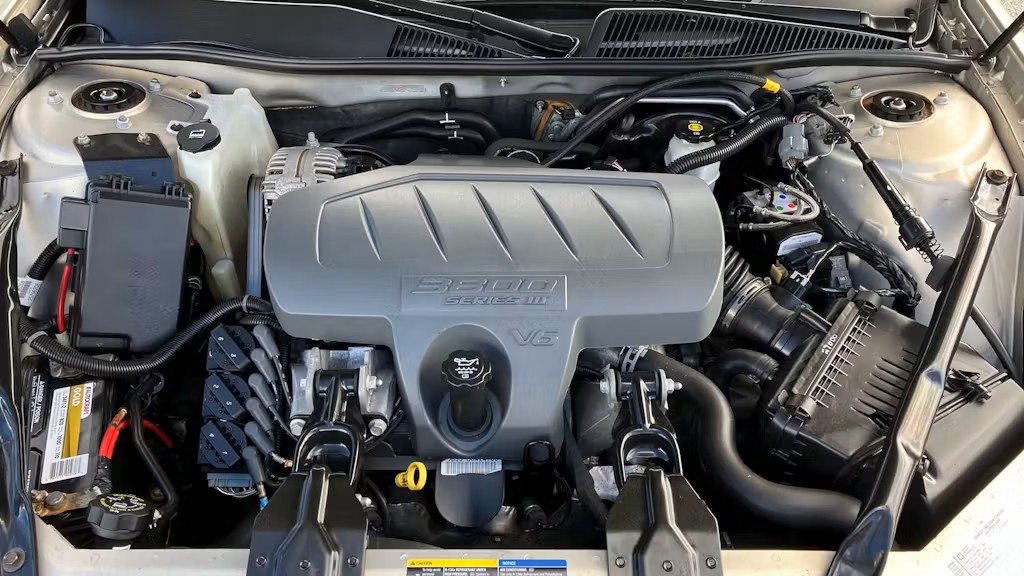
4. GM 3800 Series II (L36)
When people talk about bulletproof V6 engines, the GM 3800 Series II often comes up. This 3.8-liter pushrod V6 was found in numerous General Motors vehicles throughout the 1990s and early 2000s, including the Buick LeSabre, Pontiac Bonneville, and Chevrolet Impala.
It wasn’t the most advanced engine of its time, but it was undeniably one of the toughest. Many examples are still on the road today with over 300,000 miles, and they continue to start every day like clockwork.
The 3800 Series II benefits from a strong iron block, simple design, and very few points of failure. The engine doesn’t use timing chains or belts that need regular replacement, and the pushrod design means fewer moving parts compared to overhead cam engines. It’s not the quietest or most refined engine, but in terms of sheer resilience, it sets the standard. It also delivers decent torque, making it suitable for highway cruising and light towing.
One of the known issues with this engine involves the plastic intake manifold, which can degrade over time and cause coolant leaks. Fortunately, there are aftermarket solutions that fix this issue permanently, and once that’s addressed, the engine becomes extremely reliable. Regular oil and coolant changes are really all that’s needed to keep it going strong. Fuel system cleaning and transmission maintenance also help keep the drivetrain in top condition.
What makes the 3800 special is its willingness to keep running under less-than-ideal conditions. Even when maintenance is skipped, these engines often keep chugging along. But when they are properly cared for, they seem to last forever. It’s not glamorous, but it works, and that’s why it has such a loyal following. This is the kind of engine that mechanics smile at when they see it in for a routine oil change, knowing it’s probably the last thing on the car that will fail.
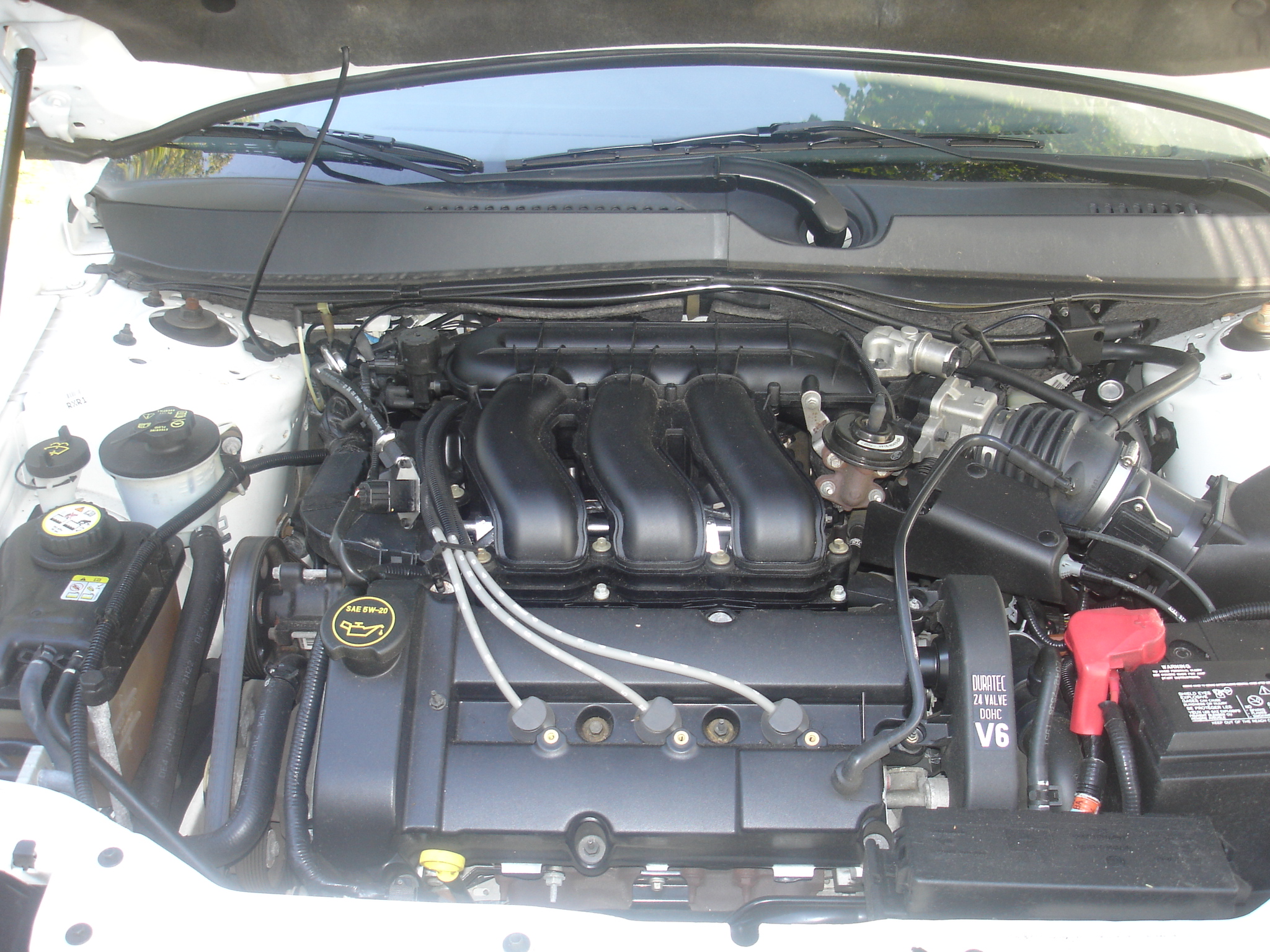
5. Ford 3.0L V6 (Duratec 30)
The Duratec 30 is one of Ford’s most underappreciated engines, especially when it comes to long-term durability. Introduced in the mid-1990s and used across a wide range of vehicles including the Taurus, Fusion, Escape, Mazda6, and even some Jaguar and Volvo models, the 3.0L Duratec earned a reputation for quiet strength.
While not the most powerful V6 of its time, it offered a respectable balance of efficiency and output, especially in the later versions that made upwards of 240 horsepower. Its reliability, though, is what really helped this engine stand the test of time. Properly cared for, it’s not uncommon to see Duratec-equipped vehicles reaching 250,000 miles or more without serious mechanical trouble.
This engine features an aluminum block and aluminum heads, dual overhead cams, and a timing chain setup that, while noisy in some aging examples, generally lasts the life of the engine. Because of the chain-driven camshafts, owners don’t need to worry about replacing a timing belt, which reduces a significant maintenance expense.
It’s worth noting that early versions of the Duratec 30 did have some issues with valve cover gasket leaks and PCV systems clogging, but these are minor concerns when weighed against the motor’s resilience. They’re relatively easy fixes and rarely lead to catastrophic failures if caught early.
Oil changes are the most critical maintenance item for this engine, and it’s especially important to use the correct viscosity as outlined by the manufacturer. Neglecting oil changes can lead to sludge buildup over time, especially in earlier engines.
Cooling system maintenance is another area to watch, particularly in older Escapes and Taurus models where radiators and water pumps tend to wear out after high mileage. When these issues are addressed before they become serious, the Duratec just keeps going. Many examples are still seen running smoothly at high mileage, and they don’t show signs of quitting anytime soon.
Enthusiasts may not get excited when they see the words “Ford Duratec,” but mechanics often have a different view. These engines are remarkably forgiving, easy to service, and parts are widely available and affordable. For someone looking to buy a cheap used car with a V6 that won’t let them down, models with this engine are often smart picks. It may not have the sparkle of a performance motor, but the Duratec 30 has the kind of endurance that earns respect over time.
Also Read: 5 Plug-In Hybrids That Outlast Rivals vs 5 That Constantly Break
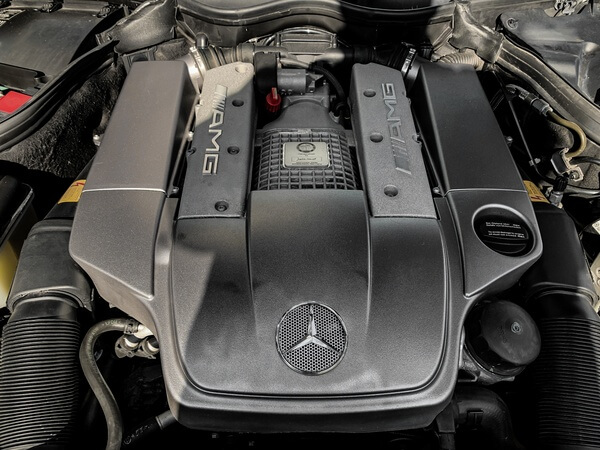
6. Mercedes-Benz 3.2L V6 (M112)
While Mercedes-Benz isn’t usually the first brand associated with long-term simplicity, the M112 3.2L V6 is a surprising exception. Introduced in the late 1990s and used into the mid-2000s, this engine powered models such as the E320, C320, ML320, CLK320, and even the SLK.
With proper care, this engine is known to surpass 250,000 miles, and in many cases it does so without requiring any internal engine work. For a luxury engine from a premium automaker, that kind of longevity is rare and noteworthy. The M112 represents a time when Mercedes-Benz prioritized long-term engineering quality over complexity and cutting-edge tech.
The engine uses an aluminum block and heads, along with a single overhead cam design with three valves per cylinder. This unique setup offers a balance between performance and durability.
The use of a twin-spark ignition system improves combustion efficiency and reliability, while the robust timing chain setup ensures a long life without the need for major service. Compared to more modern Mercedes engines, the M112 is also easier to work on and doesn’t rely as heavily on electronic systems, which helps it age more gracefully. Its relative mechanical simplicity is a major reason why these engines are still running strong today.
As with any German engine, upkeep is important. Cooling system components such as radiators, water pumps, and thermostat housings are known wear points, but they don’t usually cause damage to the engine itself unless completely neglected. Oil leaks from valve cover gaskets and the rear main seal are also common, but manageable if caught early.
The key to the M112’s longevity is staying on top of preventative maintenance and not ignoring warning signs. When properly cared for, the engine rarely exhibits major issues and can provide decades of dependable service.
This engine’s reputation among independent Mercedes mechanics is overwhelmingly positive. It’s not uncommon to see an M112 engine with over 300,000 miles still running smoothly, and many enthusiasts actively seek out cars with this motor because they know what they’re getting.
In a world where modern luxury engines are often plagued by overengineering, the M112 stands out as a dependable workhorse. It may not have the thrill factor of AMG variants, but when it comes to long-lasting V6 engines, it deserves a place on the list.
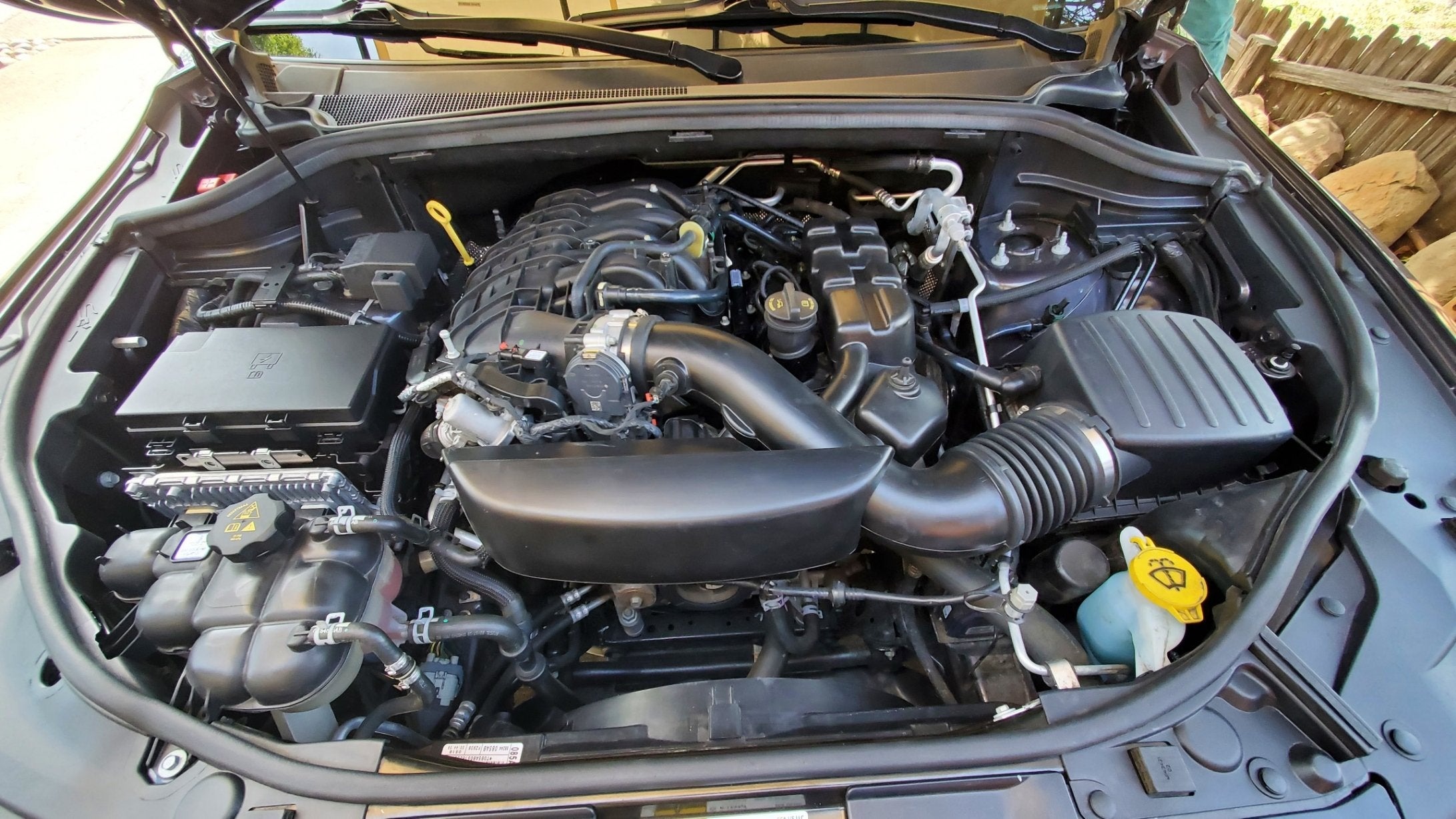
7. Chrysler 3.6L Pentastar V6
Chrysler’s 3.6L Pentastar V6 had a rocky start with early model teething problems, but once those initial flaws were addressed, it grew into a reliable, hard-working engine used across a wide range of vehicles. From the Dodge Charger, Chrysler 300, and Jeep Grand Cherokee to the Wrangler, Pacifica, and Ram 1500, this engine became a workhorse of the FCA (now Stellantis) lineup.
With improvements in later models (especially post-2014), the Pentastar developed a strong reputation for long-term reliability. Today, many owners report these engines lasting well beyond 200,000 miles with only routine maintenance.
The engine is a modern design, featuring dual overhead cams, variable valve timing, and a lightweight aluminum construction. It offers a great balance of power and efficiency, delivering around 280 to 305 horsepower depending on the application.
While the early models suffered from issues like cylinder head failures and oil cooler leaks, Chrysler addressed these problems with updated designs and parts. Once the revised versions were in circulation, the Pentastar showed its potential as a dependable daily engine for everything from family SUVs to off-road trucks.
Maintenance is relatively straightforward, but some components are harder to access than others, such as the oil filter housing which is known to crack and leak in earlier versions. Fortunately, aftermarket aluminum replacements have largely solved this issue.
Regular oil changes using synthetic oil, proper coolant management, and keeping the PCV system clean are crucial to long-term reliability. When these basics are taken seriously, the Pentastar becomes one of the most reliable modern V6 engines in the segment.
There’s also an appreciation among mechanics for how durable the internal components are. The timing chain system, for example, has proven to be very robust when oil changes are not skipped. It’s not flashy, but the Pentastar is capable of doing real work over a long period of time.
Whether pulling a trailer, handling city commutes, or enduring off-road trails, this engine has shown it can take the punishment. With the right care, it rewards its owners with performance and durability that competes with engines far more expensive to maintain.
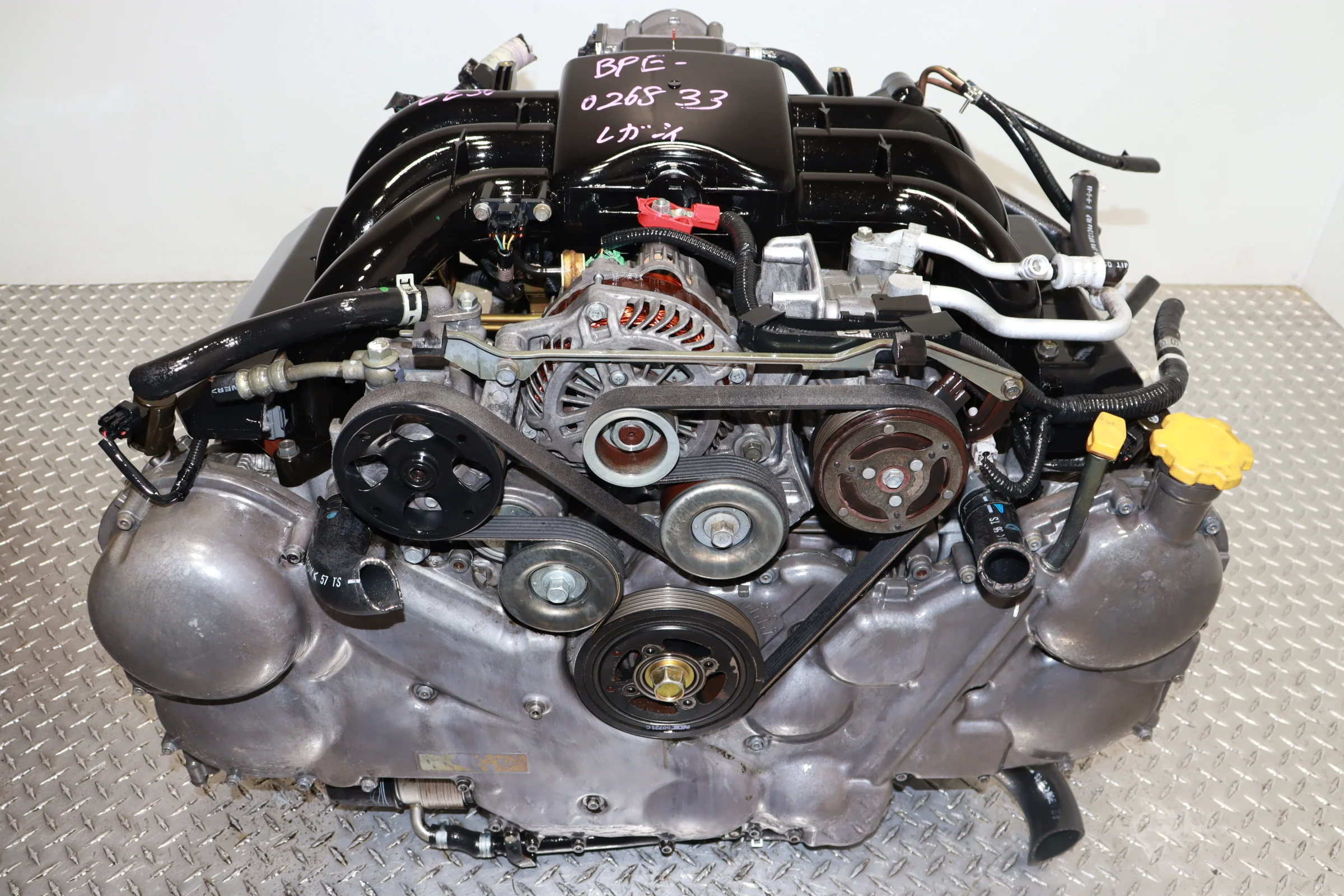
8. Subaru 3.0L H6 (EZ30/EZ36)
While not a traditional V6 in layout, Subaru’s EZ-series flat-six engines deserve mention here because they offer the same balance of performance and reliability — and in some ways, even surpass it. The EZ30 and later EZ36 were used in vehicles like the Subaru Outback 3.0R, Legacy 3.0R, and Tribeca.
These engines feature a horizontally opposed design, which lowers the vehicle’s center of gravity and contributes to Subaru’s signature handling characteristics. More importantly for this list, they’re known for excellent durability when properly maintained, often reaching and exceeding 250,000 miles with little more than routine upkeep.
The EZ engines are smooth, quiet, and more refined than Subaru’s four-cylinder offerings. The 3.0L version produced around 250 horsepower, while the EZ36 in the Tribeca and later Outbacks pushed closer to 260 horsepower.
Subaru designed these engines with longevity in mind, using a timing chain rather than a belt, and equipping them with a strong cooling system that, when maintained, keeps the engine running efficiently even in tough conditions. Head gasket issues, which famously plagued Subaru’s earlier four-cylinder engines, are much less common on these six-cylinder variants.
Routine oil changes, coolant flushes, and keeping the intake system clean go a long way in preserving the EZ engine’s life. Owners should be aware that spark plugs can be difficult to access due to the engine layout, but this is a service that only needs attention every 60,000 to 100,000 miles depending on the model year.
Valve cover gasket leaks are another common but manageable issue, especially on high-mileage engines. These problems don’t usually compromise the motor itself, though, and are considered part of regular aging.
Owners of EZ30 and EZ36-powered Subarus frequently express deep loyalty to the engine. It doesn’t just last, it performs well even after years of service. These engines handle long road trips, harsh winters, and mountain driving with ease.
They’re particularly beloved in regions with harsh climates, where reliability can’t be compromised. If you’re looking for a six-cylinder engine that combines smoothness with strength, and you’re willing to maintain it properly, the Subaru flat-six engines are more than capable of going the distance.
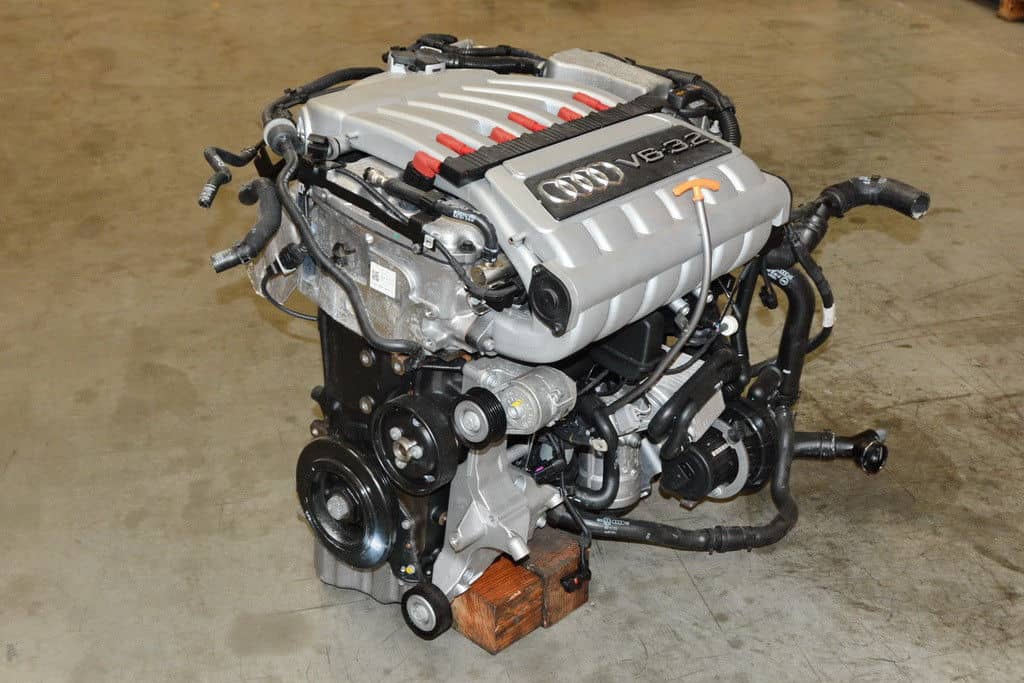
9. Volkswagen/Audi 3.2L VR6
The 3.2L VR6 engine from Volkswagen and Audi occupies a unique place in the world of V6 engines. Its compact, narrow-angle design technically classifies it closer to a V6 than an inline engine, and it offers the best of both worlds: space efficiency and smooth power delivery.
This engine was used in a variety of models, including the Volkswagen Golf R32, Passat, Touareg, and Audi TT and A3. Over time, it earned a loyal following for its durability, unique growl, and ability to handle high mileage when serviced correctly. Despite being more performance-oriented than some of the other engines on this list, the VR6 has proven to be surprisingly long-lasting.
One of the standout features of the VR6 is its simplicity in construction despite its unusual configuration. It uses a single cylinder head for all six cylinders, which makes it lighter and more compact than traditional V6 layouts. Internally, it’s built with robustness in mind.
The forged internals and well-balanced crankshaft give it the kind of structural strength that handles both spirited driving and everyday wear and tear. While early models had some quirks, including ignition coil issues and secondary air injection pump problems, these were relatively minor and well documented. Once those were sorted, the VR6 became an engine you could truly rely on.
Routine maintenance is crucial, especially oil changes using high-quality synthetic oil, as the VR6 runs hot and benefits from superior lubrication. Coolant system upkeep is also important, as the water pump and thermostat can wear over time.
Timing chains are durable but can become noisy with age, so it’s best to inspect the timing components after 150,000 miles. That said, many VR6 engines have gone beyond 250,000 miles with nothing more than routine maintenance and minor fixes. It helps that the engine is built to perform without being over-stressed, which contributes to its long life.
From a driver’s perspective, the VR6 is one of the more enjoyable engines on this list. Its distinctive sound and linear torque delivery give it a premium feel, and yet it doesn’t demand excessive care. If you take the time to stay on top of maintenance and avoid shortcuts, the VR6 rewards you with durability that matches its strong personality. It’s a rare combination of fun and function, and that’s why so many older models with this engine are still running today often in the hands of enthusiasts who wouldn’t trade it for anything.
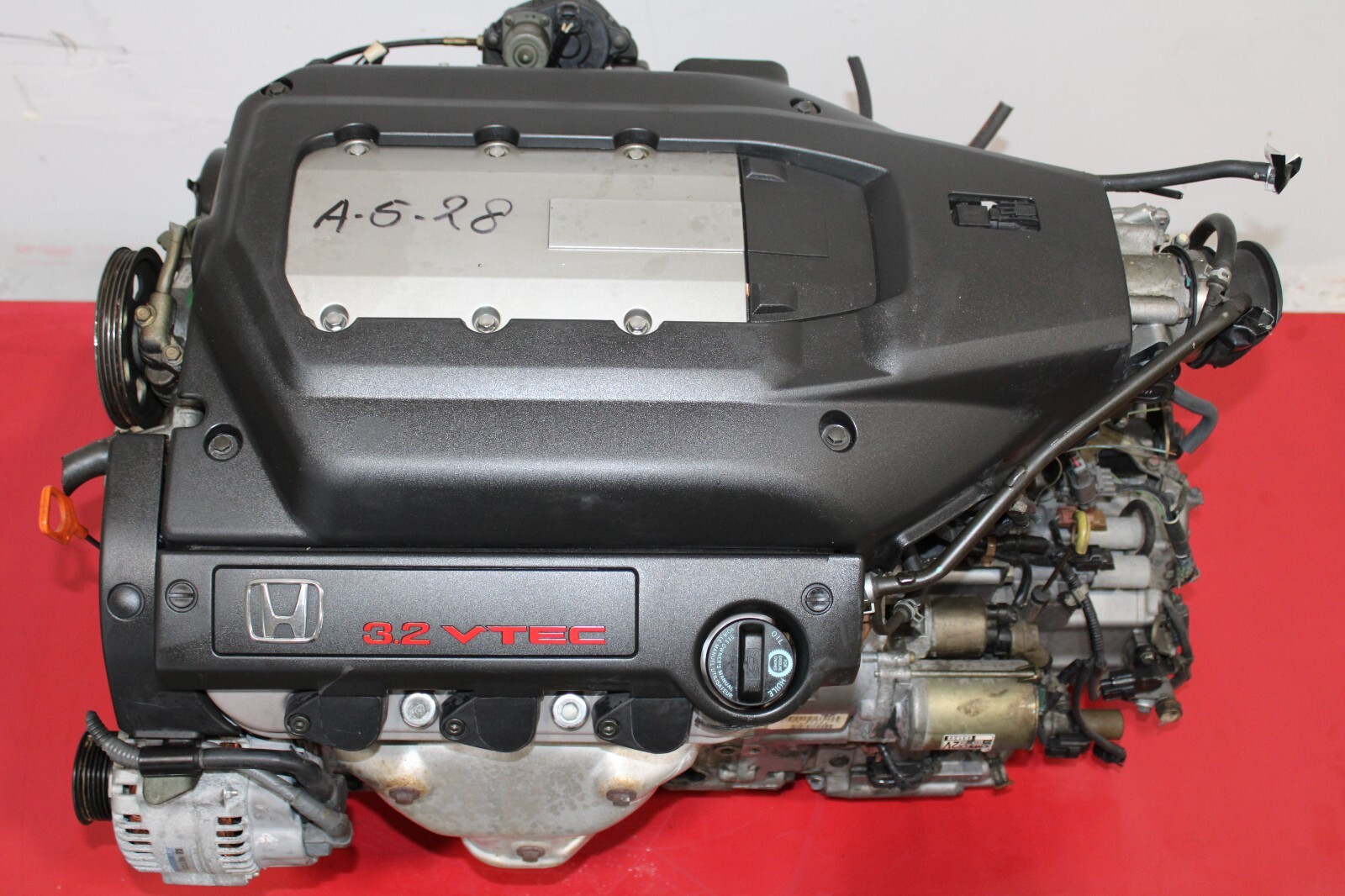
10. Acura 3.2L/3.5L V6 (J32/J35 Variants)
While Honda’s J35 engine was already mentioned earlier, the specific Acura-tuned versions of the J32 and J35 deserve their own recognition. Used in the Acura TL, CL, MDX, and RL, these engines represent the performance-oriented side of Honda’s proven V6 formula.
They combine Honda’s legendary reliability with additional power, smoother performance, and a refined driving experience. In many ways, these engines represent the peak of naturally aspirated V6 technology in the early to mid-2000s. And as with other Honda-built engines, they tend to keep going far beyond expectations when maintained correctly.
The J32 was particularly known for its application in the third-generation Acura TL and second-generation CL. It delivered a refined, punchy feel with around 260 horsepower in the Type-S variants, which made it a legitimate sport sedan engine. The J35 variants in the MDX and RL followed a similar formula, with slight changes to displacement and tuning.
These engines are built with strong internals, including forged crankshafts and high-flow cylinder heads. Honda’s VTEC system ensures performance at higher RPMs while still maintaining everyday efficiency. It’s a combination that few engines manage to achieve, let alone maintain for hundreds of thousands of miles.
As far as maintenance goes, these engines require regular oil changes and timely timing belt replacements (in belt-driven versions) to reach their full potential. Valve adjustments and transmission service are also key to long-term performance, especially in front-wheel-drive configurations where the automatic transmission can be a weak point.
Still, it’s rare for the engine itself to become a problem. When issues arise, they’re often peripheral, like EGR valves or oxygen sensors. The core engine block and head design, however, remains solid well into the 200,000-mile range and well beyond, for those who are meticulous with upkeep.
What makes the J-series Acura V6 engines special is their blend of performance, sound, and bulletproof construction. They don’t just get you from point A to point B, they do it with style and satisfaction, and they don’t complain along the way.
Even after 15–20 years on the road, many of these engines still feel fresh, and that’s a testament to the level of engineering Honda put into them. Whether it’s a well-cared-for TL Type-S or a family MDX, this engine earns its place among the most reliable V6s ever made.
