
When it comes to owning a car, reliability is often one of the most important factors people consider. Vehicles that can withstand the test of time and rough treatment without frequent repairs are prized possessions.
Certain cars stand out because of their ability to keep going even when pushed hard, driven in tough conditions, or neglected in terms of maintenance.
These are the kinds of vehicles that owners can trust to get from point A to point B without worrying about costly repairs, unexpected breakdowns, or constant visits to the mechanic.
The notion of a “bulletproof” car, one that continues running smoothly even under demanding use, is not a myth. While all cars require some maintenance over their lifespan, some models have earned reputations for exceptional durability and minimal repair needs.
Whether it’s due to superior engineering, reliable components, or robust construction, these cars tend to shrug off wear and tear better than most.
This article focuses on ten such cars that have shown remarkable resilience over time. They are known to endure abuse, whether from high mileage, rough terrain, or inconsistent upkeep, and still perform reliably.
Understanding which cars hold up best can be especially useful for those who need dependable transportation without the hassle of frequent repairs. These models have earned the trust of drivers and mechanics alike through years of proven performance.
The following list includes a mix of compact cars, sedans, trucks, and SUVs. Each one is recognized not only for its ability to withstand harsh conditions but also for its relatively low cost of ownership and ease of maintenance.
This makes them favorites among various types of drivers, from daily commuters to adventure seekers. In the sections below, we will take a closer look at what makes these ten cars stand out, their strengths, and the reasons behind their ability to endure hard use.
Also Read: 5 Plug-In Hybrids That Outlast Rivals vs 5 That Constantly Break
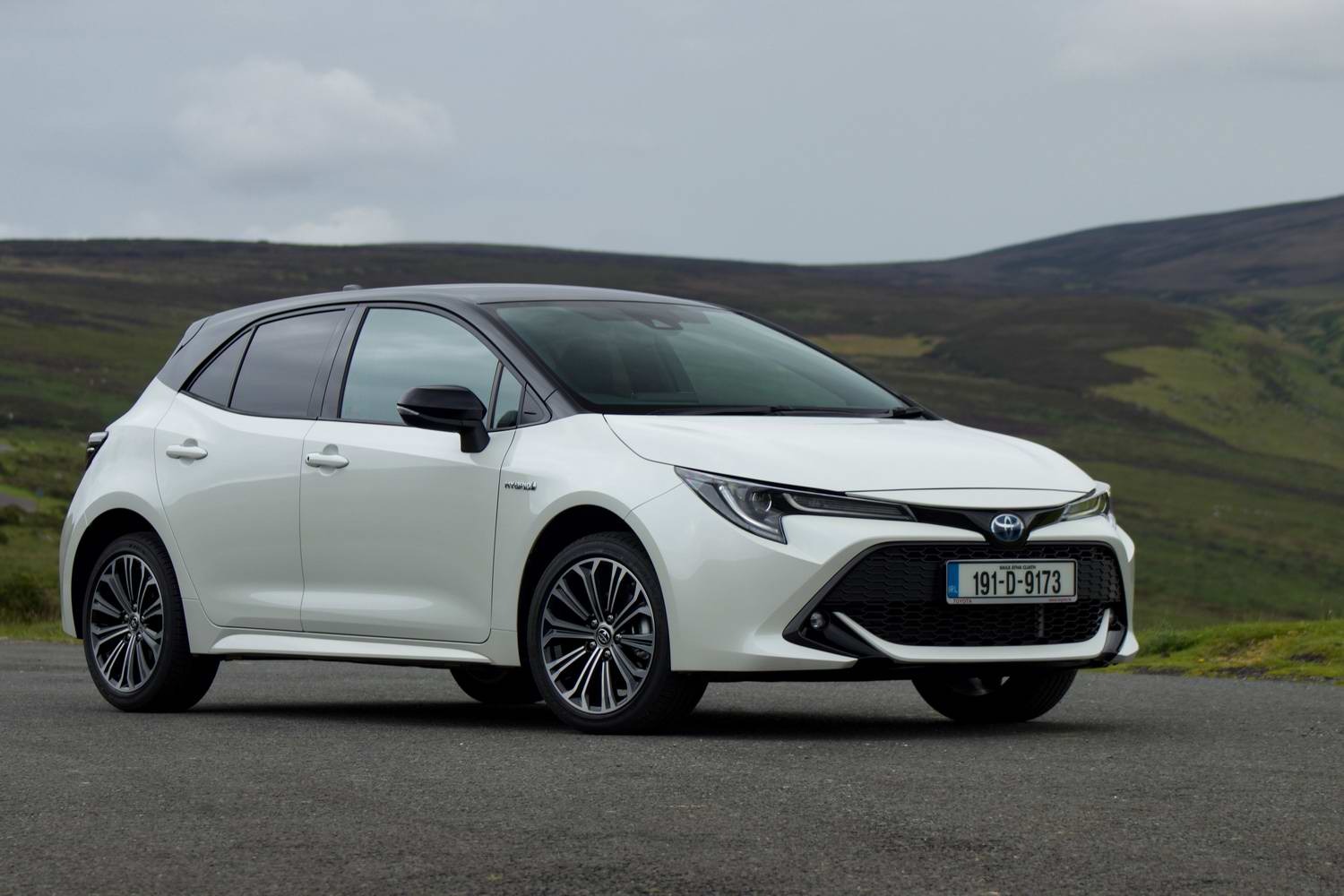
Toyota Corolla
The Toyota Corolla has long been synonymous with reliability. It is one of the best-selling cars worldwide and has built a reputation over decades as a dependable choice for drivers who want a vehicle that just keeps running.
The Corolla’s success can largely be attributed to its simple yet effective engineering, which avoids unnecessary complexity that could lead to problems down the road.
The engine and transmission in the Corolla are designed to withstand high mileage without requiring major repairs. The car uses components known for their durability, which helps reduce wear even when the car is subjected to daily commuting or less-than-ideal road conditions.
Owners often report their Corollas reaching well over 200,000 miles without significant mechanical issues, provided basic maintenance like oil changes and brake checks are performed.
Another factor that contributes to the Corolla’s robustness is its conservative design approach. Toyota has never chased flashy technology or aggressive tuning with this model; instead, it focuses on creating a well-rounded, easy-to-service car.
This means mechanics are familiar with the vehicle, parts are widely available, and repairs, when needed, tend to be straightforward and affordable.
The Corolla also holds up well under abuse because of its sturdy suspension and solid build quality. While it is not designed for off-road adventures or extreme driving, the car can handle rough roads, potholes, and urban traffic stress without suffering damage easily.
This balance between reliability and practicality has made the Corolla a favorite among both budget-conscious buyers and those who require a vehicle that won’t let them down.
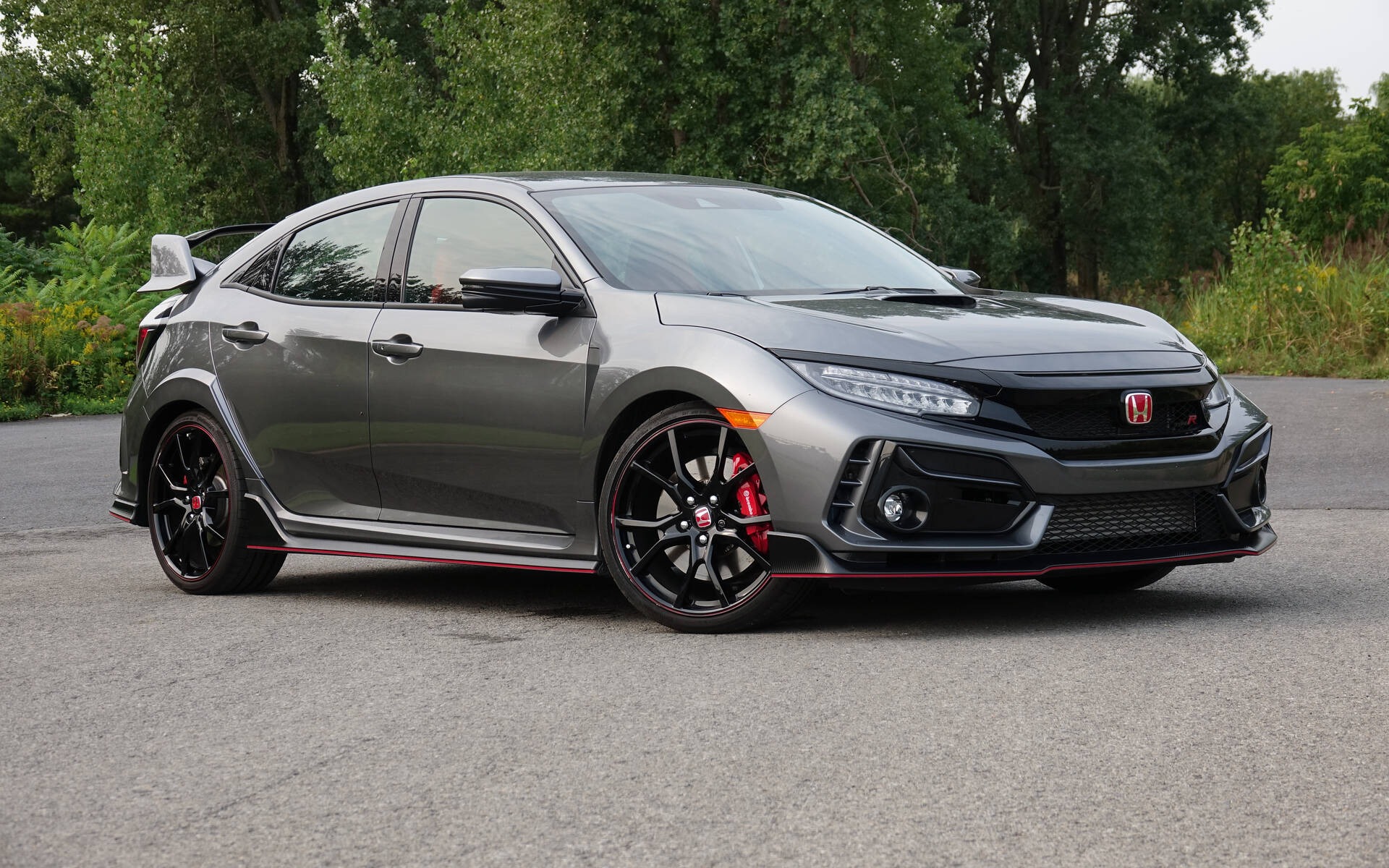
Honda Civic
The Honda Civic is another model that has earned respect for its ability to stay on the road under challenging conditions.
Like the Toyota Corolla, the Civic is often seen as one of the most reliable compact cars, known for its efficient engines and strong drivetrain components. Its long history of dependable performance has contributed to a loyal fan base and high resale values.
One of the main reasons the Civic rarely needs fixing is Honda’s commitment to engineering excellence. The company invests heavily in research and development to ensure the Civic’s engine and transmission systems are robust and long-lasting.
The Civic’s engines, particularly the older naturally aspirated versions, are known for their mechanical simplicity and resistance to wear, even when subjected to high mileage or aggressive driving styles.
The car’s chassis and suspension components are designed with durability in mind. This allows the Civic to maintain stable handling and ride quality without premature wear, which can often lead to suspension repairs in less well-built vehicles.
Additionally, the Civic’s brakes, electrical system, and interior components tend to be straightforward and reliable, reducing the likelihood of costly or complicated fixes.
Owners often praise the Civic for being a car that tolerates abuse better than many others in its class. Whether it’s used as a daily commuter, a college student’s first car, or a practical choice for families on a budget, the Civic holds up well over time.
Regular maintenance is, of course, important, but the Civic’s proven design minimizes the risk of unexpected breakdowns or major repair bills.
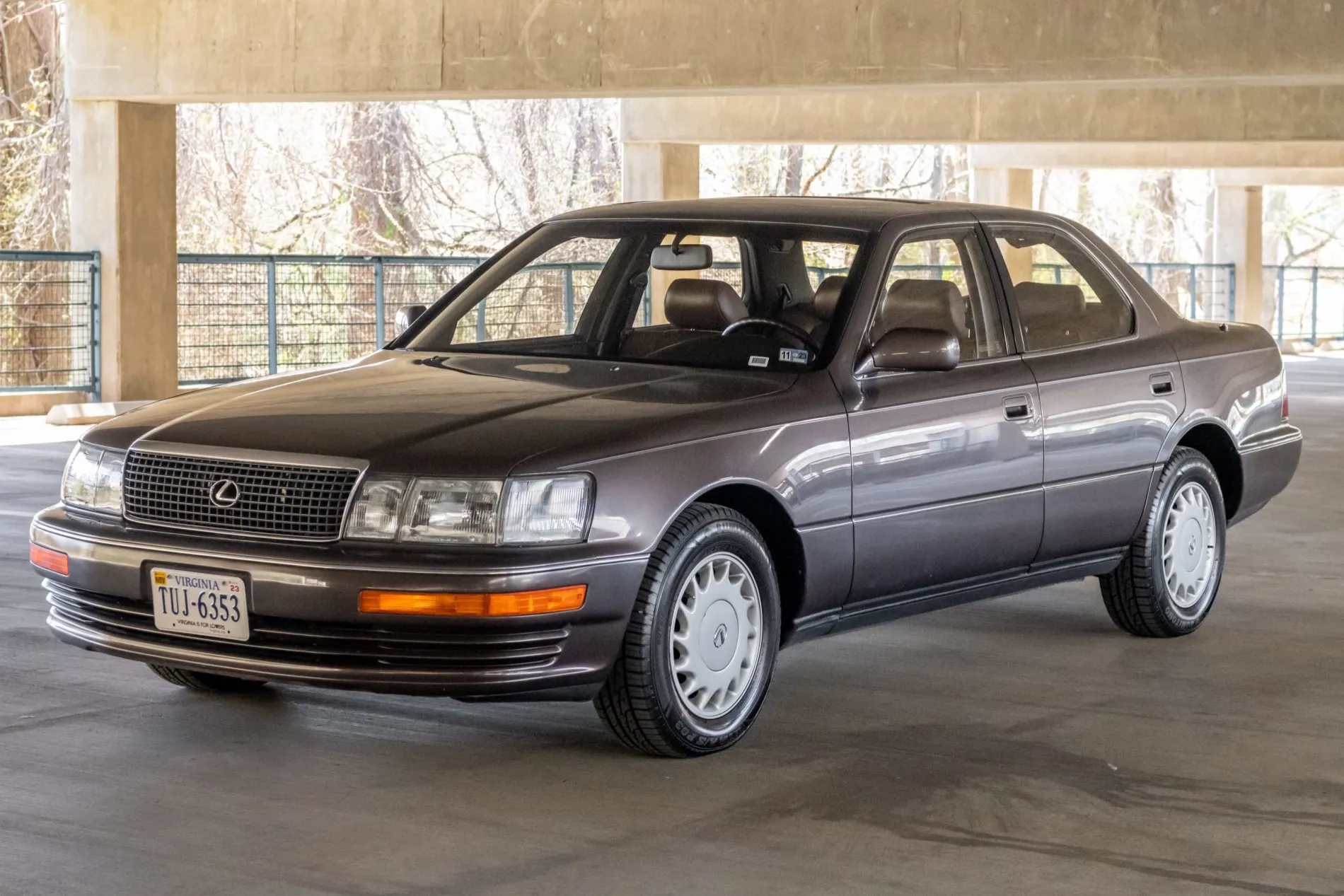
Lexus LS 400
While not a compact or economy car like the Corolla or Civic, the Lexus LS 400 deserves mention for its exceptional build quality and reputation for reliability.
When introduced in the late 1980s, the LS 400 set a new standard for luxury vehicles by combining high-end features with bulletproof engineering. This model remains one of the best examples of a car that can endure years of heavy use without significant mechanical issues.
The LS 400’s powertrain, particularly its V8 engine, is known for being smooth, powerful, and long-lasting. Lexus engineers focused on precision manufacturing and quality control to ensure that every component met stringent durability standards.
As a result, many LS 400s have been reported to exceed 300,000 miles with only routine maintenance and minimal repairs.
Another reason this sedan stands out is its robust construction. The frame and suspension systems are engineered to provide a comfortable ride but also withstand the stresses of daily driving and rough roads.
The vehicle’s electrical and interior components are built to last, reducing the chances of costly repairs related to luxury features like power seats, climate control, and audio systems.
Though it is a luxury car, the LS 400’s reliability often surprises owners who expect more frequent maintenance costs typical of other high-end vehicles.
This combination of luxury and durability has cemented the LS 400’s status as a reliable option for those who want comfort without sacrificing dependability.
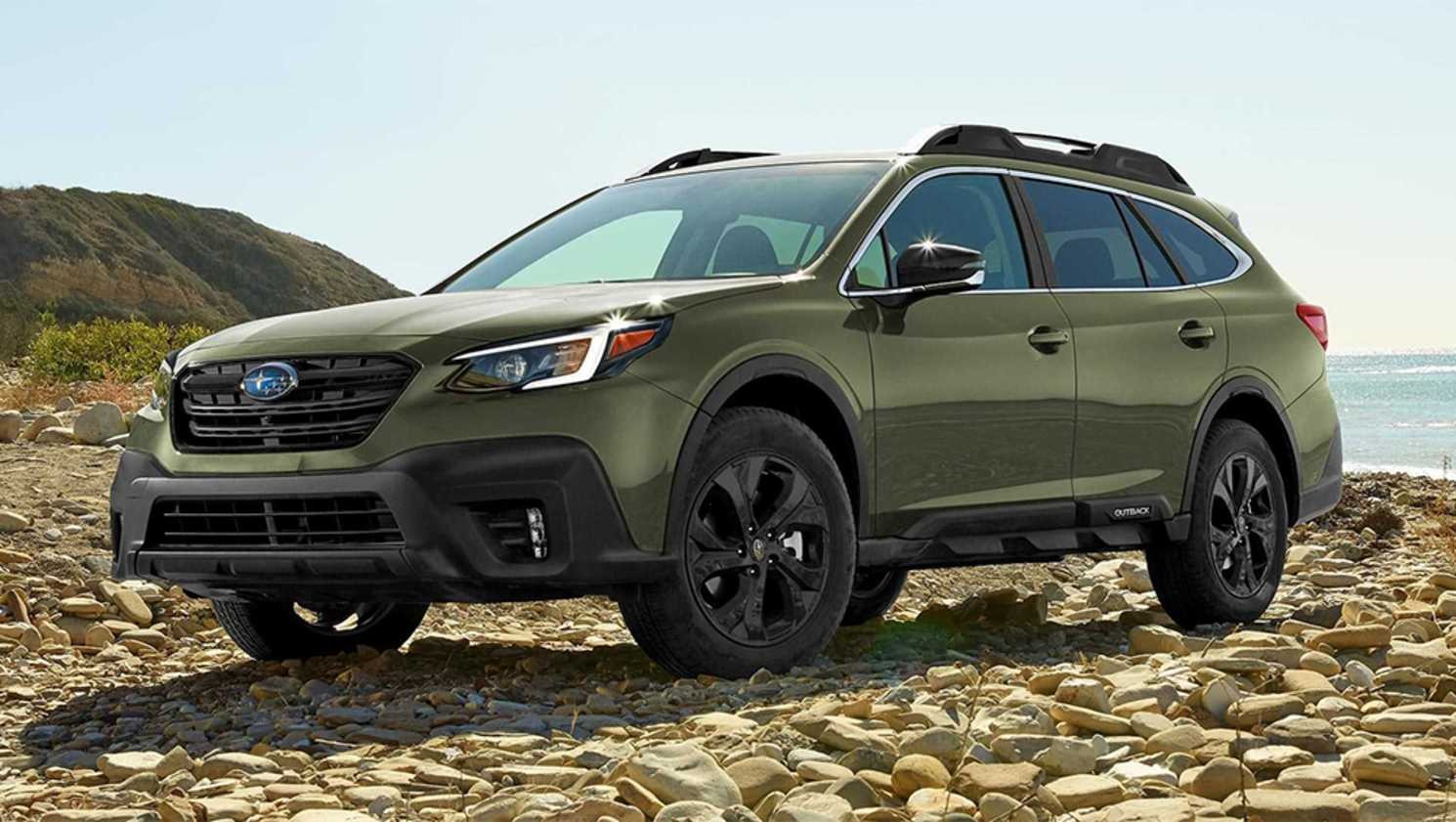
Subaru Outback
The Subaru Outback has gained popularity as a versatile vehicle that handles both on-road and off-road conditions with ease.
Its rugged design, combined with the brand’s signature all-wheel-drive system, makes it a favorite among drivers who push their vehicles beyond normal limits. The Outback is known for its ability to endure harsh weather, rough terrain, and heavy use while requiring minimal repairs.
One key to the Outback’s durability is its engine technology. Subaru uses horizontally opposed “boxer” engines, which have a low center of gravity and balanced design.
These engines tend to run smoothly and resist overheating, reducing stress on internal components. The reliability of the drivetrain, including the continuously variable transmission (CVT) in newer models, is also generally strong, provided owners keep up with recommended maintenance.
The body and chassis of the Outback are built to withstand impacts from uneven roads and off-road obstacles.
Reinforced underbody panels protect critical parts from damage, while the suspension is designed to absorb shocks effectively. This makes the Outback especially resilient when driven in conditions that would challenge many other vehicles.
Moreover, Subaru’s reputation for safety and reliability extends to its electrical and interior systems. The Outback typically experiences fewer electrical glitches compared to some competitors, and the cabin materials are durable enough to survive years of heavy use.
This combination of ruggedness and reliability explains why the Outback is often chosen by those needing a dependable car for adventure or daily use alike.
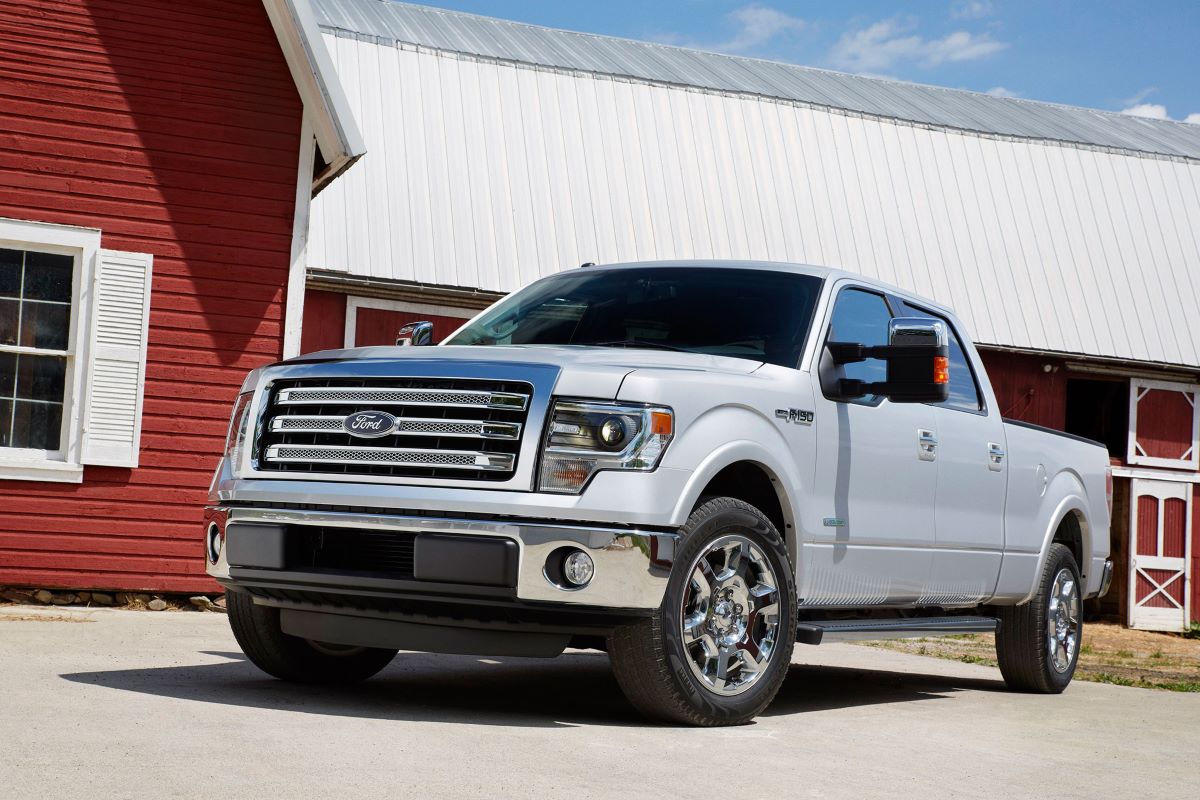
Ford F-150
Among pickup trucks, the Ford F-150 stands out as a model known for toughness and durability. It is one of the best-selling vehicles in North America, partly because of its ability to endure heavy workloads, towing, and off-road driving with minimal repairs. Many owners rely on the F-150 for demanding tasks that can quickly wear out lesser trucks.
The F-150’s engines, especially the V8 options, are designed to provide ample power while maintaining long-term durability. Ford has continuously improved its engine designs to resist common issues like overheating, oil leaks, and timing chain failures.
Regular maintenance, such as oil changes and transmission fluid replacement, is important, but many F-150s rack up high mileage before needing any major repairs.
In addition to the powertrain, the truck’s chassis and suspension are built to handle heavy loads and rough terrain. The frame is strong and resistant to bending, while the suspension components are designed for durability under constant strain.
This means the F-150 can take significant abuse from construction sites, farms, or off-road adventures without suffering premature failures.
The truck’s interior and electronics have improved over the years to match its mechanical reliability. While older models were simpler, newer F-150s offer advanced features without sacrificing durability.
Many owners report that their trucks continue to function well even after years of tough use, making the Ford F-150 a reliable choice for those who need a workhorse vehicle.
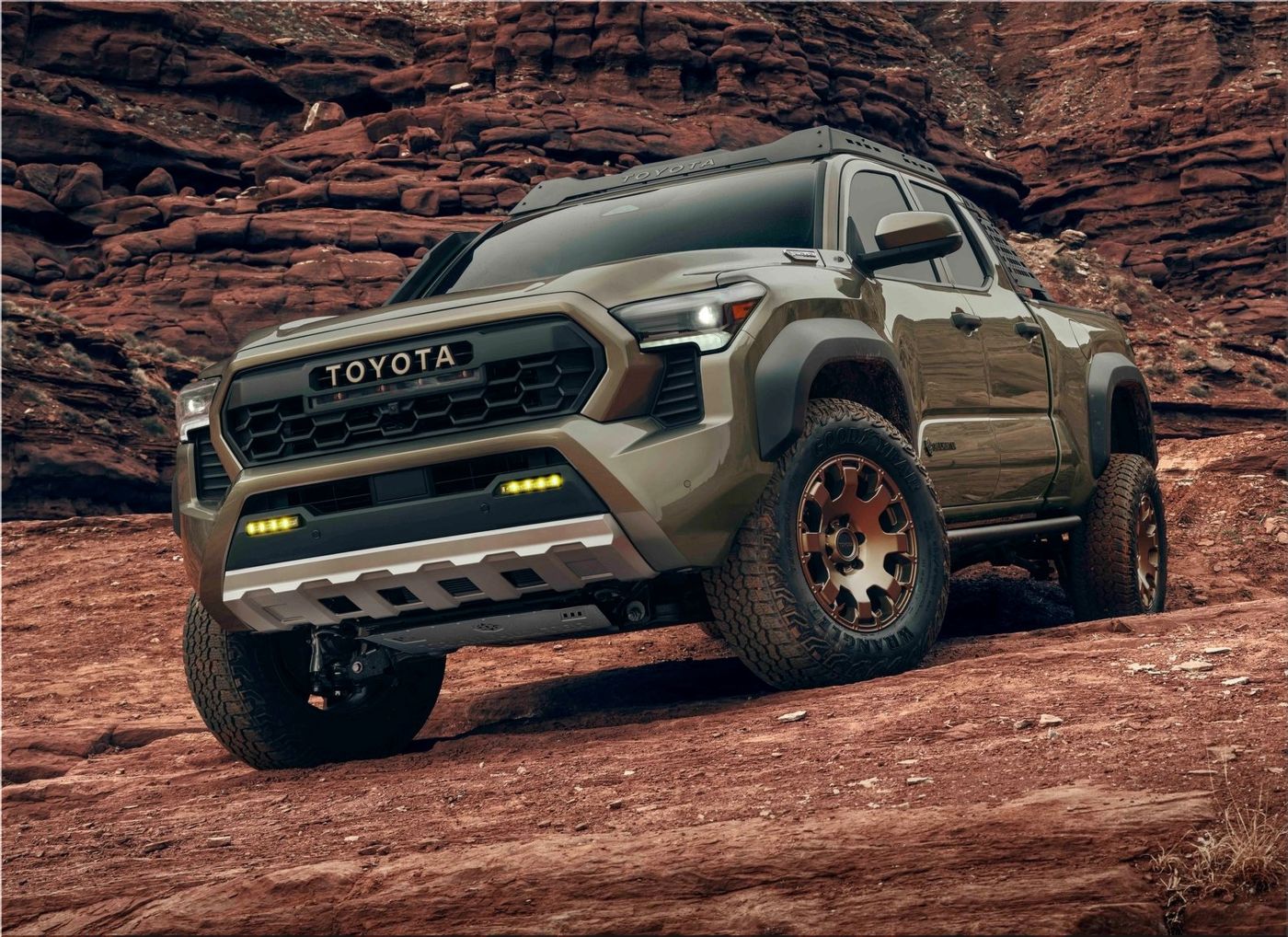
Toyota Tacoma
The Toyota Tacoma is often regarded as one of the most durable midsize trucks available. Its reputation for reliability is supported by years of real-world use in demanding environments, from off-road trails to daily commuting.
The Tacoma’s robust construction and dependable powertrain help it resist wear and damage even under harsh conditions.
The Tacoma’s engines are known for their longevity and ability to handle high mileage. Toyota uses tried-and-true engine designs that have proven themselves in various applications, making the Tacoma’s powertrain less prone to breakdowns.
The truck’s transmissions, whether manual or automatic, are also built for endurance, reducing the frequency of repairs.
The vehicle’s frame and suspension system are designed to withstand heavy use. Off-road versions include reinforced components, skid plates, and upgraded suspension parts that protect the truck during rough driving. Even standard models tend to hold up well on bumpy roads or under the strain of towing and hauling.
In addition to mechanical durability, the Tacoma’s interior is designed for practicality and longevity. Materials used in the cabin stand up well to wear and tear, and the design keeps things simple enough to avoid frequent electrical problems.
This combination of features has made the Toyota Tacoma a go-to choice for drivers seeking a midsize truck that rarely needs fixing despite heavy use.
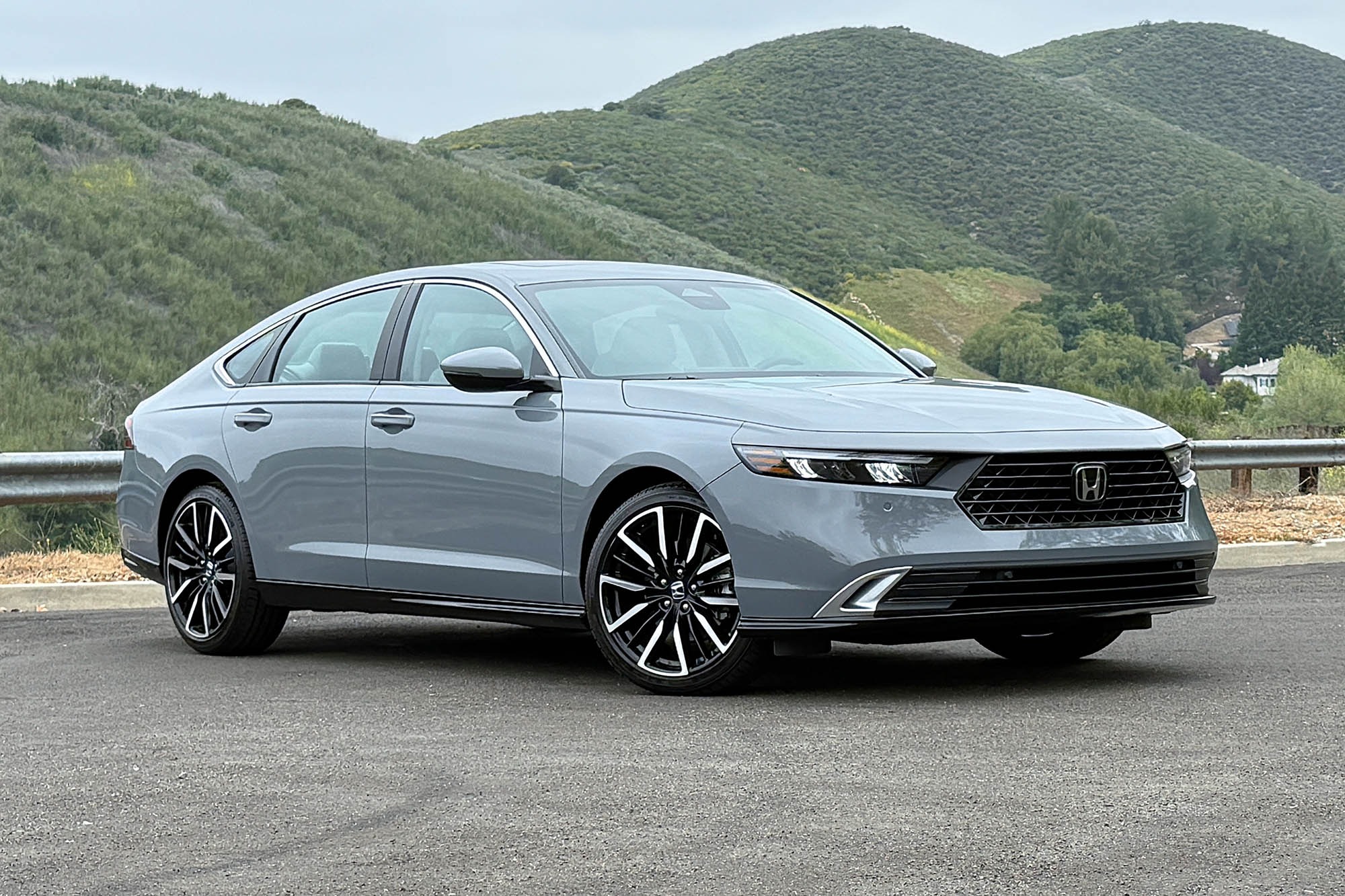
Honda Accord
The Honda Accord is one of the most popular midsize sedans, largely because of its blend of reliability, comfort, and performance.
Over the years, the Accord has proven itself to be a vehicle that can withstand high mileage and tough conditions without frequent repairs. It appeals to drivers looking for a dependable car that offers a bit more space and power than compact models.
Honda’s approach to engineering the Accord focuses on long-lasting engine and transmission designs.
Many Accords come with naturally aspirated engines known for their robustness, while newer models also include turbocharged options that maintain reliability through advanced manufacturing techniques. The car’s drivetrain is built to resist common issues like premature wear on bearings or seals.
The Accord’s suspension and chassis are designed to offer a smooth ride but are also sturdy enough to handle potholes, rough roads, and aggressive driving. Brake components and steering systems are typically reliable, reducing the chances of needing expensive repairs after extended use.
Interior durability is another strong point of the Accord. The materials used in the cabin tend to resist fading and wear, while electrical systems are generally stable.
The combination of solid mechanical engineering and durable interior components makes the Honda Accord a car that many owners find requires very little fixing, even after years of use.
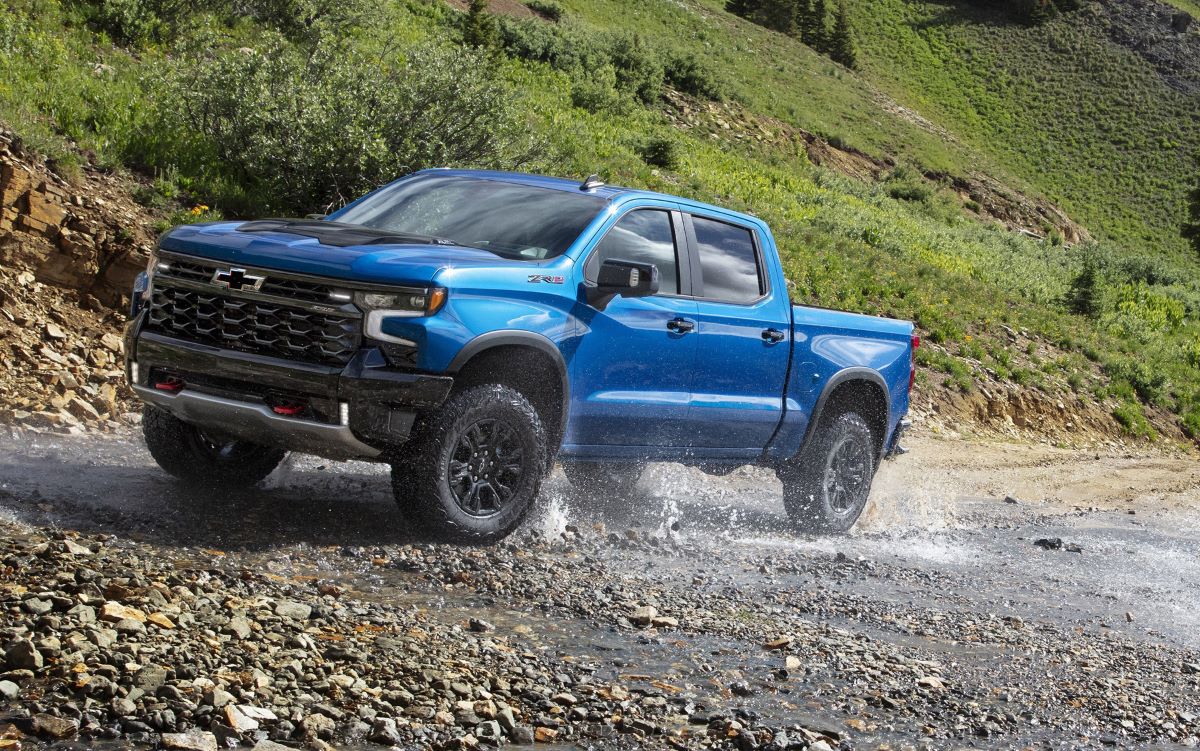
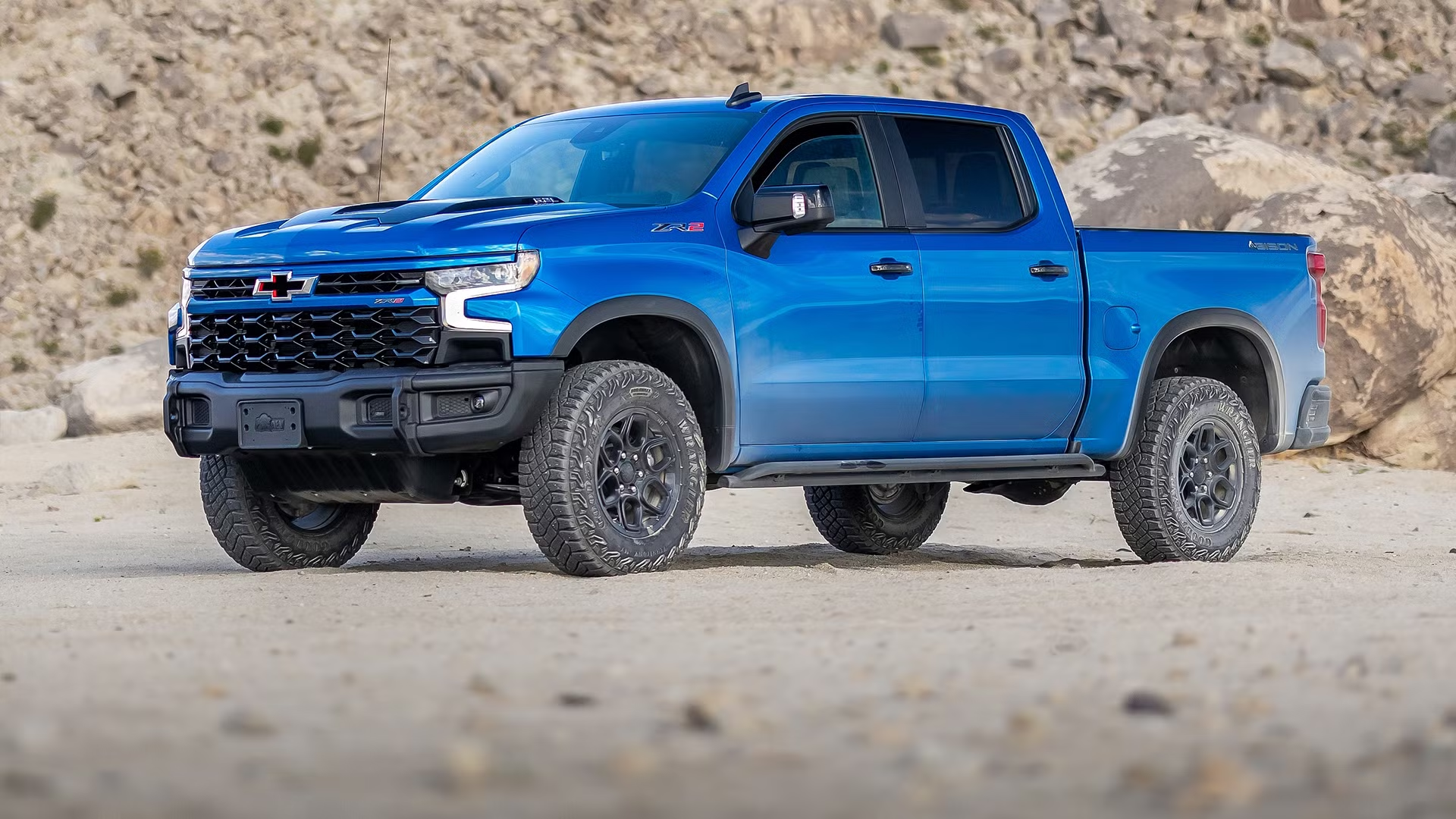
Chevrolet Silverado 1500
The Chevrolet Silverado 1500 is a full-size pickup truck known for its strength and dependability. Like the Ford F-150, it is widely used for heavy-duty tasks, including towing, hauling, and off-road driving.
Many Silverado owners report that their trucks continue to run reliably despite rigorous use, contributing to the truck’s popularity.
The Silverado’s engines, especially the V8 variants, are designed to deliver strong performance without sacrificing longevity.
Chevrolet has worked to improve engine durability over the years, addressing issues such as overheating and oil consumption. Routine maintenance is necessary, but the Silverado tends to avoid major breakdowns even when driven hard.
The truck’s frame and suspension are built to withstand tough conditions. The Silverado can handle heavy payloads and rough terrain without suffering structural damage or suspension failures. This makes it a preferred vehicle for people who need a reliable truck for work or recreation.
Electrical and interior components have improved in recent years to complement the Silverado’s mechanical reliability.
While early models were simpler, modern Silverados offer more technology with good reliability records. The truck’s combination of power, durability, and relatively low maintenance needs has made it a staple in the full-size pickup market.
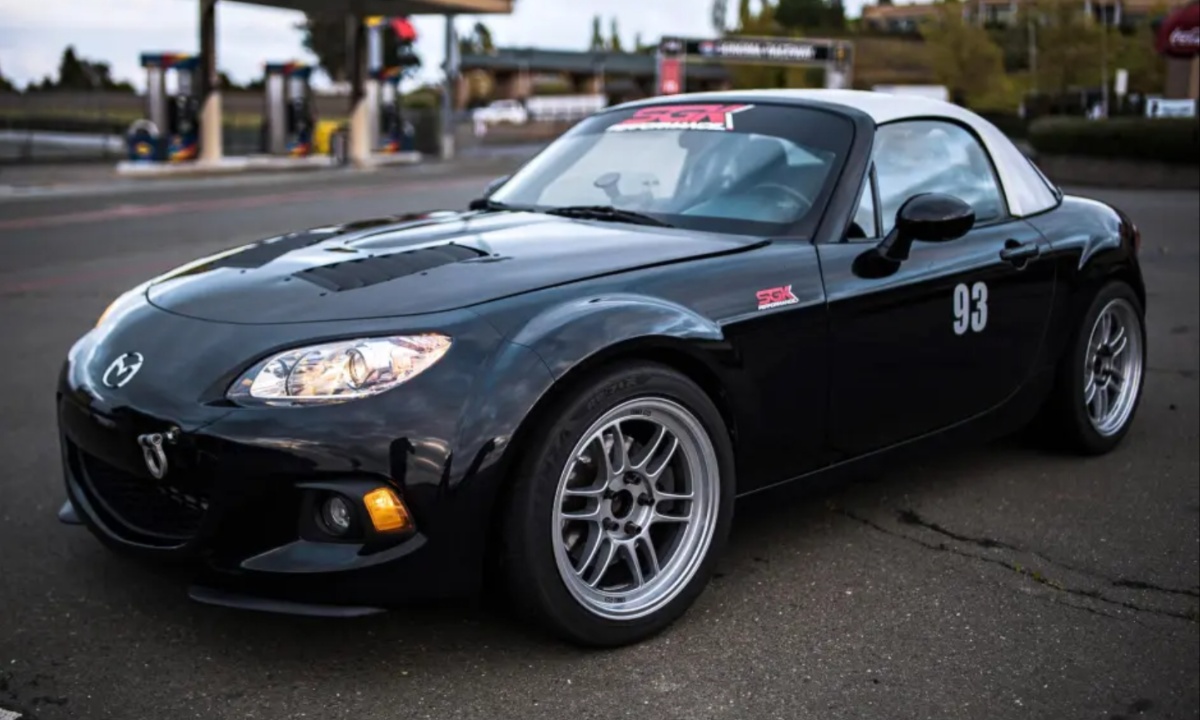
Mazda MX-5 Miata
The Mazda MX-5 Miata may seem like an unlikely candidate on this list due to its sports car image, but it is actually one of the most reliable cars when it comes to needing minimal repairs.
The Miata’s lightweight design, simple mechanics, and focus on driver enjoyment have contributed to a vehicle that not only performs well but also lasts a long time with little trouble.
The Miata’s engine and transmission are built with precision and durability in mind. Many Miata owners report high mileage without significant mechanical issues, and the car’s mechanical simplicity reduces the risk of expensive repairs.
The naturally aspirated four-cylinder engine is known for its smoothness and resistance to common problems such as overheating or oil leaks.
Suspension and chassis components are designed to provide a balanced and engaging driving experience while also being sturdy enough to handle everyday use. The car’s small size and light weight reduce stress on the drivetrain and brakes, contributing to long-term reliability.
Mazda has also focused on quality in the interior and electronics, avoiding overly complicated systems that might fail. This results in a fun-to-drive sports car that rarely needs fixing despite its sporty nature and spirited driving style.
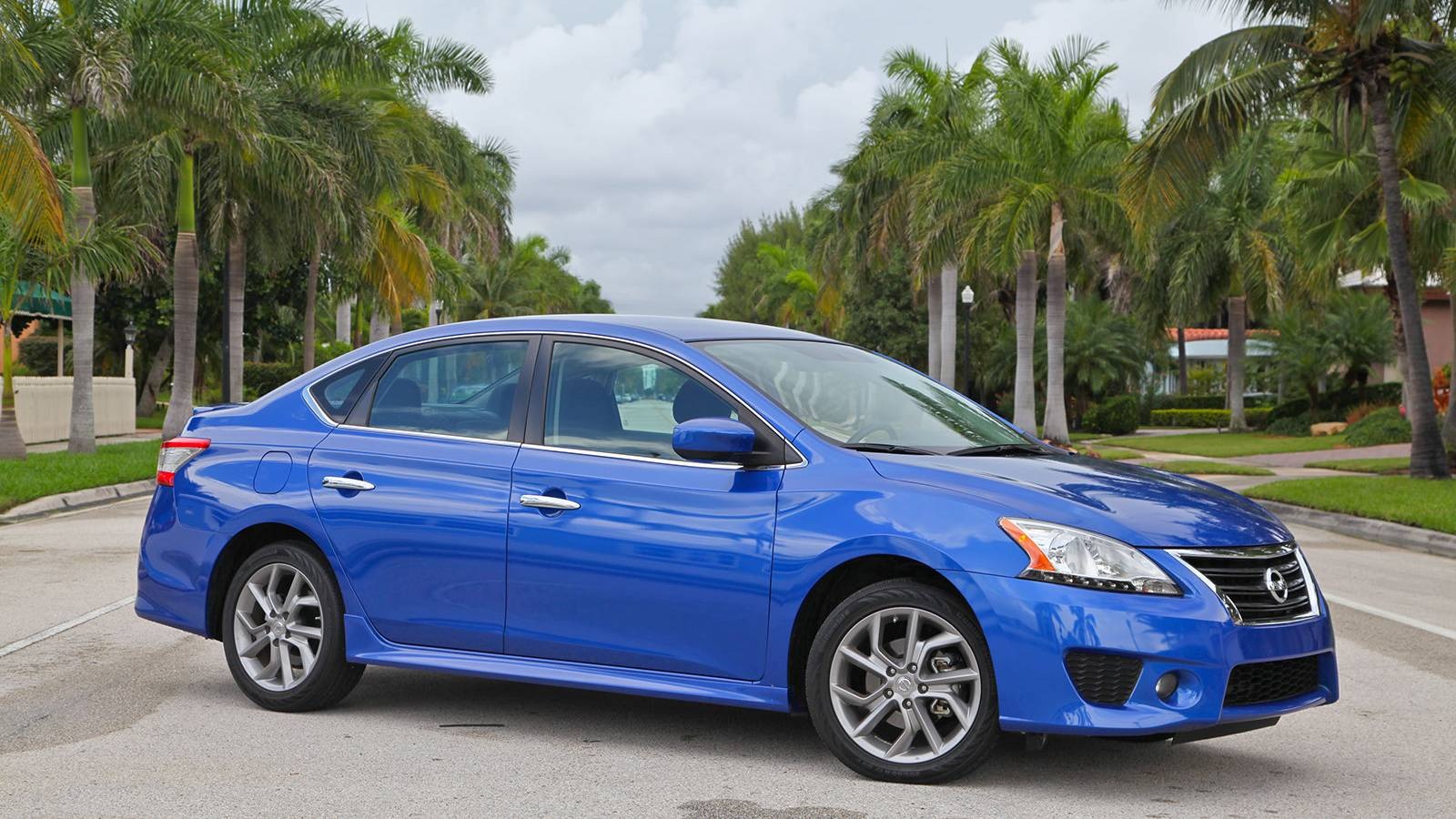
Nissan Sentra
The Nissan Sentra is a compact sedan known for its affordability and dependable performance. It is often chosen by drivers seeking a low-maintenance vehicle that can handle daily use without frequent breakdowns or expensive repairs.
The Sentra’s reputation for durability stems from its straightforward engineering and consistent build quality.
The car’s engines, particularly the naturally aspirated four-cylinder units, have been praised for their ability to run smoothly over long distances.
The transmissions, whether manual or automatic, tend to be robust and less prone to failure when maintained properly. These powertrain components contribute significantly to the Sentra’s reliability.
The Sentra’s suspension and chassis are designed for comfort and durability. The car can absorb bumps and rough road conditions without causing excessive wear to suspension parts or the frame. This resilience makes it a suitable choice for drivers dealing with less-than-perfect road surfaces.
Interior materials and electrical components in the Sentra are generally simple and reliable. The focus on practical design means fewer electronic features that might fail over time. This simplicity, combined with mechanical durability, explains why the Nissan Sentra continues to be a reliable vehicle for many owners.
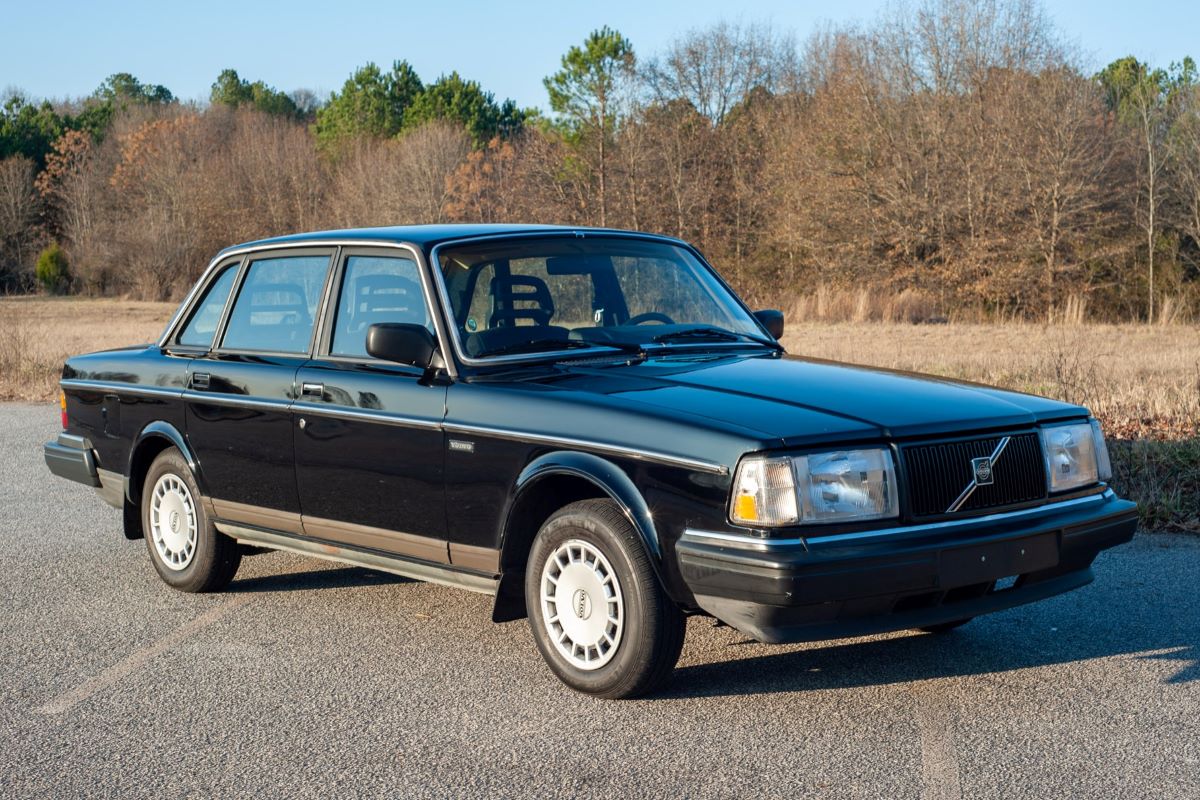
Volvo 240
The Volvo 240 is a legendary model known for its toughness and longevity. Produced mainly in the 1970s and 1980s, this boxy sedan has become a symbol of durability, with many examples still running smoothly decades after their initial release.
Its reputation stems from a combination of over-engineering and simplicity, making it a favorite among those who want a car that can take a beating and keep going.
The 240’s engine, usually a reliable inline-4 or inline-6, is built with robust components that tolerate high mileage well.
The straightforward mechanical design means that repairs are generally easy to handle, and replacement parts are often still available due to the car’s popularity among enthusiasts. The lack of complex electronics in these older models reduces potential points of failure, contributing to their resilience.
The car’s chassis and suspension are designed to withstand harsh driving conditions. Its sturdy frame, heavy-duty suspension parts, and solid construction allow it to handle rough roads, winter conditions, and heavy loads without suffering significant damage.
The Volvo 240 was originally built with safety and longevity in mind, which shows in how well it holds up to abuse.
Inside, the 240’s cabin materials are simple but durable. The car was designed to last, with interiors that can endure wear without falling apart. This, combined with a mechanical system that rarely surprises owners with sudden problems, has made the Volvo 240 a classic example of a car that keeps going long after many of its contemporaries have been retired.
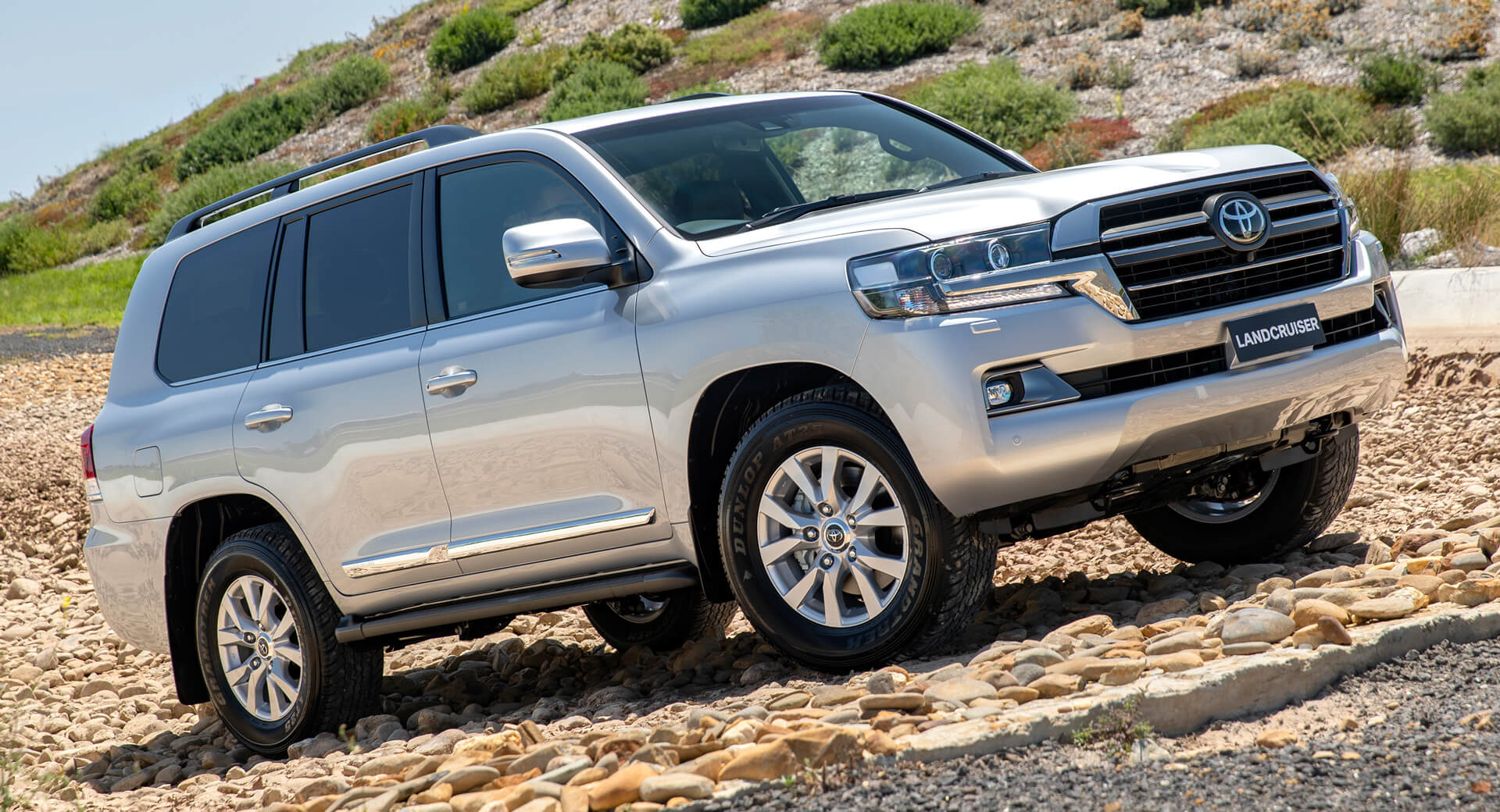
Toyota Land Cruiser
The Toyota Land Cruiser is one of the most durable SUVs ever built, widely respected around the world for its ability to survive the harshest environments.
From deserts to mountains, Land Cruisers are often used in places where reliability is critical, and their track record in these conditions is impressive. The Land Cruiser combines ruggedness with longevity, making it a top choice for those needing a vehicle that withstands abuse.
The Land Cruiser’s engines are built for endurance. They are often large displacement inline-6 or V8 units designed to run at steady power outputs rather than maximum performance, which reduces wear and tear.
This engineering approach allows the Land Cruiser to maintain its mechanical integrity over hundreds of thousands of miles, often requiring only routine maintenance.
The vehicle’s frame and suspension system are heavy-duty, designed to absorb the punishment of off-road trails, heavy loads, and rough terrain.
Reinforced parts and a solid chassis protect critical components from damage. This SUV’s design reflects its purpose as a vehicle capable of serious work without breaking down.
In addition to mechanical toughness, the Land Cruiser’s interiors and electronics are known to be reliable, especially in older models.
The simplicity of its electrical system reduces malfunctions, and the cabin materials are made to endure years of rough use. This combination of attributes has earned the Land Cruiser legendary status as a vehicle that rarely needs fixing, even when pushed hard.
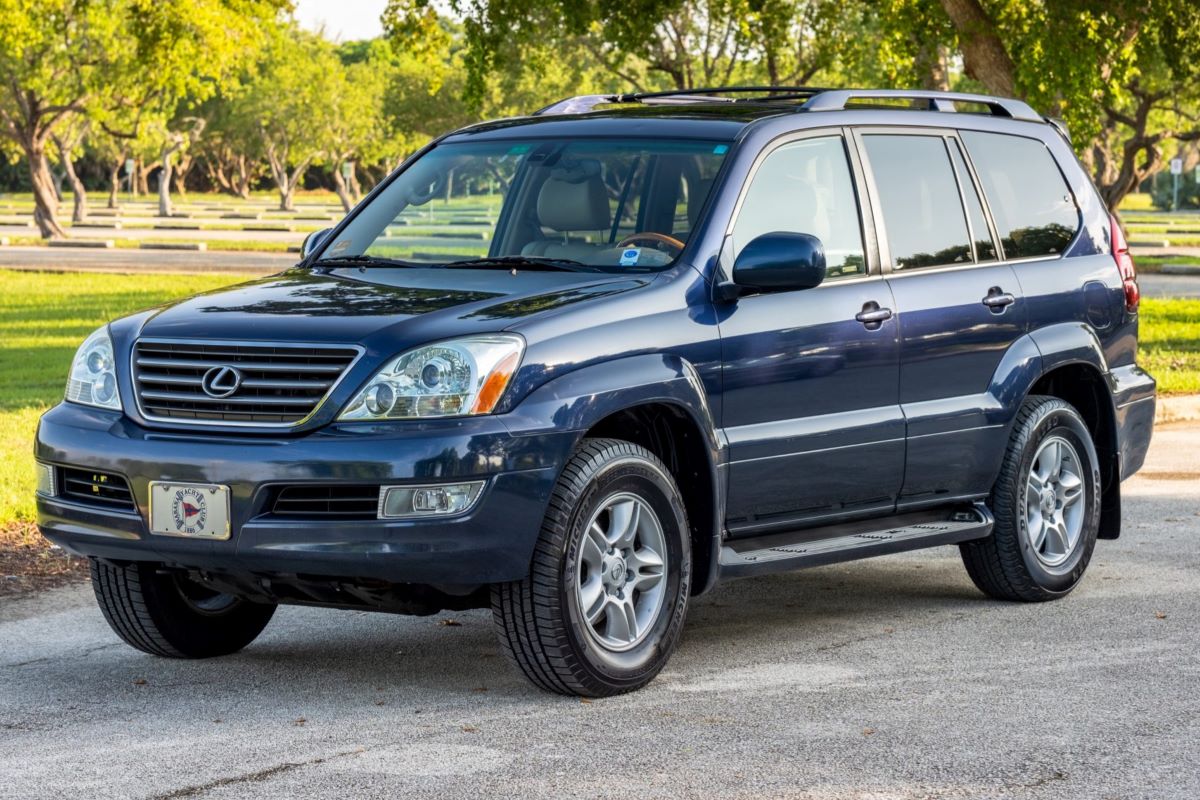
Lexus GX 470
The Lexus GX 470 is a luxury SUV that shares much of its underlying toughness with the Toyota Land Cruiser Prado on which it is based.
Known for combining off-road capability with premium features, the GX 470 has a reputation for being extremely reliable, even when subjected to hard use. It offers a balance of comfort and durability that appeals to many buyers.
The GX 470’s powertrain, typically a 4.7-liter V8 engine, is known for its longevity and resistance to common mechanical failures. Its engine design emphasizes smooth operation and durability, resulting in fewer repairs over the life of the vehicle.
The transmission and drivetrain components are equally robust, built to handle towing, off-road driving, and daily commuting with ease.
Chassis and suspension systems on the GX 470 are designed for both luxury and ruggedness. Its independent front suspension and solid rear axle provide a smooth ride but also offer durability when used off-road or in demanding driving conditions.
The body is reinforced to withstand impacts and rough handling, making it a solid performer in tough environments.
Despite its luxury status, the GX 470 avoids the complexity that often causes problems in other premium SUVs.
Its electronics and interior components are reliable, with fewer frequent malfunctions or costly repairs. This combination of engineering and build quality makes the Lexus GX 470 a vehicle that rarely needs fixing despite hard use.
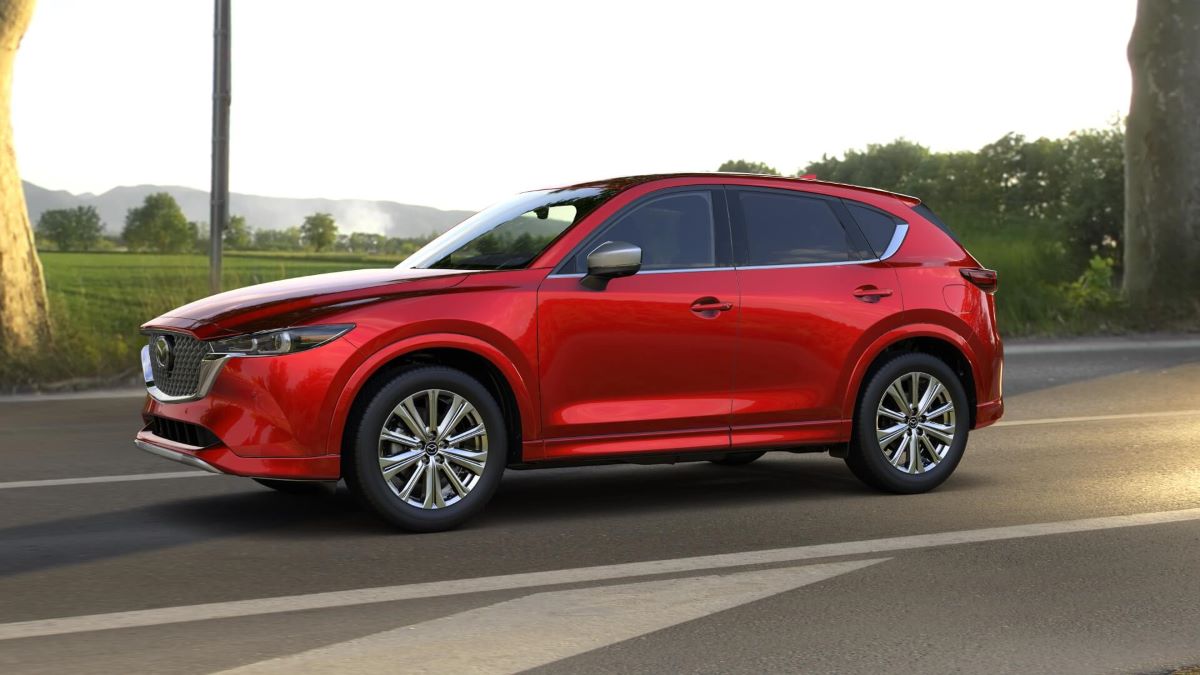
Mazda CX-5
The Mazda CX-5 is a compact SUV that has gained praise for its blend of reliability, style, and driving dynamics. It is known for maintaining a strong reputation in terms of durability, even when subjected to daily wear or occasional rough treatment.
The CX-5’s efficient engineering and solid build help it avoid many common problems found in SUVs of its class. Mazda has engineered the CX-5’s engines, particularly the naturally aspirated four-cylinder and the turbocharged variants, to be reliable and long-lasting.
These engines have earned praise for smooth power delivery and resistance to common mechanical failures such as overheating or premature wear. The transmissions paired with these engines are also designed for durability, contributing to the vehicle’s reputation.
The CX-5’s chassis and suspension are built to provide both comfort and resilience. The suspension absorbs bumps and rough roads without excessive wear, and the vehicle structure is strong enough to resist damage from everyday abuse. These factors help reduce the frequency of repairs, even when the car is used heavily.
Mazda’s interior and electronic systems in the CX-5 are designed with simplicity and durability in mind. While the car offers modern conveniences and safety features, the electronics tend to be reliable and free from common glitches.
This practical approach to design has helped the CX-5 become one of the more dependable compact SUVs on the market.
Also Read: 5 Honda Accord Years That Run Forever vs 5 That Don’t
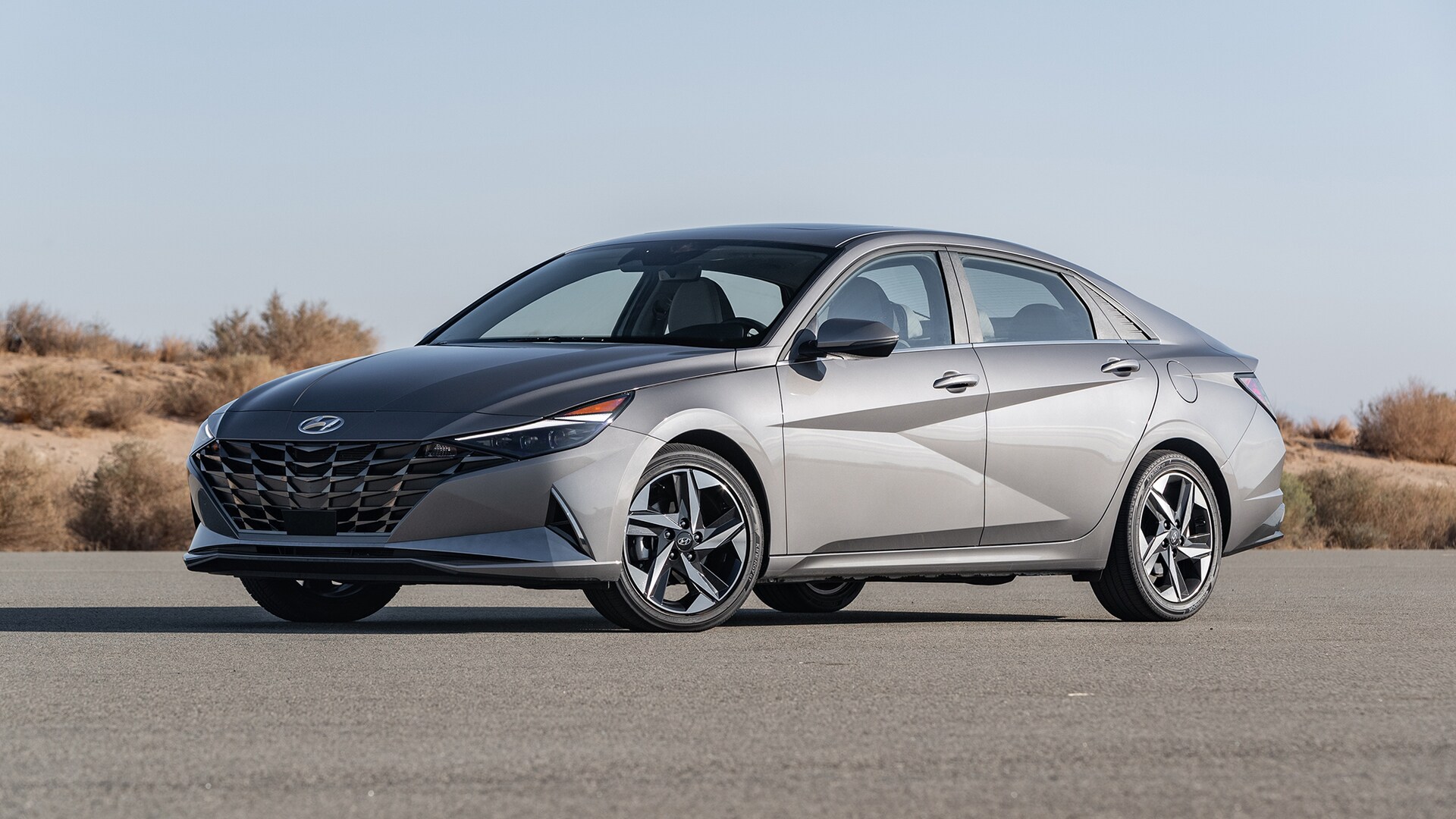
Hyundai Elantra
The Hyundai Elantra has evolved over the years into a compact sedan known for its reliability and value. Earlier models were occasionally criticized for build quality, but recent generations have significantly improved, becoming recognized for their ability to withstand high mileage and everyday use without frequent repairs.
Hyundai’s advancements in engine design have played a big role in the Elantra’s reliability. The engines are built to run smoothly over long periods, with fewer issues related to overheating, oil consumption, or timing chain problems.
The transmissions, whether manual or automatic, have also been engineered for endurance, reducing the need for costly repairs.
The Elantra’s suspension and chassis are designed to handle rough roads and daily driving stresses. Although it is a compact car, its frame and suspension components are robust enough to absorb shocks and bumps without rapid deterioration. This durability contributes to lower repair rates compared to many other cars in the same class.
Inside, the Elantra offers interiors made with materials that can withstand wear and tear, especially in the latest models.
Hyundai has also improved its electrical systems to reduce malfunctions and enhance reliability. As a result, the Elantra is a dependable choice for drivers who want a practical, low-maintenance vehicle that holds up well under pressure.
