
When people think about car maintenance, oil changes and tire rotations usually come to mind first. But over time, one of the most consistently expensive repairs can be brake service.
Brake pads, rotors, and calipers wear out with regular driving, and depending on the car, these components can be either simple or very costly to replace.
Some cars are known to chew through brake components quickly, while others tend to go tens of thousands of miles before needing significant work.
This list highlights twelve cars that are widely considered dependable when it comes to brake durability. These vehicles tend to avoid expensive brake jobs due to design efficiency, build quality, and the driving habits they encourage.
Drivers looking for vehicles that don’t rack up frequent service bills appreciate the value of brake system longevity.
In general, heavier vehicles and high-performance cars wear out brakes more quickly. On the flip side, vehicles with smart engineering and moderate performance needs often see extended lifespans for these components.
It’s not just about the parts being more durable, it’s about the whole driving experience being aligned in a way that doesn’t stress the braking system unnecessarily.
The cars included here have proven track records among mechanics and long-time owners for needing fewer brake-related repairs, especially the expensive kind involving rotors, calipers, or brake fluid system work.
What makes these vehicles stand out isn’t only that they go longer between pad changes, but that the replacement work is often easier and cheaper when it’s eventually needed. That means lower labor costs and more affordable parts.
It’s also about fewer surprises, less likelihood of warped rotors, failed ABS components, or electronic brake sensors causing early intervention.
Over time, that can save a car owner hundreds, sometimes thousands of dollars, depending on how long they keep the car. With these vehicles, there’s less chance of getting hit with a sudden $1,000 brake bill after a routine inspection.
Let’s go through the twelve cars that stand out in this category. Each one is known for going the distance without turning brake repairs into a regular part of ownership.
Whether you’re looking for a daily commuter, a family hauler, or a dependable used car, these models are worth considering if brake reliability is important to you.
Also Read: 5 Honda Accord Years That Run Forever vs 5 That Don’t
1. Toyota Camry
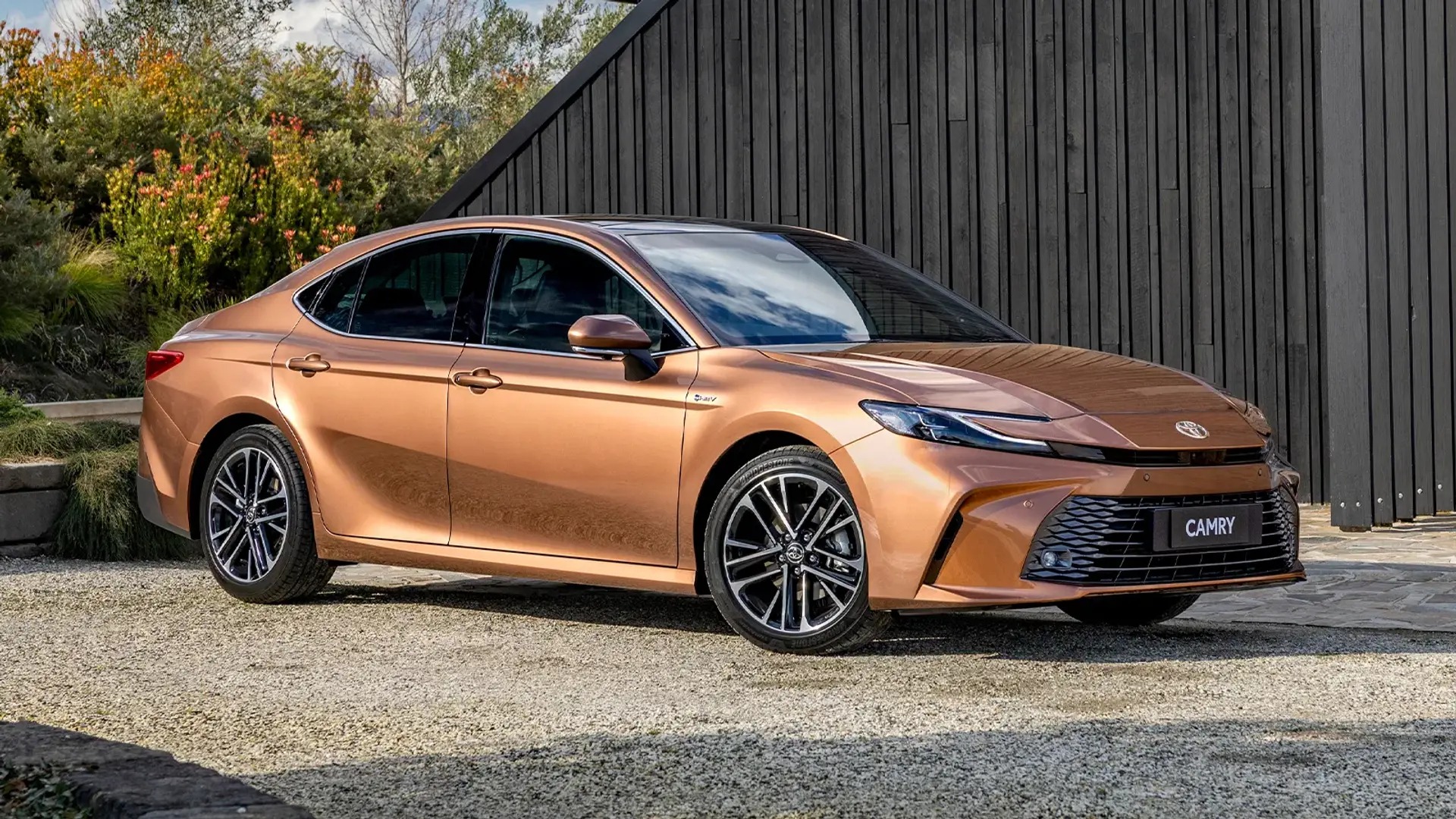
The Toyota Camry has long been one of the most consistent midsize sedans in terms of reliability, and that reputation extends to its braking system. Its moderate curb weight and balanced performance mean it doesn’t put unnecessary strain on the brakes.
Most Camry owners report getting 50,000 to 70,000 miles on a single set of brake pads, depending on driving habits. This lifespan far exceeds the industry average, and that translates into fewer visits to the mechanic for brake issues.
Beyond longevity, brake jobs on the Camry tend to be straightforward. The design of the brake components is simple and widely understood by mechanics, which means labor costs are kept low. Parts are also inexpensive and readily available, which prevents delays and inflated repair bills.
Even when a rotor or caliper needs to be replaced, the price tag is often far less painful than with some competitors. Additionally, the Camry avoids complications like adaptive braking systems that can make repairs more complicated and expensive.
Another benefit is the Camry’s driving style. Most Camry drivers aren’t pushing their cars hard or slamming the brakes at high speeds, which helps preserve the life of the system.
The braking system is designed for smooth, consistent stopping power without putting too much strain on the components. The car’s weight distribution and suspension tuning also support long brake life by keeping the car well-balanced under braking pressure.
Over time, the Camry proves to be one of the more affordable vehicles to maintain in every category, and brakes are no exception. Whether you’re buying new or picking up a certified used model, you can expect to avoid frequent and costly brake repairs if you keep up with routine maintenance. This is one of the key reasons the Camry continues to be a top choice for drivers who want peace of mind.
2. Honda Accord
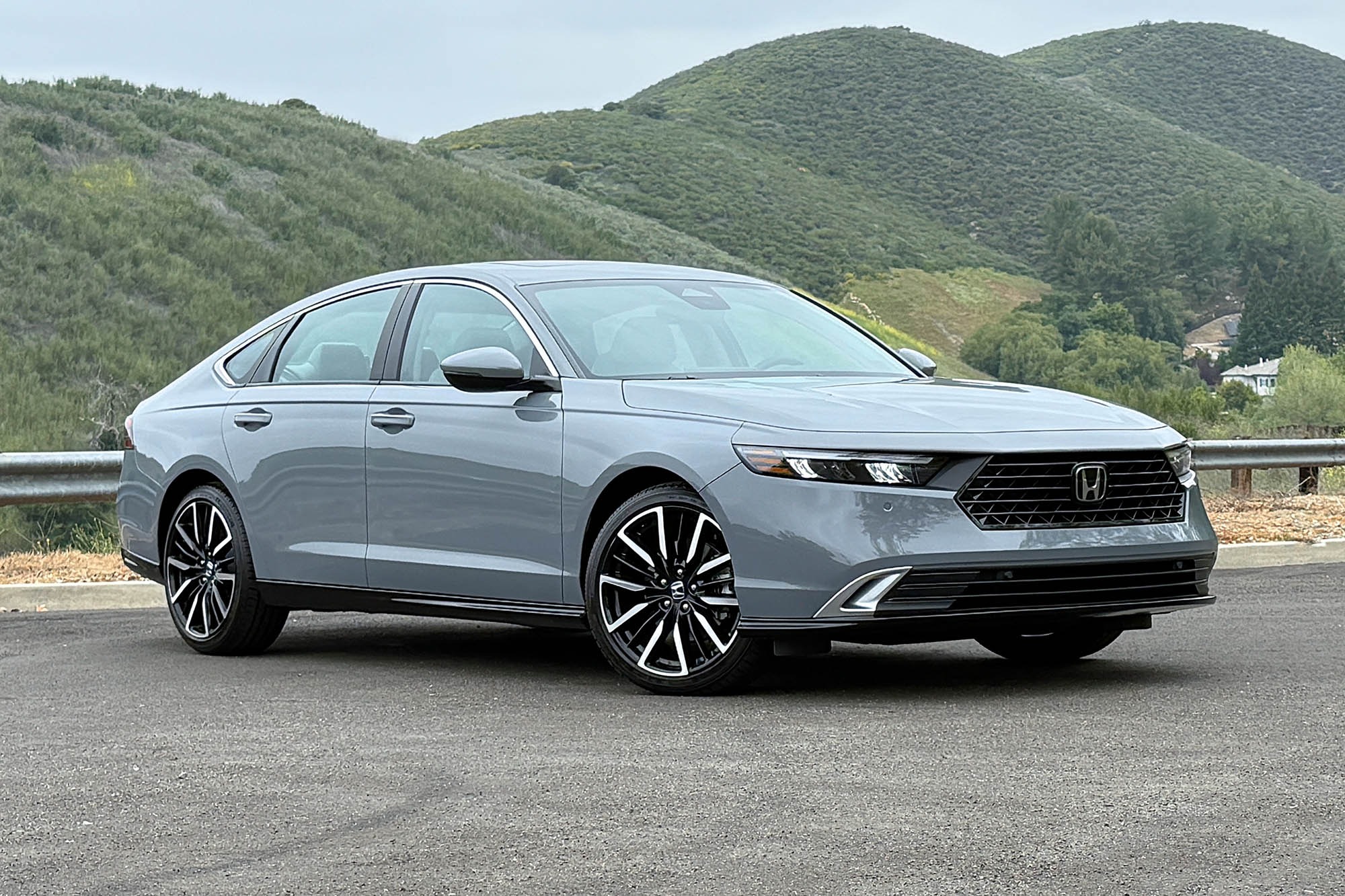
The Honda Accord shares much of the same brake system philosophy as the Camry. With a design focused on efficiency, reliability, and everyday drivability, the Accord doesn’t require high-performance brakes that wear quickly or cost a fortune to maintain. It’s common for Accord owners to go long intervals between brake jobs, often without any major issues.
One advantage the Accord has is the smart use of materials in its brake components. Honda has engineered its systems to reduce heat buildup, which is a common cause of rotor warping and pad glazing. This helps extend the lifespan of not only the pads but also the rotors and calipers. The system is also designed for predictability, so drivers can modulate their braking more efficiently, leading to less wear in the long run.
Another factor is the simplicity of its braking system. Even newer models with electronic parking brakes and stability features don’t overcomplicate the brake maintenance process. Repairs are often less expensive than on other vehicles in the same segment.
Mechanics are also very familiar with the Accord’s platform, and this helps keep labor costs lower when service is needed. The availability of high-quality aftermarket parts also plays a role in reducing long-term costs.
From a driver’s perspective, the Accord encourages smooth and confident braking. Whether you’re commuting in stop-and-go traffic or cruising on the highway, the brakes feel solid without being touchy. This predictability reduces aggressive or unnecessary braking, which extends the life of the system. All in all, the Accord continues to be a reliable pick for drivers who want a brake system they don’t have to worry about.
3. Lexus ES
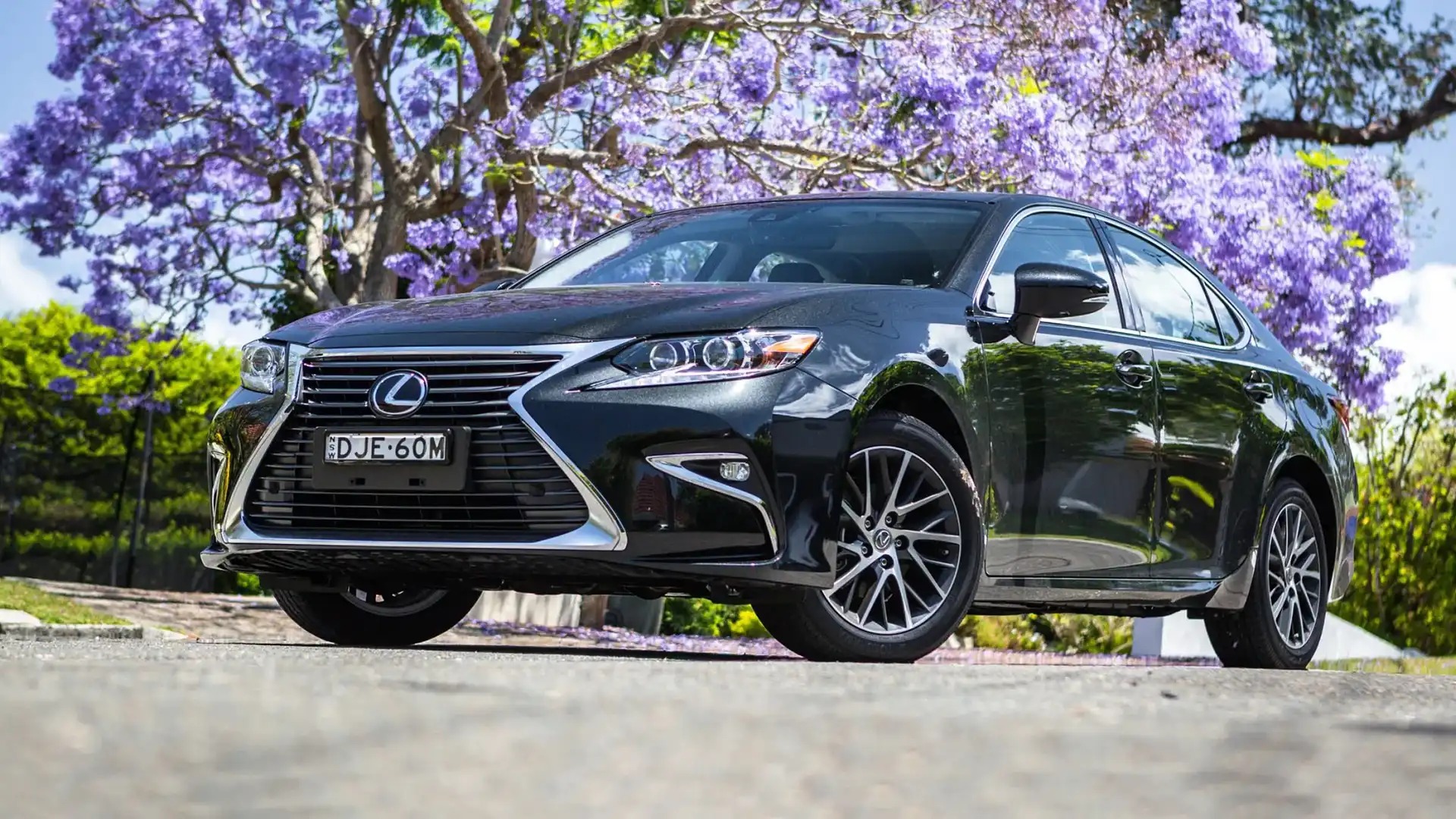
The Lexus ES offers the luxury sedan experience without the high maintenance bills often associated with premium brands.
One area where this shows clearly is in the durability of its brake system. Built on the same platform as the Toyota Camry, the ES shares a lot of its underpinnings, including a braking system known for its long life and low cost of service.
What makes the ES stand out is how it balances luxury with practicality. While it includes some enhancements like brake assist and electronic stability controls, the core components are built for smooth, consistent use.
The brakes are not overly aggressive or prone to wear, and the car’s driving character leans more toward comfort than performance. That means less frequent hard braking, which preserves pads and rotors longer.
Even when service is needed, costs remain relatively manageable compared to German luxury brands. Lexus brake parts are more affordable, and the system design allows for straightforward servicing.
You don’t have to deal with complex electronic interfaces just to change the pads. This simplicity, combined with Toyota’s well-earned reputation for long-lasting parts, means owners don’t have to dread the cost of routine brake maintenance.
Drivers who choose the ES are often looking for a comfortable, quiet, and low-stress ride. That approach to driving supports the brake system’s longevity.
It’s not a car that begs to be pushed to the limit, and that shows in how infrequently its owners report brake problems. For a premium vehicle that rarely incurs premium maintenance costs, the Lexus ES is a smart choice.
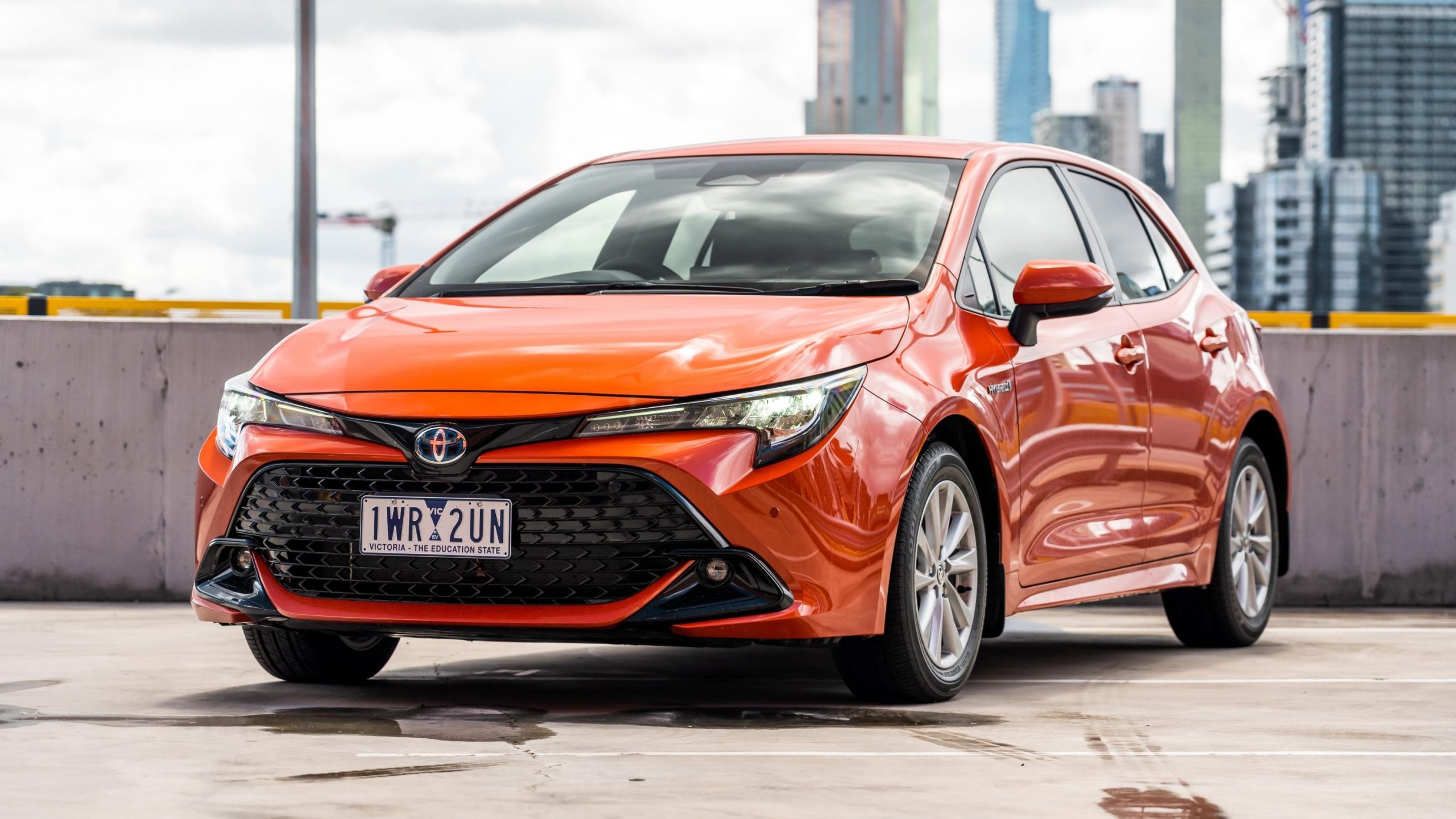
4. Toyota Corolla
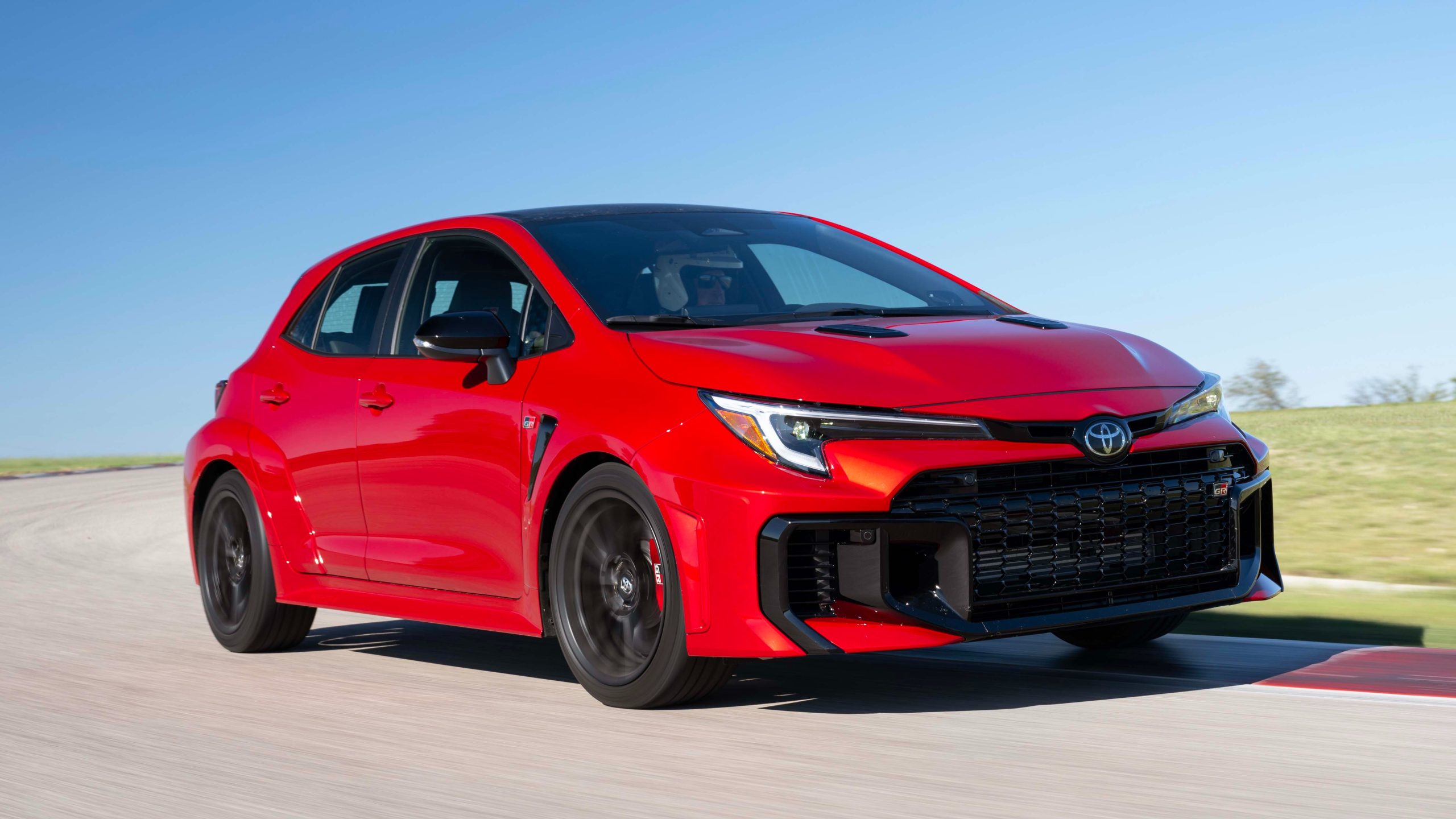
The Toyota Corolla has long been celebrated for its reliability, and that includes its braking system. This compact sedan is light, easy to maneuver, and built with practicality in mind, which directly contributes to reduced wear on its brake components.
The braking system is engineered to be efficient without being overly complex, which not only improves durability but also makes service and repairs more straightforward and affordable.
Most Corolla drivers report excellent lifespan on brake pads, often reaching 60,000 miles or more before requiring replacement, and the rotors typically last even longer unless subjected to aggressive driving or harsh conditions.
A key reason the Corolla performs so well in this category is its weight. Being lighter than many of its competitors, it places less stress on the braking components during deceleration.
This reduces the rate of wear on both pads and rotors. Additionally, the car’s modest engine power means it’s not built for high-speed performance or fast cornering, both of which tend to require stronger and more frequently used braking systems.
The Corolla instead supports gentle driving habits, and that further helps preserve its brake components over time.
Servicing the Corolla’s brakes is also relatively simple and inexpensive. Because the model has been produced in high volumes for decades with minimal drastic changes to the braking architecture, parts are abundant and affordable.
Even higher-quality OEM and aftermarket parts come at a fraction of the price compared to many other vehicles.
For owners or independent mechanics, changing the pads or rotors is typically a quick, no-hassle job. This not only reduces the cost of parts but also significantly cuts down on labor charges, making maintenance predictable and budget-friendly.
The Corolla’s consistent reliability and cost-effective service make it a favorite for anyone seeking a vehicle with low ownership costs.
Whether you’re a commuter, a student, or simply someone looking for a practical car that doesn’t cause financial headaches, the Corolla delivers.
Its brake system is one of the many reasons people continue to buy and keep this car for the long haul. You can drive it daily without worrying that a sudden brake issue will disrupt your routine or drain your wallet.

5. Honda Civic
The Honda Civic has earned a reputation for being not only dependable but also low-maintenance, and one area where this is especially evident is in its brake system.
Known for having some of the longest-lasting brake components in the compact segment, the Civic provides owners with peace of mind when it comes to avoiding expensive brake repairs.
The pads tend to last well over 50,000 miles under normal driving conditions, and the rotors can often go through multiple pad cycles before needing replacement. This level of durability means fewer visits to the repair shop and lower long-term ownership costs.
One of the reasons the Civic’s brakes are so long-lasting is that the car is engineered with efficiency in mind. It’s not overly heavy, and its suspension and braking systems are finely tuned for urban and highway driving rather than aggressive performance.
As a result, the brakes are subjected to less heat and mechanical stress over time. Even the sportier Civic trims are relatively conservative in terms of power, which helps ensure that the brake system doesn’t have to work overtime regularly.
That efficiency means both pads and rotors stay in good condition longer, even in cities where stop-and-go traffic is common.
When the time does come for maintenance, the Civic is one of the most affordable cars to service. Brake pad replacements are among the easiest jobs a mechanic can do on this car, and parts are widely available from both Honda and aftermarket suppliers.
The availability of quality brake parts at competitive prices has made it easy for owners to keep their Civics on the road without spending a fortune.
The car’s straightforward engineering means that independent mechanics and even DIY owners can often handle basic brake service themselves, keeping costs further under control.
The Civic continues to be a solid option for budget-conscious drivers who don’t want to compromise on quality. It performs well in all the areas that matter for daily driving while also standing out for its ease of maintenance.
Brake reliability is just one of many advantages that make the Civic a top pick for anyone looking to avoid large, unexpected repair bills.
6. Subaru Outback
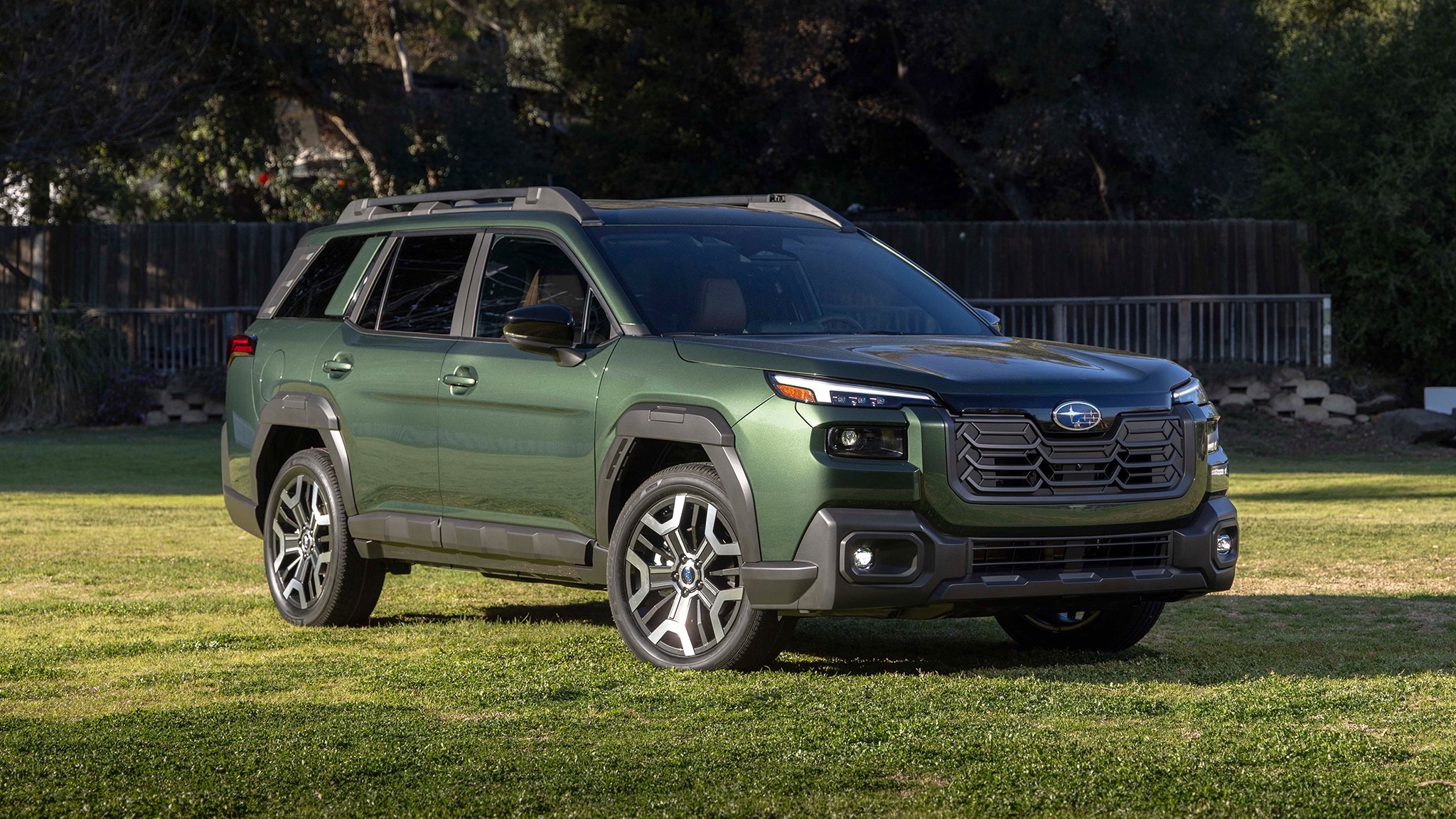
The Subaru Outback offers a unique mix of all-wheel drive capability, comfort, and utility, all wrapped in a reliable package that doesn’t demand constant attention from a mechanic. One of its underrated strengths is its braking system, which tends to hold up very well under normal driving conditions.
Even though it’s heavier than compact sedans, the Outback benefits from a well-engineered brake setup that compensates for the extra weight and traction demands. Drivers often report getting 50,000 to 70,000 miles on a set of brake pads, which is quite respectable for a vehicle with all-wheel drive and SUV-like utility.
The Outback’s brakes are specifically designed to work efficiently with the vehicle’s symmetrical all-wheel drive system. While AWD typically leads to faster brake wear because of increased grip and traction, Subaru has managed to balance the load through its weight distribution and drivetrain calibration.
That means the brakes aren’t under excessive strain even in poor weather conditions or on rough terrain. Combined with regenerative engine braking on certain trims (like the hybrid), the system actually reduces pad wear significantly when coasting or decelerating.
Another reason the Outback performs well in terms of brake maintenance is that it doesn’t encourage aggressive driving. Its performance is solid but not sporty, which keeps drivers from consistently applying hard pressure to the brakes.
That type of calm, measured driving plays a huge role in extending the lifespan of brake components. Moreover, Subaru’s reputation for engineering robust and durable parts means that even when brake jobs are needed, they rarely involve additional damage to calipers or ABS sensors.
When maintenance is required, the Outback doesn’t disappoint in terms of cost. Brake parts are reasonably priced, and because the platform hasn’t changed drastically over recent years, labor charges tend to stay consistent. It’s also a car that many mechanics are familiar with, so there’s little risk of specialty service fees or unexpected complications.
Altogether, the Outback presents itself as an excellent choice for families and outdoor enthusiasts who want reliable brakes without the burden of frequent or expensive repairs.
7. Mazda3
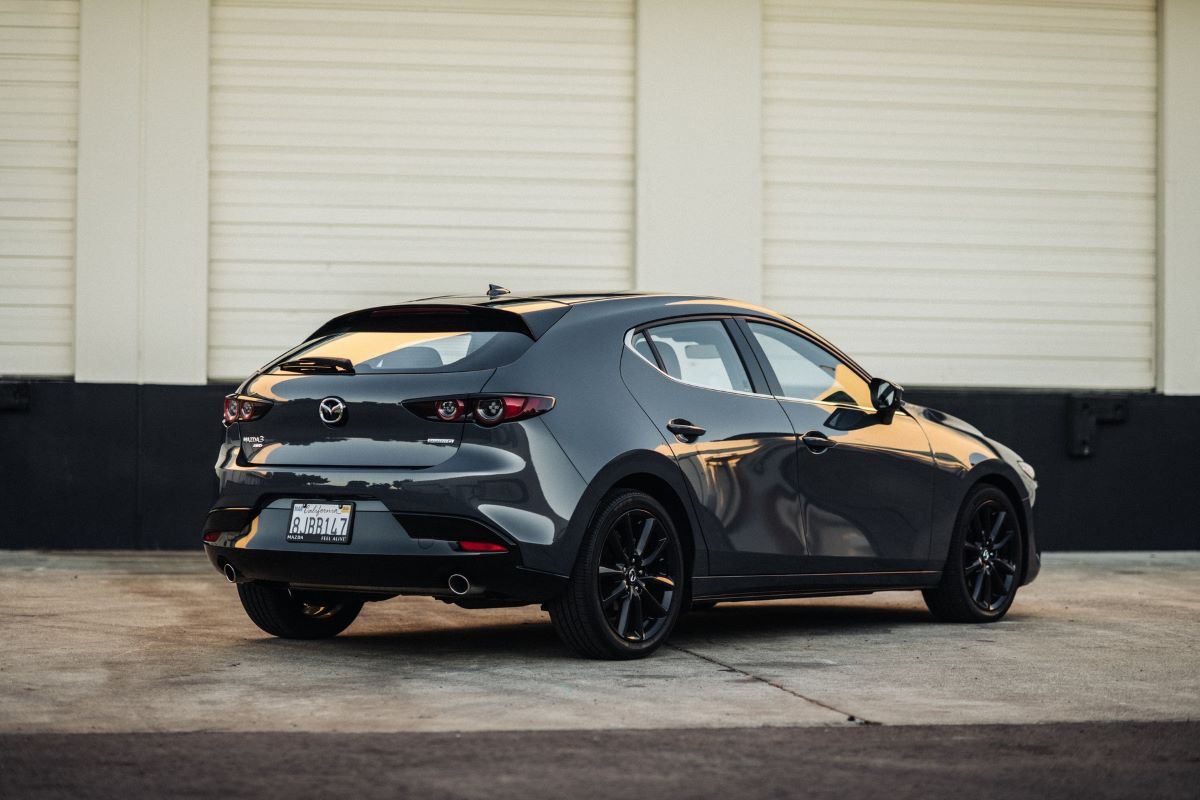
The Mazda3 stands out in the compact car category not only for its responsive handling and premium interior feel, but also for its impressive durability when it comes to brake components. This car blends sporty driving dynamics with efficient braking in a way that doesn’t come at the cost of excessive wear.
Many Mazda3 owners report high mileage intervals between brake pad replacements, often well into the 60,000-mile range with careful driving.
This combination of performance and longevity is part of what makes the Mazda3 a well-rounded option for those who want a bit of fun without sacrificing practicality.
Mazda has invested in lightweight chassis design and refined brake components that match the car’s relatively low curb weight.
This means that while the Mazda3 may be more fun to drive than many of its competitors, it doesn’t require a heavy-duty braking system that would wear quickly or cost more to maintain.
Even with its engaging cornering and agile acceleration, the car doesn’t demand constant brake input, especially since engine braking plays a role in how the car slows down under load. That helps reduce stress on the pads and rotors over time.
One of the more impressive aspects of the Mazda3 is how well it resists issues like rotor warping or uneven pad wear, which are common in cars with less refined brake balance.
Mazda’s engineers have paid attention to feedback and consistently made improvements to the car’s suspension and braking integration, which shows in how evenly the components wear.
Even under heavy urban use, the system remains predictable and smooth. When maintenance is needed, it usually involves just the basics, pad and rotor replacement, without the surprise of failed calipers or costly electronic modules.
On the maintenance front, the Mazda3 is relatively inexpensive to service. Brake components are competitively priced, and there’s a strong availability of both OEM and high-quality aftermarket options.
Mechanics familiar with Japanese brands find it easy to work on, and even owners with mechanical skills can perform basic service without issue. The Mazda3 offers a great balance of driving satisfaction and maintenance simplicity, making it a smart choice for anyone who values both fun and low operating costs.
Also Read: 5 Plug-In Hybrids That Outlast Rivals vs 5 That Constantly Break
8. Hyundai Elantra
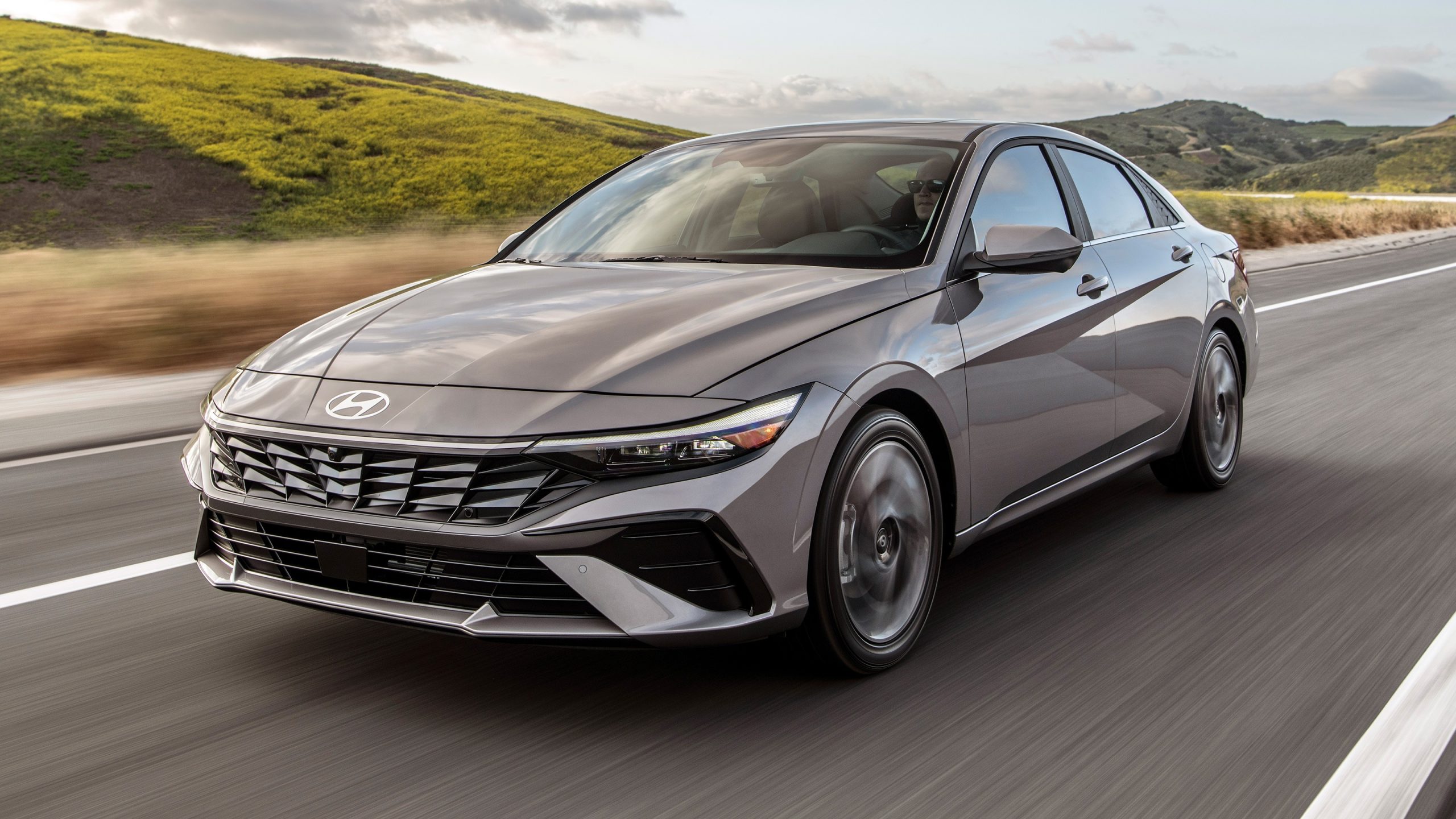
The Hyundai Elantra has made impressive strides in quality over the last decade, becoming one of the more dependable compact cars on the market. One area where it consistently performs well is in brake durability.
Thanks to its light chassis and well-balanced braking system, Elantra owners often enjoy tens of thousands of miles of trouble-free driving before needing to service the brakes.
For a car in its price range, that level of dependability is noteworthy and has helped elevate the Elantra into serious competition with long-standing favorites like the Civic and Corolla.
The Elantra’s braking components are straightforward and not over-engineered, which is a good thing when it comes to maintenance. Hyundai has built the car with value in mind, which includes making it simple and affordable to service.
Brake pads and rotors are easy to access and replace, and even ABS-related components tend to last a long time before needing attention.
Many owners have reported going well beyond 60,000 miles on their original pads, especially in non-aggressive driving environments. For a compact commuter car, that level of brake system reliability makes a big difference in ownership costs.
Another important factor is that the Elantra doesn’t place unnecessary strain on its brakes. It’s not a high-performance vehicle, so there’s little temptation for drivers to push it in ways that would generate high brake temperatures or increase pad wear.
The car encourages efficient, smooth driving, which naturally helps extend the life of the braking system.
Hyundai also uses quality materials in its brake pads and rotors, which resists premature wear and reduces the chances of issues like rotor warping or uneven pad degradation.
When service is required, the Elantra remains affordable to maintain. Brake jobs tend to be some of the least expensive in the segment, due to both low parts cost and minimal labor time. Even newer models with advanced driver-assistance systems haven’t complicated the brake service process.
Independent repair shops and dealerships alike are very familiar with the platform, which helps ensure that service is done quickly and without unnecessary add-ons. For drivers looking for a car with solid brake reliability at a reasonable cost, the Elantra is a smart pick.
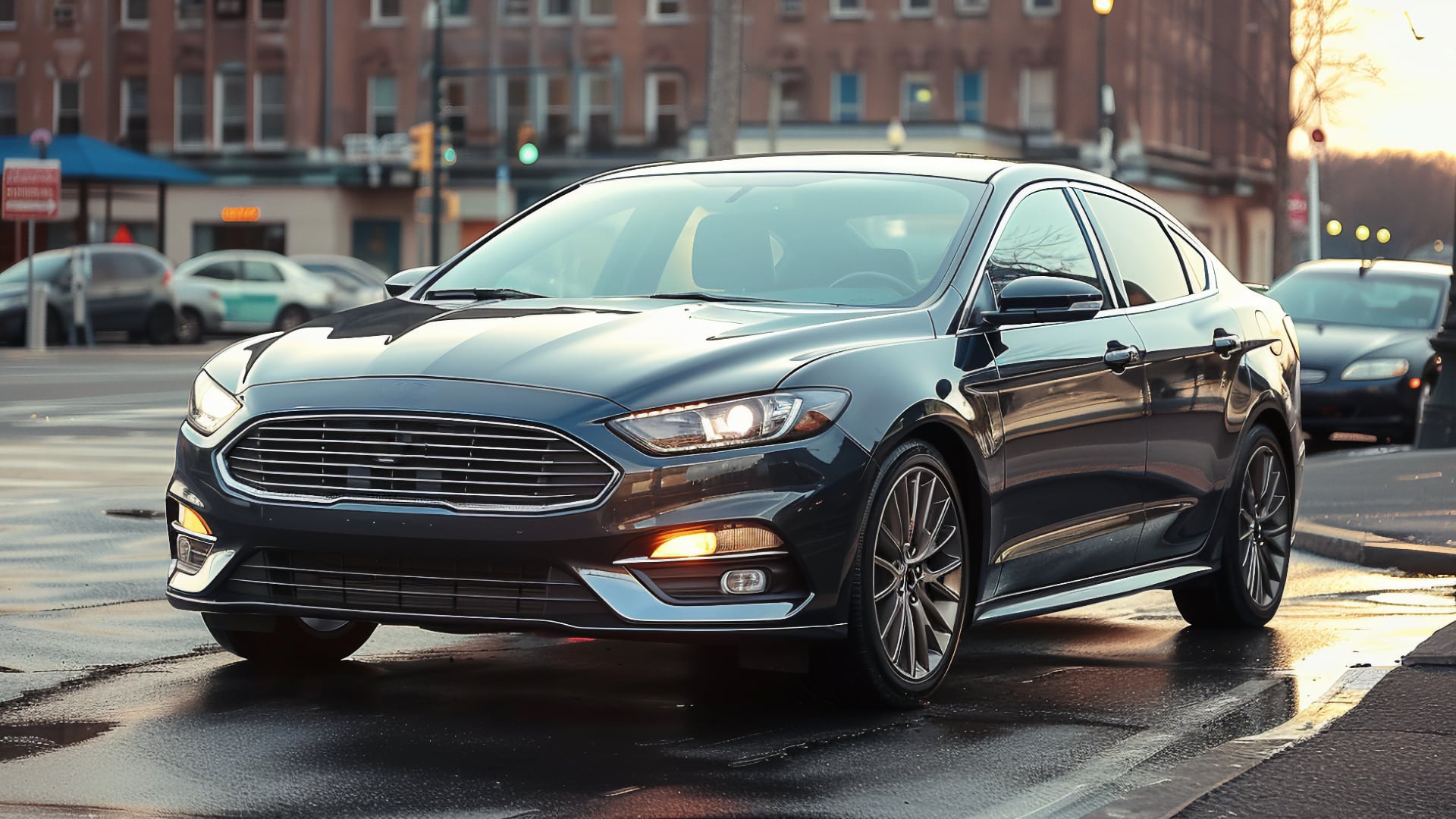
9. Ford Fusion (2013–2020)
The Ford Fusion, particularly the models produced from 2013 to 2020, has gained a solid reputation for offering midsize comfort and features without requiring excessive maintenance.
While it may not be the first car people think of for brake reliability, those who own it often find themselves pleasantly surprised. Many Fusion owners report long pad life and fewer issues with brake system components, especially when compared to similarly priced sedans in the midsize category.
Part of this comes down to the car’s balanced design. The Fusion has a sturdy yet refined suspension setup that distributes braking forces evenly across all four wheels, helping pads and rotors wear at a slower, more even rate.
It doesn’t come with oversized or overpowered brakes unless you’re dealing with one of the sportier trims.
For most drivers who use the Fusion as a commuter or family vehicle, the brake system doesn’t face frequent stress or overheating, which plays a large role in extending component life.
Ford also did well in keeping the cost of brake maintenance reasonable. The platform design allows for straightforward access to pads, rotors, and calipers, and even models with electronic parking brakes don’t complicate service unnecessarily.
Aftermarket parts are widely available and typically priced lower than those for other domestic sedans or SUVs. For do-it-yourselfers and independent shops, working on the Fusion’s brakes is a simple, well-documented task that doesn’t demand specialized tools or high-cost parts.
Over time, this adds up to meaningful savings for owners. While the Fusion may not have the long-term brand loyalty of Honda or Toyota, it delivers reliable performance in a package that doesn’t constantly pull money out of your wallet for brake work.
Especially for used car buyers, the Fusion presents a strong case for dependable ownership, and its reliable brake system is a key part of that value. It’s a practical, low-fuss option for someone who wants room, safety, and low service bills.
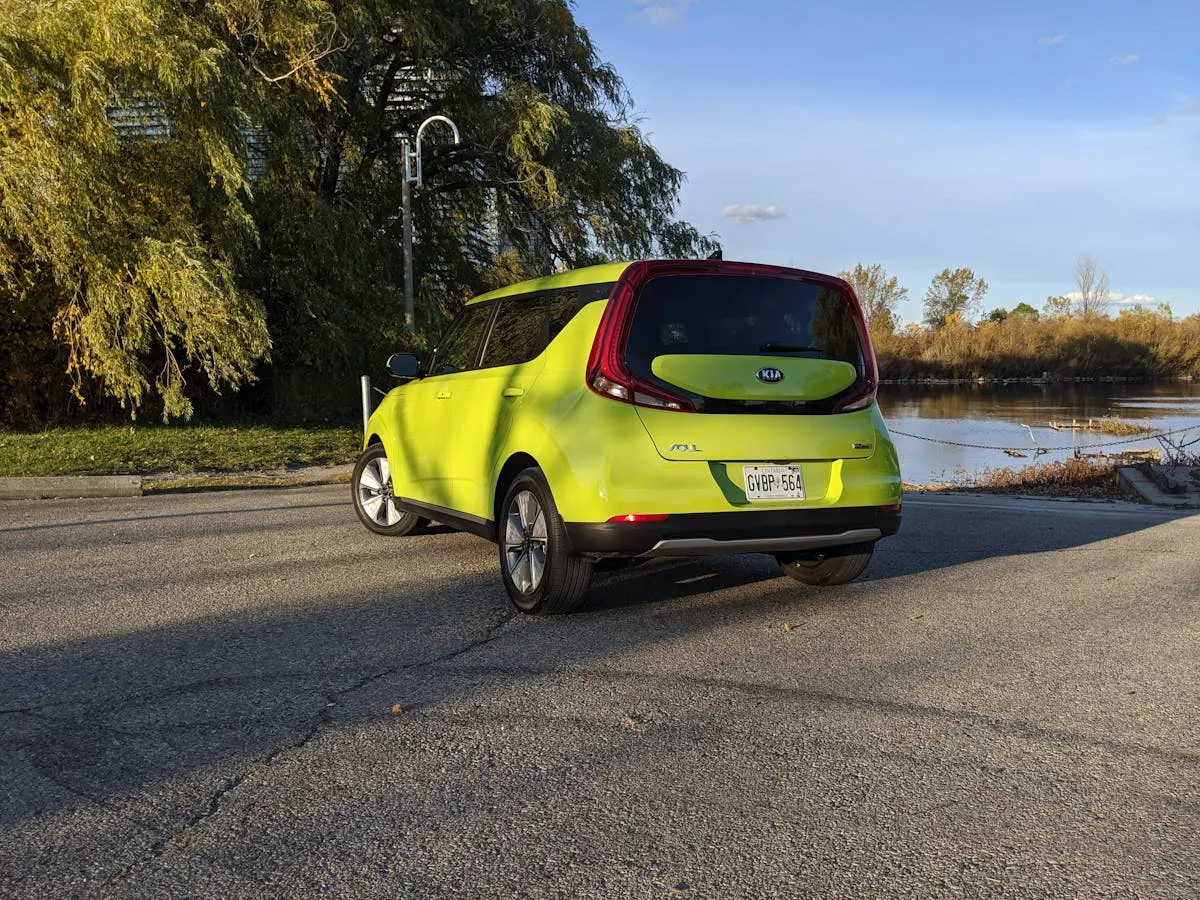
10. Kia Soul
The Kia Soul is often appreciated for its quirky styling and versatile cabin, but one of its hidden strengths is how well it holds up mechanically, especially when it comes to the braking system.
Despite its unique boxy shape, the Soul is a compact vehicle with relatively low weight, which makes it easier on the brake components than many larger vehicles.
As a result, owners frequently enjoy long-lasting brake pads and fewer issues related to the rotors or calipers. Many drivers find that the Soul can go upwards of 60,000 miles between brake services when driven under normal conditions.
One of the advantages of the Soul is that it’s designed with simplicity and efficiency in mind. Kia avoided overly complicated systems in the Soul’s earlier generations, keeping the brake setup traditional and easy to maintain.
Even in later models with more advanced safety features, Kia managed to preserve that serviceability. This design approach results in fewer electronic brake-related issues and helps ensure that repairs, when necessary, don’t spiral into expensive diagnostic work or part replacement.
The driving behavior that the Soul encourages also contributes to brake system longevity. It’s not a sports car or performance vehicle, and it doesn’t invite fast, aggressive driving.
Most people use it as a commuter car or family runabout, which means there’s less stress on the brakes from sudden stops or repeated high-speed use. Kia’s choice of durable brake materials, combined with relatively light use, leads to a longer lifespan for components and fewer emergency repairs.
When you do need to change the brakes, you’ll find that the job is simple and cost-effective. Parts are affordable, and labor is typically low since the brake components are easy to access.
Even in areas where labor costs run high, the Soul’s straightforward design keeps the bill from becoming excessive. As a low-cost vehicle to own and operate, the Soul lives up to its reputation in part because of its durable and inexpensive brake system. It’s a good choice for those who want reliable performance without expensive upkeep.
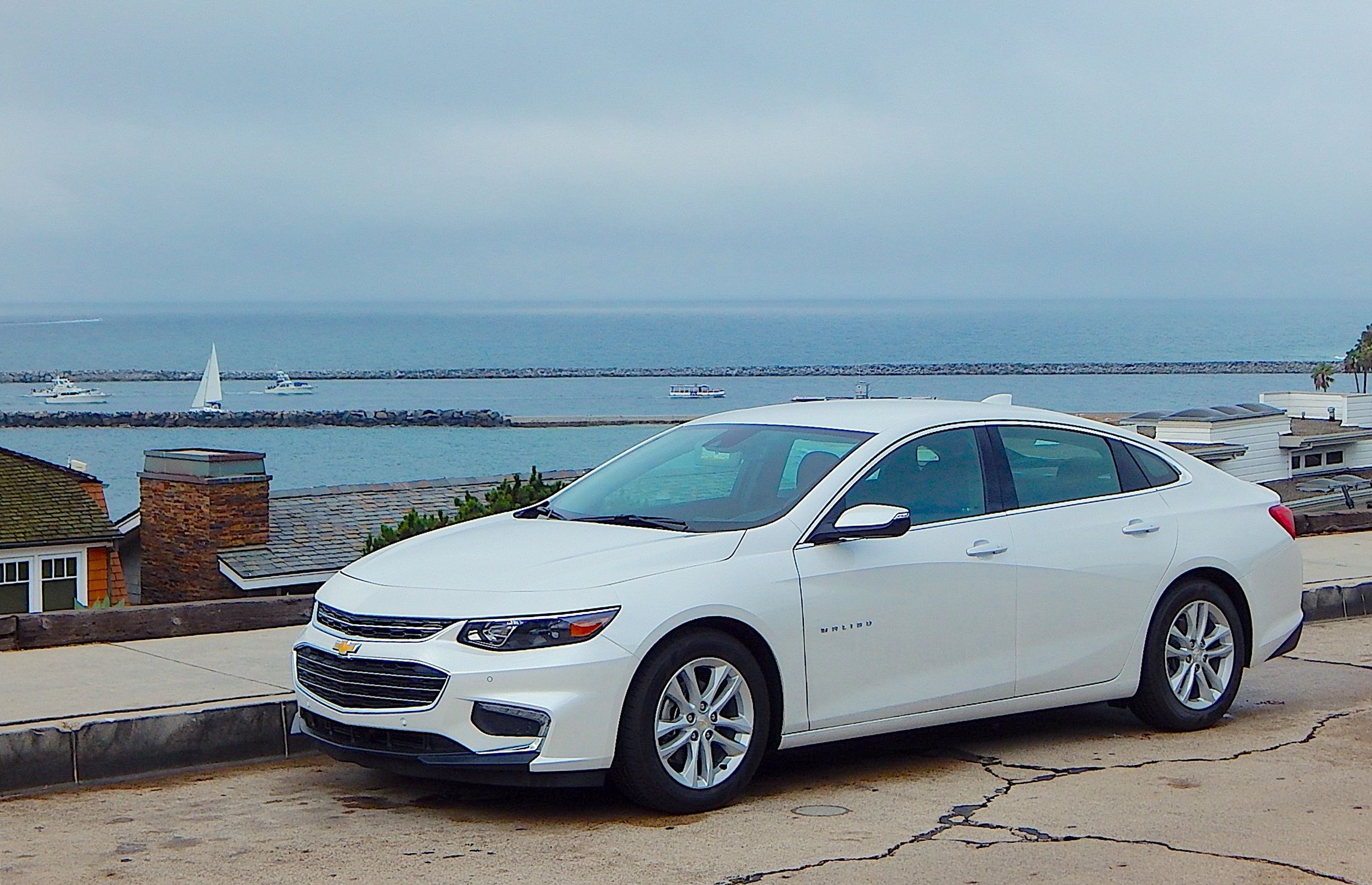
11. Chevrolet Malibu
The Chevrolet Malibu is another midsize sedan that performs well in terms of brake system reliability, particularly in models produced after 2016.
It may not be flashy, but the Malibu is built to be a dependable, comfortable commuter car, and part of that equation includes a braking system that doesn’t require constant attention.
Most owners can expect standard pad changes at normal intervals without having to deal with more involved or costly brake-related repairs.
The Malibu benefits from a platform that was designed with efficiency in mind. Its size and weight are in the sweet spotlarge enough to provide comfort and stability, but not so heavy that it accelerates brake wear.
General Motors also made strides in improving part durability during this generation, particularly when it comes to corrosion resistance and thermal performance of the rotors.
These improvements have translated into longer-lasting components and fewer issues like warped rotors or stuck calipers, which are common in older models or less refined platforms.
Maintenance on the Malibu’s brake system is also budget-friendly. Brake jobs are typically straightforward, and even though some trims include electronic brake assist features, the base mechanical system remains relatively simple.
Independent mechanics report that the Malibu is an easy car to work on in this respect, and aftermarket parts are widely available at competitive prices. Whether you’re taking it to a dealer or a local shop, you’re unlikely to encounter inflated costs or difficult-to-source parts for the brakes.
For someone looking for a practical sedan with low maintenance costs and solid road manners, the Malibu is worth considering. Its brake system is just one part of its larger appeal as a daily driver that won’t surprise you with costly repairs.
While it might not have the prestige of other brands, it holds up well over time and offers exactly what many drivers are looking for, reliability, comfort, and predictable service intervals. That’s a winning combination for budget-minded car owners.
