
When a car receives a salvage title, it usually means the vehicle has been through some kind of major damage, whether due to an accident, flood, fire, or theft, and was declared a total loss by an insurance company. Most people automatically dismiss these cars as unreliable or unsafe.
In many cases, that assumption is correct. However, there are exceptions. Some vehicles, even after suffering extensive damage, continue to function with exceptional durability and mechanical resilience.
These are cars built with solid engineering, parts availability, and designs that withstand hardship. They manage to survive harsh conditions and continue to serve their owners for years after being written off on paper.
Certain makes and models seem to keep coming back no matter what happens to them. Mechanics, car enthusiasts, and even regular drivers who have owned salvage vehicles will tell you stories about specific models that just won’t quit.
These vehicles tend to have loyal followings because people know they can count on them even when others would give up. Not all salvage-title cars are worth saving, but these 12 stand out for their ability to keep running strong after disasters.
Durability isn’t just about surviving one crash or weather event. It also means being easy to repair, having strong aftermarket support, and being built on a platform that prioritizes longevity. These vehicles are known for still being found on the road decades after their production ended.
In salvage yards, they are often the last to be stripped of useful parts because so many components can still be reused. Whether they’re off-roading, towing, commuting, or just sitting in a driveway waiting for their next journey, these cars represent resilience.
Each vehicle on this list has a reputation for standing up to punishment and getting back on the road. Some of them are classics, others are more modern, but all have proven that a salvage title doesn’t have to be the end of the road. For many of these vehicles, it’s just another chapter in a long story of service, survival, and reliability. Here are 12 cars that never give up, even with salvage titles.
Also Read: 12 Cars That Still Run Strong Despite Being Laughed At
1. Toyota Tacoma
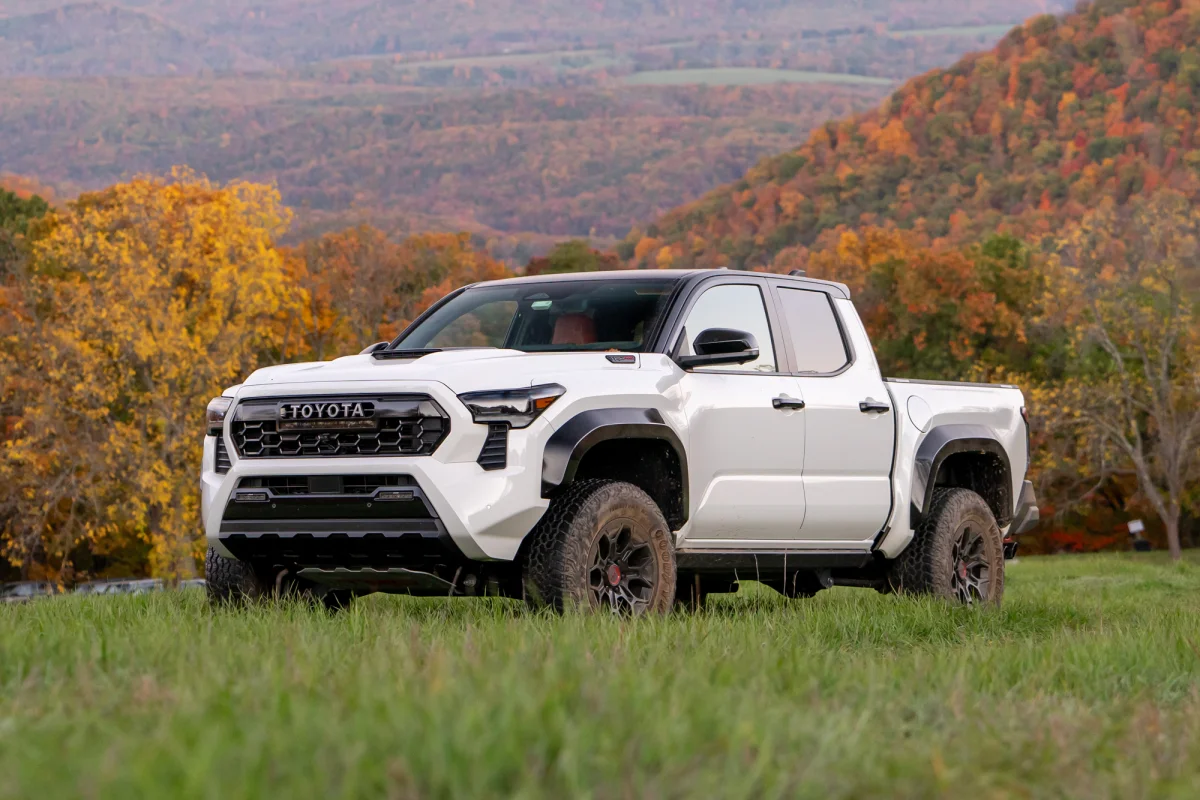
The Toyota Tacoma has earned a reputation for being nearly indestructible. Known for its strong frame, reliable drivetrain, and minimal electronic complications in older models, the Tacoma is one of the few trucks that can take a serious hit and still bounce back.
Many Tacomas with salvage titles continue to operate in rough environments, especially in construction and off-road conditions. Mechanics often praise these trucks because they are simple to work on, and parts are easy to find. Even after major front-end collisions or frame damage, a well-repaired Tacoma will keep going for hundreds of thousands of miles.
In the off-road world, Tacomas are often bought with salvage titles because enthusiasts are planning to modify them anyway. Lifts, aftermarket bumpers, and suspension upgrades tend to replace or cover up damaged parts. For this reason, the base structure of the Tacoma remains a key asset. Its solid axles, dependable 4WD system, and straightforward powertrain mean that even a truck that’s been through a flood or crash can still make a great platform.
One of the reasons Tacomas hold their value so well, even with salvage titles, is their long-term reputation for reliability. Buyers know that if a Tacoma is repaired correctly, it will likely run just as well as a clean-title truck.
Many owners have reported putting over 300,000 miles on their salvage-title Tacomas with only routine maintenance. They don’t seem to mind what kind of history the truck has, as long as it starts every time and gets the job done.
Insurance companies might total out Tacomas over relatively minor damage, especially on older models, where repair costs quickly exceed book value. That’s why so many of them end up with salvage titles even when the damage isn’t catastrophic. For people who know what to look for, these trucks are often a smart buy.

2. Honda Civic
The Honda Civic is one of the most widely known vehicles for long-term reliability, and that doesn’t change even with a salvage title. Civics are known for their bulletproof engines, simple design, and massive aftermarket support. Even after significant damage, many Civic owners repair and reuse their cars without major issues.
These vehicles have become favorites among DIY mechanics who are looking to build something dependable without breaking the bank. Salvage Civics are especially common among younger drivers or enthusiasts working on budget performance projects.
The Civic’s popularity over the decades has created a massive supply of replacement parts, making repairs easier and more affordable. From junkyards to online stores, nearly every part for almost any generation of the Civic is still available. This makes restoring or fixing a salvage-title Civic very manageable, even for people with limited experience. Civics also tend to have good fuel economy and basic engine designs that can tolerate poor maintenance more than many other vehicles.
In urban environments, salvage-title Civics are often used as daily drivers, food delivery cars, or even commuter vehicles for long distances. Their small size makes them practical, while their engine performance allows them to keep up on the highway. Owners frequently say the car “just runs,” even after years of tough use or rough repairs. This kind of reliability keeps Civics in high demand, even when the title history is less than perfect.
Some Civics also appeal to tuners who are looking for a project. A salvage-title car makes a perfect starting point for an engine swap or performance upgrade, since the car’s value is already reduced. The body may be dented or the interior worn, but if the engine and transmission are solid, or can be swapped easily, then the car becomes a reliable tool again.
3. Jeep Cherokee (XJ)
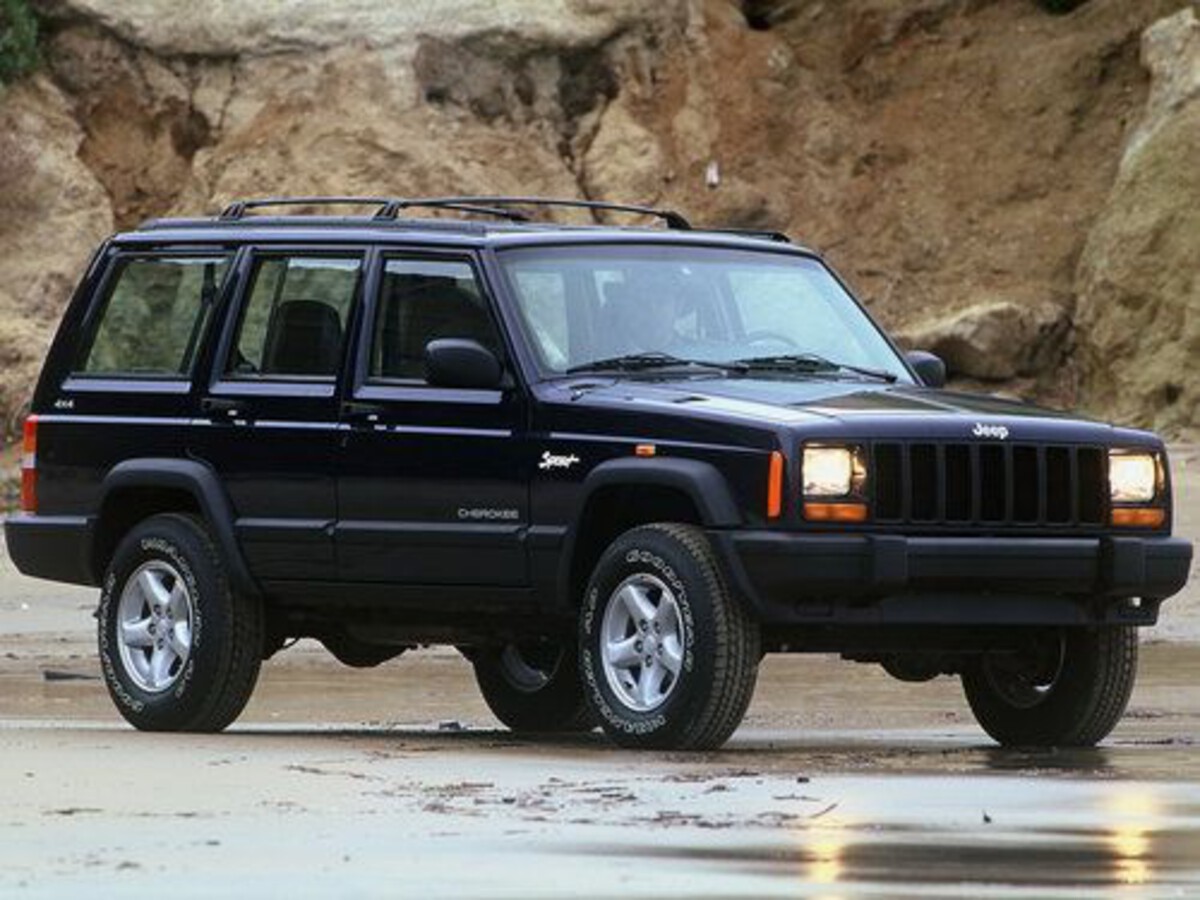
The Jeep Cherokee XJ is a legend when it comes to toughness. Produced from the mid-1980s through 2001, the XJ Cherokee is famous for its boxy shape, strong drivetrain, and off-road capabilities. Even with a salvage title, this Jeep keeps going. It features a unibody frame that, while more modern than the body-on-frame setup of traditional trucks, still holds up surprisingly well in most accidents. Many XJs with salvage titles are still out crawling trails, tackling snow, or serving as daily drivers in rural areas.
One of the Cherokee XJ’s most iconic features is the 4.0-liter inline-six engine, which is known for running well past 300,000 miles with proper maintenance.
That engine, paired with a durable transmission and solid axles, makes it nearly unstoppable in rough terrain. The simplicity of its electronics, especially in earlier models, means that repairs are more straightforward than in more modern SUVs. A salvage XJ can often be brought back to life with basic tools and mechanical knowledge.
Because of its age and growing popularity among off-road enthusiasts, the Cherokee XJ often gets a second life after being totaled. Buyers are not looking for luxury or modern features; they want something that works. Salvage-title XJs are often lifted, modified, and taken into terrain that would destroy newer SUVs. Their basic structure and simple interior are actually advantages in environments where comfort takes a back seat to durability.
Jeep clubs and forums are full of stories about XJs that were crushed in crashes, rolled down hills, or left sitting in fields for years, only to be revived and returned to duty. This is a vehicle that does not know how to give up. Even if the frame is slightly bent or the body dented, if the drivetrain is still intact, the XJ will usually keep moving. It’s a vehicle built to survive.
4. Subaru Outback
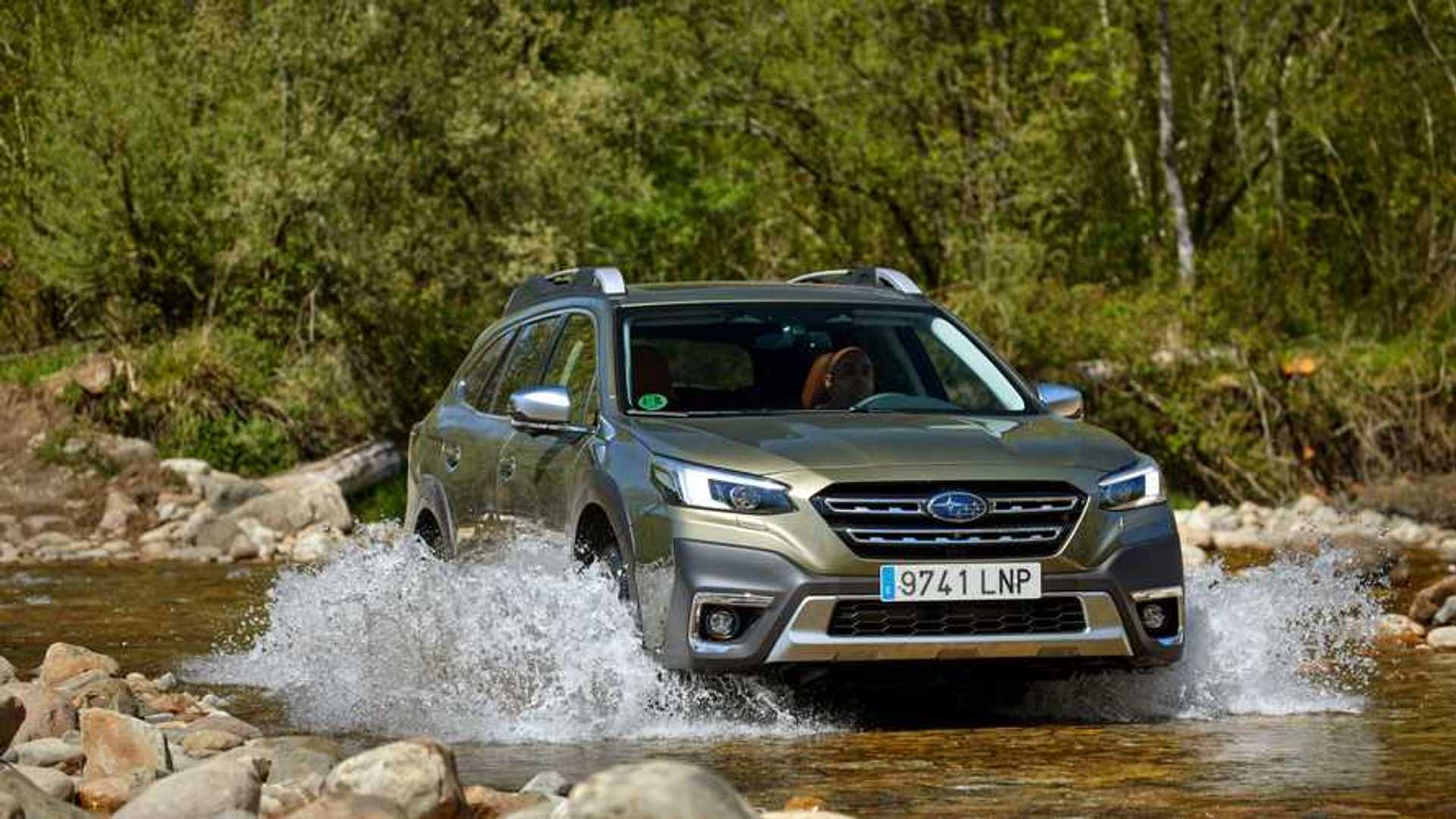
The Subaru Outback is one of the most popular vehicles among outdoor enthusiasts, especially in regions with harsh winters and rugged terrain. What sets the Outback apart is its full-time symmetrical all-wheel-drive system, solid boxer engine design, and elevated ride height that performs well both on pavement and on dirt roads.
Even when an Outback suffers major damage and receives a salvage title, it is rarely the end of the road. These cars are built with resilience in mind, often powering through conditions that would leave other vehicles stranded. Many owners purchase salvage-title Outbacks with the intention of using them as adventure vehicles, winter beaters, or even camper conversions because they know these wagons can take a beating and keep going.
One of the reasons Outbacks continue to be usable even after damage is their balanced weight distribution and relatively simple mechanics compared to other AWD vehicles. Though modern Subarus have more electronic components, older Outback models in particular are more mechanically focused.
Salvage Outbacks are commonly found with front-end or side damage from collisions, but as long as the frame isn’t severely compromised, they can be repaired fairly economically. Subaru enthusiasts often learn to do the repairs themselves, as there’s a strong community around these cars with plenty of shared knowledge and parts availability.
Even with high mileage and salvage history, many Outbacks continue to deliver excellent performance in snow, mud, or gravel. They make great utility vehicles for people living in mountainous or remote areas, where reliability matters more than cosmetic condition.
You’ll often see salvage-title Outbacks with mismatched panels, dented hoods, or missing trim, but the engine keeps running and the drivetrain keeps pulling. That’s what owners care about. These cars are often purchased specifically because they are not afraid to be scratched, dinged, or used roughly, they are practical tools that people trust.
What really solidifies the Outback’s place on this list is its longevity. Some models are seen clocking over 250,000 miles, even with minimal investment after a salvage repair. The combination of durability, traction, and versatility makes the Outback a favorite among people who need a car that performs no matter what, even if it’s been through the worst.
Whether hauling camping gear, dealing with icy roads, or just getting the kids to school in a snowstorm, a salvage-title Outback can often do it all.

5. Ford Crown Victoria
The Ford Crown Victoria, especially the Police Interceptor version (commonly referred to as the P71), is one of the most overbuilt sedans ever to roll off an American production line. Built on the tried-and-true Panther platform, the Crown Vic was designed to take abuse from the start.
It was a staple of police departments, taxi fleets, and government service for decades. Many of these vehicles ended up totaled due to high-speed accidents, theft, or fleet retirement policies, but that didn’t stop them from finding new life on the streets. Salvage-title Crown Vics are still popular among budget-conscious drivers, rural law enforcement, and car enthusiasts who recognize their simplicity and strength.
One of the key features that keeps the Crown Victoria going after it’s been written off is its body-on-frame construction. Unlike unibody cars, this design allows certain parts of the car to take damage without affecting the structural integrity of the vehicle. The frame can often be repaired or swapped, which is rare in modern sedans.
The 4.6-liter V8 engine, used in many Ford vehicles, is known for lasting well over 300,000 miles when maintained properly. Even when the car has been involved in a crash, if the powertrain remains intact, there’s a good chance it can be put back on the road with some moderate investment.
Crown Victorias are incredibly easy to work on, and parts are cheap and abundant. Because they were mass-produced in high volumes for fleet use, there is no shortage of junkyard replacements and aftermarket upgrades.
Some mechanics even specialize in restoring these cars, knowing they’ll be in demand by people who need a reliable, spacious, and tough sedan. A salvage-title Crown Vic is often a perfect solution for someone who needs dependable transportation but doesn’t want to spend much or worry about damaging a newer car.
Though they are no longer in production, Crown Vics continue to live long lives in private ownership, often serving as winter beaters, daily drivers, or project cars. Their reputation for durability isn’t just a myth, it’s backed by years of fleet testing under the harshest conditions. When someone buys a salvage-title Crown Vic, they’re getting more than just a cheap car; they’re getting a platform that has already proven it can survive nearly anything.
6. Toyota 4Runner
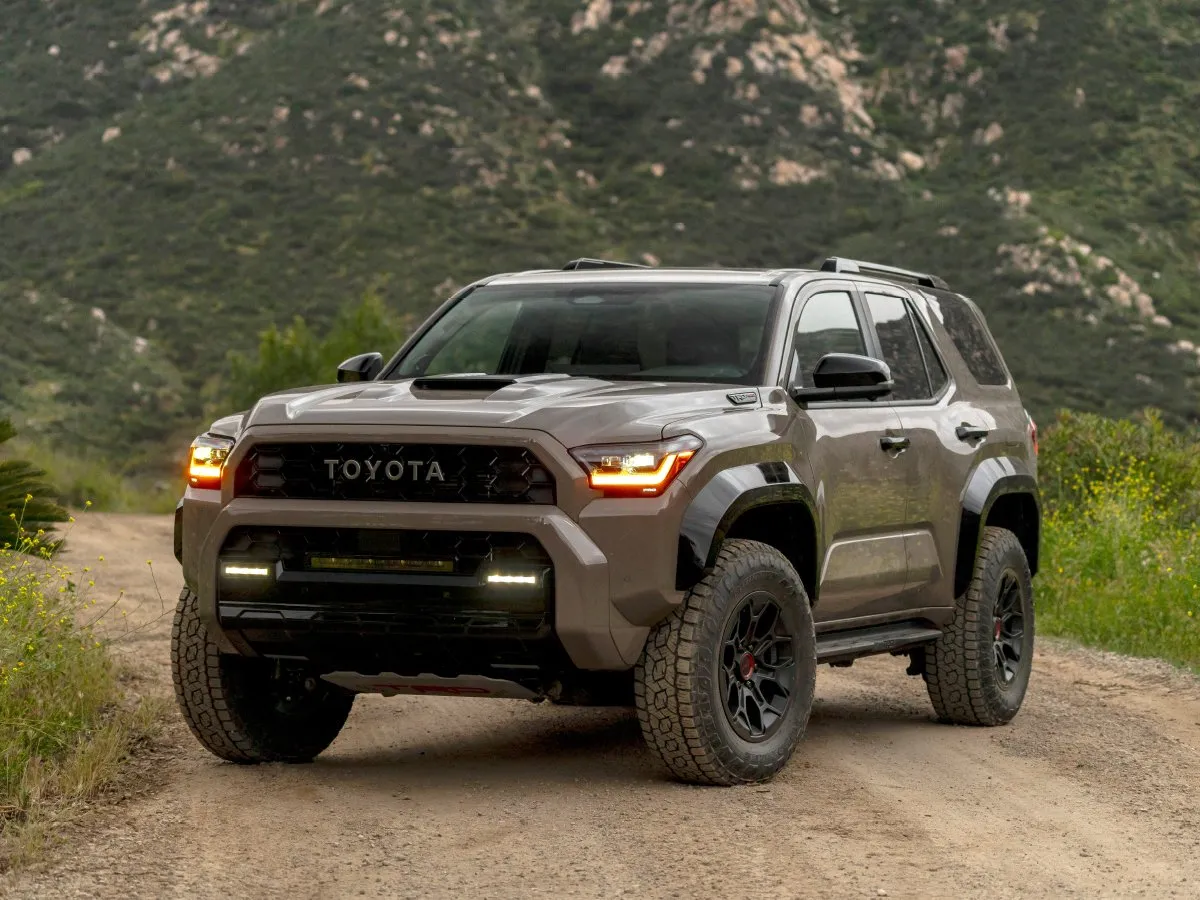
The Toyota 4Runner is often spoken about in the same breath as the Tacoma, and for good reason, they share many components and philosophies. The 4Runner is a rugged SUV that was built to go off-road, take abuse, and come back asking for more.
Even when one gets a salvage title due to an accident, flood, or theft recovery, it rarely means the vehicle is done. Owners of 4Runners understand that as long as the engine and drivetrain are in decent shape, the SUV is worth saving. These vehicles are frequently seen still running strong at 250,000 miles or more, and salvage versions are no different.
Older 4Runners, particularly those from the third and fourth generations, are known for having rock-solid drivetrains and body-on-frame construction. This gives them the same kind of durability you’d expect in a full-size truck but in a more manageable, family-friendly package.
A lot of people choose salvage-title 4Runners for off-road projects, overlanding builds, or hunting rigs because they’re affordable and already built to handle tough conditions. Even if the vehicle has some frame rust or cosmetic flaws, the main components tend to hold up remarkably well.
The sense of confidence these vehicles inspire is part of their appeal. Owners often say they’re not worried about pushing their 4Runner through snowstorms, rough trails, or long road trips because they know it will handle it. A salvage title doesn’t matter when you’re dealing with a vehicle this dependable.
If anything, it makes it easier to use the vehicle as intended, without worrying about scratches or dents. It’s that kind of rugged peace of mind that makes the 4Runner a favorite among those who need a vehicle that won’t give up, no matter what it’s been through.
Also Read: 12 Cars That Keep Their Value at High Mileage
7. Chevrolet Silverado 1500
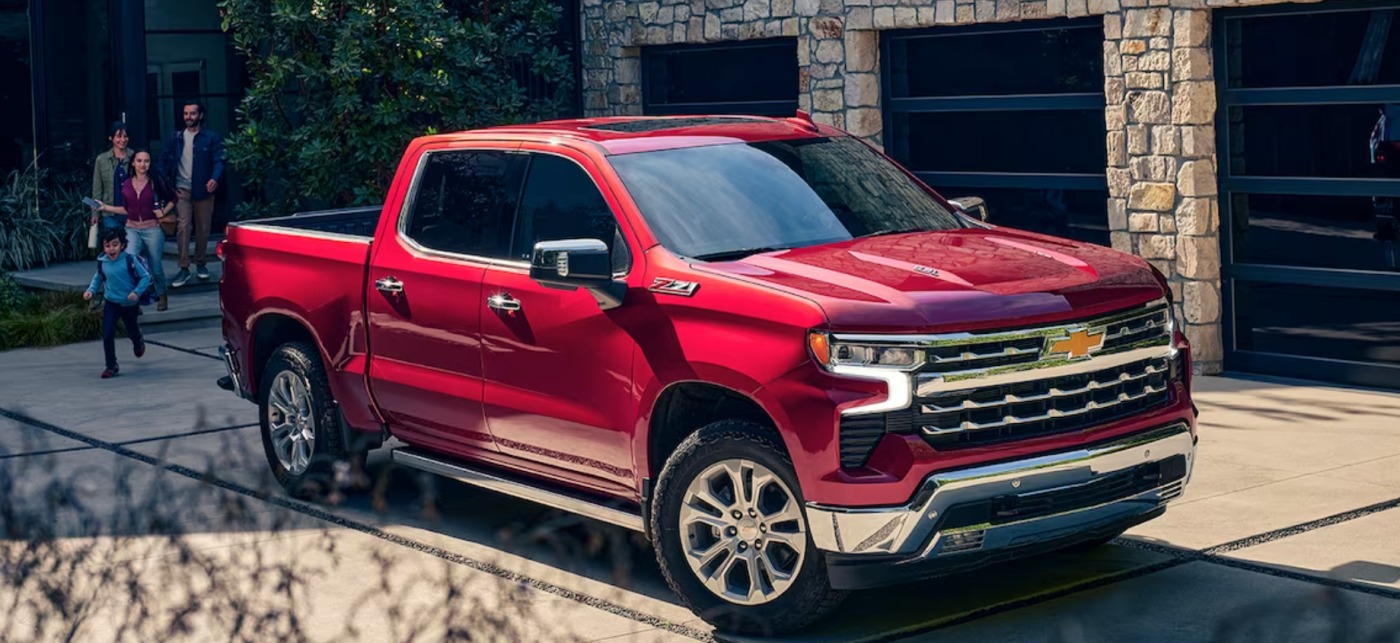
The Chevrolet Silverado 1500 is one of the most popular trucks in North America, and for good reason. It combines workhorse strength with surprising comfort and long-term durability. Silverados are often used in tough environments like farming, construction, and towing, and they tend to rack up hundreds of thousands of miles during their lifespans.
Because of their heavy use, it’s not uncommon for Silverados to receive salvage titles from accidents or weather-related incidents. But many of these trucks go on to lead full, productive lives after being rebuilt. Their strong chassis, robust engines, and wide parts availability make them a perfect candidate for resurrection.
In rural areas and smaller towns, salvage-title Silverados are incredibly common. Owners might not care that the truck was once considered a total loss, because they need something that can haul loads, pull a trailer, or carry gear down rough roads. Many of these trucks continue to work every day, long after they’ve been rebuilt.
They’re often passed down within families, used for seasonal work, or kept around as a backup vehicle. Their ability to take a beating and still perform makes them ideal for people who prioritize function over form.
Aesthetics take a backseat when it comes to the Silverado’s real value. Even with dents, rust, or faded paint, these trucks maintain their usefulness. That’s why so many of them keep going after being declared salvage. They’re reliable tools, not showpieces, and they embrace that role perfectly. For people who need a vehicle that will just work, regardless of its title history, the Silverado 1500 stands tall.
8. Honda Accord
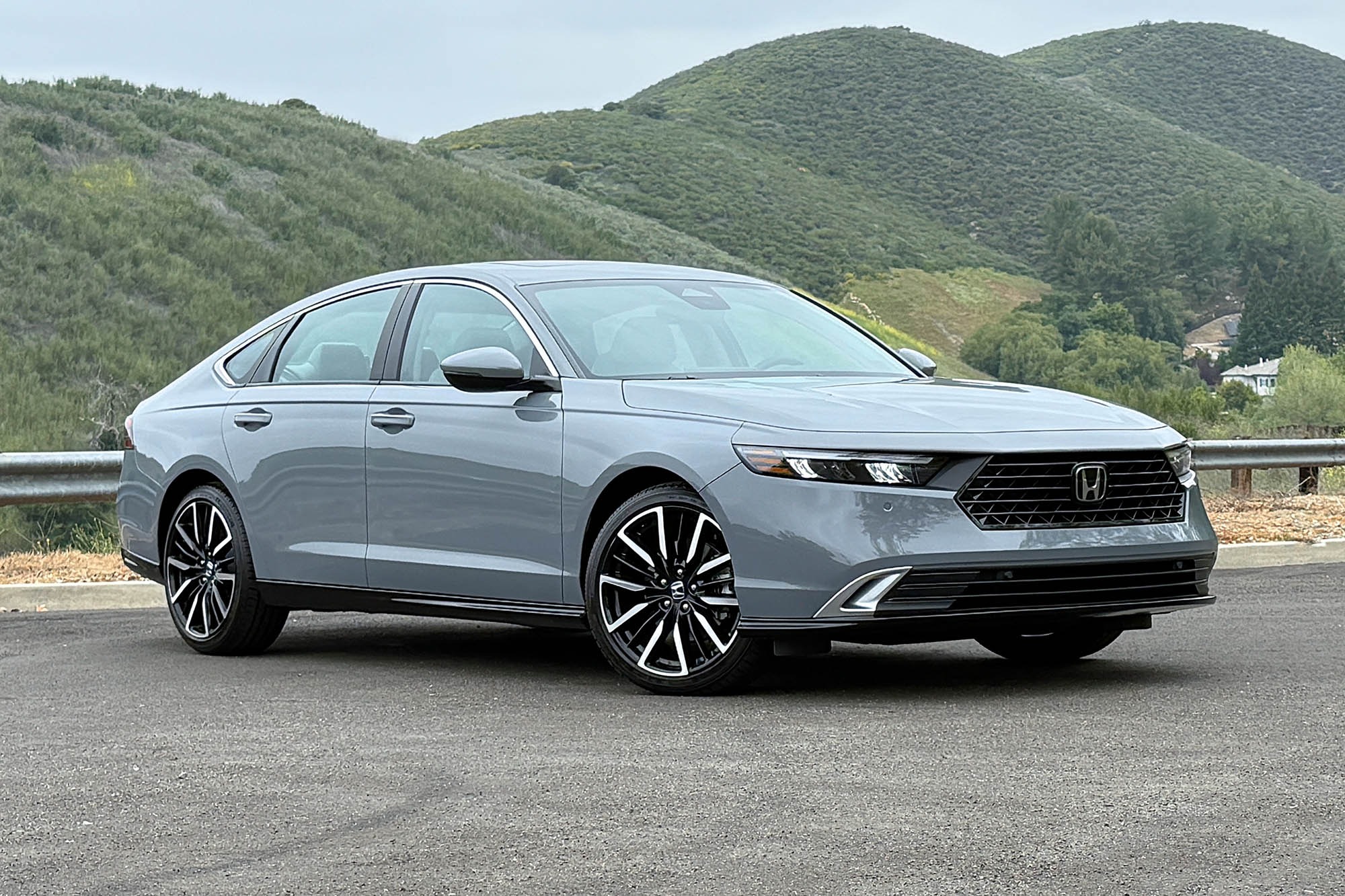
The Honda Accord has built its reputation on reliability, low running costs, and long-term performance. This reputation doesn’t fade when a salvage title gets added to the title history. In fact, salvage-title Accords are often among the most commonly bought and sold vehicles in the used car market.
Thanks to a strong and consistent design philosophy that favors mechanical simplicity and parts interchangeability, the Accord can absorb damage and come back into daily use without compromising much in terms of quality or dependability. For many owners, an Accord that has been in a collision or weather-related incident still makes more sense to fix than replace.
One of the Accord’s main strengths lies in its drivetrain. Whether it’s the proven four-cylinder engine or the more powerful V6, Honda’s powerplants are known for lasting well over 250,000 miles with basic maintenance.
Transmission issues are relatively uncommon in most models, and electrical gremlins are rare compared to other brands. When an Accord receives a salvage title, it is usually due to cosmetic damage or a moderate crash, not mechanical failure. This makes it easier for experienced buyers and mechanics to repair the vehicle and return it to the road without major concern.
The resale market for Accords, even salvage-title ones, remains active because people trust the name. A salvage-title Accord in good mechanical condition can still command a decent price, particularly for those who just need reliable transportation without the added expense of a newer vehicle.
Commuters, college students, delivery drivers, and small families continue to rely on these vehicles because they know the Accord won’t let them down. The car’s long-term value is based on real-world use and proven endurance, not marketing hype.
9. Lexus LS400
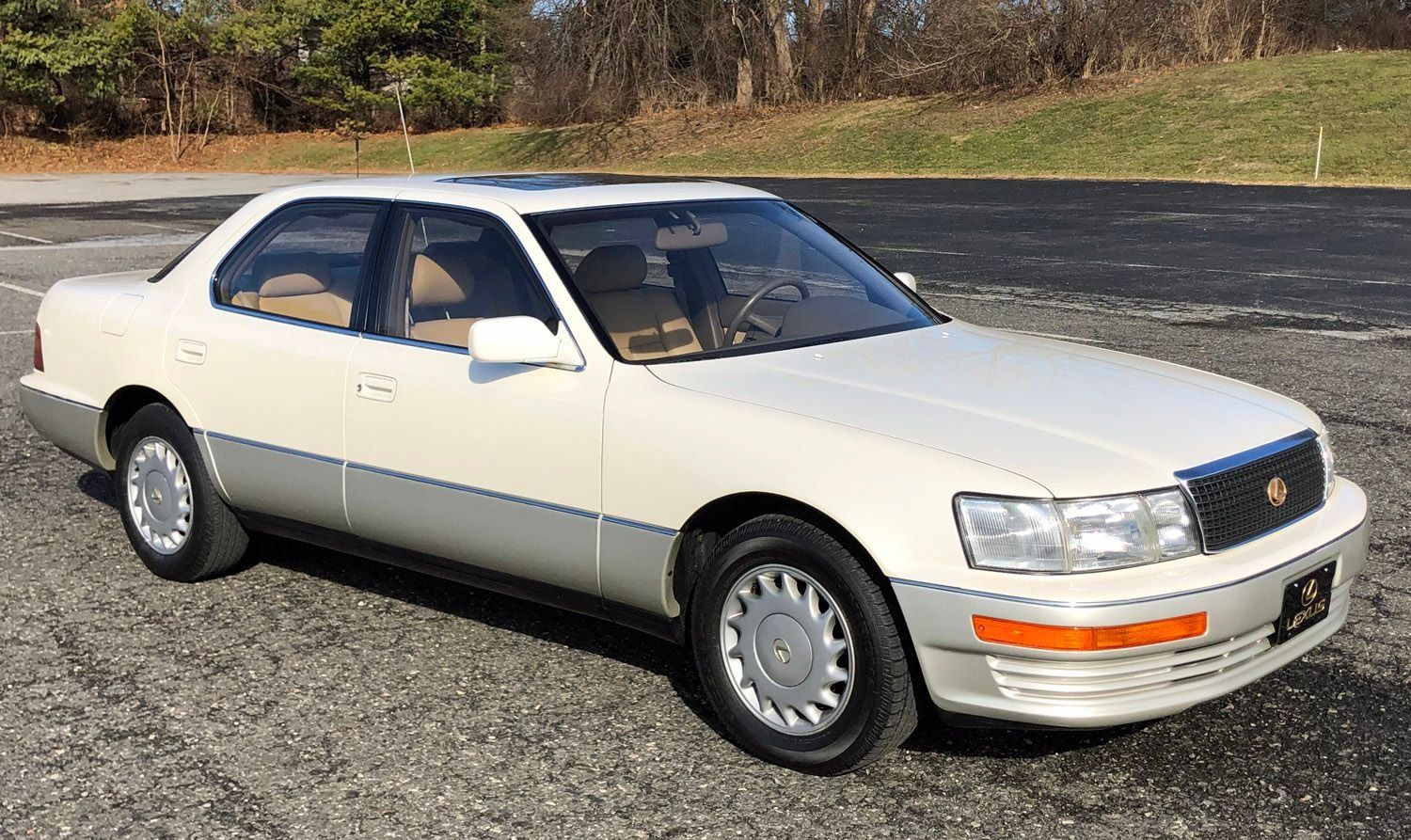
The Lexus LS400 is a luxury sedan that doesn’t just deliver comfort; it delivers long-term dependability on a level few cars in its class can match. Built during a time when Toyota was trying to outdo the Germans in every possible category, the LS400 became known as the quiet tank: smooth, elegant, and incredibly well-made.
Even when these cars suffer major damage and end up with salvage titles, their mechanical integrity often remains surprisingly strong. For car enthusiasts and budget luxury seekers alike, a salvage-title LS400 can represent one of the best values in the used car world.
Under the hood of the LS400 sits the legendary 1UZ-FE V8 engine. This all-aluminum, DOHC powerplant is known for its balance, refinement, and incredible longevity. It’s not uncommon to see LS400s with 300,000 or even 400,000 miles still running smoothly.
The engine was overengineered in the best way possible, built to handle far more power and stress than it was ever subjected to in factory form. Even if the car has been through a serious accident, the engine and transmission are usually unaffected, making it a worthwhile candidate for a rebuild.
Many of these vehicles are now used as project cars, VIP-style builds, or daily drivers for people who want understated luxury without modern complexity. The parts network is still alive, and the car’s modular design allows for relatively straightforward repairs.
Aesthetically, the LS400 has aged well, and when repaired properly, it can still turn heads. But more importantly, it feels solid and comfortable, even with a decade or more of use behind it. That ability to combine grace with grit is what keeps the LS400 going strong, even with a salvage title.
10. Volvo 240
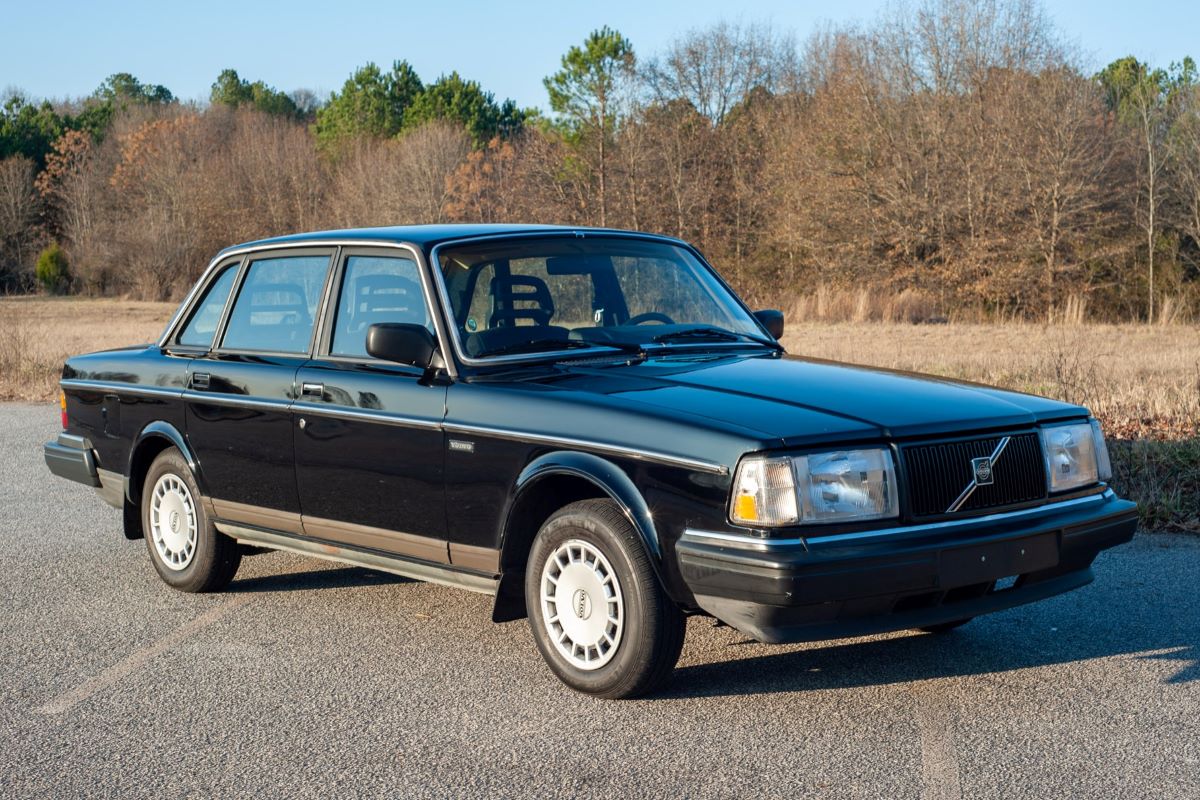
The Volvo 240 is perhaps one of the most iconic symbols of Swedish engineering: boxy, safe, and practically immortal. These cars were overbuilt from the beginning, with thick steel bodies, simple mechanical systems, and a safety-first approach that prioritized longevity and crash survivability. Even today, many 240s that have been in accidents or declared total losses due to age-related issues are still driving around. A salvage-title Volvo 240 isn’t unusual, and in many cases, it’s still a very smart buy.
The structural strength of the 240’s body also plays a key role in its longevity. These cars were among the safest on the road in their time, thanks to their design and materials. Even when involved in moderate collisions, the damage is often localized and repairable.
That’s why so many salvage-title 240s are still running. Owners frequently weld in new panels, straighten frames, or simply replace body parts from donor vehicles. The abundance of used parts and online guides makes the process affordable and straightforward.
What truly sets the 240 apart, however, is the community behind it. Enthusiasts of this model are passionate and knowledgeable, with forums, clubs, and social media groups dedicated to keeping these cars alive. Salvage-title 240s are often passed between owners like heirlooms, each person adding a few more miles to the legacy.
Whether used as a quirky daily driver, a restoration project, or even a rally car, the 240 continues to defy expectations. It’s a car that refuses to die quietly, and in many cases, it refuses to die at all.
11. Nissan Frontier
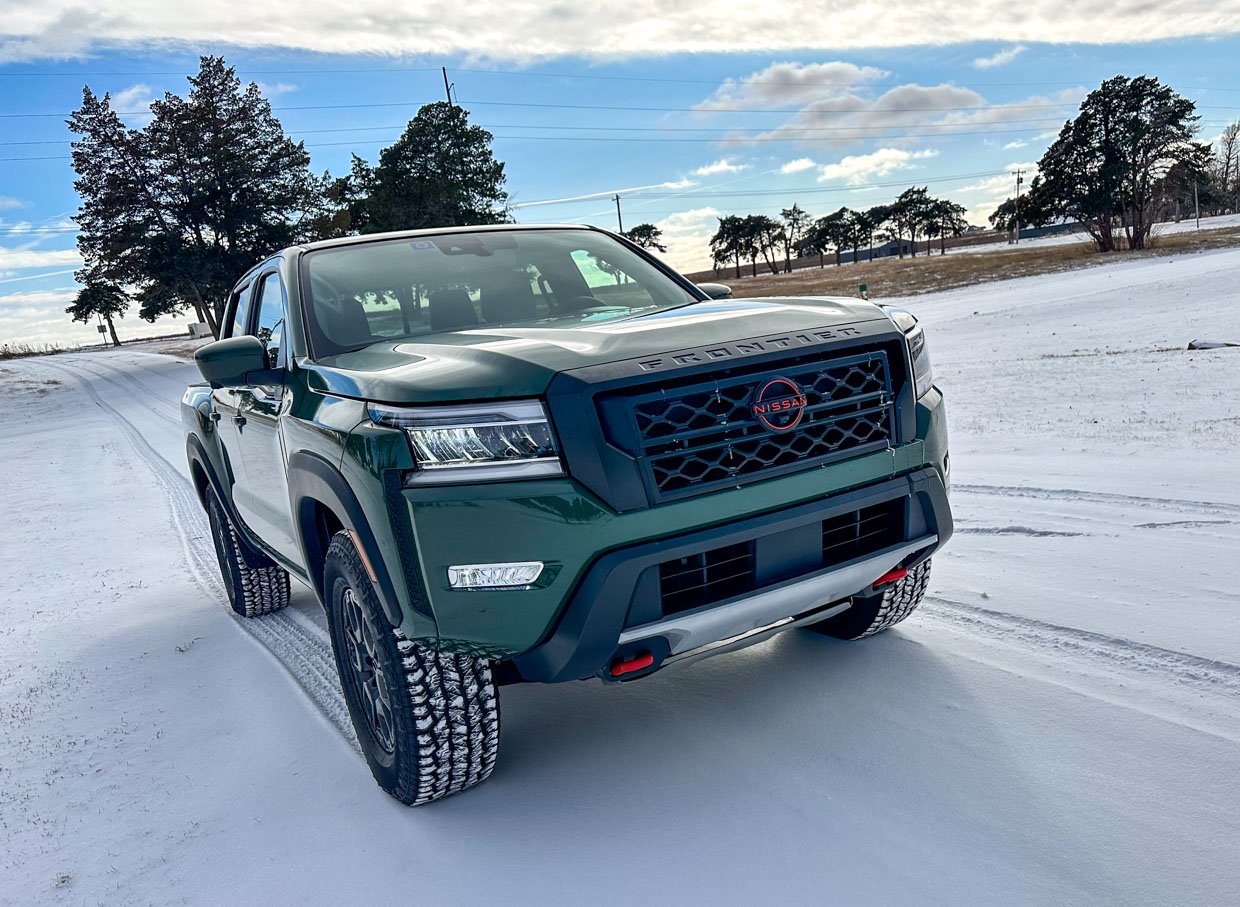
The Nissan Frontier is often overshadowed by its more popular competitors, but those who own one know that it’s a reliable, rugged workhorse. Built with simplicity in mind, the Frontier lacks the complexity that can make newer trucks harder to repair.
This is one reason why salvage-title Frontiers continue to be used for years after being written off. Whether used for hauling tools, navigating rough roads, or enduring tough climates, these trucks have shown a remarkable ability to keep going when others give up.
Older Frontiers are known for their bulletproof 4-cylinder and V6 engines. These motors, while not the most powerful or efficient, are built to last. The manual transmission versions in particular have proven to be long-lasting and forgiving of hard use.
Frontiers are often used in off-grid applications where access to repair shops is limited, which speaks volumes about their dependability. A salvage-title Frontier might have cosmetic damage or even frame repairs, but as long as the engine and transmission are solid, it will likely continue to serve its purpose.
Parts for the Frontier are widely available, and many components are shared across multiple Nissan platforms. That makes it easier and cheaper to perform repairs, even when dealing with older or high-mileage models.
These trucks don’t need to look pretty to function well, and many salvage-title Frontiers continue to operate in harsh conditions without major issues. Whether used as a second vehicle, a small business work truck, or an off-road toy, the Frontier is a truck that takes damage in stride and just keeps going.
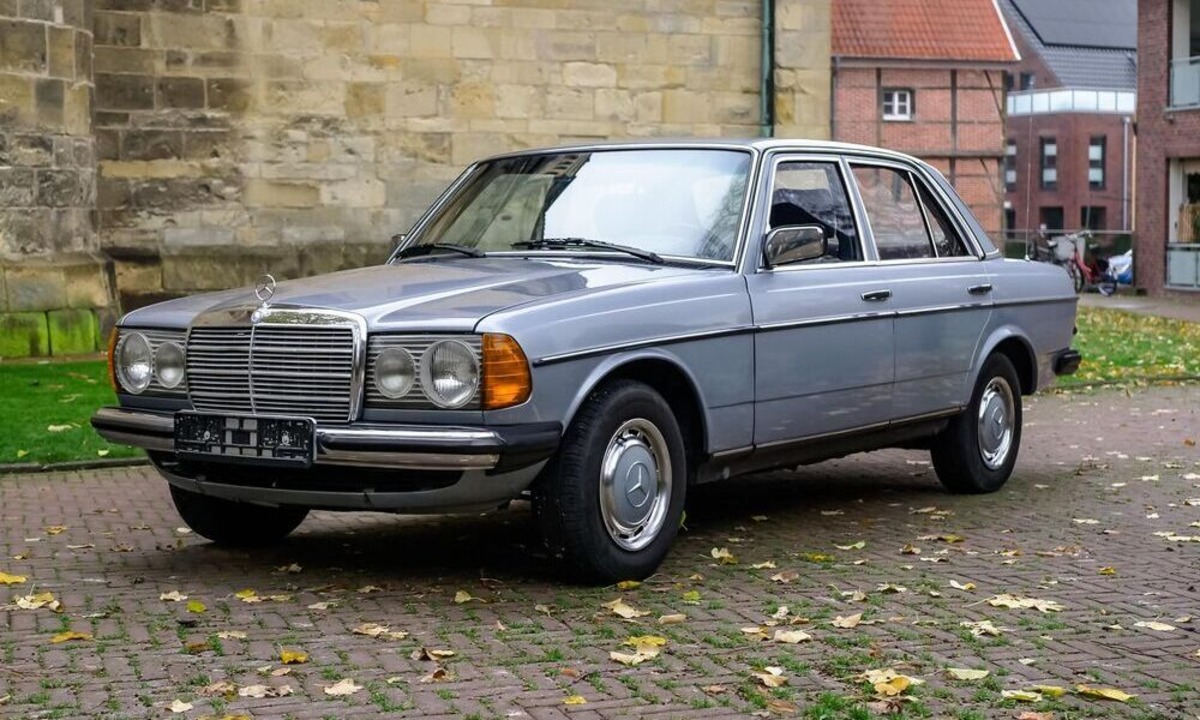
12. Mercedes-Benz W123
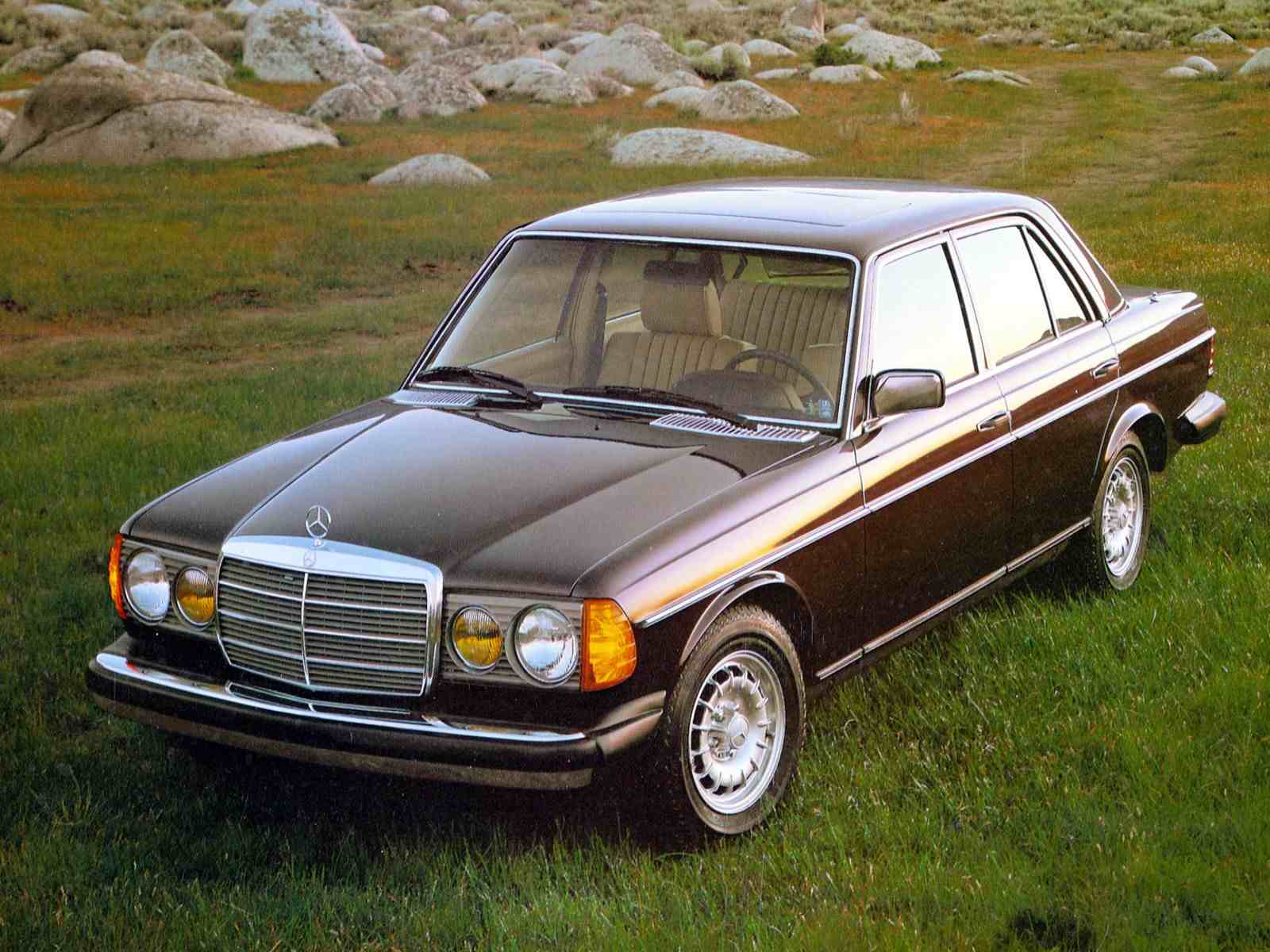
The Mercedes-Benz W123 series, produced from the late 1970s to the mid-1980s, is often referred to as the most durable car ever made by Mercedes. Known for its timeless design, overbuilt mechanical systems, and incredible longevity, the W123 is one of the few classic European cars that still sees regular use even after decades on the road. Many W123s with salvage titles continue to run strong, especially the diesel variants, which have earned a cult following among people who value durability and engineering over luxury or speed.
The heart of the W123’s reliability lies in its diesel engines, particularly the OM617 five-cylinder. These engines are renowned for their ability to run well past 500,000 miles with basic care. Their design prioritizes simplicity and strength, making them ideal for long-term use in any condition.
Even W123s that have been through accidents, floods, or years of neglect can often be brought back with surprisingly little work. When the body and drivetrain are sound, the rest is just detail work, and that’s where these cars shine. They’re forgiving, repairable, and surprisingly self-sufficient.
Despite being a luxury car, the W123 was built like a tank. From its thick metal panels to its over-engineered suspension, it was created with endurance in mind. The cars might be old, and they might have salvage titles, but they refuse to go away. A well-loved W123 is like a faithful companion; it doesn’t matter what it’s been through. If the key turns and the engine starts, it’s ready to keep rolling, and that’s what makes it one of the most resilient cars of all time.
