
When shopping for an SUV, most buyers focus on features like performance, safety, space, and fuel efficiency. However, one area that should never be overlooked is electrical reliability. Modern SUVs come packed with sensors, touchscreens, cameras, infotainment systems, and computerized modules.
While these innovations can improve the driving experience, they also create more points of potential failure. A vehicle plagued by electrical gremlins can quickly turn ownership from a pleasure into a costly headache.
Whether it’s random warning lights on the dashboard, malfunctioning sensors, glitchy displays, or battery drain problems, electrical faults are among the most frustrating issues a vehicle owner can face.
Fortunately, not all SUVs are vulnerable to these complications. Some models have proven themselves to be rock-solid when it comes to electronics. These vehicles maintain their performance even after years on the road and hundreds of thousands of miles.
While routine maintenance is always important, the SUVs on this list tend to keep their electrical systems running without the need for constant diagnostics or repairs.
They offer peace of mind to owners who simply want to get in, start the engine, and drive without worrying about software bugs or short circuits.
This list is based on long-term owner reports, general automotive reputation, and mechanical design that favors simplicity and durability over gimmicks.
All the models discussed here have built up a reputation for resisting the kinds of electrical problems that frequently plague other vehicles in their class.
Although no car is immune to problems entirely, these SUVs are far less likely to cause trouble due to wiring, sensors, modules, or onboard systems.
This focus on reliability is what puts them ahead of the pack for those who prioritize dependable electronics as much as ride comfort and utility.
Also Read: 12 Cars That Still Run Strong Despite Being Laughed At
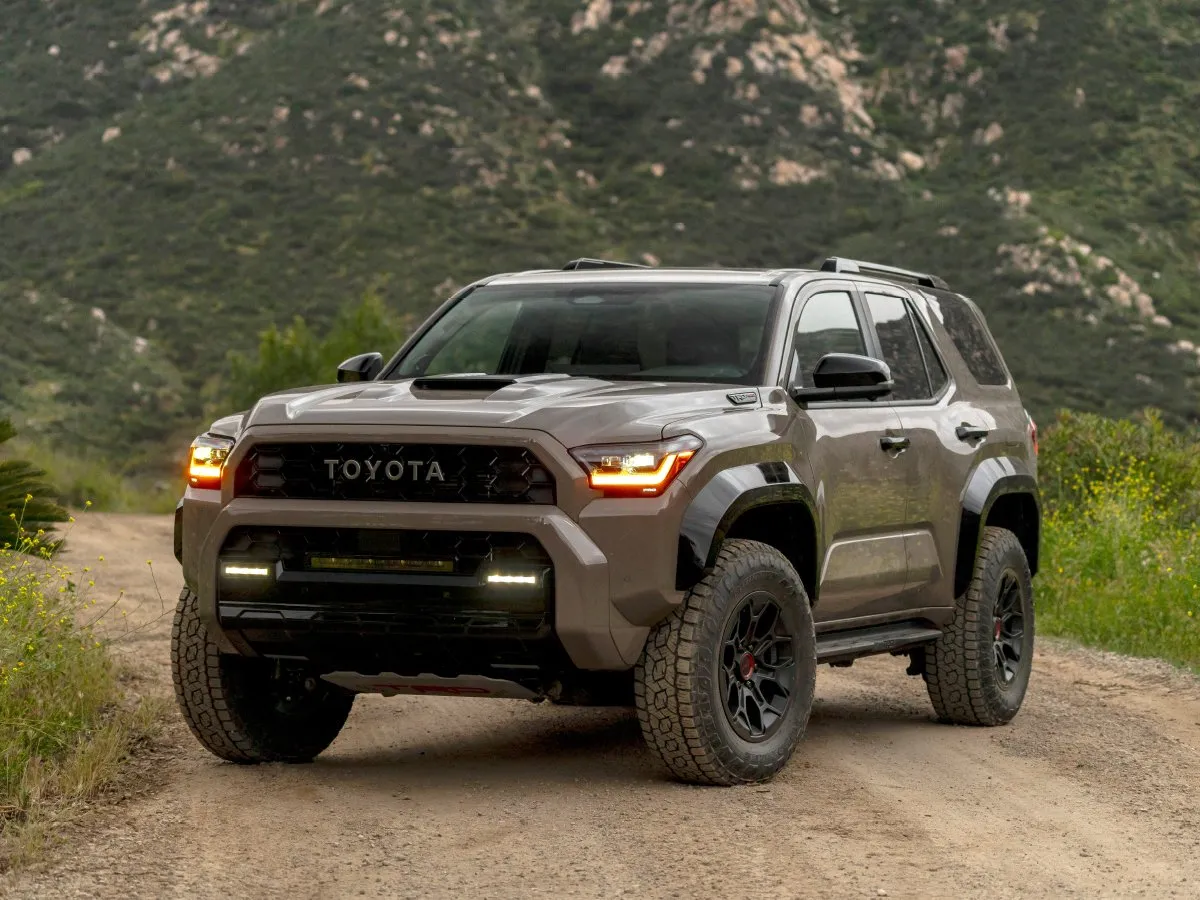
1. Toyota 4Runner
The Toyota 4Runner has built a strong reputation for durability and ruggedness, and part of that includes its consistent electrical reliability. One reason it has such a clean track record is its conservative approach to technology.
While many SUVs push futuristic interfaces and constantly changing infotainment systems, the 4Runner takes a more grounded path. It keeps essential electronics simple and avoids unnecessary complexity, which greatly reduces the risk of malfunctions over time.
Owners appreciate that the vehicle does what it’s supposed to do without throwing off random error messages or strange software glitches. From its power windows to the traction control system, every electrical function feels dependable and well-integrated.
The wiring is protected well against environmental damage, which is crucial for off-road vehicles that face more than the average level of exposure. Corrosion, shorts, and water intrusion are kept to a minimum through smart engineering.
The 4Runner also benefits from Toyota’s methodical testing process. Every system in the vehicle is subjected to rigorous real-world simulations before it ever hits the dealership floor.
This kind of preparation makes a big difference when it comes to electronic reliability. Owners don’t find themselves spending weekends resetting the check engine light or replacing failing control modules. Instead, they get a vehicle that feels as reliable at 100,000 miles as it did on day one.
In addition to that, the 4Runner’s electronics are easy to service when needed. Its layout under the hood and behind the dash is logical and straightforward. This keeps labor costs down and makes diagnostics faster, which further contributes to its appeal for long-term ownership. The 4Runner is a great example of how simplicity can enhance reliability without compromising utility.
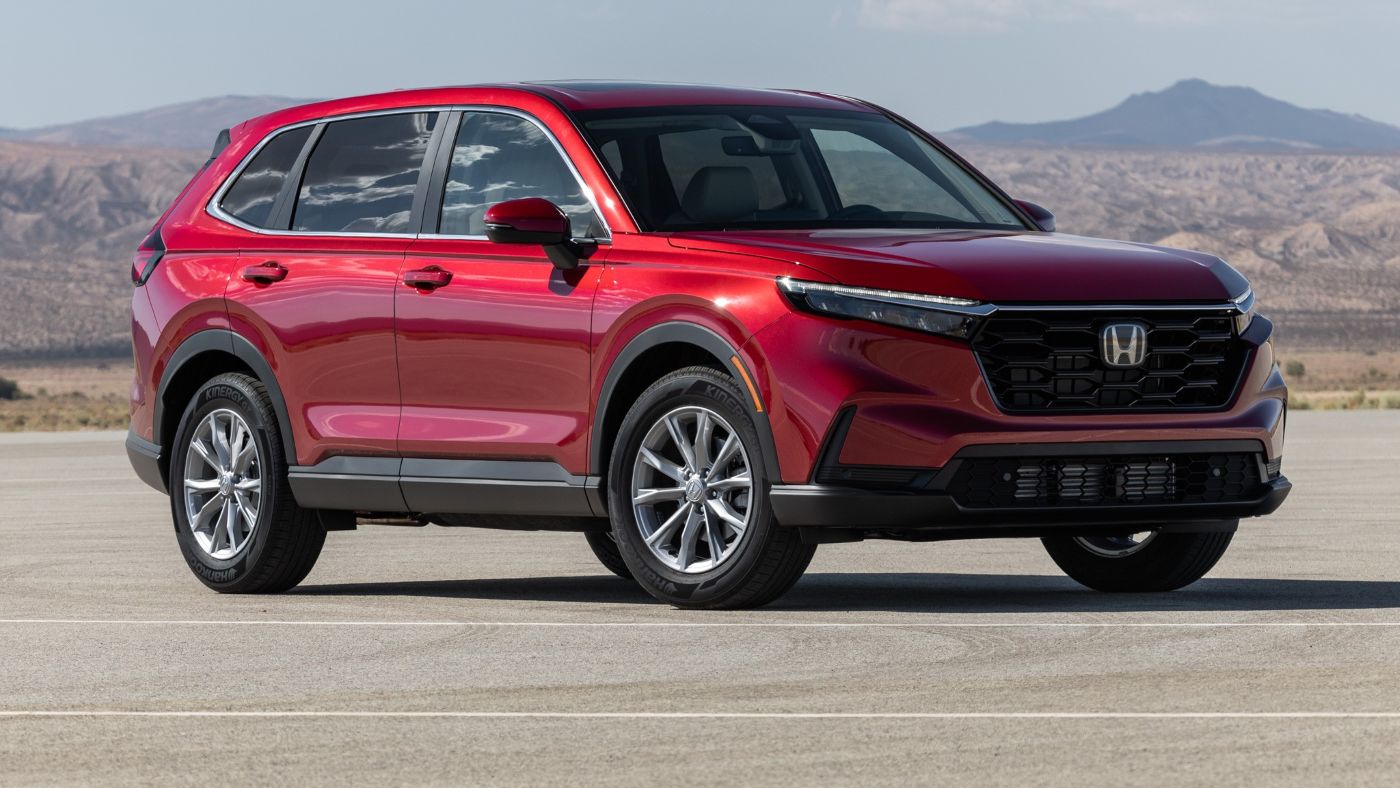
2. Honda CR-V
The Honda CR-V is another SUV known for its reliability. For decades, it has maintained a reputation as a practical and reliable family vehicle.
One of the reasons the CR-V does so well in this category is Honda’s balanced approach to integrating electronics. Rather than chasing trends, Honda focuses on technologies that have been proven to work, which helps keep problems to a minimum.
Inside the CR-V, the layout of the electronics is logical and easy to understand. The climate controls, lighting systems, and media functions are all organized in a way that is both user-friendly and dependable.
This reduces the chances of software errors or system crashes, which are becoming more common in newer vehicles loaded with touchscreens and over-the-air updates. Honda avoids overcomplicating things, and it shows.
Another key advantage is how Honda builds its electrical systems. The CR-V’s components are sourced from trusted suppliers and go through strict quality checks. The result is fewer failures, especially with essential parts like alternators, ignition systems, and ECUs.
This is especially noticeable as the car ages. Even after many years on the road, CR-V owners rarely report frustrating problems like intermittent starting or dashboard malfunctions.
Finally, Honda dealerships tend to be equipped with experienced technicians who understand the brand’s systems well.
If something does go wrong, it’s often diagnosed and repaired quickly without a lot of guesswork. For buyers who want a reliable SUV that doesn’t overdo the tech and stays stable over the years, the CR-V is a strong choice.
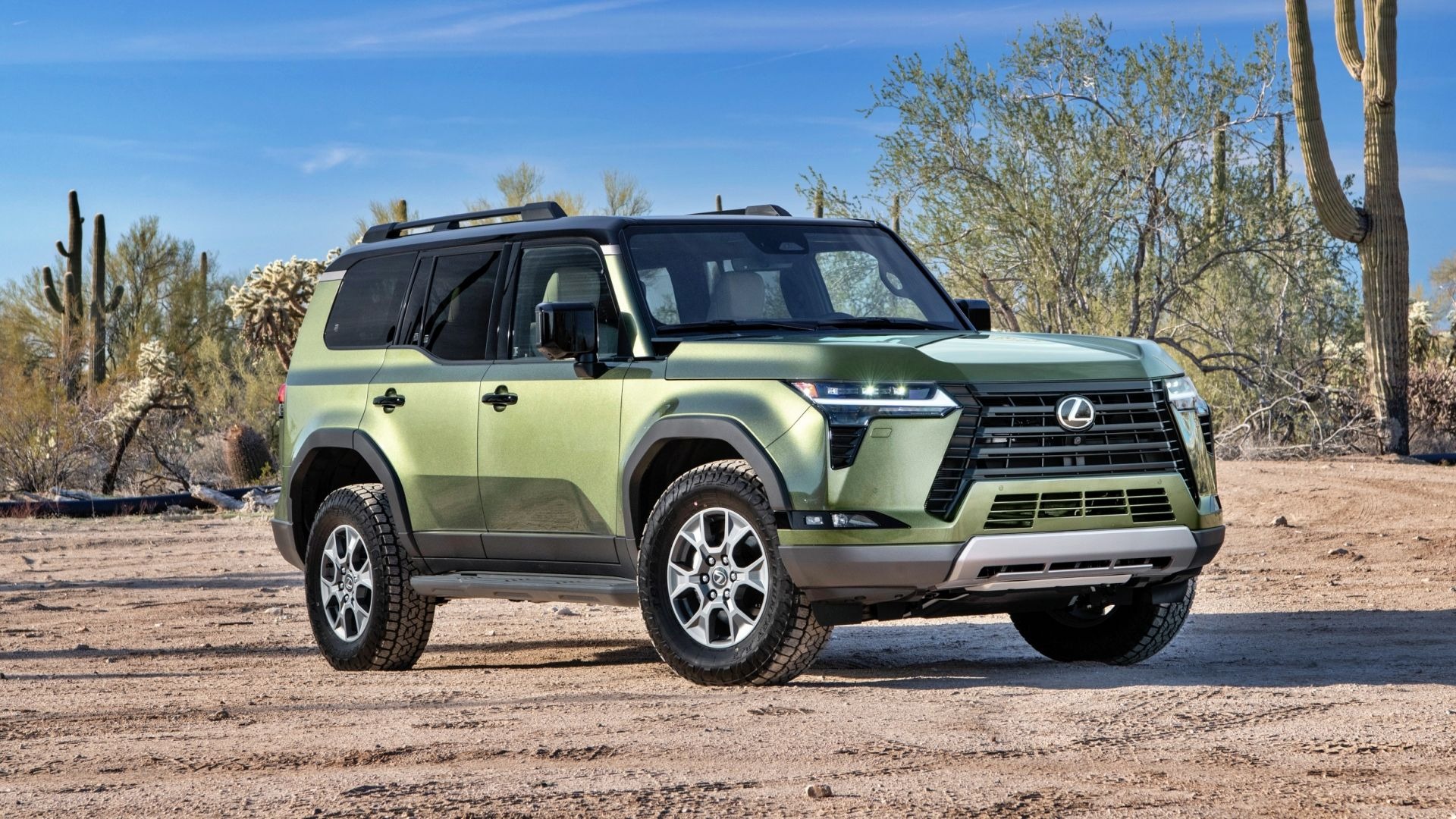
3. Lexus GX
The Lexus GX is a luxury SUV that brings high-end comfort without the usual reliability trade-offs. Despite being part of a premium brand, the GX manages to maintain strong electrical dependability.
This is partly because it shares its platform with the Toyota Land Cruiser Prado, a vehicle built with extreme durability in mind. Lexus then enhances the features while preserving the core mechanical and electrical robustness.
What stands out about the GX is its ability to incorporate luxury without introducing too many potential failure points. While it does have modern electronics, they are implemented with a conservative approach.
The navigation system, power seat memory, adaptive suspension, and safety sensors all work consistently without the glitches or resets that plague many competitors. Lexus tests its features extensively to ensure that convenience never comes at the expense of reliability.
Long-term owners of the GX report minimal issues with electrical accessories. Power windows continue to operate smoothly, remote start features remain reliable, and keyless entry systems don’t fail unexpectedly.
These are the kinds of things that can quickly become frustrating in other vehicles, especially as the mileage climbs. Lexus seems to understand that reliability is part of the luxury experience.
One more reason the GX performs so well in this area is its excellent customer support network. Lexus service centers are known for high standards, and they often catch small issues before they become big ones.
This proactive care adds to the already strong baseline, making the GX one of the most worry-free premium SUVs when it comes to electronics.

4. Subaru Forester
Subaru has long been a brand favored by those who prioritize practicality, and the Forester fits that image well. It’s known for its capable all-wheel-drive system, smart use of space, and long-term dependability.
What many don’t always acknowledge is how stable its electronics tend to be, especially compared to other compact SUVs in its class.
The Forester avoids overuse of electronic gimmicks, which contributes to fewer problems. While it has safety systems like EyeSight and useful infotainment features, it doesn’t attempt to replace essential physical controls with overly sensitive digital panels.
This keeps the number of failure points low, and it means fewer updates are needed to maintain proper system function.
Subaru also has a habit of sticking with proven systems rather than constantly rolling out new and untested tech. This results in more predictable performance across all models and trim levels.
The alternator, battery monitoring, and starter circuits all perform reliably, and sensors related to AWD or traction systems are less likely to fail than on more experimental platforms.
Service and repair data show that the Forester is less likely to require electrical work compared to other vehicles in its segment.
Even the power liftgate and heated seat systems hold up well over time. For buyers who want a no-nonsense SUV that stays stable and doesn’t surprise them with warning lights or phantom electrical bugs, the Forester delivers.
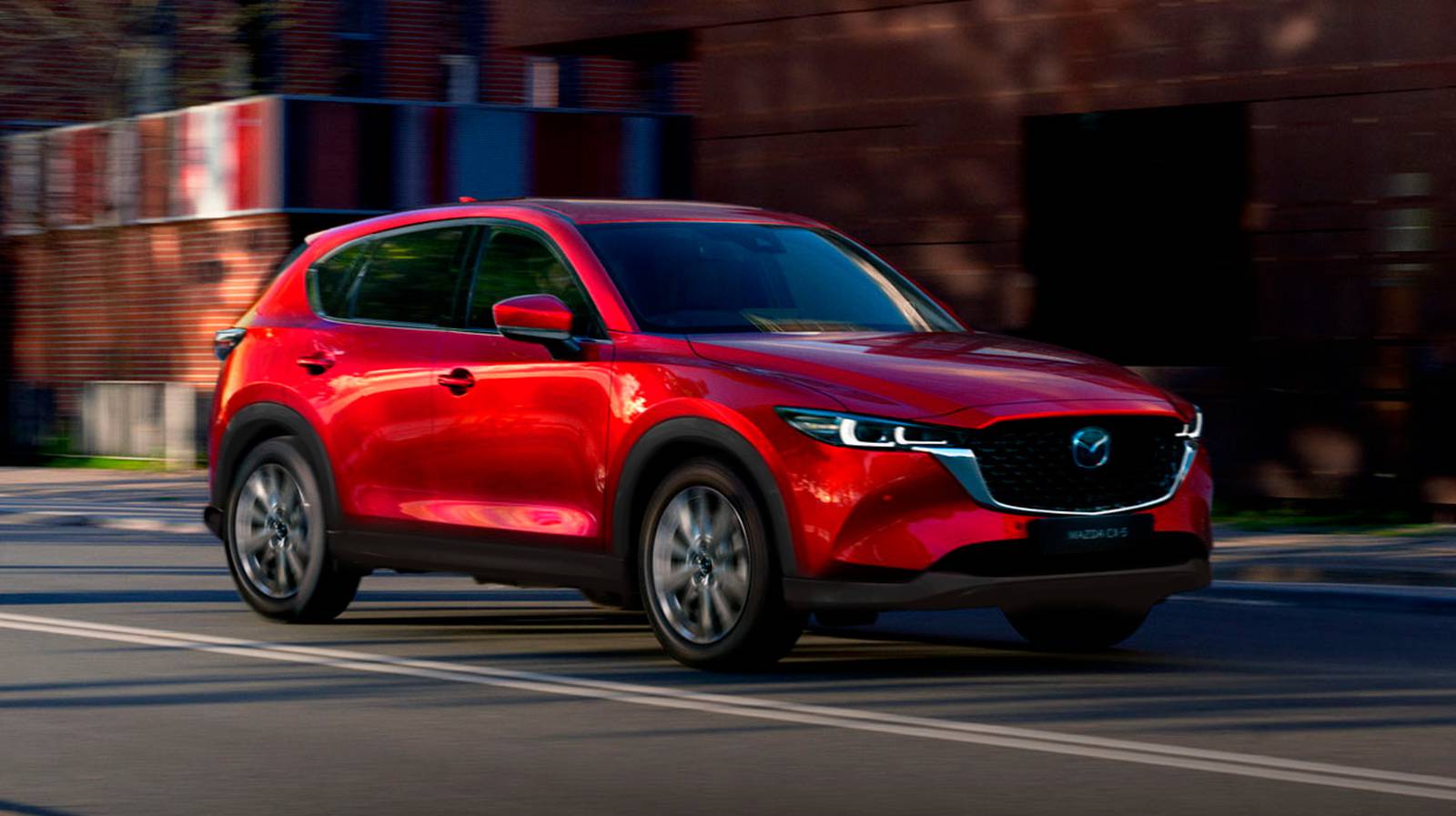
5. Mazda CX-5
The Mazda CX-5 has earned praise not only for its driving dynamics and upscale design but also for its reliable electronics. Mazda takes a deliberate approach when introducing technology into its vehicles, making sure that everything is thoroughly tested before reaching the market.
This careful integration leads to fewer issues and smoother ownership experiences, particularly when it comes to the electrical systems.
One of the CX-5’s strengths lies in its electrical architecture. Mazda’s engineers have kept things clean and organized, both in terms of hardware layout and software programming.
The powertrain control modules, body control units, and infotainment systems communicate well without the frequent hiccups seen in some rivals. As a result, owners are less likely to deal with software bugs, random system resets, or frustrating sensor failures.
Inside the cabin, everything works as expected and keeps working for years. The touchscreen interface responds consistently, the climate control systems remain accurate, and even small details like USB ports and Bluetooth connections tend to function without intermittent issues.
Mazda does not overload the system with unnecessary layers of software, which helps maintain its long-term dependability.
The CX-5’s electrical reliability is part of the reason it performs well in customer satisfaction surveys and reliability rankings.
With fewer complaints related to battery drain, malfunctioning lights, or failing accessories, the CX-5 stands out in a category where electrical problems are often a common sore point. It proves that stylish design and driving enjoyment don’t have to come at the cost of solid engineering.
Also Read: 12 Cars That Keep Their Value at High Mileage

6. Toyota Land Cruiser
The Toyota Land Cruiser has earned its reputation for being virtually indestructible, and its electrical dependability is a large part of that legacy.
Built with a focus on extreme durability, the Land Cruiser is designed to perform in some of the harshest environments on earth. That includes engineering systems that can withstand sand, water, heat, and cold without faltering, especially the electronics.
What separates the Land Cruiser from many other full-size SUVs is how intentionally its systems are laid out. Electrical components are housed in protected, sealed areas.
Connectors are insulated against moisture and corrosion. Wiring is routed away from potential pinch points or areas prone to vibration damage. This meticulous design results in fewer wiring failures or sensor malfunctions, even after prolonged off-road use.
Its infotainment and driver-assist systems are also well-calibrated and stable. Unlike some luxury SUVs that frequently need software updates or recalibrations, the Land Cruiser’s systems are designed to be stable over years of use.
The vehicle’s electrical backbone doesn’t rely heavily on cutting-edge tech that hasn’t been proven yet. Instead, Toyota sticks with what has worked for decades, refined for modern expectations.
Long-term owners and fleet operators often note the Land Cruiser’s resistance to common electrical faults. Things like power seat motors, liftgate sensors, and lighting systems tend to keep working well beyond 200,000 miles.
It’s not just a rugged off-roader; it’s a vehicle designed to keep everything functioning when other vehicles would begin to falter, making it a smart choice for reliability-focused drivers.
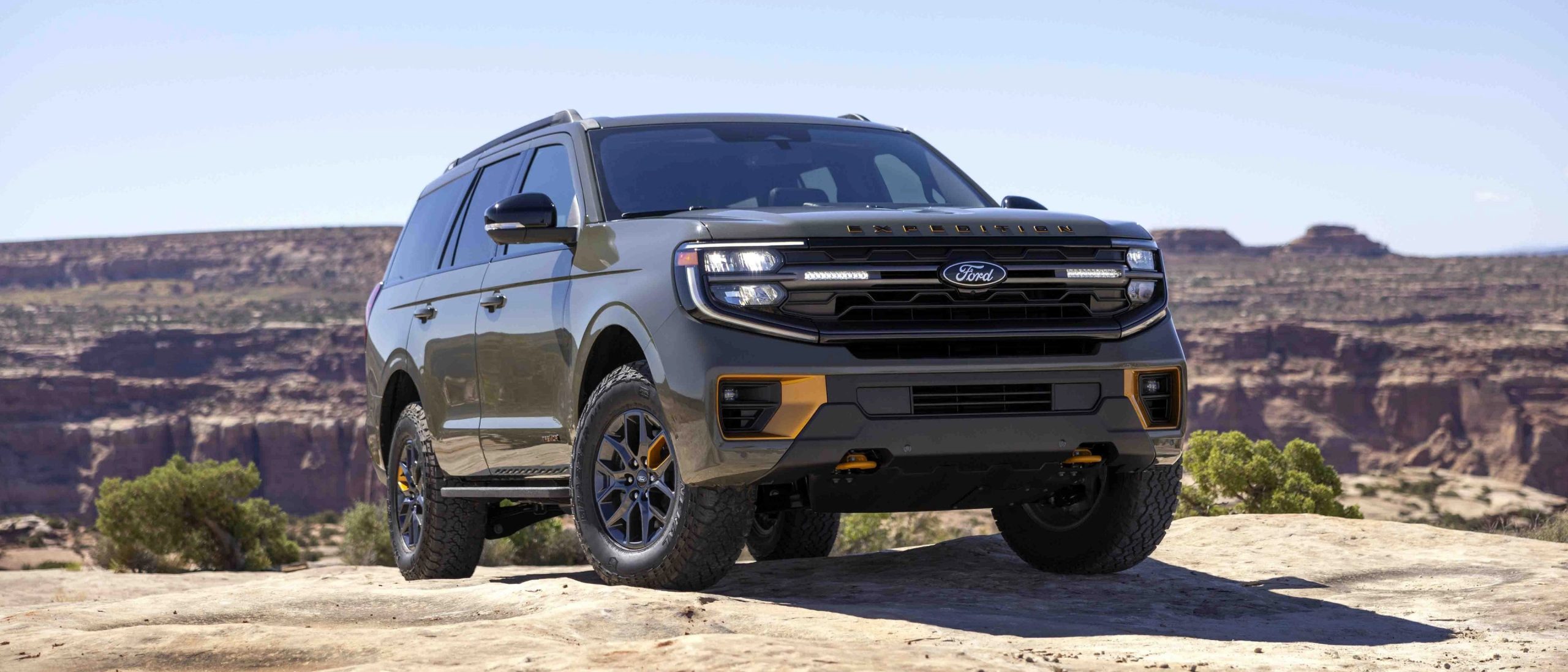
7. Ford Expedition (Recent Models)
While Ford has had a mixed history with electrical issues in some of its vehicles, the newer generation of the Ford Expedition stands out as a major improvement.
Ford addressed many of the concerns that had previously affected models across its SUV range. In the current Expedition, the electrical systems are better designed, more reliable, and better shielded from potential long-term failures.
One of the biggest advancements in the recent Expedition is the use of more durable wiring harnesses and better insulation for key components.
This reduces the likelihood of shorts, corroded terminals, or connectivity issues, especially in climates with extreme temperature swings. Ford also improved the quality of control modules, making the electronics less prone to random failures or memory resets.
The Expedition also balances its tech offerings well. While it includes modern features like a digital instrument panel, advanced safety systems, and a large touchscreen, it avoids the over-reliance on software that some competitors fall into.
Owners report that the infotainment system is more stable and that the electronic systems that manage driving modes and trailer towing perform consistently without unexpected behavior.
Another positive factor is Ford’s improved diagnostic systems and dealership service tools. Technicians are now better equipped to catch electrical issues early and resolve them without trial-and-error guessing.
For those who want a large, capable SUV with better-than-average reliability in the electronics department, the recent Ford Expedition models make a compelling case.
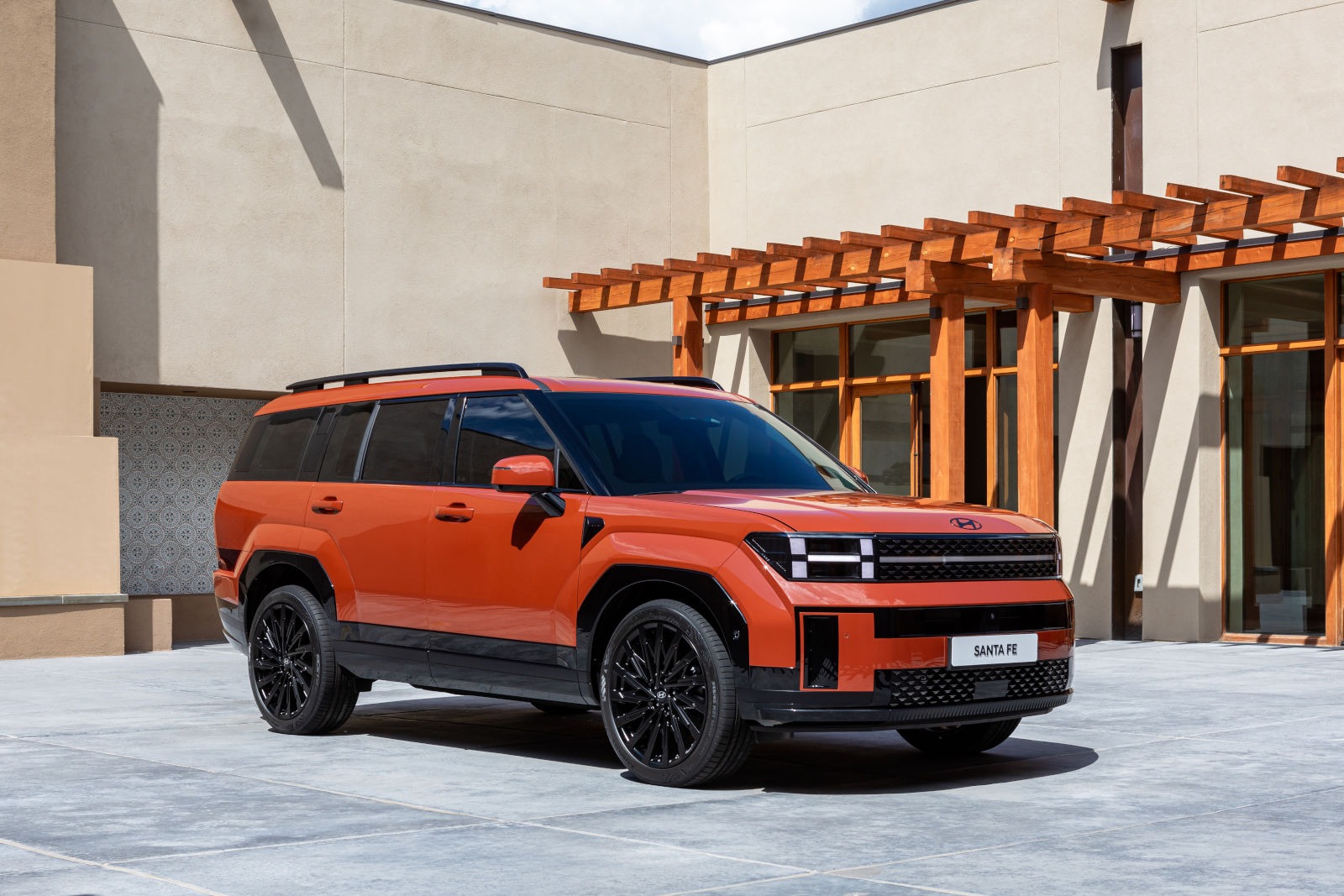
8. Hyundai Santa Fe
The Hyundai Santa Fe has come a long way over the years, and today it’s recognized as a dependable midsize SUV that performs well in many key areas, including electrical reliability.. Hyundai has improved its manufacturing processes and electrical systems significantly, with the result being fewer complaints related to sensors, modules, or infotainment glitches.
One of the keys to Santa Fe’s success is how streamlined its electrical system has become. Hyundai uses integrated control modules that reduce redundancy and complexity, which lowers the risk of communication errors or signal dropouts between components.
This smarter architecture leads to more consistent performance of everything from the power liftgate to the headlight systems.
Infotainment reliability is another strong point. The system rarely freezes or crashes, and the controls remain intuitive and functional even after years of use. Bluetooth, Android Auto, and Apple CarPlay work smoothly, and updates are applied in a non-disruptive way.
These small things make a big difference to owners who depend on reliable connectivity during their daily drives.
From a maintenance standpoint, the Santa Fe’s electrical issues are minimal. Technicians report few recurring electrical problems, and repairs, when needed, are relatively affordable and straightforward.
Combined with Hyundai’s long warranty coverage, this makes the Santa Fe an appealing option for those who want an SUV that will keep its electronic features running for the long haul.
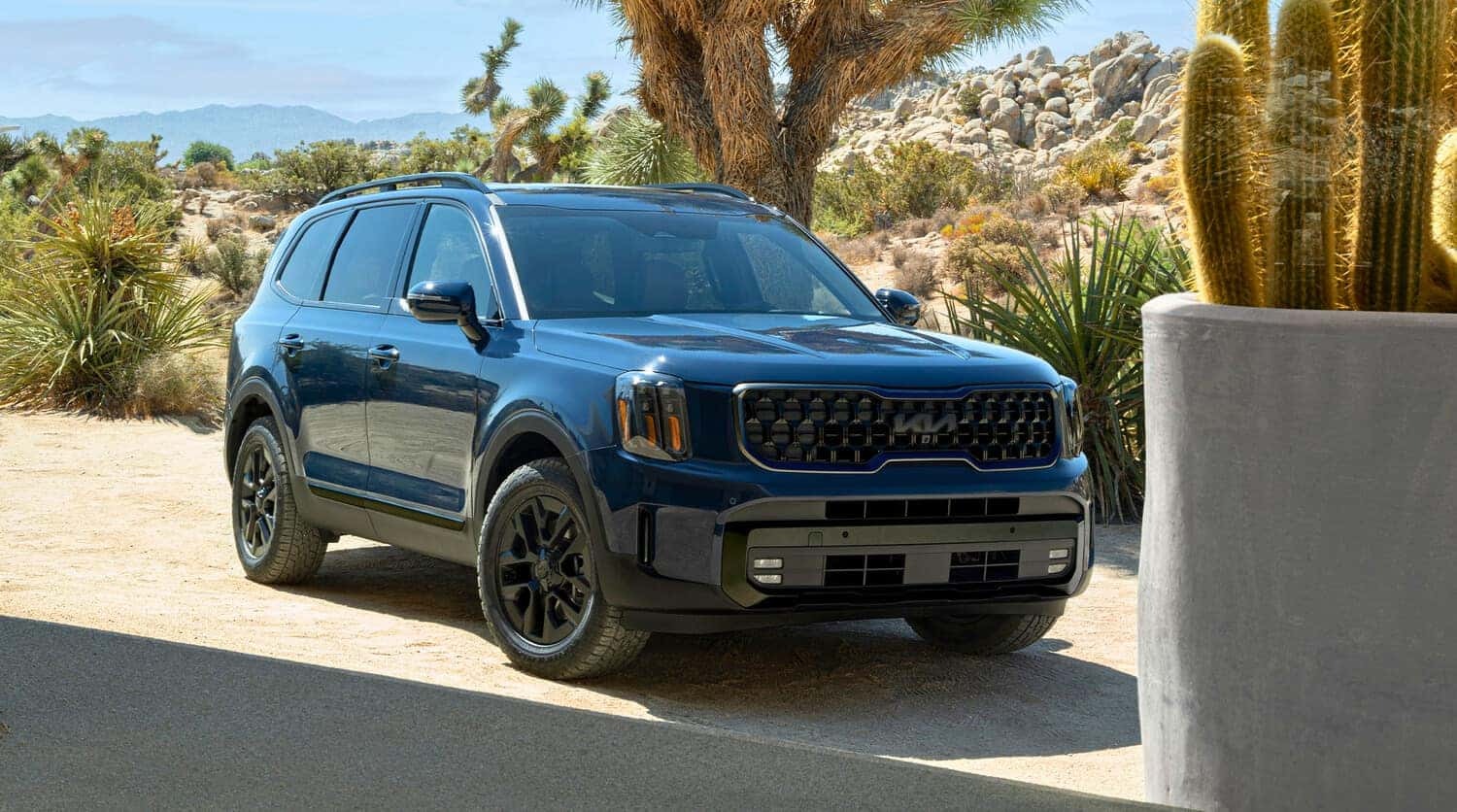
9. Kia Telluride
The Kia Telluride is one of the most popular SUVs in its class, and its strong electrical reliability is a major contributor to that success.
Built on the same platform as the Hyundai Palisade, the Telluride benefits from shared technology that has already proven itself in the field. The electronics are stable, user-friendly, and not prone to spontaneous failure.
Telluride owners often highlight how well the vehicle handles daily use without developing strange glitches or sensor failures.
The touchscreen is responsive and doesn’t suffer from lag or freezing. Lane assist, blind spot monitoring, and adaptive cruise control all function smoothly with few calibration issues. These features stay consistent, even as the vehicle racks up mileage.
One reason for this reliability is Kia’s focus on quality control. The manufacturing process includes extensive testing of electrical systems, and the company has adopted better shielding practices and waterproofing where necessary. This results in fewer problems with water intrusion or corrosion, especially in harsh driving conditions.
The Telluride also benefits from a long powertrain and electronics warranty, which reflects the company’s confidence in the product. It’s not just a stylish and practical SUV, it does not surprise owners with flashing warning lights or mysterious dead batteries. For families looking for peace of mind, the Telluride is a standout.
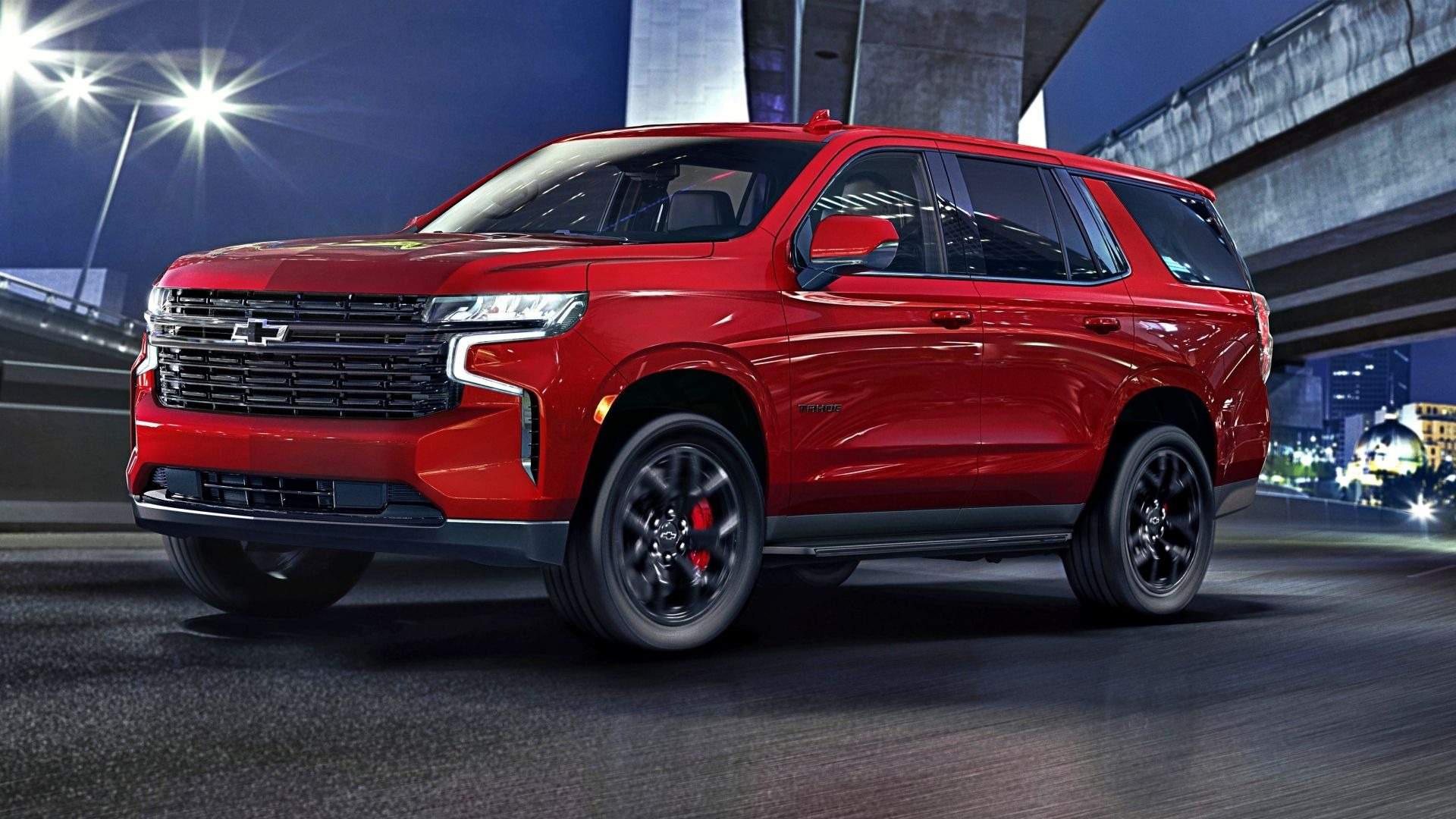
10. Chevrolet Tahoe (Recent Models)
The Chevrolet Tahoe, particularly in its latest generation, has made significant improvements in reliability, including its electrical systems.
Earlier versions had some issues, but the newest models show that GM has taken steps to correct past weaknesses. Better wiring harnesses, smarter software integration, and improved component durability have made a noticeable difference.
What helps the Tahoe stand out now is the effort put into making its high-tech features work as intended. With multiple screens, active safety systems, and towing tech, a lot is going on electrically.
Yet, owners report far fewer issues with things like false alarms from sensors, infotainment crashes, or battery drain. These upgrades have led to a more trustworthy experience.
Another factor in Tahoe’s favor is the increased use of solid-state electronics. These parts are less vulnerable to temperature extremes and wear over time, which translates to fewer electrical faults. The onboard diagnostics have also become more precise, making it easier for technicians to identify and fix issues before they become serious.
The Tahoe is a full-size SUV that gets used for everything from family road trips to heavy towing. Its electrical reliability is a key part of its appeal, helping it stay functional even under demanding conditions. It’s not just about power and space; it’s about knowing your systems won’t let you down when you need them most.
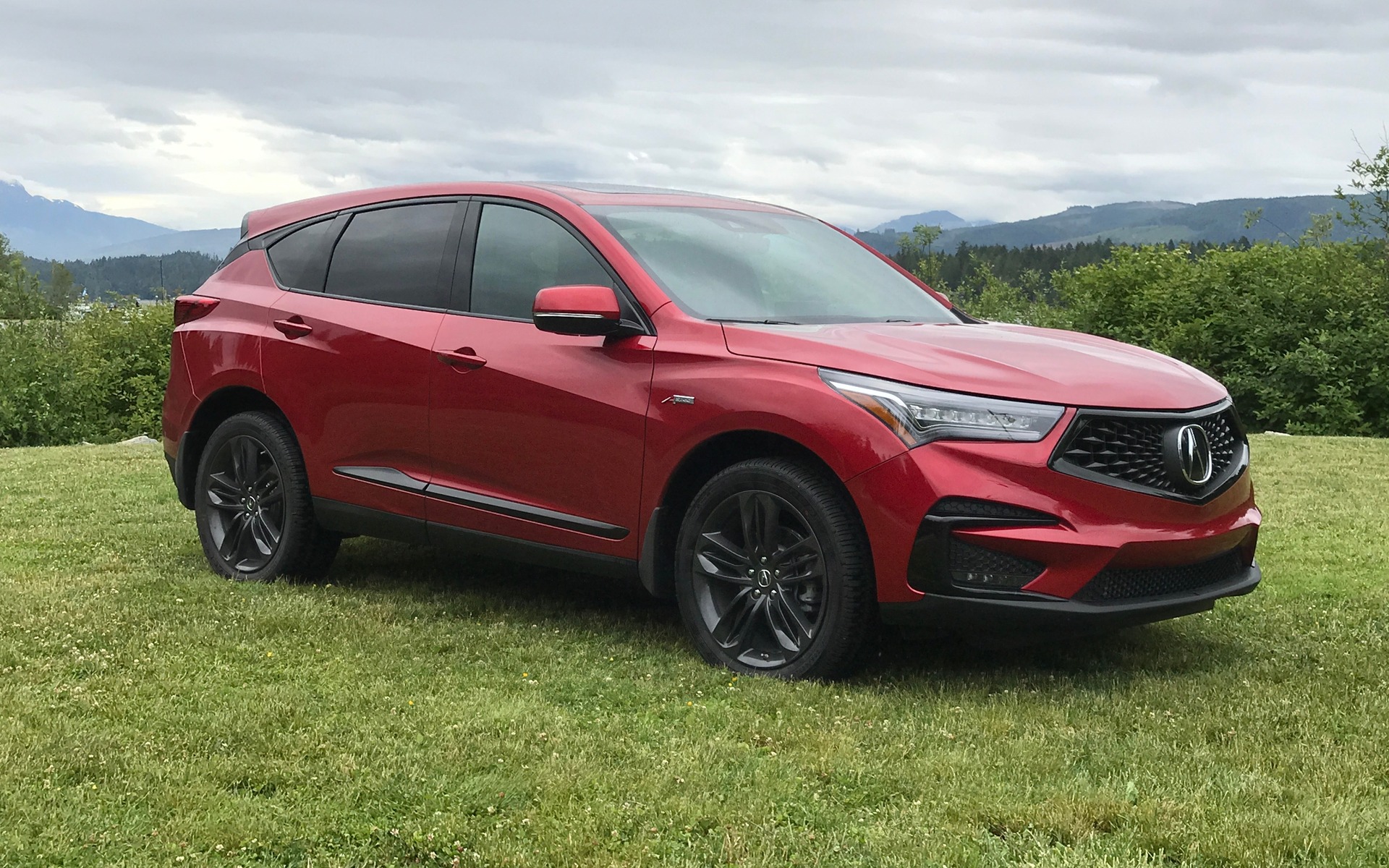
11. Acura RDX
The Acura RDX has established itself as one of the more reliable luxury compact SUVs on the market. One of its strongest areas is its well-built and consistent electrical systems.
Acura, being Honda’s premium brand, applies the same engineering discipline when it comes to electronics, prioritizing function over flash, which results in fewer failures over time.
In terms of design, the RDX avoids some of the more experimental features that have created trouble for other luxury SUVs. Its user interface is modern but remains logically organized, and the underlying systems are thoroughly tested.
Problems like touchscreen lag, sensor calibration failures, or keyless system malfunctions are extremely rare in this model, giving owners confidence that their electronics will work when they need them most.
The RDX’s safety and driver-assist features are another highlight. Lane-keeping assist, collision mitigation, and adaptive cruise control systems are known to operate smoothly without false alarms or system dropouts.
Acura’s software calibration is stable, and hardware components such as radar sensors and cameras are high-quality and durable, even in rough weather conditions or after years of use.
Even as the RDX becomes more feature-rich, it continues to avoid many of the long-term reliability issues that plague similarly priced competitors.
Electrical failures like repeated check engine lights caused by sensor errors or random battery drain are not common with this SUV. It holds its value well, not just because of its performance and comfort, but because buyers know it won’t nickel-and-dime them with frustrating electrical repairs.
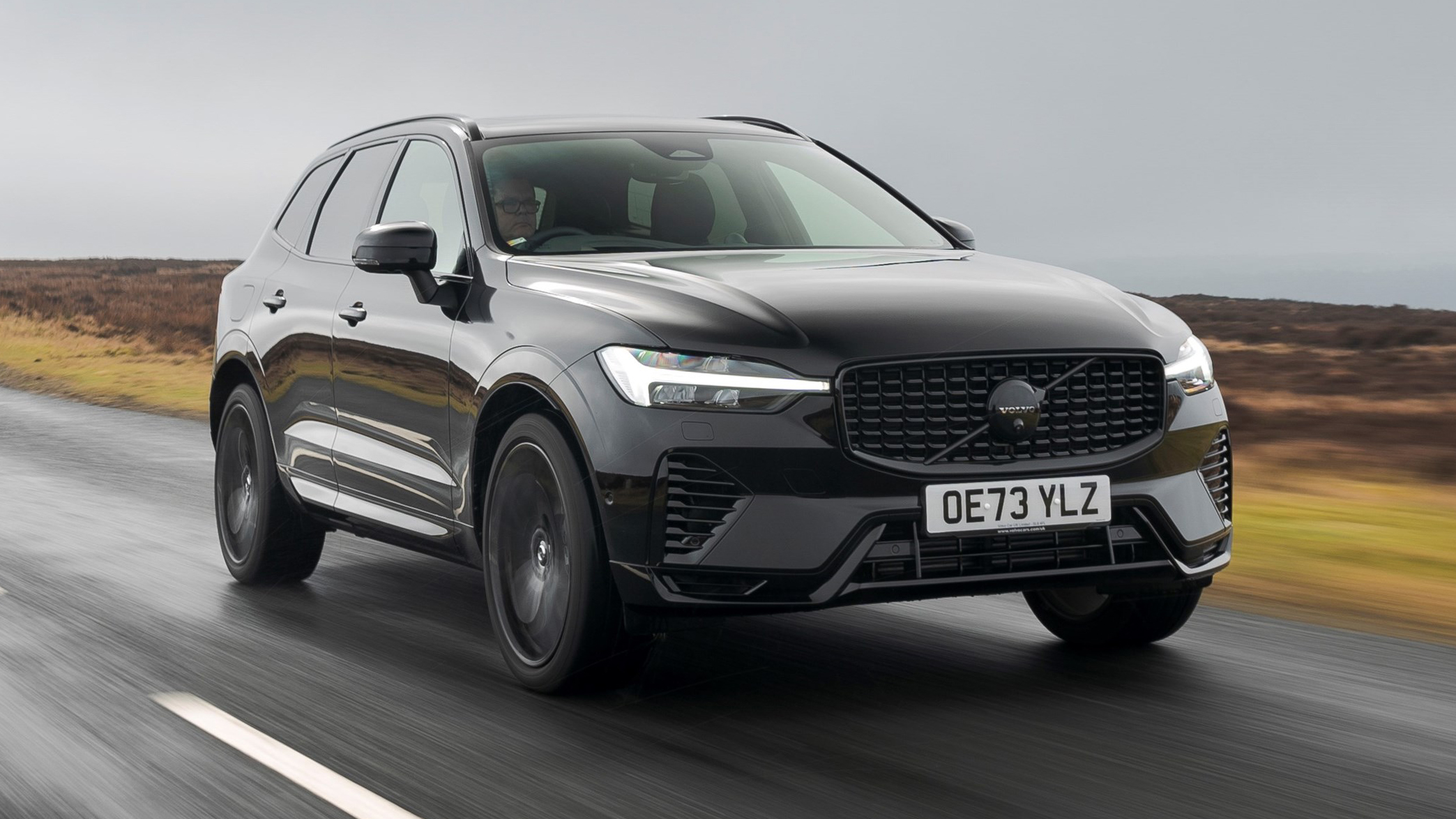
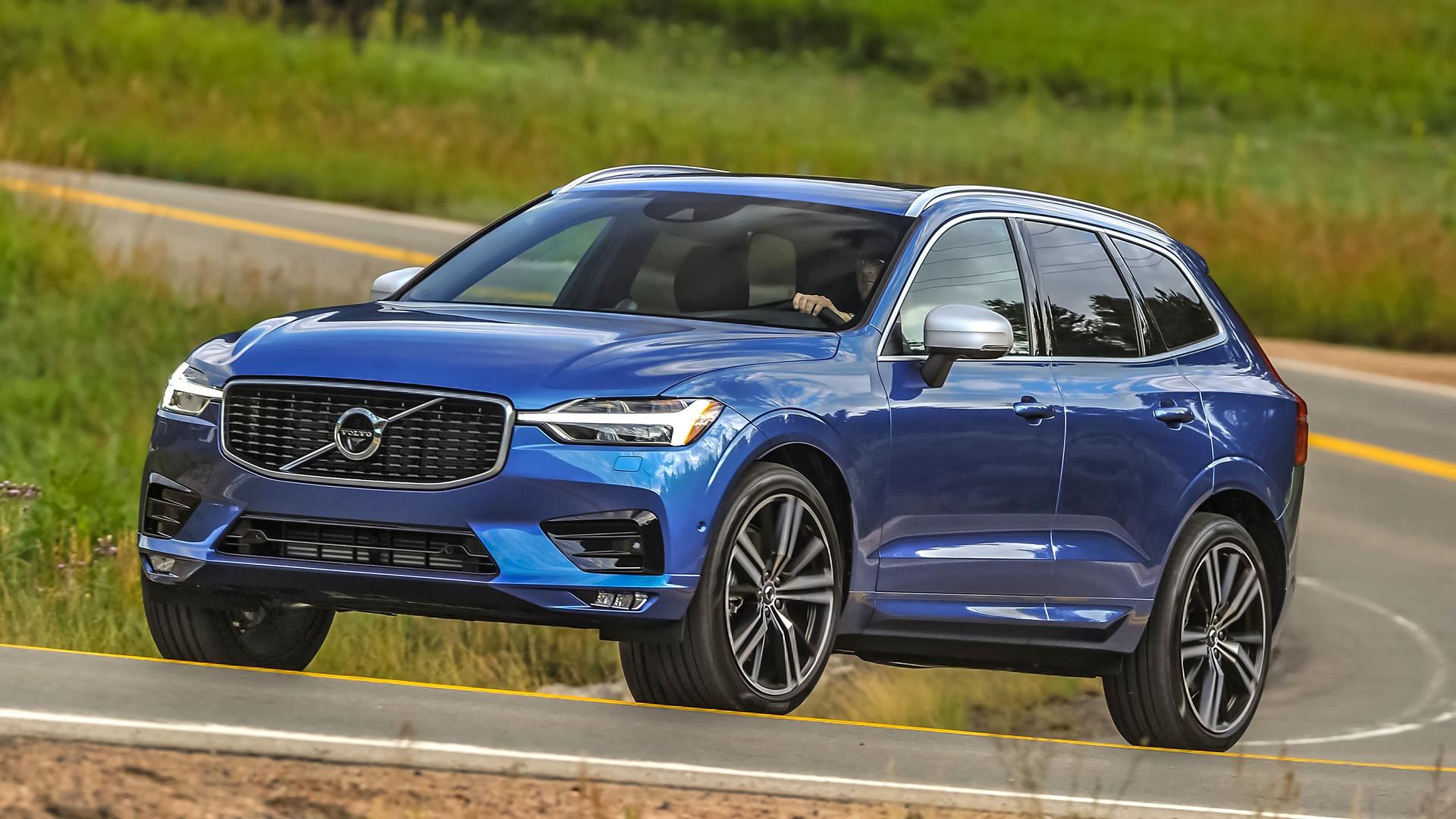
12. Volvo XC60
Volvo may not be the first brand that comes to mind for electrical reliability, but the XC60 has built a solid reputation in recent years for its stable and thoughtfully engineered systems.
Volvo has matured in how it integrates technology into its vehicles. The XC60 is a good example of a modern SUV with advanced features that remain dependable in real-world use.
The XC60 uses a centralized control module that helps manage everything from lighting to climate systems efficiently.
Unlike some vehicles that rely on several loosely connected modules, Volvo’s approach makes diagnostics easier and prevents conflicting signals. This greatly reduces strange behavior like intermittent failures or systems turning on and off unexpectedly.
In terms of infotainment, the XC60’s touchscreen and digital displays are responsive and rarely experience lag or freezing. The voice command system is accurate, the backup camera and sensors remain reliable, and the Bluetooth pairing is consistent across devices.
Owners report high satisfaction with the user experience, which is usually a weak point in many SUVs that overuse software.
Volvo also uses high-grade connectors and protected wiring routes, which help avoid issues caused by corrosion or wear over time.
The result is a vehicle that not only feels premium but also performs like it. If you’re looking for a European SUV that blends technology and electrical reliability with refined styling, the XC60 makes a strong case.
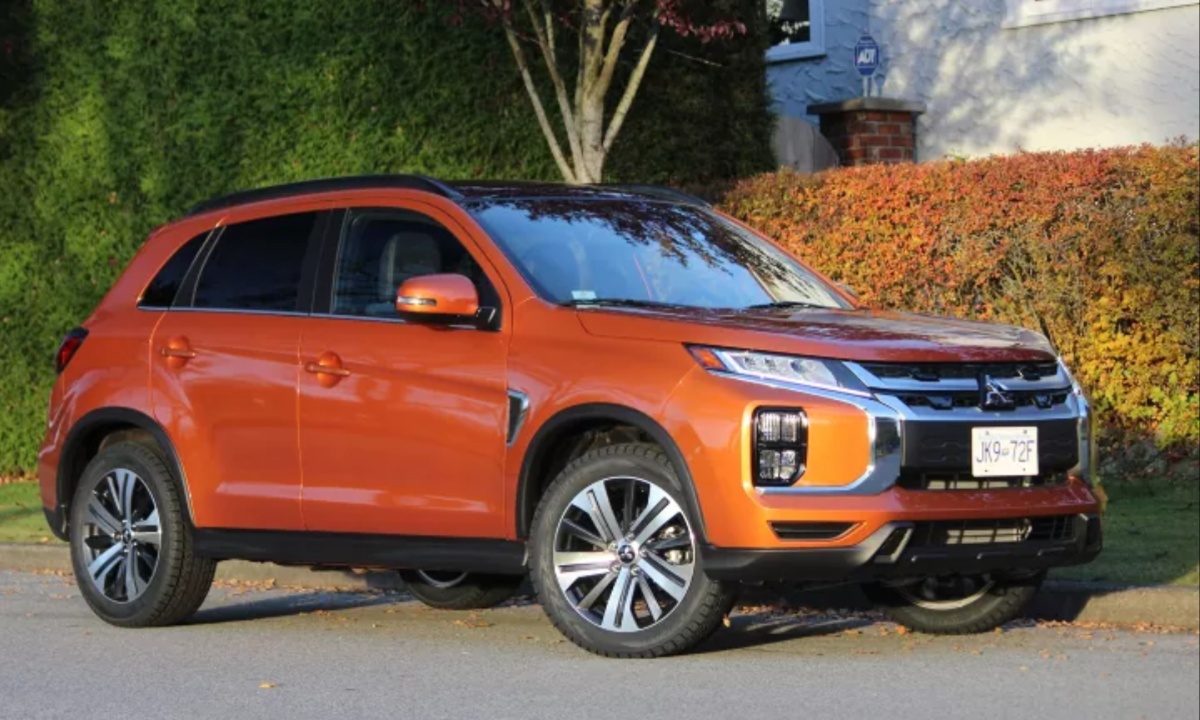
13. Mitsubishi Outlander
The Mitsubishi Outlander often flies under the radar, but it has quietly built a reputation for being a dependable vehicle, particularly when it comes to electronics.
While it doesn’t have the flashy technology of higher-end SUVs, its simple and effective approach is part of why it works so well. There’s less to go wrong, and what’s included is built to last.
Electrical components in the Outlander are fairly basic but robust. The power windows, central locking, HVAC controls, and lighting systems tend to last for the life of the vehicle without needing repairs.
The design avoids over-complicating things, and that simplicity works in the owner’s favor. There are fewer modules to fail, and fewer sensors to trigger unnecessary alerts.
The current generation has stepped up in terms of features, especially with its infotainment system and safety tech. But even with those additions, Mitsubishi has made sure not to overload the vehicle with software features that haven’t been proven.
Updates are rare because the system tends to work well from the beginning, and Bluetooth and navigation systems are known to stay stable.
Service data shows that electrical problems are infrequent on the Outlander compared to many similarly priced SUVs.
Combined with a long warranty and reasonable maintenance costs, the Outlander is a smart choice for buyers who want to avoid trips to the dealership due to strange electrical glitches or dashboard lights that won’t go away.
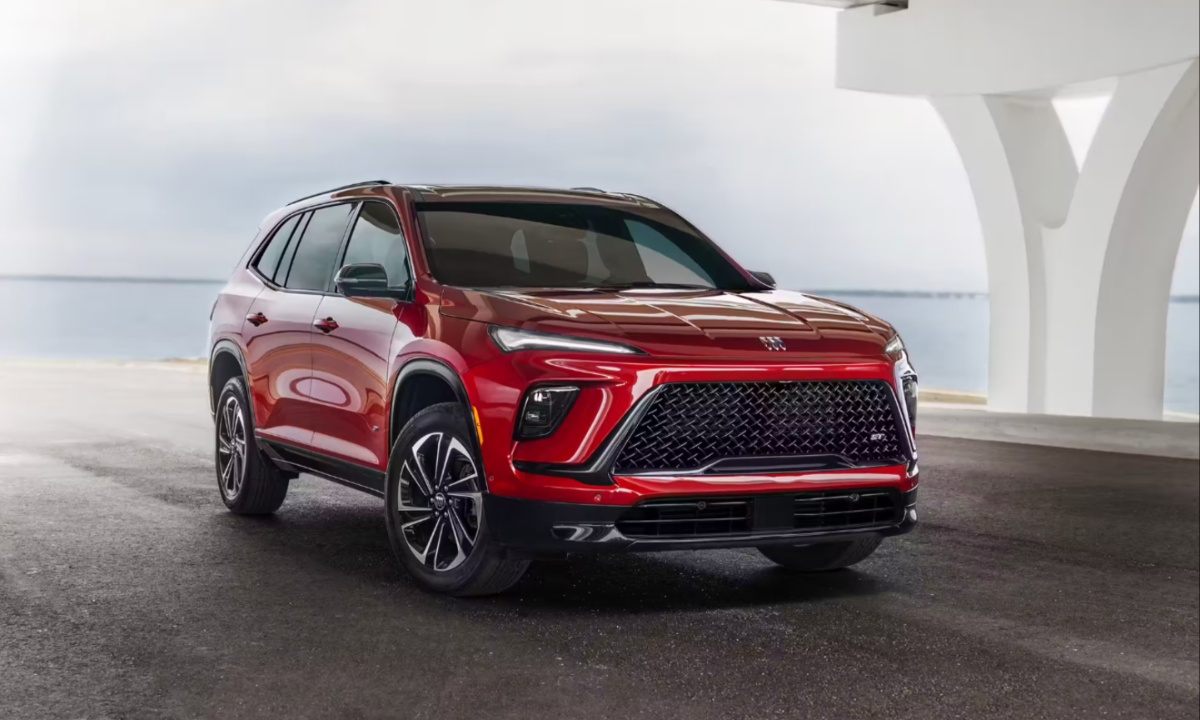
14. Buick Enclave
The Buick Enclave has emerged as a strong contender in the midsize SUV market, particularly when it comes to dependability and ease of ownership.
One of the more pleasant surprises is how consistent and reliable its electrical systems are. Buick has taken a measured approach to integrating new features without compromising system stability.
Unlike some other GM vehicles in past years, the Enclave has shown significant improvement in terms of wiring quality and module communication.
The alternator, battery, and starter systems are all solid, and the vehicle’s electronic control modules rarely need resetting or replacement. This adds confidence for owners who use the Enclave for both city commutes and long-distance travel.
Inside, the Enclave offers a user-friendly experience that works well for the long haul. The infotainment system is responsive, the power seat adjustments stay functional, and even after years of use, the electrical systems like heated seats, power tailgate, and parking sensors continue to operate normally. These are small things that add up to a much more reliable day-to-day experience.
Buick also provides good customer service and clear diagnostic support for technicians, which helps prevent small electrical issues from turning into major repairs.
Combined with its quiet ride and spacious interior, the Enclave is a great option for buyers who want comfort and capability without constant interruptions from electrical failures.
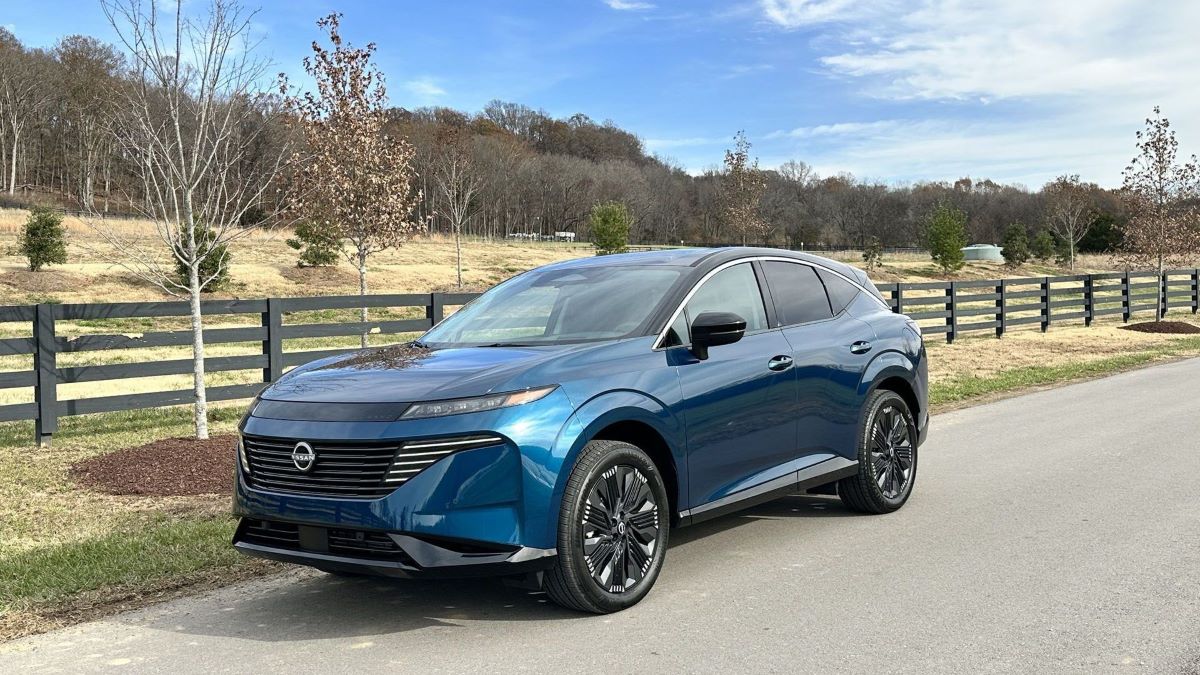
15. Nissan Murano
The Nissan Murano rounds out this list as another solid SUV with a good track record for electrical dependability. While some of Nissan’s other models have faced criticism for various issues, the Murano has remained a stable and reliable option.
It offers a strong mix of comfort, performance, and system reliability that appeals to many families and commuters alike.
One thing that helps the Murano avoid electrical problems is the well-designed control structure for its key systems. Electrical components such as the push-button start, climate control system, and instrument panel all have a consistent feel and rarely show faults.
The powertrain management systems are also stable, avoiding erratic behavior or unexpected warning lights.
Inside the cabin, the Murano uses an infotainment system that, while not groundbreaking, is consistent and responsive. It rarely drops Bluetooth connections, and the touch interface stays functional over time.
The steering wheel controls, memory seats, and rearview camera system maintain performance well into high mileage, making it a favorite for long-term use.
When combined with Nissan’s parts availability and relatively low maintenance costs, the Murano offers a strong value for buyers who prioritize electrical peace of mind.
It’s not flashy, but it’s dependable, and it avoids the annoying gremlins that can ruin the ownership experience in other vehicles. For practicality and consistent electronic operation, the Murano earns its spot.
