
Asian car manufacturers have long been associated with reliability, affordability, and fuel efficiency. For years, they were seen as practical choices rather than performance leaders or rugged builds.
While European and American brands historically carried the image of strength and raw durability, many Asian vehicles were underestimated, particularly in categories like off-road toughness, long-term endurance, and high-mileage reliability.
Over time, however, a number of Asian cars surprised critics and owners alike by delivering far more strength and longevity than anyone had predicted.
Strength in this context doesn’t just mean horsepower or top speed. It’s about resilience in tough conditions, structural durability, ability to handle long-term wear, and performance under pressure. Some of the cars on this list went through decades of use with minimal issues.
Others survived harsh terrain, brutal climates, and the kind of usage that would leave many vehicles in the scrapyard. A few even outperformed more expensive rivals when put to real-world tests, whether in the snow, desert, mountains, or inner city.
These cars earned their reputation not through marketing or inflated spec sheets but by quietly proving themselves on the road. Owners, mechanics, and automotive reviewers all started to notice the same pattern: these machines simply held up better than expected.
They showed structural strength, mechanical simplicity, and an ability to take abuse without falling apart. Some were family cars, some were utility vehicles, and a few were unlikely heroes in the tuner world. What connects them all is how they outperformed their image.
Below are ten cars from Asian manufacturers that defied expectations and demonstrated real strength. Some of them were designed to be tough from the start, but many became legends through real-world experience rather than early promise.
Whether it’s a compact sedan surviving 300,000 miles or a small SUV climbing rocky hills with ease, each of these vehicles has earned its place on this list not through hype but through real strength.
Also Read: 12 Cars That Still Run Strong Despite Being Laughed At
1. Toyota Hilux
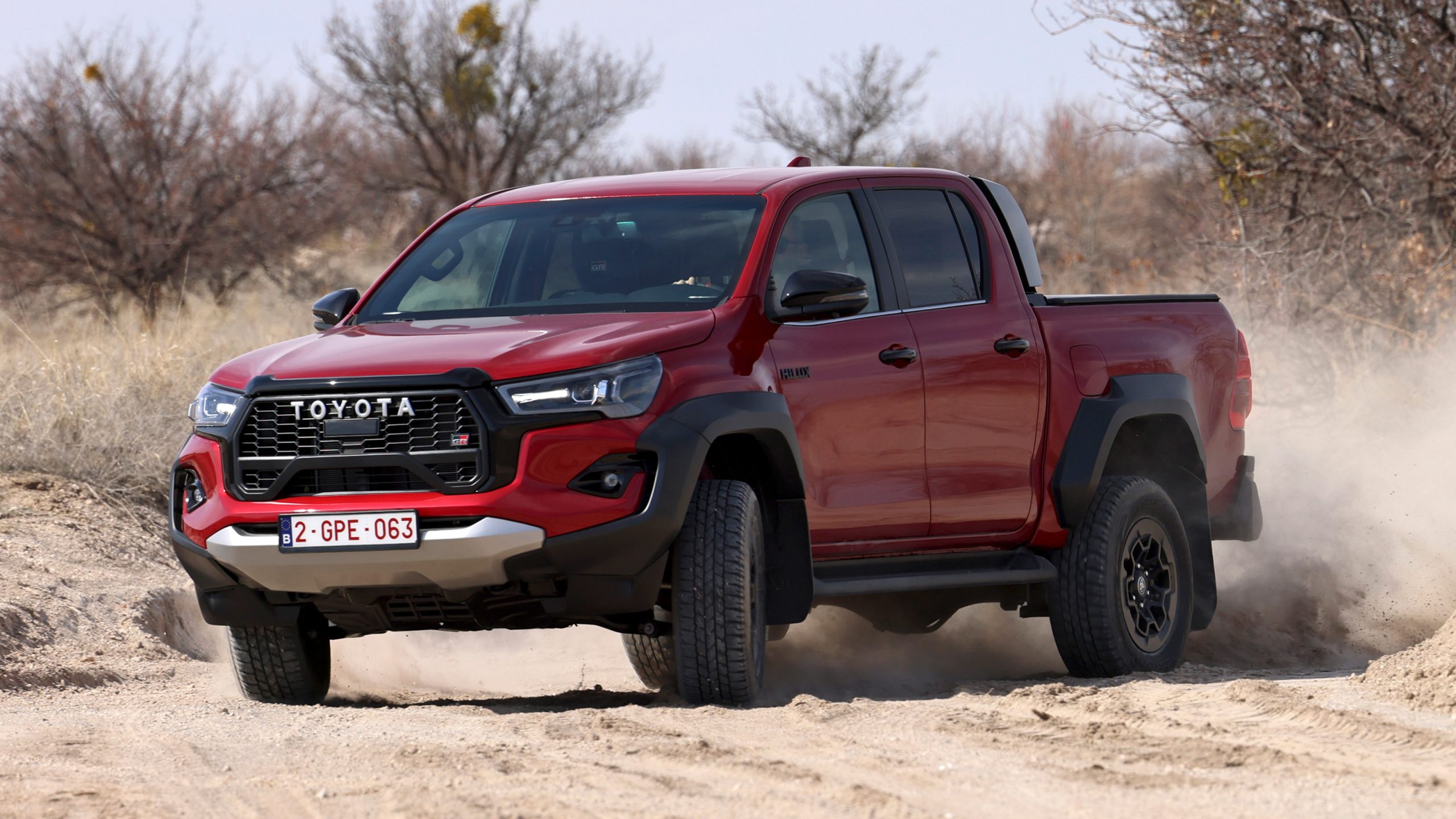
The Toyota Hilux is often seen as just another pickup truck, but it’s earned a global reputation for strength through sheer performance in the harshest conditions.
From deserts in the Middle East to remote villages in Africa and rugged trails in Southeast Asia, the Hilux consistently proves it can take more punishment than most vehicles in its class. Its ladder frame, simple mechanics, and reliable diesel options have made it nearly unstoppable in off-road or war-torn environments.
One of the most famous examples of its toughness came from a TV series where presenters tried to destroy the Hilux by drowning it, setting it on fire, and dropping it from a height.
Even after all this, the truck was still drivable. While that test was dramatic, it’s not far from real-life stories where the Hilux has survived decades of use in extreme heat, poor maintenance, and overloaded cargo conditions. It wasn’t built for comfort or luxury, but what it lacked in that area, it made up for in resilience.
Owners of older Hilux models often report high mileage figures without any major mechanical failure. Many keep running beyond 300,000 or even 400,000 miles, particularly in rural areas where service intervals are long and road conditions are rough.
The design emphasizes durability over complexity, making repairs easier and less frequent. It’s this approach that separates it from more complicated trucks that often break down due to electronics or overengineering.
While newer models have added more features, the core strength of the Hilux hasn’t changed. Its frame, drivetrain, and suspension continue to be built for real-world challenges rather than showroom appeal.
Whether used in agriculture, exploration, military, or just heavy personal use, the Toyota Hilux remains one of the most unexpectedly strong vehicles ever produced by an Asian manufacturer.

2. Honda Civic (Early 90s Models)
At first glance, early 1990s Honda Civics looked like average compact cars meant for city use and fuel savings. They were light, modestly powered, and affordable. What surprised many, though, was how strong these cars proved to be over the long haul.
Their engines, particularly the D-series and B-series, were known for lasting hundreds of thousands of miles, even with minimal maintenance. This mechanical resilience made the Civic a go-to car not only for daily drivers but also for street racers and tuning enthusiasts.
The Civic’s strength lies in its simplicity. The chassis was well-balanced, the engines were over-engineered for their size, and the manual transmissions were practically bulletproof. Many Civics from this era continue to operate on their original drivetrain well into high mileage.
In colder climates, rust may have claimed many, but mechanically, they held together. The Civic wasn’t sold as a performance car, but with time it developed a reputation for lasting through punishing driving.
Perhaps one of the strongest indicators of the Civic’s unexpected toughness is its popularity in grassroots racing. Owners frequently modify these cars for autocross, drag racing, and track days, and the cars often handle the abuse without catastrophic failure.
It’s not just the engine either; the suspension and frame can take a surprising amount of stress before showing signs of wear. For a small car that never claimed to be anything but practical, this is impressive.
Even in today’s used market, a well-maintained 90s Civic is still a reliable and strong choice. Its toughness is no longer surprising to those familiar with them, but it’s worth remembering that it didn’t earn this reputation from day one.
It was years of unexpected durability and performance under stress that turned the early 90s Civic from a simple commuter into a car people trust for serious use.
3. Mitsubishi Pajero
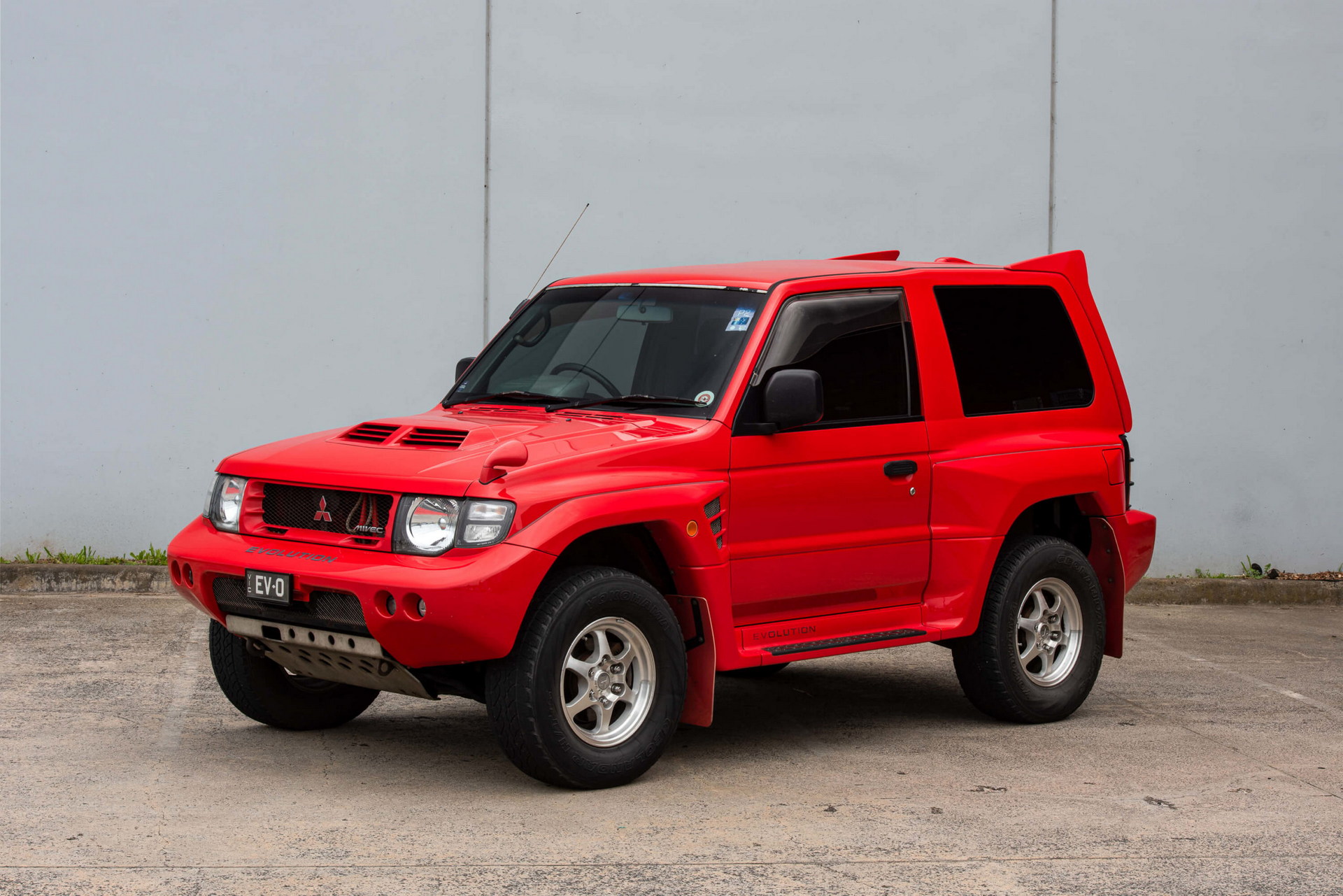
The Mitsubishi Pajero (also sold as the Montero in some markets) may not be as famous as the Land Cruiser, but its performance across the globe tells a similar story of strength.
This SUV has won the grueling Dakar Rally multiple times, proving its capability in one of the most physically punishing motorsport events in the world. Beyond racing, the Pajero has been a workhorse in rough terrains from Australian outback regions to African safari trails.
One key to its toughness is the Super Select 4WD system, which gave drivers a reliable and adaptable off-road setup. Combined with a strong diesel engine and rugged suspension, the Pajero was built to handle brutal trails without complaint.
Mechanics often note how easy it is to service and how the basic components rarely fail under normal use. Even with higher mileage, well-maintained Pajeros retain structural integrity and drivetrain performance.
In remote areas, Pajeros have been used for everything from military transport to rescue vehicles. Owners frequently share stories of their Pajeros crossing rivers, climbing muddy hills, and tackling volcanic terrain with surprising ease.
Unlike some modern SUVs that are built more for comfort and aesthetics, the Pajero kept its focus on functionality and strength for many years. It may not have had the same luxurious interior, but it was built to last.
What’s particularly impressive is how long these vehicles tend to stay on the road. It’s not unusual to see Pajeros from the 1990s and early 2000s still running strong with original components.
While Mitsubishi has shifted its focus in recent years, the Pajero stands as a reminder of what the brand once prioritized: building vehicles that could go anywhere, survive anything, and keep coming back for more.
4. Toyota Land Cruiser (J80 and J100)
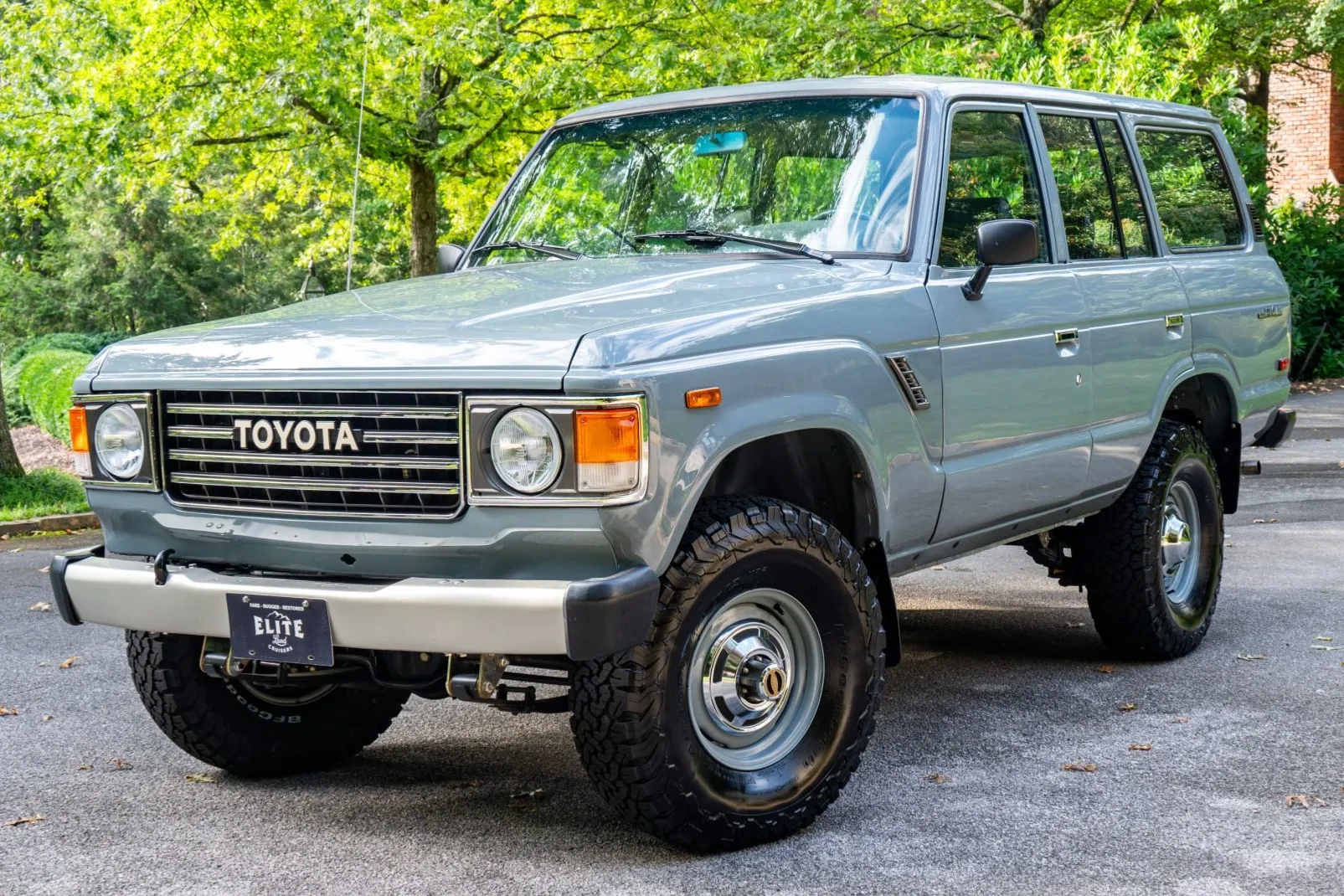
The Toyota Land Cruiser has always been respected, but many people underestimated just how strong the J80 and J100 series really were. These vehicles were designed to conquer rough terrain and still provide comfort, but what stood out over time was their nearly unmatched durability.
Used around the world in regions with poor infrastructure, the Land Cruiser’s strength made it the vehicle of choice for humanitarian missions, remote expeditions, and long-distance travel through rugged land.
The engines in these models, particularly the 4.2L inline-six diesel (1HZ and 1HD), are regarded as some of the most dependable ever built.
These power plants can run for hundreds of thousands of miles without needing a rebuild, even under constant heavy use. Combined with a full-time 4WD system, solid axles, and heavy-duty suspension, the Land Cruiser could carry people and cargo through punishing environments without failure.
These vehicles are often seen in parts of the world where roads barely exist. Their frames resist bending under load, and their mechanical parts are designed for endurance rather than just performance.
The interiors, while not overly fancy, are built with high-quality materials that hold up over time. Every part of the design was made with long-term use in mind. That mindset is why older Land Cruisers hold their value and remain in demand.
Even in modern markets, these older models are still sought after. They might not have the tech features of new vehicles, but their reputation for strength is unmatched.
Owners often say that once you have a Land Cruiser, you’re set for life. It’s more than a car; it’s a vehicle you can rely on when everything else breaks. In terms of physical and mechanical strength, the J80 and J100 series Land Cruisers are legends that have truly earned their reputation.
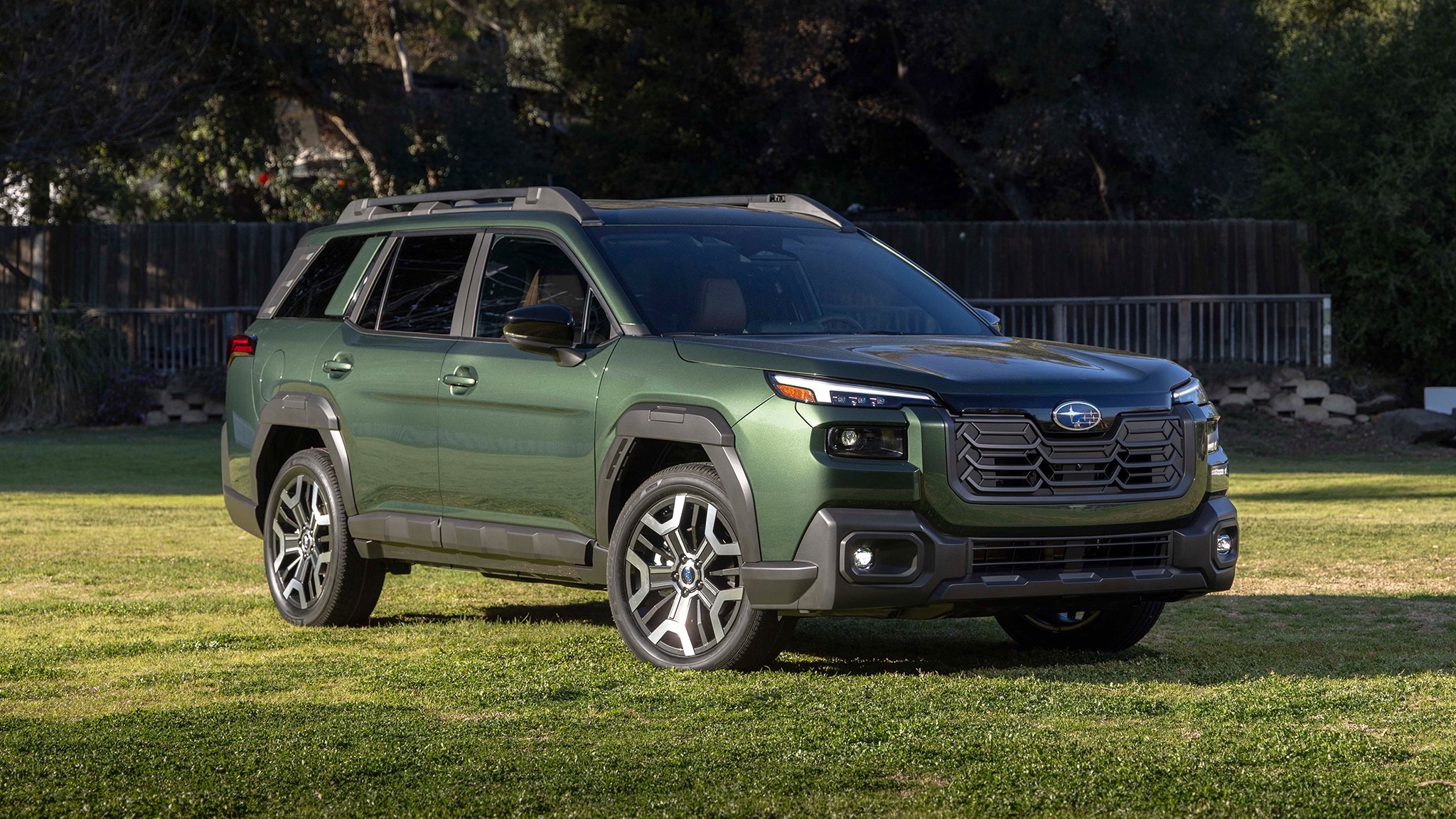
5. Subaru Outback (Late 90s to Early 2000s Models)
The Subaru Outback originated as a lifted wagon, targeting outdoorsy families more than rugged off-roaders. However, it quietly built a reputation for strength in adverse conditions.
With its symmetrical all-wheel-drive system, durable boxer engines, and practical design, the Outback could handle snow, mud, gravel, and steep inclines better than many body-on-frame SUVs. It didn’t scream toughness, but it proved itself in mountain towns, snowy regions, and long road trips across difficult terrain.
One of the Outback’s major strengths lies in its drivetrain. The balanced weight distribution from the boxer engine, combined with constant all-wheel drive, gives it better grip and stability than many larger vehicles. It handles slippery roads with confidence and resists the understeer that plagues heavier crossovers.
Despite being a unibody vehicle, its chassis was well-constructed, and the suspension was tuned to absorb punishment from poor road surfaces.
Mechanically, older Outbacks were simpler than today’s models and easier to maintain. While head gasket issues did plague some models, owners who addressed those problems early often saw their Subarus running past 250,000 miles.
The car’s ability to endure cold climates without suffering major drivetrain problems made it a go-to for people in snowy regions like the Northeast US, Northern Europe, and Japan’s mountain towns. Many of these vehicles served for years without needing serious mechanical overhauls.
Beyond its performance in adverse weather conditions, the Outback was also a strong companion for road trips. With a spacious interior and decent towing capacity for its size, it became a favorite for campers, skiers, and outdoor workers.
It didn’t pretend to be a hardcore off-roader, but many owners found it performed better than expected when taken off the beaten path. For what it set out to be, the Outback ended up far tougher and more capable than most people anticipated.
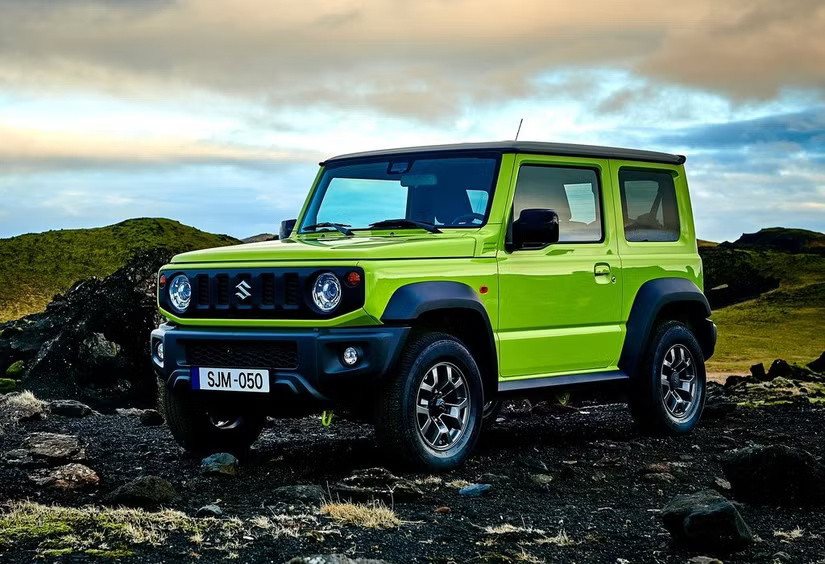
6. Suzuki Jimny
The Suzuki Jimny is a compact SUV that, at first glance, looks too small and underpowered to handle serious off-road tasks. However, this little box-shaped 4×4 has built a reputation for being much stronger than it appears.
It features a ladder frame, solid axles front and rear, and a low-range transfer case, features usually reserved for full-size off-roaders. In spite of its small engine and light weight, it can conquer trails that stop larger vehicles in their tracks.
What makes the Jimny so effective is its power-to-weight ratio and design simplicity. It’s not trying to muscle its way through obstacles with brute force but rather uses lightness and agility to its advantage.
Because it weighs less, it sinks less into mud and snow, and it climbs over rocks without the same stress placed on larger frames. This makes it ideal for technical off-roading, especially in narrow or densely wooded areas.
The frame of the Jimny is built tough despite the vehicle’s small stature. Its suspension components and drivetrain are designed to take hits, and its short wheelbase allows it to maneuver steep or uneven terrain with ease.
In parts of Asia, Africa, and Latin America, the Jimny has served as an off-road workhorse, especially in areas where larger vehicles would be impractical. Mechanics often praise it for being reliable and easy to repair, with parts that rarely break even under stress.
While it’s not fast or luxurious, the Suzuki Jimny’s toughness lies in its rugged simplicity. It’s the kind of car that you can drive up a mountain, through a river, and across rough farmland, then park outside a café with ease.
It doesn’t need to look aggressive to be strong, it just quietly gets the job done. In that way, it has earned the respect of off-roaders who initially dismissed it as a toy.
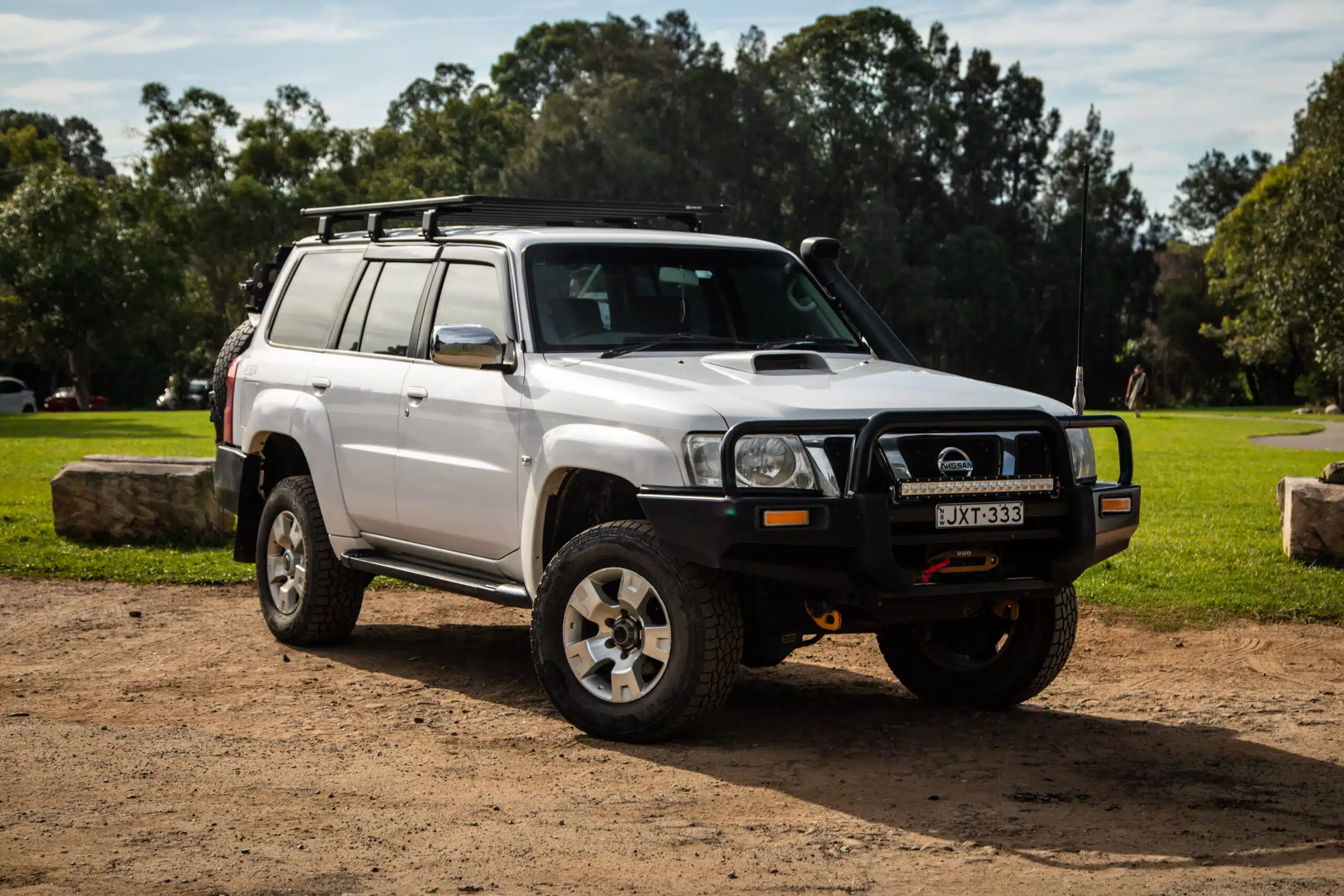
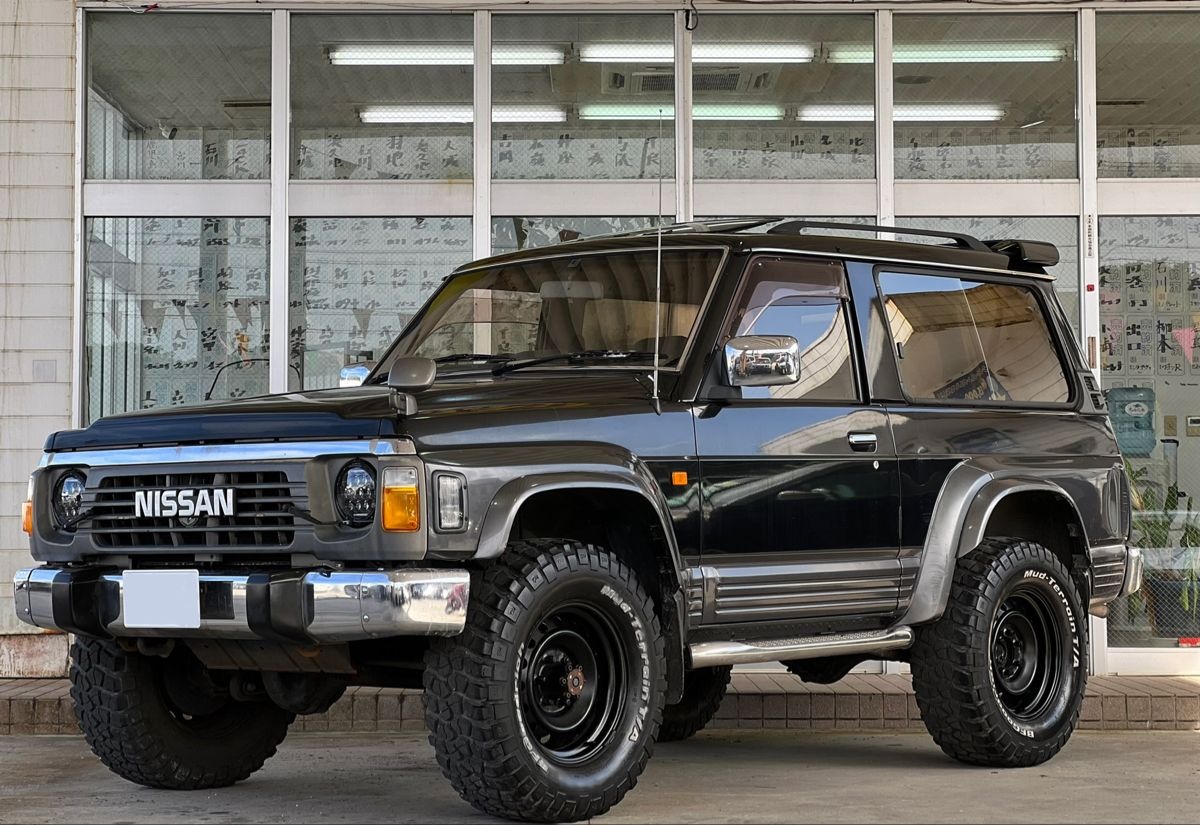
7. Nissan Patrol (Y60 and Y61)
The Nissan Patrol, especially the Y60 and Y61 generations, often gets overshadowed by the Land Cruiser in discussions about rugged SUVs. But in terms of raw strength and reliability, it’s every bit as capable.
The Patrol has long been a favorite in the Middle East, Australia, and parts of Africa, where road conditions are extreme and mechanical failure can have serious consequences. With heavy-duty axles, strong ladder-frame construction, and near-legendary engines, the Patrol is much stronger than its understated design suggests.
One of the most respected engines in the Patrol lineup is the TD42 diesel, known for being almost indestructible. Mechanics and enthusiasts regularly report these engines running for 400,000 miles or more with minimal issues.
The drivetrain and manual gearbox were designed to withstand serious abuse, and many Patrols from the 1990s and 2000s are still being used daily under tough conditions. These are not vehicles that give up easily.
Off-road, the Patrol is one of the best out-of-the-box performers ever made. With coil-sprung suspension and solid axles, it can climb, crawl, and traverse rocky paths without modification.
Its approach and departure angles make it a favorite for serious overlanding builds. While it never received the same marketing push as some of its rivals, those who used it in the wild knew it could handle whatever they threw at it.
The Patrol’s body and chassis are built to take hits. It’s not just the engine that lasts, it’s the entire vehicle. Whether being used in the mines of Western Australia or as a support vehicle in Middle Eastern deserts, the Patrol proved itself again and again.
People who once thought of Nissan as a “softer” brand have often changed their minds after owning one of these. It’s a quiet giant that doesn’t get enough credit for how strong it really is.
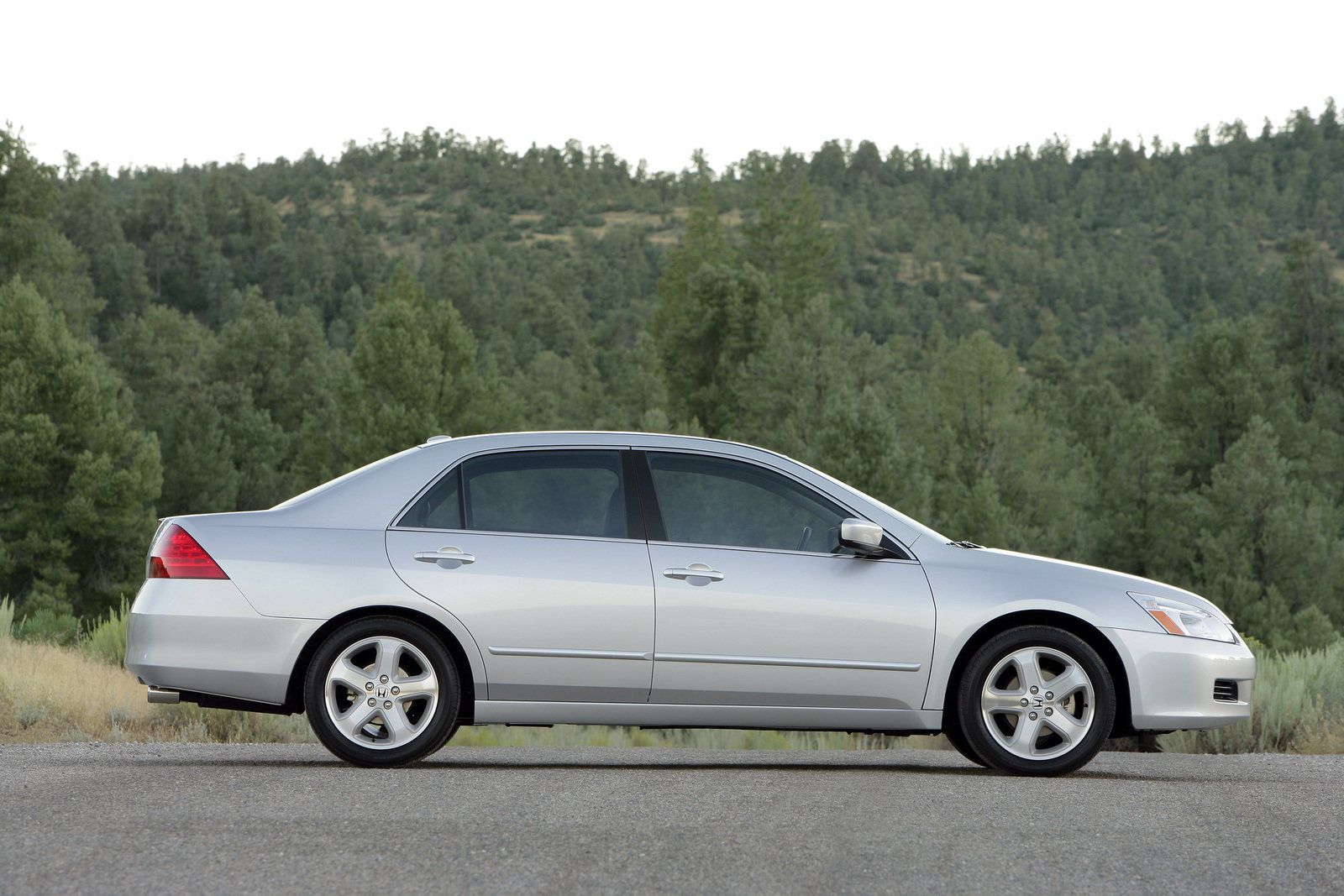
8. Honda Accord (Late 90s to Early 2000s)
The Honda Accord from the late 90s into the early 2000s was seen as a comfortable, middle-class sedan. What people didn’t expect was how long these cars would last.
With smooth engines, solid automatic transmissions, and an unassuming yet durable chassis, the Accord became one of the most quietly reliable vehicles on the road.
It didn’t have the off-road credentials of some other cars on this list, but in terms of long-term mechanical strength, it stood above many competitors.
The engines, especially the 2.3L VTEC and 3.0L V6, were known for their ability to rack up miles without breaking down. Many owners report 250,000 miles or more without any major engine work.
These engines didn’t push the limits of performance, but they were finely tuned and built with longevity in mind. The transmission, though not flawless, also held up well in most cases, especially with regular fluid changes.
One of the Accord’s strengths was how well it aged. The suspension could take years of potholes without falling apart, the body resisted corrosion in many climates, and the interior materials stayed intact longer than those in some luxury cars.
It was a vehicle that just kept working, even after being driven hard by multiple owners. For many families, the Accord was the car that lasted the longest in the driveway.
Mechanics often favored the Accord for being easy to work on and less prone to expensive failures. It was strong not just in terms of physical build, but in how rarely it gave its owners trouble.
It proved that strength isn’t always about looking tough or climbing a mountain, it can also be about showing up to work every day for 20 years without quitting. The Accord did just that, and it earned its reputation through quiet consistency.
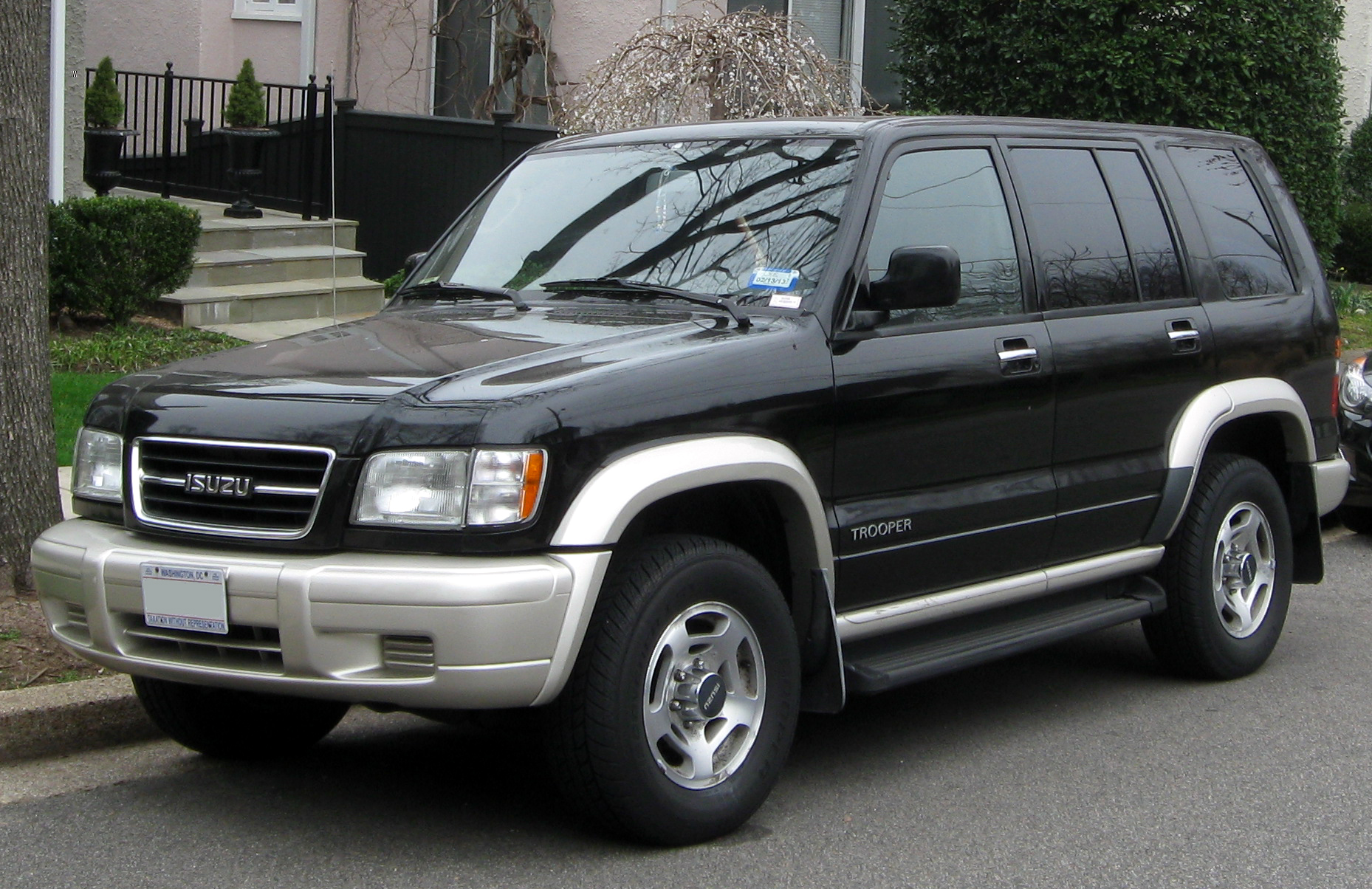
9. Isuzu Trooper
The Isuzu Trooper never gained mainstream fame, but those who owned one knew it was built like a tank. With boxy styling, high ground clearance, and durable internals, the Trooper was a genuine 4×4 capable of going places most SUVs couldn’t.
It was used by militaries, remote workers, and overland travelers who needed a vehicle they could count on. Its rugged frame and dependable engines gave it a surprising amount of resilience, even in hostile environments.
Troopers came with several engine options, including a reliable 3.2L V6 and some tough diesel variants. They weren’t fast, but they were built to last. The chassis was strong and the drivetrain could handle years of off-road punishment.
Owners often modified them for overland travel, adding snorkels, winches, and lifts. But even stock models proved remarkably capable right from the factory. In rough terrain, they could keep pace with far more expensive rivals.
The suspension setup on the Trooper allowed it to maintain comfort on the road while still being off-road capable. It was one of those rare vehicles that could take a family on a road trip and then continue on through mountain trails without changing a thing.
Its mechanical layout was simple enough that skilled backyard mechanics could handle most of the repairs without needing a dealership. That simplicity added to its appeal in remote areas.
Despite its capabilities, the Trooper was often overlooked in favor of flashier or better-known SUVs. But those who gave it a chance were rarely disappointed.
It aged well, and many of the models from the late 90s are still on the road today. Its quiet strength and refusal to break down under pressure made it a hidden gem among Asian 4x4s. Not flashy, not famous, but stronger than expected.
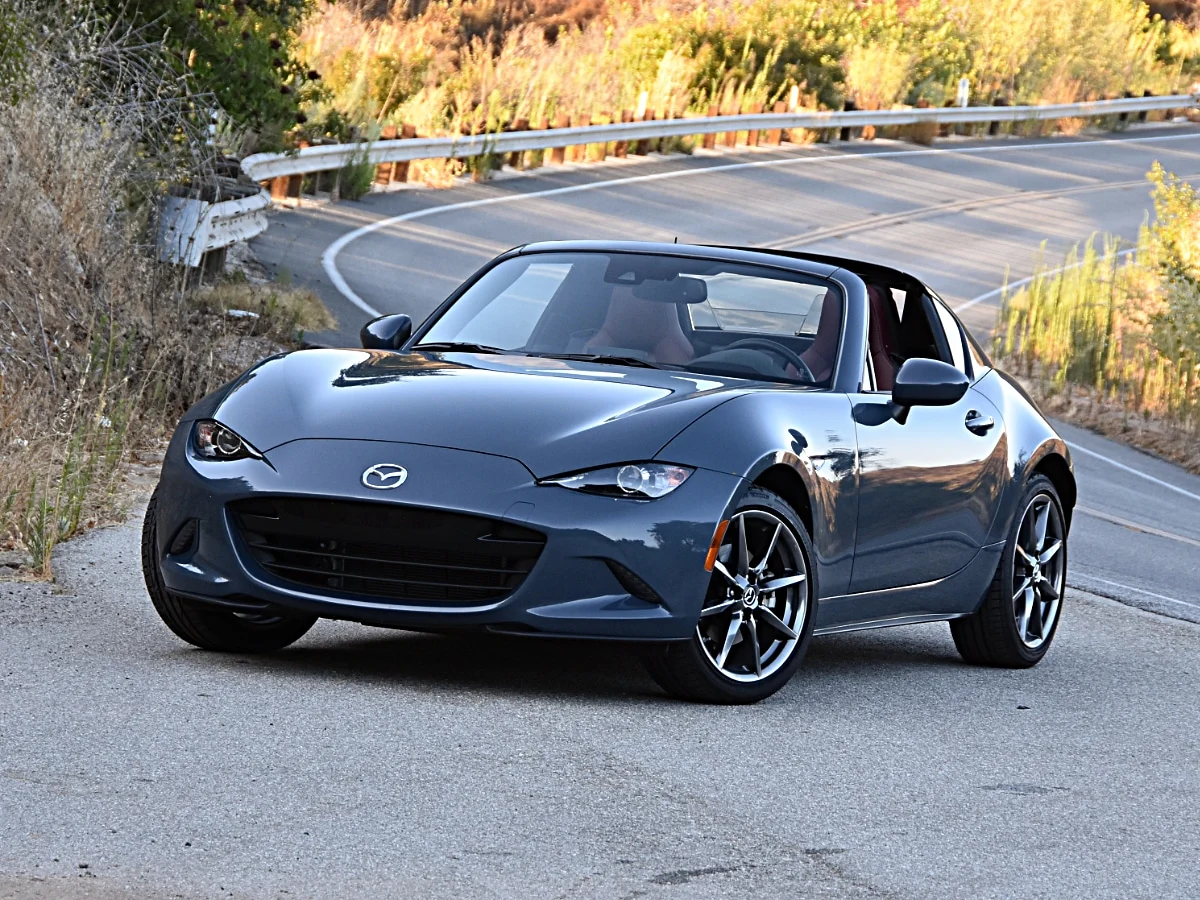
10. Mazda MX-5 Miata (NA and NB Models)
The Mazda MX-5 Miata doesn’t look strong in the traditional sense. It’s small, light, and often associated with weekend cruising.
But dig deeper, and you find one of the most structurally sound and mechanically tough sports cars ever built. The NA and NB Miata models are especially impressive for their strength under abuse.
Track days, autocross events, and long road trips are all situations where the Miata proves it can handle more than expected. Despite its modest engine power, the car’s light weight and perfect 50:50 weight distribution give it incredible balance.
But what surprises many is just how robust its engine and gearbox are. The 1.6L and 1.8L four-cylinder engines in the first two generations are known to be overbuilt, handling high revs and track stress without breaking down.
Enthusiasts often put these cars through repeated, high-stress use, sometimes without even upgrading the cooling system or brakes, and the Miata continues to perform. It’s not uncommon to find examples with well over 200,000 miles that have seen both daily use and weekend abuse.
The manual transmission, often praised for its short and precise throw, is also built to last. It’s been said that you’d need to actively try to break a Miata drivetrain to actually do it.
The chassis of the Miata is another underappreciated strength. Even though it’s small, the frame resists flex well, especially in the hardtop versions.
Suspension components are well-designed and respond well to upgrades, but even in stock form, they’re built to take the demands of spirited driving. Whether carving up mountain roads or taking lap after lap at a local circuit, the Miata rarely complains or shows signs of stress.
Many people saw the Miata as a “fun car” or a “starter sports car,” but its long-term toughness and resistance to mechanical failure proved otherwise.
It’s a car that teaches you about control, precision, and the joy of driving, but it’s also a car that rarely leaves you stranded. Its strength isn’t in brute force, but in how consistently it performs without breaking. That consistency is what makes the Miata stronger than people expected.
Also Read: 12 Cars That Keep Their Value at High Mileage
Strength in a car isn’t always obvious. It’s not just about how much power it makes or how large it looks. Sometimes, strength reveals itself over time, through reliability, durability, and the ability to survive the kind of treatment that would ruin other vehicles.
The ten cars on this list all started with modest expectations. None were marketed as indestructible machines, yet all of them proved themselves in ways that earned real-world respect.
From the workhorse Toyota Hilux to the tiny but capable Suzuki Jimny, these vehicles became known not just for surviving, but for thriving in tough conditions. Some, like the Honda Civic and Accord, proved their strength through hundreds of thousands of miles of dependable service.
Others, like the Mitsubishi Pajero and Nissan Patrol, earned their reputation in the desert and mountains, where mechanical failure isn’t just inconvenient, it’s dangerous. And then there are cars like the Mazda Miata, which surprised drivers by staying solid under pressure, lap after lap, year after year.
What all these cars share is a combination of smart engineering, simple but strong design, and a focus on doing their job well without unnecessary complication.
They’re not just machines; they’re tools that people depend on. Whether they’re taking families across cities, helping workers in remote regions, or carrying adventurers into the wilderness, these cars have earned their place in garages, in memories, and on lists like this.
Asian manufacturers have sometimes been overlooked in conversations about toughness, especially compared to their American or European counterparts. But over time, cars like these have flipped that narrative.
They’ve shown that strength can come in unexpected forms, and that reliability, endurance, and real-world performance matter more than flashy marketing or oversized engines. These cars weren’t always expected to last, but they did, and they still do.
