
When it comes to vehicle maintenance, the exhaust system is one of the components that can cause persistent problems if not built with long-term durability in mind.
A faulty exhaust can lead to poor fuel economy, increased emissions, strange noises, and in some cases, complete system failure.
Yet, certain vehicles consistently stand out for rarely needing any significant exhaust repairs. These vehicles are not necessarily the flashiest or most expensive, but they are built with quality materials, reliable engineering, and proven longevity.
Automakers sometimes focus their design efforts more heavily on performance or aesthetics, leaving reliability concerns as a secondary priority.
However, some brands and specific models have maintained a reputation for balance, ensuring that performance doesn’t come at the cost of frequent repair needs.
Among these, the exhaust system is a good test of a car’s long-term build quality. It’s a component exposed to extreme temperatures, corrosive gases, and road debris, and in many cases, it’s the first thing to show signs of neglect or poor engineering.
But the vehicles on this list prove that with proper planning and design, it’s possible to create a car that can withstand years of use with minimal issues in this area.
The exhaust system includes several parts: the exhaust manifold, catalytic converter, oxygen sensors, muffler, and tailpipe. All of these are susceptible to failure under certain conditions, especially when manufacturers cut corners to save on costs.
Cars that have been engineered with corrosion-resistant metals, smart component layout, and tight build tolerances tend to perform far better in this regard.
Regular maintenance certainly helps, but some vehicles simply require less attention from the start. And when it comes to choosing a reliable car, fewer visits to the mechanic can translate to thousands saved over a car’s lifespan.
In this article, we’ll look at eight vehicles that have earned a reputation for having dependable exhaust systems. These vehicles are known not only for their general reliability but specifically for avoiding exhaust-related headaches.
If your goal is to own a car that keeps running smoothly without frequent trips to the shop, this list should give you some solid options to consider.
Also Read: 12 Cars That Keep Their Value at High Mileage
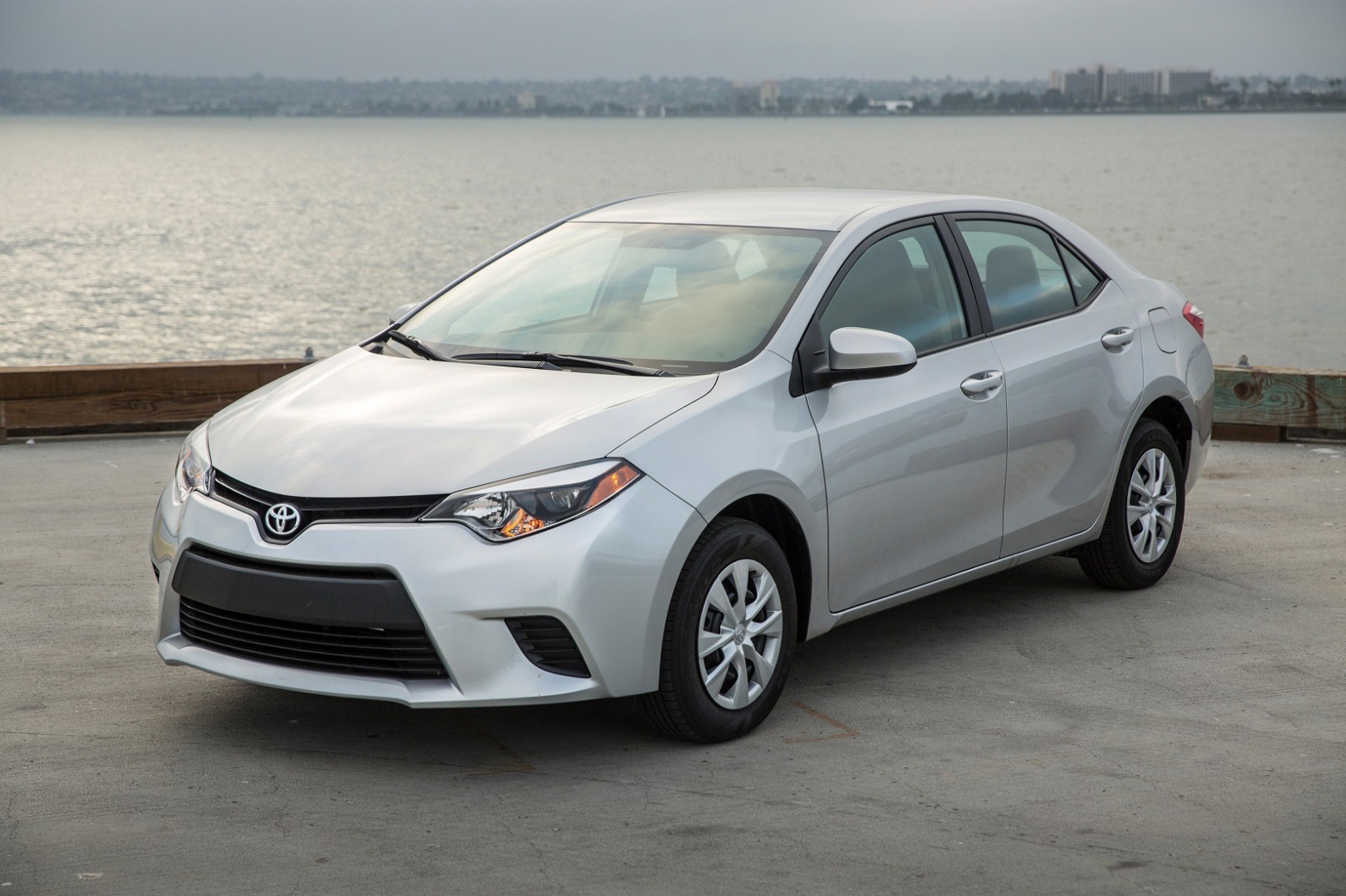
1. Toyota Corolla
The Toyota Corolla is widely known for its reliability, and one of the areas where it shines is the exhaust system. The materials used in its construction are among the most corrosion-resistant in its class.
Toyota has invested decades into refining its design philosophy, which prioritizes long-term durability without overcomplicating the system.
Stainless steel is used in many of the components, reducing the likelihood of rust and decay over time.
Combined with tight engineering tolerances and a simplified exhaust layout, the Corolla avoids many of the common problems that plague other vehicles in similar price ranges.
Drivers who own a Corolla often report that they’ve driven their cars well beyond 150,000 miles without needing major exhaust work. This is particularly impressive in regions with harsh winters and salted roads, where exhaust systems are often the first to suffer.
Toyota’s conservative approach to engine output also plays a role here. The engines are tuned for efficiency rather than high performance, which means less stress is placed on the exhaust system. Lower heat and gentler pressure levels extend the life of each component.
Another advantage of the Corolla is the minimal use of complex electronic exhaust controls. Some newer cars integrate advanced emission systems that, while environmentally beneficial, introduce multiple failure points.
The Corolla keeps things relatively straightforward, using components that are easier to maintain and less likely to malfunction.
This simplicity not only reduces repair needs but also keeps repair costs low when they do arise. Mechanics often find Corolla exhaust systems easy to work on, which contributes to its reputation as a low-hassle vehicle.
In terms of real-world performance, the Corolla continues to perform well in long-term reliability surveys. Very few owners report exhaust-related issues in the first 100,000 miles, and even after that, problems are relatively minor.
The design approach balances emissions compliance with longevity, which is a rare combination in the modern automotive world. For anyone looking for a worry-free daily driver, the Corolla remains a solid choice with minimal exhaust concerns.
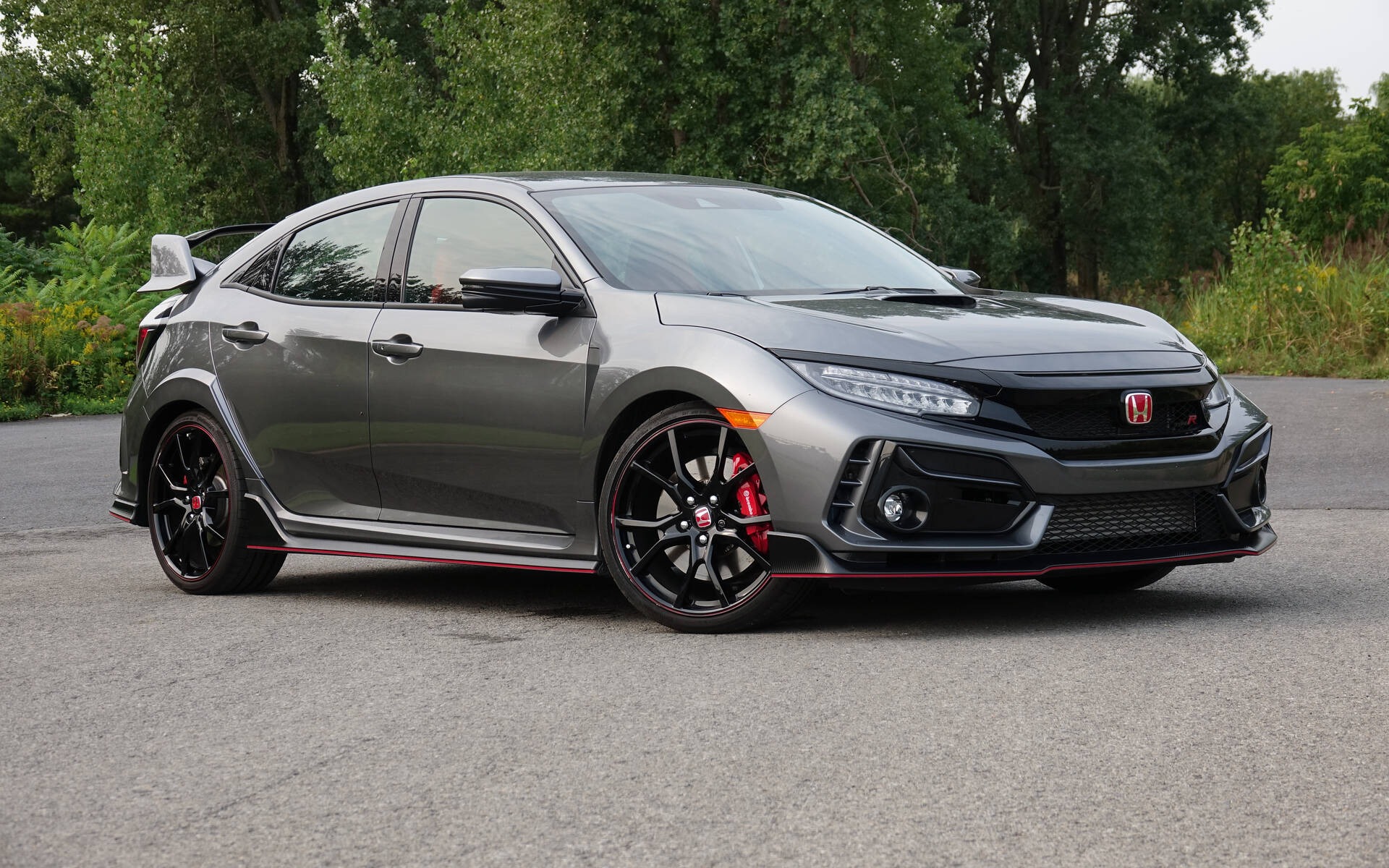
2. Honda Civic
The Honda Civic has long been a favorite among compact car buyers, not just for its fuel efficiency and design but also for its mechanical dependability.
One standout feature in this regard is its robust exhaust system. Honda has consistently used high-grade metals for its exhaust components, including stainless steel and aluminized steel in areas prone to corrosion.
This attention to material quality goes a long way in ensuring that the system remains intact and functional for many years, even in unfavorable driving conditions.
Many Civic owners have reported driving well over 200,000 miles without needing to replace mufflers, catalytic converters, or other key exhaust parts.
Part of this reliability comes from the Civic’s engine tuning. Like the Corolla, it’s optimized more for daily usability than aggressive performance.
Lower heat output translates into a longer lifespan for parts that deal with thermal stress. This becomes particularly important in city driving, where stop-and-go traffic causes frequent temperature changes. The Civic manages to maintain exhaust stability through all of this without much fuss.
In addition, Honda has a history of designing modular, repair-friendly exhaust systems. Rather than welding multiple parts together, many of the Civic’s exhaust components are bolted in place.
This makes it easier to perform minor repairs without having to overhaul the entire system. When repairs do become necessary, this modular design saves on labor costs and allows for partial fixes.
The oxygen sensors, for example, are located in accessible areas, making diagnostics and replacements less of a chore.
The Civic also benefits from a global production and testing base. Honda engineers test their vehicles in various climates and road conditions before bringing them to market. As a result, the Civic is well-prepared for a wide range of environments.
Whether you’re in a humid coastal area or a snowy mountain town, the Civic’s exhaust system holds up admirably well. Combined with regular oil changes and basic maintenance, this car offers one of the lowest exhaust failure rates in its segment.
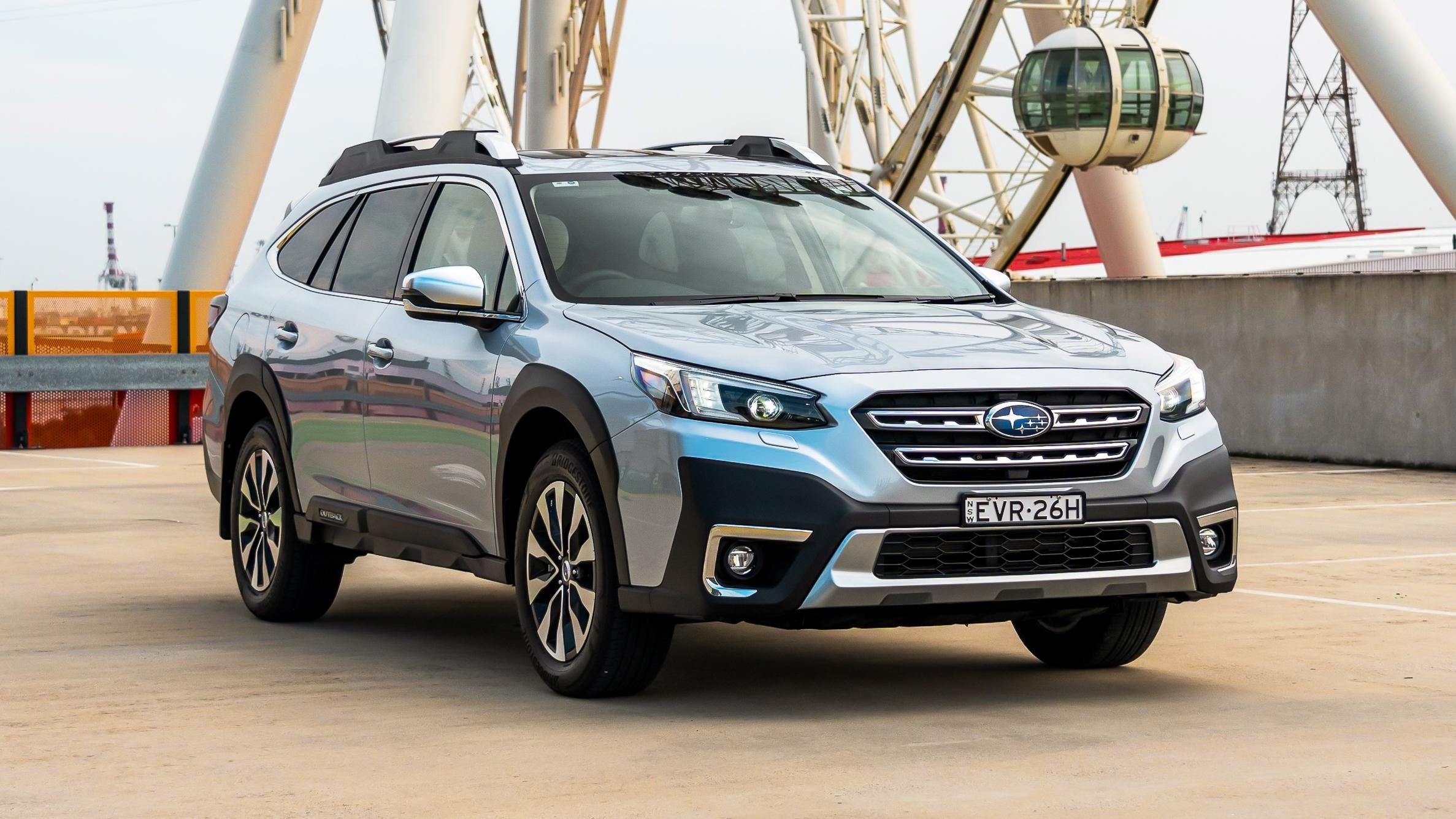
3. Subaru Outback
The Subaru Outback is often associated with rugged terrains and outdoor adventure, but it’s also surprisingly dependable when it comes to exhaust system durability. One of the key reasons is the use of a horizontally opposed (boxer) engine layout.
This design spreads out the heat more evenly, reducing thermal strain on any one section of the exhaust system. While the Outback is not immune to wear and tear, its components are built with longevity in mind, particularly in the more recent model years.
Subaru’s engineers have taken care to protect exhaust parts with additional shielding and coatings, especially near the undercarriage where rocks, snow, and road salt can cause corrosion.
The placement of catalytic converters and mufflers is strategic, avoiding low-hanging spots that would typically be more vulnerable to impact or debris.
This attention to layout and shielding makes a real difference in long-term durability. Owners in colder climates, who often face exhaust issues due to corrosion, report that the Outback handles these conditions better than many competitors.
The Outback is also designed for higher ground clearance compared to most passenger vehicles. This design feature may not seem directly related to the exhaust system at first glance, but it actually plays a big role in avoiding damage.
With more space between the road and the car’s underside, the exhaust pipes and mufflers are less likely to be hit by road debris or scrape against curbs and rocks. Fewer physical impacts mean fewer chances for holes, bends, or cracks in the system.
In terms of long-term ownership, the Outback performs strongly in consumer satisfaction and reliability studies, especially when it comes to underbody components.
Many drivers report going 10 years or more without needing any significant exhaust work, which is impressive considering how many are driven in rugged or snowy conditions.
The Subaru Outback proves that durability doesn’t have to come at the expense of functionality or comfort, especially for those who live outside urban areas.
4. Lexus ES
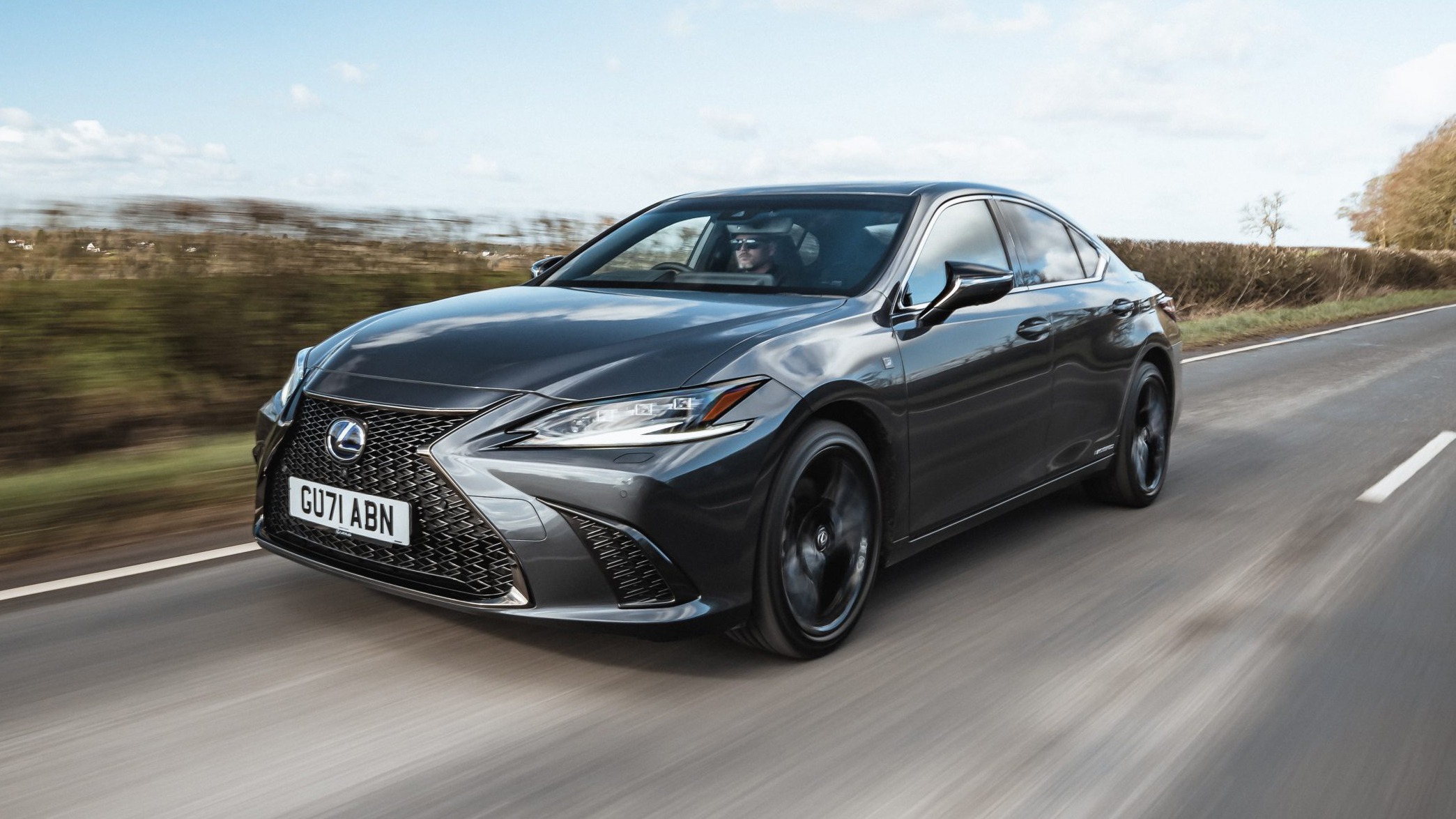
The Lexus ES is a luxury sedan that shares a platform with the Toyota Camry, but it adds premium materials and enhanced quality control to an already solid foundation. One of the often-overlooked areas where the ES excels is its exhaust system.
Built for smooth, quiet operation, the exhaust components are engineered to last. Lexus focuses heavily on minimizing vibrations and noise, which means every part of the system is reinforced and tested for long-term integrity.
The materials used in the Lexus ES exhaust system are of very high quality, often exceeding industry standards.
From the catalytic converters to the mufflers, stainless steel and other corrosion-resistant alloys are standard. This contributes not only to a quiet and refined driving experience but also to reduced maintenance needs over the life of the vehicle.
The parts are built to withstand temperature extremes and corrosive elements like road salt, which is especially useful for drivers in colder regions.
Another factor that contributes to the ES’s strong exhaust reliability is its smooth, naturally aspirated engine. It produces consistent, moderate power without placing excessive heat or pressure on the exhaust system.
In contrast to turbocharged engines, which often run hotter and can strain their exhaust components, the ES uses a more conservative powertrain that emphasizes long-term stability.
That difference becomes evident after several years, as owners report fewer problems and quieter operation over time.
Because Lexus targets long-term ownership as a brand philosophy, the company also includes longer warranty coverage and stricter quality testing before the cars even reach the customer.
The exhaust system is no exception to this approach. Many Lexus ES owners drive their vehicles well past 200,000 miles with little more than basic maintenance. When parts do wear out, replacements are usually straightforward thanks to the car’s clean layout
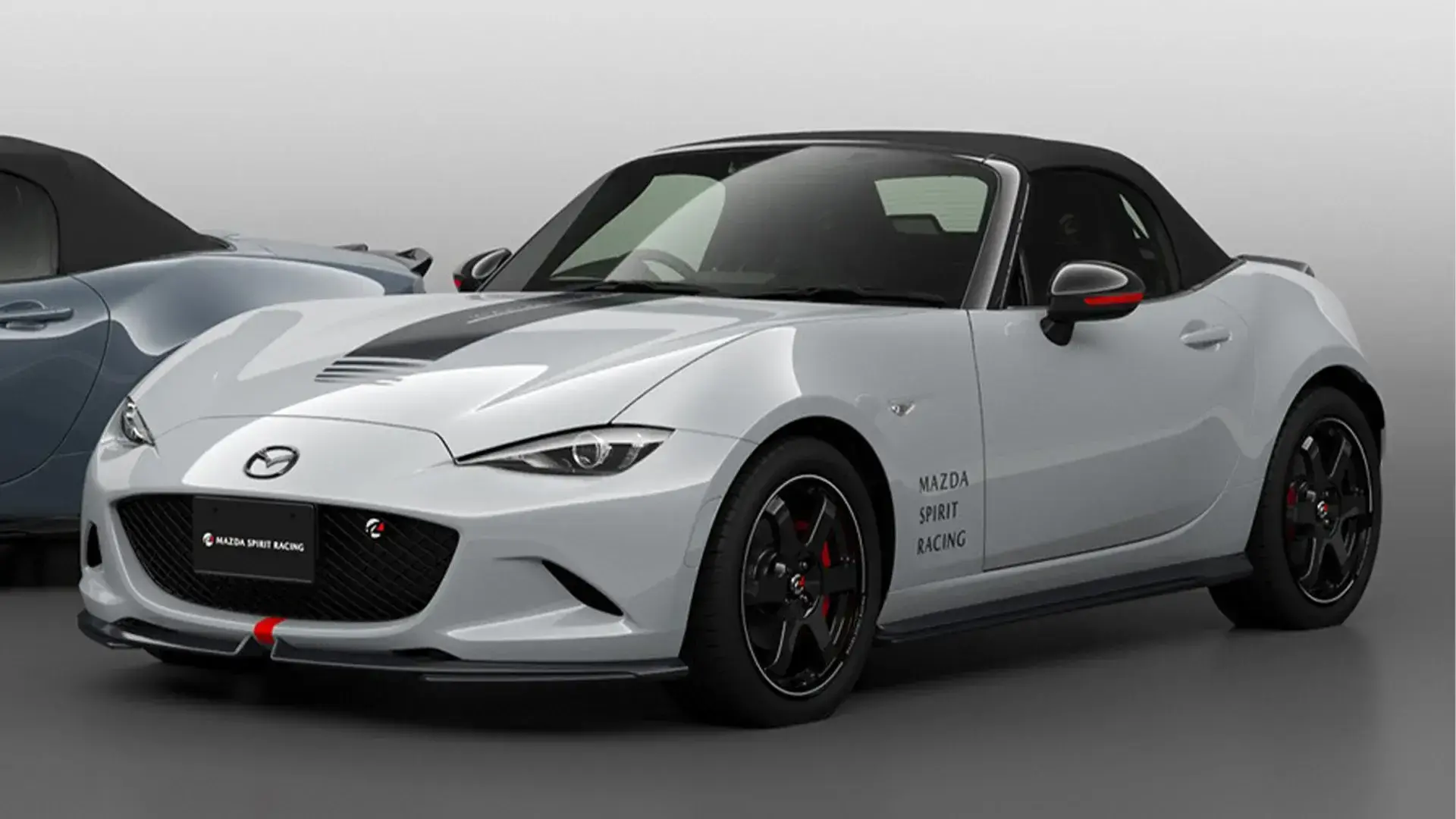
5. Mazda MX-5 Miata
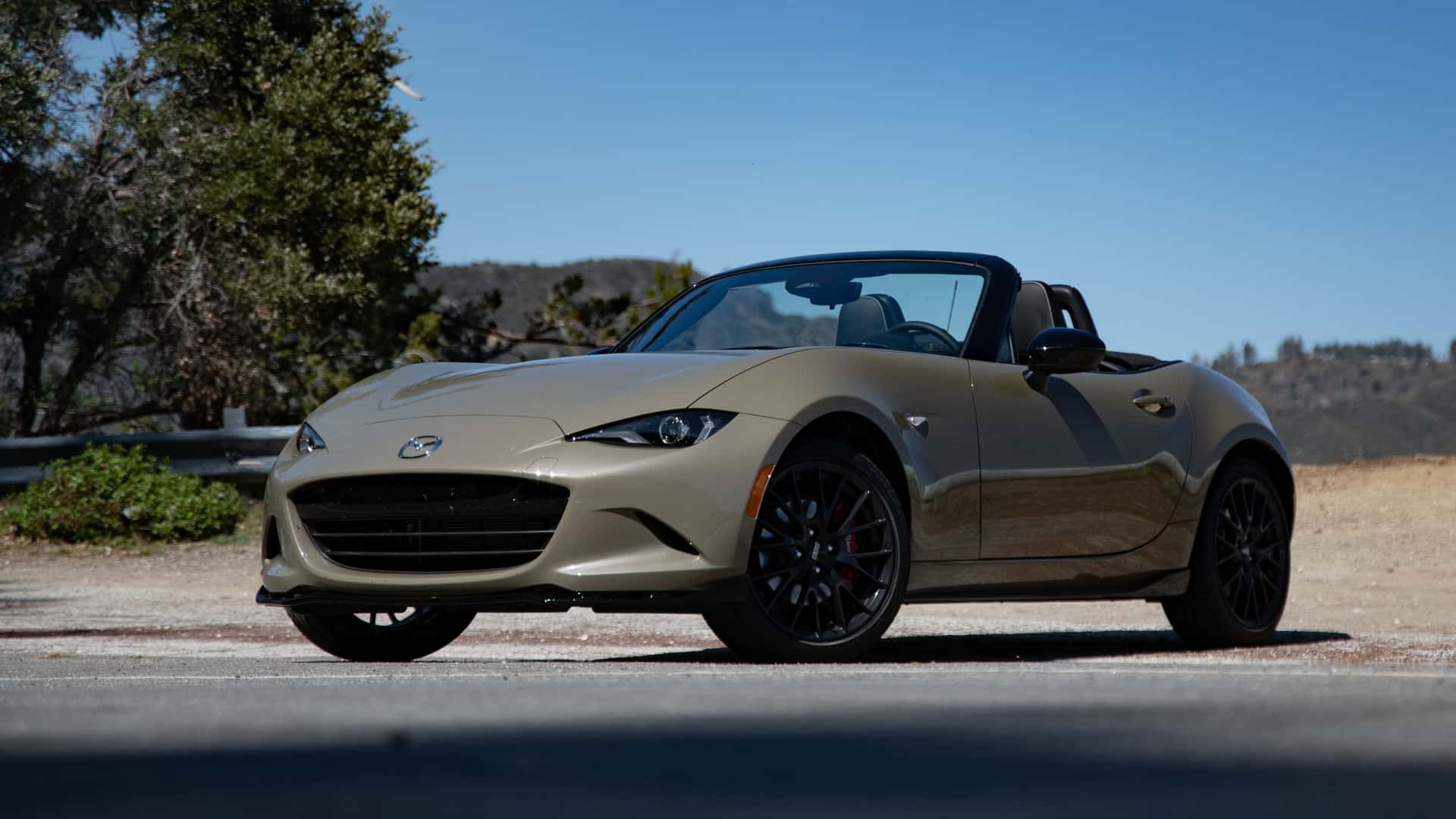
The Mazda MX-5 Miata is known for being a lightweight, fun-to-drive roadster, but it also has a hidden strength: it rarely suffers from exhaust system issues. Mazda’s commitment to mechanical simplicity plays a big role here.
Unlike larger performance cars that use complex, high-pressure exhaust systems to support turbocharged engines, the Miata keeps things naturally aspirated and balanced.
Its smaller engine outputs a moderate amount of power, which places far less thermal and mechanical stress on the exhaust system. As a result, the exhaust components remain intact and fully functional for many years, even with spirited driving.
Another factor in the Miata’s exhaust durability is the vehicle’s lightweight chassis. Weighing far less than most sedans or SUVs, the car creates less strain on its underbody as a whole.
The lighter mass means that when the car goes over bumps or rough roads, the stress transferred to the exhaust system is significantly reduced.
Over time, this results in less fatigue on welded joints and mounting brackets, which are often weak points in heavier vehicles.
Also, because the Miata has a low center of gravity and near-perfect weight distribution, the exhaust system doesn’t suffer from the kinds of torque-related vibrations and twisting that can wear out mounts and connectors in less balanced cars.
Mazda’s quality control and choice of materials for the Miata’s exhaust system are also worth noting. While it’s not a luxury vehicle, Mazda treats the MX-5 like a flagship model due to its iconic status. The company doesn’t cut corners here, opting for stainless steel exhaust pipes and well-insulated mufflers.
The layout is clean, the bends are smooth to minimize airflow restriction, and few overly complex components could become failure points.
This kind of thoughtful, no-nonsense engineering means there’s less chance for leaks, rust, or noise problems to develop over time. It also simplifies any maintenance that does become necessary.
One of the most telling indicators of the Miata’s exhaust reliability is the massive community of enthusiasts who modify their cars.
While many owners do upgrade the exhaust for performance or sound, it’s rarely because of failures. The factory system holds up well enough that owners often keep it in place for over 100,000 miles without issue.
For those who choose to keep the vehicle stock, it’s common to see a decade or more pass before any exhaust components need to be touched. That kind of resilience, in a vehicle that often sees spirited driving, speaks volumes about the robustness of Mazda’s design.
Also Read: 12 Cars That Still Run Strong Despite Being Laughed At
6. Honda Accord
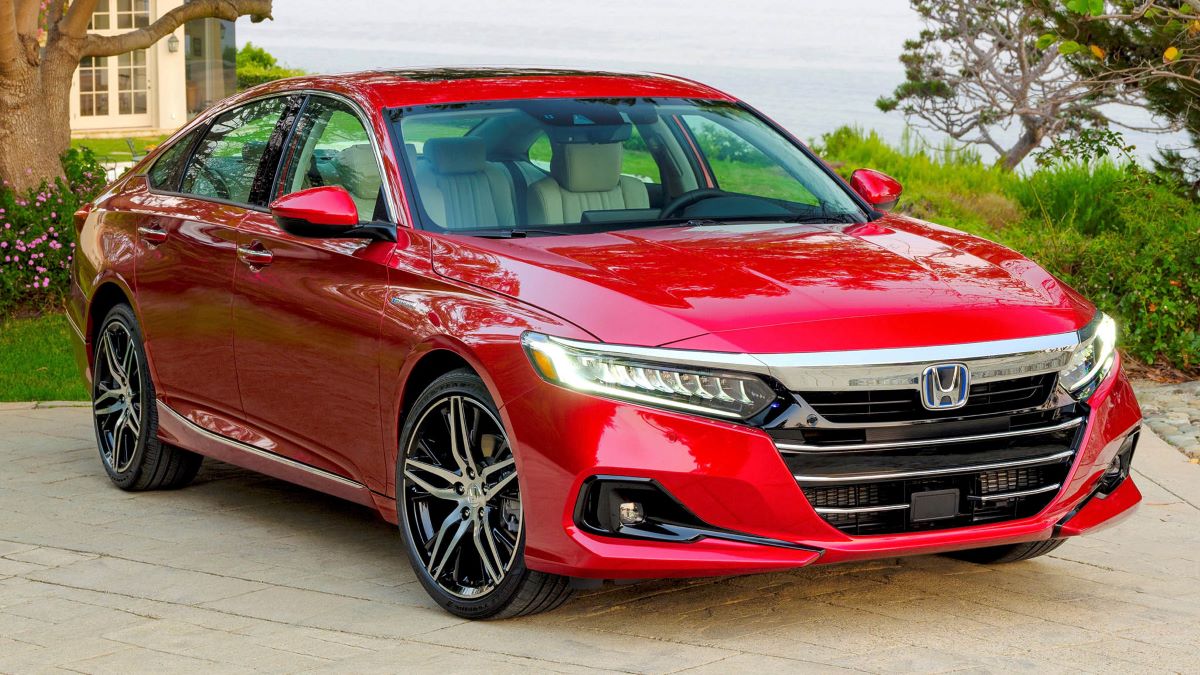
The Honda Accord has long been seen as one of the most well-rounded vehicles on the road. It’s comfortable, efficient, and engineered for longevity.
What’s less frequently discussed, however, is the durability of its exhaust system. Like its sibling, the Civic, the Accord benefits from Honda’s use of high-grade materials and thoughtful design.
However, because the Accord is often equipped with slightly more powerful engines, it faces higher demands on the exhaust system. Yet it still holds up exceptionally well, largely due to Honda’s extensive testing and conservative tuning.
The exhaust system on the Accord is usually made from aluminized or stainless steel, which significantly resists corrosion.
These materials are especially helpful in resisting the effects of moisture, salt, and heat cycles that can otherwise degrade exhaust pipes and mufflers quickly.
Honda also tends to use heat shields and protective coatings that prevent the buildup of road grime and protect vulnerable components from damage. The result is a system that stays cleaner and stronger, even in climates that are tough on cars.
Owners who keep up with regular maintenance, such as oil changes and replacing air filters, tend to find that their Accord needs very little attention in terms of exhaust care. Many drivers report reaching 150,000 to 200,000 miles without replacing even a single exhaust component.
When issues do occur, they are usually related to sensors or gaskets rather than major parts like catalytic converters or mufflers.
These minor issues are easy and inexpensive to fix, especially when caught early. And because Honda has designed the system to be easy to access, repairs are straightforward for most mechanics.
Honda’s reputation for long-term quality isn’t just a marketing strategy, it’s reflected in how the car holds up over years of ownership.
With the Accord, you get a mid-size sedan that doesn’t require special treatment but still manages to avoid the exhaust problems that are common in many similarly priced vehicles.
It’s not just about materials or design; it’s the combination of smart engineering choices and practical decisions that contribute to the Accord’s track record of minimal exhaust failures.
7. Toyota Camry
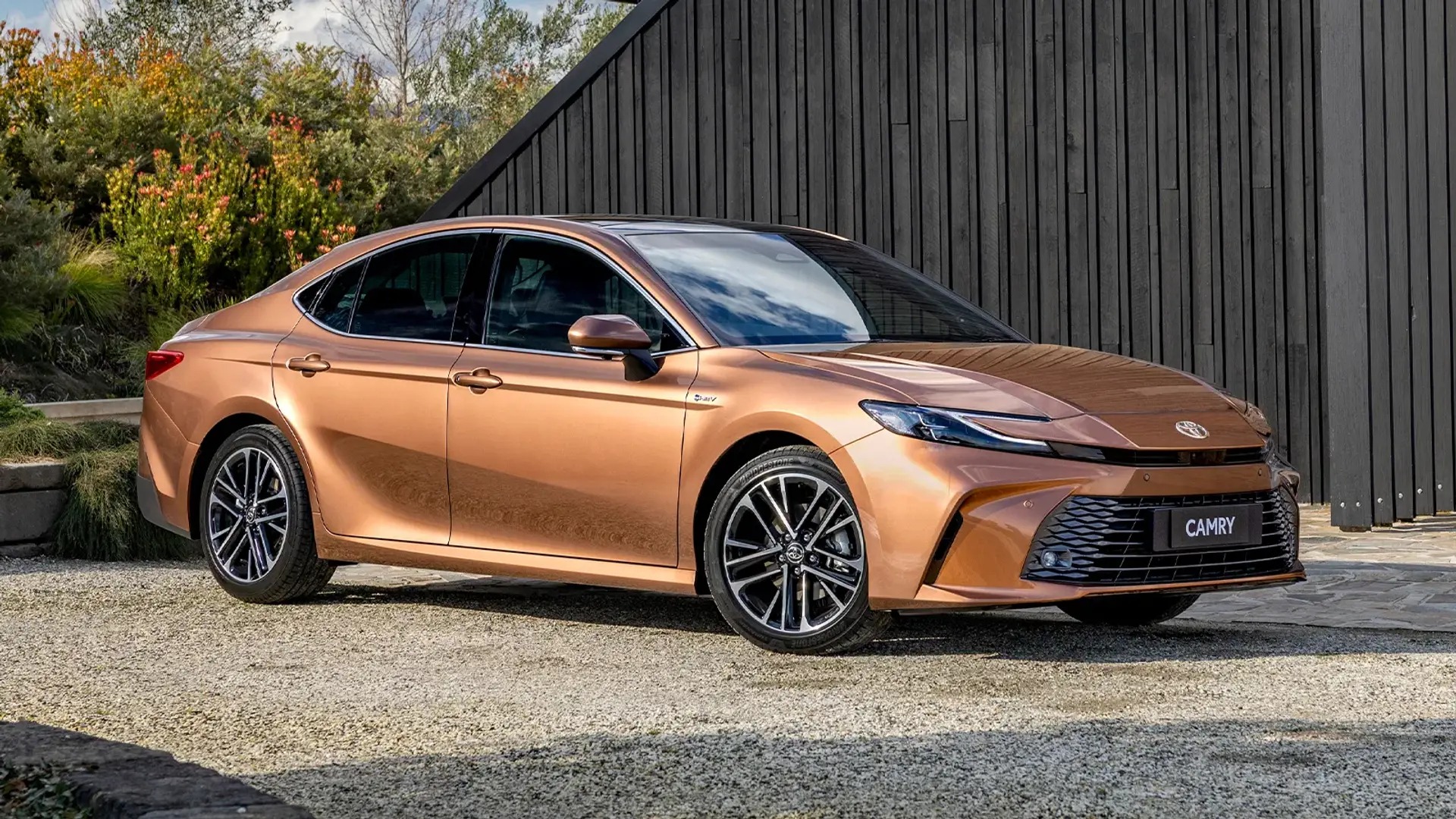
The Toyota Camry, like the Corolla, is known for its reliability, but it also performs exceptionally well in the specific area of exhaust system longevity.
Sharing its platform with the Lexus ES, the Camry benefits from some of the same high-quality components and thoughtful design practices, just at a more accessible price point.
Toyota’s focus on efficient and long-lasting engineering means that the Camry’s exhaust components are built with durability in mind from the start. Everything from the catalytic converter to the tailpipe is designed to last well beyond the standard warranty period.
One major advantage the Camry has is its conservative engine tuning. Whether you opt for the 4-cylinder or the V6 version, the engines are built for consistent output rather than high-revving power.
This translates to lower average exhaust temperatures and smoother operation, which reduces long-term wear on the exhaust system.
The result is fewer hot spots, less vibration, and significantly lower chances of premature failure. Toyota’s choice to keep the powertrain steady and reliable instead of pushing aggressive output levels pays off in the durability of systems like the exhaust.
The Camry also scores points for its smart use of space. The exhaust system is routed in a way that avoids vulnerable underbody areas while also maintaining efficient gas flow. This means it’s less likely to suffer physical damage from speed bumps, road debris, or curb impacts.
Furthermore, the mounting brackets and joints are reinforced and spaced for maximum support, which reduces the likelihood of rattling, sagging, or stress cracks. Combined with stainless steel components in key areas, the Camry’s exhaust system is able to hold up under a wide variety of road and climate conditions.
In long-term ownership reviews, it’s common to find Camrys with over 200,000 miles that still have their original exhaust components intact.
Even in snowy regions where salt can wreak havoc on underbody systems, the Camry remains one of the vehicles least likely to need major exhaust repairs.
This makes it a practical choice for buyers who want not just reliability but peace of mind in knowing that they won’t be facing exhaust-related issues every few years.
8. Hyundai Elantra
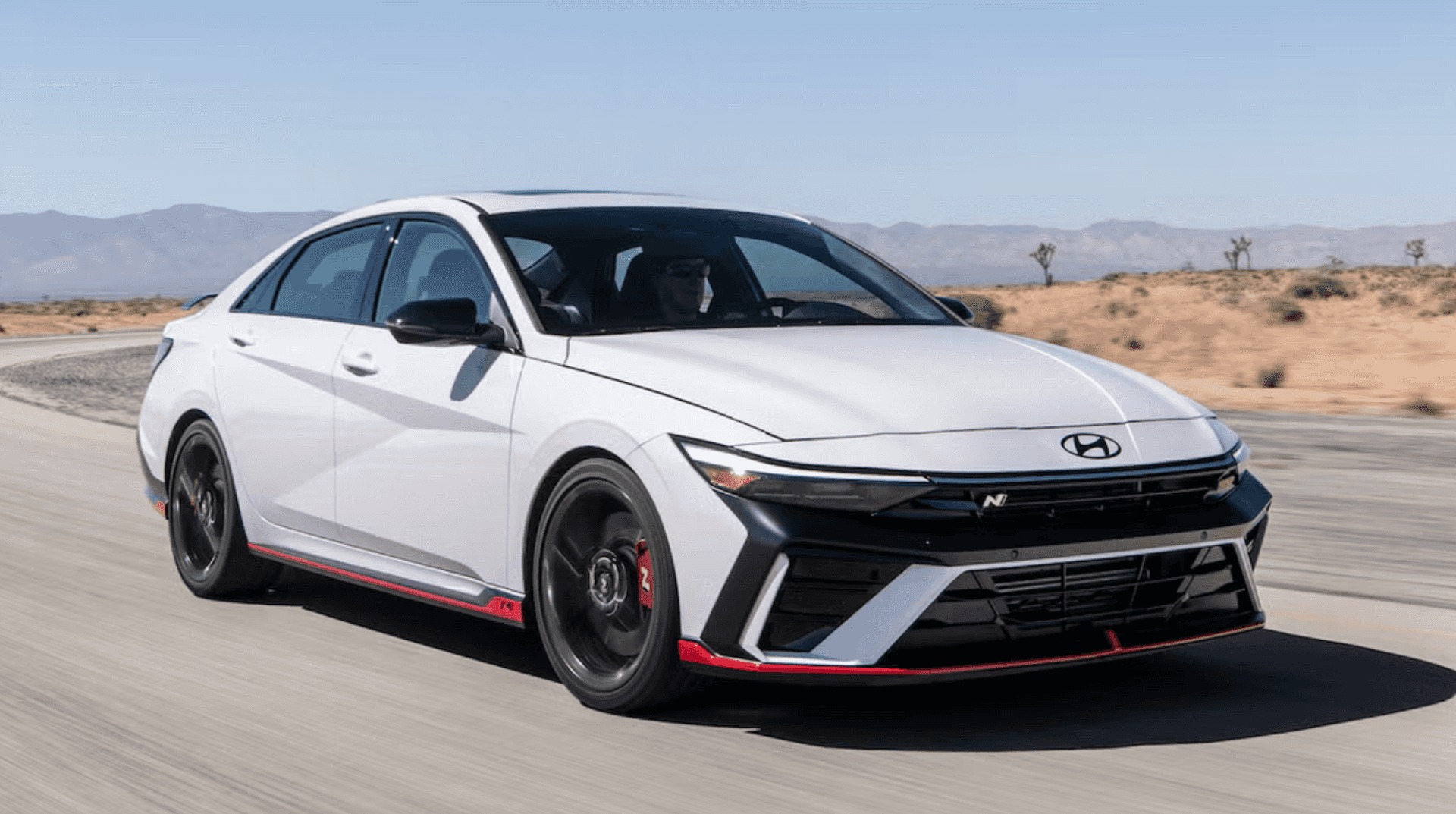
The Hyundai Elantra may not have the decades-long reliability reputation of brands like Toyota or Honda, but in recent years, it has emerged as a surprisingly durable choice, especially regarding its exhaust system. Hyundai has invested significantly in quality improvements across its lineup, and the Elantra is a prime example of how that investment has paid off.
The newer generation Elantras are particularly well-built in terms of exhaust layout and material selection, which has led to fewer reported issues and reduced long-term maintenance.
One of the key features that sets the Elantra apart is its use of anti-corrosion coatings and upgraded heat shields on the exhaust system. These features are usually reserved for more premium vehicles, but Hyundai has incorporated them into the Elantra’s design to great effect.
These shields and coatings do more than just protect the system from environmental damage; they help maintain consistent operating temperatures and prevent hotspots that can lead to cracks or premature failure. As a result, even in areas with harsh weather conditions, the Elantra holds up better than many vehicles in its class.
Another point in the Elantra’s favor is its relatively simple engine architecture. Like the Civic and Corolla, it avoids excessive complexity in favor of dependability. The engine isn’t overly turbocharged or high-strung, meaning exhaust gas temperatures are kept within manageable levels.
This has a direct impact on how long catalytic converters, oxygen sensors, and mufflers last. Combined with its compact size and efficient design, the Elantra keeps stress on the exhaust system low, which in turn extends component life and lowers the risk of major repair costs.
Finally, Hyundai’s modern manufacturing processes and tighter quality controls mean that the Elantra is less likely to suffer from factory defects or premature part failures. Unlike earlier generations, where exhaust rust and failures were somewhat common, the newer models reflect a shift toward durability and value.
This has been backed up by warranty data and customer feedback, where complaints about exhaust problems have significantly decreased. For budget-conscious drivers looking for a low-maintenance daily vehicle, the Elantra stands out as a strong, often underrated choice.
9. Ford Fusion (Naturally Aspirated Models)
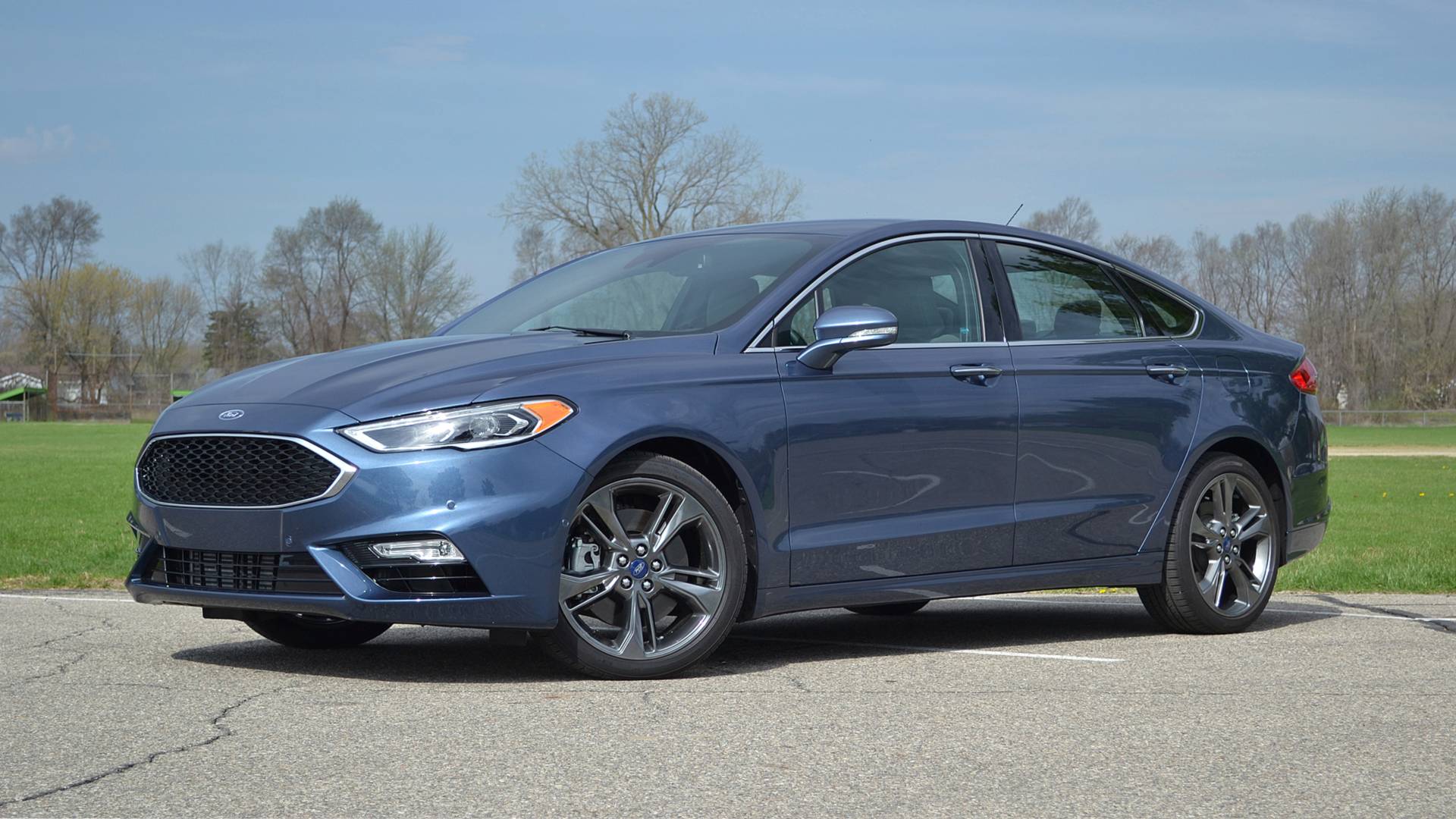
The Ford Fusion, particularly the naturally aspirated (non-turbocharged) models, has proven itself as a dependable mid-size sedan with a surprisingly resilient exhaust system.
While turbocharged versions of the Fusion may introduce additional heat and pressure that can increase wear on exhaust components, the naturally aspirated models offer a simpler, more stable configuration.
These versions avoid many of the high-temperature stress points that often lead to issues like catalytic converter failure, gasket leaks, or muffler corrosion. Ford’s use of sturdy materials and smart undercarriage design further reduces the chance of early exhaust failure.
One of the standout features of the Fusion’s exhaust system is its balanced layout. The routing of the pipes is clean and minimally exposed, which helps protect the system from damage caused by road debris or contact with curbs and steep driveways.
Additionally, Ford uses reinforced exhaust hangers and heat shields to ensure stability and reduce vibration. These small details add up over time, especially for owners who keep their cars for many years. The layout also allows for good airflow, which benefits both performance and long-term reliability.
Another reason the Fusion performs well in this area is the vehicle’s moderate power output and steady driving characteristics.
The engine’s tuning is aimed more toward comfort and fuel economy than aggressive performance. As a result, the exhaust system doesn’t face rapid cycles of heating and cooling, which can cause metal fatigue or cracking.
With consistent, predictable use, the materials age more gracefully. Even in regions with cold winters or humid conditions, the Fusion tends to avoid the rapid rust buildup that can plague exhaust systems on other vehicles.
Owners of the Fusion often report few issues with exhaust components, even after 150,000 miles. When problems do arise, they’re typically limited to wear items like gaskets or sensors rather than failures of the main pipes or mufflers.
The parts themselves are also relatively inexpensive and widely available, making repairs quick and affordable. For a vehicle that’s not typically marketed for its longevity, the Ford Fusion’s exhaust durability is a pleasant surprise and a strong point in its favor.
10. Chevrolet Impala
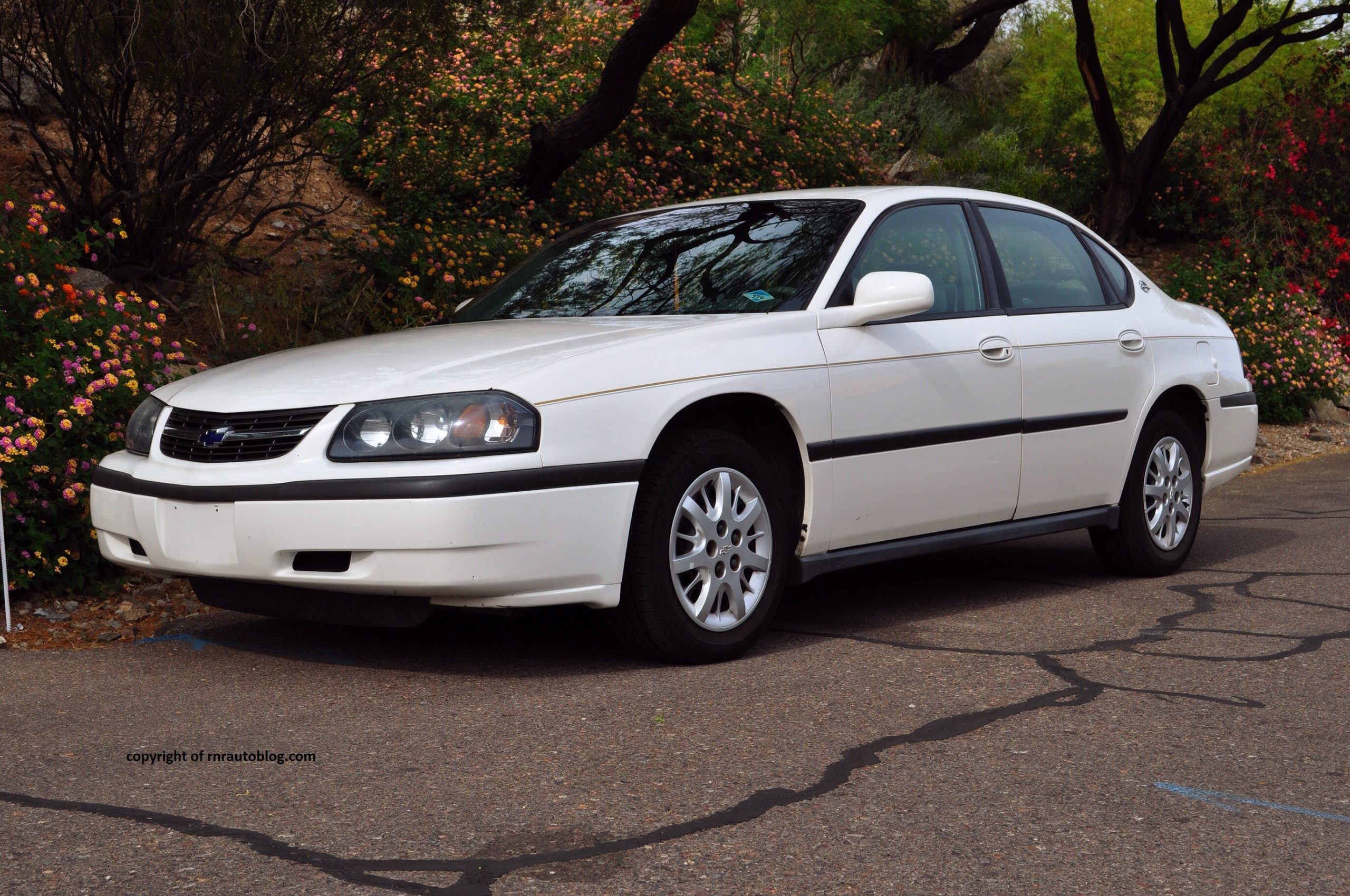
The Chevrolet Impala, especially models from the last decade before its discontinuation, offers solid performance, roomy comfort, and unexpected durability in key mechanical systems, including the exhaust.
Designed with a large, naturally aspirated V6 engine and a heavy-duty platform, the Impala strikes a balance between power and longevity.
General Motors engineered this vehicle to appeal to both families and fleet buyers, which meant designing for long-term use and minimizing costly repairs. The result is an exhaust system that holds up well over time, especially when compared to more performance-oriented vehicles in its class.
A key advantage of the Impala is the underbody protection built into the vehicle. The exhaust system is tucked high within the chassis, reducing its exposure to road hazards like ice chunks, pothole debris, or gravel. The car also features heavy-duty brackets and mounts that keep the pipes securely in place, limiting wear due to movement and vibration.
Because of this secure placement, issues like cracked joints or dislodged components are far less common than in lighter or sportier vehicles. Even in high-mileage fleet service, many Impalas reach well over 200,000 miles without requiring major exhaust system work.
Another important point is that Chevrolet used corrosion-resistant materials in the key components of the Impala’s exhaust system. Stainless steel is standard for the main exhaust piping and muffler, and anti-rust coatings are used in areas prone to moisture.
This is particularly important for buyers in northern climates, where winter road salt often eats away at exhaust systems. The Impala’s components tend to resist surface rust longer than average, and even when visible rust appears, it’s typically cosmetic rather than structural.
The Impala’s exhaust reliability also benefits from the simplicity of its powertrain. The V6 engine used in most models doesn’t generate excessive exhaust heat or pressure, which reduces wear on the catalytic converter and oxygen sensors.
Additionally, the larger displacement allows the engine to maintain performance without overexertion, unlike smaller turbocharged engines that must work harder to deliver the same power.
