
Many drivers have long accepted that as mileage climbs, so do the creaks, rattles, and mechanical groans. Yet for certain SUVs, that does not hold true.
It is possible to find sport‑utility vehicles which manage to remain quiet, smooth, and surprisingly refined long after many thousands of miles.
That quality depends on build quality, materials, engineering tolerances, sound insulation, and maintenance, among other things.
Over years of driving, suspension bushings deteriorate, exhaust systems rust, seals leak, and interior joinery loosens. That makes the achievement of long‑term quietness in a high‑mileage SUV all the more impressive.
This article looks at eight SUV models which have a strong reputation among owners and reviewers for maintaining low cabin noise even with high odometer readings. Some are luxury models, others more mainstream.
All share design choices that reduce wind, road, and mechanical noise: thick door seals, rigid body structures, acoustic glass, robust engines with smooth power delivery, and drivetrain components engineered for longevity.
Each model has had reports from users living with them for over a hundred thousand miles, often more, where the ride remains composed and the sounds minimal. I examine what makes each SUV quieter than most, where the weak points can lie, and what maintenance practices help retain the silence.
Whether someone is shopping for an SUV that will still be pleasant on long drives after years of use, or simply curious about what makes quiet cars, this guide will inform. Here are eight SUVs that stay quiet even with high mileage.
Also Read: 10 Classic Pickups That Refuse to Die Offering Unmatched Endurance
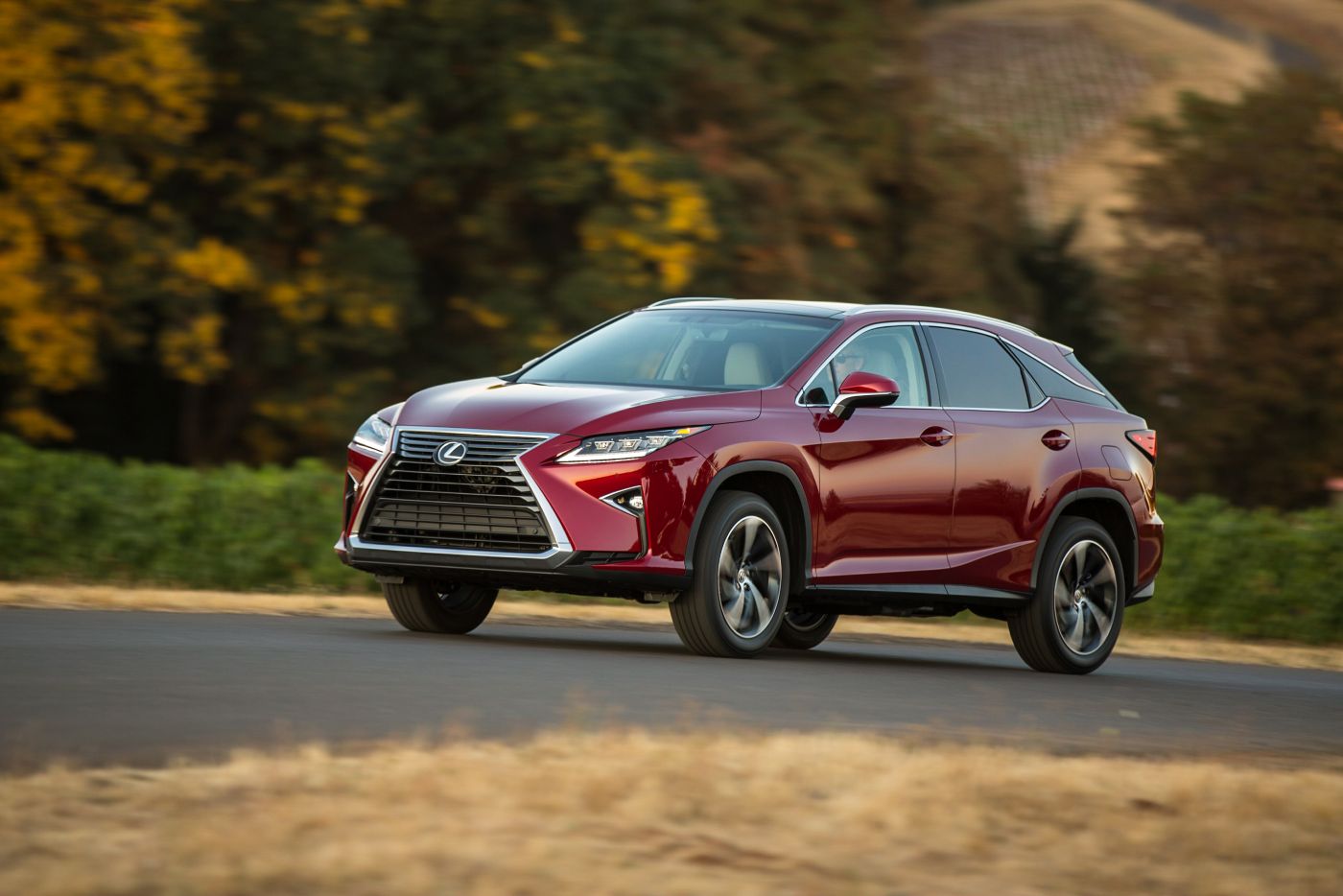
1. Lexus RX
The Lexus RX has long been commended by owners for its almost hushed interior, even with aging.
From its first generations through its more recent redesigns, the RX uses thick sound‑deadening materials in doors, floor, and roof, which help block wind and road noise.
Engine mounts tend to be robust, and vibration is well managed. Even as the suspension components age, many owners report that the ride remains composed.
Bushings may eventually degrade, but Lexus uses durable rubber compounds that withstand many tens of thousands of miles before noticeable squeaks set in.
Another factor is the powertrain. The RX often comes with smooth V6 or hybrid powertrains, which run quietly under load as well as at cruise.
Hybrid versions add motors that compensate for engine lag, which reduces harshness during acceleration. The hybrid system also allows frequent engine‑off cruising at low speeds or in traffic, which cuts mechanical noise.
With proper maintenance of the battery system and wiring, hybrids of the RX manage to avoid issues that sometimes plague other makes. Regular oil changes and attention to air filters help prevent the engine from becoming noisier due to age.
Cabin design further contributes. The cabin of the RX typically has minimal squeaks even after doors and panels see years of opening, closing, and vibration.
Good fit‑and‑finish of plastic panels, tight tolerances in door seals and latches, and quality insulation under carpets help suppress noise.
Windows and wind noise are reduced by careful sealing around frames. Many older RX owners say that even at highway speeds the interior remains quiet, with little interference from wind buffeting or road splash.
Maintenance plays a large role. Even the quietest SUV will not stay silent if neglect allows loose trim, deteriorated seals, or worn suspension joints.
In the case of the RX, replacing worn strut mount bearings, keeping chassis components greased, and ensuring tires are balanced and replaced with similar acoustic standards helps.
Also, choosing quieter tires rather than very aggressive tread patterns goes a long way. For those with high‑mile RX units, attention to exhaust hangers and ensuring exhaust leaks are sealed maintains calm underfoot.
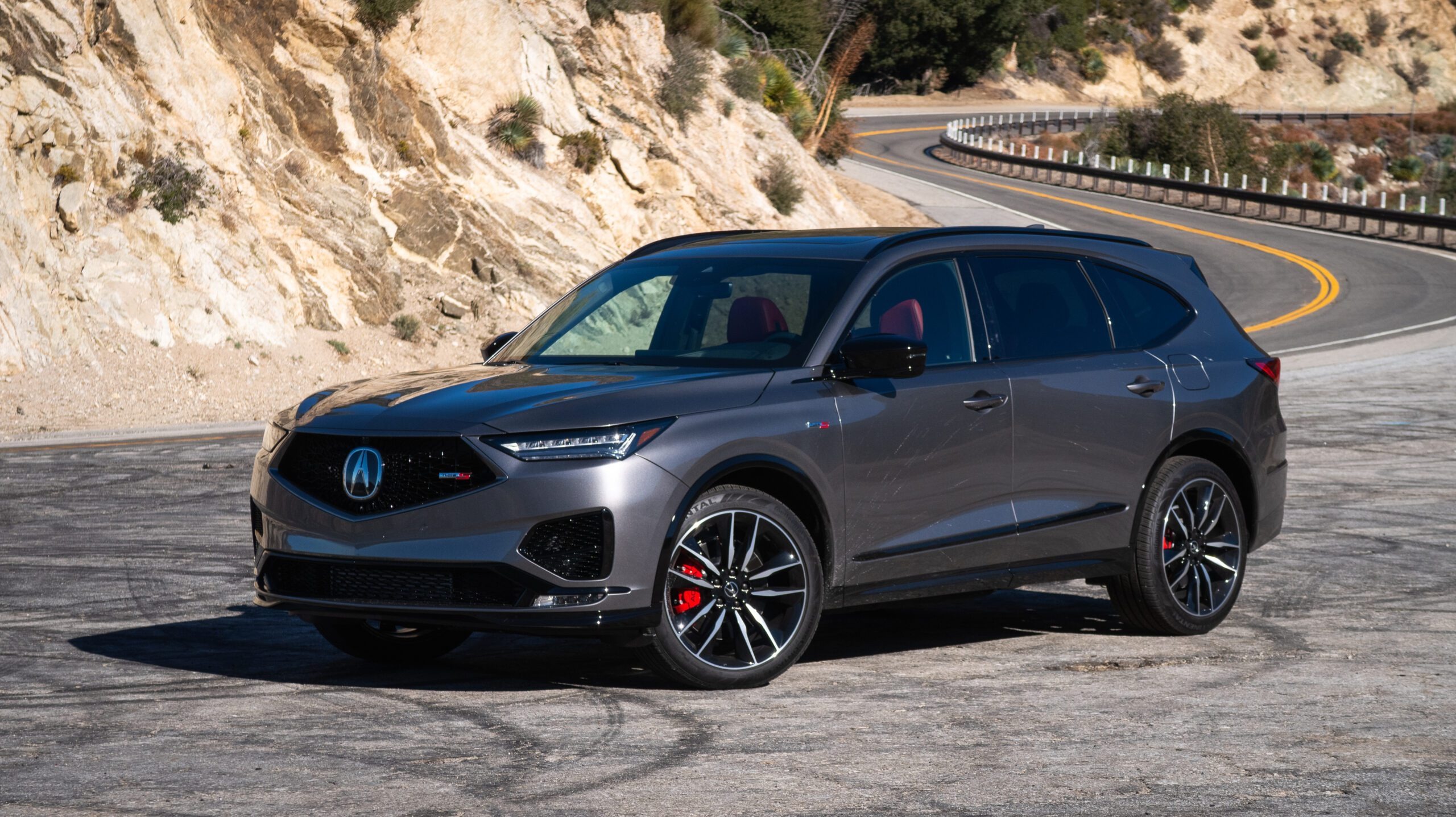
2. Acura MDX
The Acura MDX combines sporty handling with cabin refinement, and many owners report low noise levels even past 150,000 miles. One element is its rigid body structure.
Acura uses high‑strength steel in critical points, reducing flex and vibration. The frame and body attachments are engineered to minimize rattles. As components age, this rigidity helps prevent panels and joints that could begin creaking or vibrating under stress.
The drivetrain of the MDX is engineered for smoothness. V6 engines tend to produce less mechanical harshness than four‑cylinders under heavy loads, and Acura’s engine mounts do a good job isolating structure‑borne noise.
Also, automatic transmissions used in MDXs are typically well calibrated to shift smoothly, reducing jerks or lugs that might cause noise.
The exhaust system tends to be well made, with hangers placed to avoid resonance long term. As long as regular maintenance of the exhaust, including checking for leaks and corrosion, is done, many owners do not notice exhaust roar or whistle even with high miles.
Cabin insulation is another strong point. Acura uses sound‑absorbing insulation in the firewall and floor, with sound barriers between the engine bay and the passenger compartment. Doors are fitted with good seals, and the window fit is precise.
Many MDX users claim that road noise and wind noise are quite muted, even at freeway speeds. Some wear in weather stripping or loose hood latches can introduce noise, but they are parts easy to service or replace.
Finally, the suspension and chassis components matter. The MDX tends to use well‑damped shocks and springs. Over time, shocks may soften, but the design means that failure is often gradual rather than sudden.
Control arm bushings and sway bar links are built to last, and many owners report minimal squeaks even deep into old age.
Tires are important: replacing them with quality touring tires helps retain quiet. Ensuring alignment remains correct reduces vibration through steering components. Routine checks and addressing of minor noise sources early help preserve the peaceful ride.

3. Toyota Highlander
The Toyota Highlander is known for reliability, but also for retaining cabin quietness even after many miles.
One reason is that its powertrains, particularly the V6 and increasingly the hybrid options, are engineered for smooth operation. They do not rev harshly, torque delivery is steady, and vibration control is good.
The hybrid models give extra benefit because at low speeds or steady highway travel, the gasoline engine may shut off, greatly reducing engine buzz. Toyota’s use of chain timing in many engines avoids the rattling noise some belt‑driven systems can develop when old.
Another reason is that Highlander’s body is designed to suppress noise. Sound-dampening material is used under the hood, in doors, and in floorboards. Roof rails and roof edges are crafted to avoid wind buffeting.
Weather stripping is durable, able to stay tight even with the constant expansion and contraction of metal from heat cycles over the years.
Glass quality tends to help: windows are sufficiently thick and properly sealed to reduce wind intrusion. Even after many miles, many owners observe that highway noise is surprisingly controlled.
The suspension and chassis parts are built for durability. Struts, bushings, and bearings used in Highlanders tend to last many miles before failing. The ride remains smooth because shocks are relatively over‑engineered, letting them retain damping qualities longer.
Also, the SUV tends to have a modestly tuned suspension, which favors comfort over sport, meaning less harshness when going over bumps. The steering components are typically tight enough that vibration does not easily enter the cabin.
Maintenance plays a crucial role. Regular oil and filter changes prevent engine wear that could cause mechanical noise.
Ensuring the exhaust system is free of leaks, replacing mufflers or resonators when needed, checking or replacing weather seals, and keeping tires balanced and aligned all contribute. Even high‑mileage Highlanders benefit from this attention, allowing them to stay quiet long past 100,000 miles.
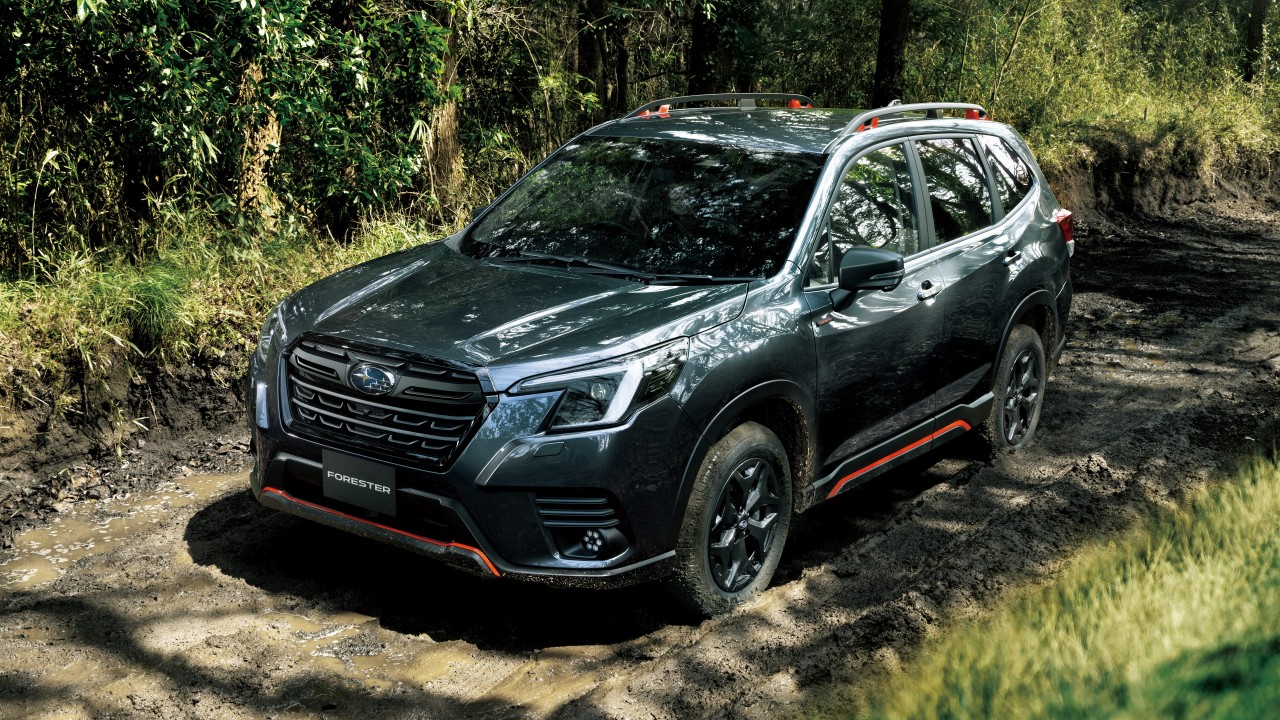
4. Subaru Forester
Subaru Forester is widely praised by its owners for remaining calm and composed, even with high odometer readings. One core strength is the all‑wheel drive system that is engineered for quiet engagement. Subaru designs its drivetrain with careful balancing, reducing vibration from the drivetrain.
Also, the constant motion of all‑wheel drive components means there is less shock from sudden engagement or disengagement, which can otherwise cause noise as parts shift or wear.
Gearboxes and differentials in Foresters are made using sound-absorbing mounts and enclosures such that mechanical whine is kept in check.
The engines used in Foresters tend to be boxer types in older models, which have inherent balance advantages, reducing vibration.
Even though those engines may grow noisier with age because of components like lifters or valvetrain wear, many Subaru owners report that those engines remain smoother than comparable inline four‑cylinders in other SUVs.
Also, Subaru uses effective insulation between the engine bay and the passenger compartment, which helps isolate mechanical sounds. The firewall and hood liners often include sound dampeners, which remain serviceable long term if not soaked or damaged.
A big factor is the sealing of doors and windows. The Forester tends to have tight weather sealing, which helps prevent rain, wind, and highway gusts from entering.
Window frames are engineered to minimize gap distortion under stress. Panel fit‑and‑finish in Foresters tends to be decent, with doors and latch mechanisms holding alignment even after many miles of use. As seals degrade over time, replacing them prevents loss of quietness.
Suspension and chassis durability also matter. Foresters have long‑lasting shocks, durable sway bars, bushings built for resilience, and struts that are relatively easy to service. Even when shocks soften, the ride remains forgiving. That means less bump feedback and fewer rattles from suspension travel.
Maintenance of tires, alignment, and steering joints matters; replacing worn components early helps prevent vibrations and squeaks. Many high‑mileage Foresters continue to provide quiet drives because of these design choices and because owners tend to maintain them well.

5. Honda Pilot
The Honda Pilot has a reputation for solid build, many quiet miles, and dependable ride refinement.
From early production through more recent years, the Pilot has used well‑insulated cabins that suppress wind and road noise. The firewall tends to be well sealed, and the floorboards are insulated sufficiently.
Doors close with a solid thump, and panel gaps are tight. Even when aged, the interior plastic parts are built to resist warping and loose fit. These features help keep out external noise and prevent creaks inside the cabin, even after many years of driving.
Its powertrain also does not generate unnecessary harsh sound under load. The V6 powerplant, in particular, is smooth, and engine vibration is managed with strong mounts. Transmission shifts are usually smooth and well-controlled, especially if fluid changes are kept up.
Exhaust systems in Pilots are designed with durable mufflers and resonators that are durable. Even with large mileages, many owners report no harsh exhaust roar, so long as rust is managed and exhaust joints remain sealed.
The suspension and ride control help reduce feedback from road imperfections. Pilot’s shocks and springs tend to have some compliance, meaning that small bumps are absorbed nicely.
Over time, while shocks may degrade, they do not usually become harsh rapidly. Steering components are usually solid, reducing vibration from the wheels.
Alignment, bushings, and joints left in good condition prevent squeaks, rattles, or vibration from transmitting into the cabin. Many long‑time owners say that even after heavy use, the ride remains smooth and stable.
Maintenance again is essential. Routine attention to tires, keeping them balanced and replaced with low-noise types, helps.
Ensuring wheel bearings and strut mounts stay lubricated and replaced if they wear can avoid hums or groans. Checking exhaust hangers, keeping the muffler in good shape, and replacing weather stripping or door seals when they leak will preserve quietness.
Many Pilot owners attest that with such care, their SUVs remain agreeable, silent companions on long journeys even past 200,000 miles.

6. Volvo XC90
The Volvo XC90 has been known for luxury comfort and refined, quiet ride for many years. One major contributor is its architecture. Volvo uses strong body reinforcements, thick glass, and multi‑layer sealing in doors and windows.
These features block out wind, road spray, and external wind noise more effectively than in some rivals. When these components are maintained, seals are replaced when they fail, windows are aligned properly, tand he cabin remains serene even at high speed or with age.
Engine and drivetrain refinement are part of its design. The XC90 has engines that idle smoothly, shift quietly, and do not vibrate excessively.
Turbo systems or supercharging in some versions add power but are engineered with damping systems, balanced internals, and sound insulation around them.
Hybrid and plug‑in hybrid versions give further benefits: electric assist fills torque gaps, letting the gasoline engine run in smoother ranges, sometimes shut off entirely during low load.
Proper maintenance of these systems, including battery care, sealing, and cooling, keeps the suite from becoming noisy over time.
Interior construction designs favor comfort. Soft touch materials help absorb rather than transmit vibrations.
Trim pieces are solidly fastened. The floor, roof, and firewall use sound-absorbing material. Even climate control system components tend to be engineered for quiet operation, with damped fans and insulated ducts.
Over the years, components like blower motors can wear out, but Volvo tends to use quality parts that endure well. If filters are changed, bearings lubricated where needed, and seals inspected, interior noise remains low.
Suspension and chassis matters too. XC90 uses damping tuned for luxury. Shocks, springs, and bushings are robust. Steering and drivetrain joints are well-engineered to resist introducing vibration. Even with high miles, the suspension tends to sag or soften slowly.
Replacement parts are often of high quality, so when repairs are needed, the replacement does not degrade the quality.
Tire choice is also important; owners replacing original size and selecting touring or grand‑touring tires help maintain low road noise. Proper alignment and keeping wheel bearings maintained reduces hum or vibration.
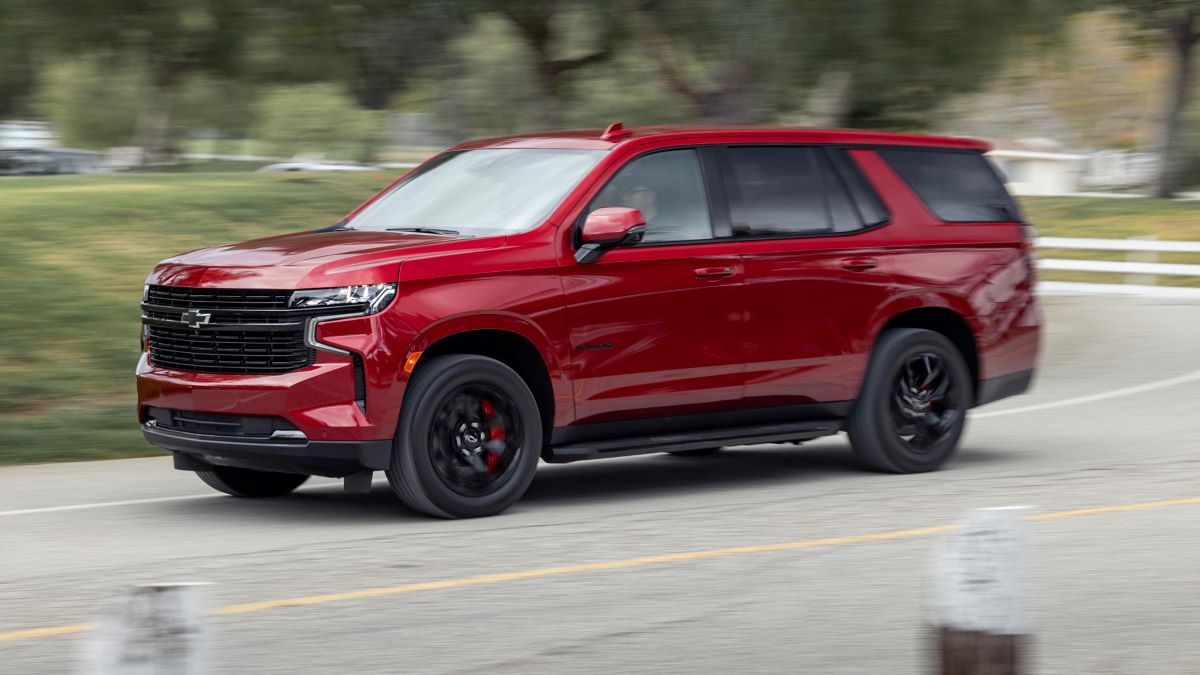
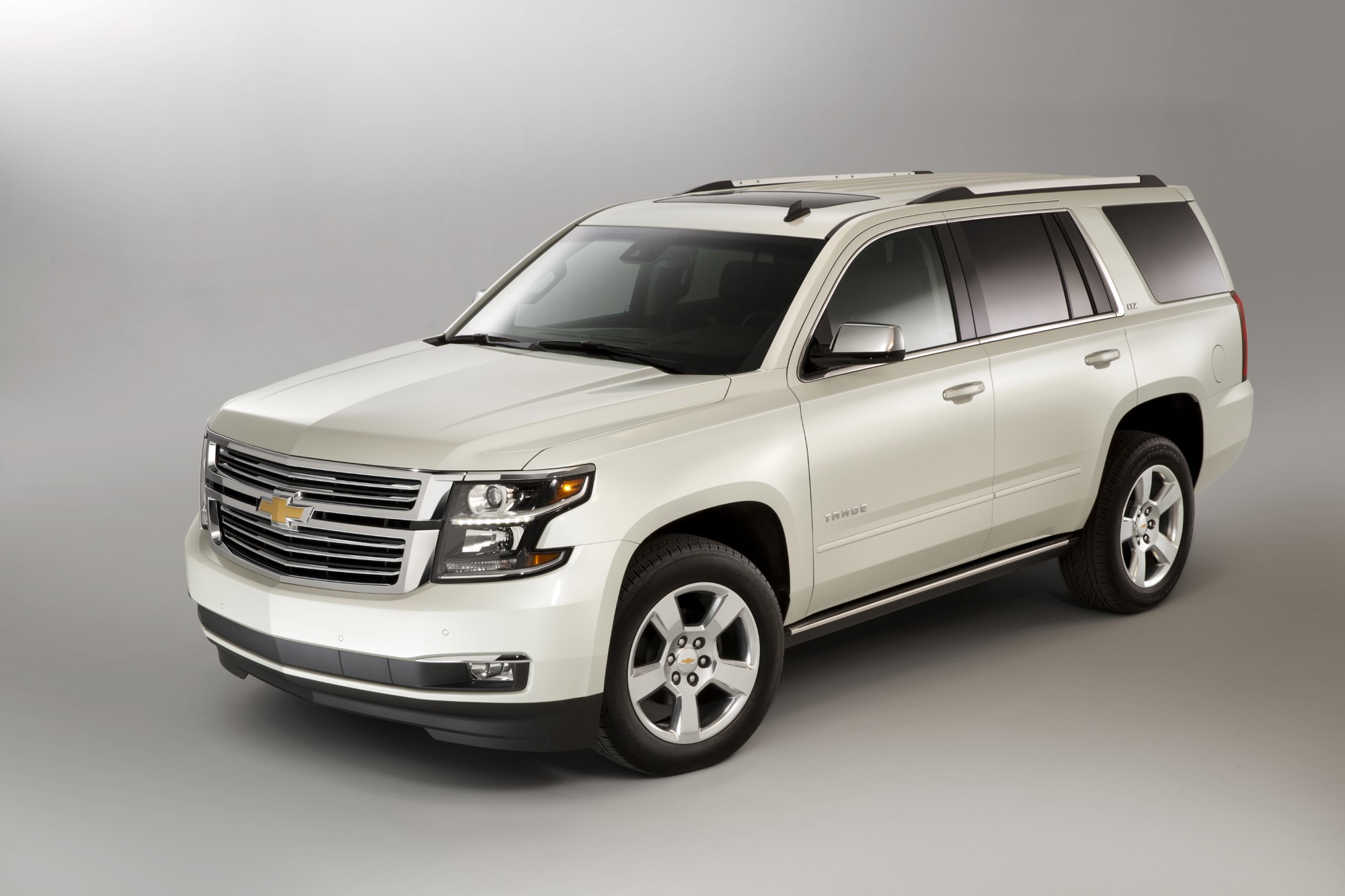
7. Chevrolet Tahoe
The Chevrolet Tahoe is a large SUV that many expect to make noise when heavily used, yet some models remain surprisingly quiet with high mileage. The sheer mass of the Tahoe helps: heavier vehicles tend to damp vibration naturally.
The body‑on‑frame construction, while not always the quietest in new condition, benefits from robust joints and sturdy frame rails. If body mounts and isolation components remain intact, the Tahoe’s structure can resist rattling or twisting that would otherwise introduce noise over time.
Its engines are large displacement V8s or V6s in recent models; those provide torque at low rpm, meaning less need to push the engine high to get moving. Lower RPM under load typically means less engine drone. The exhaust system usually has sizable mufflers and resonators.
If exhaust components are maintained, checking for rust, replacing muffler or pipe sections that corrode, the Tahoe avoids harsh exhaust noise. Also, engine accessories such as alternators or belts, when maintained, do not often become sources of whine or squeal.
Interior sound insulation in newer Tahoe models is much improved. Carpet, under‑floor insulation, door seals, and dash pads are better designed to reduce road and wind noise.
Even after years of exposure to dust, temperature changes, and vibration, the materials tend to hold up; many owners of high-mileage units say that wind noise is still modest. Glass fit and sealing around doors play roles, and where door latches and seals wear, replacing them helps keep the cabin quiet.
The suspension of a Tahoe is designed for load‑carrying and towing, so it tends to have strong components. Shocks, springs, and bushings built for durability help resist getting noisy prematurely. Steering components and wheel bearings also matter.
Keeping them properly lubricated, replacing worn ones, ensuring wheels are balanced and aligned helps reduce road noise and vibration transmission. Owners who preserve those elements find long miles come with a respectable ride rather than creaks and moans.

8. Mazda CX‑9
Mazda CX‑9 is often overlooked when talking about silence, but many owners report that even after high mileage, the CX‑9 remains refined inside. One key is its Skyactiv engineering. The powertrain is designed for smoothness, using strong engine mounts and good insulation.
Even though the engine may show age in minor mechanical sounds, vibration is generally well controlled. The automatic transmission shifts are smooth; many of the internal moving parts are engineered for low friction. As long as fluids are changed and service intervals kept, drivetrain noise tends to remain modest.
Cabin design supports quietness. Mazda invests in acoustic materials, including under‑carpet padding, firewall insulation, and well-sealed doors and windows. The roofline, window glass thickness, and door seals in the CX‑9 help reduce wind noise even at highway speeds.
Panel alignment tends to be precise. Interior plastic parts are built to resist warping or loosening. Even after doors have been opened many times, their closing remains solid. As trim ages, pieces may loosen, but the CX‑9’s design minimizes this via good fit and fasteners.
Suspension design is such that the ride is comfortable rather than harsh. Shocks and springs are tuned to absorb bumps. Over time, shocks may degrade, but the gradual loss of damping tends not to result in increased noise drastically.
Control arm bushings, sway bar links, wheel bearing play, all those components, when kept up, retain their quiet behavior. Mazda’s attention to chassis rigidity also helps reduce vibration paths into the cabin.
Maintenance again is critical. Replacing worn bushings or mounts, keeping exhaust sealed, ensuring tires are replaced with quiet ones, aligning wheels, and checking door and window seals all help to preserve the quietness.
Many CX‑9 users say that after years of ownership, the SUV still feels like cruising in a luxury sedan in terms of noise levels. With a combination of good initial design and consistent care, the CX‑9 stays serene even with high mileage.
Also Read: 10 Pickups That Still Run Great After 300K Miles
One shared theme is materials quality. Thick glass, sound‑absorbing insulation in doors, floor, roof, and firewall tends to make a difference that lasts. If those materials are solid, even after many temperature cycles and exposure, they retain resistance to noise.
Engineered seals and weather stripping around doors and windows matter a great deal. Even a small gap or deteriorated seal allows wind noise or water to create vibrations that amplify into audible disturbances.
Another theme is drivetrain balance and smooth power delivery. Engines and transmissions that operate with minimal harshness place less stress on mounts, less vibration into the body, and less fatigue on components.
Models with hybrid or electric assist tend to have an advantage, especially at low speeds. Smooth shifting transmissions are beneficial, as are strong engine mounts that remain rigid rather than becoming loose or worn.
When these parts stay well-maintained, the level of mechanical whine or booming remains low.
Suspension, chassis, and steering components must be designed for durability. Suspension parts that deteriorate produce noise: shock blow‑backs, bushing squeaks, misaligned or unbalanced wheels. Strong frames or unibody structures that resist flex help prevent interior panel gaps from misaligning.
Also, the design of joints, types of rubber used, lubrication points, and how accessible parts are for maintenance all contribute to staying quiet over time.
Finally, maintenance cannot be overstated. Even the best-engineered SUV will degrade in quietness without care.
Replacing worn seals, keeping tires balanced and rotated, checking exhaust systems, maintaining alignment, servicing engine mounts, watching for looseness in trim or body panels, attention to these details prevents noise with age.
Owners who inspect for small issues rather than wait tend to have SUVs that remain quiet even with very high mileage.
