
When people think about cars, they often focus on style, performance, or technology. But in the taxi world, none of that matters if the vehicle can’t survive hundreds of thousands of miles.
Taxis live a tough life. They’re started and stopped dozens of times a day, driven in extreme heat and cold, spend hours idling in traffic, and carry all kinds of passengers over a variety of road conditions.
The average commuter might put 12,000 to 15,000 miles a year on a car. Taxis, on the other hand, can easily rack up over 100,000 miles per year.
Reaching half a million miles isn’t just impressive; it’s a test of endurance for any vehicle. And yet, there are a handful of cars that have earned their reputation by making it that far without falling apart.
What sets these long-lasting machines apart isn’t magic or marketing hype. It comes down to engineering, simplicity, and solid maintenance. A car that lasts this long doesn’t have to be fancy. In fact, the fancier the car, the more likely it is to suffer from expensive, complicated failures.
What matters is a strong drivetrain, a reliable transmission, and an engine that can go the distance. Most of the vehicles on this list are not luxury models. They’re practical, proven, and easy to fix. That’s why taxi drivers and fleet owners have trusted them for years.
Maintenance plays a big part, of course. A car that receives regular oil changes, inspections, and parts replacement can go much farther than one that’s neglected. But even the best maintenance can’t save a poorly built car. The ones that reach 500,000 miles are designed to take punishment.
They don’t fall apart when the odometer hits six digits. Instead, they keep going with the same engine, sometimes the same transmission, and bodywork that hasn’t turned to rust. These are not just flukes or lucky outliers; they represent what happens when durability is a design goal, not just a byproduct.
This list focuses on eight vehicles that have proven themselves in real taxi service across many cities. These aren’t rumors or internet myths.
Each car here has a track record of going the distance, sometimes far beyond it. Whether it’s a hybrid, a diesel, or a plain old gasoline workhorse, these models have shown what it takes to survive the harsh life of a taxi and still have life left after 500,000 miles.
Also Read: 10 Best SUVs That Still Get Top Dollar at Auction
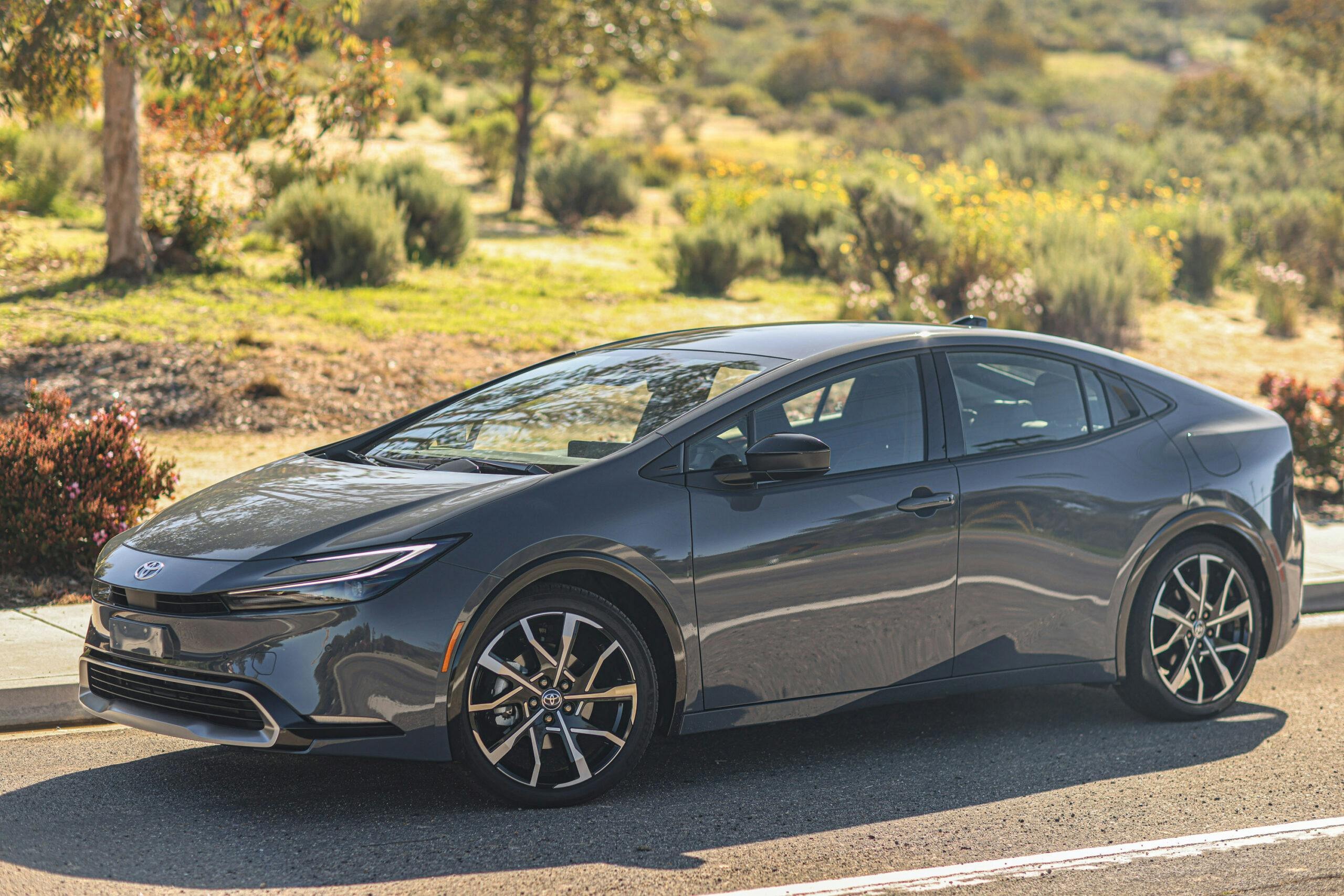
1. Toyota Prius
The Toyota Prius has been a favorite among taxi drivers for more than a decade, especially in urban areas where fuel efficiency and reliability matter more than speed or style. The hybrid system, which was once considered a risk, has turned out to be one of the most dependable technologies in the industry.
In cities like New York and San Francisco, it’s common to see Prius taxis that have racked up well over 400,000 miles and are still on the road. Some even hit the half-million mark without needing a full engine rebuild. The key lies in its simplicity and the reliability of Toyota’s hybrid synergy drive.
One of the main advantages of the Prius is its low operating cost. The gas engine and electric motor work together to reduce wear and tear. While most vehicles idle at red lights or in traffic, wasting fuel and stressing the engine, the Prius often shuts the gas engine off entirely.
That means less engine time, even though the odometer keeps climbing. It also helps that the regenerative braking system reduces brake wear, another frequent maintenance point in taxis.
Many mechanics who work on high-mileage Priuses report minimal engine issues even at extremely high mileage. While batteries do eventually need replacement, they often last longer than expected. In some cases, the original battery lasts 300,000 miles or more.
Replacement costs have also dropped over the years, making it less of a financial burden when it does need to be done. Combined with its roomy interior and comfortable ride, it’s no surprise that this car remains a go-to choice.
The Prius also benefits from being widely supported by Toyota’s global parts network. That makes it easy to find replacement parts quickly and at reasonable prices.
For taxi operators, downtime equals lost income, and the Prius minimizes both repair time and cost. With proper upkeep, it’s one of the few hybrids that can legitimately reach the half-million-mile club and still keep running with daily use.
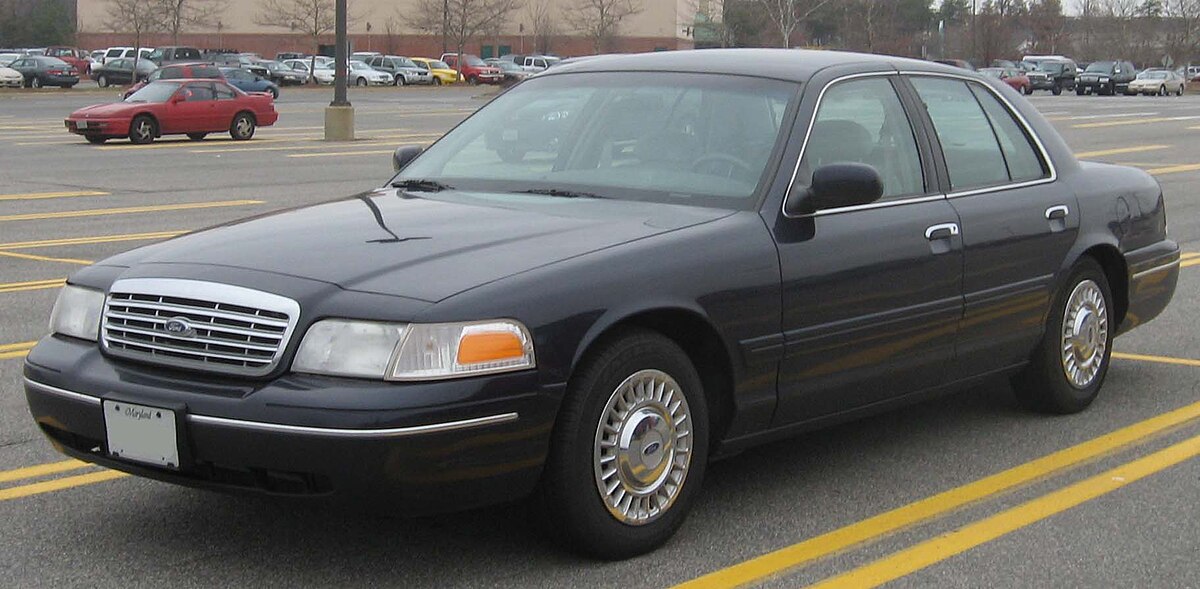
2. Ford Crown Victoria
The Ford Crown Victoria is a legend in the taxi and police world for good reason. Built like a tank with a body-on-frame design, it was the default choice for fleets for decades. Many Crown Vics have reached the 500,000-mile milestone, often without an engine swap.
While it was discontinued in 2011, many units remain in service, especially in smaller towns and rural areas where durability matters more than age. The 4.6-liter V8 engine is under-stressed and built to last, and the transmission is equally strong.
The rear-wheel-drive layout makes it easy to service and repair, which is critical for a vehicle expected to be on the road almost nonstop.
Many of the components on the Crown Vic are shared across Ford’s fleet vehicles, which means parts are not only affordable but easy to find. For fleet owners, this reduces both costs and headaches. The car’s layout also makes it easier to work on than newer front-wheel-drive cars with cramped engine bays.
Its ride quality is surprisingly smooth, especially on rough city streets. The soft suspension soaks up bumps and potholes better than most modern sedans.
It’s not a sports car by any means, but for passengers and drivers spending hours on the road, comfort matters. The interior is basic but spacious, and the large trunk easily fits luggage, making it ideal for airport runs and long shifts.
Although it lacks modern features like advanced driver assistance or infotainment, the Crown Vic was never about luxury. Its value lies in being a tough, no-nonsense machine that can handle abuse day in and day out.
Many drivers report minimal issues even as the odometer rolls past half a million. If properly maintained, it’s not unusual for a Crown Vic to keep going long after others have been scrapped.
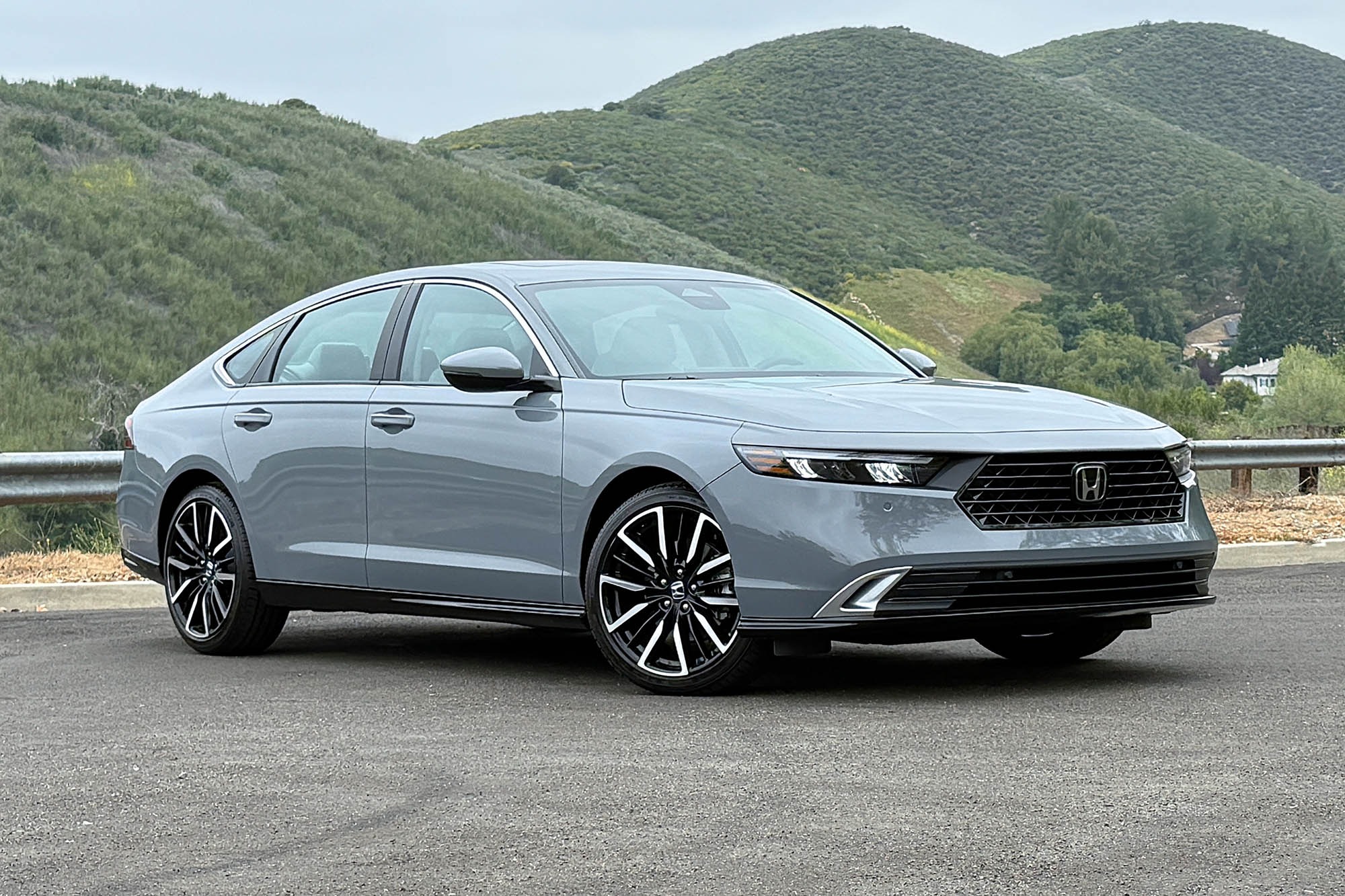
3. Honda Accord
The Honda Accord is another vehicle that frequently makes the list of long-lasting cars, and for good reason. Known for its solid build quality and refined engine, the Accord has quietly earned a reputation for lasting well beyond 300,000 miles in taxi service.
In some regions, it’s not uncommon to see models that have cleared the 500,000-mile hurdle with the original drivetrain still in place. This makes it a favorite among independent drivers who need something reliable without paying luxury prices.
The Accord’s four-cylinder engines, especially the older naturally aspirated ones, are known to be extremely durable. Honda engineers have consistently focused on precision and quality, which shows in the engine’s longevity. The transmissions, both automatic and manual, are also more resilient than many competitors in the same price range.
Combined with a lighter chassis and high-quality suspension components, the Accord can handle long distances without becoming sloppy or unpredictable.
One of the other strengths of the Accord is its balance between performance and efficiency. While it doesn’t offer the highest miles per gallon, it does provide solid fuel economy without sacrificing drivability.
This balance is important in the taxi world, where both fuel cost and driver fatigue are major factors. The Accord’s comfortable seats, quiet cabin, and responsive handling make it less tiring to drive over long shifts.
Honda’s reputation for parts availability and ease of maintenance helps keep older Accords on the road. Many taxi operators report being able to do basic repairs themselves or having access to low-cost mechanics familiar with the platform.
Whether it’s a simple oil change or a timing belt replacement, the Accord is straightforward to service. This simplicity, paired with excellent reliability, helps it reach high mileages without draining the owner’s wallet.
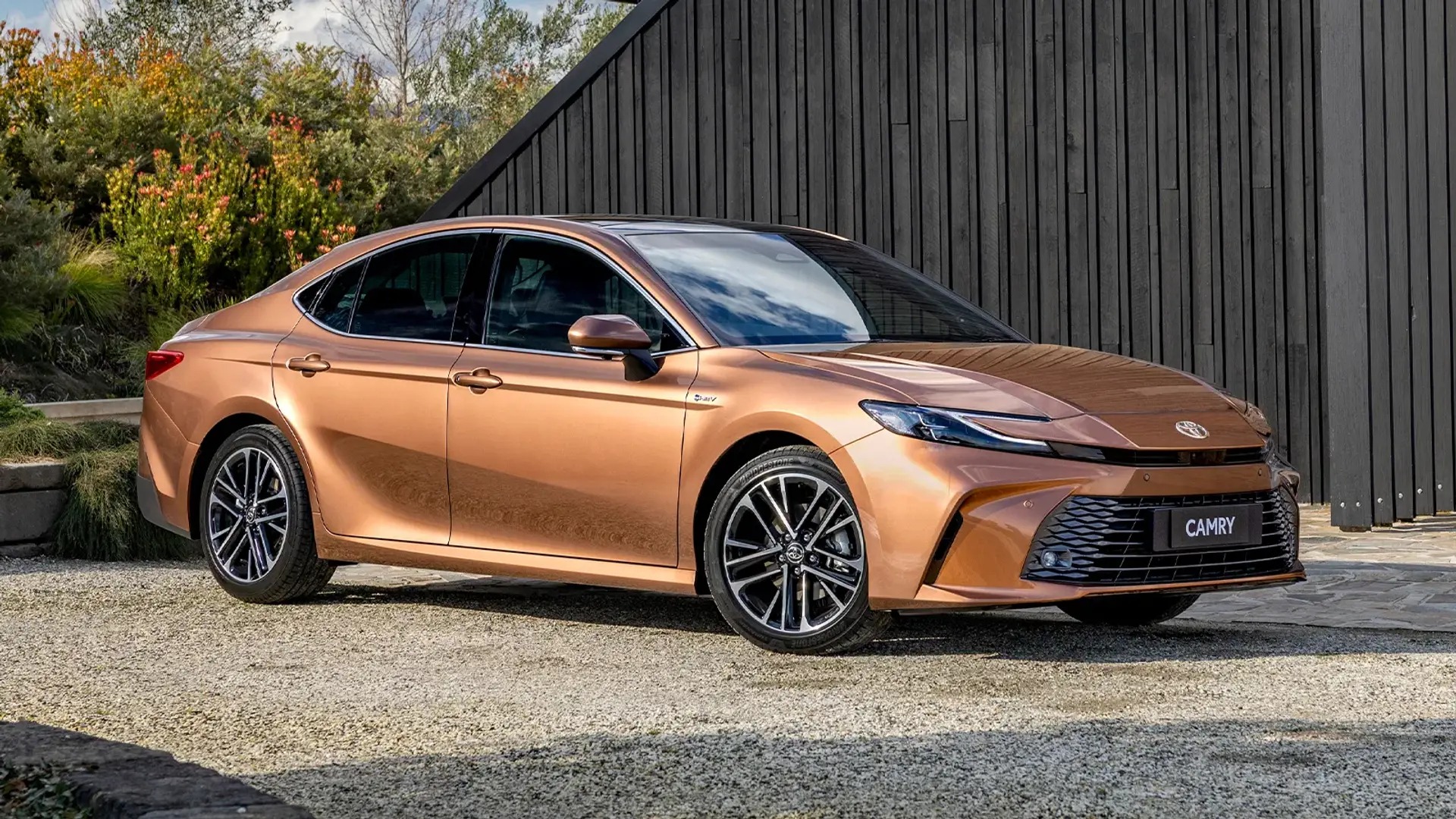
4. Toyota Camry
The Toyota Camry has built its reputation on consistency, and when it comes to surviving half a million miles in a taxi role, that reputation holds. From the early 2000s models to more recent generations, the Camry has been a steady presence in taxi fleets across North America, Australia, and parts of Asia.
Known for its bulletproof engines and smooth ride, this midsize sedan offers a compelling combination of reliability, comfort, and economy. The 2.4-liter and 2.5-liter four-cylinder engines, in particular, are widely regarded as some of the most dependable in the industry.
Many drivers have reported minimal engine issues, even after crossing the 400,000-mile mark, with only routine maintenance required along the way. It’s not rare for a Camry to remain in daily use after hitting 500,000 miles, especially in fleets where consistent care is given.
One reason for the Camry’s staying power is Toyota’s conservative approach to engineering. The brand avoids overcomplicating its cars with features that are prone to failure. While the Camry has steadily added tech over the years, it has maintained a focus on mechanical integrity.
The engines are built to withstand extended heat cycles and long operating hours, and the automatic transmissions are tuned for smooth, steady operation instead of high-performance shifts. For taxi work, this is ideal.
The stress on components is minimized, and which allows parts to last longer before they need replacement. Even as the miles pile up, the car retains a tight, composed feel that newer vehicles sometimes lose far earlier.
Drivers also appreciate the Camry’s comfort, which plays a larger role than most people realize in a taxi’s lifespan. An uncomfortable car will cause driver fatigue, leading to more mistakes and wear on both the driver and the machine. The Camry avoids this with its soft suspension, supportive seats, and excellent sound insulation.
Even older models tend to ride well on poor roads, and the cabin stays quiet enough to hold a conversation without shouting. These small things add up over hundreds of thousands of miles. A less comfortable car may wear out mentally before it does mechanically, but the Camry rarely suffers from this issue.
From a maintenance perspective, the Camry is straightforward to work on, and parts are both affordable and easy to find. Toyota’s global supply chain ensures that components are available even for older models, and mechanics around the world are familiar with the layout.
Timing belts, water pumps, alternators, and even suspension components can be replaced quickly without specialized tools.
This keeps downtime low and helps taxi operators keep their vehicles on the road, making money instead of sitting in a garage waiting for repairs. The result is a workhorse that earns its spot on this list not by being flashy, but by being unshakably dependable over the long haul.
Also Read: 12 Vehicles That Outlasted the Companies That Built Them
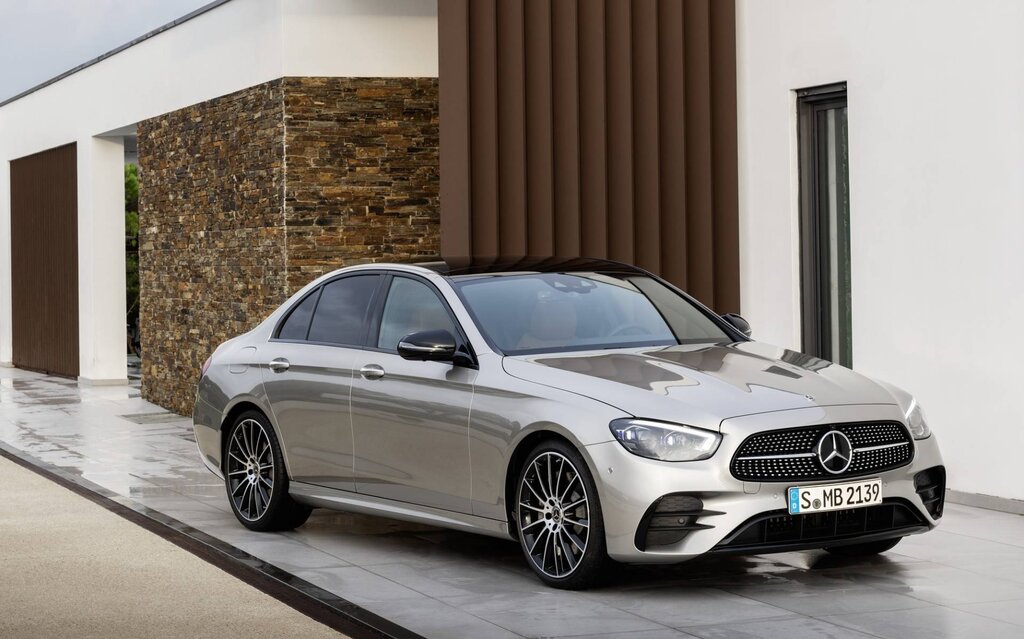
5. Mercedes-Benz E-Class Diesel (W124 and W210)
The Mercedes-Benz E-Class diesel sedans from the W124 and W210 generations have long been legends in the high-mileage world. These cars were overbuilt during a time when Mercedes engineering prioritized longevity over cost-cutting.
As a result, they became the backbone of taxi fleets across Europe and parts of the Middle East, where vehicles often run nearly around the clock. The diesel engines, especially the OM602 and OM606 series, are known for their ability to run reliably past 500,000 miles with routine maintenance and without any major mechanical failures.
Some have even crossed the one-million-mile mark, which is almost unheard of in passenger cars. These engines are built with hardened components, robust fuel injection systems, and cooling systems designed for endurance.
One key factor in their longevity is the conservative power output. These diesel engines were not built for speed but for sustained operation. They produce enough torque to move the heavy sedan body comfortably, but without the strain that high-revving engines face. This contributes to less internal wear over time.
The manual and automatic transmissions paired with these engines are similarly robust, often going 300,000 miles before needing significant work.
Drivers who used these cars for taxis regularly noted that even at very high mileage, the engines ran smoothly and the vehicles retained much of their original driving feel. There’s a mechanical solidity to these models that newer cars often lack, especially those built under tighter cost constraints.
The interiors of these older E-Class sedans were also built with durability in mind. Everything from the seat padding to the door switches was designed to last. This is important in taxi service, where interior components face constant use and abuse from countless passengers.
Unlike many modern vehicles, which rely heavily on plastic clips and lightweight trim, the W124 and W210 models used heavier materials that age well.
Even after decades of service, it’s common to find these cars with dashboards free of cracks, functional climate control systems, and seats that haven’t collapsed. This interior resilience plays a big part in why so many of these vehicles are still in use today.
Another advantage these cars offer is the strong support network they’ve built over the years. Mercedes enthusiasts, mechanics, and parts suppliers still stock components for these older models. Even though the W124 went out of production in the 1990s and the W210 followed in the early 2000s, replacement parts are widely available.
This makes them viable long-term vehicles even today. Taxis based on these platforms are often passed down from one driver to another, with each putting another 100,000 or 200,000 miles on the clock.
They’re not fast, flashy, or especially fuel efficient by today’s standards, but in terms of sheer mechanical durability, few vehicles in history can match their record.
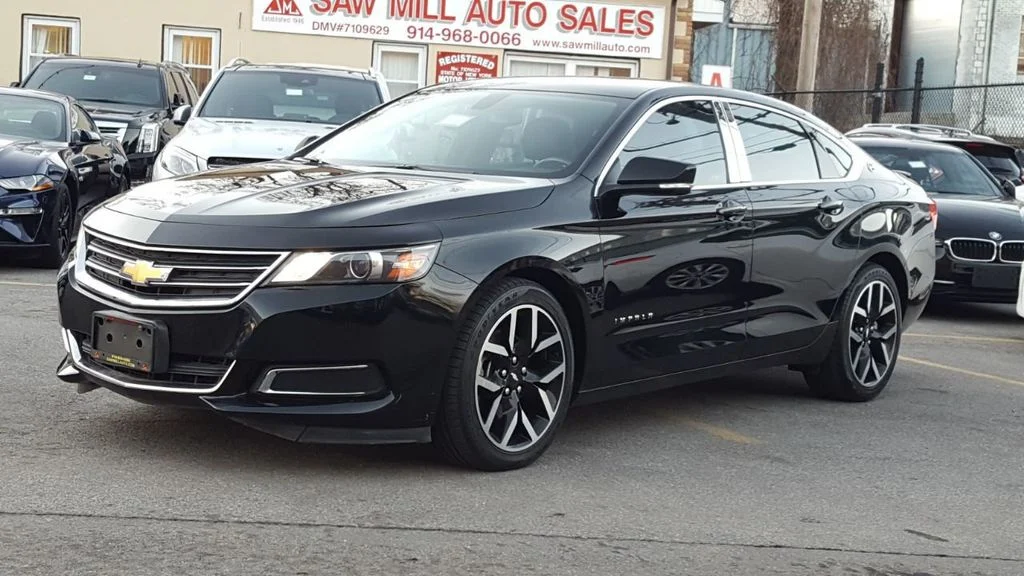
6. Chevrolet Impala (9th and 10th Gen)
The Chevrolet Impala, particularly the 9th and 10th generation models, has found favor among taxi fleets across North America for one major reason: reliability under pressure.
While the nameplate goes back decades, it’s the models from the mid-2000s to the mid-2010s that earned a reputation for high-mileage durability.
These cars may not be stylish or exciting, but they were built on platforms that were simple and rugged, with drivetrains that could take punishment day in and day out.
The 3.5-liter and 3.9-liter V6 engines in earlier versions, as well as the 3.6-liter in newer models, were all known to cross 300,000 miles with ease. With regular maintenance and a bit of luck, many taxi operators found themselves pushing well beyond the 500,000-mile mark without catastrophic failures.
The Impala’s drivetrain components were sourced from GM’s large parts bin, which means they shared key mechanical systems with a range of other fleet vehicles, police interceptors, and sedans. This standardization helped reduce complexity and made repairs more affordable.
When something did go wrong, most mechanics could quickly identify the issue and replace the part with minimal downtime. In the taxi business, where every day off the road is lost income, this kind of serviceability matters just as much as reliability.
Additionally, the Impala’s straightforward design meant that even independent drivers with limited mechanical experience could learn to handle basic repairs themselves.
Interior space was another strength. The Impala provided ample legroom for both front and rear passengers, as well as a large trunk for luggage, making it ideal for airport routes and long hauls. While the cabin materials weren’t luxurious, they were durable enough to handle years of use.
Fleet models often came with rubber flooring and cloth seats, both of which held up surprisingly well under constant foot traffic.
The suspension setup, though soft and geared more for comfort than performance, soaked up potholes and curb hits with minimal fuss. Over time, the Impala proved to be a car that didn’t complain, even when treated roughly.
One overlooked feature of the Impala is how easy it is to source inexpensive replacement parts. The car was produced in high volumes, and junkyards are filled with donor vehicles. This has kept costs down for owners and ensured a steady supply of everything from body panels to engines.
In an era where many cars become unrepairable due to unavailable or prohibitively expensive components, the Impala has stood out as a model that just keeps getting fixed and put back into service.
While newer vehicles have more features, they often don’t have the same mechanical resilience. The Impala, by contrast, keeps doing its job without asking much in return.
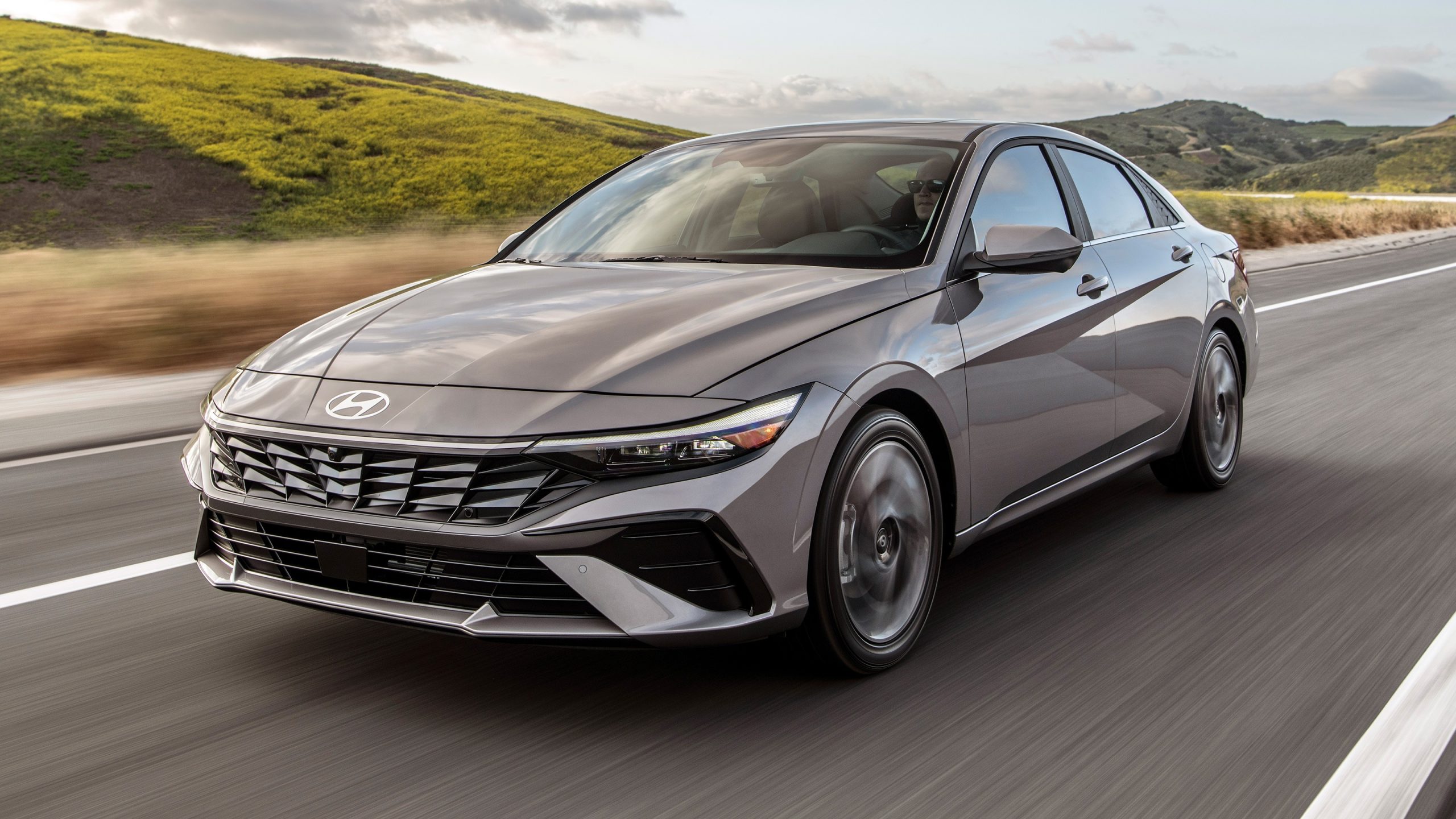
7. Hyundai Elantra
The Hyundai Elantra may surprise some people by appearing on a list like this, but over the last decade, it has quietly become one of the most dependable compact sedans on the road, especially in fleet use. Earlier models might have been seen as cheap and disposable, but that changed starting in the early 2010s.
Hyundai made major improvements in engine design, build quality, and reliability, transforming the Elantra into a serious long-distance contender.
In major cities like Chicago, Toronto, and Los Angeles, many Elantras have made it past 400,000 miles with minimal engine or transmission work. For a car in the compact class, that’s a significant achievement, especially given how little they cost to purchase and operate.
One major factor behind the Elantra’s endurance is its simple, efficient drivetrain. The 1.8-liter and later 2.0-liter engines are not high-strung or heavily turbocharged, which means they don’t operate under excessive stress. They’re designed to provide dependable power without pushing internal components to the limit.
This naturally leads to less wear over time. The automatic transmissions paired with these engines have also proven to be surprisingly tough, especially if fluid changes are kept on schedule.
For taxi drivers who put on extreme mileage every month, that kind of mechanical stability is essential. It means less time in the shop and more time making money.
The Elantra also benefits from Hyundai’s push for value, which led to durable interiors and better-than-expected comfort features. Even base models often included power windows, air conditioning, and solid sound systems, which made them more enjoyable to spend long hours in.
For taxi use, these small comforts make a big difference. Passengers get a more pleasant ride, and drivers feel less worn out after a 10-hour shift.
The seats hold up well to repeated use, and the climate control systems continue working even after years of service. These might not be luxury-level features, but they contribute to the car’s longevity by reducing stress on both occupants and hardware.
Another reason the Elantra survives heavy fleet use is the ease and affordability of maintenance. Parts are widely available, and many repairs can be done without specialized equipment. Timing chains instead of belts means fewer major service intervals, and even when problems do arise, the costs are usually low.
Many independent taxi drivers have praised the Elantra for its low running costs and its ability to keep going with just the basics: oil changes, tires, and brakes. With routine care, it’s not uncommon for an Elantra to hit 500,000 miles and still have life left in it. For a compact sedan, that kind of performance is rare and impressive.
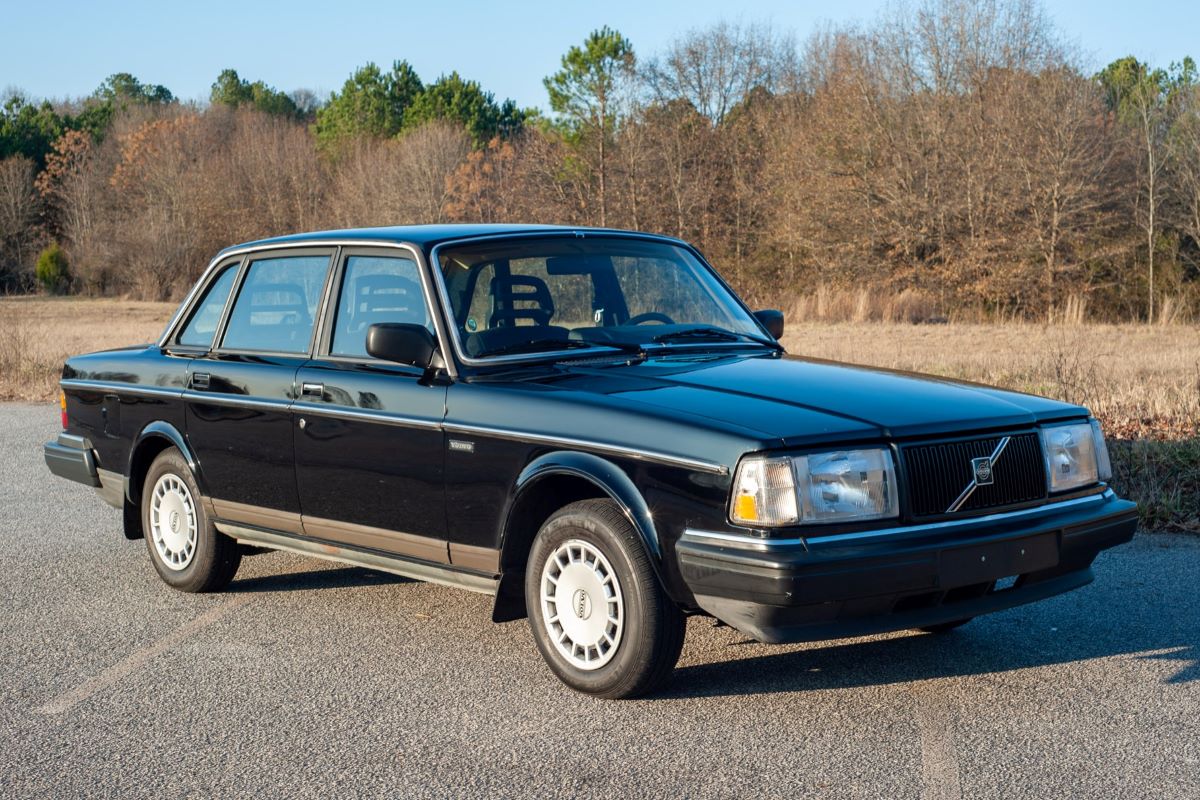
8. Volvo 240
The Volvo 240 is something of a cult classic when it comes to long-term durability, and although it’s rarely seen in modern taxi fleets, it once served faithfully in cities around the world. From the late 1970s through the 1990s, the Volvo 240 earned a reputation as one of the most indestructible sedans ever built.
Its boxy design wasn’t just about aesthetics; it reflected a philosophy of functionality, simplicity, and safety. Thousands of 240s went into fleet service, especially in places like Sweden, the UK, and parts of Canada, and some are still in use today with well over 500,000 miles on the odometer.
The redblock engine series that powered these vehicles has become legendary for its strength and ease of repair.
One of the defining features of the Volvo 240 is how deliberately it was engineered. Every component in the car was built with longevity in mind. The engines, particularly the 2.3-liter inline-fours, are made of solid iron blocks and designed to be under-stressed.
They don’t put out much power, but what they lack in performance, they make up for in sheer reliability. These engines can often run for hundreds of thousands of miles without any internal rebuilds if oil is changed regularly and the cooling system is maintained.
The transmissions, both manual and automatic, were built with similar durability, able to handle hard use without failing.
The 240’s suspension and chassis were also designed for abuse. Taxis deal with poor road conditions, speed bumps, curbs, and constant weight shifts, but the Volvo soaked it all up. Its rear-wheel-drive layout made it easy to repair and extremely predictable in terms of handling.
Even the body panels and frame were overbuilt by modern standards, which helped it withstand rust and crash impacts better than many competitors. This wasn’t a car that gave up easily.
It was a car that outlasted owners, got handed down, and kept going through sheer mechanical will. Fleet mechanics frequently praised the 240 for how straightforward it was to work on, with clear access to engine components and minimal need for specialized tools.
Inside, the Volvo 240 didn’t offer much in the way of flash, but it made up for it in practical, long-wearing materials. The seats were supportive and durable, often lasting decades without tearing or collapsing. The dashboard, though plain, resisted cracking and fading.
Climate controls were basic but effective, and the heating systems in particular were known for their strength, which was important for northern climates. While modern passengers might scoff at the lack of screens and soft-touch surfaces, the 240 was designed for hard service, not luxury.
In that regard, it succeeded brilliantly. Even today, it’s not uncommon to see these old Volvos with odometers stuck at 299,999 miles, simply because the original mechanical odometer couldn’t go higher.
