
When choosing a car, many people focus on performance, technology, or design, but one critical factor often overlooked is how well the car will age. Aging gracefully in automotive terms doesn’t just mean the vehicle can physically run for a long time.
It includes how the styling holds up over the years, how well the materials inside resist wear, how the engineering stands the test of time, and how consistent the model’s reputation remains long after it’s left the showroom.
Some cars are engineered to last, while others start falling apart once they hit a certain mileage. Similarly, some models seem to become outdated quickly, even when they’re just a few years old.
But a select group of vehicles manages to keep their value, appearance, and mechanical integrity better than their competitors. These cars stand out for having aged in a way that still makes them relevant, respectable, and reliable even after years of use.
Certain automakers have developed a reputation for building vehicles that stay solid over time. This doesn’t always mean the brand as a whole follows that pattern, though.
In many cases, specific models perform better than others within the same lineup. For example, not every Toyota is more durable than every Honda, but some specific Toyotas beat most Hondas in long-term quality and reliability.
This article highlights twelve cars that have proven to age better than their direct rivals. Each one has managed to stay mechanically sound, visually appealing, and competitively valuable even as the years go by.
They tend to have fewer common issues, more durable interiors, and better long-term support from their manufacturers.
Whether you’re looking for a car to buy used or just curious about which models go the distance, these twelve cars offer a compelling look at what long-term quality really looks like on four wheels.
Also Read: 10 Best SUVs That Still Get Top Dollar at Auction
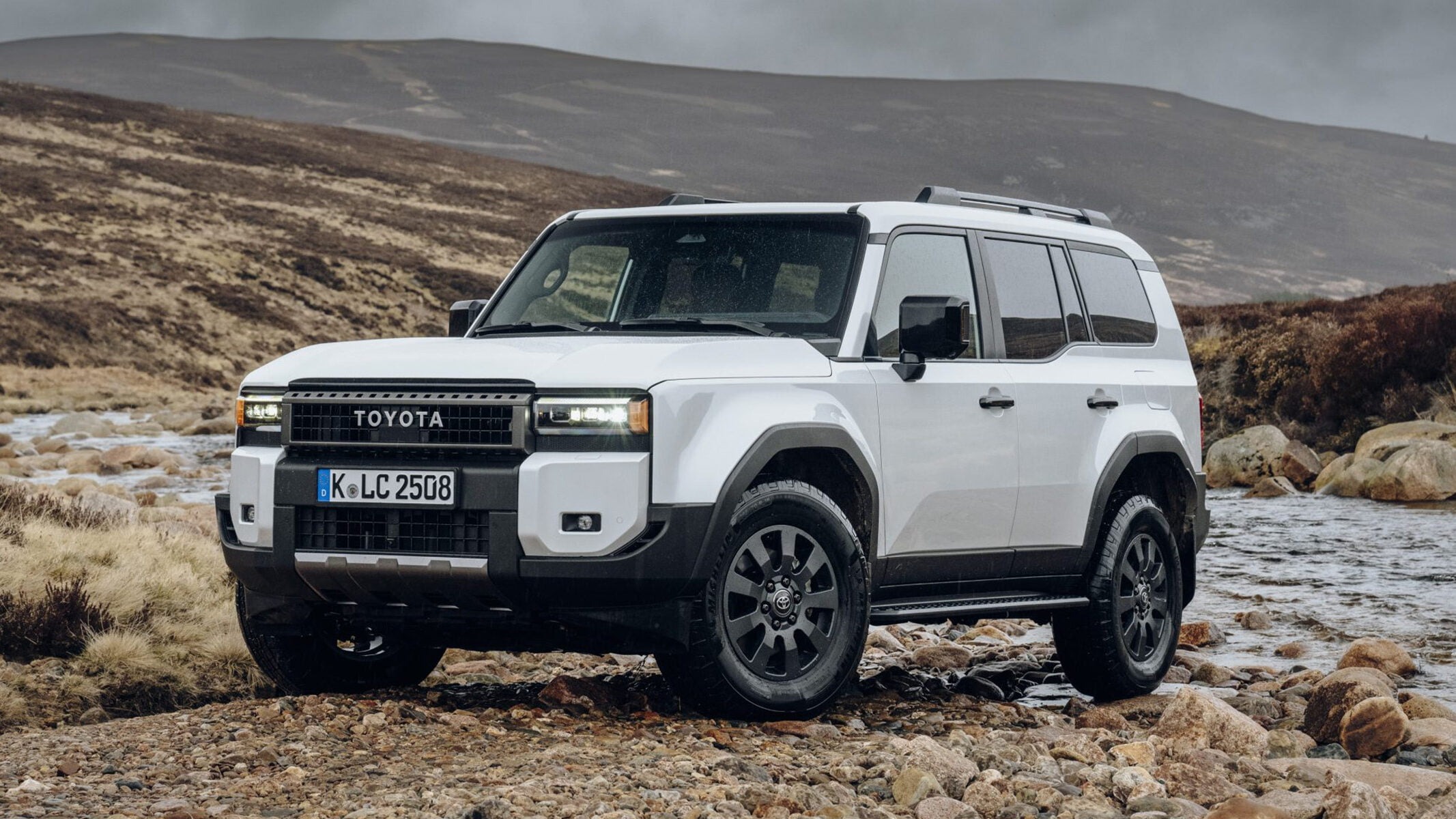
1. Toyota Land Cruiser
The Toyota Land Cruiser has built a name for itself based on toughness and dependability. Long after other large SUVs start showing their age through rust, failing electronics, or declining ride quality, the Land Cruiser tends to remain solid. It’s not uncommon to see twenty-year-old Land Cruisers still on the road and in respectable condition.
Part of that comes from Toyota’s commitment to overengineering this model. The frame, engine components, and suspension are designed to handle much more than the average owner will ever throw at them.
Another reason for the Land Cruiser’s lasting appeal is its global footprint. This SUV has been used in some of the harshest environments on Earth, from deserts to war zones, and it consistently performs without falling apart.
That same durability applies to the models sold in the U.S. and elsewhere. Even when the styling becomes a bit outdated, the body panels tend to hold up well, and the paint quality remains better than many competitors.
Interior wear is another area where the Land Cruiser shines. Leather seats in older models don’t usually crack as early as those in other full-size SUVs, and the buttons and controls often still work even after a decade or more.
Unlike many competitors whose infotainment systems become unusable or feel incredibly outdated, the Land Cruiser’s interior tech may not be the most advanced, but it tends to work reliably and avoid rapid obsolescence.
Finally, the resale value and continued demand for older models speak volumes about how well the Land Cruiser holds up. Even high-mileage examples can fetch strong prices if they’ve been maintained properly.
Mechanics also appreciate working on them because the engineering is straightforward and durable. All these traits together make the Land Cruiser a top-tier example of a vehicle that ages better than its competition.
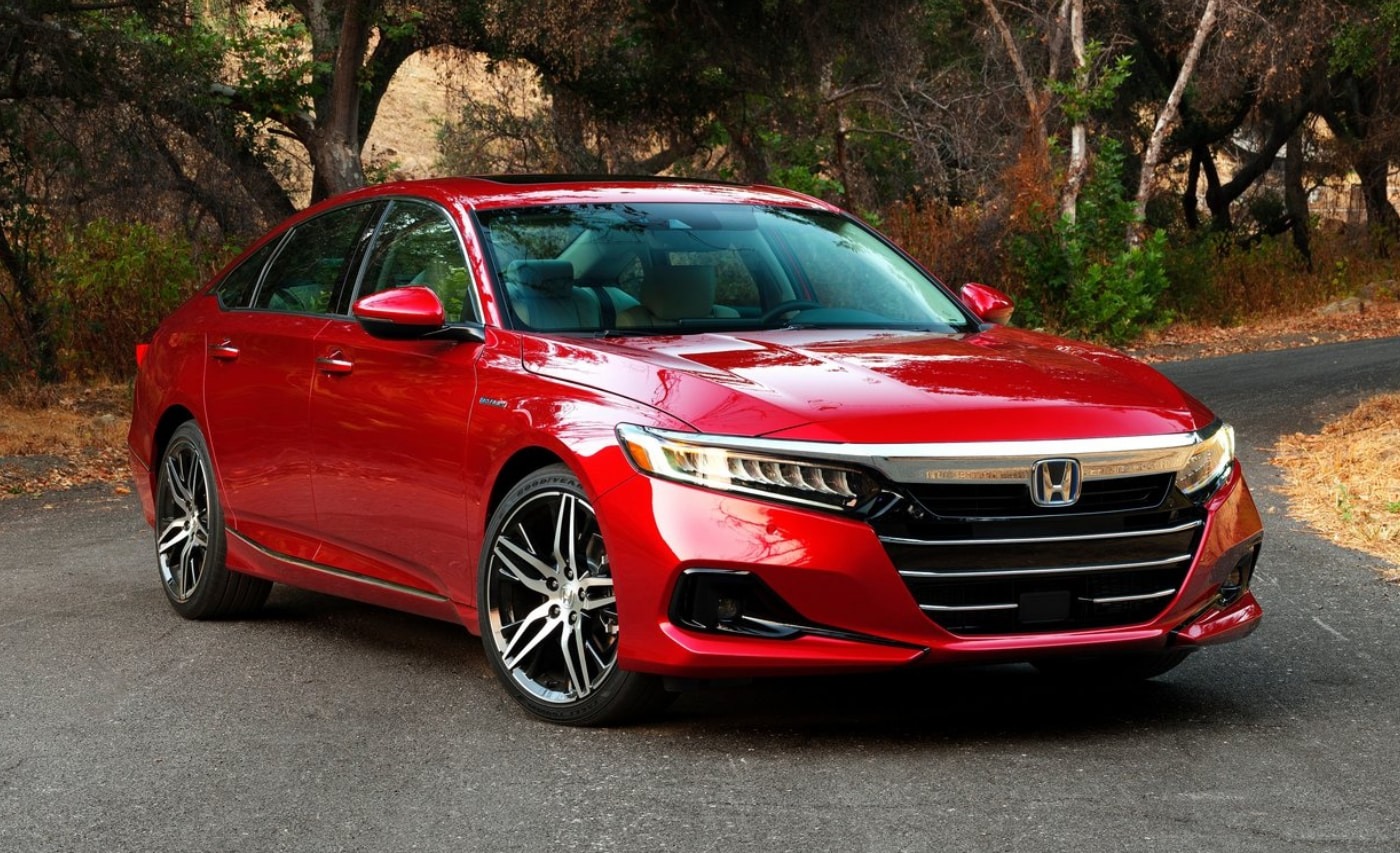
2. Honda Accord
The Honda Accord has long been considered one of the most dependable midsize sedans, and that reputation isn’t just about avoiding breakdowns in the first few years. It’s about long-term usability, low repair costs, and an overall build quality that makes it feel more solid than many of its peers.
Where rivals like the Nissan Altima or Chevy Malibu may show wear quickly or develop mechanical issues earlier, the Accord tends to keep running smoothly past the 200,000-mile mark with basic maintenance.
Styling is another area where the Accord tends to outlast competitors. While other sedans sometimes rely on trend-heavy designs that don’t age well, the Accord usually sticks to a more conservative yet refined look.
That design strategy pays off five or ten years later, when the car still looks respectable and doesn’t scream a specific design trend that has gone out of style.
The body panels are well-aligned, and paint quality typically holds up better than some American or Korean rivals.
Inside the cabin, the materials used in the Accord’s interior age more gracefully than those in many competitors. Dashboards don’t crack as easily, seats retain their structure longer, and the electronics are less prone to failure.
Even on models from the early 2000s, things like the climate control and window motors often continue working without issue. This contributes to a feeling of overall durability, not just under the hood but throughout the car.
Mechanically, the Accord benefits from Honda’s approach to engine design. The inline-four engines, in particular, are known for being almost bulletproof if given regular oil changes.
Transmission issues are less frequent than in many competitors, especially in more recent generations. For buyers looking at used sedans, the Accord is often one of the safest bets for a car that doesn’t feel old before its time.
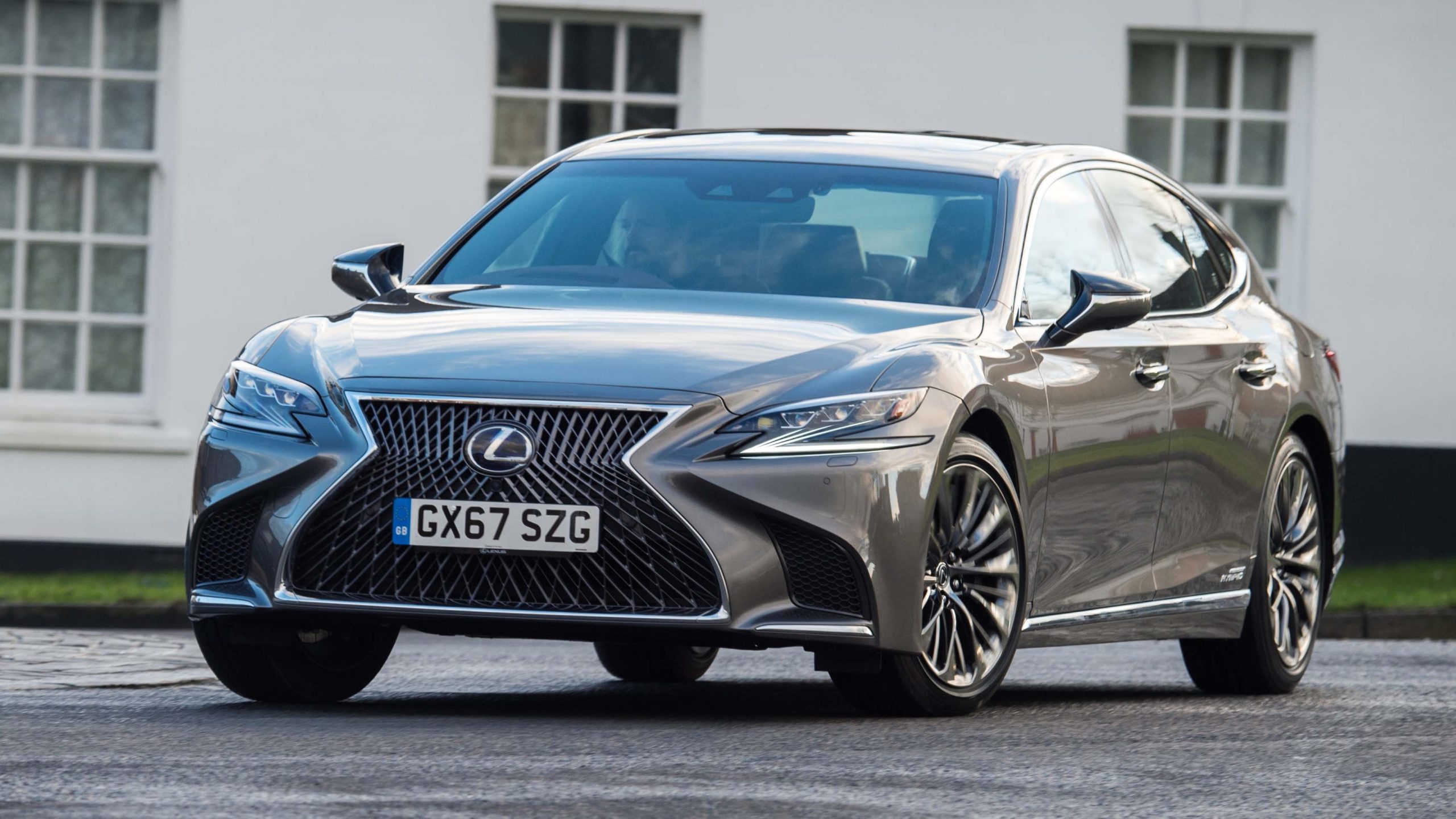
3. Lexus LS
The Lexus LS is a flagship luxury sedan that has earned a unique position in the market. Unlike many other luxury sedans, which start to deteriorate in terms of performance and reliability after a few years, the LS holds together extremely well.
While German competitors like the BMW 7 Series or Audi A8 are known for costly repairs and electrical problems as they age, the LS continues to run smoothly and comfortably well past 150,000 miles.
One reason the LS ages better than its rivals is its incredibly high build quality. Lexus put a significant amount of engineering into making the LS not just luxurious, but also long-lasting.
The attention to detail in how panels are aligned, how tightly the interior is put together, and how the car feels over time all contribute to a vehicle that stays refined longer than most luxury options. Rattles and squeaks, common in many older vehicles, are rare in the LS, even as it gets older.
Another point in the LS’s favor is its simple and reliable drivetrain. Instead of going for overly complicated turbocharged setups or experimental tech, Lexus typically sticks to naturally aspirated engines that are well-tested.
This means fewer things to go wrong as the car ages. When repairs are needed, they’re usually less frequent and less expensive than what owners of European rivals deal with.
The interior of the Lexus LS also resists wear better than most cars in its class. High-end materials like real wood trim, quality leather, and soft-touch plastics don’t degrade as quickly.
Seats stay comfortable and supportive, even with high mileage. Buttons and controls remain functional long after many European sedans start showing failures in electronics and digital interfaces. For buyers who want luxury without the long-term headaches, the LS continues to be a smart choice.
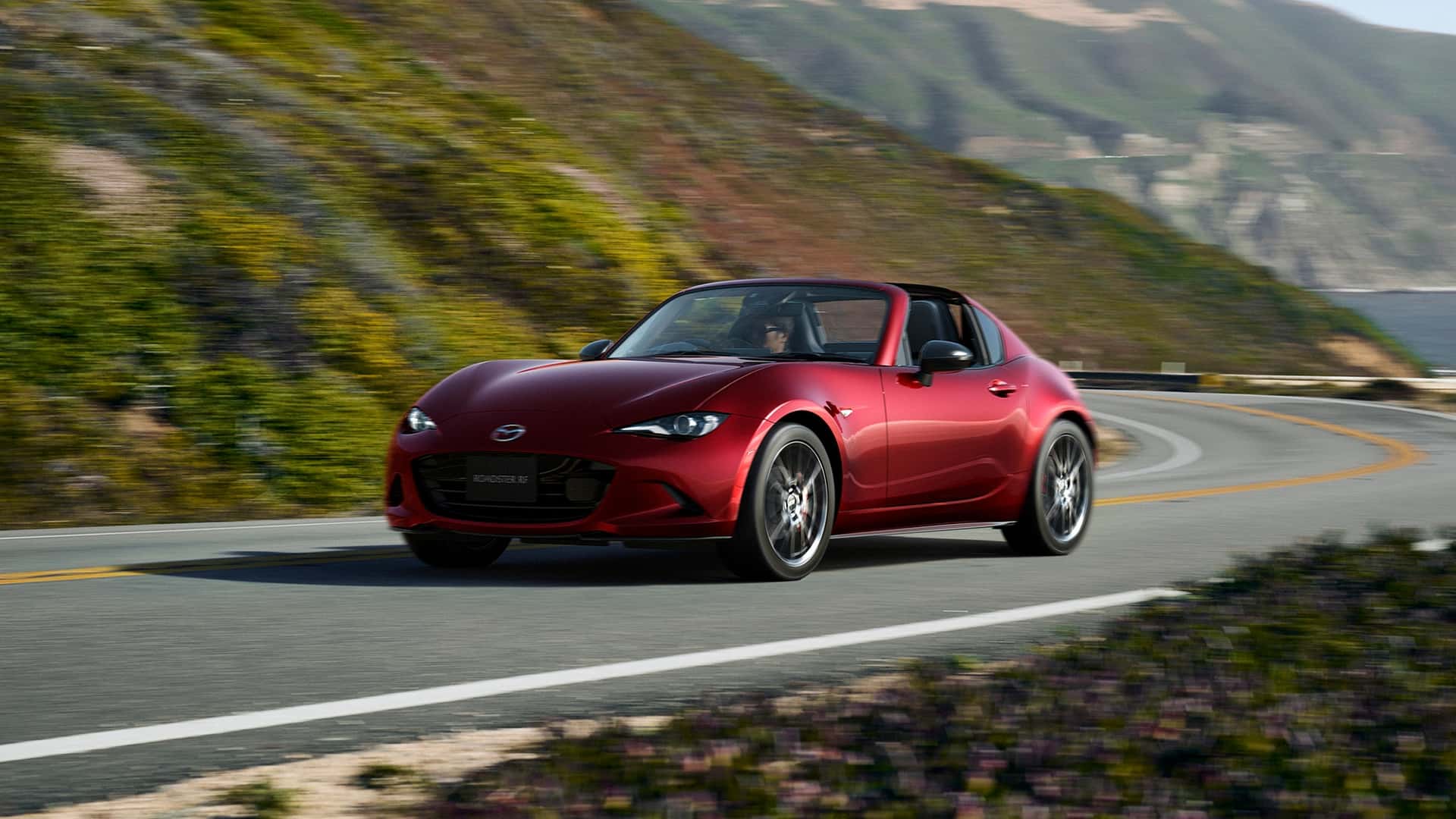
4. Mazda MX-5 Miata
The Mazda MX-5 Miata has earned its place as one of the most beloved sports cars in the world, but it’s also one of the few that ages gracefully. Many sports cars, particularly older ones, suffer from mechanical unreliability, fragile interiors, or styling that doesn’t hold up.
The Miata, by contrast, continues to look and feel relevant and fun even decades after release. Its small size, balanced handling, and lightweight design aren’t trends that come and go; they’re timeless.
One reason the Miata holds up well over time is its mechanical simplicity. It doesn’t have the complex electronics or turbochargers that often lead to failures in aging sports cars. Instead, the Miata focuses on delivering a pure driving experience with components that last.
Engines are known to survive past 200,000 miles, and manual transmissions in particular hold up with minimal wear. It’s not a car that constantly needs fixing, which makes it more enjoyable to own as it ages.
Another factor is how the Miata’s styling has evolved without losing its core identity. Older generations like the NA and NB still look charming today, while newer models like the ND version maintain the car’s classic proportions with updated features.
Unlike some sports cars that try too hard to look aggressive or futuristic, the Miata’s shape is built around function and simplicity, which gives it lasting appeal. Paint quality and body panel fit are also above average for its class.
Inside the cabin, things are basic but well-built. Because the car doesn’t try to cram in excessive luxury features or cutting-edge tech, it avoids many of the problems that plague older performance cars.
The seats, gauges, and switches wear better than expected, especially in models that have been cared for. As a bonus, the Miata has a strong community of owners and aftermarket support, making it easy to keep these cars running and looking great for years.
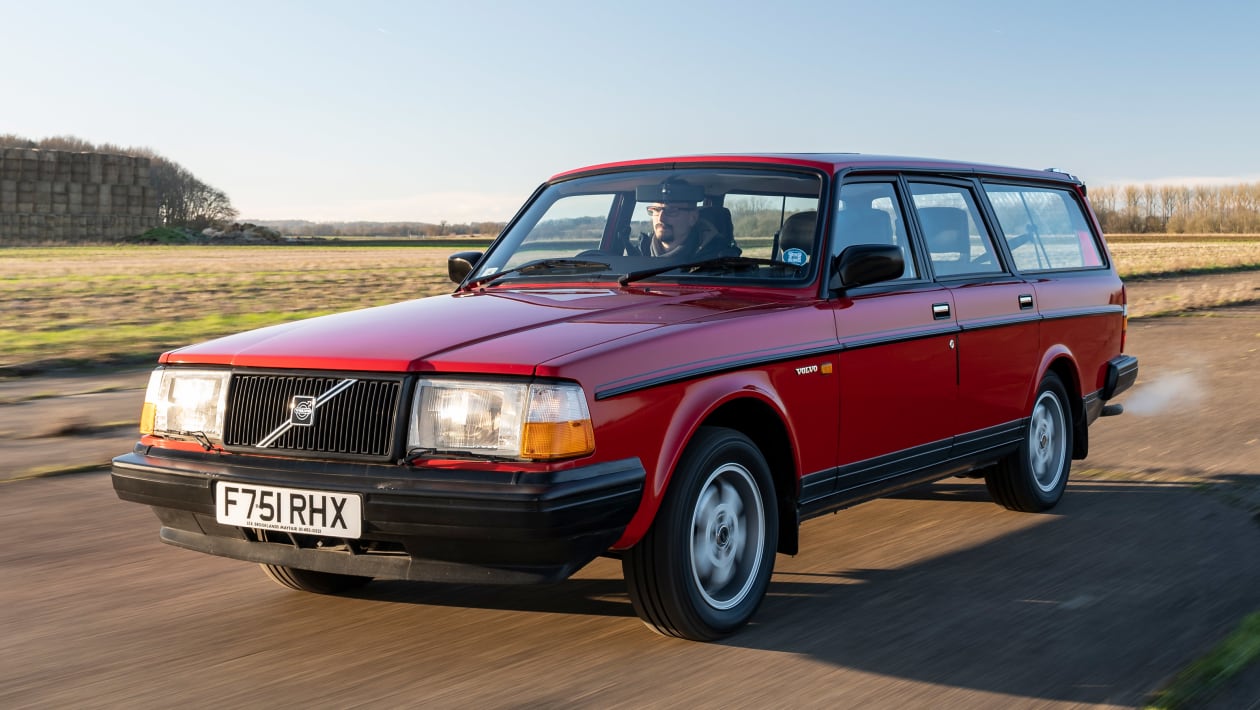
5. Volvo 240
The Volvo 240 is one of the clearest examples of a car that seems to defy age in every meaningful way. First introduced in the mid-1970s and sold through the early 1990s, the 240 developed a cult-like following because of its simplicity, strength, and durability.
Even today, decades after production ended, you can still find them on the road doing daily duty. They were never meant to be flashy, but their boxy, honest styling holds a certain charm that hasn’t faded with time.
More importantly, their mechanical components were designed to be serviceable, long-lasting, and dependable under almost any driving condition.
Where rivals from the same era have long since disappeared due to rust, electrical failures, or engine problems, the 240 has endured.
The engines, particularly the B21 and B230 variants, are known for their longevity. With proper maintenance, they can reach half a million miles without major issues.
The design prioritizes simplicity over complexity, which makes repairs easier and less expensive than most European cars.
Unlike other brands that relied heavily on electronic features that age poorly, Volvo kept the 240’s systems analog and mechanical, avoiding the headaches that come with failing sensors or complex modules.
The interior also plays a role in the car’s aging advantage. The materials used were built to last. The dashboard might crack in hotter climates, but the seats, switches, and other controls tend to hold up surprisingly well. Everything is laid out logically, and even the cloth upholstery in many models wears slowly and evenly.
There’s no unnecessary ornamentation or fragile trim that breaks over time. Instead, it all feels purpose-built, and that functional design has stood up much better than the flashier interiors found in competing models from BMW or Mercedes-Benz of that era.
Finally, the Volvo 240 benefits from a strong aftermarket and a loyal owner base. Because so many of them are still on the road, parts availability remains good, and there’s a deep knowledge base for keeping them running.
This kind of grassroots support means that even older 240s are still getting maintained, restored, and driven daily.
It’s not just nostalgia that keeps them alive, it’s the fact that they were built to last in the first place, and unlike many rivals from the same period, they’ve earned their reputation through decades of consistent, real-world reliability.
Also Read: 12 Vehicles That Outlasted the Companies That Built Them
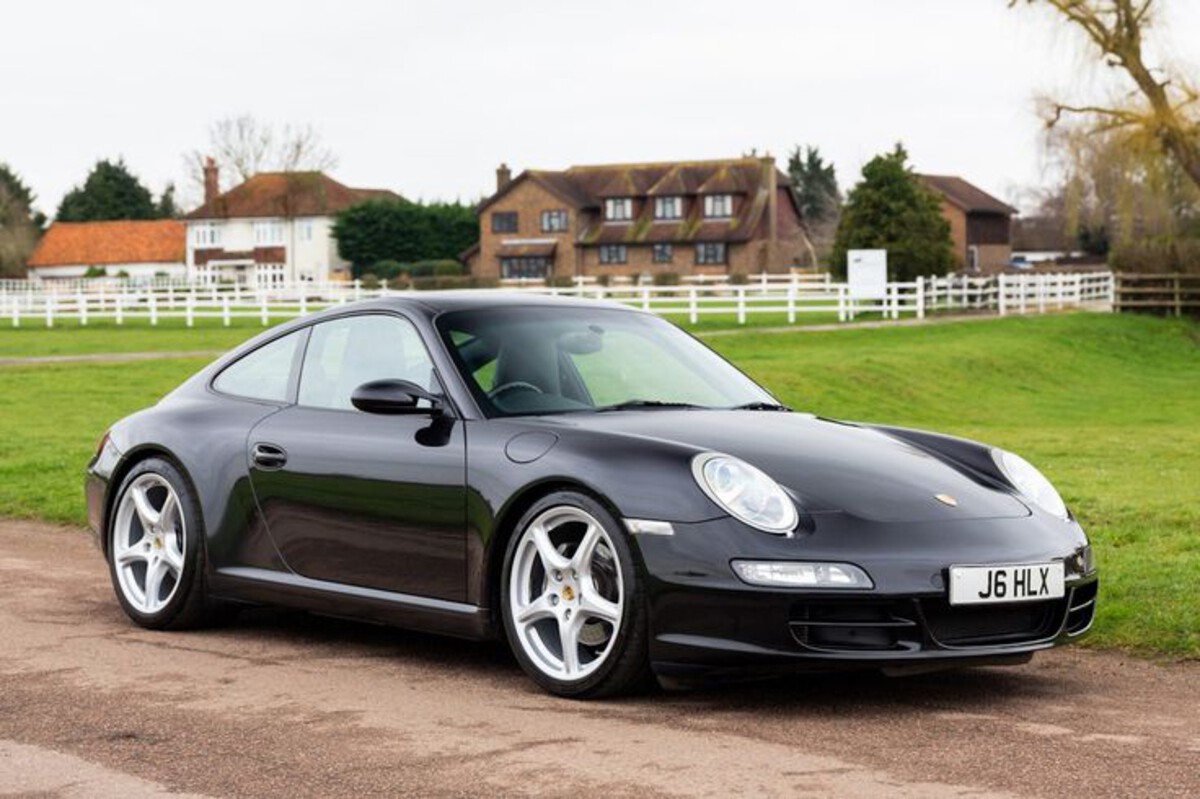
6. Porsche 911 (Air-Cooled Models)
Few cars have stood the test of time quite like the air-cooled Porsche 911. Produced from the early 1960s through 1998, these cars have become icons not only for their design and driving experience but for their uncanny ability to age better than nearly any other sports car.
While most performance cars from the ’80s and ’90s are now plagued by rust, poor interior quality, or difficult parts sourcing, the 911 remains relevant, desirable, and, most impressively, drivable. Owners often describe these cars as machines that feel more solid with age, not less.
One of the main reasons the air-cooled 911s age so well is Porsche’s engineering focus during that era. The flat-six engines were designed for longevity and are known for running smoothly for hundreds of thousands of miles with proper maintenance.
Unlike more temperamental sports cars of the same age, the 911 wasn’t built to be fragile or tuned only for high-performance weekends.
It was made to be used daily. Oil changes and valve adjustments are important, but major engine failures are relatively rare. The mechanical simplicity compared to modern turbocharged engines also contributes to reliability over the long haul.
The design language of the classic 911 is another aspect that ages extremely well. The shape evolved gradually over decades rather than chasing design fads. As a result, even the oldest 911s don’t look awkward or outdated. They’re timeless in a way few sports cars are.
Where other vehicles from the same era may look like relics of the past, the 911 carries its history with dignity. Paint quality, panel fitment, and overall build consistency on these models are well above average, especially for sports cars that were frequently driven hard.
Interior wear is typically where many older sports cars show their age, but the 911 is again a standout. The seats, dashboard, and switchgear were made with robust materials that outlast what you’ll find in many rival models from Ferrari or Alfa Romeo.
While those cars might require constant attention just to keep the electronics or climate systems functional, the 911 tends to keep ticking along without constant repairs.
This combination of mechanical integrity, timeless aesthetics, and enduring driving fun makes the air-cooled 911 not just a classic, but a car that continues to outperform its competitors long after its production years have ended.

7. Toyota Corolla
The Toyota Corolla is often called boring by enthusiasts, but the traits that make it seem unexciting are exactly what help it age better than just about any other compact sedan. Since its introduction decades ago, the Corolla has focused on durability, efficiency, and practicality.
Where many of its rivals from domestic and foreign brands suffer from premature wear, electronic failures, or inconsistent build quality, the Corolla remains remarkably consistent. It’s not a car that grabs headlines, but it’s one that lasts.
From a mechanical perspective, the Corolla is hard to beat in long-term reliability. The engines are simple, efficient, and built to tolerate neglect better than most. Automatic and manual transmissions in older Corollas are also known for their resilience.
Fluid changes and basic maintenance can keep the drivetrain running smoothly for well over 200,000 miles. Compared to rivals like the Ford Focus or Hyundai Elantra, which have suffered from more frequent transmission issues or electrical problems, the Corolla’s conservative engineering pays off as the years go by.
Styling is subtle and, by design, timeless. While it won’t win design awards, it also doesn’t age awkwardly. Some compact cars fall victim to styling trends that become outdated quickly, aggressive angles, oversized grilles, or oddly proportioned bodies.
The Corolla, however, has generally maintained clean lines and a conservative design that keeps looking decent year after year. The paintwork, while not flashy, tends to hold up well against fading or peeling, which cannot always be said of competitors in the same price range.
Inside the cabin, the simplicity of the Corolla’s interior works to its advantage. Fewer high-tech gimmicks mean fewer opportunities for things to break. Buttons stay functional, seat fabrics wear evenly, and plastics resist cracking and discoloration better than expected.
It’s common to step into a ten-year-old Corolla and find that everything still works. For people who value longevity and low operating costs, the Corolla ages with a grace that rivals few others. It may not inspire emotion, but it rewards patience and practicality with unmatched long-term value.
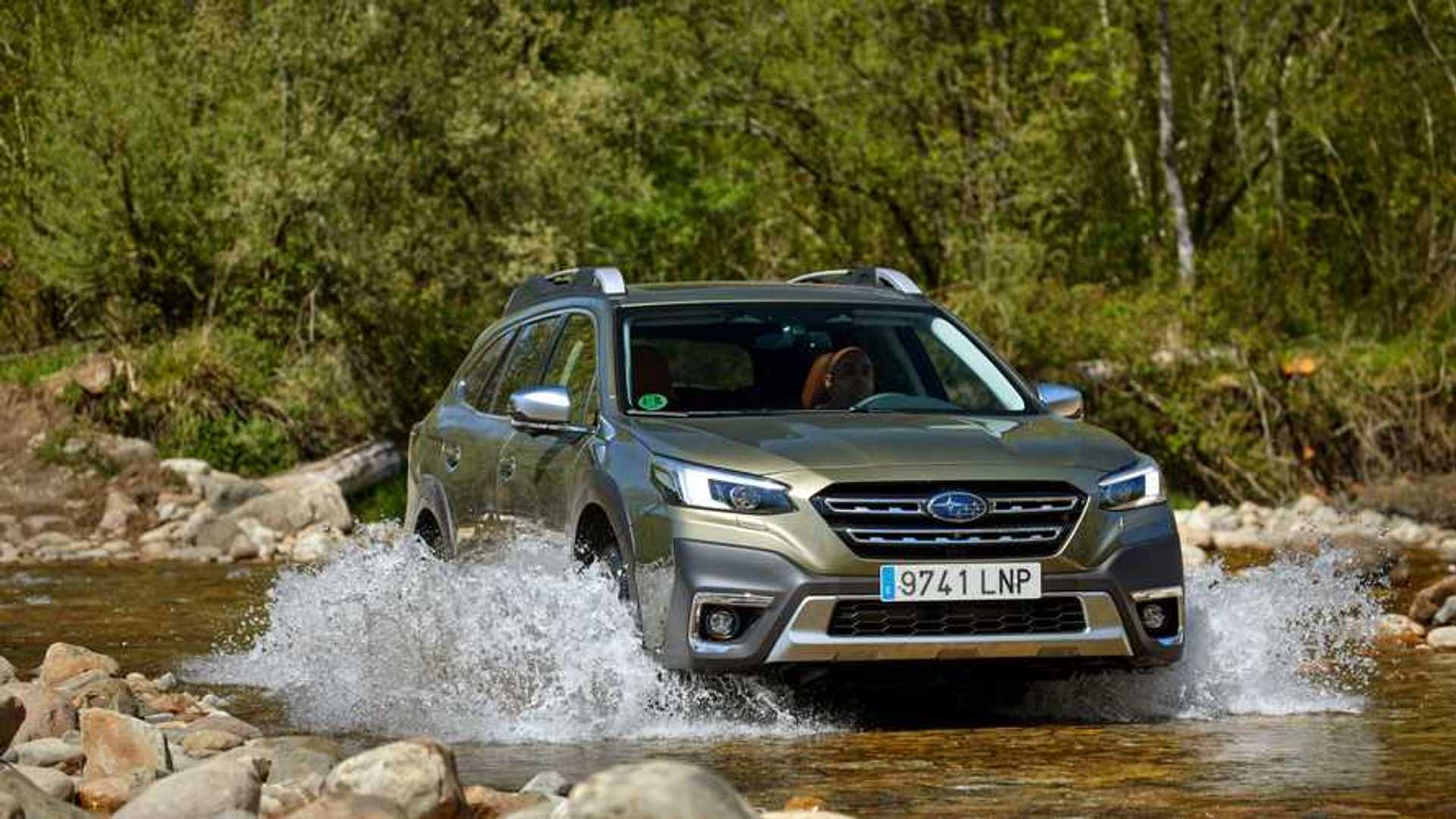
8. Subaru Outback
The Subaru Outback is a vehicle that manages to straddle the line between car and SUV while aging better than many in either category.
Known for its standard all-wheel-drive system, rugged practicality, and unique design, the Outback has become a favorite in regions with challenging weather and terrain.
While some competitors in the crossover and wagon space develop drivetrain issues, body rust, or interior decay over time, the Outback tends to keep pushing forward reliably with each passing year.
One of the key factors in the Outback’s long-term success is Subaru’s dedication to its symmetrical all-wheel-drive system. Unlike systems in rival crossovers that engage only when slip is detected, Subaru’s system is always active, which provides superior traction and a more predictable driving experience.
More importantly, it’s a robust setup that doesn’t tend to break down easily. Combined with naturally aspirated boxer engines that are relatively simple to maintain, older Outbacks often remain mechanically sound well past 150,000 or even 200,000 miles.
The exterior design of the Outback also plays into its ability to age well. It has consistently maintained a purposeful, outdoorsy look that avoids chasing modern styling trends.
While rivals like the Ford Edge or Chevrolet Equinox have gone through more radical redesigns that don’t always age well, the Outback has evolved gradually.
Its raised stance, functional roof rails, and understated trim pieces give it a utilitarian look that wears better than flashy alternatives. Additionally, Subaru’s use of corrosion-resistant steel in key areas helps prevent rust, especially in older models from snow-prone regions.
Interior durability is another strength. While early Subarus were sometimes criticized for bland interiors, they compensated with functional, well-built components that don’t wear down easily. Seat fabrics tend to resist fraying, and the basic controls are usually still operational even after a decade.
The infotainment may lack the flash of newer models, but that simplicity actually helps in the long run, as fewer digital systems mean fewer problems down the road.
Owners often find that their Outbacks, even with high mileage, still feel composed and usable, something not often said about rival crossovers in the same age group.
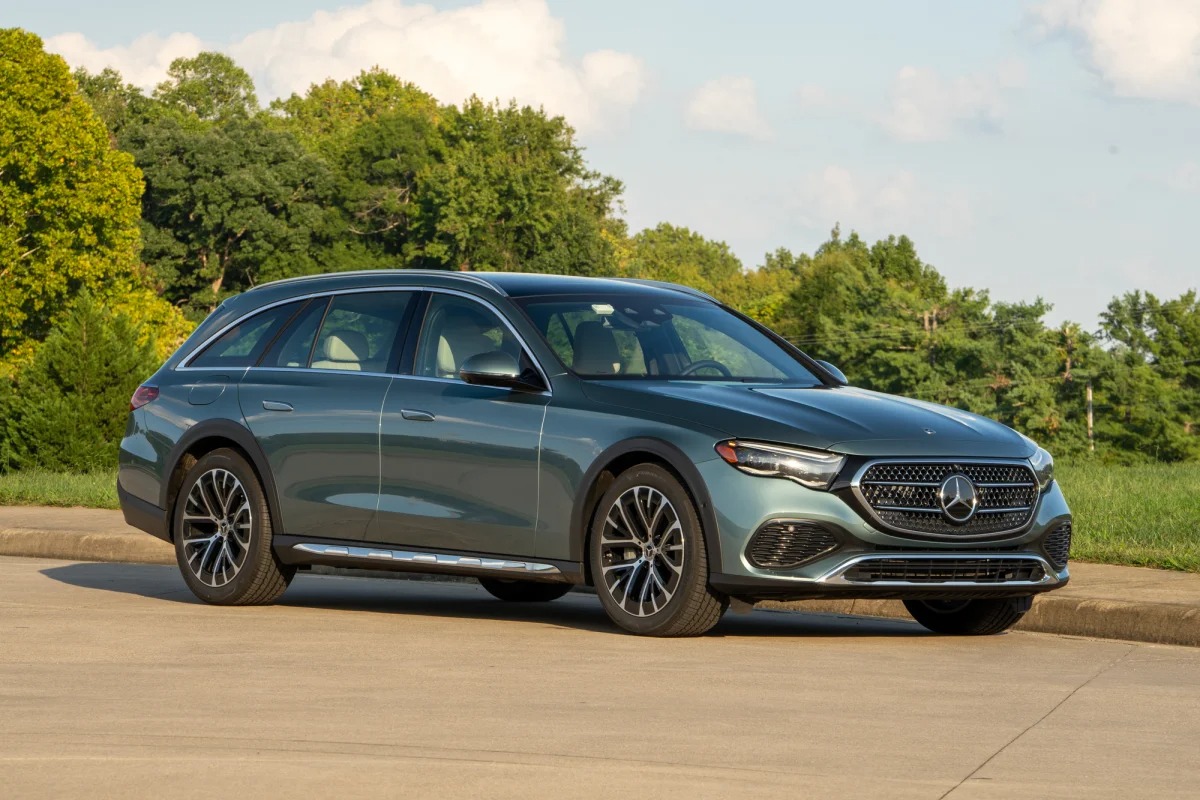
9. Mercedes-Benz W124 (E-Class)
The Mercedes-Benz W124, produced from the mid-1980s to the mid-1990s, is widely regarded as one of the most overbuilt cars in automotive history. It came during an era when Mercedes engineers were focused more on quality and durability than cost-cutting or chasing modern trends.
The result was a mid-size luxury sedan (and wagon, and coupe) that not only performed well when new but continues to function reliably decades later.
While many competitors from that era have long disappeared from the roads, W124s are still in regular use, especially by enthusiasts and owners who appreciate the solid feel and mechanical longevity.
One reason the W124 has aged better than its rivals is the robustness of its engines. Both the gasoline and diesel options are known for extreme longevity.
The OM602 and OM603 diesel engines, for instance, are considered some of the most durable ever made, routinely hitting 400,000 miles or more with proper maintenance.
Unlike many other luxury cars of its era that suffered from fragile electronics or finicky automatic transmissions, the W124 avoided unnecessary complexity in favor of proven components. That approach paid dividends when it came to longevity and ease of ownership.
The build quality throughout the W124 is exceptional. The body panels are thick, the doors shut with a satisfying weight, and even after 30+ years, many of these cars remain rattle-free.
The corrosion protection was better than many contemporaries, and although rust can affect some models if neglected, properly maintained W124s show much less body deterioration than competing cars from Audi, BMW, or Volvo of the same period.
The glass, trim, and paint all hold up to aging remarkably well, provided the car receives occasional upkeep.
The interior is another area where the W124 has stood the test of time. The seats remain firm and supportive, the dashboards resist cracking better than average, and the analog switchgear keeps functioning far beyond what most modern electronics do.
The climate controls, seat motors, and even sunroof mechanisms often continue working into very high mileage.
For buyers interested in owning a “classic” that doesn’t feel like a fragile antique, the W124 remains one of the smartest choices. It carries old-world engineering integrity that most modern luxury cars simply can’t match.
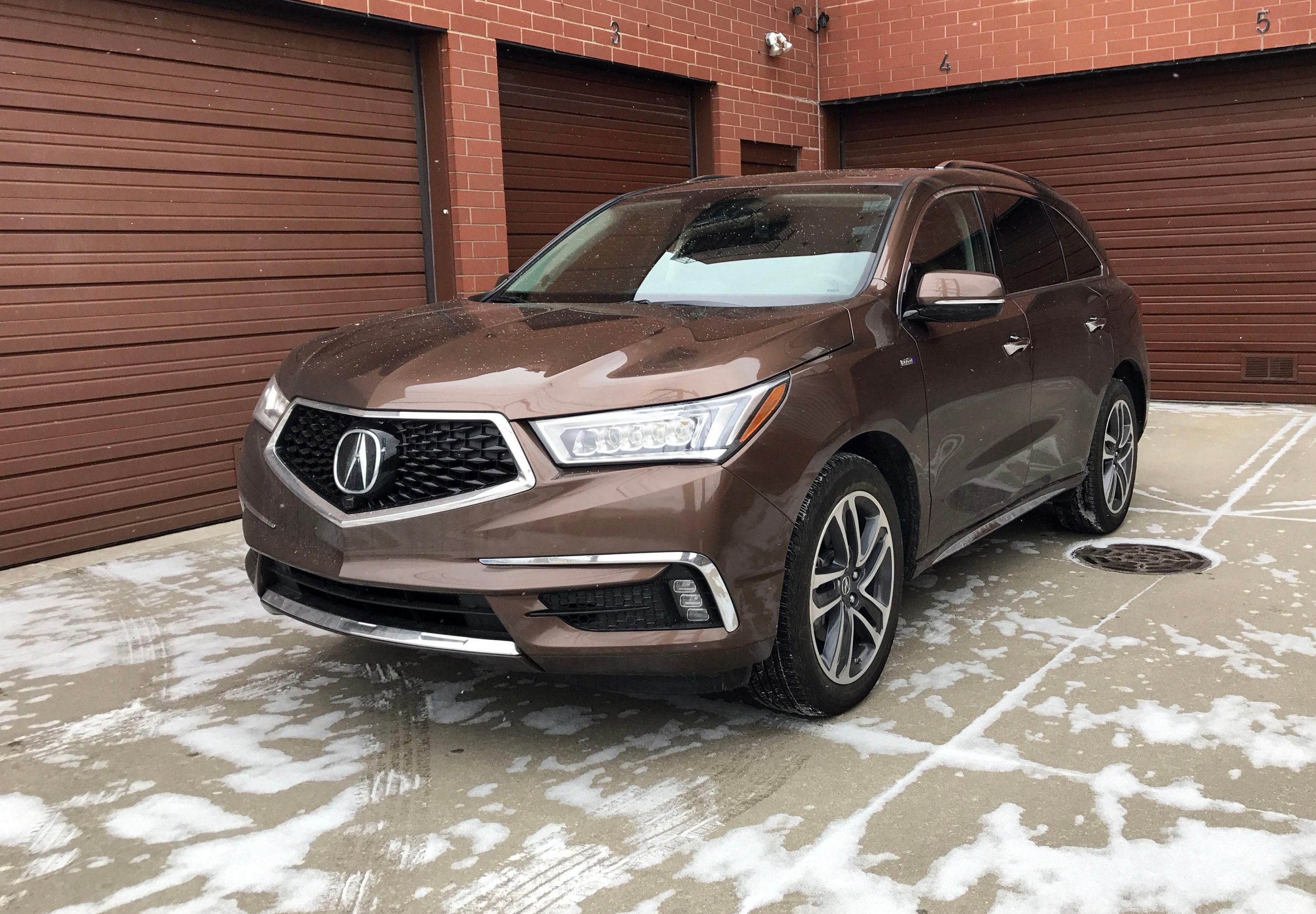
10. Acura MDX (First Generation)
The first-generation Acura MDX, which launched in 2001, stood out at the time for blending the refinement of a luxury SUV with the long-term reliability Honda and Acura were known for.
While its competitors in the early 2000s luxury SUV space, like the BMW X5, Lincoln Aviator, and Mercedes ML-Class, often suffered from mechanical and electronic gremlins, the MDX proved to be a well-balanced, durable choice that ages better than expected.
Even today, older MDXs are common on the road, still being used by families and commuters, and still looking relatively modern when maintained well.
Under the hood, the MDX came with a naturally aspirated 3.5-liter V6 that was both powerful and dependable. The VTEC system provided smooth power delivery without the complexity of turbochargers or high-strung performance engines, which helped in long-term durability.
The five-speed automatic transmission, though not flawless, proved to be more reliable than many rivals’ units during that era.
As long as owners kept up with fluid changes and avoided overloading the drivetrain, the MDX powertrain had no major weak points. This allowed it to age well in both performance and cost of ownership.
Another factor that contributes to the MDX’s longevity is the quality of materials used inside the cabin. Acura went for a practical and upscale interior without going overboard on electronic gadgetry.
The seats wear well, buttons and knobs retain their tactile feel, and common problem areas like the climate controls and infotainment system tend to last longer than those in the German or American rivals of the time.
The layout is clean and intuitive, which means the car doesn’t feel outdated even two decades later. While some interior plastics show age, they rarely become unusable or excessively worn.
On the outside, the MDX has a design that has aged more gracefully than many SUVs of its era. Its proportions are balanced, and the clean body lines avoid the boxy or bubbly trends that plagued some of its competitors.
Paint holds up well, and rust is less of an issue compared to models from brands like Land Rover or Ford. It also benefits from a strong used market and a wide availability of parts.
These traits, combined with its reliability and comfort, make the first-generation MDX one of the few luxury SUVs that continues to hold its value and usability well into high mileage and age.
