
Pickup trucks have long been a symbol of reliability and ruggedness. For many owners, their trucks are more than just vehicles; they’re trusted tools that endure harsh work conditions, long drives, and years of use without major mechanical issues. Among the most important aspects contributing to a pickup’s longevity is its engine.
A durable engine that holds up over time means fewer repairs, less downtime, and a vehicle that can be counted on for countless miles.
While many pickups might eventually require an engine swap due to wear, age, or performance upgrades, there are a select few models known for their robust engines and solid engineering, making them less likely to need such major intervention.
The engines in these pickups have stood the test of time through a combination of strong design, quality manufacturing, and consistent maintenance by their owners.
Often, these trucks are favorites among enthusiasts and professionals alike, not just for their performance but because they don’t demand costly engine replacements.
In an era where technology constantly advances and new models flood the market, these trucks remain celebrated for their mechanical dependability.
Their engines offer a balance of power, efficiency, and durability that many other pickups struggle to match, creating a lasting reputation that benefits both daily drivers and those who rely on their trucks for heavy-duty work.
Several factors contribute to why these pickups rarely need engine swaps. For one, the original engines were designed to handle substantial stress and mileage. Many use proven engine platforms that have been refined over multiple generations.
These engines often have parts readily available and are supported by a large aftermarket community that promotes upkeep and repairs rather than replacements. Additionally, the simplicity of some engines allows for easier maintenance, preventing issues that can escalate into major engine failure.
Owners of these trucks tend to be diligent about maintenance schedules, using quality oil and fluids, and addressing problems before they worsen, extending the life of the powertrain considerably.
This article highlights ten pickups that are known for their engine durability, each representing a different aspect of reliable truck engineering.
Some models have legendary engines that have become synonymous with endurance, while others are praised for their straightforward design that withstands the test of time.
Whether you are considering buying a used truck or are curious about which models offer the best chances of long-term reliability without engine swaps, this list offers insight based on decades of owner experiences and mechanical reviews.
Understanding what makes these pickups stand out can guide choices that save time, money, and hassle in the long run.
Also Read: 12 Vehicles That Outlasted the Companies That Built Them
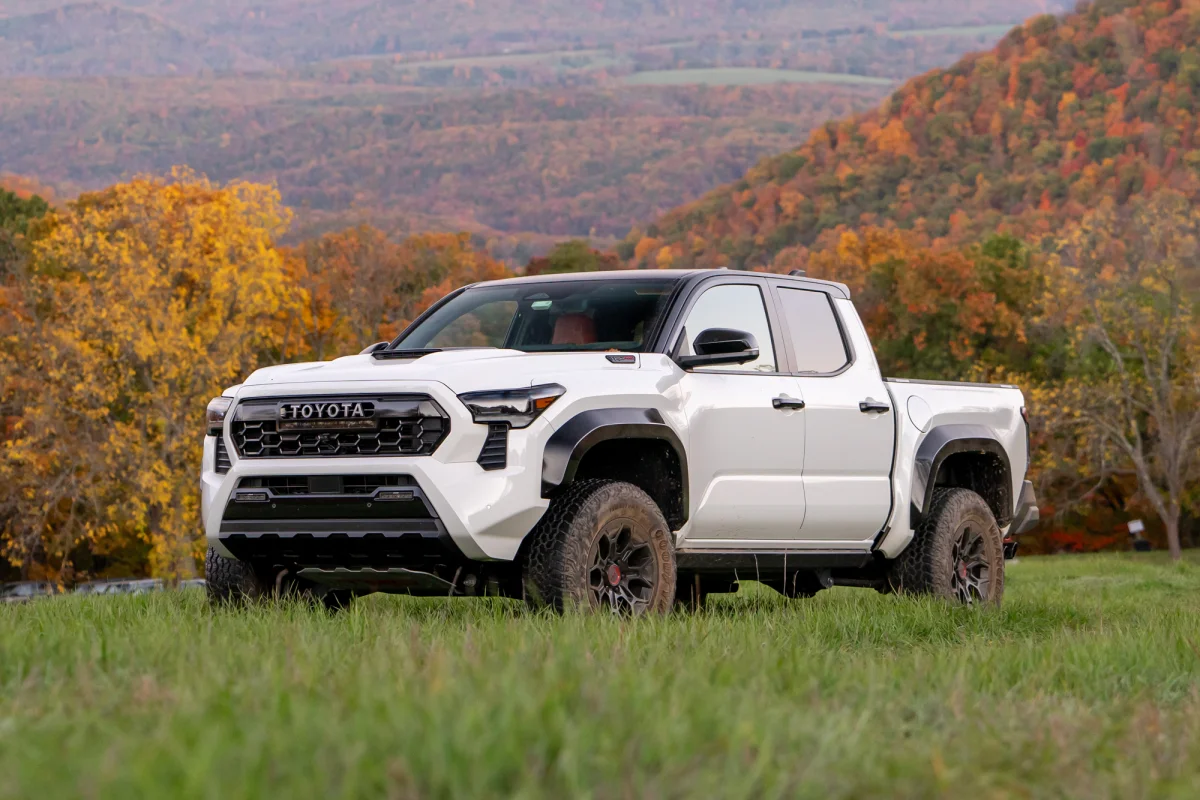
1. Toyota Tacoma (Third Generation, 2016–Present)
The Toyota Tacoma has earned a reputation for durability and reliability, especially its third generation that started in 2016. Its engines are known to run smoothly for hundreds of thousands of miles without the need for major work, let alone engine swaps.
One of the key reasons behind this is the robust design of the 3.5-liter V6 engine, which balances power and efficiency without pushing the limits of mechanical components.
This engine utilizes direct injection and variable valve timing to optimize performance and fuel economy, all while maintaining a simple, proven architecture that doesn’t introduce unnecessary complexity.
Owners of Tacomas frequently report that with regular maintenance such as timely oil changes, air filter replacements, and proper cooling system care, the engine continues to perform reliably over long periods.
The engine block is cast iron, which contributes to its strength and heat resistance, while the cylinder heads are aluminum to reduce weight.
This combination helps the engine avoid common failures seen in other models, such as head gasket leaks or block cracks. Toyota’s engineering team designed this engine with a focus on longevity, ensuring that the moving parts are well-balanced and that wear-prone areas are minimized.
In addition to the physical design, Toyota’s manufacturing quality control ensures that engines leaving the factory have minimal defects. This consistency in production quality means fewer early failures and a longer lifespan.
The Tacoma’s engine is also supported by a strong service network and widespread availability of replacement parts, which means repairs are easier to complete when necessary. This reduces the temptation for owners to replace the entire engine prematurely and encourages repairs that extend the original powertrain’s life.
Another factor that helps the Tacoma’s engine stay healthy is the truck’s relatively moderate weight and balanced power output. Unlike trucks that push engines to extreme performance levels, the Tacoma keeps its engine within reasonable operating limits.
This results in less stress on internal components and a lower chance of premature wear. For those looking for a midsize pickup that won’t need an engine swap for a long time, the Toyota Tacoma remains one of the top choices thanks to a combination of solid engineering, quality manufacturing, and a track record of reliability.
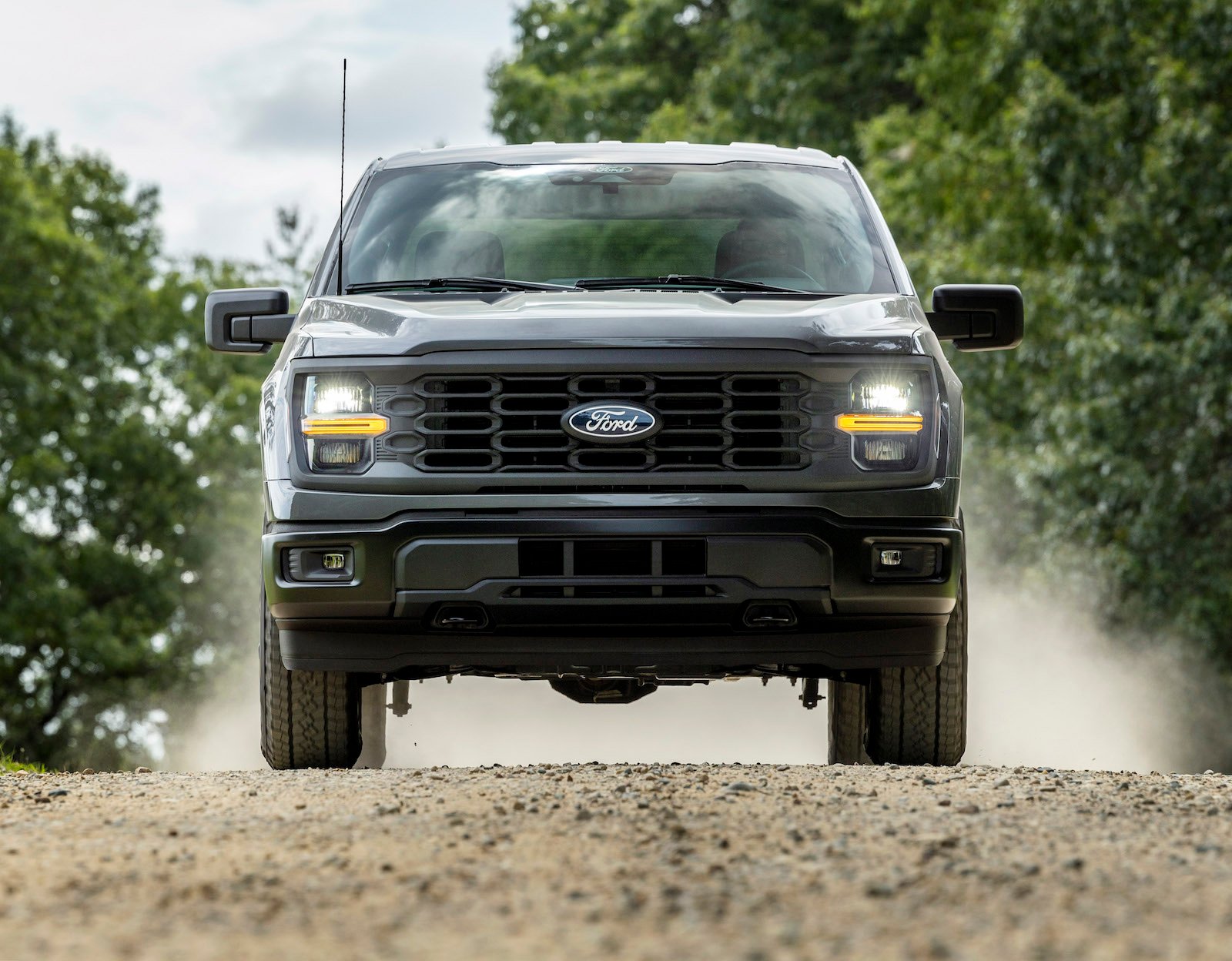
2. Ford F-150 (Tenth Generation, 1997–2003)
The Ford F-150 has been America’s best-selling truck for decades, and the tenth generation, spanning from 1997 to 2003, is particularly for engine reliability. Among its engine options, the 5.4-liter Triton V8 stands out as a powertrain that rarely requires an engine swap when properly maintained.
This engine has been designed to handle the heavy loads and constant use that trucks often experience, boasting a strong cast-iron block and a reputation for endurance.
While some early versions faced challenges with spark plug and ignition coil issues, these problems are well-documented and fixable, allowing the engine to continue functioning for many miles.
Maintenance plays a crucial role in keeping the Triton V8 running smoothly. The engine’s design allows for relatively easy access to components, making routine repairs and tune-ups more straightforward. Owners who stick to regular oil changes, coolant flushes, and spark plug replacements tend to avoid major issues.
The engine’s robust cooling system prevents overheating, a common cause of engine failure in many trucks, helping the powertrain last well beyond 200,000 miles.
This longevity has made the tenth-generation F-150 a favorite for those needing a workhorse vehicle that can handle tough conditions without frequent engine replacements.
Ford’s choice of materials and engineering techniques during this era contributed heavily to the engine’s durability. The Triton’s modular design allowed for better sealing and less risk of leaks compared to earlier engines. The valvetrain was designed with durability in mind, reducing the risk of premature wear on cams and lifters.
This well-rounded approach to engine design means the engine doesn’t just survive the rigors of daily use; it thrives. Additionally, many replacement parts for the Triton V8 are available at reasonable prices, making repairs affordable and lessening the need to resort to a full engine swap.
The F-150’s popularity means that many mechanics are familiar with the engine, and there is a wealth of information available for troubleshooting and repair. This widespread support network encourages preventative maintenance and small repairs, keeping the original engine operational for longer.
Whether used for hauling, towing, or everyday driving, the tenth-generation Ford F-150 with the 5.4-liter Triton V8 remains one of the pickups with a powertrain that stands up to the test of time without demanding a swap.
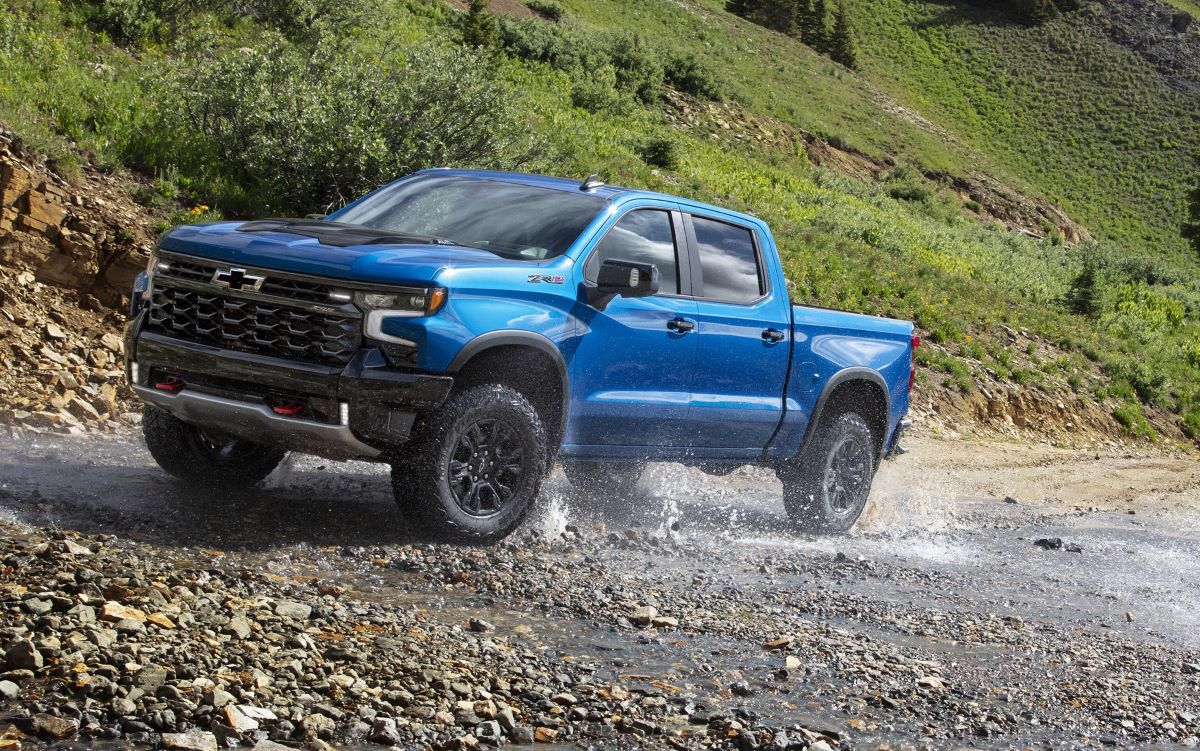
3. Chevrolet Silverado 1500 (2007–2013)
The Chevrolet Silverado 1500, particularly models produced between 2007 and 2013, is another pickup recognized for its engine durability. This generation included the popular 5.3-liter V8 engine, part of General Motors’ LS family, which is known for its ruggedness and impressive longevity.
The LS-based 5.3-liter engine combines advanced technology such as Active Fuel Management and variable valve timing with a strong physical build, making it highly resilient. This engine is commonly found in both consumer and commercial vehicles, which is a testament to its reliability under varied conditions.
One reason this engine lasts so long is its simple yet effective design. The block is made from cast iron, giving it strength and heat resistance, while the heads are aluminum to help reduce weight and improve cooling. The architecture of the engine allows for good airflow and efficient combustion, contributing to a stable running temperature and less stress on internal components.
This helps avoid common engine problems like warping, detonation, or premature wear. Drivers who maintain this engine according to GM’s recommended schedule generally experience very few issues over the truck’s lifetime.
GM also pays attention to details like oil flow and cooling pathways within the engine, which helps reduce hotspots and uneven wear. The 5.3-liter engine benefits from a robust oiling system that keeps all parts well-lubricated, reducing friction and extending component life.
Its fuel system is designed for reliability, with durable injectors and sensors that are easy to service or replace. Owners who take care to use quality fuel and lubricants tend to keep this engine running for well beyond 200,000 miles, often without the need for an engine swap.
Another advantage of this generation of Silverado is the vast aftermarket support and availability of OEM replacement parts. Since the 5.3-liter engine shares many components with other GM vehicles, parts are widely accessible and often affordable.
This encourages repairing specific engine components rather than replacing the entire engine. Whether used for work or personal driving, Silverado models from 2007 to 2013 continue to hold their ground, with many owners reporting reliable engine performance that avoids the complexity and cost of engine swaps.
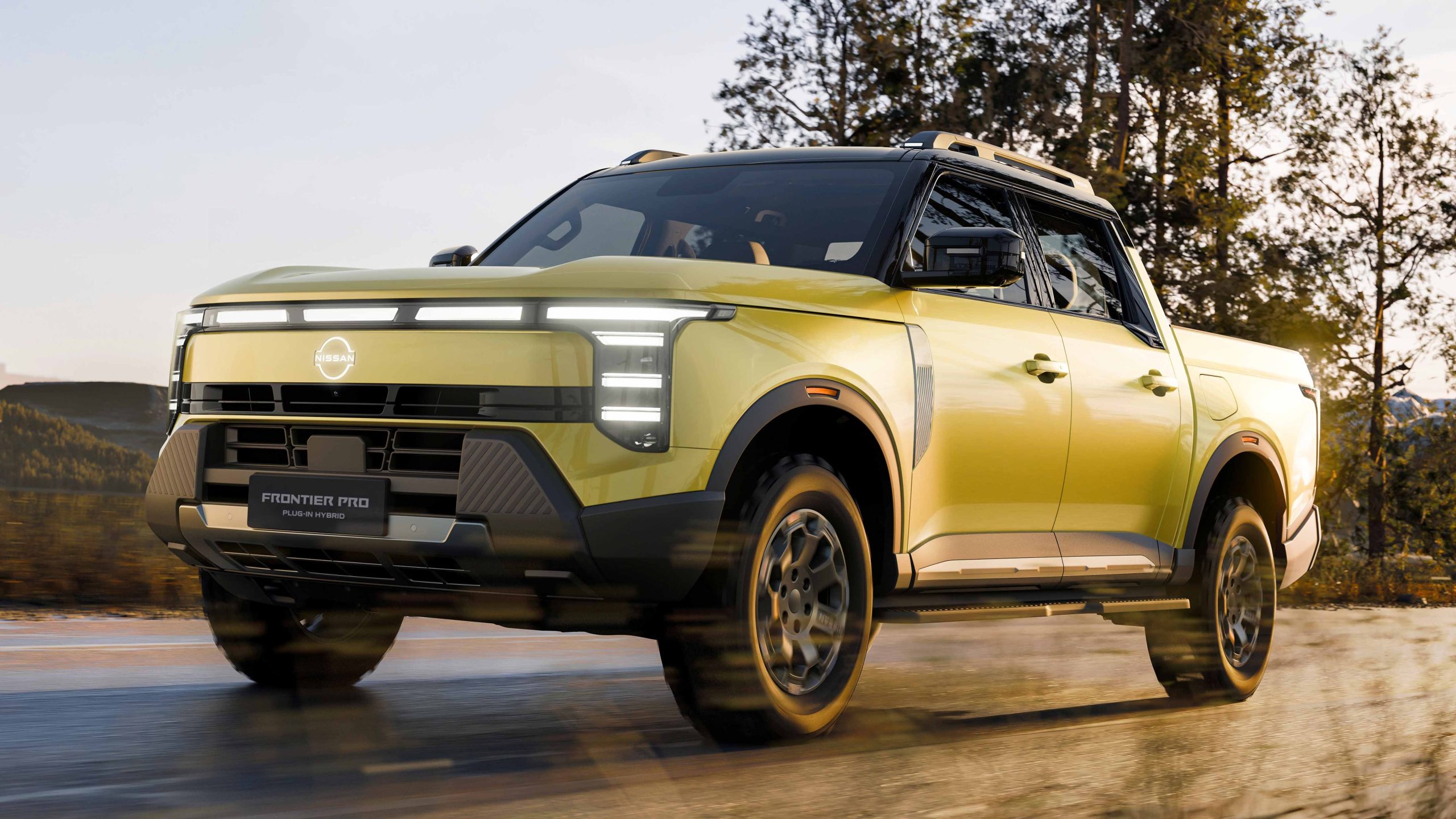
4. Nissan Frontier (Second Generation, 2005–2021)
The Nissan Frontier has carved out a niche as a dependable midsize pickup, and its second generation, which lasted from 2005 all the way to 2021, features engines that rarely call for replacement. The 4.0-liter V6 engine in this truck is widely regarded for its strong build and smooth performance.
Nissan designed this engine with a focus on durability, opting for a robust cast-iron block and a straightforward overhead camshaft design. Its engineering prioritizes consistent performance without pushing the components beyond their limits, which greatly contributes to its longevity.
Routine maintenance plays a big role in preserving the Frontier’s engine. The 4.0-liter V6 benefits from easy access to service points like the oil filter, spark plugs, and air intake, which encourages regular upkeep by owners.
The engine cooling system is also designed to prevent overheating, a major cause of engine damage in many trucks. Owners report that, with basic preventive maintenance and attention to fluid levels, this engine often runs well past the 200,000-mile mark without the need for major repairs or swaps.
The engine’s simplicity is a key factor in its reliability. It avoids overly complicated technology that can lead to failures in other modern engines, instead using proven components that have been tested over years of production.
This includes a timing chain rather than a belt, which eliminates one common source of engine failure. Furthermore, the engine’s fuel injection system is durable and easy to service, ensuring that fuel delivery remains consistent and efficient without costly repairs.
Nissan’s commitment to quality manufacturing ensures that most Frontier engines leave the factory free of defects, and the truck’s build quality supports long-term use in a variety of conditions.
Many Frontier owners find their trucks remain capable and reliable well beyond their warranty periods, often with the original engine still intact and functional. This has earned the Frontier a solid reputation among midsize pickups that require little more than regular maintenance to keep the engine healthy and dependable.
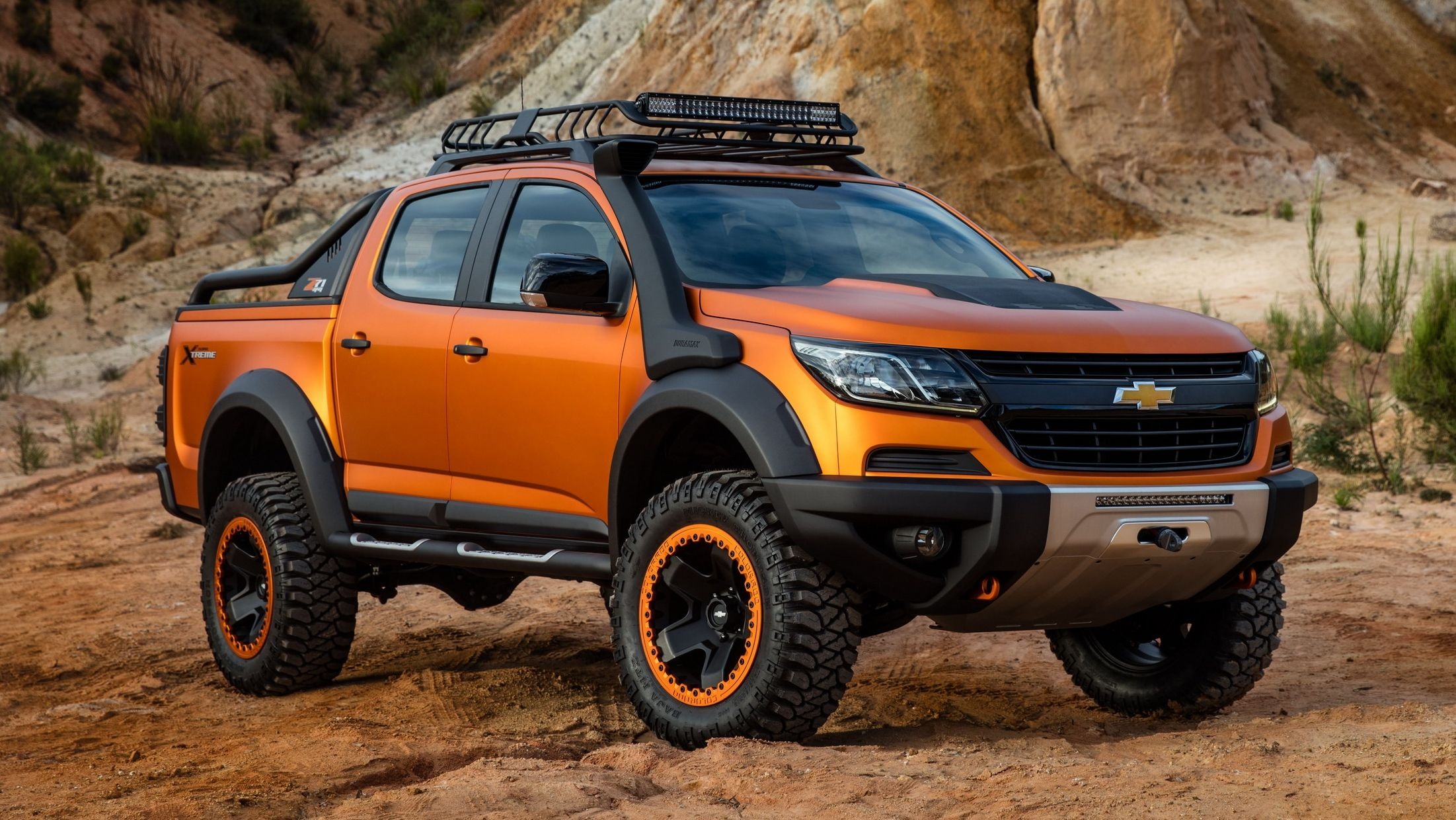
5. Chevrolet Colorado (First Generation, 2004–2012)
The Chevrolet Colorado’s first generation, spanning from 2004 to 2012, is often praised for its reliable engines that tend to avoid the need for swaps when well cared for. A popular choice in this range is the 3.7-liter inline-five engine, which, while somewhat unconventional, offers a great balance of power and durability.
This engine was designed with simplicity and strength in mind, featuring a cast-iron block and an overhead camshaft system that minimizes moving parts, making it less prone to failure. Its inline-five configuration gives it a unique torque curve, ideal for light towing and everyday driving without pushing the engine to its limits.
One of the most aspects contributing to the longevity of Colorado’s engines is their ease of maintenance. The design allows for relatively straightforward access to components such as spark plugs, belts, and filters. This encourages regular servicing, which is crucial to extending engine life.
Furthermore, the cooling system is engineered to maintain steady operating temperatures, which helps prevent overheating, a leading cause of engine damage.
Owners who remain consistent with oil changes and monitoring for any fluid leaks often find the engine holding up well beyond the 150,000-mile mark, a testament to its solid engineering.
Colorado’s engines are also backed by a well-established support network. General Motors’ extensive parts availability means that replacements and repairs are both accessible and affordable. This network reduces the need for drastic measures like engine swaps because smaller issues can be addressed promptly and cost-effectively.
Additionally, many Colorado owners appreciate the engine’s robust construction, which is designed to handle a variety of driving conditions, from city streets to light off-roading, without succumbing to common mechanical failures seen in less durable trucks.
This pickup’s reputation for engine reliability is further bolstered by its relatively conservative power output. The engine’s performance is tuned for efficiency and steady operation, avoiding the high-stress scenarios that often lead to early engine wear.
The combination of a strong physical design, manageable performance expectations, and straightforward maintenance requirements means that the first-generation Chevrolet Colorado remains a trustworthy option for drivers seeking a truck that seldom requires a complete engine replacement.
Also Read: 12 Cars That Keep Their Value at High Mileage
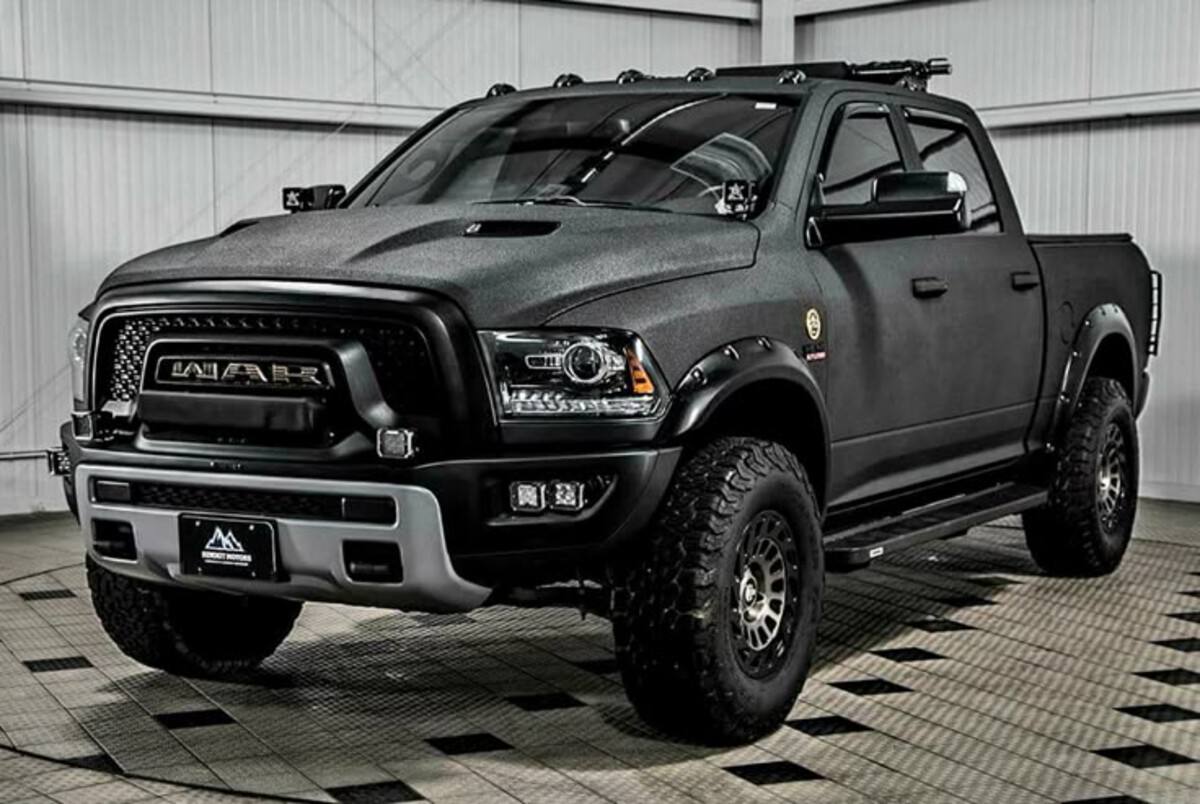
6. Dodge Ram 1500 (Third Generation, 2002–2008)
The third generation of the Dodge Ram 1500, produced from 2002 through 2008, is often recognized for its powerful yet resilient engines. A standout in this generation is the 5.7-liter HEMI V8, which combines impressive horsepower with surprisingly durable components.
The HEMI engine’s hemispherical combustion chambers contribute to efficient combustion and power delivery, while its construction uses heavy-duty materials that hold up well under stress. Although performance-oriented, the engine is engineered to endure extensive use without the need for replacement, provided routine maintenance is followed.
One of the key factors in the longevity of the HEMI engine is its design simplicity. Despite its power, the engine avoids unnecessary complexity that can often lead to premature failure. It uses a traditional pushrod valvetrain and features a robust cast-iron block and heads that help dissipate heat effectively.
Owners who adhere to scheduled maintenance such as oil and filter changes, spark plug replacements, and cooling system checks usually experience few issues, even when the engine is subjected to towing or hauling heavy loads.
The Dodge Ram 1500 also benefits from a strong aftermarket and dealer support network, which facilitates repairs and maintenance. Because parts are widely available and relatively affordable, owners can maintain the original engine longer without resorting to costly swaps.
Many mechanics are familiar with the quirks and needs of the HEMI engine, helping to ensure proper upkeep that further extends engine life. This combination of engineering and support means that the Ram’s engine continues to deliver reliable performance over time.
Furthermore, the 5.7-liter HEMI balances power and durability by not overstressing its components. While it offers strong acceleration and towing capabilities, the engine’s internal components are designed to handle such tasks without compromising longevity.
This careful balance contributes to its reputation as a tough, reliable engine. Drivers who respect the truck’s maintenance needs and avoid pushing it beyond recommended limits typically enjoy long-lasting performance without having to swap the engine.
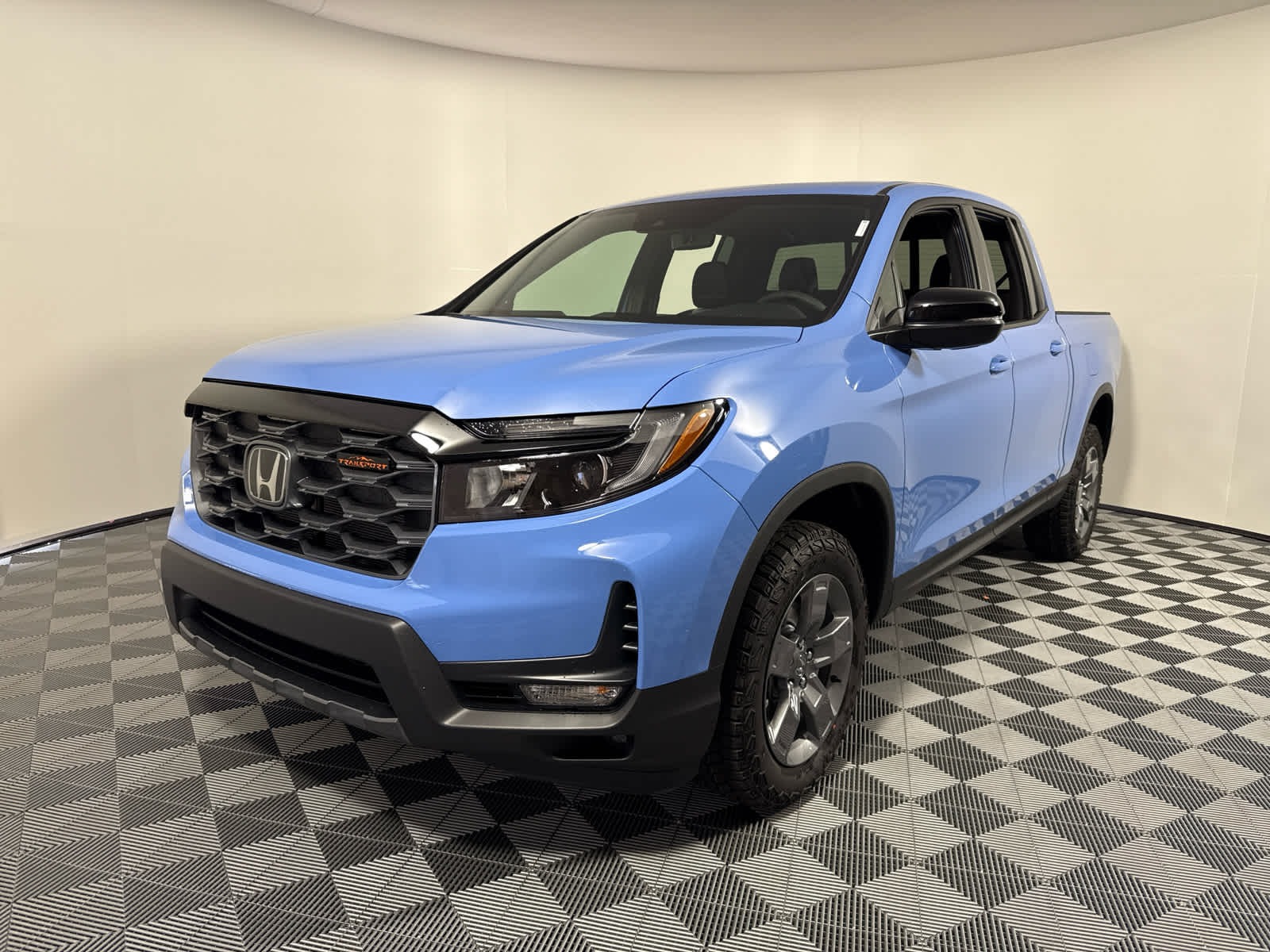
7. Honda Ridgeline (First Generation, 2006–2014)
The Honda Ridgeline, particularly its first generation produced between 2006 and 2014, offers a different take on the pickup truck segment with an emphasis on reliability and smooth operation. Powered primarily by a 3.5-liter V6 engine, the Ridgeline’s powerplant is well-known for its robust construction and smooth delivery of power.
Unlike traditional truck engines, Honda’s V6 is derived from passenger car technology, which focuses on longevity and refined performance. This engine features an aluminum block and heads, reducing weight while ensuring efficient heat management, which helps avoid common issues like overheating and wear.
Maintenance is straightforward on the Ridgeline’s V6, and its components are designed for longevity. The engine uses a timing chain rather than a timing belt, which eliminates the need for periodic replacement and reduces the risk of catastrophic engine damage due to timing failure.
Additionally, Honda’s engineering prioritizes smooth valve operation and consistent fuel delivery, reducing stress on internal parts. These design choices contribute to the engine’s reputation for running well beyond 200,000 miles without the need for a swap, as long as owners keep up with regular servicing.
The Ridgeline’s engine also benefits from Honda’s reputation for quality manufacturing and precision assembly. Each engine is produced to tight tolerances, ensuring that components fit and operate optimally from day one.
This precision helps reduce wear caused by poorly fitting parts or imbalanced components. Moreover, Honda’s extensive dealer and parts network supports easy maintenance, allowing owners to address any emerging issues early, which further reduces the likelihood of needing an engine swap.
In addition to mechanical durability, the Ridgeline’s engine is paired with a reliable transmission and drivetrain that complement its longevity.
The combination of smooth power delivery and a well-engineered platform means the truck doesn’t subject its engine to unnecessary stress. This holistic approach to design ensures that the Ridgeline remains a reliable choice for those seeking a pickup that balances everyday usability with long-term durability.
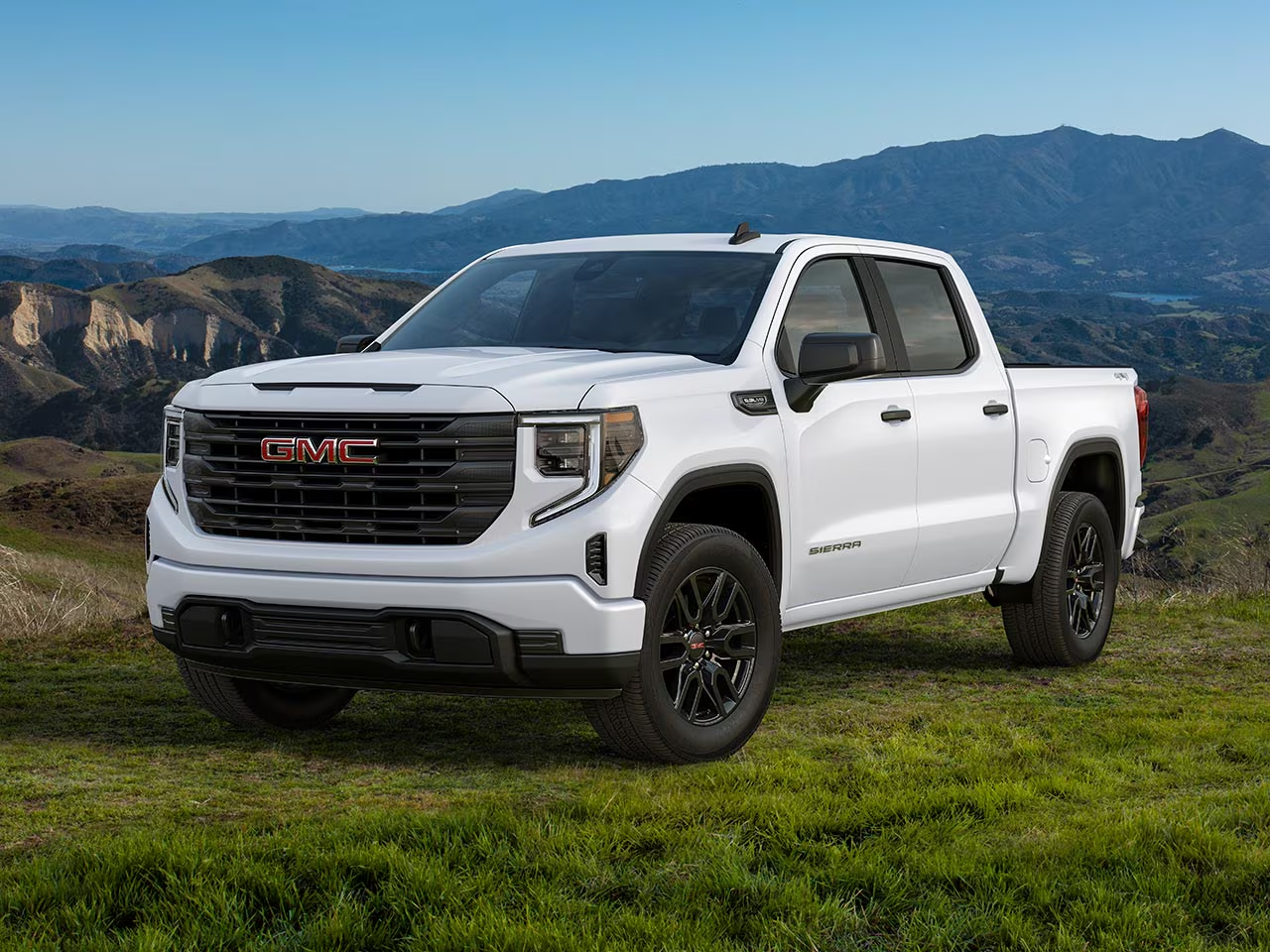
8. GMC Sierra 1500 (2007–2013)
The GMC Sierra 1500 from 2007 to 2013 shares many components with its Chevrolet Silverado counterpart but has developed its own reputation for reliability. Its 5.3-liter V8 engine, part of GM’s LS family, is a core contributor to this trustworthiness.
This engine boasts a durable cast-iron block, efficient aluminum heads, and a robust fuel system, which together create a powertrain known for longevity. The engine is capable of delivering strong performance while maintaining a solid track record of lasting well beyond 200,000 miles with proper care.
Durability in this engine is aided by a design that promotes effective heat dissipation and balanced mechanical loads. The engine’s components are designed with precision to reduce internal wear, supported by features like variable valve timing that optimize performance without overtaxing parts.
Regular maintenance such as timely oil changes and periodic inspections of the cooling system are crucial to preserving the engine’s health. Many Sierra owners report minimal major engine issues, attributing this to the engine’s rugged construction and GM’s attention to detail during production.
Beyond the mechanical design, the Sierra benefits from a wide support network for parts and repairs. With the popularity of GM’s LS engine family, there is an extensive aftermarket presence that allows owners to replace worn components without needing a full engine swap.
This availability encourages repair over replacement, extending the life of the original engine. The community of mechanics and enthusiasts familiar with these engines also helps maintain their reputation for reliability through shared knowledge and experience.
Finally, the Sierra’s design contributes to the engine’s longevity. It is engineered to handle heavy-duty tasks while minimizing stress on the powertrain. Whether towing, hauling, or everyday commuting, the truck is designed to balance workload and engine performance. This thoughtful engineering results in a truck that owners can rely on for many years without worrying about engine replacement.
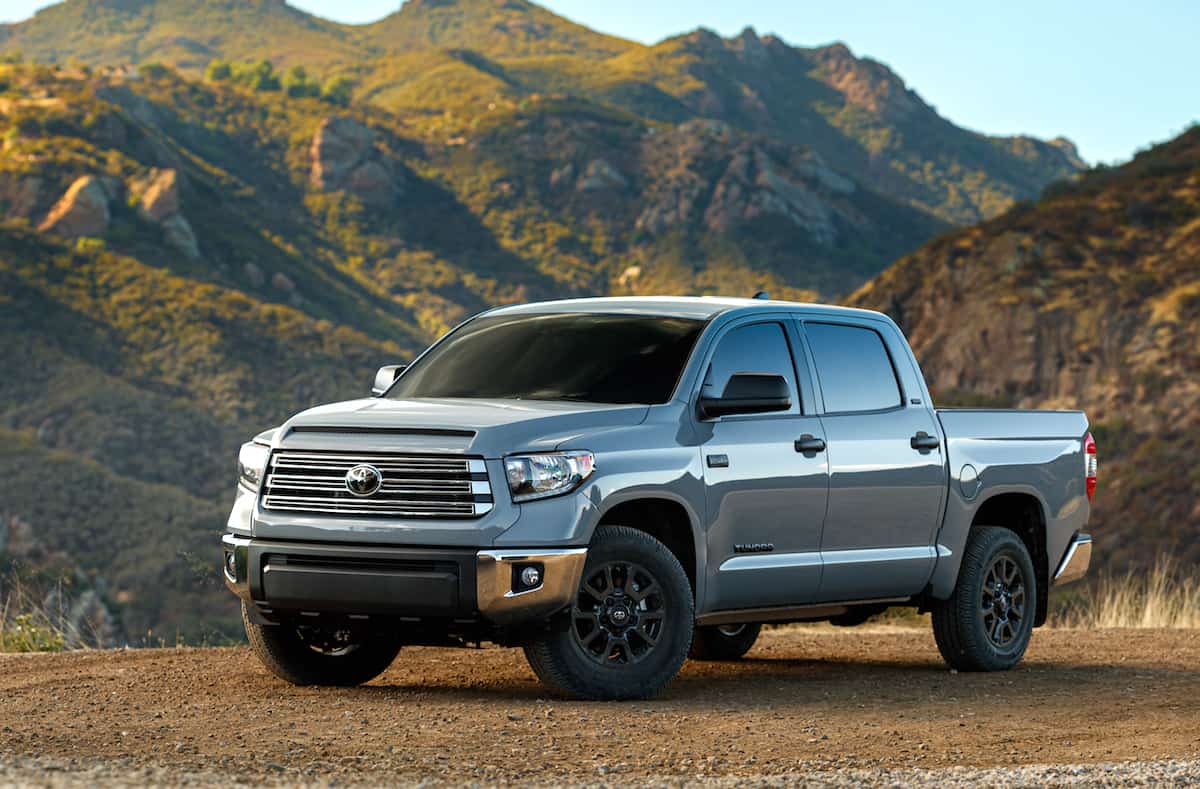
9. Toyota Tundra (Second Generation, 2007–2021)
The second-generation Toyota Tundra, produced from 2007 through 2021, is another pickup known for engine reliability. Particularly is the 5.7-liter V8 engine, which combines ample power with robust construction.
Toyota engineered this engine with durability in mind, using a cast-iron block and aluminum cylinder heads to achieve a strong, heat-resistant design. The engine is praised for maintaining smooth performance even under heavy loads and long-distance driving, making it a favorite among drivers who expect their trucks to last without needing major engine repairs or replacements.
The 5.7-liter V8’s longevity is supported by Toyota’s strict manufacturing standards and a focus on preventative design features. The engine uses a timing chain system and well-designed oil pathways to ensure all internal parts receive proper lubrication, reducing wear over time.
Owners who perform regular oil changes and monitor coolant levels typically find that this engine can reach high mileage without serious issues. Additionally, Toyota’s reputation for building engines with low tolerances and high-quality materials means fewer mechanical defects and a more durable powertrain.
Support for repairs and maintenance further enhances the Tundra’s engine longevity. Toyota’s extensive dealer network and large parts inventory mean that owners can keep their engines in good shape with routine service and minor repairs.
The truck’s design allows for accessible maintenance points, reducing the likelihood of neglect due to difficulty. Because of this, many Tundra owners report running the original engine for well beyond 200,000 miles, often without major repairs or swaps.
The Tundra’s balance of power and durability is another factor that helps prevent engine replacement. The engine produces strong torque and horsepower, but is built to withstand these forces over extended use.
Toyota’s engineering ensures that the powertrain components are matched to the truck’s weight and intended use, preventing excessive stress that could lead to premature failure. This makes the Tundra’s second-generation models a standout choice for those seeking a pickup with a long-lasting engine.
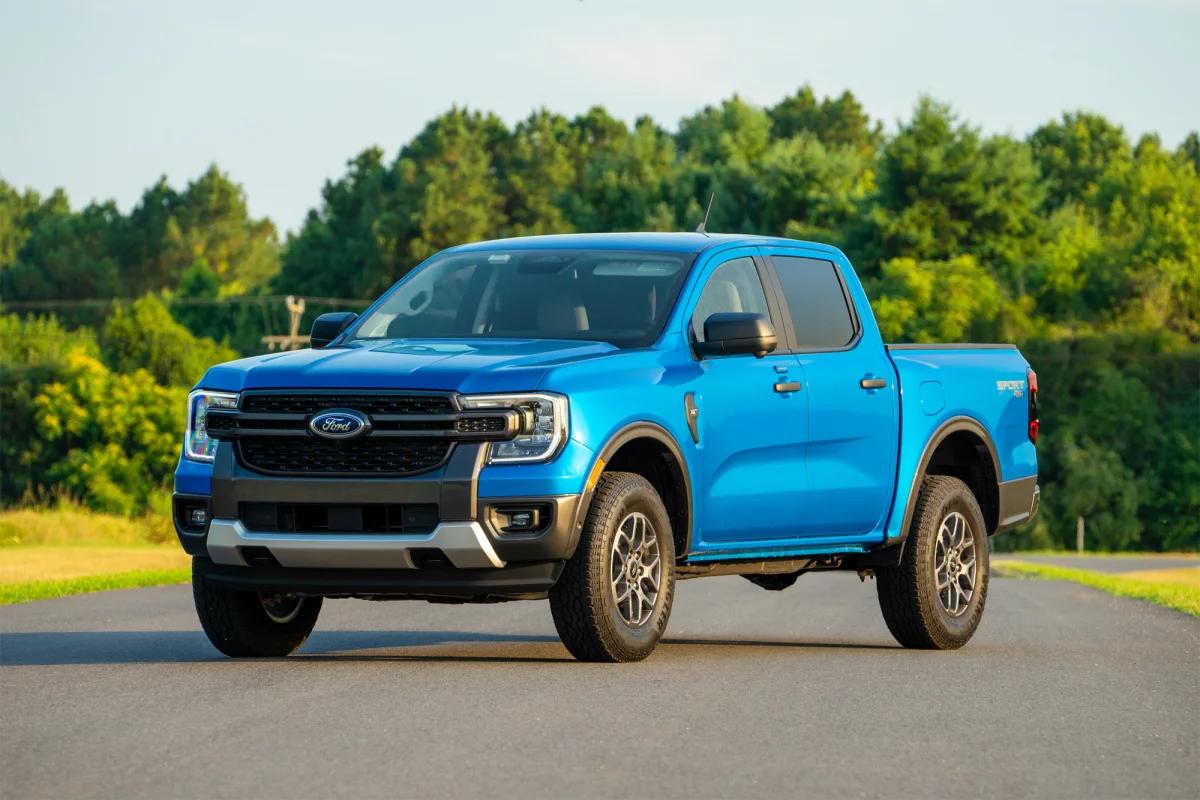
10. Ford Ranger
The third generation of the Ford Ranger, produced from 1998 to 2011, is often noted for its sturdy engines that tend to avoid requiring swaps under normal conditions. The 4.0-liter V6 engine available in these models is known for its dependable performance and solid build quality.
Ford’s focus on producing an engine capable of handling a variety of driving conditions while remaining relatively simple mechanically has contributed to its long life. This engine’s cast-iron block and durable valvetrain are designed to withstand many miles of driving without suffering significant damage.
Maintaining this engine is straightforward and key to its longevity. The design allows for easy access to common service areas such as the oil filter, spark plugs, and belts, encouraging regular upkeep. This routine maintenance helps prevent problems that might otherwise lead to engine failure, such as overheating or lubrication issues.
The cooling system is effective and designed to maintain steady operating temperatures, which helps avoid warping or cracking of engine components, a common cause of engine swaps in other vehicles.
Parts availability is another advantage for the Ford Ranger’s engine. Replacement components are widely available and affordable, making repairs feasible without the expense of a full engine swap.
Many Ford enthusiasts appreciate the simplicity and reliability of this engine, and mechanics are familiar with its maintenance requirements. This combination encourages preventive care and repairs, which extend the engine’s usable life significantly.
In addition to physical durability, the engine’s performance balance helps it last longer. While it delivers adequate power and torque for the Ranger’s size and purpose, it is not pushed to extreme performance levels that would accelerate wear. This sensible tuning allows the engine to endure years of driving, often with the original powerplant still intact.
The third-generation Ford Ranger’s 4.0-liter V6 remains a solid choice for those seeking a pickup with a low likelihood of needing an engine swap.
