
Cars often serve as more than just a means of transportation. For many families, certain vehicles represent decades of memories, achievements, and shared experiences. The smell of old leather seats, the soft rumble of a well-aged engine, and the dings or scratches earned from road trips and life events are all part of a story that travels through generations.
While material possessions come and go, vehicles that are preserved and handed down carry emotional weight. These machines are often treated with care not just because of their craftsmanship or rarity, but because of what they represent to the people who keep them.
Some families pass down watches, jewelry, or photo albums, but others keep their legacy on four wheels. These aren’t just cars in a mechanical sense. They are rolling time capsules, holding stories from weddings, family vacations, first jobs, and teenage milestones.
Passing down a vehicle isn’t just about preserving a car; it’s about preserving identity, tradition, and family pride. It’s an act that connects the past to the present in a direct and personal way. The car becomes a shared symbol, one that grows in value not just monetarily, but sentimentally.
There’s also an aspect of continuity. The maintenance, the polish, the upgrades or restorations, each generation adds their chapter to the car’s story. Whether the vehicle sits in a garage most of the time or is driven only on special occasions, its presence is a steady reminder of heritage.
For car enthusiasts, this bond is even more significant. There’s a sense of duty involved in keeping the vehicle running, in maintaining its appearance and legacy. The emotional attachment can be stronger than with any other kind of inherited item.
Across the world, some models have become unofficial torchbearers of family history. Whether it’s an old truck that helped build a family’s business or a classic sports car that was once a father’s pride and joy, these cars often outlive their original owners and continue to serve as links between generations.
The following ten vehicles are among the most commonly passed down as family heirlooms, and each has its own reasons for becoming more than just a car.
Also Read: 5 Cars That Rarely Need Cooling System Work vs 5 That Always Overheat
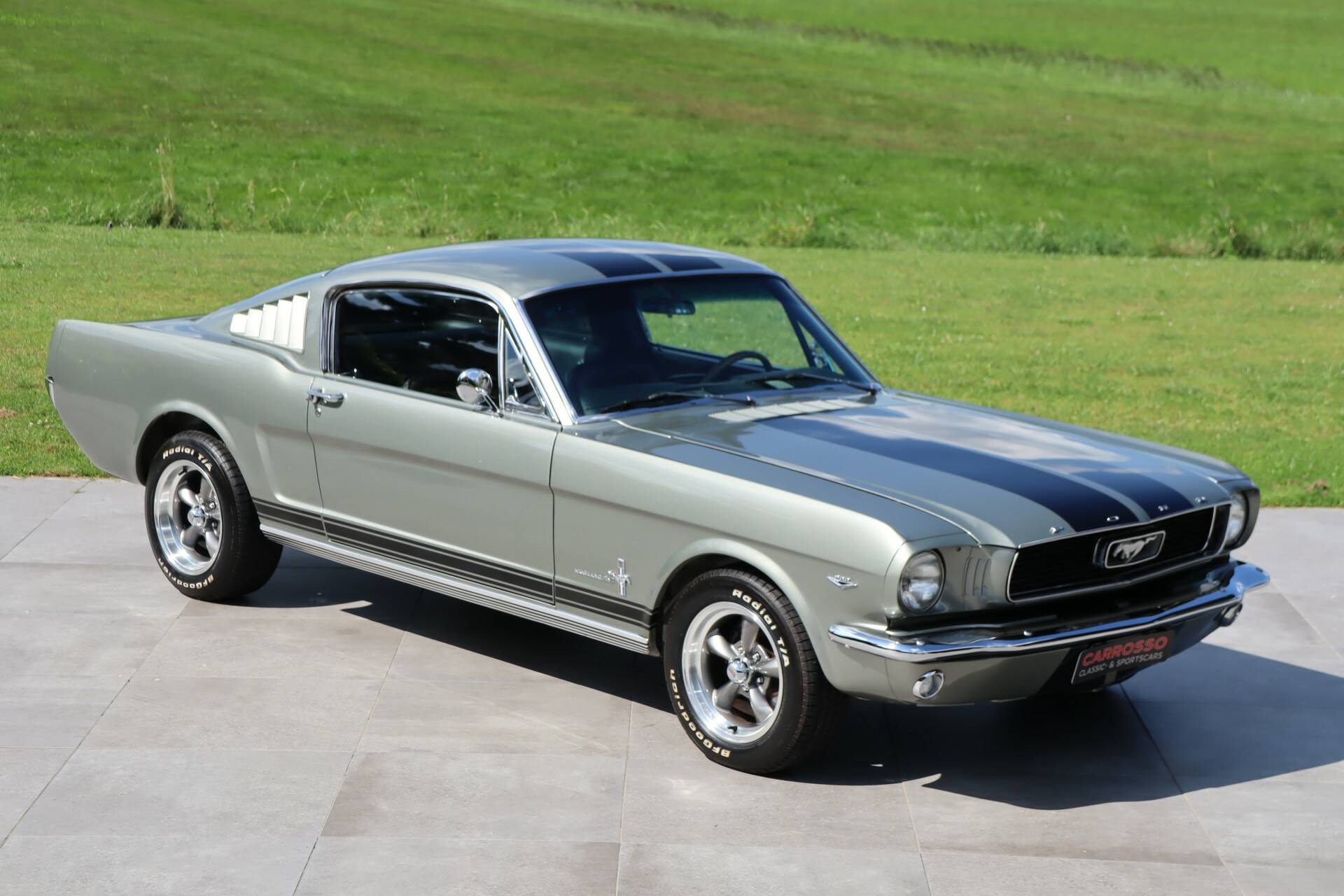
1. Ford Mustang (1960s and 1970s Models)
The Ford Mustang, especially the models from the 1960s and early 1970s, is one of the most iconic American cars. It represents not only a peak in muscle car design but also a cultural era filled with music, style, and boldness.
The Mustang’s aggressive look, raw engine power, and customizable options made it a symbol of freedom and individuality. It was affordable for many families back then, which meant a large number of them were owned and driven for personal pride rather than for status. That made it more likely to stay in the family and be passed down rather than traded in or sold.
Many people remember their first ride in a Mustang as a defining experience. The sound of the V8 engine, the long hood, and the fastback design created strong impressions. For families that owned one during the 1960s or 1970s, the car often became associated with important life events.
Whether it was a wedding getaway car or the vehicle taken on summer road trips, the Mustang became a central character in many personal stories. This deep emotional attachment is part of what keeps the car in the family long after its original owner is gone.
Maintaining a classic Mustang takes commitment. Parts need to be sourced, and older models often require ongoing maintenance or even full restorations. But for many families, that effort becomes part of the tradition. A father may teach his child how to change the oil or rebuild the carburetor.
Over time, the garage becomes not just a place for repairs but a classroom for passing down skills and values. This hands-on connection strengthens the bond between the car and the family even more.
Passing down a Mustang isn’t just about preserving a car; it’s about continuing a legacy. It’s a way for younger generations to experience what their parents or grandparents did, to feel the road through the same steering wheel. In that sense, a classic Mustang becomes not just a family heirloom, but a time machine.
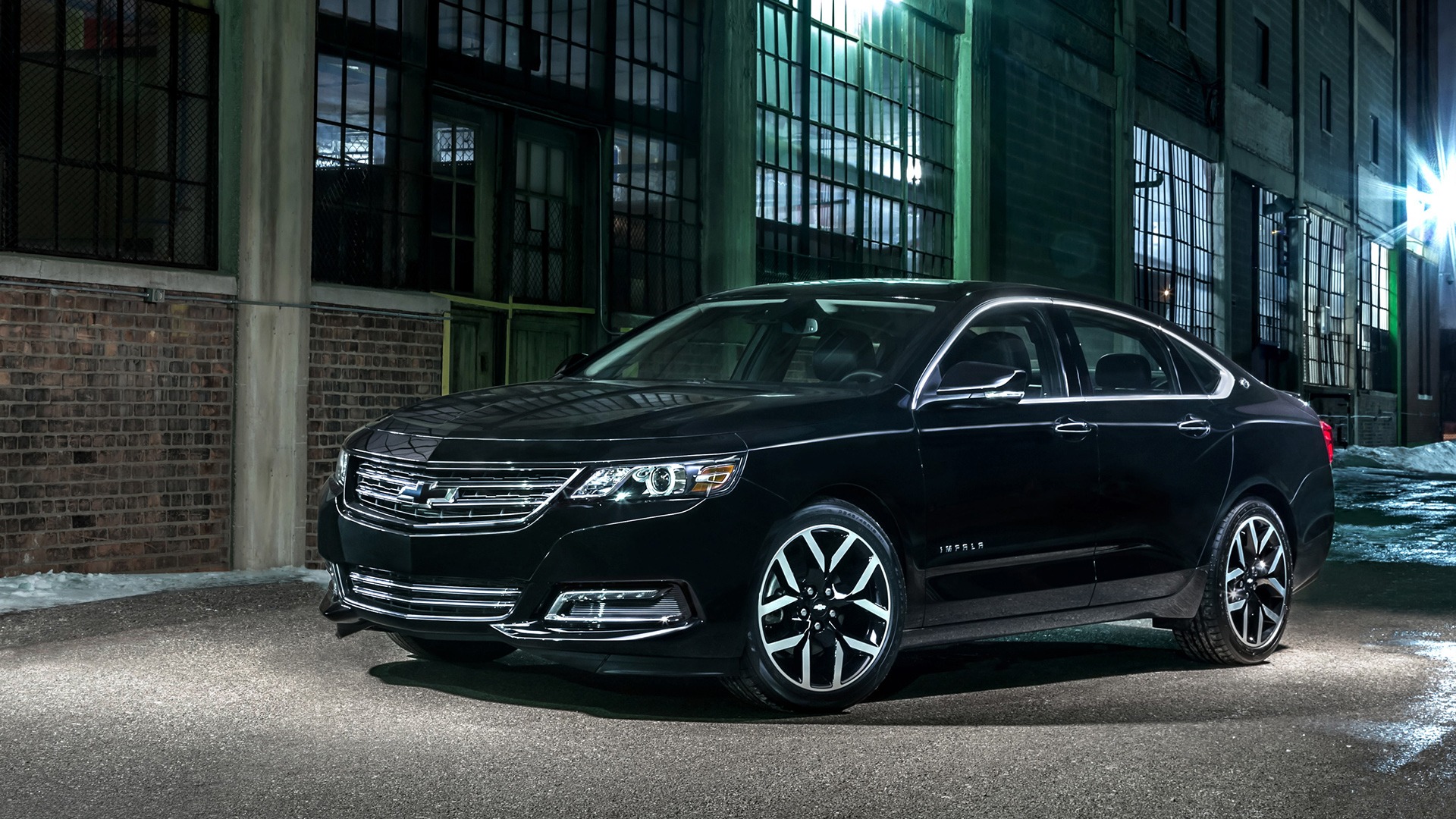
2. Chevrolet Impala (1950s–1970s Models)
The Chevrolet Impala holds a special place in American automotive history. Known for its style, size, and comfort, the Impala became a popular choice for families during the mid-20th century. Its wide seats, smooth ride, and roomy trunk made it ideal for long drives and family outings. Many people who grew up during those decades have strong memories of riding in the back seat with their siblings, listening to the radio, and watching the world go by through large windows.
The 1960s Impalas, in particular, are still admired for their sleek design and chrome accents. They were built during a time when cars were not just tools for transportation but also reflections of personal taste and social status.
For many families, buying an Impala was a sign of upward mobility or achieving a certain financial milestone. As a result, these cars were often well-cared-for and treated with a sense of pride that lasted for decades.
When an Impala is passed down, it usually comes with a pile of old registration papers, maintenance logs, and perhaps even original photographs. The car itself becomes a physical archive. Restoring it can be a journey of discovery, as old receipts or handwritten notes in the glove box reveal details about the previous owner’s habits and personality.
It’s this kind of living history that makes the Impala more than just a vehicle, it becomes a connection point between generations.
For some families, the Impala serves as a kind of mobile monument. It may only come out during holidays or special events, driven slowly and carefully, as if the past itself is riding in the passenger seat. Young people who inherit the car may not immediately understand its value, but with time, they begin to see why their elders cared so deeply about it. The emotional investment grows stronger with each memory made inside it.
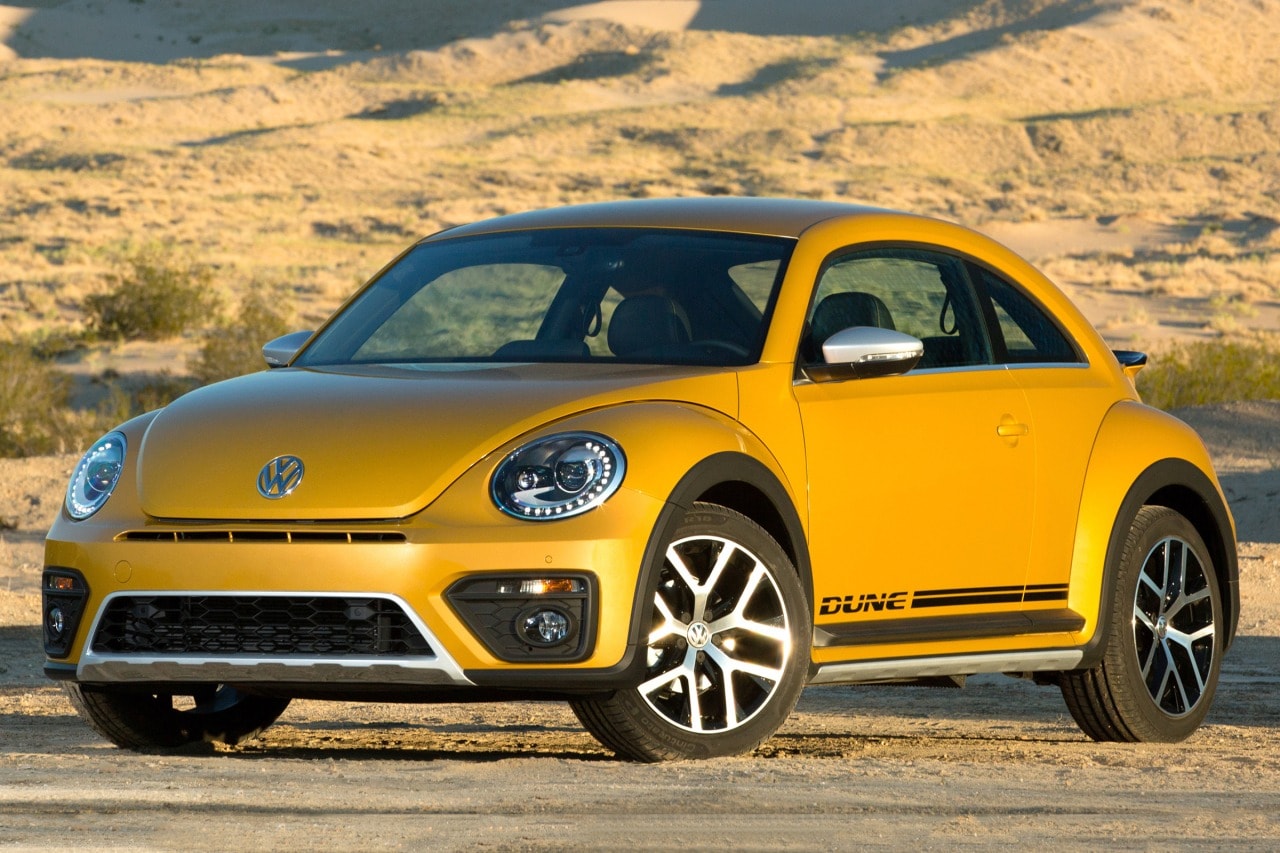
3. Volkswagen Beetle (Classic Models)
The Volkswagen Beetle is perhaps one of the most recognizable cars ever made. Its compact, rounded design, simple mechanics, and affordability made it a popular choice for families across the globe, especially during the 1960s and 1970s. But what really sets the Beetle apart is its personality. Unlike many other vehicles, the Beetle seems to have a character all its own, which helps explain why so many people grow emotionally attached to it.
In many cases, families didn’t just buy a Beetle, they built a relationship with it. The car became part of the household, often given nicknames and cared for like a pet. Because of its simple mechanical design, it was also one of the easiest cars for young people to learn how to fix.
A father might teach his child how to replace the spark plugs or adjust the timing belt, and those lessons often stuck for life. That hands-on experience added a personal layer to the vehicle’s legacy, making it more likely to be passed down.
Another reason the Beetle became a popular heirloom is its association with independence and first experiences. For many people, it was their first car, first solo road trip, or first taste of freedom. That sense of personal history makes it hard to part with. Even when it gets parked in a garage for years, it’s rarely sold. Instead, it’s preserved until someone else in the family is ready to take over its care and continue the story.
In recent years, the classic Beetle has also gained value among collectors, which has further increased its reputation as a worthy heirloom. But for most families, the car’s financial worth is secondary. What matters more is that it still runs, still smells the same, and still has the same charm that made it special decades ago. Passing it down is about keeping that charm alive.
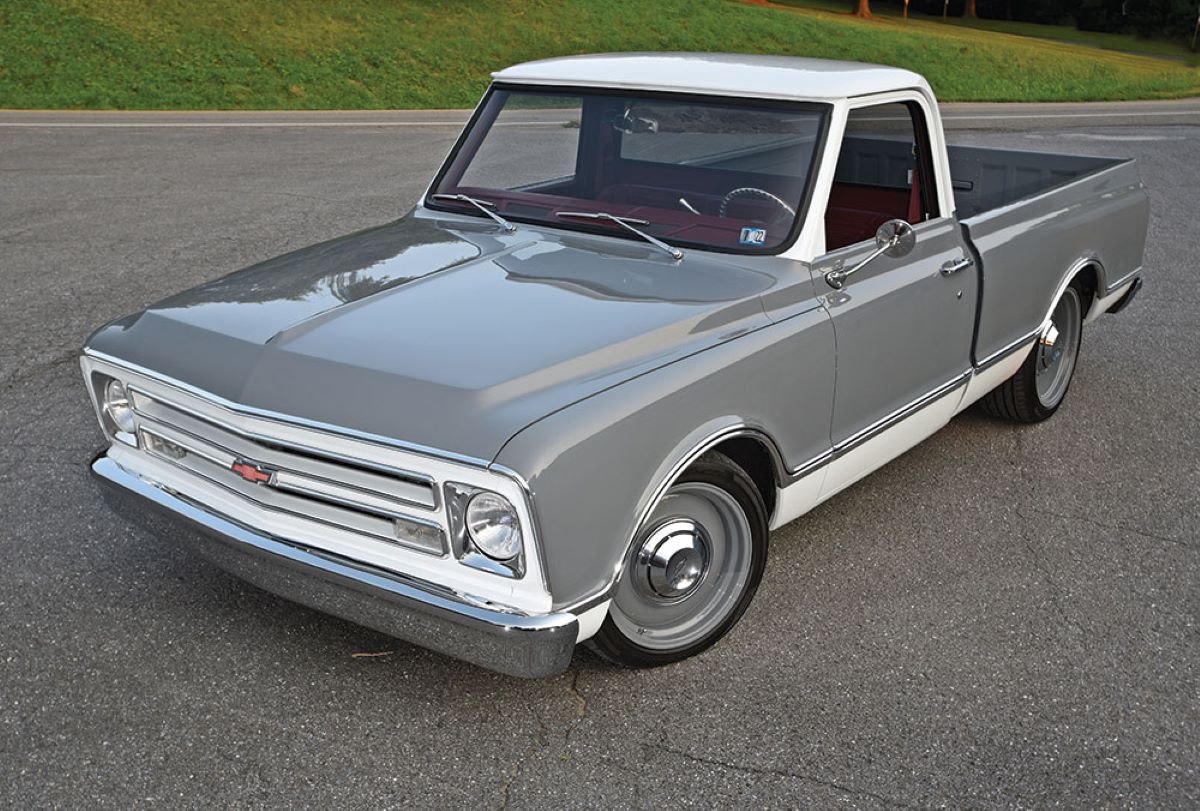
4. Chevrolet C/K Pickup (Especially from the 1970s and 1980s)
For many rural and working-class families, the Chevrolet C/K pickup truck wasn’t just a vehicle; it was part of their livelihood. These trucks hauled lumber, carried tools, pulled trailers, and sometimes even doubled as family transport. Built tough and designed for work, the C/K series earned a reputation for reliability and durability. When a truck can survive decades of hard use and still run strong, it becomes more than just a machine, it becomes a symbol of grit and determination.
A truck like this is often tied closely to family business. Maybe it was used in farming, construction, or a local delivery service. It might have been the vehicle a grandfather used to take his grandkids to school after finishing morning chores.
Stories about the truck are often work-related: cold mornings in winter, long days on the job site, or summer evenings spent riding in the back under the open sky. These memories stick around, and so does the truck.
Unlike flashy sports cars or polished sedans, these pickups are often passed down quietly. They may not look impressive, with their faded paint and dented panels, but they are trusted and respected. A young person who inherits one might be surprised by how many people recognize it and have stories to share. That shared local history adds to its sentimental value.
Restoring a C/K pickup isn’t always about cosmetics. It’s about keeping it functional, reliable, and true to its purpose. When a family passes one down, they’re handing over a tool that has already proven itself over time. That kind of dependability builds pride, and for many, it’s an honor to be the next person behind the wheel.
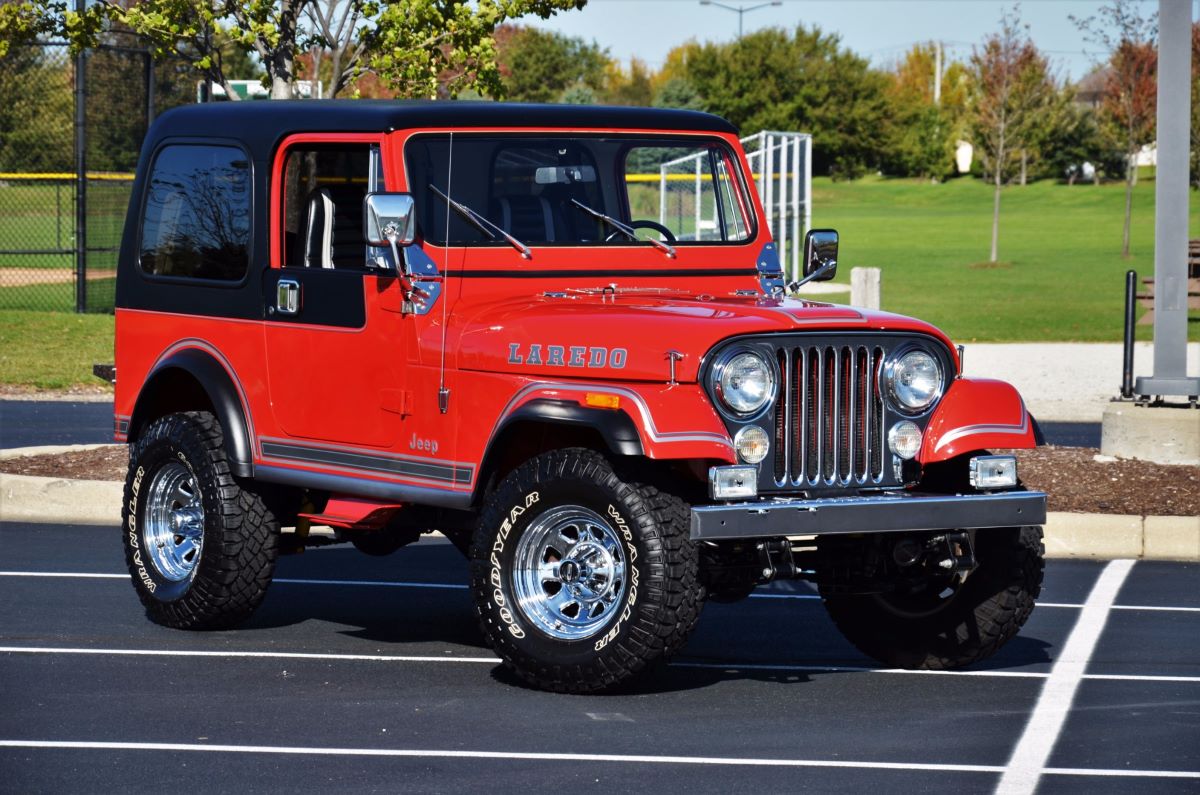
5. Jeep CJ and Wrangler Series
The Jeep CJ (Civilian Jeep) and its successor, the Wrangler, have always stood out as vehicles with spirit. Originally designed as military transport during World War II, the civilian versions became symbols of freedom, durability, and rugged adventure.
Many families bought Jeeps not just for their off-road capabilities but also for their sense of character. Unlike many other vehicles, a Jeep looks at home on a mountain trail, in a beach parking lot, or cruising through town with the top off. This flexibility has made it a favorite for families who value outdoor experiences and personal expression.
Passing down a Jeep often feels like passing down a lifestyle. These vehicles are built to be used and tested in the elements, so their value isn’t in showroom condition, but in how much they’ve been through.
A Jeep that’s been driven through muddy trails, over rocks, or along backcountry roads develops its own personality. Scratches and dents often come with stories: maybe about getting stuck during a storm or navigating steep terrain during a camping trip. These memories create deep emotional ties to the vehicle and make it difficult for owners to let go.
Generations grow up riding in the back, standing up through the roll bars, or learning to drive stick shift for the first time behind the wheel of the family Jeep. It becomes a rite of passage. The unique mechanics of a Jeep, from the four-wheel-drive systems to the simple body frame, make it a great tool for teaching basic automotive knowledge.
Parents pass down both the vehicle and the wisdom that comes with maintaining it. Learning how to fix or modify a Jeep becomes a bonding activity that builds both practical skills and family connection.
Unlike cars that sit polished in a garage, Jeeps tend to remain in use even after being passed down. They’re not usually showpieces, they’re meant to be driven, explored in, and challenged.
That continued use ensures that the memories and experiences associated with the vehicle continue to grow with each new generation. A Jeep might not always be in perfect condition, but that’s part of its legacy. Its imperfections tell the family’s story.
Also Read: 5 Vehicles That Last a Lifetime With Regular Oil Changes vs 5 That Don’t
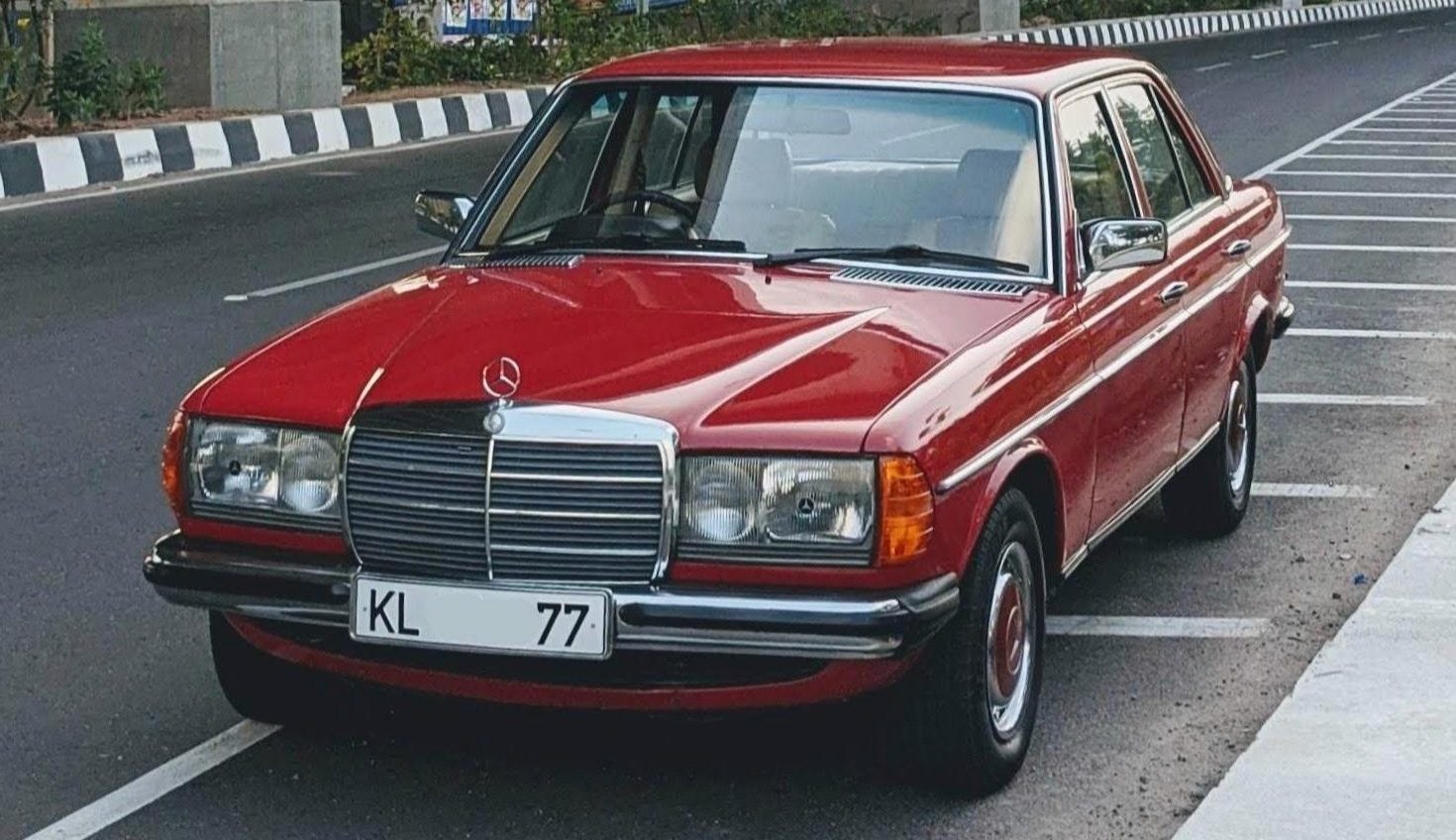
6. Mercedes-Benz W123 Series
For families who appreciate engineering excellence and understated style, the Mercedes-Benz W123 series holds a special place. Produced during the late 1970s and early 1980s, these sedans, wagons, and coupes were built to last.
Known for their over-engineered design, solid construction, and smooth ride, the W123 models were often purchased by people who valued long-term reliability over trends. These cars were built at a time when Mercedes still focused heavily on craftsmanship, and it shows in how many of these vehicles are still running today.
When a W123 is passed down, it’s usually been in the family for decades. It might have been bought new by a grandfather who admired German engineering or handed down from a parent who used it as a daily driver for many years.
The car becomes a reflection of patience and careful ownership. It’s not flashy or loud, but it exudes a quiet dignity that appeals to people who appreciate quality. For many inheritors, keeping it in good shape is more than just maintenance, it’s about honoring the values of the person who first owned it.
One of the advantages of the W123 is its simplicity. Unlike modern cars packed with electronics and sensors, the W123 is built with mechanical systems that can be understood and repaired by a knowledgeable enthusiast.
Families that pass them down often find themselves working together on minor restorations or tune-ups, creating a natural opportunity for learning and storytelling. Children and grandchildren gain not just mechanical knowledge, but also insight into the lives and habits of the previous owners.
Another reason the W123 is cherished as an heirloom is its timeless look. Its design is neither dated nor trendy, which makes it feel familiar no matter how many years have passed. It can be driven today without feeling out of place, and that continued usability helps keep it a part of everyday life. Unlike a vehicle that becomes a garage queen, the W123 can still earn its keep, even decades later, quietly continuing its journey with the family.
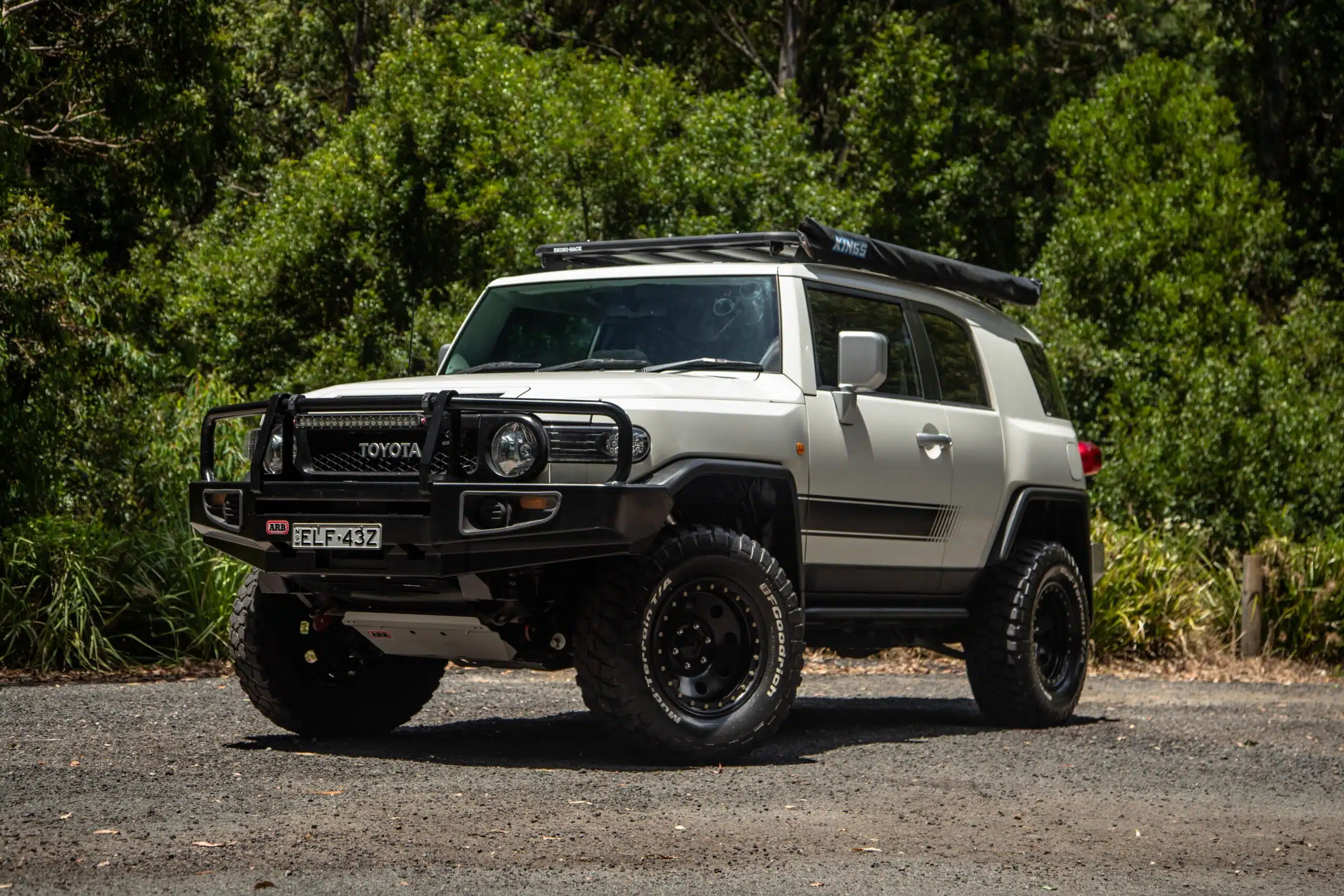
7. Toyota Land Cruiser (FJ40 and 60 Series)
The Toyota Land Cruiser, particularly the FJ40 and 60 Series, has a legendary status among vehicle enthusiasts and practical owners alike. Designed for durability, reliability, and performance in some of the harshest conditions, the Land Cruiser has long been favored by adventurers, ranchers, and families living in remote areas.
When one of these vehicles is passed down, it’s often a rugged, high-mileage machine that still manages to run strong. The stories that come with it are usually rich with challenges, travel, and survival, making it a meaningful family heirloom.
The FJ40, with its boxy frame and go-anywhere capability, became iconic not because of luxury or speed but because it was nearly indestructible. Families who owned one often relied on it for serious tasks: hauling supplies, climbing rocky hills, or navigating unpaved roads.
That kind of reliability breeds a strong emotional bond. If a vehicle never left you stranded and always got you home, it’s hard not to develop respect and affection for it. That respect is one of the reasons these Land Cruisers are passed down with a sense of honor and responsibility.
In many families, owning a Land Cruiser is often associated with significant life experiences. It might be the vehicle someone used to move across the country, start a new life, or build a business. Kids who grew up riding in the back often remember the sound of the engine, the smell of the interior, or the feeling of safety it gave them. These memories stick, and when the time comes to take the wheel, the sense of inheritance is more than symbolic; it’s deeply personal.
Restoring or maintaining a Land Cruiser can be both a passion and a lesson in perseverance. Parts may be harder to find, and repairs can be intensive, but those who take on the task usually feel they are doing something worthwhile. They aren’t just fixing an old truck; they’re keeping alive a family legacy of toughness, resilience, and adventure. In the end, the Land Cruiser isn’t just an heirloom; it’s a badge of experience.
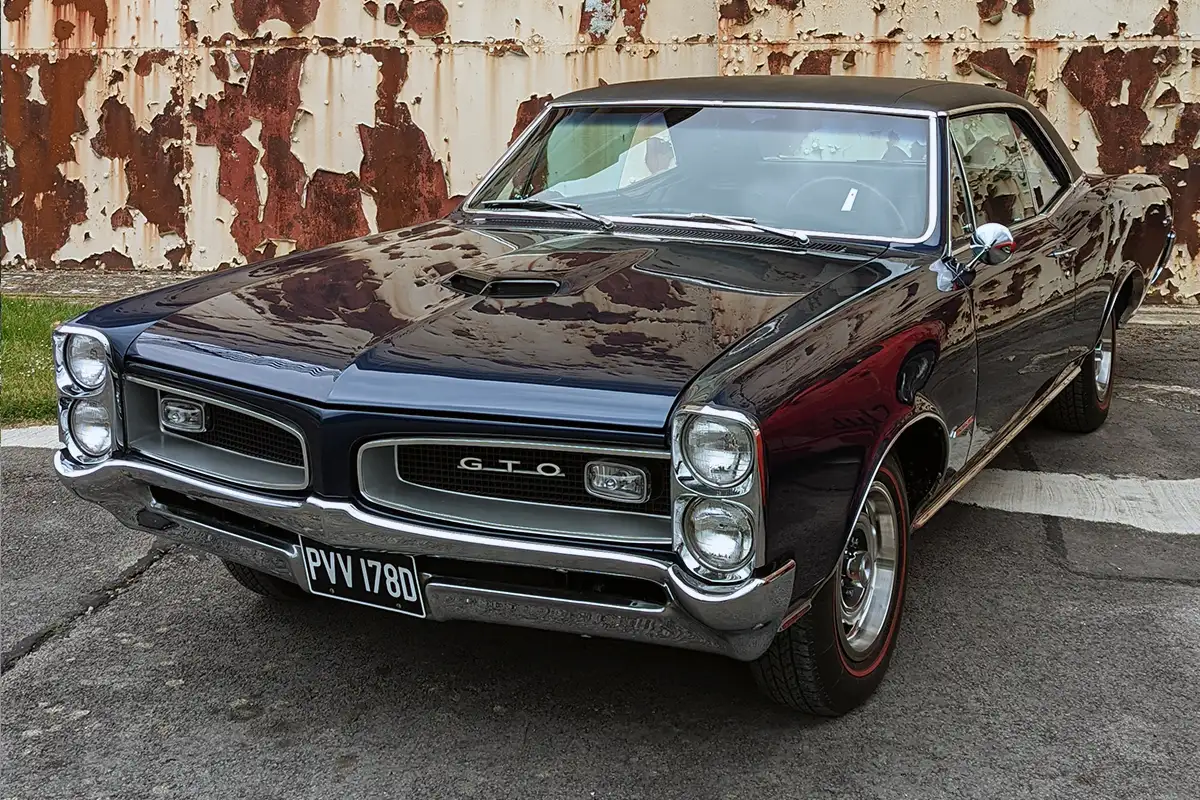
8. Pontiac GTO (1960s Models)
The Pontiac GTO is often considered one of the original muscle cars, and its legacy is built on power, design, and attitude. Introduced in the mid-1960s, it became a poster child for performance driving in America. For many families, owning a GTO was a source of pride.
It was fast, loud, and unapologetically bold. Passing one down is not just about handing over a vehicle; it’s about handing over a piece of Americana. Inheriting a GTO is like inheriting a piece of rebellion and ambition.
GTOs were often bought by young men looking to make a statement. For those who held on to them, the cars evolved from flashy status symbols into cherished relics. If a family kept the car long enough, it began to accumulate sentimental value far beyond its original purchase price.
Kids who grew up around it would remember the rumble of the engine and the way their parents talked about it with admiration. The GTO became a kind of family mascot, sitting proudly in the driveway or stored carefully in the garage.
These cars require maintenance and care, and their high-performance nature means they often need attention. But families who pass them down are often passionate about the car and what it represents. A young person receiving a GTO isn’t just getting a car; they’re stepping into a legacy. They’re trusted with a machine that meant something deeply personal to the previous owner. That trust carries emotional weight, and it often inspires the next generation to treat the vehicle with the same respect.
Driving a GTO today still turns heads. It’s not just about the speed or the roar, it’s the style, the history, the energy. When someone passes down a GTO, they are offering a chance to experience a past era, not through photos or stories, but through action. The car invites the new owner to continue the story with each turn of the key, each trip around the block, and each admiring glance it earns on the road.
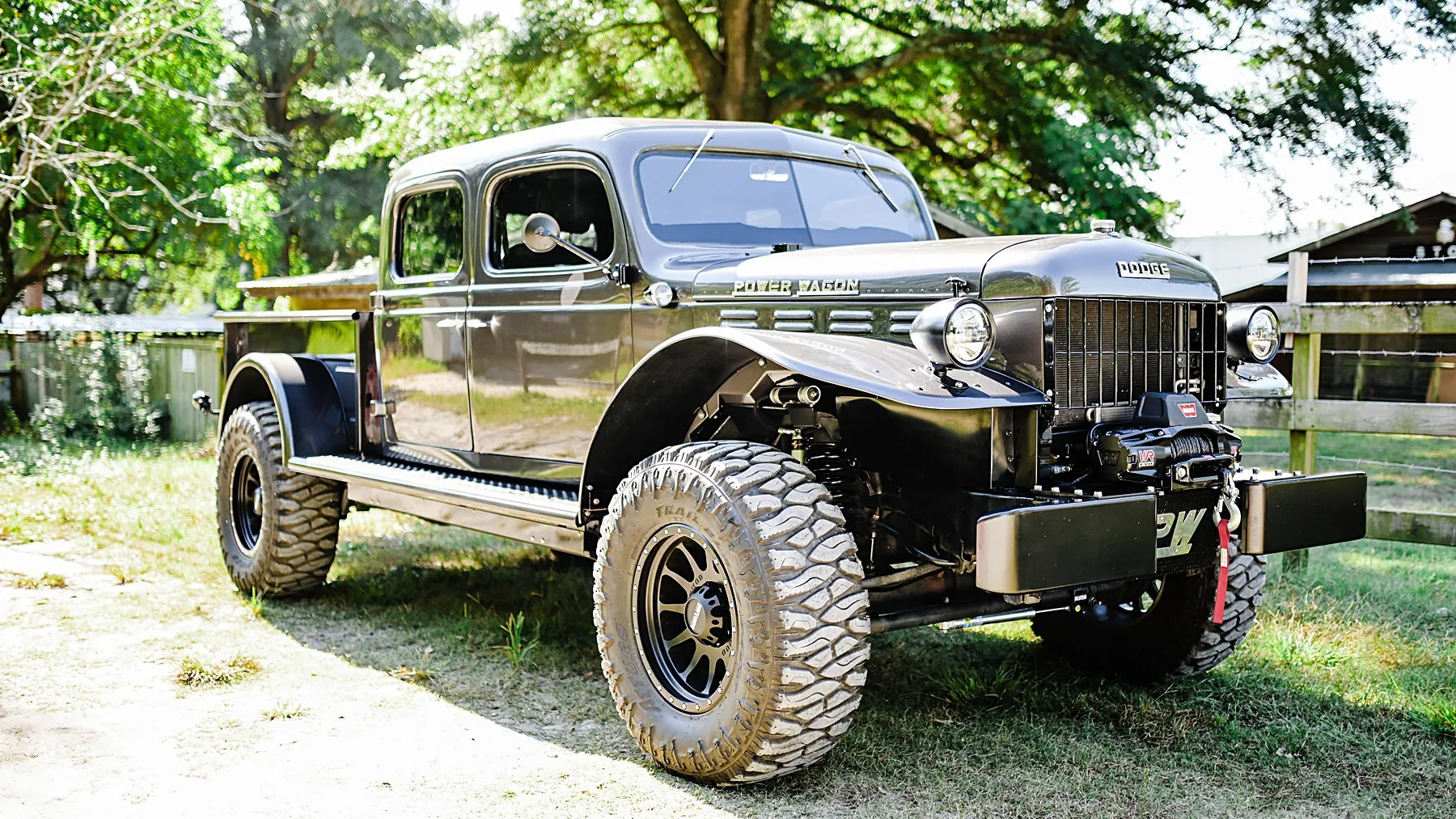
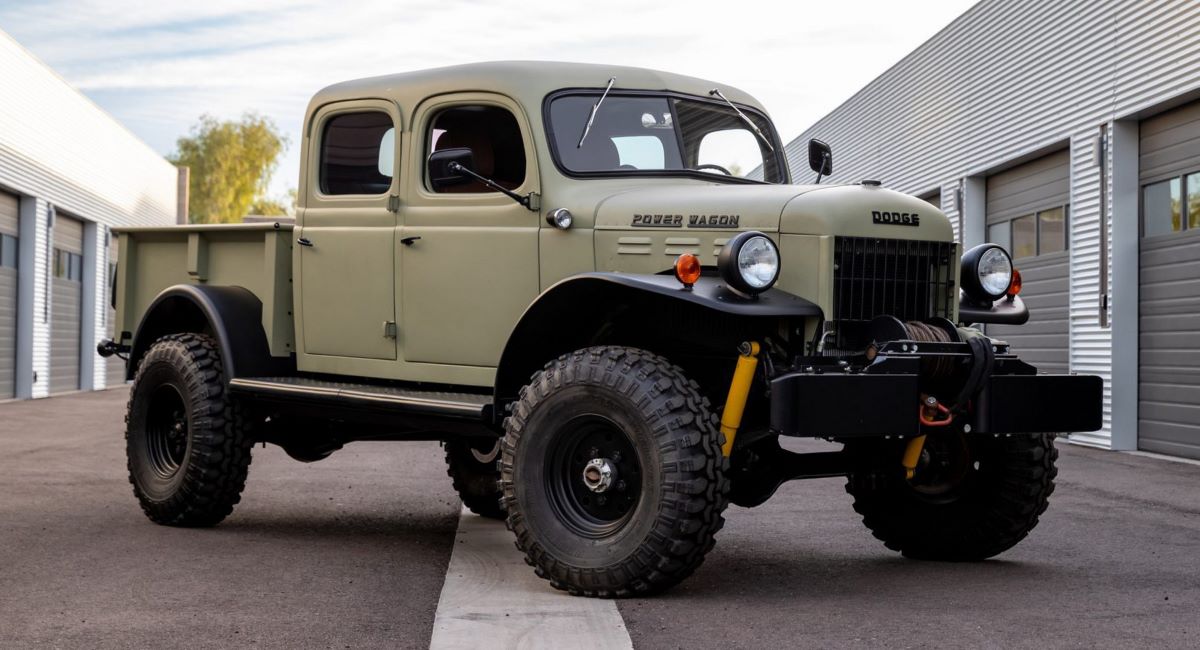
9. Dodge Power Wagon (Classic Post-War Models)
The Dodge Power Wagon started life as a military vehicle, then was adapted for civilian use after World War II. Built for power and endurance, it was one of the first serious off-road utility trucks available to the public. Its heavy-duty frame and four-wheel drive made it a go-to vehicle for farmers, ranchers, and anyone living in remote areas. Many Power Wagons have stayed in the same family for decades because of their unmatched toughness and the work they helped accomplish.
Families that owned a Power Wagon typically used it hard. These trucks were not meant for show. They hauled firewood, pulled equipment, navigated snowy paths, and did the jobs that modern trucks sometimes shy away from.
The fact that many of them are still running today is a testament to how well they were built and how much care owners put into keeping them operational. When one is passed down, it often comes with a long list of repairs and upgrades made over the years, each one part of the family’s shared story.
Owning a Power Wagon isn’t always convenient. They’re slow, heavy, and not especially comfortable by modern standards. But they offer something more important: character.
They command attention through their sheer size and rugged design. For younger generations, inheriting one might feel daunting at first, but they quickly learn that the truck has its own rhythm. It teaches patience, mechanical knowledge, and a different pace of life. In many ways, it’s like learning how to operate a piece of family history.
For some, the Power Wagon never stops being a working truck. It might be used only during hunting season or for special projects, but it continues to serve a role. That active use helps keep the memory of previous owners alive. Every dent has a story, every upgrade a lesson. By passing it down, families ensure that those lessons don’t disappear; they just take on new miles.
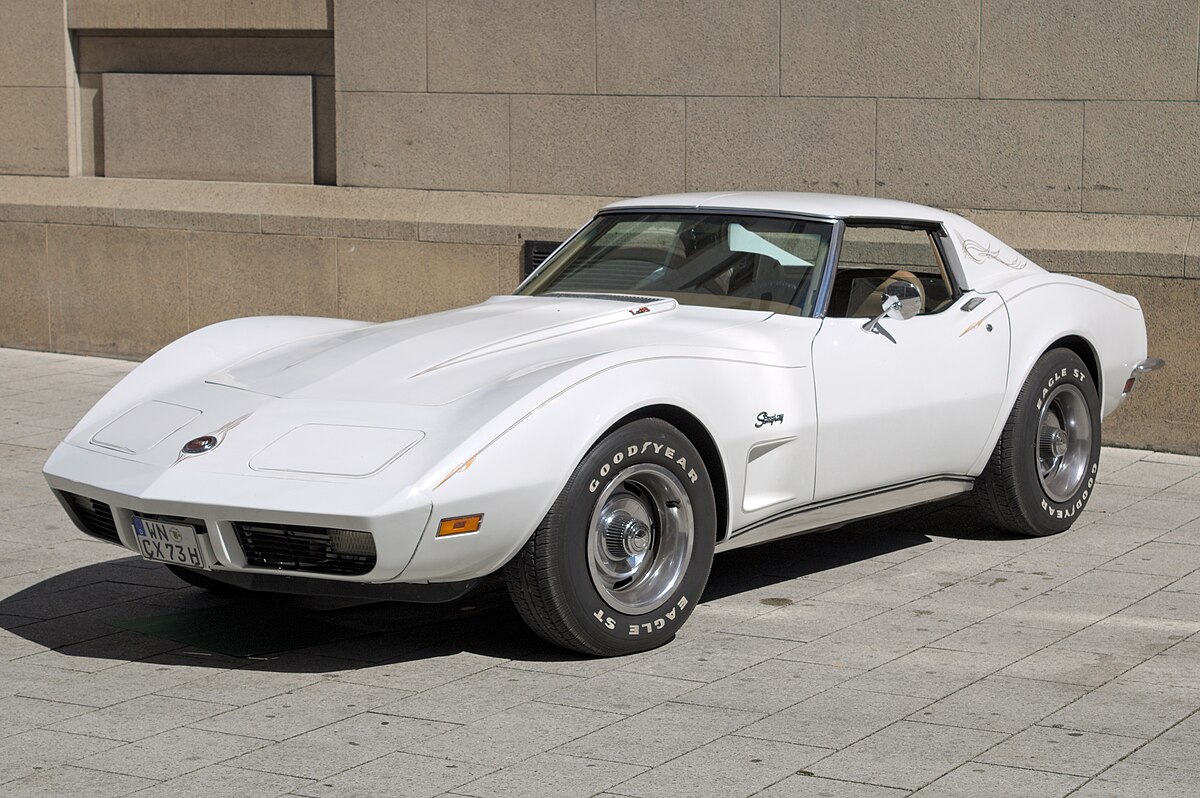
10. Chevrolet Corvette (C1–C3 Generations)
The early generations of the Chevrolet Corvette, especially the C1 through C3 models, are among the most iconic sports cars ever built in the United States. With their sleek designs, powerful engines, and unmistakable presence, these Corvettes became symbols of success, style, and freedom. Many people who bought them in the 1950s, 60s, or 70s did so as a reward for personal achievement. That sense of personal investment often leads to the car becoming a cherished family possession.
Passing down a Corvette is often a highly emotional experience. These cars are rarely daily drivers. Instead, they’re cared for like fine art, driven only on sunny days and kept under covers in the garage.
When someone inherits a Corvette, they inherit a legacy of dreams, hard work, and pride. That legacy isn’t always spoken, but it’s clear in the way the car was maintained, the records that were kept, and the way older family members talk about it.
Corvettes require attention. Their performance engines and unique styling make them more demanding than regular cars. But that’s part of what makes them special. They aren’t meant to be background vehicles; they are meant to be noticed, to be appreciated. When a younger generation takes over ownership, there’s often a steep learning curve. But that learning is also part of the inheritance. It becomes a rite of passage, a way to grow into the family story.
The Corvette stands as a symbol of timeless ambition. Even decades after they were built, they still turn heads and stir emotions. Owning one means carrying forward not just a vehicle, but a spirit. When passed down, it’s more than a gift; it’s an invitation to continue living boldly and to remember the people who first drove it with pride and joy.
